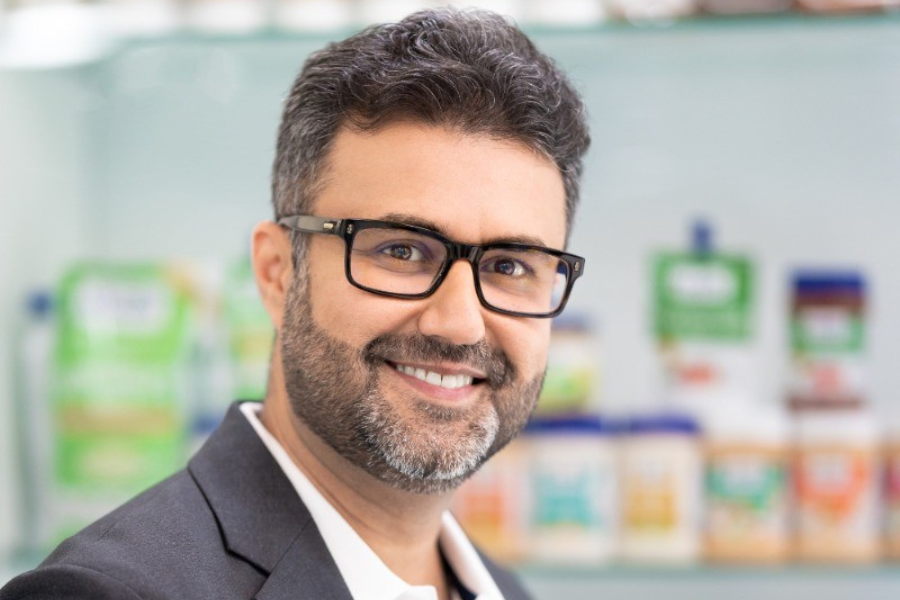
In an insightful dialogue with IBT, Viraj Bahl, Founder and Managing Director of Veeba, shares the inspiring journey of the brand over the last decade. From its humble inception with a vision rooted in honouring the founder’s mother to becoming one of India’s leading sauce producers, Veeba’s story unfolds. The interview explores Veeba’s expansive market footprint, technological evolution, foray into diverse product categories, and strategic alignment with global food and beverage trends. Viraj Bahl also discusses Veeba’s participation in the upcoming edition of Indusfood and acknowledges the unique initiatives of the platform in elevating India’s prominence in the global food industry. India Business & Trade: Please share the story behind the establishment of Veeba and highlight the significant milestones achieved along the way. Viraj Bahl: Veeba, part of the VRB holding company, emerged with a simple yet profound vision a decade ago. Named after my mother, the brand aimed to create a company that reflects India’s culinary excellence. Initially aspiring to be India’s fastest-growing and most beloved food company, the journey led us to become one of the country’s largest sauce producers. The focus has always been on being loved and appreciated for our taste, aligning with the belief that if India can produce top-tier COVID-19 vaccines, it can undoubtedly excel in crafting the finest sauces globally. India Business & Trade: What is the market footprint of your company, both in India and on the international stage? Viraj Bahl: In India, our market footprint extends to about 700 towns and approximately 200,000 points of sale, emphasising our widespread presence beyond major metros. Ensuring visibility and accessibility in non-metro areas is a crucial aspect of our strategy. Our distribution network faces unique challenges in India compared to more organized systems in global countries. On the international stage, our foray into exports is relatively recent, led by our newly appointed Head of Exports, Gaurav Gupta. While currently modest in scale, our presence includes the UAE, Singapore, the Middle East, and the USA. We’re strategically catering to both the Indian diaspora and a broader international audience, offering products that go beyond ethnic preferences. The initial response has been encouraging, and we’re optimistic about our potential to compete on a global scale, especially with our innovative and diverse product ranges. India Business & Trade: How has your company embraced modern technology to enhance the production of high-quality F&B products? Viraj Bahl: Driven by my engineering background, our technological journey began with a modest 35,000 sqft facility in Rajasthan, later expanding to over 100,000 sqft and ultimately reaching around 500,000 sqft. In our early days, we were primarily a B2B company, with clients like Burger King and Domino’s contributing 100% to our revenue. The exacting audits from these global clients compelled us to adopt cutting-edge technology, ensuring our quality standards matched global benchmarks. While B2B revenue now constitutes roughly 8%, the majority, around 92%, is derived from distribution and retail sales. Our manufacturing facility is now a testament to innovation and efficiency, boasting one of the country’s largest automated sauce plants. Every step, from filling to labelling, is meticulously handled by advanced machines, ensuring a completely untouched and automated process, reflecting our commitment to high-quality F&B products. India Business & Trade: Kindly elaborate on your plans for market and product diversification. Also, what factors or innovations drive your expansion into new markets and the introduction of new products? Viraj Bahl: In an ambitious move, we, one of the largest sauce companies in the country, recently entered the tomato ketchup and Chinese sauces categories, despite not having a presence in these significant segments previously. Our approach is far from being a mere imitation of existing products; instead, we strive to offer something distinctive to our consumers. About a month ago, we introduced Chinese sauces, followed by the launch of ketchup four months ago. Recognizing the need for innovation, we took a groundbreaking step by introducing India’s first preservative-free tomato ketchup, featuring a high tomato content. This initiative aligns with our belief that Indian children deserve the same quality of preservative-free ketchup as their counterparts in Europe and the US. While it’s disheartening that it took 75 years post-independence for India to witness the launch of its first preservative-free ketchup, we are committed to leading the market in this aspect. Looking ahead, our growth strategy revolves around not only sustaining our existing business but also capitalizing on the vast potential of ketchup and Chinese sauces, marking them as our primary growth engines alongside our core offerings of mayonnaise and dressings. India Business & Trade: In the global F&B landscape, what major trends do you observe and how well-positioned is the Indian F&B industry to leverage and capitalize on these trends? Viraj Bahl: We are witnessing prominent trends in the global food and beverage landscape, and as a leading Indian F&B company, we are strategically positioning ourselves to capitalize on these shifts. One significant trend is the growing emphasis on vegetarianism, which aligns perfectly with India’s rich tradition of vegetarian cuisine. Recognizing this advantage, we are taking our vegetarian and vegan products, such as vegan mayonnaise and vegetarian dressings, to international markets. Our approach is not merely to replicate existing products but to introduce unique offerings that cater to the mainstream consumer outside India. Another noteworthy trend we are tapping into is the rising popularity of hot and spicy flavours. From hot sauces to spicy dressings and even spicy Korean noodles, the demand for fiery and bold flavours is becoming mainstream. India, with its cultural affinity for spices and chillies, is well-positioned to contribute to this trend. In response, we are actively exploring opportunities to expand our portfolio in the hot and spicy category. These trends are part of a larger movement toward wellness, with a specific focus on vegetarian and vegan options, aligning with the evolving preferences of global consumers. India Business & Trade: What are your impressions about Indusfood and what specific expectations do you have for the upcoming edition of the show? Viraj Bahl:
Transformative trends: Emerging paradigms in medical device manufacturing
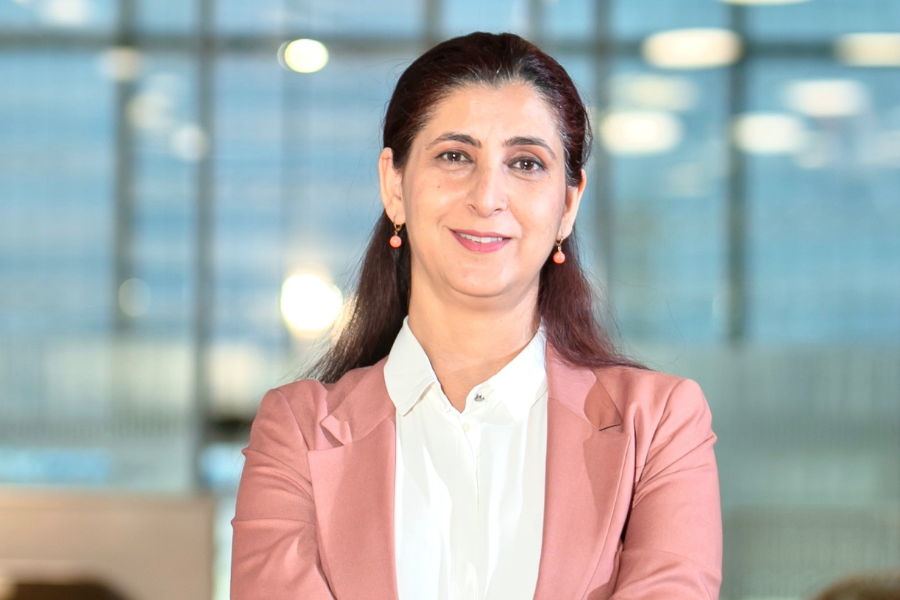
Chandra Ganjoo, Group Chief Executive Officer at Trivitron Healthcare, unfolded the intricate dynamics of the medical technology (MedTech) sector. She opened up about the technological leaps, personalized healthcare demands, and strategic collaborations that drive recent growth. Ms. Ganjoo sheds light on strategies employed by Indian MedTech companies for affordability, innovations catering to rural healthcare needs, and the global aspirations of the sector. As she delves into emerging trends and the transformative impact of ‘Make in India,’ a nuanced understanding of MedTech’s trajectory emerges. Image Source: Shutterstock India Business & Trade: What are the key factors driving the growth of the medical technology (medtech) sector in recent years? Chandra Ganjoo: The medical technology (MedTech) sector’s recent growth hinges on several key factors. Technological advancements have empowered innovative diagnostics, treatments, and patient care. Increased demand for personalized healthcare solutions drives research and development, enhancing precision medicine and patient outcomes. Collaborations across sectors, including partnerships between MedTech firms and healthcare providers, foster novel solutions and efficient healthcare delivery. Regulatory reforms and policies encouraging innovation and market access fuel industry growth, prompting investment and market expansion. Additionally, the pandemic accelerated telemedicine adoption, and modern research, creating opportunities for remote monitoring and virtual care, further propelling MedTech sector advancement. These factors are playing a major role in revolutionizing patient care. India Business & Trade: What strategies are Indian MedTech companies employing to ensure the affordability of healthcare solutions? Chandra Ganjoo: Indian MedTech companies are implementing several strategies to ensure the affordability of healthcare solutions, primarily driven by the unique healthcare challenges and economic conditions in the country. One key approach involves leveraging innovation and technology to develop cost-effective medical devices and diagnostic tools. Companies are investing in research and development to create solutions that are not only advanced but also budget-friendly. Many MedTech firms are forming alliances with academic institutions, government bodies, and international organizations to access resources, share knowledge, and streamline the development process. Furthermore, a focus on localized manufacturing helps cut production costs. Indian MedTech companies are increasingly establishing manufacturing facilities within the country, benefiting from lower production expenses and favourable regulatory environments. Additionally, embracing digital health solutions is a significant strategy. Telemedicine and remote monitoring technologies enhance accessibility to healthcare services for all, which reduces the overall cost of healthcare delivery. India Business & Trade: How is the MedTech industry addressing the unique healthcare needs of rural India? Chandra Ganjoo: The MedTech industry is innovatively addressing rural India’s healthcare needs through tailored solutions to bridge the accessibility gap. Telemedicine platforms, leveraging mobile technology, connect rural patients with healthcare professionals, enabling remote consultations and diagnostic support by investing in IVD, portable diagnostic tools, such as handheld ultrasound devices and point-of-care testing kits, facilitate quick and accurate assessments even in remote areas where infrastructure is limited. To tackle the challenge of transportation, companies are developing drones and mobile clinics equipped with essential medical devices to deliver supplies and medical assistance to remote regions efficiently. MedTech firms are also collaborating with local healthcare providers to train personnel in utilizing these technologies effectively. Furthermore, affordable and user-friendly devices specifically designed for rural settings are being developed, considering factors like ease of use, durability, and cost-effectiveness. Initiatives focus on raising awareness about preventive healthcare practices through mobile apps and community outreach programs. Through these concerted efforts, the MedTech industry aims to democratize healthcare access, ensuring that rural populations in India receive timely and quality medical support despite geographical constraints. India Business & Trade: What strategies are MedTech companies using to penetrate the global healthcare market? Chandra Ganjoo: MedTech companies are employing several strategic approaches to break into the global healthcare market. Firstly, they’re prioritizing innovation, focusing on developing cutting-edge technologies like AI, IoT, and telemedicine. These advancements enhance patient care, streamline operations, and attract the attention of healthcare providers worldwide. Collaboration is another key strategy. MedTech firms are partnering with healthcare providers, research institutions, and even other tech companies. These collaborations help in refining products, gaining access to new markets, and leveraging expertise across various domains. Adapting to regulatory landscapes is crucial. Companies invest in understanding and complying with diverse international regulations. This ensures smooth market entry and acceptance in different regions, overcoming barriers related to compliance and safety standards. Lastly, strategic mergers and acquisitions play a significant role. These strategies collectively empower MedTech companies to navigate the complexities of the global healthcare market, fostering growth and facilitating better access to innovative healthcare solutions worldwide. India Business & Trade: What are the emerging trends in medical device manufacturing and production processes? Chandra Ganjoo: In the vibrant landscape of medical device manufacturing, several emerging trends are reshaping the industry. One notable trend is the increasing emphasis on healthcare at home, where devices like nebulizers, insulin delivery systems, and glucose monitors seamlessly integrate with electronic medical records and telemedicine platforms. This not only enhances patient convenience but also provides valuable data for informed clinical decision-making. Another transformative trend is the rise of 3D printing in producing medical equipment, set to reach a market value of US$ 4.5 billion by 2026. This technology allows local manufacturing, reducing dependence on imported devices and enabling on-site production of customized surgical equipment, implants, and prosthetics. The integration of Artificial Intelligence (AI) and 5G technologies is revolutionizing medical device capabilities. Genomic medicine is advancing, utilizing genomic information to tailor care plans through machine learning and AI. This approach not only expedites treatment but also enhances understanding of various medical disorders, leading to more efficient alternatives. Device connectivity, facilitated by software like medical devices (SaMD), empowers patients by providing access to their medical data. This trend aligns with stringent government regulations aimed at safeguarding patient privacy as new devices enter the market. India Business & Trade: How ‘Make in India’ is reshaping India’s MedTech sector? Chandra Ganjoo: “Make in India” has significantly reshaped India’s MedTech sector by fostering a conducive environment for domestic manufacturing and innovation. The initiative has led to the development of state-of-the-art manufacturing infrastructure, enabling the production of high-quality medical devices.
Enabling Cross-Border Payment Access for Indian Small Businesses
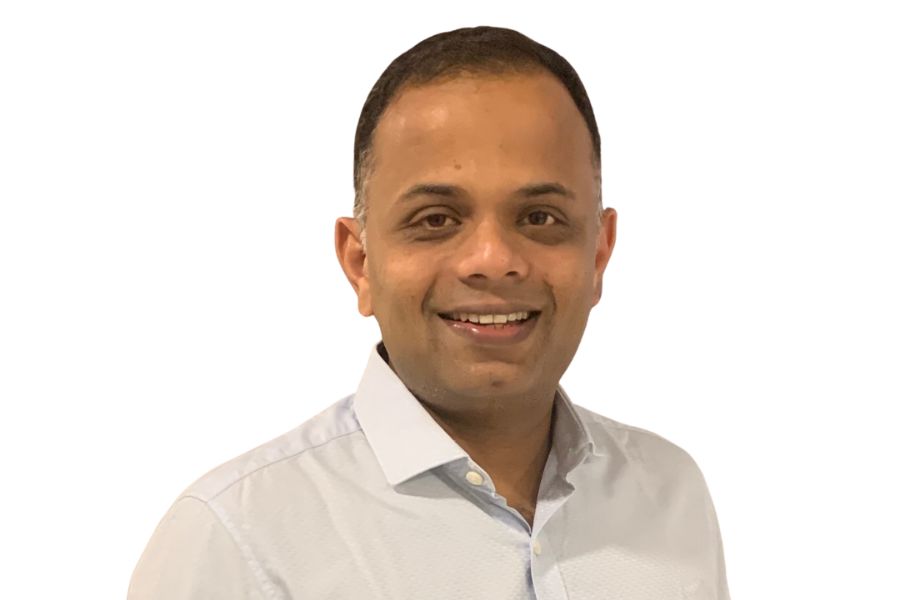
Cross border payments continue to hold certain challenges, making it difficult for medium to small size enterprise to expand their business foothold internationally. Complication in global payments persist due to different financial systems in different nations which are often incompatible with one another. Local transactions include simple alternatives such as bank accounts or UPI, however, foreign payments are subject to system differences. India Business and Trade spoke with Skydo founder Srivatsan Sridhar over the current cross border ecosystem in India and the existing obstacles it holds for small businesses such as disproportionately high cost of international money transfers. The entrepreneur believes there is a demand for solutions that make international trading easier and less expensive. The Bengaluru-based tech company is helping Indian businesses make their way across the wide world of international payments. Srivatsan claims that since 2022, it has extended its services to an increasing number of areas, facilitating money collection from 32 countries, including key nations from which Indians commonly receive funds. Photo Source: Skydo IBT: Tell us a little bit about the company Skydo and what are some of its course trends when it comes to cross border payment? Srivatsan Sridhar: Skydo was started in 2022. We are a year and a half old and our product has been live for the last one year. What we are trying to do is to assist really small exporters who lack the convenience of a large finance team or deep banking relationships, enabling them to still enjoy high-quality service when it comes to their cross-border payments. What we mean by that is offering them transparency, convenience and compliance in their cross border payments which currently they don’t receive in the existing channels. Their existing options are either swift or other wire transfer modes through the banking channel or payment platforms like PayPal or Payoneer. Each of them have their own challenges and overall a small customer is left either overpaying for Forex or managing the entire payment process in a very cumbersome manner or having to face non-compliance issues on taxation. We try to solve all of these things. IBT: There are quite a few competitors in the market who specialize in crossborder payments. What sets your company apart from them? Srivatsan Sridhar: While there are many companies, it is also a very complicated market in the sense that all payments are not the same. So, consumer payments are very different from business payments and even within consumer payments peer-to-peer consumer payments are very different from consumer to merchant kind of online checkout payments. Most of the large competitors who are there in the market, especially in the consumer payments domain like PhonePe or GooglePay and so on, are not for business to business (B2B) payments. On top of this if you add the complication of international payments, and then there are fewer competitors. The real competitors are only PayPal, Stripe, Payoneer etc. on the global side and one or two other smaller companies who have started along with us. The other platforms that are not actually a significant competition, the real competition comes from the banking system and what sets us apart is our focus. We are very clear that large enterprises have multiple solutions and they are very well served. Therefore, we concentrate on serving the long tail of small businesses, including freelancers, sole proprietors, gig workers, and similar individuals. We also target small companies with 30 to 60 members, where operations are heavily driven by founders or entrepreneurs. This is where we identify the most significant lack of convenient options, and it’s precisely where we are focusing our efforts. IBT: What are some of the persisting challenges you think there are in cross border payments in the domestic market at least? Srivatsan Sridhar: The first complication is that banking systems across different countries work slightly differently. They are not entirely compatible. Today, when making a payment to a merchant, such as booking a train or bus ticket, it’s relatively straightforward because I can visit the checkout page, which offers a variety of payment options. I can choose to pay through my bank account, credit card, UPI, and more. However, when attempting to make a similar payment in another country, it becomes more complex because each country has its own payment systems, and these systems often don’t seamlessly communicate with each other. This is one of the reasons why credit cards continue to be widely used around the world. They are the only common link. A credit card number and a pin number are like a very common thing. Even there for example India has a two factor authentication, some other country will have some other system. So, first reason for global payments being complicated is that there are different systems in different countries which don’t necessarily talk to each other. Second is that the pricing to move money is unfairly expensive. I mean the reason I say unfairly is because there is no real cost to move money. But there are lots of artificial barriers set up between countries which make it very expensive. If you take the swift system which is the most commonly used international payment system, there is no standardized fee that companies should charge or can charge. Some bank might charge $20 for a single swift, while other banks might charge $35, or $5, you don’t even know it beforehand. Similarly, the Forex fee markup a large company like a Reliance might be able to get away with paying just one basis point for transferring a large sum of money, whereas a small exporter who is the typical Skydo target customer might even have to pay almost two rupees for every dollar as a FX markup. IBT: What kind of technology infrastructure do you have and how does it help facilitate cross border payment especially for smaller companies? Srivatsan Sridhar: One of the most fundamental technologies is what we call the rail or the network on which money moves. Today we
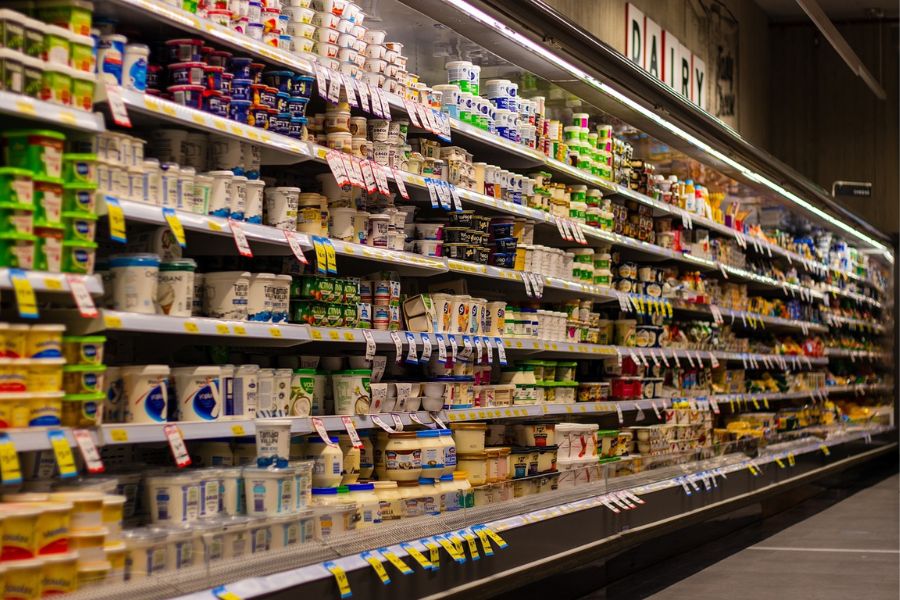
Unwrapping growth: India’s food and beverage packaging industry on the upswing
The Indian food and beverage packaging industry is experiencing substantial growth, with market size projected to increase from US$ 33.73 billion in 2023 to US$ 46.25 billion by 2028, driven by factors like rising consumption, awareness, and government initiatives. The industry is witnessing a series of innovations, particularly in flexible packaging, such as pouches and bags, due to their adaptability and affordability. Sustainable packaging solutions are also gaining traction as public awareness grows. The future of food packaging industry in India is poised for growth in tandem with the expansion of the food and beverage sector. Trends indicate a harmonious blend of sustainability, innovation, and technological advancements in the coming years. Image source: Pixabay Food packaging is the process of enclosing food products to keep them safe during storage, transportation, and retail sales from contamination, spoilage, damage, and pest attacks. Additionally, it shields the food from a variety of external environmental elements, including heat, light pressure, relative humidity, microbes, and others. The global food packaging market size is expected to grow from US$ 479.73 billion in 2023 to US$ 714.16 billion by 2030, growing at a CAGR of 5.85%. The key factor driving global food packaging Industry share is the rising consumer demand for packaged products due to shifts in consumption habits and changing lifestyles. Moreover, the packaging industry is flourishing because it can offer vital advantages like product protection, portability, and convenience, all of which have a major impact on the industry’s global expansion due to rising demand. India’s packaged food industry Indian food and beverage packaging industry was valued at US$ 32 billion in 2022 and is anticipated to reach US$ 86 billion by 2029, growing at a CAGR of 14.8%, according to the All India Food Processors Association. The food and beverage industry is one of the largest users of packaging among all other industries. This dynamic industry includes various items like containers, cups, tableware, straws, bags, wraps, and boxes designed to safeguard or encase food. With the increasing urban population, tackling this challenge becomes more evident, highlighting the need for efficient food packaging to make it easier to transport, store, and consume food products. Consumers are driving the sustainable food packaging growth trend, which involves the creation and use of packaging materials that have minimal environmental impact throughout their life cycle. It includes using eco-friendly and renewable materials, reducing waste, and mitigating the carbon footprint associated with product packaging, transportation, and disposal. The primary goal of sustainable packaging is to protect the product while simultaneously minimising the environmental impact of the packaging. India’s food processing sector is the world’s largest sector, and its output is expected to reach $535 billion by 2025-26. Initiatives taken by this sector towards developing new packaging options are expected to boost overall market expansion. Advancements in packaging technology, such as active and smart packaging, are playing a pivotal role in shaping the food packaging industry in India. Packaging innovations are creating new opportunities and enhancing the attractiveness of packaged foods by offering features like freshness indicators and interactive packaging experiences. As demand for food and beverages increases, so does the need for packaging to protect and preserve them. This includes growth in the packaged food segment, ready-to-eat meals, and beverages. Other growth drivers of India’s food and beverage packaging are as follows: Expansion of Organised Retail: The growth of organised retail, including supermarkets and hypermarkets, has heightened the demand for packaged goods. These outlets require extensive food packaging to cater to the diverse needs of consumers, driving the overall demand for food packaging in India. Online Food Delivery: The fast-paced metropolitan lifestyle, rising affluence, and improved standards of living are all factors in the expanding trend of online meal delivery combined with packaged food. Country’s Exports: With the growth of India’s food exports, there is a parallel increase in the demand for packaging that aligns with international standards. This demand is driven by the necessity to meet global packaging requirements and ensure the quality of exported food products. Growth in purchasing Power: The expanding middle class, characterised by rising disposable incomes, contributes significantly to the increased spending on packaged foods. This phenomenon fuels the demand for food packaging as packaged goods become more accessible to a larger consumer base. Fast-Paced Lifestyle: The prevalence of busy lifestyles has led to a growing demand for convenient, pre-packaged food options. Consumers seek time-saving solutions, emphasising on the need for packaging that aligns with the requirements of on-the-go consumption. India’s Food and Beverage Packaging Segments The Indian food and beverage packaging industry is expanding rapidly due to the rise of organised retail and the e-commerce sector. Food packaging and beverage packaging are two segments of the Indian food and beverage packaging industry. And this market is further divided into segments based on product type, applications, and material. Packaging segmentation India’s Food Packaging Industry By Material Plastic Paperboard Metal Glass By Product Type Pouches & Bags Bottles & Jars Trays & Containers Films & Wraps Other Types of Products By Application Dairy Products Meat Poultry & Seafood Bakery & Confectionery Fruits & Vegetables Other Applications India’s Beverage Packaging Industry By Material Plastic Paperboard Metal Glass By Product Type Bottles Cans Pouches & Cartons Caps & Closures Other Types of Products By Application Carbonated Soft Drinks Fruit Beverages Beer & Wine Distilled Spirits Bottled Water Milk Energy & Sports Drinks Other Applications Source: Mordor Intelligence Challenges of F&B packaging industry in India Enforcement of Plastic Bans:

Crafting culinary excellence with tradition, technology, and taste
Bambino Agro, founded by the visionary late Kishan Rao Garu, has been a pioneer in introducing modern technology to India’s vermicelli and pasta production. The emphasis on agility, particularly highlighted in the post-COVID landscape, showcases Bambino’s commitment to adapting swiftly to industry dynamics. IBT engaged in an insightful discussion with Mr. Atanuu Dey, Head of Exports at Bambino Agro. Discover how Bambino embraces modern technology for quality F&B production and their strategic plans for market diversification. Mr. Dey shares insights on industry trends, emphasizing the shift to health-oriented products. Dey also talks about Indusfood, TPCI’s flagship F&B trade fair, which he appreciates for the emphasis on quality, unlike other exhibitions that prioritize volume. Image Source: Pixabay IBT: Can you share the backstory of the company and the inspiration behind its establishment while highlighting the significant milestones achieved along the way? Atanuu Dey: Bambino Agro, founded by the visionary late Kishan Rao Garu, has been a pioneer in introducing modern technology to India’s vermicelli and pasta production. Inspired by his visit to Germany, he aimed to bring the latest machinery and hygienic practices to the country. The late CMD emphasized providing the most hygienic and convenient cooking options for consumers. Bambino Agro remains committed to this vision, consistently delivering the highest quality products to meet consumer needs. IBT: What is the market footprint of a company both in India as well as on the international stage? Atanuu Dey: As per Nielsen’s data, in 2022, Bambino holds a market share of 48% in this category, which is by far the biggest market share we handle. And we are still spearheading our sales with the entire team in place. They are very aggressive and we make sure that the products reach end consumers at every corner and nook so that their placement, we do it more aggressive. And this is not only in India. I make sure that we are currently exporting to 22 countries and we make sure that the product is widely available everywhere. IBT: How has your company embraced modern technology to enhance the production of high-quality F&B products? Atanuu Dey: Bambino Agro has maintained a steadfast focus on embracing modern technology, stemming from the visionary outlook of its founder chairperson. This commitment is evident in the continual efforts to incorporate cutting-edge technologies from Europe into its operations. The recent expansion, marked by the establishment of a new factory, underscores Bambino’s dedication to utilizing the world’s best pasta-making line sourced from Italy and Europe. Furthermore, the company recognizes the significance of not only advancing production lines but also integrating a robust ERP system. The emphasis on agility, particularly highlighted in the post-COVID landscape, showcases Bambino’s commitment to adapting swiftly to industry dynamics. IBT: What factors or innovation drive your expansion into new markets and the introduction of new products? Atanuu Dey: We have a very strong R&D team and our current management is very aggressive in expanding the portfolio into the health segment. That’s how we have come up with a lot of exciting healthy products which we launched last year also. And this year also there are a few exciting products we are going to showcase in the exhibition. So these are the health segment categories which we certainly believe that we have to put across to our consumers. So we are continuously working and our R&D team is on the toes to give the best of the best healthy food products with taste. And we work on the affordability to our consumers also. IBT: In the global F&B landscape, what major trends do you observe and how well positioned is the Indian F&B market and the Indian F&B industry to leverage and capitalize on these trends? Atanuu Dey: The post-pandemic era has witnessed a notable shift towards healthier food choices, with a growing preference for plant-based and vegan products, along with an increased demand for non-gluten alternatives. Recognizing this transition in consumer preferences, there is a heightened focus on introducing products that align with health-oriented trends. In this cluttered market landscape, success in the food industry is contingent on delivering exceptionally high-quality products that stand out as niche offerings, catering to the evolving needs of consumers. The key to thriving in this dynamic environment is adaptability and the strategic launch of categories that resonate with the prevailing health-conscious trends. IBT: What are your impressions of Indusfood and what specific expectations do you have for the upcoming edition of the show? Atanuu Dey: To be honest, I don’t have any expectations because, as I mentioned, we have been associated with TPCI and Indus Food for the last five years. Every year has brought exceptionally good experiences and responses. I must congratulate TPCI for arranging such a beautiful platform where the focus is more on quality than quantity. Unlike other exhibitions that prioritize volume, Indus Food stands out for its emphasis on quality. This means that every client walking into our stall is a potential buyer. I appreciate that TPCI has carefully filtered and designed this event to ensure that the goals of exporters and importers are met precisely. It is crucial, and I extend my congratulations to the entire TPCI team.

Synergies Unleashed: Exploring the Potential of Brazil-India Trade
In an exclusive interview, João Paulo Piotto, CEO of Amireia Pajoara, sheds light on the burgeoning trade and economic ties between Brazil and India. Piotto discusses the evolving economic landscape of India, the growing interest of Brazilian businesses in collaboration, and the promising sectors that hold immense potential for bilateral trade. Additionally, he addresses challenges and proposes solutions while emphasizing the crucial role of governments and trade promotion bodies in strengthening the economic bonds between these two vibrant nations. Image source: Pixabay India Business & Trade: IBCC brought a business delegation to India in November. Please share insights on the nature of this delegation and its objectives. João Paulo Piotto: One of the objectives of the IBCC mission was to lead the delegation of Brazilian government authorities, especially the Honorable Minister Carlos Fávaro, to a meeting with the Honorable Indian Minister Parshottam Rupala to discuss strategic issues, including genetic improvement and ruminant nutrition. Along with Brazilian authorities, the mission also brought together Brazilian businesspeople from various sectors. Another objective of the mission was to help Brazilian businessmen hold strategic meetings with large Indian companies. Brazilian entrepreneurs also had the opportunity to visit World Food India 2023. Particularly for my company, Amireia Pajoara, the trip was very important because we signed an MOU with Ananda Dairy, a major producer in the Indian dairy chain. We had a very important meeting with the Chief Minister of Uttar Pradesh, the Honorable Yogi Adityanath, where in addition to presenting our company, we were able to learn about Uttar Pradesh’s investment policy. All the objectives of the mission were achieved, that is the countries strengthened their economic ties through the meetings of their authorities, and the Brazilian businessmen returned excited and very surprised by the business opportunities that the India-Brazil relationship can provide. India Business & Trade: What is your view on India’s economic potential and role in the global landscape (vis a vis around 5 years ago), and the potential of the Brazil India trade relationship? João Paulo Piotto: India has come a long way in the last five years. Its economic growth has caught the world’s attention, because as well as having the largest population in the world, its investment in education, skilled labor and information technology sectors has alerted major powers such as the US and China. Today the country is making great strides in its infrastructure, which in my opinion is still far from ideal, but has shown rapid and significant progress in recent years. India has played an active and prominent role on the world stage, including BRICS and the G20. All the countries in the world are interested in knowing the next steps that India intends to take towards its economic expansion, an interest that was totally different five years ago. In recent years, the interest of Brazilian businesspeople in doing business with India and vice versa has grown exponentially. Last year (2022) was a record year for this bilateral relationship, with just over US$ 15 billion being transacted. This success is very much due to the work of both foreign ministries, which has always been very auspicious. On the Brazilian side, I would like to highlight the excellent work that councils like the India-Brazil Chamber has been doing to arouse interest and mediate the relationship between Indian and Brazilian businesspeople. The perception of Brazilian businesspeople is that the level of reliability in doing business with India is much higher than in other countries. The Indian culture is greatly admired by the Brazilian people, making the commercial relationship between the countries much easier. I think the future holds even more prosperity, asBrazil and India have expressed mutual have interest in strengthening business ties. India Business & Trade: What are the key sectors of interest for business collaboration between the two countries in the coming years? João Paulo Piotto: I believe that they will continue to be strong in the commercial areas of commodities, pharmaceuticals and information technology. But I believe that animal nutrition and human nutrition are two areas that will grow a lot in the coming years. Animal nutrition in Brazil can contribute a lot to improving the Indian dairy chain by increasing productivity and improving nutritional conditions of cows. It can also contribute to improving the productivity of buffaloes and goats. Today, Brazil is a world reference in animal nutrition for ruminants of all categories. In human nutrition, these are two countries with totally different cultures, but with the strengthening of their relationship, the synergy can be very great. I believe it will be a sector with great opportunity to be explored in the coming years. Indian cuisine has a lot to teach Brazilians, especially in terms of health and longevity. Due to the confidentiality agreement, I cannot share details, but in the coming years, we will be implementing a project, which will be a watershed in the ruminant nutrition sector. India Business & Trade: Brazil and India are home to highly vibrant and dynamic startup ecosystems. What are the promising areas where startups from both sides are collaborating successfully? João Paulo Piotto: It’s notable that both countries have excelled in the development of start-ups in all sectors of the economy. In the case of Brazil and India, applications and software developed for wellness and health and e-commerce have stood out a lot, but there is plenty of room for progress. Brazil is evolving more and more in startups that seek solutions to facilitate agricultural production and improve the work of farmers, just as India has been growing a lot in startups aimed at sustainability and renewable energy. To increase this connection and synergy between startups in both countries, we need to create an environment where both sides can spread their ideas and exchange knowledge. I think this would be possible if we increased the number of workshops and knowledge exchanges. We need to create rules and policies to encourage the creation of startups that are common to both countries, so as not to bureaucratize the
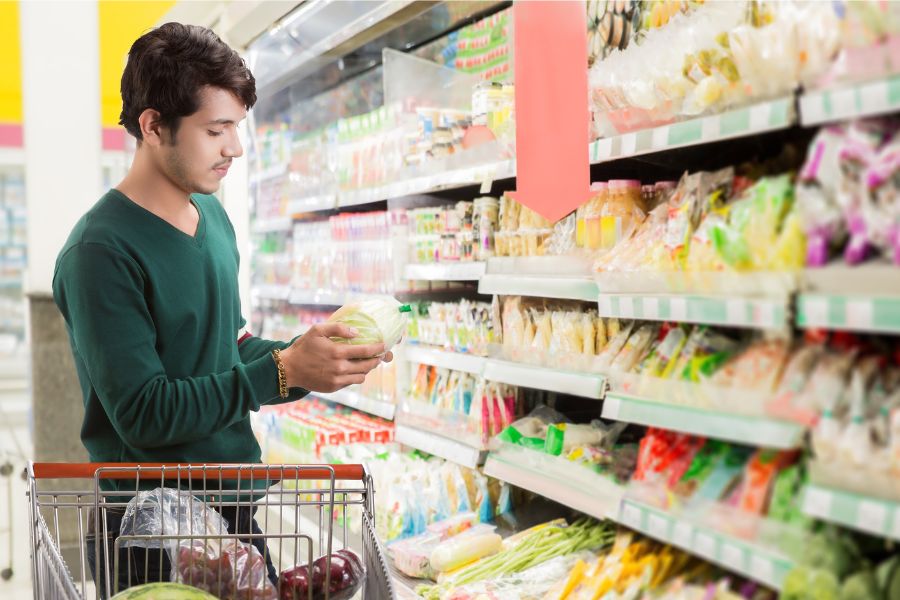
Indian F&B companies should target ethic trade in Australia and expand gradually
Ostindo International has been enchanting palates across Australia since 1969, distributing its esteemed brands not only in major supermarkets and restaurants but also in Asian and Independent stores nationwide. As a dynamic participant in the vibrant tapestry of Indusfood, Ostindo International is gearing up to spotlight the evolving tastes of consumers, with a special focus on the realms of snacking and beverages. In an exclusive interview with Rob Diamantopoulos, the National Business Manager at Ostindo Foods, India Business & Trade explores the company’s plans for imports of innovative products into Australia, with keen attention in the segments of snacking and beverages. Image Credit: Shutterstock IBT: What is the current business size of your company? Which are the popular product ranges under the F&B segments? Rob Diamantopoulos: At present, our team comprises roughly 50 staff members. We are actively involved in importing goods, and alongside that, we proudly offer our own line of products under the banner of Maharaja’s Choice. This collection represents our significant Indian offerings. However, it’s worth noting that we are also engaged in importing products from diverse regions around the globe. IBT: How do you envision your growth over the next five years? What are the key focus areas to maximise value for your customers? Rob Diamantopoulos: The pivotal factors in our presence within the Indian market are twofold. Firstly, the rising influx of migrants into Australia has notably fueled an uptick in sales. Simultaneously, our concerted efforts have expanded product distribution across prominent retailers. Additionally, we are exploring opportunities to import additional brands, foreseeing a substantial contribution to our growth both within major retail chains and independent outlets. Looking forward, our strategy for fostering new growth involves introducing and distributing novel brands in the market. IBT: How do you see the relevance of Indusfood for your business growth? What are you looking forward to on the show this year? Rob Diamantopoulos: Our primary focus currently revolves around exploring innovations and novel products for importation into Australia. The goal is to subsequently distribute these items across both independent stores and major retailers. Specifically, our keen attention is directed towards the realm of snacking and beverages, as these sectors stand out as key drivers for growth. Consumer demand is notably centered on these categories, making them pivotal areas for our strategic emphasis and development. IBT: What are the consumer market trends of interest to Indian companies when speaking about fresh and processed food? Rob Diamantopoulos: Currently, the prevailing trends underscore the significance of snacking and beverages, as I previously mentioned. These categories stand out as the primary drivers of growth that we are actively seeking to leverage. While spices and meal kits have maintained their presence in the market over an extended period, the burgeoning trend is notably centered around drinks. Our import of Frooti, India’s leading mango drink, aligns seamlessly with this trend, resonating not only with Australian consumers but also with the diverse ethnic consumer base in Australia. This sector has experienced a relative lack of innovation and growth for quite some time, a gap that both consumers and retailers have expressed a desire to see filled. IBT: How have Indian brands and F&B products gained traction in your region over the years? What products, in your view, hold untapped potential in the region? Rob Diamantopoulos: Certainly, when it comes to gaining traction, as I noted earlier, a significant source has been the rise in migration. Additionally, the ethnic market serves as a crucial starting point for many brands. While the ethnic market may be relatively smaller in Australia, major retailers typically gauge a product’s performance in this sector before considering its expansion to a broader range of stores. However, it’s worth noting that the growth landscape has evolved, and there’s a noticeable decline in the opening of new ethnic stores these days. IBT: What suggestions would you like to make to Indian fresh/processed F&B brands looking to expand their presence in your region via B2C/B2B mode? Rob Diamantopoulos: I would recommend a strategic approach that doesn’t prioritize immediate widespread distribution, particularly through major retailers like Coles and Woolworths Limited. It’s crucial to introduce the product to the market gradually, initially targeting the ethnic trade. Rather than rushing into the shelves of major retailers, it’s essential to allow the product to establish its presence over time, gaining visibility among both Indian and Australian consumers. While presenting to major retailers is important, the focus should not solely be on mass distribution from the outset. Some distributors specialize exclusively in the independent trade, and a balanced strategy involves catering to both independent and major retail channels. Rob Diamantopoulos works as a National Business Manager at Ostindo Foods, Australia
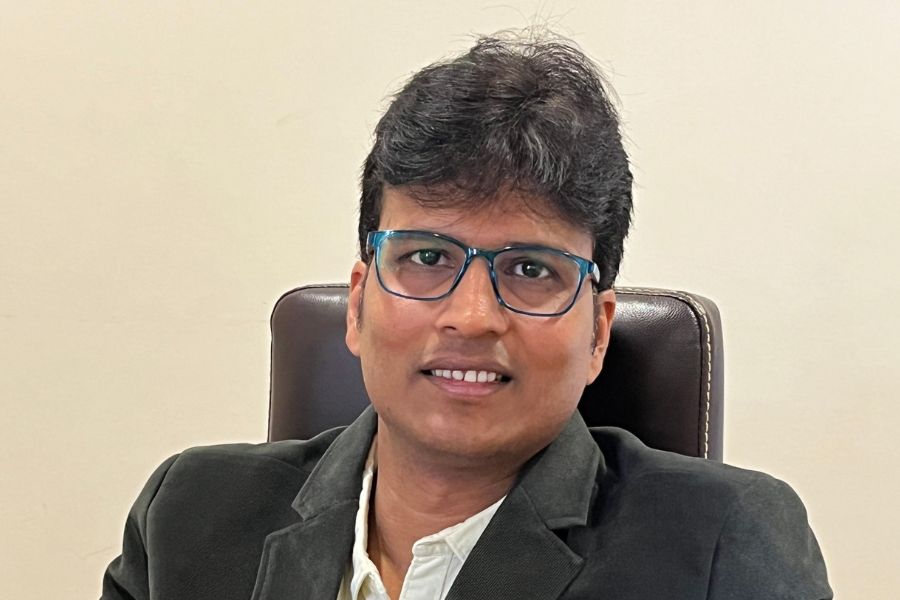
“India has bright chance to influence global food trends”
Girish Kabra, Vice President, Modern Foods, spoke with India Business and Trade and expressed excitement about their debut at the upcoming Indusfood exhibition. After diversifying into chilli products in 2006, the company expanded its footprint, particularly in the Gulf countries and recently in Europe. Kabra highlighted the company’s commitment to quality through glass packaging and adherence to certification requirements. He anticipates India becoming the primary supplier of authentic food globally by 2030. Photo Source: Modern Foods IBT: Modern Foods is a decades-old brand. Kindly reflect upon the journey of Modern Foods and where it stands as of now. Girish Kabra: We are feeling excited actually, because this is our first chance that we got to be exhibited in the Indusfood exhibition. The company was founded by Mr. Babu Rajendran 50 years ago. He was a rare food technologist who had a passion for spreading the love of mango, especially kesar mango, around the world. He dedicated his life to this mission and succeeded in spreading the love of mango for several decades. After his death in 2006, the company diversified its business from mango to chilli, and thus began the chilli journey. From 2006 until today, the company has produced a variety of pickles and sauces made from mango and chilli, and it supplies them to different parts of the world, particularly the Gulf countries. IBT: How has it expanded its foothold from being just southern India popular food product to a national brand? Girish Kabra: The company spread its business in India in a year only. So, we are basically in Gujarat right now and the business was primarily in the overseas market. The owners are from Kerala, but we are situated in the state of Gujarat. The factory is in Vadodra and we are exporting from here every year, almost 500 container of hot sauce, mango sliced, pickles, and vinegar. So these type of products we are supplying to all over the world. And last year we started with Big Basket. We are a big private label company. So we have been in a joint venture with the Big Basket and now we are supplying all over their India depot. IBT: As you mentioned, it’s a new step for the company to expand its distribution location in the domestic market. Modern Foods has a strong base in the overseas market. What about the expansion in the domestic market in other places? Girish Kabra: Yes, we have recently constructed a new factory that will commence commercial production from January 2024. The product line will include bread spreads and mayonnaise. We recognize the popularity of mayonnaise in the Indian market, particularly among youth and children. Therefore, we have decided to launch our own mayonnaise next month. The factory is ready to start commercial production in January and we plan to offer 16 varieties of mayonnaise. The product will be available in both retail and HoReCa markets. IBT: How many product categories have you added over the years? Also, what is the production capacity as of today? Girish Kabra: I’ll talk about the existing product line. There are only two products. That is one is Mango and one is chilli. So mango pickles and chilli related products like chilli paste, chilli mash or chilli sauces. The annual capacity of those two products is 500 to 600 containers a year. You can say like 600 tonne or 700 tonne a year. And from the new factory, the mayonnaise factory, the everyday capacity will be 8 tonnes which we can produce every day and we plan to expand it within a year to double. IBT: Tell us a little bit about your presence in the overseas market, which are some of your biggest clients based outside the country? Girish Kabra: To begin with, our company started with a focus on Gulf countries and gradually added more companies to our list, such as IFFCO, Hasani Group, and Goodie Companies. We have been working with them for the last 15 years. Now we have shifted our base to Europe as well, starting with Germany and Sweden. We have signed contracts with some of the biggest brands in Europe, and we have supplied 10 containers in the last year to them. We are expecting that Europe will be our main market within a year. IBT: Are you exporting these chillies and chutney primarily to the Indian diaspora or also to those interested in experiencing a taste of Indian food culture, including foreigners? Girish Kabra: It’s not like only the Indian diaspora likes spices. Everybody loves Indian spices. So there is no specific market segment that we are supplying only for the Indian public who are living overseas. If you look at the market in the Gulf countries, even Arabic people like our pickles very much and our hot sauce very much, rather than the Indian people. But if you talk about the German people, the Jewish people, and the other people, they love the spices very much. The more hot it is, the more they love it. IBT: Tell us a little about the rise in popularity of fusion cuisines in India. Girish Kabra: Our product is used for fusion only. So I’m not making the primary food; I’m making the supplementary food. So if you have rice, the hot sauce will be your supplementary item to use with the rice. So with the plain rice, you can use my mango-sliced pickle, and it will become a fusion fruit. If you are having only plain noodles, you just add my Chinese sauces to it—Indian-tasting Chinese sauces. Actually, in the local language, we call them Chinese sauce, but they are basically green chilli sauce, red chilli sauce, vinegar, and soy sauce. If you use it, then it will become something else. IBT: At Modern Foods, how are you ensuring that the quality is on par? Girish Kabra: With our products, 90% of the packaging is glass, so there is a very low percentage of chance of

India’s thriving healthcare sector: Opportunities, and future innovations
The Indian healthcare sector isn’t just witnessing tremendous growth, but it’s also undergoing a remarkable transformation. The landscape is evolving with telemedicine services gaining widespread adoption and artificial intelligence playing a more significant role in patient diagnoses. The healthcare ecosystem is getting faster, more efficient, and cost-effective. However, challenges persist as the growing population and a rise in chronic diseases continue to drive the demand for top-notch healthcare services. Despite these obstacles, the industry remains resilient and innovative in meeting the evolving needs of the population. Image Source: Shutterstock Owing to its increasing coverage, improving services and financing from both public and private sources, the Indian healthcare industry is expanding rapidly. In terms of revenue and employment, the sector has emerged as one of India’s largest sectors. Hospitals, medical equipment, clinical trials, outsourcing, telemedicine, medical travel, health insurance, and medical devices are all part of India’s healthcare sector. The hospital industry in the country accounts for about 80% of the total healthcare market. It is expected to reach US$132 billion by 2023, from US$61.8 billion in 2017, growing at a CAGR of 16-17%. There are currently 70,000 hospitals in the country, of which the private sector accounts for 63%. The healthcare market in India was projected to reach US$372 billion in 2022, up from US$73 billion in 2012. According to the Global Healthcare Report recently released by real estate consultancies Knight Frank and their US partner Berkadia, presently India needs about 2 billion square feet of healthcare space to cater to its existing population base of 1.42 billion. The report highlighted that the country’s existing bed-to-population ratio is 1.3 beds per 1,000 people and that there exists a deficit of 1.7 beds per 1000 population. The bed-to-population ratio in India is much lower than 13 in Japan, 4.3 in China, 2.9 in the United States of America (USA) and 2.5 in the United Kingdom. The World Health Organization (WHO) recommends a ratio of 3 beds per 1000 people. As per the report, the country requires an additional 2.4 million beds. A low population-to-bed ratio together with the country’s growing population, highlights the dire need for some substantial enhancement in the country’s healthcare infrastructure. Knight Frank’s report stated that factors including a steady rise in the ‘ageing population’, increasing per capita incomes, growing health awareness and the increasing use of health insurance, fuel the demand for the healthcare industry in the country. Furthermore, there has also been a significant rise in the incidence of lifestyle diseases including cancer, diabetes and cardiovascular diseases, in the country. This is going to boost the demand for specialized healthcare. Read more: IoMT: Bringing the benefits of Industry 4.0 to healthcare Indian healthcare @75: Talent, infrastructure, legacy and vision Medical devices sector poised for US$ 10 billion in investments Looming opportunities Following the outbreak of the pandemic (COVID-19) healthcare continues to be an attractive investment option for investors exploring long-term income-generating investments/ventures. About 582 potential investment opportunities worth US$32 billion have been identified by the Indian government in medical infrastructure including hospitals. As indicated in the Attitudes Survey, nearly one-fourth of India’s ultra-high-net-worth individuals have expressed their intent to invest in healthcare-related assets in 2023. Additionally, there is a growing opportunity to invest in medical research and development to facilitate the discovery of new medications to combat any future outbreak of pandemic-related ailment. The Knight Frank and Berkadia report states that despite the deficit in healthcare infrastructure, India remains an attractive destination for healthcare tourism (i.e. medical tourism), as it offers quality medical procedures at a relatively low cost. Between 2014-2019, the inflow of foreign tourist arrivals on medical visas soared at a compound annual growth rate (CAGR) of 30%. India was ranked 10th among the 46 tourist attractions worldwide, according to the Medical Tourism Index (2020–21). Foreign Tourist Arrival for medical purposes has increased from 1.83 lakh in 2020 to 3.04 lakh in 2021. To encourage medical tourism, the government has introduced the ‘Heal in India’ initiative in 2022. In addition, the National Healthcare Policy of India aims to increase government spending to 2.5% of GDP. The budgetary allocation for the healthcare sector has already increased from 1.2% of GDP in FY 2014 to 2.1% in FY 2023. Also, 100% FDI is allowed under the automatic route for greenfield projects. Future healthcare to get better and less expensive The Indian healthcare industry is growing rapidly, and is expected to be worth Rs 110 trillion by 2027, growing with a CAGR of 30.70%. The revenue of the digital health market in the country is estimated to be worth US$7,373.00m in 2023. It is projected to show an annual growth rate (CAGR 2023-2028) of 18.35% in terms of revenue, with a projected market volume of US$17,120.00m by 2028. (The National Digital Health Blueprint is expected to generate nearly US$200 billion in incremental economic value for India’s healthcare sector over the next ten years). Rapid digitization, the expanding innovative health-tech platforms, partnerships between start-ups and established companies, and favourable funding environments for viable business models supported by government initiatives, will be among the major growth drivers in the digital healthcare arena. Numerous healthcare startups have recognized the need for improved accuracy and precision in diagnosis and treatment. They have launched affordable digital devices and software to synthesize digitization in medicine. More than 4,000 Health-tech startups are currently working in India Healthcare booking platforms, healthcare IT and fitness & wellness tech are the major segments in the health-tech sector that have received the highest funding in 2022. The ubiquitous influence of artificial intelligence (AI) in healthcare is expected to increase further, impacting not just drug development, but also disease diagnosis, treatment planning, and patient care management. The Internet of Medical Things (IoMT) is expected to grow rapidly, connecting medical devices through wireless networks, remotely monitoring the indicators/symptoms of health and allowing people to care for their health. Insights from vast data sets will revolutionize decision-making and provide a deeper understanding of patient behaviours and market trends. With over
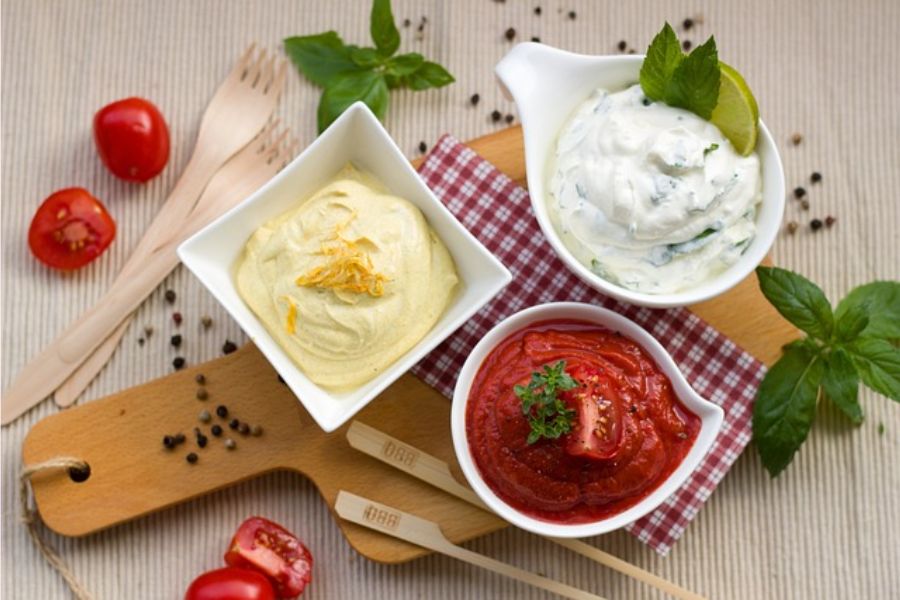
Indian sauces and condiments on a growth trajectory
India’s sauces and condiments are steadily growing their share in the global market, with a focus on exports. In recent years, the country has seen a surge in the export of sauces, including soy sauce, tomato ketchup, mayonnaise, salad dressings, and mixed seasonings. This highlights a growing trend in preference for Indian producers in this segment. The export growth is complemented by the nation’s rich spice sector, which has contributed substantially to the economy. Despite the strong growth rate, India is still ranked 35th in global exports, which shows the strong potential for further expansion. IBT looks at the potential of this sector and strategies for tapping this potential. Image source: Pixabay The category of sauces and condiments encompasses a diverse range of supplementary ingredients that enhance the flavor, aroma, and overall culinary experience of food. In the context of India, this category includes several subcategories. Spices and herbs are fundamental elements in Indian cuisine, providing a rich and complex flavor profile to various dishes. Common examples include turmeric, cumin, coriander, cardamom, and fenugreek, among others. On the other hand, seasonings refer to a variety of flavor-enhancing ingredients, from the essential salt and pepper to various blends of spices that are specifically designed to complement different types of cuisine. Sauces play a crucial role in Indian cooking, adding moisture, richness, and depth to dishes. These can include traditional Indian sauces like curry sauces, as well as international sauces that have become popular in Indian kitchens. It needs to be clarified that all ketchups are sauces, but not all sauces are ketchups. Ketchup is made up of only tomato sauce, whereas all others are called sauces. Both are often used interchangeably in India. Together, these components form an essential part of the culinary landscape in India, contributing to the unique and diverse flavors that characterize Indian cuisine. The use of sauces and condiments allows for a customizable and dynamic approach to cooking, enabling individuals to tailor their meals to personal preferences. Whether used in traditional recipes or innovative culinary creations, sauces and condiments play a vital role in elevating the overall dining experience. And if recent trends are observed, one can see India-based sauces and condiments witnessing strong traction in the global market as well. In this blog, the TPCI research team presents exclusive insights into this trend. The global market The global sauces and condiments market was valued at US$ 230.6 billion in 2022 and is expected to grow at a CAGR of more than 5.7% between 2023-32, according to a report by GM Insights. A key demand driver for this is the increased consumer demand for convenience and flavour varieties in their culinary experiences. Similarly, the Indian sauces and condiments market has expanded significantly in recent decades. Manufacturers are considering expanding their product lines in response to rising demand for dishes that are easier to prepare and consume with ready-made sauces. The Indian sauces and condiments market was valued at US$ 25.85 billion in 2022 and is expected to grow at a CAGR of 7.34% from 2022-27. In terms of volume, the sauces and condiments industry is expected to grow at a 5.1% annual rate in 2023, reaching 13,120.6 million kg by 2027. Global trade analysis of sauces and condiments The global import of sauces and condiments stood at US$ 17.43 billion in 2022, up from US$ 16.01 billion in 2021, and growing at a CAGR of 8% during 2018-22. The US, UK, France, Canada and Germany are the top five importers of the world of sauces and condiments. World’s Top 5 importers of sauces and condiments Importers Value imported in 2022 (US$ million) Average Annual growth in value between 2018-22 (%) Annual growth in value for 2021-2022 (%) Share in world imports (%) World 17,427.66 8 9 100 US 2,188.19 15 20 12.6 UK 1,159.52 5 14 6.7 France 936.13 7 8 5.4 Canada 922.53 5 11 5.3 Germany 890.19 8 -2 5.1 Source: ITC, Trade Map, Data for HS Code-2103 The US accounted for 12.6% of global imports of sauces and condiments, valued at US$ 2.18 billion in 2022, with a CAGR of 15% between 2018 and 2022. The UK came in second (US$ 1.15 billion, CAGR of 5%), followed by France (US$ 936.13 million, CAGR of 7%), Canada (US$ 922.53 million, CAGR of 5%), and Germany (US$ 890.19 million, CAGR of 8%). Source: ITC, Trade Map, Data for HS Code-2103 World’s Top 5 exporters of sauces and condiments Exporters Value exported in 2022 (US$ million) Average annual growth in value between 2018-22 (%) Annual growth in value for 2021-22 (%) Share in world exports (%) World 18,313.00 9 6 100 China 2,287.81 19 10 12.5 US 2,094.46 5 8 11.4 Italy 1,538.69 15 7 8.4 Netherlands 1,346.32 10 7 7.4 Germany 1,053.51 3 0 5.8 Source: ITC, Trade Map, Data for HS Code-2103 Among the top exporters, China accounted for 12.5% of the world’s overall exports of sauces and condiments valued at US$ 2.28 billion in 2022, with a 19% CAGR between 2018-22. It was followed by the US (US$ 2.09 billion, negative CAGR of 5%), Italy (US$ 1.53 billion, CAGR of 15%), the Netherlands (US$ 1.34 billion, CAGR of 10%), and Germany (US$ 1.05 billion, CAGR of 3%). Source: ITC, Trade Map, Data for HS Code-2103 Some of the fastest growing major markets in this segment based on 5-year CAGR (in order of import size in 2022) are the US (13%), Mexico (11%), Poland (12%), Philippines (10%) and Czech Republic (10%). India’s exports of sauces and condiments India’s sauces and condiments exports to the world have been growing for the past decade. In 2022-23, India exported US$ 94 million worth of sauces and condiments to the world, up by 19% YoY. During 2013-22, exports have grown at a double-digit CAGR of 11.3%. Importers Value exported in 2022 (US$ million) Share in India’s exports (%) Average annual growth in value (2018-22, in %) Annual growth in value for 2021-22 (%) World 93.99 100 11 19 US