With a low-to-moderate risk of business disruption; moderate-to-high stability of financial environment; and a high-to-moderate regulatory environment, these tier 2 cities are rapidly turning into new IT hubs or technology hubs for a large number of tech companies in the country. Many tier 2 cities of India dole out a complete pack of advantages including access to a fresh, skilled talent pool, cost-effective and robust infrastructure, high-quality educational infrastructure, comprehensive healthcare facilities, and a relatively low cost of living. Image Source: Pexels India’s technology industry has grown manyfold in the last decade and tremendous growth has been seen in the services offered by the industry. Along with the traditional information technology and Business Process Management (BPM) services, the engineering, research and development (ER&D) and software product segments have also been showing robust growth. The government’s emphasis on e-governance and the availability of a cost-effective, skilled workforce has also contributed to the growth of the technology sector. According to the report titled “Emerging Technology Hubs of India” by Deloitte and Nasscom, the technology industry in India has been growing at a CAGR of 9% since 2019. The technology sector is making a substantial contribution to India’s gross domestic product (GDP) as well. In the fiscal year 2018, the technology sector contributed about 7.9% of India’s GDP. By 2025, it is projected to make about 10% contribution to the country’s GDP. In terms of revenue earnings, during the fiscal year 2022, the technology sector’s total revenue was about US$ 227 billion and is expected to be at US$ 245 billion in 2023. Transforming Tech Landscape of India Although the industry had been experiencing rapid growth previously, the outbreak of the COVID-19 pandemic proved to be a critical turning point. The pandemic determined not only the demand shift but also guided the industry’s aberration towards a highly distributed work model. It also compelled many organizations to accelerate digital transformation and to substantially modify their existing work models. The post-pandemic era continues to witness the decentralization-of-work model getting more and more common. This model is increasingly gaining acceptance even within the traditional corporate settings. Be it in any form, from people working independently from their homes to multinational companies setting up their centres in non-metro cities (to leverage their talent pool), the decentralization of work continues to thrive. With rapidly increasing startups, non-traditional work arrangements, and shared workspaces, there are many forthcoming possibilities and opportunities for the development of new IT hubs in the country. Proliferating start-ups and incubators are playing a critical role in the evolution of larger and more mature companies in emerging locations. According to the report, More than 7,000 start-ups are operating from emerging hubs. Deep-Tech AI start-ups founded in emerging hubs have grown from 13% in the year 2019 to 26% in 2021. The Deep-Tech and BPM (Business process management) services have grown by 50% from 2014 to 2018 and are expected to grow 2.2 times by 2025. About 39% of tech start-ups established in 2022 are from emerging hubs. About 13% of the funding during the year 2022, had gone to start-ups in tier-2 cities. This signifies that investors are comfortably venturing into tier-2 cities looking for potential unicorns. The Emerging IT Hubs in Tier-2 Cities The tier 2 cities in India include Amritsar, Bhopal, Bhubaneswar, Chandigarh, Faridabad, Ghaziabad, Jamshedpur, Jaipur, Kochi, Lucknow, Nagpur, Patna, Raipur, Surat, Visakhapatnam, Agra, Ajmer, Kanpur, Mysuru, and Srinagar. As of January 2020, there were seven primary IT hubs in the country. The 7 major technology hubs were Delhi National Capital Region (NCR), Bengaluru, Chennai, Hyderabad, Kolkata, Mumbai, and Pune. The technology industry is now seen to be progressively spreading from these Tier 1 cities to the emerging Tier 2 locations. The Deloitte report “Emerging Technology Hubs of India” has identified twenty-six (26) emerging cities, that represent the ‘next wave of technology hubs’ in the country. These cities provide numerous opportunities for sustainable and evolutionary growth of the technology sector. Following is the list of emerging technology hubs across the country. Table: 26 emerging IT hubs State Location Andhra Pradesh Tirupati, Vijayawada, Visakhapatnam Assam Guwahati Chattisgarh Raipur Gujarat Ahmedabad Jharkhand Ranchi Karnataka Hubbali, Mangaluru, Mysuru Kerala Kochi, Thiruvananthapuram Madhya Pradesh Bhopal, Indore Maharashtra Nagpur, Nashik Odisha Bhubaneshwar Punjab & Haryana Chandigarh Rajasthan Jaipur Tamil Nadu Coimbatore, Madurai, Tiruchirappalli, Vellore Telangana Warangal Uttar Pradesh Kanpur, Lucknow What is facilitating the expansion of the technology industry in Tier-2 cities The increasing acceptance of remote working, reverse migration due to the pandemic and the growing size of the talent pool, are some of the major factors behind the emergence of new technology hubs in the country. Let us have a glimpse of some challenges that established/matured technology hubs are currently facing, and also the key benefits being offered by emerging technology hubs. Benefits offered by emerging hubs: Current market scenario (matured hubs) Benefits provided by emerging hubs 30-40% increase in talent pool cost in the past five years Talent pool costs are 25-30% lower than those in matured hubs 60-80% increase in real estate costs in the past five years 50% cost arbitrage in real estate rental costs than in matured hubs Saturated talent market with a high degree of competition Limited competition offering better access to the talent pool High attrition rates of 25-30% impacting client delivery Relatively lower attrition rates compared to that in matured hubs Limited availability of real estate for expansion New and upcoming real estate development available close to city centres Increase in traffic and over-extended power and water infrastructure Easier commute and new infrastructure development initiatives by state governments Limited incentives offered for setting up centres in matured hubs Incentives to companies for establishing operations in emerging hubs Discontinuation of tax exemptions in Special Economic Zones (SEZs) and Software Technology Parks of India (STPIs) Policies are focused on the development of emerging hubs Some important characteristics of the emerging tech locations, as stated in the report are: 11-15% of the overall technology talent pool in India is employed in
Explained: Impact of India’s surging factory growth
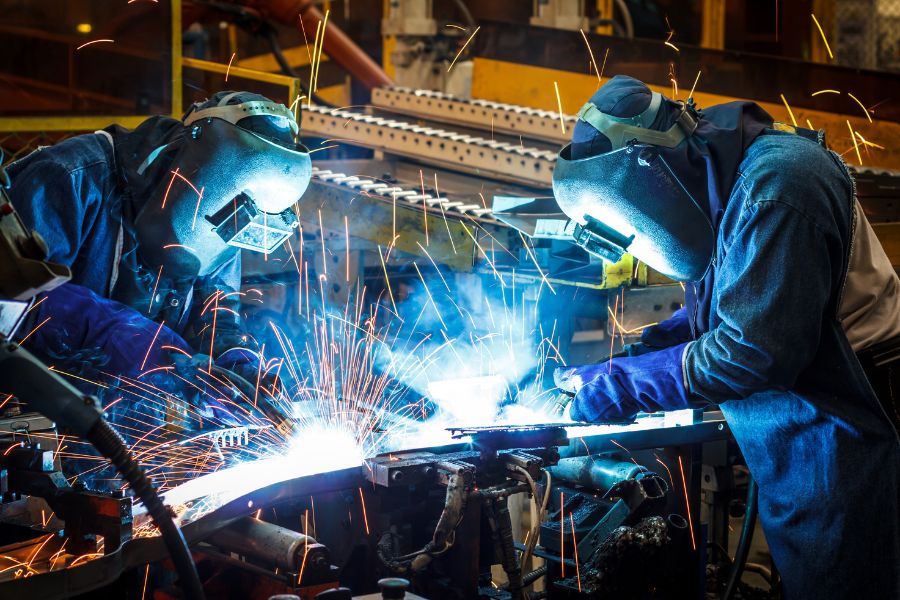
In August, India’s factory growth accelerated at its fastest pace in three months, driven by strong growth in new orders and output, according to a private survey. However, the same survey also indicated that job creation had reached a four-month low. While remaining positive for the fifth straight month, it slowed to the lowest level since April. IBT conducted an analysis to uncover the driving factors behind this surge in factory activities and assess its impact on India’s economy. Image Source: Shutterstock Recent economic indicators for India in the first half of 2023 continue to signal an expansionary economy driven by domestic demand. Steel production grew by 11.9% year-on-year (YoY) in the April-June quarter, with steel consumption rising by 10.2% YoY. Commercial vehicle sales surged by 34.3% YoY in FY 2022-23, while private vehicle sales increased by 18.7% YoY during the same period. This positive development is good news for Asia’s third-largest economy, which recorded a 7.8% growth rate in April-June, slightly exceeding Reuters’ forecast of 7.7%. This growth was primarily fueled by robust demand and positioned India as a bright spot in the global economy. The index of industrial production, which can be volatile on a monthly basis, showed a 4.5% YoY growth in the April-June quarter, with manufacturing output up by 4.7% YoY in the same period. For the entire FY 2022-23, industrial production grew by 5.2% YoY, while manufacturing output increased by 4.7% YoY. In FY 2022-23, capital goods production rose by 12.9% YoY, and infrastructure and construction goods production increased by 12.5% YoY. However, the production of consumer durables and nondurables was sluggish, with consumer durables growing marginally by 0.6% YoY, and consumer non-durables growing by 0.5% YoY, according to the National Statistical Office. In the April-June quarter of 2023, capital goods production increased by 4.9% YoY, while infrastructure and construction goods production surged by 14.0% YoY. Consumer durables output remained weak, contracting by 2.8% YoY, but consumer non-durables showed strong momentum, rising by 6.7% YoY. Factors contributing to the surge in factory activities In August, factory activities in India experienced a significant growth spurt, and several factors contributed to this positive trend: India’s factory growth was driven by robust growth in new orders and output. This surge in demand contributed significantly to the expansion of manufacturing activities. The Manufacturing Purchasing Managers’ Index (PMI), compiled by S&P Global, saw a significant jump to 58.6 in August from 57.7 in July, marking its highest point since May. This exceeded expectations, as a Reuters poll had predicted a drop to 57.5. Furthermore, output increased for the 26th consecutive month, reaching its highest level in nearly three years. Export sales also expanded at the fastest rate in nine months, driven by robust demand from countries such as China and the United States. Buying levels experienced a sharp rise, achieving the fastest growth in over 12 years. Meanwhile, employment saw the smallest increase in four months but remained above the series trend. Additionally, buying levels rose sharply, marking one of the fastest rates in over 12 years, and delivery times were shortened for the sixth consecutive month. On the pricing front, input costs rose the most in a year, while factory gate charges increased at the slowest pace in four months. Finally, sentiment remained historically elevated despite optimism levels slipping to a three-month low due to inflation concerns. This sustained expansion marked 26 consecutive months above the 50-mark, indicating growth rather than contraction—a streak not seen since March 2020, when pandemic-induced lockdowns were imposed. Pollyanna De Lima, economics associate director at S&P Global said, “The PMI results for India painted a vibrant picture of the nation’s manufacturing landscape in August. Robust and accelerated increases in new orders and production suggest… strong contribution to second quarter (fiscal) economic growth.” What are the effects of the factory activity surge on India’s economy? The surge in factory activity during August holds significant implications for the Indian economy. Firstly, it has the potential to contribute significantly to economic growth by indicating increased production levels, which, in turn, can lead to higher GDP figures. However, there is a notable slowdown in hiring despite the rise in factory activity, while remaining positive for the fifth straight month, slowed to the lowest level since April. which could impact employment levels. Policymakers may need to address this issue to ensure that economic growth translates into job opportunities for the workforce. Another aspect to consider is inflation. The increased demand for goods and services associated with rising factory activity can lead to inflationary pressures. India’s annual retail inflation rose to a 15-month high in July and was expected to stay above the Reserve Bank of India’s target range of 2%-6% at least until October, a Reuters poll showed. This can affect consumers’ purchasing power, making it crucial to manage inflation effectively to maintain economic stability. De Lima added, “The presence of stronger cost inflationary pressures serves as a reminder of the challenges inherent in managing growth … the need to maintain competitiveness helped restrict charge inflation.” On the positive side, increased manufacturing activity often leads to higher exports, which can positively impact the country’s trade balance by generating more export revenue. However, the success of exports also depends on global demand and market conditions. Companies are strategically focusing on a global orientation, evident through a sharp and rapid expansion in international sales. These export-centric tactics should help ensure that production continues to grow in the coming months. Final Words In conclusion, India’s surge in factory activity during August is a promising sign for the nation’s economy. It not only hints at potential economic growth through increased production but also signifies a positive contribution to GDP figures. However, the slowdown in hiring, despite rising factory activity, calls for attention from policymakers to ensure job opportunities align with economic growth. Inflationary pressures are another consideration, with the heightened demand for goods and services potentially affecting consumers’ purchasing power. Effective management of inflation becomes crucial for long-term economic stability. On a
Solar, a promising landscape for the renewable energy sector in India
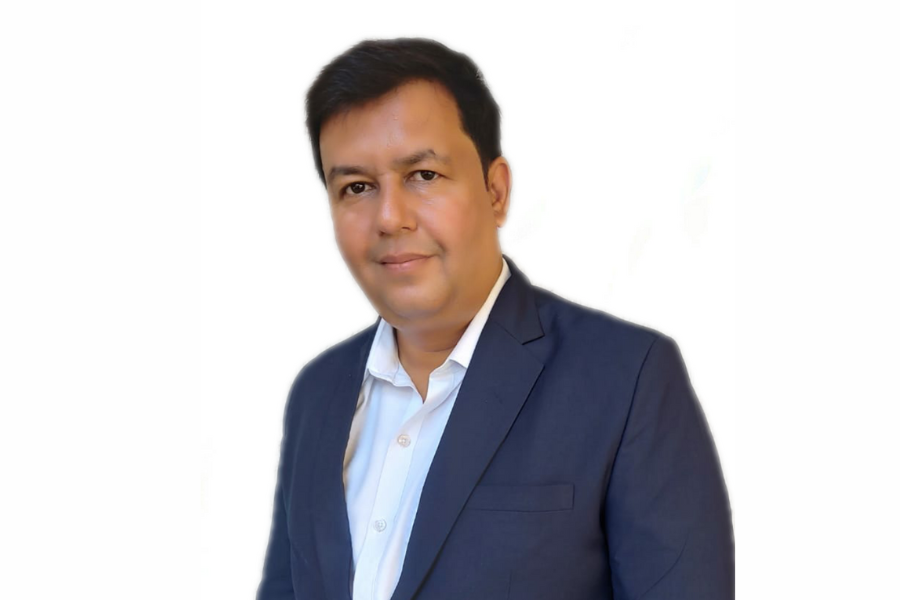
In an exclusive interview with India Business and Trade (IBT), Shiv Pandya, Vice President of Sunora Solar, shares insights into the remarkable journey of Sunora Solar and its pivotal role in advancing India’s renewable energy sector. Founded in 2016 by three college friends, Sunora Solar has swiftly become a major player in the industry, installing over 25 megawatts of solar projects and serving a vast clientele. Shiv Pandya discusses the company’s unique offerings, strategies for success, and the challenges and opportunities within the dynamic renewable energy market. Image Source: Sunora Solar IBT: What is the inspiration behind the establishment of Sunora Solar? Shiv Pandya: In 2016, Sunora Solar was founded by three college friends – Mr. Piyush Variya, Mr. Ridham Patel, and Mr. Mayur Vastarpara. Their goal was to provide green energy solutions to industries in need, as there was a high demand for it at the time. With new policies and developments in the state, they saw an opportunity to create a company that could address the power requirements of the industry. Initially, Sunora Solar functioned as an electrical contractor firm but later expanded to include module manufacturing as well. Today, the company has made significant progress in backward integrations and continues to grow. This is the story of how Sunora Solar came to be. IBT: What sets Sunora Solar apart in the renewable energy market especially when we talk about areas like solar panels, EPC services and rooftop solutions? Could you also tell us about the core target audience in the present scenario? Shiv Pandya: Yes, Sunora Solar has already installed more than 25 megawatts of solar projects in India. We have a customer base of over 5,000 clients. As I mentioned earlier, we began our journey as an electrical contractor, and then we transitioned into solar rooftop installations. Just a year and a half ago, we started our own company for manufacturing solar modules. Currently, we are promoting our solar panels in the market, manufacturing both polycrystalline and monocrystalline half-cut panels. Additionally, we are expanding into the solar EPC (Engineering, Procurement, and Construction) segment. In the EPC sector, we are developing solar parks where customers facing land constraints or pollution concerns near their factories can set up their own solar projects within our solar park. This allows them to benefit from energy savings. Our goal is to further penetrate the EPC and rooftop segments, with a primary focus on the Commercial and Industrial (C&I) sector. The government has introduced various subsidies and incentives, such as interest subsidies for MSMEs, in this segment. We aim to capitalize on these government incentives to gain a larger market share. IBT: How have you overcome the challenges faced by Sunora and also, how do you ensure seamless integration of solar panels when it comes to pick projects? Shiv Pandya: Indeed, the solar module segment faces several challenges. We witness ongoing technological advancements, coupled with frequent fluctuations in raw material prices, posing significant challenges to all solar module manufacturers. Previously, we promoted polycrystalline modules, but the trend has shifted towards monocrystalline technology. Looking ahead, topcon series modules are expected to gain prominence. This rapid evolution in solar panel technology reflects the dynamic nature of the industry. Additionally, there’s a substantial demand for solar projects across the country, leading to increased pressure on deliveries and production capacities. In response to these challenges and to meet the growing demand, we have initiated a significant expansion of our manufacturing facilities. We plan to increase our factory capacity from 200 megawatts to 500 megawatts by the end of 2023. This expansion is a crucial development for us this year, allowing us to address the evolving needs of the solar market effectively. IBT: What strategic approaches and unique offerings have contributed to Sunora Solar’s success and differentiation in the competitive renewable energy industry? Shiv Pandya: Our primary strategy revolves around being as close to the customer as possible. Understanding our customers’ needs and preferences is essential for providing them with the right services and solutions. To achieve this, we employ various approaches. We have an extensive associate network and a dedicated sales team that actively engages with customers in the market. They keep our customers informed about our company’s offerings, current policies, and market dynamics. Furthermore, our strategies are customer-centric, meaning we tailor our approach to meet our customers’ specific requirements. For instance, some customers may seek a one-stop solution, while others require assistance with financing and loans. In response, we facilitate connections between our customers and banks or NBFCs to meet their financial needs. By offering end-to-end support and addressing the entire project lifecycle, we instil confidence in our customers, particularly those with busy schedules. This customer-centric approach has been instrumental in our business growth and success. Watch the interview here: IBT: What would be your advice to the policymaker to further uplift this sector? Shiv Pandya: Our suggestion is that solar policy in India should be flexible and well-aligned with the diverse policies in different states. Currently, each state in India has its own solar policy with distinct benefits and models. As we expand into interstate and intrastate projects, it’s essential that the national solar policy complements and integrates with state policies. The policy should streamline licensing processes and operate efficiently, ensuring that end-users reap the benefits promptly. This harmonization between national and state policies is crucial for the continued growth and success of the solar industry in India. IBT: What emerging opportunities do you see in the green energy sector in the future? And how can the coming entrepreneurs position themselves to thrive in this dynamic and promoting industry? Shiv Pandya: Absolutely, India has set ambitious targets in the realm of renewable energy. The long-term goal is to achieve net-zero carbon emissions by 2070, and in the short term, the aim is to reach 500 gigawatts of renewable energy capacity by 2030. These targets are indeed ambitious, and they require concerted efforts from all stakeholders. The green energy sector in India is teeming
India is embracing new-age technologies in AI Holograms, AR/VR, and beyond
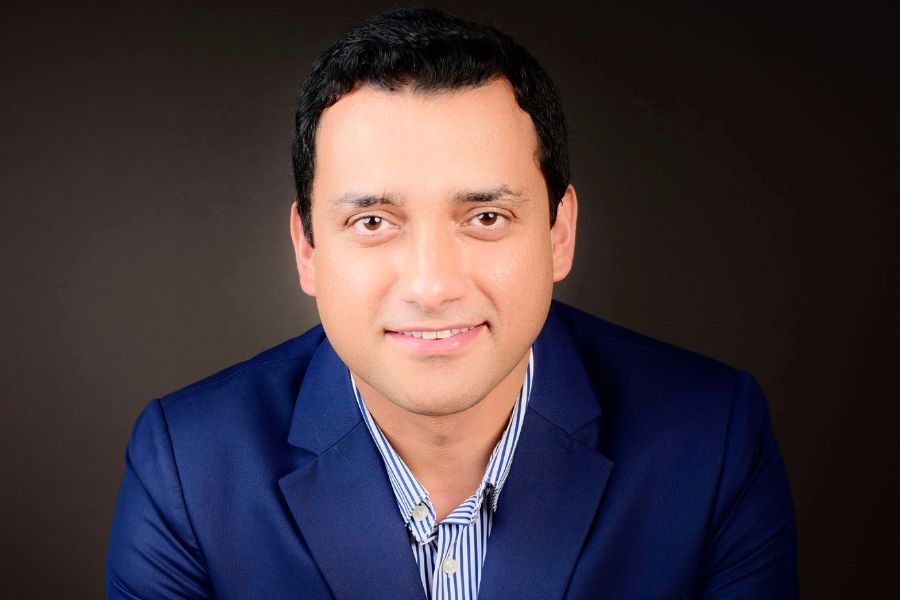
Saurav Bhaik, CEO and Founder of Tagbin, provided exclusive insights to India Business and Trade (IBT) on the company’s path to achieving a successful fusion of technology and innovation, along with his perspectives on the future of cutting-edge technologies such as AR, VR, and AI. Established in 2013, Tagbin is a pioneering tech-driven organization that seamlessly blends creativity with cutting-edge technology to craft immersive and enlightening experiences. Their portfolio boasts a rich tapestry of successful ventures, including contributions to prestigious government initiatives such as the Pradhanmantri Sangrahalaya, the Netaji Hologram Statue, the Pravasi Bharatiya Diwas Exhibition, the G20 Digital Experience Centre, and the Har Ghar Tiranga campaign. In the private sphere, they have collaborated with renowned brands like Coca-Cola, where they created the Coca-Cola Experience Centre, and Mercedes-Benz, where they developed the innovative Talking Car App. IBT: Please provide a brief overview of Tagbin. Also, what inspired you to establish it and how did the idea for this unique blend of technology and creativity come about? Saurav Bhaik: My journey started ten years ago when I graduated from IIT Roorkee. I have always been interested in two things: technology and creativity. However, it seemed that these two worlds didn’t coexist. I mean, a person could either be creative or delve into logical technology-related matters. When I graduated, it was during an era when new-age technologies like AR/VR were in vogue. So, we saw this as a new opportunity and ventured into immersive storytelling. For the initial two to three years, there wasn’t much traction in India because these technologies were very new. Consequently, we began working from Dubai and Singapore, as these areas were already using these technologies for entertainment, events, and creating wow experiences for their customers in the retail and museum sectors. After two to three years, the Indian market also began to embrace these technologies. For the past four to five years, the Indian government has heavily utilized them in museums and communications for infotainment purposes. Our belief is that the ultimate user experience can only be enhanced by incorporating these new-age technologies like AI holograms, AR/VR, and various other innovations. That’s how our journey began, and it has been a ten-year adventure that started with working with brands, then expanding abroad, and ultimately returning to India to collaborate with the government. IBT: Can you share some specific examples of the immersive and multisensory spaces Tagbin has created using technologies like Augmented Reality, Virtual Reality, and Robotics for infotainment? Saurav Bhaik: One of our top projects is the Pradhanmantri Sangrahalay, with our Prime Minister serving as a brand ambassador. Since its inauguration, the Prime Minister has mentioned this particular project in the media at least 10 times. In closed-circuit communications, he has encouraged people to visit it because it is one of a kind and among the best in the world. The majority of visitors to this museum are young people, and conveying history to them can be quite boring. Therefore, we’ve incorporated these innovative technologies to make it more engaging for them. Let me provide you with an example. Within this museum, we offer a VR helicopter ride experience. It’s a helicopter setup with an immersive screen surrounding it. During this experience, visitors witness the journey of India’s development and get a glimpse of what India may look like in 2047. We take them to different places where India is working on new projects, such as the Sagar Mala project, the Rohtang tunnel, or the Dhulera Smart City. We show them the future so that they can grasp what India has in store for them. Another unique experience we’ve created is an AI handwriting robot that generates personalized letters from their choice of Prime Minister. For instance, if someone selects Nehruji, we gather his messages to future generations from his letters and addresses to the nation. Using artificial intelligence, we replicate his handwriting. The letter begins with ‘Dear XYZ, this is my message to you,’ followed by a signature. This type of experience leaves a lasting impression because the Prime Minister is delivering a message in a unique way, combining novelty with silent but impactful content. We refer to this blend of technology and creativity as ‘infotainment,’ and it has resonated particularly well with our audience, especially the youth. IBT: What is the potential of the AR/VR space in India and what are the most promising end-user segments? What is your vision for Tagbin in this domain? Saurav Bhaik: We are currently in the era of Web 3.0. In Web 2.0, we witnessed major companies like Facebook, WhatsApp, and Google become giants in the industry. Now, everything is moving toward interactivity, much like the way we are communicating right now. What you see here is just a screen, but in Web 3.0, it will be a 3D world where both of us will feel as if you are right next to me. Therefore, Web 3.0 holds great promise. Facebook has even changed its name to Meta, embracing the Web 3.0 vision because they see it as the future. Currently, we are in a very nascent stage. When we started in 2013, the hardware for VR, such as Google Cardboard and Oculus One, was not very advanced. However, now, with products like Apple’s Vision Pro and Oculus Quest, the quality of hardware has improved significantly, creating a much more realistic experience, as if we are truly in a 3D world. In the future, this technology will have immense potential, especially in training and defence scenarios. We can create simulations where you are in the middle of a war zone, undergoing aviation training, or learning how to operate a metro system. Training will become a crucial application. Games will become incredibly immersive. Currently, we experience games on a screen, but in the future, you will be an integral part of the game world. In the metaverse, you can even go shopping in a 3D mall. Thus, there are numerous applications, ranging from training and entertainment to education.

Will paper dominate the future of packaging industry?
The Indian packaging industry is experiencing remarkable growth, expected to reach US$ 204.8 billion by 2025. On the back of this trend the paper packaging segment, which accounts for 63% of total paper demand, is showing promise, projected to grow to US$ 23.6 billion by 2028. The future outlook is positive, with sustainability and eco-friendly materials at the forefront. The industry must adapt to remain competitive by understanding customer needs and transforming its structure, people, and processes for the evolving landscape. Image source: Pexels Packaging is currently the fifth-largest sector of the Indian economy. The industry is expected to reach US$ 204.81 billion by 2025, registering a CAGR of 26.7% during the period of 2020-25. The paper and paperboard packaging business experienced strong growth over the last decade, driven by growth in e-commerce, pharmaceutical, food processing, manufacturing, FMCG, and healthcare sectors. The paper packaging (segment of packaging industry) market size is expected to grow from US$ 16.7 billion in 2022 to US$ 23.6 billion by 2028, at a CAGR of 5.7%, according to IMARC Group. India’s organised paper packaging industry revenues grew by ~35% in in fiscal 2022 and are likely to sustain its growth momentum, with printing revenue 14-16% higher this fiscal, according to CRISIL Ratings. This will increase operating profitability by 100–150 basis points (bps) YoY to between 17-18% in fiscal 2023, in addition to the advantages of price increases implemented last fiscal year and higher operating leverage. Better cash flow generation will support planned phased capacity additions and maintained stable credit profiles. The industry structure comprises more than 900 paper units, with an installed capacity of nearly 30.73 million metric tonnes. As of March FY23, around 553 mills are operational, with a total operating capacity of around 25.61 million metric tonnes. Total production for the year of 2021-22 stood at 22.504 million metric tonnes, growing by 3.69% YoY. In terms of value, exports of paper, paperboard, and newsprint reached US$ 3.2 billion in 2021-22, growing by 63% YoY. Its exports in 2022-23 stood at US$ 2.95 billion. Packaging paper demand India’s packaging paper segment has grown strongly in recent years, and today the segment makes up 63% of total paper demand in India, up from 52% six years ago. Between 2017 and 2022, the Indian paper industry experienced a CAGR of 3.27%. While packaging paper has grown by 7% during this period and specialty paper by 16% (albeit from a smaller base), newsprint and printing paper both saw declines. The Indian paper industry is shifting its focus towards packaging paper due to significant underlying growth drivers in recent years. Source: Kanvic, IPMA, Care Ratings Packaging paper demand is continuously increasing, causing structural change in the Indian paper industry. Key drivers of growth The paper packaging industry is growing rapidly, and there are a number of factors driving this growth. Some of the key sectors driving growth in the paper packaging industry growth include: Growth in e-commerce: The packaging paper segment has grown quickly due to the flourishing e-commerce sector, particularly after the Covid-19 pandemic. India’s e-commerce market is predicted to increase from US$ 29 billion in 2020 to just over US$ 100 billion by 2025. Due to this trend, there is an increased demand for packaging supplies like corrugated boxes, cartons, and wrapping paper. Rising income levels: Consumer spending has increased as a result of the higher income levels of the middle class, and more people are purchasing packaged goods The expanding share of the middle class, from 14% to 31% between 2004-05 and 2021-22 (projected to reach 63% by 2047) will remain a major driver of growth. Demand from multiple sectors: Several industries, like fast moving consumer goods (FMCG), agriculture, pharma, e-commerce etc are increasingly dependent on the paper and packaging industries to finish the production of their goods. Changing industry trends: Consumers have been increasingly focusing on healthcare and hygiene after the COVID-19 pandemic. As a result, the demand for tissue paper, table napkins, toilet paper, paper towels, and other paper products has skyrocketed. High-quality product demand: The increasing demand for high-quality paperboard and packaging paper has encouraged paper manufacturers to introduce innovative products and expand their distribution channels. Single-use plastic ban in India: On August 12, 2021, the Indian Government’s Ministry of Environment, Forest, and Climate Change issued the Plastic Waste Management Amendment Rules, 2021, to reduce plastic waste and promote eco-friendliness. This move has led to good traction in demand for paper-based alternatives such as paper bags and cups. Rising wave of sustainability and eco-friendliness: Consumer preferences are also undergoing a significant transformation, as 60% of consumers indicate that socially responsible or sustainable products constituted at least half of their most recent purchases. Packaging paper and paperboard provide an eco-friendly solution for businesses seeking to deliver their products safely and efficiently. According to Dr. Saikat Banerjee, professor at the Indian Institute of Foreign Trade, “The growth of the paper packaging industry is being significantly influenced by the rise of e-commerce. Growth of e-commerce, in both B2C and B2B spheres, has been remarkable, and it appears to be a long-lasting trend. There exists a global awareness of the environmental peril presented by plastic packaging. Paper packaging is commonly acknowledged as a sustainable and environmentally friendly option.” He further added, “E-commerce enterprises have pivoted towards paper-based packaging to align with current trends. The reason may be due to their genuine concern for the environment. Nevertheless, a new trend is apparent worldwide, and the Indian market is also experiencing it.” Challenges of paper packaging industry The Indian paper industry remains a largely fragmented sector. It consists of small, medium, and large paper mills, with production ranging from 5 to 2,000 metric tonnes per day. Although the growth possibilities remain strong, the industry faces some complex and evolving challenges that affect its growth. India is import dependent for paper and paperboard. Imports of paper and paperboard grew by 47% from ₹7,839 crore in FY22 to ₹11,513 crore in FY23, according to DGCIS. Substantial quantities are imported under free trade
PLI 2.0: Will it achieve self reliance in IT hardware?
India’s PLI 2.0 scheme for IT hardware, with over twice the allocation as its predecessor, has drawn substantial interest, with over 38 companies proposing investments exceeding ₹4,000 crore. The scheme has garnered an additional buzz recently due to the new import licensing regime to encourage greater localisation. But will PLI 2.0 achieve its intended objectives of self reliance, especially with the lack of a component manufacturing ecosystem? We explore the possibilities. Image Source: Shutterstock The Indian government approved a six-year PLI 2.0 scheme in May, 2023 with a ₹17,000 crore budget to attract top IT hardware companies like HP, Dell, and Apple. The previous scheme launched in 2021 with ₹8,000 crore budget had a tepid response, with most global players staying away. So far, 58 applications have been received for the IT hardware PLI scheme, with the application deadline being August 30. Under the new IT hardware PLI 2.0 scheme, the government committed to offer a 5% incentive on net incremental sales over the 2023 base year for goods manufactured in India, compared to the earlier 2%. Interest in the revised scheme has surged following India’s recent decision to implement a licensing regime for laptop imports starting from November 1, 2023. This measure is driven by national security concerns and is also seen by some experts as a push to promote local manufacturing through the PLI scheme. Companies are now required to obtain licenses for importing devices or alternatively, increase their manufacturing operations in India. India boasts a substantial US$ 10 billion IT hardware market, with an annual sale of approximately 20 million units, making it an attractive and expanding market. However, the government’s decision came as a surprise to major players in the industry, including Lenovo, HP, Dell, Acer, Apple, and Asus, among others. Given this development, how is the second phase of the scheme expected to perform? Why has the scheme for IT hardware not experienced the same kind of response as the smartphone sector? Understanding PLI 2.0 The updated PLI scheme for IT hardware has garnered interest from 38 companies. This list includes global giants like HP, Dell, Lenovo, and Foxconn, alongside domestic manufacturer Dixon Technologies. Collectively, these companies have put forth proposals for incremental investments surpassing ₹4,000 crore. These investments are aimed at facilitating additional production valued at around ₹3.35 lakh crore over the next six years. Within the framework of the PLI 2.0 scheme, companies are required to invest Rs 500 crore over a six-year period, whereas hybrid and domestic companies need to make investments of Rs 250 crore and Rs 20 crore, respectively. Additional incentives are available for each component localization, and there is an added clause wherein underperformers’ incentives shall be given to overperformers based on a rating system. The scheme offers flexibility by extending the investment period to six years from the previous four. Companies choosing this scheme can receive an additional 3% incentive if they utilize India-made and designed components, sub-systems, or inputs. Furthermore, they can involve Indian contract manufacturers and qualify for incentives, if these contractors exclusively produce for a single company. It also allows investments from Chinese manufacturers in compliance with existing regulations. The government anticipates that the revised scheme will motivate global players to relocate their production capacities to India, resulting in an incremental production value of around ₹3.35 trillion and an incremental investment of ₹2,430 crore. This, in turn, is expected to create 75,000 direct employment opportunities. Source: Ministry of Commerce and Industry, HS 84713010 The graph above reveals a consistent upward trend in imports of Personal Computer (Laptop, Tablet, etc) by India from US$ 2.9 billion in 2018-19 to US$ 7.4 billion in 2021-22, growing at a CAGR of 15.81% for the period of 2018-23. However, in 2022-23, there was a notable decrease in imports to US$ 5.4 billion. This can primarily be attributed to the operationalisation of the Production-Linked Incentive (PLI) scheme. During April-June, FY ’24, a notable 78.1% of personal computers and laptops were imported from China, 15.11% from Singapore and 4.5% from Hong Kong, according to the Ministry of Commerce and Industries, a decline by 29.23% YoY. Pull factors, such as anticipated domestic demand and government policies aimed at boosting electronic exports (e.g., the PLI scheme), played a pivotal role in export growth. Additionally, trade tensions between the US and China acted as a push factor, prompting businesses to diversify their production locations. This dynamic shift resulted in the substantial export growth observed during this period. Source: Ministry of Commerce and Industry; HS 84713010 What is meant by true self-reliance? According to a research, the market size of laptops and tablets in India is estimated at US$ 6 billion in 2023. It is projected to grow at a CAGR of 7% by 2028 to reach US$ 8.4 billion. But only about 30% laptops are assembled in India. Leading global IT and electronics manufacturing companies, such as Apple, Intel, Google, Dell Technologies, HP, and more, have urged the US government to leverage all available channels to encourage India to reconsider its implementation of import restrictions on IT hardware. They have called for a formal stakeholder consultation process to gather industry recommendations. While companies express a willingness to expand their manufacturing activities in India, they point out several challenges, including the absence of a local semiconductor ecosystem, inadequate supply chains, and costly logistics. These hurdles are seen as obstacles to the “Make in India” initiative. A spokesperson from one of the top five manufacturers, speaking anonymously, “Ground-up manufacturing with local sourcing of parts might take another two years as suppliers set up base in India. Till then it will largely be assembly-line operations.” Challenges such as the licensing regime and the need for a local semiconductor ecosystem pose significant hurdles. A blog by Sidharth N, Director – Strategic Initiatives, Intel India, highlights some of the practical challenges in localisation for a product like laptops. A typical laptop Bill of Materials (BOM) contains several components – PCB/Motherboard, CPU/Processor, Display, Storage, Memory, Battery, Housing + Keyboard, camera, antennas,
SaaS to significantly enhance trade experience
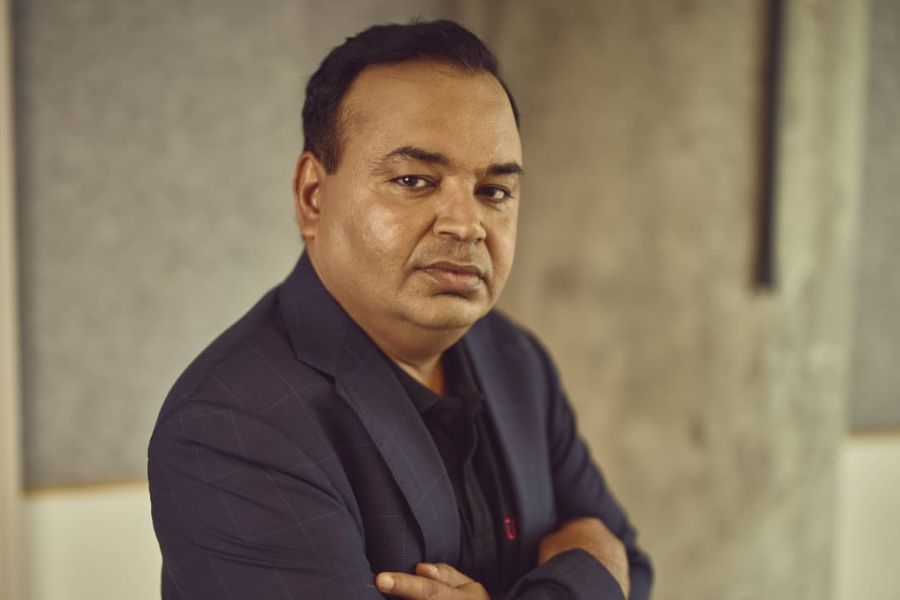
SaaS, or software as a service, is crucial for Indian businesses because it provides affordable, scalable, and adaptable solutions that may support their success in a fast-paced and cutthroat business environment. By utilising cutting-edge technology and retaining cost effectiveness, it enables firms to concentrate on their core capabilities. India Business and Trade spoke with Mr. Haresh Calcuttawala, CEO and Co-Founder of Trezix, on the rapid adoption of SaaS technology in different industries in India. Mr. Calcuttawala says that Indian exporters are focusing on expanding business in the international market which means cutting down on the cost of transporting and warehousing. He says SaaS comes at a crucial conjuncture where a company should introspect if it can real-time submit documentation, provide trading visibility, and have an insight into the whole transaction so that they work with a minimal inventory to the importing nations. Photo Credit: Trezix IBT: Every country is working towards increasing its import and export capacities and strategies, for which SaaS is an integral tool. How are we utilizing SaaS in comparison to other nations? Haresh Calcuttawala: Taking cross-border transactions or global trade, every country has a game of survival. Every country has one objective in mind: if their economy has to be stable they have to earn the Forex i.e. the foreign exchange. Now there is a huge competition. So, how do you attract foreign buyers in your country? That is the situation across the globe with all the countries. Whether you talk about developed nations or underdeveloped nations, everybody is going through the same notion. In that race, the first important thing is how you make your whole trade experience better than other countries. The technology is going to play a major role in this. So, everybody is trying to make use of various technologies and SaaS is an integral part of this technology because if you have to really scale up quickly, those are the days where on-premise you have your own custom solutions and then you take a lot of implementation time and all the stuff. So, the old days are gone and now you have to just take advantage of SaaS and quickly adopt the technology. That is where the game is. IBT: One challenge is that some Indian businesses not being familiar with other countries’ trade compliances, which may lead to losing a business opportunity. Where does India stand in terms of reducing trade compliance complexities? Haresh Calcuttawala: See, compliance is now gradually becoming a big subject. Earlier, there used to be a post facto which means audit and then there were some observations and something used to crop up. Now compliance has also become digital, which means real-time compliance. Your transactions are immediate and if you have to really grow and focus on your business you have to comply with the digital compliance and this is what we keep hopping to entrepreneurs across the globe. If you talk about India, we have two sets of entrepreneurs. It is not that India has been in trade for the last couple of years, we have been in trade for centuries. But there is a little bit of baggage of doing it the traditional way, with a philosophy of “we will see when it comes”. However, this mindset needs a significant shift. The emerging generation of entrepreneurs approaches business growth with a fresh perspective, aiming to minimize the time spent grappling with compliance intricacies. Their strategy involves implementing streamlined processes and systems that automate due diligence procedures. India is currently undergoing this transformation. Globally, developed nations have established systems and processes, but India is rapidly adopting the latest technology trends. I frequently travel to the US, other developed regions, Europe, and several Asian countries. While they have embraced technology, it’s increasingly becoming outdated. India holds a unique advantage with its youthful technology and skilled workforce. This is crucial, as our Prime Minister’s vision focuses on digitalizing India, improving the ease of doing business, and reducing logistics costs. Numerous initiatives are underway to achieve these goals. One notable initiative is the Unified Logistics Integration Platform (ULEP) introduced by the Indian government. ULEP is revolutionizing digital compliance by enabling real-time verification of shipping bills, EGM/IGM status, and Bill of Entry. This innovation greatly reduces the time and complexity associated with compliance procedures. IBT: Trezix began its operation in 2019. As of now, how many clients do you have on board and from which industries is there a particular industry which is still facing difficulties when it comes to import and export? Haresh Calcuttawala: We started this thought process in 2019 and the Government of Gujarat also helped to get connected with various ecosystem players for example Chamber of Commerce. They understand the business well and they know that there is a real pain on the industry side. So we got in touch with the South Gujarat Chamber of Commerce and they brought us different industries, South Gujarat is known for textiles, gems and jewellery, and chemicals. We also got into metal and mining. Right now, we have over 7 industry verticals which we straight away support. On average, every month we are adding at least in a range of 5 to 10 customers. We are a very young startup selling SaaS-based services as products in the market for the last 6-7 months. When I talk about the size of the organization we have small, and medium enterprises to very large enterprises like top brands in apparel, metal and mining as well as textiles. IBT: European countries and the U.S. are in economic turmoil. How has this affected Indian businesses in terms of exports as cotton textile is particularly suffering quite a bit? Haresh Calcuttawala: The post-pandemic market witnessed a surge in buying activity, followed by a subsequent dip. While Indian exporters faced challenges, they demonstrated resilience by swiftly embracing two critical strategies: product innovation and harnessing technological support, including Software as a Service (SaaS) platforms. SaaS services have received positive feedback, emphasizing the importance of investing
Embracing green mobility is the need of the hour
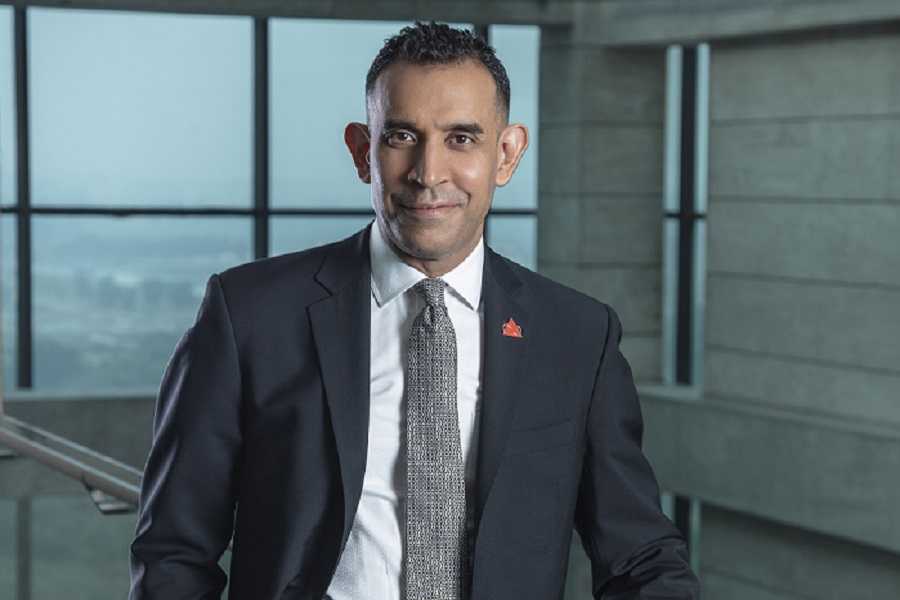
Electric vehicle manufacturing in India has experienced remarkable growth and transformation in recent years. With a strong focus on sustainability and reducing carbon emissions, the Indian automotive industry is rapidly shifting towards the production of electric vehicles (EVs). In this dynamic landscape of e-mobility, both domestic and international automakers are actively contributing to India’s journey towards a greener and more electrified future. Omega Seiki Mobility is one of the leading mobility companies dealing with electric vehicles, high-tech auto components as well and infrastructure solutions. IBT spoke to Mr. Uday Narang, Founder of Omega Seiki Mobility as he shared his views on India’s electric mobility sector, infrastructure and government schemes. Image credit: Omega Seiki Mobility IBT: What was your inspiration for venturing into the electric mobility sector? What are your key business segments and how has the venture progressed so far? Uday Narang: After spending thirty-five years in the U.S. and Europe, I was driven by the vision of sustainable green energy and the desire to enact meaningful change. I recognized that some of the world’s most polluted cities were in our nation. As we aspire to become a 5 trillion-dollar economy and participate in global events like the G20 summit, it’s imperative that green energy sustainability isn’t confined to a mere four days when we temporarily address environmental issues. Our commitment extends to creating lasting change. We must transform our entire landscape and sustain these efforts beyond those short intervals, ensuring a cleaner, better India for our future generations and our children. That was the core ethos behind developing OSM. We are involved in the cargo sector, which is a major contributor to pollution. Today, OSM is the third-largest player in the electrification of the three-wheeler sector, but we are also working on electrifying three-wheelers, two-wheelers, cargo vehicles, trucks, and even three-wheeler passenger vehicles. We operate the largest e-logistics company and electric registry company in the nation, with a presence across the entire country. I just returned from Nagpur earlier this morning. OSM is establishing touchpoints all across India. We have different types of vehicles, the most extensive network of fixed fast-charging stations, and a wide range of products as we work towards building a cleaner, greener India. IBT: How do you envision the future of electric mobility in India, and what role does your company play in shaping it? Uday Narang: People say that the future is electric. I say the present is electric. If you see close to 52 three-wheelers are already electric. 40% to 50% of two-wheelers are electric. Over the next five years, I see 80% of two-wheelers going electric and then maybe you know 70% to 80 percent of three-wheelers will be electric. Four wheelers in the next five years will be 30%. So, I think you are seeing a huge amount of change. You are seeing the central government push for electrification but you are seeing every state whether it is Delhi or whether it is Tamil Nadu, whoever it is, everyone is moving towards electrification. I think it is not just electrification, it is green energy sustainability. There will be possibilities where we will have not only electric LEDs but hydrogen and ethanol as well. I was just fortunate enough to spend some time with Gadkari ji recently in Nagpur and he was talking about how ethanol and hydrogen will also be important. We are working on hydrogen on our trucks. So they would be a very very significant move. It is the need of the hour. The total cost of ownership (TCO) models are showing that and I think OSM has worked all across the three, two and four-wheelers in the past, in the cargo and on the passenger side in the three-wheelers together. IBT: What is your approach to staying ahead in the competitive landscape of high-tech auto components, considering the rapid pace of technological evolution? Uday Narang: Electric vehicles (EVs) are like regular internal combustion engine (ICE) vehicles but with only 250 parts. There are far fewer components, with the battery, powertrain, and motors being the most crucial. We are working in-house and collaborating with partners from Korea, Japan, Europe, and the United States. I do have a slight bias against Chinese partnerships, although it’s not against the Chinese people. I believe in bringing these technologies to India, and manufacturing them here, and at OSM, we have established joint ventures with Koreans for building the powertrain and with Americans for battery production. Thus, we are engaged in in-house research and development. We already have centers in India, Thailand, Korea, and Europe, and we are bringing these alliances to India to develop technology locally. Omega, a major automotive parts manufacturer, has been consistently working on advancing technology with the talented individuals in our country. We have a pool of exceptional engineers who don’t need to travel to Canada, Australia, or America to innovate; they can do it right here in India. OSM has been dedicated to this mission for the past eight years, while Omega has been at the forefront of technology for the last 50 years. IBT: Please share insights into the integration of renewable energy sources with your infrastructure projects to create more sustainable charging solutions. Uday Narang: We are staunch advocates of green sustainability, evident in our firm commitment to eco-friendly practices. Each of our factories has been equipped with solar panels, harnessing the power of the sun to meet our energy needs. Furthermore, we have made a bold pledge to achieve carbon neutrality by 2030. In pursuit of this goal, we have transitioned our entire transportation fleet to electric vehicles, minimizing our carbon footprint. Our relentless efforts are dedicated to ensuring that our entire production process operates on clean, green energy rather than conventional, polluting sources. Our vision is to rely primarily on solar and hydroelectric power for all our operations. We are unwavering in our dedication to this cause, and over the next seven years, I personally commit to achieving a 100 percent carbon-neutral status
Addressing India’s solar PV import dependence: A research report by TPCI
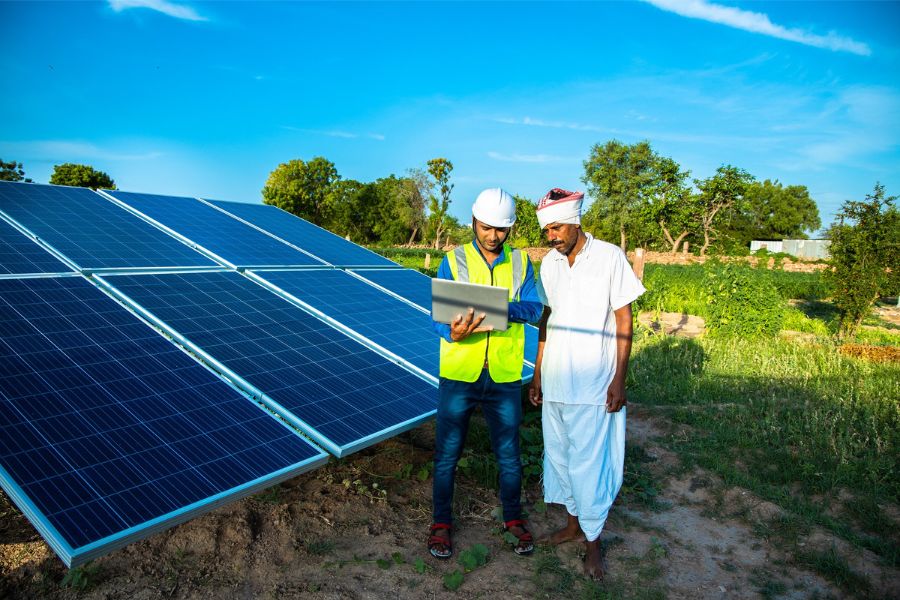
While India is missing quite a few pieces in its vision for becoming a solar PV manufacturing hub, recent reports suggest that the scenario could change very rapidly, especially with new capacities coming up as a result of the solar PLI scheme. In cognisance of these developments, the TPCI research team initiated a deep dive into the value chain of the solar energy sector, with a special focus on solar PV. The report endeavours to provide a comprehensive understanding of India’s current import dependence, export trends and prospects in the coming years. The team further engaged with industry members to understand the major challenges and suggestions for strengthening India’s solar PV manufacturing capabilities and capitalising on the recent surge in exports. Image Credit: Shutterstock India benefits from clear and sunny weather for a substantial portion of the year, lasting from 250 to 300 days. This extensive exposure to sunlight translates to an estimated 5,000 Tn Kilo Watt Hour (kWh) of energy annually across the country’s land area. In many regions, the daily solar energy received ranges from 4 to 7 kWh per square meter. If India were to tap into even a portion of this immense solar potential, it could easily surpass the nation’s energy requirements. Solar power equipment trade plays a vital role in meeting the rising demand for solar energy installations. These trade activities involve the manufacturing, import, export, and distribution of various components and systems used in solar power generation. The solar PV equipment trade encompasses a wide range of products, including solar panels, inverters, batteries, mounting systems, tracking systems, and other associated hardware. The global solar PV equipment trade has witnessed significant growth in recent years. The decreasing costs of solar panels, advancements in technology, favourable government policies, and growing public awareness have contributed to the expansion of this trade. Countries across the world are striving to increase their share of renewable energy, and solar power has emerged as a key solution in achieving these targets. The trade dynamics of solar power equipment are influenced by several factors. Government policies and incentives, such as feed-in tariffs, tax credits, and renewable energy targets, have a significant impact on trade flows. Trade regulations, import/export tariffs, quality standards, and certifications also affect the movement of solar power equipment across borders. Top 10 solar PV market prospects by the year 2027 Country Total capacity 2022 (MW) Total capacity by 2027 (MW) 2023-2027 New Capacity (MW) 2023-27 CAGR (%) China 402,945 1,275,725 872,780 26% United States 140,773 393,268 252,495 23% India 77,548 222,117 144,569 23% Germany 67,964 155,651 87,687 18% Spain 27,406 101,621 74,215 30% Brazil 24,023 68,028 44,005 23% Australia 31,024 71,208 40,184 18% Japan 84,136 122,976 38,840 8% Poland 12,189 40,811 28,622 27% Italy 24,610 53,033 28,423 17% Source: Global Market outlook (Solar Power Europe) The Indian perspective During the year 2021-22, about 10,266 MW of renewable capacity has been added by India, consisting of 9,068 MW from solar. The Ministry has also taken up a Solar City Scheme under which one city in each state is being converted into a Green City. The introduction of Green Day Ahead Market (GDAM) in Power Exchanges facilitates a marketplace for trading of RE Power on a day-ahead basis for accomplishment of green targets as well as support integration of Green energy. In 2022, the Indian solar industry experienced significant growth. India added approximately 14 GW of solar capacity during the year, marking the highest annual capacity addition to date. As a result, India became the world’s 5th largest country in terms of installed solar capacity, with a cumulative installation of 63.5 GW by the end of December 2022. In response to this success, India revised its 2030 solar target to 300 GW, part of a larger goal of achieving 500 GW of renewable energy capacity. This revision means India aims to add around 20-30 GW of solar capacity annually from 2023 onwards. Notably, India’s non-utility scale solar sector also expanded in 2022. Rooftop solar installations reached 1.6 GW, while commercial and industrial sectors installed approximately 2.5 GW of solar through open access contracts, representing a significant 92% increase from 2021. The Global Market Outlook for Solar Power report highlights that India is expected to add at least 20 GW, and potentially up to 35 GW, of solar capacity every year starting from 2023. The National Solar Energy Federation of India (NSEFI) predicts that India will surpass the 100 GW of solar installed capacity by early 2024, making it one of only four countries in the world to achieve this milestone. The import dependence challenge A report by EY and FICCI titled “Accelerating India’s Clean Energy Transition” focuses on the progress and challenges of India’s transition to clean energy, with a particular emphasis on solar energy. The report highlights that India has made significant progress in the adoption of solar energy in recent years, with solar capacity increasing from 2.6 GW in 2014 to 35 GW in 2019. However, rising costs of domestic solar PV panels could delay the pace of energy transition in India. Studies show that solar module prices have increased between 30-50% in the past two years. The report also discusses the role of government policies and incentives in promoting clean energy adoption in India, as well as the opportunities available for businesses and investors to support India’s clean energy transition. Overall, the report provides insights into the current state of solar energy in India and the challenges and opportunities that lie ahead. India has approximately 112.5 GW/year capacity for manufacturing solar PV cells and modules in the pipeline at various stages of development. However, India still has import dependence in solar panels due to insufficient domestic manufacturing capacity and rising costs of domestic solar PV panels. The import dependence in solar PVs is a major cause of concern to address, which is the focus of this report. Delayed projects due to supply chain disruptions caused by COVID-19, financing challenges due to the Basic Custom Duty imposing

OpenAI launched ChatGPT Enterprise revolutionises businesses operations
OpenAI introduced ChatGPT Enterprise, a corporate version of their advanced language model, GPT-4, on August 28, 2023. This upgraded tool offers unlimited GPT-4 access, higher speed, longer context windows, data security, and collaborative features like shareable chat templates. It caters to diverse business needs while prioritising data privacy and encryption. Notable companies like Block, Canva, and PwC have already embraced this enhanced AI tool, utilising it for tasks ranging from communication improvement to creative support. OpenAI envisions further advancements in AI capabilities, suggesting ChatGPT Enterprise could drive future innovation and automation in various business functions. Image Source: Pexels The OpenAI-developed ChatGPT, also known as Chat Generative Pre-trained Transformer, is a massive language model-based chatbot that went live on November 30, 2022. It stands out for allowing users to shape and direct a discussion towards their preferred volume, structure, tone, and language. On August 28, 2023, OpenAI launched a corporate version of ChatGPT with enhanced features and privacy safeguards. This is the most significant effort by OpenAI to attract a diverse range of business customers and increase revenue from its most well-known product. The new tool includes unlimited use of OpenAI’s most powerful generative AI model, GPT-4, as well as data encryption and a guarantee that the startup won’t use data from customers to develop its technology. OpenAI did not publicly disclose the pricing levels for ChatGPT Enterprise, instead asking potential business clients to contact its sales team. “We look forward to sharing an even more detailed roadmap with prospective customers and continuing to evolve ChatGPT Enterprise based on your feedback,” said OpenAI’s CEO, Brad Lightcap. According to OpenAI, since ChatGPT became public late last year, users from over 80% of Fortune 500 organisations have already started using it, based on its research of accounts linked to corporate email domains. What benefits does it offer to businesses? ChatGPT Enterprise is a simple and safe way of deploying it in an organisation. Some of the early customers of ChatGPT Enterprise include industry leaders like Block, Canva, Carlyle, cosmetics giant Estee Lauder Companies, Zapier, and professional services firm PwC. These businesses use ChatGPT to improve communication clarity, speed up coding tasks, find quick solutions to challenging business questions, support creative work, and much more. As with consumer versions of the company’s artificial intelligence-powered chatbot, users can type in a prompt and receive a written response from ChatGPT Enterprise. The new tool includes unlimited use of OpenAI’s most powerful generative AI model, GPT-4, as well as data encryption and a guarantee that the startup won’t use data from customers to develop its technology. It also offers the ability to type in much longer prompts. According to OpenAI, ChatGPT Enterprise users own and manage their business data, and neither their business data nor their chats will be used to train this model. All communications with ChatGPT Enterprise are encrypted both in transit and at rest and are SOC 2 compliant. With its new admin panel, which offers domain verification, SSO, and use data, organisations will be able to manage team members with ease and distribute it widely throughout their organisations. This updated version of ChatGPT is up to two times faster and removes all usage caps. Users can process four times longer inputs or files thanks to the 32k context that is included in ChatGPT Enterprise. Additionally, ChatGPT Enterprise offers unrestricted usage of advanced data analysis, formerly known as Code Interpreter. This feature makes it possible for teams, whether they are technical or not, to analyse information quickly, whether they are financial researchers crunching market data, marketers analysing survey results, or data scientists debugging an ETL script. Source: EY The future of ChatGPT Enterprise ChatGPT Enterprise is a powerful tool that has the potential to revolutionise the way businesses operate. As artificial intelligence continues to develop, ChatGPT Enterprise is likely to become even more sophisticated and capable. In the future, ChatGPT Enterprise could be used to automate even more tasks, improve customer service even further, and drive even more innovation. This aligns with the growing trend of integrating AI into business solutions, signifying a dynamic landscape where ChatGPT Enterprise is at the forefront of AI’s evolving impact on modern business practices.