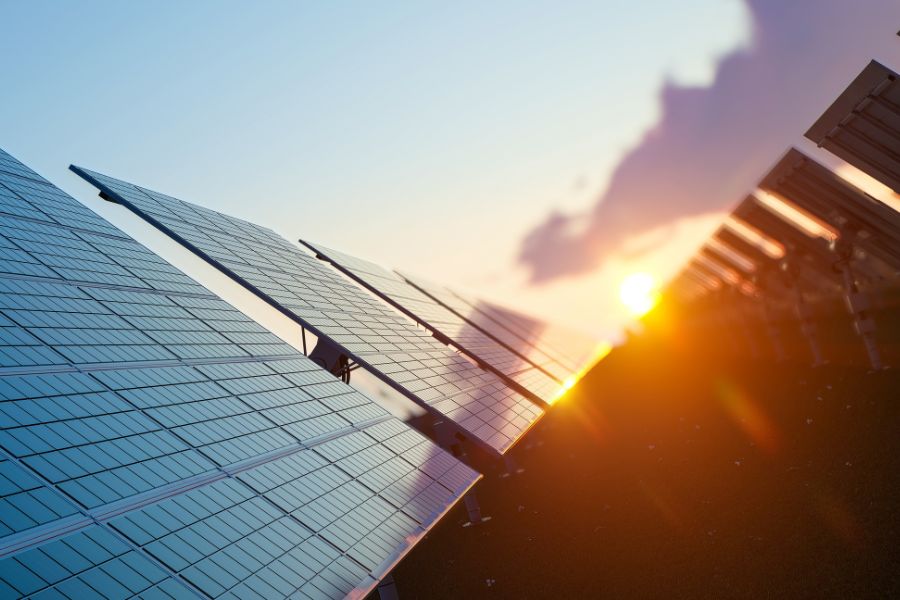
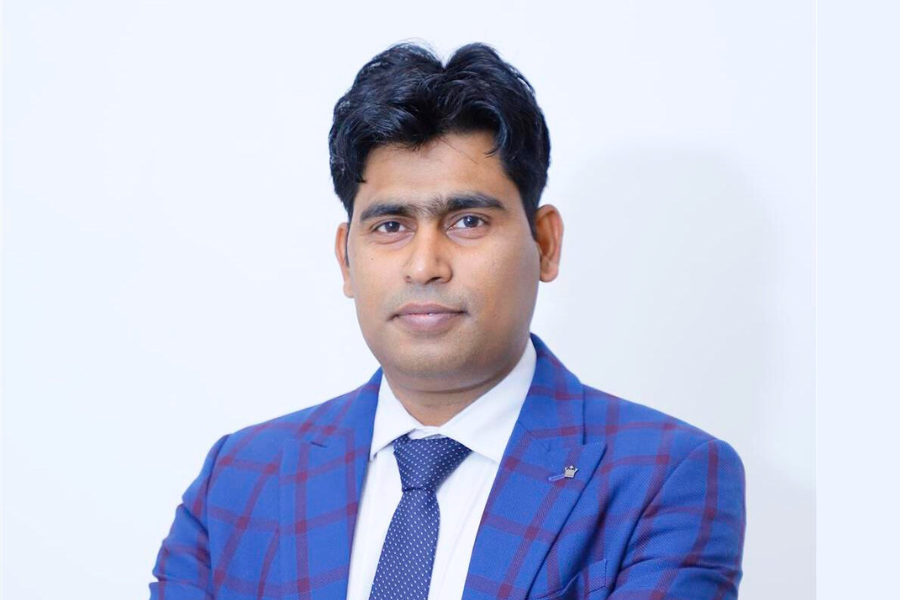
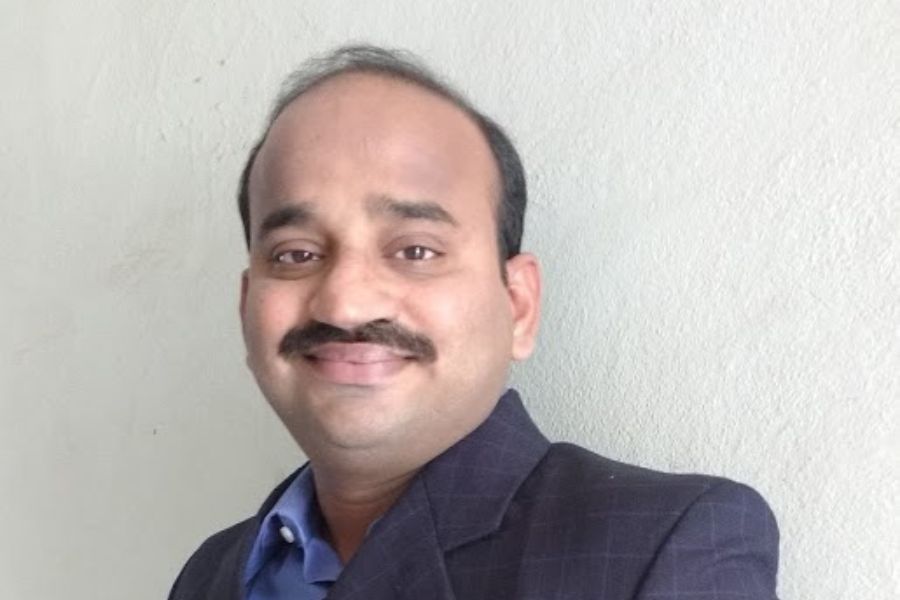
India reaffirmed its commitment to the Panchamrit initiative by elevating its target to achieve 500 GW of non-fossil fuel-based energy by 2030, during the COP26 conference. This monumental ambition stands as the globe’s most extensive roadmap for expanding renewable energy. Dr. Vinod Tiwari has stood as a seasoned authority in the realm of renewable solar power since 2012. His extensive leadership in this sector has solidified his reputation as a respected figure renowned for his profound technological expertise in solar energy and electrical storage devices. India Business and Trade, recently caught up with him to get insights on his personal journey and his views on India’s renewable energy potential. Image Credit: Shutterstock IBT: Please share some insights into your journey and experiences as a renewable sector expert. Vinod Tiwari: I began my career in 1993 as an electronics engineer in textiles. After working in maintenance, I became a service engineer for a German textile company. Transitioning to sales and business development, I ventured into energy storage, particularly batteries. I started with HBL batteries and worked with companies like Eltek, Telepoint, and Exide India. I managed North India for over a decade, then spent the last ten years (2012-2022) in the UAE with an engineering company. As a director, I led the initiation of our solar vertical project around 2018-2019. Our company thrived in solar energy expertise until 2022. IBT: Can you share some personal insights that have shaped your expertise in renewable power over the years? Vinod Tiwari: When we ventured into the solar vertical, our company, Telectron, was already well-known in the UPS systems and battery industry. Launching and promoting the solar energy business was a challenge, as the market was dominated by established players. With quality and price competition, I, leading the vertical, had to strategize how to make our mark. We aimed for unique projects rather than mainstream ones dominated by major companies. We secured a complex project for an oil and gas company, ADNOC. The project was intricate in design, pricing, and delivery. Winning it was a significant success, but executing it within the timeline posed challenges. We sourced components globally – controllers from the UK, batteries from Germany, and solar panels from Japan. Despite hurdles like the COVID-19 pandemic, we completed deliveries successfully. Managing global transactions and deployment, we overcame obstacles and celebrated our achievement. This journey earned me an award during that time. IBT: Could you elaborate on the range of services that your company offers in the renewable power sector? Vinod Tiwari: I was associated with Telectron from 2012 to 2022. This company specializes in offering high-quality services to entities like ADNOC – an oil and gas company, which includes oil and gas companies, as well as two telecom operators – Etisalat and DU. Among the company’s verticals, I managed the renewable power solutions department. In the realm of renewable power solutions, we offer comprehensive services. Rather than solely focusing on project design and engineering, our company acted as an EPC contractor, encompassing engineering, procurement and construction/ consultation. We strived to provide top-notch components, upgraded products, and manufacturing solutions, guiding clients through the procurement process. Our role extended to integration, facilitated by extensive warehouses in Abu Dhabi and Dubai. We undertook installation, testing, and commissioning, bolstered by 24×7 local service warranties. IBT: In your opinion, what is the future potential of the renewable energy sector in India? Are there specific segments within this sector that you believe hold the most promise? Vinod Tiwari: Discussing India’s renewable energy potential brings me immense happiness and excitement. The nation’s abundant solar radiation, wind resources, and ambitious energy targets reaching up to 500 gigawatts, set the stage for remarkable growth. Key segments stand out in this context. First and foremost is solar power. India stands as a global hotspot for solar energy potential, benefiting from over five hours of quality sunlight hour each day. The government’s dedication to expanding solar capacity, evidenced through initiatives like the Solar Energy Corporation of India, international collaborations, and joint ventures, creates vast opportunities for utility-scale and distributed solar installations. Equally promising is wind power. India already ranks among the top global producers of wind energy. The government’s focus on offshore wind farms and policies such as the National Wind Solar Hybrid Policy demonstrates a strong commitment to further advancement. Energy storage, a domain I specialize in, represents another burgeoning field. Advanced batteries, like lithium-ion, offer solutions to the intermittent nature of renewable sources. Although grid-scale adoption is still growing, off-grid power demands approximately 72+ hours of autonomy, spurring energy storage requirements. This aligns well with the expanding electric vehicle sector, as storage solutions contribute to more reliable grids and enhanced integration. Bioenergy has emerged as a promising sector for India. The nation’s extensive agricultural sector can drive bioenergy growth, leveraging biomass and biogas. Government initiatives supporting rural development, waste management, and investment in these areas hold the potential to significantly contribute to the renewable energy mix. These factors reflect India’s commitment to sustainability. With ongoing governmental support, we anticipate a bright and promising future in the renewable energy landscape in the years to come. IBT: Given your extensive experience, what suggestions or recommendations do you have for the Indian government to address challenges and promote growth in the renewable power industry? Vinod Tiwari: I’d like to offer a set of recommendations for the Indian government to address challenges and propel growth within the renewable power sector. Firstly, implementing supportive policies is crucial. Introducing measures such as feed-in tariffs, tax incentives, and subsidies would encourage investment in the sector, bridging the current investment gap. Creating favourable policies could attract substantial financial commitments. Secondly, focusing on research and development (R&D) is essential. While India excels in various areas, R&D remains an area where improvement is needed. Increasing investments in R&D can foster innovation, enhancing the efficiency and cost-effectiveness of renewable power technologies. Thirdly, nurturing public-private partnerships is vital. Collaborations and joint ventures between the government and private sector can expedite growth in

80% SMEs seek more government funding for spurring digitalization
A majority of small and medium enterprises in a survey by Capterra India, expressed preference for more government funding initiatives to support the digitalization process. Cyber-security issues, integrating new technology with existing technology and lack of expertise to implement digitalization have been highlighted as major barriers to digitalization. Image Source: Shutterstock Micro Small and Medium enterprises (MSMEs) are the backbone of the Indian economy. The sector contributes about one-third of the GDP and about half of the country’s exports. The sector had a share of about 45% in India’s merchandise exports worth US$ 422.00 billion in FY 2021-22. The industry is expected to contribute about 50% of GDP by 2030. Thus, the 63 million MSMEs in the country are playing an integral role in achieving India’s goal of being a developed nation by 2047. Capterra India, a software reviews platform, recently conducted a survey titled “Digitalization of Indian SMEs”. The survey, while highlighting the significance of MSMEs in the growth of the Indian economy, evaluated the current level of digitalization among the SMEs, the role of government funding and initiatives, as well as the challenges/barriers faced by these SMEs. The survey covered a total of 435 respondents, including managers, senior managers, CEOs, and founders. These respondents were from companies that either have a digitalization strategy in place or have implemented such a strategy in the past. Thus, they provided a relevant, comprehensive, and in-depth sagacity of the state of SMEs’ digitalization in India. Of the 435 respondents, 341 worked for SMEs, and 94 worked for enterprises (i.e. companies having more than 250 employees). Key findings of the survey The survey found that 80% of respondents expressed a preference for more government funding initiatives to support companies undergoing the digitalization process. Only 6% of the respondents suggested exploring alternative sources and reducing reliance on public funding for supporting digitalization efforts. While public funding remains a preferred avenue for many respondents, exploring alternative funding sources could be an area for further consideration. Various initiatives undertaken by the government to support the digitalization efforts of SMEs include RAMP programme, MSME Innovative Scheme, and ASPIRE scheme. Startups and the small businesses (that are in the early stages of development), in the absence of funding, may face some difficulties while implementing their digitalization plans. Such businesses might also shy away from taking forward their digital transformation without some financial support. The survey indicates that the Digital India Program and Startup India Initiative have been successful in their goals of providing assistance to existing/nascent entrepreneurs and startups. As for the funding landscape, the survey found that nearly 40% of the respondents had received government funding for digitalization at least once. However, only 20% of the respondents reported to have received government funding multiple times. It was found in the survey that approximately 20% of the respondents had not applied for government funding and 8% were unaware of any such facility. However, these respondents expressed interest in availing of such facilities if they were known to them. Challenges to digitisation About 36% of the respondents have referred to cybersecurity as a major challenge. This reinforces the criticality of safeguarding digital assets and sensitive data, particularly when businesses are adopting new technologies. According to respondents, digitalization should not come at the cost of cybersecurity issues like data breaches, data loss, and data theft. The integration of New Technology with existing systems is another challenge reported by about 26% of the respondents in the survey. This reflects the complexities arising in fusing diverse technologies and ensuring flawless business operations. Lack of expertise to implement digitalization was identified as a barrier by about 24% of the respondents. This signifies the pressing need for skilled professionals who can effectively lead the way and execute digital transformation. Many companies, as noted in the survey, were finding it difficult to continue with their digitalization initiatives. The causes, as cited by the respondents included: Limited budget for implementation, quoted by about 37% of the respondents as the major factor obstructing their digitalization efforts. Around 34% of the respondents expressed concerns regarding ‘overwhelming’ their employees with technology. This suggests that for a smooth transition to digital operations, it is important to reconcile the embracement of technology with employee comfort and readiness. A lack of awareness about the software that would improve their current business processes, was another barrier, as reported by about 29% of the respondents. This suggests that there is a need for more information and education about the available digital tools in order to accelerate the digitalization process. Need for a multidimensional approach Digitalization of businesses while keeping in focus the tech-savvy consumers in the country, will be a crucial strategy to enable long-term survival and growth of businesses. Technological solutions such as Data Analytics, cloud-based platforms and Enterprise resource planning (ERP) systems will be instrumental in the formation of a company’s strategy and growth. It may necessitate many businesses to revamp their business models so as to reap the benefits of digitalization. Digitally empowered SMEs are able to increase their revenue, lower risks, decrease costs and diversify consumer segments in a shorter time span as compared to offline businesses. The Digitalization of Indian SMEs survey -Part II, reveals that while some SMEs have availed the funding support provided by the government for digitalization, some seem to be still unaware of the available opportunities and a few others may have different funding strategies. This emphasizes the importance of a multidimensional approach for accelerating the digital transformation of SMEs.
Empowering nationwide impact through niche energy solutions
As the world embraces renewable energy, solar power and lithium-ion batteries have emerged as pivotal components driving this transformation. Solar panels harness sunlight to generate electricity, revolutionizing how we power our lives while significantly reducing carbon emissions. Paired with lithium-ion batteries, these systems store excess energy for use during non-sunlit hours, enhancing grid stability and enabling more efficient energy consumption. Amid this evolution, India Business and Trade interacted with Mr. Amod Anand, the Co-Founder and Director of Loom Solar who is acting as a driving force. Armed with a determination to stand out, he identified the niche product market as the key, focusing on cutting-edge, high-efficiency solar panels that marked its distinct identity. Image Source: Loom Solar IBT: What inspired you to start your company in the solar manufacturing industry? Amod Anand: This journey started during my corporate tenure of almost ten years. Initially, my objective was financial independence while working in the corporate sector. Around 2014-2015, I began exploring opportunities with the limited funds earned from our salaries. During those times, venturing into business without much capital was a challenge. Around that period, the concept emerged that I needed to transition from a job to entrepreneurship. This idea aligned with the rise of online businesses like Flipkart. Seeing people start businesses from home without significant capital investment intrigued me, leading to my own journey. The central idea was to leave my job and step into the world of business. The exploration of products on platforms like Amazon and Flipkart followed. Slowly, I understood the importance of differentiation and positive contribution amid competition. This exploration gradually led me to products with futuristic aspects and longer life spans. While exploring, I came across rooftop solar and solar energy. The challenge was that these products, being heavy and bulky, weren’t suitable for online sales due to transportation hurdles. This realization sparked the idea of offering forward-looking products for the industry. Moreover, the online market’s focus on margins pushed me to creatively navigate competition. This marked the beginning – realizing the need to stand out and find a scalable path. From this point, the journey unfolded, leading me to where I am today. IBT: How do you differentiate your company from the existing solar manufacturers in the industry? Amod Anand: Our company’s foundation is built upon a fundamental question that has become our guiding principle. To not only survive but thrive in a competitive market and scale our company, we’ve focused on identifying the X factor – the competitive advantages that can propel us to the next level. In an industry like ours, which demands significant capital, maintaining a continuous flow of funds is vital. Right from the outset, our approach has been distinct. We veered away from mass-produced goods, concentrating instead on niche products that cater to a specific audience. While this might limit our reach to a smaller segment, it provided a source of revenue, a crucial aspect considering we didn’t have backing from investors initially. Our focal point became clear – the prevalent product in India at the time was the poly solar panel, known for low efficiency and affordability. In contrast, we adopted the monofacial technology, a newer and more efficient approach. This choice formed our distinct identity. The strategy paid off. When we introduced our product, its novelty compared to existing competitors granted us a competitive edge for a year or two. Rapid promotion through various channels, especially social media, helped cement our place in the market. This two-year advantage bolstered our unique identity. Today, our advantages have multiplied. We offer a comprehensive solar solution, a rarity among Indian solar manufacturers. Additionally, our power backup solutions have further set us apart. Our solar panel range, spanning from ten watts to a substantial 570 watts, contributes to our uniqueness. Our customer base predominantly comprises tier three and tier four customers, a demographic that continues to choose us. These factors have acted as our lifeline, ensuring our presence and success in the industry. Recently marking our fifth anniversary has provided reassurance of our sustained existence and the prospect of a promising future. IBT: What challenges did you face while establishing Loom Solar? Do you have any success stories to share with us while you were coping with those challenges? Amod Anand: Reflecting on our journey of the past five years, we have successfully installed solar systems in the homes of 50,000 diverse homeowners. Our clients encompass a wide spectrum of backgrounds. Venture into rural India, and you’ll encounter a multitude of customers – from small-scale rural entrepreneurs like “atta chakki” operators to residents of remote regions like Arunachal Pradesh and Assam. In such areas, acquiring and accessing power backup solutions presents a notable challenge. However, we’ve been able to provide these customers with a consistent 24×7 power backup solution, addressing their specific needs. Even in urban markets, the impact of our work is evident. The solar systems we set up five years ago have now effectively paid back the initial investment for many homeowners. Consequently, their present electricity bills have dwindled to virtually nothing. This financial relief is expected to continue for a significant period since the return on investment has already materialized. Our industry’s success stories revolve around two types of customers. The first category comprises individuals who, despite having AC connections and monthly bills in the range of 5000 to 6000, seek ways to curtail costs. Upon adopting our solar systems, their electricity bills undergo a substantial reduction, signifying a remarkable shift in their financial landscape. The second group seeks power backup solutions, particularly in areas where electricity supply is intermittent. These customers encounter power interruptions for varying durations, sometimes even hours, particularly in rural regions. In these scenarios, our installed solar systems step in to bridge the gap, effectively serving as a lifeline of power during outages. Watch the exclusive interview: IBT: Are there any collaborations or projects you are currently working on? What are your future goals for the company right now? Amod Anand: Our direction

How are power exchanges transforming India’s energy sector?
The Indian power industry is dynamic, with notable reforms over the past 10 years such as launching the world’s largest electricity market. This shift highlights the rise in power trading exchanges, focusing on short-term and spot trades over lengthy contracts. Given that power plays a critical role in driving economic growth and contributing to the welfare of the nation, IBT digs deep in the trends and factors supporting the growth of power exchanges in India. Image Source: Shutterstock A power exchange is a regulated marketplace for buying and selling electricity. Participants like generators, distributors, and consumers offer or bid on electricity at specific prices. The exchange matches these bids to determine the clearing price and amount of electricity traded. The power exchange functions predominantly in spot markets, facilitating instant electricity transactions. It also spans forward markets, allowing participants to plan ahead through contracts for future electricity exchange. A significant role of the power exchange is price discovery. It establishes prices based on current market conditions, enabling participants to make informed choices for their electricity-related endeavors. This approach enables consumers to acquire power at a reasonable price. Given that power constitutes one of the most pivotal elements in the establishment and sustenance of infrastructure. It plays a critical role in driving economic growth and contributing to the welfare of the nation. The sector is a key driver of economic growth, contributing around 8% to the country’s GDP. Power exchange trends In India India, with a population of 1.3 billion and an area of 3.29 million square kilometers, holds the position of the world’s third-largest economy in terms of Purchasing Power Parity. It also stands as the third-largest producer and consumer of electricity globally, boasting an installed power capacity of 417.67 GW as of May 2023. India’s installed capacity for renewable energy in May 2023 was 179.32 GW or 43.0% of the country’s total installed power capacity. Solar energy contributes 67.07 GW, followed by 42.86 GW from wind energy, 10.24 GW from biomass, and 46.85 GW from hydropower. The Indian power sector is one of the most dynamic and fast-changing industries in the country, marked by significant reforms like the launch of the world’s largest electricity market, the Electricity Exchange of India. Power trading companies are gaining prominence, engaging in short-term and spot trades, replacing complex and costly long-term contracts. The rise of renewable energy is expected to reduce long-term contracts by 50-60% in the next decade. The total trade volume of the Indian Energy Exchange grew by 8% Year-on-Year (YoY) to 8,25 million units (MU) in May 2023. The average spot power price during May 2023 was 30% lower at Rs 4.74 per unit against Rs 6.76 per unit in May 2022, due to an improving supply-side scenario, leading to increased liquidity, and cooler weather conditions. Anticipating rising power demand in the upcoming months, the supply-side liquidity is poised to improve further. This improvement can be attributed to an augmented coal supply, reduced e-auction coal prices, and a consistent decline in imported coal and gas prices. As a result, competitive prices are expected, leading to increased clearance for both Distribution companies (Discoms) and Open Access consumers. In May 2023, the Day-Ahead Market (DAM) volume escalated to 4,066 MU, marking a 26% Year-on-Year (YOY) growth from the 3,224 MU in May 2022. The average market clearing price for the month stood at Rs 4.74 per unit, marking a 30% decrease compared to the corresponding month of the previous year. Source: Trade data of IEX Day-ahead contingency energy trade volume fluctuated at IEX over years. 2022 saw significant growth, possibly due to shifting energy demands. In 2023, 4452.8 GWh traded in 8 months, showcasing a notable upward trend in energy trading. Additionally, the Real-Time Electricity Market (RTM) achieved its highest-ever monthly volume of 2,424 MU during May 2023, showcasing a YOY growth of 5%. In July 2023, the Indian Energy Exchange (IEX) which has the largest market share of 88% in total power trade at multiple exchanges, became India’s first carbon-neutral power exchange, saw a trade of 275 million units (MU) of renewable energy, marking a 53.3% YoY decrease, while showing a slight increase from June’s 272 MU. The cumulative traded volume by July reached 8,522 MU, signifying a YoY rise of 19%. Notably, the day-ahead market in June 2023 witnessed a total trade of 4,123.98 MUs at IEX and 0.03 MUs at Power Exchange India Limited (PXIL). The average market clearing price spanned between Rs 2.92 and Rs 6.79 per unit at IEX, and stood at Rs 10 per unit at PXIL. Furthermore, the real-time market in June 2023 observed a trading volume of 2,675.93 MUs at IEX. The dynamic landscape of India’s power sector, coupled with its impressive growth, underscores the immense potential of power trading in the country. The robust growth of renewable energy installations, coupled with the evolution of power markets and trading mechanisms, showcases the forward momentum. The recent achievements in trading volume, market clearing prices, and the embrace of real-time and renewable energy trading further exemplify the promising trajectory of power exchange in India. When we asked India Energy Exchange(IEX) about the future potential of power exchange sector in India, they said,” Electricity is the prime mover for all economic activity, and the rise in industrialization and urbanization has resulted in a steady growth of power consumption. According to the Central Electricity Authority, energy consumption in India reached 1,504 BU in FY ’23, an increase of 9.4% YoY. Add to that, we recently witnessed the highest power peak demand amounting to 235 GW on 17th August 2023. Reports estimate that the Indian electricity sector would grow at a rate of more than 6% per year for the next 5 years.” They added,” As India marches towards installing 500 GW of renewable energy and achieving its net-zero targets, power exchanges will play a much more significant role. Though power exchanges account for 6-7% of the country’s power consumption, there is acceptance and trust that exchanges have brought
Our focus is to craft EVs using components “Made in India”
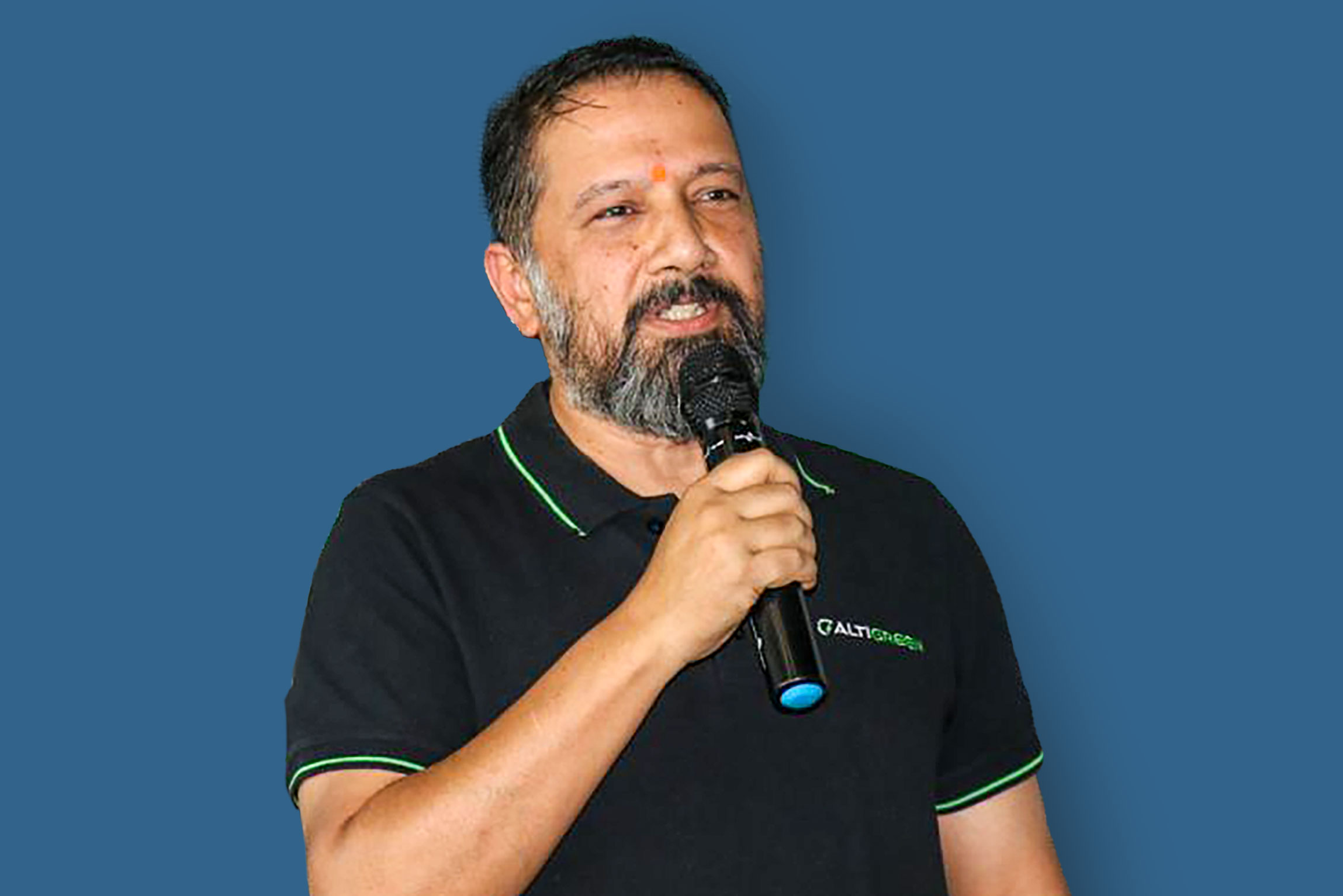
India’s electric vehicle (EV) manufacturing landscape has undergone significant growth and transformation in recent years. Fueled by government initiatives, technological advancements, and a growing environmental consciousness. As India strives to reduce emissions and enhance energy security, the EV manufacturing landscape is emerging as a pivotal force in shaping the future of transportation and sustainable mobility in the nation. Altigreen stands at the forefront of EV technology and last-mile transportation solutions with electric vehicles meticulously crafted with Indian conditions in focus, addressing both environmental and commercial requirements. In an exclusive conversation with India Business & Trade, Amitabh Saran, CEO of Altigreen, shares his inspiring journey towards producing electric vehicles suited for the challenging terrains of India. He also delves into the essential technological strides needed to realize India’s ambitious sustainability objectives. Image Credit: Altigreen IBT: What inspired the establishment of your company and how did that initial inspiration drive its journey? Could you highlight a few key milestones that your company has achieved along the way? Amitabh Saran: The journey of Altigreen commenced nearly a decade ago, driven primarily by the significant loss of lives in India each year due to the adverse air quality resulting from road transportation. It’s astonishing to realize that this toll ranges from five to six hundred thousand individuals annually. This figure is alarmingly high when compared to the mortality caused by Covid. Our country witnesses the loss of five to six lakh lives every year due to pollution associated with road transportation. Urgent action is imperative, and the responsibility to instigate this change often falls upon those capable of bringing about transformative shifts – startups. Startups are the driving force behind change, and they are at the forefront of these endeavours. AltiGreen’s inception was prompted by identifying a gap in India’s electric vehicle landscape: the absence of advanced drivetrain technology necessary for creating competitive electric vehicles. Recognizing that robust drivetrain systems were pivotal for developing EVs capable of rivalling fossil fuel counterparts, the company initiated its journey in this direction. With a current portfolio of 29 global patents, Altigreen handles the entire EV component lifecycle — design, development, fabrication, and manufacturing. This includes motors, controllers, converters, harnesses, gearboxes, battery management systems, and battery packs. Through a collaborative partner ecosystem, Altigreen’s comprehensive involvement ensures a holistic design approach. Specializing in two-wheelers, three-wheelers, and small commercial four-wheelers, Altigreen strategically targets the three-wheeler market as its initial focus. The rationale is compelling: around 400 million individuals, equivalent to 40 crore people, use or encounter a three-wheeler daily in India. By concentrating on such a sizable market segment, Altigreen leverages the potential to drive substantial change. This deliberate choice underscores the company’s commitment to making a profound impact and is indicative of its dedication to pioneering advancements in sustainable transportation. IBT: Your vehicles are specifically designed to cater to Indian conditions, both environmental and commercial. Could you share some insights into the unique challenges and opportunities that Altigreen considers when developing EVs for the Indian market? Amitabh Saran: When envisioning electric vehicles, many picture open highways and fast cars on unoccupied roads. However, our geographical reality differs significantly. Amidst heterogeneous traffic, road congestion, potholes, and unprofessional driving, we must acknowledge our unique challenges. Our roads often witness scenarios considered abusive elsewhere: dust, overloading, pebbles. Accepting this reality is crucial. Additionally, we must recognize the success of fossil fuels over the past century. These fuels have powered vehicles that met our needs during India’s developmental stages, and despite acknowledging their positive impact, we must embrace the shift towards electric mobility. When venturing to replace established technology with something innovative and futuristic—like our focus on electric mobility—it’s imperative that the new solution isn’t just different but capable of competing and excelling compared to the existing technology. It must surpass the status quo; compromise is not an option. Historically, electric vehicles (EVs) in India have often been characterized by compromises—imposed limitations on speed, air conditioning use, and other constraints. Such compromises have hindered EVs from competing effectively on both price and performance with traditional fossil fuel-powered vehicles. Recognizing this, AltiGreen was resolute from the outset: Our electric solutions had to outperform fossil fuel options, ensuring a compelling reason for people to embrace and adopt them. For us, this meant rigorous testing and meticulous design. We subject our vehicles to stringent tests, including shocks and vibrations, in order to ensure their durability and resilience. The components undergo meticulous testing to ensure they meet our high standards. The manufacturability and supportability of these components are of paramount importance, particularly considering India’s resourceful mindset where items are often repaired and maintained instead of being discarded. Thus, we take into account these factors when designing our components to guarantee that the resulting electric vehicles outshine their fossil fuel counterparts. It’s essential that this pursuit of excellence doesn’t come at a prohibitively high cost. Our aim is to develop these components and vehicles with a cost structure that’s on par with existing technologies. Despite the challenges inherent in this endeavour, we remain committed to our goal. AltiGreen’s mission is to transcend compromises that have limited the potential of electric vehicles in India. We’re dedicated to designing components and vehicles that are not only environmentally friendly but also superior to fossil fuel alternatives. Through stringent testing, thoughtful design, and a commitment to cost-effectiveness, we’re working to shape a future where electric vehicles are the preferred choice, not due to compromise, but because they offer undeniable advantages. IBT: What are Altigreen’s strategies for minimizing the environmental footprint throughout the lifecycle of your mobility platforms, from manufacturing to usage and disposal? Amitabh Saran: So, as you may know, we established our company back in 2012-2013. We were very clear from the outset that our goal was to manufacture everything within India, using components largely available in the country. I’m pleased to share that we don’t import magnets or any other unnecessary components. This approach ensures that we maintain the production of high-quality vehicles in our nation. The domestic value
CBG is not a priority sector lending to the banks
As of 2022, the market for compressed biogas (CBG) was estimated to be worth US$ 56.6 million, and by 2031, it is anticipated to be worth US$ 319.2 million. India ranks seventh in the world for producing biogas, but it hasn’t been able to fully realise its promise as a useful substitute for burning biomass and LPG. The widespread use of biogas has been hampered by a lack of technological improvements and expensive installation prices. The market value of CBG is influenced by how competitive it is with other fuels, such as natural gas or conventional fossil fuels. The same can be impacted by government regulations, incentives, and subsidies aimed at encouraging renewable energy sources and lowering greenhouse gas emissions. India Business and Trade spoke with Mr. Chandrasekhar Nandigama, Founder and Director, Jivoule Biofuel, on the need for investments in CBG projects, technological advancements, and how research and development efforts can impact the overall supply chain and market value. Photo Credit: Jivoule IBT: Biofuel holds much potential in India’s renewable energy market. However, there are different challenges to it like lack of raw material and high prices of feedstock. How do you perceive India’s biogas industries growing with these challenges? Chandrasekhar N.: The biofuels sector in our country holds significant untapped potential. There’s an undeniable demand and opportunity within this space. India’s heavy reliance on imported fossil fuels drains our foreign exchange reserves, making biofuels a promising alternative. Nonetheless, the reality on the ground presents challenges. The pace of project implementation is sluggish, attributed to various complex issues stemming from the nascent nature of the industry and its underdeveloped ecosystem. While policies exist, they remain largely high-level and are yet to be effectively enforced to drive substantial production outcomes. To catalyze progress, we must compile tangible case studies showcasing successful instances of biofuel and compressed biogas (CBG) production. Sharing these success stories can inspire and encourage new entrepreneurs to venture into this domain. Simultaneously, existing entrepreneurs could be motivated to establish additional projects, thereby addressing bottlenecks and driving industry growth in a more impactful manner. IBT: So, what made you get into this industry in the first place knowing these challenges are there? Chandrasekhar N.: Having spent nearly a decade in the United States, I had the opportunity to immerse myself in the realm of renewable energy. Throughout my pursuit of a master’s degree and subsequent professional engagements, I acquired a wealth of exposure and skills in this field. This exposure, coupled with the growing entrepreneurial drive within me, led me to a pivotal decision – to contribute to my home country. Simultaneously, I was drawn to the sustainability sector, which ultimately guided my entrepreneurial journey. As I delved into research, the potential of biofuels emerged as a promising avenue. The notion of harnessing India’s indigenous resources and feedstocks to create biofuels struck a chord with me, giving rise to the inception of Jivoule Biofuels. Since its inception, my path has been marked by challenges that I continue to navigate. My journey remains a work in progress, with my sights set on achieving significant milestones in the pursuit of a greener and more sustainable future. IBT: The U.S. and Brazil are one of the biggest producers of biofuel. How do you perceive the international market growing into this industry in comparison to India? Chandrasekar N.: Effective execution is paramount in this context. While projects may be initiated, the puzzling aspect is why they often struggle to materialize in India. Elsewhere, project teams rally around a shared vision and a comprehensive execution plan, fostering a collaborative ecosystem. Conversely, in India, endeavours often unfold in isolated chambers, hindering progress. Despite India’s inherent potential, certain stumbling blocks hinder the alignment of our market with international standards. Challenges include the reluctance of banks to extend loans, the presence of policies that lack enforcement, and the dismissal of feedstocks as waste. Remarkably, the procurement of feedstock for industrial purposes often proves costlier than the biofuel itself. These challenges, rarely observed in other countries, are conspicuous here, necessitating concerted efforts to surmount them. IBT: What were some of the challenges and also what kind of preparation did you undertake to establish a biofuel company knowing that this industry is still restricted? Chandrasekar N.: I invested significant time in technology research and thorough market analysis. I engaged on the ground to understand the complexities of the biofuel sector comprehensively. In-depth groundwork provided valuable insights, aiding my adept navigation of this diverse industry. Utilizing specific governmental policies, I’m currently in the process of establishing biogas and CBG (Compressed Biogas) plants. A CBG plant is underway in Hyderabad, and simultaneously, discussions are progressing with potential partners to set up similar facilities in other cities. This journey is an ongoing evolution, marked by continual learning and adaptation. I remain open to refining my strategies, recognizing that even well-founded assumptions about market demand warrant validation through practical testing. IBT: You’re also actively working towards popularizing CBG solutions at a commercial level. What would you expect from the central government and the state government to help the CBG industry thrive? Chandrasekar N.: The introduction of India’s biofuels policy in 2018 was a significant turning point. Prior to this, the absence of policy and awareness made venturing into this field a risky proposition for me as an entrepreneur. The policy’s arrival in 2018 instilled confidence and served as a catalyst to pursue my aspirations. I undertook the revival of a biogas plant in Tamil Nadu, leveraging my technology and production expertise to breathe new life into the facility and yield biogas, subsequently converted into power. Presently, we are engaged in producing CBG from organic waste resources in Hyderabad. Our versatile technology caters to various feedstocks, allowing us to establish biogas plants and generate CBG for oil manufacturers and city gas distribution companies. With this model, I’m actively expanding my plans to cover multiple locations. My immediate objective centres on achieving commercial CBG production in Hyderabad by early next year. Simultaneously, I aim to
“India, I reached my destination and you too”; Chandrayaan 3 creates history
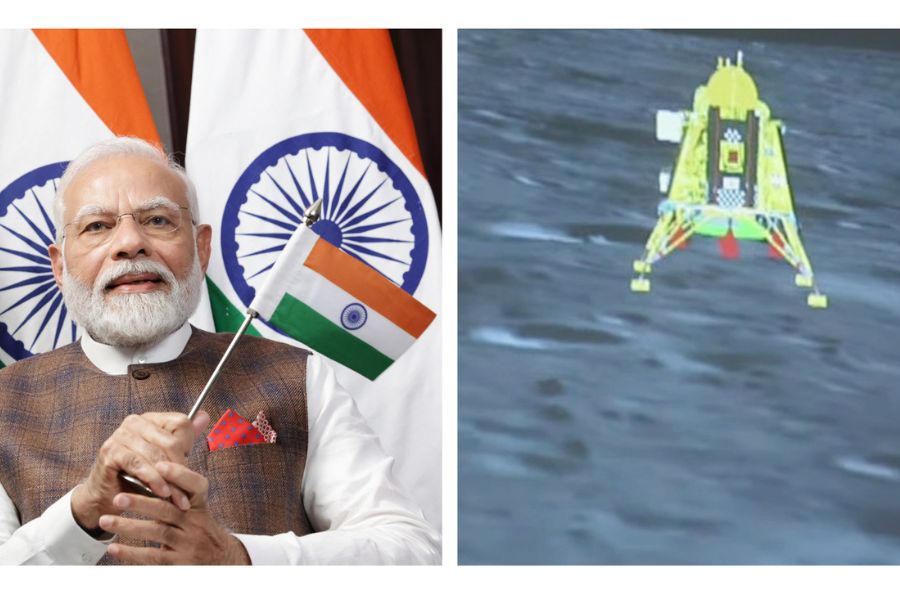
Over a month ago, India’s Chandrayaan-3 started its expedition to reach “where no man has gone before” and on August 23 successfully landed on the south pole of the Moon. Shortly after the soft landing at 18:04 (IST), the Indian Space Research Organisation (ISRO) released images of the landing site. This was India’s third attempt to land a spacecraft on the lunar side of the moon’s surface. Back in September 2019, Chandrayaan-2 was classified as a partial failure after its lander crashed on the Moon. Nevertheless, the Chandrayaan-3 mission defied many odds to make a successful soft landing on the surface of the moon, elevating India into the exclusive club of spacefaring nations. India became the first nation to successfully land a spacecraft close to the south pole of the moon after Russia’s failed attempt at a lunar touchdown in the same region due to an engine problem. Photo Source: PIB India’s recent journey to the moon was no ordinary accomplishment. On August 23rd, the Indian Space Research Organisation (ISRO)’s Chandrayaan-3 made a touchdown on the moon’s South Pole lunar surface at 6.04 pm (IST). Upon the soft landing made by Chandrayaan-3 came the message to ISRO’s Bengaluru headquarters, “India, I reached my destination and you too.” India made history by becoming the first nation to set foot on the South Pole, a large region of the moon that is permanently shrouded in shadow. Prime Minister Narendra Modi, who is in South Africa for the BRICS Summit with five other countries, thanked Indians and space scientists for the accomplishment. In celebration of Chandrayaan-3’s successful landing, PM Modi, waved the national flag, as the ISRO scientists cheered and applauded at the headquarters. “This is a moment of pride for 140 crore Indians and I congratulate all the scientists who toiled hard to make this a success,” he said. In the final minutes of touchdown, the lander’s speed gradually decreased from 1.68 km/s to virtually zero, permitting a soft descent on the lunar surface. Four years ago, India made a similar attempt to soft-land land on the moon’s lunar surface with Chandrayaan-2, however, which was unsuccessful. Though the lander and rover were destroyed, its orbiter was still intact. Even now, it is still circling the Moon and assisting the Vikram lander in sending pictures and data back to Earth for study. India’s lunar rover has made its first contact with the lunar surface as of August 24. According to the nation’s space agency, Chandrayaan-3’s rover “ramped down” from the lander and “India took a walk on the Moon!” What were Chandrayaan-1 and Chandrayaan-2 missions? Chandrayaan-1, which launched on October 22, 2008, was the first of India’s exploration missions. At the time ISRO had said that the primary science objective of the mission was to prepare a three-dimensional atlas of both near and far side of the Moon and to conduct chemical and mineralogical mapping of the entire lunar surface with high spatial resolution. It was in operation for at least 312 days, making over 3,400 orbits of the moon, until August 29, 2009. Integration of locally created technologies was a significant accomplishment. The payload made the discovery of water (H2O) and hydroxyl (OH) on the lunar surface and discovered ice in the Moon’s North Polar Region. An Orbiter, Lander, and Rover were assembled for Chandrayaan-2 and launched in July 2019 in order to explore the Moon’s south pole. Because its lander, Vikram, and rover, Pragyaan, crashed on the Moon’s surface on September 7 of that year, it was only partially successful. [soliloquy id=”23282″] Chandrayaan 3 Explained Chandrayaan-3 consists of an indigenous Lander module (LM), a Propulsion module (PM) and a Rover with the objective of developing and demonstrating new technologies required for interplanetary missions. The lander will have the capability to soft land at a specified lunar site and deploy the Rover which will carry out in-situ chemical analysis of the lunar surface during the course of its mobility. The Lander and the Rover have scientific payloads to carry out experiments on the lunar surface. The main function of the PM is to carry the LM from launch vehicle injection to the final lunar 100 km circular polar orbit and separate the LM from the PM. Apart from this, the Propulsion Module also has one scientific payload as a value addition which will be operated post-separation of the Lander Module. ISRO has said that with Chandrayaan-3, the objective (Spectro-polarimetry of HAbitable Planet Earth (SHAPE) of the mission is “future discoveries of smaller planets in reflected light would allow us to probe into a variety of Exo-planets which would qualify for habitability (or for the presence of life). Similar to Chandrayaan-2, the latest mission has a lander named Vikram and a rover named Pragyan. This lunar mission consists of a 2,148 kg propulsion module, a 1,752 kg lander module, and a 26 kg rover. Vikram Lander has three payloads namely, RAMBHA-LP (Langmuir Probe): The instrument will help in measuring the near-surface plasma (ions and electrons) density and its changes with time. Second is ChaSTE (Chandra’s Surface Thermophysical Experiment) which would assist ISRO to be able to carry out the measurements of the lunar surface’s thermal properties near the polar region. Thirdly, ILSA (Instrument for Lunar Seismic Activity): This instrument would help in measuring seismicity around the landing site and delineating the structure of the lunar crust and mantle. The Pragyan Rover has two payloads. The first is APXS (Alpha Particle X-Ray Spectrometer) which will help in deriving the chemical composition and inferring mineralogical composition, and the second payload LIBS (Laser-Induced Breakdown Spectroscope) which will help in determining the elemental composition (Mg, Al, Si, K, Ca, Ti, Fe) of the moon’s soil and rocks around the landing site. What’s next? Over the course of the next 14 days, the Pragyan rover, which started its inquiry on August 24th, will conduct a number of ground-breaking tests on the lunar surface. It will operate as an intermediary, receiving the data and transmitting it back
Battery-swapping: The transformational $100 billion EV opportunity
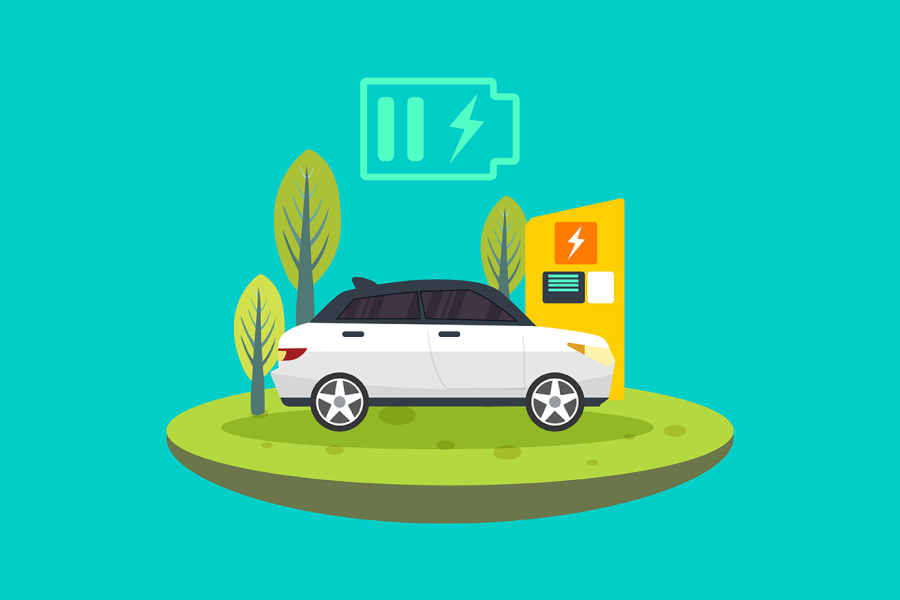
Battery-swapping has emerged as a transformative solution with the potential to reshape India’s transportation landscape while advancing its sustainability goals. Currently, India faces the challenge of transitioning to electric vehicles (EVs) to mitigate the environmental impact of traditional internal combustion engine vehicles. In this context, the integration of battery-swapping technology offers a promising avenue and a $100 billion business opportunity to accelerate the adoption of EVs and address critical hurdles that hinder the widespread adoption of sustainable transportation options. Image Source: Pexels As India advances steadily towards sustainable development, the momentum in favour of electric vehicles is gaining traction. Nevertheless, achieving a full-fledged transition to electric vehicles demands addressing several accompanying challenges, which encompass the creation of EV charging infrastructure and the implementation of battery-swapping solutions. Battery-swapping presents a convenient plug-and-play remedy for recharging electric vehicle batteries. This method entails exchanging a drained battery for a fully charged one at a designated swapping station within the network of the battery swapping operator (BSO). This recharging approach is especially well-suited for electric two-wheelers (E2W) and electric three-wheelers (E3W) due to its significantly shorter duration compared to traditional charging stations. India’s battery-swapping market The EV battery-swapping sector in India is experiencing rapid and exponential growth. It was valued at approximately US$ 10.2 million in 2022, and projections indicate that it could soar to around US$ 61.57 million by 2030. This expansion is anticipated to occur at a Compound Annual Growth Rate (CAGR) of 25.20%, driven by the advantages of lowered initial expenses for electric vehicles (EVs) and the elimination of charging wait times. As electric rickshaws and commercial scooters see increased adoption, the potential for EV battery-swapping mechanisms becomes increasingly promising for infrastructure developers. This approach finds particular favour within the electric three-wheeler segment, which dominated the revenue share at approximately 90% in 2022. In the realm of electric two-wheelers, it is projected that this sector will experience a robust Compound Annual Growth Rate (CAGR) of about 32% between 2022 and 2030. In the upcoming years, the adoption of battery swapping for electric vehicles is poised to gather substantial momentum, driven by the increasing awareness among consumers. Within this realm, lithium-ion battery swapping solutions present a multitude of prospects for industry participants, as these batteries effectively tackle crucial obstacles that hinder the shift towards EVs, including concerns about range anxiety and extended recharging durations. India’s battery-swapping market value projection 2030 Source: psmarketresearch, Values in US$ million* Prabhat Khare, Executive Vice President, Lithion Power shared his views with IBT stating – “The Battery swapping technology today is a highly innovative field both from core electronics point of view to highly complex power grid & load management as well as energy balancing (between conventional & renewable energies) point of view. While battery swapping technology has the potential to improve the convenience and cost-effectiveness of EVs, more testing and research are needed for its scalability, ease of operation with safety to make improve its acceptability.” Support to EV transition As a lack of charging infrastructure is one of the biggest barriers to the widespread adoption of EVs, setting up battery swapping stations seen as a game changer. Additionally, as the cost of new batteries is one of the major reasons why EVs remain beyond the reach of most consumers, with a battery-swapping system, EV owners could simply exchange depleted batteries for fully charged ones at swapping stations. This will reduce the initial cost of purchasing an EV, making electric vehicles more affordable to a large section of buyers. Battery swapping for electric vehicles could provide a number of benefits as well as drawbacks, some of which are listed below: Reduced Charging Time: Battery-swapping eliminates the need for long charging times as a user can simply swap their depleted battery with a fully charged one in just a matter of minutes. Increased Convenience: As the swapping of batteries is quicker and more convenient, it could be advantageous for commercial fleets, taxis and delivery services, where minimizing downtime is crucial. Compact solution: One more benefit of battery swapping is its suitability for small spaces and the possibility of establishing it as an independent system. This potential could address the challenge of installing extensive charging infrastructure in urban regions where space is restricted. Extended Vehicle Range: Since India is in its infancy in its charging infrastructure, battery swapping could enable vehicles to cover longer distances, and eliminate issues like range anxiety. Lower Initial Vehicle Cost: The battery constitutes a significant portion of an EV’s overall price, battery-swapping can potentially lower the upfront cost of EVs making it more affordable for the buyers. Battery Standardization: Battery-swapping could lead to standardized battery packs across multiple vehicle models, simplifying production and maintenance processes. However, the rate of deployment of battery swapping stations is slow, even as charging infrastructure has grown rapidly from 900 publicly accessible chargers in 2021 to nearly 11,000 in 2022. Some of the major challenges that impede deployment of battery swapping stations are; Infrastructure Investment: Developing an extensive network of battery-swapping stations requires a significant upfront investment in terms of both capital and resources. Quality of batteries: Since several companies are involved in battery manufacturing, a user could face quality and performance issues. Compatibility and Interoperability: Ensuring compatibility between different EV models and battery-swapping stations could be challenging especially if different manufacturers adopt varying battery designs. Battery Standardization: Although standardization could benefit the industry, it could also be a drawback if a particular battery standard becomes outdated or inefficient over time. Battery Degradation: Frequent swapping could accelerate battery degradation due to wear and tear associated with the swapping process. Expressing his perspective on establishing a battery swapping ecosystem in India, Pulkit Khurana, the Co-Founder & CEO of Battery Smart, stated: “India is a cost-conscious market, and a major obstacle standing in the way of EV adoption is the high upfront cost of purchasing new batteries. Hence, battery swapping has the incredible potential to fast-track our country’s EV revolution, especially for two and three-wheelers, as it eliminates ownership

The conundrum of declining MSME share in India’s exports
The contribution of MSMEs to India’s merchandise exports has shown a downward trend in recent years, even as their export value has demonstrated a noteworthy increase. Moreover the current slowdown in trade is expected to enhance their working capital requirements. Are these companies prepared? Image Source: Shutterstock Micro small and medium industry (MSME) plays a crucial role in the Indian economy. This sector makes a significant contribution to India’s industrial production, exports, and employment. It also assists in the creation of a consumer base. The MSME share in overall exports covers various products such as textiles, leather goods, processed food, and gems and jewellery. Sectors like sports goods are nearly 100% export-oriented. As of March 31, 2022, there were about 80.16 lakh registered MSME units in the country. The sector contributes around 45% to manufacturing output and about 40% to direct and indirect exports. It is also the second-largest employer after agriculture. However, MSME share in India’s exports in the recent past is reported to be shrinking. In FY 2022-23, although exports from India have grown by about 13.84%, share of MSME-specified goods in overall exports underwent contraction. According to the data from DGCIS, the share of the MSME-specified products in the exports was recorded at 43.6% in FY 2022-23, steadily declining from 49.77% in FY 2020. This is despite value of MSME exports increasing from US$ 154.8 billion in FY20 to US$ 190 billion in FY22. The share of MSME Gross Value Added (GVA) in India’s GDP is also seen to be fluctuating over the last three years. During FY 2019-20, it was recorded at 30.5%. It fell to 27.2% in 2020-21 but again climbed to 29.2% in 2021-22. Source: Directorate General of Commercial Intelligence and Statistics (DGCIS) However, the share of MSMEs manufacturing output in the overall Indian manufacturing output has been quite stable. The share was recorded at 36.6%, 36.9%, and 36.2% during the fiscal years 2019-20, 2020-21, and 2021-22, respectively. Government has been making several interventions to support MSMEs, which include: Refurbishing the MSMEs in view of emerging opportunities The contribution of micro, small and medium enterprises to India’s economic growth is very crucial and well-established. To further elevate the growth and development of the MSME sector, the government has been implementing various schemes and programmes. These include: Rs. 5 lakh crore Emergency Credit Line Guarantee Scheme Rs. 50,000 crore equity infusion through the MSME Self-Reliant India Fund The inclusion of Retail and Wholesale trades as MSMEs An online portal Champions (Creation and Harmonious Application of Modern Processes for Increasing the Output and National Strength). It is a platform for resolution, redressal and remedies. It is a facility provided by the Ministry of Micro, Small and Medium Enterprises (MSME) for ensuring a speedy, convenient, and effective redressal of MSMEs grievances. Non-tax benefits for upward changes in MSME status The RAMP, (Raising and Accelerating MSME Performance Program) The other important initiative of the government is the launch of the Udyam Assist Platform (UAP) in January 2023. This initiative aims to bring Informal Micro Enterprises (IMEs) under the gamut of formal MSMEs and enable MSMEs to avail benefits under Priority Sector Lending (PSL). A number of challenges facing MSME firms have been identified by the government, including : Lack of awareness around products in demand Export promotion and assistance schemes Legal framework IPR issues Lack of access to affordable trade finance Low technology adoption leading to poor packaging, quality issues, cumbersome documentation process Digital disruption due to proliferation of Industry 4.0 technologies Going forward, it will be interesting to note how MSMEs adjust to the overall trade environment which is showing weaker growth of 1.7%. An analysis by CRISIL shows that a fifth of the MSME sector will see a possible increase in working capital requirements this fiscal as compared to the pre-pandemic level. Also, sectors such as dyes and pigments, construction and gems and jewellery will see an increase in their working capital days. Under FTP 2023, the government has taken steps to reduce compliance costs for exporters through simplification of processes and reduction of time taken for clearances. The ECGC scheme has been enabled for small exporters providing them credit insurance as well as lower credit rates. Finally, the policy emphasis on e-commerce exports is pivotal in providing MSMEs with a lucrative platform to reach out to target customers overseas. Recently, the government announced that it was planning to integrate the B2B e-commerce platform MSME Global Mart with ONDC to enhance visibility for MSME companies. Lack of scale, skills and financial resources continue to constrain these companies when it comes to achieving and maintaining a global competitive edge, especially post-COVID. These incentives could prove critical for MSMEs as they navigate a difficult trade environment, coupled with a rapidly transforming, Industry 4.0-enabled business landscape.
Wind Energy in India: Navigating Challenges for Brighter Horizons
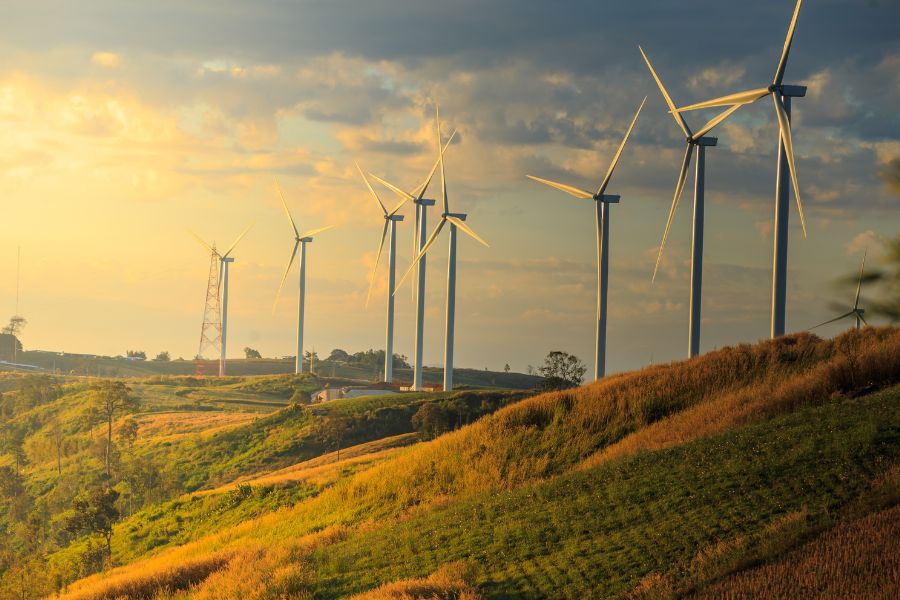
In 2022, the world added 77.6 GW of wind power, reaching a total of 906 GW, growing by 9%. However, India’s wind energy capacity growth as the fourth-largest contributor has been comparatively slower, emphasizing the need to address challenges and accelerate expansion to unleash its full potential. Given that wind is a crucial resource for achievement of India’s zero carbon goals, IBT takes a look at the factors impacting growth and roadmap to be followed. Source: Shutterstock India has a combined renewable energy installed capacity of 179.32 GW out of a total installed power capacity of 416 GW. Wind energy holds a portion of 24.82% of total RE capacity among renewables and continues as the major supplier of clean energy. Currently, at an installed capacity of 42.8 GW. India stands 4th in Wind Power capacity (as per REN21 Renewables 2022 Global Status Report) and has set an enhanced target at the COP26 of 500 GW of non-fossil fuel-based energy, with 140 GW of wind capacity by 2030. In 2022, 77.6 GW of new wind power capacity was connected to power grids globally. This brought the total installed wind capacity to 906 GW, representing a growth of 9% compared to 2021. The mid-term outlook for wind energy in 2023 shows a double-digit growth rate of 15%. Global Wind Energy Council (GWEC) Market Intelligence predicts that 680 GW of new capacity will be added in the next five years, equivalent to more than 136 GW of new installations per year until 2027. China dominates global onshore wind turbine nacelle assembly with 82 GW of identified annual capacity. With 21.6 GW of annual assembly capacity per annum, Europe is the world’s second-largest onshore turbine nacelle production base, followed by the US (13.6 GW), India (11.5 GW) and Latin America (6.2 GW). Source: Global Wind Report 2023 Cumulatively, China, the US, Germany, India, and Spain accounted for 72% of the world’s total installed wind power capacity by the end of 2022. Despite global wind energy capacity experiencing a robust 9% growth in 2022, India’s progress in the sector has been comparatively restrained. While 1.58 GW of wind power was commissioned in the first three quarters, the overall additions fell short of projections due to factors like high inflation, grid unavailability, and extended timelines for commissioning. This noticeable downward trend in India’s monthly wind generation output over the past 12 months raises concerns about the stability and growth of the country’s wind energy sector. Source: renewableindia.in In April 2022, the wind generation output was 4184.03 million units (MU), which was significantly lower compared to the previous months. This trend continued with fluctuating figures in subsequent months, hitting its lowest point at 2,471.9 MU in November 2022. While there was a slight recovery in December 2022 and January 2023, the numbers are still lower compared to the earlier months. What’s causing the slowdown? The Indian wind energy sector has faced competition from the rapidly growing solar photovoltaic (PV) power sector. In recent years, experts feel that there has been significant policy attention and support devoted to the solar sector in India. Manoj Sail, Senior Manager (Renewable), Agarwal Groups of Companies, states “Withdrawal of industry-friendly incentives such as tax breaks on the sale of power as well as disruption to the supply chain have impacted the sector. A strong and stable policy framework is required that spurs demand for wind turbines and incentivises manufacturers to restore supply to the domestic market. The sector requires a higher level of technical qualifications and skills to build turbines and construct and maintain wind farms. The talent demand will be especially high when offshore wind farms come in, and they will need to make investments in skills development and training for their workers.” India has published a strategy paper projecting 37 GW of offshore wind by 2030. This indicates the country’s intention to develop the offshore wind sector, but it also highlights the need to create a market for offshore wind and address the associated challenges. When we have a talk with M. K. Deb, Chairman, Consolidated Energy Consultants Ltd (CECL), about the challenges faced by wind energy industry, he said, “Presently, the main constraint for new capacity addition of Wind Power Projects is availability of suitable sites. Over the past few years, there have been quite a few undesirable developments in terms of land mafias inflating prices, farmers hesitant to sell at fair rates, obstacles to site access and Right of Way, and escalating charges by State Nodal Agencies post-project commissioning, including added taxes.” Furthermore, India aims to capitalize on supply chain opportunities, particularly by leveraging the role of MSMEs in the wind manufacturing sector. This focus on the domestic supply chain may require time to fully develop and contribute to the growth of the sector. Other challenges contributing to stagnation include transition to the reverse auction route, lack of financial incentives, challenges in securing land at windy sites and establishing power evacuation infrastructure for projects. However, M.K. Deb adds on future potential, “As regards increase in new capacity addition of Wind Power Projects – there has been some improvement in FY 2022-2023 as compared to previous year. The new capacity addition in the year 2022-23 is 2275.75 MW while the previous year’s addition of 1110.5 MW.” A study was conducted by the National Institute of Wind Energy to assess the wind power potential of the country at a height of 150 Meters. The potential now assessed for onshore projects is 1,163 GW. However the potential sites having high Capacity Utilization Factor (CUF) of 36% and above (which is necessary for financial viability of the project) is 163 GW. India has already utilized sites of total capacity of 42 GW and now a balance 120 MW would be available for new development. Source: Investindia The wind power capacity in India is expected to grow steadily from 3400 MW in 2023 to 5000 MW in 2030 according to the Global Wind Energy Corporation, with periods of moderate increases and slight fluctuations. The