Mahua liquor is a traditional sweetened liquor with strong floral notes that has been made for ages by the tribal people of India. It is made from the flowers of the Mahua tree, which is found largely in the central, northern and southern Indian forests – making it distinctively Indian, just like other popular GIs like Darjeeling Tea. In recent years, Mahua liquor has gained recognition beyond the forest communities, attracting attention from wine enthusiasts and connoisseurs around the world. Efforts have been made to revive and promote Mahua, including seeking Geographical Indication (GI) status, which would protect its origin and quality. In fact, experts believe that Mahua has the potential to become India’s answer to the Mexican tequila. India Business & Trade presents an exclusive report on the fascinating journey of Mahua liquor and why it has the potential to become the ‘National Drink of India’. The Mahua tree, a botanical treasure of India, offers a rich tapestry of properties. Its edible flowers, with sugar content ranging from 68% to 72%, are the foundation for the alcoholic drink Mahua. The Mahua tree’s fruits provide both oil and starch, while its bark yields fibres for ropes and mats. Valuable oil for cooking and biodiesel is extracted from its seeds, and its leaves are skillfully fashioned into bowls, plates, and cones. Beyond its practical uses, the Mahua tree is endowed with medicinal properties, offering remedies for ailments like malaria and diarrhoea, making it a versatile and cherished component of Indian flora. Mahua liquor became popular in the early 20th century when it was used as a substitute for imported alcohol during the British Raj, and hence, was banned. This led to a decline in its popularity and cultural significance as the tribal people were denied the right to produce and sell it beyond traditional village markets. However, in recent years, there has been a gradual change in attitude among local governments, and efforts have been made to lift the ban and revive and promote Mahua as a unique Indian spirit. India’s answer to Tequila? There is a palpable excitement among industry watchers that Mahua could be to India what Tequila is to Mexico, provided the product is given the kind of attention it deserves from industry with government support. There are quite a few parallels that can be drawn between the two. Tequila, a globally popular beverage, is a protected GI product of Mexico. It is a distilled alcoholic beverage prepared from the blue agave plant, grown and harvested in specific regions of Mexico – Jalisco, Michoacan, Nayarit, Tamaulipas & Guanajuata. Global sales of Tequila were estimated at around US$ 3.96 billion in 2022, and the US accounts for around 60% of those sales (Global Data). Mahua liquor has a long history in India, with its production and consumption dating back to ancient times. The Mahua tree is found predominantly in the central, northern, and southern Indian forests, especially in the states of Madhya Pradesh, Chhattisgarh, Jharkhand, Odisha, and Bihar. Its flowers are used for various purposes, including making liquor. Mahua liquor is known for its sweet and floral aroma and its smooth and mellow taste. It is also said to have medicinal properties. Image source: Pixabay Being the only pot-distilled and fermented spirit in the world made from naturally sweet flowers, Mahua has a very unique flavour profile that is garnering attention. Moreover, it is a feedstock unique to India, and has the potential to create an entirely new product category in the domestic and global liquor market. Mahua has been a part of the local culture of the tribes, who consume it at local gatherings and ceremonies. Mahua is a pungent, potent drink that is usually brewed in unorganised, small-scale backyard stills. It is not only an excellent spirit, but also a part of the cultural and culinary heritage of the tribal communities that have been producing it for generations. According to the Centre for People’s Forestry, the estimated national production of Mahua flowers is 0.85 million tonnes, and the total production potential is 4.9 million tonnes. The average trade volume in Madhya Pradesh is 57,300 quintals, followed by Odisha (21,000 quintals) and Andhra Pradesh (13,706 quintals). An estimated 90-95% of Mahua flower’s annual production goes into the brewing of beverages. Why should it be given a GI tag? Geographical Indication (GI) is a certificate given for products that have a specific geographical origin and possess qualities or a reputation due to that origin. Mahua liquor is an excellent product for GI status due to its unique characteristics, abundance, and deep-rooted cultural significance. Mahua liquor is the only pot-distilled and fermented spirit in the world made from naturally sweet flowers. This makes it a unique product not just within India but globally. It’s deeply rooted in Indian culture and tradition. The indigenous tribes have been brewing it for centuries and it forms an integral part of their cultural heritage. Mahua flowers are one of the top five minor forest products (MFP) in terms of volume produced in the nation each year. The Mahua flower stands as a superior choice for liquor production due to its unique and distinctive flavour profile, abundant production, and sustainable raw material source. It is not only affordable to produce but also offers a healthy alternative to other spirits. Its universally appealing flavours make Mahua liquor a global standout, poised to captivate the taste buds of drinkers worldwide. Moreover, granting GI status can help protect and promote this traditional knowledge while also ensuring that benefits accrue back to these indigenous communities. It can also aid in preserving biodiversity as it provides an incentive for protecting the environments where these products are produced. Seeking GI status for Mahua, which would not only protect its origin and quality but also help in its promotion and marketing as a unique Indian spirit such as Darjeeling tea, Basmati rice, Bengali Rasgulla and Kashmiri Saffron. GI helped in their recognition and protection as unique Indian products. It helps consumers

What fueled India’s electronics market surge in 1st half of 2023?
In the dynamic landscape of consumer technology in India, the first half of 2023 has brought about a noteworthy shift. Even though there has been a minor 4% decrease in smartphone sales, their worth has risen by an impressive 12%. This implies that consumers are gravitating towards high-end devices. What’s particularly striking is the phenomenal growth in smartphone exports, marking a 353.49% increase, catapulting to a remarkable $7.48 billion. Concurrently, the telecommunications sector exhibited commendable resilience, and categories like air conditioners and washing machines thrived. IBT examines products in India that are experiencing significant success in terms of both volume and value. Source: Shutterstock The Indian consumer electronics market experienced notable growth and development in the first half of this year. The technical consumer goods (TCG) sector, which encompasses a range of electronic products and gadgets, exhibited an impressive 8% increase in overall value compared to the same period in the preceding year. This expansion underscores the robustness of the consumer electronics sector in India, as consumers persist in adopting advanced features and innovative experiences in their electronic devices. Smartphone Market Dynamics According to GfK Market Intelligence, which monitors physical store sales, the value of smartphones and mobile phones increased by 12%, despite a 4% drop in sales. Moreover, several other industries witnessed growth in both the quantity and value of their products during H1 2023 compared to H1 2022. In the first half of 2022, smartphone exports from India totaled US$1.65 billion(In the first half of 2022, smartphone exports from India totaled US$1.65 billion. However, during the first half of 2023, these exports witnessed an extraordinary growth of 353.49%, surging to an impressive US$7.48 billion. This remarkable increase highlights the significant expansion in smartphone exports). During the first half of 2023, there was noticeable growth in the premium smartphone segment, which includes phones priced above Rs 30,000. Observations from the data reveal that premium smartphone sales volume experienced a remarkable 50% surge, coupled with a 54% growth in value. This shift in consumer preferences highlights the increasing demand for advanced features, innovative technology, and an enhanced smartphone experience. Soumya Chatterjee, market expert- technical consumer goods – India, GfK, said “The Indian consumer market is undergoing a transformation driven by evolving consumer preferences and a growing appetite for innovative products. The growth highlights the resilience and adaptability of the Indian consumer market in the face of changing dynamics. The Technical Consumer Goods market exhibited an 8% growth in value. Meanwhile, the Consumer Electronics (CE) sector saw a 13% surge in volume, demonstrating a strong market presence.” Telecom and other domestic appliances In the first half of 2023, the telecommunications sector showed strong performance, marked by a 12% increase in value, even though there was a slight four per cent decrease in volume. Specifically, the smartphone segment saw a three per cent increase in volume, leading to an impressive 14% growth in value. The major domestic appliances category exhibited promising growth. Air conditioners saw a seven per cent increase in volume and a 9% rise in value. Washing machines followed closely with a 6% growth in volume and a 10% increase in value. Microwave ovens maintained a steady performance, showing a 4% growth in volume and a modest three per cent increase in value. Furthermore, the GfK Consumer Life 2022 Report suggests that Indian consumers have a desire for an immersive entertainment experience. Within the consumer electronics sector, audio home systems experienced a 21% surge in volume, accompanied by a 12% rise in value, highlighting a market presence. PTV/Flat televisions exhibited a growth trajectory with a 13% volume increase, while value growth remained at two per cent. Additionally, in the information technology sector, the desktop computing segment has maintained steady growth, achieving a 7% increase in volume and a 9% increase in value, reflecting its consistent market positioning. On the other hand, mobile PCs have experienced a 14% decline in value, while gaming laptops have shown a 6% growth in sales value. The gaming industry has expanded during the pandemic. Also, 74% of urban Indians surveyed have played video games on a personal computer at least once, and 88% have played games on tablets. IT devices like PCs still have an estimated penetration of less than 10% in India, indicating a substantial growth opportunity. In contrast, media tablets experienced a 10% growth in volume and a 17% increase in value, reflecting the continued demand for versatile and portable computing solutions. The surge in media tablet sales signifies a shift in consumer behaviour, with people increasingly seeking entertainment and productivity on the go, valuing devices that cater to these needs. According to the report, one out of every two consumers prefers to purchase products through online channels. This preference is reflected in the GfK Online Market Sensor reports, which show strong demand for consumer tech products in the first half of 2023 as consumers continue to realize the advantages of online shopping. Furthermore, panel televisions, refrigerators, and mobile PCs have registered high sales volume growth of 42%, 29%, and 28% respectively, while health and well-being categories like washing machines and water purifiers have witnessed a volume growth of 11% and 18% respectively. According to the report, there has been growth in various sectors, but the penetration of certain products remains relatively low, signalling opportunities for industry leaders to explore further. The growth indicates a strong demand for cooling solutions, driven by factors such as rising temperatures and an increased emphasis on home comfort. However, despite this observed growth, there is still room for further expansion, as indicated by the low penetration of these products. Conclusion In conclusion, the evolving market dynamics reveal a significant trend: a rising desire among Indian consumers for an enriched and captivating entertainment experience. These insights underscore the industry’s ability to adjust to consumer preferences, setting the stage for an engaging and innovative future in consumer electronics. Additionally, the data illustrates growth across diverse product categories, emphasizing the prospects within the Indian consumer market. While online shopping

Is India ready to implement its grand HPMP Stage-III?
India has worked hard to establish itself as a shining example of sustainability for other developing countries. At the 29th World Ozone Day, the Ministry of Environment, Forest and Climate Change (MEF&CC) stated that Hydrochlorofluorocarbons (HCFCs) are being phased out as per the accelerated schedule of the Montreal Protocol. HCFC Phase out Management Plan (HPMP) Stage-I has been successfully implemented from 2012 to 2016 and Hydrochlorofluorocarbons Phase out Management Plan (HPMP) Stage-II is currently under implementation from 2017 to 2024 end. But before the roll-out of the III of the HPMP in 2024, the central government and industry stakeholders must introspect into the continued use of banned, poor-quality refrigerant chemicals to map out a cost-effective, sustainable chemical replacement. Photo Source: Pexels On September 16, the Ministry of Environment, Forest and Climate Change (MEF&CC) celebrated the 29th World Ozone Day. An important announcement was made during the celebration regarding new initiatives being taken to prepare for the implementation of the Kigali Amendment to the Montreal Protocol. The amendment aims to phase down Hydrofluorocarbons (HFCs). India has successfully carried out programmes under the Montreal Protocol on Substances that deplete the Ozone Layer and continues with its efforts to phase out ozone-depleting chemicals in accordance with the phase-out schedule. The protocol mandates all signature countries to entirely phase out the main Ozone Depleting Substances (ODSs), such as chlorofluorocarbons (CFCs), halons, and carbon tetrachloride (CTC), in a certain time frame. This was done on the basis of very clear empirical findings. More ODSs, including methyl bromide and hydrochlorofluorocarbons (HCFCs), have since been added to the Protocol’s list of substances that must be phased out by the specified dates as a result of later investigations. What is the HCFC Phase Out Management Plan? The Government of India is implementing the HCFC Phase-out Management Plan (HPMP) in collaboration with other international organisations and agencies. According to the Montreal Protocol, it is intended to gradually phase out the production and consumption of hydrochlorofluorocarbons (HCFCs) in the country. In order to phase out the usage of HCFCs, India has identified a three-pronged strategy as being essential. First, use energy-efficient machinery and construction to lower the demand for refrigerants. In order to safeguard the ozone layer and improve the climate, HCFCs should be replaced with alternatives that have low or no global warming potential and no ozone-depleting potential. Third, employ alternative technologies that do not rely on Ozone Depleting Substances (ODS) that are not equivalent. Types of refrigerant cooling gases Chlorine and bromine-based refrigerants are a factor in the ozone layer’s depletion. The warmth induced by a chemical in relation to the warming caused by the same mass of carbon dioxide is known as the global warming potential, or GWP. CFCs as well as HCFCs and HFCs maintain stability in the atmosphere, by which they are often very effective greenhouse gases. Global Warming Potential (GWP) refrigerants have become more available, however, it’s important to note it may not be possible to use all of them as a retrofit in existing systems because some of them have moderately flammable characteristics. CO2’s GWP is 1.0 by default. While CFC-11 has a GWP of 5000, CFC-12 has an 8500 GWP. The GWPs of various HCFCs and HFCs range from 93 to 12100. Refrigerants are represented by the letter R (as in Refrigerants) followed by a 2 or 3-digit number and, in some cases, 1 or 2 letters. The first HFC, R134a, was introduced in refrigeration and air conditioning with great success, as it requires almost no changes in the equipment designed for R22. However, it offers a very limited efficiency, about 40% lower than that obtained with R22. Therefore, OEMs have two options: either comply with a significant decrease in a system’s thermal capacity or expand the system’s size (and expense) to attain the same capacity. The other chemical of HFC, R407C is thermodynamically comparable to R22 and can be used as a “drop-in” refrigerant. R407C, on the other hand, has a glide of 7 K, which makes it hardly useable in tiny domestic (home) equipment in contrast to R134a, which is a pure compound. India’s efforts on eliminating HCFC Other than the Montreal Protocol, India is a signatory to other major global environmental conventions and treaties including, inter alia, the United Nations Framework Convention on Climate Change, the United Nations Convention to Combat Desertification, the Convention on Biological Diversity, the Paris Agreement, Stockholm Convention on Persistent Organic Pollutants, etc. India has taken ambitious targets in support of global environmental goals like ratification of the Kigali Amendment to the Montreal Protocol for phase down of Hydrofluorocarbons. In 1992, HCFCs, a fluorocarbon chemical, usage was brought under the ambit of the Montreal Protocol through the Copenhagen Amendment as a substitute for CFC. In 1999, the schedule of phase-out of HCFCs was brought in through the Beijing amendment of the Montreal Protocol. India was self-sufficient in the production of chemicals like CFCs, CTC, halons and HCFCs., and was mainly producing and using 9 of the 96 substances controlled under the Montreal Protocol i.e., CFC-11, CFC-12, CFC-113, HCFC22 halon-1211, halon-1301, CTC, Methyl Chloroform and Methyl Bromide. In India, Hydrochlorofluorocarbons (HCFCs) are presently being phased out in accordance with the Montreal Protocol’s accelerated timeline. Stage I of the Hydrochlorofluorocarbons Phase Out Management Plan (HPMP) was successfully executed between 2012 and 2016, and Stage II is now being implemented starting in 2017 and will be finished by the end of 2024. Leading as a shining example of sustainability The MEF&CC has announced that India was the first developing nation in the world to totally phase out the use of HCFC-141b in the production of rigid foam during the implementation of HPMP Stage-II. The country achieved a reduction of 44% from the baseline as of January 1, 2020, as opposed to the aim of 35%. “As part of HPMP Stage-III implementation from 2023-2030, phase-out of HCFCs in manufacturing of new equipment will be phased out by 31.12.2024. Implementation of HPMP Stage-III will enable India to achieve compliance

India, the emerging strategic manufacturing and sourcing hub
Driven by various trade disruptions (like trade wars, the pandemic, natural disasters, significant supply constraints, Brexit, the Ukraine war, and assertive industrial policies), many global firms have relocated some of their manufacturing from China in the past five years while others are planning for the same in the coming years. India has great potential to develop as a strategic manufacturing and sourcing powerhouse as it has a broad manufacturing base, and is cost-competitive as well. Image Source: Shutterstock In recent years, many multinational companies around the world have examined their heavy concentration in China. Factors like rising labour costs in China, the ongoing trade war between the United States and China, and concerns over China’s political and economic stability are driving the trend where firms are shifting some of their production (from China) and sourcing to different countries. On the other side, there are some countries that are rising up as attractive and popular destinations for businesses moving out from China. Countries like Vietnam, India, Mexico, Indonesia, and Bangladesh are emerging destinations which provide- more affordable labour, a more stable political environment, growing scale & capabilities across various industrial sectors, and accessibility to major markets. These countries are fast emerging as the future export manufacturing hubs. Morocco and Turkey, along with other countries are also expanding their export manufacturing driven by competitive costs, abundant labour, and proximity to the European Union (EU) and other markets. India, in particular, offers additional benefits, as it possesses an extremely vast domestic market. India has evinced, that it wants to increase its economic and production output. Several measures undertaken by the government in this direction include – minimizing taxes and regulations on businesses, raising infrastructure spending on roads, ports, and airports, and facilitating international business investment into India. Efforts of the government to attract those businesses moving out of China appear to have been quite efficacious. On the world stage, India’s manufacturing success over the past five years has been remarkable. The recent study report titled ‘Harnessing the Tectonic Shifts in Global Manufacturing’ by Boston Consulting Group (BCG) highlights India’s advantage in direct manufacturing costs as an export podium. According to the BCG’s report, the average cost (including the factory wages, productivity, logistics, tariffs, and energy) of Indian-made goods imported into the US is about 15% lower as compared to the goods manufactured in the US. However, the goods manufactured in China give only a 4% cost advantage over the US-made products. In fact, goods made in China amount to be 21% more expensive when subject to US tariffs resulting from the trade dispute between them. Some major observations of the BCG report The BCG study report states that over 90% of the North American manufacturers who were surveyed have shifted some of their production from China during the last five years. About the same proportion intends to relocate their production in the next five years. These shifts are being driven primarily by the perpetual pursuit of low costs, keenness to reduce lead times, operate in a more stable business environment and improve flexibility to respond to any disruption (even if it is at the cost of a number of operating margin points). In most countries, wage inflation has surpassed productivity gains during the last few years. According to the report Labor costs adjusted for productivity increased by 21% in the US and by 24% in China during the period 2018-2022. The productivity-adjusted labour costs increased by 22% in Mexico and by 18% in India. Despite this wage inflation, these two nations (Mexico and India) continue to be the most competitive manufacturing sources in the world. Over the last five years (2018-2022), in inflation-adjusted terms, India’s exports to the US rose by US$23 billion, registering a growth of 44%. The US goods import rose by 18% from Mexico, and by 65% from the ten countries of the Association of Southeast Asian Nations (*ASEAN). However, China experienced a 10% decline in exports to the US during the period, according to the BCG study report. (*Association of Southeast Asian Nations countries- Brunei, Cambodia, Indonesia, Laos, Malaysia, Myanmar, Philippines, Singapore, Thailand, and Vietnam). The study noted that India’s shipments of semiconductors and materials to the US witnessed a significant increase of 143% over the past five years. Export of auto components from India to the US grew by 65% while mechanical machinery exports to the US increased by 70%. The following table shows the change in US goods imports during the last five years (2018-2022). Table: Change in US goods imports, excluding energy, during 2018–2022 (US$ billions, % change) Consumer electronics Semiconductors and materials Auto components Mechanical Machinery Total US imports Total imports 218 55 255 164 2,643 China –3.0 –1.3 –5.0 –10.8 –55 –2% –29% –12% –28% –10% ASEAN 17.9 4.8 7.8 9.5 118 124% 22% 90% 61% 65% India 1.2 0.1 2.6 0.9 23 392% 143% 65% 70% 44% Mexico –0.1 –0.1 12 2.9 58 –1% –5% 17% 21% 18% European Union (excluding UK) 2 1 .0 1 .5 2.8 2.3 69 8% 61% 8% 7% 17% Rest of world 5.4 6 5.8 6.9 127 17% 52% 8% 14% 16% Total 22.6 11.1 26 11.7 340 12% 26% 11% 8% 15% Sources: IHS Markit Global Trade Atlas; BCG analysis. The report highlights that the new emerging destinations for relocation of manufacturing are beginning to expand their scales and capacities. India is rapidly developing as a manufacturer of engines and turbines; Morocco is emerging fast as a destination for automotive assembly and components; and Vietnam is developing as a centre for consumer electronics. Companies that enter these emerging manufacturing destinations early, may take advantage of the opportunity to establish capacity while labour, land, and other factors are inexpensive and readily available. As regards India, the report states that India’s logistics infrastructure is unevenly developed, its environmental sustainability is not that robust, and it has fewer free-trade agreements with other nations except for members of the ASEAN. Nevertheless, India is very cost competitive and it has

India and Indian cuisine to truly shine on the global stage
In an interview with India Business and Trade (IBT), Chef Ajay Chopra, Founder of Zion Hospitality, and MasterChef India Season 1 and 2 Host, shares insights about how raising Indian cuisine’s visibility and appeal on the world stage can benefit a number of industries, including as food processing, exports, and farmer incomes. He talks about the possible avenues of collaboration between the Indian government and industry stakeholders for promoting Indian cuisine internationally. Further, Chef Ajay Chopra discusses challenges that are faced in promoting Indian cuisine and culinary products on a global scale and how we can address them. IBT: What important lessons can India take away from the experience of promoting Thai and Italian cuisines on a global scale, which has successfully increased exports and tourism? Ajay Chopra: When discussing the cuisines of other countries, it’s important to consider the size of the country, as cuisine is often influenced by its scale and identity. China and Russia, both large nations with diverse regions and cuisines, share similarities with India in this regard. While a direct comparison between India and smaller countries like Italy and Thailand may not be entirely fair, these smaller nations have effectively showcased their culinary offerings to the world. Thailand, known as a popular travel destination, has actively worked on becoming a tourism-friendly place. Italy, on the other hand, is renowned globally for its finesse, craftsmanship, automobiles, leatherwork, fashion, and more. Italy has capitalized on this reputation to promote its cuisine, chefs, and culinary ambassadors extensively. In India, recent efforts, such as participation in the G-20, mark the beginning of similar endeavours. India should take pride in its rich culinary heritage. For instance, during a G-20 event, I proudly presented “thekua” with “shrikandh,” a lesser-known delicacy beloved by the people of Bihar. It’s essential for us to celebrate what we have and who we are. Our “besan ka laddoo” is, in many ways, superior to any cheesecake, but we often overlook its significance. It’s time to embrace and showcase our culinary treasures. Furthermore, we need to focus on marketing Indian cuisine more effectively. Fortunately, we are currently at a promising stage where Indian food is gaining worldwide acceptance and demand. The outdated perception of Indian food being limited to just “curry” and being overly spicy and oily is gradually fading away. People are beginning to appreciate the diversity, flavours, and depth of Indian cuisine. However, I believe there is still much-uncharted territory for India in the global culinary scene. In my opinion, for India and Indian cuisine to truly shine on the global stage, every chef and creator must have faith in their own culinary creations. They should believe in, love, and flavour their food with passion and authenticity. IBT: How can the Indian government work together with industry stakeholders to create a successful strategy for promoting Indian cuisine on the global stage, and how can culinary experts, such as yourself, contribute to this effort? Ajay Chopra: I am the ambassador for European Union Food Products in India, and they have signed me for a three-year term. The EU has recognized that if they want Indians to consume their products, they need to take action. They require an Indian voice that can guide how these products can be incorporated into Indian cuisine, which is why they have hired me. Similarly, there are numerous chefs who have left India and gone abroad. Many of them have become Master Chefs and well-known figures in various countries. India should capitalize on this resource. It should establish direct contact with these chefs through its embassies. For instance, Vikas Khanna is doing an outstanding job in raising the flag of Indian cuisine and India on the global stage. It’s not just one person; there are many such individuals. London is home to numerous Indian chefs, and the same goes for Australia. In fact, there are hotels in Africa and the Middle East where Indian chefs are in charge. If they are recognized and contacted by the embassies, they can be promoted as the culinary ambassadors of their respective countries because they have been residing there for many years. They can start promoting Indian cuisine. So, the embassies need to take action. Another point is that chefs like us can travel. For example, Bahrain Tourism is reaching out to us to promote their tourism sector because they understand that India is a significant market. Once travel resumes, the next question is, ‘Where can I find my favourite Indian food?’ Indians, when they travel, often seek familiar snacks like khakra and papad. People travel for food experiences. If India explores tourism in a manner similar to other countries, it could significantly boost its cuisine. When people visit India and savour its diverse food, they will return to their countries and seek out those dishes. They might wonder why they can’t find the amazing dish they had in India back in Germany, for example. The reason we now have sushi, pizza, and various international cuisines in India is because of our extensive travel experiences. We’ve been to Japan, had fantastic sushi, and thought, ‘I want this sushi here.’ Japanese chefs came, opened restaurants, and gained fame. This is essentially a cultural exchange. IBT: Food processing plays a critical role in promoting Indian cuisine globally. What innovations and improvements are essential in this sector to meet international standards and preferences? Ajay Chopra: If we assess the current market landscape, we can observe a significant and ongoing trend of innovation. This innovation has already occurred and will continue to evolve in the near future. It encompasses a wide range of products, including ready-to-eat spices, gravies, parathas, and dishes. Another notable development is in retort pouch meals, where packaging can be stored at room temperature and then heated to create a gravy or dal. These innovative products are readily available not only in India but also in international markets. Several companies are actively contributing to this trend. For instance, ITC, Goeld Food, and Sumeru are making remarkable

Next evolution of scanning will be from QR code to RFID
Since its invention in the 1940s, barcode scanning technology has seen a tremendous evolution. Recent developments in machine learning (ML) and artificial intelligence (AI) have been integrated into barcode scanning technology. Particularly in situations where barcodes are broken or partially hidden, these technologies help to increase identification accuracy. JP Mishra – Country Manager- India, Newland AIDC, spoke with India Business and Trade, on the myth surrounding barcode scanning technology in India. He says that it is time for small and micro-enterprises to bid adieu to manual inventory and embrace technology that can help them digitize their stockpile. Photo Source: JP Mishra IBT: Can you give provide a brief of Newland and how it is putting in AIDC as the entry is rather new to India? JP Mishra: We are globally the third-largest company on scan engines, present in more than 100 countries. In Asia Pacific regions such as India, Japan, Vietnam, Indonesia, and Singapore, we are the third-largest AIDC technology company. Our operations in India started in 2019 and have shown steady growth over the years. We take pride in having the highest market share in scanning and mobility in India, competing against many large companies. Our success is due to our focus on product quality, service, and reasonable pricing. We are happy to know that our products are well-received by Indian customers, and we have built a strong customer base of over 1200 direct customers and 150 direct partners. We offer OEM manufacturing services for various companies at our 2000 manufacturing locations, with a diverse range of over 50 products. Our product line includes barcode scanners, printers, mobile computers, RFID products, and industrial products for manufacturing companies in the EMS industry, which we introduced this year. At Newland, we are proud to be a one-stop shop for all your solution needs, and that is how we present ourselves in the Indian market. We provide solutions for a range of industries, such as retail, e-commerce, logistics, and manufacturing. Our primary focus has been on the thriving automotive and electronic manufacturing sectors in India. We have created a variety of scanners to meet the unique requirements of these industries. IBT: What kind of market research did you do before launching Newland in India? JP Mishra: I have been in this particular industry for more than a decade now. So, I worked with all the global companies in the past. That experience also gave me more confidence in diving into this business because we know the customers, we know the technology and we know the market point. If we know the market pain point and how the solution is to be positioned, then it will be easier for us to introduce any kind of solution or position any kind of solution. Product-wise, I think it is very crucial to understand the real needs of a customer and to know the real pain point of a customer. We are purely doing solution-centric business in India. It is not like we are just selling a barcode scanner. It is a complete solution which you are trying to position to the customers with their pain points. We are almost working with 150 channel partners and not doing any direct business in India. We have a robust channel ecosystem. For the customer interactions, we are there but for the business, we are doing it with the help of our channel partners only in India. Those channel partners are very capable of the configuration and for the software design and other things. On the growth aspect, as I mentioned in India we have started from scratch. Earlier in India there used to be one or two companies that manufacture barcode scanners. Then we started promoting our own brand in India. Firstly, we make the barcode scanner affordable for most of the customers. We make the services much faster than our competitors. In the first phase, we started working with all kinds of logistic companies. Logistics and quick commerce companies really need a product immediately. Earlier this product need time was two or three months. So, we make the need time very less for our product and Service TAT. We have managed to achieve the TAT in three-four days whereas others are taking it for weeks time or more than two weeks or three weeks time. That is where we have worked very rigorously and that is why we have started adding more and more customers. IBT: Which are the other industries that can benefit from AIDC technology? What kind of industry procedures or operations have been improved because of AIDC? Can you make a comparison before and after AIDC? JP Mishra: An AIDC product, normally considered an Automatic Identification Data Capturing machine, is useful for each and every industry. We are not confined to a single industry, we are wherever there is a requirement for track and trace or real-time visibility or inventory management. Let’s take an example of logistics. Logistics is one part where they are doing the inventory, they are doing the supply chain and everything. That is where they need the real-time traceability of the product. Everything in the current business world is directly or indirectly into the supply chain whether it is an FMCG company, manufacturing, healthcare or maybe retail company, they need to optimize their supply chain. Secondly, it is not only used on the logistic track interest but also it is used for the working process for different manufacturing customers. For example, in my plant, I am receiving some raw materials and using them in the production line. I want to track how much production has been done. That also is getting addressed to the barcode scanners because they want to make sure which parts should be applicable for this particular machine. Most importantly third and the last vertical is the government. Now a lot of initiative in the government for excise is there. For example, many state governments are now coming up with track and trace for the excise
Energy is the key to human survival
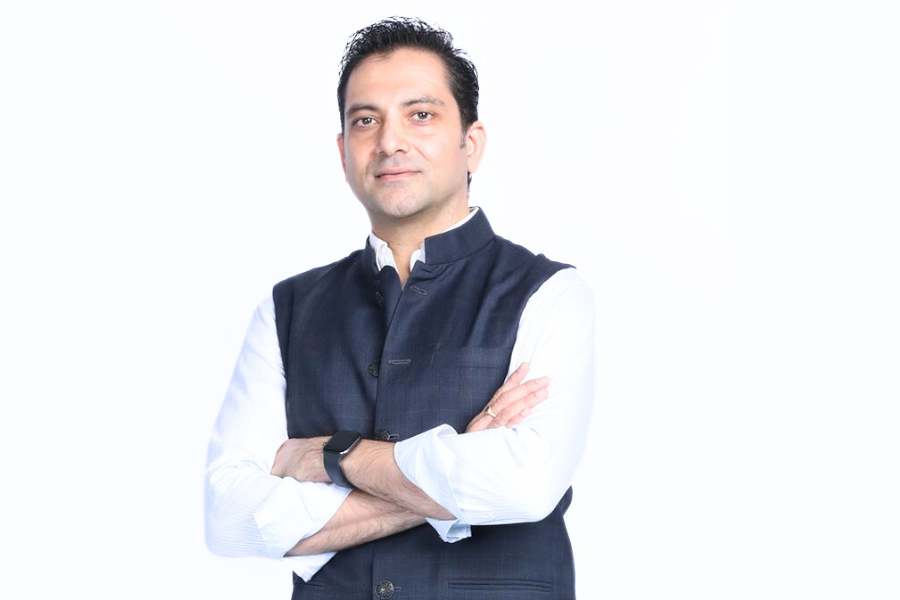
Siddharth R Mayur, CEO and Founder of H2E Power Systems, shares the inspiring story behind his mission to bring energy independence to rural India. He discusses H2E’s frugal approach to clean energy technology, emphasizing affordability without compromising quality. Mr. Mayur also talked about breakthroughs in clean energy solutions and H2E’s pivotal role in reducing India’s carbon footprint. Furthermore, he unveils the company’s visionary Urja Udhyami Programme, aiming to empower 100 million Indians with clean energy solutions by 2047. Source: Shutterstock IBT: What motivated you to establish the H2E Power System? Siddharth Mayur: My motivation and inspiration took an unconventional turn, almost like a plot from a Bollywood film. It was in 2009, and I hailed from the small city of Jalgaon in Maharashtra. My ancestral village, Chopda, lies about 60 kilometers away. Following the Diwali Puja, I called my grandmother to exchange greetings. To my surprise, she lamented the lack of electricity, recounting how they had to conduct the puja by candlelight. While such power shortages were common in those days, even persisting to some extent today, something stirred within me that evening. I couldn’t reconcile the fact that while we enjoyed air-conditioned comfort, just 60 kilometers away, our families endured energy poverty. This marked a turning point in my life, reshaping my perspective. I had no prior connections to electricity, clean energy, or hydrogen – my focus was elsewhere. But that night, as I gazed at the stars and the moon, I resolved that action was needed. I realized we couldn’t solely rely on the government, burdened with its own challenges. Instead, it was time for individuals like us to step up and assist the government in helping our communities. And so began my journey into what I now call ‘good energy solutions. IBT: How does your company manage to offer affordable, clean energy technologies to a wider audience while maintaining a focus on innovation as well as advancement? Siddharth Mayur: I often grapple with the term “affordable.” It’s not that I dismiss the idea of affordability, but whenever something new comes up, the expectation is that it should be cheaper than what’s currently available. To those who ask whether our technology is expensive or cheap, I have a standard response: the cost of electricity is far less than the price we pay for darkness. With minimal resources from the outset, our company had to embrace frugal innovation. We never compromised on quality, but we relentlessly sought ways to reduce costs. We hired young talents, often straight out of college or from smaller towns, and invested heavily in their training. This culture of frugality permeated our DNA from day one. We believed that every aspect of our product, down to the smallest component, needed to be developed in-house. For instance, we ventured into fuel cell and electrolyzer development and production. This commitment to self-sufficiency extends to material innovation. If a material wasn’t readily available in India, we worked closely with Indian institutions to identify local alternatives. Our goal was clear: to localize production as much as possible. By 2025 or early 2026, nearly 100% of our components will be manufactured in India, not just assembled here. Our mission is deeply rooted in self-reliance, as symbolized by the phrase “Swadeshi Urja, Swavalambi Bharat.” I coined this phrase back in 2009. It underscores the idea that until India can produce its own energy and develop a self-sustaining supply chain, true self-reliance remains elusive. Energy is pivotal to human survival, and our nation imports around $200 billion worth of energy. Thus, we’ve meticulously crafted an ecosystem that enables us to offer products at a genuinely affordable price point. We’ve made substantial investments in research and development, and these investments are paying off by driving down costs. Our focus extends beyond product development; we’re exploring various industry segments. My roots in a farming family keep rural India close to my heart. I firmly believe that we owe our existence to farmers whose toil puts food on our tables. Empowering them with energy independence has remained a core objective of our work. It is the investment in research and investment into the end solution where we take the customer as the focus point and not technology as the focus point, and build solutions which are not only affordable but which are sustainable. See, end of the day, you cannot be pennywise and pound foolish. You cannot say that it is very cheap. Therefore, I always use the word inexpensive. I never want to build a product that is cheap. We want to build an inexpensive product. IBT: Could you share a recent instance where H2E emphasized on innovation and research and development which led to a notable breakthrough in clean energy solutions? Siddharth Mayur: Let me take you into the component side first. On the component side, there’s a critical component that goes into fuel cells and electrolyzers, and there are fewer than two global suppliers for it. Typically, there’s a lead time of 30 to 40 weeks to obtain this component. However, we’ve achieved a breakthrough by developing this component in-house. Moreover, we’re working on altering the material itself, and by next year, we aim to reduce the cost of this component to one-tenth in dollar terms. Considering currency fluctuations, this translates to an even greater reduction in rupee terms. What’s more, we’re building an ecosystem around this component to ensure it’s available with just a six-day notice period instead of the usual 40 weeks. This achievement will significantly reduce the cost of our final product and enhance our operational efficiencies. Shifting to solutions, we’ve developed two noteworthy ones. First, there’s the “power trailer,” which we’ve named Vijay Urja(?). This innovation is a hybrid power generator designed for individual farms and farmers. It combines a fuel cell with a battery, offering a hybrid solution that leverages biogas. Its purpose is to alleviate the challenges faced by farmers and transform a farm into a mini manufacturing unit, essentially turning farmers into micro, small, and
Lucrative opportunities in India’s commercial drone industry
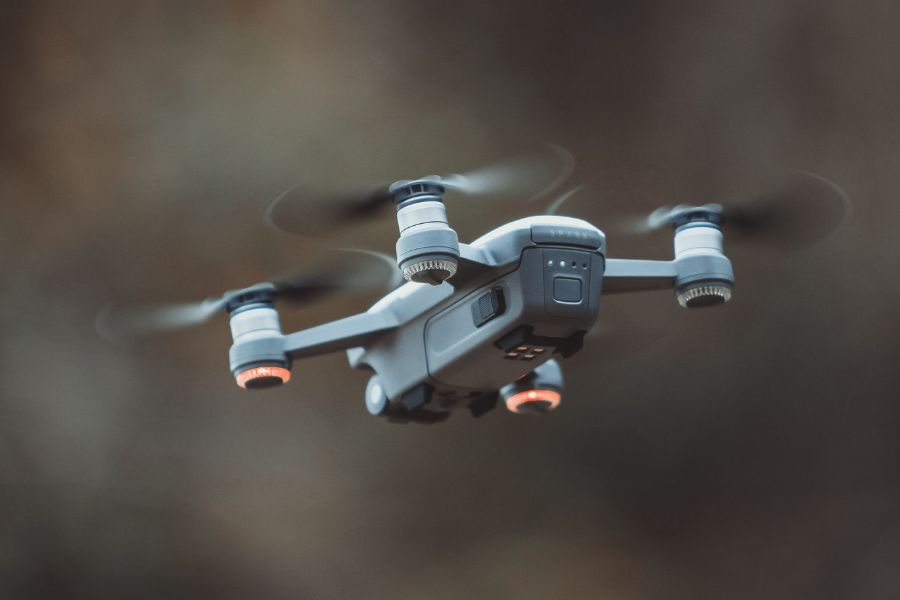
Unmanned aerial vehicles (UAVs), commonly known as drones, have emerged as a highly promising technology with wide-ranging applications across various industries. Numerous Indian businesses have recognized that drones offer a multitude of commercial uses that extend beyond photography, surveillance, and video capture. With the continuous progression of technology and ongoing research, it is anticipated that the industry’s annual sales turnover will escalate from Rs 60 crore in 2020-21 to surpass Rs 900 crore by the fiscal year 2023-24. Image Credit: Pixabay The drone industry in India is emerging as a promising sector with the capacity to greatly influence various fields, including defence, surveillance, internal security, disaster management, agriculture, healthcare, geo-spatial mapping, mining, infrastructure, as well as aerial photography and cinematography, among numerous other domains. The Indian government has been actively fostering the manufacturing of drones and drone components through a range of policies and initiatives, including the Production-linked Incentive (PLI) program. This strategic endeavour aims to transform India into a worldwide hub for drones by the year 2030. The Ministry of Civil Aviation expects that over the next three years, the drones as well as drone components manufacturing industry may witness an investment of over Rs 5,000 crore and the annual sales turnover of the industry may grow from Rs 60 crore in 2020-21 to over Rs 900 crore in FY 2023-24 which will in return generate over 10,000 direct jobs. Moreover, it is expected that the drone services industry which includes operations, logistics, data processing, traffic management etc. will grow to over Rs 30,000 crore during this period, employing over five lakh people. Commercial uses of drones As the name suggests, unmanned aerial vehicles (UAV) or drones are robotic aircraft that do not require a human pilot. Although the drone industry in India is still in its infancy, it is expected to grow and evolve exponentially over the next few years. Apart from the military, drones are being used on a commercial basis such as surveillance, crop protection, construction project surveying, filmmaking, healthcare, e-commerce delivery etc. Since the usage of drones in place of traditional methods can result in considerable cost savings and mass adoption, several start-ups and companies are currently involved in developing and identifying new applications and use cases for drones, which would further drive the drone industry. Several companies have identified the applications of drones in business, some of which are: Agriculture: Drones can be used by farmers to track the health of crops, map the area as well as study the irrigation systems which could help farmers save a lot of overhead costs and time. Environmental conservation and monitoring: Drone technology can be used to monitor and conserve wildlife by keeping a tab on animal populations, habitat management, migration tracking, flood assessment etc. Media coverage: Drones have been used significantly to capture aerial shots of venues, events etc. Local journalists and small–scale media houses can afford a drone to provide live aerial shots. Search and rescue operations: At the time of disasters and natural calamities, drones have proved to be successful in locating people trapped in floods. With infrared sensors, drones can detect people in remote areas using heat maps. Delivery for e-commerce and health: The fastest-growing and most popular application of drones is delivery. The outbreak of Covid-19 highlighted the importance of drones in India and the need to introduce drone-friendly policies. The expanding range of drone applications is not just boosting market growth but also driving the overall drone ecosystem, encompassing drone maintenance, repair and overhaul services, drone platform services, and drone training and education. Moreover, due to the potentially prohibitive cost of enterprise-level drones, many companies are choosing to utilize drones as a service. This is expected to contribute to the expansion of the Drones-as-a-Service sector, which frequently assists enterprises in cost management. Bodhisattwa Sanghapriya, Founder and CEO at IG Drones spoke to IBT stating: “India’s drone industry has yet to tap into its full potential, but with supportive government policies and rising demand across sectors, it is poised for substantial growth over the next two years, reaching an estimated $2 billion. With the incorporation of advanced technology and widespread adoption, India is set to emerge as a dominant player in the drone industry, potentially driving the manufacturing potential of drones and their components to approximately $23 billion by 2030.” Investments and policies As per data from Tracxn Technologies, in FY2022-23, drone start-ups attracted US$ 49.7 million in investments across 20 rounds, compared to US$ 25 million received in FY2021-22 across 23 rounds and US$ 11.2 million in FY2020-21 across 20 rounds. This means that the segment has registered 300% of growth in the last three fiscals. Garuda Aerospace, a multi-utility drone manufacturer raised US$ 22 million in the Series A round, out of which US$ 17 million was raised in February 2023. Moreover, the drone start-up, ideaForge, supported by Qualcomm, has submitted its Draft Red Herring Prospectus (DRHP) to the market regulator SEBI for an initial public offering (IPO). The IPO includes a new share issue valued at Rs 300 crore and an offer to sell 4,869,712 equity shares. Investments in Drone start-ups (2020-2023) Source: Statista The Ministry of Civil Aviation has actively collaborated with multiple Union Ministries and State/Union Territory Governments throughout the nation to advance drone applications. These collaborative efforts have led to various initiatives aimed at fostering the extensive adoption of drones in sectors such as commercial logistics, agriculture, mining, large-scale mapping, and industrial inspection. The government is leveraging the services of drone service providers for a wide range of activities, including vaccine delivery, inspecting oil pipelines and power transmission lines, conducting anti-locust operations, agricultural spraying, surveying mines, and mapping land under the SWAMITVA scheme to issue digital property cards. Furthermore, the establishment of Drone Training Schools in various states holds the potential to significantly contribute to the promotion and development of drone applications. With the implementation of liberalized drone regulations, the Production-Linked Incentive (PLI) scheme, and a progressive drone import policy, it is anticipated that the
India, the next manufacturing hub for agrichemicals?
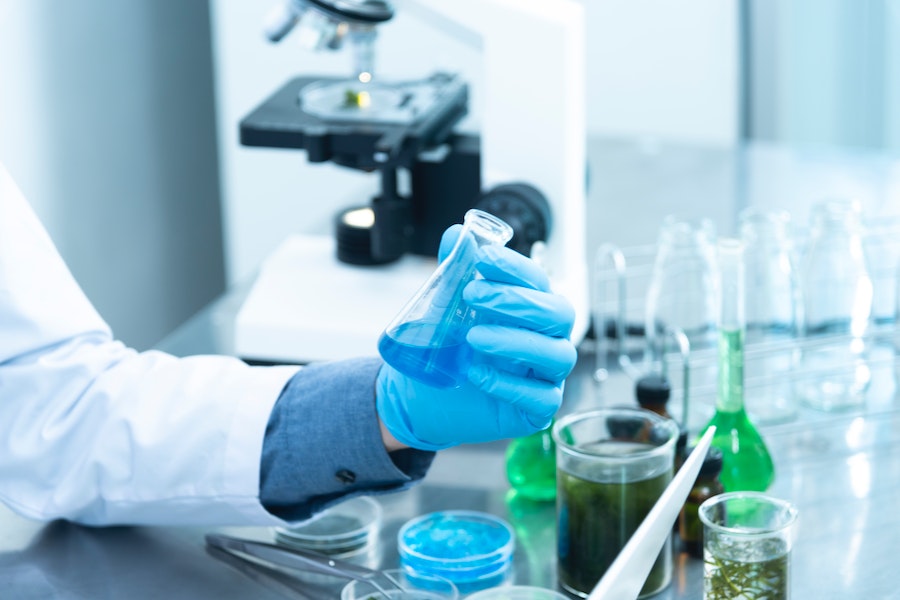
In agriculture, agrochemicals perform a twin role, a productive role in terms of increasing the crop yield, and a protective role against the attacks of insects and pests. Though the application of agrichemicals is progressively increasing in Indian agriculture, the overall usage of agrochemicals when compared to other countries is still very low. India has one of the lowest per capita consumption of agrichemicals per hectare. This signifies that there is a great scope of growth for the domestic agrochemicals industry. Image Source: Pexels Agrochemicals or agrichemicals are chemical products used in agriculture to increase productivity. They are commonly defined as plant protection products which include herbicides, fungicides, insecticides, fertilizers, soil conditioners, algaecides, veterinary medicines and fumigants. These agrochemicals play a significant role in crop growth and are important in obtaining increased yields by preventing pest attacks and diseases, in the cultivated fields. The use of agrichemicals in Indian agriculture has increased sharply since the adoption of the Green Revolution. Agrochemicals perform a productive role (in terms of increasing the yield) as well as a protective role (against attacks by insects, pests and other diseases). India’s agrichemical landscape India is the 4th largest manufacturer of agrochemicals in the world. During the year 2019-20, the Indian agrochemical industry was valued at about US$ 6 billion and is expected to grow at a CAGR of around 8% till 2025 Indian agrochemicals market is segmented by product type (fertilizers, pesticides, adjuvants, and plant growth regulators) and by application (crop-based and non-crop-based). Application Crop-based application Grains and Cereals Oil Seeds Fruits and Vegetables Non-crop-based application Turf and Ornamental Grass Other Non-crop-based Though the application of agrichemicals is progressively increasing in the country, the overall usage when compared to other countries is still very low. While the consumption of agrochemicals in India stands at a little over 300 grams per acre, it is about 13 kg in China and 7 kg in the USA. It is worth noting that, India uses about 60,000 MT of pesticides and produces US$ 48 1 billion worth of agriculture. Of the total area (188.5 million hectares as of 2020-21) under cultivation, about 78% (i.e. 147.3 million hectares) is covered by chemical and bio-pesticides. The consumption of crop protection chemicals in India, as compared to bio-pesticides is nearly ten times. According to the ‘India Agrochemical Market Report’ by Mordor Intelligence, India’s agrochemicals market size is expected to grow from US$ 7.90 billion in 2023 to US$ 12.58 billion by 2028, growing at a CAGR of 9.75% during the period (2023-2028). India’s agrochemical trade; a glimpse During the year 2022, India ranked among the top 5 agrochemical exporters (China, India, USA, France and Germany). Agrochemicals exported from India to the top 10 export destinations in 2021-22 were worth US$ 3324 million. The top ten export destinations during the year 2021-22 were Brazil, USA, Japan, Vietnam, Argentina, Australia, Belgium, China, France, and Indonesia. Interestingly, India is also one of the largest importers of agrochemicals. In 2022, Brazil, France, Canada, USA and India were among the five largest importers of agrochemicals. The following table shows export values of major agrichemicals exported from India during the period 2019-20 to 2021-2022. Table: Top agrochemicals exported from India (2019-20 to 2021-2022) – (Value in US$ Million) HS Code Product 2019-20 2020-21 2021-22 38089390 OTHER HERBICIDES ANTI-S-SPROUTING PRODUCTS AND PLANT GROWTH REGULATORS 1157.48 1605.39 1935.11 38089199 OTHER INSECTICIDE N.E.S. 1125.75 1453.7 1507.93 38089290 OTHER FUNGICIDES 670.79 958.41 1046.47 38086900 OTHER 142.38 232.91 251.48 38089320 2:4 DICHLOROPHENOXY ACTC ACD & ITS ESTERS 44.93 107.89 126.66 38089350 WEEDICIDES AND WEED KILLING AGENTS 75.71 98.02 132.96 38089135 CYPERMETHRIN TECHNICAL GRADE 143.79 169.89 118.66 38089400 DISINFECTANTS 37.32 64.12 76.74 38089137 SYNTHETI C PYRETHRUM 22.22 29.21 33.07 38089910 PESTICIDES NOT ELSEWHERE SPECIFIED OR INCLUDED 31.7 32.25 31.81 38089990 OTHER SIMILAR PRODUCTS N.E.S. 36.61 41.63 26.48 38089191 REPELLANT FOR INSECTS SUCH AS FLIES MOSQUITO 19.81 17.71 19.54 38089122 METHYL BROMIDE 13.41 14.89 16.59 38089340 PLANT GROWTH REGULATORS 9.39 11.54 11.75 38089210 MANEB 3.54 6.23 9.79 38089250 COPPER OXYCHLORIDE 6.96 10.77 8.53 29039229 OTHER DDT 1.28 3 7.35 38086200 IN PACKINGS OF A NET WEIGHT CONTENT EXCEEDING 300 G BUT NOT EXCEEDING 7.5 KG. 4.18 5.1 7.03 38089124 MALATHION 6.88 12.13 6.93 38089132 QUINALPHOS 3.97 7.83 4.9 Source: Directorate General of Commercial Intelligence and Statistics (DGCI&S) Increasing application of agrochemicals Over the years, there has been adequate evidence to prove that the non-use of agrochemicals or their replacement by natural and organic inputs/methods of production causes a reduction in crop yields. The crop yields under organic farming lessen by about 25% (on average) when compared to conventional crop yields. On the other hand, the rising population* of India and its increasing affluence, are together spawning a shift in consumption patterns. Therefore, it is needed to not just increase production to meet the growing demand, but it is also equally important to ensure that the nutritional needs of the people are matched up. (*Population of India as of 2022 was 1.42 Billion, and it is expected to reach 1.66 billion by 2050). However, as the demand for food products is climbing, the available land* for agriculture is reducing due to expanding urbanization. The diminishing arable land and loss of crops due to pest attacks/diseases, put forth a considerable challenge in ensuring food and nutritional security. According to the Indian Council of Agricultural Research (ICAR), approximately 30-35% of the annual crop yield is damaged/wasted due to pests. (*188.5 million hectares of arable land in 2020-21). The need to improve crop productivity with a focus on the effective use of pest control measures and the adoption of weed management practices have together increased the agricultural output significantly. The adoption and implementation of such practices/measures as well as the growing demand for food products, are further driving the use of agrochemicals. To become a world leader in agrichemicals, fixing of snags is a must There are some issues that need to be resolved for India to attain self-reliance and to become a Global Manufacturing Hub for agrochemicals. For instance-

With smart grid, we are able to predict energy needs with accuracy
Supervisory Control and Data Acquisition or SCADA has completely transformed how industrial processes and vital infrastructure systems are monitored and managed. In many industries, including manufacturing, energy, transportation, and water treatment, SCADA systems are essential and real-time visibility into the operation of the smart grid is provided through it. Data from various grid nodes, such as electricity production, distribution, and consumption, are continuously monitored by them. India Business and Trade spoke with Mr. Kumar M, CEO – Smart Grid Analytics Pvt. Ltd. & Armax Automation Pvt. Ltd., on how a technology such as SCADA systems makes it possible to remotely operate grid components, which enables automation of energy output. The entrepreneur also stated that the implementation of Smart Grid is the need of the hour. Smart Grid can forecast tomorrow’s prediction on energy requirements with accuracy, enabling the operator to assess how much energy is generated and what is the dependability of the plants which are connected to the grid. Photo Source: Kumar M. IBT: How does SCADA system impact the regulation and safety aspects of the electricity grid or the grid system in itself? Kumar M: SCADA is a pretty old technology. It stands for Supervisory Control and Data Acquisition wherein these software were actually built for a process industry like steel, cement, sponge and and other industries. But with the advent of renewables, that is solar, wind and battery energy storage systems, what is happening is the controlling portion is actually very less compared to the data acquisition. There is humongous data which has to be acquired from the field and then an intelligent decision has to be made out of it. There are other products within grid-controlling systems, like PPC EMS. The maturity of SCADA has not been as wide as it should have been and the reason is conventional systems were made for process industries and the SCADA systems which are being used right now for renewable energies are not capable of extensive data logging, which is meant for 25 years. If you take any asset, its value grows into a tangible one. What we have done with our own product called One SCADA, wherein it is built on entirely mean language. So what it does is it uses a big database, unlike conventional SCADA. So when you have a big database, you can actually do a flexible search, you can actually store a lot of information, pick it up, and then the way it helps is you can seamlessly integrate to the grid transfer data on multiple protocols. It could be IEC 10, IEC 4, IEC 61850 and then also for the grid regulatory like the CEA has come out with a grid code compliance, wherein PPC would be a part of it, that is Power Plant Controller. Unlike thermal and other industries, they have AVR and AGC, i.e., Automatic Voltage Regulator and Automatic Generator Controller, which are standard, approved and have been in the system for a long time. The use of PPC is becoming more prevalent due to the increasing presence of renewable energy sources entering the grid. As a result, the short circuit ratio of the grid decreases, leading to an increase in instability. This instability could potentially cause grid failure if power plants underperform or fail to react to grid parameters. To address this issue, PPC is a product that can be used to comply with CA statutory requirements for active power, reactive power, power factor, and voltage control. It can also be integrated into modern SCADA systems, which allow for easy input of set points for different grid codes. While the controlling factors and bands may differ between countries, the grid codes themselves remain largely the same. Additionally, 1 second-resolution data logging can be utilized to ensure grid safety in the event of any issues, enabling easy identification of the root cause. All of these benefits are made possible through the use of SCADA technology. IBT: Has the adaption to the smart grid matured? And where does India stand in terms of implementation of the smart grid? Kumar M: I would like to mention a couple of interesting points regarding the Power Plant Controller (PPC). Other countries had already implemented PPC in their grid codes back in 2014 and 2015, while India implemented it in 2020. By gaining knowledge from other countries’ grid codes, we have successfully implemented it here in India. In India, there are multiple departments responsible for different aspects of the grid, such as safety, trading, and policies. However, there has been a recent transition where Power System Operation Corporation Limited (POSOCO) has been renamed as Grid Controller of India. All the rural load dispatch centers have also come under the grid controller, ensuring that all team members work towards the single agenda of ensuring grid code safety. This is a great move by the Indian authorities. Compared to global implementation, yes, smart grid concepts have been implemented in Europe, Latin America and parts of East Asia a long time back. But we are catching up very soon. We are there right now with a good resilient network. And in terms of maturity, I could say that our government and industry framing the agreements are actually pretty good at catching up. We are at a very progressive scale compared with respect to test procedures, implementation, and checking of the systems online. Using the smart grid has various benefits. One of them is the ability to accurately predict the energy demand for the following day. This information helps the operator understand how much energy is required, how much they can generate, and the reliability of the plants connected to the grid. Let’s say you want to rate a plant’s dependability. If you give it five stars, it means it’s very dependable. Four stars are for semi-dependable plants, while three stars are for undependable ones. To accurately predict tomorrow’s energy supply and consumption, we need to consider various factors, such as the day of the week, time of