The green hydrogen standard issued by the Ministry of New and Renewable Energy (MNRE), Government of India specifies an emission threshold of 2 kg CO2 equivalent/kg H2 as a 12-month average. India has also announced a definition for Green Hydrogen. Image Source: Shutterstock As one of the fastest-growing economies in the world, India is also committed to ensuring that its continued growth path is in line with its goal of achieving net-zero emissions by 2070. India also aspires to become energy-independent by 2047. With the fast-growing pace of the economy, the demand for energy and resources is also rising. The energy usage in the country has doubled during the past 20 years. It is further expected to grow by over 25% by 2030. Hence it is imperative for major energy-consuming sectors (like Transport, Cement, Iron & Steel, Textiles, Aluminium and Agriculture) to shift towards technologies that increment the share of renewable energy in the ‘energy mix’ while reducing the dependency on fossil fuels. Green Hydrogen has immense potential to enable the utilization of abundant renewable energy resources available across regions and seasons in the country. Green hydrogen can be used as a substitute for fossil fuels in petroleum refining, fertilizer production, steel manufacturing and other industries. Hydrogen can also be used for long-duration storage of renewable energy and clean transportation. It can also be used for decentralized power generation, aviation and marine transport. Taking cognizance of the fact that Green Hydrogen can play a crucial role in achieving India’s aspirations of building a low-carbon and self-reliant economy, the Government of India launched the National Green Hydrogen Mission. The mission was launched early this year with an outlay of Rs 19,744 crore from FY 2023-24 to FY 2029-30. By 2030 the mission aims to: Development of green hydrogen production capacity of at least 5 MMT (Million Metric Tonne) per annum with an associated renewable energy capacity addition of about 125 gigawatts (GW) in the country Total investments of over Rs. 8 lakh crore Creation of over Six lakh jobs Cumulative reduction in fossil fuel imports over Rs. One lakh crore Abatement of nearly 50 MMT of annual greenhouse gas emissions Taking the National Green Hydrogen Mission forward For further progress of the National Green Hydrogen Mission, the government has recently notified the ‘Green Hydrogen Standard for India’. Under the Green Hydrogen Standard, the government has outlined the requisite emission thresholds to be met for the production of hydrogen, that can be classified as ‘green’. The Ministry of New and Renewable Energy (MNRE) after having discussions with various stakeholders, has decided to define green hydrogen as having a well-to-gate emission (including water treatment, electrolysis, gas purification, drying and compression of hydrogen) of not more than 2 kg CO2 equivalent/kg H2, taken as an average over last 12 month period. The Indian government has this limit for the hydrogen produced to be classified as “green” from renewable sources. The green hydrogen, as defined, includes both electrolysis-based and biomass-based hydrogen production methods. According to the notification, the Ministry of New & Renewable Energy shall prescribe a detailed methodology for measurement, reporting, monitoring, on-site verification, and certification of green hydrogen and its derivatives. The notification also states that the Bureau of Energy Efficiency (BEE), Ministry of Power shall be the Nodal Authority for accreditation of agencies for the monitoring, verification and certification of Green Hydrogen production projects. The Green Hydrogen Standard announced by the government yields much-awaited clarity to the Green Hydrogen community in the country. Having enunciated a definition for Green Hydrogen, India has now become one of the first few countries in the world to define Green Hydrogen.

Digitization an integral part of businesses’ survival and success
The future of business is undoubtedly looking bright for the industry, and cloud accounting is already the standard practice for many enterprises. Even though it might not completely replace all current accounting procedures, it will probably take on more significance with time. IBT spoke with Mr. Ritesh Kumar, co-founder and CEO, TranZact on how digitization and cloud accounting are becoming a more significant component in India due to its convenience, accessibility, and effectiveness, and this trend is likely to continue. The company provides cloud-based automation solutions for sales, buying, inventory, production, accounting, and logistical needs to 10,000 SMEs in India. Image Credit: TranZact IBT: Digitization is a part of every industry now. What is your take on digitization reaching every small business in India? Ritesh Kumar: Certainly, digitization plays a vital role in today’s fast-paced world, bringing notable efficiency to business operations across the board. Let’s take manufacturing companies as an example, which is the domain we’re aiming to facilitate with our digitization platform. The reason behind this initiative is rooted in personal experience within the SME manufacturing space. In the context of the average individual, we rely on 50 to 60 apps on our phones to streamline our day-to-day activities. However, many manufacturing companies, despite their complex operations, still rely on Excel and Tally to manage their entire operations. This results in frequent firefighting due to a lot of operational inefficiencies. Moreover, SME manufacturing owners often find themselves devoting 70% to 80% of their time to operational firefighting, leaving minimal room for strategic things like business expansion, product R&D, or establishing organizational structure and culture IBT: Have we achieved that level of penetration with the access to digitization for the businesses? Ritesh Kumar: Our belief is that digitization can significantly enhance operational efficiencies, allowing business owners to save a substantial portion of time from the 6 to 7 hours spent on firefighting each day. By saving 2 to 3 hours daily, they can shift their focus to strategic initiatives that are crucial for SME manufacturing owners or any business owner, for that matter. This perspective covers the micro level of the situation. Zooming out to the macro level you mentioned, the level of penetration has evolved since our inception in 2017. Back then, only around 30% to 40% of the companies we engaged with recognized the necessity for software implementation. Over the course of the past six years, several key macro events have happened, including the introduction of GST in mid-2017. Another transformative event was the Jio 4G launch, which facilitated, high-speed internet access even in the remotest corners of India – locations where many SMEs are situated. This was further boosted by the 2nd and 3rd generations of business owners entering the industry as many of them are coming back to India. The realization that the Indian market offers more substantial opportunities compared to the West prompted many who studied abroad to return and join their family businesses. Consequently, a significant portion, 80% to 90% of our 10,000+ SME Manufacturing and trading clients, fall within this demographic – the 2nd and 3rd generations of business owners. IBT: How have your business operations evolved through these years? Ritesh Kumar: From 2020, India’s digitization scenario underwent complete stands till in mid-2020 with the arrival of the pandemic. Large corporate or even manufacturing companies, heavily reliant on working capital, were compelled to keep their operations running to maintain cash flow and business continuity. Suddenly, the need for efficient remote operation management became a necessity. This led to a considerable uptick in inquiries for our TranZact platform. The situation propelled a shift in our business model. Before COVID, our business revolved around an intensive sales approach. We met customers, managed implementation, ensured delivery, and received payment. The pandemic changed this landscape. We seized the opportunity and pivoted our model, adjusting pricing and shifting to remote interactions via video and phone calls. This transformation marked the transition from a sales-centric approach to a sales-assisted product-led model. Following the initial pandemic phase, we transitioned from traditional cold calling to digital marketing and started putting a lot of resources into this strategy. The result was substantial growth, transforming our customer base from around 500 paid companies before COVID-19 to approximately 2,000+ freemium companies after the pandemic’s first wave. Today, we cater to about 10,000+ SME Manufacturing and trading companies. Post-COVID, digitization transformed from being an option to a necessity. Even as things normalize, we no longer meet customers in person for sales. All sales interactions take place through video or phone calls. While physical meetings still occur to understand customer needs and psychology, the sales process itself has transitioned to virtual channels. This shift, driven by the pandemic, reshaped our business operations, making digitization an integral part of businesses’ survival and success. IBT: On the affordability aspects of cloud services, how do you cater to the medium and small industries, especially in the complex sectors such as iron and steel? Ritesh Kumar: Our platform can cater to the needs of, say, any company which is having one crore of annual turnover to 100 crore of annual turnover. That is the size of the company that we can cater to. But strength lies between right from Rs. 3 crores annual turnover to Rs.50 odd crores annual turnover, having an employee size of, say, anywhere from 3 people to 30 to 50 odd people. As far as the industry is concerned, we are going after B2B manufacturing and trading companies. Now, out of that, you are absolutely right. Some of the industries are more profitable in nature. Companies in industrial, electrical, electronics and industry auto components are the dominating sectors and are very profitable in nature. These are very profitable in nature. However, if you talk about affordability, and this is the discussion I keep on having with the owners of the companies. The solutions that we provide to each company are dependent upon the ROI of the platform. The other thing that I want to put

Electrolyzers – the key to India’s green ambitions
In an exclusive interview with Mr. Prasanta Sarkar, Co-founder & CEO of Newtrace, IBT explored the origins of their revolutionary electrolyzer technology and its impact on the green hydrogen landscape. Mr. Sarkar provides insights into the inspiration behind establishing Newtrace, the distinctive features of their electrolyzer technology driving lower capex costs for green hydrogen production. He provided insights on the market response, real-world applications, future aspirations, and also shared his recommendations for government support in uplifting the green hydrogen industry. Image Source: Newtrace IBT: What inspired you to establish Newtrace and how did the idea for the revolutionary electrolyzer technology come about? Prasanta Sarkar: Certainly, much of it stems from the backgrounds of Newtrace’s founders, Rochan and myself. Returning to India in 2021 after nearly a decade in Europe, we had heightened awareness about the urgency of climate change action. Recognizing the need for immediate solutions and aiming to contribute to societal well-being, we identified energy security as pivotal for equitable development. Surveying the changing climate and emission landscape, we noticed a dearth of solutions for large-scale industries to decarbonize their operations. While electric vehicles were a focus, the primary contributors to emissions lacked ample options. We discerned green hydrogen’s potential in this context, recognizing the lack of cost-effective technologies for its production. Consequently, we chose to remain in India’s burgeoning startup environment and spearhead the transition of industries and mobility sectors towards cleaner, sustainable energy sources. IBT: Could you elaborate on the key features and advantages of the electrolyzer technology that enables green hydrogen production at significantly lower apex cost? Prasanta Sarkar: I think one of the first things to understand is that India produces about 5 million tons of hydrogen, and globally it’s about 100 million tons of hydrogen. And this hydrogen primarily comes from fossil fuel, natural gas. And there are two critical problems there. One is the import, which is basically the supply and the cost of natural gas, which is a fossil fuel. And the second is basically the billion tons of CO2 emission which is involved in the whole hydrogen production. Now essentially all the process of producing green hydrogen is an alternative to fossil fuel hydrogen. Electrolyzer is one of the most promising technologies and is kind of breaking down water into its constituent molecules of oxygen and hydrogen using renewable electricity. Now what we essentially do is look into the whole process of splitting water into its constituent from the first principles and design stacks which do not use any rarer metal, do not use any critical component yet split water efficiently into oxygen and hydrogen and separates the gases into the stack itself. All of this is done in a very modular and differentiated process in such a way that we do not have to rely on the import of any critical component or rare earth metal. IBT: How has the market responded to Newtrace’s modular and scalable electrolyzer system, and what specific applications or industries have shown the most interest in adopting your technology? Prasanta Sarkar: Indeed, the technology landscape both within India and globally predominantly features electrolyzers hailing from the US and Europe. However, these machines come at a significant cost, rendering the production of green hydrogen financially demanding. Despite the cost implications, customers are left with limited choices due to the absence of alternative technologies. This backdrop propelled us, as one of four global companies, to embark on the mission of developing a differentiated technology solution—one that addresses scalability and cost-effectiveness for green hydrogen production without overcomplicating the technology itself. The market has exhibited remarkable receptiveness to our technology development efforts. An important facet to consider is our comprehensive approach, wherein we meticulously build the technology from scratch, moving from small-scale proof of concept to the expansion of larger systems within an expedited two-year timeframe—a rapid progression in the sphere of product development. In terms of sector engagement, we’ve established collaboration with leading entities operating in sectors heavily reliant on fossil fuel consumption. These entities, especially those within the oil and gas domain and public sector refineries, seek avenues to transition from fossil fuel-based hydrogen to green hydrogen, driven by the imperative to decarbonize their processes and secure relevance for the coming decades. Additionally, emerging sectors like long-haul mobility and transportation processes are displaying pronounced interest. These sectors, historically reliant on fossil fuels or coal, are exploring alternative fuels for their operations. While the reception of our technology has been overwhelmingly positive, the industry’s scalability demands present an ongoing challenge. We’ve garnered early support from visionary supporters who comprehend the intricacies of scaling up products, understanding that volumes will naturally expand as we progress along our journey. IBT: Being a startup, the initial years of establishing Newtrace undoubtedly posed a multitude of challenges. Could you shed light on the hurdles encountered during the development and commercialization of the electrolyzer technology and the strategies employed to surmount them? Prasanta Sarkar: Absolutely, the journey of a deep tech startup, especially in the climate tech domain, in India is far from straightforward. The Indian startup landscape predominantly gravitates toward consumer-facing ventures or Software as a Service (SaaS) enterprises due to their shorter revenue paths and faster outcomes. However, our trajectory diverged significantly as we ventured into the realm of hardware production—a pursuit demanding ample space and substantial capital even for the initial proof of concept or pilot phase. Embarking on this path, we confronted the challenge of accessing resources and funding requisite for constructing our inaugural prototype. Fortuitously, we discovered support in the form of Professor Satya Chakravarti at IIT Madras. Additionally, we secured early investments from Speciale and the Micelio Fund. These backers believed in our nascent aspirations, buoyed by a small-scale prototype and our unwavering vision. This bolstered us to advance and scale our technological endeavours. Another pressing challenge within the Indian ecosystem pertained to securing a talent pool adept at crafting cutting-edge technology. Regrettably, India has historically underinvested in pioneering technology, resulting in a scarcity of specialized talent.

India will play a pivotal role in achieving global climate goals
Amidst global concerns about depleting natural resources and surging energy demands, sustainable development has emerged as a vital alternative. A wave of startups is emerging to expedite and support this transition. Green Frontier Capital stands as India’s pioneering investment firm exclusively dedicated to nurturing companies that spearhead groundbreaking innovations within green sectors. These sectors encompass Electric Mobility, food tech, AgTech, Renewable Energy, BioFuels, Waste Management, Clean Water, Sustainable Lifestyles, and more. In a recent dialogue with India Business and Trade, Mr. Sandiip Bhammer, Founder and Co-managing Partner of Green Frontier Capital, talked about their inspiring journey and unveiled their financing strategies that bolster the green transition initiative. Image Credit: Shutterstock IBT: How do you view the potential of the green financing sector in India? Sandiip Bhammer: The green financing sector offers a substantial opportunity in India, with vast potential driven by key factors. Foremost, the Indian government’s strong commitment is evident, showcased by ambitious renewable energy targets aligned with robust energy demand growth. As the economy expands and urbanization persists, India’s energy consumption is anticipated to rise. Notably, the nation boasts one of the world’s fastest-growing middle-class populations, presenting an avenue to address this demand through sustainable energy solutions. Additionally, substantial international backing is evident in India. Ranked as the world’s third-largest emitter of greenhouse gases, India’s pivotal role in achieving global climate goals, including net zero, cannot be overstated. Recognizing this, various international entities and nations are backing India’s green endeavours, spanning financial mechanisms, grants, and technological aid. This reinforcement significantly bolsters the green financing domain. In tandem with global Sustainable Development Goal (SDG) pursuits, India is proactively striving to ensure widespread access to affordable and dependable sustainable energy solutions. This harmonization opens up further avenues for green financing opportunities. Furthermore, there are notable developments taking place at the corporate social responsibility (CSR) level. Numerous Indian companies are engaged in actively investing in sustainable projects and integrating sustainability into their CSR programs. This dynamic contributes to the growing demand for sustainable solutions. When viewed broadly, substantial opportunities emerge, encompassing electric vehicles, sustainable agriculture, waste management, ecotourism, climate change adaptation, and clean air technologies. India offers a wealth of prospects, underscoring its robust significance and potential as a green financing hub. IBT: What motivated you to enter this space? Please tell us how the venture ideation and setup happened. Sandiip Bhammer: We are a group of four associates, consisting of two active partners and two founding advisors. Each of us contributes a distinct and formidable expertise to the Green Frontier team. Personally, I have amassed approximately 26 years of experience in various financial capacities on Wall Street. My professional journey encompasses roles in investment banking and the public market sector, coupled with investment ventures in multiple startups. Meanwhile, my partner has a background as a founder in both FinTech and e-commerce ventures. Our shared aspiration to transition from employment under others to entrepreneurship propelled us. This shared goal originated during our time as university peers; we both pursued our MBA at Cornell. This common foundation fostered a deep mutual understanding and a desire to collaborate in due course. The onset of the COVID pandemic provided us with an opportunity to reevaluate our long-term aspirations. With the world slowing down, we felt compelled to establish a lasting legacy that would make a meaningful impact. The realm of climate action resonated strongly, especially considering its significance in the global discourse. Given our familiarity with India’s role in climate change discussions, the convergence of our operational and investment expertise with our knowledge of India and climate issues presented an ideal avenue. We also received valuable guidance from esteemed founding advisors, including Professor Soumitra Dutta, the current dean of the Saïd School of Business at the University of Oxford, and Dr. Punita Kumar Sinha, a distinguished investor who notably served as the head of public markets at Blackstone in India and later as the chief investment officer at InCred. Upon forming Green Frontier Capital, we approached both Dr. Dutta and Dr. Sinha, inviting them to join our founding advisory board, a proposal they graciously accepted. This marked the inception of Green Frontier Capital’s journey. IBT: What major investments have you made so far? Please share some notable success stories Sandiip Bhammer: Fortune has favoured us as we entered the climate investment arena at an early stage, encountering limited competition. This enabled us to make initial investments in companies that have since emerged as industry pacesetters. Choosing standouts from our portfolio is akin to a parent picking a favourite child – a challenging task. While we hold a fondness for all our companies, there are some that stand out due to substantial value appreciation. Notably, our investments in enterprises like Battery Smart have witnessed remarkable growth, with Battery Smart now positioned as India’s foremost interoperability battery swapping network. Our investments also extend to NutriFresh, India’s largest hydroponic farm situated in a single location. This endeavour recently secured funding from Neev Fund. Furthermore, we’ve engaged with EMotorad, a prominent player in India’s e-bike manufacturing sector. EMotorad is capitalizing on the burgeoning “Made in India” narrative, which has gained momentum in the wake of China’s reduced exports to the Western Hemisphere. Additionally, we’ve backed BluSmart Mobility, now India’s foremost all-electric ride-hailing platform. This dynamic venture poses a substantial challenge to industry giants like Uber and Ola. Among our roster is RevFin Services, the premier lender in the northern regions of India for the two-wheeler and three-wheeler segments, with expansion plans encompassing the entirety of India. Identifying just one or two standout stories is challenging within our electric portfolio. It’s safe to say that numerous companies have achieved significant success, securing dominant positions, and we anticipate their continued growth. Presently, our deal pipeline is robust, with several imminent investments slated for announcement in the coming months. These upcoming endeavours are poised to establish themselves as dominant players in their respective sectors. IBT: What are the key challenges to India’s green transition goals today? How can Green Financing

India’s seaweed industry: The emerging export opportunity?
Seaweeds are microscopic algae that occur on rocky shorelines and in marine and shallow coastal waters. These are the “wonder plants of the sea,” a new, renewable source of food, energy, chemicals, and medications with a wide range of uses in industry, agriculture, biomedicine, and personal care. In 2022, the market for seaweed was estimated to be worth US$ 7.5 billion and is expected to grow at a CAGR of 11.64% during 2023-2028. India’s export performance in this sector is currently weak and erratic, but with new hubs opening up in states like Tamil Nadu and Lakshwadeep, the sector could have a promising future. Photo Source: Pexels India has a vast coastline spanning over 7,500 kilometers and is endowed with a remarkable natural resource – seaweed. Once thought of largely as marine annoyances or delectable seafood, seaweeds are now receiving more attention as a sustainable option for numerous businesses. They are now considered a rich source of economy, environment and nutrition. Seaweeds are microscopic algae that occur on rocky shorelines and in marine and shallow coastal waters. These are the “wonder plants of the sea,” a new, renewable source of food, energy, chemicals, and medications with a wide range of uses in industry, agriculture, biomedicine, and personal care. Known as the “Medical Food of the 21st Century“, these natural resources are also used to make laxatives and medicinal capsules, in the treatment of goiter, cancer, bone-replacement therapy, and in cardiovascular procedures. Agar, agarose, and carrageenan, which are used in labs, medicines, cosmetics, cardboard, paper, paint, and processed meals, are the main industrial uses of seaweeds. There are 46 seaweed-based industries in India, 21 of which produce agar, and 25 of which produce alginate. But due to a lack of raw materials, they are not operating to their full potential. Seed stock of seaweeds is traditionally collected from sea bed in shallow waters along the southeastern coast of Tamil Nadu. Its cultivation is a highly remunerative activity involving simple, low cost, low maintenance technology with short grow-out cycle. However, continuous, indiscriminate, and unorganized harvesting has resulted in depletion of natural resources. Historically, seaweeds have been used in Asian cuisines, especially in Japanese, Chinese, and Korean dishes. However, their potential extends far beyond culinary applications. India’s diverse marine ecosystem provides an ideal environment for seaweed cultivation. Coastal states like Tamil Nadu, Gujarat, Maharashtra, Andhra Pradesh, and Kerala have already begun exploring the potential of seaweed farming. Several species of red, brown, and green seaweeds are being cultivated for both domestic consumption and industrial use. It is been estimated that India’s seaweed industry is worth approximately US $600 million and employs over 2,00,000 people. International Market In 2022, the market for seaweed was estimated to be worth US$ 7.5 billion and is expected to grow at a CAGR of 11.64% during 2023-2028. Seaweed is exported in two categories: HS 121221: Seaweeds & other algae, fresh, chilled, frozen or dried, whether or not ground, fit for human consumption… HS 121229: Seaweeds & other algae, fresh, chilled, frozen or dried, whether or not ground, unfit for human consumption… According to the trade data analysis, Latin-American country Chile is the world’s largest exporter of seaweed for industrial use, with exports of US$ 177.3 million in 2022 an increase of 41.7% YoY. India just ranks 40th in this product for exports with value at just US$ 250,000 in 2022. In the case of Seaweeds for human consumption, the market leader is Indonesia with exports of US$ 374.4 million in 2022, growing by 78% YoY. India’s rank in this category is only slightly better at 37, with a value of US$ 646,000 and negative YoY growth of 42%. A total of 18 different species, including the giant kelp (Chascón) (Macrocystis pyrifera), luga negra (Sarcothalia crispata), luga roja (Gigartina skottsbergii), chicorea del mar (Chondracanthus chamissoi), and luga columbiana, are produced annually by at least 35,000 fishermen and gatherers in Chile. The country exports of up to 5,00,000 tonnes of seaweed to Spain, the US, China, and Japan. Data Source: Trademap.org Over the years consumer preferences have changed significantly as a result of the increased knowledge of environmental welfare, thereby fueling the need for sustainable products. Macro algae is a fast-growing, nutrient-rich alga that absorbs carbon dioxide and releases oxygen, therefore its cultivation is regarded as sustainable. Growing acceptance of veganism and plant-based goods that promote animal welfare is another factor contributing to the increase in demand for the production of macro algae. UN’s efforts on creating seaweed sustainability The United Nations Conference on Trade and Development (UNCTD) has collaborates with a London-based start-up that uses seaweed to create biodegradable packaging substitutes. Presently, the company is testing seaweed takeaway boxes and edible liquid packaging in Chile and Ghana, where it’s collaborating with the UN and the two nations’ environment ministries. The UN Ocean Stewardship Coalition created the Seaweed Manifesto in 2020 to emphasise that ocean farming of seaweed and shellfish should be promoted as a nature-based climate solution. Seaweed, algae, and shellfish are adept at creating high quantities of biomass, consume unusable seawater, and grow on non-arable land, all of which are advantageous from the perspectives of employment generation and economic development. In addition to being used for human sustenance, seaweeds and algae also serve other economic purposes. This includes biodegradable compostable plastic, fertilisers, and soil enhancers. Top Seaweed (Industrial Use) Importing Countries Import Size in US$ million 2021 2022 China 155,717 254,508 France 25,718 48,452 United States of America 38,074 48,094 Spain 16,156 21,815 Japan 13,715 20,395 Ireland 12,550 12,909 United Kingdom 12,232 12,272 Germany 5,279 6,881 Australia 4,428 6,140 Chile 4,733 5,783 Data Source: Trademap.org Creating a blue revolution through seaweed cultivation Several countries such as the US, Japan, Korea, Norway, Ireland, Netherland and Australia are actively researching and developing biofuels from seaweed. While the commercial-scale production of seaweed-based biofuels is still in its early stages, significant progress has been made in terms of research, pilot projects, and feasibility studies. Even though seaweed has been largely used

Decarbonising Steel: How green-friendly can it get?
Steel plays a pivotal role in the generation, transmission, and optimization of energy, making it an indispensable sector for any economy. Anticipated to experience substantial demand in both the domestic and global arenas, steel is poised to retain its significance in the foreseeable future. With India strategizing to double its steel output by 2030, the industry might encounter a surge of approximately 2.5-fold in CO2 emissions stemming from the production of raw steel. In response to the projected rise in steel production’s environmental impact in the upcoming years, it becomes imperative for India to bring change. In fact, data shows that the cost of inaction on decarbonisation is significantly higher for steel players. IBT brings forward some key pathways to this goal based on recent research and industry perspectives. Image Credit: Shutterstock Industrialization and infrastructure development stand as foundational pillars for the progress of any nation. Among the key propellers of this advancement is steel. With the passage of time, this sector has experienced remarkable expansion, propelling India to its current position as the world’s second-largest producer of crude steel. The production of Iron and Steel necessitates substantial quantities of coal. Subsequently, these materials play a crucial role in the construction of structures, infrastructure, automobiles, and machinery. As a result, effectively monitoring and managing emissions across the diverse phases of the steel industry, encompassing both initial processes and subsequent operations, poses a intricate dilemma for this sector. This challenge is particularly intricate when contrasted with other industries that also prove resistant to decarbonization. The EU, a prominent steel importer, is deeply dedicated to advancing climate sustainability. To fulfill its goal of achieving a climate-neutral EU by 2050 and curbing global carbon emissions by managing carbon leakage, it is set to implement the Carbon Border Adjustment Mechanism (CBAM) from October 1, 2023. However, India, a notable net steel exporter with a varied supply network, might encounter adverse impact on its trade dynamics and local revenue due to the EU’s enforcement of carbon border levies, a point of major concern across government and industry at present. Projections of iron and steel production by 2030-31 Parameter Projections (2030-31) Total crude steel capacity* 300 Total crude steel demand or production* 255 Total finished steel demand or production* 230 Sponge iron demand or production* 80 Pig iron demand or production* 17 Per capita finished steel consumption (in kg) 158 Source: Centre for Science & Environment, Figures in MTPA In the initial stage of the planned EU CBAM, the items slated for taxation encompass iron and steel, aluminum, cement, fertilizers, electricity, and hydrogen. In the fiscal year 2022, the collective export value of these CBAM-covered products from India to the EU amounted to US$ 8.73 billion. Within this export portfolio, metal commodities hold the majority share, constituting 70% for iron and steel and 29% for aluminum. As of April-November 2022, India’s domestic finished steel production stood at 78.1 million tonnes (MT), recording a YoY hike of 6.9%. As for domestic consumption, India recorded an 11.9% jump YoY to 75.34 MT. As demand increases, India is likely to double its steel production by 2030, thereby growing the CO2 emissions from crude steel production by 2.5 times. Steel manufacturing: The process conundrum In India, steel is produced through three main methods: Blast Furnace-Basic Oxygen Furnace (BF-BOF), Electric Arc Furnace (EAF), and Induction Furnace (IF). BF-BOF is the most prevalent, making up 45% of the steel output in 2021-22. This method’s heavy use of fossil fuels leads to elevated greenhouse gas emissions in the iron and steel sector. As per a study by ICRIER and according to the latest estimates from 2020, the Indian steel sector is responsible for emitting an average of 2.6 tonnes per tonne of crude steel (T/tcs) in the form of CO2, making it one of the most polluting industries in the country. As the sector requires a set of impactful pathways to traverse a low-carbon growth path, the Indian government has recently taken significant policy measures to address the challenge of decarbonizing the “Hard-to-abate” steel sector, aligning with the country’s target of reaching net-zero emissions by 2070. While a few of the technical and metallurgical interventions listed below are in their initial phases, the government has already incorporated them into its strategies: Short-term (FY 2030): During this period, the emphasis will be on curbing carbon emissions from the steel sector by fostering energy and resource efficiency, as well as promoting the adoption of renewable energy, among other strategies. Medium-term (2030-2047): In the medium term, the plan includes incorporating Green Hydrogen and Carbon Capture, Utilization, and Storage (CCUS) technologies. Long-term (2047-2070): Long-term plans revolve around investigating innovative and disruptive technologies that can significantly reduce CO2 emissions from the steel industry. Source: Centre for Science & Enviroment Pankaj Satija, Managing Director, Tata Steel Mining Ltd shared his views with IBT on the importance of decarbonizing in the sector – “Decarbonization of the metal and mining sector would play a huge role in lowering carbon emissions of India and act as a way forward for the country’s green future. Enabling decarbonization in this sector would require long term strategic initiatives such as replacing on-site fossil fuel power generation with renewable sources of power, adopting green hydrogen technology to power machinery and haulage and re-fleeting heavy earth moving machinery inside mines and supply chain with electric vehicles.” Moreover, he adds that the key to decarbonization also lies in digitalization of the entire process value chain of operations and through it adopting blockchain initiatives to measure, report and audit carbon emissions of operations. This requires using data analytics, along with technologies like AI and machine learning to improve efficiencies that enhance profitability while reducing carbon footprint, employ less power-intensive equipment, switching to biofuels and encouraging use of scrap based metal making and urban mining. Strategies and Policies to Decarbonize the Indian Steel Sector Given the escalating need for low-carbon steel attributed to swift global infrastructure growth, urbanization, and industrial expansion, it becomes vital to analyze the policy frameworks

IoMT: Bringing the benefits of Industry 4.0 to healthcare
The Internet of Medical Things (IoMT) holds a promising future within the Indian healthcare scenario. Projected to exhibit a CAGR of 14.23% between 2023 and 2028, IoMT applications are swiftly proliferating, bringing about a transformative effect on patient monitoring and remote assistance. To fully harness its potential in real-time patient monitoring to data-driven insights, IBT explores the opportunities, challenges, and potential of IoMT in shaping a more efficient, accessible, and personalized healthcare ecosystem. India must accord primacy to key aspects such as data security, interoperability, and AI-driven analytics to boost this sector, ensuring a transformative impact on healthcare. Image Source: Shutterstock The Internet of Medical Things (IOMT) is the network of Internet-connected hardware infrastructure, medical devices, and software applications that connect healthcare information technology. It refers to the use of cloud computing, mobile computing, and medical sensors to monitor patients’ vital signs in real-time, and leveraging communication technologies to relay data to a cloud computing framework. IoMT connects medical devices and applications to healthcare systems via online networks, allowing Wi-Fi communication and cloud data storage. It has revolutionized healthcare with real-time monitoring, patient engagement, and continuous health supervision. The technology enables telemedicine for remote patient monitoring and self-service, empowering clinicians with accurate health insights. And, within it, implantable chips, wearables, and biomedical embedded systems track vital data. The seamless integration of IoMT promises to shape the future of healthcare in India, bringing efficient, personalized, and data-driven medical solutions to patients, doctors, hospitals, and health insurance companies. Applications of IOMT For patients, wearable devices connected wirelessly to measure vital signs like heartbeats, blood pressure, and oxygen levels. It offer personalized attention and linkages with doctors through cloud storage, making them ideal for elderly patients with chronic conditions. For doctors, access to cloud-stored patient history and data from wearables and home monitoring devices embedded with IoT. These vital data points help to make health tracking, access to diagnostic reports, and informed decision-making. For hospitals, IoT systems also aid in real-time medical equipment tracking, diagnosis of communicable diseases. This is done through imaging devices, and efficient management of inventory and monitoring devices, therebyureducing costs. For health insurance companies, AI technology captures patient case history and stores medical documents for investigations and fraud detection. It also help in promoting transparency among patients, hospitals, and customers. The global IoMT market was valued at US$ 61.56 billion in 2022, and it is projected to grow at a CAGR of 23.70% from 2023 to 2032 according to The Brainy Insights, reaching an anticipated value of US$ 516.40 billion by 2032. During the forecast period, Asia Pacific is expected to exhibit the fastest growth. Additionally, the market is driven by increasing concerns about health and related activities, growing investments in research and development processes, and the adoption of solutions. India’s Internet of Things market size has reached US$ 1 billion in 2022, and it is expected to reach US$ 2.2 billion by 2028, exhibiting a CAGR of 14.23% during 2023-2028. This signifies the rapid expansion and adoption of IoT technologies in various industries in India including healthcare. IoMT applications are becoming increasingly prevalent for patient monitoring, remote medical assistance, and real-time health data collection. Arun Mane, Founder and CEO at Amynasec Research Labs, while explaining the future potential of IOMT in India, said, “The healthcare landscape in India is undergoing a transformative shift with the advent of the Internet of Medical Things (IoMT). The convergence of medical devices, data analytics, and connectivity promises to revolutionize patient care, enhance efficiency, and contribute to better health outcomes. We delve into the future of IoMT in India and the potential it holds for reshaping the healthcare sector.” Segments of IOMT The IoMT market is divided into four regions: North America (the US and Canada), Europe (UK, Germany, France, Italy, Spain, Russia, and Rest of Europe), Asia-Pacific (India, China, Japan, South Korea, and Rest of Asia-Pacific) and Rest of the World (Latin America and the Middle East and Africa (MEA)). Asia-Pacific is predicted to experience the fastest growth due to digitalization in healthcare, Electronic Health Records (EHR) adoption, rising disposable income, and growing demand for better patient outcomes. The end-user segment is categorized into homecare, clinics, hospitals, research institutes & academics, and others. In 2022, the hospital segment dominated the market with a 29.16% share and a revenue of US$ 17.95 billion. This growth is attributed to the ever-increasing adoption of remote patient monitoring systems and EHR. Key players in the market are Apple, Inc., Boston Scientific Corp., IBM Corp., Cisco Systems, Inc., GE Healthcare, Koninklijke Philips N.V., Medtronic PLC, and Siemens Healthcare GmbH, among others. Opportunities of IOMT Remote Patient Monitoring and Care IoMT is helping in a major way when it comes to addressing remote patient monitoring challenges. Connected devices capture vital signs for real-time data transmission, enabling timely interventions, reducing hospital visits, and empowering patients. IoMT also aids chronic disease management through continuous monitoring and virtual consultations, improving access to specialized care for conditions like diabetes and cardiovascular diseases. Healthcare Data-Driven Insights IoMT devices produce abundant healthcare data, offering AI-driven predictive insights for disease patterns, resource allocation, and informed decision-making. These data-driven insights reshape research and health policies, enhancing patient care. Healthcare Accessibility and Telemedicine IoMT can transform Indian healthcare via telemedicine, linking remote patients with professionals, enhancing access, and balancing medical resources. This eases urban centers’ burden, fostering a more equitable distribution of healthcare services. Optimizing Hospital Functions IoMT goes beyond patient care, optimizing hospitals. Smart devices monitor equipment, streamline processes, and offer real-time insights into resources, patient flow, and asset management. This data-driven approach boosts efficiency, cuts wastage, and ensures smoother healthcare delivery. One of the key challenges, however, is ensuring the security and privacy of patient data, as there is a risk of data breaches and unauthorized access to sensitive information. Standardization and compatibility of data formats and communication protocols are crucial for seamless data exchange between different IoMT devices and systems. Moreover, the accuracy and reliability of patient data are essential to avoid errors
India’s position as a net exporter of solar equipment is foreseeable
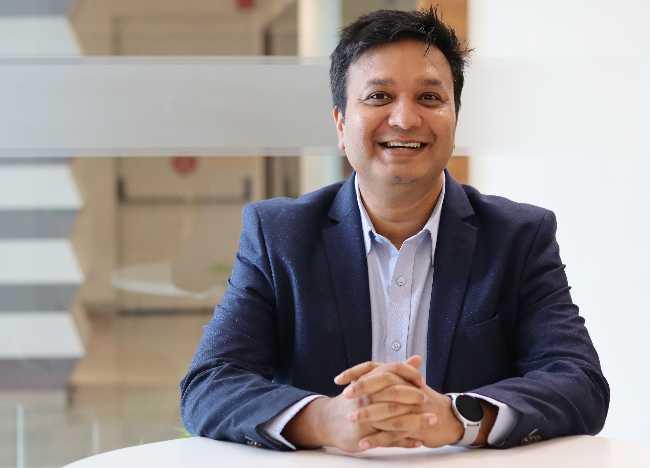
Step into the world of solar innovation as we sit down for a gripping interview with Mr. Prashant Mathur, CEO of Saatvik Green Energy. In this enthralling interview from our ‘Green Guardian series‘, Prashant takes us through the remarkable journey of Saatvik Green Energy in the solar module industry and how they plan to maintain a fierce competitive edge in the dynamic solar module market. He also discusses the evolution of this industry and India’s growth potential, which could enable a tripling or quadrupling of the industry in the coming years. At the same time, he explains why consistency of policy is necessary for sustained growth of this sector. IBT: In order to set the context, please share insights about your company’s journey in the solar module industry and its significant milestones. Prashant Mathur: Regarding Saatvik‘s journey, it commenced in 2015, making this our 8th year in operation. Today, we proudly stand as one of India’s largest solar module manufacturers. Our manufacturing facility is situated in Ambala, near Delhi in northern India. Our current module manufacturing capacity stands at 1.5 gigawatts, ranking us among India’s top five manufacturers. The journey began with polycrystalline technology, also known as multicrystalline. At present, we specialize in monocrystalline p-type half-cut panels, particularly the 545 and 550-watt panels. These panels represent the latest generation of solar technology available in India. We are at the forefront of introducing cutting-edge technology to India, with plans to implement end-top-con technology by September-October. Significant milestones mark our journey. Foremost, our consistent growth stands out. Over the past eight years, we’ve maintained an impressive year-on-year growth rate of 25%. Notably, the past three years have seen extraordinary growth, nearly ninefold. This exponential progress is characteristic of the solar industry, rewarding adept strategies with remarkable expansion. Our organizational footprint is expanding as well. Alongside solar panel manufacturing, we’ve entered the realm of EPC (Engineering, Procurement, and Construction). We undertake projects including large rooftop installations and ground-mounted arrays, primarily serving the commercial and industrial sectors, with involvement in select government initiatives. Our trajectory also includes the IPP (Independent Power Producer) business model, involving power generation and sale. We’ve already initiated projects in this domain. Our operations extend beyond the domestic market, encompassing international trade as well. We’ve established business ties with regions including the US, Canada, Europe, and Africa, solidifying our presence on a global scale. This encapsulates the core dimensions of our business endeavours. IBT: How are you planning to retain a competitive edge in the solar market right now? Prashant Mathur: As I mentioned earlier – while pursuing the right strategies is crucial for growth in the energy sector, it’s equally important to execute these strategies promptly. Ensuring timely execution prevents potential setbacks. Therefore, sustaining a competitive edge involves staying attuned to the latest products, technologies, and global best practices prevalent in the energy industry. We constantly strive to uphold this competitive edge by remaining aligned with the evolving global energy energy landscape. Our ongoing expansion focuses on the adoption of Topcon technology. In India, P-type technology has dominated, but the tide is shifting towards N-type technology, which was once considered cost-prohibitive but is now gaining widespread acceptance. We’re introducing Topcon panels, maintaining the same panel dimensions while achieving higher wattage and efficiency levels, approximately 10-15% more efficient. This translates to increased energy generation per square meter and improved Levelized Cost of Energy (LCOE). Within our EPC division, we’re dedicated to reducing the cost of ownership for both products and projects. This commitment extends to adopting the best practices across engineering, installation services, and operations and maintenance (O&M) services. These collective efforts bolster our competitive position. Concurrently, our research and development (R&D) endeavours focus on refining our products and technologies, prioritizing uncompromising quality while ensuring competitive pricing. This consistent approach has been instrumental in establishing our market success. IBT: Quality is what we are expecting from India to become a prominent name in this sector. What are your potential growth expectations from the Indian market right now? Prashant Mathur: The Indian market is poised for continuous expansion, driven by the nation’s imperative to expedite the transition towards green energy. Solar power is integral to this journey, and its development must accelerate. India boasts abundant solar resources that we must harness effectively. As our nation progresses economically, purchasing power increases, consequently elevating energy consumption. This dual trajectory presents considerable growth opportunities. The first aspect of growth lies in transitioning from non-renewable to renewable energy sources. Simultaneously, as more individuals emerge from poverty and affluence rises, the adoption of electric vehicles gains momentum. The upcoming years are likely to witness an immense surge in energy demand. To mitigate reliance on non-renewable sources, proactive preparation is essential. Establishing robust renewable energy infrastructure ensures we meet the impending demand effectively. In essence, our focus must be on ensuring our renewable energy infrastructure is well-prepared to cater to the imminent surge in green energy demand. This proactive approach aligns with our nation’s overarching goal of sustainable growth. IBT: How does your company ensure sustainable practices and environmental responsibility when it comes to solar module manufacturing? Prashant Mathur: Absolutely, we’re committed to several approaches to ensuring sustainability and environmental responsibility. Firstly, we practice what we advocate by sourcing a substantial portion of our energy from renewable sources. Acknowledging the energy-intensive nature of manufacturing, we believe in leading by example. Moreover, addressing the full lifecycle of solar panels is crucial. We’re proud to be among the pioneering Indian companies with a comprehensive plan for solar panel disposal at the end of their lifespan. Through collaboration with dedicated agencies, we’re addressing the challenge of managing panels that have served their 25 to 30-year lifecycle. This approach underscores our commitment as a responsible manufacturer, not only to society but also to the environment. Watch the complete interview: IBT: What suggestions would you want to offer to the government for the support and promotion of green energy in India, especially in the solar sector? Prashant Mathur: Our government’s efforts
Revolutionising India’s waste management space
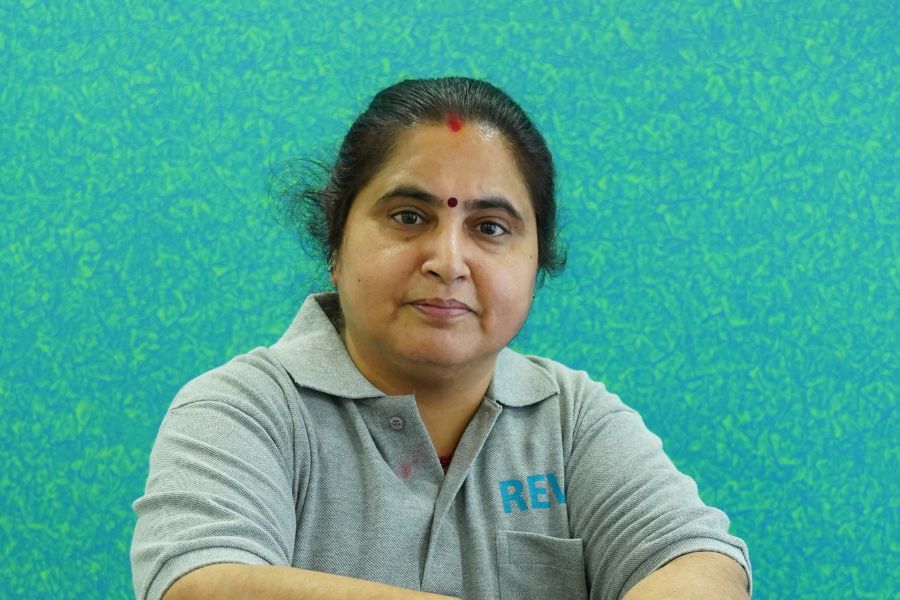
Nations with the top recycling rates in the world are developing creative strategies to enhance their sustainability game. According to United Nations data from 2018, Earth produces 11.2 billion tonnes of solid garbage annually, which accounts for nearly 5% of all greenhouse gas emissions. Due to these facts, major governments worldwide are working harder to create recycling systems. Developed nations like Germany have had the highest recycling rate in the world, with 56.1% of all waste produced being recycled. India’s waste management and treatment industry, too, is growing rapidly, thanks to innovative start-ups and policy interventions. Dr. Vanita Prasad, Chief Technology Officer, REVY Environmental Solutions, spoke with India Business and Trade, on the need for change in perception towards waste segregation, discarding, management and treatment. The entrepreneur who has been a part of the waste management industry for 30 years, says that it is high time for businesses at large to recognise waste as a business opportunity in the form of the Compressed Biogas Sector. Photo Source: Dr. Vanita Prasad IBT: Do you think waste segregation is just an urban problem or is it a pan-India issue that needs to be addressed in different tiers? Dr. Vanita Prasad: As per my field knowledge, waste segregation is more of an urban problem. Rural people face infrastructural issues because there isn’t proper drainage, among other civic and sanitation challenges. If we come to the segregation part, in urban areas people sometimes forget it is a necessity to separate different kinds of waste. That should not be the attitude. It’s not only the organic waste, the challenge is with all kinds of waste. Even towards e-waste, there is little care over proper disposal. This is what I’ve observed because in urban life, we are really occupied and pay little heed to it. If I look internationally, various other countries are doing their best in waste management because every citizen is contributing. Their mindset is very different. I have tried and studied the Israeli ecosystem and how they are managing water because they are scarce on natural resources, and they are really valuing it. We take our natural resources for granted and don’t value our trash. IBT: What prompted you to float REVY environmental solutions? Dr. Vanita Prasad: In 1993, I switched to this particular sector that is waste management as my Ph.D. topic. I was able to figure out that whatever skills I had, I could contribute by making a technology that could convert certain waste materials into hydrogen. Right now, we are talking about hydrogen which can decarbonize and solve a lot of issues that we are facing as a planet. We feel that hydrogen will be one of the fuels which can help us. So that’s what I have figured out 30 years ago. Biohydrogen production is a carbon negative route. I started working on that side and then later I worked as an R&D head of Environment Consultancies wherein I was able to do a lot of water or wastewater treatment plants, STPs, and ETPs. With this experience, I understood that there are a lot of challenges associated with the designing of these plants and local data is not available. I wanted to fill in this gap and decided to launch my own organisation where we can repurpose different types of waste. IBT: How are you addressing this challenge through your organization? Dr. Vanita Prasad: In the past five to six years a lot of digitalization has happened and we are actually getting some data on waste which were previously not available. This data are very important when we are designing recycling plans or waste treatment plants. Let me bust a myth, We are not just treating waste but also in a way developing the industry itself. Fermentation industry, if we talk about organic waste is another kind of gasification. It is another technology, so in itself an industry that has to be treated in the same way. Waste management cannot be treated as “one solution fits all”. There are other challenges. All that has to be mapped. The waste-to-energy (WtE) plants are based on our calorific value. They segregate waste which can produce high calorific value. Unfortunately, most of the trash ends up with kabadiwalas or ragpickers who come under the unorganised sector. The ragpickers who are segregating your paper waste and plastic and other dry waste do not provide the right input for technology used at the WtE plants, as that needs high moisture content. If we come to the organic waste like bio-methanation plants or the composting plants, we are getting a lot of plastics there which inhibits the bacterial activity. These are the challenges that we need to think of addressing while designing service plans to repurpose trash. IBT: What kind of technological solutions have you brought in to ensure that the simplest of organic waste can be treated properly? Dr. Vanita Prasad: I was carrying a lot of knowledge on the bacterial side or biological side as an environment biotechnologist which inspired me to start REVY. In principle, scientific solutions exist in the lab. It is not translated into application in the environment. And the same way when I talk about hydrogen production, we are thinking of electrolyzers, and not the biological route because this science is actually not commercialized. My main motive for starting this company was to take this science from the lab to the field. And as a technologist, we do a lot of patents. When we started the company, we focused on working towards biogas production. I created a product, a kind of consortium, which can break down bacteria in the trash quickly. I tried and isolated a lot of bacteria. In some cases, the waste has a carbohydrate mode; in others, it has a protein mode. So, I had to give them those microorganisms that can efficiently degrade proteins rather than carbohydrates. I developed a patent product, a health tonic for all these bacteria to break down effectively and

India’s hard luggage industry headed for market dominance?
India’s luggage industry revenue is expected to grow by ~15% in the current fiscal year, despite a high-base effect of 40% growth in the previous year 2021-22. The evolving trends and changing consumer preferences have set the stage for growth, resilience, and adaptation. Notably, the market share of hard luggage has shot up to ~55% from 33%. Operating margins are relatively better on them since these are manufactured locally. On the other hand, the fragmented unorganised sector largely imports soft luggage from China. They have been impacted by supply-chain disruptions and implementation of the Goods and Services Tax, leading to loss of market share. The future for the hard luggage industry looks positive on strong demand and supply drivers in the coming years, as this report explores. Image source: Pixabay The India’s luggage industry thrived in 2022 due to a 50% -70% increase in sales growth as compared to the pre-pandemic period of 2019 which was historically the best year for the Indian luggage industry. According to estimates, the Indian luggage market size is worth about INR 50,000 crore (US$ 6.03 billion), with branded luggage accounting for 25% of the total market share. According to CRISIL rating agency, India’s luggage industry is on course to record a remarkable ~15% growth in revenue this fiscal year, owing to rising penetration of hard luggage made by the organised sector and continuing growth in tourism and corporate travel. The industry is seeing a shift from unorganized to organized – some reasons include increasing disposable income, e-commerce penetration in the Bharat market, and brand awareness. Further, changes in the way consumers travel like solo travel, multiple trips in a year, weekend getaways, and international travel, have induced shorter replacement cycles in the industry. In this oligopolistic industry, the top 3 companies VIP, Samsonite, and Safari control about 70% of the organized market. Key drivers of growth The Indian luggage industry is expected to continue to grow robustly in the coming years. Some of the key drivers of luggage industry growth are as follows: Consumer preference for hard luggage: One of the key drivers of growth is the increasing preference of consumers for hard luggage. Hard luggage is perceived to be more durable and stylish than soft luggage, and is also lighter in weight, which is a major consideration for travellers. As a result, the market share of hard luggage in India has increased from 33% in FY18 to 55% in FY22. Growing tourism and corporate travel: The growth of the tourism and corporate travel sectors is also driving demand for luggage. The number of international tourists visiting India is expected to reach 100 million by 2025, and the domestic travel market is also expected to grow rapidly. Improved operating efficiency and capacity utilisation: The organised sector is also benefiting from improved operating efficiency and capacity utilisation, which is driving margin expansion. The organised players have better sourcing channels and economies of scale, which allows them to offer competitive prices and better quality. Rise of omnichannel retailing: The Indian luggage industry is seeing the rise of omnichannel retailing in recent years. This means that consumers can purchase luggage through a variety of channels, including physical stores, online retailers, and social media. The use of technology in luggage: Luggage manufacturers are using technology to make luggage more functional and convenient, such as by incorporating GPS tracking and smart locks. Opportunity for organised players The growth of the luggage industry is positive for the organised players, as they have a higher market share of hard luggage and benefit from stronger sourcing channels, competitive pricing, better quality, and extended warranties. The organised sector’s operating efficiencies and capacity utilisation have increased due to consumer preference for hard luggage. As a result, their operating margin should increase by 150–200 basis points (bps) year over year to 16% this fiscal. Since the cost of three important raw materials—polypropylene, polycarbonate, and polyamide—declined by about 20%, margin improvement would have been even sharper if organised players had invested more in marketing and promotions. For the record, 40–45% of the cost for baggage manufacturers is accounted for by the primary raw material costs, which are mostly determined by the price of petroleum. According to Rushabh Borkar, Associate Director at CRISIL Ratings, “Apart from doubling capacity, organised manufacturers are set to ramp up retail presence by 35-40%, which would involve a capital expenditure of ~Rs 700 crore (US$ 84.49) this fiscal. While this will increase their debt levels, overall capital structure and coverage metrics will not be materially impacted because of improved cash accruals. Gearing and interest coverage of our sample set will remain comfortable at 0.6 time and 11.5 times, respectively.’’ Organised luggage makers have ~40% share of the ~Rs 15,000 crore (US$ 1.81 billion) annual sales of the industry. They benefit from relatively stronger sourcing channels, competitive pricing, better quality and extended warranties. 90% of the revenue in the organised sector comes from luggage manufacturers, according to an analysis by CRISIL Ratings. Consumers are shifting towards hard luggage because of better looks and durability. Hard luggage getting lighter in weight, which is a key consideration in travel. Consequently, organised luggage makers have been proactively turning their revenue mix towards hard luggage across retail and online. “In the past five fiscals, the market share of hard luggage has shot up to ~55% from 33%. Operating margins are relatively better on them since these are manufactured locally. On the other hand, the fragmented unorganised sector largely imports soft luggage from China. They have been impacted by supply-chain disruptions and implementation of the Goods and Services Tax, leading to loss of market share,” Says Jaya Mirpuri, Director at CRISIL Ratings. Source: CRISIL Future outlook Overall, the outlook for the Indian luggage industry is positive. The industry is expected to grow at a healthy pace in the coming years, driven by a number of factors such as new product variants, investment in smart luggage products, online distribution, rising penetration of hard luggage made by the organised