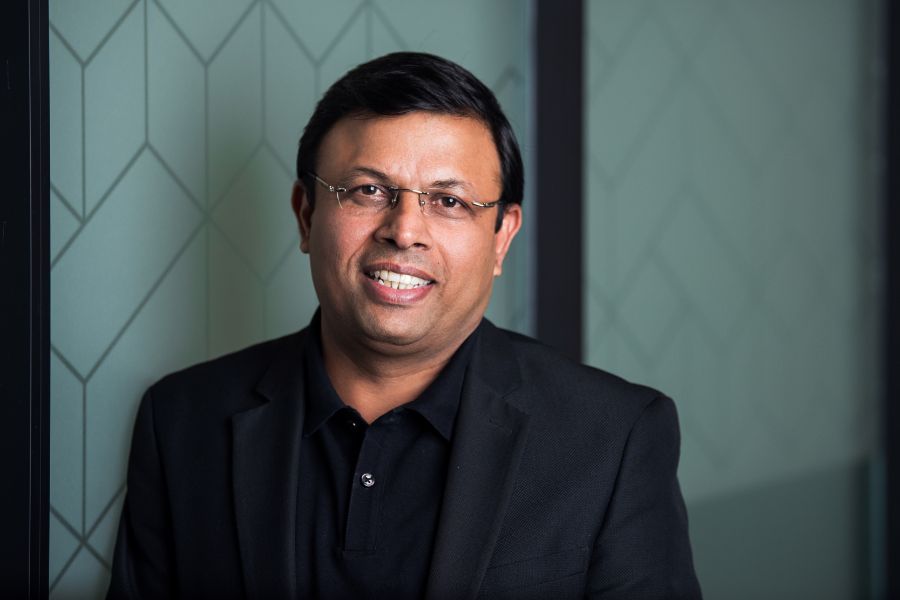
With a 46.8% Year-on-Year increase in order volume, the electrical items and peripherals segment of Indian e-commerce has experienced strong growth. One of the main drivers of growth has been the post-pandemic push, which is leading retailers to abandon owning physical stores and adopt e-commerce on a local and international scale. In an exclusive interview with India Business and Trade, Rajneesh Kumar, Chief Corporate Affairs Officer, Flipkart Group, says that e-commerce platforms collaborating with small businesses will change buyer and consumer behaviour. Kumar also says that more needs to be done to bring digitization on the ground level as Indian e-commerce industry has tapped into only 6% of the offline retail businesses. Photo Source: Flipkart IBT: We are living in a post-pandemic era. How has e-commerce industry transformed in the last 3 years in terms of adding more sellers and buyers? Rajneesh Kumar: As Covid-19 came in, we initiated a dialogue with our sellers and realised that certain things could not be sold. So, we thought of creating an alternative for small entrepreneurs to run their businesses. For example, those who manufacture clothes, we advised them to make face masks – essentials which were needed at the height of the pandemic. Our team on the ground worked with sellers to rethink the product portfolio that they should have in the market. We partnered with the government at a time when consumers were stuck at home and unable to access essential products, which you use in daily life. So, through collaboration, we made sure that sellers are brought on-board and partnered up with Kirana shops. We also allied with distributors, so that products are available to the consumers via supply chain. I’ll give you another example, in groceries. Before COVID=19, we were present across 8-9 cities in India. Gradually we on-boarded mango sellers to sell products online. We realised the necessity to partner with the government to safeguard our sellers and distributors. They are just like us, as they too need to protect their families and run businesses to earn. So, a lot of collaboration happened. We do not just assist the small businesses but drive up the demand and make sure that consumers have access to all of these products through e-commerce. We launched our app in many languages so that consumers sitting at home have an opportunity to access e-commerce. For example, today every single major language spoken in India like Bengali, Hindi, Marathi, or Gujarati, can be used as a mode of interaction on our Flipkart app. This has brought in new consumers. It is satisfying to see sellers getting more orders and also witness a behavior change in consumers. So, COVID-19 issue was instrumental in creating or rather strengthening the e-commerce eco-system that we have been working to create. IBT: The tech-savvy younger generation are reaping benefits of digitization in e-commerce. In your view, how is the older generation utilising digitization to access e-commerce platforms? Rajneesh Kumar: One of the important features was eliminating the language barrier. The younger generation might know specific terminology to search for a product online. But with the older generation, we believe in setting a user-friendly language ecosystem so that it is easier for them to navigate on the app. Nowadays, through voice commands also, you can buy commodities. So, in a way this has enabled people above the age of 50 years to place orders online. To give you a perspective, we are the biggest e-commerce platform to sell saris online by stretch (demography). Gujarat area is the predominant seller base and these saaris are not just bought by the younger age group but across the age size. A lot of onus is on us on how to use technologies like AI, Machine Learning to make sure that you are able to bring features out to those age-groups. It is very early for e-commerce in India, as we have tapped into only 6% of the overall retail. IBT: How do you see Artificial Intelligence transforming e-commerce platforms in India? How is an e-commerce giant such as Flipkart integrating AI in its operations? Rajneesh Kumar: So, when you go to Flipkart app and specifically to the Help option under queries section, there is a built-in AI that will talk to you and give responses as per your questions. For us, AI is not new, we have been working on it for several years. We are a tech company and have almost 3,000 engineers working for us. Their job is to ensure that they keep doing innovations. Every aspect of AI and Machine Learning is important for any e-commerce industry to survive. IBT: In the 4th edition of SAMARTH initiative, Flipkart has announced partnership with the Gujarat state government. Is the company planning on more collaborations with the other states? Rajneesh Kumar: Today, we have partnership with every state government. State governments have become very progressive in India. In the Centre also, we have partnered with Urban Livelihood Mission and Rural Livelihood Mission. All the Self Help Groups (SHGs), which are associated with these missions, have become a part of our marketplace. Through One District One Product (ODOP) also, we are partnering with government institutions and local businesses. It is rather thrilling to go to each region and see the artisanal offerings that they have. Our initiative is testimony to the engagement we have done on-ground with local sellers and artisans. IBT: How has e-commerce benefitted from the One District One Product (ODOP) initiative of the government? Rajneesh Kumar: We (Flipkart) can only grow if more sellers come in and the e-commerce industry can grow if there are more consumers. The products promoted under ODOP are amazing products, which are done by our artisans across the country. It is a part of our national heritage. So, as we bring these products into the online market place, more consumers get to see them and buy. We have a new landing page of SAMARTH, which has products from every part of the country on our

Indian start-ups to witness ‘spring’; investors upping the hopes
Indian startups can anticipate a sense of relief in the near future, as investors are foreseeing a resurgence of funding opportunities within the next six to twelve months. This comes after a prolonged period of limited funding availability which is often referred to as the funding winter. About 50% of investors anticipate the end of the current start-up funding winter in the next 6-12 months. Active investors have doubled in number, increasing from 400 in CY18 to about 900 by FY22. The number of registered start-ups in India has grown 9 times over the last five years, reaching around 90,000 in CY22. Image Credit: Shutterstock There is a favourable shift in funding prospects for Indian startups after a period of funding winter ending within the next 6-12 months, signalling a resurgence of funding opportunities. The Indian startup ecosystem has grown significantly in recent years, with a notable increase in the number of registered startups and active investors. Funding spring revival expected for Indian start-ups Funding spring refers to a favourable period when funding for startups becomes more abundant and accessible. This might happen during periods of economic growth, increased investor confidence, or the emergence of new technologies or industries that attract investment. According to a report from Redseer, around 50% of investors anticipate that the current start-up funding winter will come to an end within the next 6-12 months, leading to a renewed period of increased funding opportunities. Over the last five years, India’s start-up ecosystem has experienced significant growth, with the number of registered start-ups increasing by 9 times, going from approximately 10,000 start-ups in CY18 to around 90,000 in CY22. Concurrently, the number of active investors has doubled, rising from 400 investors in CY18 to about 900 investors by FY22. This growth isn’t limited to domestic investors alone, as global sources of funding have also become more varied than in the past. The United States, European Union, United Arab Emirates, and Japan are the leading contributors to funding for Indian start-ups, comprising 5% of global funding and 20% of total funding in the Asia-Pacific region, said Kanishka Mohan, a partner at Redseer Strategy Consultants. Half of the investors are confident about a funding resurgence within the next 6 to 12 months, whereas 17% believe it could happen in 15-18 months. Others have to say that it might take 12 to 18 months or longer for the funding constraints to ease. Based on current funding trends, the outlook for 2023 suggests a return to the established patterns seen in the years between CY17 and CY20, with funding levels expected to range between US$ 12 billion and US$ 15 billion. Beyond that, a bullish trend is predicted for CY24, potentially reaching US $15 to US $20 billion. The number of funding deals, which declined to 700-900 deals in early CY23 from 1,519 in CY22, is projected to rebound to 1,000-1,200 deals in CY24. Venture capitalists (VCs) presently possess more available funds than before. Additionally, this year is expected to witness a significant proportion of seed or early-stage deals, aligning with the trend observed since CY17. Redseer evaluated over 1,000 start-ups and identified ten noteworthy themes, including BPC, health and wellness, diagnostics and clinics, gaming and app studios, personal loans, CRO/CRM, industrial eB2B, Insurtech, DevOps, and finance. These sectors are poised to produce the next wave of unicorns throughout the coming decade. What does funding winter mean? Funding winter is the period of time when startups may find it difficult to secure funding from venture capitalists, and other sources. This could lead to fewer opportunities for early-stage companies to grow and develop. Example: Funding winter affected the year 2022 majorly and chopped mega deals by 45%. Source: Inc42 The low participation of SoftBank and Tiger Global in large funding rounds came out as the major reason for falling mega deals. Both Tiger and SoftBank participated in over 40 such deals in 2021 which came down to 18 in 2022. The values exhibit fluctuations over the years, with an initial low point of 12 in 2014, followed by an increase to 18 in 2015. A slight decrease was observed in 2016 with a value of 13, before a significant rise to 21 in 2017. Subsequent years show a consistent upward trend, with values of 28 in 2018, 31 in 2019, and 30 in 2020. However, a remarkable spike was seen in 2021 with a value of 109, indicating an exceptional anomaly in that year. The trend reverses in 2022, dropping to 60. Final word Indian startups are expected to get more financial support soon. This means they will have better chances to grow. Investors believe this funding spring will happen in the next six to twelve months. Over the past few years, the number of startups in India has grown a lot, and more investors are interested in supporting them. In 2022, there were fewer very big funding deals because some major investors didn’t participate as much. Looking ahead, the relationship between investors, startups, and new technologies will shape the future of Indian startups. The expected increase in funding, along with the focus on specific growth areas, suggests a positive future for these startups in India.

Global green hydrogen hub: Can India lead the change by 2030?
India’s foray into the green hydrogen market shows promising potential with significant investments and an ambitious goal to create a capacity for producing green hydrogen of at least 5 MT annually by 2030. However, to truly establish itself as a global hub for green hydrogen production, India must act swiftly and strategically by simultaneously working on both demand and supply side drivers. While the National Green Hydrogen Mission, with an outlay of ₹19,744 crore, and foreign collaborations are encouraging, India’s current capacity lags behind global leaders. Image Source: Shutterstock The National Green Hydrogen Mission (NGHM) was approved by the Union Cabinet of India on January 4, 2023, with an outlay of ₹19,744 crore from the financial year 2023-24 to 2029-30. The primary objective of this mission is to establish India as a global hub for the production, utilization, and export of Green Hydrogen and its derivatives. According to the Mission, by 2030, India envisions to create a capacity for producing green hydrogen of at least 5 MT annually, along with an additional 125 GW of renewable energy capacity. This will result in the generation of six lakh jobs, but to support the plan, investments totalling over Rs 8 lakh crore will be required. It is expected to result in a cumulative decrease of over Rs 1 lakh crore in fossil fuel imports as well as a reduction of nearly 50 MT in yearly greenhouse gas emissions. Around Rs 17,490 crore, of this budget will go toward incentives for the creation of green hydrogen and the manufacture of electrolysers. The government refers to this as Strategic Interventions for Green Hydrogen Transition Programme (SIGHT). A further Rs 1,466 crore would be allocated for pilot projects, while Rs 400 crore and Rs 388 crore will be used for research and development (R&D) and other mission components respectively. The government is also planning to waive import duty on electrolysers for a short period to give an initial push to investment in green hydrogen production. Incentives for the production of green hydrogen and the manufacturing of electrolysers will mostly be through production-linked incentive (PLI) schemes. In this blog, we critically examine India’s policy focus, prospects and challenges en route to achieving the National Green Hydrogen Mission 2030. India’s Green Hydrogen Landscape; is there a bright side? India produces nearly 7 million tons of gray hydrogen currently and targets to produce 5 million tons of green hydrogen by 2030. The global green hydrogen market was valued at US$ 676 million in 2022 and is projected to reach US$ 7.31 billion by 2027, growing at a CAGR of 61.0% from 2022 to 2027. Source: NITI Aayog report The market’s growth is attributed to the lowering cost of producing renewable energy, advancements in electrolysis technologies, and high demand from Fuel Cell Electric Vehicles (FCEVs) and the power industry. Mr. Saad Ashraf, India Business Head, Ceres said about the potential of Green Hydrogen in India, “India is uniquely placed in the race of green hydrogen production and supply for domestic as well as global markets. With around 180 GW of renewable energy installed already and 50% of total electricity generation to be renewable energy 2030, India can produce green hydrogen competitively with renewable energy costs coming down over time.” Currently, hydrogen produced using renewable resources costs between $3 to $6.55 per kg, whereas fossil-based hydrogen costs around $1.80 per kg, according to the European Commission’s hydrogen strategy from July 2020. In India, the production cost of green hydrogen is approximately Rs 500 per kg. However, the government aims to reduce this cost by 40-50% through its policy initiatives. He further said, “India already consumes over 6 million tons of hydrogen (gray) which is primarily used for petroleum refining and fertilizer production. Industry reports suggest the expected demand for H2 by 2030 would be around 11MTs/ year, of which 5MTs are expected to be green as per the National Green H2 mission. With government incentives for electrolyser manufacturing and green hydrogen production coming in (SIGHT), the Indian industry is taking steps in realizing the target of 5MT of green hydrogen production by 2030.” Concluding his statement, he added, “The Indian government is also expected to mandate the use of green hydrogen (starting with 10%) in industries such as steel and petroleum refining which will further strengthen the demand and boost the green H2 value chain.” Notably, nine companies have plans for seven factory projects, three joint ventures, and three solo investments, contributing to the 8GW capacity. For instance, Greenko, in partnership with Belgium’s John Cockerill and Nevada-based Ohmium, is building a 2GW factory. Reliance is partnering with Denmark’s Stiesdal, while L&T is collaborating with Norway’s Hydrogen Pro to build electrolyser factories. Gautam Adani has committed financing to a one GW factory, as part of the company’s goal to produce 3 million tonnes of hydrogen by 2030, requiring 16GW of electrolyser capacity. Recent developments indicate that India could become a key hub for hydrogen electrolyser production, with an 8GW capacity by 2025. Western companies are also showing interest in India’s green hydrogen market through joint ventures and foreign governments are showing interest through collaborations. Foreign Collaboration is key Another positive trend is that Indian government and industry are proactively entering into collaborative projects with other countries. India offers carbon credits for green hydrogen production in exchange for investments from other countries. It has hosted talks with the European Union (EU) regarding a potential deal to provide the latter with 10 million metric tonnes of green hydrogen. In return, the EU would invest in a clean energy project in India. Essar Group launched Essar Energy Transition (EET), a sustainability-focused business, to invest US$ 3.6 billion in India and the north of England. EET will develop low-carbon energy projects to drive growth and resurgence. In addition to this, Abu Dhabi’s Ocior Energy has signed a memorandum of understanding with the state government of Gujarat, India, to develop a green hydrogen and ammonia plant worth Rs 400 billion (US$ 4.8 billion). The plant is expected
India must incentivize investments in carbon removal
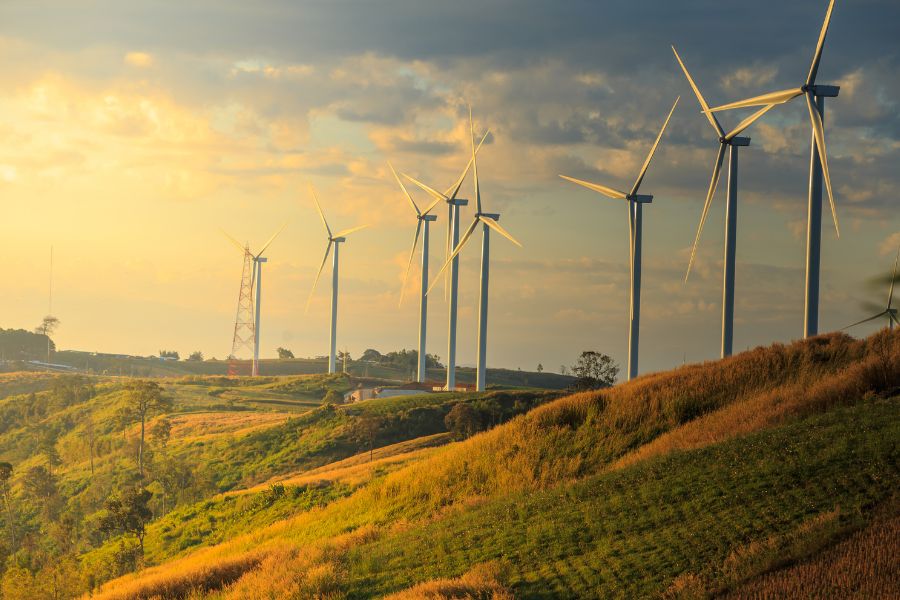
Globally, the transition to a lower-carbon economy requires fundamental changes in the ways that energy is produced, transported, and used. And developing nation such as India is no exception. The country has made commendable progress in the last decade towards setting up a low-carbon energy system, by promoting energy efficiency and utilising renewable energy sources. In a report jointly published by The Energy and Resources Institute (TERI) along with the Shell Group of Companies India, strategic actions are required for India to meet its goal of net-zero emissions by 2030. This includes increasing electrification in various sectors, meeting electricity demand through non-fossil sources, promoting low-carbon alternatives like hydrogen and biofuels and deploying digital solutions to enable low-carbon options. The report also emphasizes the importance of adopting circular economy business models to drive resource efficiency. Photo Source: Shutterstock India’s industrial and manufacturing activities have increased manifolds, owing to a rise in demand for quality goods and services in the global market. But in the midst of soaring economic aspiration, India must also revise its agenda on achieving its net zero carbon emission without derailing the efforts on industrial developments. The nation is facing an energy dilemma, ensuring energy security and environmental sustainability while working towards decarbonization, all at the same time. Environmental experts, however, are confident that India has begun its efforts to amplify the production of power through renewable methods. On August 1st, the Energy and Resources Institute (TERI) along with the Shell Group of Companies India launched a report namely ‘India transforming to a net-zero emissions energy system: A Call to Action to 2030’ at the T20 Summit in Mysuru, Karnataka. The report highlights the actions required for India to meet its goal of net-zero emissions by 2030. Some of the key strategies include increasing electrification in various sectors and meeting electricity demand through non-fossil sources. The other means mentioned in the report include promotion of developing low-carbon alternatives like hydrogen and biofuels and deploying digital solutions to enable low-carbon options. The report also emphasizes the importance of adopting circular economy business models to drive resource efficiency. As of 2023, India holds the G20 presidency, putting it in a unique position to lead deliberations on key global challenges including climate change. The nation has taken steps its efforts in line with its goal to achieve net-zero emissions by 2070. However, like many developing countries, India also faces the challenge of balancing environmental sustainability with ensuring energy security and energy equity for its people. India’s economy at par with developed nations In recent years, India has accomplished some important economic milestones. The nation’s economy grew to be the 5th largest in the world in 2022, as it surpassed China in terms of population in 2023. India stands in an advantageous position as it has a comparatively young population, with an average age of about 28 compared to the average Chinese population of 39. In contrast, ageing populations in advanced nations will probably result in slower economic and labour force growth as well as increased budgetary strain. India’s GDP growth in 2022 stood at 6.8% growth and in 2021 it was recorded at 9.0% in 2021, and for 2023, it is is predicted to increase by 5.9%. At the same time, the rate of increase in consumer prices has slowed significantly, with the headline inflation rate decreasing to 4.7% in April 2023. But the challenges are far from away. Core inflation is still persistently high, hovering around 5%, and there is still a risk that increasing fuel and food costs would have unintended consequences on wages and general price levels. The government continues to realise that climate change is crucial to India’s growth and development objectives, in spite of the recent economic and global geopolitical unrest. Addressing climate change, including lowering emissions and boosting resistance to its effects, is essential for India to provide its people with economic prosperity. As the developed economies move to low-carbon energy, India is already on the path to increasing energy efficiency and installing renewable energy, which spurs domestic demand for these goods. Additionally, it is funding research and development for environmentally friendly manufacturing. Key findings of the report The report identifies 10 key areas for India to fully realise its ambition and potential to be a climate change-maker: Utilising the co-benefits of energy transition for broader sustainable development goals. Developing a thriving low-carbon manufacturing industry. Expanding electricity transmission and distribution networks. Increasing investments in energy storage and renewables integration. Scaling up the use of hydrogen and bioenergy to decarbonise difficult-to-abate sectors. Establishing a robust policy framework for investing in natural carbon sinks. Implementing a strategic roadmap for carbon capture and storage (CCS) and incentivising investments in carbon removal. Introducing carbon pricing measures to promote low-carbon businesses and consumer choices. Encouraging sectoral collaborations and coalitions to accelerate action. Ensuring a just transition by equitably sharing costs and benefits. Decarbonization: Chalking out the blueprint Different sectors exporting goods to Europe are getting ready to comply with the Carbon Border Adjustment Mechanism (CBAM) of the European Union, which is set to take effect in October 2023. India has already begun to take action to reduce the mechanism’s negative effects, and the country is also developing an electrification plan for the sector to help it operate carbon-free. The report states that carbon removals, whether through technology (such as carbon capture and storage or direct air capture) or natural carbon sinks, will be an important part of India’s long-term decarbonisation journey. The joint report suggests the following pointers for carbon removals/reduction: Transition to net-zero emissions: to offset emissions from high-growth and high energy demand sectors like aviation and heavy industry, and keep the stock of greenhouse gas emissions as close to the 1.5°C budget as possible; and Net-zero emissions world: to reduce temperature overshoot and bring down the stock of greenhouse gas emissions so that the global average temperature rise returns to 1.5°C or below by the end of the century. “The creation of carbon markets, with international links,

Increasing trend of digitalization aiding SMEs businesses
Digitalization has positively impacted the various aspects of businesses and benefitted organizations with increased efficiency, improved customer satisfaction, more profits, more employee satisfaction, and enhanced cyber security. The crucial role of digitalization in driving business growth is evident from the insights gathered through a survey of SMEs by Capterra India. The majority of respondents emphasized the utmost importance of digitalization, highlighting its transformative impact on their businesses. Image Source: Pexels With the success of e-commerce enterprises in India, it has been proven that digital presence is now a necessity. Demonetization in November 2016 had been a turning point for digital payments. Later, the Covid-19 pandemic further accelerated the process of digitalization in the country. The need to adopt digital solutions to sustain business was realized by organizations irrespective of their size. Digitalization refers to the use of digital technologies to change a business model. It involves leveraging digital tools, technologies, and data to streamline processes, improve decision-making, and create new business opportunities. Digitalization leads to new revenue and value-producing opportunities. Technologies such as blockchain, IoT (Internet of Things), 5G, cloud computing, AI (Artificial Intelligence) and Data Science are transforming the world economy. By leveraging these advanced technologies, organizations can streamline operations, improve decision-making, increase productivity, and better connect with their customers. ‘Digitalization of Indian SMEs’ Capterra India, the world’s leading software reviews and selection platform has recently released a report on its “Digitalization of Indian SMEs survey”. The report highlights the ongoing transformation in the SME sector in the country. The process of transformation is being driven by the enormous influence of technology, the shifting landscape of the new digital economy, and the growing influence of SaaS (Software as a Service) on businesses. The survey had collected and analyzed responses from about 435 participants. In the survey, it was found that 88% of the respondents already have a digitalization strategy indicating that there is a growing awareness of the significance of digitalization in business. Indian SMEs recognize the importance of adopting and embedding digital technologies to remain competitive, be more efficient, and meet the growing demands/preferences of customers. About 82% of SMEs in the survey also informed that digitalization is very important/critical for the growth of their business. Digitalization was ‘moderately important’, for 17% of the respondents. Whereas for 1% of respondents, it was ‘minimally important’. Most of the respondents were reported to have an operational digitalization plan. Having an operational digitalization plan suggests that they are actively implementing digital solutions and initiatives, as part of their comprehensive business strategy. The rising adoption of digitalization strategies by Indian businesses indicates a positive trend. The report highlights the significance of digitalization in improving customer service. The Chatbot is cited as an example of how businesses are leveraging AI-driven tools to effectively cater to the mounting customer queries. Chatbots enhance the customer service experience in aggregate, as they provide automated and instant responses to customer queries. The AI tools facilitate a ‘sophisticated and contextually’ relevant interaction with customers through chat windows. This form of interaction transcends traditional customer service methods. The key benefits accruing from the digitalization processes, as reported by respondents include increased efficiency, improved customer satisfaction, more profits, more employee satisfaction, and enhanced cyber security. About 42% of respondents in the survey said that digitalization has resulted in raising operational efficiency. Digitalization has enabled businesses to streamline processes and reduce manual intervention. Improved productivity and resource optimization are the resulting benefits, being enjoyed by companies. By providing more efficient and personalized services businesses are able to effectively cater to customer needs which further strengthens their relationship with customers. Around 41% of the respondents are reported to have related digitalization to improved customer satisfaction. Improved operational efficiency, enhanced customer experiences, and access to data-driven insights may collectively contribute to increased revenue generation and profitability. Nearly 34% of the respondents in the survey report are said to have registered higher profits as a result of digitalization. By automating repetitive tasks and providing employees with modern digital tools, organizations are able to provide a more engaging, rewarding and satisfying work environment. In the survey, around 33% of the respondents acknowledged that digitalization has resulted in greater employee satisfaction. Digitalization has also enhanced cyber security. As reported by 32% of the participants in the survey, by adopting secure digital technologies and best practices businesses are well placed to curb potential cyber threats and safeguard sensitive data effectively. Digitalization, a helping hand to growing businesses Businesses in India have realized the need and urgency to digitalize their business models. They are instilling digitalization not only as a response to changing customer expectations and demands but also as a strategic approach to remain competitive and resilient in the technology-driven business environment. The digitalization process is likely to advance by leaps and bounds as technology advancements continue to progress, which will enable organizations to adapt to the changing consumer preferences, improve efficiency, augment customer experiences, and stay competitive in the highly competitive technology-driven market.

Prices of Indian spices sizzle on supply-demand imbalances
An imbalance in demand and supply is driving the prices of spices in the domestic market to a record high. Changing weather patterns, low crop yield, increasing demand for spices, heat-wave, poor transportation (due to cyclone Biparjoy) and negative impact of erratic monsoon rains have been major causes of this trend. Following the spike in prices of vegetables, now spice prices are on fire too. The domestic spices market is currently witnessing a mismatch in demand and supply due to a combination of factors. Shifting weather patterns, heat waves, low crop yield, increase in exports, a rise in demand for spices, poor transportation due to cyclone Biparjoy and the negative impact of the ongoing monsoon rains are some major reasons behind the current shortage of spices and the subsequent upsurge in prices thereof. There has been an increase of about 40% in the wholesale prices of spices in the domestic market. Prices of spices like cumin (Jeera), cardamom (small and big), dry turmeric and cloves (laung), have jumped up. The graph below shows the steep increase in the wholesale prices of some major spices during April-July 2023. Source: Agricultural Produce Market Committee (APMC, VASHI) The price pressure in the domestic spice market has been escalating for the last few months. It is noteworthy that farmers in major spices growing belts have shifted to other crops such as cotton, mustard seed, groundnut and soyabean, largely due to the evolving consumer preferences and changing weather patterns particularly the excess/deficient rainfall during sowing season across the country. Spices from the country are shipped to the US, the UK, Germany, France, Italy, Canada, Australia, UAE, Iran, Singapore, China, Bangladesh and many other countries. Pepper, cardamom, ginger, turmeric, coriander, cumin, celery, fennel, fenugreek, nutmeg, spice oils and oleoresins, and mint products are the major spices exported from India. In 2022-23, India exported US$ 3.95 billion worth of spices, declining by 2.85% YoY. However, exports bounced back in the first quarter of the year, increasing by 18.24% YoY to US$ 1.1 billion. Crops like turmeric, dhania (coriander) and jeera (cumin) have long crop periods. These crops are cultivated during the Rabi season and mature by the end of December or early January next year. Mr. Deepak Pareek, Chief Growth Officer of Suumaya Agro points out, “Jeera is a once-in-a-year crop. The damage this year is almost to the tune of 30-40%. Sowing for several crops such as turmeric has seen a steep fall due to unseasonal rains and hailstorms. The coriander belt in Rajasthan has been wiped out due to Biparjoy. Dry chilli production is down due to deficient rainfall in Andhra Pradesh and Telangana.” Mr. Pareek added that he expects a minimum 15% rise in the price of spices during the next 3 months. The demand for spices is expected to pick up and grow faster during the upcoming festival period and marriage season in the latter half of the year. The domestic spices market is already under immense pressure. With increasing shortage of spices and prices shooting up, these pantry staples have now become a treasured commodity.
Unleashing India’s Manufacturing Potential: Can Industry 4.0 be the game changer?
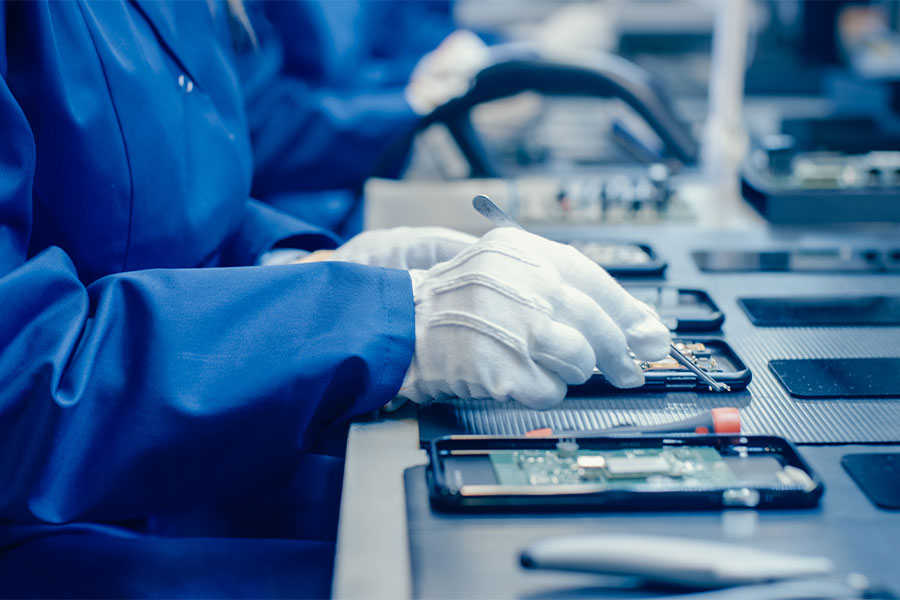
Manufacturing sector has been a longstanding concern for generations of Indian policymakers and every new government, aiming to boost its share in the country’s GDP. According to the report by RBI, titled “India @ 100”, it is expected that India’s industrial sector should increase its share from the current 25.6% to 35% by 2047-48 with manufacturing occupying a 25% share in total value-added growing for 17% in 2023. This would require the industrial sector to grow at a nominal CAGR of 13.4%. While recent government initiatives, particularly the PLI scheme, have made a major impact on manufacturing investments and output, industry has to keep a keen focus on the game changing impact of Industry 4.0 in the sector. If implemented in mission mode, Industry 4.0 can enable the transformation of manufacturing and help it achieve 25% share of GDP in the coming years. Image Source: Shutterstock The manufacturing industry plays an essential role in the global economy, contributing to 17% of global GDP, providing direct employment to 13% of workers, and accounting for a significant share of global trade. At the same time, economic and geopolitical factors can significantly impact manufacturing companies and their operations in both the short and long term. Despite overall demand and production capacity reaching recent highs, there are indications that the near-term outlook may not be as bright for the global manufacturing industry. It is currently facing concerns related to inflation and economic uncertainty. Moreover, manufacturers continue to struggle with talent challenges. The industry faces a significant shortage of skilled workers. Additionally, supply chain issues such as sourcing bottlenecks, global logistics backlogs, cost pressures, and cyberattacks are expected to remain critical challenges in 2023. These disruptors have impacted manufacturers’ optimism and business confidence, leading to a decrease in the second-quarter Manufacturing Outlook Index to 55, down by 4.2 points since the first quarter of 2022, as highlighted in the recent National Association of Manufacturers (NAM) survey in the USA. Indian manufacturing sector Manufacturing sector has been a longstanding concern for generations of Indian policymakers and every new government, aiming to boost its share in the country’s GDP. The share of manufacturing, both in India’s GDP and overall employment has largely stayed stagnant. Most of India’s GDP comes from the services sector, while agriculture remains the source of livelihood for millions. Although agriculture only contributes about 20% of India’s Gross Value Added (GVA) – another measure of national income akin to GDP – it still employs only 55% of the country’s workforce. Source: Ministry of Statistics and Programme Implementation (MOSPI)(Units in trillion INR) The Indian manufacturing sector is facing stagnation due to various reasons. Productivity growth in Indian manufacturing is slowing down and lags significantly when compared to global benchmarks, as per a report by Achyuta Adhvaryu (University of California San Diego) and others. The report illustrates this by making a comparison between India and the US. In 2020, the level of manufacturing productivity per worker in India was $94,249, which is only around a fifth of manufacturing productivity in the United States (US$ 484,862). If you make adjustments for purchasing power, Indian productivity goes up to US$ 296,000 per worker — which is still only three-fifths of the figure in the US. There are notable disparities in manufacturing productivity across different Indian states as well. Western and Central Indian states tend to have highest average productivity, while Southern & Eastern states have the lowest. Lastly, productivity is closely linked to firms’ investments in workers, which are not upto the mark in the Indian context according to experts. How is the government supporting the industry? To boost the share of manufacturing in GDP and employment, the Government of India has launched several initiatives from time to time like MUDRA Yojana, Emergency Credit Line Guarantee Scheme, Production Linked Incentives (PLI), Scheme of Fund for Regeneration of Traditional Industries (SFURTI) etc. to provide necessary and timely support to the MSME sector. One key initiative is the Production Linked Incentives (PLI) scheme, which falls under the flagship program Aatmanirbhar Bharat Abhiyaan. The PLI scheme encompasses 14 manufacturing sectors, and in FY 2022-23, an incentive amount of approximately Rs. 2,900 Crore was dispersed across 8 sectors, including Large-Scale Electronics Manufacturing (LSEM), IT Hardware, Bulk Drugs, Medical Devices, Pharmaceuticals, Telecom & Networking Products, Food Processing, and Drones & Drone Components. Although the PLI scheme was anticipated to have a substantial impact on production and boost it by Rs. 38 lakh crore in next five years, the current official figure is at around Rs. 60,000 crore, showing the distance we have to cover . The scheme has been more impactful in eight sectors, while the remaining six sectors, like high-efficiency solar PV modules, advanced chemistry cell (ACC) batteries, textile products, and specialty steel are restricted from taking full advantage because of the very short window for this scheme. Rajesh Kumar Singh, the Secretary of the Department for Promotion of Industry and Internal Trade (DPIIT) said, “We expect the disbursement to pick up…Projects are on the ground, and investments and employment are happening. The disbursement will follow…But yes, there is a lag.” On the positive side, the PLI scheme has led to a boost in investments and interest in a few sectors. As per government data, it led to a significant 76% increase YoY in manufacturing FDI for 2021-22. For the smartphone sector in particular, the PLI Scheme has led to major companies shifting suppliers to India like Foxconn, Wistron and Pegatron. In recent news, Apple’s iPhone exports from India surged to ₹ 10,000 crore in May 2023, with smartphone exports crossing ₹ 20,000 crore in April and May, more than double the same period last year. According to Secretary, DPIIT, “We have been able to increase the value addition in mobile manufacturing to 20% within a period of 3 years whereas countries like Vietnam achieved 18% value addition over 15 years and China achieved 49% value addition in over 25 years. Seen in this perspective, it is a big achievement.” Micron Technology plans to invest

India’s Gems & Jewellery exports: Navigating through troubled waters
India’s gems and jewellery exports have experienced remarkable growth over the years, becoming a key driver of the Indian economy and establishing the country as a prominent player in the international market. However, recent figures for the first quarter paint a concerning picture. Several factors, such as the ongoing socio-economic crisis in the US and China, have contributed to this downturn, posing significant challenges for the industry. In this context, it becomes crucial to explore the underlying reasons behind the decline and identify potential strategies to revitalize India’s gems and jewellery exports. Image Credit: Shutterstock The Gems and Jewellery industry plays a pivotal role in India’s thriving economy. It contributes over 7% of the country’s total GDP and 15.71% of India’s total merchandise exports, accounting for the third-largest commodity share. It brings a huge amount of foreign exchange and offers employment opportunities to over 4.46 million workers in both organised and unorganised sectors. India is a major contributer to the exports of cut & polished diamonds, lab-grown synthetic diamonds, coloured gemstones, and synthetic stones, plain and studded gold jewellery, silver and platinum jewellery as well as articles of gold and silver. When it comes to states, Gujarat, having more than 450 organized jewellery manufacturers, importers and exporters, contributed nearly 77% of the total exports in 2021-22. But, the latest figures depict a steep fall in India’s gems and jewellery exports in the second quarter of 2023. IBT looks at the data and factors that are leading to a decline in value. According to Gems and Jewellery Export Promotion Council (GJEPC), India has witnessed a YoY decline by 28.08% in overall gross exports of gems and jewellery to reach US$ 7.22 billion (Rs 60,222.10 crores) during April to June 2023. The overall gross exports of Cut and Polished diamonds stood at US$ 4,426.02 million from April to June 2023, recording a YoY decline by 29.37%. Similarly, other articles including Rough diamonds (-12.58%), Polished Lab-Grown Diamonds (-29.78%), Gold Jewellery (-14.86%), Plain Gold Jewellery (-2.87%), Studded Gold Jewellery (-23.47%), and Silver Jewellery (-74.80%) recorded a significant drop in exports. India exports gems and jewellery majorly to the USA, China, Hong Kong, UAE, Belgium, Israel, Thailand, Singapore, UK etc. The US is the largest importer of Indian Gems & Jewellery accounting for a share of 33.2% in FY23, with exports of US$ 12.45 billion (decline by 14.8% YoY). A number of top destinations including Hong Kong (-6.4%); Israel (-13.8%); Thailand (-8.4%) and UK (-11.1%) witnessed decline in the previous financial year. However, Switzerland (+69.92%); Netherlands (+176.7%); Singapore (+63.6%) and Belgium (+25.6%) have seen strong growth in demand last year. Factors leading to decline in demand The Ministry of Commerce and Industry has given a target of US$ 42 billion for gems and jewellery exports in 2023-24, but the recent figures have created a concerning situation. Factors leading to the decline include: Demand has been impacted in the US due to inflation, while China’s economy faces continued challenges since the onset of the Covid-19 pandemic. These circumstances are significant for India, as both the US and China are major importers of Indian-made gems and jewellery. Lab-grown diamonds hold 55% share of India’s gems and jewellery. However, there is skepticism among European countries and the US about purchasing diamonds made in India due to socio-economic concerns, as India mostly imports rough diamonds from war-stricken Russia. The rising popularity of Lab-Grown Diamonds (LGDs), which are more affordable compared to naturally mined diamonds, has resulted in several countries choosing LGDs over traditional diamonds. As a result, there has been a decline in the value of diamond exports. Sharing insights with IBT on the current downfall in exports, Vipul Shah, Chairman – GJEPC said: “Exports from India have experienced a decline due to various economic challenges in key markets. The US and China, being major importers of India-made gems and jewelry, have been impacted by factors like inflation in the US, the Russia-Ukraine war, and an extended lockdown in China lasting almost six months. These circumstances have contributed to the decrease in India’s export levels.” Gems and Jewellery Exports (April – June 2023 ) Commodity Apr-June 2023 (in US$ Million) YoY % growth Cut & Polished Diamonds 4,426.02 -29.37 Polished LGDs 333.81 -29.78 Coloured Gemstones 120.90 21.58 Polished Synthetic Stones 0.97 -48.76 Pearls – Worked 1.25 129.94 Plain Gold Jewellery 896.65 -2.87 Studded Gold Jewellery 983.27 -23.47 TOTAL GOLD JEWELLERY 1,879.92 -14.86 Silver Jewellery 204.76 -74.80 Platinum Jewellery 28.81 255.93 Imitation Jewellery 13.64 6.84 Articles of Gold, Silver & Others 11.08 8.53 Gold Medallions and Coin 0.46 103.25 SUB TOTAL 7,021.61 -29.05 Rough Diamonds 174.98 44.73 Rough LGDs 15.29 36.68 Rough Coloured Gemstones 2.62 16.99 Gold Bar 0.00 655.31 Others 7.81 -34.25 GROSS EXPORTS 7,222.31 -28.08 Source: GJEPC What is needed in the current scenario? The government has also undertaken various measures to promote the exports from the country. It has taken the decision to decrease customs duty on cut and polished diamonds to 5% and on coloured gemstones to NIL, from the previous rate of 7.5%. The import duty on Gold and Silver has been lowered from 12.5% to 7.5%. For Platinum and Palladium, it has been reduced from 12.5% to 10%. These measures were implemented to reduce the prices of these metals in the local market. Other than, key areas of focus for the industry include: Product Quality Enhancement: Focus on improving the quality and design of Indian gems and jewellery to meet international standards. This includes investing in skilled artisans and using advanced technology in the manufacturing process. Market Research and Diversification: Conduct extensive market research to identify emerging trends and demands in different countries and identify focus markets. Diversify the product range to cater to various preferences and cultures. Branding and Promotion: Create a strong and recognizable brand identity for Indian gems and jewellery. Invest in marketing and promotion activities both domestically and internationally to increase awareness and attract potential buyers. Trade Shows and Exhibitions: Enhance participation in prominent international trade shows and exhibitions to
Indian hospitals must do cybersecurity audit yearly
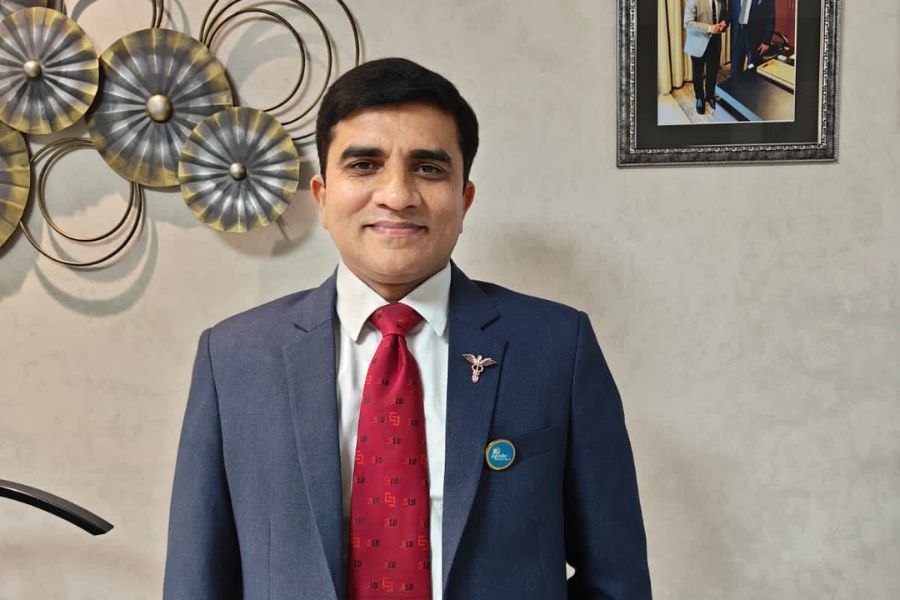
Indian healthcare industry witnessed a paradigm shift in 2019-20, and ever since, there has been a surge in simple advancements like telemedicine and electronic medical records. With the help of AI-based technologies, healthcare providers can determine the best method for each patient with the aid of more effective, precise, and lasting interventions even remotely. India Business and Trade spoke with Mr. Neeraj Lal, Chief Operating Officer, Apollo Hospitals, Gujarat, as the latter explained how cloud-based services are increasing the confidence amongst the general population to go for regular check-ups. He also spoke vividly on the need for incorporating a more robust cybersecurity mechanism in the hospitals to avoid any data theft or breach of data security. Photo Source: Neeraj Lal IBT: The healthcare sector in India is ever-evolving and has rapidly adopted the latest technology in terms of services and marketing. Please share your views on it. Neeraj Lal: Prior to COVID, many hospitals didn’t utilize software or digital technology for patient care improvement. However, the post-COVID scenario has brought significant changes. For example, at Apollo, about 30 to 35% of consultations now occur through video consultations. Previously, my consultations were limited to Gujarat-based patients while I was at Apollo, Ahmedabad. But now, I provide consultations to patients as far as the southern part of India, Dubai, and the Gulf nations. We’ve also introduced the concept of e-ICU, where we remotely monitor 100 beds in the ICU, collaborating with other ICUs that lack critical care specialists or super specialists. We have embraced technology for both OPD and IPD services. COVID has reshaped our perception and utilization of healthcare services, giving rise to the concept of “flipped care.” On average, a person spends around 5 hours interacting with healthcare professionals, leaving the rest of the 8755 hours for patients to manage their health themselves. To address this, we’ve launched an AI-based pro health checkup program with Apollo. I believe health checkups are crucial for everyone, and I recommend going for a checkup every year. I envision a future where hospitals are primarily dedicated to critical care ICUs and surgeries, with routine healthcare shifting towards home-based care. IBT: How are you ensuring that all the information of the patient is safeguarded and that there is no data leak in any way? Neeraj Lal: The recent cybersecurity attack at AIIMS, New Delhi, has highlighted the vulnerabilities in the Indian healthcare system. Currently, many hospitals still rely on manual-based data records, which can be challenging and increase the risk of data breaches. At Apollo, we take cybersecurity seriously. We conduct a cybersecurity audit every year to assess and strengthen our systems’ security. While most hospitals in the country focus on financial and medical audits, we prioritize cybersecurity audits to ensure the safety of patient data. To protect our systems, we have implemented an AI-based antivirus. Additionally, we are connected through the National Informatics Center, operating as a highly integrated closed system to enhance security measures. Patients receive their reports online through the Apollo 24×7 app, which also allows them to schedule consultations and store their medical records securely. This digital transformation has streamlined the process for patients, eliminating the need for physical reports and providing easy access to their health data. Despite advancements in technology, the cybersecurity threat exists not only in healthcare but across various industries. To safeguard patient data, we employ various antivirus software and ensure data is stored securely in the cloud. We firmly believe that regular cybersecurity audits are essential and recommend other hospitals adopt similar practices to protect sensitive information effectively. Currently, only a few hospitals in the country conduct such audits. IBT: There are provisions such as e-ICU and e-consultation, owing to the boom in digitization. Has this led to a change in the patient inflow? Neeraj Lal: Yes, the shift to e-healthcare has been significant, with more than 50% of healthcare services conducted digitally. For instance, our daily OPD has increased from 500 patients to 800 to 900 patients, with a substantial portion opting for virtual consultations. Services like pharmacy, pathology, and radiology have also adapted to virtual platforms. This surge in e-consultations has resulted in a notable increase in patient consultations. Our ICUs and OTs are optimized effectively. Pre-COVID, the healthcare industry didn’t heavily rely on software, but now there’s a significant rise in e-prescriptions and digitization of medical reports. We have transitioned from traditional healthcare to embracing the digital aspects. Moreover, the pandemic has influenced marketing strategies, with reduced budgets and a greater focus on digital marketing for hospitals. With everything accessible on e-platforms, processes have been streamlined, and we can now track various metrics, including OP to IP consultations, prescriptions, and patient flows for radiology and pathology. COVID-19 has accelerated the adoption of digital technologies in healthcare, fundamentally changing the way we provide services and engage with patients. IBT: The healthcare industry is also promoting telesurgery claiming there are lesser chances of human error. However, people carry some inhibitions on the efficiency of robotic surgery. What are your views on it? Neeraj Lal: We recently installed a robot at Apollo Hospital, Ahmedabad. It is essential to clarify that the robot does not perform the surgery on its own. Instead, it aids the doctor during the procedure. Human hands have limitations; they cannot move 360 degrees during surgery. However, the robot has four hands, providing enhanced dexterity to the surgeon. Therefore, we refer to it as robotic-assisted surgery, not robotic surgery. Robotic-assisted surgery is a type of keyhole surgery, where the body is not exposed. The robot’s hand is inserted into the body, and the surgeon controls its movements to perform the surgery, such as stitching the incision. This approach minimizes infections since the body remains mostly closed. It also reduces blood loss and significantly shortens the hospital stay, typically from four days to one. Previously, robotic-assisted surgery was primarily used for oncology and urology procedures, but now it is being employed in various specialities. As technology advances, robotic-assisted surgery is likely to become more prevalent,

Clean energy to the last mile
IBT conducted an exclusive interview with Mr. Vineet Mittal, the Director of Finance and Strategy at Navitas Green Solutions Pvt. Ltd under its Green Guardians interview series. As a prominent player in the clean energy sector, Mr. Mittal shares insights into the company’s journey, challenges faced during the early years, and its vision for the future. From pioneering agrivoltaics to addressing financing hurdles, he sheds light on the growth strategies and opportunities in the evolving clean energy landscape. Discover how Navitas Green Solutions is revolutionizing the solar sector and contributing to India’s energy transition in this engaging interview. Image Source: Navitas Solar IBT: What is your inspiration behind starting Navitas? Interviewee: So first of all, thank you for inviting me to speak on this platform. It’s a pleasure. And it’s a good initiative to directly connect with the Clean Energy related entrepreneurs. The motivation behind our journey into Clean Energy stemmed from our textile background, where we noticed certain pollutants affecting the environment. We felt compelled to make a positive change, either by altering existing processes or adopting environmentally friendly practices. The inspiration to work in a socially responsible manner led us to explore various options, and ultimately, we found our calling in the solar industry. IBT: As an influential player in the clean energy sector, how do you assess the competitive landscape and growth prospects for the industry? Also, what is your target audience? And what strategies does your company employ to offer a superior value proposition? Interviewee: Our belief in distributed solar as the true application of solar energy has always been at the core of our business. The ability to generate solar power at the point of consumption, without relying on an expensive transmission network, is the real beauty of solar energy. This has remained our primary focus. Our customer base is extensive, with around 800 clients throughout the country. We have been actively involved in installing solar systems and supporting rooftop electrification and pumping programs. By offering differentiated solutions and bringing globally available technologies to meet the specific needs of remote areas, we aim to remain relevant in a competitive market. Our dedication to supplying the best products even to the remotest parts of the country drives our commitment to sustainability and inclusivity. IBT: As an entrepreneur, you must have faced a lot of challenges during the initial years. Could you please brief us about those challenges and the impact you’ve made thus far? Interviewee: One of the foremost challenges was arranging enough debt finance, for the Greenfield project like this, because banks had not seen a lot of history in solar manufacturing within India. This was 10 years ago. Now, there are a lot of investors and a lot of government favourable policies. So that is slightly easing right now. But in the early days, enabling finance for the setting up of the factory, for working capital, those were like key bottlenecks that we had to manage and mitigate. Our team’s expertise and educational qualifications in management played a crucial role in mitigating these challenges. While it was certainly a difficult period, we were able to navigate through it and find suitable solutions to move forward. IBT: Navitas started in 2013 and it has been almost 10 years. So can you please tell us the challenges you face today at a time when even the government is pushing the sector? Interviewee: One of the major challenges we currently face in the industry is the constant fluctuation of policies at the central level. The lack of a clear and stable policy framework makes it difficult for businesses to plan and forecast their strategies for the future. We need greater clarity and a well-defined roadmap for the next three to five years, outlining the government’s stance on various aspects such as government procurement, incentive programs, tariff and non-tariff barriers, and support for local manufacturing. Currently, these policies exist in bits and pieces, and there is no comprehensive and cohesive policy that covers all the crucial aspects of the industry’s growth. Other countries and regions have shown success in providing a stable and comprehensive policy environment, and we believe that adopting such an approach would greatly benefit all stakeholders in the industry. A long-term and predictable policy framework would provide the much-needed visibility and confidence for businesses to invest, expand, and contribute to the growth of the clean energy sector in India. IBT: What is the long-term strategy of Navitas Solar, and are there any specific areas where you and the company are focusing right now? Interviewee: In the long term, our main goal is to keep delivering excellent products to our customers in India while also expanding our reach to other large countries and continents through exports. We are committed to being a value-driven company, providing products that offer added value to our customers. Scaling up our operations and reaching more customers in different geographies will be a crucial part of our growth strategy. Furthermore, we are exploring diversification opportunities in the supply chain, including raw material supply and downstream execution activities. We aim to cater to different categories of customers to ensure our relevance in the market. Rather than solely relying on our manufacturing arm, we are looking to diversify our business by adding new related ventures. In essence, we envision our company as a comprehensive platform that covers various aspects of the value chain. Our progressive approach involves steadily expanding our presence and offerings across the value chain to better serve our customers and establish a strong position in the industry. IBT: Solar plus storage is becoming extremely popular these days. Do you think it is a growing area for startups today and another area for investment opportunities when it comes to businesses? Interviewee: Certainly, storage is an essential aspect of renewable energy systems. Solar energy, being intermittent, requires reliable storage solutions to ensure continuous power supply. There are various storage methods, including mechanical storage in the form of batteries, which come in different capacities