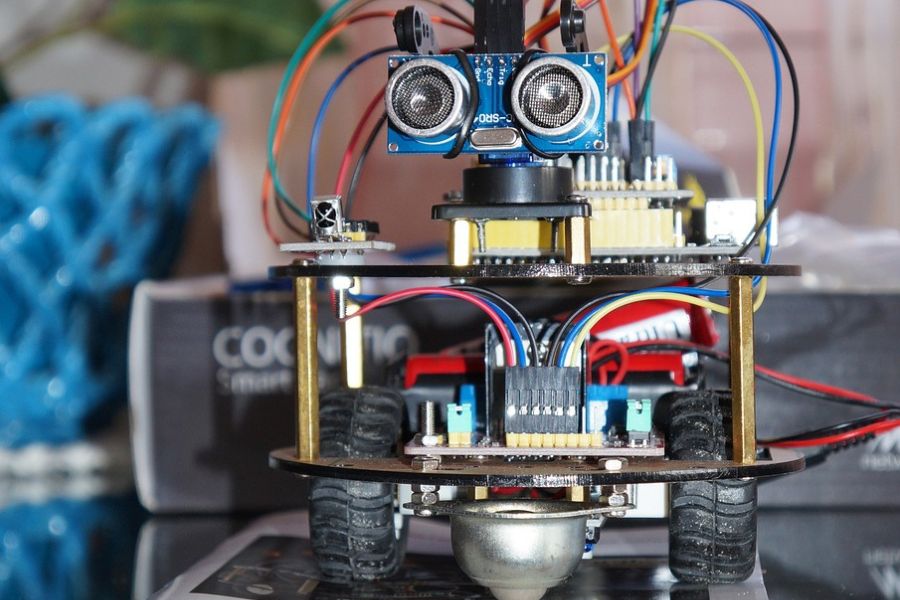
With rising interest in technology and digital lifestyles, the global robotic toy market is expected to surpass around US$ 63.5 billion growing at a CAGR of 17.5% during the period 2023-2032. India’s robotic toys industry is still in its infancy, though it holds a tremendous opportunity in the sector driven by R&D around the latest technologies like AI, a strong startup ecosystem and being fuelled by the New Education Policy. But in order to become a frontrunner and a possible export hub, it is important that electronics component manufacturing shifts to India. Image by Juan CB from Pixabay Technology advancements have led to an evolution for children, both in the ways that they play and learn. Conventional ways of learning are now a thing of the past, and the market is is inundated with a wide range of high-tech multipurpose robotic toys, which are engaging, entertaining as well as educating. Robotic toys are electronic toys, which are designed to imitate the behaviours and movements of real robots. Featuring sensors and motors, these toys interact with their environment and respond to commands without any participation or intervention from humans. From humanoid robots to robotic pets, this product category has exploded over the past few years owing to advancements in Artificial Intelligence (AI) software and hardware components. With the popularity of AI, many manufacturers have developed educational and toy robots that combine learning experiences with fun activities. Robotic toys are gaining popularity due to various reasons: Toy robots provide an interactive experience for kids as they help develop skills like problem-solving, object recognition, hand-eye coordination and creativity. These robots are designed to teach children about science, technology, engineering and mathematics (STEM) concepts in a fun and engaging way as well as complex subjects like programming etc. They improve capabilities like voice command recognition, speech, pronunciation and language. After the onset of the Covid-19 pandemic, there has been a significant spike in online learning, where advanced and convenient self-learning tools have become popular. Global Robotic Toy market The global robotic toy market including robots, interactive games and educational robots is expected to surpass around US$ 63.5 billion by 2032 from US$ 13.18 billion in 2022 with a CAGR of 17.5% during the period 2023-2032, according to a report by market.us. The market is driven by various factors including increasing interest in STEM education, technological advancements and rising demand for interactive and engaging toys. U.S., Canada and Mexico in North America dominate the autonomous robot toys market with a 43% share followed by Europe, which is credited to the high adoption rate of autonomous robot toys in educational institutes as well as rapid advancements in science in these countries. Due to the growth in the adoption of classroom automation equipment, Asia-Pacific is projected to be the fastest developing region during the period 2023-2030. The Educational Toy Robot market is a competitive space as various brands are working to grab the attention of both children and adults alike. However, there are several challenges faced by the industry, some of which are listed below: Ensuring that the product is equipped with the latest technology which is safe and easy to use. Lack of awareness regarding robotic toy technology can challenge the growth of the autonomous robot toys market. Shortage of raw materials and dependency on other countries as well as shipping delays could lead to slow growth in the industry. Robotic toys are expensive due to the high cost of spare parts and high-end technologies. Robotic toys are operated via mobile apps and require internet access which confines the use to suitable places only, affecting the sales of the product. India’s foot in the door? The Indian toys Industry is estimated to be US$ 1.5 billion covering 0.5% of the global market share. The industry is expected to grow to US$ 2.73 billion by 2027 at a CAGR of 12%. However, the country is currently confined to conventional toys and has not yet tapped into the robotic toy market. Prashant Mamtora, Founder and CEO of Havi.co, a company that makes DIY robotic kits, admits that the Indian robotic toys market is at a nascent stage at present and is yet to pick-up, though early traction is being seen in online sales and high end brand stores. However, he adds: “As New Education Policy (NEP) would come in to execution fully, the market of robotic toys would increase for sure. That’s a welcome move by the government. It will benefit students at large. Government should further emphasis DIY culture amongst students starting from second or third standard itself. Offering them robotic kits at early age will build their aptitude towards technology and students will grow up with right mindset to solve larger problems.” Robotic toys have the potential to create a new form of entertainment without changing functionality of toys, thereby spiking demand and leading to overall market growth. As consumers increasingly adopt digital lifestyles and early exposure to technology-based options for learning and education, this has generated immense scope of innovation in this segment. The market is anticipated to experience new opportunities for growth as a result of a surge in e-commerce businesses and consumers’ rising interest in animated movies. Various Edtech start-ups have started addressing these needs with cutting-edge technologies to instruct, amuse and engage contemporary students. Shabbir Gabbaji, Partner at ToysBox states: “India is in the primitive stage of creators manufacturing robotic toys for kids, as the source of raw material for electronics still remains with China. Specializing in manufacturing items like motor, electronic components, programmers etc. can help make economically priced toys and export in the global market.” Although India is in the infancy stage of the robotic industry front, the country’s robotic toy industry has experienced significant growth and development in recent years, driven by technological advancements, changing consumer preferences, and increased investment in research and development. Government initiatives and policies aimed at promoting the manufacturing sector and supporting startups have also played a crucial role in the growth of the Indian robotic toy industry.

Scarcity of tech talent: A growing glitch for global industry
The tech industry is booming, and with it, the demand for skilled tech workers. However, there is a growing shortage of tech talent around the world. This is a major challenge for businesses of all sizes, as they struggle to find the talent they need to innovate, grow, and compete. Image Source: Pexels The world is facing a growing shortage of tech talent. According to a recent study by Korn Ferry, there will be a global shortage of 85.2 million tech workers by 2030. This shortage is expected to have a significant impact on the global economy, costing businesses trillions of dollars in lost revenue. The tech talent shortage is not just affecting developed countries, such as the United States and Europe. Developing countries, such as India and China, are also feeling the effects of the shortage. There are a number of factors contributing to the tech talent shortage. One factor is the rapid pace of technological change. As new technologies emerge, businesses need to hire more tech workers to keep up. Another factor is the ageing workforce. Many tech workers are nearing retirement, and there are not enough young people entering the field to replace them. A recent report by EY and iMocha found that the tech talent shortage is having a significant impact on businesses in India. The report found that 81% of organizations in India are experiencing a shortage of tech talent and that this shortage is costing businesses billions of dollars each year. The report also found that the tech talent shortage is having a negative impact on innovation in India. 62% of organizations in India are not able to innovate as quickly as they would like due to the shortage of tech talent. Some key highlights from the report reveal that the ISV (independent software vendor) and IT/ITeS (information technology-enabled services) industries serve as the primary incubators of tech talent, accounting for over 47% of the resources. The BFSI (banking financial services and insurance) sector follows with a contribution of 10%, while logistics and supply chain (8%) and telecom (5%) are also significant industries nurturing tech talent. The report emphasizes a consistent and industry-specific shortage of adequate tech skills, particularly in application development and usage. Around 28% of the surveyed companies state that the transformation of tech skills in approximately 35% of their teams will be crucial to maintaining a competitive edge by 2025. Factors Contributing to this Glitch The rapid pace of technological change: New technologies are being developed all the time, and it can be difficult for businesses to keep up with the latest trends. This means that they need employees who are able to learn new skills quickly and adapt to change. For example, the World Economic Forum (WEF) predicts that the global shortage of tech talent could reach 85 million by 2030. In the United States alone, there were over 2.4 million open tech jobs in 2021. And the shortage is not just limited to the US. In Europe, there are over 1.5 million open tech jobs. The increasing complexity of tech skills: In the past, it was possible for businesses to get by with employees who had basic tech skills. However, today’s businesses need employees who have a deep understanding of technology and how it can be used to solve business problems. The lack of interest in tech careers: Many young people are not interested in pursuing careers in technology. This is due to a number of factors, including the perception that tech jobs are boring or difficult, and the lack of female role models in tech. The Impact of the Shortage The shortage of tech talent is having a significant impact on businesses of all sizes. Some of the most common challenges that businesses are facing include: Difficulty finding qualified candidates: Businesses are struggling to find qualified candidates for open tech jobs. This is leading to longer hiring times, higher hiring costs, and a decrease in innovation. According to a recent survey by CompTIA, 70% of businesses reported difficulty finding qualified tech workers. The average time to fill a tech job is now 122 days, and the average cost to hire a tech worker is $5,000. The increased cost: Businesses are having to pay higher salaries and benefits to attract and retain tech talent. This is putting a strain on budgets and making it difficult for businesses to compete. The average salary for a software engineer in the United States is more than $100,000. And the cost of providing benefits to a tech worker is now 25% higher than the cost of providing benefits to a non-tech worker. Reduced productivity: The shortage of tech talent is leading to reduced productivity, as businesses are not able to fill all of their open tech jobs. This is costing businesses money and making it difficult to meet customer demands. Possible Solutions to the Shortage Upskill and reskill their employees: Businesses can help to close the gap in tech talent by upskilling and reskilling their employees. This can be done through training programs, on-the-job learning, and mentoring. It can be done by collaboration with the industry. Companies need to foster strong partnerships with industry to facilitate knowledge exchange, internships, and apprenticeship programs. This collaboration can provide students and upcoming professionals with practical exposure and real-world experience in order to reduce the skill gap. Partner with educational institutions: Businesses can partner with educational institutions to develop programs that will prepare students for tech careers. This can help to increase the number of qualified tech workers in the pipeline. Promoting STEM Education: Encourage and promote science, technology, engineering, and mathematics (STEM) education at an early stage. This will develop interest and aptitude in students for these fields. It can be achieved by introducing a STEM-focused curriculum, organizing workshops, and providing scholarships to students pursuing STEM education. Summing Up The shortage of tech talent is indeed a growing global problem. However, by taking steps to upskill and reskill their employees, partnering with educational institutions, and
Will slash in EV subsidies be a key inflection point for the market?
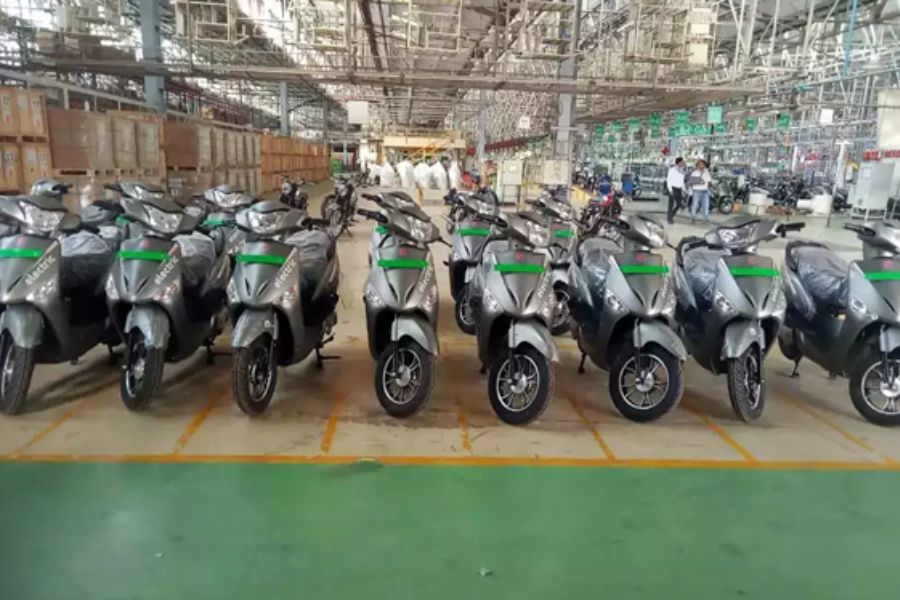
Reduction in subsidy of electric two-wheelers has led to significant uncertainty in the domestic market, with big brands such as Ather, Matter and Ola Electric pushing up prices across the range. A slash in subsidy percentage under the FAME-II scheme has invited mixed reactions from across the country, with some believing that it may derail efforts for faster adoption of EVs in India. However, auto finance companies believe that a reduction in subsidy was inevitable and it is now time for Original Equipment Manufacturers (OEMs) to revise their financing models and make the EV 2-wheeler segment more lucrative. IBT spoke with fintech companies in India to know the current market sentiments and a vision of funding electric vehicle start-ups. Image credit: Hero Electric New Delhi, June 7: With the price hike of electric vehicles, all eyes are fixed on the sales and demand of EVs in India. As of June 1, EV manufacturing companies in the country such as Ather, Matter and OLA EV have announced hikes in the prices of two-wheelers across their product ranges. Post the announcement by the central government on the reduction of the FAME II subsidy, vehicle showrooms have registered a surge in pre-booking of EV two-wheelers. But as of June, EV vehicles, under the capacity of 15,000 kWh, will become more expensive. Some companies have either fully or partially passed on the subsidy losses to their customers. What is the FAME-II subsidy scheme? The FAME 2 subsidy, or Faster Adoption and Manufacturing of Hybrid and EV scheme (FAME-II), has been in effect since April 2019. For any electric two-wheeler to qualify for the scheme, certain criteria have to be met, including mileage of 80 km on a single charge and should manage to go at least a minimum of 40 km/h. Also, the two-wheelers need to have a certain degree of localised manufacturing for them to qualify for the benefits. If a product passes all the necessary criteria, as mentioned in the scheme, the government offers a subsidy of Rs 15,000 per kWh of battery. There is also a subsidy cap put into place, where the subsidy is only eligible for 40% of the vehicle’s total cost. Now, while this subsidy is directly passed on to the customer, EV manufacturers already account for this subsidy when quoting the price at the time of purchase. Apart from subsidies offered by the central government, several state governments have implemented their own subsidies for EVs. These may vary according to the state with some offering fixed subsidies whereas others take into account factors such as battery capacity, performance and other such aspects before fixing on a price. The scheme got a budgetary support of Rs. 10,000 crores. Through this scheme, the government aims to provide incentives to various categories of vehicles such as: Electric Two-wheelers: 10 lakh registered electric two-wheelers will get an incentive of Rs. 20,000 each. Electric Four-wheelers: 35,000 electric 4-wheelers with an ex-factory price of Rs. 15 lakh will get an incentive of Rs. 1.5 lakh each. Hybrid Four-wheelers: Through this scheme, the Government will provide Rs. 13,000 – Rs. 20,000 as an incentive to hybrid 4-wheelers with an ex-factory price of Rs. 15 lakh. e-rickshaws: 5 lakh e-rickshaws (each) can avail Rs. 50,000 as incentives. e-buses: Nearly 8000 e-buses with a maximum ex-factory price of Rs. 2 crores will receive an incentive of Rs. 50 lakh each. Under the second phase of the Fame India Scheme, the government is hopeful of establishing 2700 charging stations in metros, smart cities, hilly states, and million-plus cities across the country. The central government also aims to cover highways as well and establish charging stations on both sides of the road with a gap of 25 km between two consecutive stations. On May 19, the Ministry of Heavy Industries restructured the FAME scheme. The new structure which came into effect from June 1st onwards, brings down the subsidy per electric two-wheeler from 40% to 15% of the ex-factory price or from Rs 15,000/kWh to Rs 10,000/kWh. Earlier, some electric two-wheelers were getting a subsidy of up to Rs 60,000, however, now the companies will have to either absorb or pass on the subsidy loss. This comes on the back of the withdrawal of Rs 1,100 crore worth of subsidies by the Ministry of Heavy Industry, due to allegations that manufacturers were not meeting the mandated localisation norms. Leveraging an Opportunity Amid Crisis? EV brands such as Ather Energy ran several ad campaigns encouraging their customers to buy or book vehicles at old prices before 1 June, while companies like Ola Electric allowed customers to book vehicles at old prices till 30 May. In spite of record EV two-wheeler sales registered in May, the industry overall is likely to witness a dip in the sales figure for the month of June. However, fintech companies believe that the downward sales trend will be short-lived and consumers’ sentiments towards EVs will soften. A reduction in the subsidy amount is likely to widen the price gap between EV and ICE engine automobiles, though experts are now hoping that the EV industry may launch lower-specification versions of electric two-wheelers to counter the price increase. Speaking with IBT, Sameer Aggarwal, Founder and CEO, Revfin, said that EV OEMs will rethink long-term finance models for 2-wheelers, to the extent of looking into creating longer-durable vehicles. He also said that companies may now explore the possibility of alternative methods to reduce prices such as battery-swapping technologies. “We need to assess the demand of a consumer. Do they need a bike which covers 120 km per day or are they okay with a lower mileage EV bike? It is about giving options and variations to users,” Aggarwal added. He has stated that post the reduction in subsidy under the FAME-II scheme, his company has requested all its associated manufacturers to submit a list of documents to do longer-duration loans. “Whether it is extended warranty, AMC packages, setting up more off-service network; all of those things
Upcycling: Redesigning waste plastic into higher-value products
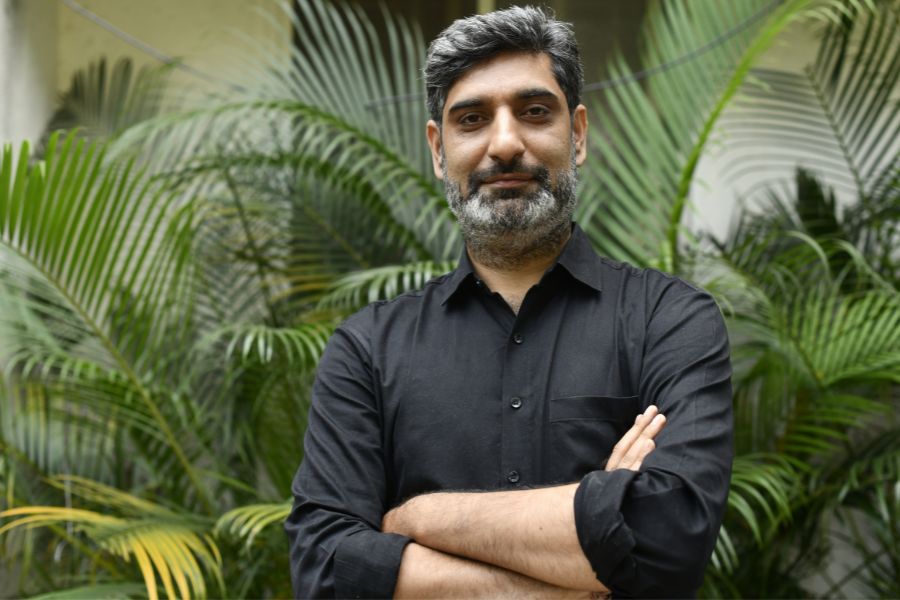
India generates an enormous amount of plastic waste, with inadequate infrastructure for proper disposal and recycling leading to a threat to the environment and human health. The government has taken several steps to address the issue such as ban on single-use plastic in certain regions and promoting recycling initiatives. But, more comprehensive and stringent measures like increased awareness and improved waste management systems are required to effectively combat this growing problem. EcoKaari is one of the leading plastic upscaling companies dedicated towards eliminating single use plastic by upcycling it to trendy handbags and accessories. India Business and Trade spoke exclusively to Nandan Bhatt, CEO and Founder, EcoKaari to find out traditional and eco-friendly techniques and procedures used to up-cycle plastics as well as the challenges faced by the company. IBT: What inspired you to up-cycle plastic wrappers and how did you come up with the idea of embedded traditional weaving method as a modern innovation? Nandan Bhatt: The inspiration behind our use of plastic wrappers originated from Kashmir. When I moved to Mumbai in the late 90s for education, I went on trekking with friends. We noticed how trekkers and travellers were littering, leaving beautiful places filled with garbage and no one to clean it up. Despite the challenges of retrieving waste from mountainous areas, our group of friends brainstormed solutions to address this issue. While we observed people collecting plastic and glass bottles in those locations, there was no one collecting used packets as there was no market for them. Back in 2013-14, I began working as a CSR consultant. During one of our travels in Gujarat, particularly in Kutch, we came across an ongoing project led by an NGO. However, we realized that the project lacked proper marketing and needed to be taken to the next level. The major challenge we faced with this venture was the lack of subsidies. We were uncertain about the feasibility of selling this idea, considering its limited commercial sustainability. Despite this, we set specific targets, trained our artisans, and embarked on teaching initiatives to kickstart the project. IBT: What other challenges did the company face during its initial stages? Nandan Bhatt: The world of startups and entrepreneurship often seems glamorous, but apart from regular challenges like cash flow, which every start-up faces, we faced different challenges. The major issue that we faced was getting plastics in the right form. In India, it is common for households to hand over their garbage to garbage pickers in the morning without segregating the plastic from food waste. As these garbage pickers collect waste from around 200-300 houses per day, the garbage ends up being dumped in a manner that makes it nearly impossible for conventional recyclers to process, given its high level of contamination. After the pandemic, it has become riskier as plastic is available everywhere but is not in the right form. So, we have to work with waste pickers and wholesalers to provide us with collected, segregated and washed plastic. So the first challenge we still face is getting the plastic. The second problem that we faced was convincing people to work with us, since weaving in India is done by the community, making it difficult to convince them to work with us. Thirdly, convincing the customers to purchase the product was a huge task. IBT: How does your company procure plastics and what guidelines are followed? Are there any quality checks? Nandan Bhatt: Starting from the source, we have identified four major sources of plastics. The first one is obviously waste-picking organizations that work with waste pickers since it is far better to collaborate with them rather than doing it ourselves. Secondly, we get a lot of donations from across India including Ladakh, Nagaland, Manipur and Southern states as well. We get 15-20 parcels per day with quantities varying from 100 grams to 10 kg. Thirdly, there are food manufacturing companies like ITC, Nestle and Parle G who are working with us. For example, if Nestle missed the barcodes or batch codes in Maggi packets, they can’t use them as they have strict regulations. In that case, they give the plastic to us for up-cycling. Across India, there are lots of wholesalers of plastic who provide us with the raw material although we don’t do quality check there. We have tied up with another organization that makes fuel out of it. There is a process called Pyrolysis where the plastic is heated until it breaks down into its original form. They take the waste that we cannot use, although it is difficult to do the quality check at their end, so we do it on our own. IBT: Is there any expiry date for the plastics? If the quality of the plastic is not good do you discard it? What kind of segregation do you do in that case? Nandan Bhatt: If plastic becomes brittle, we know that it has been used a lot and will break down, so we cannot use it. Secondly, the plastic is segregated into two levels – one is based on gauges and the second is colour. Plastic bags come in different gauges like grocery bags and shopping bags. On the basis of gauges, we have to separate the plastic as we cannot use two gauges in one fabric. Secondly, plastic comes in various colours, so segregation has to be done on that basis, since we do not use any chemicals in our process. Apart from stitching purposes, we do not use any heat or chemicals in the process. IBT: So, what is the cycle of the plastic till it becomes a usable bag? Please explain the complete process. Nandan Bhatt: The process is quite simple, it starts with procurement and segregation of plastic as informed earlier. Once the plastic is selected, it is washed with herbal cleaners and then dried under the sun for one or two days. After that, we segregate it on the basis of gauge and colour and cut it into long strips. Those
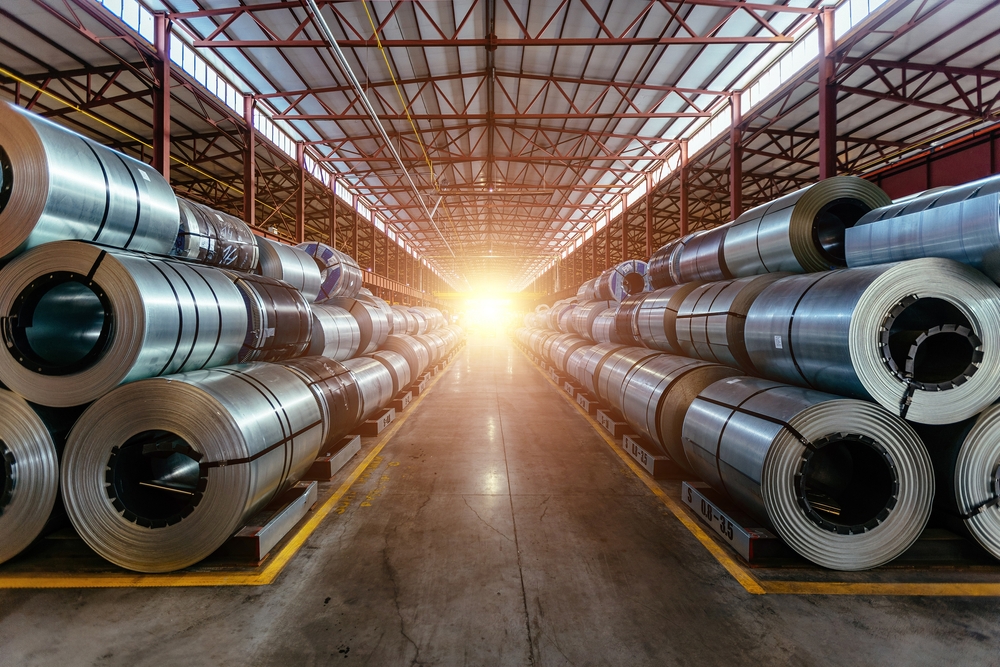
Is the Indian steel industry bending in the right direction?
India’s steel capacity and production have grown steadily over the last 9 years, making the country a net exporter of steel. However, with domestic HRC trading at a premium to imports, there is a strong possibility of India turning a net importer of steel again in 2023-24. IBT analyses the sector’s performance over the past 9 years, and takes a holistic view of the long term growth outlook. Image Source: Shutterstock The Union Minister of Steel Jyotiraditya Scindia recently held a press conference to detail the performance of the steel industry over the past 9 years. He highlighted that India has become the world’s second largest producer of crude steel during this period, surpassing Japan in 2018. Moreover, the country was a net exporter of steel with exports of 6.72 MT of finished steel in 2022-23, vis-a-vis imports of 6.02 MT. It was a net importer in 2014-15. During 2014-15 to 2022-23, crude steel capacity has grown to 160.3 MT (up by 46%), while crude steel production has grown to 126.3 MT (42%). Current performance analysis The steel industry is a critical driver to economic growth and employment and a key input to several sectors of the economy such as construction, infrastructure, automobiles, engineering, and defence. While the pandemic and global trade scenario slowed the sector for some time, recent developments are restoring it to its former trajectory. Following the pandemic, the steel industry in India experienced a V-shaped demand recovery, which, coupled with government policy announcements for sectors like rail, road, aviation, gas pipeline, and housing, along with changes in global supply and demand dynamics, led to a resurgence in production and growth during 2021 and 2022. It is anticipated that India’s finished steel consumption will rise to 230 MT in the fiscal year 2030-31, compared to 133.6 MT in FY ’22. The Indian steel sector has been thriving, rising at a CAGR of 5% to 6% year on year. The global steel market reached a value of US$ 874.6 billion in FY22. The market is predicted to reach a value of US$ 1,052.25 billion (IMARC) by 2027, exhibiting a growth rate (CAGR) of 3.02% from 2022-27. World crude steel production reached 1,951 million tons (MT) in FY ’22, showing a growth of 3.6% over CY 2020. #Steelfact According to the World Steel Association, there are more than 3,500 different classes of steel, each with its own set of physical, chemical, and environmental qualities. Steel is classified into four classes depending on its chemical composition including carbon, alloy, stainless, and tool steel. Globally, steel production has witnessed a decline in 2022 by 4%, with the largest producer China showing decline by 2%, Europe declining by 10% YoY and US declining by 5% YoY. However, India and Middle East have bucked the trend with growth rates of 5% and 7% respectively. According to a statement by Edwin Basson, Director-General of World Steel Association, India’s steel industry is better poised due to stronger fundamentals driven by “better domestic demand, increased export opportunities, limited imports, and firming up of steel prices at healthy levels”. He adds that besides the domestic market, India’s steel sector may ramp up its exports sharply to the Middle East and Southeast Asia in the coming years. Below are the top 5 steel-producing countries in the world — million tons (MT) as of FY22 Source: Ranking of the World Steel Association in FY22 (in million tons) India’s exports of steel (HS 72) in value terms, however, have declined sharply by 41.5% to US$ 13.4 billion in 2022-23. Value decline was strong across all top 10 markets with the exception of the US (up by 1.2%). The sharpest declines were seen for China (-69.4%); Vietnam (-59.6%); Belgium (-49.4%); Indonesia (-40.1%) and Turkey (-39.6%). When we look at the market mix compared to 2014-15, US, UAE, Italy, Belgium and Nepal continue to rank amongst the top 10 export markets, while Iran, South Korea, Thailand, Japan and Bangladesh have dropped out of the ranks. Exports of Articles of Iron & Steel (HS 73), however, have grown by 11% YoY to US$ 9.8 billion in 2022-23, led by the US (US$ 3.1 billion, up by 15.7% YoY); Germany (US$ 474.92 million, up by 2.5% YoY) and the UAE (US$ 467 million, up by 12% YoY). Compared to 2014-15, US, Germany, UAE, UK, Canada, Saudi Arabia, Netherlands and Italy have remained among the top 10 markets for India, while France and Iran have dropped out of the ranks (DGCIS data). Future outlook and challenges The steel industry in China is currently facing challenges due to a decline in demand and falling steel prices. Initially, there were hopes for a recovery as the Chinese economy reopened, but the momentum of demand has slowed down. The decrease in Chinese steel exports and an oversupply in the domestic market have resulted in corrections in steel prices, according to an analysis by ICRA. As a result, there is a possibility of increased steel imports in the Indian market. However, there is some relief for the sector as input costs have moderated, which could help cushion the impact of the price corrections. Due to the waning effect of pent-up demand in China, steel prices have declined at the beginning of FY 2024. Chinese export offers have caused domestic hot rolled coil (HRC) prices to decrease by 3.8% in the current quarter. Similarly, domestic rebar prices have also seen a correction of 4.8% during the same period. Although there is resilient domestic steel demand, which grew by 7.2% in April 2023, a significant price recovery seems unlikely in the near future due to external challenges. As a result, ICRA has revised its steel price forecasts for the fiscal year 2024, anticipating average domestic HRC prices to be 4-5% lower year-on-year (YoY). The current adjustments in Chinese hot rolled coil (HRC) export offers have led to domestic HRC prices trading at a premium of US$ 50 per metric ton over Chinese imports. Additionally, Japanese HRC export offers are higher, at

Reforms in ALMM: Boosting India’s solar industry
The Approved List of Models and Manufacturers (ALMM) for Solar Photovoltaic Modules has been enhanced with significant reforms. The reforms primarily focus on cost reduction for solar PV manufacturers, streamlining the application-to-enlistment timeline, and easing the compliance burden. Image Credit: Shutterstock India has been actively working on expanding its manufacturing capacity for solar modules to support its renewable energy goals. The government has been promoting the development of domestic solar manufacturing through various initiatives and policies such as the “Make in India” campaign and the production-linked incentive (PLI) scheme. To boost solar manufacturing, the government is coming up with enhanced ALMM. Let’s understand what ALMM is and how its reforms are going to benefit the Indian manufacturers. What is ALMM? The Approved List of Models and Manufacturers (ALMM) is a compilation of solar photovoltaic (PV) module models and manufacturers that have been authorized by the Ministry of New and Renewable Energy (MNRE). This list is for solar projects across various sectors, including government projects, government-assisted projects, government schemes and programs, open access and net-metering projects, as well as utility-scale solar projects tendered by entities like Solar Energy Corporation of India Limited (SECI). It also applies to rooftop solar installations with net metering and the corporate Power Purchase Agreement (PPA) market. In essence, the ALMM ensures that only PV modules from the listed manufacturers and models can be used for these specific solar projects in India, including those initiated by the government and various schemes like KUSUM (a scheme aimed at ensuring energy security for farmers in India). Background of ALMM To safeguard consumers’ interests and ensure the country’s energy security, it is important to verify that solar PV cells and modules used in power installations are genuinely manufactured in the claimed units. Some units may falsely assert the production of solar cells and modules that were actually made elsewhere. Ensuring the reliability of producers becomes vital in protecting consumers and maintaining a robust energy infrastructure for the nation. With ALMM, the government ensures that solar panels are only manufactured by the specified manufacturers and that specific models are permissible for use. ALMM consists of two lists: List-I (Solar PV models and manufacturers). List-II (Solar PV cells and manufacturers). The ALMM Order states that ALMM shall consist of LIST-I specifying models and manufacturers of Solar PV Modules and LIST-II specifying models and manufacturers of Solar PV Cells. ALMM List consists of 91 no. of module manufacturing facilities (all domestic) with an aggregate solar PV module manufacturing capacity of 22,389 MW per year. Only the models and manufacturers listed in ALMM List-I for solar PV modules are eligible for utilization in various government projects, government-assisted projects, projects under government schemes and programs, and open access and net-metering projects installed within the country. This includes projects established for selling electricity to the government, in accordance with the guidelines issued by the Central Government under section 63 of the Electricity Act, 2003. The term “Government” encompasses the Central Government, State Governments, Central Public Sector Enterprises, State Public Sector Enterprises, as well as Central and State Organizations and Autonomous Bodies. How ALMM will benefit the Industry? The revisions made to the ALMM (Approved List of Models and Manufacturers) for Photovoltaic Modules aim to improve the business environment and facilitate the growth of domestic solar photovoltaic module production, meeting both present and future demands. Provisional Enlistment: Upon receipt of BIS registration, provisional enlistment in the ALMM will be granted within 7 days. Factory enlistment and final enlistment must be completed within a time limit of two months. Failure to meet this deadline will result in deemed enlistment. Streamlining Application Process: All future ALMM applications must be accompanied by scanned copies of the applications. The processing of ALMM applications will commence without waiting for the submission of hard copies, which can be provided subsequently. Minimum Module Efficiency Thresholds: To ensure quality standards, the introduction of end-use category-wise minimum module efficiency thresholds is proposed for enlistment in ALMM. The minimum module efficiency thresholds for various end-use categories are as follows: Utility/Grid-Scale Power Plants: The minimum module efficiency threshold for utility/grid-scale power plants will be set at 20.00%. Rooftop and Solar Pumping: The minimum module efficiency threshold for rooftop and solar pumping installations will be set at 19.50%. Solar Lighting: The minimum module efficiency threshold for solar lighting will be set at 19.00%. Final word The reforms introduced in the ALMM for Solar Photovoltaic Modules are set to bring significant benefits to the solar industry in India. With cost reductions, streamlined application processes, and eased compliance burdens, the reforms aim to enhance the ease of doing business and promote domestic solar module production. The major ways in which the will benefit the industry are as follows: 80% reduction in the application fee. A substantial decrease in inspection fees, reaching up to 70% in certain cases. Exemption from factory inspections for manufacturers seeking to enlist additional models in the ALMM that are similar to their existing enlisted models but have lower wattage. Manufacturers now have the option to withdraw their applications before undergoing factory inspection, and they will receive a refund of 90% of the application fee. The provision for provisional enlistment and the introduction of minimum module efficiency thresholds further ensure quality standards and timely processing. These reforms will not only support the growth of the solar sector but also contribute to the country’s energy security and sustainable development goals.
Lab Grown Diamonds will continue to grow by over 50% annually
India’s Lab Grown Diamond industry has witnessed exponential growth over the past few years owing to factors like convenience of production, access to raw materials and affordable price, etc. The sector holds enormous potential in terms of both production and exports paralleled with India’s green initiatives. Smit Patel, Director of Greenlab Diamonds, shares his insights on the business prospects and export opportunities within the industry. Image Credit: Greenlab diamonds Lab-grown diamonds (LGDs) are witnessing a rising trend in India’s jewellery industry. These diamonds, also known as synthetic or cultured diamonds, are created in laboratories using advanced technological processes that replicate natural diamond formation. They possess the same physical, chemical, and optical properties as natural diamonds but are produced in a controlled environment. In recent years, the popularity of lab-grown diamonds has grown significantly, driven by factors such as ethical and environmental concerns, affordability, and versatility. Lab-grown diamonds are considered a sustainable and eco-friendly alternative to mined diamonds as they eliminate the need for extensive mining operations, reduce carbon footprint, and minimize the environmental impact. Do LGDs Support Make In India? Due to similar quality, sustainable and quick methods of production Greenlabs LLC shifted from naturally mined diamonds to cultivated diamonds over the past few years. In fact, my grandfather, despite his exemplary experience, could not differentiate between the mined and lab-grown diamonds, when he was introduced to them. This gave us a very strong indication of the kind of potential that the product has very early. India’s LGD industry is growing significantly. Although we are currently importing carbon seeds, we are on the verge of having our own seeds made in India, since the technology is not far away. As for the machinery, we are importing only a few parts and most of them are manufactured as well as assembled in India. Once the PLI scheme for semiconductors is implemented, the machines will largely be manufactured in India. This means that in the future we won’t have any import dependence and will have high export potential for this industry, making it truly “Atmanirbhar”. India is not dependent on any other country for the supply of raw materials, unlike countries like Russia for example. If there is a shortage of raw materials, the labour will not get the rock to polish, leading to job losses and pay cuts. In India, we have a consistent supply of our own raw materials. Leading with Sustainability Greenlab Diamonds has made comparative assessments on the amount of water and energy used in creating Lab Grown Diamonds. Many companies are now shifting to environment-friendly solutions like having green mills and solar panels to support the government’s green initiatives. Most companies are undergoing several audits and evaluations as well as providing related certifications. The key material used to create LGD is energy (over 80%), and that energy is being substituted by solar panels and minerals. Greenlab Diamonds has installed a 25-megawatt solar plant and is working on an additional 10 MW hybrid installation with windmills by the end of May 2023, turning the company carbon neutral by the end of 2023. The process of growing a diamond is entirely technical, as it solely involves the application of heat and gases inside the reactor. Bonding of atoms inside the chamber is a completely natural process with no consistent feeding. As the temperature and pressure are raised to extreme levels, a plasma is created in the chamber, and this reaction initiates diamond growth. The diamond slowly grows, atom by atom, as carbon atoms are drawn to the small diamond seed by the plasma. During this process, the carbon atoms bond to the diamond seed, forming a larger diamond crystal. The diamond crystal continues to grow until it reaches its desired size. In simple words, the LGDs are cultivated just the way diamonds are formed below the earth’s crust. But here they are developed in a controlled environment above the earth’s surface. The Potential of LGDs in India Lab Grown Diamonds offer better potential as they are the same as naturally mined diamonds. The process is similar to cutting and polishing. If there is consistent supply of raw materials, prices will be much lower and they will obviously be much more popular than naturally mined diamonds. In 2018, over 33% of retailers in America used to keep LGD which increased to 77.8% by 2020 – a period of just two years. Similarly, in India, once awareness starts spreading like wildfire, a lot more consumers are going to be interested in the product. For industrial purposes, mined diamonds have traditionally been used for drill bits, but they are being replaced with lab-grown diamonds (LGDs) due to their similar material properties. LGDs are heavily used in the optical segment. Lab-grown diamonds possess the capability to operate at more rapid speeds and use less power than silicon-based chips, perfect for extreme and harsh conditions. This makes them ideal for use in dental tools, optical devices, medical instruments, optical coatings and lenses, precision grinding tools, cutting tools, and wear-resistant parts in machinery and aerospace components. Moreover, the potential of diamond microprocessors is exponentially high, which can soon enter India. Industry Challenges, Exports, and Opportunities The Lab Grown Industry includes a lot of verticals, so there are different barriers for different segments. Since Greenlab Diamonds was set up over the years, the workers had experience in cutting and polishing the diamonds, but the real challenge is to find a growth path and consistency in both research and development. Purchasing a reactor and putting it in a small room will not help start a Lab-Grown Diamond business. And though it is the biggest contributor to the Atmanirbhar Bharat initiative, we cannot consider it in a start-up category. There are various things to be kept in mind. For example, we cannot have fluctuation of energy even for a microsecond, so maintaining the technical environment is a real challenge. For a new business, cutting, polishing, and setting up a factory could be an even bigger challenge. Maintaining quality

Indian tourism industry: A constant contributor to economy
India has witnessed steady growth in tourism, with increasing numbers of both domestic and international tourists exploring its treasures in recent years. The industry plays a significant role in contributing to the country’s economy, job creation and revenue generation while holding immense potential for further growth. Image Source: Shutterstock India harbours a rich cultural and historical heritage. It is endowed with multiplicity in ecology, terrains and places of natural beauty throughout the country. India, the 7th largest country in the world, is marked by mountains as well as the sea (Bay of Bengal in the east and the Arabian Sea on the west) that impart a distinct geographical identity. The country covers an area of 32, 87,263 sq. km. It extends from the Himalayas in the north to the tropical rainforests in the south. An amazing feature that a traveller would notice while travelling across the country is that no two cities or states in India are the same. Hence the traveller finds himself being greeted by diverse cuisines, faiths, arts, crafts, music, nature, lands, tribes, history, and also adventure sports. This essentially shows that there are a large number of amazing tourist destinations for different types of travellers, across the country. The tourism industry in India has shown steady growth over the years, contributing significantly to the country’s economy. According to reports, India welcomed over 6 million foreign tourists in 2022, and this number continues to rise. Indian Travel & Tourism Industry The market size of the domestic travel and tourism industry in FY20 was estimated at US$ 75 billion. It is expected to be at US$ 125 billion by FY27. According to a report by Visa Inc., the market size of the sector is expected to reach US$ 1 trillion by 2047. In terms of world rankings, the Indian tourism industry has achieved notable recognition. The World Travel & Tourism Council (WTTC) ranked India as the 2nd country in terms of Travel & Tourism Employment in 2021. This indicates the significant role of the tourism sector in providing employment opportunities and contributing to job creation in the country. Furthermore, India was ranked 6th in 2021 by the WTTC in terms of the ‘contribution of Travel & Tourism to GDP’. This highlights the substantial economic impact of the tourism industry on India’s overall GDP, showcasing its importance as a revenue-generating sector. In terms of overall travel and tourism development, India is ranked 54th according to the World Economic Forum Travel & Tourism Development Index of 2022. This index takes into account various factors such as business environment, safety and security, infrastructure, cultural resources, natural resources, and others to assess the development and competitiveness of the travel and tourism sector in different countries. Growth Drivers The tourism sector offers distinct types of tourism like – heritage tourism, cultural tourism, medical tourism, business tourism, sports tourism and coastal tourism. Yet the growth drivers of the tourism industry and the Indian economy at large will be Spiritual tourism, Medical & wellness tourism, Adventure & sports tourism, Business travellers & MICE and Travel mobility. Spiritual tourism-about 60% of domestic tourism in India is spiritual in nature. Nearly 30.5 million international travellers are expected to visit India by 2028 for spiritual tourism. Medical and wellness tourism- 21% of international travellers in 2021 foraged for medical treatment in India. This tourism segment has the potential to create nearly 24 million jobs by 2032. Adventure and sports tourism- has the potential to create 6 million jobs by 2032. (An average adventure tourist spends about US$2,900 per trip). Business travellers and MICE (Meetings, Incentives, Conferences, and Exhibitions)– 12.1% of foreign tourists in 2021, visited India for business purposes. India’s share in the global MICE market is expected to increase in the coming years. Travel mobility –with an investment worth US$1.5 trillion (through the National Infrastructure Pipeline Scheme 2020-25), the number of Airports in India will increase to 220 by 2025. Making Tourism Alluring Several initiatives have been undertaken by the Ministry of Tourism to boost the tourism sector and to increase India’s competitiveness as a tourism destination. Some of the initiatives are: Government Initiatives to Boost Tourism Dekho Apna Desh initiative was launched to create awareness among the citizens about the rich heritage and culture of the country. It aimed at encouraging Indians to travel within the country. The Centre provides financial assistance to state governments/Union Territories/Central Agencies for the development of tourism-related infrastructure and facilities in the country under its schemes of Swadesh Darshan, PRASHAD and Assistance to Central Agencies. Under the ‘Capacity Building for Service Providers’ (CBSP) Scheme programmes were conducted to train and upgrade manpower to provide better service standards. Incredible India Tourist Facilitator Certification Programme, a digital initiative was launched for creating an online learning platform with the objective of creating well-trained professional tourist facilitators across the country to support tourists. A 24×7 toll-free Multi-Lingual Tourist Helpline has been set up. Facility of e-Visa for 5 sub-categories i.e. e-Tourist visa, e-Business visa, e-Medical visa, e-Medical Attendant visa and e-Conference visa for nationals of 166 countries. E-Visa has been further liberalised and the visa fee has been substantially reduced. New mountain peaks have been opened for Mountaineering/Trekking to give a boost to adventure tourism in the country. GST has been reduced on hotel rooms with tariffs of Rs 1,001 to Rs. 7,500/night to 12%. For rooms with a tariff above Rs. 7,501 GST is 18%. On the recommendation of the Ministry of Tourism, 59 tourism routes have been awarded to the identified airlines by the Ministry of Civil Aviation under the RCS UDAN Scheme. 51 of these routes have been operationalized to date. 100% foreign direct investment (FDI) in the tourism industry is allowed under automatic route. 100% FDI is allowed for tourism construction projects, including the development of hotels, resorts, and recreational facilities. Ministry of Tourism, Government of India has declared “Incredible India! Visit India Year 2023”, with an aim to enhance visitor arrival. In February 2023, the government introduced the ‘Best Tourism Village Competition Portal’ and

Hemp products getting ‘high’ on market growth
Hemp-based products in India are creating a buzz in every industry currently. The “medicinal plant” is being used in textiles, cosmetics and even construction materials. Hemp has proven to be a suitable alternative to medicines around the world. The Ministry of AYUSH has recognised hemp and cannabis as Ayurvedic proprietary medicines. And yet, the myths and misconceptions around the source continue to dampen its business prospects in India. IBT spoke with industry leaders on the growing market of hemp-based products and the need for further clarity on policies. Photo Source: Pexels New Delhi, May 29: Hemp has found a new meaning in India in the form of healthcare, construction materials, cosmetics, textile fabrics and so on. From being perceived as a recreational drug, the herbal plant is finding its purpose in the form of daily life essentials. The Indian market is gradually building education and awareness around the use of hemp-based products in textiles, foods, cosmetics, paper & medicine. According to some estimates, India is one of the world’s largest untapped medical cannabis markets today. But with massive popularity, come immense misconceptions as well! What is hemp? Hemp is the same species of plant as cannabis. In India, hemp is known as Bhaang. Though there are conceptions around the herb of being used as a recreational substance, little do people know that it has abundant medicinal benefits without the psychoactive effects. Hemp protein is derived from the cannabis plant and is a great plant-based protein source. Both hemp and marijuana have tetrahydrocannabinol (or THC, the psychoactive component which provides the sense of euphoria or intoxication) and CBD (cannabidiol) with many other compounds. CBD is an oil extracted from the leaves, stems, and flowers that act as a pain killer, muscle relaxant, and mood enhancer. In India, regulated industrial hemp plants contain primarily CBD. Its extracts usually contain less than 0.3% THC, which does not get one “high”. Medicinal Misunderstanding? Delzaad Deolaliwala, Co-founder & Chief Legal Officer, Bombay Hemp Company (BoHeCo), spoke with India Business and Trade on the inhibitions surrounding hemp-based products in India. Although it is perceived that hemp-based food products or hemp leaf-based medicines can be addictive, Delzaad claims that the science behind it is completely different. He counters that hemp food products are in fact a superfood containing negligible amounts of cannabibnoids, whereas hemp leaf-based medicines containing cannabinoids are generally prescribed by registered medical practitioners for limited periods of time. “Hemp is not illegal in India, and neither are they considered narcotic. The NDPS Act’s definition of cannabis as a narcotic clearly excludes the leaves, seeds & stalk of the plant. These parts of the plant are then regulated under other relevant acts such as Drugs & Cosmetics Act, FSSAI Act & Rules etc,” Delzaad told IBT. He also expressed delight on the growing market of hemp-based products in India which has brought down the commodity prices. Flying high on popularity! According to the young entrepreneur of BoHeCo, the estimated market size of hemp products in India is between US$ 80-100 million (Rs 640-820 Cr), with only around US$ 10 million (Rs 82 crore) of market value realized so far. Hempkart co-founder, Nishant Choudhry, speaking exclusively to IBT, clarified that though the market of hemp-based products is fairly restricted, the measures taken by the government are nudging the industry in the right direction. “Regulation is one thing that we need to work on. We have to do research in the market and come up to the government with a proper plan. Eventually they will be in the process of legalizing it,” Nishant explained. On the growing popularity of hemp-based items, the ecommerce retail platform specifically catering to such products says that it is on-boarding one new company a month. Nishant explained that India is witnessing a boom not only on the supply side but on the business opportunities as well. “Based on our observation, we could say every three months, a new company has been opening since 2021-22. And this year, we’ve been seeing 3-4 start-ups entering the industry on a per month basis. They are going to grow in the coming months quite significantly,” he said. Though the market seems to pose numerous opportunities to young enterpreneurs, Nishant says the emerging brands on hemp-based products are not really in competitiion with each other. “The Indian population is characterized by its significant magnitude, whereas the current market size is relatively constrained. The more the brands open, the more reach it will have. There is a new brand coming up in Jaipur. It will play its part in promoting business in the local region and of course in India through social media. Meanwhile there are new brands launching in Maharashtra and Bengal as well. Most of the entrepreneurs in this industry welcome competition, because every brand is spreading awareness in its own capacity. Overall, it helps the industry. There has been a notable increase in public awareness regarding hemp, and we are presently at a juncture where this awareness is prominent,” he added. Entrepreneurs say that there is lack of standardized raw material due to the nascence of large scale commercial cultivation, since most raw material is sourced from wild growing hemp. Delzaad from BoHeCo says there is requirement of sophisticated manufacturing and extraction machinery to enhance product quality. “Additionally, there is requirement of testing standards, guidelines and certification of hemp-based food, medicine, cosmetics and textile products. Fast growth of Indian hemp textiles industry and increasing adoption by large scale conglomerates like Arvind, Jayshree etc. will see the rise of hemp-based textiles & fashion,” Delzaan said. With FSSAI having passed hemp-based seed, seed oils as food ingredient, it will unlock massive CPG opportunity for Hemp integration into nutritional products, confectionaries, beverages etc on a larger scale.
Robotics in action: A helping hand to India’s manpower
In India, robotic intervention can play a critical role in undertaking tasks which may be fatal to human beings. Gen Robotics, a Kerala-based start-up, is ensuring just that. The company began its operations with mere Rs. 10 lakh through the Start-Up Kerala programme and today, it is valued at Rs. 900 crores. Backed by investors like Zoho, and industry leader Anand Mahindra, Genrobotics is providing mechanised solutions in the field of sewage scavenging and healthcare. Vimal Govind MK, co-founder and CEO, Genrobotics, spoke with India Business & Trade, on the expertise required to build robotics for underwater applications, and the prospects of building an exoskeleton to strengthen the Indian army. As of 2023, the company has deployed nearly 400 units of robots across the country. Photo Source: GenRobotics IBT: Manual scavenging has been outlawed in India for over a decade but it is still being practiced. What prompted you and your team to enter into this segment? Vimal Govind: My co-founders and I have an avid interest in robotics, and initially, we tried to build an exoskeleton. This is specifically for helping people in defence and building an ironman suit for the Indian Army. A few years ago, we came to know of an unfortunate event of manual scavenging close to our college campus. Three people died in this incident, including one civilian who tried to help the sanitation worker. And after that, we came to know about a person who was completely submerged in a manhole. So, this thought went into the creation of our first innovation, the Bandicoot Robot. We realised that existing technologies are not enough to handle the problems that occur in manholes. These manholes mostly have human interventions. They are narrow, deep, and do not have proper vision, which makes it difficult to work on complex sewage problems. We thought that rather than doing it with men, we can actually replace this practice with robots. That’s how the robotic concept integration into manhole cleaning came. And we put around one year of additional effort after the pursuit behind the exoskeleton (2015-17). We created a lot of patents in that domain. In 2017, we shifted to building the technology of Bandicoot Robot and in February 2018, we launched the first product in Kerala. IBT: What was the initial R&D that you undertook to build Bandicoot? Vimal Govind: So, basically, sanitation is a strain which requires a certain level of material to survive as a hardware product in the industry. We wanted to achieve a certain level of expertise and got into alloys, specifically in the forms of aluminium and advanced materials like carbon fibre. This is done for the survival of robots in sanitation and underwater applications. And not only that, all the electronic equipment that we use normally has to get into proper IP68-rated waterproofing in order to work underwater. We brought a certain level of technical expertise into our innovations, while simultaneously ensuring a way to reduce the cost of building robotics. This is to create an economic ecosystem which is feasible for even the government to promote similar innovations. We worked on identifying various types of technologies. Different types of control methodologies and actuators are being used in the robotic industry in the traditional form. However, if we are trying to use that directly in sanitation-related applications, it may not be feasible due to the high-cost requirement of waterproofing and material optimization. We built an entire R&D ecosystem in India and created expertise in hydraulic and pneumatic actuators and control system forms. Our innovation has been such a massive hit, that people from all over the world come to our office headquarters in Trivandrum to learn all these new methodologies we are creating. On the cost side, we used a lot of ‘Startup India and Startup Kerala’ kind of grants initially, and many CSR funds. With time, we needed a higher amount of funding, for which we approached Indian VCs like Unicorn, India Ventures and so on. And after that, recently, we got another round of funding from Zoho Corporation. They invested in the company in the last round. IBT: How do you source the raw material to build complex technologies? Did you have to import some of them? Vimal Govind: Before COVID, we were using around 85% of the material through domestic market sourcing and the rest 15% was imported from other countries. But because of COVID and national policies, we managed to reduce the import percentage to less than 5%. Most of the other materials that we are manufacturing are in-house, and we are sourcing raw materials from the domestic market. I am very optimistic about sourcing the remaining 5% of raw materials from India in the coming years. These are some kinds of specific sensors and controllers, which we can try to get from India. But it does not qualify for our quality requirements. But I’m hopeful that we can easily find this in future from India itself. IBT: Apart from Bandicoot, you have two other innovations as well including Wilbur and G-Beetle. Tell us about these innovations and their utilisation. Vimal Govind: Wilbur also comes under the same category of cleaning and maintenance. It’s an extension of the cleaning function that we do with Bandicoot. So, if you want to clean a bigger or large confined space, Wilbur can help with that. Bandicoot is more optimized to design for manhole cleaning, specifically underground drainage systems, but Wilbur can be utilised for big septic tanks and sewer treatment plants. G-Beetle, on the other hand, is medical equipment. As I mentioned, we started with the exoskeleton for the Ironman suit for defence. But when we entered into sanitation to solve the issue of manual scavenging, we had that feeling of greatness in solving social-specific issues and the company had that face of a social enterprise. But we do have a profit model as well. During the development of G-Beetle, we discovered the potential of exoskeleton technology in assisting individuals with