India is among the top five producers and the fourth largest consumer globally. However, the country is ranked 16th in exports, which were valued at US$ 2.86 billion in 2021-22. In order to establish a robust international presence, India must tackle various challenges that hinder its progress. The research division of TPCI conducted an analysis of India’s thriving performance in the domestic market while investigating the reasons behind the industry’s lacklustre performance on the international stage. Image Source: Pexels India is the 5th largest producer and 4th largest consumer of furniture globally. In 2022, India’s furniture market is valued at around US$ 23.12 billion and it is further expected to grow at a CAGR of 10.9% (2023-28) to reach US$ 32.7 billion by 2026. Major drivers of demand include increased urbanization, growing home decoration and renovation, rising disposable incomes, changes in lifestyle and consumer preferences post-COVID, rise in e-commerce, among others. Despite its gradual growth, India continues to lag in furniture exports and is currently ranked 16th in the global market. India versus the World The global furniture market size is projected to grow at a CAGR of 6% during 2021-30 to reach US$ 872.5 billion by 2030. When it comes to India, the contribution to global furniture export is around 1.12% (2022) standing at US$ 3.5 billion (2022) and is growing at a CAGR of 15% (2018–22). Based on records from 2022, leading importers of furniture in the global market include the US (US$ 86.76 billion), Germany (US$ 24.44 billion), UK (US$ 14.54 billion), and France (US$ 13.8 billion). Source: ITC Trade Map 2022 (in US$ billion) These figures indicate significant market potential for India to explore. Currently, India’s contribution to the total imports of furniture in the US, Germany and the UK stood at 2.48%, 1.99% and 1.66% respectively. These percentages highlight the opportunity for India to expand its presence in these potential markets and increase its market share. Major Competitors and Scope of Growth The leading exporters of furniture in 2022 (ITC Trade Map), were China (US$ 130.89 billion), Viet Nam (US$ 21.08 billion), Germany (US$ 18.4 billion), Italy (US$ 17.17 billion), Mexico (US$ 12.78 billion), Poland (US$ 12.08 billion) and the US (US$ 10.1 billion). Source: ITC Trade Map 2022 (in US$ billions) China and Germany actually represent two contrasting models of export dominance. In the case of China, low labour costs, rise in innovation and technology, as well as government incentives and support have played a major role in the growth of the furniture sector. On the other hand, Germany’s success can be attributed to its technological advancements, emphasis on sustainable practices, and reputation for high-quality craftsmanship. In comparison, India has certain advantages over China, such as lower labour costs, which can make its products more competitive in terms of pricing. Additionally, India’s growing middle-class presents a promising market for furniture. Furthermore, the country has the potential to leverage its rich cultural heritage and design capabilities to offer unique and appealing furniture products in the international market. By recognizing areas where India has a competitive edge, the industry can focus on further enhancing its strengths while addressing challenges and areas for improvement identified earlier. This strategic approach can help India position itself as a formidable player in the global furniture market. Challenges that India faces in the global market Availability of raw material: It has been discovered that the cost of raw materials (mainly particle board) is roughly 25% more expensive in India, making its furniture production about 27% more expensive than Chinese imports. Major barriers that contribute to the high cost of raw materials include limited domestic availability of certified wood, inadequate scale of commercial forestation practices, and higher import costs. Dominant Unorganized Sector: The Indian furniture market is highly fragmented and has been predominantly driven by the unorganized segment with an 80% share of sales. The unorganized industry poses challenges such as a lack of standardization, inconsistent pricing, limited access to technology and innovation, the absence of industry regulations and limited export potential, further hindering growth and competitiveness. High logistics costs: In the furniture sector particularly, the cost of transportation and logistics accounts for about 6%-8% of the total manufacturing cost, compared to China’s 4%, making the industry uncompetitive. Ease of doing business: India has made significant progress towards facilitating and fostering an environment that is favourable for businesses to draw in more foreign investment, but it still lags behind China in several of the crucial areas, such as starting a business, enforcing contracts, and registering property. Cost competitiveness: The high Goods and Service Tax (GST) rates on furniture in India (ranging from 12-18%) make it expensive for consumers, hinder demand, and encourage tax evasion. The requirement for phytosanitary certification and fumigation of processed wood products creates environmental hazards and adds regulatory burdens. When speaking to IBT on how India can be a dominant exporter of furniture, Madhusudan Lohia, Director, Marino Groups, said, “The Indian furniture industry is highly fragmented with very few big players in the domain. Even the biggest player does not have as high revenues as many other sectors.” He further added that furniture clusters should be made/helped via Government involvement in areas surrounding Large Particle Board Plants – this shall cut down the transport cost of raw boards, which form the highest share of raw material costs and transport is a major chunk of this cost. The government must ensure globally competitive, competent and compliant products are produced and for that, it needs to have global standards applicable in India also, PLI for furniture manufacturing is based on efficiency, growth and the use of appropriate technology. Lohia further suggested that the government should support & incentivise the agro-forestry model* (it helps in India’s carbon sequestration and the fight against desertification also), so that good quality FSC grade Particle Board can be produced in India to make the industry more competitive. When asked about the challenges the Indian furniture industry is facing currently, he said, “Cost of Raw Material –
‘Angel Tax Exemption’: How will it impact Indian startups?
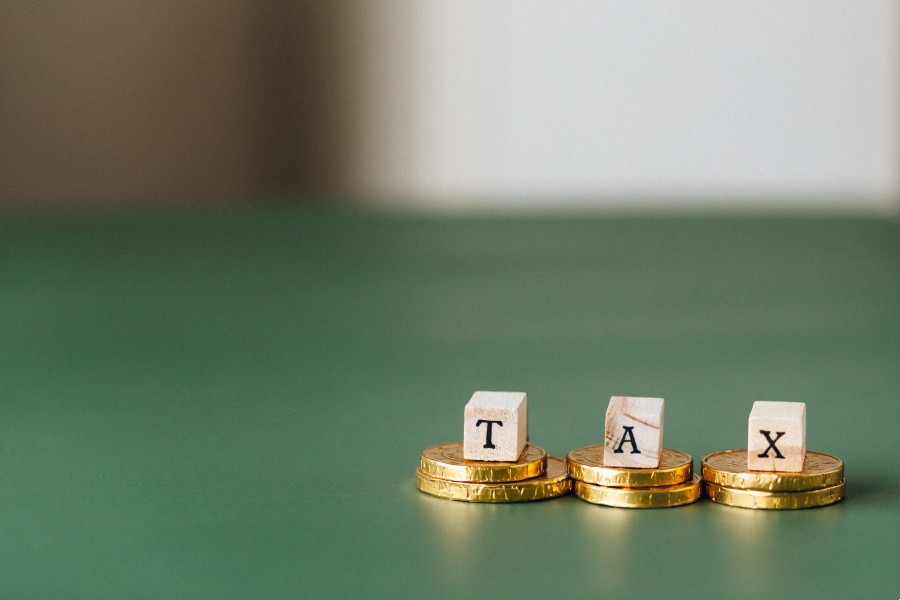
The Indian government has recently implemented tax laws that grant angel tax exemption to boost the startup ecosystem in India. These measures aim to provide a favourable regulatory environment, and encourage entrepreneurs and angel investors alike. IBT examines the recent tax laws in India, highlighting the significance of angel tax exemption and their impact on the startup ecosystem. Image Source: Pexels.com The Central Board of Direct Taxes (CBDT) has recently notified 21 nations from where investment in startups will be exempt from angel tax. This is a major development for the Indian startup ecosystem, as it will make it easier for startups to raise capital from angel investors. Angel tax is levied on investments made by angel investors in unlisted companies. The tax was introduced in 2012, and it has been a major headache for startups. Angel investors are often high-net-worth individuals who invest in startups because they believe in the potential of the company. They are not looking for a quick profit, and they are not interested in paying taxes on their investments. The 21 nations notified by the CBDT to be exempted from angel tax include the United States, United Kingdom, France, Germany, Japan, China, Singapore, Hong Kong, South Korea, Taiwan, Australia, New Zealand, Canada, Brazil, Russia, Mexico, Italy, Spain, and Portugal. This exemption implies that investments made by angel investors from these countries into Indian startups will not be subject to angel tax, a levy on investments exceeding the fair market value of shares. This move aims to encourage foreign investments and foster entrepreneurship by providing a favourable environment for startups in India. Benefits for Startups in India Exemption from angel tax will have a number of benefits for startups. These benefits include: Increased access to capital: The exemption will make it easier for startups to raise capital from angel investors. This will help them to grow and create jobs. Reduced costs: This exemption will reduce costs associated with raising capital. This will free up more capital for startups to invest in their business. Simplified Compliance Solutions: The exemption list can reduce compliance burden on startups. This is because startups will not have to comply with the angel tax when they raise capital from angel investors from exempted countries. Improved investor confidence: The exemption will send a signal to investors that the Indian government is supportive of startups. This will make it easier for startups to raise capital from investors. Global competitiveness: The angel tax exemption list aligns India with investor-friendly nations, bolstering its status as a favoured hub for startups. This attracts foreign investments, stimulates innovation, and promotes economic growth. India becomes a global competitor in the startup ecosystem, attracting international talent, capital, and technology. Impact on the Indian Startup Ecosystem The exemption from angel tax is expected to have a significant impact on the Indian startup ecosystem. The exemption is expected to lead to an increase in the number of startups being founded and funded. It is also expected to lead to an increase in the number of jobs being created by startups. The expansion of the angel tax exemption list is a positive development for startups, as it will make it easier for them to raise capital from foreign investors. This is likely to lead to increased investment in the Indian startup ecosystem, which will help to boost economic growth. However, it is not clear whether the government will continue to expand the angel tax exemption list or whether it will eventually scrap the tax altogether. This uncertainty may discourage some startups from raising capital from angel investors. It is important to note that there are still a number of challenges that startups face in India, such as lack of infrastructure and the high cost of doing business. The government needs to continue to take steps to support the startup ecosystem, such as providing tax breaks and funding for research and development. In conclusion The notification of 21 nations as being exempted from angel tax is a positive development for the Indian startup ecosystem. While the exemption will make it easier for startups to raise capital, helping them to grow and create jobs, it has also increased compliance costs for some startups and created uncertainty about the future of angel tax in India. Startups will need to monitor the situation closely to stay updated with any new rules that are introduced.

Decoding India’s Plastic Import Surge: A Path to Self-Sufficiency
India’s increasing reliance on plastic imports with a sharp rise this year urged CATR to decipher this dependence and look for ways to balance the situation. With the right policies in place, the industry has the potential to decrease the negative trade balance and increase its global footprint. India imported US$ 19.15 billion in plastics in 2022-23 (Apr-Jan) whereas exports registered a negative 13.84% YoY growth during the same period. The country is seen relying on imports majorly for cheap raw materials along with some huge structural challenges in downstream products manufacturing. The industry needs cheap raw material availability, supportive infrastructure, and opportunities for export expansion. Investments in recycling and reusing can act as the most sustainable ways. According to our research analysis, products like plates, foils, films (HS 3920) and other plastic products (HS 3926), have domestic production capacity to cater to the demand, and with policy support can reduce import dependence. Image: Shutterstock Plastics have been playing a predominant role in shaping our lives. 100 years young in comparison to traditional materials, plastic has accounted for a global production of 367 MT in 2021. Being the third largest consumer of plastics, India’s share of global plastic use is 6.4% and stats reveal a projection of 160.4 million tons use in India by 2060 from an estimated demand of 15 million tons in 2021-22. The Indian plastic industry has made significant achievements since its inception with the production of polystyrene in 1957. By catering to an entire spectrum of daily use items of life since ages, per capita consumption of plastics in India is estimated at 15 kg in 2021, from 13.6 kg in 2018. Value chain of plastics The plastic industry in India is closely intertwined with the petrochemical industry. It starts with the raw materials, such as natural gas, oil or plants and is refined into ethane and propane. These compounds on heating are thus converted into monomers which on combining with catalysts become polymers. These polymers are then converted into plastics. The industry comprises both upstream and downstream activities (conversion of polymers). The downstream manufacturers cater to multiple industries across the country with industries like, automotive, construction, electronics, healthcare, textiles, and FMCG. To cater to the needs of different sectors, a wide variety of plastic raw materials are produced. Commodity plastics (the bulk of the plastics produced) include Polypropylene (PP), Polyethylene (PE) and Polyvinyl chloride (PVC). The rests are Engineering plastics and Specialty plastics, produced for special purposes with a wide variety of properties. India’s overall production infrastructure for petrochemicals is mainly driven by a limited number of oil refineries and standalone petrochemical companies. According to the polymer landscape study, West India accounts for the maximum share (61%) of upstream plastic manufacturing, followed by Northern India with an 18% share, East India accounting for 15% and Southern India having the least capacity with only 6% share. Whereas, the downstream plastic processing sector in India is primarily dominated by Indian companies. Small/medium-scale enterprises hold nearly 85% of the industry. Where on the one hand, India’s MSME exports downstream products, and the upstream polymer industry is highly import dependent. With a target to export US$ 25 billion for FY 2024-25, India’s exports of plastics registered a negative 13.84% YoY growth in 2022-23 (Apr-Jan) with an estimated value of US$ 6.49 billion. On the other hand, imports touched US$ 19.15 billion over the same period. Industry’s increasing dependence on imports has brought apprehension but with the right policies in place, the industry can decipher a way to expand its global footprint. After registering a 31.74% YoY growth in 2021-22, India’s plastics exports are expected to almost double for the period 2024-25. Despite supply chain disruptions during Covid-related lockdowns, exports not only recovered but witnessed emphatic growth. Being ambitious about these growth trends, The Commerce and Industry Minister, Mr. Piyush Goyal sets a target for the domestic plastics industry to grow its size to Rs 10 lakh crore in the next 4-5 years from Rs 3 lakh crore in 2022 while speaking at Export Excellence Awards by Plastics Export Promotion Council (Plexoconcil). Source: Ministry of Commerce and Industry The country’s plastics exports have registered a 9% CAGR over a period of 4 years, with a total value of 9.05 billion in 2021-22. Following are the top 75% exports of plastics out of which (3920) Other plates, sheets, films.., (3907) Polyacetals, (3923) Packaging articles… (3926) Articles of upstream products (3901-3914) and (3921) other plates and sheets..were the major exported products registering positive YoY growth. HS code Commodity Value of exports in 2021-2022 (US$ million) YoY growth (%) Share in total exports of 39 (%) 39 Plastic and articles thereof. 9,052.37 31.74 3920 Other plates, sheets, film, foil … 1,438.00 33.35 15.9% 3907 Polyacetals 1,405.22 59.91 15.5% 3923 Articles for the packaging goods 1,127.87 29.58 12.5% 3926 Other articles of plastics of headings 3901 to 3914 895.45 45.51 9.9% 3901 Polymers of ethylene in primary forms 766.73 -9.52 8.5% 3902 Polymers of propylene.. 745.85 -2.36 8.2% 3921 Other plates, sheets, film, foil and strip, of plastics 405.04 22.93 4.5% Source: Ministry of Commerce and Industry With the kind of growth trajectory that India is on, accessing the nation’s increased dependence on imports becomes vital. Plastic imports have grown more than what has been exported. The country imported US$ 19.99 billion in 2021-22, establishing 50.24% YoY growth. Source: Ministry of Commerce and Industry All the products in the top 75% of imports of plastics have registered a positive YoY growth showing increasing reliance on imports in 2021-22. (3901) Polymers of ethylene, (3904) PVC, Polyacetals, (3920) Other plastics from polymers were some of the highest imported products. HS code Commodity Value of imports in 2021-2022 (US$ million) YoY growth (%) Share in total imports of 39 (%) 39 PLASTIC AND ARTICLES THEREOF. 19,994.19 50.24 3901 Polymers of ethylene in primary forms 3,235.65 46.93 16% 3904 Polymers of vinyl chloride (PVC).. 3,116.47 57.84 16% 3907 Polyacetals.. 2,490.60 57.29 12% 3902 Polymers of propylene..
Younger the better: Investors flock to early-stage startups
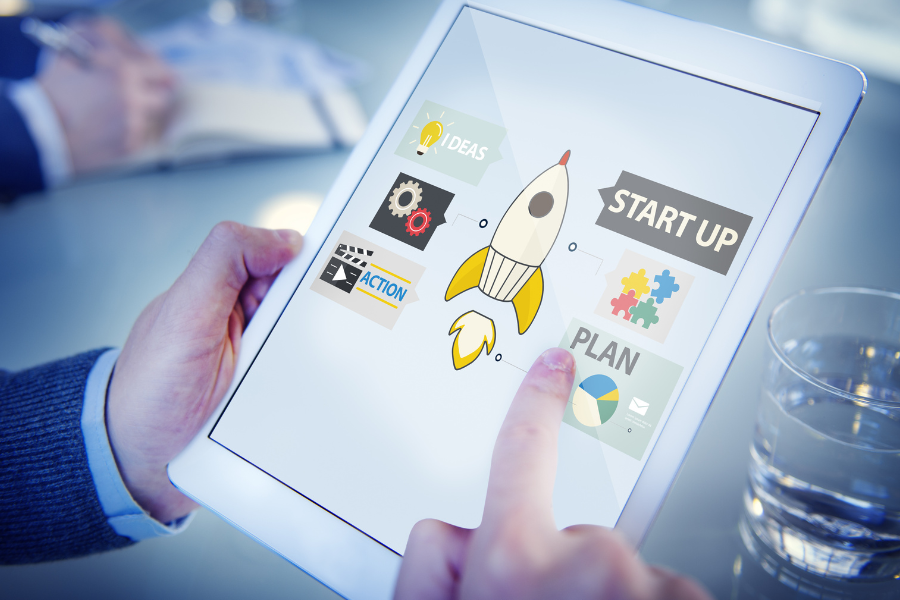
The startup ecosystem in India has been developing rapidly, leading to an increase in investments directed towards new startups. This indicates that founding teams with innovative ideas are capable of attracting investments, even during the ongoing funding winter. Despite this challenging time, investment in early-stage startups has been witnessed in 2022. The B2B, fintech, and enterprise SaaS sectors have emerged as the most successful in attracting early-stage funding. The year 2022 has been recognised as a year of reckoning for Indian startups, due to the sharp decline in funding (down by 40% YoY) that set in the post a blockbuster 2021. However, the impact was not the same across the board. Interestingly, early-stage startups remained largely safe and were not slammed by the prevailing ‘funding winter’ i.e. the extended period of reduced capital inflows. They raised funds of around US$ 664 million across 368 deals in the year 2022, according to a report by InnoVen Capital. It is a substantial spike in fund-raising, as against the US$ 594 million funds raised across 316 deals in 2021. According to a PricewaterhouseCoopers (PwC) report, early-stage startups accounted for 60-62% of the total deal volume in 2022. The top three sectors that attracted investments during the year were B2B (business-to-business) platforms, fintech, and enterprise SaaS (Software as a Service). When asked why fintech startups are leading in the startup ecosystem, Rahul Tandon, Chief Product Officer, Safexpay said, “Fintech startups have been at the forefront of meeting digital needs, providing innovative solutions to simplify banking and financial experiences. Fintech companies have also demonstrated a keen aptitude for employing automated customer services technology, such as chatbots and AI interfaces, to help customers perform basic tasks and minimize staffing expenses. He added that investors had recognized the potential of this industry and are eager to invest in such startups as it presents the chance to enter the early stages of emerging markets and reap the benefits of substantial growth that may occur as the industry and technology advance. Given that fintech startups are usually smaller in scale, they may be able to act more nimbly and effectively than established companies, enabling them to seize market share and establish a dominant position. It is worth noting that two-thirds of early-stage start-up investments in 2022 came from Bangalore or NCR. The cities Hyderabad, Pune, and Chennai individually registered a 5% increase in total early-stage investment. Bangalore, NCR (National Capital Region) and Mumbai remained the nerve centres of the start-up ecosystem. While evaluating new deals in 2022, the investors have primarily focussed on the quality of the ‘founding team’ as the most important factor, since there was hardly any track record for their evaluation at the early stage. It was noted by InnoVen that more than one-third of new investments were at a pre-revenue stage, indicating that founding teams with innovative ideas can attract funding. Start-ups are now known to be the driving force of innovation-led economic growth. As the number of new start-ups in the country is rising, the number of risk-taking investors looking to inject funds into early-stage start-ups is also going up. Ankur Mittal, co-founder of Inflection Point Ventures says that the unallocated funds that a private equity (PE) or VC firm has on hand (called dry powder), have been increasingly flowing from late-stage to early-stage start-ups. Besides there have also been many early-stage incubation programmes launched during the last three to four years. These include Sequoia Surge, Accel Atom or YC Continuity, which are promoting more opportunities for planting funds. Top-performing sectors like fintech, SaaS, and the newly added climate-tech, are expected to garner most of the VC investments in the coming months.

Fitness Gadgets: The growing circle of self care
The smart wearables industry in India is expected to witness significant growth in the coming years as more people become aware of the benefits of these devices. With the entry of new players in the market and their focus on providing innovative products, the fitness wearables sector is likely to expand its offerings in the near future. With increased competition and price pressure, smart wearables could become more affordable for a larger spectrum of users. Photo Source: Pexels New Delhi, May 4: Maintaining health and wellness is no longer force of habit or a need of the hour. A content state of mind can also stem from a healthy body, a mantra that many of us may agree with. To achieve our goals, we need a helping hand in the form of robotics. Although fitness bands have been available for almost a decade now, the current trend is to possess lightweight and compact health trackers. Advancements in fitness tracking have been transformative, and in some instances, life-saving. With devices ranging from Fitbit bands to smartwatches, compact oximeters, and blood pressure monitors, we are now equipped with gadgets that can aid us in maintaining a healthy lifestyle. India is the fastest-growing medical devices market amongst emerging markets valued at US$ 11 billion. In addition to this fact, the fitness industry has shifted to the online realm in order to sustain itself since the advent of the pandemic. As people become more aware of the importance of maintaining an active lifestyle, the demand for self-directed fitness routines has increased. As a result, a number of fitness technology tools and products are constantly being introduced in the market. Changing Lifestyles Let’s understand the term smart wearables. “Smart wearable” refers to a class of electronic devices that can be worn on the body as accessories, usually as watches or fitness bands, and are created to offer a variety of functions and functionalities in addition to the more common timekeeping and fitness tracking. Users can access and manage various programmes and tasks, thanks to their frequent Bluetooth or other wireless technology connections to smartphones and other devices Varied uses of fitness gadgets allow users to track fitness performance and create a customisable chart of diet and exercises related to physical well-being, weight management, stamina, and core strength. This is where fitness-dedicated gadgets come into play. Health experts say that gadgets such as smartwatches and mobile applications do monitor health, but the compulsion to constantly look at the screen can be anxiety-inducing. Prakriti Sharma, a fitness coach, spoke with IBT and said, “Peeking into the phone or smartwatch every now and then can be overwhelming. This often consumes the complete attention of the user. Tracking the number of steps in a day and calories burnt can become an obsession. We do recommend people to monitor their fitness levels, but there is a fine line between monitoring and obsessing over it.” She added that though compact fitness gadgets are rather helpful, their price range can compel people to opt for a smartwatch or fitness bands. Price competition Fitness devices are becoming price competitive given the technological advancements which may cater to different health needs. A vast pool of India-made fitness devices has captured the market based on their size, mobility and even colour. IBT spoke with Pi Ring, an Indian electronics manufacturing company on the changing requirements of fitness enthusiasts. Mukesh Sharma, accounts executive, Pi Ring, said that the experience of wearing compact fitness gadgets is rather new amongst India’s young population. “Consumers have become aware of the need for self-care post-Covid and this is where products such as ours come into the picture. Our gadget, in the form of a finger ring, weighs less than 30 grams. People are tired of wearing smartwatches and usually take them off while sleeping because of their weight. Smart rings need not be taken off at any point. It tracks your BP, oxygen level and sleeping pattern and sends a consolidated report to your mobile,” Sharma explained. On the competition of smart fitness devices in India, Sharma added that companies are investing in creating reliable algorithms, and quality hardware which gives a justification for the high price. He has also claimed that compact fitness gadgets are popular amongst millennials and Gen Z. “Post Covid, people want to monitor the health of their parents as well. We are seeing a decent amount of traction across Tier-1 and Tier-2 cities,” he added. Smart fitness wearables In India, cardiovascular ailments are on the rise in the past 2 years and have been identified as the deadliest diseases in the country. This includes a group of conditions that involve the heart and blood vessels. The most common forms of cardiovascular diseases in India are coronary artery disease, heart attacks, and stroke. According to recent data published by International Data Corporation (IDC), the Indian wearables market has grown by a staggering 144.3% YoY, with a total of 11.4 million units shipped in 2022. This growth can be attributed to the increasing adoption of smart wearables such as smartwatches and earwear, as well as the growing interest in fitness and health-tracking devices Manav Bhandari, CEO and Co-founder of Fourth Frontier spoke with IBT. The company set up in 2020, manufactures a chest-worn smart heart monitor that can provide real-time feedback of a user’s heart health. “We’ve built around 10,000 customers in the last few years, spread across US, UK, Europe and India. The heart is one of the leading causes of death around the world. We believe that having a personalised smart heart monitor is extremely important. Our device intimates, in the form of vibration, if the heart is entering a dangerous zone,” the CEO told IBT. Manav said that the device built by the company has been specifically designed for people suffering from heart disease, however, it can be utilised by those who are interested in cardio exercise. He said that the higher cost margin of the device can be a deterrent, and the company

Wearables: Next big leap for Indian electronics sector
In FY 2022-23, India’s production of electronic wearables experienced a remarkable surge in value, reaching Rs 8,000 crore. The industry is optimistic to achieve a two-fold increase in its production to reach Rs 15,000-17,000 crore in the FY 2023-24. Image Credit: Pixabay The global wearable industry is expected to reach a value of US$ 87.67 billion by 2027, with a CAGR of 15.5% from 2020 to 2027. The growth of the market is driven by factors such as increasing awareness about health and fitness, rising disposable income, and technological advancements. India’s electronic wearable production, including earphones and smartwatches, witnessed a huge transformation, reaching a value of Rs 8,000 crore in 2022-23, as compared to insignificant levels in the previous fiscal year. This growth can be attributed to the phased manufacturing plan (PMP). The industry is optimistic about doubling its production to Rs 15,000-17,000 crore in FY 24. This is a massive leap for an industry that is highly dependent on imports from China. Wearables have been projected to contribute a sizeable US$ 8 billion (Rs 65,000 crore) in the government’s vision to achieve US$ 300 billion in electronics manufacturing by 2026. Currently India accounts for 4-5% of the global wearables market by value, according to a study by Feedback Advisory and India Cellular and Electronics Association (ICEA). The implementation of the electronic Production Linked Incentive (PLI) scheme on wearables last year helped to boost domestic production, increasing it from negligible levels in 2021 to 40% of the local market in 2022. Till March 2023, the government has released Rs 2,874.71 crore to beneficiaries of the PLI scheme. A majority of beneficiary companies were from sectors like electronics, telecom, pharma and food processing. Large-scale electronics manufacturing was at the top of the list of disbursals, with Rs 1,649 crore. PMP impact and way forward The implementation of PMP has resulted in a manufacturing growth of nearly 400% for wearables, leading to the direct employment of approximately 30,000 individuals. Top brands like Boat, Noise, and Firebolt are expanding their manufacturing operations in India, with companies now producing locally instead of relying on imports. To encourage local production of components for wearables, the PMP program reduced custom duty on most components to zero in FY ’23, with a plan to gradually introduce duties between FY ’24 and FY ’26, at a rate of 5-15%. For example, the duty on wearable batteries was cut from 15% to zero in FY ’23. Starting from FY ’24, a duty structure will be implemented on wearable components, with a 5% duty on batteries in FY ’24, 10% in FY ’25, and 15% in FY ’26. The Feedback-ICEA study predicts that the Indian wearables market will grow to US$ 4 billion by 2026, with manufacturing potentially reaching US$ 8.2 billion, including US$ 4.2 billion in exports. Despite India’s efforts to boost its electronics manufacturing industry, it still faces a cost disadvantage compared to countries like Vietnam and China. Currently, India’s cost disability differential against Vietnam is around 7-9%, while against China, it is even higher at around 17-19%. This gap needs to be significantly reduced if India wants to attract global vendors and become globally competitive in the electronics manufacturing industry. According to the study by Feedback-ICEA, if the Indian government implements positive policies to encourage local manufacturing of electronics, such as wearables, the domestic market could be fully served by locally produced products. Additionally, the study suggests that if such policies are implemented, India could capture 8-10% of the global market share for wearables through exports by 2026.
India’s relentless pursuit of becoming a semiconductor hub
India wants to leave no stone unturned to share the stage with the top leaders in the global semiconductor industry. However, it currently lacks the kind of critical talent, resources and investments needed to match international benchmarks, while encountering the typical challenges of building an industry from scratch. IBT takes a look at macro industry dynamics and key strategic moves that India may have to deploy to emerge a serious contender. Semiconductors worldwide sales reached US$ 80 billion in 2022, registering a 4% YoY growth. With a current market of US$ 24 billion, India is expected to have consumption of US$ 80 billion by 2026 and US$ 110 billion by 2030. India’s Semiconductor Mission is attracting foreign investments to the country but the country still registered total imports of around US$ 18 billion in 2022-23 (Apr-Feb). Market based, targeted, practical, geographically concentrated and non-discriminatory policy framework is recommended to help India boost the domestic chip sector. Image Credit: Pixabay From the past few years, one industry that has leapfrogged into the spotlight across borders is semiconductors. In scientific parlance, these are essentially elements or compounds that conduct electricity under some conditions but not others. This unique property, which puts them between conductors and insulators, makes them useful in controlling electric current. The semiconductor silicon is the base material for the microchip, also known as an integrated circuit or monolithic integrated circuit, which is used in almost every modern electronic device. Modern life’s high reliance on this nanometer chip is forcing nations to take part in the endless pursuit of converting themselves into its manufacturing hub, and India is tirelessly working towards becoming a key player in the industry’s supply chains. As it is said that, semiconductors are the foundation of everything digital in today’s world. Worldwide market sales of semiconductors reached US$ 580 billion in 2022, with a 4% YoY growth. These devices are essential to almost all sectors of the economy including aerospace, automobiles, communications, clean energy IT and medical devices. Smartphones had the highest utilization of semiconductors in 2022 as compared to a prediction of the highest consumption by servers and data storage in 2030, as shown in the graph below. Source: Statista What does the Global supply chain look like? Among numerous types of semiconductors, seven broad categories are memory, logic, micro, analog, optoelectronics, discrete and sensors. Out of these the first four memory, logic, micro and analog semiconductors are the so-called integrated circuits (ICs) or chips. The production process for semiconductors or in particular ICs, consists of three distinct steps: design, fabrication and assembly and test. Whether the company provides all three production steps or focuses solely on a single production step depends on the firm’s business model. Integrated device manufacturers (IDMs), such as Intel or Samsung, perform all three steps in-house but due to increasing complexity, companies which only design chips and rely on contract chip makers for fabrication are called fabless. Fabless companies, such as Qualcomm (US), Nvidia (US) and HiSilicon (China), therefore, closely collaborate with foundries that manufacture chips in their fabrication plants (fabs). The last step of testing, assembling and packaging to protect the chip from damage is either done by the foundry itself or by the outsourced semiconductor assembly and test (OSAT) companies. The global leaders Countries having the maximum production of semiconductors in the world are Taiwan, South Korea, Japan, United States and China. Taiwan is the world’s undisputed leader in raw semiconductor manufacturing, due to a single company Taiwan Semiconductor Manufacturing Co. (TSMC), which singlehandedly manufactures roughly 50% of the world’s semiconductors. It works in the foundry model of business. South Korea’s multinational Samsung Electronics Corporation is one of the largest single semiconductor-producing companies, working both as IDM and foundry. Source: World population review rankings Trade analysis of Semiconductors Semiconductor trade is captured in two HS Codes – 8541 and 8542. The world recorded total exports of US$ 147.17 billion of Diodes, Transistors and similar conductor devices (HS 8541) in 2021. China, Hong Kong, Singapore, Japan and Malaysia were the top exporters of these devices over the same period. Countries which topped the importers’ list for these devices were China, Hong Kong, US, Germany and South Korea. Source: ITC Trade Map With total exports of US$ 1 trillion in 2021, global exports of Electronic integrated circuits (HS 8542) recorded a 7% CAGR from 2017-21. Countries like Hong Kong, Taiwan, China, Singapore and South Korea were the top exporters in 2021. China, Hong Kong, Singapore, Taiwan and South Korea were also among the top importers of integrated circuits. Source: ITC Trade Map Where is India in the race? India’s semiconductor journey started with Punjab in 1974 when the Department of Electronics realized that the country needed to build capacity in semiconductors design and fabrication. Mohali got India’s first semiconductor fab in 1978, which started manufacturing chips with technology obtained from American Microsystems Inc. Around this same time, semiconductor design activity began in India and within a decades time, 17 out of 25 top semiconductor design firms, including Intel, had opened centers in the country. However, the country lagged over the years due to sub-par investments in a highly technology intensive and fast-paced industry. Today, has a decent chip design talent but it never built up chip fab capacity. The ISRO and the DRDO have their respective fab foundries but they are primarily for their own requirements. With rising demand and frequent supply chain disruptions recently caused by the pandemic and geopolitical tensions exposing its vulnerability, there is no choice left for India but to become self-reliant. Now India wants to leave no stone unturned to share the stage with the top leaders in this game. Its consumption of semiconductors is expected to cross US$ 80 billion by 2026 and US$ 110 billion by 2030. India is currently an importer of all chips, with an estimated market of US$ 100 billion by 2025 from US$ 24 billion in 2023. Its semiconductor market is structured into four different segments, Discrete semiconductors (used
Manufacturing sector gains momentum
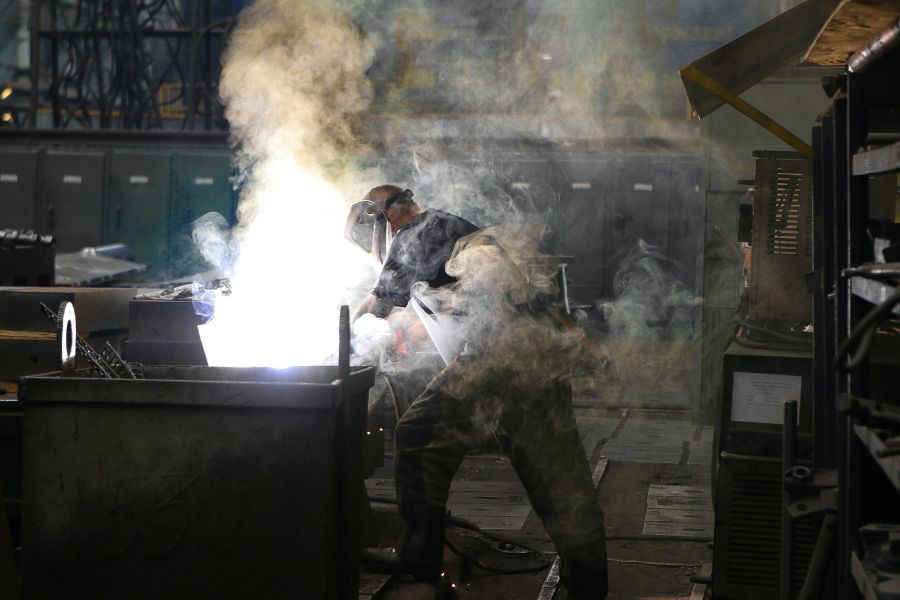
India’s manufacturing sector is seeing fresh momentum, with the manufacturing Purchasing Managers’ Index (PMI) increasing from 56.4 in February to 57.2 in March. Firms are seeing the quickest pace of new orders placed with goods producers since last December, even though job creation was only ‘slight’. Image Source: Pexels The S&P Global India Manufacturing Purchasing Managers’ Index (PMI) is a monthly survey that measures the performance of the Indian manufacturing sector. It is based on a survey of purchasing managers from a representative sample of manufacturing companies. The PMI measures factors such as new orders, output, employment, and prices to provide an overall picture of the health of the sector. A PMI reading above 50 indicates expansion in the sector, while a reading below 50 indicates contraction. India’s manufacturing industry is showing traction with acceleration of factory orders and production growth in the last quarter of the fiscal year, which reached its peak in three months. The S&P Global India Manufacturing Purchasing Managers’ Index (PMI) increased from 56.4 in February to 57.2 in March. The Indian manufacturing sector showed a positive trend in March, with a significant improvement in operating conditions compared to the previous month. This growth was driven by an increase in new orders, with firms seeing the quickest pace of new orders placed with goods producers since last December. The increase indicates the most robust enhancement in operating conditions in 2023 so far. Firms saw the quickest pace of new orders placed with goods producers since last December, which suggests that demand for manufactured goods has increased in recent times. This growth has likely prompted manufacturing companies to increase their production levels to meet the rising demand. The overall business sentiment about output prospects a year ahead also improved, as manufacturers gained confidence that volumes will be higher going forward. This improvement in sentiment was further supported by a reversal of the trend in April, as firms sought to expand capacities by taking on additional workers and stockpiling inputs. Although overall job creation was “only slight,” producers saw a record expansion in inventories of inputs in April. Within inputs, raw materials and semi-finished items’ stocks also witnessed a surge. Resilient Demand and Output Charges Despite the surge in input stocks, finished products’ stocks depleted at the fastest pace this year, as demand stayed resilient, according to the firms surveyed for the PMI. This resulted in output charges being raised at the sharpest pace in three months. However, only 6% of the surveyed firms raised prices, while 92% of them left prices unchanged from the March level. Manufacturing sector showed remarkable performance, inflation in input costs accelerated afresh, with manufacturers reporting higher operating costs in April. These cost increases were linked to fuel, metals, transportation, and some other raw materials. “Reflecting a robust and quicker expansion in new orders, production growth took another step forward in April. Companies also benefited from relatively mild price pressures, better international sales and improving supply-chain conditions,” stated Pollyanna De Lima, economics associate director at S&P Global Market Intelligence. The recent performance of India’s manufacturing sector has been encouraging, with an increase in new orders and production. Despite the challenges posed by the global economic scenario, firms are confident about output prospects a year ahead. However, sustained growth will depend on factors such as global demand, availability of raw materials, and effective management of supply chain disruptions.

“We plan to set up 18,000 Agrocrete manufacturing units by 2050”
India has set stiff targets for its carbon emissions, and its vibrant startup ecosystem undoubtedly has a major role to play. One such climate-conscious startup that is making waves in the building space is GreenJams. Tarun Jami, the company’s founder and CEO, talks about his journey of innovation and enterprise, which led to the development of Agrocrete solid blocks, hollow blocks, and plaster. These carbon-negative and thermally insulating building materials are made out of crop residues and industrial byproducts. Going forward, the company intends to set up 18,000 manufacturing units for the product by leveraging the franchise mode. Photo Source: Tarun Jami IBT: Creating thermal insulating building blocks is one of a kind. Tell us about the technology behind Agrocrete’s innovation. Tarun Jami: Our flagship innovation, Agrocrete®, is made using crop residues and byproducts of the steel and power industries. Globally, this is an upcoming class of building material that’s called vegetal concrete. Technologically, there are a few challenges that we need to solve before we put this into the market. Traditionally, vegetal concrete was always used for insulation and therefore they were always weak. The most popular vegetal concrete was hempcrete. To further explain, hempcrete has been used as an insulation material and always had a very low mechanical standard. So, there would be challenges that we have to solve. So, over the coursework of 8 years, with the R&D in place, we developed an entirely new chemistry. On the basis of this, we are now able to create materials that are strong as conventional materials like burned clay, bricks, concrete and so on. But having said that, we need to scratch the surface, as it is very versatile. Vegetal concrete is, as the name suggests, concrete, which can be used to make floors, walls or anything. The goal for the company is to advance this technology for two purposes. One, vegetal concrete is important as it is made from crop residuals to capture carbon dioxide. In a way, it is one of the most cost-effective methods for carbon capture and storage, simply because we have already used raw materials that capture carbon dioxide. Second, we use it due to the far-reaching social impact it has. We use crop residues and purchase them from farmers to create an additional source of income for them. IBT: The concept of vegetal concrete is known globally. In India, what is its popularity and usage in comparison to the global market? Tarun Jami: Agrocrete® is essentially a registered trademark of GreenJams. But this technique of creating building blocks has been around for quite a few centuries. The earliest recorded history of hempcrete was in France somewhere around 1,500 or 1,600 A.D. Even before that, hemp was used in our own Ajanta and Ellora caves. Using these blocks, you can build just about everything – from single-storey buildings to 40-50 storied skyscrapers. At this point, Agrocrete® is available in the form of hollow and solid blocks. Globally, it is a significantly large industry. Recently, a report came out that estimated its growth at US$ 200 billion. India’s potential is around US$ 20 billion, and by 2030, we want to be doing US$ 5 billion of business at least in the country. IBT: Agrocrete has two main ingredients – industrial and crop wastes. From where do you source these materials? Tarun Jami: The sorts of waste that we are using are easily available. Anywhere you go, you will find fly ash because you are always going to have energy or power plants. Also, steel is always going to be one of the largest building materials because of its versatility. India is an agrarian country and still one of the largest employers. We have found raw materials everywhere, which are visible to our eyes, but we had not noticed. So far, we have two manufacturing units. One is in Meerut (Uttar Pradesh) and another one is in Visakhapatnam (Andhra Pradesh), which has recently been commissioned. Before Meerut, we had operations in Roorkee, which was a very small setup. In both locations together, we have impacted around 100 to 150 farmers by procuring their crop residues. We have prevented approximately 500-600 tons of crop residues from burning within 1 year and paid out approximately Rs. 10-12 lakh to farmers. IBT: What is the manufacturing process of creating Agrocrete? Tarun Jami: For set up and manufacturing, the investment is approximately Rs. 1 crore in one acre of land. That is where the business model is interesting, because going forward, we don’t want to own any of these Agrocrete manufacturing units. The construction is so decentralized and it takes place all around the country. Essentially this material is to be manufactured locally and consumed locally. For that, you need to set up one manufacturing unit per Mandal. We will need around 18,000 manufacturing units across the country to address the construction demand. For that to happen we will need partnerships. So, the goal is to franchise the technology and license the model. It is our partners who are wired to set up the manufacturing unit. We are the ones responsible for selling those blocks and quality control. We have 20 people employed in each manufacturing unit. From the time we procure the raw material, it’s a 10 to 12 days cycle. Once the process is completed, then we make the block and leave it out for an additional 7 days. As it is a continuous process, we are selling blocks every day. IBT: How did you stumble upon this idea to include fly ash and convert it into something practical? Tarun Jami: Fly ash has been used as a building material. Even slag is a building material. Human ingenuity is all prevalent. The challenge that I, as a civil engineer, faced was how do we manage the carbon emissions from buildings. That is why it has always been a focus. How I stumbled upon the crop residue and how I thought that the crop residue can be the
National Medical Devices Policy: Can it blaze a trail?
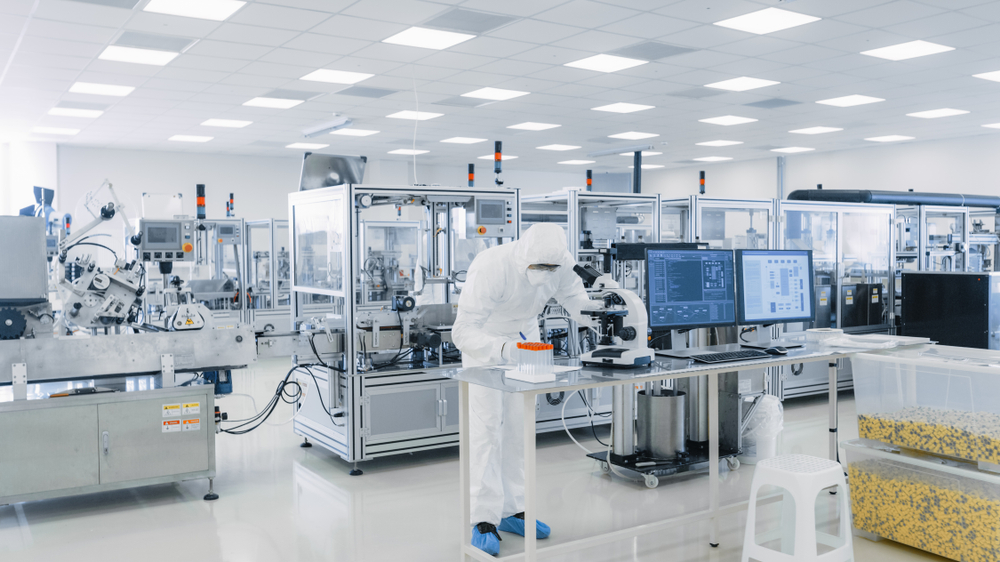
The newly announced National Medical Devices Policy 2023 aims to help the medical devices sector grow from the present US$ 11 billion to US$ 50 billion by 2030. But can this address the persistent import dependence issues plaguing the medical devices sector, given the 12-15% disability factor that impacts its competitiveness? The global medical device market is expected to grow to approximately US$ 797 billion by 2025, with North America holding up the largest share, according to a report by Nagarro. Indian medical device market is relatively smaller than other overseas markets but holds significant growth potential. Around 6% of the total Indian healthcare sector, is occupied by medical devices. The current market size of the medical devices sector in India is estimated to be US$ 11 billion and its share in the global medical device market is estimated to be 1.5%. India is the 4th largest market for medical devices in Asia after Japan, China and South Korea and is amongst the top 20 markets in the world. The market is predicted to increase to US$ 50 billion by 2025. Diagnostic imaging is likely to expand at a CAGR of 13.5% (2020-25). India is also the 2nd largest PPE (Personal Protective Equipment) kits manufacturer with a production capacity of 10lakh+ PPE coveralls per day. However, India has a very high import dependence in this sector to the extent of 75-80%. The National Medical Devices Policy, 2023 is a policy framework approved by the Union Cabinet in India, aimed at accelerating the growth of the medical devices sector. To achieve this, the policy focuses on meeting the public health objectives of access, affordability, quality, and innovation. The policy is expected to help the medical devices sector in India grow to US$ 50 billion by 2030. With this, the motive is to emerge as a global leader in the manufacturing and innovation of medical devices by achieving a 10-12% share in the expanding global market over the next 25 years. What the National Medical Device Policy aims at? The policy provides a blueprint for the government to boost the medical device sector’s growth by prioritizing innovation, research, and production capacity. Additionally, the policy will enable testing facilities, enabling quicker diagnosis of illnesses and access to more precise and cost-effective treatments. The newly introduced policy has set a goal to increase India’s presence in the global medical device market from 1.5% to 10-12% in the next 10 years, resulting in a market value of US$ 100-300 billion. The policy would encourage the production of 25 advanced medical technologies in India. It aims at promoting the manufacturing of critical components related to cancer treatment and imaging technologies such as ultrasound, MRI, molecular imaging, and PCR that are currently imported. To achieve these goals, the government plans to create 50 clusters for rapid testing of medical devices and training experts in the field with a special curriculum prepared at the higher education level, with this policy. This initiative is expected to create more jobs and increase the competitiveness of the Indian medical device industry, while also improving access to high-quality medical devices for citizens. India’s Import Dependence Over the last decades, India has become a global leader in pharmaceuticals and biotechnology so much so that the country is known as the “Pharmacy” of the world. The recent Covid-19 pandemic saw India’s pharma and biotech prowess but the medical devices industry still has a long way to go in boosting its capabilities for international markets. India’s reliance on imported medical devices has risen to a worrying level due to an increase in demand and a duty structure that is unfavourable to domestic manufacturers. Medical device imports rose by a record 41% to Rs 63,200 crore in 2021-22 from Rs 44,708 crore in FY21, according to the Association of Indian Medical Device Industry (AiMeD). India imports six major categories of medical devices including consumables, disposables, electronics and equipment, implants, IVD (in vitro diagnostics) reagents, and surgical instruments. Source: AiMED, data for FY 2021-22 Almost 80% (by value) of the domestic requirements are met by imports. Most of the imports are from the US, Germany, Netherlands, China and Singapore. China remained the primary source of medical devices for India, with shipments from the neighbouring country rising 48% YoY to Rs 13,538 crore in FY ’22, the AiMeD analysis showed. According to the HMED (Healthcare and Medical Equipment and Devices) sector report by Rajiv Gandhi Institute for Contemporary Studies, the US is the biggest source country across all types of medical devices except disposables (dominated by Singapore), and electronics equipments are the highest imported products. Source: AiMED, figures in Rs crore It is cheaper to import products than to procure the raw material in India and this has led to the closure of some small and medium units. The new framework for the medical devices manufacturing sector aims to reduce import dependence from 80% to 30% in 10 years and make India a top-five global manufacturing hub for medical devices by 2047, addressing a long-standing demand from the industry. Existing Policies for medical devices The government has taken several initiatives to promote domestic production of medical devices. A Production Linked Incentive (PLI) Scheme for medical devices has already been implemented. The government is also supporting the setting up of four Medical devices Parks in states including Himachal Pradesh, Madhya Pradesh, Tamil Nadu and Uttar Pradesh. Rajiv Nath, Forum Coordinator, AiMED, mentioned in a previous interaction with IBT, “The government’s initiative of setting up medical parks is a major step towards making India a global manufacturing hub for the medical device sector and to build a robust system for innovation in the medical devices sector in the country. This initiative will help develop skill programs in the areas of medical devices and related areas that fulfil the required manpower to hospitals, medical equipment companies and manufacturing industries. This will benefit the manufacturers/industries by making available skilled manpower very easily who are well trained as per the requirements.” Under the