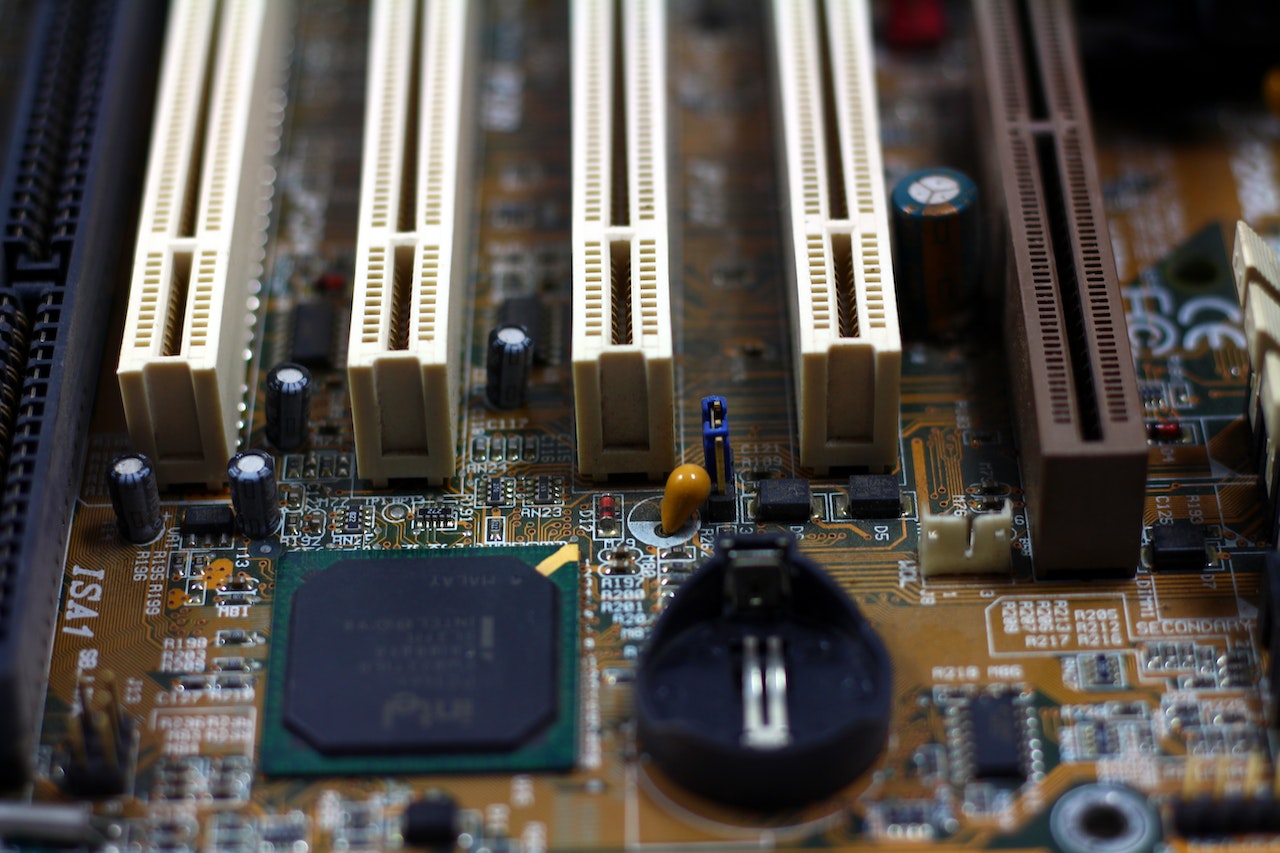
The Centre has recently approved Rs 6,003 crore for the National Quantum Mission, to fund scientific and industrial research development in quantum technology. In this regard, IBT explores the realm of quantum technology, where its application lie and also India’s current position in this field. Image Source: Pexels Quantum technology has become yet another sector of focus in the global technology arena. There has been a significant increase in research and development in the field, with companies and governments investing heavily in the technology. As more breakthroughs are made, the potential applications of quantum technology are becoming clearer and more widespread, from improved data security to faster computing to even new forms of medical treatments. Quantum technology works by using the principles of quantum mechanics to process information and perform tasks that would be impossible for classical computers. While it has the potential to revolutionize many fields, it is still in the early stages of development. In simple terms, quantum computers can solve highly complex problems that are beyond the capabilities of even the most powerful supercomputers, like the countless ways a protein can fold. Unlike classical computers, which use binary code (1s and 0s) to process data, quantum computing involves multidimensional spaces that enable the visualization of patterns linking data points. They achieve these through quantum algorithms, and their processors utilise qubits rather than bits (1 qubit = 2^n bits), which enables them to execute multidimensional quantum algorithms. National Quantum Mission The Indian government has given the green light to the National Quantum Mission (NQM), which will be implemented from 2023-24 to 2030-31 with a total cost of Rs. 6,003.65 crore. The mission aims to establish and develop a robust and innovative ecosystem in Quantum Technology (QT), fostering scientific and industrial research and development to boost QT-driven economic growth. The ultimate goal is for India to emerge as a leading nation in the development and application of Quantum Technologies and Applications (QTA). The motive is to develop intermediate-scale quantum computers with 50-1000 physical qubits within 8 years, using superconducting and photonic technology. Other deliverables include satellite-based secure quantum communications, long-distance secure quantum communications with other countries, inter-city quantum key distribution, and a multi-node Quantum network with quantum memories. The National Quantum Mission will help in developing advanced technology for precise measurement of magnetic fields. This will be done by using atomic systems. The technology will be used for highly accurate timekeeping, communication, and navigation using atomic clocks. The mission will also support the development of materials specifically designed for use in quantum devices, such as superconductors and topological materials. Additionally, the mission will focus on creating devices that can produce and detect single photons and entangled photon sources for use in quantum communication, sensing, and measurement. Four Thematic Hubs (T-Hubs) will be set up in top academic and National R&D institutes in the domains – Quantum Computing, Quantum Communication, Quantum Sensing & Metrology and Quantum Materials & Devices. The hubs will focus on the generation of new knowledge through basic and applied research as well as promote R&D in areas that are mandated to them. What’s the hype? Speed Quantum computers utilize qubits to process both ones and zeroes at the same time, making them significantly faster than conventional computers which process information in bits. It is believed that quantum computers are 100 million times faster than even the most advanced supercomputers. For instance, Google’s quantum computer, with 54 qubits powered by its Sycamore chips, was able to complete a complex calculation in just 3 minutes and 20 seconds that would have taken the world’s most powerful supercomputer around 10,000 years! Need With this tremendous speed, quantum computing can boost research in various fields, ranging from healthcare to finance. Industries such as defence, banking, space, high-tech, and manufacturing are poised to be at the forefront of quantum computing’s growth, with both critical and large-scale use cases. Apart from strategic affairs, quantum tech is also expected to play a central role in areas like drug discovery, financial modelling, weather forecasting and fighting climate change. The technology is predicted to reach a critical level of maturity by 2026 or 2027, which is expected to lead to an increase in enterprise adoption. Where does India stand? Quantum computing is still in its early stages, with no commercially available quantum computers. The US, China, Canada, Germany, France and Finland have announced missions. Some have earmarked bigger funds. According to an estimate, China has invested US$ 15 billion even as global funding in the technology has topped US$ 36 billion. Tech giants have already invested billions of dollars in this technology. Big players like Google, IBM, D-Wave Systems, Honeywell, Ion-Q and Alibaba have developed systems for research and are working to make them stable. At present, India does not have many startups working on quantum applications, but there are still some noteworthy efforts taking place. For example, BosonQ Psi, based in Bengaluru, is working with global companies as part of IBM’s Quantum Network startup program to develop algorithms for simulations on quantum systems. Additionally, Indian IT firms like TCS and Tech Mahindra are collaborating with technical institutes to support research in this field. In 2021, the Indian government also launched QSim, a quantum simulator that enables researchers to simulate quantum computation on supercomputers. This is one of the first initiatives in the country to address the common challenge of advancing the Quantum Computing research frontiers in India. Final Word The National Quantum Mission (NQM) is expected to bring quantum technology development in India to a globally competitive level. The mission aims to develop technology that will have wide-ranging applications across industries such as communication, health, finance, energy, and space applications. It will also support national priorities like Digital India, Make in India, Skill India, Stand-up India, Start-up India, and Sustainable Development Goals (SDGs). For example, in the communication sector, the development of secure quantum communication systems can help protect sensitive data from hacking or interception. In the health sector, quantum computing can help develop more accurate
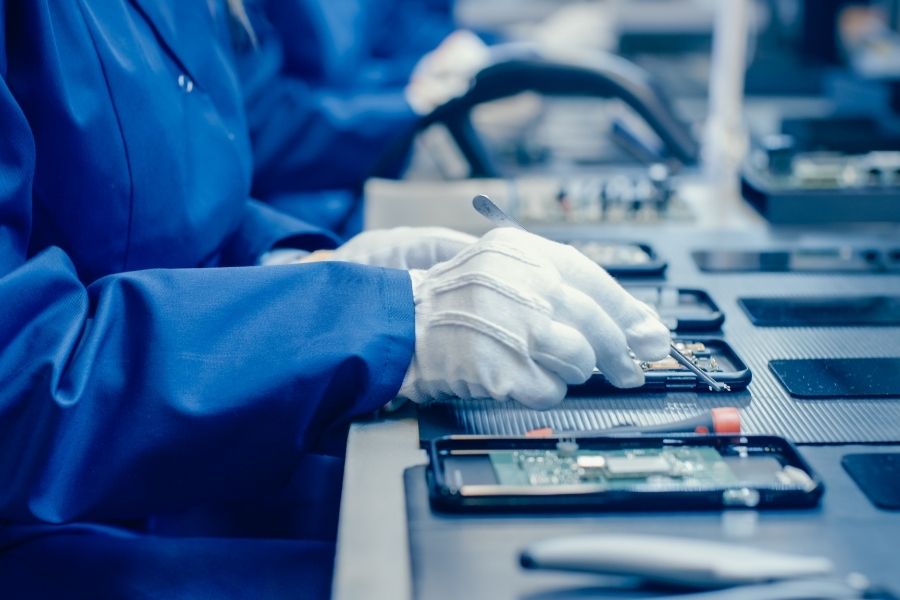
Indian smartphone industry: The journey from scale to depth
India’s smartphone exports grew by over 50% to reach US$ 9.3 billion in April-Feb 2023, as compared to imports of just US$ 1.37 billion during the same period. Indeed, this achievement represents a giant leap over the last five years. However, to achieve the scale and depth of leading smartphone producing nations, India needs to now deepen its capabilities in mobile component manufacturing ecosystem. Image Credit: Shutterstock India emerged a major exporter of electronics goods as the sector observed a YoY hike of 57.36% during March 2023 at exports of US$ 2.86 billion. In the period April-March 2023, the export of electronic goods recorded a YoY growth of 50.52% reaching exports worth US$ 23.57 billion, according to the latest data released by the commerce department. It is notable that smartphones (HS 85171300) formed a major part of electronics goods exports of India, reaching a total of US$ 9.3 billion in April-Feb 2023. Imports of smartphones during the same period stood at US$ 1.37 billion. Five years ago in 2017-18, exports of mobile phones (HS 851712) were just at US$ 212 million, while imports were at US$ 3.54 billion. This basic data mapping shows the extent to which the equation has changed over the past five years. The major importers of India-made smartphones in April-February 2022-23 include UAE (US$ 2.3 billion), USA (US$ 1.5 billion), Netherlands (US$ 917 million), UK (US$ 725 million), Austria (US$ 655.1 million) and Italy (US$ 574.70 million). As for imports, the major suppliers to India were China (US$ 765.64 million), Vietnam (US$ 316.17 million) and Korea (US$ 255.17 million). By integrating “Assemble in India for the World” into “Make in India”, ICEA projects that India could raise its export market share to about 3.5% by 2025 and 6% by 2030. In the process, India would create about 4 crore well-paid jobs by 2025 and about 8 crore jobs by 2030. The incremental value added to the economy from the target level of exports of network products, which is expected to equal US$248 billion in 2025, would make up about one-quarter of the increase required for making India a US$ 5 trillion economy by 2025. Major export drivers India is consistently evolving in its electronics manufacturing sector and is making a mark globally. Electronics manufacturing has been a key focus area of the government. With ongoing global uncertainties like the Russia-Ukraine war and the resurgence of Covid-19 in China, India has attracted a number of global manufacturing giants. Major international brands have now shifted their focus to setting up manufacturing plants in India. Apple’s ‘Make in India’ smartphones constitute 50% of total smartphone exports according to ICEA, followed by Samsung at 40% and other brands constituting the remaining 10% in the export share. Currently, Apple smartphones are assembled in India at Foxconn and Pegatron in Tamil Nadu and Wistron in Karnataka. These manufacturers make iPhones 11, 12, 13 and 14 in India. According to industry estimates and reports, Apple’s sales from India rose nearly 45%, to US$ 6 billion in FY ’23. Its exports from India are estimated to have crossed US$ 5 billion. According to JP Morgan, Apple is set to further expand its manufacturing capabilities in India with plans to produce 25% of all its iPhones by 2025. Moreover, the tech giant is set to open its first two retail stores in the country by the end of April 2023. The company previewed its 20,000 sq-ft Mumbai outlet at Bandra-Kurla Complex (BKC), the first Apple Store in India to be launched on 18th April. The second store is set to open in Saket, New Delhi on 20th April. Currently, India has more than 260 mobile phones and accessories manufacturing units in contrast to only two units operational in 2014. The Budget 2023 revealed that mobile phone production in the country increased from 5.8 crore units valued at about ₹ 18,900 crore in 2014-15 to 31 crore units valued at over ₹ 2,75,000 crore in the last financial year. Sandeep Aggarwal, Chairman – Telecom Equipment and Export Promotion Council (TEPC) and Advisory, Telecom Equipment Manufacturers Association of India (TEMA) stated in an interaction with IBT: “India’s PLI Scheme and consistent efforts of GoI and Telecom and IT ministries have yielded Rs 82,000 crores of mobile phone exports from India in FY23. A 25% increase is possible in FY24 and next few years as others pick pace in export apart from Apple and Samsung.” On hardware side, India can increase it’s domestic value addition to 30% in 5 years by adding domestic packing, glass, chargers, ear phones and a few parts. Also value addition on chips in terms of software and also applications will also garner up to 30% domestic value, he added. Government steps to boost production India has taken a keen interest to support its electronics manufacturing industry. In fruition to the consistent initiatives, India’s smartphone exports have doubled from the corresponding period of the fiscal year. More than 97% of the smartphones sold in India are produced locally, making the country the second-largest mobile phone manufacturer in the world. Moreover, India’s efforts to attract greater foreign investment also align with the ‘China Plus One’ strategy, where companies avoid being solely reliant on the Chinese market for production and sourcing. A number of effective policy initiatives like National Policy on Electronics 2019 (NPE 2019), Production Linked Incentive Scheme (PLI) for Large Scale Electronics Manufacturing, Scheme for Promotion of Manufacturing of Electronic Components and Semiconductors (SPECS) and Modified Electronics Manufacturing Clusters (EMC 2.0) Scheme have supported the growth of the sector. Over the past 10 years, India has been actively engaged in building a domestic electronics manufacturing ecosystem, leveraging its vast labour market and thriving IT services sector. According to a joint report by ICEA-ICRIER, India’s local value addition could reach 25% by the end of FY 2022-23. Moreover, the country is expected to produce smartphones worth US$ 40 billion in FY 2023, showing a 20% YoY growth. Out of these, about US$ 10 billion worth

Declining auto exports: Time for a gear shift?
India’s exports of vehicles declined across segments with the exception of passenger vehicles in 2022-23. While factors like global macroeconomic environment and dollar strength are cyclical, one clear reality that India needs to be cognisant of is the growing share of EVs in automotive exports and consequent decline in ICE-based vehicles. This trend merits a timely shift in capabilities with the goal of making India an EV manufacturing hub. But will India be able to catch the bus in time? Photo Source: Shutterstock New Delhi, April 20: The auto industry in India has made a splendid comeback in the domestic market after the past few tumultuous years. In 2022-23, domestic sales of passenger vehicles saw a growth of 15%, and growth was in fact witnessed in nearly all segments. However, according to latest auto figures, released by different companies, exports of both four-wheelers and two-wheelers shrunk in FY23. The Society of Indian Automobile Manufacturers (SIAM), in its latest report, mentions the growth of domestic sales and the decline in exports. The apex auto association has observed that in FY23, total domestic sales stood at 2,14,04,162 units, as compared to 1,76,17,606 units in the previous FY. India’s auto exports hit a speed bump India’s total exports of vehicles for FY 2022-23 stood at 47,61,487 units, a decline by 15% YoY. While exports of passenger vehicles have gone up by 15%, commercial vehicles recorded a decline by 15% YoY. The three-wheeler auto segment sold 365,549 units in the last fiscal year, a dip of 27% YoY. SIAM’s report records that cumulatively, only passenger vehicle segments are clocked a positive trend. The two-wheeler segment witnessed a decline by 18%. It can be noted that while overall exports dipped, some auto brands managed to increase their export size. Under the PV segment, Honda, Hyundai and Isuzu recorded growth in exports in FY 2022-23 with sale increase of 18%, 18% and 27% respectively. Other PV manufacturers such as Toyota, Renault, Nissan, Maruti, Mahindra & Mahindra and Kia also saw an increase in exports. But Volkswagen, Ford, Force Motors and MG Motors recorded a decline in international sales. The overall figures, though do look positive, given that the exit of Ford from India has significantly impacted PV export figures. The auto company exited from the country in 2021, though, it reconsidered its decision to re-enter India in February 2022, after securing PLI scheme benefits. Three months later, the American auto brand once again announced its decision to give up on the project to make electric vehicles for exports. The major reason for the decline in sales is seen as the resurgent dollar leading to devaluation of currencies in some of the key export markets. Speaking to IBT exclusively, SIAM President Vinod Aggarwal said: “They (export figures) will resolve in any way because we as industry leaders are very optimistic. Even if the export numbers are down, we are confident that they will pick up. We are not saying that things are gone. But it will take time to rebound.” Talking about foreign exchange, the SIAM president believes that leveraging the option of rupee trade may give due export advantage to the country. He also added that the FTAs with UAE and Australia could positively impact India’s auto exports. Brands’ performance outshines industry output Some of the biggest two-wheelers manufacturers such as Chetak, Hero Motocorp, Honda, Piaggio and TVS Motor took a dive in international sales. On the other hand, Yamaha, Royal-Enfield and Suzuki Motorcycle emerged as top gainers with sales of 274,986, 100,055 and 207,615 units respectively in the last financial year. The country’s auto export figures have been affected largely by the threat of global recession which visibly slowed economic capacities along with purchasing power of developed economies. Data Source: tradingeconomies.com While China is recuperating from its endemic situation, India emerged as a major auto exporter, as the share of vehicle sales increased to the US, UAE, Singapore, Israel, Germany, Spain and Russia. In January 2023, it was reported that India overtook Japan to become the world’s third-largest vehicle market. Production and demand within Japan took a beating in 2022 and have been on the decline even in preceding years. EVs – the new arena for automotive dominance? India still faces tough competition from China. The China Association of Automobile Manufacturers reported that the country shipped 3.11 million vehicles to foreign countries in 2022. Export figures were significantly more than Germany, previously the second-largest exporter, which sold only 2.61 million vehicles in international markets in 2022. China is also advancing in auto sales in the international market with the increase in preference for sustainable cars and electric vehicles. In 2022, China exported around 679,000 new energy vehicles (NEVs, an umbrella term that China gives to fully electric and PHEV cars), an increase of about 120% YoY. India’s export share of EVs remains less than 1%, while for China, they have become a driving factor for export growth. India, on the other hand, is struggling with EV sales in its domestic market itself, wherein the 2-wheeler EV adoption was 25% short of the target laid out by NITI Aayog and other research organisations. Society for Manufacturing of Electric Vehicles has attributed this to the subsidies worth Rs 1,200 crore that were withheld because of ‘delay in localisation’. The share of electric vehicles is rising globally at a very brisk pace. According to a report by International Energy Agency, global sales of electric cars rose by 6o% in 2022, and crossed 10 million for the first time. Now, one in every seven cars sold is an EV, as compared to one in seventy cars in 2017. Sales of conventional cars in fact fell by around 25%. Even as it addresses the short term volatilities in the international car market, India needs to aggressively pitch itself in the EV space now. Doing this will firstly require, as affirmed in a report by Arthur D. Little, investments of at least US$ 10 billion to boost cell manufacturing and
Hydrogel for a healthy crop, better nutrient content & fresh taste
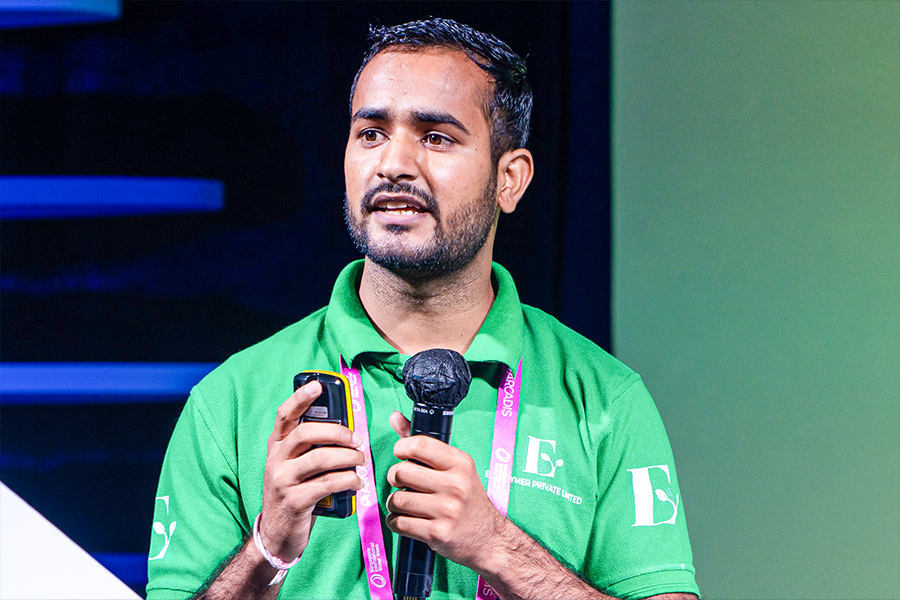
Untimely rains and heat waves are the bain of agricultural ecosystems. Additionally, many states in India receive below-average annual rainfall, which discourages farmers from continued farming. Puran Singh, 30-year-old COO and co-founder of EF Polymer, spoke exclusively with IBT on his fascinating entrepreneurial journey, from conceptualising the idea to being selected under Startup India, undertaking deep R&D under a Japanese startup accelerator programme and finally incepting a highly promising product and startup in the agritech space. EF Polymer, a registered start-up in India, is providing affordable agriculture solutions through hydrogel polymer, which not only ensures prolonged water retention in soil, but also reduces the need for pesticides and chemical fertilizers. Photo Source: EF Polymer IBT: What was the inspiration for the launch of your agri startup in 2019? Puran Singh: When we started working on this venture, we had little idea about the startup ecosystem, and my co-founder has just started his graduation. We both belong to a small village in the Rajsamand district, Rajasthan, where there are approximately 50 families. One of the main challenges faced by agricultural practices is the scarcity of water. In our village, we have a couple of wells that were prepared by our great-grandfather, but as the community grew, the demand for food requirements also grew and almost all families expanded their cultivation area. Thereby, the water demand increased. And eventually, with the years passing, the water table went down. Being in a village and working with our family on the farms, we have seen our crops drying due to less water. When we got into the university, the company’s founder Narayan Lal Gurjar initially started working on this idea as a science project. He was in class 12 when he submitted this project to the National Science Fair. He approached me later to take this idea to the next level. We were the only two students who opted for the science stream, pursued higher studies, and obtained an engineering degree. Most people drop out around the 8th or 10th grade. A university professor suggested launching a startup to Narayan, and we pitched the idea to various competitions. After winning the first award at IIT-Bombay tech fest in December 2017, we applied for more programs at different levels and eventually won 40 awards with a cumulative amount of around Rs. 2 to 3 crores. We gained knowledge about entrepreneurship, building a business model, forming a market strategy, and customer persona. With support from IIM Udaipur, IIM Ahmedabad, and their university, we started to work on their idea to help farmers solve the water scarcity problem. IBT: Can you describe the agricultural practices in your village, and what is the typical amount of rainfall received in that region? Puran Singh: Every family in the panchayat is practicing farming. Mostly, we cultivate two kinds of crops. During the rainy season, people usually grow maize and during the winter season it’s wheat, if there was adequate rainfall that year. And if there is not enough water, people go for barley. It requires slightly less water. And if there’s not enough water for barley, then people sow fenugreek. Every family is involved in farming as well as animal husbandry. Farming activity is completely dependent upon the amount of water available. For other sources of water, we have wells, but there is no big lake or anything. We don’t have any other source. If we get good rains, then the wells and tube wells get filled up. Otherwise, there’s no chance of growing winter crops. IBT: Describe the initial testing phase. As of today, how far have you spread your product presence? What is the ratio of online/offline presence? Puran Singh: The first phase of testing began in October 2020 within an area of 100 square meters. In the next phase, we started testing our product on 150 acres of area in the Bundelkhand region, a drought-affected region. We wanted to solve the water scarcity problem and under the pilot project, we registered good results. We presented these results to the Commissioner of Agriculture, Uttar Pradesh government and then got the next pilot project in 1,500 acres. So far, over 2,000 farmers have participated. So now, we are commercially doing sales in 8 districts of UP and around 10,000 to 12,000 farmers are using our product. We are operating commercially in UP and Rajasthan and have one production facility in Udaipur with a capacity of around 20 metric tonnes per month. Our product is also available on Amazon and other online platforms. Based on total sales from all these fronts and assuming that products purchased by customers are being used by them, I can say that we have covered around 20,000 acres of area. Our offline presence is about 2%. Offline sales require physical presence and involve manpower costs, but our popularity lies in the online mode. Currently, Amazon is one of the most successful channels for us, where we receive good traction with an average of 50 to 60 orders per month. Our website has been visited by over 40 lakh people. That’s the power of online, right? IBT: Tell us a more about the R&D process undertaken. Also, what has been the role of the Atal Incubation Centre? Puran Singh: At the Atal Incubation Center, we got a space to sit down and discuss things. My co-founder and I found two other friends who wanted to support us. At AIC, we got that dedicated space to discuss our entrepreneurial ideas. All activities, and information related to the start-up could be directly delivered. We got laboratory support from our institution, Maharana Pratap University of Agriculture and Technology itself. We started our R&D journey from here but we made a major breakthrough in June 2019 in Japan, when we got selected for a startup accelerator program. Narayan and I visited Japan, where a graduate university was running a program to invite startups to do work in Okinawa. Their incubation labs had the best facilities, and we found all
Agritech Exports – Opportunity for being Vishwaguru of global south
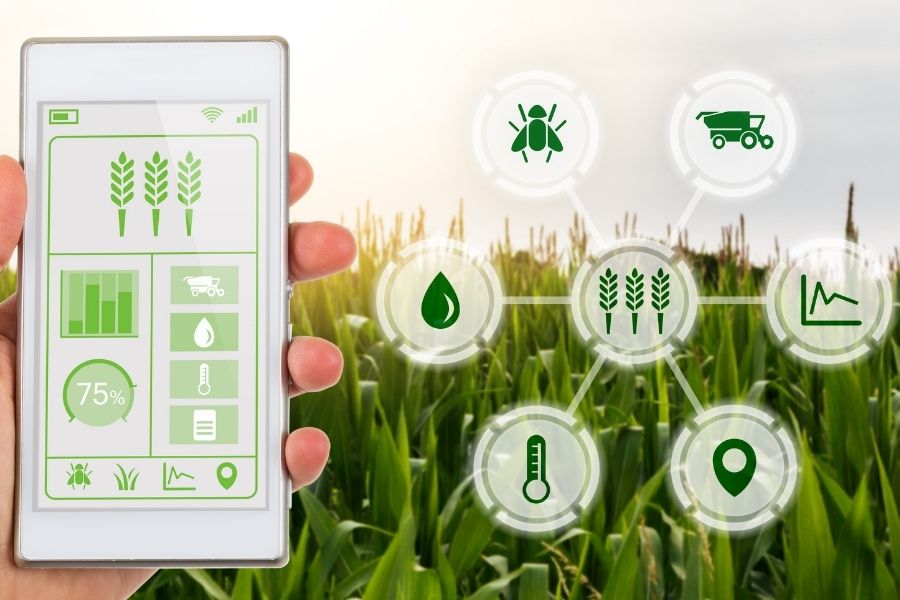
India’s diverse agricultural landscape has earned it the reputation of a global agricultural powerhouse. Off late, the booming Indian agritech industry has captured the attention of investors. Agrifoodtech received US$ 4.6 billion as funding in the year 2022 and the market is projected to grow to US$ 35 billion by 2027, with a current penetration less than 1%. According to the Economic Survey of India 2022-23, the country’s agricultural sector has experienced a growth of 4.6% in the last six years, and fuelled over 1000 agri-tech startups. In view of the same, Ninjacart’s Co-Founder & CEO, Kartheeswaran KK, recently shared his views with IBT on India’s growth potential and challenges in this sunrise sector. Image Credit: Shutterstock In recent years, agritech companies have garnered significant attention, with the Economic Survey of India highlighting the presence of over 1,000 such startups in the country. This growth can be attributed to the emergence of innovative startups in the sector, which have received support from both the public and private sectors. According to the India AgriFoodTech Investment Report 2022, Agrifoodtech received US$ 4.6 billion as funding in the year 2022. The same report also claims that the market in agritech is projected to grow to US$ 35 billion by 2027, as its current penetration is less than 1% in the agriculture sector. Source: India AgriFoodTech Investment Report 2022 Many incubators in the agri sector are being run by ICAR, MANAGE, NAARM, etc. Schemes like Rashtriya Krishi Vikas Yojana (RKVY) also fund startups with grants. These are creating many startups in the agritech sector. The announcement of an agri accelerator fund of Rs. 500 crores in Budget 2023-24 is testament to their contribution to the agriculture sector. While there is no clear definition of this segment, it broadly covers software and hardware-led products like sensors, precision agri devices, AI-based machines, drones, advisory systems, etc. From this, we can see the huge shift in tech towards electronics & IT. They solve critical issues in the agriculture value chain like efficient market linkages, quality inputs, reduction of wastage, timely advisories, access to financial products, etc. Source: India AgriFoodTech Investment Report 2022 According to the Agtech Overview 2022 by Pitch Deck, the market size for agriculture finance & e-commerce grew to US$ 29.2 billion in 2022. It forecasts the market to grow at a 7.8% CAGR to reach US$ 39.4 billion by 2026 and that of precision agriculture to reach US$ 7 billion in 2022 and further at a CAGR of 11.8% to reach US$ 10.9 billion by 2026. This is a huge global market for agritech solutions. A lot has been written about the actual or potential contribution of agritech to the Indian agriculture sector and the different stakeholders involved in it like farmers, financial institutions, traders, consumers, etc. The main achievement of these companies has been to develop products and services that would work in what is described as “Indian conditions”. This is an overarching term that summarises aspects of Indian agriculture like smallholder farms, high levels of dependence on informal sources of finance, connectivity issues, etc. This aspect is very significant as historically, the cutting-edge agri technologies of the West were found to be unsuitable for the conditions in India. However, it needs to point out that many countries in the global south are similarly placed and technologies developed in India could be used there. For example, the land held by farmers in India is very small and many countries in Africa, SE Asia & Latin America share similar characteristics. So the technologies that are developed in India can be useful to farmers in those countries and also help modernise and digitise their food systems. The main problem highlighted by agri commodity exporters from India has been with respect to a stable regulatory environment in India. Frequent trade restrictions have been a dampener in the growth of agri-commodity exports. Moreover, trade in agri commodities is also a politically sensitive issue due to its link with food security and the welfare of farmers who constitute a large section of citizens in developing countries. It’s not that there is no scope for agri-commodity exports, but othere would be significant challenges. India is uniquely placed among the Global South with respect to its tech capabilities. I personally have heard this from multiple startups in Africa & SE Asia when they reached out to us looking for the technology that we have built. We had the privilege of hosting a few startup teams at our office in Bengaluru. With recent initiatives in electronics manufacturing, there has been a spurt in the growth. With these strengths, India is well placed to support the global south with its agritech capabilities. Indian startups can contribute significantly to the increase in productivity and prevent food loss in other developing countries. With technologies that are in tune with ground realities and costs expected to be much lower, Indian agritechs have the potential to play a critical role in transforming the food systems in these countries. These would also help drive SDG goals in these countries to a great extent. This aspect is critical as it helps the importing country to access huge global funds available for achieving these goals. It will help them fund the purchase and implementation of the technology. Many Indian companies like Cropin, Satsure, and Agnext have created or are in the process of creating a global market for their technology platforms while serving within India also. Companies like Ninjacart and Waycool, which have years of experience in running tech-driven supply chains in India are now looking forward to selling their technologies to other startups abroad. So the promotion of agritech as a specialized segment for exports needs to receive focus in the coming years. Promoting agritech exports can have benefits not only for farmers in other countries but also for Indian farmers through reduced prices resulting from economies of scale. Currently, the agritech industry works closely with the Ministry of Agriculture, with a focus on the benefits to

Fantasy sports: Entering the big league
India’s Fantasy Sports market has the fastest growth rate globally, with a user base almost three times that of the North American market, which is a much more established market and leader in terms of revenue. The industry has a huge growth potential and is expected to grow at a compound annual growth rate (CAGR) of 33%. This IBT article will provide a detailed outlook on the Indian fantasy sports industry and its potential. India’s sports industry has a history of almost a century and occupies a significant position in the global market. The industry has grown substantially due to a highly skilled workforce and is recognized for its contributions to the economy as well as employment. But over the course of the last 5 years, the popularity of fantasy sports in India has reached a new high. Today, the role of Fantasy Sports (FS) in the sports economy is significant. The fantasy sports industry in India has experienced tremendous growth, with over 300 fantasy sports platforms and 180 million users. Financial advisory firm Deloitte and the Federation of Indian Fantasy Sports (FIFS) have released a new report stating that the industry is expected to grow at a CAGR of 33% to reach Rs 25,300 crore in FY27. The report also predicts a projected user base of 50 crores. Launching the report, FIFS Director General, Joy Bhattacharjya said “We are thrilled to see the outstanding growth of India’s Fantasy Sports industry and its positive impact on the sports economy as well as the overall economic health of our country. Even with these heartening trends, we believe we are just getting started.” Fantasy Sports Industry: A hot investment destination? Fantasy sports allow players to actively engage with sports events, creating a more immersive experience. They are generally online games where players assemble imaginary or virtual teams, which are proxies for real players, and the players qualify based on real player performances in actual games. Additionally, it supports teams and tournaments through sponsorships, creating a virtuous cycle of value generation that benefits athletes and bodies that invest in infrastructure and grassroots-level sports. India is the fastest-growing Fantasy Sports (FS) market, with a user base almost three times larger than North America, which is a more mature and revenue-leading market. Notably, the industry is essentially young, with 40% of the user base in the 25-34 age group, evenly split across metros and non-metros and predominantly male. The report reveals that the growing interest in fantasy sports is expected to create over 12,800 high-skilled jobs by FY27, while indirectly employing 10,500 professionals. The industry is currently valued at Rs 75,000 crore, with 60% of user transactions coming from tier II and III cities. Additionally, it has attracted a cumulative investment of Rs 15,000 crore till FY22, of which FDI accounted for 66%. Also, it has contributed Rs 4,500 crore by way of taxes. It is noteworthy that fantasy sports platforms are also attracting users to non-cricket sports as well. Handball, volleyball, and futsal have started gaining traction. Even Kabaddi witnessed significant user growth, rising from 9% in FY21 to 26% in FY22 due to popular leagues such as Pro Kabaddi and the Senior National Kabaddi Championship. Additionally, the user base for basketball and baseball has grown, from 4% to 7%, and from 2% to 5%, respectively. Growth Path for FS Industry Need for a stable taxation regime The online fantasy sports (FS) industry has contributed INR 2,800 crore in GST between FY18 and FY22 and is expected to contribute INR 17,500 crore between FY18 and FY27. Currently, the industry is subject to an 18% GST on the Gross Gaming Revenue (GGR). However, a Group of Ministers (GoM), formed to examine GST on online gaming, proposed a 28% taxation on the total consideration. It was referred back to the GoM for reconsideration by the GST Council. The GoM is said to have agreed to a rate hike from 18% to 28%, but a consensus on the value of supply has not been reached yet. If the value of supply of GST is changed to the total consideration, it will adversely impact FSP (fantasy sports platforms) margins and viability. One such case is France. It once levied taxes on the total consideration, and saw declining profitability for its platforms, leading to consumers opting for offshore platforms and the proliferation of a black market. Therefore, French authorities proposed levying taxes on GGR. The same trend was observed in the UK as well, where the transition to taxation on GGR had a positive impact on the industry. To run the industry smoothly, the nation needs to come up with a stable tax regime that can further benefit FSPs by not hampering their growth. IT Rules and Fantasy Sports Early this month, the Ministry of Electronics and Information Technology (MeitY) released new IT rules which prohibit wagering or betting in online games. Additionally, the rules state that these games should not harm users with their content and also further should not lead to any addictive consequences among children. Moreover, online gaming intermediaries (OGI) should not host any games on its platform which is not allowed or verified by the self-regulatory organization. These rules have the potential to play a crucial role in the growth of online gaming by providing a stabilized and safe structure. With the rate at which the FS market is rising, these IT rules are going to act as a booster. The right regulations will provide security not just for consumers but create a safe space for investors to enter. Final Word The online fantasy sports industry has benefited various other industries such as online sports streaming, content aggregators, sports merchandise, e-commerce, and digital payments. With now more transparency in regulations, a sustainable environment can be created for the fantasy sports industry. In addition to this, India’s growing digital infrastructure, along with increased rural digital penetration and upcoming regulatory clarity, is expected to increase the user base of various digital platforms, including fantasy sports. This

Handicraft exports decline on weak global cues
India’s handicraft exports size has shrunk in FY 2022-23 with a Y-o-Y decline of 20%. This de-growth is attributed to both international and domestic factors. IBT examines various reasons behind the dip in demand for handmade items and shrinking export size, and possible interventions to revive the sector’s fortunes. Photo Source: Pexels New Delhi, April 13: Indian handicrafts are the embodiment of the country’s culture and traditions. The expertise of Indian craftsmen spans a wide range of items – antiques, art, baskets, paper mache, ceramics, clock making, embroidery, block printing, decorative painting, glass work, fabric, furniture, gifts, home décor, jewellery, leather crafts, metal crafts, paper crafts, pottery, puppets, stone and wood works, and each carries a legacy of its own. The handicrafts sector plays a significant & important role in the country’s economy. It provides employment to a vast segment of the craftsperson in rural and semi-urban areas and generates substantial foreign exchange for the country while preserving its cultural heritage. Moreover, handicrafts have great potential, as they hold the key for sustaining not only the existing set of millions of artisans spread over the length and breadth of the country but also for the increasingly large number of new entrants in the crafts activity. However, India’s handicraft exports are currently facing some serious challenges, having witnessed a significant decline in FY 2022-23. According to a data release by the Export Promotion Council of Handicrafts (EPCH), the demand for handmade items is dipping and so is the export size. Total handicraft exports, including artmetal wares, woodwares, embroidered goods, zari goods, agarbatties and miscellaneous items, have registered a negative growth during the previous fiscal. Global Challenges To Indian Handicrafts Speaking exclusively with India Business & Trade (IBT), Rajkumar Malhotra, Chairman, EPCH, explained that one of the main causes of the decline in exports is the war in Ukraine, followed by global recession, which has weakened consumer sentiments. The apex body’s chairman also said that with recession posing a continued threat, consumers are spending less on non-essential and luxury items. “There is uncertainty with Russia-Ukraine war, as to when it will be over and what impact it may leave. So, the buyers are storing items only to a limited extent. If we have to speak of the consumption trend, handicrafts are the last priority, since these are gift items. These aren’t consumer items. So, this has also impacted handicraft sector,” he explained. The other hindrance, according to the EPCH chairman, is the visa application, due to which exporters are unable to take their products to international markets. “In some countries, it take 1 to 1.5 years to get a visa, whereas in Germany, the waiting period could go up to several months. Every manufacturer has his own reasons.” India’s exports of handcrafted/handmade items Items Exports (US$ million) 2020-21 2021-22 2022-23 Artmetal Wares 450.52 556.92 466.35 Woodwares 892 1217.89 953.43 Handprinted Textile & Scarves 331.96 414.41 349.65 Embroided & Crochetted Goods 592.76 716.28 528.67 Shawls as Artwear 0.32 0.70 0.77 Zari & Zari Goods 16.18 9.31 7.32 Imitation Jewellery 168.46 206.41 180.28 Agarbattis & Attars 163.67 191.44 158.85 Misc. Handicrafts 843.87 1146.40 938.22 Total 3459.75 4459.76 3583.52 Source: Export Promotion Council of Handicrafts Domestic factors dampening handicrafts spirits Handcrafted furniture of some of popular hubs like Jodhpur is no longer part of the handicraft sector. In 2022, the central government changed the HSN code of furniture and shifted the items from EPCH to Capexil. Although, its effect is not visible yet, it has lowered overall handicraft exports numbers. India’s exports of wooden furniture are valued at approximately Rs. 5,000-6,000 crores. Wooden furniture, previously categorised under handicraft, has fine work of ingraving and wood carving by artisans. During COVID-19 pandemic, online sale of handicrafts grew manifolds. When people were spending more time indoors, there was the urge to buy handicraft items as decorative items for personal consumption. As per data of 2021-22, the export size stood at US$ 4,459.76 million. Although there was a robust demand of artisans products, shortage of containers caused delay in shipment of the products. Source: Export Promotion Council of Handicrafts; Figures in US$ million “Once the product did reach their destination, it created a massive pile on in the warehouse. Many handicraft products did not reach the market on time such as the festive season. This also led to drop in demand of handcrafted products. So, till the time old products have been sold off, new items will not be bought in. Though the container issue has been resolved, its after-affects continue to dampen the export spirits,” he said. While demand of handicraft products has declined in the US and UK, certain items such as metal-based handicrafts and furniture have increased in Middle Eastern countries. In particular, demand for artisan furniture and metalware is higher. The industry is enthused, however, with the announcement of Moradabad and Varanasi as Towns of Export Excellence, which is expected to boost their handicraft clusters, making them eligible for enhanced financial provisions for marketing, capacity building and infrastructure under various government schemes. Way forward to revive exports Ease in recession will once again lead to pent up demand of hand-made products, since developed nations are ready to open the doors for Indian handiworks. However, the current situation merits engagement and timely interventions by policy as well as industry. Some of the recommendations put forth by the EPCH chairman are: Flexibility in labour laws to produce time-bound artisanal products. As per the current labour laws, workers and manufacturers can only work within stipulated work hours. The labour laws can be customised to make them labour and investment friendly. A comprehensive process to apply for GST: Small and marginal manufacturers can be at disadvantage with the GST application and filing. In the long term, this may also dissuade small companies or exporters with handicraft exports. Swift visa processing for genuine buyers who wish to visit India for handicraft imports. Besides this, e-commerce is being visualised as a major potential catalyst for India’s exports, with an expected size

New IT Rules: Playing the long game
The Ministry of Electronics and Information Technology (MeitY) notified the Information Technology (Intermediary Guidelines and Digital Media Ethics Code) Amendment Rules, 2023 on April 6, with some key provisions pertaining to online gaming and misinformation. The regulations are expected to provide a stable growth trajectory to the industry, thereby making it more attractive for investment and innovation. Image Source: Pixabay Over the past few years, the Indian gaming market has grown at an exponential rate and is predicted to surge to US$ 5 billion by 2025, driven by a compound annual growth rate (CAGR) of 28-30%. Notably, it has the fastest growth rate of New Paying Users (NPUs) globally, increasing from 40% in 2020 to 50% in 2021. The gaming industry in India has reached new heights and the country now has the second-largest gamer base in the world with 396.4 million gamers,. with a projection to hit 500 million by 2025. In addition to this, India is also the world’s biggest fantasy sports market with a user base of over 13 crores, and the world’s largest mobile gaming market in terms of app downloads. The World Economic Forum attributes India’s gaming industry growth to the growing penetration of mobile devices, which are supported by affordable internet and faster smartphones with enhanced gaming capabilities. All these factors clearly indicate the popularity of gaming in India. However, several state governments started implementing prohibitions on “games of chance” and “online gambling” to curb rising addiction cases. To regulate the gaming industry, the government has appointed the Ministry of Electronics and Information Technology (MeitY) as the nodal ministry. Earlier this year, MeitY released draft amendments for online gaming rules, aimed at ensuring that online games comply with Indian laws and that users are protected from potential harm. In view of the same, the new IT notification was issued on April 6 by MeitY, which relates to the Information Technology (IT) Rules of 2021, serving as an amendment to the existing rules. This new notification introduces additional provisions, particularly for online gaming and misinformation, thereby providing a regulatory framework for these areas. The 2023 amendments to the IT Rules place a strong emphasis on prevention of wagering or betting on the outcome of any online game and prohibiting online gaming intermediaries from hosting or allowing users to host: (i) An online game that has not been verified as permissible, and (ii) Advertising or promoting non-permissible online games or intermediaries offering such games. Elaborating on the new rules at a press conference, Union Minister of State for Electronics and Information Technology Shri Rajeev Chandrasekhar said, “It is Prime Minister Shri Narendra Modi’s vision and goal that young Indians get every opportunity possible to create startups and innovate for the world. Online gaming is certainly a huge opportunity for India and young Indians. We see the Indian online gaming ecosystem expanding and growing into a multi-billion dollar industry and being an important catalyst to India’s One trillion-dollar Digital economy goal by 2025-26, with very clear restrictions on online wagering and betting.” Industry experts also expressed a positive outlook towards the IT Rules, calling it a beneficial move for the industry as it will provide assurance to legitimate online games, including peer-to-peer gaming. It is hoped that the new rules would create stability and reduce regulatory fragmentation across different states. What has changed? Although the 2021 IT Rules covered social media intermediaries, the 2023 amendments have replaced the terms “social media intermediary and significant social media intermediary” with “a social media intermediary, a significant social media intermediary, and an online gaming intermediary.” This amendment expands the scope of the IT Rules to also cover online gaming intermediaries. Initially, the new rules did not apply to the gaming industry. However, on February 25, 2021, MeitY issued a statement clarifying that online gaming platforms would also be subject to the new rules. The statement indicated that any online game that involves real money transactions or virtual currency exchange would be considered a digital intermediary and would have to comply with the guidelines. There is some overlap between online games and social media intermediaries, such as games that are accessed or available through social media platforms or those that allow users to share their achievements on social media. The new IT Rules define an online gaming intermediary as any intermediary that enables users to access one or more online games. These new provisions provide a regulatory framework for online gaming and misinformation. The rules covering social media intermediaries from the previous regulations are still applicable and now also cover online gaming intermediaries, with the addition of a few more clauses. For instance, users are not allowed to wager on the outcome of any game, although they can still play real money online games, which are defined as those where users deposit cash or other valuable consideration with the expectation of earning winnings. In addition to the above amendments, the rules specify that: The intermediary is responsible for ensuring that the content posted on its platform is not obscene, pornographic, paedophilic, invasive of privacy, hate speech, promoting illegal activities, or posing a threat to “the unity, integrity, defence, security, or sovereignty of India.” The fact-checking body will be notified by the government soon to carry out the above-stated functions and verify that the intermediary is not hosting non-permissible online real money games or misleading advertisements. The amendments equate gambling with any online game that poses harm to the user. What are SROs and their responsibilities? The Centre will appoint multiple self-regulatory organisations (SROs), as per the necessity, comprising industry representatives, educationists, and other experts such as child experts, psychology experts, etc. These bodies will be created for the purpose of verifying an online real money game as a permissible online real money game. These SROs will be given the power to declare a game a “permissible online real money game” only after verifying that it does not involve wagering on any outcome and ensuring that the online gaming intermediary and

Lab Grown Diamonds: The eco-friendly sunrise opportunity?
Lab Grown Diamonds (LGDs) are gaining popularity with evolving global requirements as they offer sustainable solutions to modern challenges. India produces over three million lab-grown diamonds a year and accounts for 15% of global production. India’s lab grown diamond market size is expected to swell from US$ 299.9 million in 2023 to 1,192.3 million by 2033. In 2022, exports of lab grown diamonds from India recorded a growth of 51% YoY, with exports worth US$ 1,780.59 million against US$ 1,178.77 million in 2021. As LGDs are grown in labs and are much affordable than naturally mined diamonds, it has opened a new consumer and industrial market in India and across the world. Image Credit: Pixabay Diamonds, also known as a girl’s best friend, are among the most loved precious stones across the world. The global diamond market was valued at around US$ 95 billion in 2021, and projected to reach around US$ 140 billion by 2030, growing at a projected CAGR of 4.4% during the period. They are widely used in the jewellery industry as well as for various industrial applications, including polishing and cutting tools. India is the world’s largest exporter of diamonds, being home to over 90% of global diamond cutting and polishing units. In 2021-22, diamond exports (HS 71023910) were estimated at US$ 24.4 billion with US, Hong Kong, Belgium, UAE and Israel being the top markets. Within this sector, lab-grown diamonds are now emerging as a high potential product segment. The global lab grown diamond market was estimated at US$ 22.45 billion in 2022, and is forecast to grow to US$ 37.32 billion by 2028. In 2018, the US expanded its definition of diamonds to include lab-grown (previously referred to as synthetic), which was a major boost from the export perspective. They are also considered eco-friendly, since they do not involve mining. Moreover, they are considerably cheaper than natural diamonds for the same or better quality. Recently in the budget, Finance Minister Nirmala Sitharaman announced that lab-grown diamonds will now be a focus category for exports, and also removed basic customs duty on carbon seeds used in their manufacturing. Just as LGDs are slowly gaining momentum in the Indian market, it has also kicked off popularity among other nations. As there is a depletion in natural diamond resources, Lab Grown Diamonds (LGDs) are increasingly gaining traction. As of financial year 2021-22, India’s share in global trade of LGDs was 25.8%, although the country has to rely on imports for critical machinery, components and seeds, which are required for producing synthetic diamonds. India’s Lab Grown Diamond Exports Commodity 2019-20 2020-21 2021-22 2022-23 (Apr-Dec) Cut and Polished (Worked) Lab grown Diamonds 473.65 637.97 1,348.24 1,387.33 Source: pib.gov.in, Values in US$ Million Production process for lab-grown diamonds Lab-grown diamonds are developed from a carbon seed placed in a microwave chamber and superheated until it transforms into a glowing plasma ball. This process creates particles that crystallize into diamonds within weeks. Where naturally grown diamonds take millions of years to form deep within the earth with exposure to great heat and pressure, the LGDs are created within a span of just two weeks. LGDs are produced through two technologies – High Pressure High Temperature (HPHT) and Chemical Vapour Deposition (CVD). India is one of the leading producers of lab grown diamonds using CVD technology. High Pressure High Temperature (HPHT): In this process, a small diamond seed is placed into pure carbon, which is then exposed to intense pressure and heat. The carbon melts and the diamond begins to form around the seed. The substance is then cooled and carefully cut, polished and set into jewellery like a naturally grown rough diamond. The HPHT treatment process is permanent, and the diamond’s exceptional shine is maintained through ages, without any further expenses. Chemical Vapour Deposition (CVD): In the CVD process, a thin diamond seed is placed in a sealed chamber which is heated to around 800 degree and flooded with carbon rich gas. Once the gas ionises, it breaks down into pure carbon which attach to the original diamond seed. The process is further continued until a fully formed diamond is created. A 1 carat diamond can be created within a month via CVD process, whereas smaller diamonds take about two weeks’ time. Vipul Shah, Chairman, Gems and Jewellery Export Promotion Council states, “The lab-grown diamond market in India is witnessing a steady rise in demand, with a growing number of consumers opting for lab-grown diamonds due to the affordability of the product. Retailers and online platforms are also offering a wide range of lab-grown diamonds to meet the increasing demand. In terms of pricing, lab-grown diamonds are considerably cheaper than natural diamonds, with some estimates suggesting that they are 80-90% cheaper. This makes them an attractive option for consumers who are looking for diamonds at a lower cost. As a result, LGDs have carved out a consumer segment base within the jewellery market.” Lab grown diamonds vs natural diamonds Over the ages, conventionally produced diamonds ruled the global markets, but with the invent of LGDs, the scenario is gradually changing. Since the process of creating LGDs is sustainable, much simpler and the finished product is chemically identical to mined diamonds, jewellers and diamond lovers across the world are gradually gravitating towards LGDs. The below table lists various benefits of LGDs over traditionally mined diamonds: Comparison of lab grown and naturally mined diamonds Lab Grown Diamonds Naturally mined Diamonds No dirt or impurities ingrained Impurities and strains in crystal structure Affordable even in better quality Can be expensive because of their natural clarity and hard mining process Created with little to no environmental damage Mining natural diamonds is linked to water pollution due to acid mine drainage Guaranteed origins and trackable source Natural diamonds can come from conflicted regions Source: Various media reports LGD market scenario and opportunities India is currently the world’s largest producer of CVD diamonds and holds the potential to become the largest LGD supplier. According to sector analyst Prasad Kapre, “We

Energy Generation Strained by Burgeoning Power Demand
India has pledged to reduce its carbon by 2030 but the fact remains that our energy consumption has skyrocketed in the past year and to meet that demand, we are largely dependent upon coal. For the second year in a row, the central government has conveyed all thermal plants to run at full capacity from April through June in 2023. This would mean an increase in the emission of greenhouse gases and push our zero net carbon target further. India Business and Trade spoke with Pranav Master – Director-Consulting, CRISIL Market Intelligence & Analytics, and Probal Biswas – Associate Director-Consulting, CRISIL Market Intelligence & Analytics exclusively to get an insight on the estimated electricity demand amid heatwaves and amped-up manufacturing activities. Photo Source: Shutterstock IBT: India is facing prospects of power shortages this year. What are the major reasons for this alarming situation? CRISIL: During 2022, a significant increase in electricity demand was observed due to the early onset of a heatwave in India, coupled with increased industrial activity. The high demand, combined with supply-side constraints caused by geopolitical disruptions, resulted in power shortages in the country. Due to a spike in the price of imported coal, generation from imported coal plants of ~17.5 GW was almost negligible during fiscal 2023 (till Jan 2023), which led to high dependence on domestic coal. Despite increasing coal production, insufficient rake availability led to inadequate coal dispatches to plants, which were reeling from increased power demand. Peak power demand has surged in line with the base power in fiscal 2023 YTD driven by extreme weather conditions coupled with buoyant industrial and manufacturing activities. While intense heat waves in the summer months lead to peak demand touching record high levels of 216 GW in April 2022, winter chills pushed the power demand to 213 GW in January 2023. The generation has struggled to keep up with the booming demand, resulting in an increased peak deficit of 4.0% in fiscal 2023 (April 2022 to January 2023) as compared to 1.2% for the same period during fiscal 2022. IBT: With the demand expected to only accelerate further, what kind of demand-supply gap are we anticipating in the coming years? CRISIL: Energy demand is expected to clock 5.0-5.5% CAGR over fiscals 2023 to 2028, significantly higher than the ~3.8% CAGR over the past 5 years. Underserviced regions (mainly northern, northeastern, and eastern) are the main reason for the expected continuation of the pan-India deficit in the medium term despite an oversupply situation in terms of generation. India’s per capita electricity consumption estimated at 1,200-1,220 kWh in fiscal 2022 is only one-third of the world average. This clearly indicates that the lower power demand is on account of lagging rural electrification and sub-optimal distribution infrastructure, as well as the absence of last-mile connectivity in some cases. On the other hand, healthy conventional capacity additions in the past (gross capacity additions of 33.5 GW between fiscals 2017 and 2022) and upcoming 27-28 GW over the next 5 years would add to supply over the forecast period. This, coupled with expected healthy investments in T&D infrastructure, is expected to support rising demand. However, the base deficit is expected to persist, though remaining negligible at 0.3-0.5% over the next 5 years, as the deficit is expected in under-penetrated areas due to weak distribution infrastructure, with underserved populations expected to gradually come onto the grid in the long term. IBT: To what extent can renewable sources of energy bridge this growing demand for power over the coming decade? CRISIL: Renewable energy sources are an important pillar for securing sustainable energy. In recent years, the country has developed a sustainable path for its energy supply. Renewables became the second most significant source of power generation in India. As on Feb 2023, India’s total RE capacity including large hydro is ~168 GW which is around 41% of the country’s total installed capacity. India is aiming to attain 500 GW of non-fossil fuel-based capacity addition by 2030 which includes 280 GW of solar power and 140 GW of wind power. As a result, 50% of the installed capacity is expected to come from clean energy. Considering India’s announcement to reach net zero emissions by 2070, most of the growth in energy demand would be met from low-carbon energy sources. However, the pace of developing additional transmission infrastructure to integrate upcoming capacity with the grid is a key monitorable. Moreover, the addition of storage technology through the development of pumped storage and battery storage plants is critical to provide round-the-clock supply and to bring stability and flexibility to the grid as RE supply is available only for a limited period in a day. IBT: Will the renewed emphasis on coal-based power be a setback to India’s efforts on reducing carbon emissions? CRISIL: The world is focusing on environmental issues, especially climate change and therefore the idea of growing sustainably has taken center stage globally. The share of thermal power in India’s total power generation is ~78% which is likely to fall below 60% by 2030 when India will meet the target of adding 500 GW of non-fossil fuel-based capacity by 2030. Nevertheless, coal is expected to remain the mainstay in the power sector going forward. Further, as per the renewable generation obligation (RGO), the GoI has mandated all upcoming coal/lignite-based power plants to source/establish a minimum of 40% of their capacity from RE. The mandate is expected to aid renewable capacity addition, considering 27-28 GW of coal-based capacity is expected to be commissioned over the next 5 years. Hence, it is pertinent to note here that despite the emphasis on adding coal-based power plants, the govt is taking equal measures to reduce GHG emissions. IBT: What challenges is India facing on adding new power capacity in terms of coal/hydro-based power at present? How can they be addressed? CRISIL: In the past 5 years, net addition in the coal-based power plant was only ~11 GW, whereas merely 1.9 GW of hydropower plants was added during the same period. Several issues