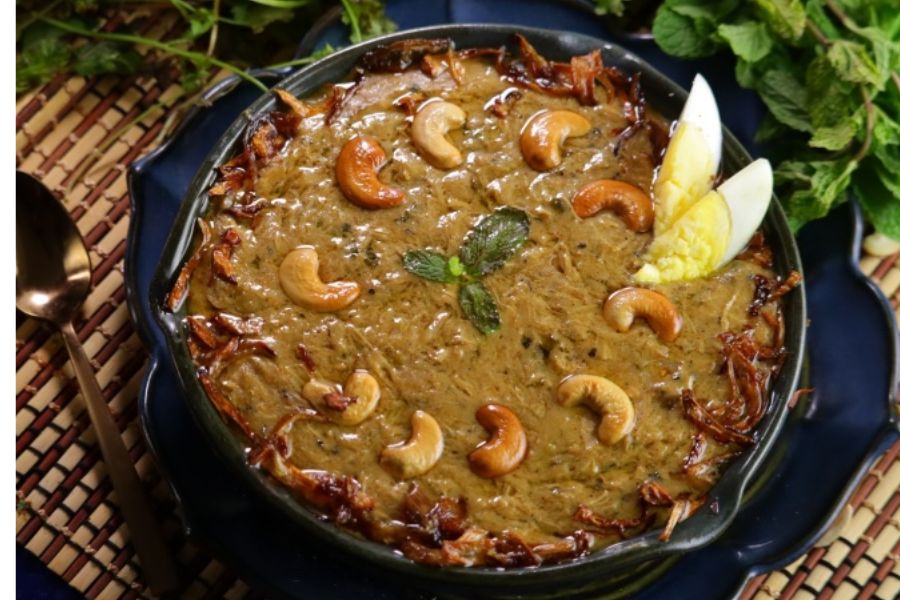
An ode to the regal opulence of the city, Hyderabadi Haleem is the first non-vegetarian dish in India to be granted the prestigious GI tag. Interestingly, though today it has become an integral part of the cultural fabric of Hyderabad, this dish originally came to India with the Arabs, who introduced it to the Nizams. From its high quality pearls to housing Nizams to its delectable gastronomical treats, the city of Hyderabad has something to offer to everyone. One such hard to miss gem that this city has in store for its visitors is Hyderabadi Haleem. An ode to Hyderabad’s regal opulence, Haleem is ubiquitous around the city during the pious month of Ramzan. This dish was accorded the prestigious Geographical Indication (GI) tag back in 2010. It is quite fascinating to note that Haleem is the first non-vegetarian dish in India to be granted this tag. This status was again renewed in 2022. Its unparalleled taste and aroma is acquired by using firewood to heat the copper vessels used to make the Haleem & the use of bhattis & wooden utensils. This cooking technique, along with the use of local spices and ingredients that uplift this blend of meat, lentils and pounded wheat, impart it with a distinct flavour. But while this Hyderabadi non vegetarian dish is ruling many hearts today, it was a showstopper right since its inception. Interestingly, though today it has become an integral part of the cultural fabric of Hyderabad, this dish originally came to India with the Arabs, who introduced it to the Nizams. High in calories and very nutritious this meat stew is often cooked over a period of 7-12 hours. It was a cantonment meals to feed army battalions due to its high protein content. According to Mehboob Alam Khan, food historian of Hyderabad, “Across the Middle East it is known as harees, In India the dish is called haleem and an offshoot of the same basic recipe is also called the khichda. All of them follow the basic important principal of having wheat and meat in 1:2 ratio.” The dish finds its first mention in Ain-i-Akbari. Back then, it was called Harees. It was in the 1930s, that Sultan Said Nawaz Jung, a descendant of the Al Quaiti dynasty who was positioned as a principal noble in the court of Nizams of Hyderabad gave this dish a cult following and won many hearts by serving Harissa to his guests. The dish was then added to the royal menu as Haleem. Seasoned with deep fried onions, cashew and a slice of lemon, over the years, the dish has evolved and now there is even a sweet variant of haleem. Today, the dish is shipped internationally to places in West Asia (where haleem came from), North America, Europe and Australia.
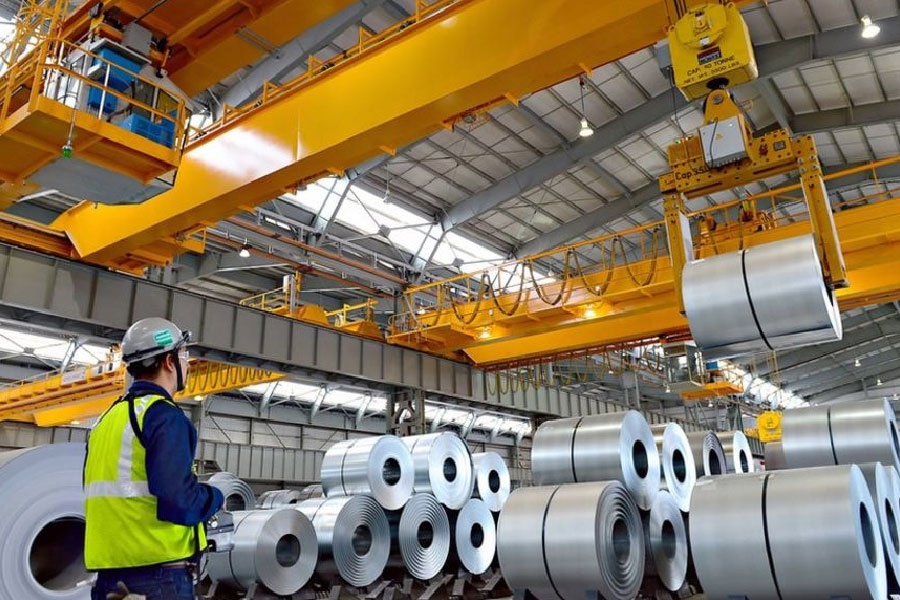
Withdrawal of exports duty clears India’s path to global steel market
India’s journey as a global steel exporter kick started with the recent withdrawal of export duty of steel and iron products. The export duty imposed earlier in May 2022 to curb inflation and increasing supply in India’s domestic market was rolled back due to a steep fall in steel exports in October. Image credit: Shutterstock The Government had withdrawn the export duty on iron ores lumps & fines below 58% Fe content, iron ore pellets and the specified steel products including pig iron on 19th November 2022 effective from 20th November 2022 to enhance infrastructure and establish “Made in India” steel brand. Shri Jyotiraditya Scindia while delivering the keynote address at the third conclave of the Indian Steel Association (ISA) on 21st November 2022 said that in the coming years, the steel sector will not only restore its international footprint but will also reach newer heights in the domestic market. Shri Scindia stated that the Prime Minister has put forth the mandate to enhance capital infrastructure by nearly ₹17 lakh crore per year, thus increasing demand for steel by close to double digits (approx. 10% per year). He further added that the Indian steel sector has emerged from a difficult time during Covid but has now emerged globally from being a 4th largest producer to the 2nd largest producer and the 2nd largest consumer of steel. India’s steel export and import from 2017-2022 (Source: Steel.gov.in) He added that the transformational growth path was envisioned by Prime Minister Shri Narendra Modi in the form of an Atma Nirbhar Bharat by Shatabdi Kal in 2047. The minister further added that the policy of using domestic steel has saved ₹ 22,400 crores on steel imports. Further to increase domestic production, Shri Scindia said that the PLI Scheme (Productivity Linked Incentive) for speciality steel has received 79 applications from 35 companies, resulting in an investment of up to ₹ 46,020 crore and increase in capacity of almost 26 million tons, and employment generation potential of nearly 70,000 people. On the scrapping of export duty on steel, the Finance department stated– “The current measures will provide a fillip to the domestic steel industry and boost exports”. The Indian Steel Association said – “reducing export duty on iron ore and removal of levy on stainless steel will go a long way in correcting India’s balance of trade”. The steel industry saw a steep fall in the market after the duty was imposed in May 2022. With the scrapping of export duty this month, the industry is aiming to re-establish itself as a crucial foundational part of the Indian infrastructure.
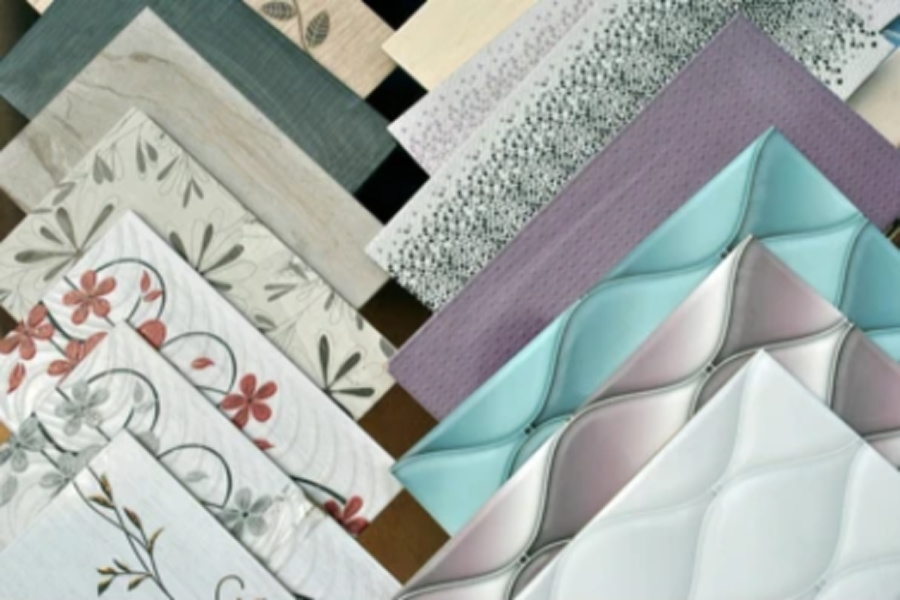
Time to move into Spanish & Italian Ceramic markets
The quantity and quality of Indian bathroom ceramics has also undergone major improvements in recent years. The present European situation offers and unprecedented opportunity to Indian ceramic producers to take a larger share of the US$ 72 billion world market and improve on its 2021 rank of no.5 after China, Germany, Italy & Spain. Image Credit: Shutterstock “Gas price surge pushes Europe’s ceramics industry to breaking point”, was Reuters headlines on 29th October 2022. Energy is almost 30% of the cost of manufacturing ceramic products. Factories in Europe’s energy-intensive US$ 35 billion ceramics industry are facing energy costs rise of over 1,000% since Russia’s invasion of Ukraine. One company has seen the monthly gas bill for € 127,000 (US$ 126,000), compared to € 18,000 last year. One of the largest ceramic tiles companies of Spain, Grespania, has already reduced its annual ceramic tile production by 15% since last November and plans to make a similar cut in the second quarter of this year, should gas prices stay high. Many ceramic tile makers in several European countries have closed down their factories amidst the rising cost of gas, which will lead to a major crisis in the construction industry, according to a report by “Surfaces Reporter.” European countries are already passing through record inflation and companies may not be able to pass on additional costs to customers. But surging gas prices have caught out companies in an energy-intensive business, leaving them to choose between passing on higher costs to customers and scaling back or halting production. And all at a time when many feel that energy transition costs are already hurting them. Recently, Iris Ceramica Group, one of Italy’s leading manufacturers has had to introduce an energy surcharge of 3% on invoices to help cushion the blow. Big bulk buyers are refusing to pay for these increases. With no short-term solution in sight, the final quarter of the year could turn into a blood bath, warns Giovanni Savorani, the head of Italy’s Confindustria Ceramica federation. Although India is the second largest producer and fifth largest exporter of ceramic tiles, its market is largely limited to Middle East where it has a 25% market share. The next is US with a market share of 8%. The balance is distributed among a large number of smaller markets. Before the energy crisis, India was already the lowest cost producer in the world and has started reaching out to new markets such as Indonesia and Poland. Taking advantage of the energy crisis in Europe, it is time for the industry and the government to jointly seek new price sensitive markets which are dominated by Spain and Italy. For example, Italy and Spain combined exported ceramic products worth US$ 87 million to WAEMU (West African Economic Union) in 2021 while India’s exports were at US$ 37 million. This is a price sensitive market and India can certainly increase exports substantially. Similarly, these two European countries exported US$ 1.62 billion worth of ceramic products to Russia in 2021 while India’s exports were US$ 60 million. Looking at the current political situation, India can leverage its emerging advantages of shorter multi-modal route through Iran and the India-Eurasian Free Trade Agreement under final negotiations. Central European countries like Poland also offer opportunities to increase exports. India’s exports have risen three times from US$ 28 million in 2017 to present US$ 89 million in 2021. Still, it has captured only 8% of the Polish import market of US$ 1.2 billion. Spain and Italy combined exported US$ 230 million and China exported US$ 347 million in 2021. China no longer offers a cost advantage as has been seen in the Indonesian market. Therefore, India should make additional efforts to capture additional market share in Central European countries. In the East, Philippines and Australian markets offer good scope for increasing exports. The quantity and quality of Indian bathroom ceramics has also undergone major improvements in recent years and the global US$ 9 billion market offers bigger opportunities as fewer countries offer competition in this market. Germany leads the market but its industries are also suffering from unprecedented gas prices. In summary, today, the European political situation offers and unprecedented opportunity to Indian ceramic producers to take a larger share of the US$ 72 billion world market and improve on its 2021 rank of no. 5 after China, Germany, Italy & Spain. ________________________________________________________________________________ The author is Consultant, Centre for VUCA Studies, Amity University & Research Advisor, GOG-AMA Centre for International Trade. Views expressed are personal.
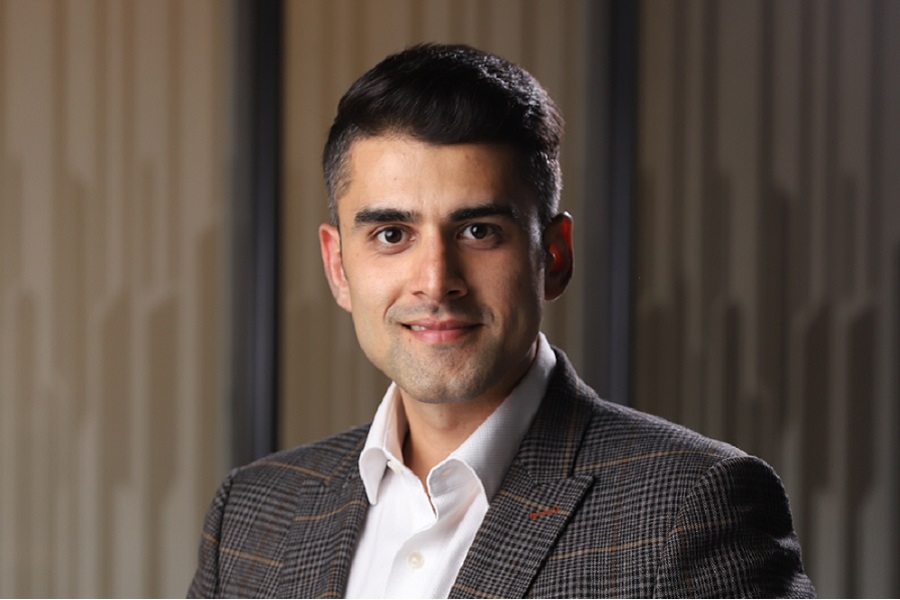
Being adaptive & agile is the mantra to success
Shrenik Ghodawat, the 2nd generation entrepreneur of Sanjay Ghodawat Group (SGG) and MD, Ghodawat Consumer Ltd., has been a part of company’s business operations since he was 19 years old. As of 2022, Shrenik is spearheading different verticals of the company. Speaking with IBT, the “Inspiring Entrepreneur of the Year” title winner says being adaptive and agile to the changing environment has been his constant mantra to success. IBT: What inspired you to start your business? What were some of the major milestones in the journey of your company so far? Shrenik Ghodawat: Founded in 2013, Ghodawat Consumer Ltd. (GCL), the FMCG arm of Sanjay Ghodawat Group (SGG) has focused on constant product innovation, customer-centricity, affordability and quality, creating a unique brand identity for itself. GCL started its journey by manufacturing edible oils and with increasing consumer acceptance, trust and notable success, the company was encouraged to expand and diversify its product portfolio to include staples, impulse, beverages, home-care and personal-care categories. GCL’s ‘Star’ brand atta, edible oil, jaggery, pulses, rice, salt, sugar, snacks, assorted namkeens and packaged water are now household names in Maharashtra and Karnataka, and so are the “Ayurstar” range of personal care products and the “Klemax” range of homecare products. “Fizzinga” – a carbonated drink, “Frustar” – a fruit drink and “RIDER” – Energy Drink and ‘Coolberg’ a non-alcoholic beer are among the top-selling products in the beverages category. The dairy division includes “Star” Ghee, “Hapy” Milkshakes, and “Star” Flavoured Milk. GCL has recently achieved a momentous milestone of 1,400 Crore in revenue in FY22 and is on track to achieve INR 2000 Crore by FY23. The aim is to be a 5000cr company by FY25. IBT: What kind of business risk mitigation would you advise in case of another global uncertainty (such as Covid-19)? Shrenik Ghodawat: To survive another global uncertainty, according to me one should be- Adaptive to Change– While obstacles may continue, being adaptive and agile to the changing environment has been my constant mantra to success. There are so many times when we have to pivot from our original plans as per the demand and requirements in the market by our consumers. Attention to detail- To stay at the forefront in today’s competitive disruptive environment one must be thorough and articulate in their approach and use all data points to win a share of customers’ wallets. Focus on innovation in business practices- One should ensure optimum usage of resources and minimum damage to the environment with respect to manufacturing products, packaging and distribution. Our innovations are centred to benefit our consumers, vendors and the entire society at large. 2021 – was a challenging year for everyone as we dealt with multiple lockdowns at the national and state level. We dealt with a lot of disruption in demand and supply chain. But we overcame all these obstacles and were able to achieve 40% CAGR because of our able team, planning and focus. As we aim to enhance lives, we joined the e-commerce industry by ensuring our products are easily accessible to every consumer. We also made our products available through our Retail venture – Star Localmart stores. We identified close to 2000 plus distributors and our products are available to half a million retail outlets today. IBT: The Indian food and beverage industry has come a long way in the last few years. How have the business & marketing operations evolved for your company? Shrenik Ghodawat: We are predominately a regional FMCG brand, but today we are expanding to the metro as well as tier 2 cities and our focus is to deliver global standard products at an affordable price to our customers across the nation and enhance lives globally. Apart from the traditional form of marketing, we have also revolutionised our marketing campaigns to reach the maximum potential consumers. With the digital evolution and easy internet access, we are today present on popular eCommerce marketplaces like Amazon, Flipkart, Snapdeal and the like. We are also participating in trade shows and exhibitions like Anuga, Gulfood- Dubai, SIAL and Indus amongst many others who provide us with a global platform. We have collaborated with marketing influencers and bloggers to promote our products. IBT: Customers are becoming more health conscious and quality conscious? How do you ensure to maintain product quality at your company? Shrenik Ghodawat: Post-Covid, there is a change happening in consumer and market behaviour in view of consuming Food and Beverages. The consumer is becoming more selective and looking for health-conscious products and more like Plant-based foods, Healthy & affordable foods, Fortified & Energy drinks, Low Calorie & Less fat foods, clean label food and beverages, and Global flavours. GCL aims for consumers to switch to healthier and higher-quality items by pricing the products cost-effectively. Currently, the research and development centre is working on several innovations such as replacing sugar with stevia, green packaging material, Biodegradable paper sachet, and healthy food products. We at GCL adopted the concept of Quality by design, where quality is caused, not controlled. GCL has world-class manufacturing units which have inbuilt controls, ensuring the variation in output quality is under control and acceptable also all our manufacturing facilities are FSSC and BRC certified which ensures all our systems and controls are in place. We adhere to rules and regulations mandated by the government authorities, global health advisories, committees and organisations. We are also in the process of drawing a roadmap for Manufacturing – Journey to Excellence, where we will be working on key Pillars of TPM, and the Quality Maintenance Pillar is one of them. IBT: Which are the key products that your company sells? Where are they mainly exported? What market & product diversification strategies do you envision for your brand? Shrenik Ghodawat: GCL’s brand Snacks, Assorted namkeen’s, Carbonated soft drink. Fruit Juice, Flavored Milk, Drinking water, Atta, Edible oil, Jaggery, Pulses, Rice, Salt, and Khandsari sugar, are now household names in Maharashtra and Karnataka, and so is the Ayurstar range of personal care products, and

Menstrual hygiene : A cause with a business opportunity
The power of innumerable Micro, Small and Medium Enterprises (MSMEs) from rural India can be leveraged as an attempt to shatter the social stigma surrounding menstrual hygiene. This will disrupt the menstrual hygiene industry by defining an entirely new supply chain and disintermediation of existing stakeholders. Image Credit: Shutterstock Menstruation is a hypersensitive issue enveloped by social stigma in the so called ‘modern India’. A natural bodily process involving severe pain that should be prudently handled to avoid health hazards is considered unclean, impure, inappropriate to talk about, etc. and ensued by discrimination. Consequently, the concept of hygiene is eclipsed by the shadows of menstrual taboo. According to the latest National Family Health Survey (NFHS) report, about 50% menstruating girls & women in India use cloth, and 15% use locally prepared napkins. This poses severe health hazards, loss of dignity, girls dropping out from schools due to absenteeism, etc. and a slow but certain threat to human life. This is supported by a 2019 report by the NGO Dasra, which found that 23 million girls drop out of school annually due to a lack of proper menstrual hygiene management facilities. The larger prevalence of the menstrual hygiene stigma in rural India is a function of product accessibility, social construct and awareness. Accessibility is a major contributor because women in villages do not travel to adjoining towns for household shopping and are hesitant in asking their male counterparts to purchase sanitary napkins on their behalf. Additionally, the households in rural India hold the threat of being ousted from the village or community for non-abidance of particular societal beliefs. Lastly, the low awareness of potential health hazards from continued exposure to inappropriate methods of menstrual hygiene – starts with Urinary Tract Infections in the nascent stage climbing up the ladder of severity to Pelvic Inflammatory Diseases and Cervical Cancer alongside emotional stress. Breaking bad: The role of MSMEs in shattering social stigma The power of innumerable Micro, Small and Medium Enterprises (MSMEs) from rural India can be leveraged as an attempt to shatter the social stigma surrounding menstrual hygiene. Indian villages are a tightly knit community with high quantum of internal interaction. The empowerment of MSMEs to produce low cost sanitary napkins within the village boundaries will bring the product closer to the target consumer. An increasing number of MSMEs that manufacture and sell menstrual hygiene products entering the rural market will thus, break the accessibility barrier. The MSMEs can also provide menstrual hygiene education and program support to other village households raising awareness. This seems viable due to the distrust and repulsive emotion towards large private corporations being potential exploiters of the rural consumers. The incentivization of employment opportunities with slow and steadily increasing menstrual hygiene awareness will also overcome the societal disbeliefs. The MSMEs require heavy advocacy and support from the government bringing menstrual hygiene into focus as a public problem. Various subsidies to MSMEs for material procurement and mass scale production of low cost sanitary napkins need to be rolled out. This not only safeguards product affordability but also ensures the financial sustenance of the MSMEs. In addition, government can launch rural national schemes for women communities to provide capital for setting up the production units and running awareness campaigns to falsify the presumed presence of harmful chemicals causing harm to reproductive system. The government should train the MSME workers to manufacture sanitary napkins as per the defined quality standards, that would equip the menstruating women to manage her cycle with dignity. The famous example of Jayaashree Industries founded by Muruganantham and his wife in 2006 is a successful example that establishes the precedence for the MSME model discussed above. His machine that locally produces low cost sanitary napkins together with the involvement of women at every step of the value of the value chain was a turning point for his venture. The business faced challenges of keeping up with the demand, which can be effectively be resolved through establishment of multiple MSMEs supported by the government. The learnings from the success of this innovation serves as a proof of concept and paves the way for the large scale adoption of the MSME model across rural India. To sum up, the proposed MSME solution will disrupt the menstrual hygiene industry by defining an entirely new supply chain and disintermediation of existing stakeholders. It eliminates the distrusted FMCG brands, distributors and shopkeepers bringing the manufacturer directly in contact with the rural consumer. The secondary issues of uncomfortable interaction at point of sale, high consumer hesitancy, gender barrier and opaque packaging are bound to be resolved through the MSME model. Anuj Kapoor is a faculty in the marketing area at IIM Ahmedabad. Rahul Meena is a second year MBA student at IIM Ahmedabad.
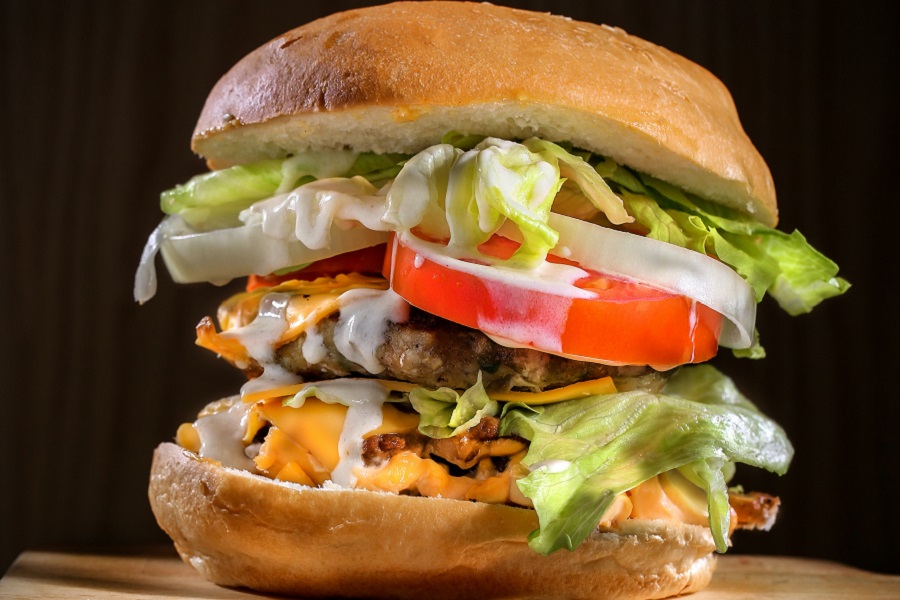
Vegan meat to peak in the Indian market?
Plant-based or vegan meat products are gradually replacing traditional meat and making their way into many hearts. Though vegan food isn’t an uncommon dietary preference, more and more celebrities have become vocal about adoption of vegan food lifestyle. Photo Source: Pexels “The love for all living creatures is the most noble attribute of man.” -Charles Darwin Vegan food has been a part of Indian culture long before the Western countries decided to become meat conscious. Religious practices among some cultures promote the idea of substituting meat-based dishes with vegetables or soy by-products. The consciousness of adopting a cruelty-free lifestyle is being admired by world leaders and celebrities as well. Although vegan diet is not a new concept but has indeed become one of the fastest growing food trends in the recent years. From vegan ice-creams to dairy-free yogurt, there is something for everyone. Now the section is ready to foray into the meat market, or rather, popularize plant-based mock meat. How is the vegan-meat created? Any meat lover will tell you why they prefer to eat non-vegetarian dishes. It is the taste and texture of the meat which makes it irresistible. It can be fried, spicy or even boiled and baked. This savory taste is hard to replace with vegetables. This is where the vegan-meat brings in that irresistible flavour and texture. For the longest time, food items like tofu, isetan, soya and paneer (cottage cheese) has been used as a substitute for meat-based cuisines. Vegan-meat imitates the texture of actual meat with smell, texture, taste and even appearance. So, to enjoy a “meaty” cuisine without any guilt, one can switch to plant-based products. With growing popularity, one can spot vegan meat in the supermarket aisle at affordable rates. How is the vegan meat prepared? A number of ingredients like plant based proteins, soy, potato protein, pea protein, mung bean protein and even rice protein are used in the process to create this mock meat. When combined with other substances, the end-product gives a perfect chewy texture and juiciness to the vegetarian meat. The process of preparing vegan meat is dynamic but not cumbersome. To begin with, yeast extract is added to processed product to make it taste like chicken. Ingredients like onion, garlic, salt and pepper are used to strengthen the flavour and sugar is added to give a dark tint to the meat. Some brands also use beet extract to make the appearance resemble an actual animal meat. Oils like coconut, sunflower or canola provide fat source to the meat substitutes. Brand establishments and celebrity endorsements In India, the plant-based meat market is relatively young but one to lookout for. Delhi based Ahimsa Food is frozen food brand offers vegetarian alternatives to fish, mutton, chicken, hot dogs, salami and even Nawabi kebabs. Udaipur’s Vegan Eatery provides wraps, burgers, starters and full course meals which are made with vegetarian meat. Vegeta Gold provides vegetarian alternatives to fish, mutton, and chicken, with their main ingredients being soya and textured vegetable proteins. Celebrities like Bollywood actress Anushka Sharma and cricketer Virat Kohli have long advocated switching to a plant-based diet. Earlier in 2022, the duo invested in a homegrown plant-based meat brand, Blue Tribe. Actor Ritesh Deshmukh and Genelia D’Souza also launched their own vegan product company in 2021. Did you know? The 42nd President of the United States of America, Bill Clinton, is a vegan. After undergoing an emergency heart surgery in 2010, he decided to adopt a vegan diet. Guilt-Free Binge Eating! So, the next time you crave for kebabs, chicken burger or even mutton seekh, give a try to plant-based meat dish. It will be soothing meal for your stomach and your conscience.
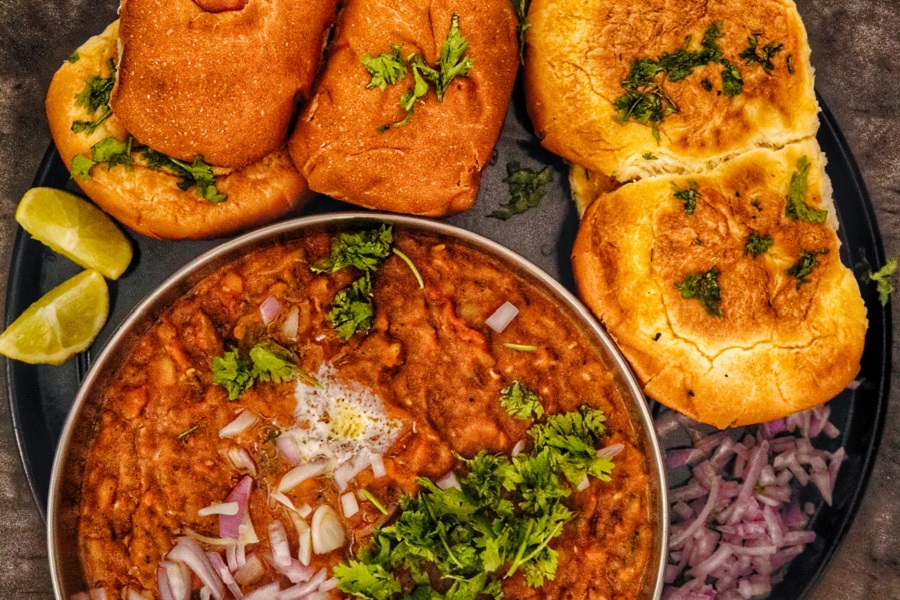
The 162-year-old journey of Pav Bhaji
Like popular street foods such as samosa or pani-poori, Pav Bhaji has made its way into the hearts of people in every state and city. But did you know that this beloved street food was invented back in 1860’s as a meal option for cotton mill workers? To know more such interesting facts, continue reading. Photo Source: Pexel “One of the nicest things about life is the way we must regularly stop whatever it is we are doing and devote our attention to eating” -Luciano Pavarotti A street food fan favourite: Pav Bhaji Loaded with nutrition and vegetables, Pav Bhaji is a dish considered as a culinary identity or soul food by street food lovers across the country. A street food gem from Mumbai, Pav Bhaji has made its way into the hearts of people in every state & cities. But did you know, this indigenous fast food dates back to the 19th century? History of the Pav Bhaji The origins of Pav Bhaji can be traced back to the American Civil War which took place between years 1861 to 1865. The war led to an unprecedented demand for cotton and the textile mills in India had to keep up with the vast cotton supply. Mill workers worked round the clock to meet the demand at the textile mills in Mumbai. The workload was such that the mill workers barely had any spare time to eat in peace. This is when the street vendors thought of coming up with a dish that can be stomach filling and is affordable for the lower working class. To prepare this dish, street vendors, mashed leftover vegetables and mixed it in a base of tomatoes, potatoes and curry power. This vegetable gravy was then served with Pav or English bread. The convenience of preparing Pav Bhaji was as popular as the ease of consuming it. At the same time, some sources also believe that this Indian fast food has Portuguese roots. The Portuguese would create a dish by combining different vegetables. Further, the Portuguese word for bread is ‘Pao’. Interestingly, the same word in Hindi means a quarter. In the context of the bread, it denotes that only a quarter is consumed. Growing popularity over the years Pav Bhaji soon gained immense popularity across the island city of Mumbai and was sold at every nook and corner for dirt-cheap price. Over the span of 160 years, the recipe of Pav Bhaji has also evolved. The dish can be served with butter, cheese, or garlic tadka and for people with Jain dietary, without onion and potatoes. This is a street food that has many combinations and flavours. Pav Bhaji is not only limited as a street food but served at major restaurants and hotels in every state. It is South Asia’s most popular street food. As per various food blogs, Pav Bhaji has been ranked as the number 1 top prepared food ingredients and pairings in India. A street food meant for all! The Bhaji or vegetable curry is also a top choice among vegetarians and vegans as the food ingredients may consist of only vegetables. Nearly 15 million people eat Pav Bhaji every other day in Mumbai alone. So, next time you eat this Indian street food, do think of the long journey it has made to make a way into your hearts.
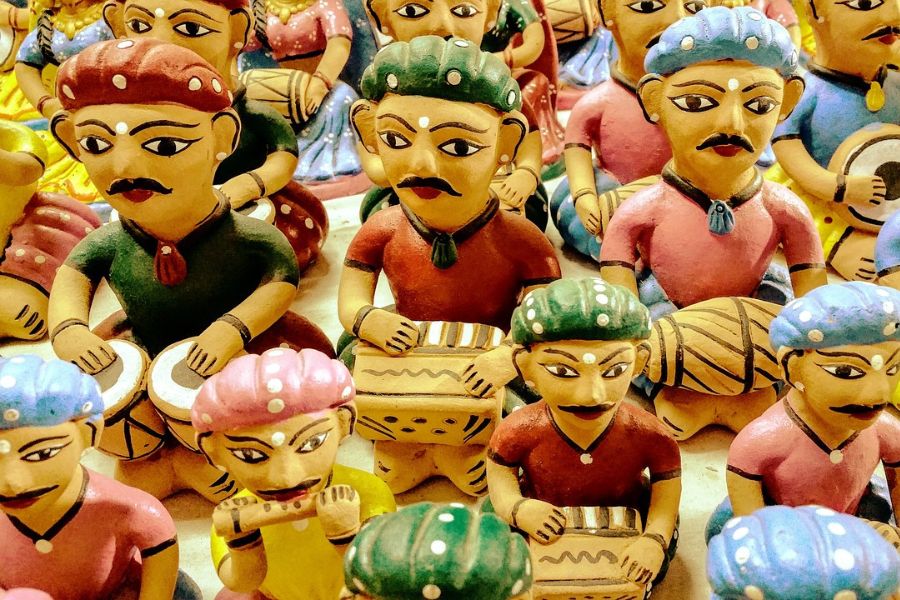
Traditional Flexible Manufacturing and Exports from India
The Mughal Empire created a class of rulers, nobles, mansabdars and other countries that increased the demand of luxury handicrafts. The arrival of European companies expanded the demand for handicrafts globally. These objective conditions facilitated the birth and expansion of traditional flexible manufacturing in India, a phenomenon that has made a comeback in the present era, with even companies like Amazon and Flipkart adopting this method. India was an important manufacturing nation of the world, much before the emergence of Industrial revolution in Britain. According to the economic historian Aurigns Maddison, India’s share in total slab output of manufactured goods was around 24% upto 1750. The production and exports of Indian handicraft increased substantially during fifteenth century in India, where there emerged a peculiar form of organization of production of handicrafts. Merchants aggregated the household workshops by providing to the artisans working capital or raw materials and means of their subsistence in lieu of a contract that craftsmen will supply their output of handicrafts to the merchants. This form of organization of production and distribution has again emerged in the form of several companies that are working as aggregators in supplying products like medicines, grocery items, fruits and vegetables. Companies like Amazon, Flipkart are also following this format. Image Credit: Shutterstock In the literature on economic development, the dominance of manufacturing sector in terms of its contribution to national income and employment and economic development are considered as coterminous. Readers may be surprised to know that the India was an important manufacturing nation of the world, much before the emergence of Industrial revolution in Britain. According to the economic historian Angus Madisson, India’s share in total slab output of manufactured goods was around 24% upto 1750. This achievement of the Indian economy was made possible when its traditional crafts and its merchant class developed a nexus. This nexus gave birth to a form of organization of handicrafts that I have described as traditional flexible manufacturing. In this article, I intend to narrate this phenomenon and explain how it provided competitive advantage to Indian manufacturing. The word manufacturing has been formed from two Latin words, ‘manu’ and ‘facer’. Here Manu means ‘manual’ or hand and facer means ‘to make’. This shows that manufacturing in its earlier forms was represented by handicrafts. This form of manufacturing existed in India since the dawn of civilization. Our gods and goddesses wear garments, jewelry, carry weapons, were riding chariots and people used metallic utensils in their households. The products made by Indian craftsmen were exported to different parts of the world. This fact is known from the writing Greek and Roman historians. The production and exports of Indian handicraft increased substantially during fifteenth century in India, where there emerged a peculiar form of organization of production of handicrafts. To this form of organization of production I have termed as traditional flexible manufacturing. This happened because at this point in time, two powerful forces impacted the Indian economy. The entry of European trading companies after the discovery of the sea route to India by Vasco da Gama and the entry of Mughals by land route after the 1st battle of Panipat. The Mughal Empire created a class of rulers, nobles, mansabdars and other countries that increased the demand of luxury handicrafts. The arrival of European companies expanded the demand for handicrafts globally. These objective conditions facilitated the birth and expansion of traditional flexible manufacturing. In the new circumstances, when demand for handicrafts had increased significantly, there was a need to increase the scale of production. However, at that point in time, craftsmen did not have resources to increase the scale of production in their household workshops. Under these conditions, where merchants had the resources and scattered craftsman producing handicrafts did not have enough resources, merchants evolved their networks of artisanal household workshop through putting out system. In this form of organization of production, technology and scale of production did not change at the household workshop level. Merchants aggregated the household workshops by providing to the artisans working capital or raw materials and means of their subsistence in lieu of a contract that craftsmen will supply their output of handicrafts to the merchants. In this way large scale merchants established large scale marketing networks by aggregating small household workshops of craftsmen. The merchants earned their profits by buying materials in large quantities to supply it to the craftsmen by taking the advantage of economies of bulk purchase. Craftsmen benefitted in this system by receiving their subsistence needs and guarantee of the sale of their products. However, this system was providing more advantages to traders. The separation of functions between craftsmen and merchants provided several kinds of flexibilities to the system. Merchants enjoyed the flexibility to expand or contract the level of output by adjusting their network according to the fluctuations in the market and take the advantage of economies of scale by expanding their network. The system also provided to the merchants flexibility to supply a variety of products i.e. economies of scope, customized according to the needs of different sets of customers. Since the form of organization of production provided several kinds of flexibility while using traditional handicraft form of manufacturing. I have defined it as traditional flexible manufacturing. The readers will be surprised to know that these flexibilities are also embedded in the Modern Flexible Manufacturing. The traditional flexible manufacturing system of production created a household workshop economy based on vertically disintegrated inter-industry and intra-industry specialized and geographically dispersed production units. These dispersed units of production were localized in clusters in the specific areas. This is in fact the philosophy behind forming district level clusters of units manufacturing a product. Such clusters had emerged in the manufacturing of a variety of products at diverse locations throughout India. Such clusters existed at Dacca, Murshidabad, Kasini bazar, Sinargaon, Patna and Banaras, Balasore and Assam in eastern India. Surat, Broach, Cambay, Patan, Champaner, Navsari, Gandevi and Ahmedabad, Baroda, Jaipur and other towns of Rajasthan in Western India. Agra,
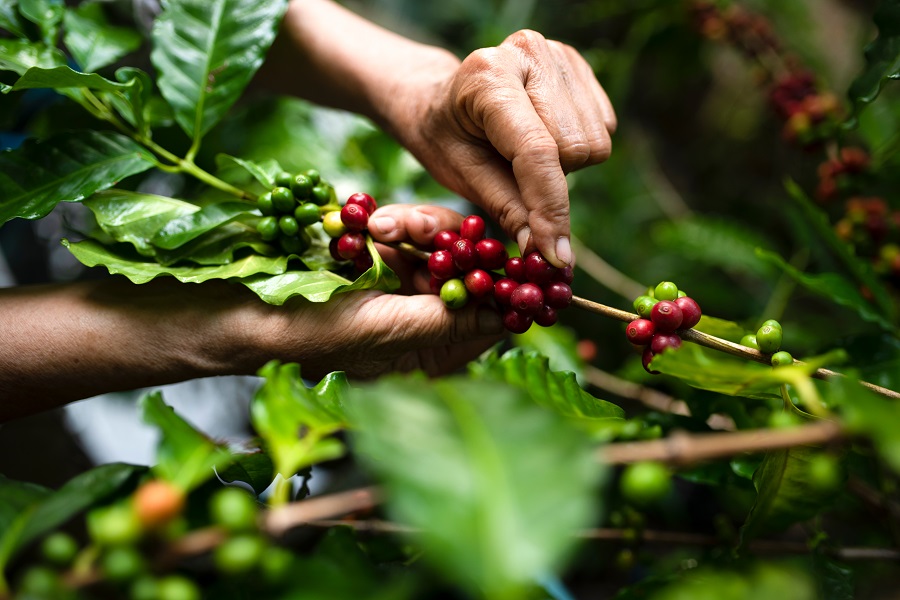
Araku Coffee: Aromatic coffee cultivated sustainably
Araku valley coffee has gained immensely popularity after bagging the Geographical Indication (G.I) tag in 2019. The origins of the Araku valley coffee dates back to 1898 and after over 120 years, this coffee is known not just for its beautiful aroma but also for the sustainable cultivation practices adopted by the tribals in the region. Photo Source: Arakucoffee.in “If it wasn’t for the coffee, I’d have no identifiable personality whatsoever.” – David Letterman India is a country of coffee lovers where many of us prefer beginning our day with a cup of strong brew. Coffee variety of Coorg, Karnataka, Palani Hills, Tamil Nadu & Wayanad, Kerala are well known across the country and have been the favourite of Indian coffee lovers for several decades. But this is the story of Araku valley Arabica coffee that gained Geographical Indication (G.I) tag in 2019 and its popularity is now spreading like wild fire. Geographical location of Araku Coffee Located in Visakhapatnam district of Andhra Pradesh, the local tribal population of Araku Valley have been engaged in coffee cultivation for over a century. The coffee variety, however, came into the limelight only a decade or two ago. The valley is situated in Eastern Ghats mountain range at about 1,200 feet above sea level. The location is also home to a coffee museum which narrates the journey of coffee plantation in the region. In 1898, a British man in the coastal part of East Godhavari in Andhra Pradesh saw the potential of introducing coffee cultivation in the region. Over five decades later, Andhra Pradesh Forest Department began developing coffee plantation in the whole of Araku valley. It is also interesting to note that it is organic and cultivated by Adivasi farmers in 10 mandals of the region. Method of Cultivation The smell and aroma of this distinct coffee is enchanting and so is the method of its cultivation. The coffee beans in this region are grown through organic methods, under the shade of mango, jackfruit and silveroak trees. The coffee cultivation in Araku valley is done at an altitude from 900 feet upto 4000 feet above sea level. Apart from the scenic location of the valley, there is medium acidity in the iron-rich soil which gives a different smell and taste to the coffee. It has a peculiar mix of climatic conditions i.e., hot days and cool nights. A perfect combination of these unique elements is what makes this coffee flavorful. In a span of a decade, Araku valley coffee plantations have become a major tourist attraction and the valley is now one of the crown jewels of Andhra Pradesh. Popularity of the coffee It is said that with growing popularity of coffee cultivation in the Araku valley, business has taken a 180 degree turn in the region. Over 90% of those engaged in coffee cultivation in the region have been elevated of poverty. According to government figures, there are nearly 3.66 lakh coffee farmers spread across 10 mandals in the valley. In 2018, the Coffee Board applied for G.I tag for Araku valley coffee in 2018 and in 2019, it was awarded the food tag by the Chennai-based GI registry along with four others which are Coorg Arabica coffee from Karnataka, Wayanad Robusta coffee from Kerala, Chikmagalur Arabica from Karnataka and Bababudangiris Arabica coffee also from Karnataka. Having a G.I tag makes the source altogether more reputable. It is used on products which belong to a specific geographical location or origin & is a certification that the product possesses certain qualities that are unique to that locality. International Recognition In 2021, it was reported that Araku valley is the largest and the most famous coffee-growing region in Andhra Pradesh. According to the Coffee Board of India, on average, 3100 MT of (mainly) Arabica coffee is harvested from this region. About 90% of the total Araku coffee production is exported to countries like Sweden, Switzerland, Italy and the United Arab Emirates. Araku valley coffee is sold as a gourmet coffee brand in Paris. Some of its variants are priced at Rs. 7000/kg.

100% WFH for SEZs under discussion
In July 2022, the Department of Commerce notified a new Rule, namely Rule 43A – Work from Home (WFH) in Special Economic Zones (SEZ) Rules. While Rule 43A allows 50% of the employees in SEZ to WFH, the Ministry of Commerce & Industry is contemplating to give 100% WFH in the coming future. Will this pave way for SEZs to adopt a flexible, hybrid mode of work? Photo Source: Pexels New Delhi, November 8: The workforce culture across the world has transformed dynamically in less than three years. While it began as a need of the hour amid the outbreak of COVID-19 virus, the option of Work From Home has now become a popular choice in many industry segments. Work From Home adoption by India When COVID-19 pandemic began, India was quick to adopt Work from Home (WFH) mode for most of its industry segments and subsequently adopted hybrid work culture in the following years. But as of 2022, it has become clear that with or without the existence of the pandemic, hybrid work mode is here to stay. On November 4th, 2022, the Union Minister of Commerce & Industry, Piyush Goyal, held discussions with stakeholders of Special Economic Zones (SEZs) on the issue of WFH facility. The consultations assume significance as the ministry is considering allowing 100% WFH for employees of units in SEZs. India Business & Trade (IBT) spoke with industry experts to get a perspective on the possible outcome of a 100% WFH provision for SEZs. In July 2022, the Department of Commerce notified a new Rule, namely Rule 43A – Work from Home in Special Economic Zones Rules, 2006. The notification was issued on demand from the industry for making a provision for a country wide uniform Work From Home (WFH) policy across all SEZs. The rule, however, has proven to be selectively beneficial for the IT and ITES segment. Speaking to IBT, P C Nambiar, Director, Group EXIM at Serum Institute of India Pvt Ltd, explained that the WFH provision has been beneficial for the IT sector, as the industry does not require physical infrastructure for manufacturing or use heavy machinery. He added, however, that an entity such as Serum Institute, which is the only biotech industry in Maharashtra with a workforce of 7,300 people, has a different operational model. As the company produces and manufactures vaccines, the employed workforce is required to work on-site. Need to define WFH for different SEZs segment Professor Arpita Mukherjee of ICRIER says that the government should define the phrase WFH, remote working clearly for the SEZ. In July, the rule 43A of WFH in SEZ was rolled out, extendable for up to 50% of total employees. She also agreed that an employee in the IT industry can work from home given the limited need for an elaborate infrastructure or machinery. But for industries such as gems & jewellery, which includes operation of heavy machinery, the employed workforce is required to be present on-site for production and manufacturing. Employees at administrative or managerial level can choose to work remotely. However, SEZ activities are largely reliant on manufacturing of end-products which requires labour force & project supervisors to be present at the site. Professor Mukherjee cautioned that a WFH atmosphere in SEZ may also raise safety concerns like data theft or unethical practices. For instance, an entity may build physical infrastructure to accommodate 50 employees and hire over 200 personnel.