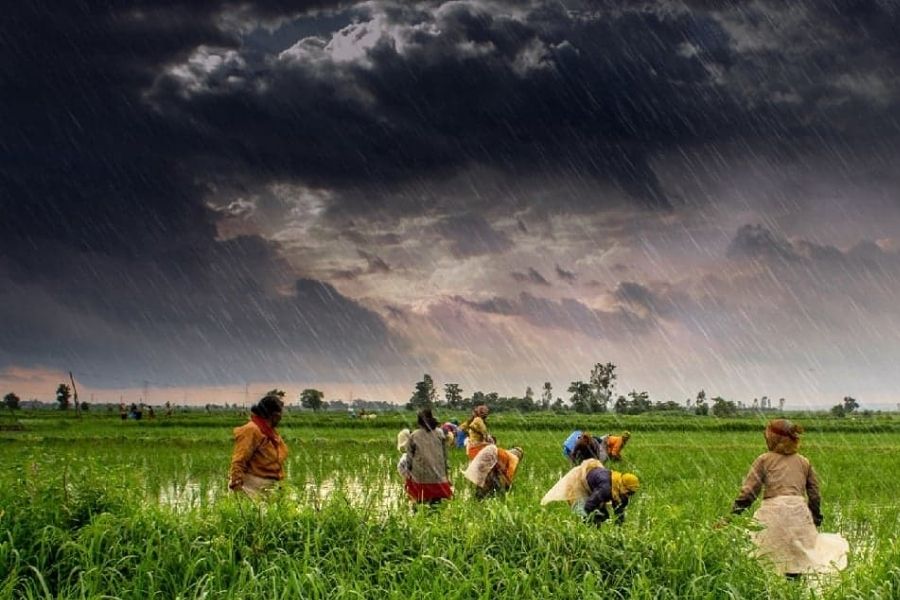
The future of agriculture in India depends largely on adoption of efficient production sources that can give optimal production while putting minimal stress on existing resources. AI can kill many birds with one stone – help farmers increase productivity & efficiency by saving time, money and resources along with rich data insights to minimize losses. Conventional farming methods cannot fulfill the need for food crops in the present stage, raising the twin challenges of food security and food inflation. To complicated matters further, Indian agriculture is also associated with a few other challenges such as illiteracy among smaller farmers, preference for conventional method of farming and lack of investment and capital infrastructure. So, agriculture is certainly one of the main areas needing technological assistance to sustainably meet this demand & Artificial Intelligence (AI) can be a great solution. AI can kill many birds with one stone – help farmers increase productivity & efficiency by saving time, money and resources along with rich data insights to minimize losses. Image credit: Shutterstock Agriculture has always been a vital sector in India’s economy, contributing 20.19% to India’s GDP. As the population continues to rise both in India and the world, the demand for food crops and cash crops is also increasing. But at the moment, conventional farming methods cannot fulfill the need for food crops in the present stage, raising the twin challenges of food security and food inflation. Also, the cash crops need to be economically grown because there are limited resources for them. To complicated matters further, Indian agriculture is also associated with a few other challenges such as illiteracy among smaller farmers, preference for conventional method of farming and lack of investment and capital infrastructure. So, agriculture is certainly one of the main areas needing technological assistance to sustainably meet this demand & Artificial Intelligence (AI) can be a great solution. How AI is helping agriculture to grow at a phenomenal pace? It is estimated that the use of AI can help in unlocking the agricultural potential by adding US$ 500 billion to the world’s GDP. Consulting firm, PwC India, predicts agricultural (IoTAg) monitoring to reach US$ 4.5 billion by 2025. Taking note of this, Indian Government, during 2020-21 and 2021-22, allocated funds amounting INR 1756.3 cores and INR 2422.7 crores to the States for introducing new technologies including drones, artificial intelligence, block chain, remote sensing and GIS etc in agriculture. Source: Forbes India AI-based technology in agriculture helps in minimizing human intervention as much as possible and to deal with the various uncertainties of the agricultural cycle. For example, it helps farmers analyze a variety of things in real time such as weather conditions, temperature, water usage or soil conditions and thereby reduce the unpredictability of sowing and harvesting seasons. When this irregularity is taken care of, it will save – time, effort and money. AI also helps to consider many different factors, like food safety and storage, change in climate and growth or decline in demand for crops, and optimize a strategy that will benefit the whole agricultural system. Besides, AI has helped in improving the production of crops and ramping up the yield. All this has been made possible by introducing real-time monitoring, marketing, harvesting and processing. What are applications that help the agriculture sector? Weather forecasting On 19 March 2022, hon’ble PM of India launched 100 kisan drones to different parts of the country. These devices can help farmers by providing them with advanced warnings regarding the weather. They help them to decide beforehand how to take care of the crops and take the necessary precautions to protect them. They also help them to alter the time of sowing or harvesting by implementing the necessary strategies in advance. Price forecasting systems These advanced computing systems use several model datasets to generate ML models that can compute a probable yield price in advance. This helps the farmers to make financial decisions to safeguard their investments and get the maximum return on them. Currently, Karnataka Agricultural Prices Commission (KAPC) in collaboration with IBM is on the verge of developing an advanced price forecasting system. Crop health monitoring & precision farming If there has been a disease outbreak in the plants or it has been affected by a locust attack, then various AI systems help to minimize the losses and also protect the crops. KisanHub, Farmonaut & Orbit Field Scout are a few apps that can help with this. Agri-robots The days of the harvester and the thresher are a thing of the past now. Various AI robots are being trained with the help of multiple AI and ML techniques to minimise human effort and intervention and automate the entire process. These can be used for numerous processes like crop-harvesting, weed control, mowing, seeding & spraying. Binary Robotics, Robo Technos, Nadaf Agro Industries, Hari Agro Industries and Shpine Technologies are the leading manufacturers of agricultural robots in India. Predictable harvesting The harvesting techniques have improved manifold due to the methods becoming predictable. Take Cropin, for example. They have created a platform that connects to the cloud, collects data from various corners of the world and creates a database for agriculturists. They can access this data and apply the best techniques according to the situation they have at hand. Sustainable agriculture Last, but not the least, use of AI will also be a sustainable agricultural practice as AI is able to help farmers adopt the best water consumption models, create more resistant plant varieties that are less prone to losses & bringing down the usage of pesticides. This will, in turn, check the limited resources that the planet has and improve workflow and yield. To sum up, the future of farming depends largely on adoption of efficient production sources that can give optimal production while putting minimal stress on existing resources. AI can kill many birds with one stone – help farmers increase productivity & efficiency by saving time, money and resources along with rich data insights to minimize losses. So, farmers
Indian electronics industry: Time to be an exports hub
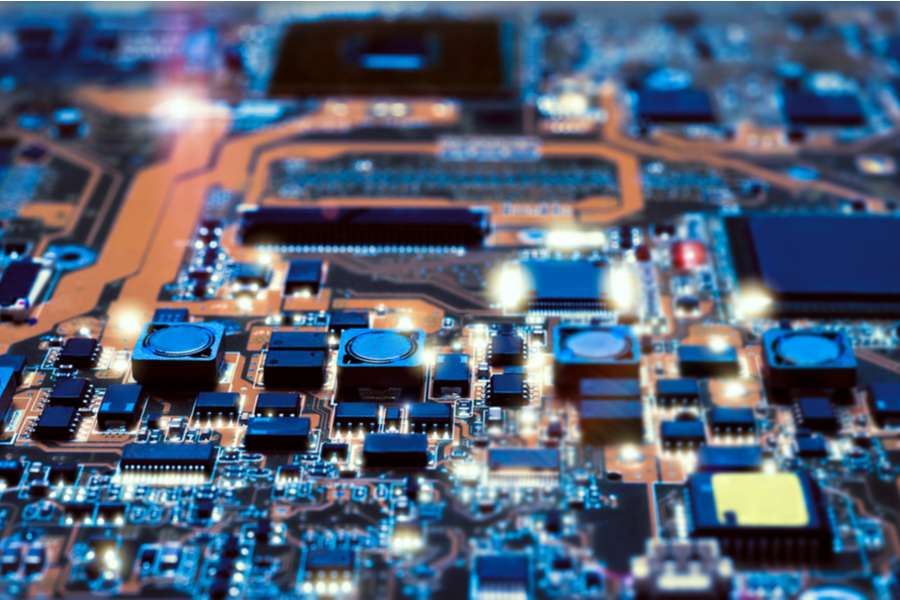
The current position of the India electronics industry in terms of the production and export is not something to boast about. However, as the Government recognizes it and is putting in place the necessary investments and making the policy changes to accommodate, it is only fair to assume the best days are yet to come. The electronics sector has become the 6th largest Indian export sector in 2021-2022. Globally, though, India is nowhere in the top 10 electronics exporters in the world. The Government has taken many initiatives to help increase electronic manufacturing and exports. They have also built a roadmap of how they will achieve US$ 300 billion in manufacturing and US$ 120 billion in exports through various initiatives like Assemble in India, ‘First Globalise, Then Localise’, Gati Shakti, etc. However, if India has to emerge as a dominant player like China and South Korea, it needs to have the design capability coupled with manufacturing resilience and a developed tooling industry. Image credit: Shutterstock In recent years, the Indian Government has been pushing hard to present the country as a force to be reckoned with in the electronics export sector. Initiatives like National Electronic Policy (2019), Scheme for Promotion of Manufacturing of Electronics Components and Semiconductors (2020), Electronics Manufacturing Clusters (2020), and PLI scheme for large-scale electronics manufacturing (2020) are steps in this direction. Going a step further, Rajeev Chandrasekhar, the Union Minister of State for Electronics and Information Technology and Union Minister of State for Skill Development and Entrepreneurship, launched a report (in August, 2022) titled ‘Globalise to Localise: Exporting at Scale and Deepening the Ecosystem is Vital to Higher Domestic Value Addition’. The report elaborated on the issues India was facing in achieving a position in the global electronics supply chain. While there are a variety of reasons behind this, the important question is that how can India become a big exporter and achieve a considerable production target in the next few years. That is something that this blog will discuss next. Who’s leading the global electronic race? In 2021, China (US$ 925 billion), Hong Kong (US$ 320 billion) and Taiwan (US$ 183 billion) were the global leaders in the electronics sector. Apart from these, most of the leading nations in this race are from Asia – South Korea (US$ 148 billion), Singapore (US$ 126 billion), Vietnam (US$ 123 billion), Malaysia (US$ 81 billion), Japan (US$ 57 billion) & Thailand (US$ 37 billion). The USA (US$ 138 billion), Germany (US$ 71 billion), Mexico (US$ 64 billion), the Netherlands (US$ 62 billion), the Philippines (US$ 31 billion) & France (US$ 18 billion) are some of the other non-Asian leading players in the global electronics trade. India (US$ 16 billion) was at the 16th place as an exporter of electronics products. That is because the Indian electronics industry has still not realized its potential. Source: Financial Express Why is India not a leader in the global electronics value chain? There are many reasons why India is lagging in the global electronics race. But, primarily, the biggest factor is that we have not changed the prevalent practices in our industrial manufacturing system, which has hampered the growth of the Indian electronics sector. The FTAs with ASEAN and S Korea have contributed to a surge in imports of electronics in the country. For example, under the CEPA with Korea, 8 non-Information Technology Agreement products were made duty free in 2010, 60 tariff lines were made duty free in 2014 and 277 tariff lines were made duty free in 2016. This caused a severe blow to the Indian electronics industry’s manufacturing capabilities. Further, FDI inflows into electronics manufacturing are meagre. Between April 2000 – March 2021, FDI inflows into this sector amounted merely US$ 3.16 billion. Compare this to the electronics export of China: from 2000, the exports have risen from US$ 44 billion to over US$ 900 billion in the year 2021. Vietnam’s case is even more shocking. Despite being equal to India in exports of electronic items, it has managed to eke out over the last decade. As a result, Vietnam’s exports are now 9X of India’s exports. On the other hand, India just manages to contribute 1.2% of its electronics manufacturing in the national output share. And it has remained like that for 20 years. To make matters more complicated, recently, there has been a considerable change in global value chains. The minister, Mr Rajeev Chandrasekhar, has also stated that after the COVID-19 pandemic, the electronics value chains are undergoing profound historical changes that can’t be undone. This will help the sector to gain the necessary momentum for 2026. Fixing the glitches in the Indian electronics industry To become a global hotspot in the electronics value chain, the Indian Government needs to identify and target the challenges in the system and remove the bottlenecks. The report suggests that India should adopt the mantra of ‘first globalise, then localise’, a strategy used by China and Vietnam. Dr Sunitha Raju, IIFT, opines a strong correspondence between trade and industrial policies has led to the development trajectory of the electronics industry in China, South Korea and Taiwan. Focusing infrastructure development on cost savings, speed and flexibility would go a long way in fostering the development of the Indian electronics industry. She suggests: If India has to emerge as a dominant player like China and South Korea, it needs to have the design capability coupled with manufacturing resilience and a developed tooling industry. Particularly with high rate of obsolescence and evolving technology in this industry, the investment climate needs to be conducive. Further, integration of the SME through cluster development with appropriate technology support can result in cost benefits of agglomeration and scale economies. Some other steps that India can take are: The integration of ‘Assemble in India for the world’ into ‘Make in India’. Here, the gadgets that are imported into India draw higher taxes and create a huge trade deficit in return. To overcome this, India can import the parts required to make the component,
Digitization can bring the logistics share of India’s GDP to single digits
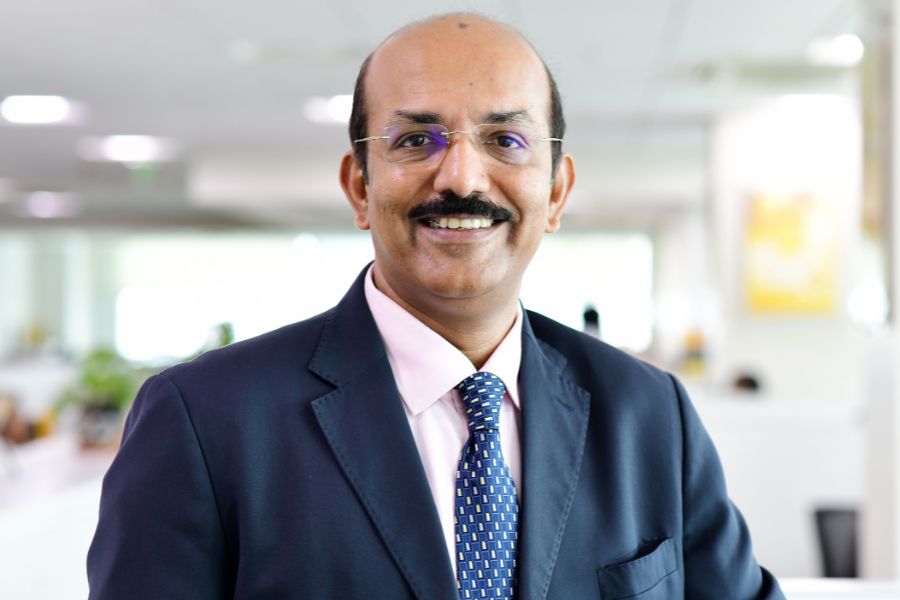
R S Subramanian, SVP South Asia, DHL Express shares his perspective on logistics and digitization in the current context, and how it can potentially transform India’s trade ecosystem. The term logistics can mean many things to many people. Goods transportation by air, sea, land, rail, multimodal, warehousing, fulfillment, distribution, last mile, first mile, and deliveries ranging from a pin to vaccines and even spacecraft or satellite. A large number of stakeholders and touchpoints are involved in the logistics supply chain. Hence, there is a multiplicity of interests vis-à-vis who wants to control, contribute, or be enabled in the supply chain – shipper, consignee, service providers, online platforms, regulators, Ministries, consumers, etc. Understanding the complexity The Indian market is large and lucrative having a worth of approximately US$ 160 billion. According to a McKinsey study, the Indian technology and services market is expected to reach about US$ 350 billion by 2025. The market is very complex and has evolved over the last 75 years. Some of the numbers tell us about the complexity and give us an indication of how we can streamline and digitalize the logistics space. There are numerous Ministries in the Centre and State, which have their Regulatory agencies apart from Trade promoting agencies. The ecosystem covers vast regions of the country including various logistics options via seaports, airports, inland container depots, road and railway networks, inland waterways, etc. Hence, the existence of these complexities opens possibilities for eliminating waste and creating efficiencies in productivity and cost. An NCAER study says that logistics as a percentage of gross value added can contribute anywhere between 15-22% depending on the commodity. This shows the scope of economic value that can be created from simplification, elimination of waste, automation, and the need for digitalization. Logistics is the flow of goods in one direction, which almost always leads to the flow of money in the opposite direction and data flowing in all directions. An often quoted number of logistics costs is pegged at 13-14% of GDP. In developed economies, it can be as low as 5-6%. The NPL endeavors to bring down the cost of logistics to a single digits, which can happen through digitization. “We do about a million shipments a month typically with 3-4 copies of the airway bill for use. So about 5 million A4 size papers have been eliminated since we embraced digitalization. All the bills that DHL now gives out to its customers are digital. The collection is over 99% digital.” Today, imagine rolling out GST without digitization. Constantly evolving Digital GST, Aadhar, UPI, and e-invoices are great examples of what digitalization can do. Speed, ease of doing business, and compliance are being enabled due to digitalization. Over the last 5-6 years, DHL has had its share of challenges in onboarding customers onto the basics of digitalization, of which 50-60% are MSMEs. The pandemic accelerated the shift to digital, and today the airway bill, which is the most basic information or data contract between enterprises and customers, is 100% digital. We do about a million shipments a month typically with 3-4 copies of the airway bill for use. So about 5 million A4 size papers have been eliminated since we embraced digitalization. All the bills that DHL now gives out to its customers are digital. The collection is over 99% digital. Even now, when a customer pays online or through net banking, it takes 48 hours for the amount to be available for reconciliation. Customer-friendly digitalization can make the information available real-time, which can also contribute to a reduction in transaction costs. Sound digital processes across the regulatory environment can bring more efficiency and sustainability. Again taking the example of GST, imagine the tons of physical paperwork that would have to be archived or stored, for as long as 7 years as a requirement by the Finance Act. Going paperless and digital in a smart way is therefore the right option for India, which aspires to be among the largest economies in the world. We cannot work on two systems India is moving towards becoming a US$ 5 trillion economy soon and has a 2047 vision that will take India to greater heights. Trade infrastructure is essential to make this vision a reality. It takes an enormous amount of time and a huge infrastructure to realize the ambition, and almost every major project has the risk of delays. Digitalization and data interchange can result in the simplification of regulations and improvement in the automation of processes. This is necessary, so that more can be done with the existing infrastructure while allowing entities more time to create infrastructural capacities that the economy needs. The recently launched National Logistics Policy addresses many concerns. It talks about a few elements that rely on digitalization – the Integrated Digital System (IDS), the Unified Logistics Interface Platform (ULIP), and the Ease of logistics, or E-log system. However, the basics of data compliance and data cleanliness from the grassroots level have to be adhered to for clean digital adoption rates. “PM GATI Shakti Master Plan, NLP, and ONDC (Open Network for Digital Commerce) are three major pillars in the making. When they come together, we will see the kind of transformation that UPI has done for payments.” The ambition of NLP is the interoperability of multimodal logistics with the standardization of ideas. Twenty years back, when I went to Germany it was fascinating to see that you can check in your luggage at the train station, get a boarding pass, walk into the airport, and get on a flight. You can be rest assured that the luggage will be checked in, as the train, road, and air networks for goods and passengers were fully interconnected. That kind of interoperability will come if there is standardization, and IDS and ULIP are promising to deliver that. It is encouraging to see the huge emphasis on simplifying the rules for logistics across the country. This will singularly help drive the cost down. PM GATI Shakti Master Plan, NLP, and ONDC
Digitalisation can help India become a major F&B exporter
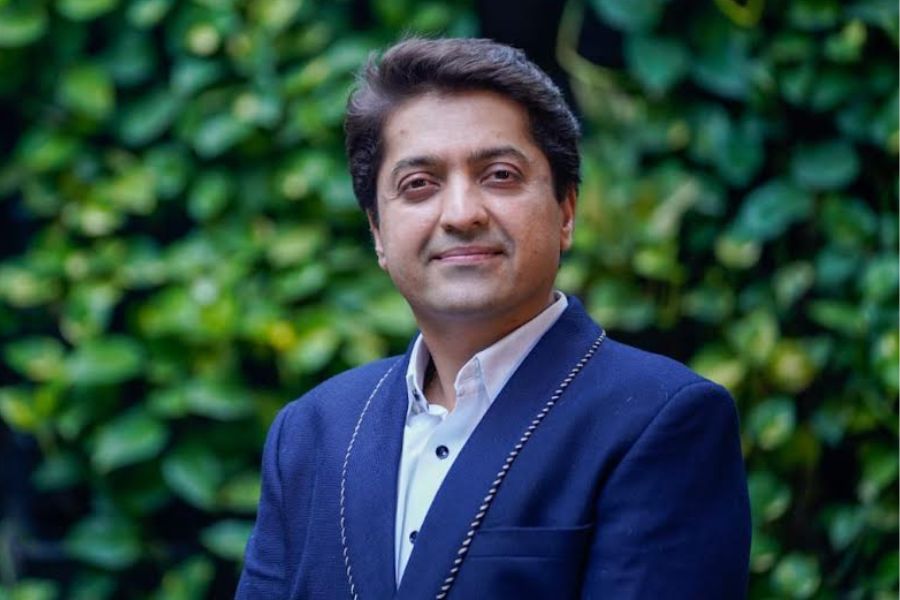
Anand Rajkumar Chordia, Director (Technology and Innovation), Pravin Masalewale (Suhana), and Founder, The Eco Factory Foundation, shares his views on how digitization can be leveraged to boost export prospects for the Indian F&B industry. Digitalization in India is becoming more effective economically with a lot of cheaper and efficient solutions that will help propel India to the forefront of the global supply chain. With great farsightedness, the government has been working on ensuring transparency through digitalization. The entire GST system now works digitally and affords more control to the government on the economical front. There has been tremendously exponential and aggressive digitalization happening in India. On the industrial front, a lot of payment systems have now become digitalized, like SWIFT, Fedwire and TTs, thus allowing international banking transactions to happen with a lot more ease. Payment acceptance is now happening in multiple currencies where earlier, it was more or less dependent entirely on the US dollar. This has helped de-risk businesses a lot from the fluctuation of foreign currencies, thus allowing a far more stable operations. On the logistics front, the implementation of RFID with containers, which has ensured complete end-to-end traceability across the globe, has been another important step. Modes of outreach to clients and customers are also becoming increasingly digitalized. Virtual exhibitions, like what TPCI has done, have allowed Indian companies to reach out to a lot more overseas audiences and vice versa. Virtual meetings helped ensure seamless exports during the pandemic. This has now become a new normal. Communication is better, integration of services that companies are offering to importers is better, and hence the trade is becoming better. Coming to the F&B sector in particular, India’s massive biodiversity enhances the potential for unique value added exports like saffron and many GI-tagged products. This also means minimal competition from a global manufacturing perspective. Numerous specialized bodies created by the government, like Spices Board, Cashew Board, Coir Board, Coffee Board, have made a lot of their processes digitalized. But since India is greatly diversified geographically and product-wise too, the different Boards have different sets of requirements. This needs to be addressed. Ease of business can be greatly increased by designing a system, whereby the filing and submission of data is done at one source and is then passed on to the Banks, Customs Department and others in a single take, instead of doing so individually. This will help the startups and the younger business community ,which is where innovations are happening right now. Creation of a B2B platform, which rates or gives categories to the companies and exporters will make the sector more organized and will ensure that greater quality products are being sent into the export market. It will also help the global buyers to assess Indian suppliers in the correct manner. A single-window approach where all the queries of the manufacturers are answered clearly is the need of the hour. Using chat bots to solve the basic questions for startups will help provide clarity at single window level. The earlier physical application submission is now no longer required. Few states have implemented this successfully, thus helping companies to register themselves quickly and easily, and start business domestically or internationally. At the domestic business level also, especially in the issues related to the compliance and fulfilment of labor laws or the FSSAI license, going digital is highly required and recommended. Domestic digitization can enhance export business by bringing in greater traceability of raw materials. If a system is built to guarantee traceability right from the farm to the customers, a lot of issues that occurred in the past can be avoided. India can prove to be a much stronger global food supplier. Live dashboards to track payments, factory status, sales status etc. need to be adopted. Not only from the perspective of an organized and branded export house, but also from the perspective of a bulk wholesale supplier, aggressive implementation of digitalization will play a vital role. Some of the non-changeable aspects in Indian agro ecosystem like the diversified agro climatic zones and the vast biodiversity are strengths that need to be played up. Start-up India has put forth many novel and creative businesses, thus enhancing India’s potential to become a strongly export oriented economy. E-commerce and great B2B platforms will allow businesses to bridge the gaps and trade to grow at large. In the next 5 to 10 years, a very aggressive growth on the export front for Indian manufacturing is a given. Anand Rajkumar Chordia is Director (Technology and Innovation), Pravin Masalewale (Suhana), and Founder, The Eco Factory Foundation. He is a persona of multiple hues – a leader, a mentor, an innovator, an experienced entrepreneur, exceptional orator and a TEDx Pune speaker. As Director- Technology & Innovation, Pravin Masalewale and a true spearhead in many ways, his ideas have led Suhana to new heights of success. Inculcating the essence of Innovation and Technology to a traditional business of spices and pickles, his resilience and gratitude have made Suhana a popular brand not only in India but also across the globe. He is also the Founder of a non-profit making organization named The Eco Factory Foundation (TEFF) which works relentlessly on sustainability in rural, urban and industrial areas – taking steps towards Cleaner, Greener, Healthier, Sustainable and Prosperous India. His pioneering work on organic, natural farming, waste management and sustainability has been remarkable. He has conceptualized India’s first ever “Waste Management Park”, “Shashwat Bharat Krushi Rath” – a mobile centre for sustainable farming & rural entrepreneurship and “Green Directory- a compilation of green recyclers and processors” and lot more. Views expressed are personal.
Leading the innovation curve
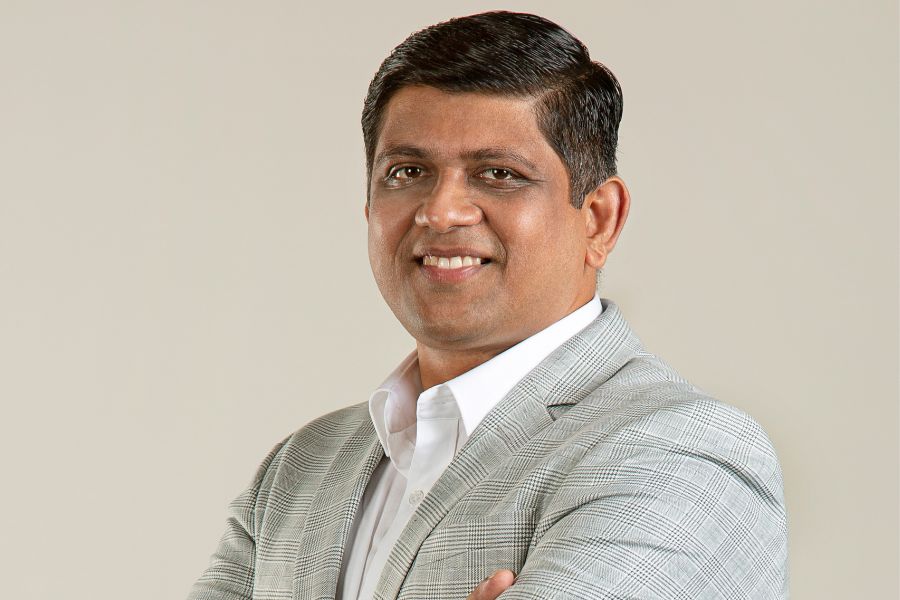
Debarshi Dey, Marketing Director, Mylab Discovery Solutions, discusses the company’s growth in the niche segment of molecular diagnostics, innovations in diverse product offerings and how it has deployed different strategies to captivate the market. The healthcare industry, one of India’s largest sectors today in terms of revenue and employment, is expected to show an unprecedented threefold growth and reach US$ 372 billion by next year compared to the US$ 110 billion of 2016-17. However, the world’s largest and fastest growing industry that is consuming around 10% of the GDP globally, stands at only 1.3% in India. This sector has bright growth prospects, opening doors for a risky yet large scale diversification, so as to minimize possible downturns and maximize products and services. Innovation in product offerings Mylab Discovery Solutions began with the idea to simplify the complex nature of disease detection. Making disease diagnostics more affordable and bringing cutting edge science and technology to ensure accuracy in detection were the core ideals that inspired the brand. Innovation has been central to the brand. It offers a wide range of solutions applicable in diverse markets including clinical diagnostics, pharmaceutical drug discovery, biomedical research, agrigenomics and animal and food safety. Diversification has been integral to the functioning of the brand. Direct-to-consumer self-testing kits developed by Mylab were a hit during the pandemic. In fact, the company was one of the pioneers in India in manufacturing these kind of RTPCR tests. It also diversified horizontally by allowing customers to get their samples collected at home and sending it to labs for testing. At the same time, it was ensured that these kits were available across India at affordable prices without compromising on their quality. Prevention of the spread of transferable disease like respiratory illnesses by means of the self-test kit has been ensured by employing special chemicals to deactivate the virus. Instrumentation and innovations in designing devices for multiple tests was also being explored. My Lab is also collaborating with BHU and other research institutes in India to ensure top notch quality of products, which is of utmost importance in the healthcare sector. Establishing a global footprint Every player in the industry attempts to develop their own fine-tuned stable marketing strategy for the local as well as international clients. Counter trading is a cost-effective strategy because of its exemptions from various import quotas. Malaysia has effectively utilized counter trading bartering palm oil for armaments. Vehicle manufacturers also do the same with the practice of complementary accessories provided with their vehicles. Other successful marketing techniques include licensing and joint ventures, marketed via multiple country ownerships and franchise outsourcing, with priority given to exports. And, even though when we talk about different avenues, there are risks involved. The product’s efficiency determines its export potential, and in turn, better chance of beating the competition. Other avenues or strategies of entry to the international market include export and export promotion councils of the country. It is helpful to have different bodies that identify the manufacturers, the budding start-ups, and give them the platform to network. Lastly, India needs to establish itself globally and create an environment where innovation should be a paramount importance. India is yet to establish itself globally in terms of a product but it is in the horizon.
Indian diaspora in Australia holds values of family, reward for effort & entrepreneurship
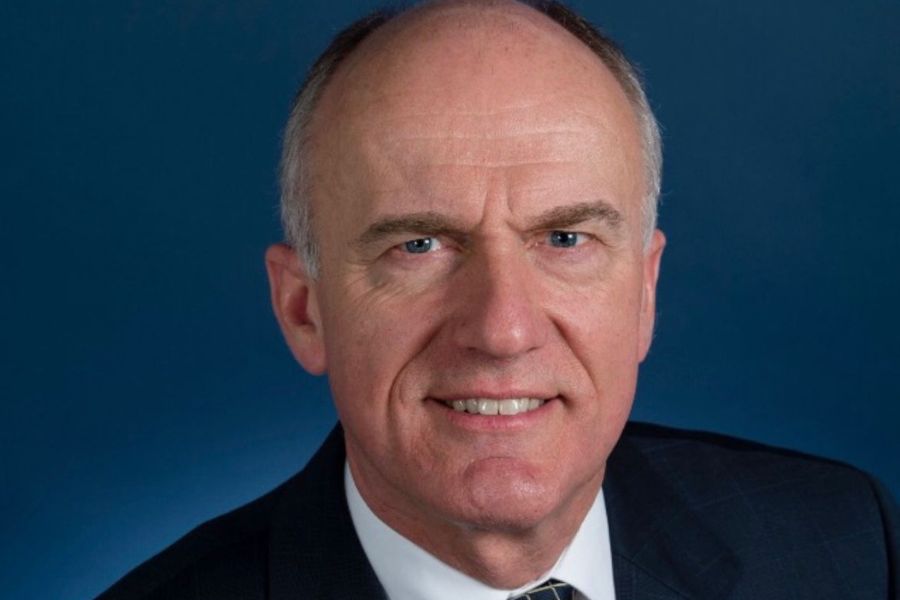
Eric Abetz, Patron, India-Australia Strategic Alliance has a freewheeling discussion with India Business & Trade about how the ground was laid for India-Australia FTA, potential areas of collaboration post agreement, COVID learnings and pursuing a balanced approach to a sustainable energy future. India Business & Trade: How did the thought process evolve in Australia in favour of an FTA with India over the years? Eric Abetz: Ten years ago, we formed the India-Australia Strategic Alliance. At that time, the general thought process was, “China is the future. Why are you bothering about India?” We had some very practical reasons. The Indian population was on a trajectory to overtake China and we felt that there were a lot of trade opportunities, which have not been fully explored. I thought it would be strategically wise to not put all our economic eggs in the China basket. In that regard, I thought India would be a very good country. Whatever our differences might be, India and Australia are democracies that believe in the rule of law. We are in general, freedom loving countries involved in defence and protecting the freedoms and interests of other countries. But we haven’t ever been sort of expansionists. So for me, there was a strong, practical reason to strengthen that relationship. When we started the India-Australia Strategic Alliance, I was in the opposition. And so when we won elections in 2013, we started encouraging the government to take the focus a bit more West, rather than directly north to China, and look at India. The then PM Tony Abbott, with whom I was very close, was able to establish very strong ties with India, and that was a benefit for our two countries. And also during that time, we witnessed a strong growth of young Indians coming to Australia to study. “Whatever our differences might be, India and Australia are democracies that believe in the rule of law. We are in general, freedom loving countries involved in defence and protecting the freedoms and interests of other countries.” While some people don’t like to talk about it, one of the benefits of the two countries is that we were both British colonies at one stage. And from there, we have a sense of democracy, rule of law, and cricket as well. Moreover, English, to a large extent, is a common language, which allows easier dialogue and understanding. So, 10 years ago, I was encouraging, different groups to consider Australia for a visit that will educate investors, business migrants and investors. And a number of them have, and are doing exceptionally well and are very well accepted in the community. I think the Indian community has every mind, to be part and parcel of the community and see themselves as being in if you like, project Australia together. So it’s been a very good journey for the last ten years between our countries. Today, everyone thinks the India-Australia FTA is a great idea, while it was very different 10 years ago. India Business & Trade: How important is the Indian diaspora in the blossoming of this relationship? Eric Abetz: The Indian diaspora in Australia is growing rapidly. It has overtaken China and is now the third largest group after Australians and Englanders. Indians hold values which are very close to what I believe in – family, work, reward for effort, entrepreneurship – things which help build family community in the country. There are some other migrant communities in Australia that just want the handout, whereas the Indian community works exceptionally hard. A lot of them have started from the bottom, driving taxis or whatever and then study and bring themselves up. I identify with that because when I went to university, I drove taxis overnight to help earn some money. And that is why I think I was able to bring a different dimension to Australian politics. The Indian community works exceptionally hard, wants to make a difference and be good citizens, so it’s very good. India Business & Trade: How would you view cricket as a connecting factor? Eric Abetz: Indeed, cricket is a key component of our ties. During my first visit, which was about two years ago, I was asked to give all sorts of talks at different places, which I did and got polite applause. But when I said that I come from Tasmania, the state of David Boon and Ricky Ponting, the applause was thunderous! And afterwards, everybody wanted to know, “Have you met Ricky Ponting/David Boon?” “Have you shaken their hand?” Yes, India and Australia are very cricket oriented. It’s a wonderful sport if it’s played in the right spirit. And I think most of the time, cricketers do so and that’s why it’s such a good strong bond between our two countries. India Business & Trade: What are the areas where you see potential between the two countries, now that the agreement has been signed? Eric Abetz: In the areas of education and professional services, I think there is a very real opportunity for Australia. India has the opportunity in IT and telecom, where it is quite a leader. And there can be a lot of collaboration in defence production. A businessman I met recently was talking about drone manufacturing, and also protection from drones, for which they are working in partnership with an Australian firm and an Israeli firm. As the doors open, people will think of those opportunities in a lot more ways. I understand that in India, there has to be 60% local content, so they’re working through that. At the end of the day, we understand that India needs to develop the capacity to produce its defence equipment here, just as we do in Australia or Israel. “The task of those in government and in leadership roles is to try to get that balance. In my own view, nuclear will in fact be the future. It is sustainable with virtually no CO2 emissions or ugly footprints, due to
DESH is a welcome step, as a lot of electronics manufacturing is coming to India
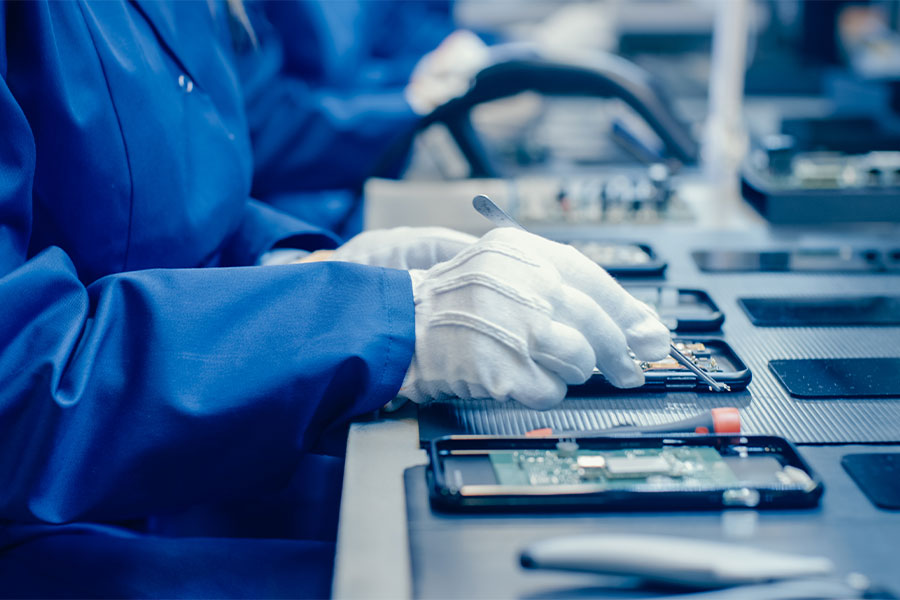
Sasikumar Gendham, MD, Salcomp India, believes that India is at the cusp of unprecedented opportunity as global companies are looking at manufacturing footprint beyond China, very seriously. In fact, Salcomp is witnessing significant enquiries like never before. He feels that the DESH Scheme, with its core focus on maximizing efficiencies and competitiveness, can be a great facilitator in leveraging this opportunity. Image credit: shutterstock Salcomp is the market leader in smart phone chargers, and provides power supplies for mobile and other electronic devices. It also produces IoT sensors based on Wirepas Mesh wireless connectivity technology, which enables scalable, reliable, and cost efficient IoT solutions, as well as precision structural parts and modules, 5G RF parts and magnetic materials. We have a cumulative production volume of 4 billion chargers and an annual global capacity of over 400 million pieces. The company has been in India for the last 15 years and operated in an SEZ since the beginning, exporting most of our production. We have produced close to a billion charges in this country over the last 15 years, so it’s a very large-scale operation. Even through the pandemic, the governments have been very proactive, in ensuring that our operations were successful during that period. And I have to admit that most of the new businesses we were able to create were during the pandemic. Be it getting machineries, having them installed, getting all the products qualified; all of that happened during the pandemic. So the pandemic at least provided a great opportunity for us from a business perspective. But that’s mainly for exports. “Even through the pandemic, the governments have been very proactive, in ensuring that our operations were successful during that period. And I have to admit that most of the new businesses we were able to create were during the pandemic.” We went through a major turning point in 2016 when supplying manufacturing chargers from an SEZ to a DTA was taxed at 20%. But when you supply from a DTA, there wasn’t any tax. At the same time, when you import from an FTA zone, you pay 5%. So the same product, which is Made in India, attracts 20% from an SEZ. But when imported, it attracts only 5%. So, of course, there was a big anomaly at that point. Consequently, we were forced to go out of the SEZ and move to a DTA zone. And that’s how our Noida factory was born. Today, we have customers who are supplying both for the export market as well as for the domestic market. We have the necessary capacities – it’s the same line and product that you need to produce both for the domestic and the export market. But today, by law, we are forced to have two separate factories with a big fence separating them. Investments have doubled, though there is no need for that. Capacity utilization is not at its best, and that has a severe impact on competitiveness. From that point of view, we are extremely glad that the new DESH draft is being thought out, so that we can have a homogeneous scheme. Under this proposed scheme, we can operate for both sets of customers and optimize our investments. Salcomp had just about 3,000 people initially; but today, we almost employ 10,000 people, of whom 90% are women employees. And we also took over the Nokia facility – the whole campus is acquired by Salcomp. Our vision is to go to 25,000 people in the next one year. For a company of our scale, we have to hit the billion-dollar mark and go beyond that. A lot of support is needed from the government when it comes to seamlessly moving between factories – SEZs to DTAs, of course with all the taxes being calculated and paid as it’s supposed to be. All that we expect is flexibility to be able to compete in the global arena. At present, we are not just competing with China anymore; we are rather competing with Vietnam. When things are moving out of China, they are going directly to only two countries – India and Vietnam. A lot of electronics manufacturing is coming to India, but we have to get our act right, to be able to capture this opportunity on hand. “At present, we are not just competing with China anymore; we are rather competing with Vietnam. When things are moving out of China, they are going directly to only two countries – India and Vietnam.” The DESH scheme has taken into account most of the problems we have been talking about, like the physical differences between SEZs and DTAs. And the core focus is about improving efficiency, utilizing capacities, and then gaining competitiveness. And then there is the question of net foreign exchange (NFE). Achieving the NFE criteria was one of the biggest challenges that all of us faced and we’re glad that this is going to more or less go away. All we expect is to have seamless transactions between SEZ and DTA, so that we can use the capacities as much as we can. And the second thing is that most of the SEZs have now been notified as multi-sector. But there is still this ‘50 hectares’ minimum requirement. I think that has to be out as well, because that’s not serving in any interest going forward. And the third point is utilizing the common facilities. The electronics industry entails very high investments in testing and approval points. So we need to have one facility that we can use for both SEZs and DTAs and move forward with that. Today, just about 25% of our global revenues are coming from India, but at least more than 60% of people are located in India. We want to have almost 70 plus percentage of our revenues to be coming out from this country. China has been able to achieve massive growth by having people in the campus. India is not used to that kind of

Online astrology: Presenting the digital solution
The Covid-19 pandemic has left a lasting impact on every aspect of human life. To beat this pessimism, and find solutions, astrology came as a highly sought-after medium for many. With the rise in online consultations and use of advanced digital tools, this market seems set for an accelerated rate of growth in the coming years. The reliance on astrology to find the solutions has increased in recent years. Hence, the sector is growing and will reach greater heights in the coming days. Apart from the traditional practices, the demand and popularity of online astrology is increasing rapidly. New-age startups are making serious contributions to expand this segment with the help of modern technologies like AI and ML. The online Indian astrology apps and platforms are now catering to the needs of international clientele. Image credit: Pexels The future of astrology looks very bright at the moment. Observing present-day statistics, it seems to be growing at an unprecedented rate. Looking back to 2020 Google Trends, one can notice that the interest in Astrology and Birth Charts has increased manifold over the last 5 years. Furthermore, owing to the regular appearance of astrologers on various media outlets like the TV and the internet, the astrology market has seen massive growth in the last two decades. And it is not only the Vedic astrologers who are seeing a growth in customers. Vaastu consultants, Palmistry experts, and Numerologists are also noticing a surge in business. Even though the number of physical appointments reduced considerably due to the pandemic, the new alternative – virtual consultations over Zoom or phone calls, increased in the same proportion. The rising number of phone and video consultations has flooded the astrologers who are working 10-12 hours per day to cater to their clients. The astrology market is estimated to be in the $40-plus billion range. These numbers indicate clearly that the Indian religious and spiritual market is booming. Within this market, the share of the Indian horoscopes market is US$ 10 billion alone. The number of practising astrologers is around 2 million. This might give you a rough idea of the size of the market. Adding to that, this industry has seen a lot of new players. These new players are businesses that own an online Astro-service or Astro-apps, which have been garnering attention for quite some time. Statistics have proved that these apps are also seeing a huge surge in usage. The number of downloads of these Astro apps has skyrocketed in the past few months, with some of them crossing 1 million plus downloads on the Google Play store. Many astrology-based startups have seen growth in the range of 10%- 30%. Take Astrotalk, for example. The founder, Puneet Gupta, has revealed that his company served 20+ million customers in the past 4 years. These numbers are simply astounding. Astrotalk does a business of ₹ 41 lacs every day and has grown by 20% every month. The company is completely bootstrapped, and it is likely to be a market leader in this niche. Also, it comes on the list of the most successful Indian bootstrapped companies in this category. AstroYogi, a Gurugram-based astrology startup, has raised funds and has been looking to expand in the US, Canada, Africa, and other Spanish-speaking countries. Not only that, but they are also scouting for acquisitions. In the past three years, the company registered a growth of about 300% YoY, which is helping it venture into new markets and acquisitions. CEO Meena Kapoor recruited around 15,000 astrologers in FY 2020. Their customer base also crossed a target of 7 million on the cloud calling platform Talk to Astrologers. Launched in 2016, the platform is available in 85 countries across the globe and in 11 languages. It provides a platform to connect professional astrologers and clients. It is earning an estimated revenue of around ₹4-8 crore every year. Who are the key consumers for this market? Due to the pessimism bred during and after the pandemic, people have become uncertain about their health and financial future. The life-changing conditions of the COVID-19 pandemic have resulted in a feeling of insecurity in the minds of people. As a result, dependence on astrology to find solutions has increased. Therefore, people visit astrology websites frequently. In addition, they have started connecting with astrologers for an assessment of their stars through consultation sessions with variable rates. These rates are decided based on the duration and detailing of the sessions, i.e. how many questions you have, what are the details and solutions you are looking for, etc. Both independent astrologers and online Astro apps have seen a noticeable rise in the number of consultations. Bollywood stars have been staunch believers in Astrology, Numerology and Vastu. Due to the pandemic, many production houses and directors have borne the brunt of the financial losses. So, they have resorted to astrology and allied spiritual sciences to overcome these obstacles in their careers. Politicians have also traditionally maintained a keen interest in this field. Marriage is another area where astrology sells like hotcakes. Prospective brides and grooms are inquisitive about questions like how their partners will turn out to be and whether their marriage will work or not. What are the growth prospects? In recent years, astrology has seen tremendous growth because of the use of advanced digital tools. With the advent of AI in Online Astrology, it will become one of the fastest growing markets, with an expected CAGR of 10.15% by 2027. People study astrology for making decisions about the future in an informed and organised manner. Educated professionals with a passion for astrology are also taking it up professionally and contributing to widen the circle by guiding people through quality consultations. Interestingly, it is not restricted to India. Around 30% of people from the USA believe in astrology in some form or another. This can be verified by the fact that more and more people are thronging to popular astrologers in spiritual destinations like Mathura, Rishikesh,
Indian MSMEs: Time to be on the world map
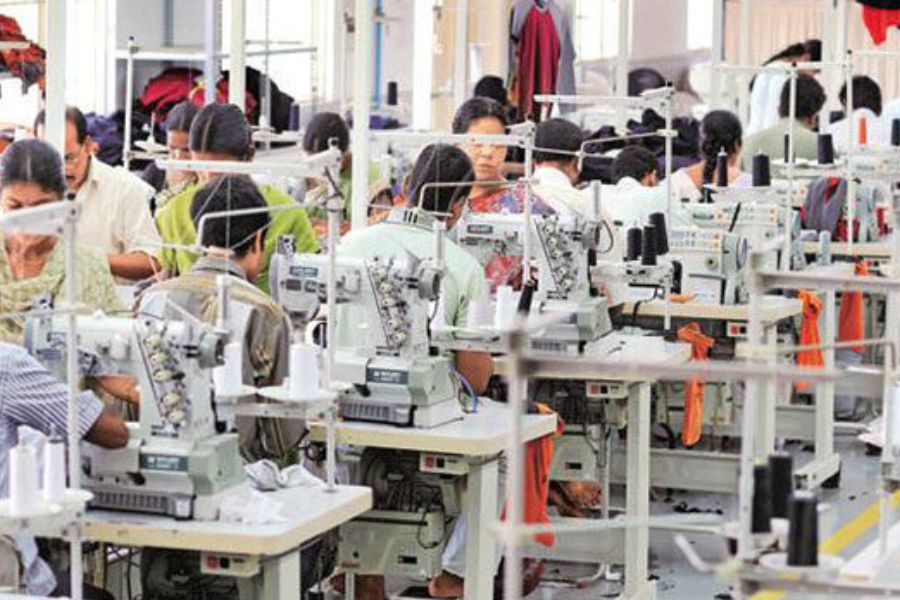
Pushkar Mukewar, CEO & Co-Founder, Drip Capital, explains how schemes for Indian MSMEs such as RAMP and CBFTE have the potential to complement the Atmanirbhar Bharat mission by fostering innovation and enhancement in industry standards and practices. Atmanirbhar Bharat, a pilot project of the Narendra Modi government, has transformed itself since its launch in 2014 from a program aimed at making India self-reliant to one that provides active solutions for the cause. In the latest filip to this initiative, the Raising and Accelerating MSME Performance (RAMP) and the Capacity Building of First-Time MSME Exporters (CBFTE) schemes were launched to extend a helping hand to Indian MSMEs. These initiatives couldn’t have arrived at a better time when India is attempting to capitalize on the changing mindset among world economies seeking new geographies for expansion. Top global traders, namely the US, China, Germany, Japan, and South Korea, all have high stakes at risk in a dynamically changing global environment. However, the recent critical events, including the Russia-Ukraine conflict and China at loggerheads with the US, can potentially turn the tide for Asian countries, including India. The smart move now would be for India to rise to the occasion and expedite efforts to grab the largest share of the pie. One way this is possible is by hand-holding efforts for Indian MSMEs through schemes like RAMP and CBFTE, which are bound to bring vast opportunities. The role of RAMP and CBFTE in facilitating Indian MSMEs According to the data shared by the Minister of State for MSMEs Bhanu Pratap Singh Verma in the Parliament in July’22, the share of micro, small and medium enterprise (MSME) sector in the country’s annual merchandise exports has declined from 49.75% during FY20 and 49.35% during FY21 to 45.04% in FY22 What Indian MSMEs need today is to build capacity, have adequate skills, and enrich their goods and services’ quality via technological upgradation, digitization, outreach, and marketing promotion, coupled with easier access to credit. The RAMP program will help out with this exact requirement and prove to be pivotal in enabling center-state collaboration whilst improving domestic dynamics related to employment and upliftment. RAMP is an US$ 808 million (INR 6,062.45 crore) World Bank-assisted program aimed at raising and accelerating the performance of Indian MSMEs, which form a third of the country’s total GDP. The scheme strives to address the most critical challenges that Indian MSMEs face. From improving access to market and credit & strengthening institutions and governance at the center and state level, to addressing issues like delayed payments and greening of MSMEs, RAMP will function at the national and state level. With the vision of targeting a total of 5.55 lakh MSMEs, the RAMP program will enable MSMEs to become competitive. Meanwhile, the CBFTE will work in tandem with revolutionizing the future of Indian MSMEs by encouraging them to offer products and services of international standards for the global market. The scheme will also set India to comfortably park itself as a world leader on the global stage and realize its Atmanirbhar Bharat dream. It will assist first-time exporters with requirements for every stage of the export cycle. From providing financial support, and vocational training to leveraging digitization using advanced technology-led tools, the government intends to aid MSMEs irrespective of what they export. The government envisages this pilot project will change how MSMEs interact with the world, allowing them to scale greater heights. Additionally, the policy tank believes enhancing Indian MSMEs’ participation in the global value chain is expected to drastically impact the 11 crore people connected with the sector. Moreover, the scheme will help the country achieve the US$ 5 trillion economic target. Towards a greater global presence PM Narendra Modi commented last year, “At present our exports are about 20% of GDP. Considering the size of our economy, our potential, the base of our manufacturing and service industry, it has the potential to grow a lot.” Indian MSMEs can play a major role in augmenting India’s exports as the country is home to 1,06,98,583 MSMEs as on 13th September’22. The sector has unremittingly acted as the bulwark for the Indian economy by fostering entrepreneurship and generating large employment opportunities at comparatively lower capital cost, next only to agriculture. Schemes such as RAMP and CBFTE have the potential to complement the Atmanirbhar Bharat mission by fostering innovation and enhancement in industry standards and practices and providing the necessary technical inputs to MSMEs, making them competitive and self-reliant. The initiatives will help place Indian MSMEs on the world map like never before. Pushkar Mukewar is the CEO/Co-Founder, Drip Capital. Views expressed are personal.
India: The next global R&D hotspot?
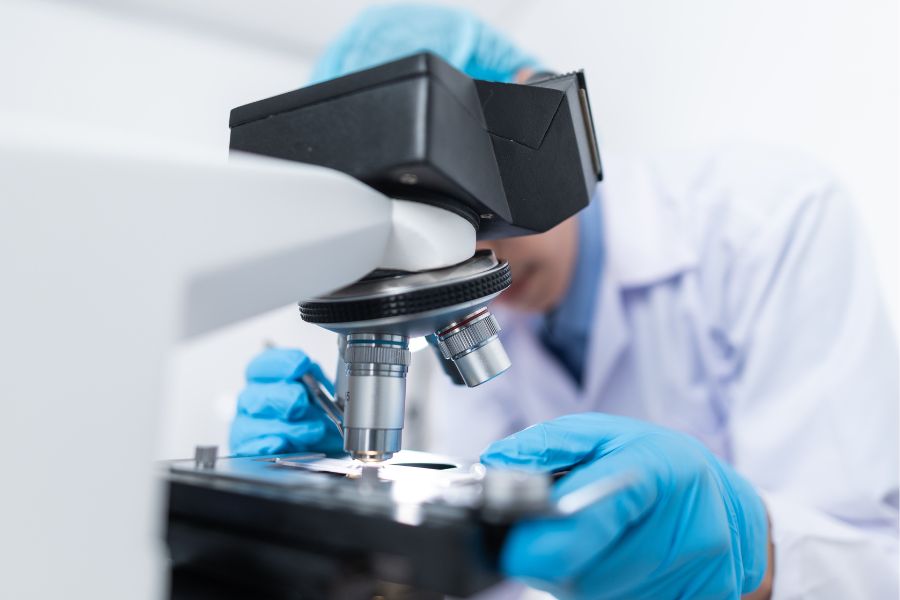
From finding cures for critical diseases and using technology to bolster global trade to unearthing solutions for a smart country and transiting to a net zero carbon economy, research and development (R&D) is going to be the driving force for India in the coming years. This blog examines India’s potential as the next global epicenter for R&D. India is emerging as an R&D hub in various markets like pharmaceuticals, automobiles, IT and biotechnology. Many factors like cheap labour, a highly skilled young workforce and strong domestic markets are driving growth in R&D. The United States, France and Singapore are some of the biggest FDI investors in India who are responsible for driving R&D in these economic sectors. Pune, Gurugram, Noida, Bengaluru and Hyderabad are some of the centres where the majority of R&D is being carried out. Companies like Amazon, Microsoft, Google, Daimler Chrysler, KPMG and E&Y are pumping in millions of dollars for innovation and the creation of better products and services. Image credit: Pexels According to the United Nations Conference on Trade and Development (UNCTAD), India’s R&D services exports grew fastest globally (2022). The country is also the world’s second-largest investor in R&D after the U.S. The country’s quest for innovation and, hence, the zeal for R&D has also pushed it from a rank of 81 in 2015 to 46 in 2021 in the Global Innovation Index (GII). R&D has become inevitable because of the constant pressure to cut down the time for the flow of operations and the need to find efficient solutions for modern problems. Earlier, R&D was predominant in developed nations only and, also, to the boundaries of a corporate firm. Nowadays, R&D centres are becoming global and gradually expanding to developed countries as well. Some of them have entered into unexpected newer markets like India & China. Explaining this trend, especially in the post-pandemic scenario, Pareekh Jain, Founder, Pareekh Consulting, stated: As things normalize across the world with regard to the COVID-19 pandemic, many MNCs are making public announcements of expanding their R&D centers in India or setting up new units. Notably, Indian R&D centres of global firms are doing high-end technology innovation work for global centers. What factors are driving R&D in India? India has been emerging rapidly as an R&D hotspot for MNCs as the country is strengthening its ‘Make in India’ story to be an integral part of the global value chain. These companies have already set up their dedicated and cutting-edge R&D facilities in India in high-tech areas to capture newer markets. Some of the factors which make India the next big thing in the international R&D landscape include: Availability of affordable workforce In India, the cost of labour is pretty low. Taking the U.S. as a benchmark, per hour wages are over US$ 7. But in India, it is well under US$ 5 an hour. This is well below the global average. Further, in tier II and tier III Indian cities, the labour costs are much lower. That is why, R&D is increasing manifold in India. Good educational institutes & skilled workforce The rise of good educational institutes has boosted the quality of the workforce. India has one of the largest higher education systems in the world – around 1000+ universities and 42,000+ colleges imparting exceptional education. Home to premier technological institutions like IITs & IISc, India has one of the best automotive, IT and financial workforces worldwide. Groundbreaking work India is one of the global leaders in IT innovation. It is among the top 10 global players in artificial intelligence (AI) and machine learning (ML). Not only this, but India is also among the top 5 in the pharma and electrical vehicle (EV) sectors. In fact, in the EV space, India just falls behind China. The country is also heavily invested in alternative power sources. Thanks to innovation in the energy sector as it aspires to curb carbon emissions and become a hydrogen economy! Huge domestic market Despite having a considerable value in the overseas market, India’s local markets absorb most of these products and services. This rise has been fuelled by the growing income and size of the Indian middle class and the growing demand for products and services due to the increasing penetration of industries like tech and automobiles in urban and rural areas. Most of these solutions are tuned according to the local preferences as well. Policy support The government has changed many of its policies as per the requirement of the companies that are providing foreign direct investments (FDIs) in India. Some of the measures taken by the government in this regard include encouraging funding for technology startups, incentives for R&D investments in technology, talent development and reskilling, and offering tax incentives to businesses for carrying out R&D activities. Besides, there are well-established intellectual property rights in place. Rise in global capacity centres Due to rising globalisation, there has been a rise in global capability centres (GCCs). This trend has played a huge role in evolving many sectors like software development or the common modernisation in India. Around a million technically qualified employees are a part of these sectors. And, about 40% of the staff members work in engineering, R&D and management roles in business processes. Fully digital companies who are investing in big data are heavily investing in setting up global capacity centres in India and not depending on third-party outsourcing. US GCCs are leading this as of now. The startup ecosystem India ranks third in the startup ecosystem as of now. Due to the favourable environment for startup growth in India, foreign collaborators here associate with local players by upping their R&D games. Most of the tie-ups and partnerships are in the tech and IT sectors as of now. Sectors with R&D potential India’s burgeoning demographic dividend presents numerous R&D opportunities across sectors. Some of these with mettle in the international innovation landscape include: Automotive R&D India has a lot of demand and potential in automotive R&D. There are companies like