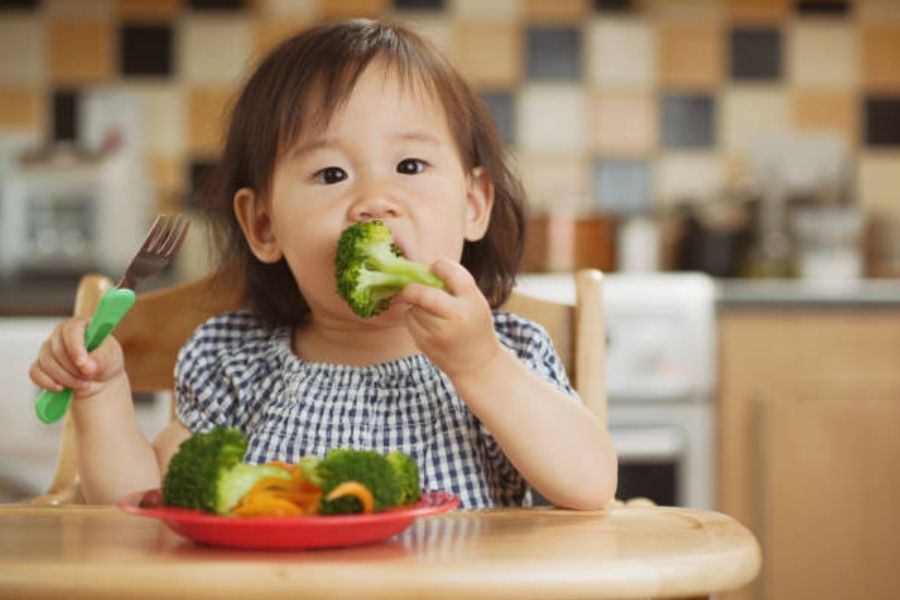
Global vegan food market for babies is expected to grow at a 20.5% CAGR from 2022-29, driven by its health benefits, increase in the willingness of parents to spend on their child’s nutrition, lactose intolerance and ethical consumerism. Currently, this niche market has very few players and presents an exciting opportunity to those planning to enter into this business. Image credit: Café Nutrition Consumers across the world are increasingly concerned about climate change and its ensuing effects on the environment. In other words, there is a surge in ethical consumerism which is impacting consumption trends across various industries. Be it sustainable fashion or the drive towards electric mobility, millennials all over the world are opening up to purchasing goods and services produced in a way that minimizes social and/or environmental damage. The food and beverage industry is no different as eating habits are changing too. Ethical Food Global Market Report 2021: COVID-19 Growth And Change To 2030 estimates the global ethical food market to grow from US$ 542.84 billion in 2020 to US$ 574.42 billion in 2021 at a compound annual growth rate (CAGR) of 5.8%. Veganism is an offshoot of this trend. An estimate by Grand View Research states that the global vegan food market size was valued at US$ 15.08 billion in 2021 and is expected to expand at a CAGR of 10.6% from 2022 to 2030. One of the major reasons for this was the rising awareness of various health benefits (eg maintaining BP & lower cholesterol) offered by plant-based food products has increased the consumer base of this industry. The concern about animal welfare is also a reason for the rise of this diet. Within this market, a small segment has been slowly and steadily taking ‘baby steps’ – the vegan food market for toddlers. The plant-based baby food products market for infants between the ages of four months and two yearswas valued at US$ 8.71 billion in 2021 and is expected to reach the value of US$ 38.72 billion by 2029, growing at a CAGR of 20.50% during the forecast period. Data Bridge Market Research attributes this surge to growing global infant population, increasing disposable incomes and associated health benefits in brain development and memory enhancement. The study states that Asia-Pacific (APAC) dominates the plant-based baby food products market, and it is expected to grow at the fastest growth rate in the near future. Vegan food for toddlers: Yay or Nay? One of the most pertinent things to keep in mind is that the early years of a child are crucial to his cognitive development. The question often arises that do plant-based baby foods carry the same nutritional value as their dairy and meat counterparts? Will they lead to a child’s cognitive and physical development? One of the key concerns about vegan food is that are they may be low in certain nutrients which are easily found in animal products such as vitamin B12, Creatine, Carnosine, vitamin D3, DHA and Taurine. Before delving into what studies have to say on this, let’s take a look at the key nutrients required by toddlers and the vegan food sources offering the same: PROTEIN: Pulses (peas, beans, lentils, soya), grains (wheat, oats, rice, barley, buckwheat, millet, pasta, bread), dry fruits, meat substitutes and nut butters. CALCIUM: fortified vegan milks and juices, tofu; blackstrap molasses; baked beans; textured vegetable protein (TVP) and dark green leafy vegetables. CARNOSINE: Asparagus . VITAMIN D: Sunlight, margarine, some vegan milks and fortified breakfast cereals. VITAMIN B12: Soy, enriched yeast extracts, breakfast cereals and shiitake mushrooms. CREATINE: Seeds (pumpkin, sesame) and nuts walnuts, almonds, pine nuts), legumes (beans, peas), and seaweed. IRON: Beetroot, pomegranates, cereals, legumes, green leafy vegetables, and dried fruits. ZINC: Pulses, nuts, chia seeds, ground linseed, hemp seeds, pumpkin seeds and quinoa. VITAMIN B12: Nutritional yeast, tempeh, fortified plant milk and breakfast cereals. DHA: Flaxseed, Chia Seeds, Hemp Seeds, Walnuts and Brussel Sprouts. VITAMIN A: Carrots, sweet potatoes, dried apricots, kale, spinach, butternut squash, papaya, red peppers and tomatoes. Numerous studies have concluded that plant-centred diets – vegetarian (not just vegan) – are safe for children. For example, a longitudinal study of children aged from six months to eight years in the US found there was no evidence of clinically meaningful differences in growth or nutritional status for children with a vegetarian diet in contrast to their omnivorous counterparts. Similarly, another study notes that plant-based drinks for toddlers can provide bioactive compounds such as PUFA and phytosterols. It recommends the use of soy milk in particular owing to its higher protein content along with some of the other nutrients necessary for a child’s development – vitamins A, B12, D and calcium. It recommends that: Given the fish restriction in vegetarians/vegans and the fact that plant-based drinks provide high amounts of phytates and tannins, which act as antinutrients, a good strategy for the industry would be to fortify plant-based drinks with iodine and zinc to improve the nutritional value of products aimed to vegetarians/vegans. Who are the key players and their customers? A few months ago, multinational food conglomerate Nestlé made headlines for introducing a vegan formula for infants containing proteins derived from potatoes, peas, quinoa, oat flour and sunflower. The product is developed for 1-3 age group and is a source of vitamins A, C, B2, B12, D, calcium & iron, as well as iodine, and Omega 3 & 6. Similarly, Australia’s Sprout Organic has developed a rice-based infant formula that is rich in ARA, DHA, minerals like potassium, calcium and magnesium, and vitamins like vitamin C, niacin, vitamin E, folic acid and vitamin B12. Another company with vegan baby food is HIPP. It has a range of organic vegan baby food jars. USA based vegan food brand Tiny Organics has recently expanded its range of whole veggies-forward finger foods for children as young as 4 months. Some of the other major players in the global vegan/plant-based baby food segment are Abbott (U.S.), Reckitt Benckiser Group plc (U.K.), Danone S.A.
Uncertainty demands innovation
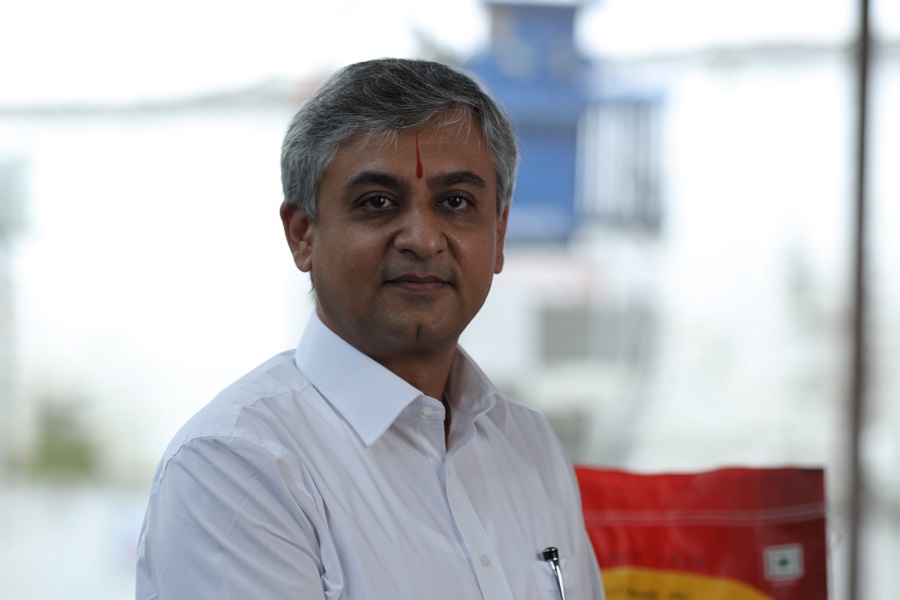
Hiten Bhimani, CEO, Shree Gajanan Industries spoke with IBT, ahead of the much awaited the 6th Edition of IndusFood event. Sharing his experience as an entrepreneur, Mr. Bhimani says that while COVID-19 period was challenging, but the pandemic made it essential to learn how to manage business and manufacturing disruption. Photo Source: Shri Gajanan Industries IBT: When did you start your brand Shri Gajanan Industries and what is the story behind its inception? What were the major milestones in this journey? Hiten Bhimani: Our journey started from humble beginnings in Nizamabad (previously a part of Andhra Pradesh and now in the state of Telangana). The story began in a compact shack in the year 1949. In 1969, the organization was formally reestablished under the brand name of Shree Gajanan Industries (SGI). On November 24, 2022 we celebrated our brand’s 53 years of excellence. SGI has an annual turnover of INR 275 crore. Several of our foreign clients have been with us continuously for over a decade. Some of SGI’s dedicated employees have been with the organization for four decades. One of our key achievements is to promote sustainable paddy cultivation with our co-founded venture Farm Chakra. Sustainable cultivation practices reduce seed requirement by up to 80% and water consumption by up to 50%. Crop yields are higher and soil quality improves over time. These initiatives allow us to guarantee pesticide residue-free produce and superlative quality standards which are now becoming the norm in international markets. IBT: What were some of the major roadblocks that you faced in this journey? What strategies did you adopt to get past them? Hiten Bhimani: Over the years SGI has witnessed a number of ups and downs. Some were more notable than others. In 2008 a big shock came in the form of rice exports being banned. We made a strategic decision to focus strongly on standardization. We invested a lot of energy and resources towards certifications. In 2012 we achieved the ISO 22000. In 2014 we got the FSSC 22000. In 2016 SGI was organic certified. In 2017 we obtained the GSFI certification. In 2018 we received the SEDEX Smeta for our ethical and social compliance practices. In 2019 SGI became a part of an MOU between the Chinese customs and the Indian Agricultural department for phyto sanitary certification. Another huge shock was COVID-19. International supply chains suffered severe damage during the crises. Our product is an essential commodity. Uncertainty demands innovation. The pandemic made it essential to learn how to manage disruption. The bedrock of our brand is our set of core guiding principles. SGI’s global presence is strongly guided by the ideals of the late Kanji Bhai, the fountainhead of our organization. His principles of honesty, integrity, perseverance, and commitment are inherited by each member of the team. We know that sustainability lies in putting good ethics, transparency, and competitive entrepreneurship before profits. That is how we at SGI build long term relationships. Focus on core parameters and strengths is important. Commitment to quality is without exception. Failures are milestones to success and avenues to learn. Leadership is critical in moments of crisis. Leaders must be decisive. IBT: What are some of the major trends that you are witnessing in the global F&B market? How well poised is the Indian F&B industry to capitalize on this trend? Hiten Bhimani: International markets are becoming highly quality conscious. The US, Australia, Japan, and particularly the EU are making their food import norms increasingly more stringent. In the near future the vast majority of global demand will shift to pesticide residue-free food grains. India’s agricultural sector is dominated by government policies. Chief among these is the MSP (minimum support price) scheme. The classification of rice by Indian authorities is overly simplistic and completely misaligned with global rice market norms. This makes effective marketing next to impossible. Many of India’s indigenous rice varieties have remarkable properties. Sadly these are being lost due to improper classification. These issues put a big strain on the ability of Indian food grain exports to compete globally. IBT: What are your company’s plans vis-a-vis market/product diversification? Tell us more about the reasons for going ahead with these markets or the innovation going behind venturing into these new products? Hiten Bhimani: SGI is a leading exporter of indigenous rice varieties, notably Sona masoori rice, Ponni boiled rice, Idly rice, Matta rice, Jeera rice SGI is highly specialized in these products which are table varieties of rice consumed by South Asian communities worldwide. We have loyal clients in the US and the EU to whom we have been exporting continuously for over a decade. SGI is happy to announce the first shipment to our new official distributors in Australia. We regularly export to Japan, China, GCC countries, and other regions. At present, we are looking to further expand our product reach in the EU and Latin America. We bring decades of excellence in quality and consistency. SGI products exceed the most stringent food grain import standards in place in the EU and elsewhere today. SGI is looking to further expand our product portfolio in highly demanding global markets with new product ranges including as spices, pickles, lentils, and more. IBT: What are your thoughts about Indusfood? What are your expectations from the upcoming edition of the show? Hiten Bhimani: Indusfood is easily among the most valuable events organized by the TPCI. Because it is sector-specific and invite-only, the relevance of Indusfood is very high. Buyers and sellers benefit from the right ambience and sufficient time to interact. Compared to other events, discussions at Indusfood have a superior probability of materializing into real contracts. The event format is close to optimal and I hope you don’t change it. I expect to return from Indusfood 2023 with more than one new business deal.
A.I powered robotic chefs: From HoReCa to Home
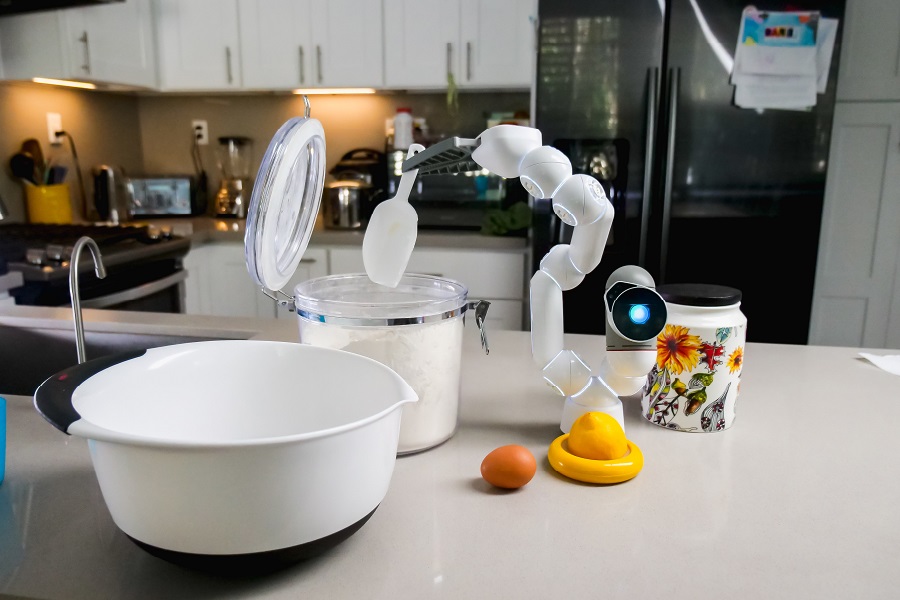
Imagine having Michelin-star food everyday at the comfort of your home. Technology has advanced to an extent that you no longer have to simply imagine it. We are already consuming food which are machine made, like ice-cream, chips and candy. Now artificial Intelligence powered robotics are here to cook a five-star meal for you. Photo Source: Pexel Depending upon the requirement and level of assistance needed for cooking, different kitchen robotics are available in the market. A.I. powered robotic kitchens eliminates any human interaction with the cooking process. Food industry is one of the latest segments to welcome artificial intelligence. While innovation of smart kitchen was undertaken in 2015, and the futuristic technology is a thing of the present. A.I. Powered Kitchen Appliances and Robotics It has rather become common to come across a high-end restaurant that utilise “automated cooks” which are equipped with “arms and hands” that imitate human movements. For example, Moley robotics is one such innovation which undertakes 100% charge of cooking. Cutting vegetables, sautéing, seasoning and finally garnishing the dish on your plate, this robotics kitchen will take care of the entire process. The makers of this innovation have designed the robotics in such a way that it can mimic the cooking style of renowned chefs. So, if you wish to have your sunny-side up prepared in Gordon Ramsey way, the robotics kitchen will make it happen. Moley robotics kitchen was designed by Mark Olyenik, a Ph.D. mathematician and computer scientist back in 2014. For two years, the prototype underwent several rounds of testing and modifications. In 2017, the company finalised on the concept of a futuristic kitchen which is equipped with smart kitchen appliances and robotic hands. In 2021, it made its commercial debut in the U.K market. Similar to Moley robotics, there are other robotic “chefs” available in the global market that can be programmed to cook various dishes. Some brands have said that their A.I programmed robots can cook upto 200 different variety of meals. But it is worth noting that these suave automated chefs are not easy to purchase and are a luxury item. This sophisticated technology is highly popular in nations such as United States, Canada, United Kingdom, Malaysia, Japan and United Arab Emirates. Semi-automated A.I. robots, however, function on different levels. Some robots are programmed to undertake specific tasks such as flipping omelette or dicing vegetables. These are guided by human inputs. For example, a semi-automated kitchen appliance can be designed to only stir the pot, while the cooking process such as dicing the vegetables, seasoning and serving the dish is done by humans. Semi-automated robotic appliance can be used to prepare one-pot meal such as Dal, pasta, soup and so on. Global Calling of A.I. Robotic Cooking As per a research study on ‘Global Cooking Robots Market’, there is a spike in demand for professional robots and co-bots in the HoReCa (hotels, restaurants, & cafes) segment. The study also suggests that global cooking robots market is estimated to exhibit a 15% CAGR during 2022-2028. Source: Verified Market Research A report by Verified Market Research states that Robot Kitchen Market size was valued at US $ 1.7 Billion in 2020 and is projected to reach US $ 4.4 Billion by 2028, growing at a CAGR of 12.6% from 2021 to 2028. The growth figures might differ by a margin but it is guaranteed that the Bot-Kitchen or Bot-Chef is expected to witness an upward trend in the coming years. At present, North America, Canada are leading the markets for A.I. powered kitchens and robotic chefs. In South Asia, countries like India, China, Japan, Malaysia and Singapore are the leading the demand for automated chefs/robots. From Exorbitant to Affordable! Fully automated kitchen robotics are a luxury item. For example, it can range anywhere between US $ 3,00,000 to US $ 3,40,000 (INR. 2,47,53,750 to INR. 2,80,54,250) It is highly unlikely for an average or middle-class income family to afford. In the recent years brands such as Moley, Samsung, HeroX, NVIDIA, Sony, Miso Robotics, QSR Automations and Spyce have launched kitchen robots in the U.S and European markets. In September 2022, the Xiaomi Mijia cooking robot launched for pre-order in China for 5,999 Yuan (INR. 70,906). The Xiaomi Mijia cooking robot seems more affordable and as the company claims, can cook up to three different dishes at once across the main pot, steamer and basket. Potential in India Indian brands such as Robot Nosh and Mechanical Chef are offering robotic chefs under Rs. 50,000. The latter company is expected to further reduce the price to Rs. 35,000. These affordable price range will pave way for robotic chefs to widen its reach in the HoReCa segment and residential markets as well. But these innovations can be categorized as semi-automated since it requires certain level of human engagement. While using Nosh robot, one has to place spices, diced vegetables and condiments in a designated tray and load it in the machine. The user can use Nosh robot app in their phone to choose a dish or select the dish menu on screen in the machine, and load the ingredients required to cook a specific dish. The Robot Nosh, brainchild of Bengaluru based entrepreneur Yatin Varachhia, can make upto 120 variety of dishes. Nosh is not the first robotic set-up, but it is India’s first custom-made automated cooking design. Similarly Chennai based company, RoboChef is the world’s first fully automated robotic kitchen cooking 800+ recipes with zero manual effort powered by IoT, Robotics & AI. Smart kitchen and automated chef have the capacity to create customised menus based on our dietary requirements and lifestyle. While international brands are equipped to cook pasta, pizza, burger or omelets, Indian rasoi needs a “helping hand” that can prepare range of dishes, from biryani to butter dosa. Bangalore-based Mukunda Foods is one company which is offers extra-ordinary robotic appliances to prepare rice, masala dosa and paranthas. Founded in 2012 by Eshwar Vikas and Sudeep Sabat, Mukunda Food’s innovations
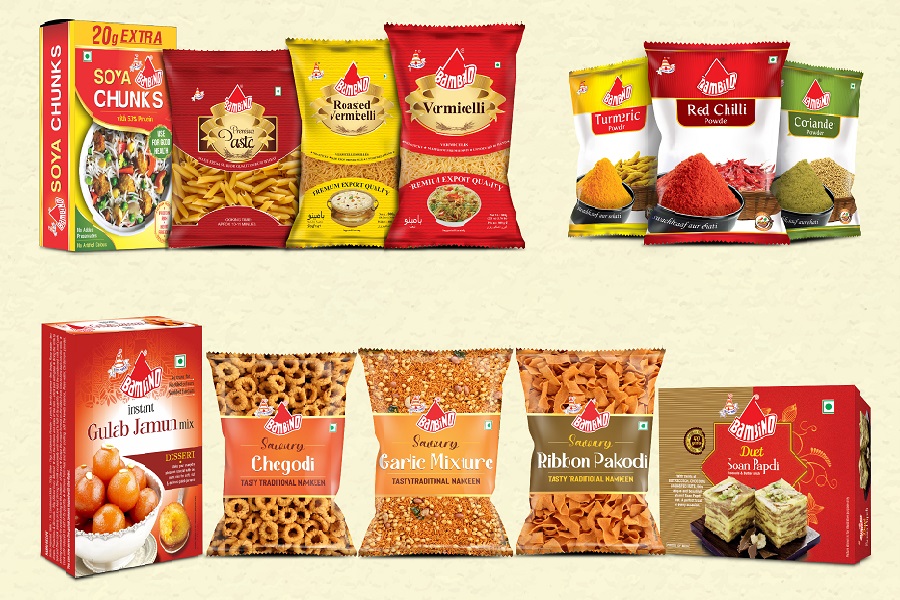
Bambino: Vermicelli and beyond
Back in the 1980s, Late Kishan Rao Myadam came across the vermicelli processing technology at a fair in Germany and decided to bring home this novel invention. This trip proved to be a turning point for the birth of Bambino Agro – the brand which became synonymous with vermicelli and pasta products. Today, the company has become a global brand with an array of food products in its kitty. When it comes to cooking there is a hidden chef in all of us. And one product that has become staple in households and can be cooked in no time by amateurs and experts alike is vermicelli. But what has made this thin noodle-like product so popular across the country is one brand – Bambino Agro. So much so, that people often use Bambino as a synonym for vermicelli! The making of India’s “Vermicelli Man” Back in the 1980s, Late Kishan Rao Myadam visited a technology fair in Germany and came across the vermicelli processing technology. He decided to bring in the product and its processing technology to India. After importing German machineries to India, Kishan Rao began worked towards creating a healthy life style food. He took the product door to door and often tested the taste and quality of the product by himself. He is rightfully so known as India’s “Vermicelli Man”. He is credited with taking vermicelli to every middle-income household and making it a part of our staple diet. Over the years the brand has become a household name, mainly because of the quality that it offers to the customers. Bambino’s vermicelli and its pasta range is made from 100% durum wheat with no added flour. Becoming a market leader in the country & abroad Today, Bambino is the highest selling vermicelli brand having largest market share in vermicelli and pasta segment in India. It is hardly a surprise that the two opposite regions of North India and South India are bonded by the strings of Bambino vermicelli. From the sweet taste of Semiya Kesari in Tamil Nadu to the delectable taste of Rava Semiya Idli from Karnataka to innovative recipes like Mango Vermicelli Halwa, Bambino vermicelli has become the go-to brand. Over the years, the company has forayed into the category of instant mixes, South India namkeen, sweet & ready-to-eat products. It is currently exporting to 20 countries – USA, Canda, UK, Israel, UAE, Saudi Arabia, Oman, Bahrain, Kuwait, Qatar, Kenya, Seychelles, Mauritious, Nepal, Sri lanka, Bangaldesh, Hong Kong, Taiwan, Singapore, Malaysia, Brunei, Phillippines, Indonesia, Cambodia, Japan, Australia and New Zealand. Bambino is also doing private label business for world’s renowned brands. This indigenous enterprise is aggressively increasing its market share in branded business through new product developments and launches. It has also been adaptive to the modern marketing tools and aggressively emphasizing on e-commerce in major countries.
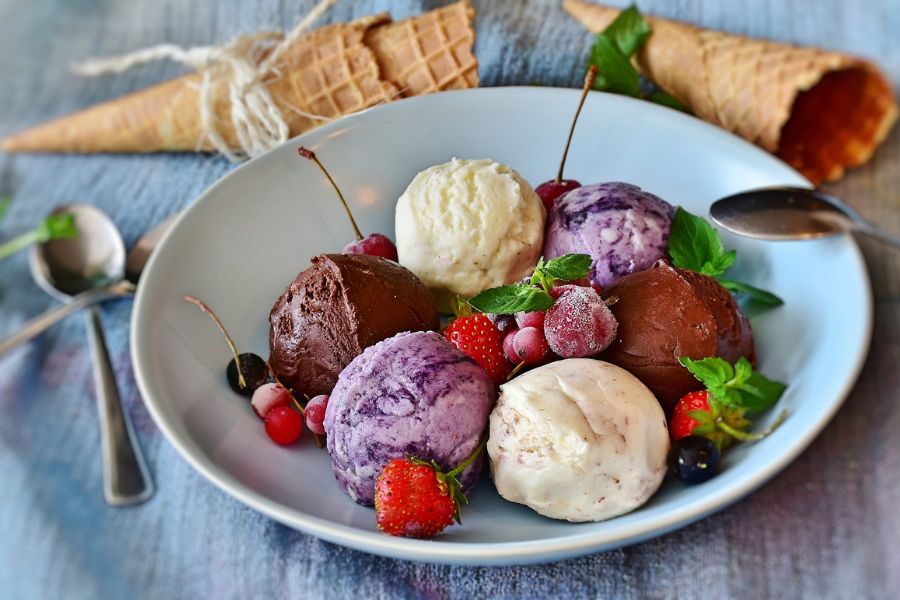
India’s sizzling frozen food market
Currently, India’s frozen food market is fragmented. It is projected to grow from US$1204.30 million in FY2021 to US$ 1841.28 million by FY2027F. Thus, there is a tremendous potential for new entrants to venture into this sector. Image credit: Image by -Rita-👩🍳 und 📷 mit ❤ from Pixabay With rise in dual career marriages, youth migrating to cities & living alone, digitization of F&B retail, increasing product innovation and advancements in cold chain landscape, the consumption of ready-to-cook and ready-to-eat food is rising. One such segment in the ready-to-eat/ready-to-cook segment is frozen food. From conventional products like ice-cream and frozen vegetables, to heat-and-eat & ready-to-cook meals like shahi paneer, convenience meals have become the go-to for millennials. Thus, the global frozen food market is projected to grow from US$ 244.3 billion in 2020 to US$ 312.3 billion 2025 at a CAGR. Similarly, the Indian frozen food market is projected to grow from US$1204.30 million in FY2021 to US$ 1841.28 million by FY2027F. It is hardly a surprise that companies like FroGo – India’s first & largest online frozen food store – are making waves in the Indian start-up ecosystem. Cooking up a storm! The Netherlands, the USA, Spain, Brazil & Canada were the top 5 exporters of frozen food. India stands 15th in the global food trade, according to ITC Trade Map. India needs to pull up its socks if it wants to be among the top 10 exporters of this product. Currently, India’s frozen food market is fragmented. Bikaji, Capricorn Food Products India, Chevon, Iscon Balaji Foods, Kohinoor Foods, Kuppies, Mccain, Meatzza, Nutritotal India and Top Fresh International are some of the top companies in this segment. Thus, there is a tremendous potential for new entrants to venture into this sector. Top 15 exporters & importers of frozen food in the world in 2021 S. No. Exporters Exported value in US$ billion in 2021 Importers imported value in US$ billion in 2021 1 United States of America 24.558007 China 38.679157 2 Netherlands 17.541389 United States of America 22.737343 3 Brazil 17.080652 Japan 19.886919 4 Germany 14.441831 Germany 13.766689 5 Spain 13.495049 France 10.899633 6 China 12.082098 Italy 9.587107 7 Australia 9.761491 Korea, Republic of 8.988202 8 France 9.534585 United Kingdom 8.769701 9 Belgium 9.343646 Spain 7.404022 10 Poland 8.625095 Netherlands 6.932094 11 New Zealand 8.250226 Hong Kong, China 5.73408 12 Canada 7.819788 Belgium 5.615539 13 Denmark 7.087916 Mexico 5.541809 14 Chile 6.794398 Russian Federation 4.414817 15 Italy 6.191805 Poland 0.0041956 Source: ITC Trade MapSome of the factors that make this market lucrative for new players in the segment include: Frozen foods are profitable because they run on economies of scale model. At the same time, they are often more affordable than their fresh counterparts. There is a huge demand for such products as urban dwellers prefer convenience food amid their busy lives. Recent innovations in the frozen food businessA lot of companies in the country are investing in novel technologies to stay ahead of their competitors. Some of the recent innovations in the frozen food business include: Freeze-drying – This technology is used by NASA preserve nutritional value, quicker rehydration and extend shelf life to improve the cuisine it sends for its astronauts. Cryogenic freezing – To minimize waste, these freezers speed up freezing process and reduce damage during production. Gases such as nitrogen and carbon dioxide are used for this process. Isochoric freezing – This freezing technology allows preserving biological matter at subfreezing temperatures without any ice formation in the products. Individual Quick Freezing – Companies like Saraf Foods, Taj Frozen Food India & Capricorn Group rely on this technology to ensure that the product maintains similar moisture, flavor and texture.Enhancing exportsClearly, India’s frozen food industry is at a nascent stage with numerous novel innovations and developments in the pipeline. Empowered with these innovations, Indian exporters can ship their products to a number of countries. In 2021, the top 10 importers of frozen food are China (US$ 28.7 billion), the United States of America (US$ 23.34 billion), Germany (US$ 12.73 billion), Japan (US$ 11.47 billion), France (US$ 8.27 billion), the United Kingdom (US$ 8.08 billion), the Netherlands (US$ 7.52 billion), Italy (US$ 6.57 billion), Korea (US$ 6.40 billion) and Hong Kong (US$ 4.40 billion). Domestic companies can, therefore, network with relevant stakeholders in these sectors and expand their business.
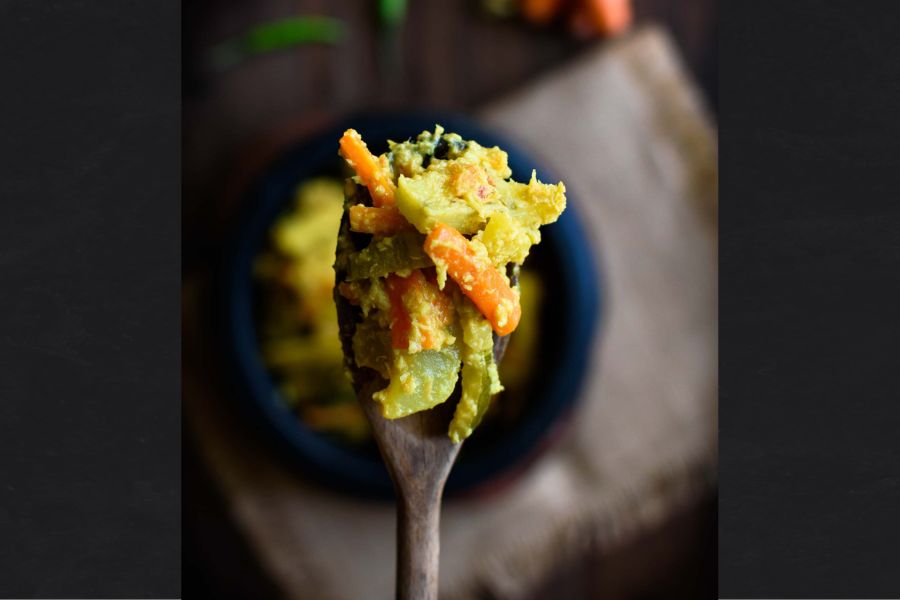
Avial: A zero waste dish with rich folklore
Avial or Aviyal is a popular South Indian vegetable stew served with either rice, poori, chappati or Dosa. It is healthy, aromatic and above all, involves no wastage of vegetables while cooking. Legend has it that this dish dates back to Mahabharata. Image credit: Goya Journal George Bernard Shaw, an Irish playwright, critic, polemicist and political activist, once said that “there is no sincere love than the love of food”. And when it comes to the love for food, it is often, not the Michelin star gourmet meals that one thinks of, but rather the food associated with our fondest memories stolen from the hectic moments of our mundane lives – piping hot noodles in the hills, crispy fritters and tea on a rainy day, hot coffee with a friend on a chilly day and the warmth of a home-cooked meal. One such mouthwatering delight comes from South India: Avial or Aviyal . The epitome of comfort food, Avial is a hot vegetable stew made in creamy coconut curry, typically served South Indian pancakes, or Dosa. Sometimes, this nourishing meal is also paired with rice, poori and chappati. This dish is ubiquitous across the households in Kerala, Tamil Nadu and parts of Karnataka, albeit there are regional variations and each version has a charm of its own. But did you know that this dish also has a mythological connection? Origin of the dish According to one version of an Indian folklore, the origin of Avial can be traced back to Mahabharata times. Pandavas, during their course of exile, spent years in the forests. It is said that Bheema, the 2nd eldest brother, assumed the name Ballava and joined the kitchen of Virata’s Matsya kingdom. Bheema, however, knew nothing about cooking! So, he cut up different vegetables, boiled them together and garnished it with grated coconut. The other folklore states that the Maharaja of Travancore used to perform an annual ritual where the entire kingdom came to participate and enjoy an elaborate feast. One year, there happened to be a shortage of curry on the last day of the ritual. The king visited the kitchen and found that a lot of vegetables were wasted and only a few vegetables were leftover from the previous days. Upon the king’s orders, the cook cut all the leftovers into long thin pieces and prepared Aviyal. The king ordered it to be served as the first item, hence, Avial is always served first in Onam Sadhya. A zero waste dish loaded with nutrition No matter which version is to be believed, Avial is a dish that is perfect for people with any kind dietary preference. But that is not all. This savoury food can be prepared with variety of vegetables that are left over and avoid any unnecessary wastage of food. This one pot meal is also very nutritious: According to health experts, it contains Vitamin A, Vitamin C, Vitamin B6, iron, zinc, phosphorous, magnesium & calcium. Some of the vegetables that are commonly used to prepare this dish include drumsticks, pumpkin, carrots, unripe bananas, curry leaves, yogurt, green beans and eggplant. Some variations also incorporate raw mango or even soaked tamarind water.

Feni: Goa’s magical cashew brew
Endowed with a tropical climate, Goa is a paradise for any holiday-goer. The state is known for its mesmerizing beaches, rich cultural heritage and delectable cuisine. Among other culinary jewels that Goa has within its store, is Feni, the state’s signature local drink that earned G.I tag in 2009. Image credit: Mangaluru Blog Feni, Goa’s signature brew dates back to the 16th century when the Portuguese rulers in India brought different fruits and vegetables with them through international trade. The Portuguese first introduced cashew trees in India to prevent soil erosion caused by heavy monsoon rain in Goa. Although cashew nut is a native of Brazil, given the similar quality of the soil and the weather conditions, cashew plantations thrived in Goa. Over the years, India has become one of the largest exporters of cashew nuts in the world. Feni is made out of ripe cashew apples. It is believed that the cashew apples used for Feni were those which the Portuguese did not want. The word Feni is derived from the Sanskrit word Phena, which means froth. The concoction turns frothy when shaken in a bottle or poured in a glass. This intoxicating beverage was registered under the Geographical Indications of Goods (Registration and Protection) Act or GI tag on 5th March 2009. The local toddy is famous in the state and is consumed often by the local inhabitants to cure cough, cold, upset stomach due to its medicinal properties. Process of making Feni This heritage drink is prepared during the cashew apple harvesting season from February to May from cashew apples with strength above 45%. This strength is gauged by looking at the size of the bubbles formed when it’s poured into a glass. In the traditional method of making cashew Feni, only tree ripened cashew apples that have fallen are picked. The cashew apples are de-seeded and then dropped into the stomping area. This area is called a ‘colmi’ and is usually a rock cut into a basin shape. Image credit: Goa government The cashew apples are stomped to release the juice. Although the traditional practice involves crushing the cashew apples from bare feet, the practice has now evolved to automated pressing machines. The first extract is called ‘neero’, and is non-alcoholic. The fresh neero is traditionally collected in a large earthen pot called a ‘kodem’ and buried halfway in the ground and left while the juice ferments for three days. The juice is now fermented in plastic drums to maintain the hygiene and quality. Fermented cashew fruit juice is then transferred into pots for distillation. To prepare Feni, the process is a triple distilled spirit. The first distillate of the fermented neero is known as ‘urrack’, about 15% alcohol (30 proof). Urrack is then mixed with neero in a proportion determined by the distiller, and redistilled to give a spirit called ‘cazulo’ or ‘cajulo’ (40-42% abv). Cazulo or Cajulo is again distilled with urrack to give a high strength spirit called feni (45% abv). Whether you drink this fruity country liquor on an outing, or use it for medicinal purpose, Feni is an experience in itself.
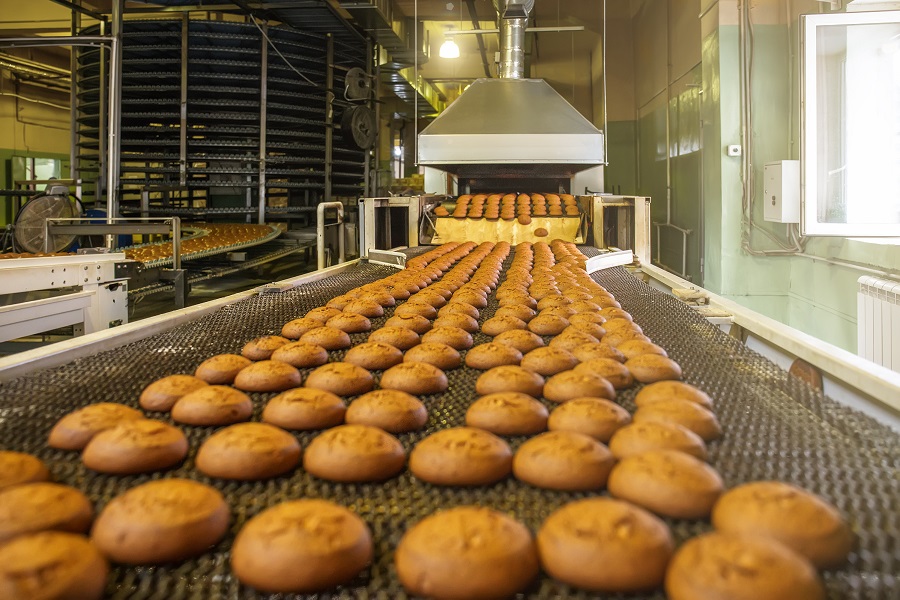
Trend alert: The major innovations in food storage
At a time when hunger affected 828 million people in the world in 2021 (UN), an efficient cold storage infrastructure along with innovative packaging technology can be a game-changer for the food and beverage industry. The World Economic Forum estimates that more than 250 million tonnes of food (translating as over US$ 310 billion annually) is wasted annually in developing countries. It adds that in developing countries, 40% of food loss occurs after harvest and early in the supply chain. At a time when hunger affected 828 million people in the world in 2021 (UN), an efficient cold storage infrastructure along with innovative packaging technology can be a game-changer for the food and beverage industry. A number of companies are coming up with innovative solutions to help improve the cold chain process and thereby, improve the overall efficiency of the food system. One such technology that is currently being deployed by a few F&B companies includes IoT-enabled remote monitoring systems. Such technology can enable supervisors to action if the temperatures are fluctuating beyond the requisite limits and save precious food. Navi Mumbai-based cold-chain marketplace startup, Celcius offers an aggregator platform that connects clients with cold-chain transportation and warehousing service providers. It has a robust ecosystem of 2000 reefer vehicles and 75 warehouses. It provide cold storage solutions across various sectors including dairy, pharma, fresh food and seafood. To reduce the perishability of food products, some domestic companies have also started using Individual Quick Freezing (IQF), to ensure that the product maintains similar moisture, flavor and texture. Saraf Foods, Taj Frozen Food India, Capricorn Group & IQF Foods Limited are currently using this technology. At the same time, vacuum frying technology is also gaining momentum in the country. The former technique makes snacks healthier by bringing down their fat content by up to 80% while they retain up to 90% of their nutrients. Companies like Frubites, Wayanad Organic Research, Crimz & Orbela Agro Foods, among others are using vacuum frying technique. Another startup with innovative farm-to-folk solutions is Ecozen Solutions. Founded by 3 IIT Kharagpur alumini, the company is associated with a solar micro cold storage system to meet the demands for storage needs of farmers. So far, the startup has helped 82k farmers, reduced food wastage by over 19k MT & generated 945 million KWH clean energy. Lastly, a company has come up with a solution that erases the need for cold storage or cold supply chains altogether! GreenPod Labs, an agri-biotech startup has designed to extend the shelf life of fruits and vegetables by up to 12 days. The cherry on the cake is the fact that these sachets are eco-friendly, available at fairly competitive prices and helping the farmers to get a better price for their produce.
Vadilal ice cream: A treat for the soul for 100 years
Over the course of 100 years, Vadilal ice creams have won the hearts of millions of people in India & around the world. Today, you can enjoy it’s ice cream in every major countries and reminisce the sweet flavour it has retained throughout the decades. Here’s the story of the beloved Indian ice-cream brand that invokes a sense of nostalgia amongst every generation. New Delhi, November 24: Pleasant flavour and fragrance of a dish can leave a lasting impression on your mind. We associate brands with those sweet memories of relishing our favourite food such as ice-creams. India is home to some reputable legacy brands who offer the same quality taste of food for decades, & Vadilal is one such brand. Every Indian, of every generation, is familiar with the word Vadilal. Long before any foreign dairy brands could debuted in India, Vadilal came be known as a synonym for flavourful frozen creamy treats. Today, it is one of the leading ice-cream and frozen food brands that has been loved and cherished for generations in our families. History of Vadilal The journey of Vadilal began with a simple, humble beginnings over a century ago. In 1907, Owner of Vadilal, Mr.Vadilal Gandhi set up a small shop of soda fountain in Ahmedabad, Gujarat. After a few years, Mr. Gandhi began making ice-cream at the shop using the old “kothi” method of churning milk cream. In 1927, his sons too joined his business and they opened their first ice-cream shop. In a span of two decades, the family business bloomed and Vadilal ice-creams became a household name. Legacy of Vadilal ice-creams has become an emotion for those with sweet-tooth. While taking a stroll through Delhi’s Kartavya Path, people of all age can be seen enjoying Vadilal ice creams even during peak chilly winters. Such is the fondness of ice-cream lovers towards the brand. It’s International Footprints Today, the company sells variety of products like frozen foods including fruits, vegetables, RTE snacks, dairy, & bakery products, among other things but its most popular selling point remains ice-cream. The company is currently present in more than 45 countries across North America, Europe, UK, Middle East, South East Asia, Australia, New Zealand, Africa. In USA, the brand has leaped ahead to become America’s largest Indian ice cream brand and a leading player in Indian frozen food category.
Daulat ki Chaat: A jewel in Delhi’s crown
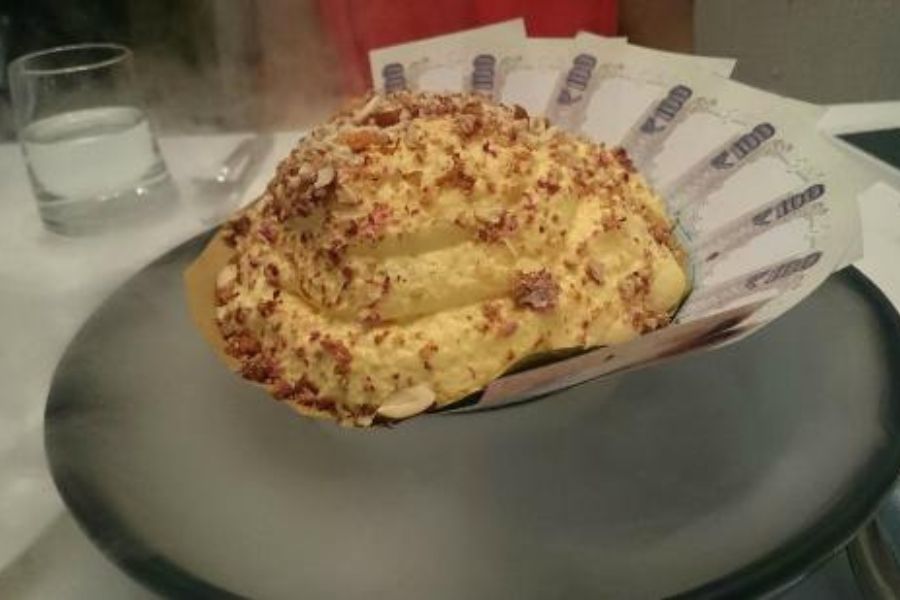
Did you know that Princess Jahanara, daughter of the emperor Shah Jahan, designed the empire’s first “resort” at Chandni Chowk in Delhi serving Daulat ki Chaat? To know more interesting facts about this winter dessert, read on! Source: Indian Express Nestled in the alleys of Old Delhi, is a legendary dish loaded with the flavours of saffron, khoya and sometimes nuts, popularly known as ‘Daulat Ki Chaat’. It is believed that this delectable delight originated from the Botai tribe in Afghanistan using mare’s milk and eventually made its way to India through the Silk Route and sea traders. Mughals are believed to have introduced saffron, khoya and dry fruits to the dish. Princess Jahanara, daughter of the emperor Shah Jahan, is said to have designed the empire’s first “resort” at Chandni Chowk in Delhi, and daulat ki chaat was a cherished gastronomical treat during the winters. At the same time, some people believe that iconic dish comes from Gujrati traders, while there are still others who opine that this dish originates from Lucknow. While this dish is called ‘chaat’, it is interesting to note that it is anything but savorury, spice or tangy. Rather, this dish is called chaat, drawing its connotation from the Hindi word which means licking. A hearty treat for those with a sweet tooth, this delicacy was its name to the process by which it is made: after churning milk for a couple of hours, the light cream that floats atop is separated & garnished with a dash of saffron and a hint of sugar. ‘Daulat’ is an Arabic word which means money or fortune, indicating that this is a regal delicacy, owing to the addition of dry fruits. According to some people, the froth, which is the USP of this dish, is so delicate that it was regarded as wealth. Legend has it that this sweet could only be made on chilly moonlit nights due to its short shelf life. It is fascinating to note that this mouthwatering sweat meal has a very robust fan base till date. Famous actor, Priyanka Chopra, recently binged on this delicacy at Indian Accent that is rated among top 50 in the world. To her surprise, the dish was actually loaded with INR 500 notes! The celebrity uploaded these images on her Instagram page. Some of the other places serving the best Daulat ki Chaat in the city include Gupta ji’s shop at Sitaram Bazaar, Babu Ram & Khemchand in Chandni Chowk.