Andhra Pradesh Chief Minister N. Chandrababu Naidu recently announced that Google will invest ₹88,000 crore (US$ 10 billion) over three years in data centre and AI projects in Visakhapatnam through its subsidiary Raiden Infotech. The initiative will create around 1,88,000 jobs and add ₹10,518 crore annually to the state’s GSDP between 2028–2032. The facility will feature three campuses, submarine cables, metro fiber networks, and support infrastructure. The project aligns with green energy goals, fosters AI and cloud innovation, drives growth in power, real estate, and telecom, and strengthens Andhra Pradesh’s investor-friendly policies and “Digital Andhra” vision. Andhra Pradesh Chief Minister N. Chandrababu Naidu on Friday (10 October) announced that Google will invest ₹88,000 crore (approximately US$ 10 billion) over the next three years in data centre and Artificial Intelligence (AI) projects in Visakhapatnam (Vizag). CM Naidu described the investment, made through Google’s subsidiary Raiden Infotech India Ltd, as a “gamechanger” for the state’s economy, noting that it represents the largest single private investment in India since the introduction of financial reforms. While addressing an event at Nellore where multiple private projects were inaugurated, Mr Naidu stated that the government has finalised plans for Google’s data centres and AI initiatives in Vizag. He noted that this monumental investment will transform Andhra Pradesh into a leading technology and innovation hub in southern India in the coming years. Transforming Andhra Pradesh into a technology hub The state officials noted that Google’s investment will fund multiple large-scale data centres, cutting-edge AI research facilities, and critical infrastructure to enhance cloud computing and digital services. The partnership is expected to create thousands of direct and indirect employment opportunities, while the state government and Google will jointly implement skill development programmes to train young professionals in areas such as machine learning, data analytics, and cloud architecture. According to sources in the Andhra Pradesh Information Technology, Electronics & Communications (ITE&C) Department, Google’s facility will consist of three major data centre campuses in Adavivaram and Tarluvada (Visakhapatnam district) and Rambilli (Anakapalli district), all expected to be operational by July 2028. The development will include three high-capacity submarine cables through dedicated landing stations, extensive metro fiber networks, and associated telecommunications infrastructure. Independent assessments by Access Partnership and Google’s economic modelling estimate that the project will contribute an average of ₹10,518 crore annually to Andhra Pradesh’s GSDP during its first five years (2028–2032). It is also expected to generate around 1,88,220 direct and indirect jobs each year across construction, data centre operations, engineering, IT, and supply chain roles. Infrastructure, green initiatives, and policy support Industry analysts see Google’s investment as a significant affirmation of Andhra Pradesh’s robust infrastructure, progressive policies, and effective governance. CM Naidu, a consistent advocate of the “Digital Andhra” vision, stated that the collaboration bolsters the state’s goal of emerging as India’s leading centre for AI and data innovation, in line with the broader national vision of Digital India and advancements in artificial intelligence. He further added that the government expects the data centre to drive growth in ancillary sectors such as power, fibre optics, real estate, and telecommunications, while also supporting upgrades to road and power infrastructure and increasing state revenues through SGST, electricity duty, and property tax once the incentive period ends. Mr Naidu stated that Google’s investment reflects strong global confidence in Andhra Pradesh’s governance, policy consistency, and implementation efficiency. He highlighted that the state provides single-window clearances, proactive support, dependable power and water supply, integration of renewable energy, and ready-to-use industrial infrastructure. The project aligns with the state’s vision for green data centres powered by renewable energy. Additionally, a dedicated Emerging Technologies Cluster will be developed around the facility to attract AI and cloud technology firms. It is to be noted that the Andhra Pradesh State Investment Promotion Board (SIPB), headed by Chief Minister N. Chandrababu Naidu, had recently approved 30 investment proposals totaling ₹1.14 trillion, including a US$10-billion data centre by Google. A state government statement said these projects cover sectors such as information technology, fuel, tourism, aerospace, food processing, and more. The government stated it will keep promoting ease of doing business by implementing policy reforms and providing fast-track approvals for investors. Conclusion Google’s US$ 10-billion investment in Visakhapatnam is a landmark move that not only strengthens Andhra Pradesh’s “Digital Andhra” vision but also enhances its position as a national hub for AI, cloud, and data innovation. Beyond generating nearly 1.88 lakh jobs and boosting GSDP, the project will drive infrastructure upgrades, support ancillary industries, and promote green data centres. Coupled with proactive policies, single-window clearances, and skill development initiatives, it underscores the state’s appeal to global investors. Read more Google $10B data centre in Visakhapatnam to boost India’s cloud market Google I/O 2025: Smarter search, beam, and Gemini upgrades FAQ What is the total investment Google is making in Andhra Pradesh? Google, through its subsidiary Raiden Infotech, is investing ₹88,000 crore (approximately $10 billion) over the next three years in data centre and AI projects in Visakhapatnam. How many jobs will the project create? The project is expected to generate around 1,88,000 direct and indirect jobs annually across construction, data centre operations, engineering, IT, and supply chain sectors. What is the expected contribution to Andhra Pradesh’s GSDP? The investment is projected to add ₹10,518 crore annually to the state’s GSDP between 2028 and 2032. Where will the data centres be located? The facility will have three major campuses in Adavivaram and Tarluvada (Visakhapatnam district) and Rambilli (Anakapalli district). How is the state facilitating the investment? The government provides single-window clearances, fast-track approvals, reliable power and water, plug-and-play industrial infrastructure, and proactive investor support.

Google $10B data centre in Visakhapatnam to boost India’s cloud market
Google plans a US$ 10 billion hyperscale data centre cluster in Visakhapatnam, Andhra Pradesh, spread across three campuses and targeted to be operational by 2028. The project will support AI workloads, cloud services, and enterprise computing while emphasizing renewable energy and sustainable operations. With advanced infrastructure like submarine cables, microgrids, and energy-efficient cooling, the centre promises reduced latency, local jobs, and economic growth. This investment positions India as a key player in regional digital and cloud infrastructure, blending technological advancement with environmental responsibility. Alphabet-owned Google is planning a major push into India’s cloud and AI infrastructure with a proposed $10 billion investment to build a 1-gigawatt data centre cluster around Visakhapatnam, Andhra Pradesh. The project, reportedly spread across three campuses in Adavivaram, Tarluvada, and Rambilli, could become one of the largest digital infrastructure investments in India, highlighting the country’s rising importance in the global tech map. The scale of this investment is unprecedented. It would include submarine cables, dedicated landing stations, metro-fiber links, and high-capacity infrastructure capable of supporting cloud services, data storage, and AI workloads. For Google, locating data centres closer to growing Asian markets reduces latency and meets the rising demand for compute-heavy services such as machine learning, streaming, and enterprise cloud. For Andhra Pradesh, the economic promise is substantial: high-value construction and operations jobs, local supply chain engagement, and upgraded digital infrastructure that could attract other tech firms. However, land acquisition and legal disputes remain challenges, with authorities working to resolve community concerns and ensure fair compensation. How much power does a hyperscale data centre consume and why is energy important? A facility like Google’s Visakhapatnam campus can consume hundreds of megawatts of electricity — comparable to the needs of a small city. Most of this power is used to run servers, storage systems, networking equipment, and advanced cooling systems that prevent overheating and maintain optimal performance. Energy efficiency directly impacts operational costs and environmental footprint. Advanced cooling techniques, energy-optimized servers, and efficient design help reduce both electricity use and carbon emissions. Many modern data centres aim for a Power Usage Effectiveness (PUE) ratio close to 1.1, meaning nearly all energy goes into computing rather than overhead. How do data centres source electricity sustainably? Leading companies increasingly rely on renewable energy like solar, wind, or hydro. They may enter long-term power purchase agreements (PPAs) or invest in local renewable projects. Coastal data centres, such as Visakhapatnam, can integrate microgrids and battery storage to balance supply and demand while maintaining uninterrupted operations. What safeguards ensure reliability and resilience? To maintain uptime for cloud and AI services, data centres deploy redundant power lines, backup generators, uninterruptible power supplies (UPS), and advanced cooling systems. They are often designed to withstand grid fluctuations, extreme weather, and other operational risks. How do sustainable measures benefit local communities? Efficient operations and renewable power reduce strain on local grids and lower emissions. Moreover, large-scale data centre projects generate skilled jobs, infrastructure upgrades, and opportunities for local suppliers, while minimizing environmental impact. As hyperscale data centre demand grows in India, Google’s Visakhapatnam cluster would accelerate the country’s transformation into a regional hub for cloud computing and AI services. Beyond economic gains, it poses a blueprint for combining digital growth with sustainability, showing that large infrastructure projects can serve both technological and environmental goals. With discussions between Google and Andhra Pradesh officials ongoing, the project could mark a landmark moment for India’s digital economy, where power management, sustainability safeguards, and community benefits are as critical as servers and cables. FAQs: 1. What is the capacity and investment of Google’s Visakhapatnam data centre? Google plans to invest $10 billion to build a 1-gigawatt hyperscale data centre in Visakhapatnam, Andhra Pradesh. This facility will be Google’s first major data centre project in India and the largest in Asia. 2. How does Google ensure sustainability in its data centres? Google is committed to operating the world’s most energy-efficient computing infrastructure. In 2024, the average annual Power Usage Effectiveness (PUE) for Google’s global data centres was 1.09, significantly lower than the industry average of 1.56. This efficiency is achieved through advanced cooling systems, AI-driven temperature controls, and optimized power distribution. 3. What renewable energy sources will power the Visakhapatnam data centre? Google has allocated $2 billion specifically for renewable energy infrastructure to power the Visakhapatnam data centre. The company aims to run its data centres on 24/7 carbon-free energy by 2030, sourcing electricity from solar, wind, and hydroelectric projects. 4. How does the data centre impact the local community? The Visakhapatnam data centre project is expected to create numerous job opportunities and stimulate local economic growth. Google plans to collaborate with local communities to provide employment and support regional development. 5. What are the challenges associated with the data centre project? The project has faced legal challenges related to land acquisition, with some disputes arising over compensation and ownership. However, the Andhra Pradesh government is actively working to resolve these issues to ensure the timely completion of the data centre.
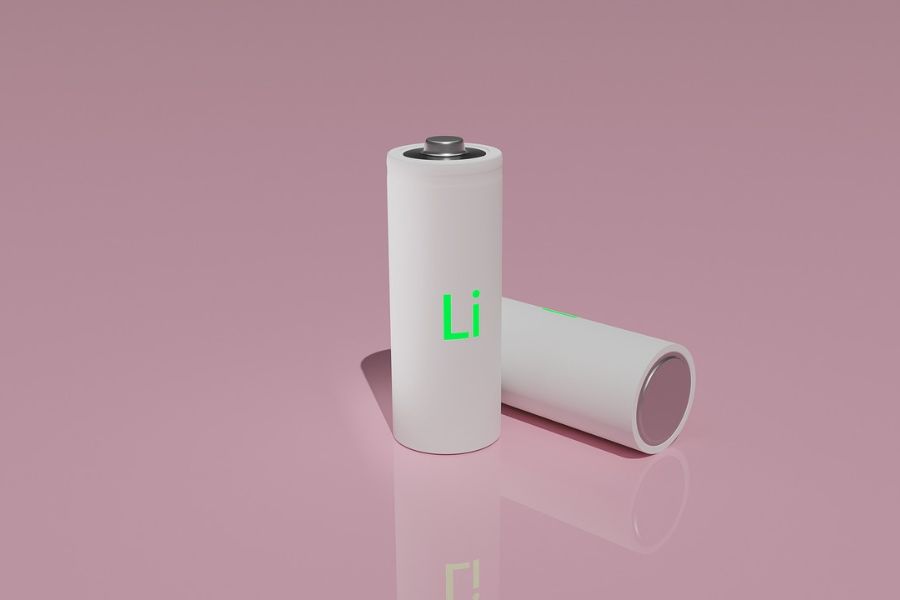
Turning waste into wealth: India’s bold leap in critical mineral recycling
The Ministry of Mines’ Rs. 1,500 crore Critical Mineral Recycling Incentive Scheme aims to recover key minerals from e-waste, lithium-ion batteries, and other scrap, boosting India’s supply of lithium, cobalt, nickel, rare earths, and platinum group metals. Running from FY26 to FY31, the scheme offers Capex and Opex support to large recyclers and start-ups, targeting 270 kilo tonnes of annual recycling capacity, 40 kilo tonnes of mineral output, Rs. 8,000 crore in investment, and 70,000 jobs. The Ministry of Mines has released comprehensive guidelines for the Critical Mineral Recycling Incentive Scheme, aimed at recovering valuable minerals from waste such as e-waste, spent lithium-ion batteries, permanent magnets, catalytic converters, and alloy scraps. Announced on September 8, 2025, under the National Critical Minerals Mission, this Rs. 1,500 crore initiative is designed to help India secure critical minerals including lithium, cobalt, nickel, rare earth elements, and platinum group metals. According to the guidelines, the scheme will benefit recyclers of secondary products engaged in the recovery of these minerals. Beneficiaries will be classified into two groups based on their global manufacturing revenue. Group A will comprise large, established recyclers with revenues of at least Rs. 200 crore. They will be required to invest a minimum of Rs. 100 crore and establish facilities with an annual capacity of 10,000 tonnes. Group B will include smaller recyclers and startups with revenues below Rs. 200 crore, requiring an investment of at least Rs. 25 crore and facilities with a capacity of 5,000 tonnes per year. The scheme allocates a total of Rs. 1,485 crore, with Rs. 700 crore earmarked for lithium-ion battery recycling, Rs. 650 crore for e-waste recycling, and Rs. 135 crore for other waste streams. Of the total, Group A will be eligible for incentives of up to Rs. 990 crore, while Group B will receive up to Rs. 495 crore, with provisions allowing for the reallocation of unused funds between groups. The incentives will be provided in two formats—capital expenditure (Capex) subsidies and operational expenditure (Opex) support. Capex subsidies will range between 14% and 20%, depending on how quickly projects commence production after obtaining environmental clearance. Opex incentives will be tied to incremental sales, with 40% disbursed in the second year and 60% in the fifth year. Group A recyclers must achieve sales of Rs. 60 crore in year two and Rs. 150 crore in year five, whereas Group B recyclers must reach Rs. 30 crore and Rs. 75 crore, respectively. The incentives will be capped at Rs. 50 crore for Group A and Rs. 25 crore for Group B. The scheme aims to strengthen India’s supply security of critical minerals, foster innovation, support startups, and position India as a hub for sustainable recycling technologies. These minerals are essential for clean energy, electric mobility, electronics, and advanced manufacturing but are concentrated in a few regions globally, creating significant supply risks. By promoting recycling and recovery from secondary sources, the government intends to reduce import dependence and develop a circular economy for high-value materials. The scheme’s incentives are projected to establish at least 270 kilo tonnes of annual recycling capacity, resulting in approximately 40 kilo tonnes of annual critical mineral production, attracting about Rs 8,000 crore of investment and generating close to 70,000 direct and indirect jobs. Before formulating the scheme, several rounds of consultations with industry and other stakeholders were conducted through dedicated meetings, seminar sessions, and similar engagements, the statement said. The scheme will span a tenure of six years from FY26 to FY31. Eligible feedstock will include e-waste, Lithium Ion Battery (LIB) scrap, and scrap other than e-waste and LIB scrap, such as catalytic converters from end-of-life vehicles. Expected beneficiaries will comprise both large, established recyclers and small, new recyclers (including start-ups), for whom one-third of the scheme outlay has been earmarked. The scheme will apply to investments in new units as well as expansion of capacity/modernisation and diversification of existing units. It will provide incentives for the recycling value chain engaged in the actual extraction of critical minerals, and not for the value chain involved solely in black mass production. This scheme will support the recycling of e-waste, LIB scrap, and catalytic converters from end-of-life vehicles. “It will provide targeted incentives to both large recyclers and emerging start-ups, fostering innovation, modernisation, and capacity expansion across the recycling ecosystem,” Union Minister for Heavy Industries and Steel H D Kumaraswamy said in an official statement. The China Factor The Critical Mineral Recycling Incentive Scheme has emerged in response to China’s export restrictions announced on April 4, which targeted seven medium and heavy rare earth elements — samarium, gadolinium, terbium, dysprosium, lutetium, scandium, and yttrium — disrupting the supply chain for permanent magnets. China controls around 60–70% of global production and over 85–90% of refining capacity, securing a dominant position across the entire rare earth supply chain, from extraction to the manufacture of high-performance magnets. Although China later eased export curbs for India, the move served as a wake-up call globally, and for India in particular, to build a stable domestic supply chain. This urgency has especially affected electric vehicle (EV) manufacturers, who have been prompted to seek alternatives. India’s current requirement for magnets stands at 5,000–6,000 tonnes annually, a demand projected to rise due to growth in sectors such as wind energy, robotics, drones, and the automotive industry. While India possesses significant deposits of rare earth elements, it lacks the technology and capacity for mining, processing, and refining them. Moreover, environmental and regulatory challenges exist in some regions such as Rajasthan and along the western coast. Building a supply chain to meet domestic needs will take considerable time, prompting India to explore solutions through localisation and industry incentives. Read more India’s solar potential soars: NISE maps 3,343 GWp from wastelands Driving sustainable energy and waste solutions with Ankur Scientific FAQs Q1. What is the Critical Mineral Recycling Incentive Scheme 2025?The government’s ₹1,500 crore initiative to recover lithium, cobalt, nickel, rare earths, and platinum group metals from e-waste, spent lithium-ion batteries, and industrial

Households experience relief as price pressures ease
Indian households are beginning to see relief from persistent inflation, according to the RBI’s September 2025 Inflation Expectations Survey of Households (IESH). The survey, covering 6,082 respondents across 19 cities, showed slower expected-price-rises in food, non-food products, housing, and services, though current inflation perception edged up slightly to 7.4%. Short-term and one-year inflation expectations fell to 8.1% and 8.7%, respectively. Younger respondents (up to 25 years) perceived lower inflation, while among cities, Kolkata reported the highest perception of current inflation. Indian households are beginning to experience respite from ongoing inflation. In the latest round of the Reserve Bank of India’s (RBI) bi-monthly Inflation Expectations Survey of Households (IESH), respondents reported an overall easing of price and inflationary pressures. The September 2025 survey indicated a slowdown in expected price rises across key product categories, even as the perception of current inflation edged up slightly. This easing was noticeable across major sectors: Food and non-food products: Households anticipated slower price increases compared with previous survey rounds. Housing and services: Respondents reported reduced pressures, indicating a stabilization in rents and service costs. Conducted between August 28 and September 06 across 19 major cities, the survey gathered 6,082 responses. Although easing has been observed, households’ inflation expectations are still above the RBI’s medium-term target 4%. Inflation perceptions and expectations The findings of the survey revealed that the median perception of current inflation increased marginally by 20 basis points to 7.4% compared with the previous round. However, near-term inflation expectations recorded a decline. Inflation expectations for the next three months fell by 20 basis points to 8.1%, while one-year ahead expectations dropped by 30 basis points to 8.7%. At both horizons, the share of households anticipating higher prices and inflation was lower than in the earlier round. Product-wise, 77.8% of households anticipated a price rise in the coming three months, compared with 79.5% in the earlier survey. Over a one-year horizon, 86.8% expected higher prices, slightly lower than 88.1% previously. Differences also emerged across age groups. Respondents up to 25 years reported the lowest current perception of inflation at 7.0%, while households above 60 years reflected a higher level at 7.9%. City-wise, Kolkata registered the highest perception of current inflation at 10.5%, followed by Mumbai at 8.5% and Delhi at 8.0%. The RBI emphasized that the survey results offer directional insights into household views on inflation based on their consumption patterns but do not necessarily reflect the central bank’s own assessment of inflation trends. Still, the downward trend in household inflation expectations could provide comfort to the Monetary Policy Committee (MPC), which has held interest rates steady in recent sessions while balancing inflation management with growth. Economists suggest that if these expectations continue to ease, the RBI may have more scope to maintain its pause-and-watch approach or potentially consider a rate cut in the near future. A snapshot of inflation trends in August India’s consumer price inflation rose to 2.07% in August 2025, compared with a revised 1.61% in July, largely in line with market expectations. This was the first monthly uptick in inflation in ten months, though it remained close to the Reserve Bank of India’s lower tolerance limit of 2% under its inflation-targeting framework. Food prices, which account for nearly half of the CPI basket, declined by 0.69%, easing from a sharper 1.76% fall in July. Inflation picked up for pan, tobacco and intoxicants (2.49% versus 2.45%) as well as for miscellaneous items (5.05% versus 5.01%). In contrast, price increases slowed for clothing and footwear (2.33% versus 2.50%), housing (3.09% versus 3.17%), and fuel and light (2.43% versus 2.67%). In India, the largest component of the Consumer Price Index (CPI) is food and beverages, which accounts for 45.86% of the total weight. Within this, cereals and products hold 9.67%, milk and products 6.61%, vegetables 6.04%, prepared meals, snacks and sweets 5.55%, meat and fish 3.61%, and oils and fats 3.56%. The miscellaneous category makes up 28.32%, with major contributors including transport and communication (8.59%), health (5.89 %), and education (4.46%). Housing has a weight of 10.07%, followed by fuel and light at 6.84%, clothing and footwear at 6.53%, and pan, tobacco, and intoxicants at 2.38%. Consumer price movements in India tend to be highly volatile due to several factors. These include heavy dependence on energy imports, the unpredictable effect of monsoon rains on its large agricultural sector, challenges in transporting food products owing to inadequate road and infrastructure facilities, and the pressure of a high fiscal deficit. In 2013, the Consumer Price Index officially replaced the Wholesale Price Index (WPI) as the primary gauge of inflation in the country. Read more Reserve Bank of India (RBI) lowers its FY26 inflation forecast Fireworks continue in retail as tax cuts keep buyers in good spirits RBI survey shows urban and rural consumer confidence…. FAQs What is the RBI’s Inflation Expectations Survey of Households (IESH)? The IESH is a bi-monthly survey conducted by the Reserve Bank of India to gauge households’ perceptions and expectations of inflation across key product categories. It provides directional insights but does not reflect the RBI’s official assessment of inflation. What were the key findings of the September 2025 survey? Households reported an overall easing of price and inflationary pressures. Expected price rises slowed across food, non-food products, housing, and services, although current inflation perception edged up slightly. How many households participated in the survey? The survey covered 6,082 respondents across 19 major cities. What were the current and expected inflation rates? Median perception of current inflation: 7.4% (up 20 basis points) Three-month expectation: 8.1% (down 20 basis points) One-year expectation: 8.7% (down 30 basis points) Which age groups and cities reported the highest or lowest inflation perception? Lowest perception: respondents up to 25 years (7.0%) Highest perception: households above 60 years (7.9%) City-wise highest: Kolkata (10.5%), followed by Mumbai (8.5%) and Delhi (8.0%)

India’s electronics sector: Soaring with ₹1.1 lakh crore investments
India’s electronics sector is surging forward, driven by the transformative Electronics Component Manufacturing Scheme (ECMS). This bold initiative, introduced with a ₹22,919 crore budget, has sparked over ₹1.1 lakh crore in investment proposals—nearly double the expected target. From global giants like Foxconn to local innovators like Tata Electronics and thousands of small businesses, the scheme is slashing India’s $20 billion import reliance. By focusing on mobile phones, IT hardware, and key components like circuit boards, it promises to create millions of jobs and propel exports toward $300 billion by 2030. With Minister Ashwini Vaishnaw’s vision of rapid approvals and homegrown design, India is not just assembling gadgets—it’s crafting a self-reliant future in the $500 billion global electronics market. The Electronics Component Manufacturing Scheme (ECMS), with a six-year budget of ₹22,919 crore, is designed to strengthen India’s electronics manufacturing ecosystem. It provides financial incentives, including cashback on capital investments, to offset the high costs of setting up production facilities for critical components like printed circuit boards (PCBs), enclosures, and electro-mechanical parts. Currently, India imports 70% of its electronics components, leaving it vulnerable to global supply chain disruptions, as seen during recent chip shortages. The ECMS aims to localize production, reducing this dependency and fostering resilience. Building on the success of the Production Linked Incentive (PLI) scheme, which propelled India to become the world’s second-largest mobile phone producer with over 33 crore units annually, the ECMS supports both micro, small, and medium enterprises (MSMEs) and large corporations, promoting inclusive growth across the sector. The response to the ECMS has been overwhelming, with 249 applications proposing investments worth ₹1.15 lakh crore, far surpassing the initial target of ₹57,000 crore. These proposals are projected to generate ₹10.3 lakh crore in production and utilize ₹22,805 crore in government incentives. Notably, over 60% of these applications come from MSMEs, highlighting the scheme’s appeal to smaller players and its potential to create a broad-based manufacturing ecosystem. Industry leaders such as Tata Electronics, Dixon Technologies, Amber Enterprises, and global players like Foxconn and Flex have also joined the fray. A single ₹22,000 crore mega-proposal stands out, likely to anchor a state-of-the-art manufacturing facility. According to Dixon’s Chairman Sunil Vachani, this influx could boost value addition in mobile and IT hardware manufacturing by 20-30%, significantly enhancing the competitiveness of Indian exports on the global stage. Driving innovation with critical components The ECMS is channeling investments into high-demand components that form the backbone of modern electronics. Enclosures for mobile phones and IT hardware lead the pack, with 16 proposals worth ₹35,813 crore, essential for protecting devices like smartphones and laptops. Flexible printed circuit boards (PCBs), critical for compact and foldable devices like wearables, have attracted 11 proposals totaling ₹16,542 crore. Electro-mechanical components, such as connectors and switches, garnered 87 proposals worth ₹14,362 crore, while multi-layer PCBs, used in complex electronics like servers and electric vehicles (EVs), drew 43 proposals for ₹14,150 crore. These investments address critical supply chain gaps exposed by global shortages, particularly in semiconductors. By offering incentives for research and development, the scheme encourages Indian firms to innovate, potentially creating homegrown intellectual property in areas like advanced semiconductors, which could benefit industries such as defense, telecom, and renewable energy. Powering Progress: Government’s Strategy Union Minister Ashwini Vaishnaw is steering the ECMS with a focus on speed and innovation. He has committed to fast-tracking project approvals to ensure swift implementation, emphasizing original design manufacturing (ODM) to foster local innovation and intellectual property development. To maintain transparency and national security, investments from countries sharing land borders with India are subject to strict scrutiny under Press Note 3 guidelines. Beyond approvals, the government is investing in skill development programs and advanced testing facilities to create a robust ecosystem. These efforts aim to position India as a global competitor, capable of rivaling established electronics manufacturing hubs like Taiwan and South Korea. The ECMS is poised to deliver significant economic benefits, including the creation of 5-6 lakh direct and indirect jobs, particularly in Tier-2 and Tier-3 cities. This job growth will stimulate local economies and drive inclusive development. The scheme is also expected to boost annual exports by $10-15 billion, increasing India’s electronics GDP share from 3% to 8% by 2030. Localized production reduces logistics-related emissions, aligning with sustainability goals. However, challenges remain, including infrastructure bottlenecks, a shortage of skilled labor, and reliance on imported raw materials. Overcoming these hurdles will require streamlined approvals, robust public-private partnerships, and investments in training, building on the PLI scheme’s proven success. The ₹1.1 lakh crore investment surge under the ECMS marks a pivotal moment for India’s electronics sector. By fostering local production, innovation, and job creation, the scheme is laying the foundation for a self-reliant India that can compete in the global $500 billion electronics market. As factories rise, skills develop, and exports soar, India is not just keeping pace—it’s setting the stage to lead the world in electronics manufacturing, shaping a vibrant economic and technological future. Read more: Electronics value addition to reach 90% by FY27, exports rising Robust demand drives IT exports to US$ 224 billion in FY25 India’s electronics exports: A surge towards global leadership FAQ: What is the Electronics Component Manufacturing Scheme (ECMS)?The ECMS is a government initiative with a ₹22,919 crore budget aimed at boosting domestic manufacturing of key electronic components like PCBs, enclosures, and electro-mechanical parts, reducing India’s import dependency. How will ECMS impact India’s electronics exports?The scheme is expected to boost exports by US$10–15 billion annually, with the broader goal of achieving US$300 billion in electronics exports by 2030. What types of electronic components are prioritized under ECMS?The scheme focuses on high-demand components such as printed circuit boards (PCBs), flexible PCBs, electro-mechanical parts like connectors and switches, and enclosures for mobile and IT hardware. What challenges could hinder the success of ECMS?Key challenges include infrastructure bottlenecks, shortage of skilled labor, reliance on imported raw materials, and the need for streamlined approvals and stronger public-private partnerships. How will ECMS contribute to India’s goal of becoming a global electronics hub?The

Unlocking circular economy in India’s US$ 73 billion plastics sector
India’s plastics industry has grown into a US$ 73 billion sector employing nearly 4 million people, but rapid consumption has led to unsustainable waste generation. Despite recycling nearly 60% of its plastic—higher than many developed economies—India’s system struggles with downcycling, mixed waste streams, and poor segregation. Drawing lessons from global best practices, India can adopt innovative solutions such as stronger enforcement of Extended Producer Responsibility (EPR), Deposit Return Schemes (DRS), “Pay-As-You-Throw” (PAYT) systems, advanced chemical recycling, and community-driven upcycling models. Plastic has become inseparable from modern life—found in everything from packaging and agriculture to household goods—making it both a driver of convenience and a source of mounting environmental concern. India’s consumption of plastics has grown rapidly in recent decades, reflecting its integration into daily routines across urban and rural landscapes. While the country still records lower per capita plastic use compared to developed economies, the sheer scale of its population has magnified the challenge. Globally, more than 8,300 million tons of plastics have been produced since the 1950s, primarily from petrochemical sources—a dependence that persists, with about 4% of fossil fuel extraction still channeled into plastic production. How big is the problem? Official estimates from the Central Pollution Control Board (CPCB) put India’s national plastic waste generation for 2019–20 at approximately 3.47 million tonnes per year. This figure (reported from state/UT responses) is widely used in national analyses and remains a useful baseline, though generation has likely changed since that survey. India’s plastics sector is also economically large. Policy and industry summaries commonly place the industry (including packaging and downstream products) in the tens of billions of dollars — figures around US$ 70–75 billion are often quoted for the broader plastics and packaging market. These estimates reflect both domestic consumption and exports and underline the sector’s importance for jobs and manufacturing. Globally, the production story is even more stark: researchers estimate that about 8.3 billion metric tonnes of plastic have been produced since the 1950s, with annual production now in the hundreds of millions of tonnes. This scale places plastics among the most pervasive man-made materials on Earth. What about recycling – is India doing well? India’s recovery story is complex. Official and research summaries often report that roughly 50–60% of plastic waste is collected or enters some form of recycling or reprocessing stream, thanks largely to India’s vast informal sector of waste pickers, aggregators, and small recyclers. This grassroots network diverts millions of tonnes of material away from landfills each year, giving India higher collection and recycling rates than many developed economies. Yet experts caution that headline figures mask important quality issues: much of the material is downcycled into lower-grade products, multilayered plastics reduce recovery value, and significant volumes still leak into the environment. At the same time, business opportunities in recycling are becoming increasingly visible. The PET bottle recycling segment alone is estimated to be a ₹3,500-crore industry, with nearly 70% of PET waste collected and about 65% recycled in registered facilities. Demand for recycled PET is rising sharply as FMCG majors pledge higher recycled content in packaging, creating a fast-growing rPET market projected to expand at a 9.3% CAGR through 2030. On the innovation front, Reliance Industries has commissioned India’s first ISCC-Plus certified circular polymers using chemical recycling, a milestone that turns plastic waste into virgin-grade polypropylene and polyethylene. Meanwhile, startups like WITHOUT by Ashaya in Pune are converting hard-to-recycle multi-layered plastics into consumer goods, showing how new technologies can open up markets once considered unviable. Why the system faces challenges? Several structural factors influence recycling efficiency in India: 1. Mixed and Contaminated Streams : Multi-layer packaging, polymer blends, and food-contaminated plastics make mechanical recycling technically challenging, often leading to downcycling. According to a report by the Comptroller and Auditor General of India (CAG), while many plastics are technically recyclable, actual recycling rates remain limited, highlighting the need for improved collection, sorting, and processing solutions. 2. Informal-Formal Sector Integration: Informal collectors recover a significant portion of plastic waste and play a vital role in resource efficiency. Aligning informal practices with formal frameworks could enhance worker safety, material traceability, and investment in recycling infrastructure. According to a report by the Centre for Science and Environment (CSE), integrating informal actors into structured programs can strengthen the overall recycling ecosystem. 3. Technological Limitations : Conventional mechanical recycling is most effective for certain types of plastics. Emerging chemical recycling technologies—such as depolymerization, pyrolysis, and solvolysis—offer promising avenues for handling mixed plastics. Scaling these solutions safely and efficiently will require continued innovation and validation, as noted in recent research published in Sustainability. 4. Policy Implementation and Coordination : India’s Extended Producer Responsibility (EPR) framework provides a strong foundation for producer involvement in waste management. Ongoing efforts focus on refining operational guidelines, enhancing monitoring, and supporting local authorities and aggregators to improve system efficiency. Strengthening coordination between stakeholders—including producers, municipalities, and waste management organizations—can accelerate progress toward a circular plastic economy. Opportunities in India’s circular plastics sector India’s growing plastic consumption and evolving waste management ecosystem present significant commercial potential. Global best practices and local success stories highlight scalable models that can deliver both environmental impact and profitable returns. 1. Extended Producer Responsibility (EPR) Structured EPR schemes can integrate informal collectors, fund collection infrastructure, and improve traceability. Businesses providing collection logistics, tracking platforms, and compliance services can become key partners for brands under EPR obligations. 2. Deposit Return Schemes (DRS) High-return systems for beverage containers, successfully implemented in countries like Germany and Norway, can be piloted in Indian metros. Investment opportunities include reverse vending machines, automated sorting, and marketplaces for recyclables, creating predictable streams of feedstock for recycling enterprises. 3. Pay-As-You-Throw (PAYT) Variable pricing models encourage waste segregation and reduce landfill volumes. Opportunities exist in digital collection systems, smart bins, and analytics services for urban wards or gated communities, generating recurring revenue while improving recycling rates. 4. Advanced Recycling Technologies Chemical recycling and other emerging methods can process mixed plastics and produce high-value outputs. For example, Reliance Industries’ Jamnagar refinery produces ISCC-Plus
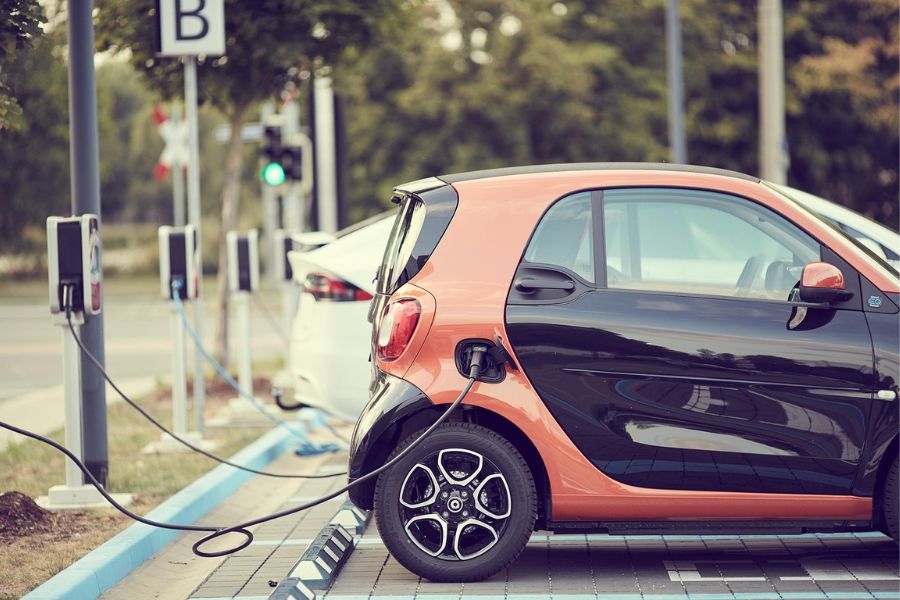
Centre issues guidelines for nationwide ₹2,000 Cr EV charging
The Ministry of Heavy Industries has released guidelines under the PM E-Drive scheme to deploy 72,300 EV charging stations nationwide, backed by ₹2,000 crore, accelerating India’s clean mobility transition and tackling infrastructure gaps. This move marks a significant step in India’s journey toward large-scale electric mobility adoption and cleaner transportation. The Ministry of Heavy Industries (MHI) has issued operational guidelines for the deployment of electric vehicle public charging stations (EV PCS) under the Prime Minister Electric Drive Revolution in Innovative Vehicle Enhancement (PM E-Drive) scheme. The move marks a significant step in India’s journey toward large-scale electric mobility adoption and cleaner transportation. With an allocation of ₹2,000 crore, the government aims to establish about 72,300 public EV charging stations across the country. This initiative will not only accelerate EV penetration but also address a critical bottleneck—limited charging infrastructure—hindering consumer adoption. A Tiered Subsidy Framework The guidelines detail a tiered subsidy structure designed to support deployment across diverse locations, ensuring both inclusivity and strategic coverage. Government premises such as ministries, offices, hospitals, residential complexes, and educational institutions will receive 100% subsidy on both upstream infrastructure and EV charging equipment (EVSE). This full subsidy is conditional upon chargers being accessible to the public at no cost. Transport hubs and public sector-controlled locations, including railway stations, airports, oil marketing company (OMC) outlets, bus depots, and toll plazas, will benefit from 80% subsidy on upstream infrastructure and 70% subsidy on EVSE costs. At other public locations like shopping malls, market complexes, and city streets, an 80% subsidy on upstream infrastructure will be available, while EVSE costs will not be subsidized. Battery swapping and charging stations, irrespective of location, will be eligible for 80% subsidy on infrastructure, acknowledging their growing role in commercial fleet electrification. This graded approach ensures that the maximum support is extended where charging facilities are likely to have the highest utilization and public impact. Benchmark Costs and Subsidy Calculation To bring uniformity and avoid inflated project costs, the government has specified benchmark cost ranges for both upstream infrastructure and EVSE. For upstream infrastructure, costs range from ₹6.04 lakh for chargers up to 50 kW to ₹24 lakh for chargers above 150 kW. For EVSE, costs vary with charger type and capacity. For example, a CCS-II charger of 50 kW costs ₹7.25 lakh, while a 100 kW CCS-II charger costs ₹11.68 lakh. These benchmarks will serve as the base for determining eligible subsidies and ensure financial prudence in deployment. Focus on Urban Centres and High-Density Corridors The PM E-Drive scheme has prioritized urban centres with populations over one million, smart cities, metro-linked satellite towns, and state capitals. Furthermore, high-density national and state highways have been earmarked for coverage to facilitate long-distance EV travel. Public transport hubs—such as airports, railway stations, and fuel retail outlets—will also see robust infrastructure development, reflecting the government’s focus on locations with maximum commuter footfall. This geographical prioritization is aligned with India’s EV growth trajectory, which has been concentrated in major cities and intercity corridors. Recognizing the importance of leading by example, the scheme also incentivizes government department fleets. Central ministries, central public sector enterprises (CPSEs), and state/UT governments, along with their PSUs and affiliated agencies, will be eligible for benefits under the scheme. This move will encourage large-scale adoption of EVs in official transport fleets, sending a strong market signal and further mainstreaming the EV ecosystem. Institutional Mechanism and Implementation The operational framework mandates nodal bodies to identify high-priority charging locations and submit consolidated proposals through a dedicated online portal. This structured process aims to avoid duplication, ensure accountability, and streamline execution. For on-ground execution, Bharat Heavy Electricals Limited (BHEL) has been appointed as the Project Implementation Agency. Its responsibilities include ensuring timely rollout, maintaining quality standards, and facilitating subsidy disbursal. The subsidy will be released in a two-tranche system, linked to compliance and performance benchmarks. This outcome-based model is designed to guarantee delivery and prevent misuse of funds. Technology Integration for Transparency In line with India’s digital governance approach, all charging stations under the PM E-Drive scheme must integrate with the National Unified EV Charging Hub. This integration will provide: Real-time station availability updates Seamless payment facilitation Usage monitoring and data analytics Such measures will enhance user convenience, enable efficient operations, and help policymakers track adoption trends for future planning. The rollout of EV charging stations under PM E-Drive is expected to create a multiplier effect on India’s electric mobility landscape. Affordable and widespread access to charging infrastructure will reduce range anxiety, encourage more consumers to adopt EVs, and help commercial fleets shift away from fossil fuels. Additionally, the scheme will stimulate local manufacturing of EV chargers and allied components, create green jobs, and contribute to India’s climate commitments under COP28 and its net-zero 2070 vision. By combining financial incentives, institutional mechanisms, and digital integration, the government is laying the foundation for a future-ready charging ecosystem. With 72,300 EV PCS planned nationwide, the PM E-Drive scheme is poised to be a game-changer in India’s transition to sustainable, clean, and inclusive mobility.
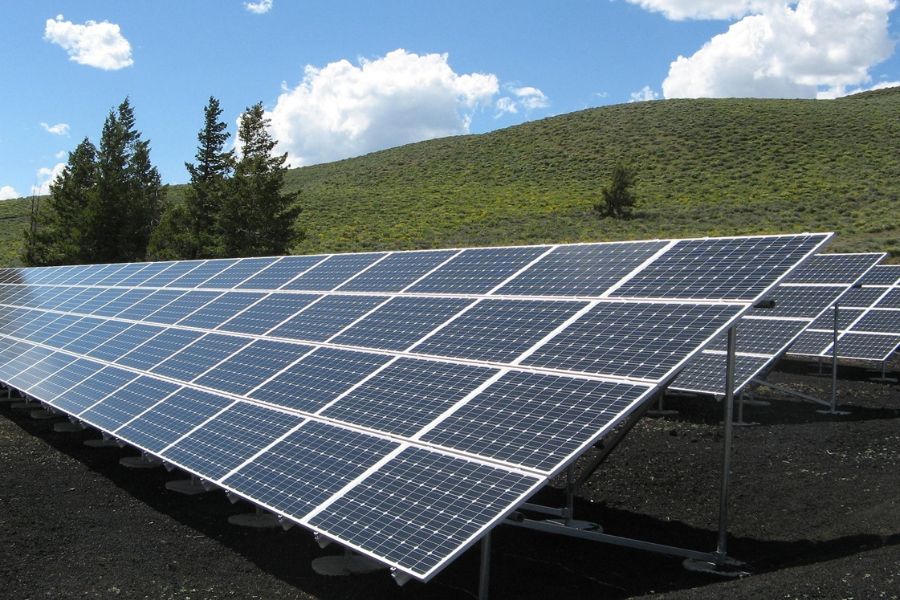
India’s solar potential soars: NISE maps 3,343 GWp from wastelands
India has enough sunlight to power its future many times over. A new study by the National Institute of Solar Energy (NISE) estimates that the country can generate 3,343 GWp of solar power from just 27,571 sq km of wasteland — more than eight times its current installed capacity. With Rajasthan, Maharashtra, Andhra Pradesh, and Gujarat leading the way, this report highlights how solar potential extends far beyond deserts, unlocking new opportunities for jobs, investment, and India’s clean energy transition. India’s dream of becoming a renewable energy powerhouse just received a big boost. A new study by the National Institute of Solar Energy (NISE) has revealed that the country has the potential to generate over 3,343 gigawatts (GWp) of electricity through ground-mounted solar projects. What’s more striking is that this potential can be harnessed using only a fraction of the country’s wasteland — about 27,571 square kilometres, or less than 7% of total wasteland available. This fresh estimate is a sharp rise from NISE’s earlier 2014 assessment, which had pegged the potential at about 749 GWp. The jump reflects advances in solar technology, better geospatial mapping, and a more refined understanding of land and resource use. NISE, an autonomous institute under the Ministry of New and Renewable Energy (MNRE), carried out a detailed analysis using advanced geospatial datasets. Unlike the earlier study, which relied heavily on broad assumptions, the new report factors in crucial development constraints. These include: Terrain (slope and aspect of land) Land use and sustainability concerns Solar irradiance (amount of sunlight received) Proximity to roads and electricity substations By applying these filters, the study ensures that the identified potential is both feasible and practical, not just theoretical. Importantly, it also capped solar deployment at no more than 10% of wasteland in any given state, ensuring sustainable land use. The numbers: Where the potential lies The report reveals that Western India alone accounts for nearly half (45%) of the total potential. The region benefits from vast stretches of barren land and some of the highest solar radiation in the country. Here are the leading states with the highest feasible capacity: Rajasthan – 828.78 GWp Maharashtra – 486.68 GWp Madhya Pradesh – 318.97 GWp Andhra Pradesh – 299.31 GWp Gujarat – 243.22 GWp Southern states also contribute significantly. Andhra Pradesh, Karnataka (223.28 GWp), Tamil Nadu (204.77 GWp), and Telangana (140.45 GWp) together add up a large share despite having less wasteland than Rajasthan or Maharashtra. Their strength lies in favourable solar geometry, high irradiation levels, and efficient land use. On the other hand, Northeastern and Himalayan states such as Nagaland, Mizoram, Arunachal Pradesh, and Uttarakhand have much lower potential due to rugged terrain, dense forests, and scattered wastelands that are harder to access. India has come a long way in solar adoption. Back in 2014, the country had just 2.82 GW of installed solar capacity. Fast forward to January 2025, and solar installations have crossed the 100 GW milestone. This transformation has been driven by falling solar panel costs, rising efficiencies, supportive policies, and a growing domestic manufacturing base. Today, India has built over 100 GW of annual solar PV module manufacturing capacity and nearly 20 GW per year in wind turbine capacity, with about 80% of the wind sector now indigenised. One of the most important insights from the NISE study is that solar potential is not limited to deserts like Rajasthan and Gujarat. States such as Maharashtra, Andhra Pradesh, Karnataka, and Tamil Nadu also have massive untapped potential. For example, Maharashtra alone has the capacity to add nearly 487 GWp, while Andhra Pradesh can add 299 GWp. This diversification means that India’s solar growth can be spread across regions, bringing economic opportunities, jobs, and investment to multiple states. What this means for India’s energy future To put things in perspective, India’s entire installed power capacity from all sources combined is far less than the 3,343 GWp solar potential identified in this report. In other words, the sunlight falling on India’s wastelands could generate over eight times the country’s current power capacity. This aligns well with India’s commitment to achieve 500 GW of non-fossil fuel capacity by 2030. With 100 GW of solar already installed and new opportunities identified, the country is well on track to scale up its renewable ambitions. The minister for renewable energy, while commenting on the report, highlighted that improved technology and reduced costs are game changers. Unlike the earlier methodology, which assumed just 3% of wasteland could be used, the new study leverages real-world data and acknowledges the rapid advances in photovoltaic efficiency. The road ahead The findings open doors for both policymakers and investors. With clear mapping of where solar projects can be most effective, states can now plan targeted policies and infrastructure support. It also underlines the importance of continuing to build a robust domestic solar industry, capable of meeting large-scale demand without relying on imports. At the same time, the report stresses the need for balanced land use. Solar expansion must respect ecological and social factors, ensuring that renewable energy growth goes hand in hand with sustainable development. Read more: From waste to watts: Why bio-energy could spark the next energy revolution in India India’s strategic bet on alternative battery technologies and energy security FAQs: What is India’s total solar energy potential according to the latest NISE report?India has an estimated 3,343 GWp of ground-mounted solar potential, mapped from 27,571 sq km of wasteland across the country. Which state in India has the highest solar energy potential?Rajasthan tops the list with 828 GWp, followed by Maharashtra (486 GWp), Madhya Pradesh (318 GWp), Andhra Pradesh (299 GWp), and Gujarat (243 GWp). How much solar capacity has India installed so far?As of January 2025, India has crossed 100 GW of installed solar capacity, up from just 2.8 GW in 2014. How does India’s solar potential compare to its renewable energy targets?The 3,343 GWp potential is more than 8 times India’s current total power capacity and a strong base to achieve the

e-NAM 2.0: India’s leap towards digital agriculture
The government will soon roll out e-NAM 2.0 to strengthen digital agricultural trade by enabling automated bidding, demand-supply data, QR-based tracking, and private services like assaying and logistics. Designed to handle higher transaction volumes, it aims to reduce wastage, minimize intermediaries, and improve farmer incomes. Since its 2016 launch, e-NAM has connected 1,522 mandis across 23 states and 4 UTs, covering 231 commodities and registering nearly 18 million farmers. Trade value rose 22% in 2024-25, though inter-state trade remains low. The government is set to introduce an upgraded version of the electronic National Agriculture Market (e-NAM) to enhance inter-state and inter-mandi trading through the platform. The upgraded platform, e-NAM 2.0, will introduce advanced features such as automated bidding, facility for demand-supply data and open network of digital commerce-linked services including assaying, logistics, and fintech support. Unlike the existing system, which lacks facilities to connect private providers of assaying and transportation at physical mandis, the new version will allow such services, thereby improving efficiency and enabling seamless interstate trade of crops, fruits, and vegetables. Officials have emphasized that e-NAM 2.0 is expected to minimize food wastage and enhance farmers’ price realization by reducing the role of intermediaries. The revamped platform is being designed to handle a much higher volume of commodity transactions to ensure smooth functioning during peak procurement periods. Sources indicated that the new system could be launched within the next few months. Expanding mandi integration and trade Since its inception in April 2016, agricultural commodities worth Rs 4.41 lakh crore have been traded on e-NAM. However, inter-state trade has remained negligible, amounting to only Rs 76.8 crore to date. In FY 2024-25, the overall turnover on e-NAM rose marginally by 2% to Rs 80,262 crore, while inter-state transactions stood at just Rs 21 crore. Inter-mandi trade since inception has been about Rs 6,230 crore. Sources indicate that, even after nine years, inter-state and inter-mandi trade on the e-NAM platform remains limited, with the majority of transactions taking place within wholesale markets. As of now, e-NAM has registered nearly- 17.94 million farmers, 4,557 Farmer Producer Organizations (FPOs), 269,688 traders, and 117,590 commission agents. Despite this wide user base, the dominance of localized transactions underscores the need for reforms. The government’s primary objective with e-NAM 2.0 is to- facilitate seamless intra-state and inter-state trade in agricultural commodities, addressing logistical gaps to enable faster trade, minimize wastage, and enhance farmer incomes. The platform will feature QR-based lot tracking and provide timely notifications to stakeholders. As of 30th June 2025, the e-NAM platform digitally integrates 1,522 wholesale mandis across 27 states and union territories. These include significant coverage in states such as Tamil Nadu, Rajasthan, Gujarat, Maharashtra and Uttar Pradesh. State Wholesale mandis Tamil Nadu 213 Rajasthan 173 Uttar Pradesh 162 Gujarat 144 Maharashtra 133 Haryana 108 Table: States with the highest number of mandis on e-NAM platform Despite the coverage, the potential remains vast as India has an estimated 7,000 mandis. Integration of additional mandis depends on recommendations from respective state mandi boards. The platform has also facilitated pioneering interstate transactions. In FY 2022-23, e-NAM enabled the first-ever inter-state trade of apples from Jammu and Kashmir to Jharkhand. Currently, 231 agricultural, horticultural, and other commodities approved by respective state governments are finalized for online e-auction on the e-NAM platform. With e-NAM 2.0, the government hopes to unlock the platform’s full potential, strengthening agricultural marketing, reducing wastage, and expanding market access for farmers nationwide. Transforming agricultural trade through e-nam and price support scheme Agricultural marketing in India is primarily governed by states, which have set up Agriculture Produce Market Committees (APMCs) to cater to local needs and support farmers, especially small and marginal ones. To reduce the dominance of middlemen and ensure farmers get fair prices, the Government of India launched the National Agriculture Market (e-NAM) in 2016. This digital platform has expanded market access, improved price discovery, lowered transaction costs, access to wider markets, reduced dependence on local mandis, and enhanced income opportunities for rural farmers. The platform has also enhanced transparency and efficiency while promoting financial inclusion by enabling online payments and minimizing cash transactions. Between June 2024 and June 2025, trade volume on the platform rose by 21%, while trade value increased by 22%, reflecting its growing role in agricultural marketing. Alongside e-NAM, the government supports farmers through Minimum Support Prices (MSPs) for 22 mandated crops, fixed annually on the recommendations of the Commission for Agricultural Costs & Prices (CACP) after consultations with states and relevant ministries. Since 2018-19, MSPs have been fixed to ensure farmers earn at least 50% returns over the all-India weighted average cost of production. Additionally, the Pradhan Mantri Annadata Aay SanraksHan Abhiyan (PM-AASHA) supports farmers by implementing the Price Support System (PSS) and Price Deficiency Payment System (PDPS) to ensure fair and remunerative prices. In conclusion, e-NAM 2.0 marks a significant advancement in India’s agricultural marketing, promoting seamless inter-state trade, reducing intermediaries, and improving price discovery. With features like automated bidding, real-time demand-supply data, and QR-based tracking, it enhances efficiency and transparency. Combined with MSP and PM-AASHA schemes, the platform ensures fair prices, boosts farmer incomes, minimizes wastage, and strengthens financial inclusion, supporting millions of farmers and transforming the country’s agricultural ecosystem. Read more Centre adds 7 new products on eNAM platform First eNAM trade between J&K, Maharashtra rolls out India Pushes for Inter State Agri Trade Through e-NAM Platform FAQs 1. What is e-NAM? The National Agriculture Market (e-NAM) is a pan-India online trading platform launched in 2016 to integrate agricultural markets, enable transparent price discovery, and provide farmers with wider access to buyers across states. 2. What is new in e-NAM 2.0? e-NAM 2.0 introduces automated bidding, real-time demand-supply data, QR-based lot tracking, and integration with private services like assaying, logistics, and fintech. These features are designed to boost inter-state and inter-mandi trade. 3. How will e-NAM 2.0 benefit farmers? The upgraded platform aims to reduce wastage, minimise intermediaries, improve price realization, and provide farmers better access to national markets with

The label revolution: How FoPNL could transform diets, dairy, and trade
The Supreme Court’s recent directive mandating Front-of-Pack Nutrition Labels (FoPNL) marks a decisive step in India’s fight against rising lifestyle-related diseases. By requiring food manufacturers to provide clear, visible markers like star ratings and nutrient warnings, the verdict aims to empower consumers with quick, reliable information on packaged foods. Aligned with global best practices, this move seeks to address obesity, diabetes, and heart-related health challenges. However, its impact on India’s dairy sector, food companies, and trade dynamics makes implementation both complex and transformative. In a significant move toward promoting healthier dietary habits, the Supreme Court of India has directed the Food Safety and Standards Authority of India (FSSAI) to implement Front-of-Pack Nutrition Labels (FoPNL) on packaged food products without further delay. The directive comes amid growing concerns over India’s obesity crisis and the rising consumption of unhealthy, processed foods. This landmark move aims to empower consumers to make healthier dietary choices and tackle the rising incidence of lifestyle-related diseases like diabetes, hypertension, and heart conditions. By October 2025, packaged foods could carry two key markers: the Indian Nutrition Rating (INR), a star-based score, and Front-of-Pack Nutrition Warning Labels (FoPNL). The move follows a Supreme Court directive, which asked the Centre to finalise food safety norms within three months after a PIL was filed by NGOs 3S and Our Health. Several developed countries have adopted Front Of Package Nutrition Labeling (FOPNL) systems, which empower consumers to make healthy choices and prompt food manufacturers and retailers to offer healthier foods. The supreme court verdict: What’s new? FOPNL aims to quickly give consumers key information about the healthfulness of foods in a format that is simple and easy to understand. These systems typically use interpretive aids like symbols, colors, or letter grades to communicate a food’s nutritional content. Some countries have mandatory FOPNL policies that require all qualifying foods to be appropriately labeled, while others have voluntary government-endorsed FOPNL systems that allow manufacturers to opt in. It is designed to provide consumers with quick, clear information to help them make informed choices at the point of purchase. The government had fixed July 1, 2025, giving a strict three-month deadline from April 2025 for the central government and FSSAI to finalize and enforce these labelling norms. The FSSAI’s Draft Amendments The FSSAI’s draft amendments, published in early 2025, emphasize: Bold and enlarged font sizes for per-serve percentage contributions of added sugar, saturated fat, and sodium relative to RDA on the front panel. A mandatory logo for all milk and milk products, with size specifications based on packaging dimensions. Clear, capitalized declarations for coffee-chicory mixtures on the front panel within a rectangular box. Why It Matters: Health & Transparency There is extensive scientific evidence demonstrating that FOPNL systems can improve consumer understanding, encourage healthier diets, and even improve the quality of the national food supply. The FoPNL system enables consumers to gather information such as: Nutrient warnings – flagging foods high in sodium, sugar, or saturated fat. Traffic light labels – assigning colors (red, yellow, or green) to nutrient levels. NutriScore – assigning foods a letter grade (A–E) based on nutrient composition. Health warnings – alerting consumers to risks of overconsumption. Evidence from Chile highlights the success of such policies: daily per capita purchases of sugar, calories, saturated fat, and sodium dropped significantly after mandatory labels were introduced, while the proportion of unhealthy packaged foods in the market also declined. Impact of FoPNL on dairy Recently, some dairy products like ghee, paneer, and milk have come under scrutiny for quality and purity. Large-scale testing in Punjab revealed adulteration in paneer and ghee samples, raising health concerns. Although the Indian Dairy Association (IDA) welcomes the Supreme Court’s directive, it emphasizes that dairy products require nuanced treatment. Milk and its derivatives naturally contain fat, lactose, and sodium — nutrients that could be unfairly flagged under a uniform warning system. Labelling without context risks misrepresenting dairy’s nutritional value and discouraging its consumption, despite it being a major source of protein, calcium, and micronutrients in Indian diets. The IDA has urged regulators to adopt a balanced approach and include wider stakeholder consultation, particularly farmer-led cooperatives, MSMEs, and large corporates, to ensure fair and practical implementation. While addressing the panel on the IDA webinar on “Front-of-Pack Nutrition Labelling (FOPNL) – Implications for Milk and Milk Products”, Dr. Rupinder Singh Sodhi, President, IDA said – “The government introduced the Health Star Rating to expose junk foods loaded with unhealthy ingredients and exaggerated claims, as consumer bodies and NGOs demanded transparency. But unless regulators ensure accuracy, its credibility will be questioned. If such ratings suggest a carbonated drink is healthier than flavored milk, no consumer will trust them. For centuries, natural foods and milk products have been seen as healthy—misleading ratings risk turning this initiative itself into junk.” Possible Effects of FOPNL Milk & Dairy Products in India Some dairy products may look “less healthy,” reducing impulse purchases of flavored milk, shakes, or yogurts. Labels focusing only on “nutrients to limit” could discourage consumption of naturally nutrient-dense dairy like whole milk and paneer. Packaged dairy manufacturers may reformulate products — lowering added sugars, reducing fat content, or changing portion sizes. Packaging redesigns will create compliance costs, especially challenging for smaller cooperatives and local players. Indian Companies Companies will need to invest in nutrition testing and lab analyses to validate nutrient levels (sugar, saturated fat, sodium) as per the nutrient profile model. This includes periodic re-testing to maintain compliance. Packaging redesign costs will emerge: new label artwork, printing changes, inventory write-offs for old packaging, and regulatory approval for label proofs. Reformulation costs: R&D to reduce sugars, fats or sodium; sourcing alternative ingredients; pilot production batches; stability testing. Ongoing monitoring, auditing, and quality assurance systems will need upgrades to ensure labels match real product composition. Smaller players may lack technical infrastructure or expertise to carry out these changes, increasing reliance on external service providers or outsourcing. Global Trade & Exports Indian exporters to developed markets (which already enforce or expect clear nutrition labeling)