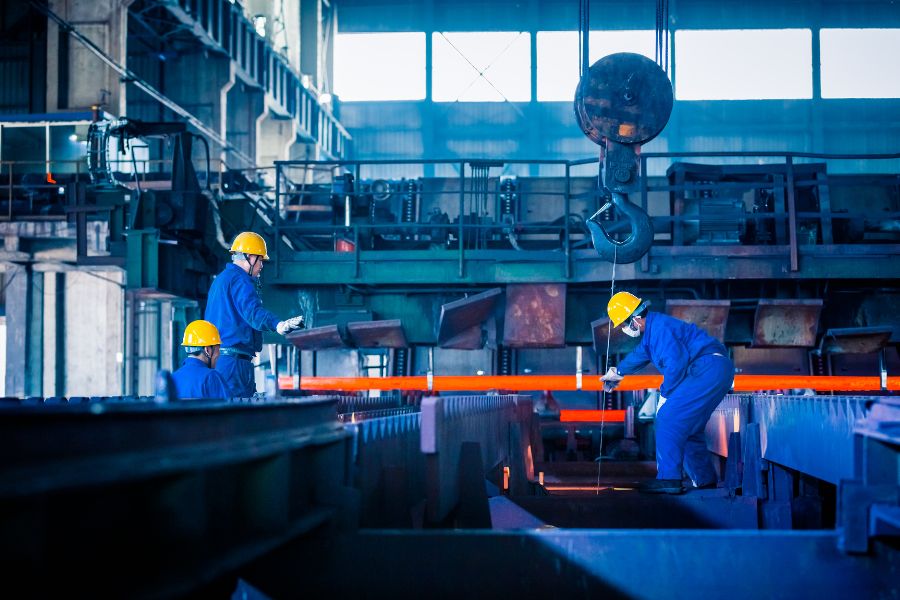
India’s industrial output grew 4% year-on-year in September 2025, maintaining August’s pace, though underlying momentum was mixed. Manufacturing, which rose 4.8%, drove growth, while mining contracted 0.4% and electricity generation increased 3.1%. Core sector growth slowed to 3%, weighed down by declines in refinery products, natural gas, and crude oil, despite strong steel and cement output. Consumer durables and infrastructure goods showed robust expansion, but non-durables fell. Although festive demand, GST rate cuts, and pent-up consumption boosted short-term momentum, analysts cautioned that sustaining growth beyond the festive period could be challenging amid subdued domestic demand and persistent global headwinds. India’s Index of Industrial Production (IIP) registered a year-on-year growth of 4% in September 2025, maintaining the same pace as August’s quick estimate. The IIP stood at 152.8 compared to 146.9 in September 2024, reflecting continued momentum in industrial output. According to data from the Ministry of Commerce and Industry, growth in the eight core industries slowed to 3% in September from 6.5% in August, as declines in refinery products, natural gas, and crude oil output offset the gains recorded in steel and cement production. Notably, Steel output jumped 14.1% and cement rose 5.3%, driven by strong infrastructure activity. However, refinery production fell 3.7%, natural gas declined 3.8%, and crude oil dipped 1.3%, reflecting persistent weakness across India’s energy-producing sectors. Manufacturing leads growth Manufacturing remained the primary growth driver, with output rising 4.8% compared to about 4% a year earlier. Strong performances were recorded across several core industries. According to analysts, the robust growth in manufacturing was underpinned by double-digit expansion in key industries, including basic metals, electrical equipment, computer and electronic products, motor vehicles, and wood products. Production of basic metals jumped 12.3%, electrical equipment soared 28.7%, and motor vehicles, trailers and semi-trailers rose 14.6% over the same month last year. Electricity generation also showed improvement, rising 3.1% in September 2025 against a modest 0.5% growth in the year-ago period, indicating increased energy demand in both industrial and household sectors. Meanwhile, the National Statistics Office (NSO) revised the IIP growth for August 2025 slightly upward to 4.1% from its provisional estimate of 4%. However, on a half-yearly basis, industrial growth has moderated. During April–September (H1) FY26, overall industrial production expanded by 3%, lower than the 4.1% growth recorded during the corresponding period of FY25. Use-based categories show mixed performance Manufacturing, accounting for nearly 78% of the IIP — remained the key driver of growth. The sector expanded 4.8% year-on-year in September, improving from 3.8% in August and 3.9% in the same month last year. Mining output, impacted by heavy rains in parts of the country, declined by 0.4% year-on-year in September, reversing a strong 6.6% expansion in August and a marginal 0.2% increase recorded in September 2024. Performance across use-based categories showed mixed trends. Production of capital goods, intermediate goods, infrastructure/construction goods, and consumer durables recorded sequential improvements, while output of primary goods slowed and consumer non-durables declined. Capital goods output increased 4.7% in September compared to 4.5% in August, while intermediate goods rose 5.3%, slightly higher than 5.2% previously. Infrastructure and construction goods maintained strong growth at 10.5%, up marginally from 10.4% in the prior month. Consumer durables reported the sharpest gain, surging 10.2% year-on-year versus 3.5% in August. In contrast, primary goods output grew just 1.4%, down from 5.4% in the previous month, while consumer non-durables contracted by 2.9%, following a 6.4% decline in August. Industrial recovery uneven amid global and domestic headwinds According to analysts, India’s industrial growth in September 2025 reflected a fragile and uneven recovery, highlighting persistent challenges amid subdued domestic demand, global economic uncertainties, and sector-specific constraints. Industrial performance during FY26 has remained volatile — slowing in the first quarter (April–June) before picking up momentum from July onwards. The latest Index of Industrial Production (IIP) data suggests that while some sectors are regaining strength, overall recovery remains patchy and dependent on consumption dynamics and external factors. Growth in the core infrastructure industries, which make up over two-fifths of the country’s industrial output, eased to a three-month low in September, with production up 3% year-on-year, according to provisional data. Analysts noted that despite the moderation in industrial growth, a mix of GST rate rationalisation, pent-up demand, and an early festive season has boosted consumption during September–October 2025. They added that GST reductions for the FMCG sector are expected to show a more visible impact in October and November, as dealers earlier struggled to sell products with older price labels. These factors are also likely to support manufacturing activity in the coming months. However, the analysts cautioned that while GST cuts may help sustain demand for everyday and lower-value goods, demand for high-value or big-ticket items may weaken post-festive season. Read more: Quick estimate of index of industrial production and use-based index for the month of September 2025 India’s industrial production slows to 4% in September India’s Industrial Development Report 2024-25 FAQs: 1. What was India’s industrial growth rate in September 2025? India’s Index of Industrial Production (IIP) grew 4% year-on-year in September 2025, maintaining the same pace as August’s quick estimate. The IIP stood at 152.8, up from 146.9 a year earlier, reflecting steady industrial momentum despite global and domestic challenges. 2. Which sector contributed most to the IIP growth? The manufacturing sector was the primary driver, expanding 4.8% in September. Strong output in basic metals (12.3%), electrical equipment (28.7%), and motor vehicles (14.6%) supported the growth, underlining broad-based strength in industrial and consumer-linked production. 3. Why did growth in the core industries slow during the month? Growth in the eight core industries eased to 3% in September from 6.5% in August due to a contraction in refinery products (-3.7%), natural gas (-3.8%), and crude oil (-1.3%), which offset gains in steel (+14.1%) and cement (+5.3%). 4. How did different use-based categories perform in September 2025? Performance was mixed. Growth improved for capital goods (4.7%), intermediate goods (5.3%), infrastructure goods (10.5%), and consumer durables (10.2%). However, primary goods growth slowed to 1.4%, and consumer

Crunching the numbers: India’s snacks industry goes global
India’s snacks industry, celebrated for its remarkable diversity—from traditional namkeens and bhujias to modern chips, extruded snacks, and baked innovations—is fast emerging as a global powerhouse. Once rooted mainly in domestic consumption, the category now spans a wide range of formats and flavors, catering to both traditional and contemporary palates. Backed by India’s rich culinary heritage and a rapidly expanding processed food sector, Indian snack exports are steadily making their mark worldwide. In FY 2024–25, India’s agricultural and processed food exports touched US$ 49.4 billion, with processed foods contributing 20.4%—a sharp rise from 13.7% in earlier years. With global consumers increasingly seeking exotic, convenient, and health-oriented indulgences, Indian snacks are well-positioned to capture a growing share of the multi-billion-dollar global snacking market. Within this larger segment, ethnic snacks—such as sev, gathiya, chakli, murukku, and banana chips—remain a compelling growth driver. The Indian ethnic snacks market was valued at US$ 5.18 billion in 2024 and is projected to reach US$ 17.5 billion by 2033, growing at a robust CAGR of 14.5%. While domestic demand continues to fuel expansion, rising exports to diaspora-rich and adventurous international markets signal the growing global fascination with authentic Indian flavours. The global snacks food market is witnessing steady expansion, driven by urbanization, rising disposable incomes, and a preference for convenient, on-the-go snacking options. As illustrated in the line graph below, global imports of snacks food have climbed from US$ 67 billion in 2019 to US$ 93 billion in 2024, marking a five-year CAGR of approximately 6.8%. This upward trajectory, with a notable recovery post-2020 pandemic disruptions, highlights the sector’s resilience and the increasing appetite for diverse, ethnic-inspired products worldwide. The dip to US$ 67 billion in 2019 followed by a steady rise through 2024 underscores how consumer shifts toward healthier and fusion snacks are fueling import volumes, particularly in developed markets where e-commerce and retail channels have accelerated penetration. Key markets for snack foods The snacks food import landscape is dominated by a handful of key markets, with the top importers collectively commanding a significant portion of the global pie. The US holds the lion’s share at 13%, driven by its vast consumer base and multicultural demographics. China follows with 8%, reflecting rapid urbanization and a growing demand for convenient indulgences. Together, advanced economies across North America and Europe capture a substantial share of global imports, underscoring mature markets’ appetite for premium, innovative, and health-oriented snacks. Meanwhile, Asia’s evolving dietary preferences signal rising opportunities for ethnic and fusion varieties such as Indian namkeens and ready-to-eat products. India’s position among the world’s top snack exporters has strengthened remarkably over the past five years, transitioning from a modest player to a competitive force in the global arena. The line graph below compares India’s performance against the top five exporters—US, Germany, China, Netherlands, and Singapore—revealing India’s exports surging from US$ 0.54 billion in 2019 to US$ 1.2 billion in 2024, achieving a five-year CAGR of over 17%. This trajectory has elevated India to the 21st position globally among snack exporters, steadily closing the gap with mid-tier players like the Netherlands. The rise is driven by advances in processing and packaging technologies, as well as growing global demand for ethnic and authentic snack varieties, positioning Indian snacks as a high-growth category amid diversification from traditional suppliers. India’s export performance and potential Indian snacks have found fertile ground in select international markets, where both diaspora communities and adventurous local consumers drive demand for authentic flavors. The pie chart below highlights the top export destinations in 2024, with the US leading at 23.9% of India’s snacks exports, supported by its 4.5 million-strong Indian diaspora and growing mainstream adoption in retail chains. The UAE follows closely at 10%, benefiting from geographic proximity and strong trade ties. Canada (6.2%), Australia (5.9%), and the Netherlands (4.8%) present opportunities for growth through targeted marketing strategies. Meanwhile, rising shares in the Middle East and Southeast Asia point to pathways for broader mainstream acceptance, signaling significant potential for expanding India’s global snack footprint. Indian snacks are well poised to capitalise on emerging trends in the global market. First, the shift toward healthier options is paramount. Consumers worldwide are gravitating toward low-fat, multigrain, and baked variants, prompting Indian brands to innovate with millets, legumes, and whole grains in extruded snacks. The India healthy snacks market alone was valued at US$ 4.12 billion in 2024 and is expected to double to US$ 8.2 billion by 2033. This aligns with global wellness movements, where Indian super foods like ragi chips and quinoa-infused namkeens are gaining traction. Second, fusion flavors are bridging cultural gaps. Blends of traditional Indian spices with international tastes—such as masala-flavored tortilla chips or tandoori peri-peri puffs—are captivating younger demographics in the West. Partnerships like PepsiCo and Tata Consumer Products’ January 2025 collaboration to launch fusion ethnic snacks exemplify this trend. Sustainability and clean labeling are also rising priorities. Extrusion processes enable preservative-free products with extended shelf life, complying with stringent regulations like EU and US FDA standards. Portion-controlled, single-serve packaging further caters to on-the-go lifestyles, boosting export viability in markets like the UAE and UK. Opportunities: Untapped markets and strategic pathways The global Indian diaspora—over 32 million strong—presents a ready market for traditional snacks, but the opportunity extends well beyond ethnic consumption to mainstream adoption across Europe, the Middle East, and Southeast Asia. Key destinations include the US (the top importer), followed by the UK, Canada, Australia, and the UAE, where Indian snacks command premium pricing due to their authenticity. Emerging markets such as the Netherlands and Malaysia also offer strong growth prospects, driven by trade agreements and the rising popularity of multicultural cuisines. Product innovation remains the key gateway to global expansion. Plant-based, gluten-free, and vegan adaptations can effectively tap into the rapidly growing global snacks market. Events like Indusfood further highlight these opportunities, showcasing MSME innovations to international buyers and strengthening India’s visibility on the global stage. Meanwhile, e-commerce platforms and private labels offer low-barrier entry routes for exporters, while globally recognized certifications such as

The biodiesel equation: Palm oil, mandates and global implications
The global drive to decarbonize transportation has placed biodiesel at the center of clean-fuel strategies. It promises lower emissions and easy integration with existing engines, but rapid biodiesel expansion has triggered difficult questions around food security, land pressure, subsidies, and environmental risk. When edible oils power vehicles as well as kitchens, energy policy becomes a delicate balancing act. Indonesia’s shift toward higher palm oil–based blends, now moving from B40 to B50, is the most significant real-world test of this challenge. The program has improved energy self-sufficiency, yet has also tightened edible oil supplies, increased fiscal burdens, and amplified concerns about deforestation and climate-driven yield volatility. For India, which imports most of its edible oils while advancing its own biofuel mandate, Indonesia’s experience is both a warning and a guide. This article examines the global context, Indonesia’s approach, and the key lessons India must adopt to ensure clean energy progress does not compromise food and economic security. The rising global demand for cleaner and more sustainable fuels is accelerating the shift toward biofuels over the past few years. Broadly, biofuels are renewable fuels derived from biomass and are being increasingly adopted as a key measure to curb carbon emissions, combat climate change, and enhance energy security. They are primarily produced in two forms—ethanol and biodiesel. While ethanol is made from sugar- and starch-rich crops like cereals, biodiesel is produced mainly from oilseed crops such as palm, rapeseed, sunflower, and soybean. Biodiesel’s ability to ensure complete combustion significantly reduces greenhouse gas (GHG) emissions, making it a preferred alternative to fossil fuels. High compatibility with existing diesel engines further strengthens its appeal, while expanding vehicle ownership and industrial applications continue to drive consumption worldwide. It is gaining traction in the automotive sector for its lower emission profile. Emerging economies such as India, China, Brazil, and several EU nations have also announced targets to substitute 10–20% of fossil-based fuels in transportation with biodiesel. As nations pursue decarbonization goals, the challenge lies in advancing biodiesel growth without compromising global food security. Biodiesel production has been inextricably connected to the “food versus fuel” debate, raising concerns about global food security with the diversion of agricultural land and resources toward its production. As more cropland gets redirected for fuel production, the availability of land for food cultivation shrinks, potentially affecting food supplies and prices. With a growing global population and increasing food demand, balancing energy generation with food production has become essential. Poorly designed incentive structures for biodiesel adoption could unintentionally worsen food insecurity and contribute to price volatility in global food and edible oil markets. The global biodiesel market, valued at US$ 32.1 billion in 2021, is expected to grow at a CAGR of 10% from 2022 to 2030, reaching an estimated value of US$ 73 billion by the end of the decade. Among the various feedstocks available for biodiesel production, palm oil stands out due to its high oil yield, efficiency, and cost-effectiveness. Mature oil palm plantations can produce around 3 tons of oil per hectare annually—far exceeding the output of other major oilseeds such as soy, rapeseed, and sunflower. This high productivity is particularly valuable in a world where arable land is limited, yet the demand for renewable energy sources continues to grow. Oil palm’s biological advantages further enhance its appeal. As a perennial crop, it begins bearing fruit within 3–4 years of planting and remains productive for up to 25-30 years, providing a steady oil supply with relatively low replanting needs. Moreover, both the fruit’s mesocarp and kernel yield valuable oils, further boosting output per hectare. The dominance of palm oil in the biodiesel industry presents significant environmental challenges. While it offers a renewable fuel alternative, the cultivation of oil palm is closely linked to large-scale deforestation, biodiversity loss, and increased carbon emissions from land-use changes. The conversion of tropical forests and peatlands for plantations releases vast amounts of stored carbon—often outweighing the emission savings from biodiesel use. Additionally, peatland drainage emits carbon dioxide and methane for decades, while fertilizer application, energy-intensive processing, and methane from palm oil mill effluent further add to its carbon footprint, undermining the climate benefits it seeks to achieve. Beyond emissions, the expansion of palm oil plantations threatens vital ecosystems, endangering species such as orangutans and tigers, depleting water resources, and contaminating soil and water through chemical runoff. While sustainable practices like methane capture, organic fertilizers, and certification schemes such as Roundtable on Sustainable Palm Oil (RSPO) and Indonesian Sustainable Palm Oil (ISPO) offer pathways to reduce these impacts, ensuring genuinely sustainable palm-based biodiesel remains one of the most pressing global environmental challenges. Global production and demand To promote biodiesel production, many countries have implemented public support policies aimed at developing and sustaining biodiesel markets. This approach comes from the fact that biodiesel production costs remain higher than those of fossil fuels, despite recent improvements in efficiency. One of the most common forms of policy support is the introduction of blending or use mandates, which require a minimum share of biodiesel content in diesel—primarily in the transportation sector, though these requirements are sometimes extended to industrial and agricultural uses as well. Globally, biodiesel blending mandates vary widely. The United States blends biodiesel at around 2.5%, while Brazil maintains a B10 mandate. In the European Union, biodiesel blending is set at B7, whereas China’s biodiesel admixture remains low at about 0.2% due to limited enforcement. India keeps the target of blending at 5%. Among the leading biofuel-producing nations, Indonesia stands out for its ambitious blending targets and rapid policy-driven expansion. The country leads globally with the highest mandate at B40, with plans to raise it to B50, which was was successfully implemented by March 2025 after a technical transition period. It’s government has positioned palm oil as a central biofuel feedstock. The program has performed beyond government projections, with demand already exceeding the 2025 target of 15.6 million kiloliters and additional requests for 100,000–200,000 kiloliters expected before the end of the year. This strong domestic consumption has
Electronics exports jumped 42% y-o-y in H1 FY26
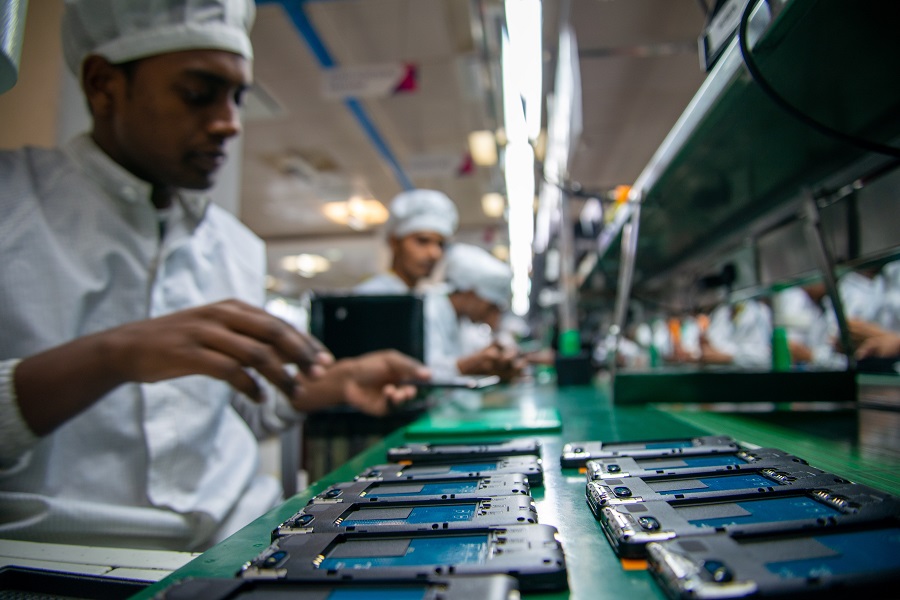
India’s electronics exports have surged 42% year-on-year to US$22.2 billion in the first half of FY26, positioning the sector to soon overtake petroleum as India’s second-largest export after engineering goods. Driven by Apple’s US$10 billion iPhone exports and the success of the Production Linked Incentive (PLI) scheme, electronics have rapidly climbed India’s export rankings, growing 63% in three years. Once reliant on imports, India is currently the world’s second-largest mobile manufacturer, producing over 330 million devices annually. This transformation reflects India’s shift toward a high-tech, self-reliant economy and a rising global hub for electronics manufacturing. India’s electronics exports are rapidly ascending the global trade ladder and could soon overtake petroleum products as the country’s second-largest export category, after engineering goods. According to Commerce Ministry data, India’s electronics exports rose sharply by 42% year-on-year in the first half of FY26, reaching US$22.2 billion compared to US$15.6 billion a year earlier, making the segment the country’s fastest-growing among 30 export categories. Nearly half of this value — about US$10 billion — comes from Apple’s iPhone shipments, underlining the growing role of high-end smartphone manufacturing in India’s export basket. In contrast, petroleum product exports have been on a steady decline, dropping 16.4% to US$30.6 billion in the first six months of FY26 from US$36.6 billion a year earlier. Engineering goods, the top export category, grew moderately by 5.35% to US$59.3 billion from US$56.3 billion. The declining trend in petroleum exports is linked to tightening US pressure on Indian refiners to curb imports of discounted Russian crude, which previously gave Indian refiners a significant cost advantage. With this edge eroding, experts predict that petroleum exports could fall further, accelerating electronics’ rise to the second spot by FY28. The shift marks a major structural transformation in India’s export composition. Electronics, ranked seventh in FY22, climbed to fourth in FY24 and then to third in FY25, surpassing traditional leaders such as gems and jewellery, chemicals, pharmaceuticals, and readymade garments. In just three years, electronics exports have grown an impressive 63%, from US$23.5 billion in FY23 to US$38.5 billion in FY25. Analysts estimate that if the current momentum continues, India’s electronics exports could double between FY23 and FY26. The narrowing gap between petroleum and electronics exports illustrates the changing dynamics of India’s trade profile. When the government launched the production-linked incentive (PLI) scheme in 2020, the gap between the two sectors stood at nearly US$74 billion. By FY25, it had shrunk to US$24.7 billion, and experts forecast it will reduce further to around US$16 billion in FY26. Although petroleum products are likely to retain the second position for now, the trajectory suggests that electronics could surpass them within the next two to three years, provided global oil trade restrictions persist. The smartphone PLI scheme has been the primary driver of this growth. Global majors such as Apple and Samsung, along with Indian contract manufacturers like Dixon Technologies, have leveraged government incentives to expand production and exports. Apple’s growing integration into India’s manufacturing ecosystem has been particularly transformative. The company has established India as its second major global base after China for iPhone manufacturing. Made-in-India iPhones now account for over 20% of Apple’s global shipments. In the first half of FY26 alone, Apple exported iPhones worth US$10 billion, representing about 75% of total smartphone exports and 45% of all electronics exports from India. Experts note that India’s trajectory mirrors China’s earlier success in making electronics its top export category. The current geopolitical realignments, coupled with global efforts to diversify supply chains away from China, are presenting India with a historic opportunity to establish itself as a competitive global electronics hub. If sustained, this transformation could redefine India’s export structure and position electronics as a cornerstone of its external trade growth by FY28. From imports to manufacturing powerhouse India’s mobile revolution, which began on 31st July 1995 with the country’s first-ever mobile call, has evolved into a powerful story of digital empowerment and economic transformation. What started as a communication milestone has become a defining force shaping how 1.4 billion Indians connect, learn, and earn. Driven by affordable data and widespread access, India’s telecom revolution has deeply influenced everyday life, turning mobile phones into essential tools for finance, education, entertainment, and enterprise. With 85.5% of households now owning at least one smartphone, mobile connectivity has become a social and economic equaliser. In rural India, farmers rely on digital tools such as the Digital Crop Survey, Kisan Portal, and National Pest Surveillance System (NPSS) to make data-driven decisions about weather, crops, and prices. According to the Comprehensive Modular Survey: Telecom (Jan–Mar 2025), 96.8% of rural youth and 97.6% of urban youth use mobile phones for communication and internet access, underscoring their central role in everyday life. A decade ago, India was largely dependent on imported mobile phones. Today, it has emerged as the world’s second-largest mobile manufacturing hub, producing hundreds of millions of devices annually. In 2014, India had just two mobile manufacturing units; now, there are over 300. This rapid expansion has been driven by flagship government programmes like Make in India and the Production Linked Incentive (PLI) scheme, which have boosted domestic production, attracted global investors, and accelerated India’s digital transformation. The country now ranks as the third most digitalised economy in terms of overall digitalisation and twelfth among G20 nations for individual digital usage. Its digital economy is projected to grow nearly twice as fast as the overall economy, contributing one-fifth of national income by 2029–30. The electronics sector has been central to this transformation. Once a minor contributor, it now represents one of India’s fastest-growing industries, overtaking traditional export sectors like textiles and gems and jewellery. Smartphones, in particular, have driven this growth, creating over 12 lakh jobs in the past decade. Total electronics production has risen from ₹1.9 lakh crore in 2014–15 to ₹11.3 lakh crore in 2024–25, while mobile phone output has surged from ₹18,000 crore to ₹5.45 lakh crore—a 28-fold increase. The export boom and India’s global edge India’s smartphone market captures
Kerala unveils vision 2031 to boost industry and investment
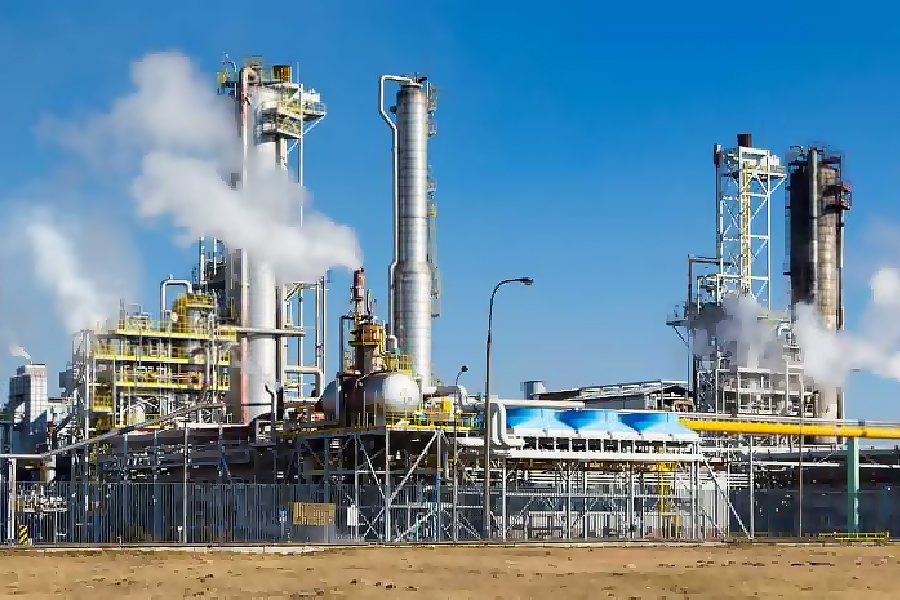
With Vision 2031, the Kerala government has set its sights on turning the state into a competitive industrial powerhouse by focusing on innovation corridors, skill development, and inclusive growth. The Kerala government on Thursday unveiled Vision 2031, an ambitious blueprint aimed at positioning the state as a major industrial hub and one of India’s leading investment destinations. Industries, Law and Coir Minister P. Rajeeve said the government would introduce significant structural reforms to boost industrial growth and strengthen the state’s manufacturing sector. He noted that the new vision document lays out a detailed strategy to transform Kerala into the country’s top industrial destination through comprehensive reforms and projects. One of the major policy initiatives under consideration is an amendment to the Single Window Clearance Board Act, focusing on the establishment of industrial townships and special investment zones to simplify project approvals and promote large-scale industrialisation. To address the state’s evolving skill requirements, the government plans to set up the Kerala University for Skill Development and Entrepreneurship under a public-private partnership model. The university will aim to equip young people with skills relevant to emerging industries by integrating education, incubation, and knowledge creation. A key highlight of the document is the proposed Vizhinjam Outer Area Growth Corridor, intended to transform the region surrounding the Vizhinjam port into a global economic hub. The project includes eight industrial clusters and extends into the Vizhinjam–Kollam–Punalur Growth Triangle, spanning more than 1,700 acres. The corridor is expected to drive the development of a port-based smart industrial and economic ecosystem. The plan also envisions Kerala becoming a global technology centre through the establishment of 200 Global Capability Centres (GCCs) and dedicated innovation parks. Another flagship project, the Kochi Global City, is being developed across 358 acres as part of the Kochi–Bengaluru Industrial Corridor. Designed to attract global financial institutions and corporate headquarters, the project is projected to create around 1.2 lakh direct and 3.6 lakh indirect jobs. Rajeeve said the government remained committed to ensuring a level playing field for both large and small industries, while also promoting the inclusion of women, marginalised communities, and other underrepresented groups in the state’s industrial growth story. Kerala’s industrial landscape has expanded significantly in recent years. The number of registered enterprises has risen from 85,000 in 2021 to 1.685 million, with nearly 48% of them owned by women entrepreneurs—an indication of the state’s growing entrepreneurial participation. The government also plans to develop an aero-defence and drone industrial cluster in Thiruvananthapuram, leveraging its proximity to the Vikram Sarabhai Space Centre and ISRO. In the Malabar region, a Biotech and Life Sciences Campus along with an ESDM and Power Electronics Campus will be established as part of the Kozhikode–Malappuram Industrial Cluster, tapping into the region’s technological potential. Another key initiative, Arena Malabar (Kerala Sports Metropolis), will be developed as a multi-sectoral mega project that integrates sports, healthcare, and industry. The project will feature a comprehensive healthcare centre for athletes and facilities for manufacturing sports equipment. In northern Kerala, a Kannur–Kasaragod Industrial Corridor spread across 2,000 acres is being planned, with a focus on Fintech, IT and ITeS, artificial intelligence, robotics, handlooms, and logistics. Additionally, a mega food processing park in Kollam will focus on value addition in spices, seafood, coconut, and cashew products, further strengthening Kerala’s traditional industries. Collectively, these initiatives reflect the state’s long-term commitment to building a diversified, innovation-driven, and inclusive industrial ecosystem.
Gujarat’s groundnut crop stays flat despite expansion in acreage
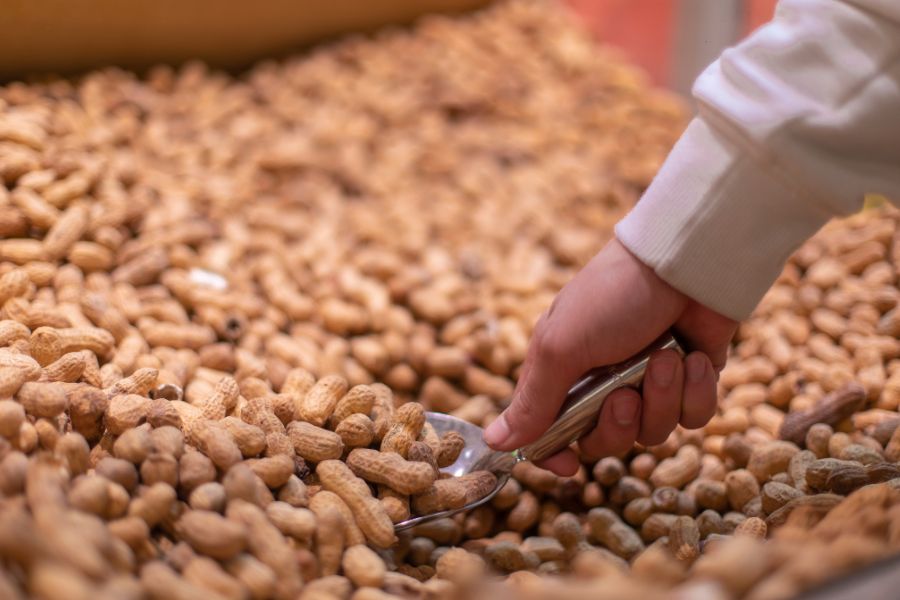
Gujarat’s kharif groundnut harvest for 2025–26 is expected to remain unchanged at around 46 lakh tonnes, even as farmers expanded acreage this year. Erratic weather conditions — from mid-season dryness to heavy late rains — have offset gains in cultivation, keeping output flat, according to estimates from the Solvent Extractors’ Association of India (SEA). Gujarat’s kharif groundnut output for 2025–26 is likely to hold steady at around 46 lakh tonnes, according to the latest estimates by the Solvent Extractors’ Association of India (SEA). The numbers come as a bit of a surprise — farmers sowed more groundnut than ever this season, but the larger area hasn’t translated into a bigger harvest. The SEA’s Groundnut Promotion Council, which conducted a detailed field survey across Saurashtra, India’s groundnut heartland — found that the area under cultivation has grown by almost three lakh hectares compared to last year. But yields have slipped from about 2,210 kg per hectare to 2,090 kg per hectare, cancelling out the benefits of higher acreage. The drop, according to the SEA, has everything to do with the weather. Gujarat saw a dry spell between mid-July and mid-August, a critical stage for the crop, followed by heavy rains just as plants began flowering and setting pods. Those erratic patterns took a toll on productivity across key districts, particularly Amreli, Bhavnagar, Dwarka, Junagadh, and Gir Somnath. In contrast, districts like Rajkot and Jamnagar managed to fare slightly better, benefiting from more balanced rainfall. Even so, the overall production picture has remained flat — almost identical to last year’s revised estimate of 46 lakh tonnes. For a state that accounts for nearly 40% of India’s groundnut production, the stagnant output comes at an important time. The industry had been expecting a bumper crop to ease supply pressures in the edible oil market, where India still depends heavily on imports. While the shortfall isn’t severe, it’s a reminder of how fragile yields can be in the face of changing weather patterns. Analysts say that improving irrigation access, promoting drought-tolerant seed varieties, and investing in better soil and crop management will be key to sustaining productivity in the coming years. Despite the setback, farmers’ enthusiasm for groundnut remains strong — proof that the crop still holds promise as a reliable source of income for Gujarat’s agricultural economy. FAQs 1. What is Gujarat’s projected groundnut output for 2025–26?Gujarat’s kharif groundnut production is expected to remain around 46 lakh tonnes, similar to last year, despite increased cultivation area. 2. Why hasn’t increased acreage translated into higher output?Erratic weather — a dry spell during mid-July to mid-August followed by heavy rains during flowering and pod-setting — reduced per-hectare yields, offsetting gains from expanded sowing. 3. Which districts performed better or worse this season?Rajkot and Jamnagar are likely to see marginal yield gains, while Amreli, Bhavnagar, Dwarka, Junagadh, and Gir Somnath faced lower productivity due to localized weather disturbances. 4. How does Gujarat’s production affect India’s edible oil market?Gujarat accounts for nearly 40% of India’s groundnut production, so stagnant output could influence domestic edible oil availability and price trends, especially for groundnut oil. 5. What measures could improve future yields?Enhancing irrigation facilities, promoting drought-resistant seed varieties, and adopting modern crop management practices are key strategies to stabilize and increase production in coming seasons.

Unlocking the billions hidden in India’s milk: The rise of value-added dairy products
Have you ever wondered if India’s humble milk could unlock billions in revenue beyond just being poured into a glass? The country, home to the world’s largest dairy herd, is witnessing a quiet revolution: consumers are increasingly craving cheese, probiotic yogurts, flavored milk, and other innovative dairy creations. Behind this surge lies a massive untapped potential—both in domestic premium markets and global exports. Exploring how value-added dairy products could transform incomes, exports, and the future of India’s dairy sector reveals opportunities few have fully imagined. In this article, we explore the types of value-added dairy products, market opportunities (domestic and export), challenges, and strategic levers for growth. The Indian dairy sector has always been more a lifeline for millions of rural households. Generations of farmers have relied on their herds for income, while cooperatives like Amul have shown how collective effort can turn milk into a national story. In 2023–24, India produced 239.3 million metric tonnes of milk, roughly a quarter of the world’s output, contributing around 3.5% of the country’s GDP. Despite this scale, most of the milk produced still ends up as plain fluid milk or basic products. The share of value-added dairy—cheese, yogurt, fortified milk, specialty ghee—remains small, leaving huge potential untapped. Creating higher-value products is not just about profits. It can improve returns for farmers, reduce waste, manage seasonal fluctuations, and meet changing consumer expectations. Today’s consumers are looking for nutrition, convenience, and products that blend tradition with innovation. Value-added dairy offers a way to deliver all three. India’s dairy story is one of hard work, resilience, and community, and value addition represents the next step in that journey. By transforming surplus milk into differentiated products, the sector can support better livelihoods, strengthen brands, and carve out a bigger role in global markets. What are value added dairy products? Value-added dairy products go beyond raw or basic pasteurized milk to processed or specialty forms, such as: Cheese, processed cheese, paneer, mozzarella, etc. Yogurts (including probiotic, flavored, Greek-style), dahi, lassi Flavored milk and milk-based drinks Skimmed Milk Powder (SMP), Whole Milk Powder (WMP), whey powders Butter, ghee, anhydrous milk fat (AMF), butter oil Casein, lactose, infant formula, and milk derivatives Traditional Indian dairy sweets (khoa/mawa, rabri, etc.), condensed milk Dairy ingredients (for infant formula, bakery use, etc.) These processed forms command higher margins, longer shelf life, diversified markets, and often better risk absorption against farm-level volatility. Globally, the dairy ingredients segment alone was valued at US$ 78 billion in 2024 and is expected to reach US$ 124.8 billion by 2033 (CAGR ~5.4%). Meanwhile, the global dairy market (all product types) was estimated at US$ 991.5 billion in 2024 and projected to grow to US$ 1,505.8 billion by 2033 (CAGR ~4.75%). In India, rising health consciousness, urbanization, disposable incomes, and the demand for convenience foods are driving consumers toward yogurt, cheese, flavored milk, and probiotic variants. The IMARC Group notes a “significant shift toward value-added dairy products like cheese, yogurt, flavored milk, and probiotic drinks.” Thus, for India, scaling up value-added dairy is not just about exports—it is central to capturing consumer shifts and improving margins across the value chain. Market size and growth outlook India’s dairy sector is entering a strong growth phase, backed by rising incomes, evolving consumer preferences, and expanding processing infrastructure. The domestic dairy market was valued at US$ 135.3 billion in 2024 and is projected to nearly double to US$274.1 billion by 2032 (CAGR ~9.3%). In rupee terms, the industry was estimated at INR 18,975 billion in 2024 and is expected to reach INR 57,002 billion by 2033. According to Brickwork Ratings (2025), sustained growth will be driven by increasing urban consumption, modern retail penetration, cold chain development, and the expansion of branded dairy portfolios. CRISIL similarly anticipates revenue growth of 11–13% for dairy companies in FY 2025, supported by the rising share of value-added products. What consumer trends are shaping the demand for value added dairy? India’s dairy consumers are moving up the value chain, preferring products that combine nutrition, convenience, and indulgence.Key trends include: * Premium and health-oriented products: Strong demand for probiotic, low-fat, lactose-free, fortified, and clean-label dairy offerings. * Convenience formats: Rapid adoption of single-serve yogurts, flavored milk, cheese slices, dairy-based desserts, and snacking cheese. *Modernized traditional sweets: Revival of regional dairy-based mithai (khoa, burfi) positioned as premium or giftable items for urban and export markets. *Rising industrial demand: Increased use of dairy-derived ingredients—such as whey, casein, and milk powders—in bakery, infant nutrition, and protein drinks. *Rural and peri-urban expansion: As incomes rise beyond metros, consumption of packaged and branded dairy products is gaining traction. The Government of India recognizes that strengthening the dairy value chain—from feed and breeding to cold chain logistics and market access—is critical to ensuring inclusive growth. Under the National Programme for Dairy Development (NPDD), investments in processing and marketing infrastructure are being scaled up. The cooperative model, exemplified by Amul, has demonstrated how integration across procurement, processing, and distribution can deliver higher returns to farmers. Yet, a significant share of India’s milk remains outside formal processing: only about 32% of the marketable surplus (47 MMT of ~150 MMT) is handled by the organized sector. Expanding formal processing capacity can convert this informal volume into high-value, export-ready products. Current export performance Despite being the world’s largest milk producer, India’s dairy exports remain relatively small. In 2023–24, India exported 63,738 tonnes of dairy products worth US$ 272.6 million, accounting for just 0.25% of global exports. Exports strengthened in FY 2024–25, reaching 113,350 tonnes valued at US$ 492.9 million — an increase of nearly 78% in volume and 81% in value. Growth was led by ghee and butter exports, which surged 142% to 67,565 tonnes, while milk powder exports declined. Between 2009 and 2019, India’s dairy exports grew at a CAGR of 6.5% in quantity and 12.5% in value, though volatility remains high across destinations such as Egypt. India’s export basket is dominated by ghee and butter (59%), followed by milk powder (27%), cheese (11%), and

PM Modi announces two major agricultural initiatives worth ₹35,440 crore
On October 11, 2025, PM Narendra Modi launched two major schemes with a total outlay of ₹35,440 crore—PM Dhan Dhaanya Krishi Yojana and Mission for Self-Sufficiency in Pulses. Aimed at boosting production, pulses cultivation, and crop diversification, the schemes will run until 2030-31. PM Modi underscored the significance of group farming, millet cultivation, and nutritional security, while inaugurating 1,054 projects and honoring farmers certified under the National Mission for Natural Farming, MAITRIs, and PACS. Prime Minister Narendra Modi on Saturday (Oct 11, 2025) launched two major central government schemes with a combined outlay of ₹35,440 crore, aimed at transforming 100 low-performing agricultural districts and boosting pulse production to reduce dependence on imports. Speaking at the Indian Agricultural Research Institute before a gathering of farmers and agricultural policymakers in New Delhi, he stated that while achieving self-sufficiency is essential, it is equally important to produce for the global market. He stressed the need to prioritize crops with the potential to lead in the international agricultural arena. The two newly launched schemes—PM Dhan Dhaanya Krishi Yojana, with an allocation of ₹24,000 crore for 100 low-performing districts, and the Mission for Self-Sufficiency in Pulses, with ₹11,440 crore—will play a crucial role in this effort. The two schemes, which have already received Cabinet approval, are set to be implemented from the upcoming rabi (winter) season and will continue until 2030-31. The Prime Minister also virtually inaugurated 1,054 completed projects worth over ₹5,450 crore and laid the foundation for 50 new projects valued at around ₹815 crore, covering sectors such as agriculture, animal husbandry, fisheries, and food processing. Focus on pulses and millets The Prime Minister highlighted the nutritional importance of pulses, particularly for vegetarians, emphasizing that pulse cultivation not only enhances farmers’ incomes but also strengthens the country’s nutritional security. Under the Pulses Mission, PM Modi emphasized the need to expand pulses cultivation by 35 lakh hectares by 2030 to enhance production and achieve self-reliance. The mission aims to increase pulses output from the current 252.38 lakh tonnes to 350 lakh tonnes by 2030-31, thereby reducing dependence on imports. He promoted the concept of group farming, urging small and marginal farmers to pool their land, focus on high-value crops, improve productivity, reduce costs, and gain better access to markets. PM Modi also discussed the government’s efforts to promote millets, including bajra (pearl millet) and jowar (sorghum), especially in regions facing water scarcity. Millet cultivation is not only continuing but gaining popularity due to growing market demand and increased health awareness. In areas with limited water, millets serve as a vital crop, and their presence in the global market is expanding rapidly. He further highlighted the indispensable role of farmers in making India self-reliant in food production, urging them to spearhead the nation’s journey toward becoming a developed country. PM-DDKY Implementation Under the PM Dhan Dhaanya Krishi Yojana, efforts to increase farm output in low-productivity districts, will include measures like expanded irrigation facilities and promotion of crop diversification. PM Modi stated that the PM-DDKY, inspired by the Aspirational Districts Programme, will focus on 100 low-performing agricultural districts and consolidate 36 schemes from various ministries. Among the 100 targeted districts, Uttar Pradesh has the largest share followed by Maharashtra and Madhya Pradesh. Uttar Pradesh – 12 districts Maharashtra – 9 districts Madhya Pradesh – 8 districts Rajasthan – 8 districts Bihar – 7 districts Gujarat – 4 districts Tamil Nadu – 4 districts Andhra Pradesh – 4 districts Telangana – 4 districts Odisha – 4 districts West Bengal – 4 districts Assam – 3 districts Kerala – 3 districts Chhattisgarh – 3 districts Jharkhand – 2 districts Uttarakhand – 2 districts Union Territory of Jammu & Kashmir – 2 districts These districts were selected based on low productivity, moderate crop intensity, and below-average access to credit. To implement the program, 36 different schemes from 11 departments will be converged. PM Modi pointed out that while the phrase “36 ka aankda” often implies opposition between two entities, the government has successfully brought together 36 schemes under the PM Dhan Dhaanya Krishi Yojana to drive holistic development in the identified districts. Farmer recognition At the event, PM Modi presented certificates to farmers certified under the National Mission for Natural Farming, MAITRI technicians, and Primary Agriculture Cooperative Credit Societies (PACS) that were converted into Pradhan Mantri Kisan Samriddhi Kendras (PMKSKs) and Common Service Centres (CSCs). The occasion showcased key accomplishments under government initiatives, including 50 lakh farmer memberships across 10,000 Farmer Producer Organisations (FPOs), with 1,100 FPOs reporting an annual turnover exceeding ₹1 crore in 2024-25. Other notable achievements included the certification of 50,000 farmers under the National Mission for Natural Farming, 38,000 MAITRIs (Multi-Purpose AI Technicians in Rural India), and the sanctioning and operationalisation of more than 10,000 multipurpose and e-PACS for digitalisation. The government also focused on strengthening PACS, as well as dairy and fishery cooperative societies. PM Modi interacted with farmers engaged in pulses cultivation, who have benefited from schemes promoting a value chain-based approach in agriculture, animal husbandry, and fisheries. The event was attended by Agriculture Minister Shivraj Singh Chouhan, Fisheries, Animal Husbandry and Dairying Minister Rajiv Ranjan Singh, and Minister of State for Agriculture Bhagirath Choudhary. Read more: Prime Minister Shri Narendra Modi interacts with the Farmers in Krishi program at the launch of two major schemes in the agriculture sector with an outlay of Rs 35,440 crore Uttar Pradesh to contribute 10–12% of the country’s total pulses production FAQs 1. What are the schemes launched by PM Modi and their objectives? PM Modi launched PM Dhan Dhaanya Krishi Yojana and the Mission for Self-Sufficiency in Pulses to transform 100 low-performing agricultural districts, boost productivity, increase pulses production, promote crop diversification, and reduce import dependence. 2. What is the budget and implementation timeline of these schemes? The combined outlay is ₹35,440 crore—₹24,000 crore for PM Dhan Dhaanya Krishi Yojana and ₹11,440 crore for the Pulses Mission. Both schemes will be implemented from the upcoming rabi (winter) season and continue until 2030-31. 3. Which
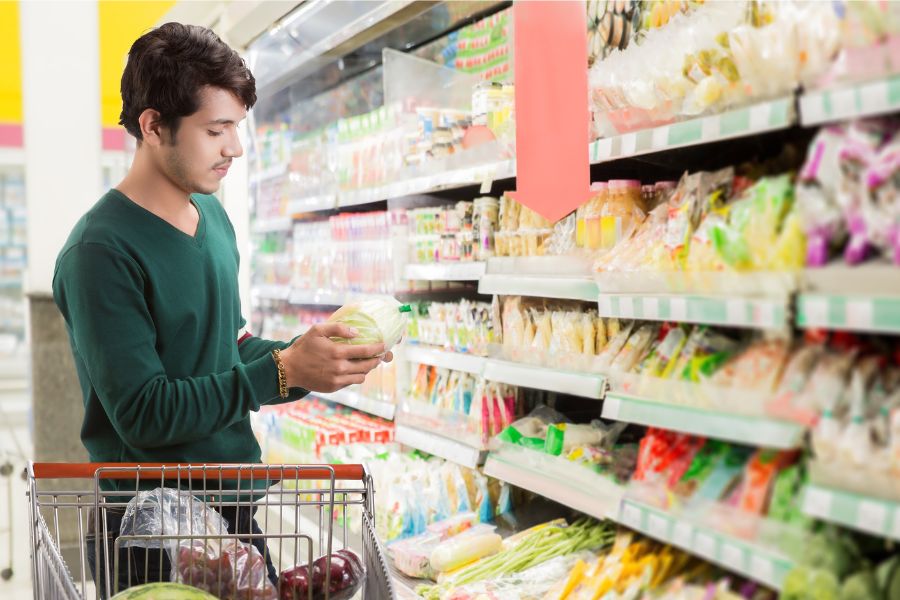
Food, feelings, and gen alpha: The new taste of India
India’s Generation Alpha the 390 million-strong cohort born after 2010 is quietly reshaping the country’s food and beverage landscape. Growing up in a digital, health-conscious, and emotionally aware world, these young consumers see food not just as nourishment, but as a source of joy, connection, and self-expression. India’s Generation Alpha — those born from 2010 onward and numbering nearly 390 million, or about 25% of the population — is emerging as a powerful force shaping the future of consumption. Raised in a fully digital, health-conscious, and emotionally aware environment, this generation is redefining food, seeing it not just as nourishment but as an emotional and sensory experience. IFF has unveiled groundbreaking consumer research exploring these insights. IFF’s latest study delves into Gen Alpha’s emotional connection to food, uncovering the flavours, textures and experiences that spark happiness. It also introduces product concepts that fuse indulgence with nutrition, providing a blueprint for brands seeking to build deeper, more lasting relationships with young consumers. According to Jayant Kapre, Vice President, Commercial, IFF Taste, India, “Gen Alpha may be young, but they are already powerful influencers in household food choices. By uncovering what brings them happiness — emotionally and nutritionally — this research empowers our partners to design products that truly resonate. Building trust today ensures long-term relevance and helps future-proof brand portfolios in a rapidly evolving market.” Food as an emotional experience For India’s Gen Alpha, food carries deep emotional meaning, symbolising affection, pride and belonging. Meals are tied to moments of celebration, togetherness and reward, making food a key part of how children experience happiness and connection. Unlike Millennials, who associate food with health, or Gen Z, who use it as a form of self-expression, Gen Alpha views food as a source of joy and emotional fulfilment. Their approach shifts the narrative from functional or lifestyle-based eating to experiential and happiness-driven consumption. Taste and texture as drivers of joy The study reveals that taste is the strongest driver of happiness, with over 75% of children saying their favourite foods make them happy because they are flavourful. Chocolate leads the list, with 80% ranking it among their top three flavours, followed closely by strawberry, cheese, and playful combinations like mango cheesecake and choco-banana. These choices highlight Gen Alpha’s openness to novelty and surprise, and their willingness to explore diverse taste experiences. Beyond taste, texture plays a crucial role in emotional satisfaction. Foods that are warm, soft, melty or crunchy evoke feelings of comfort and delight. Popular indulgences such as pizza and burgers are described as “warm,” “soft,” and “melty,” connecting them to celebratory moments and family gatherings. They are also tied to peer culture and modernity, chosen for their shareability and association with special occasions. Food is not just sensory — it’s also a medium of self-expression for Gen Alpha. Many children define their identities through food choices, reflecting both global exposure and traditional roots. While pasta may represent individuality and modern tastes, dishes like dal makhani and curd rice evoke comfort and a sense of home. Similarly, cake transcends its role as dessert — it’s a symbol of love and celebration, reinforcing the emotional depth food carries for this generation. The lunchbox gap: Parents vs. children One of the most striking insights from IFF’s study is the disconnect between parental intent and children’s desires. Parents often focus on nutrition, simplicity and home-cooked meals, believing these choices are healthier. However, children crave variety, surprise and sensory excitement, even in everyday meals. Only 40% of children said they were fully satisfied with their lunchboxes, while more than half expressed a desire for greater variety and indulgence — particularly cheesy, crunchy or spicy foods. This gap highlights an untapped opportunity for brands to design nutritious yet engaging offerings that appeal to both parents’ and children’s expectations. Despite parents’ efforts to limit processed snacks, 59% of Gen Alpha children frequently consume packaged snacks. This reflects the strong pull of convenience and indulgence, as well as the emotional appeal of colourful, flavourful, and engaging food experiences. For this generation, joy is as essential as nourishment, signalling a shift in how brands should approach product innovation. Opportunities for brands and innovators IFF’s research identifies clear innovation spaces for food and beverage brands eager to connect with Gen Alpha. These include: Emotion-led flavours and textures — such as cheesy crunch, melty comfort, and spicy playfulness that stimulate both sensory and emotional engagement. Playful, functional nutrition — probiotic drinks or snacks with interactive, flavour-rich profiles that blend fun and health. Interactive and bright packaging — designs that invite children to participate, such as do-it-yourself kits or build-your-own snack experiences, fostering autonomy and creativity. By combining variety, emotion and interactivity, brands can tap into Gen Alpha’s desire for joyful and expressive eating experiences. The future of food belongs to emotion IFF’s study paints a vivid picture of a generation that seeks more than just food — they seek connection, happiness and discovery in every bite. For brands, the message is clear: appealing to emotion is the new pathway to loyalty. As India’s Gen Alpha grows up in a digital-first, health-aware, and emotionally intelligent world, their influence on food culture will only intensify. Companies that listen, adapt and design with empathy will not just win over young consumers — they’ll secure their trust for generations to come.

UP and Bihar’s construction industry boom powers growth
The resurgence of India’s construction sector is propelling strong economic growth in Uttar Pradesh and Bihar, with the sector contributing 13.4% and 11.2% to their GVA in FY24, surpassing the national average of 8.9%. Robust government investment in infrastructure, housing initiatives like PMAY-U 2.0, and employment schemes for construction workers have fueled this expansion. Uttar Pradesh leads India’s construction GVA share at 12.5%, followed by Tamil Nadu and Maharashtra, highlighting construction as a key engine of regional economic revival and post-pandemic growth. The revival of India’s construction sector has emerged as a key driver of economic growth in Uttar Pradesh and Bihar, with both states witnessing a significant increase in the sector’s contribution to their Gross Value Added (GVA) in FY24, according to a recent report by HDFC Bank. The report highlights that construction activity in these states has accelerated sharply since the pandemic, supported by robust government initiatives and increasing private sector participation. The resurgence of the construction sector has substantially bolstered recent growth in Uttar Pradesh and Bihar, with the sector contributing 13.4% and 11.2%, respectively, to the states’ GVA—well above the national average of 8.9%. This growth has been complemented by the fact that both states rank among the top three recipients of the central government’s interest-free loans for capital investment projects, reflecting a strong policy focus on infrastructure-led development. According to the report, Uttar Pradesh has emerged as the leading contributor to India’s overall construction GVA, accounting for a 12.5% share in FY24. It is closely followed by Tamil Nadu at 11.8% and Maharashtra at 10%. Other notable contributors include Gujarat (6.9%), Karnataka (5.7%), Kerala (5.6%), and West Bengal (5.4%), illustrating the widespread role of construction as a growth engine across multiple regions. The rapid expansion of the construction sector in Uttar Pradesh marks a remarkable turnaround compared to earlier years. The sector’s share in the state’s total GVA rose from around 12% in FY12 to 13.4% in FY24, reflecting a significant uptick in infrastructure investment and housing development. Bihar, too, has demonstrated steady recovery, with its construction share reaching 11.2% in FY24 after a prolonged period of sluggish growth. Drivers of growth The revival in both states is largely fuelled by increased public investment in infrastructure, particularly through government-led initiatives focusing on housing, road connectivity, and urban development. Bihar, for instance, has received approval of Rs 9,640 crore under the ‘Special Assistance to States for Capital Investment 2023-24’ scheme. This allocation significantly strengthens the financial capability of states to undertake large-scale, long-gestation infrastructure projects, directly boosting construction activity across roads, bridges, water supply, and other capital assets. In addition to large-scale infrastructure projects, central government schemes such as the Pradhan Mantri Awas Yojana (PMAY) have played a critical role in stimulating construction growth. PMAY, the flagship scheme aimed at providing “Housing for All,” supports the construction of houses for eligible beneficiaries in both urban (PMAY-U) and rural (PMAY-G) areas. Under the second edition of the urban scheme, Pradhan Mantri Awas Yojana – Urban 2.0 (PMAY-U 2.0), an additional 1.47 lakh pucca houses have been approved across 14 States and Union Territories, including Uttar Pradesh, further supporting the construction sector and generating employment in allied industries. Beyond housing, several government schemes have targeted employment and skill development for workers in the unorganized sector, many of whom are employed in construction. Initiatives like the Garib Kalyan Rozgar Yojana focus on providing employment opportunities, including construction-related work, to returnee migrant workers affected by the pandemic. Such programs not only enhance livelihoods but also ensure that the construction sector has access to skilled labor, further strengthening its growth trajectory. The expansion of construction in these northern states also highlights a broader structural shift in the regional economy. With agriculture and manufacturing experiencing comparatively slower growth, construction has evolved into a major growth engine, cushioning the economy and driving overall development. The sector’s rapid revival has generated a ripple effect, stimulating demand for raw materials, machinery, and services, while also encouraging private sector participation in large-scale infrastructure projects. Overall, the strong performance of the construction sector in Uttar Pradesh and Bihar underscores a broader economic rebound, driven by a combination of enhanced public capital expenditure, targeted government schemes, and growing private sector involvement. Read more: India’s real estate sector could hit US$ 10 Tn by 2047 India leads APAC in real estate resilience and growth FAQs 1. What is construction GVA and why does it matter for UP and Bihar?It measures the construction sector’s economic contribution. Higher GVA means more growth, jobs, and infrastructure development. 2. How much did the construction sector contribute in FY24?UP’s construction share was 13.4% and Bihar’s 11.2% of GVA—both above India’s 8.9% average. 3. What government schemes are driving growth?Key schemes include PMAY-U 2.0, Garib Kalyan Rozgar Yojana, and Special Assistance for Capital Investment 2023-24. 4. Why is UP leading India in construction GVA?UP ranks first with a 12.5% national share, driven by major infrastructure projects and strong government spending. 5. How is the boom impacting jobs?It’s creating large-scale employment in construction and allied sectors like cement, steel, and logistics.