Prakash Naiknavare, MD of the National Federation of Cooperative Sugar Factories Ltd (NFCSF), recently interacted with India Business & Trade (IBT) to share his insights on India’s biofuel journey. In this conversation, he highlights where India is leading, the critical gaps that need attention, and the opportunities that lie ahead for industry, farmers, and policymakers. From the evolving role of the sugar sector to the future of advanced biofuels and exports, his perspectives outline a clear roadmap for India’s transition towards a sustainable energy future. IBT: Where is India truly leading in biofuels—and where do we need to catch up? Prakash Naiknavare: India has undoubtedly positioned itself as a global frontrunner in the biofuels journey, particularly in ethanol blending and policy frameworks. Over the past decade, we’ve seen the Ethanol Blending Programme grow from just 1.5% in 2014 to over 12% in 2024, with the E20 target for 2025 very much on track. This rapid progress has been possible because of a strong enabling ecosystem—the National Policy on Biofuels, the SATAT initiative for CBG, viability gap funding for 2G ethanol, and the interest subvention scheme for distilleries have all provided momentum. The sugar industry has transformed itself from being only about sugar to becoming integrated bio-refineries producing ethanol, CBG, power from bagasse, and even organic manure. And perhaps most importantly, biofuels have created new income streams for farmers and rural communities, embedding circular economy principles at the grassroots. At the same time, there are areas where India needs to catch up. Advanced biofuels like 2G ethanol have been slow to scale—only four plants have been set up by OMCs and just one is currently operational, with commercial viability remaining a challenge. Similarly, the SATAT scheme has not achieved its CBG targets due to issues in feedstock aggregation and the lack of assured offtake. Biodiesel blending is still very low, collection networks for used cooking oil are weak, and algae-based biodiesel research is minimal. Infrastructure also remains a bottleneck, whether it’s in storage, blending, or biomass aggregation. So, while the progress has been remarkable, the next step for India is to diversify its feedstock base, strengthen infrastructure, accelerate advanced biofuels, and develop a certification and export-ready ecosystem. If we can address these gaps while building on our existing strengths, India will not just meet domestic energy needs but truly establish itself as a global leader in biofuels. IBT: How has the sugar industry’s role evolved with the rise of biofuels? Prakash Naiknavare: The sugar industry has undergone a remarkable transformation in the biofuel era, moving from a purely sugar-centric model to a multi-product bioenergy hub. What were once just sugar factories are now emerging as integrated bio-refineries. Ethanol has become a core business in its own right rather than a mere by-product, alongside the production of bio-CNG, power from bagasse, and even organic manure. This shift is most evident in the industry’s role in the Ethanol Blending Programme. Today, sugar mills contribute more than 85% of the ethanol supplied to OMCs, with many mills operating dual-feed distilleries that process both molasses and grains. Significant investments have also been made in sustainability-focused infrastructure, such as zero-liquid discharge distilleries, spent wash boilers, and CBG units using press mud. By-products like bagasse and vinasse are being valorized for energy and soil enrichment, embedding circular economy principles into daily operations. The impact is visible across the stakeholder chain. Farmers benefit from assured cane procurement and in some cases participate in value creation from by-products. Rural economies gain through local employment, logistics opportunities, and the multiplier effect of new revenue streams. At the national level, the industry has become the backbone of ethanol blending and a vital contributor to energy security. Of course, challenges remain. High capital costs for advanced biofuel diversification, hurdles in obtaining environmental clearances, and the need for better market integration of CBG and 2G ethanol are real bottlenecks. Yet, the direction is clear—the sugar industry has evolved into a key enabler of India’s biofuel revolution, aligning clean energy production with rural prosperity and national priorities. IBT: What are the biggest barriers for farmers to benefit from the biofuel boom? Prakash Naiknavare: Despite being the primary suppliers of feedstock, farmers often capture very limited value from the biofuel sector. Their role is largely restricted to being raw material providers, without equity or revenue-sharing models in most biofuel plants. One of the biggest issues is the absence of an MSP for biomass. Residues such as cane trash, paddy straw, and cotton stalks have no guaranteed price, and the high cost of collection and transportation makes supply unattractive. This challenge is compounded by the lack of aggregation infrastructure—district-level collection centres equipped with balers, chippers, and storage facilities are still missing in most regions. Payment-related bottlenecks persist as well. Even in cane-based ethanol supply chains, delays are common, and when it comes to crop residues or slurry, clear payment models have not yet evolved. Farmers also struggle with poor awareness of the opportunities that biofuels present—whether it is using digestate as an organic fertilizer or tapping into emerging carbon markets. Finally, regulatory gaps remain. There are no targeted policy mechanisms to encourage farmer-owned CBG units, promote cultivation of energy crops, or enable farmers to benefit directly from carbon credits. Unless these barriers are addressed, farmers will continue to remain on the margins of the biofuel boom, rather than being equal stakeholders in its success. IBT: Is India’s biofuel strategy too reliant on sugarcane? Prakash Naiknavare: It is partially true that India’s biofuel strategy has been heavily reliant on sugarcane. In fact, until 2022–23, sugarcane was the dominant feedstock for ethanol production. However, with the government actively promoting maize, grain-based ethanol has now taken the lead—accounting for nearly 60% of total ethanol output. That said, the bigger issue is that India still depends overwhelmingly on 1G ethanol derived from sugarcane and grains. Almost all of the progress towards E20 has come from cane syrup, B-heavy molasses, and surplus grains. This creates well-known concerns around food–fuel competition, water stress, and policy

Gaming industry warns of massive job losses, seeks review of draft bill
The online gaming industry has warned that the government’s proposed Bill to prohibit all real-money games, including skill-based formats, could trigger large-scale job losses and force several companies to shut down. Industry associations have appealed to Home Minister Amit Shah, seeking his immediate intervention to safeguard legitimate Indian gaming platforms operating responsibly. India’s online gaming industry, one of the fastest-growing sectors of the digital economy, is reeling under shock after the Union government introduced the Promotion and Regulation of Online Gaming Bill, 2025. The draft law, tabled in the Lok Sabha on August 20 by Union Minister of Electronics and Information Technology Ashwini Vaishnaw, seeks to ban all real-money online games—including those based on skill—sparking alarm across the ecosystem. If passed, the bill could deliver a crippling blow to the industry, which is currently valued at US$ 3.8 billion and projected to grow to US$ 9.2 billion by 2029, according to venture capital firm Lumikai. Industry bodies warn that over 20,000 jobs may be lost, more than 300 companies could shut down, and sponsorships for domestic sports leagues could shrink by 30–40%. The 14-page bill defines “online money game” broadly as any online game—skill-based, chance-based, or mixed—that requires players to pay fees, deposit money, or place stakes with the expectation of monetary returns. The only exemption is for e-sports. By grouping skill-based games such as rummy, fantasy sports, and prediction markets with pure games of chance, the legislation has blurred long-standing legal distinctions. “The industry has been consistent in voicing its primary concern: that a blanket ban equates legitimate, regulated, skill-based gaming platforms with predatory gambling models,” noted Ganesh Prasad, Partner at Khaitan & Co. He warned that abrupt prohibitions without a roadmap could hurt investor confidence: “Predictability and stability in regulation are critical. Sudden prohibitions risk deterring capital and talent from entering India’s gaming ecosystem.” Ripple effects across sports and media The online gaming industry is a major advertiser and sponsor for India’s sports economy. Industry representatives argue that the bill could trigger a domino effect far beyond gaming companies. “Non-cricket and grassroots sports may collapse without real-money gaming advertisers, and around 50% of franchise domestic/national level sports leagues may be closed and sponsorship revenue loss for teams and leagues could range from 30–40%. This will also reduce ad spends and lower media revenues”, according to sources. For an industry that employs over 130,000 skilled workers, such disruptions could lead to large-scale layoffs and weaken India’s ambitions of building a global gaming hub. Calls for a differentiated approach Experts argue that instead of banning the entire spectrum of real-money games, the government should take a differentiated regulatory approach—classifying games of skill separately from gambling and introducing safeguards such as age-gating, spending limits, and strict KYC norms. Anurag Dhandhi, Business Head at Probo, drew a comparison with the U.S., where prediction markets are regulated as financial markets by the Commodity Futures Trading Commission (CFTC). “At its core, opinion trading is a tool for economic insight, information aggregation, and forecasting. By fostering informed and responsible participation, it goes beyond entertainment,” he said. He urged the government to recognize such platforms as skill-based activities: “We applaud the intent to build a progressive framework, but a blanket ban would undermine the socio-economic benefits of this sunrise sector, from financial literacy to data-driven decision-making.” Why the government is pushing the bill The Centre, however, argues that the rapid growth of online money games has had a “deleterious effect” on families, society, and the economy. The bill cites several concerns: Link to illegal activities: Cases of online gaming platforms being used for money laundering, terror financing, and fraud. Mental health impact: Studies linking addictive gaming with anxiety, depression, sleep disorders, and behavioural issues among youth. Threat to security and sovereignty: Concerns over platforms being exploited by criminal networks and terrorist organisations. To curb these risks, the bill proposes stringent penalties: a ban on offering real-money games, with violations punishable by up to three years in prison and fines up to ₹1 crore. Promoters and influencers endorsing such games could face two years in jail and a ₹50 lakh fine. A sector under double pressure This legislation comes on the heels of another regulatory jolt: the government’s decision to hike GST on online gaming to 40% from 28% around Diwali last year. The higher tax burden had already dented revenues and forced smaller players out of business. The new bill compounds those challenges, leaving the sector at risk of a regulatory overhang that may stall innovation, drive capital out of India, and shift players to unregulated offshore platforms. While the government insists the move is necessary to safeguard citizens and national security, industry insiders believe a collaborative policy framework—balancing consumer protection with economic opportunity—would serve better. The coming weeks will be crucial as the bill is debated in Parliament and industry stakeholders lobby for amendments. Whether India chooses to nurture its gaming ecosystem or impose a sweeping prohibition could determine the trajectory of one of the country’s most promising digital industries.

Gluten-free industry set for US$ 12.7 billion milestone by 2034
The gluten-free products market has transformed from a niche serving celiac patients into a global movement embraced by health-conscious consumers. Valued at US$ 7.7 billion in 2024, it is forecast to reach US$ 12.7 billion by 2034 at a 5.4% CAGR. Growth in the global gluten-free products market is driven by rising gluten intolerance, consumer preference for clean-label and functional foods, and innovations using flours like almond and coconut. Beyond bakery and cereals, categories such as snacks, beverages, and ready meals are diversifying product options. Government regulations on labelling enhance consumer trust, while organized retail and e-commerce boost accessibility. While North America and Europe lead, Asia Pacific region is showing fastest growth. Gluten-free products, once a niche category primarily serving individuals with celiac disease, have evolved into a mainstream trend widely embraced by health-conscious consumers across the globe. The rising prevalence of gluten intolerance and celiac disease, combined with the growing perception of gluten-free diets as healthier and lighter, is fuelling rapid adoption across diverse consumer segments. Gluten, a protein present in wheat, barley, and rye, functions like a binding agent that provides dough with its elasticity. According to the U.S. Food and Drug Administration (FDA), foods labeled “gluten-free” may contain up to 20 parts per million (ppm) of gluten, as determined by validated testing methods. Gluten-free products are experiencing swift growth, supported by heightened health awareness, improved understanding of gluten sensitivities, and expanded availability across stores and online platforms. The product portfolio includes bakery goods, snacks, beverages, and ready-to-eat meals, meeting diverse consumer needs. Most gluten-free products are made with rice, corn, quinoa, buckwheat, and other gluten-free grains, which are increasingly seen as healthier, allergen-free alternatives. The market serves a wide spectrum of consumers—ranging from those medically required to avoid gluten to individuals voluntarily choosing gluten-free diets as part of a wellness lifestyle. Beyond medical needs, gluten-free products are widely perceived as lighter, cleaner, and easier to digest, encouraging adoption even among consumers without gluten intolerance. According to a report by Global Market Insights, the global gluten-free products market, worth US$7.7 billion in 2024, is expected to surpass US$12.7 billion by 2034, expanding at a CAGR of 5.4% from 2025 to 2034. Key growth drivers include: Rising health awareness and medical necessity Clean-label and product innovation trends Expansion of retail and digital distribution channels Regional market growth and rising urban incomes Marketing and consumer education initiatives As per the research report, the bakery segment is set to reach US$ 4.6 billion by 2034, recording a CAGR of 5.5%. It remains one of the strongest categories within the market, propelled by the rising demand for wheat alternatives. Manufacturers are innovating to enhance flavour, texture, and nutritional value. Although high production costs due to specialty ingredients remain a challenge, the use of alternative flours such as almond and coconut is helping bridge this gap. The cereals and pseudocereals segment, which held a 44.9% share in 2024, is expected to grow at a CAGR of 5.2% through 2034. The widespread application of gluten-free grains in bakery, snack, and convenience food categories makes this segment a critical revenue driver. Rising consumer interest in nutrient-rich and functional foods continues to encourage manufacturers to launch innovative offerings featuring these ingredients. Region-wise, North America accounted for 33.9% of the global market in 2024, maintaining leadership due to higher health awareness and greater prevalence of celiac disease and gluten sensitivity. The United States dominates with strong support from an advanced food industry and established gluten-free brands, while clear regulatory guidelines on gluten-free labelling further boost consumer confidence. Canada is also emerging as a key contributor, especially with growing demand for gluten-free bakery and snack products. The gluten-free products market in Europe is supported by rigorous food safety regulations and detailed labeling practices that promote transparency and reinforce consumer confidence. Leading contributors to this growth include Germany, the United Kingdom, and Italy, which play a pivotal role in shaping the region’s market trajectory. In 2024, Asia Pacific has emerged as the fastest-growing region in the gluten-free products market. Growth is being driven by rising disposable incomes, rapid urbanization, and greater awareness of gluten-related health concerns. China, India, and Japan are experiencing strong demand, supported by shifting dietary preferences and the growing influence of Western food trends. Additionally, government efforts to enhance food quality standards, along with the expansion of organized retail networks, are further propelling the region’s market expansion. Across the rest of the world, including South America, the Middle East, and Africa, the gluten-free products market is steadily building traction and showing signs of increasing adoption. Governments and regulatory authorities across the globe are enforcing stricter labeling requirements for gluten-free products to enhance consumer safety and transparency. Clear certification labels, for instance, have increased consumer confidence. This shift is prompting manufacturers to maintain stricter quality standards, thereby accelerating the growth of the gluten-free products market. Notably, the convergence of gluten-free and plant-based trends is also opening fresh avenues for market growth. Consumers increasingly prefer products that satisfy multiple dietary choices, including organic, vegan, and gluten-free options. This shift is encouraging manufacturers to introduce innovative offerings that meet overlapping lifestyle demands, thereby broadening and diversifying the market landscape. The gluten-free products market is highly competitive with several global and regional players actively pursuing strategies to strengthen their positions. Some of the leading companies are: Kellogg’s Company, Enjoy Life Foods, General Mills, Dr Schär, and Conagra Brands. In order to bolster their market presence, companies are emphasizing on- continuous product innovation to improve taste, texture, and nutrition; Expanding product portfolios with allergen-free and clean-label offerings; Marketing campaigns that emphasize health benefits to attract wider audiences; Partnerships with large retailers and investment in online platforms to broaden reach; Strategic mergers and acquisitions to enhance geographical footprint and product diversity. Conclusion The global gluten-free products market is evolving from a niche segment into mainstream consumption. Although demand continues to be anchored by consumers with medical needs, growth is now largely driven by lifestyle choices and wellness trends. Ongoing innovation, wider
DGTR’s 12% safeguard duty on steel divides industry stakeholders
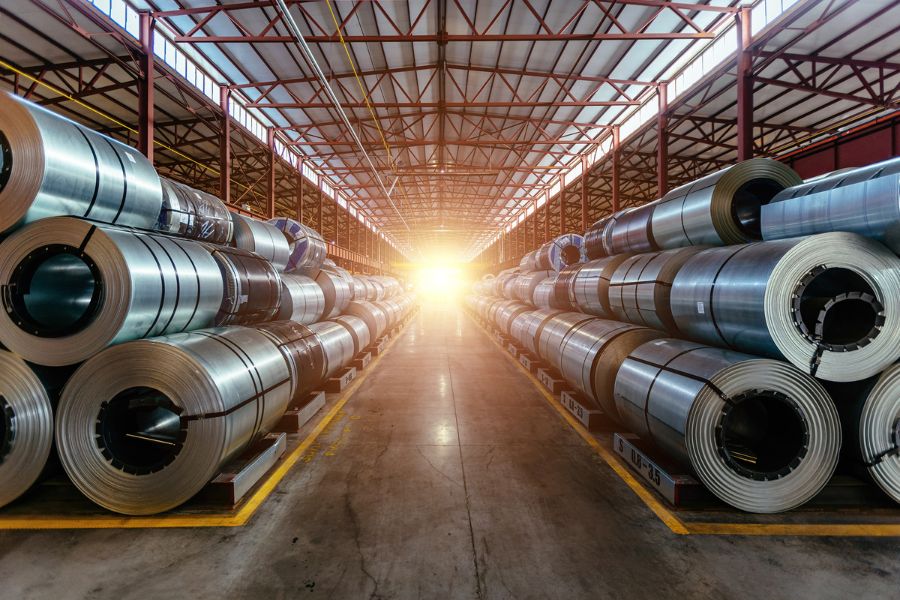
India’s Directorate General of Trade Remedies (DGTR) has proposed a 12% safeguard duty on select steel imports for three years, a measure designed to protect domestic steel producers from a surge in low-cost imports. Announced on August 17, 2025, this follows a provisional 12% duty imposed on April 21, 2025, targeting non-alloy and alloy steel flat products like hot-rolled coils, sheets, plates, and cold-rolled coils. As the proposal awaits approval from the Central Board of Indirect Taxes and Customs (CBIC), it has ignited a debate between domestic steel giants and downstream industries, particularly micro, small, and medium enterprises (MSMEs), over its potential impact on costs and competitiveness. The DGTR’s recommendation stems from a sharp rise in steel imports, which jumped from US$ 2.29 million tonnes in 2021-22 to US$ 6.61 million tonnes between October 2023 and September 2024. This influx, primarily from China, South Korea, Japan, and Vietnam, has been driven by global trade diversions, exacerbated by the United States’ 25% tariffs on steel imports. The DGTR notes that these imports have eroded market share, reduced profitability, and led to underutilized domestic production capacity, posing a serious threat to Indian steelmakers like JSW Steel, Tata Steel, and Steel Authority of India Limited (SAIL). Structure of the Proposed duty The safeguard duty is structured to decrease over time: 12% in the first year, 11.5% in the second, and 11% in the third. To lessen the impact on certain sectors, exemptions are included for imports priced above US$ 675 per metric tonne for hot-rolled products and US$ 964 per tonne for color-coated coils. Imports from developing countries, except China and Vietnam, are also exempt, as their share is below 3% of total imports. Specialty steels, such as tinplate and stainless steel, are excluded to avoid disrupting industries like electronics and automotive manufacturing. Domestic steel producers have welcomed the duty, with stock prices reflecting optimism. Following the provisional duty announcement in March 2025, SAIL’s shares surged by up to 5%, NMDC Steel by over 8%, Tata Steel by 2.52%, and JSW Steel by 1.35%. Analysts from JP Morgan and Crisil predict a price increase of Rs 1,500-2,000 per tonne, boosting earnings for local producers. ICRA estimates that the duty could halve steel imports in FY 2025-26, providing significant pricing support amidst low global prices driven by high inventories. Pushback from Downstream industries Despite the benefits for steelmakers, the duty has drawn criticism from MSMEs and user industries. The Global Trade Research Initiative (GTRI) argues that the import surge was predictable, not sudden, questioning the DGTR’s rationale. India’s steel demand in FY25 reached US$ 137.82 million tonnes, outpacing domestic production of US$ 132.89 million tonnes, highlighting the need for imports. Critics warn that the duty, combined with Quality Control Orders, could lead to price hikes and cartelization, reducing competitiveness for sectors like automotive, infrastructure, and renewable energy. The Engineering Export Promotion Council of India (EEPC) has urged measures like tariff rate quotas to support MSMEs. The safeguard duty aligns with global trends, as countries like the EU, Canada, and South Africa have imposed duties ranging from 25% to 50% to counter redirected steel exports. The U.S. tariffs, intensified in 2025, have particularly impacted India, with Chinese imports alone rising to US$ 2.3 million tonnes in FY24-25, a 6% year-on-year increase. However, the duty risks straining trade ties with Japan and South Korea, where 70-80% of steel imports benefit from free trade agreements. The stainless steel sector faces unique challenges, with the Indian Stainless Steel Development Association (ISSDA) seeking separate anti-dumping duties on imports from China, Vietnam, and Indonesia, which hit US$ 1.73 million tonnes in FY25. This reflects broader concerns about global oversupply and dumping, which threaten India’s domestic industry. Balancing Protectionism and Liberalization The safeguard duty supports India’s “Make in India” initiative but raises questions about its alignment with trade liberalization. Critics argue that higher steel prices could undermine downstream manufacturers, particularly MSMEs, which account for 60% of engineering goods exports. The government has opened a 30-day consultation period and plans an oral hearing to address these concerns. Steel Minister H.D. Kumaraswamy has emphasized finding a balanced solution to protect both producers and users. As India navigates this complex trade landscape, the safeguard duty’s final approval will be critical. While it promises to bolster domestic steelmakers, its impact on costs, competitiveness, and trade relations remains a point of contention. The finance ministry’s decision will shape whether this measure strengthens India’s steel industry or risks disrupting its broader industrial ecosystem.

Lid laminates 2.0: How innovation is redefining F&B branding
Lid laminates are undergoing a significant transformation, driven by evolving consumer needs, sustainability mandates, and branding innovation. This article aims to shed light on how these essential components in food and beverage packaging are being reimagined to deliver enhanced product protection, user convenience, and greater shelf appeal. As packaging plays an increasingly strategic role, lid laminates are emerging as a critical interface between brands and consumers. Technically, lid laminates are multi-layered films used to seal packaged goods and are engineered to offer robust barrier protection. Innovations such as metalized coatings, high-barrier plastics, and nanotechnology-infused films are now being employed to safeguard contents from moisture, oxygen, light, and contaminants. However, for optimal effectiveness, the lid must work in tandem with a compatible base container. If the container lacks similar protective capabilities, the overall integrity of the packaging can be compromised. This highlights the need for a systems-based approach to packaging design, especially for sensitive products like dairy, beverages, and ready-to-eat meals. What sets modern lid laminates apart is their ability to merge utility with sophistication. Easy-peel features ensure effortless opening, while resealable options using zip locks or adhesive strips provide extended usability and help reduce food waste. At the same time, these laminates are evolving into powerful branding platforms. Digital printing technologies now enable brands to showcase high-resolution graphics, vibrant colors, and even limited-edition designs. Elements such as embossing, holographic finishes, and QR codes are increasingly being integrated to offer interactive experiences, helping brands differentiate themselves and build deeper customer engagement. Consumers today value packaging that not only protects the product but also complements their on-the-go lifestyles. Features that maintain freshness, minimize waste, and enhance ease of use are no longer optional; they are expected. Reclosable lid laminates, for instance, allow users to store and reuse products without having to transfer contents to a separate container, making them ideal for busy households and single-serve formats. The global lid laminates market, valued at approximately US$ 2.5 billion in 2023, is projected to reach around US$ 4.6 billion by 2032, growing at a CAGR of 6.8%, according to a Dataintelo report. This growth is fueled by rising demand for sustainable packaging, technological advancements, and the push for improved user experience. Manufacturers are increasingly adopting AI-driven quality control, automated production systems, and sustainable sourcing to boost efficiency while minimizing environmental impact. As regulations tighten and consumers become more discerning, companies that invest in eco-friendly materials, high-performance barrier systems, and compelling design will be best positioned for long-term success. A balanced, holistic packaging strategy—one that considers the interplay between lids and containers, prioritizes functionality, and reflects brand values-will define the next generation of lid laminate innovation. This article is authored by Shailesh Sheth, Chairman & MD of Kris Flexipacks.
India’s auto parts exports poised for strong growth in global markets
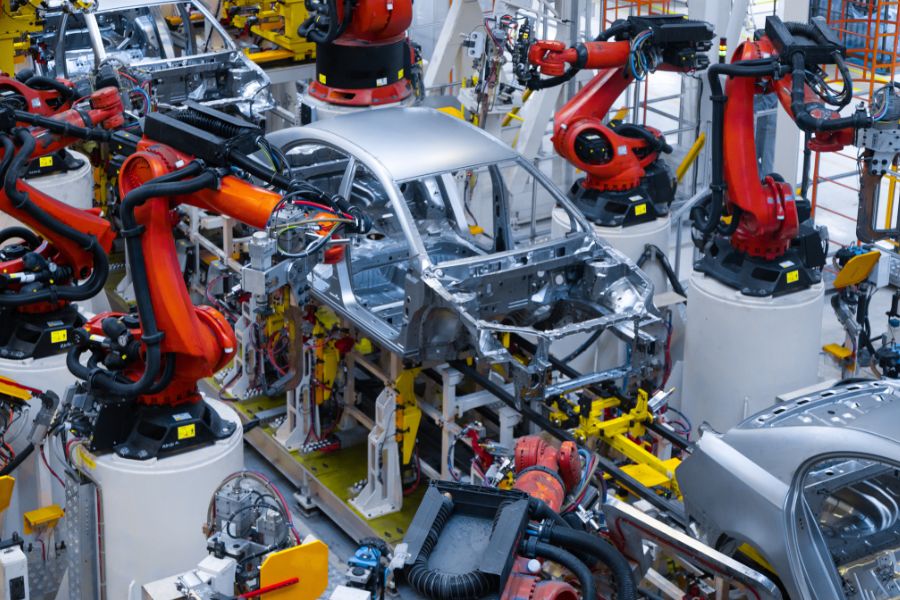
Indian auto component manufacturers are poised for significant export growth in the independent aftermarket (IAM), with major opportunities emerging in Brazil, Indonesia, Colombia, African regions, and the UAE. As per a recent report by EY-Parthenon, Brazil and Indonesia lead among mature markets due to large, ageing vehicle fleets, while Africa’s price-sensitive demand aligns with India’s cost advantage. The UAE serves as a key re-export hub to GCC and Africa. In India, growth is driven by electrification, e-commerce, advanced diagnostics, a growing and ageing vehicle parc, and a shift to organized workshops. The Indian automotive aftermarket valued at US$ 16.4 billion in 2024, is projected to reach US$ 35.5 billion by 2033, at 8.3% CAGR. Image Source: Freepik According to a recent report by EY-Parthenon, Indian auto component manufacturers have a substantial opportunity to grow exports, particularly in the independent aftermarket segment. The global auto component market presents strong growth potential for Indian suppliers, with promising prospects in Brazil, Indonesia, Colombia, and various African regions. The report categorises the opportunity into two market types: Mature markets with large consumption volumes Developing markets with strategic trade advantages Among mature markets, Indonesia stands out with a projected aftermarket size of US$ 7,759 million by 2028. Importers here value short lead times and flexible order quantities—requirements well-suited to Indian suppliers. Brazil also offers immense potential, driven by a high number of vehicles on the road and an ageing fleet, with an expected aftermarket size of US$ 12,091 million. Colombia, with a projected US$ 1,999 million aftermarket, is another attractive target, though success here will require organised supply chains through large distributors and wholesalers. Poland also features in this mature market category, with an aftermarket of US$ 4,769 million, though the immediate priority for Indian players lies in Brazil, Indonesia, and Colombia. Amongst the developing markets, Africa presents vast opportunities. The projected aftermarket sizes are: North Africa: US$ 3,415 million South Africa: US$ 3,685 million East Africa: US$ 521 million West Africa: US$ 596 million These regions typically prefer affordable parts over genuine ones, offering Indian manufacturers a competitive edge. North and South Africa, in particular, are seeing a rise in independent garages, further driving demand for aftermarket components. Customers in East and West Africa are highly price-sensitive, often opting for parts up to 50% cheaper than Chinese alternatives. The UAE, with an aftermarket size of US$ 888 million, plays a strategic role as a trade gateway to Gulf Cooperation Council (GCC) nations and African markets. Its logistical advantages and faster turnaround times make it an essential hub for Indian exporters targeting the region. As per the report, Indian auto component exporters can harness these opportunities to penetrate high-growth markets, utilise their cost advantages, and expand their global reach, with Brazil, Indonesia, Colombia, and Africa as key focus areas. About independent aftermarket (IAM) The independent aftermarket (IAM) covers vehicle parts, accessories, and services supplied outside the control of the vehicle’s original equipment manufacturers (OEMs). While OEM parts are produced by the automaker itself, IAM products are manufactured by third parties and sold through independent distributors, retailers, and service providers. Key characteristics of the IAM include: After a vehicle’s warranty expires, many owners opt for IAM suppliers to reduce maintenance costs. IAM channels offer multiple brand options for the same component, unlike the single-brand approach of OEMs. IAM products are generally more affordable than OEM equivalents. Third-party manufacturers operate extensive distribution networks, including spare parts shops, mechanic workshops, and online marketplaces. Trends in Indian automotive aftermarket The Indian automotive aftermarket is evolving rapidly, shaped by multiple transformative trends. Electrification is reshaping demand as EVs are projected to make up 10–15% of vehicle sales by 2030, reducing the need for traditional components such as spark plugs, radiators, and fuel injectors, while creating growth areas in battery packs, inverters, and thermal management systems. Digitization and e-commerce are revolutionizing accessibility, with both B2C and B2B platforms like Spareshub, Automovill, and boodmo B2B streamlining procurement and supply chains; online spare parts sales grew by 40% last year due to greater convenience and reach. The increasing sophistication of vehicles, with more sensors and complex ECUs, is driving demand for advanced diagnostic tools and skilled technicians capable of interpreting data and performing precision repairs. Meanwhile, the Indian vehicle parc is expected to exceed 32 crore by 2025, with an average age of 7–8 years, boosting demand for maintenance parts and repairs, while the rising popularity of SUVs and compact cars creates segment-specific part requirements. A clear shift is also underway from unorganized to organized workshops and service networks, fuelled by consumer expectations for quality, transparency, and standardized service; the organized aftermarket is forecast to grow at 8–10% CAGR by 2027, aided by technician upskilling initiatives such as EXPRO’s FOFO franchise model and training programs. Growing awareness about the importance of genuine parts is increasing demand for authorized distributors and trusted brands, countering counterfeit risks. Additionally, greater penetration of insurance and warranty services is streamlining the repair process, promoting planned maintenance, and ensuring a steady flow of part replacements, with a rising share of repairs now processed cashlessly. Together, these trends are reshaping the aftermarket landscape, creating both challenges and significant growth opportunities for industry players. In 2024, India’s auto parts aftermarket stood at US$ 16.4 billion, and IMARC Group forecasts it will expand to US$ 35.5 billion by 2033, reflecting a CAGR of 8.3% over 2025–2033. Conclusion India’s auto component industry is well-positioned to leverage its cost advantages, manufacturing capabilities, and strategic access to emerging markets to expand in the global independent aftermarket. With strong demand in Brazil, Indonesia, Colombia, African regions, and the UAE, coupled with domestic aftermarket growth driven by a rising vehicle parc, organized service networks, and digitization, the sector holds immense potential. By aligning with evolving trends and market needs, Indian exporters can secure a stronger global footprint and sustainable long-term growth.

India eyes biofuel future with first SAF from Panipat refinery
Indian Oil Corporation’s Panipat refinery has produced its first batch of Sustainable Aviation Fuel (SAF) from ethanol, marking a key milestone in India’s clean energy transition. With government mandates and global demand for low-carbon fuels rising, India is positioned to emerge as a major SAF producer. Image Source: Freepik In a milestone for India’s green energy ambitions, Indian Oil Corporation’s (IOC) Panipat refinery has become the first in the country to receive certification to produce Sustainable Aviation Fuel (SAF). This achievement marks a crucial step in decarbonising India’s aviation sector, which is under growing pressure to reduce emissions in line with global climate commitments. SAF, a cleaner alternative to conventional jet fuel, can significantly cut lifecycle carbon emissions and help airlines transition to greener operations. The certification allows the Panipat refinery to begin producing SAF through processes that meet rigorous international sustainability standards. This move aligns with India’s broader strategy to promote biofuels, expand renewable energy use, and support the country’s pledge to achieve net-zero emissions by 2070. The role of feedstock in SAF production According to a Deloitte’s report, India’s estimated surplus of 230 million tonnes of agricultural residue will be a crucial resource for producing SAF. This surplus can be used as feedstock for second-generation ethanol production, a key input for the Alcohol-to-Jet (AtJ) technology pathway—one of the most promising routes for SAF manufacturing. The AtJ process with first-generation ethanol, derived from sugar and grain, can provide an initial boost until the technology fully matures. In parallel, Municipal Solid Waste (MSW) and used cooking oil (UCO) are set to contribute to the overall potential, creating a diverse and resilient supply chain. Looking ahead, alternative feedstocks such as sweet sorghum, seaweed, and certain types of industrial waste could further strengthen India’s SAF potential as technologies advance. India’s aviation industry is one of the fastest-growing in the world, making the decarbonisation of air travel both an environmental necessity and a strategic opportunity. SAF can reduce greenhouse gas emissions by up to 80% compared to conventional fossil-based jet fuel, depending on the feedstock and production process. For airlines, integrating SAF into operations can also improve compliance with emerging international emissions regulations, such as CORSIA (Carbon Offsetting and Reduction Scheme for International Aviation). With the Panipat refinery’s SAF capability, India now joins a select group of countries with domestic SAF production infrastructure, potentially lowering dependence on costly imports and helping stabilise prices in the long term. Policy push and industry outlook The Indian government has been actively promoting the biofuels sector through initiatives like the National Bioenergy Mission and updated ethanol blending targets. Industry experts note that SAF adoption will require coordinated efforts across policy, technology, and market development. Incentives, infrastructure investments, and partnerships between refiners, airlines, and technology providers will be critical to scale up production and bring costs down. Currently, SAF is more expensive than conventional jet fuel, but economies of scale, advances in feedstock processing, and supportive policy measures could make it increasingly competitive. With India’s abundant biomass resources and expanding refining capabilities, the country is well-placed to emerge as a regional hub for SAF production in Asia. The Panipat refinery’s certification is expected to inspire similar upgrades across other refining facilities in India. Scaling up SAF production will not only support the aviation industry’s climate goals but also generate rural income through biomass collection and processing, reduce air pollution from stubble burning, and create high-skilled jobs in bioenergy technology. The combination of agricultural residue, waste streams, and innovative feedstocks presents India with a unique advantage. Leveraging these resources efficiently could help the nation meet domestic demand and potentially export SAF to neighbouring markets in the future.

“Weave the Future”: Textile Ministry sets up taskforce to promote sustainable fashion
Marking National Handloom Day, the Ministry of Textiles unveiled a sustainability-driven exhibition and an ESG taskforce aimed at advancing circularity in fashion. The Weave the Future showcase highlights regenerative handloom traditions, indigenous cotton, and artisan-led innovations shaping the future of textiles. Marking National Handloom Day, the Crafts Museum in New Delhi came alive with vibrant colours, intricate textures, and stories of resilience at Weave the Future – Regenerative Edition. This year’s exhibition, inaugurated by Pabitra Margherita, Minister of State for Textiles, celebrates handlooms not just as cultural heritage, but as powerful tools for sustainability, circularity, and climate-conscious innovation. The second edition of the event shifts the focus from last year’s theme of upcycling to championing traditional, regenerative alternatives. It honours the wisdom embedded in India’s textile heritage — knowledge rooted in land, seasons, and communities. Bringing together 30 participating brands and initiatives, the exhibition highlights a new wave of textile artisans, weavers, designers, and enablers committed to redefining the future of fashion. From installations on climate-conscious weaving to demonstrations of digital tools for artisan marketing, Weave the Future is a meeting ground for heritage and innovation. The displayed works range from heritage weaves like khadi, chanderi, and paithani, to contemporary interpretations that blend old-world craftsmanship with new-age sustainability. In India, the handloom sector employs over 35 lakh people, more than 70% of whom are women. Beyond its economic contribution, the sector plays a critical role in women’s empowerment, sustainable livelihoods, and eco-friendly production processes. By avoiding the heavy industrial machinery and resource-intensive processes of mass textile manufacturing, handlooms naturally align with low-carbon, minimal-waste principles. Government’s ESG Push in Textiles Speaking in the Rajya Sabha, Minister Pabitra Margherita noted that the Ministry of Textiles has constituted an Environmental, Social, and Governance (ESG) taskforce — a multi-stakeholder platform aimed at identifying “hotspots” in the textile value chain. Its mandate includes engaging with relevant stakeholders to introduce interventions that can minimise negative environmental and social impacts. Given the significant environmental footprint of the global textile industry — from water pollution caused by dyeing to excessive energy consumption and post-consumer waste — India’s push for an ESG framework signals a proactive approach. This aligns with the global trend where sustainability metrics are becoming a decisive factor for international buyers and fashion houses. Handlooms and other regenerative textile practices offer an inherent advantage in the sustainability debate. They typically rely on locally sourced natural fibres, use less water, and avoid synthetic dyes laden with harmful chemicals. Many artisan-led enterprises also adopt circular economy principles — where textile waste is repurposed or reintegrated into new creations, reducing landfill burden. By embracing both tradition and innovation, regenerative textiles not only cater to conscious consumers but also strengthen India’s soft power in global trade, offering a unique value proposition rooted in culture and sustainability. Pathways to reduce the environmental impact of India’s textile manufacturing While handlooms represent a low-impact, heritage-driven model, much of India’s textile manufacturing still operates within resource-intensive industrial frameworks. To minimise environmental harm and position itself as a global leader in sustainable textiles, India could focus on the following areas: 1. Transition to Eco-Friendly Dyes and ProcessesChemical-heavy dyeing is one of the largest polluters in textile production. Expanding the use of natural dyes, low-impact chemical dyes, and waterless dyeing technologies can drastically cut water contamination and reduce toxicity in production hubs. 2. Energy-Efficient Manufacturing UnitsEncouraging factories to adopt renewable energy sources, install energy-efficient machinery, and utilise heat recovery systems can lower the sector’s carbon footprint. Policy incentives such as tax breaks or subsidies for green retrofits could accelerate adoption. 3. Waste Reduction and Circular Economy PracticesImplementing robust systems for recycling post-industrial waste (scraps, defective pieces) and post-consumer textile waste can help close the loop. India could also explore industrial symbiosis, where waste from one process becomes raw material for another. 4. Water Conservation TechnologiesGiven that textile manufacturing is a major consumer of fresh water, promoting zero-liquid discharge systems, water recycling, and rainwater harvesting in manufacturing clusters could significantly ease pressure on local water resources. 5. Digital Supply Chain TrackingAdopting digital tools like blockchain-based traceability systems can ensure supply chain transparency, making it easier to monitor sustainability claims, track environmental performance, and build trust with eco-conscious buyers. 6. Skill Development for Green JobsTraining workers and artisans in sustainable techniques — from organic fibre processing to energy-efficient production methods — can ensure a just transition, where livelihoods are preserved while practices evolve. 7. Scaling Regenerative and Handloom PracticesWhile handlooms cater to niche markets, their principles can inspire scalable, semi-mechanised systems that retain low-impact benefits while meeting larger market demands. Public–private partnerships could help in modernising without industrialising entirely. The Weave the Future – Regenerative Edition is more than an exhibition — it is a vision board for what India’s textile industry can become. By combining centuries-old artisanal wisdom with cutting-edge sustainability interventions, India can position itself as the global leader in regenerative fashion. As consumer awareness grows and sustainability becomes a commercial necessity rather than a niche choice, initiatives like this not only celebrate heritage but also chart a viable path towards an environmentally responsible textile economy — one that is as rich in culture as it is in climate consciousness.

IIT Delhi innovates denim recycling for sustainable fashion
IIT Delhi researchers have developed a process to recycle denim waste into high-quality knitted garments without losing comfort or durability. By optimising fibre recovery and using seamless whole-garment technology, the method can incorporate up to 50% recycled yarn with no compromise in quality. Image Source: Freepik In a major step towards sustainable fashion, researchers at IIT Delhi have developed a technique to recycle denim waste into high-quality knitted garments while maintaining comfort and durability. With India producing nearly 3.9 million tonnes of post-consumer textile waste annually, most of which ends up in landfills, this innovation addresses one of the fashion industry’s most pressing environmental challenges. The research, led by professor Abhijit Majumdar and professor B S Butola from the Department of Textile and Fibre Engineering, tackles a key hurdle in textile recycling: the loss of fibre strength and length during mechanical processing, which usually results in lower-quality fabrics. By optimising the recycling process, the team minimised damage to fibre properties while converting discarded denim into yarn that retained its quality. These yarns were then used to create knitted garments using seamless whole-garment technology, with recycled fibre content ranging from 25% to 75%. The key breakthrough: up to 50% recycled yarn can be used without any noticeable difference in the texture or quality of the final product. “To reduce the roughness of recycled yarns, a softening treatment was applied to the fabric,” said Majumdar. “This ensured that the tactile feel of the garments matched that of virgin textiles.” Importantly, the process is not limited to denim. “We have demonstrated our work with denim waste, and it can be extended to any other textile waste,” he added. Beyond material innovation, the team also assessed the environmental benefits of their approach. Using Life Cycle Assessment (LCA) in the Indian context, PhD scholar Satya Karmakar gathered data from the Panipat textile recycling cluster to measure the impact. The analysis showed that recycling denim waste through this method can reduce greenhouse gas emissions, acid rain, and fossil fuel depletion by 30–40%, and ozone layer depletion by up to 60%. It also lowers dependence on virgin cotton—a crop responsible for 24% of global warming impact during cultivation due to its heavy use of pesticides, fertilisers, and water. The findings have been published in the Journal of Cleaner Production, and the team’s next goal is to explore whether textile waste can undergo multiple recycling cycles without significant loss of quality. The global textile waste problem The IIT Delhi breakthrough comes at a time when the global fashion industry faces mounting criticism for its environmental footprint. Over 100 billion garments are produced each year worldwide, with a large proportion ending up in landfills or being incinerated. According to the US Environmental Protection Agency (EPA), 17 million tonnes of textile municipal solid waste were generated in 2018 alone. The fashion industry is widely regarded as one of the most polluting sectors after oil, contributing to resource depletion, greenhouse gas emissions, and water contamination. This massive waste problem is compounded by fast fashion trends, which encourage overproduction and rapid consumption cycles. The environmental toll is severe—not just in terms of waste generation, but also in the excessive use of water, energy, and chemicals during textile manufacturing. Textile recycling: An urgent solution Textile recycling offers a practical pathway to address this challenge by diverting waste from landfills, reducing pollution, and lowering resource consumption. The process involves recovering fibre, yarn, or fabric and reprocessing these materials into new, usable products. Textile waste is generally classified into two main types: Pre-consumer waste – Manufacturing offcuts, rejected fabric rolls, and unsold stock. Post-consumer waste – Discarded garments, household textiles, and other fabric products. In recent years, many countries have introduced stricter regulations to curb textile waste, prompting companies to create products from post-consumer waste and recycled raw materials, including plastics. Academic studies show that textile reuse and recycling provide far greater environmental benefits than incineration or landfilling, making them integral to sustainable fashion. Why IIT Delhi’s innovation stands out While textile recycling is not new, a major limitation of conventional methods is the deterioration of fibre strength and length, resulting in coarse and less durable fabrics. IIT Delhi’s approach overcomes this by refining the mechanical recycling process to preserve fibre properties, making it possible to produce garments that meet the quality expectations of consumers. The seamless whole-garment technology used in the project further enhances the appeal of recycled garments by reducing seams, improving comfort, and optimising production efficiency. The softening treatment applied to the fabric ensures that the tactile feel is on par with virgin textiles—a critical factor in consumer acceptance. The scalability of this method is another advantage. Since the process is not limited to denim, it could be applied to other textile waste streams, including cotton blends, polyester fabrics, and home furnishings, potentially transforming India’s textile recycling industry. Looking ahead The IIT Delhi research marks a promising milestone, but it also raises important questions for the future of textile recycling—particularly whether fibres can be recycled multiple times without losing performance. If this challenge is addressed, the fashion industry could move significantly closer to a closed-loop system, where waste is continually reprocessed into new garments. With global attention increasingly focused on sustainability, such innovations will be critical in reshaping the fashion supply chain. By coupling advanced recycling methods with responsible production and consumption practices, the industry can move towards a more circular and less wasteful future.

CAFE minus Biogenic CO₂: Will this gap put India’s biofuel future on the back foot?
India’s biofuel revolution has moved far beyond the pilot stage — ethanol blending is cutting crude oil imports, lowering emissions, and boosting rural incomes. Automakers are investing in E20-ready engines, and policymakers see biofuels as a strategic pillar for energy security. But a critical policy gap threatens this momentum: how Corporate Average Fuel Economy (CAFE) norms account for carbon emissions in ethanol blended cars. Current rules make no distinction between fossil CO₂ and biogenic CO₂ — the latter released when ethanol, made from crops like sugarcane, is burned. Globally recognised as part of a short-term carbon cycle, biogenic CO₂ has a far smaller climate footprint than fossil CO₂. If this difference is ignored, automakers using ethanol blends risk inflated emission figures, steeper penalties, and reduced incentive to innovate. Correct accounting isn’t just fair — it’s essential to keep India’s biofuel ambitions on track and aligned with its clean energy targets. India’s biofuel economy is no longer a niche experiment — it has become a vibrant, multifaceted ecosystem that touches farmers, fuel producers, vehicle manufacturers, policymakers, and even everyday consumers at the petrol pump. From E10 to E20 and beyond, ethanol blending is helping the country reduce crude oil imports, cut emissions, and create new income streams for the rural economy. But as this sector grows, so do the responsibilities that come with it. For the biofuel industry to progress sustainably and gain global credibility, certain issues must be addressed head-on. One such critical area is adherence to Corporate Average Fuel Economy (CAFE) norms — the regulatory benchmarks that set fuel efficiency and carbon emission limits for automakers. And incidentally, the industry, which has spent years in reverse engineering its vehicles for E20, has been making a major demand in this context. Think of CAFE norms as the class report card for a carmaker’s entire fleet. Every automaker sells many different car models — some are fuel efficient, some are gas guzzlers. They don’t judge each car individually; they look at the average fuel efficiency and carbon emissions across all cars a company sells in a year. The government sets a target for that average — for example, “Your fleet must not emit more than X grams of CO₂ per kilometre on average.” This means if an automaker sells one model that burns more fuel, they need to balance it by selling others that consume less. It’s like a cricket team balancing big hitters with consistent singles scorers — the total runs matter more than each player’s score. Now to understand the issue which has caused friction between the industry and the government, we need to bring in another, seemingly technical but hugely important concept into play: biogenic CO₂. It sounds like jargon, but it’s at the heart of how we measure the real environmental impact of biofuel-powered vehicles. Whether a car is running on E10, E20, or higher blends, how we account for the CO₂ it emits — and whether we recognise its biological origins — can make the difference between fair compliance and flawed reporting. Are all forms of carbon emissions alike? Be prepared for some further confusion, because they are apparently not! When you burn petrol, the CO₂ released comes from fossil carbon — carbon that’s been locked underground for millions of years. Once it’s released, it’s an extra load on today’s atmosphere. It is new carbon being added. But with biofuels like ethanol, the CO₂ emitted when you burn them is called biogenic CO₂ because it comes from plants (like sugarcane or maize) that absorbed CO₂ from the air just months ago while growing. When that ethanol is burned, the CO₂ goes back into the air — but it’s basically part of a short-term cycle between plants and the atmosphere. So logically, over its lifecycle, biogenic CO₂ doesn’t increase atmospheric carbon in the same way fossil CO₂ does — provided the crops are grown sustainably. In short, fossil CO₂ is like taking money out of an ancient savings account and spending it now (permanent withdrawal), while biogenic CO₂ is like using money from your monthly salary (it goes out, but also comes back in regularly). This biogenic CO2 impact has been scientifically calculated and accepted globally. The Ministry of Petroleum and Natural Gas (MoPNG) tasked Indian Oil Corporation Limited (IOCL) with experimentally assessing the biogenic content in various ethanol–petrol blends. During the tests, the presence of two carbon isotopes was analysed: C14 isotope – indicative of bio-based carbon and C12 isotope – indicative of fossil-based carbon. The results aligned with the auto industry’s recommendations to the Ministry of Power (MoP). For instance, E20 was found to have a bio-based carbon component of 15%, while E25 and E30 had biogenic CO2 components of 19% and 25% respectively. Based on these findings, the Ministry of Petroleum and Natural Gas (MoPNG) has also requested the Ministry of Power, which has the Bureau of Energy Efficiency (BEE) within its ambit, to factor in biogenic CO₂ when evaluating compliance with CAFE norms. However, this matter has not yet been resolved satisfactorily. The industry has been making this demand, for ‘correct accounting of carbon emissions’, since 2022. And this becomes even more critical as the BEE plans to introduce tougher CAFÉ 3 norms (2027-23). If biogenic CO₂ from ethanol blends like E10 or E20 is ignored in CAFE calculations, automakers’ reported fleet emissions will appear higher than they truly are, making it harder to meet the mandated CO₂ limits under progressively stricter regulations. Under current rules, non-compliance can attract steep fines — ₹25,000 per car for the first km/l shortfall in fuel economy and ₹50,000 for each km/l beyond that, in addition to a base fine of Rs 10 lakh — meaning manufacturers that have actually invested in ethanol-compatible vehicles could still be penalised as if they were selling only fossil-fuel cars. This will be a serious disincentive for automakers as they plan their strategy towards higher ethanol blends and flex fuel vehicles as per the objectives of the government. In the