India’s e-retail market became the world’s second-largest in 2024, surpassing the U.S. with 280 million shoppers, reveals a recent report by Flipkart and Bain and Company. Although growth is slowing, the market is expected to reach US$ 170–US$ 190 billion by 2030, fueled by rising incomes and deeper penetration in smaller cities. Quick commerce, trend-first commerce, and hyper-value commerce are key disruptors shaping the future. Gen Z and tier-2 consumers are driving demand, with platforms like Meesho, Blinkit, and Zepto gaining traction. Retailers can capitalize by customizing assortments, leveraging targeted ads, and enhancing conversions through better ratings, faster delivery, and improved catalogues to align with evolving consumer preferences. India’s e-retail market has achieved a significant milestone, surpassing the US in 2024 to become the world’s second-largest online shopping market. With 280 million online shoppers, India now trails only China, which leads with 920 million digital buyers. However, despite this remarkable expansion, the sector’s rapid growth has begun to decelerate. A report by Flipkart and Bain & Company reveals that India’s e-retail market reached US$ 60 billion in 2024, yet its annual growth has slowed to 10-12%, down from the 20%+ rates seen in previous years. This slowdown is attributed to economic challenges such as rising inflation, stagnant wages, and weakened consumer spending, especially in urban areas. India’s overall consumption growth has taken a hit as well. According to the report, between 2017 and 2019, pre-pandemic spending grew at an annual rate of 11%. However, from 2022 to 2024, this rate declined to 8%, affecting various industries, from FMCG to food delivery. Many consumer brands are facing sluggish revenue growth as they navigate shifting spending patterns. India’s e-retail market exhibits resilience Despite the near-term challenges, India’s e-commerce industry is still on track to reach US$ 170–US$ 190 billion by 2030, expanding at an annual rate of over 18%. This growth will be driven by rising discretionary spending as India’s per capita GDP exceeds US$ 3,500–US$ 4,000—a key threshold that historically triggers increased discretionary and e-retail spending worldwide. In India, states (like Kerala, Karnataka, Gujarat, Delhi, Chandigarh, and Tamil Nadu) with a per capita GDP above US$ 3,500 already show 1.2 times higher e-retail penetration compared to other regions. While Amazon and Flipkart remain dominant, newer players are disrupting the market. Meesho, which targets budget-conscious shoppers in smaller towns, has surpassed Amazon in monthly active users (MTUs), highlighting changing consumer preferences. Meanwhile, quick commerce platforms like Blinkit, Zepto, and Swiggy Instamart have gained significant traction in urban markets with ultra-fast deliveries. By 2030, grocery, fashion, and general merchandise are projected to account for two-thirds of the e-retail market, up from their current 55% share. These categories are set to see a two- to fourfold increase in e-retail penetration over this period. The e-commerce boom is no longer confined to metro cities—since 2020, 60% of new online shoppers have come from tier-2 and smaller cities, and over 60% of newly on boarded sellers since 2021 hail from these regions. This growth is expanding access for consumers in remote, brand-deprived areas, as reflected in the Northeast’s 1.2 times higher e-retail shopper penetration compared to the rest of India. Faster delivery options, cash-on-delivery availability, and e-retail ads serving as indicators of quality, are further pushing this growth. Gen Z shoppers (born 1997–2012) now represent 40% of India’s online buyers. They exhibit high experimentation—about half of them shop on five or more platforms annually and spend three times more on emerging fashion brands than older consumers. Additionally, hyper-value commerce, offering ultra-low-priced products, has surged from 5% of the e-retail market in 2021 to over 12% in 2024, further shaping India’s evolving e-commerce landscape. Three key disruptions to drive future growth As per the report, the next phase of expansion will be driven by three major disruptions: quick commerce, trend-first commerce (particularly in fashion), and hyper-value commerce. Each of these models is at a different stage of maturity, and their collective evolution will play a pivotal role in shaping the future of India’s e-retail landscape. Quick commerce (Q-commerce) is transforming India’s e-retail, accounting for over two-thirds of e-grocery orders and a growing share of overall e-retail spending. Unlike global trends, Indian players have scaled profitably, leveraging high population density and low-rent dark stores. Projected to grow over 40% annually through 2030, Q-commerce is expanding beyond groceries into categories like electronics, apparel, and general merchandise. While metros dominate GMV, growth is accelerating in smaller cities. Q-commerce players have improved profitability by increasing order values, cutting supply chain costs, and monetizing through ads and platform fees. To sustain growth, they must optimize for non-metro markets, manage rising competition, and balance ultra-fast (under 15 minutes) and broader (within an hour) deliveries. Trend-first commerce is rapidly growing in India, with trend-first fashion alone projected to reach US$ 8–US$ 10 billion by 2028, over half from online sales. This model is expanding beyond fashion into beauty, electronics, and luggage, driven by India’s young, social media-savvy, value-conscious consumers. Globally, trend-first fashion thrives on a tech-driven approach: leveraging social media to target Gen Z, launching affordable trendy collections daily, using test-and-scale models, and enhancing user engagement. In India, both offline brands (Zudio, H&M, Zara) and online platforms (Flipkart Spoyl, Myntra Fwd, Shein, Urbanic, Snitch, NewMe) are competing for trend-savvy shoppers, fueled by a growing influencer and supplier ecosystem. Hyper-value commerce is rapidly growing, driven by ultra-low prices. Globally, platforms like Temu have surged, reaching nearly Amazon’s US user base with GMV exceeding US$ 14–US$ 16 billion by 2024. In India, hyper-value commerce has expanded from 5% of e-retail GMV in 2021 to over 12% in 2024, gaining traction among lower-middle-income consumers, especially in smaller cities. Growth is fueled by affordable assortments and seller-friendly policies like financing and zero-commission models. Grasping the intricacies of India’s diverse consumer landscape India’s e-retail market, much like its overall retail landscape, is highly diverse, with purchasing behaviour varying significantly based on age, region, city tier, and e-retail maturity. The report highlights the significance of understanding the complexities of
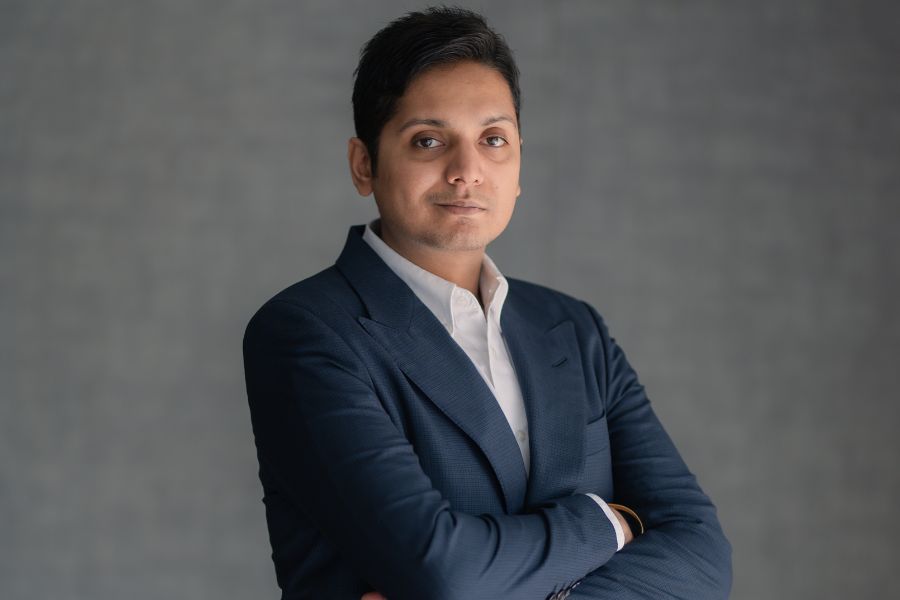
“Air taxis are just a few years away from becoming a reality” – EaseMyTrip
From its humble beginnings as a bootstrapped venture to becoming one of India’s leading online travel platforms and a unicorn, EaseMyTrip has redefined the travel booking experience for millions. At the helm of this remarkable journey is Rikant Pittie, Co-founder and CEO, whose vision and strategic acumen have helped the company stand out in a competitive industry. Offering zero convenience fees and tech-driven innovations, EaseMyTrip has revolutionized seamless and affordable travel booking. In this interview, Rikant shares key insights into the company’s growth story, leadership approach, and his vision for how technology and innovation will shape the future of travel. IBT: Easemytrip has grown significantly over the years, even achieving unicorn status. What strategies were pivotal in scaling EaseMyTrip to its current position in the market? Rikant Pittie: EaseMyTrip’s remarkable growth, from a bootstrapped startup to a leading online travel platform and a unicorn, is a testament to its strategic vision and customer-first approach. One of the most pivotal strategies in our journey was maintaining financial discipline while focusing on organic growth. Unlike many other new age tech startups, we remained profitable even before going public, ensuring a sustainable and resilient business model. Our decision to adopt a ‘no convenience fee’ policy early on helped us build strong customer loyalty by offering transparent pricing and exceptional service, setting us apart in a highly competitive industry. Technology has been at the core of our evolution, enabling us to create a seamless and efficient travel booking experience. Our in-house technology and customer support teams have built a secure and scalable infrastructure that ensures quick response times and personalized service. From AI-driven tools that enhance customer interactions to automated processes that streamline bookings, our commitment to tech-driven innovation has been instrumental in our success. Additionally, our strategic acquisitions, including Spree Hospitality, Eco Hotels and Resorts, and YOLO Bus, have allowed us to diversify our offerings and strengthen our foothold across multiple travel segments. Now, as we expand internationally and introduce a franchise model to enhance offline accessibility, we remain committed to leveraging cutting-edge technology to drive the future of travel. IBT: As a leader, how do you foster innovation within your team to stay ahead in the competitive online travel industry? Rikant Pittie: We are a tech-driven online travel portal, and at the very core of our operations lies innovation powered by technology. As a leader, we have been at the forefront of integrating advanced technologies such as AI and machine learning into our operations. We have developed in-house Smart Voice Recognition Technology, which is powered by AI and ML. This technology enhances customer interactions and provides personalized experiences, setting us apart from our competitors. Additionally, EaseMyTrip uses AI for sentiment analysis and personalized recommendations, ensuring that customer interactions are efficient and satisfying. Staying ahead in the competitive online travel industry requires more than just keeping up with trends; it demands a culture of proactive innovation. We encourage our teams to experiment, learn, and implement solutions that redefine customer experiences. By fostering an environment where creativity meets cutting-edge technology, we ensure that we are not just adapting to change but actively shaping the future of travel. IBT: The travel industry is rapidly evolving with technological advancements. How do you envision the role of technologies like AI and machine learning in shaping the future of travel booking platforms? Rikant Pittie: AI and machine learning are no longer just enhancements; they are becoming fundamental to the evolution of travel booking platforms. Today, many companies, including ours, use AI as the first layer of customer interaction, efficiently addressing common queries and streamlining the booking experience. This not only saves time but also allows human expertise to focus on more complex customer needs. However, the day is not far when AI will no longer be an outlier but an integral norm for every travel brand, driving hyper-personalization, automation, and predictive analytics at scale. Looking ahead, AI and machine learning will continue to refine the travel booking ecosystem by enabling smarter recommendations, real-time pricing adjustments, and seamless fraud detection. From intuitive chatbot assistance to AI-powered itinerary planning, the goal is to create a frictionless and highly tailored customer experience. As the technology matures, it will redefine the way travellers engage with platforms, making travel planning more intuitive, efficient, and personalized than ever before. IBT: You’ve mentioned that ‘air taxis’ could become a reality in the near future. How do you see this innovation impacting urban mobility and the travel industry at large? Rikant Pittie: The way we move within cities is set for a massive shift. Over the next decade, the primary mode of urban travel won’t just be traditional vehicles. Air taxis will also have a share in the travel and transportation segment. With urban roads getting increasingly congested, the airspace between 1,000 and 10,000 feet remains largely untapped. That’s where eVTOLs (electric vertical takeoff and landing aircraft) come in. They’re designed to be autonomous, eliminating the need for a pilot, which not only makes them more cost-effective but also enhances accessibility. While reducing travel time, air taxis could reshape the travel industry by offering a seamless link between airports, business hubs, and residential areas. They’ll complement existing transport options, not replace them, creating a more integrated and efficient ecosystem. And with investments already pouring in, this shift isn’t a distant dream. It is just a few years away from becoming a reality. The future of urban mobility is, quite literally, taking off. IBT: India’s travel and tourism sector is expected to grow significantly in the coming years. What key trends and opportunities do you foresee that could drive this growth? Rikant Pittie: India’s travel and tourism sector is experiencing remarkable growth, driven by several key trends and emerging opportunities. Foreign tourist arrivals surged by 43.5% in 2023, continuing to grow in 2024, with over 5.5 million foreign arrivals between January-July 2024. Domestic tourism is also thriving, with over 2.5 billion domestic visits in 2023, driven by a growing middle class and increasing disposable income. The

Smaller FMCG firms outpace giants in urban India in 2024
Small consumer firms in urban India have outpaced their larger counterparts, growing at nearly twice the rate over the past year, according to Kantar data. While big companies recorded a modest 2-3% rise in sales volume, smaller brands expanded by 5-7%. Factors such as inflation, sluggish wage growth, and rising housing costs have strained urban purchasing power, prompting consumers to shift towards more affordable brands. Image Credit: Pixabay In a surprising shift within the fast-moving consumer goods (FMCG) sector, small consumer firms have outpaced their larger counterparts in urban India over the past year, growing at nearly twice the rate. According to the latest data from market tracker Kantar, these nimble players have steadily gained market share amid a broader slowdown in consumption, underscoring their ability to adapt to changing consumer preferences and economic conditions. Market Dynamics: Small vs. Big Players Big FMCG companies, which account for 34% of the market, registered a modest sales volume increase of 2-3% in urban areas over the past four quarters. In stark contrast, smaller brands, which collectively hold nearly two-thirds of the market, expanded by 5-7%, as per the research firm owned by British communications giant WPP. Saugata Gupta, managing director at Marico, attributes the muted growth of larger FMCG companies to a dual challenge. “At the top, direct-to-consumer (D2C) brands have taken a share. At the bottom end, a lot of small regional players have captured market share,” Gupta explained. Kantar’s data tracks both branded and unorganized products, including unpackaged voluminous commodities. It categorizes large firms as those reaching more than a third of India’s 250 million households—these include major publicly listed FMCG companies, which have witnessed sluggish revenue growth over the past year. Meanwhile, smaller firms with more limited reach, often confined to specific states, include emerging new-age brands and traditional regional players. Urban Consumers Downshift to Affordable Alternatives Inflationary pressures, low wage growth, and rising housing rentals have curtailed the purchasing power of urban consumers, affecting their spending on daily groceries and essentials. The impact of these economic constraints has been felt differently across the FMCG spectrum, benefiting smaller brands more than their larger counterparts. “We see mass-priced segments under pressure in urban areas, and consumers seem to have downgraded to lower-priced brands. Smaller companies have an advantage because their cost of distribution is lower. They rely on informal wholesale distribution, allowing them to pass on extra margins to trade partners or end-consumers,” said Mayank Shah, vice-president at Parle Products. Larger companies have also acknowledged this trend of down-trading. Sudhir Sitapati, managing director at Godrej Consumer Products, recently highlighted the challenge during the company’s earnings call. “We are probably seeing some signs of down-trading in categories like household insecticides. It is certainly a cause of concern, and we will need to watch urban consumption trends closely,” he remarked. Overall Market Slowdown and Regional Disparities The overall FMCG market, including both urban and rural segments, slowed from 6.3% in 2023 to 4.8% in 2024. Large players experienced a more pronounced dip, with growth rates declining from 6.5% to 4.4%. Meanwhile, smaller firms also faced a deceleration, dropping from 6.2% to 5.0%. While bigger companies contributed to the slowdown in urban areas, smaller firms played a key role in dragging down rural market growth. Their growth rate in villages halved to 3% in 2024, whereas large firms managed to sustain a steady 6% growth rate in rural markets. Several major FMCG companies—including Hindustan Unilever (HUL), ITC, Marico, Parle, and Britannia—have flagged the growing influence of regional brands in their earnings reports. During its December quarter earnings call, ITC noted that competitive intensity remained high, particularly from local players in categories like noodles, snacks, biscuits, and popular soaps. The rise of regional brands is not a recent phenomenon. Over the past decade, smaller local players have been steadily eating into the market share of established FMCG giants. This trend accelerated during the COVID-19 pandemic as consumers sought affordable, locally sourced alternatives. Currently, local brands control over 40% of the market in key categories such as salty snacks, tea, and spices. The Road Ahead: Challenges and Opportunities The growing dominance of smaller FMCG firms signals a structural shift in India’s consumer market. Large companies now face the dual challenge of fending off D2C disruptors in premium segments while competing with cost-efficient regional brands in value segments. To counter this, big FMCG players may need to rethink their pricing and distribution strategies. Some have already taken steps to strengthen their presence in value-driven categories, launch smaller pack sizes, and expand direct engagement with retailers. Additionally, investment in digital transformation and regional market penetration could help large firms regain lost ground. While the overall FMCG market may be experiencing a slowdown, the ability of smaller brands to navigate economic headwinds and capture consumer demand underscores their resilience and adaptability. As urban India continues to evolve, competition between large and small FMCG firms is likely to intensify, shaping the future of the sector in the coming years.
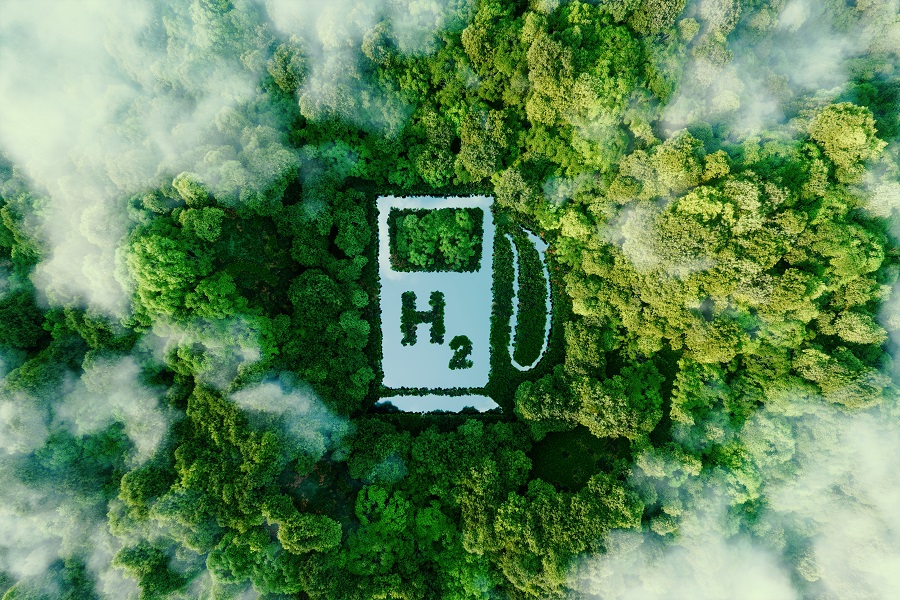
India poised to export cost-competitive green hydrogen
India’s renewable hydrogen developers are hopeful that cost competitiveness and early offtake agreements will drive green ammonia exports by 2027, despite ongoing uncertainty in the sector, according to S&P Global Commodity Insights. The country plans to export over half of its 5 million metric ton renewable hydrogen target by 2030, with major production hubs emerging in coastal states such as Odisha, Andhra Pradesh, Tamil Nadu, Kerala, and Gujarat. India’s renewable hydrogen sector is eyeing green ammonia exports by 2027, leveraging cost advantages and early offtake interest, even as the industry faces a challenging and uncertain landscape, according to S&P Global Commodity Insights. The country aims to export more than half of its planned 5 million metric tons of renewable hydrogen production by 2030. Key coastal states—Odisha, Andhra Pradesh, Tamil Nadu, Kerala, and Gujarat—are expected to serve as major production hubs. Several large-scale developers in these states are currently progressing through front-end engineering design and final investment decision stages. S&P Global’s Hydrogen Production Assets database reports nearly 143 renewable or low-carbon hydrogen projects in India, with a combined capacity of 10.55 million metric tons. The government’s National Green Hydrogen Mission, with an outlay of Rs 197.44 billion (US$ 2.37 billion), is supporting the development of hydrogen production, electrolyzers, and integrated hubs. (The mission aims at creation of export opportunities for Green Hydrogen and its derivatives; Decarbonisation of industrial, mobility and energy sectors; reduction in dependence on imported fossil fuels and feedstock; development of indigenous manufacturing capabilities; creation of employment opportunities; and development of cutting-edge technologies.) The S&P report, however, highlights a mismatch between production costs and market demand that remains a major hurdle. According to market data from Platts Market Heards, the cost of producing renewable hydrogen in India typically exceeds US$ 5/kg, while buyers—particularly in the refining and fertilizer sectors—are only willing to pay under US$ 4/kg. In the case of renewable ammonia, Indian fertilizer companies imported conventional ammonia at an average price of US$ 398/mt in 2024, whereas renewable ammonia offers are around US$ 800/mt FOB. For comparison, Platts assessed the cost of hydrogen produced via alkaline electrolysis (including capex) at US$ 4.32/kg in Queensland as of March 12, a 16.44% decline from the previous month. In Japan, similar hydrogen production was assessed at US$ 5.44/kg, down 19% over the same period. Factors contributing to India’s cost advantage and the challenges it faces India enjoys a cost advantage in green hydrogen production due to several key factors. The country has abundant solar and wind energy resources, with relatively low renewable energy costs compared to other regions, making it ideal for green hydrogen generation. Government initiatives like the National Green Hydrogen Mission provide financial incentives and aim to produce 5 million metric tons annually by 2030, boosting industry growth. The mission seeks to boost green hydrogen’s contribution to 46% of India’s total hydrogen demand by 2030, fostering a robust market for its production and supporting technologies. Additionally, as production scales up, India benefits from economies of scale, which lower per-unit costs. Large-scale facilities enhance operational efficiency through better resource utilization and technological optimization, further driving down the overall cost of production. However, despite its cost advantage, India faces key challenges in the global green hydrogen market. A major hurdle is the lack of dedicated infrastructure for hydrogen transport and storage, unlike Europe’s advanced network. Additionally, a mismatch between production costs and buyers’ willingness to pay limits firm offtake agreements, which are vital for attracting investment. Regulatory uncertainty, particularly in export markets like the EU, further complicates growth. Clarity on frameworks such as the EU’s RED III rules and international blending standards is crucial for Indian developers to ensure long-term market access and stability in the green hydrogen sector. Leading Green Hydrogen producing companies in the country include: Reliance Green Hydrogen and Green Chemicals, ACME Cleantech Solutions, Greenko Zero, Torrent Power, Welspun New Energy, ADANI Green Energy, Indian Oil Corporation Ltd, Oil & Natural Gas Corporation Ltd, GAIL (India) Ltd, National Thermal Power Corporation Ltd, Larsen & Toubro Ltd, JSW Energy. The growth opportunity India’s green hydrogen sector is on a strong growth trajectory, driven by rising domestic demand from key industries like refineries, steel, and cement, all pursuing decarbonization. The government is also actively promoting the blending of green hydrogen with compressed natural gas (CNG) for city bus fleets. This initiative is helping to establish a market not only for green hydrogen production but also for the supporting infrastructure needed for its storage, transportation, and dispensing. The market is expected to reach US$ 8 billion by 2030 and soar to US$ 340 billion by 2050. NITI Aayog, the government’s policy think tank, projects the electrolyzer market to hit US$ 5 billion by 2030 and US$ 31 billion by 2050. This momentum is being powered by favorable policy measures—such as production incentives, tax breaks, and the establishment of green hydrogen corridors—which are attracting robust interest from both domestic and international players. Export prospects are also strong, especially in Europe due to strict carbon regulations. Anri Nakamura, Associate Director at S&P Global Commodity Insights, highlighted that India is among the few nations capable of producing highly cost-competitive green hydrogen. This positions India as a key supplier for regions like Europe, where strict regulations mandate the use of green hydrogen. However, the scenario in the Far East differs. Countries such as South Korea and Japan have more relaxed carbon intensity standards for clean hydrogen, enabling them to meet their targets using blue hydrogen or imported ammonia—often at a lower cost than green hydrogen or ammonia produced in India.

“The circular economy will become the backbone of consumption”
Elima is pioneering a “landfill-free future” by providing integrated waste management solutions. Since launching in 2022 with an e-waste recycling facility in Hyderabad, the company has rapidly expanded, using technology and data-driven insights to help businesses eliminate waste from their supply chains. In this interview, Abhishek Agashe, Co-founder & CEO of Elima, shares insights on overcoming early challenges, leveraging innovation, and scaling sustainable waste management. He discusses Elima’s role in advancing circular economies, supporting waste pickers, and aligning with “Make in India” and “Digital India”. Join us as we explore how Elima is transforming waste into a valuable resource for a more sustainable future. IBT: Elima commenced operations in 2022 with the launch of an e-waste recycling facility in Hyderabad. Could you share the key challenges and successes experienced during this initial phase? Abhishek Agashe: All the founders come with significant experience in this field. Individually, we have around 10 to 12 years of experience, adding up to a combined 35 to 40 years. This background gave us a deep understanding of the intricacies of operating and setting up a plant, including compliance requirements. When we decided to commence operations, our prior experience helped reduce the learning curve in terms of setup. We knew what machinery to procure and the necessary licenses to obtain. The Pollution Control Board offered both dismantling and recycling licenses, and we initially started as a dismantler since it required lower CAPEX compared to a recycling plant. We also had clarity on the machinery, tools, and labor required for processing materials. While setting up was relatively smooth, obtaining various approvals and licenses—beyond just the Pollution Control Board, including labor licenses, factory licenses, and environmental clearances—was a learning experience. Fortunately, Telangana’s ease of doing business and one-window clearance system made the process more manageable. Overall, the setup phase was not a major challenge, though operational challenges always arise once operations commence. IBT: Your mission emphasizes creating infrastructure backed by innovative technologies for waste collection, segregation, reuse, and recycling. Can you elaborate on the specific technologies Elima employs to achieve this? Abhishek Agashe: We realized that a circular economy is about keeping materials in use by eliminating waste—everything becomes an infinite secondary resource. To enable this, infrastructure is critical. Since we handle physical materials, not digital products, we needed to build decentralized infrastructure, as reverse supply chains are scattered and materials don’t come from a single source. We also saw that in first-mile logistics—especially for items like e-waste or plastics—the materials are high in volume but low in weight, making centralized transport inefficient. So, decentralization became key. Processing was the third crucial aspect. To turn scrap into high-quality industrial inputs, we combined physical and digital tech. Digitally, we use GPS-based clustering and open-source route-planning tools to optimize collections. On the physical side, we’ve invested in R&D. For instance, we developed a process to convert refrigerator foam (polyurethane) back into polyol for reuse. We also improved recycling methods for complex plastics from washing machines, adjusting processing parameters to create usable filled plastics—our results are now with CEPET for testing. This blend of digital insight and physical innovation is central to how we streamline circular economy operations. IBT: Elima aims to serve businesses of all sizes with integrated waste management solutions. How do you tailor your services to meet the diverse needs of small enterprises versus large corporations? Abhishek Agashe: In our field, there isn’t a one-size-fits-all solution. While the materials may be the same, both large and small customers generate waste—such as paper waste. That’s why we follow a clustering approach, as I mentioned earlier. We identify clusters with a high density of large customers, a medium density of mid-sized customers, and so on. Using a formula based on clustering and estimated waste generation, we conduct extensive data analysis in the backend. This analysis helps us understand, based on company size, the frequency and type of waste generated across different industries, as well as the expected monthly and yearly volumes. Based on these insights, we decentralize our operations. This decentralization then allows us to extend services to smaller customers in the same vicinity. While these customers may generate lower volumes, their proximity helps reduce our first-mile logistics costs. To further optimize operations, we use route planning and logistics management to facilitate multiple pickups within the same vehicle, maximizing space utilization. By analyzing the types of materials to be collected, we can strategically plan what kind of truck and labor to deploy. Our approach typically begins with larger customers, where volume plays a key role. Once we establish a solid presence in a cluster, we gradually extend services down the value chain, catering to small and medium enterprises. As our customer density grows in a particular area, we aim to provide seamless waste management solutions even for end consumers, such as housing societies, within the next two to three years. Essentially, we follow a top-down approach to ensure efficiency and scalability. IBT: The company believes that circular economies will become primary supply chains for all businesses in the future. What steps is Elima taking to advocate for and facilitate this? Abhishek Agashe: Today, the world consumes 80–90 billion tons of resources annually, mostly through mining and deforestation—and with growing populations and rising purchasing power, this consumption will only increase. Unlike others who push for reduced consumption, we believe progress is driven by it. The challenge is to reduce the environmental impact by using secondary raw materials—those recovered through repair, refurbishment, or recycling. For manufacturers, the adoption of such materials depends on three things: scale, quality, and cost. They need consistent volumes, materials that match virgin quality, and competitive pricing. Even a slight compromise in quality or a higher price can be a deal-breaker. That’s why we focus on innovations across upstream and downstream processing—to optimize all three. If we get the cost, quality, and quantity right, there’s no reason manufacturers won’t adopt secondary materials. Ultimately, end users won’t accept a product just because it’s sustainable—it also has to perform

The next big game: India’s US$ 60 bn gaming growth story
India’s online gaming industry is projected to more than double to US$ 9.1 billion by 2029, growing at a CAGR of 19.6%, driven primarily by real money gaming (RMG). A joint report by WinZO Games and Interactive Entertainment and Innovation Council (IEIC), highlights India’s mobile-first, youth-driven market, which accounts for just 1.1% of the US$ 300 billion global market. With 591 million gamers, 11.2 billion game downloads, and nearly 1,900 companies, the sector holds US$ 63 billion investor potential by 2029. The sector has attracted US$ 3 billion in FDI and could unlock US$ 63 billion in investor value. With increasing demand for regional content and strong digital infrastructure, India’s gaming market is expected to reach US$ 60 billion by 2034, creating over two million jobs. India’s online gaming industry is set for remarkable growth, with its market size projected to more than double to US$ 9.1 billion by 2029, according to a joint report by WinZO Games and the Interactive Entertainment and Innovation Council (IEIC). The report titled ‘India Gaming Market Report: Consolidating Growth, Driving Innovation, Building Resilience’, was recently launched by Dr. Srikar Reddy (Consul General of India at San Francisco) and WinZO’s Co-founders, Mr. Saumya Singh Rathore and Mr. Paavan Nanda. Unveiled at the Game Developers Conference (GDC) in San Francisco, the report highlights the rapid expansion of India’s gaming ecosystem. As per the report, “In 2024, India’s online gaming sector’s size was USD 3.7 billion, and by 2029 (estimated), it will touch a USD 9.1 billion market size. RMG (Real Money Gaming) continues to dominate, contributing 85.7 per cent of the sector’s revenue, valued at USD 3.2 billion, and growing at 18 per cent during 2024.” Currently, India’s gaming industry is estimated at US$ 3.7 billion, with Real Money Gaming (RMG) making up nearly 86% of the overall revenue. The sector is expected to grow at a robust CAGR of 19.6% from FY 2024 to FY 2029. The report underscored the significant untapped potential of India’s mobile-first, youth-centric online gaming market, which currently accounts for only 1.1% of the US$ 300 billion global gaming industry. It highlighted that India has recorded 11.2 billion mobile game downloads and is home to nearly 1,900 gaming companies, employing around 130,000 professionals. The report also noted that Indian gamers largely prefer casual and hyper-casual games developed in regional languages, highlighting the growing demand for Indic content and signaling the emergence of a new era of gaming that is ‘Made in India, for the World’. Some other key highlights from the report: Internet Users: 936 million (2024), 1300 million (2029E), CAGR 2024-29E – 6.8% Smartphone Users: 883 million (2024), 1240 million (2029E), CAGR 2024-29E – 7% Online Gamers: 591 million (2024), 952 million (2029E), CAGR 2024-29E – 10% Paying Gamers: 148 million (2024), 292 million (2029E), CAGR 2024-29E – 14.6% Total mobile game app downloads: 8.6 billion (15%+ share of global game app downloads). Including alternative distribution channels, the total game app downloads for 2024 in India is 11.2 billion. Number of gaming companies: 1,888 Potential investor value yet to be unlocked: US$ 26 billion currently, can go as high US$ 63 billionn by 2029E Cost of mobile data in India: US$ 0.12/GB in 2024; most affordable globally Data Consumption per capita per month: 31.9 GB (2024), 60.3 GB (2029E), CAGR 2024-29E – 13.6%%Regulatory Clarity Could Unlock $26 Billion in India’s Gaming IPOs as Market Eyes US$ 9.1 Billion Growth by 2029 Over 70% of the gamers in India prefer vernacular content India is largely a ‘mobile-first’ gaming market with mobile gaming constituting about 90% of the gaming market, whereas mobile gaming in the US and China market constitute 37% and 62% share, respectively. The share of RMG will moderate from 85.7% currently to 80% by 2029, and the share of non-RMG is expected to increase from 14.3% to 20% during the same period. Expanding investment potential The report also underscores the gaming industry’s investment potential. The industry attracted US$ 3 billion in foreign direct investment, with 85% of it directed toward the Pay-to-Play segment. Based on current valuation multiples, India’s US$ 3.7 billion market could translate into at least US$ 26 billion in investor value via IPOs. If the industry reaches its projected US$ 9.1 billion valuation by 2029, it could deliver US$ 63 billion in investor returns. Nazara Technologies, India’s only publicly listed gaming company, commands the highest premium among global gaming firms. “Both the India Gaming Market Report, and the India Pavilion at GDC highlight our country’s expanding influence in the global gaming landscape, demonstrating the innovation and scale of homegrown gaming companies. As we continue to push boundaries in technology innovation, IP creation, and engagement, WinZO remains committed to shaping India into a global gaming powerhouse,” Mr Nanda said. Looking ahead, India’s gaming industry is set to reach a market size of US$ 60 billion by 2034, fueled by the country’s strong digital economy, a rapidly growing developer ecosystem, and a conducive regulatory environment. This expansion is expected to generate over two million jobs, draw significant foreign investment, and strengthen the global export of Indian gaming intellectual property.

India’s Ad industry gets a smart makeover with AI
AI is transforming Indian advertising through hyper-personalization, creative automation, and large-scale campaign execution. Digital-first sectors lead AI adoption, while traditional industries are gradually integrating it. Despite AI’s efficiency, industry leaders emphasize human oversight, transparency, and ethical governance. Image Source: Freepik Artificial intelligence is transforming the Indian advertising industry by enabling hyper-personalization, creative automation, and greater campaign efficiency. As brands increasingly adopt AI-driven solutions, industry leaders emphasize the importance of transparency, responsibility, and ethical implementation, according to the ADNext report by ASCI in collaboration with Parallel. The report highlights that digital-first sectors are at the forefront of AI adoption, while traditional industries are gradually incorporating AI into their marketing efforts. A Statista survey cited in the report reveals that 42% of Indian marketers are still in the experimental phase of AI adoption, while only 9% have fully integrated AI into their marketing strategies. AI’s ability to operate at scale is one of its biggest advantages in advertising. Mondelez India demonstrated this with its Silk Valentine’s Day campaign, where AI powered the creation of 500,000 personalized animated videos. “That’s the power and scale of Gen AI from a consumer engagement standpoint,” said Vednarayan Sirdeshpande, Director – Consumer Digital at Mondelez India. Beyond efficiency, AI is revolutionizing creative processes in advertising. “The creative process will be crucial in developing advertising. AI can do what it’s told, but the understanding of empathy, sensitivity, and human insight is where human intervention remains critical,” Sirdeshpande added. While AI can generate content quickly, human creativity remains essential for ensuring that advertising resonates emotionally with consumers. Despite AI’s advantages, concerns about trust and safety persist. The report references a Salesforce study indicating that 66% of global marketers believe human oversight is necessary when integrating generative AI into marketing strategies. Mohan Jayaraman, Partner at Bain & Company, echoed this cautious approach: “We’ve been a lot more cautious… maybe it comes from seeing a lot of hype cycles with tech advancements where it’s not played out as much as we thought.” This caution reflects broader concerns about AI’s unpredictability and potential risks. India’s unique consumer perspective on AI adoption is another key insight from the report. According to EY data referenced in the study, 48% of Indian consumers trust AI-generated promotional content, significantly higher than the global average of 23%. Furthermore, 82% of Indian consumers are open to AI-driven purchasing recommendations, demonstrating a strong acceptance of AI in brand interactions. However, experts stress that transparency must remain a priority. “Disclosure labels in generative AI content ensure transparency… but they must be contextual,” said Bibhav Pradhan, Legal Lead at Hindustan Unilever. Without proper context, consumers may struggle to differentiate between human-generated and AI-created content, leading to potential trust issues. The report concludes that while AI offers immense potential for efficiency and scale, brands must prioritize consumer education, ethical implementation, and strong governance frameworks. As AI becomes a critical component of advertising, balancing innovation with responsibility will be essential to fostering long-term consumer trust and engagement.

From 90% to 56%: India cuts China reliance on solar cells
India’s solar industry is on a high-growth trajectory, with imports of solar modules dropping 57% and 10 lakh homes already powered under the PM rooftop scheme. Backed by strong government incentives and rising domestic manufacturing, the country is steadily reducing its reliance on China and emerging as a key solar exporter. India’s solar industry has undergone a significant transformation in recent years, driven by an expansion in domestic manufacturing capacity and proactive government policies. As the country works towards reducing its dependence on imports, its solar sector is steadily moving toward self-sufficiency in solar cell and module production. According to estimates from Rubix, an analytics services provider, India’s imports of solar cells and modules have seen a notable decline, dropping by 20% and 57%, respectively, in the first eight months of 2024-25. A major factor behind this reduction is the sharp decrease in imports from China, which previously dominated the Indian market. In 2023-24, China’s share in India’s solar cell imports fell from over 90% to 56%, while its share in solar module imports declined to 65%. This shift highlights India’s growing capability in solar manufacturing and its efforts to diversify sourcing. Several leading Indian companies are making strategic investments to scale up production and strengthen their positions in the solar market. TP Solar (Tata Power’s solar manufacturing arm), Reliance Industries, Waaree Energies, Vikram Solar, Gautam Solar, AdSolar, and Rene have all announced large-scale capacity expansions in the gigawatt range. “Additionally, the Indian Government’s policy shifts are encouraging local production,” Rubix highlighted. Support under the Production-Linked Incentive (PLI) scheme is further expected to accelerate domestic manufacturing by providing financial incentives to companies investing in solar cell and module production. The government is also taking steps to boost solar adoption at the consumer level. To accelerate rooftop solar installation across households, the government launched PM Surya Ghar: Muft Bijli Yojana (PMSGMBY)—the world’s largest domestic rooftop solar initiative—in February 2024. As of March 10, 2025, the scheme has successfully powered 10 lakh homes with solar energy. Under this initiative, households receive subsidies ranging from Rs 30,000 to Rs 78,000, depending on their electricity consumption and system capacity. By prioritizing the use of “Made in India” solar components, the program not only promotes clean energy adoption but also strengthens domestic solar manufacturing, reinforcing India’s commitment to energy self-sufficiency. Despite these positive developments, India still faces challenges in achieving complete self-reliance in solar manufacturing. The country continues to rely on imports for solar photovoltaic (PV) cells and wafers due to limited domestic manufacturing capacity and the absence of wafer production facilities. Addressing this gap will require significant investments in research, infrastructure, and technological advancements to develop a robust upstream supply chain. At the same time, Indian PV manufacturers are increasingly shifting their focus toward global markets. “India primarily exports solar modules. The export of solar cells is negligible. In fact, India’s exports of solar modules were nearly 35 times that of its solar cell exports (in terms of value) in 2023-24,” Rubix stated. Until FY2024, three major domestic players—Waaree Energies, Adani Solar, and Vikram Solar—accounted for most of India’s photovoltaic exports, with each company exporting over half of its annual production. As demand for renewable energy grows worldwide, other Indian manufacturers, including Grew Energy, ReNew Power, Navitas, Solex Energy, and Saatvik Energy, are also expanding their presence in international markets. These companies are not only increasing their export volumes but also strengthening global supply chains by establishing partnerships and production facilities abroad. India’s solar ambitions align with its broader commitments to sustainability and climate action. At COP26 in 2021, the country pledged to an ambitious five-part “Panchamrit” strategy, which includes achieving 500 GW of non-fossil electricity capacity, sourcing half of its energy requirements from renewables, and reducing carbon emissions by 1 billion tonnes by 2030. Additionally, India aims to cut the emissions intensity of its GDP by 45% and achieve net-zero emissions by 2070.

Alphonso mango: India’s tropical treasure
The Alphonso mango, often hailed as the “King of Mangoes”, is a tropical delight renowned for its rich taste, creamy texture, and captivating aroma. Native to the Konkan region of Maharashtra, this exquisite variety has a deep-rooted history dating back to the Portuguese era, when it was refined for international trade. Over the centuries, Alphonso has evolved into a symbol of India’s agricultural excellence, celebrated not only for its unparalleled flavor but also for its premium market appeal. With rising global demand, exports of Alphonso mangoes have surged, particularly to the UAE, US, UK, and other premium markets. Beyond fresh fruit, value-added products such as purees, desserts, chutneys, and dried mango slices are expanding its commercial footprint. As consumer preference for premium-quality fruits grows, Alphonso continues to strengthen India’s global trade presence, cementing its reputation as one of the finest tropical fruits in the world. The Alphonso mango is celebrated as the “King of Mangoes” due to its exceptional taste, aroma, and texture. This esteemed variety originates from the Konkan region of Maharashtra, particularly in the districts of Ratnagiri and Sindhudurg, where the unique climate and soil conditions contribute to its distinctive qualities. Flavour and Aroma: Alphonso mangoes are renowned for their rich, creamy, and non-fibrous pulp. They possess a unique sweetness accompanied by a delightful fragrance, making them highly sought after both domestically and internationally. Appearance: These mangoes typically weigh between 150 to 300 grams. As they ripen, their skin transforms into a golden-yellow hue with a characteristic blush of red on the top. Seasonality: The Alphonso mango is a seasonal fruit, harvested from mid-April through the end of June. Locally known as Hafus, Alphonso mango is the most popular tropical fruit and a prized cultivar of the “Mangifera indica” species, revered for its exceptional flavor and aroma. Hailing from the coastal regions of western India, particularly the Konkan region, this fruit is rich, creamy, and delicately sweet. The cultivation of this sweet and flavourful variety of mango is rooted in references found in the “Upanishads” and other sacred Hindu texts. But this distinctive fruit has an interesting back story on its name, which honours Afonso de Albuquerque, a Portuguese general and military strategist who established a colony in Goa in the early 16th century. At the time, the mango had good flavour but a firm texture. Realizing its trade potential along the spice route, Aph sought to refine it for export to the King and Queen of Portugal, as the Konkan region had abundant “aam” production. Through extensive research, he developed a new variety by grafting it onto a Hafus tree, thus creating the King of Mangoes—Alphonso. These mangoes had firmer, fleshy pulp and could withstand long sea voyages, making them ideal for trade. This led to global recognition of this variety, now celebrated as the world-famous King of Mangoes. Since then, Alphonso has been cultivated extensively in the Konkan region of Maharashtra and along the western sea coast of India. Recognizing its unique regional identity and superior quality, the Alphonso mango from the Konkan region has been granted a Geographical Indication (GI) tag. This designation helps protect the authenticity of the fruit, ensuring that only mangoes grown in this specific region can be marketed under the Alphonso name. By preserving traditional knowledge and enhancing market value, GI tags play a crucial role in “boosting local economies and ensuring global recognition” for indigenous products. Madhura Inamdar, Agripreneur and Merchant Indian Exporter, Yashaswi Mangoes and Fruits, comments, “GI tag ensures that only mangoes from Ratnagiri get the Ratnagiri Alphonso label. It is preferred in countries like Japan, UAE, and EU for authenticity. It helps in getting the Cerificate of Organic and other Certificates with ease. Mangonet is also a supplementary certificate issued by Ministry of Agriculture GOM which supports this GI, and the certificate is issued to both producers and merchants of Ratnagiri Alphonso Mango.” Significance of Geographical indication (GI Tag) in fruit crops: It prevents unauthorized use of registered geographical indications by other states or location. It provides legal protection to GI goods which boosts up export potential It is an integral part of rural development that can effectively advance commercial and economic interests such as tradition and culture It also boosts business clustering and rural integration on supply chain. GI keeps eyes on quality, traceability and food safety of the products. This fruit is recognised as the finest and most expensive variety of mangoes worldwide. Certain varieties of Hafus are also grown in Karnataka and Tamil Nadu, particularly in Salem, but they lack the distinctive taste and juiciness of the Konkan Hafus. Why Western Ghats? Grown across the 200-kilometer Konkan coastline in “Devgad and Ratnagiri”, Alphonso mango, or “Hafus”, is renowned for its unparalleled taste, aroma, and texture. While many attempts have been made to cultivate Alphonso in different parts of India, the unique topography, soil composition, and climate of the Western Ghats make this region the ideal source for these premium mangoes. The volcanic red soil of the Konkan coast, combined with a hot climate and adequate humidity, creates the perfect environment for Alphonso mango trees to thrive. This distinct coastal yet mineral-rich soil contributes to the fruit’s vibrant saffron-yellow color, delicate aroma, and signature sweetness. Unlike mangoes grown elsewhere, Hafus from Devgad and Ratnagiri has thin skin and thick, creamy pulp, making it juicier and more flavorful. The region’s topography plays a crucial role in mango cultivation. The Western Ghats act as a natural shield, protecting orchards from extreme weather fluctuations while ensuring the right balance of rainfall and sunshine. The proximity to the Arabian Sea provides consistent humidity levels, which enhance the mango’s texture and sweetness. Due to these ideal growing conditions, Devgad and Ratnagiri Hafus are considered the finest varieties, sought after in both domestic and international markets. The mango season, lasting from mid-April to June, sees a surge in exports, with these mangoes reaching consumers worldwide. The exceptional quality of Hafus ensures that it remains the undisputed “King of Mangoes”, celebrated
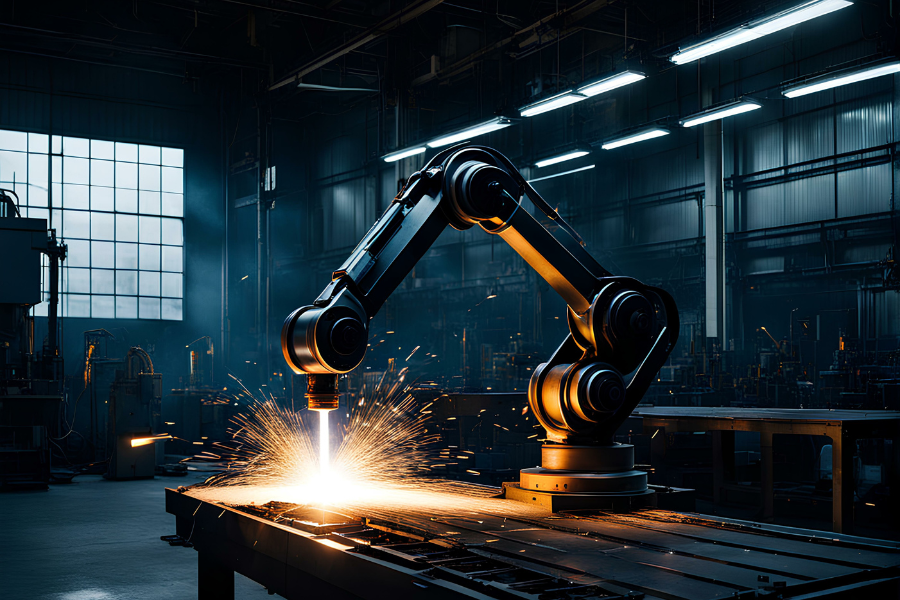
The Dawn of Dark Factories: The Future or a Looming Challenge?
The rise of dark factories—fully automated, AI-powered facilities operating without human presence—marks a transformative shift in modern manufacturing. These “lights-out” factories, equipped with robots and IoT systems, can function 24/7, maximizing efficiency while minimizing labor costs. As industries worldwide embrace automation, dark factories are redefining production norms. Yet, this evolution raises critical questions: Are dark factories the inevitable future of industrial production, or do they introduce economic and social challenges that could overshadow their impressive technological advantages? The rise of automation and artificial intelligence (AI) has redefined how industries function globally, and manufacturing stands at the forefront of this transformation. One of the most groundbreaking developments in this space is the rise of dark factories—highly automated manufacturing facilities designed to run without human intervention. As AI, robotics, and the Internet of Things (IoT) continue to evolve, dark factories are fast becoming symbols of efficiency and technological prowess. But are these facilities the inevitable future of manufacturing, or do they present challenges that could reshape how the the industrial workforce functions? A dark factory, often called a “lights-out factory,” is a production plant that requires no on-site human workers to operate. Equipped with advanced robotics, AI systems, and IoT devices, these facilities can run continuously without pause. Since there is no need for human presence, there is also no need for lighting—hence the term “dark factory.” From the movement of raw materials to assembly lines, quality control, and packaging, every aspect is monitored and executed by machines and AI algorithms. While automation has been a part of manufacturing for decades—think robotic arms assembling cars on production lines—dark factories represent a complete shift from human-machine collaboration to machine-only ecosystems. Why Are Companies Investing in Dark Factories? The global race toward dark factories is fueled by several key advantages that these facilities offer: Increased Efficiency: Automated systems outperform humans in repetitive tasks, producing goods at faster speeds and with greater precision. This translates to fewer production errors and higher-quality outputs. Cost Reduction: By eliminating the need for human labor, companies can dramatically reduce costs associated with wages, employee benefits, and compliance with labor regulations and safety standards. 24/7 Operations: Unlike human workers, robots don’t need rest. They operate round the clock, facilitating non-stop production cycles that maximize output and meet growing market demands. Improved Workplace Safety: Robots take on hazardous tasks in environments that might be too dangerous for human workers, reducing injury rates and ensuring safer operations. Scalability and Flexibility: AI-driven manufacturing systems can rapidly adapt to changing product designs and market trends without the need for extensive retraining, allowing companies to stay agile in competitive markets. Xiaomi’s Dark Factory: A Glimpse Into the Future A striking example of this shift can be seen in Xiaomi’s next-generation smart factory located in Changping, China. In a country that boasts nearly six million factories operating day and night to supply the world with consumer goods, Xiaomi’s facility stands out for its radical approach to automation. Within this unassuming building, production continues 24/7 in near-total darkness. Robots silently and precisely assemble complex electronics, with flashes and sparks from welding robots being the only signs of life inside. Launched late last year, this facility has become a model of how AI and automation can be seamlessly integrated to redefine manufacturing. With an investment of 2.4 billion yuan (approx US$ 330 million), Xiaomi’s 81,000-square-meter dark factory has a staggering production capacity of 10 million devices annually. The factory will lead the production of Xiaomi’s latest foldable smartphones, the MIX Fold 4 and MIX Flip. It operates with self-developed AI systems that manage real-time communication across machines, adjusting parameters on the fly to eliminate defects and ensure optimal performance. Beyond assembly, even maintenance is automated. A fully autonomous dust-removal system keeps the factory spotless, negating the need for human janitorial staff. The facility’s ability to self-regulate and self-maintain is a glimpse into the future of industrial production—one that prioritizes efficiency, precision, and sustainability. The Human Cost: Disruption on the Horizon While the technological benefits of dark factories are clear, they also bring with them significant social and economic challenges—most notably, the erosion of traditional manufacturing jobs. The World Economic Forum’s recent Future of Jobs Report highlighted this tension. It projected that AI and automation will impact nearly 23% of jobs globally within the next five years. Among the report’s findings, a sharp forecast of job losses looms, with an estimated 83 million jobs expected to disappear, offset only slightly by the creation of 69 million new roles. Many of these new positions will require specialized skills centered around technology and AI management. Furthermore, the report warns that by 2027, approximately 42% of business tasks will be automated, and 44% of workers’ current skillsets will face disruption. Alarmingly, up to 60% of the workforce will need to undergo retraining to stay relevant in this rapidly changing landscape. The rise of dark factories signals a powerful shift in how goods are made and how industries operate. For companies, the benefits are hard to ignore—greater productivity, cost savings, and the ability to remain competitive in an increasingly cutthroat market. However, this march towards fully automated production also intensifies concerns over job displacement, income inequality, and the hollowing out of entire sectors that rely on low to mid-skill labor. While some experts remain optimistic, suggesting that new jobs will emerge in AI maintenance, data analysis, and system optimization, the transition will undoubtedly be disruptive. Dark factories offer a tantalizing glimpse into the future of manufacturing, where production lines hum endlessly in perfect synchrony, free from human limitations. Yet, this technological utopia raises essential questions about the future of work and the social responsibilities of businesses and governments in navigating this change. As more companies follow in Xiaomi’s footsteps, balancing innovation with workforce stability will be crucial. The dark factory revolution is here—but whether it becomes a boon or a bane depends on how industries, workers, and policymakers respond to this seismic shift.