India’s no-calorie drinks market has entered a decisive growth phase, transitioning from a niche urban wellness proposition into a mainstream consumption driver. The segment’s share has expanded sharply over the past five years, reflecting a structural pivot in consumer preferences toward lower-sugar and zero-calorie alternatives. What began as a diet-led lifestyle choice is now influencing mass beverage portfolios across carbonated drinks, juices, flavoured water, energy beverages and even coffee, prompting legacy players and startups alike to recalibrate product strategies. India’s zero- and low-sugar beverage market hit a five-year high in 2025, marking a decisive shift from what was once considered a niche urban trend to a mainstream consumption pattern. Sales of zero-sugar drinks surged sharply, with companies reporting record volumes and rising category shares across carbonated drinks, juices, energy beverages, coffee, and even flavoured water. Coca-Cola, which leads India’s ₹60,000 crore-plus soft drinks market, reported that its zero-sugar portfolio reached an all-time high of 30% of its total volume sales in 2025. The company’s no-sugar lineup includes Diet Coke, Coke Zero, Thums Up X Force (no sugar), Sprite Zero, Kinley water, along with juice and energy drink variants. Diet Coke alone saw its sales double year-on-year, underscoring the accelerating demand for sugar-free alternatives. Executives cited internal data showing that Coca-Cola commanded a 71% share of the total “diets and lights” category in FY25, including zero-sugar versions of Thums Up and Sprite. (Coca-Cola is also strengthening consumer engagement through data technology and AI, and has developed Coke Buddy, a self-ordering platform designed for retailers.) This is much in line with what the company is doing globally – repositioning itself from a carbonated soft drink giant to a multi-category beverage company — spanning sparkling (Coke, Sprite, Fanta — zero variants), water & hydration, coffee, energy drinks, functional beverages and juice & dairy. In fact, it globally tracks “calories per serving sold” and % of low/zero sugar portfolio as strategic metrics. PepsiCo also posted its highest year-on-year growth in the category. According to its bottling partner Varun Beverages (VBL), no-sugar and mid-sugar drinks accounted for 59% of PepsiCo’s total volume in the October–December 2025 quarter, up from 53% in the corresponding quarter the previous year. This marked the company’s single biggest year-on-year surge in the healthier beverages category. The portfolio includes Pepsi Black, 7 Up Zero Sugar, Sting energy drink, Tropicana no-sugar variants, Evervess Soda and Aquafina water. VBL, PepsiCo’s second-largest franchise partner outside the US, attributed the growth to a sustained focus on healthier beverage offerings. Changing consumer behaviour and pricing push The broader market trend is striking. The sales share of zero- and low-sugar drinks rose from about 5% in 2020 to an average 30% in 2025, with a particularly sharp spike over the past 12 months, according to a report by the Economic Times. Industry executives said the transformation reflects rapidly changing consumer preferences, improved availability and affordable prices. Companies are aggressively expanding distribution and and refining pricing strategies to drive faster adoption. Coca-Cola, for instance, is pushing sugar-free cans such as Thums Up X Force, Coke Zero, Diet Coke and Sprite Zero at entry price points starting around ₹10. It has also introduced no-sugar variants of Schweppes flavoured water. Marketing campaigns — including social media trends such as blending Diet Coke with espresso coffee mixes — have further amplified visibility among younger consumers. The company also launched Powerade during the ICC World Cup as part of its innovation push in lower-sugar hydration beverages. The shift is no longer confined to fizzy drinks. Coffee chains and smoothie brands are adapting to changing preferences. Industry experts noted that customers increasingly want greater control over sweetness levels without compromising familiar taste, seeking to balance indulgence with lower calorie intake. Tata Starbucks introduced sugar-free flavour options across more than 500 stores in January, noting a spike in demand at the start of the year when consumers reassess routines and adopt New Year health resolutions. Gen Z, wellness trends and health awareness drive demand Industry experts view this phase as a generational turning point. India’s urban consumers have shifted from simply discussing health to actively embracing healthier choices. Gen Z, as per the experts, is at the forefront of this transition, driven by heightened wellness awareness as well as aesthetic goals. With India’s large youth population, these evolving preferences are translating into significant gains in overall beverage volumes. Health trends are also reinforcing the shift. Rising awareness of diabetes, calorie intake and weight management, along with the growing visibility of weight-reduction drugs such as Semaglutide and Tirzepatide in the Indian market, are shaping consumer behaviour. Diet and zero-sugar drinks, once considered acquired tastes or lifestyle statements, are increasingly viewed as practical everyday substitutes rather than compromises. The momentum has extended beyond large multinational beverage companies to startups and direct-to-consumer brands. Private equity investors are backing emerging players positioned around low- or no-sugar propositions. Go Zero raised ₹30 crore in Series A funding from DSG Consumer Partners, Saama Capital and V3 Ventures. Café chain Yummy Bee secured ₹18 crore in funding, while zero-sugar beverage startup Chini Kum raised ₹1 crore in pre-seed capital earlier this month. These investments reflect strong investor conviction in the long-term sustainability of the health-driven consumption trend. Overall, India’s beverage market is undergoing a structural transformation. What began as an urban wellness fad has evolved into a broad-based, volume-driving segment across price tiers and categories. As consumer awareness deepens, innovation accelerates, and companies expand affordable options, zero- and low-sugar beverages are emerging as a central growth engine in India’s soft drinks and broader beverage industry. Conclusion The surge in zero- and low-sugar beverages reflects deeper shifts in India’s consumption economy, where health, affordability and accessibility increasingly intersect. The health food market size in India is already pegged at a huge US$ 942.73 billion in 2025 by SNS Insider, and is projected to reach US$ 1.7 trillion by 2033, growing at a CAGR of 7.3%. The country’s vegan food market is expected to nearly double to US$ 4.9 billion by 2030 (MarkNtel Advisors). According to a
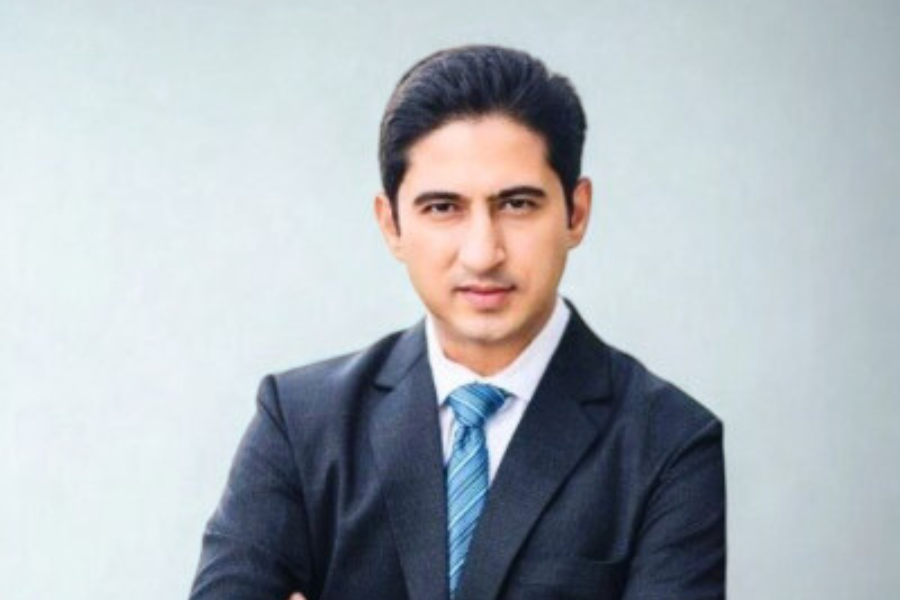
Snacking reimagined: Tradition, health & premiumisation in India’s biscuit boom – Ritesh Gauba, Pladis Global
India’s biscuit industry — valued at nearly US$ 5 billion — is undergoing a structural transformation, mirroring the country’s evolving snacking habits. What was once a simple tea-time accompaniment is now a multi-occasion, multi-segment category spanning health, indulgence, convenience, and premiumisation. From digestive variants and oats-based formats to cream-filled innovations, biscuits today cater to both mindful consumption and everyday pleasure. In this conversation with India Business & Trade, Ritesh Gauba, Country General Manager, Pladis Global, shares how shifting consumer behaviour, channel disruption, regional insights, and sustainability priorities are reshaping the future of India’s biscuit market. IBT: India’s snacking culture is shifting from traditional munchies to “small indulgences.” How has this evolution reshaped the biscuit category, and what key consumer trends are driving growth today? Ritesh Gauba: Traditional Indian munchies like samosas, dhoklas, and gulab jamuns are indulgent treats – enjoyed occasionally for fun and flavor. In contrast, biscuits have evolved far beyond that. Today, they cater to multiple snacking moments and moods – healthy or indulgent, solo or social. A digestive pairs well with morning tea, oats biscuits follow a workout, cream biscuits delight kids, and cookies or butter biscuits are served to guests. Post-COVID, health consciousness has reshaped the category, but biscuits remain about joy. Brands are striking a balance – offering better-for-you options like digestives and multigrain variants while keeping taste intact. The result is “intelligent indulgence” – a category that fits every age, occasion, and craving, blending health, variety, and pleasure in the way modern India loves to snack. IBT: The biscuit market has become highly competitive with strong domestic and global players. How do you view the current competitive landscape, and where do you see opportunities for differentiation? Ritesh Gauba: Yes, we do see the biscuit market becoming increasingly competitive. But it’s also a very large category – nearly a $5 billion industry in India. And as I always say, in India, niche is also mass. So the real opportunity lies in finding differentiation within those niches. For instance, while there’s a huge market for cookies and cream biscuits, there’s also significant demand for digestive and zero-sugar variants. Given the size and diversity of the market, there’s room for everyone – it’s about identifying the right space to play in. Where I see strong potential going forward is in the health segment, or what I like to call “indulgent health.” Biscuits are, after all, a fun snacking category – not a serious one. So the focus is on combining taste with better-for-you ingredients. That’s the space we’re working in and will continue to strengthen. IBT: Biscuits are deeply linked to comfort and nostalgia. How are you balancing this emotional connect with the growing demand for healthier, functional, and mindful snacking options? Ritesh Gauba: I’ll start with an example. A cream biscuit is fun, and a digestive is healthy. We recently launched a product that combines the best of both – a digestive cream biscuit. It’s essentially a cream filling sandwiched between two digestive biscuits. The idea came from a simple insight: consumers don’t always want a pure cream biscuit, but they also don’t want something too serious. Biscuits are meant to be fun. So, the goal is to bring fun and health together – what I call “indulgent health” or “healthier options” rather than just health. That’s the space we’re focused on. Another example is our Hobnobs Chocolate Chip variant. It’s an oats-based biscuit – almost 35–40% oats – but with added chocolate chips. So, you get the goodness of oats with the enjoyment of chocolate. The idea is all about balance – creating products that deliver health benefits without compromising on taste. That’s the direction we’re moving in and will continue to strengthen. IBT: Regional preferences across India vary widely – from sweet to spicy profiles. How do insights into these regional tastes influence your product innovation and portfolio strategy? Ritesh Gauba: Let me start by giving this a more Indian context. Some biscuit categories – like Marie, cookies, and cream biscuits – truly cut across India. In fact, most large biscuit formats have national appeal. For McVitie’s, which is a global powerhouse in the biscuit space, our primary focus in India has been on local innovation. We have our own manufacturing facility here, and everything sold in India is made in India. We also ensure that a lot of our product innovations are designed specifically for Indian consumers. For example, we’ve launched our Tastees cookie range, along with variants like coconut and cashew biscuits – flavours that resonate strongly with Indian taste preferences. Alongside these, we continue to offer our global favourites like Digestives and Hobnobs. But at the first level, our focus remains clear – to create products for the Indian consumer, based on what he or she truly wants. At the next level, we also look at different consumer segments or “pop strata.” For instance, we have digestive biscuits available at just ₹5, which are literally small, pop-sized packs, as well as ₹10 digestives. This helps us reach across demographics and ensure accessibility without compromising on quality. IBT: Affordability remains key, but premiumization is on the rise. How do you strike the right balance between accessibility, value, and premium positioning across different consumer segments? Ritesh Gauba: Exactly – who would think of offering a digestive biscuit at ₹5 or ₹10? But we do. Of course, the size changes, but the quality remains the same. It’s about finding the right balance. We have very premium products like Hobnobs, and at the same time, we make products like Digestives more affordable by offering the right pack sizes. Going forward, we’ll continue to launch products that cater both to premium consumers and to those who are value-conscious. It’s about ensuring that everyone can enjoy McVitie’s quality, no matter their budget. IBT: E-commerce, quick-commerce, and modern trade are redefining distribution. How are you adapting your go-to-market and retail strategies to stay relevant across both digital and traditional channels? Ritesh Gauba: Let me start by saying
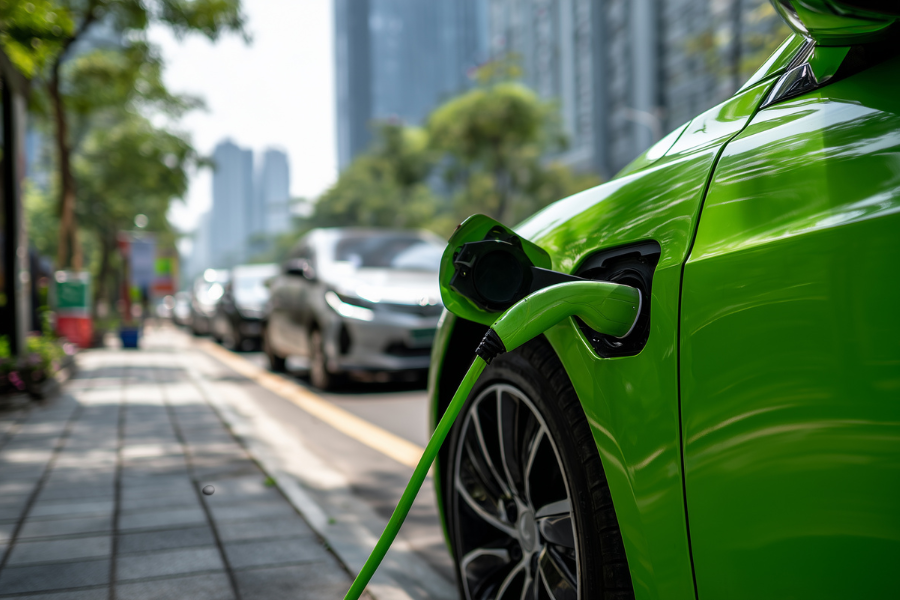
ACC batteries to anchor India’s EV and storage boom
ACC batteries are set to become the cornerstone of India’s energy transition, with demand projected to surge from about 28 GWh in 2025 to over 700 GWh by the mid-2040s, according to a recent report by the India Energy Storage Alliance (IESA). Under Business-as-Usual and Viksit Bharat scenarios, total battery demand could scale to 1.3–1.9 TWh by 2047, reflecting the scale of transformation underway across mobility and power systems. India’s appetite for Advanced Chemistry Cell (ACC) batteries is set to surge at an unprecedented pace, signalling the scale of transformation underway in the country’s clean energy and mobility ecosystem. Demand is projected to skyrocket from roughly 28 GWh in 2025 to over 700 GWh by the mid-2040s, according to a new report by the India Energy Storage Alliance (IESA), unveiled at the India Battery Manufacturing and Supply Chain Summit (IBMSCS) 2026. The findings paint a compelling picture of India’s rapidly evolving battery value chain, mapping its growth trajectory all the way to 2047. At the heart of this expansion lies the twin engine of electric mobility adoption and grid-scale energy storage, both of which will be pivotal in powering India’s transition to a low-carbon economy. As the country advances toward its climate commitments under the Viksit Bharat Vision 2047, ACC batteries are emerging not just as a technology component, but as a strategic industrial pillar—one that will shape domestic manufacturing, supply chain resilience, and energy security in the decades ahead. The report outlines two demand scenarios — a Business-as-Usual (BAU) scenario and a more ambitious Viksit Bharat Pathway (VBP) scenario. Based on these projections, India’s total battery demand is expected to reach between 1.3 terawatt hours (TWh) and 1.9 TWh by 2047, highlighting the scale of growth anticipated across transport and power sectors. Analysts noted that India’s transition in energy storage will hinge on close collaboration across the entire ecosystem. They said the rapidly growing battery demand represents both a major economic opportunity and a strategic necessity to strengthen domestic manufacturing. To fully achieve the Viksit Bharat vision, they added, India must move beyond cell assembly and build an integrated ecosystem covering raw materials, components, manufacturing, and recycling. Electric mobility and energy storage drive demand The report highlights that electric vehicles currently account for about 60% of total battery demand in 2025, a share that is projected to rise to nearly 74–77% by 2047. India’s electric vehicle market is projected to expand at a compound annual growth rate exceeding 30% through 2035, driven mainly by electric two- and three-wheelers, with passenger vehicles and commercial fleets following. In parallel, deployment of stationary energy storage systems is expected to accelerate after 2030, driven by rising renewable energy penetration and increasing grid-balancing requirements. This segment is projected to grow at over 23% CAGR through 2035. The report further noted that from a technology standpoint, Lithium Iron Phosphate (LFP) batteries and their variants are expected to dominate, accounting for more than 60% of total battery demand by 2047 due to their cost efficiency, thermal stability, and safety advantages. (notably, India is among the world’s leading importers of lithium-ion batteries, with imports valued at US$ 3.6 billion in FY2023, primarily sourced from countries such as China, South Korea, Vietnam, and Japan.) Policy push to build a domestic acc ecosystem Advanced Chemistry Cells (ACCs) represent a new generation of advanced storage technologies that store electrical energy in electrochemical or chemical form and convert it back into electricity whenever required. They are widely used across electric vehicles, grid stability management, rooftop solar installations, and consumer electronics. As India advances its renewable energy ambitions and targets net-zero emissions by 2070, energy storage is set to become a cornerstone of the broader energy ecosystem. Despite rising demand, investments in Advanced Chemistry Cell (ACC) manufacturing and value addition remain limited in India, with the bulk of domestic requirements still met through imports. To curb dependence on imported ACC batteries, the government approved a Production Linked Incentive (PLI) scheme for ACC manufacturing on May 12, 2021. With a total outlay of ₹18,100 crore spread over five years, the scheme aims to create a competitive domestic ACC battery manufacturing ecosystem with a planned capacity of 50 GWh. The PLI ACC scheme is technology-agnostic, ensuring that more advanced and efficient technologies are eligible for higher incentives. It is designed to attract large-scale investments, encourage research and development, and reduce India’s dependence on ACC imports. Under the scheme, R&D expenditure incurred by beneficiary firms is allowed to count towards investment thresholds, enabling companies to incorporate the latest technologies while implementing their projects. Strengthening the upstream supply chain, the Union Cabinet has also approved the National Critical Mineral Mission (NCMM), following inputs from the Ministry of Mines. Launched on January 29, 2025, the mission will be implemented over seven years from 2024–25 to 2030–31. It involves a proposed government expenditure of ₹16,300 crore and is expected to attract investments of about ₹18,000 crore from public sector undertakings (PSUs) and other stakeholders. The NCMM is designed to secure a long-term and sustainable supply of critical minerals (including lithium, nickel, cobalt, manganese and graphite) while strengthening India’s critical mineral value chains, spanning mineral exploration and mining to beneficiation, processing, and recovery from end-of-life products. The Union Budget 2026–27 placed strong strategic emphasis on securing India’s critical mineral supply chains to support the rapid scale-up of electric mobility, battery manufacturing, and clean energy storage. The government expanded customs duty exemptions on key minerals and intermediates such as lithium, cobalt, graphite, rare earths, and select manganese inputs to lower raw material costs for domestic manufacturers. It also announced financial and policy support for setting up mineral refining and processing facilities within India, signalling a shift from import dependence toward local value addition. Allocations were strengthened for the National Critical Minerals Mission to accelerate domestic exploration, build strategic reserves, and foster global technology partnerships, alongside continued backing for overseas asset acquisitions in mineral-rich regions like Australia, Latin America, and Africa. The Budget further encouraged battery recycling and urban mining
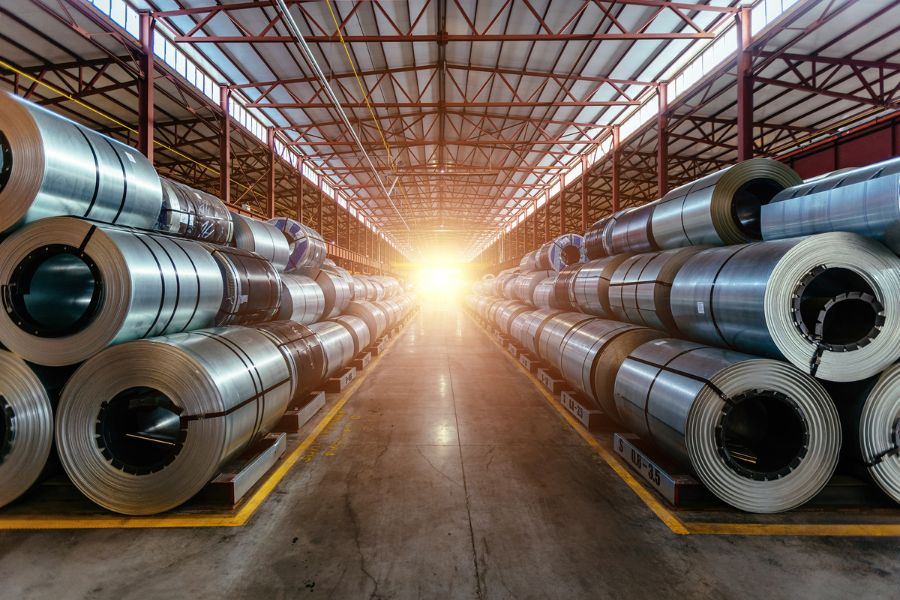
Scaling up the value chain: India’s specialty steel ambition
India’s push to deepen its manufacturing capabilities is increasingly moving beyond scale to sophistication. Specialty steel—critical for sectors ranging from defence and energy to automobiles and infrastructure—has emerged as a strategic focus area within this transition. With the government rolling out the third phase of its Production Linked Incentive (PLI) scheme, the spotlight is now on building domestic capacity in high-grade, import-dependent steel segments. The latest investment commitments signal not just incremental production expansion, but a broader attempt to hardwire resilience, technology depth and value-chain competitiveness into India’s industrial ecosystem. In a fresh push to strengthen domestic specialty steel manufacturing, the Union government on February 9 rolled out the third round of its Production Linked Incentive (PLI) scheme, signing memoranda of understanding (MoU) with 55 companies that have committed to invest ₹11,887 crore in new downstream capacity by 2030–31. The signing of the MoUs represents a major milestone in furthering the government’s Make in India initiative. The latest phase of the scheme is aimed at strengthening domestic manufacturing in segments where India continues to rely on imports, particularly in strategic, electrical and downstream steel applications. Steel and Heavy Industries Minister H.D. Kumaraswamy, along with Minister of State Bhupathi Raju Srinivasa Varma, emphasised the importance of timely execution of projects under the scheme. They urged participating companies to adhere strictly to agreed timelines to fully benefit from the incentives on offer. The specialty steel PLI scheme, which has a total outlay of ₹6,322 crore, is expected to facilitate the creation of around 26 million tonnes of additional specialty steel capacity over the coming years. Progress across PLI phases and investment commitments Providing an overview of progress so far, Mr Kumaraswamy said the PLI scheme has already attracted cumulative investment commitments of ₹43,874 crore and is expected to result in the addition of 14.3 million tonnes of new specialty steel capacity across the country. The third round, officially termed PLI 1.2, represents the latest tranche of incentives and covers 85 projects across 22 product sub-categories. These include steel grades for strategic sectors, commercial applications and coated wire products. The Ministry of Steel said the focus of the new round is on segments where domestic capabilities remain limited and import dependence is high. The specialty steel PLI scheme was first approved in 2021 with the objective of promoting domestic manufacturing, attracting fresh capital investment and supporting technology upgrades in downstream steel segments. Under the first phase, PLI 1.0, companies committed investments of ₹27,106 crore (US$ 3 billion), with an expected addition of 7.9 million tonnes of production capacity and the creation of 14,760 direct jobs. The second phase, PLI 1.1, launched in January 2025, was projected to attract around ₹17,000 crore (US$ 1.9 billion) in investments, generate nearly 16,000 jobs and add 6.4 million tonnes of capacity. PLI 1.2, launched on November 4, 2025, covers 22 product sub-categories across four segments—steel grades for the strategic sector, commercial grades category I, commercial grades category II, and coated and wire products. Based on learnings from the initial two phases, the government has introduced several design modifications in the third round. These include lower investment and capacity thresholds, removal of mandatory annual incremental production requirements, linking incentives directly to actual incremental production and revising the base year to 2024–25. The third round offers incentive rates ranging from 4% to 15% for a period of five years, starting from 2025–26, with disbursements beginning in 2026–27. Overall, pledged investments across all three rounds of the specialty steel PLI scheme now exceed ₹44,000 crore (US$ 4.84 billion), while incentives worth ₹236 crore (US$ 136.2 million) have been disbursed so far. Steel capacity expansion and role in India’s growth Steel Secretary Sandeep Poundrik reiterated that timelines under the scheme would not be extended further and urged companies to adhere to schedules to maximise benefits. He noted that India’s installed steel capacity currently stands at 218 million tonnes per annum, with an addition of 18 mtpa expected in the current fiscal. According to him, India is on track to comfortably achieve 300 mtpa of installed capacity by 2031 and could reach 400 mtpa by 2035–36. The steel industry forms a critical pillar of India’s manufacturing ecosystem and is steadily upgrading its facilities through the adoption of modern, efficient technologies. Steel plays an essential role in infrastructure development—supporting the construction of roads, bridges, railways, pipelines and urban infrastructure—thereby boosting productivity and overall economic competitiveness. India remained the world’s second-largest producer of crude steel in FY25, with output rising to 151.14 million tonnes (MT), up 4.7% from 144.31 MT in FY24. Finished steel production increased to 145.31 MT during the year, while consumption reached 150.23 MT. This strong demand has been driven primarily by large infrastructure projects, expanding industrial activity and rapid urban development. As India aims to achieve a US$ 5 trillion economy by 2027, the steel sector remains closely linked to national development priorities and flagship initiatives such as the Make in India programme. The industry has a strong multiplier effect, with an employment multiplier of 6.8x and an output multiplier of 1.4x. It contributes around 2% to India’s GDP and provides employment to more than 6,00,000 people directly and about 2 million indirectly, underscoring its strategic importance to the country’s economic growth and development. Read more Steel Industry in India Indian Steel Industry: April 2025 – A Trend Report FAQ What is the objective of the specialty steel PLI scheme? The scheme aims to boost domestic manufacturing of specialty steel, reduce import dependence, attract investments and promote technology upgrades in downstream steel segments. What does the third round (PLI 1.2) cover? PLI 1.2 covers 85 projects across 22 product sub-categories, including steel grades for strategic sectors, commercial grades and coated and wire products. How much investment has been committed under PLI 1.2? Under the third round, 55 companies have committed to invest ₹11,887 crore in new downstream capacity by 2030–31. What incentives are offered under the scheme? The scheme offers incentive rates ranging from 4% to 15% for five
India tightens IT Rules to rein in AI deepfakes
India has strengthened its IT Rules to regulate AI-generated and deepfake content, introducing tighter compliance requirements for social media platforms such as X, Facebook, Instagram and Telegram. The new rules define “synthetically generated information” and mandate prominent labelling along with permanent metadata to ensure traceability. Platforms must seek user declarations and deploy verification tools for AI content, with non-compliance risking loss of safe-harbour protection. Takedown timelines have been sharply reduced, with certain orders requiring action within three hours and some complaints within two hours. The changes reinforce India’s assertive online regulation amid concerns over censorship and platform accountability. India has introduced sweeping changes to its internet governance framework to regulate AI-generated and deepfake content more strictly, requiring online platforms to ensure clear labelling, embed permanent metadata and comply with significantly faster takedown timelines. By formally notifying a new law to curb the misuse of artificial intelligence (AI), the Centre has ushered in a stricter compliance regime for social media platforms such as X, Facebook, Instagram and Telegram. On February 10, the Ministry of Electronics and Information Technology (MeitY) notified the Information Technology (Intermediary Guidelines and Digital Media Ethics Code) Amendment Rules, 2026. The amendments explicitly expand the scope of the law to cover what is termed “synthetically generated information.” The revised rules will come into force on February 20, 2026, according to the official Gazette notification. Definition and labelling of synthetic content The notification defines synthetically generated information as any audio, visual or audio-visual content that is artificially or algorithmically created, generated, modified or altered using a computer resource in a manner that makes it appear real, authentic or true. However, the government has clarified that routine editing, formatting, technical corrections and the good-faith preparation of documents, PDFs, research outputs or educational materials will not fall within this category. Under the amended framework, intermediaries that enable the creation or dissemination of such content must prominently label it. The rules require that synthetically generated information be marked in a manner that ensures clear and immediate identification by users. In addition, platforms must embed permanent metadata or technical provenance mechanisms, including a unique identifier, to trace the computer resource used to generate or modify the content. Social media Intermediaries are expressly barred from enabling the removal or suppression of these labels or embedded metadata. Social media platforms will also be required to seek user declarations on whether content being uploaded is AI-generated, and to deploy automated tools to verify such disclosures. Where user declarations or technical verification confirm that the content is synthetically generated, platforms must ensure that it is clearly and prominently labelled. Failure to comply could have serious consequences. If an intermediary is found to have knowingly allowed such content in violation of the rules, it may be deemed to have failed its due diligence obligations, thereby risking the loss of its safe-harbour protection. Reduced takedown and grievance timelines The amendments also tighten compliance timelines. Intermediaries must now act on certain lawful orders within three hours, compared to the earlier 36-hour window. User grievance redressal timelines have been reduced from 15 days to seven days, with specific categories of complaints requiring action within two hours. Furthermore, AI-generated content involving child sexual abuse material, non-consensual intimate imagery, false documents, or misleading depictions of real individuals or events is explicitly prohibited. Violations may result in immediate content removal, suspension or termination of user accounts, disclosure of user identities to affected individuals, and mandatory reporting to law enforcement under applicable criminal laws. In recent years, India has issued thousands of takedown directives, as reflected in platform transparency reports. Meta alone blocked access to over 28,000 pieces of content in the country during the first half of 2025 in response to government requests. Table: New timelines for social media platforms to act on prohibited content Action/requirement Previous timeline New timeline Removal of non-consensual sexual content (content depicting nudity, sexual acts, or morphed images/deepfakes) Within 24 hours Within 2 hours Removal of other unlawful content upon govt/court order intimation Within 36 hours Within 3 hours General grievance resolution Within 15 days Within 7 days Action on specific prohibited content (defamation, harassment, privacy invasion etc) Within 72 hours Within 36 hours User notification of rules & policies At least once every year At least once every 3 months The move underscores India’s standing as one of the most assertive regulators of online content, compelling platforms to navigate compliance in a market of nearly one billion internet users while addressing rising concerns about potential government overreach. The directive, however, did not specify any reason for revising the takedown timelines. The amended rules also eased an earlier proposal that would have required platforms to display AI-generated labels across 10% of a post’s surface area or duration. Instead, they now require such content to be “prominently labelled.” Conclusion The amendments signal a new phase in India’s digital governance, seeking to deter deepfakes and harmful AI misuse through traceability, tighter deadlines and stricter platform accountability. By mandating labelling and embedded metadata while scrapping the 10% watermarking proposal, the government has attempted to balance enforcement with industry concerns. The effectiveness of these rules will depend on implementation, oversight and their impact on innovation, user rights and freedom of expression. Read more The Rise of Artificial Intelligence and Deepfakes Deepfakes and the crisis of knowing FAQ What are the new IT Rules aimed at? The amended IT Rules are designed to regulate AI-generated and deepfake content by introducing stricter compliance obligations for social media platforms, including labelling, metadata embedding and faster takedown timelines. What is “synthetically generated information”? It refers to audio, visual or audio-visual content that is artificially or algorithmically created or altered using computer resources in a way that makes it appear real or authentic. What are platforms required to do under the new rules? Platforms must prominently label AI-generated content, embed permanent metadata for traceability, seek user declarations, deploy verification tools and act within shortened compliance timelines. How have takedown timelines changed? Certain government or court
“Health & wellness is becoming important in the tea sector”, Paras Desai, ED, Wagh Bakri Tea
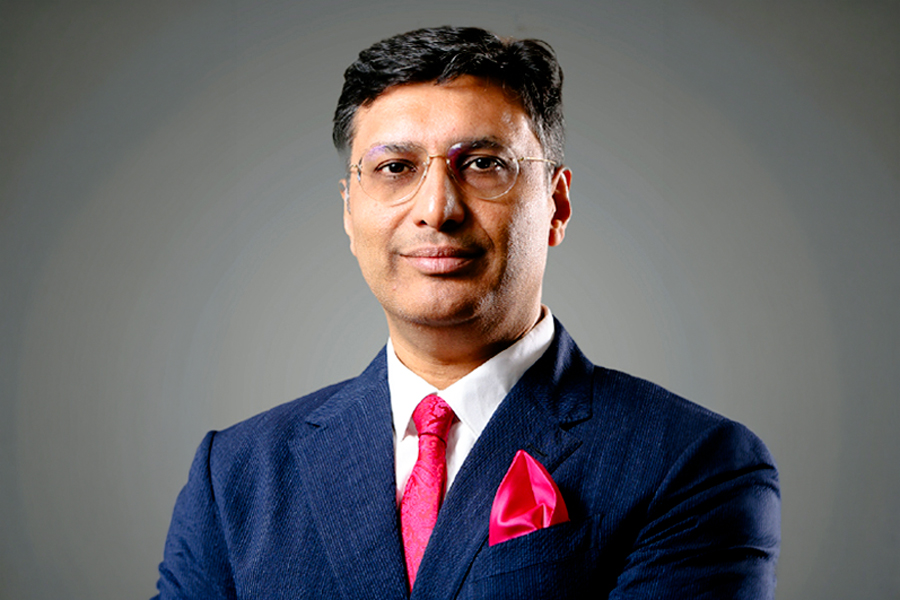
India’s tea industry is undergoing a structural transition shaped as much by changing consumer aspirations as by deep supply-side pressures. Rising disposable incomes, growing interest in health and wellness, and demand for premium, experience-led teas are redefining consumption. At the same time, processors are grappling with climate-linked pest challenges, quality leaf shortages, food safety complexities, and deflationary global price trends that strain producer viability. In this conversation, Paras Desai, Executive Director, Gujarat Tea Processors and Packers Ltd. (Wagh Bakri Tea Group), shares ground-level insights on safeguarding consistency through blending, scaling wellness teas, navigating global compliance barriers, and the strategic shifts needed to secure quality supply chains for the future. IBT: India’s tea market is evolving beyond traditional chai. Which shifts in consumer preferences do you see as structural rather than short-term? Paras Desai: The Indian population have increased aspiration with access to higher disposable incomes. Health & Wellness and premium tea segment is growing significantly. Discerning consumers demand experience along with taste. Food safety is an aspect becoming more important to consumers. IBT: With rising input costs and climate variability affecting tea quality, what are the biggest operational risks facing processors today? Paras Desai: Pest control remains a huge challenge, with climate change. This leads to higher faultlines appearing among teas within food safe agro-chemical limits. Production planning becomes difficult, resulting in quality being negatively impacted. Viability of producers depends on volume today, due to a deflation in Tea prices in US$ terms over the last 15 years, resulting in lower quality teas far exceeding good quality ones. IBT: How is the role of blending, sourcing, and quality control changing as consumers demand consistency alongside experimentation? Paras Desai: Availability of quality teas are diminishing YoY. This results in bandwidth reduction in our ability to provide our consumers what they are used to. Wagh Bakri has a promise to its loyal consumers to deliver the best in class. We done leave any stone unturned, to keep this promise. IBT: Premiumisation and wellness-led teas are gaining ground. What determines whether these segments scale or remain niche? Paras Desai: To ensure consumers continue to endorse this segment, delivery in organoleptic characteristics plays a very important role. Having said that, it is also very important to merge this with innovative technology, where delivery of the product, consistently to suit their taste profile, is done with minimal human intervention. IBT: What are the biggest roadblocks Indian tea brands face when competing in global markets—price, branding, compliance, or distribution? Paras Desai: Production and processing of tea at the garden level is still a highly labor intensive activity. This area requires intervention to ensure consistency of product, food safety of produce and economic viability of producers, to secure supply chain security for packers. IBT: Looking ahead, what strategic shifts will be critical for India’s tea processing sector to stay competitive over the next decade? Paras Desai: Concerted focus on ensuring increased supply in quality, which is food safe, combined with a more pragmatic approach from importing countries on residue levels, to ensure a balanced supply demand situation where all segments in the value chain work together in partnership to ensure that the consumer has access to the best teas, at sustainable price points, with a satisfaction that all segments of the supply chain have access to at least minimum living wage.
Viksit Bharat meets Net Zero: Rewiring India’s growth model
India is pursuing the twin goals of becoming a US$ 30 trillion developed economy by 2047 and achieving net zero emissions by 2070, calling for a fundamentally new low-carbon growth model. A Niti Aayog study estimates that the transition will require US$ 22.7 trillion in investments, or nearly US$ 500 billion annually—well above current levels. Clean energy, electrification and renewables will anchor decarbonisation, with the power sector alone needing about US$ 5 trillion. Despite mobilising domestic and foreign capital, a US$ 6.53 trillion funding gap persists, expected to be largely filled by international finance. Notably, the study finds the net zero transition will have minimal long-term impact on GDP growth. India’s aspiration to become a US$ 30 trillion developed economy by 2047 under the Viksit Bharat vision is not merely a scale ambition—it is a structural transformation challenge. Historically, every major economic power—from the US to China—has industrialised on the back of cheap fossil energy, using carbon-intensive manufacturing to accelerate productivity, urbanisation, and income growth. India, however, is attempting to compress this multi-decade development cycle into a shorter time frame while simultaneously decarbonising its growth pathways. This creates a dual imperative. India must raise hundreds of millions into higher income brackets while also committing to net zero emissions by 2070—despite having significantly lower per capita emissions than developed economies. These twin objectives are deeply interconnected and require India to craft a new model of growth—one that has not been attempted before at this scale. Achieving net zero will demand the large-scale deployment of clean energy technologies such as solar and wind power, electric vehicles, battery energy storage systems, green hydrogen, and carbon capture, utilisation and storage, many of which are still evolving and not yet fully mature. Scale of investment required for net zero India will need to mobilise investments worth about US$ 22.7 trillion to cut greenhouse gas emissions and achieve its net zero target by 2070, according to a recent study by Niti Aayog. The study, titled “Scenarios Towards Viksit Bharat and Net Zero: An Overview”, outlines the scale of capital required and the financing challenges involved in India’s long-term climate transition. On an annual basis, the cumulative investment requirement translates into average flows of nearly US$ 500 billion per year, significantly higher than the country’s current annual investment of around US$ 135 billion in 2024. Of this, only US$ 70-80 billion is presently directed towards clean energy and low-carbon sectors. The report notes that nearly US$8 trillion of the total investment must be front-loaded by 2050, reflecting the capital-intensive nature of low-carbon technologies. Within this, the power sector alone will require close to US$5 trillion, as it forms the backbone of decarbonisation through electrification and renewable energy expansion. Policy pathways and financing strategies The study evaluates India’s transition under two scenarios: the Current Policy Scenario and the Net Zero Scenario. The Current Policy Scenario assumes continuation of policies and trends in place as of 2023, based on historical deployment of low-carbon technologies. Under this pathway, total investment requirements are estimated at US$ 14.7 trillion. In contrast, the Net Zero Scenario represents an ambitious pathway aligned with India’s official climate commitment. It incorporates both existing and additional policy measures aimed at accelerating electrification demand, improving energy efficiency, promoting circular economy practices, encouraging behavioural shifts, and rapidly scaling low-carbon technologies and fuels. According to the study, with coordinated domestic reforms and supportive external conditions, India could credibly mobilise around US$ 16.2 trillion towards its net zero transition by 2070. Domestically, this would require deepening the corporate bond market, increasing the financialisation of household savings, and enabling institutional investors to participate in new asset classes. Ensuring stable returns through diversified, high-quality corporate and green assets will be essential to attract long-term capital. On the external front, scaling up foreign direct investment (FDI) and foreign portfolio investment (FPI) will play a critical role. This would be supported by credible transition roadmaps, a strong pipeline of bankable projects, and deeper, more liquid financial markets to anchor sustained foreign capital inflows. Role of international capital and economic impact Despite these efforts, a financing gap of about US$ 6.53 trillion remains when compared with the Net Zero Scenario requirement of US$ 22.7 trillion. Given domestic constraints and the risks of crowding out private investment or pushing up interest rates, the study expects this gap to be met largely through external sources. As a result, the share of international capital in total financing needs is projected to rise to 42% by 2070, from 17% in 2022–23. The report underscores that international capital, particularly concessional finance and grants, will be crucial for supporting key net zero technologies that are not yet commercially viable. Importantly, the study finds that the net zero transition has limited impact on long-term GDP growth, despite the high investment requirements. India’s GDP is projected to remain broadly resilient even under Net Zero scenarios, reaching around US$30 trillion by 2047, in line with the Viksit Bharat vision of becoming a developed economy. While the transition demands massive capital mobilisation, scenarios with a higher share of foreign financing limit GDP variations to about 0.5% by 2050. This highlights the importance of financing structure, as external capital inflows help ease pressure on domestic savings and prevent crowding out of private investment. The Niti Aayog study makes clear that India’s net zero ambition hinges on early, capital-intensive investments, especially in the power sector and clean technologies. Success will depend on accelerating policy implementation, stronger domestic financial systems, and scaling global capital partnerships. With the right mix of domestic reforms and international support, India can meet its climate goals without derailing long-term economic growth. Read more Scenarios towards viksit Bharat and net zero- Macroeconomic implications NITI Aayog releases study reports on scenarios towards Viksit Bharat and Net Zero FAQs What is India’s net zero target and development goal? India aims to achieve net zero emissions by 2070 while becoming a US$30 trillion developed economy by 2047 under the Viksit Bharat vision. How much investment is
India’s EV market surges in 2025 with 2.3 million sales
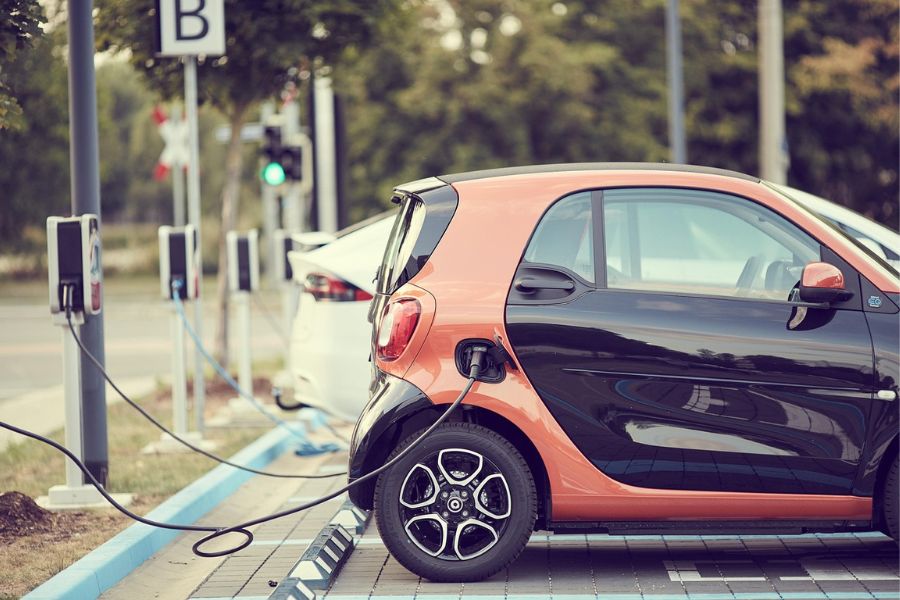
In 2025, India’s EV market hit a milestone with 2.3 million units sold, accounting for 8% of new vehicle registrations, driven by policy incentives, improving model availability, and a festive-quarter surge. According to the Annual Report: India EV Market 2025 released by the India Energy Storage Alliance (IESA), electric two-wheelers led the adoption (57%), followed by three-wheelers (35%) and four-wheelers (1.75 lakh units), with early growth in electric goods carriers. Uttar Pradesh, Maharashtra, and Karnataka dominated sales, while states like Delhi, Kerala, Tripura, and Assam posted high EV-to-ICE ratios. The PM e-DRIVE scheme (₹10,900 crore) and the largest-ever electric bus tender further boosted electrification efforts. India’s electric vehicle (EV) market reached a significant inflection point in 2025, with total EV sales rising to 2.3 million units, accounting for around 8% of all new vehicle registrations. According to the Annual Report: India EV Market 2025 by the India Energy Storage Alliance (IESA), based on Vahan Portal data, EV adoption gained steady momentum throughout the year, fueled by policy incentives and a sharp surge in purchases during the festive season. The report noted that electric mobility was consistently supported by central and state initiatives and improved model availability, with the festive-quarter spike providing a significant year-end boost to overall sales volumes. Vehicle segment trends and EV adoption patterns India’s overall automobile market recorded 28.2 million vehicle registrations in 2025, reflecting broadly stable demand across segments. Two-wheelers continued to dominate, with sales exceeding 20 million units and accounting for nearly 72% of total vehicle registrations. Passenger four-wheelers crossed 4.4 million units, while tractors and agricultural vehicles surpassed 1.06 million units, underscoring resilience in rural and farm-linked demand. The report noted that overall vehicle sales growth remained relatively even during the first three quarters, followed by a sharp acceleration in Q4, driven by festive buying, GST-related benefits and year-end consumer demand. Electric two-wheelers remained the backbone of EV adoption, with sales of 1.28 million units, representing 57% of total EV volumes. Electric three-wheelers (L3 and L5 combined) followed with 0.8 million units, accounting for 35% of EV sales. Electric four-wheelers registered sales of about 1.75 lakh units. Within this segment, the report highlighted strong momentum in electric goods carriers, particularly in small and light commercial vehicles, signalling early but meaningful progress in the electrification of logistics and last-mile delivery. State-wise performance and policy support At the state level, Uttar Pradesh emerged as India’s largest EV market in 2025, recording sales of over 4 lakh units, or 18% of national EV volumes. Maharashtra followed with 2.66 lakh units (12%), while Karnataka recorded around 2 lakh units (9%). Together, these three states accounted for more than 40% of total EV sales. As per the report, some states posted higher EV-to-ICE ratios despite lower absolute volumes. Delhi recorded an EV penetration of 14%, Kerala 12% and Goa 11%, while Tripura (18%) and Assam (14%) also reported robust EV-to-ICE ratios in 2025. The IESA report also observed that the electric three-wheeler segment has reached a sufficient level of market maturity, with penetration at around 32%. A key policy milestone during the year was the completion of India’s largest-ever electric bus tender. Convergence Energy Services Limited (CESL) concluded a 10,900 electric bus tender under the Rs 10,900 crore PM E-DRIVE scheme. Notably, the Government of India launched the PM Electric Drive Revolution in Innovative Vehicle Enhancement (PM e-DRIVE) scheme on 29 September 2024 to promote green mobility and strengthen the nation’s EV ecosystem. With a total outlay of ₹10,900 crore for the period 1 April 2024 to 31 March 2026, the scheme fully subsumes the earlier Electric Mobility Promotion Scheme (EMPS 2024). The scheme continues to cover all EV segments, but the government has extended support until 31 March 2028 specifically for e-ambulances and select categories, while incentives for electric two-wheelers (e-2W) and three-wheelers (e-3W) will conclude on 31 March 2026. As of 23 November 2025, a total of ₹1,634.62 crore in subsidies has already been disbursed under the scheme. It is important to note that the Indian electric vehicle market was valued at US$ 8.49 billion in 2024 and is expected to expand at a CAGR of 40.7% between 2025 and 2030, according to a study by Grand View Research. As per the research report, this rapid growth is being driven by government measures, including subsidies and investments in charging infrastructure, aimed at promoting EV adoption. In addition, growing consumer awareness about environmental sustainability and the improving cost-competitiveness of electric vehicles are further boosting demand, positioning India as an emerging leader in the global EV market. Conclusion Overall, 2025 underscored India’s emergence as a fast-maturing EV market, driven by supportive policies, improving infrastructure and growing consumer confidence. Although electric mobility is currently led by two- and three-wheelers, increasing focus on buses and commercial vehicles points to a deeper, system-wide transition. With strong growth prospects and continued policy backing, India’s EV ecosystem is poised for sustained expansion beyond 2025. Read more: India Electric Vehicle Market (2025 – 2030) India’s EV-adoption accelerates with multi-fuel strategy, says IESA E-mobility report India Electric Vehicle Market Overview: 2025-2033 FAQs: How did India’s EV market perform in 2025? India’s EV market recorded sales of 2.3 million units in 2025, accounting for about 8% of all new vehicle registrations. Growth was supported by policy incentives, wider model availability and a strong festive-season surge. Which EV segments drove adoption in 2025? Electric two-wheelers led adoption with 1.28 million units sold, followed by electric three-wheelers at 0.8 million units. Electric four-wheelers saw smaller volumes but showed rising traction in goods carriers and logistics applications. Which states led EV adoption in India? Uttar Pradesh emerged as the largest EV market by volume, followed by Maharashtra and Karnataka. States such as Delhi, Kerala, Tripura and Assam recorded higher EV-to-ICE ratios, indicating deeper penetration despite lower absolute sales. What role did government policy play in EV growth? Government initiatives, particularly the PM e-DRIVE scheme with an outlay of ₹10,900 crore and the largest-ever electric bus tender, played a key
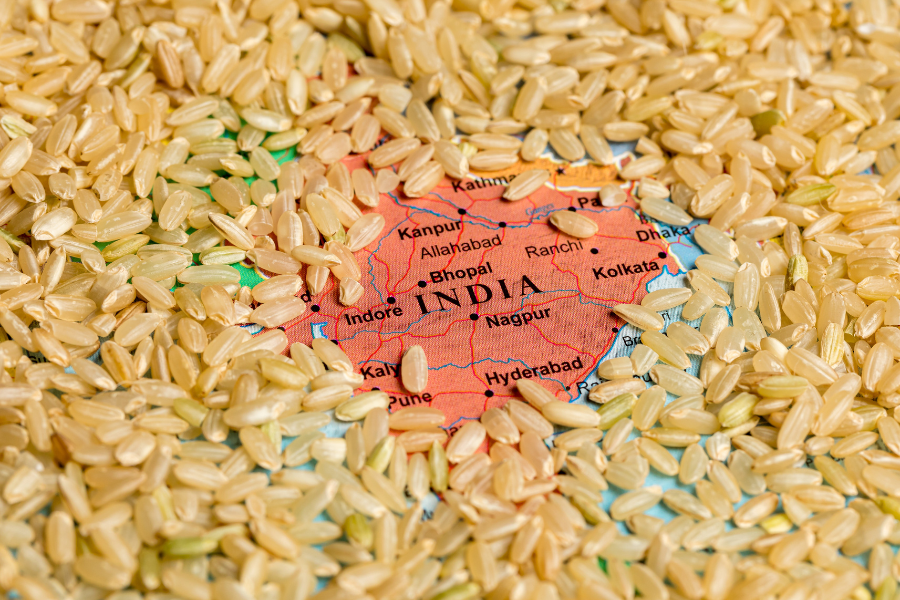
India’s rice exports surge to near-record highs after export curbs lifted
India’s rice exports rebounded sharply last year after New Delhi lifted export restrictions, rising nearly 20% to the second-highest level on record. The surge strengthened India’s position as the world’s largest rice exporter, reshaped global trade flows, and pushed Asian prices to their lowest level in almost a decade. India’s rice exports rose 19.4% last year to the second-highest level on record after the government lifted all export curbs, making shipments more competitive, according to government and industry officials. The improved flow of rice from the world’s largest exporter curbed shipments from rival suppliers such as Thailand and Vietnam and pushed Asian rice prices to their lowest level in nearly a decade. The decline in prices helped ease food costs for consumers in Africa and other import-dependent regions. Government officials said exports rebounded quickly after New Delhi lifted export restrictions in March, supported by record domestic production. As supplies improved, India removed the final export curbs that had been imposed during 2022 and 2023. Total rice exports climbed to 21.55 million metric tonnes from 18.05 million tonnes in 2024, nearing the record high of 22.3 million tonnes achieved in 2022, officials said. Non-basmati rice exports saw the strongest growth, rising 25% to 15.15 million tonnes. Basmati rice shipments increased 8% to a record 6.4 million tonnes, according to government data. Officials said non-basmati rice exports rose sharply to countries such as Bangladesh, Benin, Cameroon, Ivory Coast and Djibouti. At the same time, imports of premium basmati rice increased in markets including Iran, the United Arab Emirates and Britain during the year. India typically exports more rice than the combined shipments of the world’s next three largest exporters – Thailand, Vietnam and Pakistan—underscoring its dominant position in global rice trade. Industry executives said Indian rice remained highly competitive compared with supplies from other exporting countries, with lower prices helping India regain lost market share, particularly after the removal of export restrictions.

Where Legacy Meets Global Appetite, inside Bhikharam Chandmal’s 150-year old journey
With roots tracing back nearly 170 years, Bhikharam Chandmal is more than a namkeen brand—it is a cornerstone of India’s traditional snacking heritage. From pioneering Bikaneri Bhujia to shaping generations of authentic Indian snacks and sweets, the brand has stood the test of time by staying true to real ingredients, deep agricultural understanding, and uncompromising taste. In this conversation with IBT, Ashish Agarwal, Chairman Bhikharam Chandmal, who leads the legacy into its next phase of global growth, shares how tradition and innovation coexist at Bhikharam Chandmal, why Indian snacks are poised for worldwide success, and how platforms like Indusfood are helping position India as a true global food powerhouse. As Chair of TPCI’s West Zone Regional Committee for Snack Processing, he also discusses how the industry at large can raise its profile and global presence. IBT: Bhikharam Chandmal is one of India’s most iconic Namkeen houses. So what does it mean for a century old brand to represent India at a global platform like Indusfood? Ashish Agarwal: Bhikharam Chandmal’s story goes back far beyond a century—nearly 150–170 years—when Bhikharamji transformed traditional family-made bhujiya into a commercial pursuit. That small ambition laid the foundation for a global power brand from India’s namkeen industry. This deep-rooted understanding of raw materials, processes, and people gives us a natural edge in the snack industry. Having evolved from a small household operation to a leading namkeen and sweets brand, our journey reflects both continuity and scale. I take immense pride in being part of this legacy and in leading the brand into the 21st century. For legacy brands, history is both a strength and a challenge. While tradition gives you credibility, evolving mindsets is essential. Our association with Indusfood has played a vital role in that evolution—encouraging us to keep improving, adapting, and thinking beyond our own growth, towards contributing to India’s food ecosystem at large. Indusfood offers a unique window to the world while being rooted in India. Over the past several years, it has reinforced my belief that India is truly a global food powerhouse—capable of producing what the world eats and aspires to eat. Bhikharam Chandmal aims to stay at the forefront of this journey, continuously evolving while proudly representing India on the global stage. IBT: So your products carry a legacy, as you said, of over 150 years. But how do you ensure this consistency, authenticity and quality at scale, while expanding into modern retail and international markets? Ashish Agarwal: Being a legacy brand gives us the advantage of generations working together, where knowledge is passed on through practice, not classrooms. In food, especially snacks and sweets, everything begins with agri value addition—understanding raw materials, crop cycles, seasonality, and origin. That depth of understanding is critical to delivering consistency and authenticity at scale. For us, quality starts at the source. If a product’s colour and flavour come from chilli, then that chilli must come from the right origin—because ingredients from different regions behave differently. This clarity comes from decades of experimentation. Legacy, for us, is accumulated learning, and it keeps our appetite for testing, listening to farmers, and refining processes very high. There’s also a belief we strongly relate to—often attributed to Steve Jobs: create what you genuinely believe in, present it honestly to the world, and like-minded customers will follow. We apply the same thinking to food. We don’t chase trends. A product must first earn respect within our own family. If we don’t love its taste or can’t do justice to it, we don’t launch it. You can’t control what nature produces, but you can understand it and use it wisely. As we expand into modern retail and international markets, this philosophy guides everything—from vendor selection to sourcing and quality checks—helping us maintain taste, authenticity, and consistency, no matter how large we grow. IBT: Indusfood attracts buyers from 100 plus countries. Which markets are you excited about most this year? Where do you see the strongest demand for traditional Indian snacks? Ashish Agarwal: Over the past 10–15 years, Indian food has gained strong global recognition. Food, in many ways, is what truly connects people across borders. Wherever you travel, a shared appreciation for food opens conversations and builds familiarity—and Indian food does that exceptionally well. India’s diversity is a natural advantage. With multiple climatic zones and a rich agricultural base, we offer an unmatched range of flavours and snack traditions to the world. As Indian snacks enter the global mainstream, we are learning local preferences while retaining the soul of the Indian palate. The approach is simple: stay authentic, but adapt thoughtfully to regional tastes. Indian snack categories are already well established in markets such as the US, Canada, Australia, New Zealand, and the GCC. This year, I’m particularly excited about deeper engagement with CIS countries, where Indian food enjoys strong cultural acceptance and goodwill, and where we see significant untapped business potential. Another region I’m keenly watching is Latin America. The climatic similarities, agricultural practices, and familiarity with bold flavours make it a natural fit for Indian snacks. With more interaction and sampling, I believe these markets will respond very positively. Indusfood provides a powerful platform to connect with buyers from every corner of the world—allowing them to experience Indian snacks firsthand. While we welcome interest from all markets, these regions represent exciting growth opportunities for us this year. IBT: What unique strengths or capabilities do you believe set your brand apart for international buyers exploring Indian namkeen? Ashish Agarwal: What truly sets Bhikharam Chandmal apart is the era we come from. The name itself belongs to a time very different from today—a reminder of how far back our roots go and how deep our legacy runs. Our journey began in an age when food was made without substitutes or shortcuts. Snacks and sweets were crafted directly from agricultural produce, whole pulses, and real spices, and that philosophy continues to guide us even now. Over the years, Bhikharam Chandmal has also been the foundation from which several iconic namkeen brands have emerged,