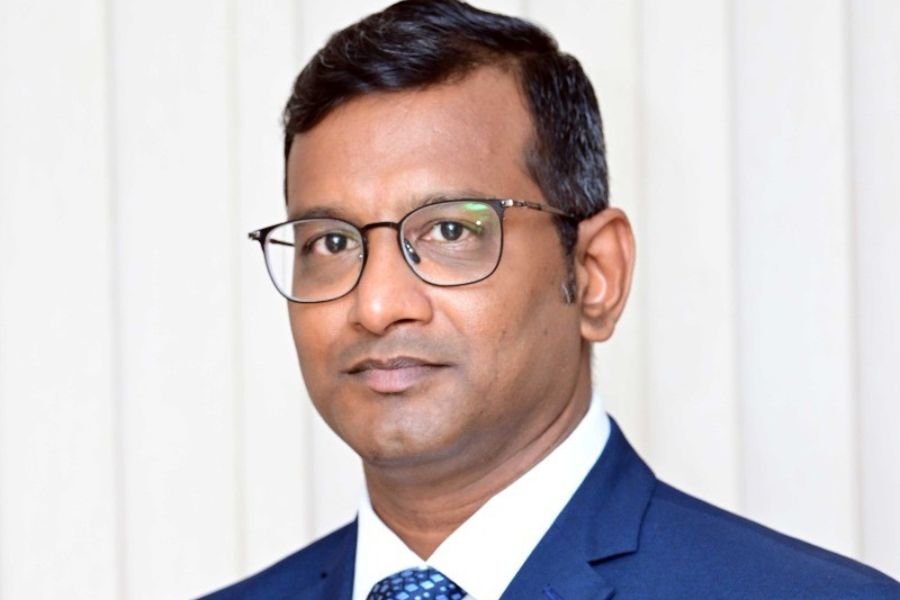
Founded in 2017, Shri Vibracion Technologies has steadily carved a niche in India’s material handling landscape with its focus on hygienic, efficient and application-driven solutions. The company addresses critical challenges such as product breakage, cleaning complexity and energy efficiency across food, dairy, pharma and packaging sectors. In this interview, Mr Chetan Dakhore, Founder of Shri Vibracion Pvt Ltd, shares insights into the company’s journey, its technology-driven approach to safer and smarter production lines, sustainability focus, customer-centric philosophy, and plans for Indusfood Manufacturing 2026. IBT: Shri Vibracion started in 2017 and has grown steadily in the material handling space. What was the main idea behind starting the company, and how has the journey been so far? Chetan Dakhore: Founded in 2017, Shri Vibracion emerged to solve critical gaps in conventional material handling systems, including hygiene concerns, product breakage, and operational inefficiencies. The company’s core idea was to engineer reliable, low-maintenance equipment tailored to real process conditions. With a strong emphasis on design excellence, application knowledge, and continuous improvement, Shri Vibracion has progressed steadily. What began as a small engineering-driven venture now supports processors across India and global markets. Today, the company is recognized for its robust material handling solutions, process-oriented designs, and commitment to performance, reliability, and customer satisfaction. IBT: Your equipment serves industries like snacks, dairy, pharma, and packaging. How do you ensure your systems meet each industry’s hygiene and performance needs? Chetan Dakhore: Different industries demand different solutions, so the company designs its solutions with application-specific engineering. In snacks and potato processing, gentle conveying and low breakage are essential. Dairy and pharma require stainless-steel construction, smooth edges, and easy cleaning. Packaging lines depend on accuracy and seamless integration. Shri Vibracion meets hygiene needs through open profiles, tool-free cleaning, CIP-ready options and certified food-grade materials. Performance is ensured with tuned vibratory drives, controlled product flow and low-friction surfaces. Constant collaboration with customer teams, trials and feedback helps refine every machine. This ensures reliability, easy maintenance and consistent compliance with hygiene standards. IBT: How is Shri Vibracion using technology and innovation to make production lines more efficient and safe? Chetan Dakhore: At Shri Vibracion Technologies, innovation focuses on making production lines faster, safer and more predictable. The equipment is engineered with vibration tuning, advanced isolators and smart flow control to maintain stable product movement and reduce manual handling. Integrated sensors and controls help monitor speed, vibration health and production data, enabling preventive maintenance and minimising downtime. Automation-ready designs allow smooth integration with upstream and downstream machinery. Hygienic structures, simple washdown and fewer crevices ensure better safety for operators and food products. Every innovation aims to deliver practical results—lower stoppages, easier cleaning, reduced labour and smoother, continuous plant operations. IBT: Energy efficiency is becoming important for manufacturers. How do your products help reduce power use and promote sustainability? Chetan Dakhore: Energy efficiency is built into every system the company manufactures. Vibratory drives consume significantly less power than traditional mechanical conveyors while still delivering high throughput. Lightweight frames, optimised flow paths and efficient motors reduce loading and current draw. Hygienic design also shortens cleaning cycles, decreasing water and energy usage. With fewer moving parts, the machines experience less wear, resulting in longer life and lower total maintenance costs. Durable materials, modular construction and easy serviceability further reduce long-term waste. For customers, this translates to lower operating expenses, a reduced carbon footprint and more sustainable production without sacrificing performance. IBT: Building long-term customer trust is key to your success. How do you maintain quality, reliability, and timely delivery? Chetan Dakhore: Building customer trust begins with consistent quality. Shri Vibracion Technologies follows a structured workflow that includes requirement study, trials, engineering validation and strict quality checks before dispatch. Standardised components, in-house fabrication and skilled technicians ensure machines remain reliable and simple to maintain. Delivery timelines are managed through careful planning, stocked parts and strong supplier support. Service teams provide installation, training and ongoing assistance. The company focuses on long-term partnerships rather than one-time sales. Transparent communication, fair pricing and responsive after-sales service give customers confidence. This commitment has resulted in repeat orders and a strong reputation across the industry. IBT: How do your technologies help drive success in the food processing industry? Which key segments do you serve? Also please cite some examples of how your solutions have been helpful for your clients in the industry Chetan Dakhore: Shri Vibracion technologies support food processors by improving hygiene, reducing breakage and enhancing overall line efficiency. Key segments include potato processing, snacks, namkeen, frozen foods, seasoning applications, dairy ingredients and ready-to-eat lines. The equipment is used for conveying, feeding, grading, spreading and distribution. Clients have experienced smoother product flow, lower manual handling and increased throughput. For example, potato processors reported cleaner lines with significantly reduced product damage, while snack manufacturers achieved more accurate seasoning and faster packaging speeds. Frozen food plants benefited from hygienic conveyors that withstand frequent washdowns. These real results help boost customer productivity and profitability. IBT: What will Shri Vibracion showcase at Indusfood Manufacturing 2026, and how do you see this event helping your company grow further? Chetan Dakhore: At Indusfood Manufacturing 2026, Shri Vibracion Technologies will present its hygienic vibratory conveyors, feeders, distribution systems and specialised food-processing solutions. The focus will be on low-maintenance, easy-to-clean equipment that ensures consistent and reliable performance. The exhibition offers a great opportunity to interact with decision-makers, understand upcoming projects and build new partnerships. Live discussions and demos will highlight advantages such as reduced breakage, faster changeovers and higher uptime. Participation will also strengthen brand presence among processors, OEMs and system integrators. Overall, the event will help expand networks, generate quality enquiries and support the company’s continued growth in domestic and export markets.
“Packaging innovation today Is about systems, not standalone machines.”
MAMATA Machinery is a global leader in flexible packaging solutions, known for its vertically integrated capabilities spanning film extrusion, converting, primary packaging, and secondary automation. In this interview, Mr. V. Rajashekhar, President, MAMATA Machinery, explains how the company continues to innovate through proprietary engineering, modular servo-driven platforms, and deep material science expertise. He shares insights on MAMATA’s global manufacturing strategy, customer-centric R&D model, readiness for recyclable mono-materials, and resilience amid supply chain volatility, while outlining the company’s vision for sustainable packaging and its participation at Indusfood Manufacturing 2026. IBT: How is MAMATA Machinery continuing to innovate in flexible packaging machinery, and what emerging technologies are you focusing on to maintain your competitive edge in global markets? V Rajashekhar: MAMATA’s innovation strategy is built on technology integration, modular design, proprietary engineering, and deep expertise in flexible film materials. Its key differentiator is end-to-end capability across the entire flexible packaging value chain—from film extrusion and converting to primary and secondary packaging—enabling customers to work with a single technology partner. The company offers one of the most comprehensive packaging machinery portfolios globally, including VFFS and HFFS systems, Pick-Fill-Seal platforms, multitrack sachet and stick-pack machines, and high-speed secondary automation. All machines are based on modular, servo-driven architectures that deliver high throughput, faster changeovers, superior accuracy, and lower operating costs, with guaranteed uptime and OEE above 95%. Designed and engineered entirely in-house, MAMATA’s proprietary sealing, film-handling, and motion-control technologies ensure zero seal failures, minimal waste, and consistent performance at high speeds. Its machines are optimized for recyclable mono-materials such as mono-PE and BOPE and are Industry 4.0 ready, with remote diagnostics, predictive maintenance, and seamless MES integration. IBT: With operations in India and two facilities in the USA (Illinois and Florida), plus customers in over 75 countries, how do you balance localized manufacturing with global standardization? What are your strategic priorities for expanding MAMATA’s footprint in key international markets? V. Rajashekhar: MAMATA balances global scale with local responsiveness through centralized R&D, standardized platforms, and uniform engineering governed by global manufacturing standards. India serves as the core R&D and innovation hub, supported by cost-efficient manufacturing that strengthens global competitiveness. Common CAD libraries, shared PLM systems, and standardized control software ensure every machine—whether built in India or the US—operates on identical logic, diagnostics, and Industry 4.0 protocols, with centralized release management preventing design drift. Strategically, MAMATA is deepening its presence in India and the US, followed by expansion across Russia-CIS, Africa, the Middle East, and Europe, offering customers end-to-end primary and secondary packaging solutions. IBT: How is MAMATA Machinery adapting its product portfolio—from bag-making machines to HFFS and co- extrusion blown film plants—to address these changing customer requirements? V. Rajashekhar: MAMATA has adapted its portfolio by modernizing bag-making platforms to produce retort pouches, e-commerce bags, zipper pouches, and PE monolayer stand-up pouches. Servo-driven modularity allows customers to configure machines based on SKUs, batch sizes, and sustainability requirements, while inline inspection, digital registration, and faster changeovers support shorter production runs. Its HFFS platforms feature advanced sealing technologies for mono-materials, zipper packs, portion packs, and liquid-fill applications, with UL and CE compliance for the US and EU markets and localized assembly in Illinois and Florida. CAT3-enabled machines support remote diagnostics and virtual installations. MAMATA has also expanded its film capabilities with 5-, 7-, and 9-layer co-extrusion lines for recyclable mono-PE laminates, high-barrier films, BOPE-compatible structures, and ultra-thin, high-strength films—uniquely offering turnkey film extrusion, converting, and packaging solutions that reduce risk and accelerate the shift to recyclability. IBT: With recent supply chain disruptions and material price fluctuations affecting the manufacturing sector, what strategies has MAMATA implemented to ensure consistent quality, timely delivery, and cost competitiveness for your customers worldwide? V Rajashekhar: MAMATA has built a resilient, multi-layered supply chain and manufacturing framework to navigate global market volatility while consistently delivering high-quality machines on time and at competitive cost. The approach combines just-in-time production, deeper vertical integration, strong vendor partnerships, and digital supply chain visibility. By balancing global standardization with local responsiveness, MAMATA ensures reliable delivery schedules, consistent global quality, and dependable access to spares and service—even in uncertain conditions. This built-in resilience across supply chain, manufacturing, and digital systems reinforces MAMATA’s commitment to uninterrupted value and superior performance for customers worldwide. IBT: MAMATA Machinery is known for customized systems and strong R&D capabilities. How do you collaborate with clients to develop solutions that deliver a competitive edge in their markets? V Rajashekhar: Most OEMs design a machine and then look for customers. MAMATA reverses this approach by starting with the customer’s market challenge. The company follows a structured six-step co-design workflow that begins with clearly defining performance needs such as speed, sealing, film type, hygiene, format, and space. This is followed by detailed application studies, digital simulations and concept validation, prototyping and pilot trials, scale-up engineering, and on-site validation through commissioning, training, and optimization. This collaborative process ensures alignment on performance metrics from day one. Every R&D project is driven by measurable business outcomes, not technical novelty, giving customers true ownership of the solution and tangible productivity gains. IBT: What initiatives has MAMATA Machinery undertaken to help customers transition to sustainable packaging solutions? How are your machines designed to support recyclable materials, reduce material waste, and improve energy efficiency? V Rajashekhar: As global markets move away from multilayer laminates toward mono-PE, BOPE, and recycle-ready PE films, MAMATA has re-engineered sealing, forming, and tension-control systems across all platforms, including VFFS, HFFS, Pick-Fill-Seal, multitrack, and bag- and pouch-making machines. The company is at the forefront of sustainable film development through advanced co-extrusion technologies, with 5-, 7-, and 9-layer blown film lines that enable customers to produce recyclable films optimized to run efficiently on MAMATA machines. Unlike machine-only OEMs, MAMATA designs film extrusion, converting, and packaging systems, giving it a 360-degree understanding of plastic rheology across the entire process chain—from extrusion to secondary automation. This insight drives proprietary sealing modules, advanced temperature management, improved web handling, and defect-reduction algorithms that allow thinner gauges, ensure 100% seal integrity at high speeds, and eliminate product-in-seal.
From volume to value: India’s dairy moment
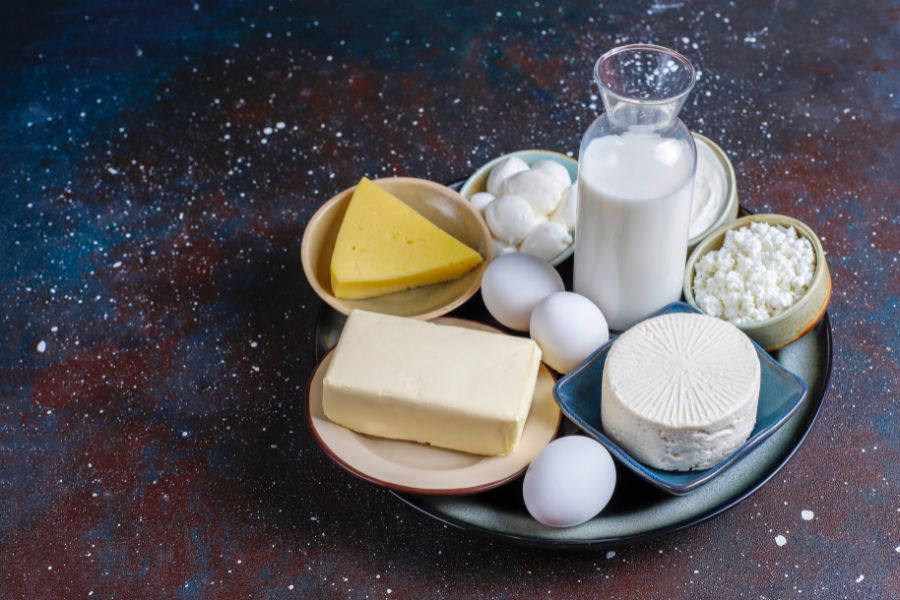
India is the world’s largest milk producer, yet global leadership in dairy depends on competitiveness, not volume alone. As global demand rises, the sector must shift its focus to productivity, technology-driven systems, export readiness, and sustainable supply chains. With the right policy support and innovation ecosystem, India has the opportunity to evolve from a volume leader into the world’s supplier of choice for dairy products. For six decades, India and the world have lived through a quiet miracle: food systems that expanded just fast enough to keep hunger at bay. Between 1960 and today, the global population grew 2.6 times, while food production rose even faster. Wheat and rice more than tripled. Fruits and vegetables increased fivefold. Egg production surged sixfold. Even milk output managed to keep pace with population growth. This success did more than fill plates — it helped avert conflict. Hunger fuels unrest; food security sustains peace. India played a central role in this transformation. Whether rice, wheat, sugar, potatoes, or milk, India is either the largest or second-largest producer globally. In dairy alone, India contributes nearly one-fourth of global milk output — more than the US and the EU combined. Yet the obvious question remains: if we produce so much, why aren’t we a global dairy powerhouse? The answer lies in productivity. India leads in volume but remains far below global benchmarks in per-animal yield. Global markets reward consistency, quality, and standards — outcomes driven by genetics, feed science, supply-chain discipline, and digital intelligence, not by simply expanding herd size. If India wants to lead, it must compete not with more animals, but with better systems. Technology will define this transition. IoT-based herd monitoring, precision feeding, AI-driven breeding, and QR-enabled consumer traceability are no longer futuristic concepts; they are already shaping the next dairy revolution. The next leap in dairy will not come from producing more milk, but from using better data. India’s dairy sector supports over 80 million households, making it the world’s largest livelihood ecosystem. This explains why dairy has remained outside most free trade agreements and why tariff debates — whether driven by US policy cycles or shifting geopolitics — remain sensitive. Protection, however, cannot be a permanent strategy. It is a bridge. The objective is not insulation, but global competitiveness — entering markets from a position of strength, not fear. Achieving this requires scale, export readiness, and a supportive ecosystem. A national dairy export policy aligned with WTO norms is long overdue. India needs export clusters, certification laboratories, and a dedicated institutional body for market intelligence and global branding. In dairy, time is everything. The clock starts ticking the moment milk is drawn. Logistics is not a back-end function; it determines quality, safety, and farmer income. Countries that mastered the cold chain mastered dairy. India must now move beyond basic chilling to integrated, energy-efficient, digital supply chains that track milk from udder to shelf. Renewable energy, biogas, water recycling, and carbon-efficient processing systems should become standard practice. Sustainability is no longer a CSR commitment — it is a business imperative. For years, dairy was seen as traditional, even static. Today, it is one of India’s most innovation-hungry sectors. The next wave of startups may not emerge from urban tech hubs, but from rural India — applying AI to feed optimisation, building premium regional dairy brands, creating D2C platforms, or developing sensors that guarantee milk quality. Incubators, blended finance, cooperative partnerships, and industry–academia collaboration will determine how quickly this ecosystem scales. Globally, demand is far from saturated. Dairy consumption is rising across South Asia, the Middle East, Africa, and ASEAN — regions where Indian products are both culturally aligned and cost-competitive. While India already exports ghee, paneer, SMP, and traditional products, these flows remain largely opportunistic rather than strategic. With targeted investments, India can also build strength in high-value segments such as whey protein, infant-grade lactose, and specialty cheeses — areas where imports still dominate but domestic capability is beginning to emerge. The message is clear: India must evolve from being the world’s largest producer of milk to becoming the supplier of choice for the world. The Road to 2047: What India Must Get Right By the time India completes 100 years of independence, our dairy sector should reflect three pillars: 1. Quality that rivals the best in the world: Not just safe milk, but branded, traceable, value-added products with global consistency. 2. Sustainability embedded end-to-end: Higher yield with lower emissions; better manure economics; circular processing systems. 3. Technology that transforms the grassroots: A digitally empowered farmer who knows her herd’s health, feed, price discovery, and market access in real time. If we do this, dairy can become one of India’s greatest soft-power assets — much like yoga, Ayurveda, and IT. Where the dairy sector stands today and what must happen next? India’s dairy sector stands at a critical inflection point. While the country has built the world’s largest milk ecosystem by volume, the next phase of growth must focus on formalising value, not just scaling output. Today, the organised sector handles roughly 140 million litres of milk every day, while the unorganised sector processes nearly twice that amount. The path forward is not about displacing this vast informal network, but integrating it—bringing quality, traceability, and market access together without breaking the rural backbone that sustains dairy livelihoods. Equally important is a renewed commitment to science-led farming. Productivity and quality can no longer be treated as separate goals. Advances in breeding, balanced feed, clean water access, mineral nutrition, manure management, and early-stage chilling are just as critical as digital tools and data systems. Without strengthening the farm-level fundamentals, scale alone will not deliver competitiveness or sustainability. Capital is the next missing link. Despite being the world’s largest dairy ecosystem, the sector remains under-served by long-term, patient investment. What it needs is blended finance, clearer policy signals, scalable infrastructure, and greater visibility for investors. World-class dairy systems require world-class capital frameworks—and India deserves nothing less. Finally, India must articulate a unified national identity
Private labels are becoming increasingly important for us: Pankaj Sajnani, Choithrams
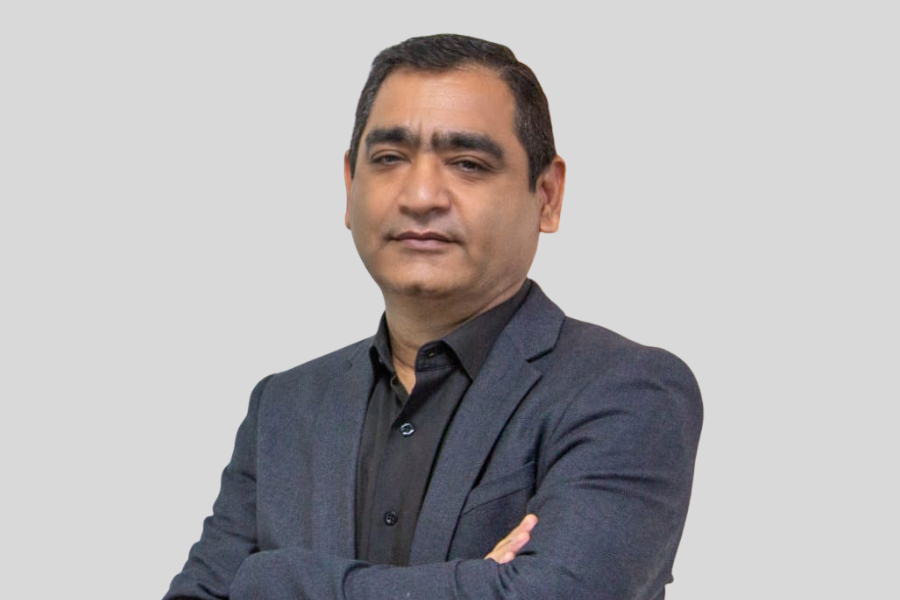
Pankaj Sajnani, Commercial Head- GCC Grocery Food & Frozen, Choithrams, one of the UAE’s most respected retail groups, shares how the company is navigating a fast-evolving food market. He also discusses Choithrams’ growth strategy for 2026, key consumer trends shaping retail decisions, high-potential product categories, and what Indian suppliers need to succeed in the GCC retail ecosystem. IBT: Choithrams has been an iconic name in UAE retail case, how would you describe your current expansion focus and what’s driving your growth strategy for 2026 Pankaj Sajnani: Choithrams continues to strengthen its presence across key communities, with a clear focus on neighbourhood convenience and an enhanced customer experience. Our growth strategy for 2026 is anchored in data-led assortment planning, deeper digital integration, and a robust omnichannel approach. We are also expanding our fresh and health-focused offerings to align with evolving consumer preferences and lifestyles. IBT: With UAE being one of the world’s most dynamic food markets. What do you feel are the most influential customer trends driving your decisions as a retailer? Pankaj Sajnani: Indeed, the UAE food market is evolving rapidly, with consumers increasingly seeking healthier, more convenient, and premium food choices. Alongside this, a growing interest in global flavours—especially within the “better-for-you” segment—is strongly shaping our assortment and buying decisions today. IBT: Which product categories would you define as very high potential areas for you in the coming year? Pankaj Sajnani: Based on our data insights, health and wellness stands out as a high-potential category, driven by the rise of better-for-you snacking and premium, gourmet offerings. Sustainability-led household products and clean-label ranges are also showing strong promise. In addition, world food specialties are emerging as important growth drivers for the coming year. IBT: India, of course, is a strong sourcing destination for Choithrams. So, what do you see as the biggest untapped opportunities for Indian suppliers in the UAE market. Pankaj Sajnani: India remains a strong sourcing destination for Choithrams, with significant untapped opportunities in staples, authentic and region-specific specialties, and innovative, health-oriented products. For Indian suppliers, consistent quality and reliability, supported by a robust supply chain, will be critical to unlocking sustainable growth in the UAE market. IBT: When you engage with new companies in Indian brands or manufacturing companies, how do you assess whether the supplier is ready for global retail operations. Pankaj Sajnani: We assess global readiness through robust quality standards, strong compliance certifications, and reliable supply chain capabilities. Clear branding, consistent product quality, well-developed packaging, and preparedness with international documentation are also key indicators of a supplier’s readiness for global retail operations. IBT: What will be your key priorities at Indusfood 2026? Pankaj Sajnani: At Indusfood 2026, our priority will be to discover innovative products and engage with high-potential brands that can strengthen and diversify our future assortments. We will also actively explore private-label opportunities and build strong, long-term partnerships with suppliers. Private labels are increasingly important for us as we develop competitive “fighter brands” alongside national brands. Given our dual capabilities across retail and distribution in the GCC, we will evaluate opportunities from both perspectives, assessing products that can scale across multiple markets and channels. IBT: For exhibitors meeting you, what should they come equipped with so that the conversation is impactful and constructive? Pankaj Sajnani: Exhibitors should come well prepared with accurate and complete product details, including barcodes, packaging specifications, competitive pricing, and the required certifications in line with UAE compliance norms. Product samples, where possible, are highly recommended. They should also be ready to discuss supply capacity, consistency, and their ability to build a long-term partnership. Having these elements in place ensures the discussion is focused, constructive, and truly productive. IBT: Any message you would like to offer to Indian exporters who want to export to the GCC region? Pankaj Sajnani: For Indian exporters looking at the GCC, the fundamentals remain clear: uncompromising quality, consistency, and a reliable supply chain are critical to success in the region’s retail markets. A strong understanding of local regulations and compliance requirements is equally important. Exporters should also be prepared with innovative offerings that reflect evolving retailer expectations and regional consumer preferences. Sustainability is becoming increasingly relevant, but above all, consistency in supply and performance is what builds trust and enables long-term growth in the GCC.

India’s data center boom: Building the future, testing the grid
India is building one of the world’s fastest-growing data center networks. With over 850 million internet users, UPI hitting 10 billion monthly transactions, and AI adoption accelerating across sectors, demand for digital infrastructure has exploded. CRISIL estimates India’s data center capacity will double to 2.5 GW by FY28, while Colliers projects a tripling by 2030—an expansion backed by giants like Reliance, Adani, Yotta and NTT. But behind this extraordinary rise lies a tougher question India can’t ignore: can the country’s power system support the digital backbone it’s racing to build? India is in the middle of a digital explosion. With over 850 million internet users and UPI crossing 10 billion transactions a month, the country’s appetite for data has never been bigger. Behind this surge lies an infrastructure quietly becoming the backbone of everyday life—data centers. And their growth is staggering. CRISIL expects India’s capacity to double to 2.3–2.5 GW by FY28, while Colliers projects it could triple by 2030, making India one of the world’s fastest-growing data center markets. Backed by massive investments from Reliance, Adani, Yotta, NTT and policy incentives under the Draft National Data Centre Policy 2025, the sector is scaling at unprecedented speed. But this boom comes with a challenge: can India’s power system keep up? Data centers are energy-hungry. Globally, they consumed 448 TWh of power in 2025—a figure Gartner says will double by 2030, driven largely by AI-heavy workloads. The Ministry of Power estimates Indian data centers could take up 5–6% of national electricity demand by 2030, in a grid still dominated by coal and uneven renewable supply. India’s digital ambitions and its energy readiness are now deeply intertwined. The question is no longer whether India can build data centers—but whether it can power them. Current (2023–24) Projection (2027–30) Source Installed Capacity ~870 MW 2,500 MW by 2027 CRISIL Ratings Revenue ₹11,000 crore ₹20,000 crore by FY28 CRISIL Ratings Market Size $5–6 billion $15 billion by 2030 Colliers Share of Global Demand <2% 5–6% by 2030 Gartner Table 1: India’s Data Center Growth Trajectory Data center growth trajectory India’s data center industry is no longer confined to a handful of server farms in Mumbai or Bengaluru—it is rapidly evolving into a nationwide infrastructure backbone. According to Colliers India (2025), the country’s installed data center capacity stood at approximately 870 MW in 2024, and is projected to reach 2,500 MW by 2027, before tripling to 4.5 GW by 2030. This trajectory places India among the fastest-growing data center markets globally, second only to China in Asia. The growth is geographically concentrated but diversifying. Mumbai remains the largest hub, accounting for nearly 50% of current capacity, thanks to its submarine cable landing stations and proximity to financial institutions. Chennai is emerging as the next big hub, with hyperscale investments driven by its coastal connectivity and availability of land. Hyderabad and Bengaluru are leveraging their IT ecosystems, while Delhi NCR is attracting investments due to government demand and enterprise clusters. Private sector participation is driving this expansion. Reliance Jio has announced plans for multiple hyperscale facilities, while AdaniConneX (a joint venture with EdgeConneX) is building greenfield data centers across Chennai, Noida, and Hyderabad. NTT India and Yotta Infrastructure are also scaling aggressively, with Yotta’s Greater Noida facility alone designed for 30,000 racks and 200 MW IT load. Government policy is acting as a catalyst. The Draft National Data Centre Policy 2025 proposes 20-year tax exemptions, single-window clearances, and incentives for renewable energy integration. States like Tamil Nadu, Maharashtra, and Telangana have rolled out their own data center policies, offering land at concessional rates and subsidized power tariffs. This combination of private capital and policy support is creating a robust pipeline. As per CRISIL Ratings, India’s data center industry is expected to attract ₹45,000–50,000 crore in investments by FY28, with annual revenues crossing ₹20,000 crore. The trajectory is clear: India is positioning itself as a global hub for digital infrastructure, but the sustainability of this growth hinges on energy preparedness—a theme we will explore in the next section. Region / City Share of Capacity (%) Key Drivers Mumbai ~50% Submarine cables, BFSI demand, hyperscale hubs Chennai ~20% Coastal connectivity, hyperscale investments Hyderabad ~10% IT ecosystem, land availability Bengaluru ~10% Tech clusters, enterprise demand Delhi NCR ~8% Government demand, enterprise clusters Others (Pune, Kochi, Ahmedabad) ~2% Emerging secondary hubs Table 2: Regional Distribution of Data Center Capacity (2024–25) *Sources: Colliers India, CRISIL Ratings, IBEF (2025) Energy demand projections India’s data center boom is ultimately a story about electricity. These facilities are among the most energy-intensive assets, running servers and cooling systems 24/7. Globally, data centers consumed 448 TWh of power in 2025, a number Gartner expects to more than double to 980 TWh by 2030—driven largely by AI-optimized servers. India is following the same trajectory. The Ministry of Power projects that data centers could account for 5–6% of India’s total electricity demand by 2030, up from under 2% today, at a time when national power demand is already rising 6–7% annually. The scale of consumption is staggering. A single hyperscale facility can draw 100–200 MW—enough to power a mid-sized city. With capacity expected to reach 2.5 GW by 2027 (CRISIL Ratings), the load on the grid will intensify, especially in hubs like Mumbai and Chennai where transmission networks are already stretched. Cooling further complicates the picture. CEA estimates show cooling systems account for 30–40% of total energy use, and water-heavy cooling could strain resources in states like Tamil Nadu and Maharashtra. India’s dependence on coal—over 70% of generation—adds sustainability concerns. While renewable capacity is growing, integration into data center operations remains uneven. Some players, such as AdaniConneX and Yotta, are exploring solar-wind hybrid PPAs, but widespread adoption is still limited. The real challenge isn’t whether India can meet future power demand—it’s whether it can meet it sustainably. Without faster renewable integration, smarter grids, and energy-efficient cooling, the data center boom risks becoming an energy burden rather than a digital advantage. Indicator Current (2024–25) Projection (2030) Source Share
Capturing South Asia’s ready-to-eat revolution: JBT Marel on technology, training, and trust
As South Asia’s food processing industry undergoes rapid transformation, global technology leaders are increasingly investing in localized solutions to meet regional demands. JBT Marel’s recent establishment of a Global Production Center in Pune marks a significant milestone in this shift. In this exclusive conversation, Vikram Mulmule, VP of Sales and Operations at JBT Marel, shares insights on how the company is tailoring advanced FoodTech and automated systems for diverse South Asian markets. From addressing food safety and sustainability challenges to capitalizing on growth opportunities in ready-to-eat foods and poultry processing, Mulmule discusses JBT Marel’s strategy for driving innovation and collaboration across the region. IBT: How do you tailor JBT Marel’s global FoodTech and Automated Systems solutions to meet the unique needs and market realities of the South Asia subcontinent — especially in diverse markets like India, Bangladesh and Sri Lanka? Vikram Mulmule: At JBT Marel, we recognize the unique dynamics of the South Asian market, including India, Bangladesh, and Sri Lanka. Our approach is deeply rooted in understanding local needs and regulatory landscapes. We customize our FoodTech and Automated Systems solutions to align with regional demands, ensuring our technologies can handle local food products and operational practices. By partnering with local companies and institutions, we enhance our market presence and foster innovation tailored to regional conditions. Our commitment extends to offering comprehensive training and support, empowering local operators with the skills needed to maximize our technologies’ benefits. The opening of our Global Production Center (GPC) in Pune, India, further strengthens our ability to serve the South Asian market. This facility acts as a hub for innovation and collaboration, allowing us to develop and test solutions that meet local requirements. It enhances our capacity to deliver sustainable, efficient, and culturally sensitive solutions, driving growth and innovation across the region. IBT: What impact do you expect the new India-based GPC to have on lead times, cost-efficiency, after-sales service and customer support across South Asia? Vikram Mulmule: The Global Production Center (GPC) in Pune is a strategic investment designed to transform how we serve South Asia. By localizing testing, validation, and process optimization, we significantly reduce lead times—customers no longer need to ship products overseas for trials & validation. This accelerates decision-making and implementation. Cost-efficiency improves because we can tailor solutions locally, minimizing logistics and customization expenses. The GPC also strengthens after-sales service: our regional experts provide hands-on support, troubleshooting, and operator training right here in India, ensuring faster response times and higher uptime. Finally, customer support becomes more collaborative. The GPC acts as an innovation hub where we can co-develop solutions with direct processors and validate recipes, optimize production lines under real market conditions. This proximity and partnership approach will help South Asian food processors adopt advanced technologies with more confidence and trust. Frigoscandia – ©FloFreeze Freezer (True Fluidized Bed Freezer) IBT: How is JBT Marel leveraging its technology and service offerings in South Asia to address challenges of food safety, yield optimization and sustainability — and what are the biggest obstacles you encounter? Vikram Mulmule: JBT Marel is tackling South Asia’s food industry challenges through advanced technology and localized service. Food safety is non-negotiable, so we integrate automated hygiene controls, traceability systems, and precision processing to meet stringent standards. Yield optimization is driven by smart equipment that minimizes waste and maximizes throughput—even with variable raw material quality common in the region. Our efficient freezing solutions, including high-performance spiral, IQF’s and impingement freezers, lock in product quality and reduce drip loss, ensuring superior yield and shelf life. Sustainability is embedded in our designs – energy-efficient systems, water-saving technologies, and carbon-reducing solutions are central to our offerings. The Global Process Center (GPC) in Pune strengthens this approach by enabling local trials, recipe validation, and process optimization. Combined with Innova software for real-time data insights and PROCARE Service ARC for proactive maintenance, we deliver end-to-end solutions that empower South Asian processors to achieve safety, efficiency, and sustainability. IBT: Which segments — e.g. meat/meat-processing, ready-to-eat, fruit/vegetable processing, beverages — do you see as the fastest growth opportunities in South Asia over the next 3–5 years, and why? Vikram Mulmule: In South Asia, several food processing segments are poised for substantial growth over the next 3-5 years, driven by evolving consumer preferences and economic development. The Ready-to-Eat (RTE) foods segment is experiencing rapid expansion, fueled by fast-paced urban lifestyles and increasing disposable incomes. Consumers are seeking convenient meal solutions, making RTE foods a prime area for growth. JBT Marel’s innovative packaging and preservation technologies support this growth which help extend shelf life while maintaining product quality. The poultry and seafood industry is set for significant growth as well. With a growing middle class and an increasing focus on protein-rich diets, there’s a rising demand for processed poultry and other protein products. Our advanced processing solutions help enhance efficiency and product quality at each step in the process. Fruit and vegetable processing is another segment with strong growth potential. As health consciousness rises, there’s increasing demand for processed fruits and vegetables, including juices, purees, and frozen products. JBT Marel’s cutting-edge preservation technologies now manufactured in India at GPC Pune, helps maintain nutritional value and extend shelf life, catering to health-focused consumers. Lastly, the beverage sector, particularly non-alcoholic drinks like juices, health drinks, and functional beverages, is booming. This growth is driven by consumer interest in health and wellness products. All these segments share common drivers: changing consumer habits, stricter food safety regulations, and the push for sustainability. Challenges like fragmented supply chains and cost sensitivity persist, but with localized innovation & manufacturing from our Global Production Center together with robust local Service support —we aim to help processors in South Asia meet these demands efficiently and sustainably. IBT: What is your strategy for building and scaling after-sales service, training (e.g. operator training), and customer support infrastructure in South Asia to ensure clients can fully leverage JBT Marel systems? Vikram Mulmule: Our strategy for building and scaling after-sales service, training, and customer support infrastructure in South
From the Himalayas to global shelves: The rise of Dogsee Chew
As pet care transcends mere companionship to become a reflection of lifestyle and wellness, few stories capture this shift better than that of Dogsee Chew. At the forefront of this transformation is Bhupendra Kanal, whose journey from the Himalayas to global pet-care shelves exemplifies vision, perseverance, and entrepreneurial spirit. In this interview with India Business and Trade, Bhupendra Khanal chronicles the rise of Dogsee Chew—from humble beginnings in Darjeeling dairies to exporting high-protein, 100% natural pet treats to over 30 countries. As demand for clean, chemical-free, and ethically produced pet nutrition surges worldwide, Dogsee Chew’s story offers a compelling blueprint for entrepreneurs aiming to build global-scale impact from India. IBT: Could you walk us through the founding vision behind Dogsee Chew? How did the idea take shape in 2015, and what early challenges did you navigate? Bhupendra Kanal: The idea emerged during a visit to a friend’s dairy in Darjeeling, where we noticed local dogs stealing traditional Himalayan chews. As pet parents, we were curious and brought back 22 kg to Bangalore for study. The product turned out to have over 65% protein—higher than any dental treat globally—and was 100% natural, vegetarian, and handcrafted. This aligned with what we wanted for our own pet. The emotional pull of taking something from the Himalayas to the world further strengthened the vision. Early challenges, however, were around production—training villagers and small dairies to make the chews consistently and scaling supply. IBT: At what point did Dogsee Chew hit its growth inflection, and how did international markets shape your strategy and product development? Bhupendra Kanal: Initially, India wasn’t fully ready for the product due to its premium nature. But once we explored global markets, the response was overwhelming. Our first pallet order from Spain and then a container order from a UK client proved to be turning points. Global buyers valued the Himalayan origin story, high protein content, and natural ingredients. Their trust pushed us to scale manufacturing, improve consistency, and strengthen processes. IBT: How has India’s pet nutrition market evolved, especially regarding natural and single-ingredient products? Bhupendra Kanal: When we began, most products in India were by-products of the meat or leather industry and heavily dependent on additives. But consumers soon became very aware—they wanted clean, natural ingredients for their pets, just like for themselves. This shift aligned with our philosophy, and we expanded into freeze-dried foods, herbal Ayurvedic shampoos, and other natural products. The market’s growing awareness, from vets to pet parents, has supported this transition. IBT: How would you compare Indian pet parents with those in mature markets like the US or Europe? Are there key differences? Bhupendra Kanal: Western markets are structurally more mature, with established grooming chains, veterinary networks, and higher purchasing power. But in terms of awareness, Tier-1 Indian pet parents are equally—if not more—vocal and questioning. Indian consumers probe ingredients, sourcing, and manufacturing standards far more. This involvement is a strength and a key driver of quality improvements in the sector. Structurally, India is still catching up, but awareness levels are on par. IBT: As a major exporter, what challenges did you face with sourcing, supply chain logistics, and regulatory compliance? Bhupendra Kanal: Coming from software and advertising backgrounds, we lacked FMCG experience. So we hired strong manufacturing and quality experts and adopted a “build world-class or nothing” mindset. We invested in top global certifications such as BRC, C-TPAT, BSCI, and built a zero-waste, solar-powered, carbon-negative facility. Our booths at global trade fairs were also world-class, helping us gain trust quickly. Building this entire ecosystem—from packaging to compliance—was challenging but essential for global acceptance. IBT: With a diverse product portfolio, how do you maintain consistent quality and nutritional reliability? Bhupendra Kanal: Quality is our non-negotiable. We often reject entire batches from vendors for even minor deviations. The company follows 5S principles and is always audit-ready. We built a strong internal team with leaders who were previously at global giants like Almarai. This keeps our quality systems aligned with global benchmarks. A ruthless focus on quality is what enables us to scale without compromise. IBT: From a policy perspective, what support from the Government of India could help the sector scale globally? Bhupendra Kanal: We’ve received strong support from agencies like DGFT, EPCs, and state authorities. However, the biggest gap is the absence of a dedicated pet food or veterinary division under FSSAI—something equivalent to the USFDA’s pet food segment. Another issue is lack of reciprocal access. Countries like Thailand and China can easily sell in India, but Indian exporters face far tougher entry barriers. Equal market access or reciprocity is essential if India wants to compete globally in this category. IBT: Looking ahead to 2035, how do you see India’s potential in global pet treats, nutrition, and wellness? What must the industry focus on? Bhupendra Kanal: India has no option but to grow. We have 3.6% of the world’s population but contribute only 0.03% to the global pet trade. Given our massive dairy base—22% of global milk production—and agricultural strength, we can easily command 3–4% of global market share. To achieve this, India must build manufacturing-led capacity, not just brands. Large factories, strong quality culture, and long-term capex investment are crucial. We cannot depend on a trading-led ecosystem—we must build like China and Vietnam if we want to lead globally. Bhupendra Khanal is the Co-founder & CEO of Dogsee, one of India’s fastest-growing natural pet food brands. A serial entrepreneur and data scientist, he has built multiple ventures across AI, analytics, and consumer products. Under his leadership, Dogsee has expanded to global markets with a strong focus on clean-label, Himalayan-sourced treats. He is widely recognised for blending technology, sustainability, and brand storytelling to scale disruptive businesses.

India’s pet food industry: Growth, exports & challenges
India’s pet food industry is standing at a breakthrough moment, powered by soaring domestic demand, a fast-expanding pet population, and global interest in affordable, high-quality nutrition. With exports rising steadily and markets like the Middle East, Europe, and North America opening new doors, India has a unique opportunity to position itself as a major global supplier. Strategic upgrades in compliance, packaging, and market-specific formulations can unlock a multi-billion-dollar export opportunity by 2030—making this one of India’s most promising consumer and agri-processing sectors. India’s pet food industry is rapidly emerging as a competitive player in the global market, backed by abundant raw materials, cost-efficient production, and supportive policy measures for animal welfare and trade. Indian manufacturers are increasingly recognized as reliable suppliers in the international pet food and animal feed segments, positioning the country to capture growing demand for safe, sustainable, and high-quality nutrition products worldwide. At the same time, the domestic market is witnessing remarkable expansion. With a pet population exceeding 42 million in 2024—including over 36.8 million dogs—and rising disposable incomes among urban millennials and Gen Z households, India’s organised pet food market has reached a valuation of US$ 600–700 million within a broader US$ 4 billion pet-care ecosystem. It is projected to grow at a CAGR of 8.6–10% through 2030, driven by rapid urbanization and the global “pet humanization” trend. As consumers increasingly seek premium, human-grade, and organic nutrition for their companions, India stands at the crossroads of strong domestic consumption and growing export opportunity. The global pet food industry is on an accelerated growth path, reflecting the world’s deepening bond with companion animals. According to new analysis by Future Market Insights (FMI), the market — valued at US$ 132.4 billion in 2025 — is projected to nearly double to US$ 247.7 billion by 2035, expanding at a healthy CAGR of 6.5%. Conventional pet food continues to lead with a 70% share thanks to affordability and wide retail reach, while dog food dominates at over 60% of sales. Regionally, Western Europe is the growth engine: the UK is forecast to be the fastest-growing market at 6.8% CAGR through 2035, followed by the U.S. (6.2%), Germany (6.4%), and Japan (6.1%), where small-breed, senior, and functional diets are in highest demand. The domestic boom: packaged food becomes the new normal The major change in India’s pet ecosystem today is the mass movement of pet parents away from homemade or loose food and toward branded, science-backed nutrition—a trend that has accelerated at remarkable speed over the past five years. “Packaged food has become the default choice for a lot of the pet parents… We are seeing a clear migration to mid-premium, premium and functional diets across the board. The biggest theme that we see within packaged food particularly is there is a rising appetite for spending on mid-premium, premium and functional diets… and vets are increasingly influencing the dietary choices.” — Mrigank Gulgutia, Partner, Redseer Strategy Consultants Redseer’s consumer surveys reveal that a growing cohort now spends ₹50,000–₹1 lakh annually per pet, with food accounting for 60–70% of that wallet. Quick-commerce platforms (Blinkit, Zepto, Swiggy Instamart) have become the lifeline for repeat purchases of heavy items—10-kg kibble bags and cat litter—while e-commerce (Amazon, FirstCry, Supertails) introduces newer consumers to functional treats for skin allergies, gut health, joint support, and dental care. Export growth of pet food industry Indian pet food exports have grown from US$ 36.1 million in FY2018–19 to US$ 59.25 million in FY2023–24. Dog and cat food alone touched US$ 36.4 million in the first half of 2024. Germany (27%), the United States (20%), the United Kingdom (15%), and the UAE are the top destinations. Several Indian brands—Drools, Heads Up For Tails, Dogsee Chew, and Farmina’s Indian arm—are now regular fixtures in premium pet stores from Dubai to Dallas. “India needs to narrow the gap in documentation and packing, as they are major hindrances in making Indian products international-market ready… Having success in India doesn’t translate to being successful in UAE, because they have different taste and nationalities and it has to be customised as per the market.” — Sidarth Mahindra, Chief Pet Officer, Pet Corner Dubai The Middle East, with its 30–35% YoY e-commerce growth (versus India’s 6–8%), large expatriate population, and premium-seeking consumers, is the most attractive first overseas market. However, success demands more than great product: halal certification, Arabic-English labelling, heat-resistant packaging, and flavour profiles that appeal to European, South Asian, and Arab palates are mandatory. “Compliance is key to enter the market… Very few brands or very few categories see that sort of growth since 2021 to 2025 consistently seen triple-digit growth in pet food in India across border trade… If anybody is looking to export to US, UK, Europe or even Canada and Japan, there are global certification bodies in India — BRC is one of the highest standards in the world.” — Jeffery Thomas, Manager – Business Development, Walmart Global Sourcing BRC Global Standard for Food Safety (Issue 9), HACCP, ISO 22000, SQF, FSSC 22000, and country-specific registrations (FDA for the US, DEFRA for the UK, CFIA for Canada) are non-negotiable. Critically, human-food certifications do not count. “To export to international markets, we need to navigate the international regulations and compliance… We reached out to many embassies and trade bodies to understand the international trade. Then we cracked other clients via social media marketing. The international market is nicely structured… Attending global events helps in building connections with exporters, importers, global buyers, distributors, etc. These connections helped me penetrate nicely and easily into global markets.” — Bhupendra Khanal, CEO, Dogsee Chew The strategic roadmap to 2030 To convert today’s momentum into sustained global leadership, Indian brands and policymakers must act on five fronts: Compliance-first culture- Treating compliance not as a checkbox but as core infrastructure. Government subsidies for first-time certification (similar to the scheme for spices) would accelerate adoption. Localisation at speed- Create market-specific SKUs early like lamb-heavy for Middle East, salmon-rich for Europe, small packs for Japan. Omnichannel- Dominate quick-commerce and

Olive oil: From ancient roots to a global wellness powerhouse
Olive oil has expanded from its Mediterranean roots into a US$ 20 billion global industry, led by Spain, Italy, Greece, and Portugal. Growing health awareness is accelerating demand for extra virgin varieties, prized for their antioxidants and monounsaturated fats. Sophisticated marketing that highlights heritage, authenticity, and gourmet appeal has positioned olive oil as a premium kitchen staple. Its antioxidant and anti-inflammatory benefits are also driving fast-growing use in cosmetics and personal care. With rising demand across major regions and emerging markets, the olive oil sector is entering a phase of strong innovation, diversification, and global relevance. Olive oil, one of the most popular and heavily marketed edible oils, has evolved into a US$ 20 billion global market — a symbol of purity, wellness, and premium living. Its legacy traces back to the Mediterranean, where olive cultivation thrived for centuries and became deeply rooted in commerce, culture, and religion. After the discovery of America in 1492, olive cultivation gradually expanded beyond its traditional boundaries. The first olive trees were transported from Seville, Spain, to the West Indies and later to the Americas. By 1560, olive groves had taken root in Mexico and later spread to Peru, California, Chile, and Argentina. Over the centuries, the olive tree has travelled far from its origins, now flourishing across North and South America, South Africa, New Zealand, Australia, and even Japan. Today, olive oil production continues to be dominated by Spain, Italy, Greece, and Portugal. In the 2024–25 crop year, the EU produced around 2.1 million tons of olive oil, with Spain contributing approximately 1.41 million tons — nearly 40% of global output. Spain remains the world’s leading supplier and is India’s primary source as well, accounting for nearly 86% of India’s olive oil imports. Italy follows as the second-largest supplier, contributing around 10%. India, in turn, exports a limited quantity of olive oil to markets such as Egypt, the United States, and Bhutan. The global rise in health consciousness has further fuelled demand. Olive oil is valued for its high monounsaturated fat content and antioxidants, and is associated with reduced cardiovascular risk, lower cholesterol levels, and overall wellness benefits. Extra virgin olive oil — the purest and least processed form — is witnessing the fastest growth due to its chemical-free extraction, superior flavour profile, and lower oleic acid content. Its richness in vitamins D and K, monounsaturated fats, and antioxidants enhances its appeal among health-focused consumers. Marketing has also played a pivotal role in positioning olive oil in the global market. Early strategies focused on differentiating varieties by region, highlighting their quality, authenticity, and geographical identity. Over time, branding evolved into sophisticated storytelling that tied olive oil to heritage, terroir, and culinary excellence. Its association with gourmet food — from salads and dressings to marinades, baking, and light frying — cemented its place in modern kitchens and elevated it within premium price segments. Beyond food, olive oil is gaining traction in the cosmetics and personal care industries due to its antioxidant and anti-inflammatory properties. It is increasingly used as a natural alternative to synthetic cosmetic ingredients, helping exfoliate dead skin cells, remove impurities, and provide hydration and nourishment for both skin and hair. The Personal Care & Cosmetics category is projected to grow at the fastest pace, with a CAGR of around 7.60% between 2026 and 2033, driven by rising clean-label preferences, skin-conditioning benefits, and the shift toward natural formulations. Companies like Pompeian Inc. are broadening their portfolios to include cosmetic-grade olive oil to meet increasing demand in skincare and haircare applications. Olive oil market: Regional overview The North American olive oil market continues to expand, supported by rising health awareness, growing interest in the Mediterranean diet, and increasing demand for premium and extra virgin varieties. Strong retail and e-commerce channels, along with innovation in flavored and organic offerings, further strengthen market growth. While the U.S. remains the dominant market, Canada is emerging with notable pockets of opportunity. In the U.S., growth is expected to accelerate due to greater consumer understanding of health benefits, deeper Mediterranean diet penetration, premiumization of extra virgin products, and regulatory measures that enhance product quality and consumer trust. Asia Pacific is poised for the fastest regional growth, projected at around 9%, driven by rising disposable incomes, an expanding middle class, and heightened health consciousness. Urbanization, westernized eating habits, and stronger e-commerce penetration are making imported extra virgin products more accessible. China leads the region, with a growing base of affluent consumers willing to pay for high-quality, imported olive oil, supported by rapid urban growth and increased awareness of health and nutrition. Europe continues to hold the largest share of the global market at over 48%, rooted in longstanding cultural preferences, mature Mediterranean olive farming, and well-integrated value chains. Spain leads the region with the world’s largest olive cultivation area, high production volumes, strong export networks, and established PDO/PGI certifications, keeping it ahead of Germany, France, the U.K., and Italy in consumption and global exports. In the Middle East & Africa, the UAE dominates due to high incomes and strong demand for premium imported oils. In Latin America, Brazil leads growth, driven by rising disposable incomes, the adoption of Mediterranean dietary habits, and expanding retail and e-commerce channels. Future growth As global consumers continue to prioritise health, authenticity, and premium culinary experiences, olive oil stands at the intersection of tradition and modern wellness. Its journey from ancient Mediterranean groves to supermarket shelves and cosmetic formulations worldwide reflects both its enduring cultural value and its evolving commercial potential. With rising demand across food, beauty, and wellness segments—and robust growth prospects in emerging markets—the olive oil industry is entering a new era of innovation, diversification, and global reach. As producers, exporters, and brands adapt to shifting consumer preferences and regional market dynamics, olive oil is poised to strengthen its position as a staple of healthy living and a high-value commodity in the global F&B landscape.
“Smart sensors and automation are redefining how perishables are preserved”
In an era where India’s food processing and cold chain sectors are rapidly expanding, Natural Storage Solutions Pvt. Ltd. (NSSPL) stands out as a driving force of technological progress. In conversation with India Business and Trade, Yogesh Dahiya, Managing Director, NSSPL shares how the company is advancing post-harvest efficiency through innovation, engineering excellence, and customer-focused solutions across India and global markets. As demand for high-quality refrigeration and modern processing systems rises, NSSPL continues to lead with turnkey, energy-efficient, and future-ready technologies. IBT: Natural Storage Solutions Pvt. Ltd. (NSSPL) has established itself as a leading designer and manufacturer of industrial refrigeration systems and food processing lines. What key factors or guiding principles have driven the company’s consistent growth and reputation for excellence in both domestic and international markets? Yogesh Dahiya: NSSPL’s consistent growth and strong reputation stem from its clear commitment to delivering complete turnkey solutions—encompassing design, manufacturing, installation, commissioning, and comprehensive post-commissioning support, including plant training, education, and more. This end-to-end approach is reinforced by engineering excellence, customer-centric innovation, and uncompromising product quality. The company places strong emphasis on understanding each client’s specific requirements and delivering highly reliable, energy-efficient refrigeration and food-processing systems that ensure long-term value. Continuous investment in advanced technologies, adherence to global manufacturing standards, and ongoing team skill development enable NSSPL’s solutions to meet international performance benchmarks consistently. Additionally, timely service support and long-term customer partnerships have helped the company earn enduring trust across domestic and international markets as a leading provider of turnkey post-harvest solutions. IBT: With India’s rising demand for cold storage and food preservation infrastructure, how is NSSPL leveraging this opportunity to expand its footprint and support the modernization of India’s cold chain ecosystem? Yogesh Dahiya: NSSPL is strategically leveraging India’s rapidly growing demand for cold storage and food preservation infrastructure by introducing highly advanced, cost-effective technologies that reduce CAPEX and significantly extend the shelf life of perishable products. Deeply committed to innovation, the company has executed several landmark projects across the country, particularly in developing large-scale bulk and box cold storage facilities equipped with precision cooling, automation, and intelligent control systems. These state-of-the-art installations ensure uniform temperature, minimal product loss, and consistent quality throughout the year, even for high-volume storage. Through its comprehensive turnkey capabilities—including design, manufacturing, installation, commissioning, and extensive operator training—NSSPL is not only expanding its national footprint but also playing a key role in modernizing India’s cold chain ecosystem. With enhanced post-harvest handling systems and cutting-edge cold chain infrastructure, NSSPL provides vital support to farmers, processors, and logistics providers, helping them maintain product quality while adapting to India’s rapidly expanding food market. IBT: Innovation and technology are at the core of NSSPL’s solutions, from controlled atmosphere systems to automated grading and data acquisition. Could you share how your R&D initiatives are helping enhance efficiency, sustainability, and product quality in cold storage applications? Yogesh Dahiya: NSSPL has successfully implemented and tested gamma radiation treatment on onions for long-term storage, supported by detailed R&D collaboration with BARC. NSSPL’s R&D philosophy is driven by the belief that post-harvest solutions must evolve into more intelligent, efficient, and sustainable systems—and that innovation is the pathway to this transformation. The company has introduced advanced modified-atmosphere and controlled-atmosphere storage solutions with precise atmospheric regulation and enhanced ventilation, allowing perishables to stay fresh for longer while reducing losses caused by improper storage conditions. These systems are integrated with smart sensors and data acquisition tools, providing operators with real-time insights into storage performance and enabling immediate corrective action when required. NSSPL has also developed advanced automated bulk and box storage solutions that offer excellent air circulation, reduced energy consumption, and stable performance even at large capacities. Additionally, its innovative handling systems—such as graders, conveyors, and filling units—minimize manual intervention, reduce operational errors, and maintain product integrity throughout the handling process. With these advancements, NSSPL is not only strengthening efficiency and sustainability but also setting new industry benchmarks for product quality and cold chain reliability. IBT: NSSPL has built strong global associations and a growing export presence. How do these international collaborations strengthen your product offerings, and what strategies are you adopting to further penetrate emerging global markets? Yogesh Dahiya: NSSPL’s global associations reflect its unwavering commitment to delivering world-class, future-ready solutions. By strategically partnering with industry leaders—IVI from Idaho, USA for advanced ventilation systems; GEA HRT from Frankfurt, Germany as an authorized HRT Packager; VH Vertical from the Netherlands for reliable packaging innovations; Boema SpA from Italy for state-of-the-art food processing equipment; Marcelissen from the Netherlands for precision peeling and slicing solutions; and Isolcell from Italy for advanced controlled-atmosphere technology—NSSPL brings unmatched global expertise to every project it undertakes. Its pioneering collaboration with BARC to successfully implement gamma radiation technology for potato sprout inhibition further underscores the company’s drive to push scientific boundaries. These partnerships enhance NSSPL’s understanding of diverse regulatory environments, regional conditions, and customer requirements, enabling the company to tailor its systems for optimal performance across global markets. To strengthen its presence in emerging regions, NSSPL is focusing on market-specific product adaptations, expanding local partnerships, accelerating technology transfer and knowledge exchange, enhancing remote support and after-sales infrastructure, and increasing participation in international trade platforms. Through these efforts, the company continues to build a resilient global footprint and deliver high-value, future-ready solutions to customers worldwide. IBT: As the Managing Director of NSSPL, what is your long-term vision for the company in shaping the future of cold chain and Food processing solutions, both in India and globally? Yogesh Dahiya: As the Managing Director of NSSPL, my long-term vision is to position the company as a global leader in delivering turnkey, advanced, energy-efficient, and technology-driven cold chain and food processing solutions, while contributing meaningfully to the Make in India mission through the domestic development and manufacturing of world-class technologies. I aim to build a fully integrated ecosystem that enhances farm-to-fork efficiency, reduces post-harvest losses, and ensures consistent product quality by leveraging smart refrigeration systems, IoT-enabled monitoring, automation, and sustainable engineering practices. By producing high-performance equipment in India and fostering