Choithrams stands out as a thriving conglomerate, boasting engagements in various sectors such as wholesaling, commodity brokerage, and the production of both edible and non-edible goods. Since its inception in the UAE in 1974, Choithrams has evolved into a retail powerhouse, currently overseeing a network of more than 39 supermarkets (79 in GCC and 54 in UAE). As a steadfast participant in events like Indusfood, India Business and Trade had the privilege of engaging with Pankaj Sajnani, Category Manager of FMCG Retail at Choithrams. During the discussion, we delved into the company’s forthcoming strategies and their anticipated aspirations for the upcoming Indusfood 2024. Image Credit: Pixabay IBT: What is the current business size of your company? Which are the popular product ranges under the F&B segments? Pankaj Sajnani: Starting with the current size of our business in the company, I would like to emphasize that our presence extends beyond Dubai; we are also operational in Bahrain, Doha, Qatar, and Oman. Our business is categorized into two segments: retail and wholesale, essentially constituting a comprehensive commerce enterprise. In Bahrain and Qatar, we maintain a presence in both retail and wholesale, while in the UAE, we follow a similar model. In Oman, however, our operations are solely centred around a distribution network. In total, we boast 79 outlets across all GCC countries, with 54 retail stores in the UAE, 16 in Bahrain, and 9 in Qatar. Our business scale is significant, with a total turnover of 400 million dollars, exclusively generated in the UAE. This figure encompasses both wholesale and retail activities. When discussing the popular product range in the Fast-Moving Consumer Goods (FMCG) segment, we encounter a diverse set of retailers. In the UAE, with a population of 10 million, we cater to various cultures, including GCC expats, Indians with both South and North Indian backgrounds, Pakistanis, Filipinos, and more. This diversity highlights our engagement with different nationalities. Our store clusters fall into four types: super premium, super value, fresh premium, and fresh value. The super-premium and premium categories target customers with higher paying capacity, while mass appeal characterizes the super-value and fresh-value segments. Our reach extends to European and US clientele in some areas, while we also serve the typical Indian clientele, particularly in the Bur Dubai area. For the Indian clientele in Bur Dubai, we offer a dedicated assortment, especially hot beverages. Notable brands include Wagh Bakri Chai, Girnar, and ID coffee. In terms of beverages, we import Limca from India to meet the demand of our Indian clientele, as it is not locally available. Additionally, we recently added Coolberg, a non-alcoholic beverage, to our portfolio. On the food side of our business, Bikaji stands out as the number one brand in terms of turnover. We also serve as the distributor and retailer for Mother receipe, solidifying our presence in both aspects of the supply chain. We cater to our store, and for Mother SAP, we distribute across all modern trades, including Carrefour, Lulu, and various other retailers. Brands like Kamlesh, Gits, Balaji, and more are part of our distribution network. In light of 2023 being the millet year, inaugurated by Honourable Prime Minister Mr. Narendra Modi Ji, we’ve introduced Millet Mantra and Slurrp Farm to our product lineup, embracing the millet trend. Additionally, we’ve recently incorporated Two Brothers, a new brand from India, into our category. Within the ‘Food of the World’ category, our sub-department specializing in Indian foods holds the second rank. Over the past few years, from 2020 to 2023, we have witnessed exponential growth in sales during Diwali. Selling Bikaji and other items, including gift hampers, during Diwali has contributed to our double-digit growth. Comparing 2022 to 2023, we’ve doubled our business in terms of Diwali assortment, indicating the significant presence and demand from our Indian clientele. IBT: How do you envision your growth over the next five years and what are the key focus areas to maximize value for your customers? Pankaj Sajnani: The stability of the pie chart is attributed to the UAE’s population standing at 10 million. This constancy is influenced by the population’s fluctuating nature, driven by the transient influx of tourism. With regular arrivals and departures, the population maintains a consistent pie size, even as competition intensifies day by day. Each retailer strives to capture a maximum share of the market. Our primary focus area is on expanding our reach by adding new doors. The more doors we have, the better we can cater to our customers, thereby retaining them in our customer base. Opening new doors is a key strategy for the upcoming years. Another significant aspect is the growth of e-commerce as a channel. Before COVID-19, e-commerce contributed only 5% to the brick-and-mortar store business. As of 2023, this contribution has increased to 15%. We not only have our online channel, choithrams.com, but we have also incorporated other aggregators into our portfolio over the last two to three years. These include delivery service websites such as Talabat, Noon and more. Secondly, let’s explore how we can expand our business through different channels. As mentioned earlier, the first channel we are focusing on is e-commerce. Additionally, we are strategically identifying categories with high online sales, such as water, diapers, and pet care. This is driven by the convenience factor, as consumers prefer the ease of ordering bulky items like water and diapers online, especially for home delivery. Pet care is particularly interesting due to the brand loyalty observed in this category. Consumers often prefer specific brands for their pets, making it a prime target for online promotion. Moving forward, we are considering establishing dark stores. These stores, dedicated to fulfilling orders for e-commerce channels, help us penetrate the market more effectively. Dark stores offer the advantage of lower carrying costs since consumers don’t physically enter these spaces. The emphasis in dark stores is on heavy-duty shelves to ensure optimal product availability, as this is a key criterion for success in this model. The fourth point involves Category Management
“Interior designing in India has been a fragmented domain”
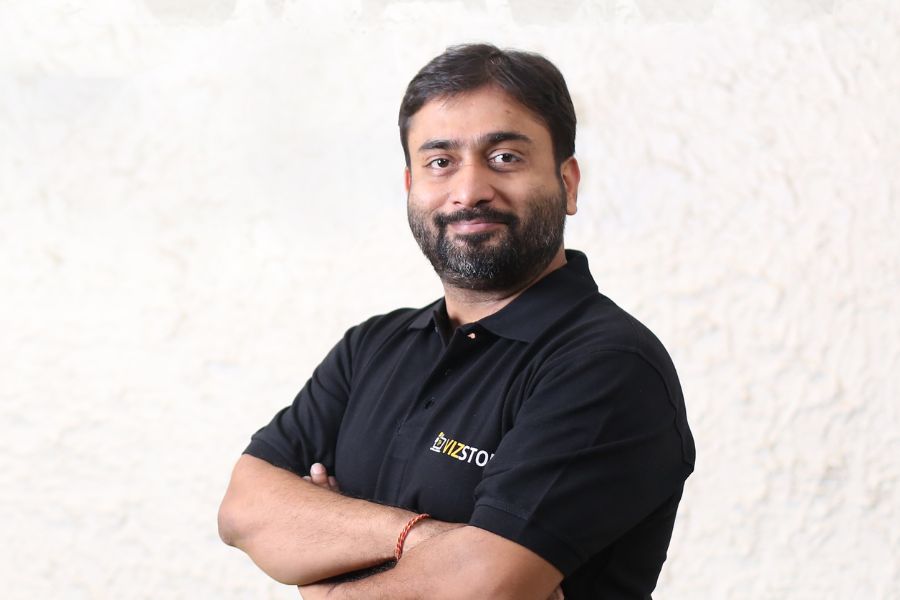
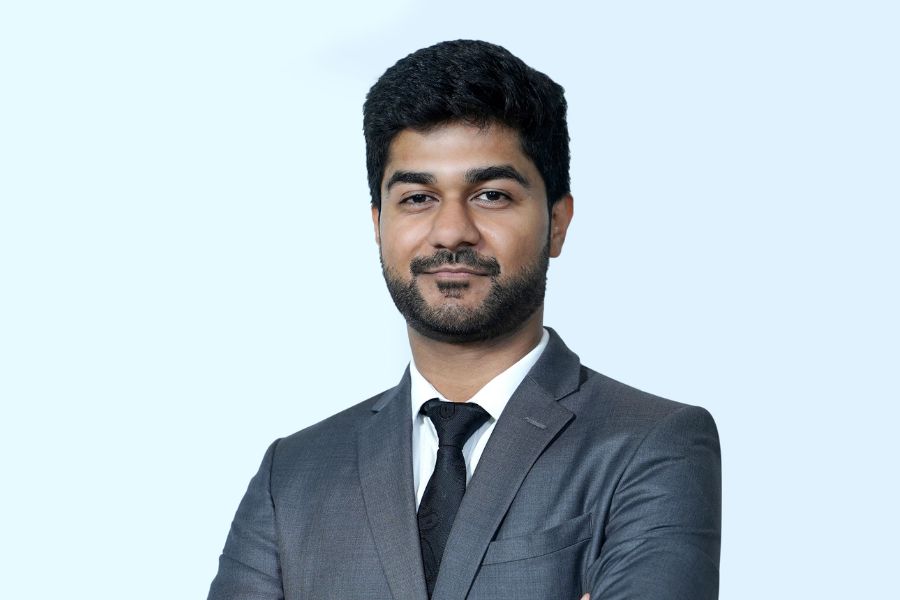
The interior design segment for commercial spaces in India has witnessed a transformative evolution, marked by innovation and adaptability. The growth is attributed to factors such as robust hiring, expansion of startups, and an evolving entrepreneurial landscape. Kunal Sharma, Founder and CEO, Flipspaces, spoke with India Business and Trade on the state of the interior design segment for commercial spaces in India. In an elaborate conversation, he highlights the resilience of the commercial real estate industry amid the pandemic, as India has shown remarkable growth in this sector, with a Compound Annual Growth Rate (CAGR) of 11-12%, surpassing the global average. Sharma also emphasized on the significance of physical workspaces for building culture and collaboration, driving the demand for commercial real estate. Photo Source: Pexels IBT: How would you describe interior design segment for the commercial space in India? Kunal Sharma: The commercial real estate industry, has kind of braved the two waves of pandemic, and I think 2021-22 were those years when we were still recovering and were speculative about what the outlook is going to be. So, nobody was very sure about how things are going to pan out or to what extent will work from home stay, when are people finally going to come back to work. India has become the go to destination for commercial real estate, has showed one of the most resilient, one of the strongest growths in the entire global market. I think the CAGR of commercial real estate growth in India is between 11-12%. When you compare it to the real estate CAGR of US as a market, it would be broadly in the 3 to 4% range. So we’re talking about a growth rate which is broadly three times the growth rate of one of the global destinations like the US. Of course, fact is that the US is a much larger and a more evolved market. US commercial real estate would broadly be about 1.3 trillion. India would be broadly about one fifth, one sixth of its size. But that being said, the growth in India has been more resilient than most, or I would say, almost all global markets. There are a few reasons behind it. One is a very strong push on hiring and people expansion across the sector, and especially powered by the SME segment, like early stage, mid stage startups in India, normal manufacturing setups, a lot of data centers being set up, a lot of dark kitchens being set up to kind of serve the F&B as a segment. I think post the pandemic, all of these SMEs have realized that building culture and building collaboration is not possible through WFH. And thereby there has been a push on people expansion and there has also been a push on people coming back to office. Another reason is the evolving entrepreneurial landscape of India. So, I think the startups alone in general with the kind of course there was a funding drought in between, but startups continue to expand, startups continue to look at their workforce being expanded to kind of service, the kind of demand that they’re seeing. IBT: How did Flipspace come into existence and where does it stand as of now? Kunal Sharma: I come from a background of having been an entrepreneur almost all of my life. I realize that architectural design and technology combined could actually create a world changing business. And I figured that interior design, conventionally, has been a fragmented domain. While designing office space, we had to deal with multiple different kinds of stakeholders, go out to physical outlets, go out to online platforms, deal with architects, interior designers, product suppliers, contracting based, execution based guys, and project managers and so on and so forth. And I figured for this category isn’t served by a brand which forms one point platform for the customer to come and do their entire design and build. For me was the eureka moment. There has been nobody in the market, not just in India, but globally, to address the market of becoming a one point platform for interior design and build for commercial spaces. And that’s how the story kind of started building, which is when we started building Flipspaces. And I believe that technology is vision critical to run this particular vision at a level of scale or for this vision to be realized at a level of scale. You could do 2, 5, 10, 20 projects as an individual architect or as a group of people. But to be able to handle scale, tech becomes mission critical in order to create seamlessness efficiency and thereby drive client delight. So, to cut a long story short, at this point in time, the vision of Flipspaces is to become the one stop global brand which caters to the commercial design and build needs of any business that wants to look at any kind of commercial space. T IBT: How do you bring forth different innovative ideas when you’re designing different commercial spaces? Kunal Sharma: Residential interior design is a whole different ballgame. There is a lot of customer aspiration that is associated with making their homes. There are a multitude of product choices that are available in the market offline and online. At the same point of time, let us understand why commercial real estate might be more templatized in terms of its interior design but is a more complex problem statement to crack. Unlike in residential, in commercial interior design, when we enter as interior designers or architects, the floor plate is barren. We have to figure out how the plumbing lines and the bathroom, where it will be created, all of which in the case of residential interior design is already done. So the problem statement itself in commercial real estate is more complex. Commercial interior design, the problem statement itself is far more complex, but the product universe that goes into it would be more templatized. Which also

Addressing consumer needs through tech-driven diversification
In a candid conversation with IBT, Mr. Vishwa Chordia, Director – Suhana Seven Seas, International Business Division, shared insights into the journey of Suhana-Pravin Masalewale, reflecting its 60-year legacy. Detailing milestones like global presence, he emphasized technology’s role in maintaining quality. Discussing market strategies, he highlighted the company’s adaptability to global F&B trends. Anticipating Indusfood’s growth, he positioned it as a crucial platform for Indian brands. The interview delved into pragmatic aspects, offering a genuine perspective on Suhana-Pravin Masalewale’s evolution and its outlook in the dynamic F&B landscape. Image Source: Pexels IBT: Please share the company’s backstory and the inspiration behind its establishment, highlighting significant milestones achieved along the way. In 1962, Suhana-Pravin Masalewale embarked on its culinary journey, and by 1970, it established its first factory in Pune. Notable milestones include introducing Blended Spices in 1982, ISO 9001 certification in 1998, and a state-of-the-art R&D facility in 2001. International recognition arrived with the Great Taste Award in 2010, and the company achieved the IGBC Platinum Green Rating for Suhana Warehouse in 2017. Introducing health range products in 2019 and opening the first-brand retail franchise, Suhana Bazaar, in Delhi in 2020 marked further strides. The company’s global footprint expanded to include the presence in Sainsburys & TESCO in the UK by 2023, culminating in 60 glorious years. IBT: Currently, what is the market footprint of your company, both in India and on the international stage? Suhana- Pravin Masalewale boasts a strong domestic presence, operating in over 13 states with an extensive network of 1400 distributors and over 2 Lac retailers. Internationally, the company has made its mark in 60+ countries through both ethnic and modern retail channels. IBT: How has your company embraced modern technology to enhance the production of high-quality F&B products? Suhana- Pravin Masalewale places a premium on modern technology to ensure the production of high-quality food and beverage products. With state-of-the-art manufacturing and R&D facilities, the company adheres to the best-in, best-out principle, delivering world-class products through streamlined processes. IBT: Could you elaborate on your plans for market and product diversification? What factors or innovations drive your expansion into new markets and the introduction of new products? Diversification and expansion into new markets are core objectives for our company. With a commitment to addressing evolving consumer needs, the company focuses on technology and innovation to drive continuous product development. Understanding consumer demands and staying at the forefront of technological advancements are pivotal factors influencing the introduction of new products and entry into new markets. IBT: In the global F&B landscape, what major trends do you observe? How well-positioned is the Indian F&B industry to leverage and capitalize on these trends? The global F&B landscape is witnessing a surge in demand for products offering convenience, taste, hygiene, and an optimal price point. Pravin Masalewale positions itself strategically to align with these trends. The company is well-equipped to leverage sustainability practices in production, contributing to a greener, carbon-free future while meeting global consumer preferences. IBT: What are your impressions of Indusfood, and what specific expectations do you have for the upcoming edition of the show? Indusfood stands out as a premier platform for Indian F&B brands to showcase their products. Suhana-Pravin Masalewale anticipates the continued growth of Indusfood in the coming years, providing enhanced visibility and opportunities for Indian brands to connect with global buyers and audiences. Mr. Vishwa Chordia, the first of the fourth generation, adeptly navigates the international business division of his family-owned food and spice brand, Suhana-Pravin Masalewale—a role tailor-made for him. An ambitious leader, he seamlessly connects with both newcomers and seasoned professionals on his team. His vision for Suhana aligns with the brand’s ideals, infusing a fresh perspective to elevate Suhana as a global household name. Already making strides, he has expanded the brand’s presence from 20 to nearly 60+ countries in under four years, all while juggling the roles of a student and entrepreneur.
Solving energy access and pollution with hydrogen fuel cells
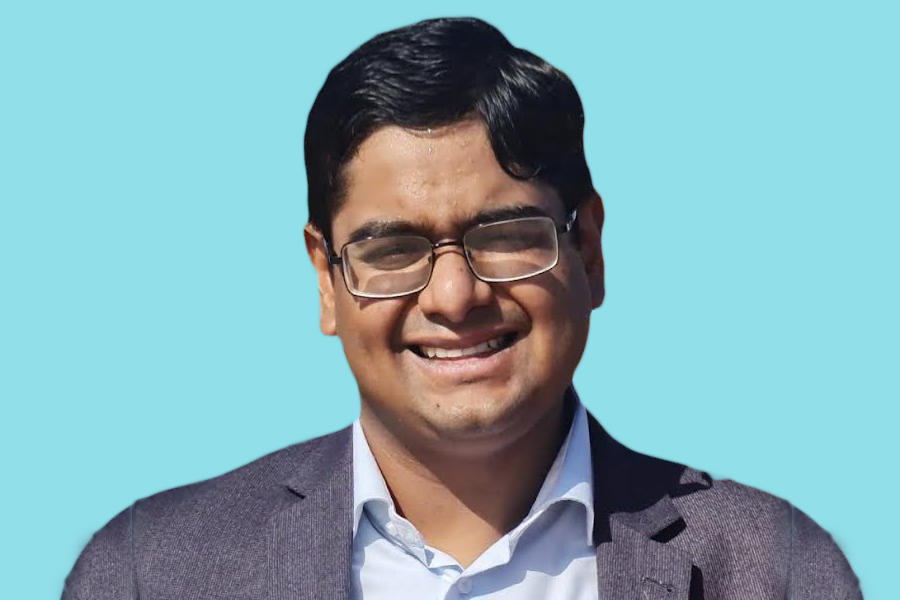
In this insightful interview, Santosh Gurunath, Founder of Umagine, shares the inspiring journey of establishing Umagine to address climate change and sustainability gaps in corporate focus. With a background in oil and gas, Santosh transitioned to entrepreneurship, emphasizing Umagine’s role as a change agent in sustainability. The conversation delves into Umagine’s evolution from a Netherlands-based EPC company to a hydrogen-focused entity in India. Santosh highlights challenges in green hydrogen, Umagine’s pivotal role in the hydrogen fuel cell space, and the vision to leverage indigenous technology for India’s energy transition. He also offers valuable advice to business leaders and policymakers. Image Source: Shutterstock IBT: What prompted the establishment of Umagine? Santosh Gurunath: Umagine was founded in response to my experiences working in large corporates, particularly in oil and gas companies and management consulting firms like Shell and McKinsey. I observed a minimal focus on climate change and sustainability in these organizations. Recognizing the critical importance of addressing such issues and realizing the need for a comprehensive approach, I decided to create Umagine. The goal was to be a change agent in the sustainability and climate change space, inspiring others to contribute to a positive impact. Umagine has been on a journey for over four years, initially starting in the Netherlands and later shifting its focus to India in 2021. Our primary focus has been on green hydrogen, and over the past two years, we have been actively involved in India, engaging in various aspects of the green hydrogen value chain. IBT: What is the significant technology Umagine is developing to promote sustainability, and how does it function? Santosh Gurunath: Umagine is concentrating its efforts on hydrogen fuel cells, considering their promise in contributing to sustainability. The technology focuses on solving two key challenges. First, it aims to replace diesel-related generator sets with hydrogen fuel cells, providing a cleaner and more sustainable alternative. Second, it addresses the issue of energy access, especially in regions facing power shortages or load shedding. Hydrogen fuel cells for stationary power applications offer a solution for long-duration energy storage and intermittent renewable energy sources. Umagine is developing application-specific technology within the hydrogen fuel cell space, catering to various needs such as small-scale residential applications, medium-scale microgrids, large-scale data centers, and grid-level applications. The goal is to provide specific solutions for different use cases, considering factors like backup duration and renewable energy integration. Additionally, there is a focus on the indigenization of components to reduce dependence on external sources. IBT: How does Umagine tailor its services to meet the specific requirements of industries transitioning to hydrogen, such as steel, cement, and mobility? Santosh Gurunath: While Umagine’s products, particularly in hydrogen fuel cells for stationary power, may not directly overlap with applications in industries like steel, cement, and mobility, the company provides advisory services to support these sectors. Umagine assists industries in developing roadmaps for transitioning to hydrogen, and evaluating the feasibility and business case for incorporating hydrogen in their operations. The company offers services in strategy, policy, engineering, and design, providing valuable insights for industries exploring hydrogen adoption. For example, Umagine works with companies to develop strategies for green hydrogen deployment, helping them navigate policy considerations and advising on technology adoption. While the primary focus is on stationary power applications, Umagine’s expertise extends to providing advisory services for industries embarking on the hydrogen journey. IBT: Can you explain how Umagine covers the entire low-carbon hydrogen value chain and its role in decarbonizing industries? Santosh Gurunath: Umagine’s involvement in the low-carbon hydrogen value chain spans various stages, starting from strategy and policy development to engineering, design, and technology deployment. The company collaborates with state governments and industries to create a conducive policy environment for green hydrogen adoption. This includes providing insights into market dynamics, supply and demand considerations, and technology suitability based on geographical nuances. In terms of engineering and design, Umagine supports developers in optimizing large-scale green hydrogen projects. The company’s expertise helps in designing projects that maximize the utilization of renewable energy, minimize grid dependence, and ensure economic viability. Umagine’s advisory services extend to safety considerations, ensuring that projects adhere to the highest standards and are cost-effective. Umagine’s role in the decarbonization of industries involves providing application-specific technology in the form of hydrogen fuel cells. These fuel cells offer clean and sustainable alternatives for stationary power generation, addressing the pollution concerns associated with traditional diesel gensets. By focusing on specific applications, Umagine aims to contribute to the decarbonization efforts in various sectors. IBT: What challenges has Umagine faced in green and blue hydrogen production? Santosh Gurunath: Umagine, being a bootstrapped company, faces challenges in navigating the complex landscape of hydrogen production, especially when making a business case for hydrogen remains challenging. The high costs associated with hydrogen production, coupled with cheaper alternatives like natural gas or diesel, pose significant obstacles. While larger companies may allocate specific capital for hydrogen initiatives, bootstrapped entities like Umagine find it challenging to generate revenue from advisory services due to the lack of established business cases for hydrogen projects. At a production level, challenges in India include optimizing electrolyzer utilization, achieving temporal matching for minimal grid dependence, and addressing supply chain shortages for hydrogen infrastructure. The country needs to build infrastructure for hydrogen production, and Umagine emphasizes the urgency of shifting mindsets from viewing hydrogen as an emergency solution to recognizing it as a commercial opportunity. Umagine advocates for a bold approach in policy-making, allowing for unconventional strategies and emphasizing the importance of understanding the objectives behind policies. The company stresses the need for a mindset shift in the industry to address the urgency of sustainability and the imperative to act promptly. IBT: What is Umagine’s vision for shaping the future of sustainable energy in India, and how does it plan to contribute to the ongoing transition? Santosh Gurunath: Umagine envisions leveraging technology as a catalyst to accelerate India’s transition to sustainable energy. The company is committed to focusing on hydrogen fuel cells, beginning with addressing energy access issues and replacing
Austria-India Relations: Nurturing Innovation, talent migration & Startup ecosystems
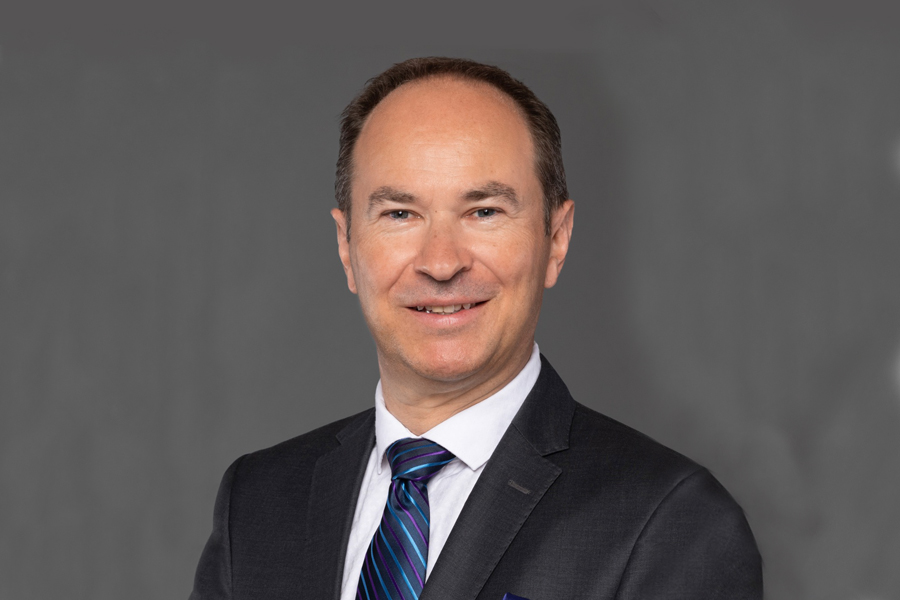
In an exclusive interview with India Business & Trade (IBT), Hans-Joerg Hoertnagl, the Austrian Trade Commissioner, provides a nuanced perspective on the evolving economic dynamics between Austria and India. Hoertnagl reflects on India’s remarkable economic growth, emphasizing its status as one of the world’s fastest-growing economies. He underscores the positive trajectory in Austria-India trade relations, revealing that bilateral trade reached an all-time high of EUR 2.7 billion in 2022. Hoertnagl explores key sectors of interest for Austrian companies, shedding light on their strengths in technology niches and their substantial contributions to sectors such as railways, smart cities, and automotive industries in India. As the interview unfolds, the Trade Commissioner articulates his vision for the future, emphasizing the potential for deeper collaborations in emerging sectors like smart cities and the energy transition. This insightful conversation provides a comprehensive overview of the current state and future possibilities in the Austria-India economic partnership. India Business & Trade (IBT): What is your view of the Indian economy in your stint of two years so far, and the business opportunities for Austria? Hans-Joerg Hoertnagl: Austria recognizes India’s growing economic potential and its evolving role in the global landscape, particularly when compared to around five years ago. India has made significant strides in economic development, becoming one of the world’s fastest-growing major economies. The economic reforms and liberalization measures have attracted both domestic and foreign investment, further fueling its economic growth. From Austria’s perspective, India holds substantial promise as a strategic trade and investment partner. The Austria-India trade relationship has seen positive developments during this period. Bilateral trade has been on the rise, thanks to collaborative efforts. There is also a growing recognition of the untapped potential in sectors such as smart and green cities, energy transition, and space exploration, which align with the initiatives of both governments. As such, Austria views India as an increasingly important player in the global economic landscape and a significant partner in fostering trade relations. India is not only an interesting market for Austrian state of the art technologies but becomes more and more a valuable sourcing market and a potential partner for new forms of cooperation like technology tie ups. Around the year 2004, we had only 60 Austrian companies established in India. This number had reached 150 by 2012. The bilateral between India and Austria reached in 2021 an all-time high of EUR 2,7 Billion in 2022 and India is Austria’s 3rd biggest export market in Asia. Austrian exports to India are centered around quality, high tech and sustainability, where a large share is machinery and transport equipment (40%), manufactured goods (22%) and chemical products (16%). Austrian exports in railway, hydro energy and smart city solutions have particularly benefited from investments into modern infrastructure in India. Furthermore, companies providing the newest manufacturing and testing technologies saw their sales increase significantly. In terms of the goods exported from India to Austria, the biggest and most important shift is a continuous increase of engineered goods, while for example textiles and garments – a large share in the past – is decreasing. For instance, Bajaj is a major stakeholder in KTM. It develops KTM models here and exports to Austria. India’s smartphone exports to Austria also grew from 0 to € 120 million in one year, thanks to the PLI Scheme. IBT: What are some of the major sectors of interest for Austrian companies? Hans-Joerg Hoertnagl: So we are not so strong in consumer products. Internationally, we have two companies – one is the energy drink maker Red Bull and the other is Swarovski. The rest are all technology niche areas, all different kinds of areas. At the Austrian Federal Economic Chamber, we have 540,000 companies members, 540,000 and 80% do not have more than four employees. They only focus on their niche area, their technology, where they are typically world leaders. They provide you the latest state of the art of technology. They’re very flexible. They give you financing, and that’s all – not more, not less. So that means they are not major investors and not involved in consumer products. Setting up a beverage plant is much easier than for manufacturing a machinery. That’s very complicated. Austrian companies don’t have the capacity, personnel and investments to venture into consumer products. So they say it’s also not necessary. In economics, we say every country is focusing on what you know best and you exchange. So these are the basics of international trade. So it’s not always necessary to manufacture. In India, Austrian investments have indeed made remarkable strides in sectors such as railways, smart cities, and automotive industries, thanks to the synergy between the two nations’ strategic initiatives. A prime example of Austrian success in India is Plasser India, which has become a cornerstone of railway infrastructure development in the country. They specialize in manufacturing cutting-edge, high-performance machinery for track maintenance, track laying, and track renewal within the railways sector. Notably, Plasser’s achievements are emblematic of the untapped potential and future opportunities that Austrian companies can explore in India. Besides these established sectors, there are several emerging areas where Austrian businesses can aspire to increase their presence significantly, capitalizing on the supportive initiatives by both the Austrian and Indian governments. Notably, the promotion of smart and green cities presents a vast untapped market in India. As urbanization continues to accelerate, there is a growing need for innovative solutions in areas like sustainable urban planning, energy-efficient technologies, and integrated urban infrastructure. Austrian companies specializing in smart city solutions and eco-friendly technologies have substantial untapped potential in this regard. The energy transition sector is another promising avenue for Austrian businesses. With India’s commitment to transitioning towards renewable energy sources and increasing the shift from coal- to a gas-powered economy, there are vast opportunities in multiple areas in the energy sector. Austrian expertise in renewable energy technologies, as well as our decades of experience with hydro energy, can play a pivotal role in helping India achieve its clean energy goals. IBT: Interesting
Debt collections, recovery landscape in India is multifaceted
SaaS-based businesses with a focus on loan recovery are essential for tackling the particular difficulties faced by the Indian market. By reducing defaults and maximising resource use, their technologically advanced solutions not only increase the effectiveness of loan recovery procedures but also strengthen the financial stability of lending institutions. India Business and Trade spoke with Mr. Anand Agrawal, Co-Founder & CPTO, Credgenics, on the prevailing digital framework in debt collections in the country. Describing the debt collection ecosystem in India as multifaceted, Anand says that by using sophisticated AI-ML models, the company recommends the best-suited and tailored collections strategies to lenders; thereby simplifying complex requirements for the recovery workflow from pre-due stages to various delinquency buckets and field collections to legal stages. Photo Source: Shutterstock IBT: Can you provide a brief overview of Credgenics and how it came into existence in the field of debt collection and loan recovery? Anand Agrawal: Established in 2019, Credgenics is India’s premier provider of cutting-edge loan collections and debt resolution technology solutions, catering to banks, NBFCs, ARCs, and Digital Lending firms, globally. Founded by Rishabh Goel (CEO), myself (Anand Agrawal, CPTO), and Mayank Khera (COO), our SaaS-based platform uses sophisticated AI-ML models to recommend the best-suited and tailored collections strategies to lenders. We recognized the prevailing archaic approaches and lack of a robust digital framework in debt collections – a crucial leg of the lending ecosystem. Through its state-of-the-art integrated collections technology platform, Credgenics empowers lenders to seamlessly digitize and manage the entire recovery workflow, spanning communications, strategy, field operations, litigation, billing, payments, and reconciliation. Boasting an illustrious customer base (100+ customers including HDFC Bank, ICICI Bank, DMI Finance, Mahindra Finance, IIFL Finance and others), the company has made a significant positive impact on the lending ecosystem, touching an overall loan book of USD 60 Billion in the FY 23 for collections. IBT: Provide an overview of the debt collection/recovery space in India. What sets Credgenics apart from other solutions available in the market, especially considering the Indian context? Anand Agrawal: The debt collections and recovery landscape in India is multifaceted, involving various stakeholders like banks, NBFCs, ARCs, and specialized agencies. The RBI has taken several key actions with the objective of expanding liquidity in the market, improving credit flow, easing the financial stress of financial institutions as well as the industry, and enhancing the overall functioning of financial markets in the country. While there is a robust adoption of digital technologies to enhance efficiency and ensure consistent growth of the debt collections industry in India, the sector grapples with notable hurdles, including processing times, manual collections practices, and grievance resolution mechanisms, impacting debt support and risk mitigation. Credgenics collections technology platform caters to the complex requirements for the recovery workflow from pre-due stages to various delinquency buckets and field collections to legal stages. Its SaaS-based specialized technology platform and data-driven approach have enabled it to reimagine these processes for lenders and help them get future-ready when it comes to debt collections. With Credgenics, lenders have increased resolution rates by 20%, improved collections by 25%, reduced collections costs by 40%, reduced collections time by 30%, and improved legal efficiencies by 60%. We handle 11 million retail loan accounts and send 60 million digital communications every month. IBT: How does Credgenics’ SaaS technology adapt to the diverse needs of lending institutions like banks, NBFCs, and Fintechs? Anand Agrawal: Credgenics debt collections technology platform is leveraging modern technologies like Artificial Intelligence, Machine Learning, Data Analytics, Predictive Analysis, and Natural Language Processing (NLP), to create segments based on borrowers’ demographic profiles, repayment patterns, and response rates over various channels, to boost the efficiency of the lenders’ conventional strategies. The platform is capable of catering to the needs of lending institutions including banks, NBFCs, and Fintechs. Here are some of the ways in which the Saas platform helps: Collections analytics: Credgenics Collections Analytics allows segmentation of borrowers based on multiple parameters including risk, for a targeted outreach strategy. The platform’s ML-driven analytics prioritizes the time, frequency, message, language and most responsive channels for outreach based on borrower profiles. This helps lenders Identify key metrics for optimization with real-time insights. Automation and Efficiency: Lending institutions, regardless of their size, benefit from automation as it comes with higher speed and reduced cost of operations. Credgenics’ SaaS platform provides capabilities such as workflow automation, and digital campaign management, thereby improving efficiency and reducing manual errors. Integration with Existing Systems: Seamless integration with existing systems is essential for banks, NBFCs, and Fintechs. The platform integrates with core banking systems, customer relationship management (CRM) software, and other relevant tools. Regulatory Compliance: Lending institutions operate in a highly regulated environment. Credgenics’ platform facilitates a very customer-centric, compliant, and dignified approach to collections. It provides a comprehensive framework for DND, frequency and daytime controls, and date exclusion, in compliance with the regulatory Flexibility in collections: Different lending institutions have unique workflows and requirements. Credgenics’ flexible and customizable SaaS solution allows banks, NBFCs, and Fintechs to tailor the platform to their specific needs. Credgenics’ Billzy, a distinctive web platform empowers lenders to offer their loan borrowers simpler, faster, and more secure digital payment options. Through seamless integration with the Credgenics collections platform, lenders gain real-time visibility on repayments. Borrowers can conveniently use Billzy to streamline and consolidate all their transactions, including other bills. Data Security: Given the sensitivity of financial data, robust security features are non-negotiable. The SaaS platform adheres to industry standards for data security and ensures the confidentiality and integrity of sensitive information. Customer Experience: For Fintechs and other lending institutions looking to differentiate themselves, a positive customer experience is essential. Credgenics’ solution ChatR is a comprehensive two-way chat solution on WhatsApp that enables collections teams to engage more effectively with borrowers through verified business accounts. It is an industry-first innovative solution that empowers lenders to communicate with loan borrowers more conveniently, always with borrowers’ consent. IBT: How does a company such as Credgenics ensure compliance with debt collection laws in India? Anand

Powering progress: India’s solar module manufacturing on boom
India is poised to become the world’s second-largest solar module producer by 2025, according to a Wood Mackenzie report. This surge positions India to outpace Southeast Asia and cater primarily to the lucrative US market. However, the sector faces challenges, including high production costs and potential adjustments in import tariffs. Despite these hurdles, India’s commitment to sustainable energy and domestic manufacturing aligns with global trends, presenting opportunities for growth. The future outlook for India’s solar module manufacturing remains promising, with the country aiming to achieve an ambitious 110 GW by 2026, showcasing a commitment to reducing dependence on imports and contributing to a resilient global supply chain in renewable energy. Image source: Pixabay India is expected to surpass Southeast Asia as the second-largest producer of solar modules by 2025, catering primarily to US demand, according to a Wood Mackenzie report. This comes at a time when China is predicted to hold more than 80% of the global capacity for the solar module supply chain by 2024. In 2023, India’s photovoltaic (PV) module manufacturing witnessed a remarkable surge, reaching 38 GW and positioning the country on a trajectory to achieve 110 GW by 2026, according to a CII-EY report. This signifies a significant milestone in India’s solar industry, reflecting a shift towards domestic manufacturing and supply chain independence. India has demonstrated its leadership in innovation and manufacturing globally with its renewable energy sector, which has over US$ 240 billion in investment potential. For its sustainable energy future, India expects investments in ACC batteries and solar PV to increase significantly. India’s self-sufficiency in renewable technology is supported by export incentives, skilled labour, and reasonably priced electricity available around the clock. What is happening? According to the Wood Mackenzie report, India is facing high production costs as a result of a 25% basic customs duty on imported solar cells. And India plans to increase its module exports to the lucrative US market. There is speculation that to support the export ambitions, the Indian government might lower the duty on Chinese modules, which currently incur a 40% tax. In contrast, the US is building up its own photovoltaic manufacturing capacity under the terms of the Inflation Reduction Act. However, the lack of domestic production of wafers, cells, or glass means that the US will continue to rely on imports, particularly after President Biden’s temporary waiver of solar import tariffs expires in mid-2024. The solar capacity in Southeast Asia, which is primarily driven by Chinese investments, and the demand in Europe for protective tariffs on Chinese modules because of their non-competitive prices highlight the global changes in the solar module supply chain. The report goes into more detail about China’s technological leadership in N-type cells and how this will affect the market since 95% of announced global expansions in this field have come from China. Future outlook The future of India’s solar module manufacturing appears promising despite the challenges. The country’s ambitious goal to achieve 110 GW by 2026 reflects a commitment to sustainable energy and reducing dependence on imports. As India continues its transition towards domestic manufacturing, opportunities for growth are expected, especially for vertically integrated manufacturers. Notably, the sector’s growth is positively impacted by India’s focus on domestic manufacturing and the attainment of major milestones in manufacturing capacity. This strategic move places India as a major player in the changing solar module manufacturing landscape and is in line with global trends towards sustainable and locally sourced energy solutions. In recent years, India has positioned itself as a global leader in trade, innovation, manufacturing, and services related to renewable energy. But in order to reach its full potential, issues with affordability, domestic value addition, competitiveness, renewable energy laws, regulatory frameworks, and infrastructure development must be resolved. India’s transition to renewable energy represents a unique opportunity to lead in innovation and manufacturing. India’s role in global renewable energy can reduce reliance on imports and improve supply chain resilience, making renewable energy technologies more accessible globally.
Indian food industry shines in innovation, convenience, and healthful offerings
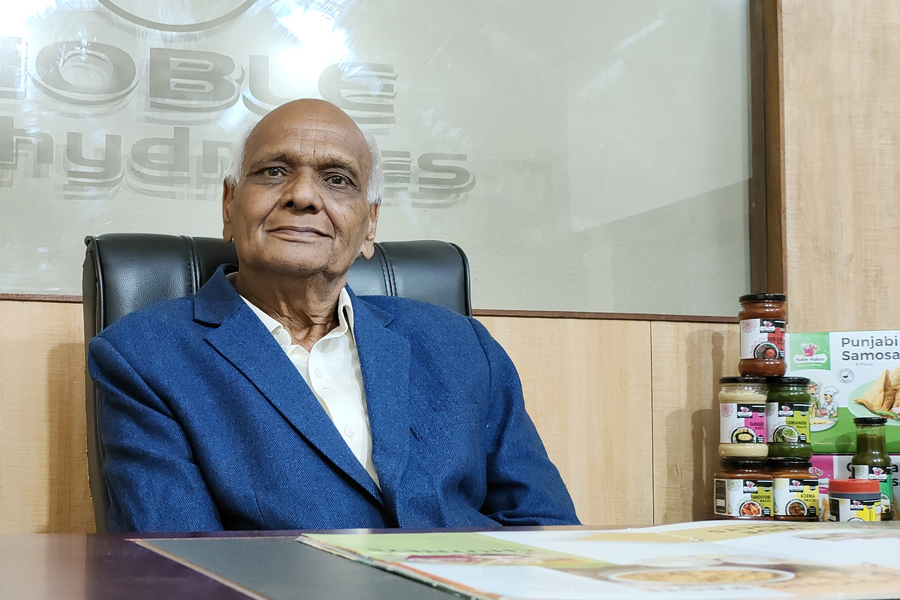
Ramesh Singhal, founder of Noble Dehydrates, shares the inspiring journey from a small Rajasthan village to global entrepreneurship. Noble Dehydrates has become a culinary pioneer in cooking pastes, pickles, and more. With a market presence in over 45 countries, private labelling for global brands, and products in renowned supermarkets, Mr. Ramesh emphasizes the company’s commitment to quality and innovation. The interview explores the role of modern technology, plans for diversification, and insights into global F&B trends. He anticipates Indusfood as a vital platform, connecting with an international audience, and showcasing Indian produce on a global scale. IBT: Please share the company’s backstory and the inspiration behind its establishment, highlighting significant milestones achieved along the way. Ramesh Singhal: The journey of Noble’s remarkable success starts in 1986 when the dream of one man became a reality! NOBLE Dehydrates made the way to success by pioneering in the cooking paste, pickles, chutneys, sauces, and curry paste business. Initially, recipe mixes were only shared within the broader family but in a very short span of time, they gained popularity and orders started in from friends, acquaintances and general consumers. Noble Dehydrates innovates with delicacies of the sub-continent to give consumers a bite of taste every day. As the pioneer in different condiments, we ensure that our products are not just coinvent but also deliver the flavour, traditional taste and aroma that our consumers love and cherish. We work tirelessly to bring the best food solutions to our valued consumers looking internally and externally for new ideas, trends and improvements to deliver a superior product experience. IBT: Currently, what is the market footprint of your company, both in India and on the international stage? Ramesh Singhal: Noble Dehydrates is doing private labelling for leading global brands, and has a presence in over 45 countries across 5 continents. Our products are available in leading supermarkets across the globe including Walmart, Costco, Woolworths, Coles, Tesco, Coop, Aldi, Sainsbury’s etc. IBT: How has your company embraced modern technology to enhance the production of high-quality F&B products Ramesh Singhal: Our operational facilities consist of a culinary development kitchen, dry blending unit, liquid processing plant with hot filling capabilities, multiple retorts, X-ray machines, metal detectors, E Labs and an IQF line for frozen snacks, bread and meals. At Noble Dehydrates, quality is our religion. We strive to set our quality operations as a benchmark for the industry at large. Our mission is to provide our customers with supreme standards of product quality with consistency. Our quality control department regularly monitors the different phases of production from research & development to packaging and distributing while confirming national and international regulations and legislations. This ensures the highest quality at each stage of production for our consumers to safely enjoy our food products. At Noble Dehydrates, products across all categories are manufactured, packed, stored and transported under the most hygienic conditions while maintaining international quality standards. This is made possible through regular quality checks and audits involving rigorous inspection of all products as per international best practices IBT: Could you elaborate on your plans for market and product diversification? What factors or innovations drive your expansion into new markets and the introduction of new products? Ramesh Singhal: Noble Dehydrates offers a complete end-to-end food development, design and manufacturing solution. We work in partnership with our customers to develop existing concepts and flavours for end users. We add our own, unique flavour to every project we undertake, and serve as a one-stop food solutions partner offering organic, gluten-free. All natural and vegan-friendly products. From frozen IQF snacks to flatbreads, ambient meal-kit concepts to ready meals, dips & marinades. We have developed over 500 products for retail, industrial and food service segments with Mexican, Indian, Asian as well as Italian & Mediterranean flavours. At Noble, our research and development comprise a team of experts and culinary food scientists who work directly with the board of directors. This dedicated professional work to deliver an enticing world of Flavors and innovative food products under the direct supervision of our board. This is reflected in our diverse range of high-quality successful recipe mixes that already left a mark within the food industry across the globe. Our modern R&D lab is equipped with a high-end commercial kitchen and state-of-the-art equipment to accelerate and aid innovation. This also includes sensory facilities for objective evaluation of the different characteristics of our finished products. With its extensive resources, Noble’s R & D continuously explores new ideas and strives to develop trending prototype food products. IBT: In the global F&B landscape, what major trends do you observe? How well-positioned is the Indian F&B industry to leverage and capitalize on these trends? Ramesh Singhal: Major trends in global F & B can be divided into three categories: Social & Informed With digitalization and the rise of social media, it is imperative now more than ever to build a strong online presence. The use of social media provides F&B venues a platform to share their stories and connect with diners personally and regularly. Furthermore, if managed well, these accounts can be used to grow their brands organically to reach audiences regardless of their geographical locations at unprecedented rates. Leveraging on these benefits would not only keep existing customers engaged but also increase the footfall of new visitors which would lead to more revenue opportunities in the future Convenience “Convenience is king”. This was a phrase that resurfaced repeatedly in the last few years as we witnessed the boom of the food delivery industry; that was until the Coronavirus Pandemic swept the globe and caused a seismic lifestyle shift in 2020. Food delivery no longer just provided convenience, it became an integral part of supporting socially-responsible behaviour and has since been interwoven into individuals’ daily lives with many continuing to telecommute as the country makes its way towards recovery. While many F&B establishments leap at the idea of joining one (or all) of the major food delivery companies to hedge their businesses, there are a multitude of factors
“Modern tech in food minimizes labour, automates processes”
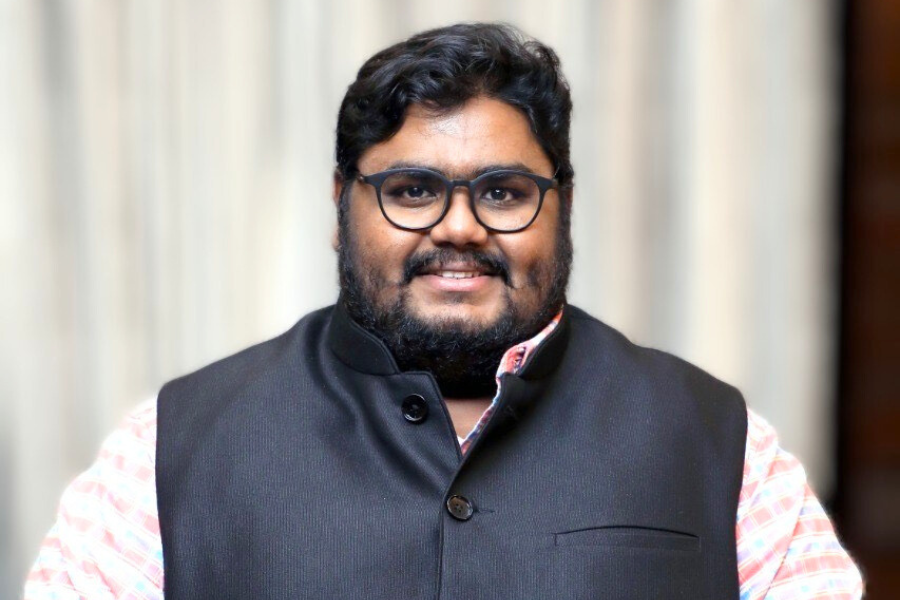
In a comprehensive interview with IBT, Kanhai Porecha, the founder of Zissto, shares the journey of his venture from its inception in 2017. The brand, born out of the founder’s experience in London, aimed to address the gap in authentic Indian products. The interview delves into Zissto’s milestones, market footprint, technological integration, diversification plans, and observations on global F&B trends. As Zissto aggressively expands in India and internationally, Kanhai emphasizes the importance of convenience in the food industry, saving time for busy individuals. The conversation also touches on the significance of Indusfood for showcasing products and connecting with clients worldwide. IBT: Please tell us about your company and the inspiration behind its establishment. Also, could you please highlight the significant milestones achieved along the way? Kahai Porecha: Zissto was founded by me in 2017. The idea came to me while I was studying in London for my bachelor’s degree. Despite the presence of many Indian brands, I found a lack of authenticity in their products, especially in masalas and spices. When I returned to India, I identified a gap in the market and launched Zissto in 2017. It took two years to bring the product to the market, and in 2019, we started retail sales. The pandemic led to a surge in online sales as more people became home chefs, contributing to our product’s overnight success. Since 2021, we have been focusing on the B2B segment, targeting restaurants and hotel chains. We’ve expanded our reach to the UK, Mauritius, and Australia, aggressively growing our presence in different geographies. IBT: What is the market footprint of your company both in India and in the international market? Kanhai Porecha: We have a strong online presence nationwide, operating as a direct-to-consumer (D2C) company. Zissto is available across India on major online retailers like Amazon, Flipkart, Jiomart, and Big Basket. Our products are widely accessible, reaching customers everywhere. Additionally, we are proud to be stocked in retail stores such as Reliance Smart and Reliance Signature in Mumbai, Pune, and the NCR region. Internationally, we are expanding our footprint in the UK, Mauritius, and Australia, actively exploring opportunities in various geographies. We continually receive inquiries, and our focus is on meeting the demands and expectations of our expanding customer base. IBT: How has your company embraced modern technology to enhance the production of high-quality FLP products? Kanhai Porecha: Zissto collaborates with numerous partners, practising transparency and honesty. Our products are manufactured through contract manufacturing, involving multiple partners who contribute to shaping Zissto. We prioritize affiliations with factories that hold certifications such as US FDA approval, ISO certification, and BRC approval. Maintaining stringent Standard Operating Procedures (SOP) and quality standards, we ensure that the recipe and SOP remain exclusive to us. While the partners contribute labour and machinery, the entire process, including the recipe, remains proprietary. Investing significantly in cutting-edge machinery, our partnered factories boast top-of-the-line equipment. Whether it’s cold processing, freezing, or hot filling, our factories are equipped with advanced machinery, sourced from reputable manufacturers. Embracing modern technology in food production, we focus on minimizing manual labor and maximizing automation for efficiency and consistency. IBT: Could you please elaborate on your plans for market and product diversification? Also, what factors or innovation drive your expansion into new markets and the introduction of new products? Kanhai Porecha: When Zissto commenced its journey, our focus was primarily on manufacturing Indian gravies. However, our growth and expansion have led us to diversify our product range. We’ve ventured into producing Indian chutneys, Chinese sauces, and Italian sauces. Looking ahead, our future plans involve expanding into additional categories such as masalas, seasonings, mayonnaise, and even ready-to-eat meals—a convenient “heat and eat” concept. While we have exciting expansion plans on the horizon, our current priority remains aggressively tapping into our existing market. This strategic approach ensures that as we explore new categories, we continue to strengthen our presence in the market we serve. All these developments are part of our long-term vision and will unfold gradually over time. IBT: In the global F&B landscape, what major trends do you observe and how well positioned is the Indian F&B industry to leverage and capitalize on these trends? Kanhai Porecha: Food trends are ever-changing. Think about how everyday items like ketchup and mayonnaise went from being fancy to essential in every home. Similarly, with products like Zissto, people initially wondered why choose ready-to-cook when you can cook at home. The answer is in our busy lives. More and more people, whether working or homemakers, want convenience. The trend is all about saving time in the kitchen. Busy schedules demand solutions that cut down cooking time. This is the key to current food trends. Take butter chicken gravy, for example. It usually takes an hour to make. But with our product, just add the gravy, boiled chicken, veggies, and water, boil for 10 minutes, and your tasty gravy is ready in no time. This focus on time-saving is what makes convenience a big trend. IBT: What are your impressions of Indusfood and what specific expectations do you have for the upcoming edition of the show? Kanhai Porecha: Indusfood is significant to me because it provides an excellent platform to showcase my products. It’s a great opportunity to meet clients, especially from the UK, US, Australia, and around the world. It’s a valuable chance for both new and existing clients to interact with us. We conduct tasting sessions at the exhibition, where we cook and present our products for them to try. This live experience helps them understand the taste and often leads to successful sales. Indusfood is a crucial platform for us to connect with potential and existing clients and effectively promote and sell our products. Kanhai Porecha is a dynamic entrepreneur with a diverse background in business administration and a keen understanding of global family-managed businesses. Having earned his Bachelor’s in Business Administration (BBA) from Kingston University, London, and a Master’s degree in Global Family Managed Business (GFMB) from SP Jain Global School of Management, Kanhai

Decoding India’s knitted fabric import dilemma
India’s textile industry grapples with rising fabric imports, reflecting dependence on foreign sources. Government initiatives like the PLI scheme hold promise but face challenges, including underutilized factories, inverted GST structures, and fabric influx, even as apparel exports continue to face severe challenges. IBT looks at the key drivers of the surge in imports, and how they are impacting the domestic industry. India’s textile and apparel sector is witnessing strong competitive headwinds that seem to be impacting its trade performance. The country is ranked 7th among the top exporters of apparel (HS 62 and 63). These exports reached US$ 16.7 billion in 2022, with a 4-year CAGR of 2%, which is the lowest among the top 10 exporters along with (Germany and Viet Nam). In contrast, Bangladesh witnessed the highest CAGR of 10% to reach a value of US$ 57.6 billion. In 2022-23, exports were recorded at US$ 16.2 billion, witnessing a meagre 1% growth. On the other hand, imports under these HS codes witnessed a sharp rise by 38.6% to reach US$ 1.75 billion. Furthermore, imports of knitted or crocheted fabrics (HS 60) have increased by 12.5% to US$ 757.7 million. Source: ITC Trade Map, Data for HS 61 (Articles of apparel and clothing accessories, knitted or crocheted) and 62 (Articles of apparel and clothing accessories, not knitted or crocheted) With imports on the rise, India is consciously strategising a shift towards local production to meet its growing demand. In 2022-23, imports of Knitted Fabric reached US$ 757.67 million, showing a significant increase of 12.5% YoY. Furthermore, during the first quarter of 2023-24 (April – June), the country imported approximately 88,000 tons of Knitted fabric, amounting to US$ 129 million. This indicates a substantial daily import rate of 977 metric tons. Source: Department of Commerce and Industry (HS Code 60) In our trade analysis, we see that imports witnessed a decline in 2019-20 and 2020-21, primarily due to the disruptions caused by the COVID-19 pandemic. However, the subsequent increase in imports is being viewed with caution by the industry. Prabhu Dhamodharan, Convenor of the Indian Texpreneurs Federation (ITF) based in Coimbatore, Tamil Nadu, aexpressed concern over the persistent increase in the import of dyed knitted fabrics, despite import duties. Dyed knitted fabrics are widely used in garment production. In the first five months of the current fiscal year, India imported knitted fabrics with a total value of US$ 276 million , primarily sourced from China. Notably, a single HS code accounts for 30% of these imports. This influx of dyed knitted fabrics has a direct impact on various sub-sectors within Tamil Nadu’s textile manufacturing industry, including spinning, knitting, and processing, according to Dhamodharan. Source: Department of Commerce and Industry (HS Code 60) China leads the way with an import value of US$ 528.49 million, marking a 10.81% growth and share of around 70%. It is followed by Taiwan, Bangladesh, Vietnam and Sri Lanka. Vietnam has seen maximum YoY growth of 74.12%, while Sri Lanka has witnessed a decline by 18.47% YoY. Read More: UK ends zero duty benefits for textile companies Sustainable Textiles & Sectoral Diversification: Way Forward for Indian Exporters Resolving India’s cotton conundrum Drivers for increased imports The main challenge that the textile industry is facing is the influx of imported finished fabric, especially when it’s available at the same rate as yarn prices. This puts considerable pressure on the local industry given the current capabilities, infrastructure, and industry scenario. In reality, the domestic industry often ends up producing yarn at the same cost as the imported finished goods. Many factories are already underutilized, hindering investment in schemes like PLI. Secondly, the inverted GST structure, where raw materials like yarn have a higher GST than the lower-taxed finished fabric, accumulates costs and capital shortages, discouraging further expansion. Fluctuations in global currency exchange rates can lead to unpredictable shifts in the prices of raw materials crucial to the knitted fabric industry. This instability poses challenges in cost management and pricing strategies, impacting profit margins and overall financial stability. Prabhu Dhamodharan mentioned that production of finished material worth Rs 50,000 crore (knitwear apparel for domestic and import market) relies on the availability of basic materials like yarn, fabric, and the necessary dyeing processing capacity in and around Tirupur. However, the direct entry of dyed knitted fabric into the market has adverse effects on various sectors, including spinning, dyeing processing, knitting, and compacting. Imported dyed fabric bypasses the processes carried out in and around Tirupur and Coimbatore, which involve multiple units. A preliminary study indicates that a significant portion of imports is facilitated by traders who subsequently distribute the fabric to domestic garment manufacturers in key hubs such as Coimbatore and Tirupur. When we discussed this with Mr. R. K. Vij, President of Textile Association of India, he added, “Our factories are basically sitting idle at the moment. You see, there are these traders who are importing goods, and we suspect they’re undervaluing their imports. The problem is, it’s really hurting our industry. He also added, “We’ve got no shortage of fabric looms and raw materials here in India. But these traders are not declaring the true value of what they’re importing. They’re skipping out on GST and customs duties. As a result, we’ve got a flood of knitted fabric coming into the Indian market – over a crore meters every day. It’s affecting the whole value chain, from our raw materials like KMEG, fiber, and filament, all the way to our looms, which are just sitting idle. Some of these traders are even using unofficial channels to move money around.” Government Measures to Mitigate Import Surges The Production Linked Incentive (PLI) Scheme for Textiles aims to promote the development of sustainable enterprises and enhance India’s textile industry competitiveness. It focuses on improving the manufacturing of man-made fiber (MMF) apparel, fabrics, and technical textile products. This initiative is aimed at bolstering India’s textile industry globally, increase competitiveness, and create job opportunities. India’s goal is to reach US$ 250 billion in textile