In an insightful conversation with Mr. Pushkar Deo, Founder of Hythane Labs, featured in an exclusive interview with IBT, he emphasized on the imperative need for location-centric solutions in the green energy landscape. Mr. Deo highlighted the distinct challenges faced by various regions and advocated for innovative methods like Catalytic Methane Decomposition. His visionary approach revolves around tapping into local resources and optimizing hydrogen generation. This interview, a compelling exploration of the future of hydrogen, delves into Mr. Deo’s perspective on green energy, government collaboration, and the pivotal role of his company in driving sustainable practices. Image Source: Pixabay IBT: What inspired you to establish Hythane Labs and what would be your future goals with Hythane? Pushkar Deo: We need to comprehend the concept of Hythane. Hythane is a blend of hydrogen and methane. The current industry is exploring solutions for both green hydrogen and methane. It is crucial to understand how to handle methane effectively and safely. We aim to identify alternative methods to conventionally treat methane, contributing to decarbonization and reducing greenhouse gas emissions. Notably, methane is more potent than carbon dioxide, making its capture and utilization a priority for generating exceptionally clean fuel, which is considered the fuel of the future. Hence, our company, Hythane, is dedicated to dealing with hydrogen, including green hydrogen, turquoise hydrogen, and super green hydrogen, along with various approaches to managing methane. This involves blending methane to effectively equalize and decrease carbon dioxide emissions wherever methane is utilized. This is why it’s called “Hythane.” Regarding our lab, it signifies a laboratory where research is conducted. Our research primarily focuses on identifying new technologies and developing solutions for generating clean fuel. When thinking about clean fuel, hydrogen often comes to mind. However, we challenge the notion that electrolyzers are the sole method for generating hydrogen. We believe that the solution should be location-centric rather than universal, and our laboratory is committed to researching technologies that enable effective hydrogen generation through diverse feedstocks and methods. Before establishing this company, I worked for a multinational corporation (MNC). After an extensive tenure there, I realized the importance of dedicating oneself to promoting a green and clean environment. By starting this company, our objective is clear – to work collectively towards the global challenge of achieving net-zero emissions. We see our role in the future as significant, developing technologies and engineering solutions not only for our own promotion but also to support other MNCs and EPC companies in their journey towards green hydrogen. Our focus is on providing optimized solutions for effective green hydrogen production, driven by the motivation to meet the growing demand for sustainable and environmentally friendly practices. IBT: Could you share some examples of successful projects in these areas also highlighting the impact of your engineering solutions on sustainability? Pushkar Deo: Absolutely, we’re a relatively young company, having been in operation for one and a half years. Despite our short existence, we’ve engaged in conceptualizing projects for nearly 15 to 20 clients and established successful collaborations with esteemed academic institutions. A recent highlight is Mumbai University’s Physics department expressing interest in forming an MoU to support their research, particularly for PhD and doctorate students. Our project portfolio primarily includes electrolyzer projects, given the prevalent focus on green hydrogen generation. What truly distinguishes us is our proficiency in mathematically modeling electrolyzers, enhancing the robustness of our data sheets. We’ve dedicated considerable time to developing simulation models, empowering us to challenge vendor proposals and optimize designs. Leveraging over a decade of experience in hydrogen environments, especially in heavy water plants, our founder possesses a unique understanding of hydrogen and its safety aspects. Having dealt with systems under high pressure, this expertise provides us with valuable insights. Our commitment to optimization stems from extensive engineering exposure, enabling us to swiftly deliver projects based on proven designs. We prioritize experience-based engineering over guideline-centric approaches, resulting in satisfied clients who value our prompt delivery and cost-effective solutions. A significant focus for us is on green ammonia, a crucial component of urea production vital to India’s agriculture. Despite the challenges, ammonia’s versatile properties make it a promising fuel, offering potential benefits for both industry and agriculture. In essence, our blend of experience, mathematical modelling capabilities, and commitment to green technology positions us as a reliable partner for those embarking on green hydrogen and ammonia projects. IBT: Steam methane reforming is a key process in hydrogen production, right? So what innovative approaches or technologies does Haythane Lab employ to enhance the efficiency and environmental sustainability of SMR for green hydrogen production? Pushkar Deo: SMR, or steam methane reforming, inherently produces gray hydrogen due to its limitations. SMR is most effective at high capacities, and the process involves reacting steam with methane to produce carbon monoxide, carbon dioxide, and hydrogen. The carbon monoxide is then converted to hydrogen through the water shift reaction. However, when methane is sourced from fossil fuels, it contributes to carbon dioxide emissions. To address this, a shift to biomethane can maintain a constant CO2 level, making SMR more carbon-neutral. Even though CO2 is released, capturing and utilizing it in fertilizer units can contribute to a circular economy. There’s an opportunity for carbon capture in SMR operations using biomethane, creating a carbon-neutral cycle. Additionally, an innovative technology called thermal decomposition of methane by a company called Paganism India Private Limited offers a disruptive solution for SMR. This technology breaks methane into hydrogen and carbon, with the carbon converted into valuable carbon black. This not only contributes to a carbon-negative cycle when using fossil fuel-derived methane but also results in super green hydrogen when derived from bio-based sources. In the context of government-owned fertilizer units in India, there’s a call for immediate consideration of carbon capture technologies. Decarbonization mandates from the government should encourage these units to explore technologies that align with their budgets while contributing to agriculture and reducing urea imports. IBT: What are some of the main challenges and opportunities associated with the widespread adoption of green hydrogen and

The dichotomy of increasing workforce and growing skill deficit
One major issue that Indian industry is confronting at present is a shortage of skilled workforce. The deficit of skilled workforce is affecting business across various industries including construction, manufacturing, IT & Technology, transportation & logistics. Increasing preference for white-collar jobs over blue-collar jobs is one of the main reasons behind the growing skill gap. The shortage of skilled workforce could be resolved effectively with the combined efforts of the government and industry. By 2047, India is expected to have about 1.1 billion people in the working age group (15-64). To employ this upcoming manpower, their skill development is an absolute necessity. In this context, the country has already started a systematic transformation to prepare its working-age population for jobs of the future. The Atal Innovation Mission and Incubation Centre, along with a separate Ministry of Skill Development and Entrepreneurship have been established to transform India from a labour-based economy to a skill-based economy. The National Policy on Skill Development and Entrepreneurship 2015, provides a comprehensive plan for all skilling activities conducted in the country while connecting them to a uniform standard of skilling requirements interlinked with the demand centres. The Ministry of Skill Development and Entrepreneurship (MSDE) runs its umbrella program, the Skill India Mission launched in 2015. National Skill India Mission (Nsim), is India’s first integrated national scheme for developing skills and promoting entrepreneurship at a larger scale. One of the key objectives of the mission is to develop skilful youth as a manpower resource for world markets. The Pradhan Mantri Kaushal Vikas Yojana (PMKVY) is a skill certification scheme of the MSDE implemented by the National Skill Development Corporation (NSDC) which aims to mobilize and equip the youth population with the necessary industry-relevant skills and training. Those with prior experience are also assessed and certified under Recognition of Prior Learning (RPL). The PMKVY 2.0 was launched in 2016-20 and was targeted at 10 million young people, equipping them with demand-driven skill sets through Short-term training, Recognition of Prior Learning (RPL), and Special Projects Programme. The focus of PMKVY 3.0 (2020-21) was shifted from a supply-based approach to a demand-based approach. The aim was to upskill/reskill with a focus on future skills (industry 4.0) courses to increase the productivity of the existing workforce and provide an online/digital mode of training for wider coverage. Under PMKVY 3.0 in 2020-21, over 7.36 lakh candidates were trained. The Customized Crash Course for COVID Warriors had helped another 1.2 lakh candidates. Although the PMKVY3.0 officially ended in March 2022 due to Covid-led delays, training under the scheme carried on for a few months into 2022-23. With an aim to expand the skill development of a larger young segment over the next three years, PMKVY 4.0 will soon be launched. The National Apprenticeship Promotion Scheme (NAPS) launched in 2016 has been promoting Apprenticeship in the country through financial incentives, technology, and advocacy support. Programmes like Project AMBER (Accelerated Mission for Better Employment and Retention) are a joint collaboration of the National Skill Development Corporation (NSDC) and Generation India Foundation (GIF) with MSDE as the nodal agency. With a 7-step skilling methodology, the project aims at providing holistic skilling to foster quality jobs, improved employment opportunities and retention outcomes. In the last eight years, various initiatives of the government have resulted in about a 24% increase in the Skill Industrial Training Centres (ITIs). From about 11,847 in 2014, the number of ITIs in the country has increased to 14,747 up till 2022. Notwithstanding the various policy endeavours, there is a growing shortage of skilled workforce in the country. On one hand, there are lakhs of educated unemployed in the country, on the other hand, many Indian companies are facing acute shortage of skilled workforce. According to the International Labour Organization (ILO), India might face a 29-million skill deficit by 2030. The country may confront an estimated US$ 1.97 trillion skill deficit in terms of Gross Domestic Product (GDP) in the coming decade. Current state of skill shortage The shortage of skilled workforce is spread across various business segments. In 2022 construction industry in the country experienced the highest shortage of skilled labour at about 85%, followed by IT &Technology and manufacturing, each facing a skill shortage of around 84%. According to TeamLease Services, a leading human resources development consultancy firm, India is presently facing a shortage of about 150 million skilled workers, increasing from the 138 million skill deficit three years ago. The infrastructure-led economic initiative of the government involves US$300 billion of annual spending in the building of roads, railway infrastructure, seaports, airports, transport, gas, and inland waterways. However, a large number of Infrastructure firms in the country are not getting enough skilled labour for their operations, although the pool of educated but unemployed youth in the country continues to expand. The unemployment rate in India is presently running as high as 8.1%. While construction and building industries require about 33 million skilled workers, nearly 18 million workers are needed in the transportation and logistics sectors. The construction and building industry is essential for developing physical infrastructure in the country. It accounts for more than half of the investment needed to establish facilities like ports, power projects, roads and bridges. Although this industry accounts for a significant proportion of jobs created within the country, there is a growing demand for more civil engineers, hi-tech welders, and bricklayers. While in the transportation and logistics sector, the trucks tend to remain idle due to a shortage of drivers, there is a rising shortage of metallurgists in the steel sector. Addressing the issue of Skill deficit Tackling the problem of skill shortages calls for a shift in perspective, specifically the ‘dislike’ of blue-collar jobs. The educated people in the country spend a lot of time hunting for employment in government. Despite having better education credentials, they frequently accept low-level employment as peons. As long as the current administration does not address the necessity of creating additional jobs, the prevailing situation will not change. One such way
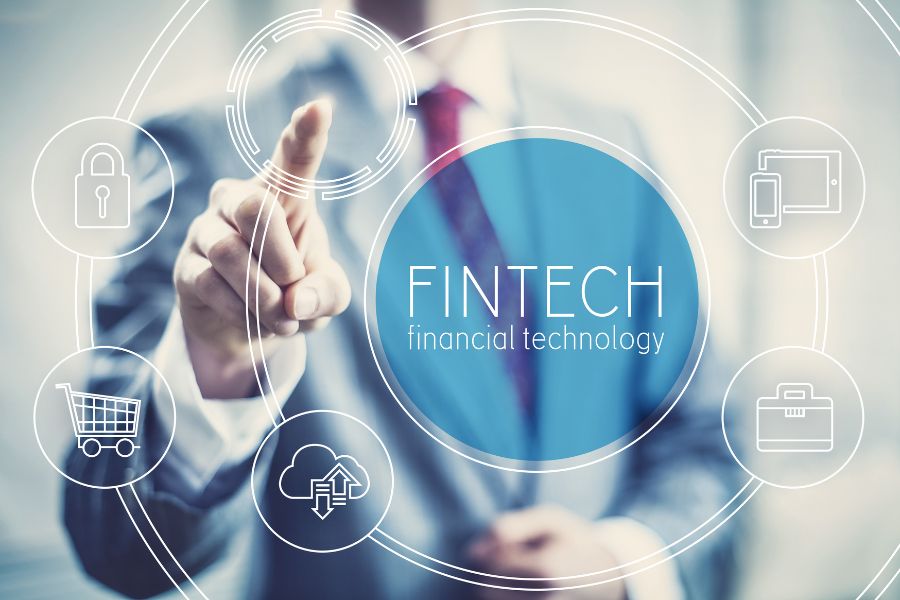
Fintech Startups Reshaping Finance: Embracing the Wave of Change
Profound technological transformations in the past decade, particularly in fintech, have been driven by innovations such as IoT, blockchain, AI, and machine learning. This further highlights the diverse scope of fintech, spanning categories like payments, lending, insurance, and digital identity. Fintech startups may act as catalysts reshaping the financial landscape with disruptive solutions. Fintech companies can thrive in the market by addressing gaps left by established competitors. It is seen to be advantageous for startups and established institutions to work together. In the rapidly changing fintech market, a few fundamental ideas are essential for success: purposeful innovation, regulatory acumen, data fortification, cooperation over rivalry, and scalability and durability. Photo Source: Shutterstock In the past half-decade to a decade, we’ve borne witness to a remarkable technological transformation, encompassing a broad spectrum that includes, though is certainly not confined to, the ascent of the Internet of Things (IoT), cloud computing, blockchain, cryptocurrencies, artificial intelligence (AI), and machine learning. Most recently, we’ve also observed the emergence of Language Model Models (LLMs) like ChatGPT and Google Bard. As technology has evolved, it has ushered in a seismic shift in both consumer behaviour and needs. This perpetual transformation has given rise to a symbiotic relationship between innovation and necessity, where changing consumer demands have catalysed ingenious solutions. This synergy, fueled by evolving needs and the technological surge, has forged an environment ripe for the inception of groundbreaking disruptions within the Fintech Industry. The scope of fintech extends widely, touching not only the general public but also businesses, encompassing an array of categories under its expansive umbrella. These categories span a diverse landscape, spanning: Payments and Digital Banking: Streamlining financial transactions and offering online banking services. Lending and Credit: Revolutionising borrowing and lending practices through digital platforms. Personal Finance and Investment: Empowering individuals with tools for managing finances and making investments. Insurance Technology (Insurtech): Employing technology to innovate insurance services and processes. Blockchain and Cryptocurrency: Redefining financial transactions and introducing digital currencies. Regtech (Regulatory Technology): Employing technology to navigate complex regulations and compliance requirements. Digital Identity and KYC (Know Your Customer): Simplifying identity verification processes and adhering to regulations. Crowdfunding and Crowdsourcing: Facilitating collective funding and collaboration for ventures. Wealth Management and Robo-Advisors: Providing automated investment guidance and portfolio management. Payment Processing and Point-of-Sale Solutions: Modernising payment acceptance methods for businesses. Financial Education and Literacy: Enhancing financial knowledge and literacy through digital tools. Trade Finance and Supply Chain Finance: Revolutionising trade-related financial processes and supply chain management. The Fintech Paradigm: A Revolution Redefined The financial world stands at the cusp of an epochal shift, driven by technological leaps and ceaseless innovation. Spearheading this revolution are fintech startups, catalysts of change who are reshaping the financial terrain with unprecedented velocity. Armed with the power to challenge conventional financial norms, they have ushered in a realm of fresh prospects for both investors and entrepreneurs, rendering fintech a true force of transformation. Fintech pioneers are engineering innovative solutions that streamline processes, heighten customer experiences, and democratise access to financial services. Freed from the shackles of archaic systems that hamper traditional financial establishments, fintech disruptors harness the potential of these technologies to accelerate change. Here are some notable companies who came and disrupted the way things were done in the Fitech world and made their way to be successful companies – Stripe is a payment processing company that allows businesses to accept payments online and in-store. It has disrupted the traditional payment processing industry by offering a more affordable and scalable solution. Rise of UPI and wallets in India has completely changed the way we transact in our day to day life. Coinbase and many others in the cryptocurrency exchange sector allowed users to buy, sell, and trade cryptocurrencies. This has disrupted the traditional financial markets by providing a more accessible way to invest in cryptocurrencies. Concirrus is Insurance analytics company who changed the way risk was assessed and price with use of large data set, IOT, AI and Machine Learning Oscar Health is an insurance company that uses data and technology to provide personalised health insurance plans. This has disrupted the traditional health insurance industry by making it more affordable and accessible Lemonade is an insurance company that uses AI and machine learning to automate the insurance process. This has disrupted the traditional insurance industry by making it more efficient and affordable. BlockFi (2017) is a crypto-backed lending platform that offers loans to individuals and businesses. It has disrupted the traditional lending industry by providing a more convenient and secure way to borrow money against cryptocurrency holdings Robinhood is a commission-free stock trading app that has made it easier and more affordable for people to invest in the stock market. This has disrupted the traditional brokerage industry Navigating Disruption: Challenges and Prospects The profound disruption ushered in by fintech innovation presents a dual narrative of challenges and prospects, unveiling a landscape where traditional finance meets the uncharted waters of technological transformation. As the tides of change surge, established financial institutions find themselves standing at the crossroads of adaptation or obsolescence. The once-familiar terrain now demands a reimagining of strategies, a process marked by both hurdles and remarkable opportunities. Traditional financial institutions, entwined with legacy systems and deeply ingrained processes, face the pressing need to recalibrate their strategies. Overcoming the inertia of familiarity, embracing innovation, and navigating regulatory complexities demand a dexterous approach. These institutions must modernise their operations, revamp customer experiences, and accommodate novel fintech-driven business models. The challenge of managing a harmonious coexistence of established practices and emergent technologies tests the mettle of incumbents, underscoring the urgency of transformation in order to remain competitive. However, challenges are inextricably entwined with prospects, forming a tapestry of opportunities that the fintech disruption brings forth. The fissures created by traditional finance’s evolution pave the way for fintech startups to flourish. These nimble newcomers fill voids overlooked by traditional players, serving underserved markets with innovative solutions. Access to financial services, from lending to investment, is democratized, offering consumers a range of
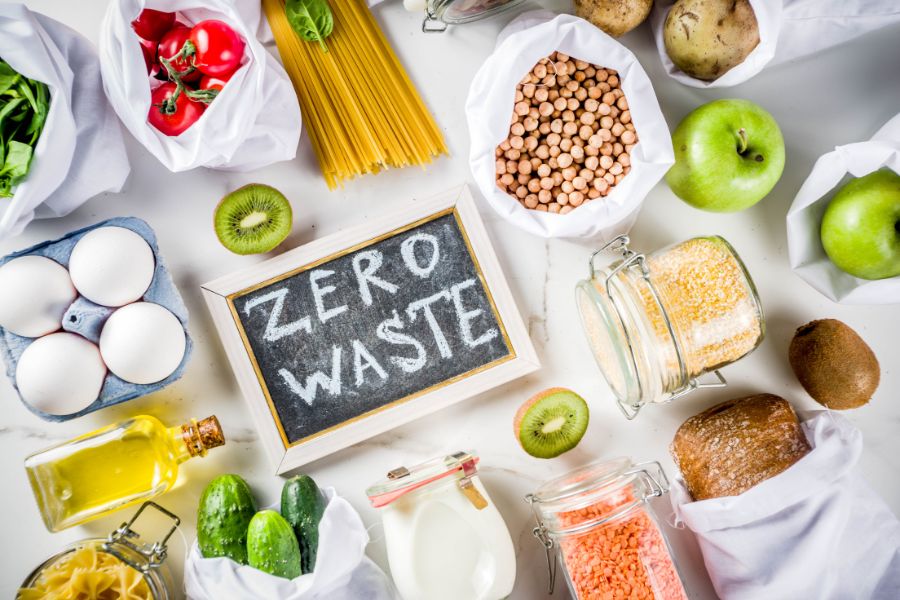
Adopting zero-waste food practices is the need of the hour
Food wastage is a major problem in a world where millions go hungry, and incidentally, restaurants are a major source of the problem. Globally, restaurant owners and food experts are coming up with innovative ways to reduce food waste, as the idea of “Zero Waste Food” steadily gains recognition. A zero-waste menu, for example, emphasises using all of the vegetable, fruit, and meat components as well as eco-friendly packaging and flatware. With the use of efficient methods to prevent, recover from, recycle, and dispose of food waste, the restaurant industry can minimise its negative effects on the environment, economy, and society in addition to enhancing its sustainability, competitiveness, and reputation. Restaurants work hard to prepare meals that can cut down on or even eliminate food waste in the kitchen as well as on the plate. This means making use of every part of the ingredient, from the peel to the core, the root to the stem, and the tail to the nose. Photo Source: Shutterstock Reducing food loss and waste has become a must-go approach in modern times. It is not just because of the environmental concerns but also to cut down on food expenses. The concept of Zero Waste Food is gradually becoming a need of the hour across the world, wherein restaurateurs and food connoisseurs are inventing ways to minimize food wastage. One such initiative is the Zero-Waste menu, a concept which focuses on multiple aspects of sustainability such as eco-friendly cutlery and packaging and the use of every part of vegetable, fruit or meat. Restaurants strive to create a meal that can reduce or completely eradicate food waste both on the plate and in the kitchen. This entails utilising every component of the ingredient—from peel to core, root to stem, and nose to tail. ZW menus also aim to avoid overstocking and overproduction, sourcing locally and seasonally, and composting or giving any leftovers. Food wastage: A global practice Did you know that discarded food is one of the major pollutants in the world? On a global scale, food waste is a problem that has serious negative effects on the environment, society, and economy. It is estimated that 8–10% of the world’s greenhouse gas emissions are related to food waste. According to the Food Waste Index Report 2021 from the United Nations Environment Programme (UNEP), 1 billion tonnes of food are wasted annually worldwide. A startling one-third of the food produced globally is thrown away or misplaced. According to the UNEP report, food systems reform is important for addressing the global crises of pollution, waste, and nature and biodiversity loss, as well as climate change. The research collected 152 food waste data points out of 54 countries, and made several observations on food wastage patterns, to possibly propose a food conservation possibility. The report says that food waste by the year 2030 estimates that 931 million tonnes of food, or 17% of all food accessible to consumers in 2019, is estimated to be in the trash cans of homes, merchants, restaurants, and other food services. Food conservation: Need of the hour Reducing food waste is essential to achieving Sustainable Development Goal 12, “Ensure Sustainable Consumption and Production Patterns,” which is embodied in Target 12.3: by 2030, cut food waste in half and minimise food loss throughout supply chains. A third of production is lost or squandered in food systems, which is inconsistent with sustainable consumption and production. This is because high levels of waste have a negative impact on the environment, water resources, biodiversity, food security, and the economy. Cities have the chance to build on global experience as the human population grows and urbanises in order to decrease greenhouse gas emissions from the production of renewable energy, recover nutrients from food waste, and enhance their overall waste management systems. Its wastage is measured in numerous ways such as during production, processing, distribution, retail and food service sales, and consumption. A sense of responsibility towards food conservation is becoming more common globally. For example, in 2016, a law was introduced in France requiring retailers to donate edible food to food banks and charitable organisations. Lawbreaking managers face a two-year prison term and heavy fines. Restaurants focus on food waste The Waste and Resources Action Programme or WRAP, claims that the food industry generates 4,00,000 tonnes of food waste, which could have been prevented annually. Moreover, it is estimated that food waste costs the restaurant industry an incredible £682 million annually. In the long term, reducing food waste in restaurants can provide dual benefits; help the environment and save costs for the establishment. There is a common practice amongst restaurants known as overproduction. In order to satisfy consumer demand and prevent stock-outs, restaurants frequently produce more food than is necessary. This results in excess food that cannot be sold or used before it goes bad or expires. This food waste is a source of pollution and greenhouse gas emissions, as well as a loss of resources like labour, capital, energy, water, and land. It is also a major cause of malnutrition and food insecurity, particularly in developing nations where millions of people live in poverty and hunger. India is faced with the conundrum of producing enough food to feed itself but not enough people, as millions of people lack access to sufficient and nourishing food because of poverty, inequality, inefficiency, and waste. One of the main causes of food waste in India is the restaurant business. The United Nations Environment Programme (UNEP) released its Food Waste Index Report 2021, which states that 11.9 million of the 68.7 million tonnes of food waste produced annually in India originate from the food service industry. Restaurants, lodging facilities, caterers, canteens, and other businesses that provide food to patrons are included in this industry. Three categories apply to the food waste produced by this industry: plate waste, which is the result of customers leaving uneaten food on their plates; post-consumer waste, which is the result of customers taking leftover food home but not eating
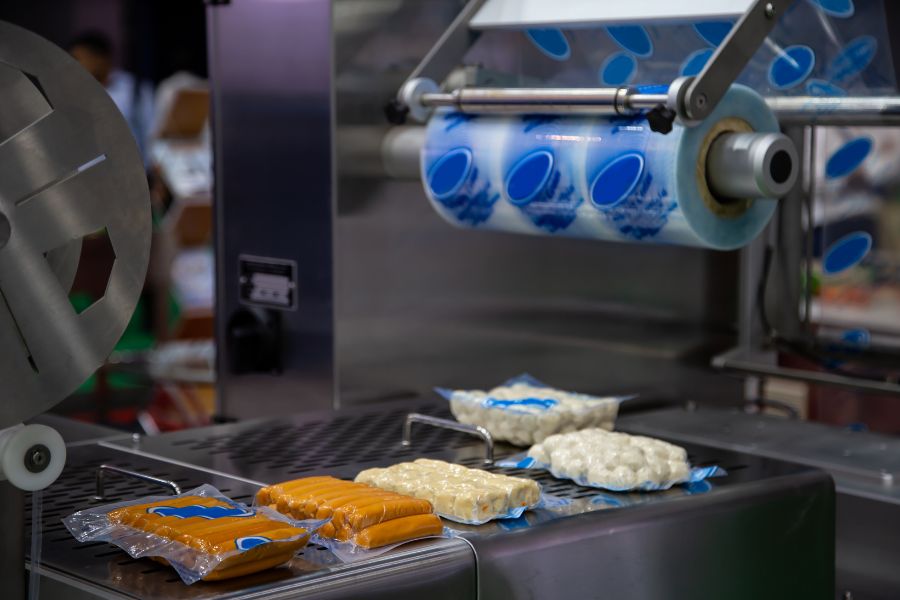
“Indian food tech is evolving rapidly through automation, quality control, and sustainability”
Dev Opus stands as a premier Branding and Advertising Agency in Ahmedabad, boasting a remarkable ten years of expertise in handling both B2B and B2C brands. Their dedicated efforts have been instrumental in fostering business growth and empowering enterprises to attain a distinct competitive edge while developing their brand identity. The agency’s repertoire includes a spectrum of services, such as Logo Design, Packaging Design, Brochure Design, Catalogue Design, Graphic Design, and more. India Business and Trade engaged in a unique dialogue with Mr. Mahendra Bhatiya, the Managing Director and CEO of Dev Opus, to gain insights into the company’s remarkable journey, their innovative technological solutions, and their anticipations for the forthcoming IndusFood Tech event. Image Credit: Shutterstock IBT: Please provide an overview of your company, the product segments you operate in and your key achievements to date. Mahendra Bhatiya: We are a leading branding and advertising agency in Ahmedabad with a decade of experience in managing both B2B and B2C brands. We primarily focus on the Food & Beverage sector. Our expertise lies in brand development and marketing strategy, encompassing branding, research strategies, and advertising services, which include brand name creation, catalogue design, logo design, website development, digital marketing strategy, and e-commerce websites. In addition, we provide professional photography and video production services throughout India. Numerous reputable businesses have already placed their trust in our services and are now witnessing the distinctive qualities that set us apart from other commercial photography and video production companies in Ahmedabad. IBT: What is your target customer base, and how do you view its growth potential? What are the factors driving this growth? Mahendra Bhatiya: Our target audience consists of players in the food industry, including food manufacturers, food brands engaged in packaging products, and those involved in packaging manufacturing for food brands. Our target customers encompass a wide range of food businesses, regardless of size, from startups to well-established brands, all seeking significant strategic growth. The rapid expansion of the food industry is driven by increasing income levels and a growing emphasis on healthy eating habits and convenience foods. People today desire immediate access to their food, and a wide range of food products and packages are readily available in the market, leading to increased consumption. The booming e-commerce sector is largely attributable to the remarkable growth in the food industry. In this industry, everyone has a need for food, and our products and services are poised to provide valuable assistance to our clients in addressing these evolving consumer trends. IBT: Can you share examples of successful case studies wherein clients have benefited from your technology solutions? Mahendra Bhatiya: Yes, we have successfully worked with many brands. Initially, I would like to share one or two brand case studies. One of our prominent clients in Ahmedabad is Chasswala, a well-known brand in Gujarat. We provided them with a marketing strategy, retail store interior design, and digital marketing strategy. When they approached us, they had no stores in Ahmedabad under their brand name, Chasswala. We started with a single store, and today they have over 160 stores. Our journey with them began with store interior design, followed by branding, interior branding designs, and brand strategy. To drive footfall to their store, we devised an effective strategy, resulting in a substantial increase in footfall within just two to three days of store opening. Over the course of seven to eight years, we helped them expand from a single branch to 170-plus locations. This success story is a testament to our work with Chasswala. Currently, we are working with another brand looking to launch new FMCG products on the ground floor. We provided them with a brand strategy, defined their brand personality and tone of voice, created a brand message, and developed their brand name, packaging, and website. They are now performing well in the market. These are two case studies I wanted to present, and you can find more case studies on our website showcasing our work with other clients. IBT: What strategic approach have you adopted for the international market? How do you ensure that your technology aligns with industry standards? Mahendra Bhatiya: Essentially, we consistently stay up-to-date with global design and brand strategies, and we meticulously examine region-specific regulations and standards related to packaging. Additionally, we work in close collaboration with our clients to ensure that their brand complies with industry standards while preserving its unique identity. Simultaneously, we make an effort to gain a thorough understanding of our clients’ requirements and their audience’s demands to tailor our branding efforts accordingly. IBT: What is your view of technological advancements and global competitiveness of the Indian Food processing technology industry in your segment? How do you expect it to grow in the future? Mahendra Bhatiya: Indian food processing technology is evolving rapidly, driven by automation, quality control, and sustainable facilities. It holds significant potential to compete in the food packaging and branding sectors. Currently, we are committed to industrial growth with a focus on innovation and sustainability. Our primary focus is on brands that wish to emphasize innovations in sustainability, and we specialize in delivering on that commitment. IBT: With less than 2 months left for IndusFoodTech 2024, what are your thoughts and expectations from the show? Mahendra Bhatiya: We are very excited about the show. To date, we have participated in numerous local exhibitions in Ahmedabad and Gujarat, but our excitement is currently focused on our participation in the Indus FoodTech expo. A friend of mine has told us that this FoodTech expo can help us connect with valuable customers and international clients. Our goal is to establish connections between international and national brands. While we are currently based in Ahmedabad and work with both international and local brands, our aim is to expand our international projects with international brands and collaborate more with national brands. We are eagerly looking forward to our participation in this Food expo. We have high expectations for this event, hoping to gain valuable leads and foster

The crucial role of regulations in maintaining power quality
In a recent interview with IBT, Mr. Baldev Raj Narang, the CEO of Clariant Power Systems, Limited, and Chairman of the Capacitor and Power Quality Division of the Indian Electrical and Electronics Manufacturers Association (IEEMA), shared valuable insights on the challenges and solutions in the power quality and renewable energy integration landscape. With over 45 years of experience in both public and private sectors, Mr. Narang offers a comprehensive view of the power industry. The interview covers topics ranging from the state of power quality in the energy sector to innovative solutions for grid voltage stability and the pivotal role of regulations in achieving reliability and sustainability in the transition to sustainable energy sources. This insightful conversation sheds light on the complex and rapidly evolving energy landscape, offering strategies and best practices for a smooth transition while maintaining high power quality standards. Image Source: Shutterstock IBT: Can you please tell us about Clariant Power System Limited? Baldev Raj Narang: Clariant Power System Limited (CPSL) is a rapidly expanding company specializing in power quality and reactive power management. We provide comprehensive solutions and design systems across various sectors, including industry, utilities, renewables, and OEMs, serving both substantial electricity consumers and producers. CPSL has harnessed my extensive experience gained from working in various public and private enterprises. I initiated my career at BRPL (Bongaigaon Refinery and Petrochemicals Limited), a pioneering integrated oil refinery and petrochemicals project in India, executed by Engineers India Limited. Subsequently, I transitioned to Century Enka Limited, a Birla Group company engaged in polyester, nylon, and tire yarn production with international collaborations. My association with CPSL has allowed me to leverage my expertise. Although CPSL was already established, it has become one of the fastest-growing companies in its sector, and I am thrilled to contribute to its growth journey. IBT: With the increasing penetration of renewable energy sources into the grid, what are the primary challenges or issues the energy industry faces in transitioning from conventional sources to renewables? Also, what remedies or strategies can address these challenges? Baldev Raj Narang: The integration of renewable energy into the grid presents a significant challenge, with issues related to grid stability, power quality, and voltage stability. In 2022, there were 28 instances of renewable energy source isolation from the grid, resulting in a loss of over 1000 megawatts of power. The Central Authority (CA) recognized this and mandated changes, emphasizing the need for reactive power support, particularly dynamic support. While STATCOM (Static Synchronous Compensator) is a better solution than traditional switch capacitor banks, the problems run deeper. These isolations often occur after faults, and the weak grid infrastructure in remote areas where renewable sources are located exacerbates the issue. Faults are not cleared in a timely manner due to poor short-circuit ratios and inertia. This leads to systems going out of synchronization. Addressing the problem comprehensively involves adding synchronous generators to improve grid stability, especially in areas with weak grids. Grid inverters need to be grid-forming rather than grid-following to enhance inertia. Strengthening the grid and ensuring proper inverter selection, tuning, and system modelling is crucial for sustainable renewable energy integration. In summary, simply adding renewable sources without addressing grid stability concerns will not yield the desired results. Comprehensive measures are required to ensure a sustainable and reliable grid with renewable energy integration. IBT: What is the current power quality status in the energy sector and how do renewable energy sources impact power quality? Also, sir, what measures can mitigate any negative effects? Baldev Raj Narang: The current power quality status in the energy sector is poor, primarily due to a high concentration of nonlinear loads. In the past, linear loads were dominant, but the situation has reversed, with nonlinear loads now making up the majority. These nonlinear loads generate harmonics, which are a significant cause of power quality issues. These harmonics are mainly produced at the consumer end and need to be mitigated at the load end. If left unaddressed, these harmonics propagate back into the system as current harmonics, converting into voltage harmonics and affecting various nodes in the grid. The issue with power quality is that consumers often do not take action unless these harmonics become a problem for them. Mitigating these harmonics requires regulatory measures because investments in such solutions depend on a clear return on investment (ROI). Currently, regulations related to power quality are nearly non-existent in most states. Tamil Nadu is an exception, having implemented tariff structures with penalties for feeding harmonics to the grid beyond specific IEEE 519 guidelines. This approach proved effective in driving action among consumers. However, other states have only been discussing such measures without implementing them in regulations or tariff structures. Thus, power quality issues persist, and regulations are essential to drive necessary investments and actions. Regarding the impact of renewable energy sources on power quality, these sources also generate harmonics, but they tend to produce higher-order harmonics, typically from the 23rd harmonic and onwards. Unlike the lower-order harmonics generated by standard industry loads, these higher-order harmonics are more challenging to compensate. Active solutions for these high-order harmonics at the 33 kV level, where renewable sources are connected, are not readily available. Passive solutions, such as standard harmonics filters, are not suitable for higher-order harmonics. Specialized solutions are required, but as of now, there have been limited installations in India effectively addressing these issues. While there are successful solutions in Australia and South Africa, India is still in the early stages of implementing measures to mitigate these higher-order harmonics generated by renewable energy sources. Progress is being made, but tangible results on the ground have yet to be observed. IBT: What innovative solutions or technologies hold promise for enhancing grid voltage stability and addressing power quality issues resulting from the integration of renewable energy sources? Baldev Raj Narang: The solutions for addressing power quality issues are not considered innovative; they are standard and well-established practices. In India, particularly at the 33 kV level for voltage stability, active solutions, like dynamic voltage support
Logistics expansion relies on technology support
The logistics industry has become a vital contributor to India’s economic strength. According to a report published by Ernst and Young, India is expected to reach US$26 trillion in GDP by the fiscal year 2048, and the country’s transport and logistics industry can play a key role in sustaining this rapid expansion. India Business and Trade spoke with Mr. G.S Ravi, EVP & Group CIO, GATI Ltd on the drastic change in the landscape of the logistics industry in India coupled with the technological advancement in the allied sectors. The industry veteran also spoke on the collaboration with Tech Mahindra for the launch of GEM 2.0 and the possibility of collaborating with ONDC. Photo Source: GATI Limited IBT: You have been a part of Gati Limited for over 2 decades. How have you seen the company change the landscape of the logistics and supply chain industry in India? G.S Ravi: I have spent 22 years in Gati now. Gati has been India’s pioneer in express distribution and supply chain. We cover 735 districts out of 739, we take care of 19,000+ PIN codes in the country and we handle every distribution need of our clients. We have cemented a formidable position as a preferred distribution and supply chain solutions provider. We also specialize in offering customized supply chain services across different industry verticals per se. I have been associated with Gati as a CIO for 22 years now and the first big change which happened in Gati way back started in 2001. We launched a massive ERP product called GEMS 1.0 and it took almost two years to come into action. The concept was a first-of-its-kind ERP at that time and we were 7-8 years ahead of any of the competition at that point in time. When most of the world was on client-server architecture, we launched a completely web-based centralized solution on 3rd July 2003. At the time it was unique because we custom-developed a huge ERP which took 200+ man years of effort at the time for develop. We also launched Oracle Financials and Oracle CRM and it was completely centralized. For a company which worked out of some 250+ locations at that point in time, very remote locations, it was a big leap in those days. During these 20 years, I would say the journey has been extremely exciting and satisfying because of the huge change in the landscape of the logistics industry in India itself, parallel with the number of tech changes in this country as well as the industry as a whole. IBT: There is immense growth in e-commerce and global trade. How is Gati addressing the current challenges of last-mile delivery and cross-border logistics? G.S Ravi: The entire industry landscape has changed. Not only in the logistics space but e-commerce has also come in. A lot of new-age tech companies have also come into the space of logistics. While in certain areas we were ten steps ahead, in some we might be a couple of steps ahead or in some we might be on par with what is happening in certain specific areas. But the most important thing is we were never behind in any of these areas to meet the requirement. Since 2009, our company delivery personnel and pickup personnel have always been carrying mobile devices to capture the details. Probably we might have been the first company again in terms of retail customers, i.e., one-time or cash customers or small customers, not the large corporate. We have completely digitised our delivery mechanisms. We capture the details on the mobile device, we print using a mobile printer and the airway bill or a docket as we call in Gati, gets delivered to you as a PDF through your WhatsApp or mail. Logistics expansion cannot happen without the proper support of tech. For any large e-commerce player both coming into India or a homegrown player, the first and foremost requirement is tech more than your delivery capabilities pickup capabilities or routing capabilities which is given if you call yourself a logistics player. The tech helps to seamlessly integrate with them and provide information to them at every stage of movement of the shipment. IBT: Every sector is now taking benefits of AI, and ML. How has Gati Limited incorporated technology like RFID, RPN, and artificial intelligence into its operations? G.S Ravi: Our vehicle tracking or the delivery personal tracking is IOT-based, it is sensor-based which we have been doing for more than a decade. So, across the country we would be in a position to monitor the movements of our vehicle and a lot of analytics we do, including the speed at which the vehicle is going, where it has stopped for more than a given time, if a particular route is impacted due to unforeseen reason guide them out to take alternately. All these sorts of things happen using my vehicle monitoring and tracking system. The ERP itself was launched 20+ years back which means we have enough and more good quality data and that pays for a lot of things to do such as analytics machine learning and AI. We have a fairly decent-sized team who work on many ML, and AI cases. We cover areas of predictive modelling. I am not going to get into all the areas, but primarily in the area of predictive modeling for forecasting and then some prescriptive modelling with a little bit of usage of predictive modeling in terms of route optimization. We do some amount of deep learning and AI solutions. For example, when I deliver a proof of delivery, the minute my person delivers a shipment he takes an image of that proof of delivery. Because in B2B we still need a rubber stamp on the piece of paper saying it got delivered. The image of the company seal is taken and we use lot of ML and AI to look at the image, interpret a lot of information, if it is valid
Inventory management and product cataloging: Essentials for the upcoming festive season
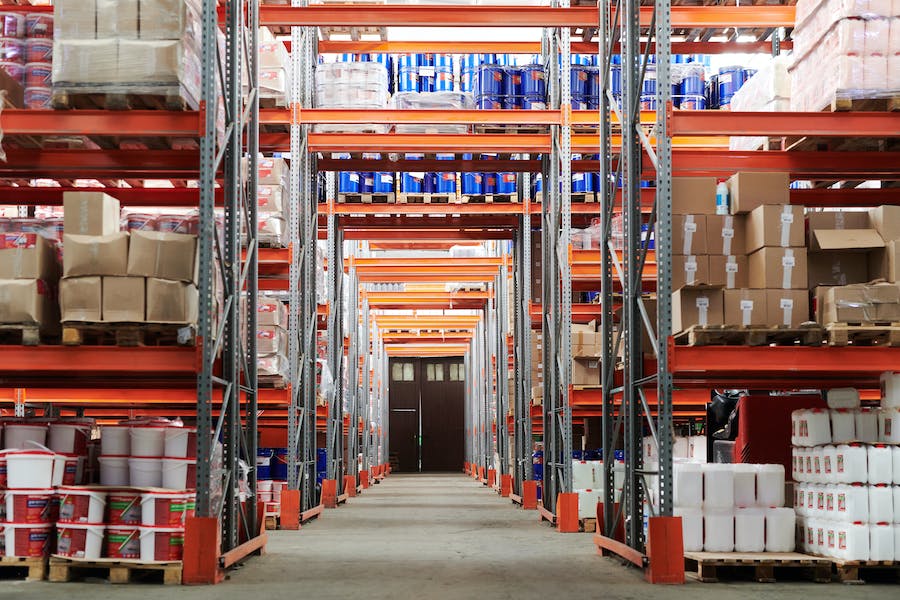
For business owners in India, the festive season is more than just a time of cultural celebrations; it’s a pivotal economic opportunity. It’s a period when consumers display a readiness to spend, making it the perfect time to scale up sales, boost revenue, and nurture customer relationships. Diwali, in particular, ushers in a significant surge in shopping and spending across the nation. From small items to major purchases like washing machines and even cars, people eagerly open their wallets to partake in the festive fervor. The festive season serves as a potent catalyst for the retail industry, and businesses stand to gain significantly. With increased community engagement in shopping experiences and surging customer demand, businesses have a golden opportunity to expand their services, introduce enticing deals and offers, and, ultimately, sell more. However, to make the most of this season, business owners must ensure their processes are well-organized and efficient. Inventory Management and Cataloging: The Essential Components Effective inventory management and cataloging, smart practices throughout the year, become indispensable during festive periods. Business owners often face challenges in keeping an accurate track of customer demand during festivals, leading to overstocking and understocking issues. Overstocking results in financial losses, while understocking leaves customers dissatisfied and sales opportunities missed. Effective inventory management plays a pivotal role in maintaining stock availability and identifying consumer product preferences, enabling data-driven decisions, and maintaining a healthy supply chain. Elevating Customer Satisfaction through Cataloging An efficient cataloging system contributes to an engaging customer experience. With visual appeal and clear product descriptions, a well-organized catalog simplifies the product selection process, enhancing customer satisfaction. Furthermore, meticulous inventory maintenance ensures that in-demand products are always available, building customer trust and loyalty. Strategic Marketing and Promotions Festivals provide the ideal backdrop for launching enticing promotional offers. Precisely identifying which products and discounts to market is crucial, as consumers are more willing to spend during this season. Analyzing product performance over an extended period is key to determining the right products for promotion, combined with effective marketing strategies, significantly boosts exposure and sales. The Challenge of Inventory Management and the Role of Smart POS Systems Inventory management is undeniably important, but it can be a demanding task, especially during peak festive seasons. However, advanced technology solutions offer a remedy to this challenge. Smart POS (point-of-sale) devices and software are essential for businesses, particularly those with an online presence. Streamlining Operations with Smart POS Systems In the modern business landscape, nearly every significant business in India has an online presence. Advanced POS technology consolidates data from various platforms, following an omnichannel approach. It streamlines data, generates comprehensive sales reports, and automates inventory management. Furthermore, it contributes to customer loyalty programs by maintaining purchase histories, facilitating quick billing, and minimizing errors during peak shopping seasons. Embracing the Opportunity India’s festive season provides a dynamic environment for businesses to thrive and expand. This annual opportunity should not be missed. Business owners should invest in technology to streamline operations, build customer loyalty, maintain a healthy cash flow, and drive profitability. A Technology Solution for Inventory Management – The Smart POS In today’s technology-driven business landscape, a smart POS system is essential. Businesses have expanded to multi-channel platforms, making it challenging to manage sales and inventory effectively. A robust smart POS device or software streamlines this process. It collects data from all sales channels, offering a comprehensive overview of operations. With an omnichannel approach, businesses can track sales, manage inventory, and understand customer behavior across physical stores and online platforms. This technology simplifies the complex task of inventory management, ensuring that product data is accurate and up-to-date. The Bottomline In conclusion, the festive season in India is not just a time of cultural celebrations but a significant economic opportunity for businesses. With consumers displaying an eagerness to spend more, it’s time to scale up sales, boost revenue, and enhance customer relations. Key to making the most of this season is effective inventory management and cataloging, which are not just smart practices but essential during festive periods. These practices provide clarity on stock, enhance customer satisfaction, drive strategic marketing, and are made more manageable with the aid of smart POS systems. The opportunity during India’s festive season is vital for business growth. By embracing improved technology and implementing smart inventory management and cataloging practices, businesses can build customer loyalty, maintain a healthy cash flow, and drive profitability. As the retail sector continues to evolve, businesses that leverage technology are better positioned to thrive in the ever-changing marketplace. Varun Tangri is the founder and CEO of Queuebuster. Queuebuster is India’s leading business Super (Point Of Sales) POS App to manage inventory, invoices, daily ledger, customer loyalty, and online dukaan, using a single app.

Diwali Delights – The healthy snack wave in India
Amid the joyous celebration of Diwali in India, a transformative shift is taking place in the way gifts are exchanged. Over the years, more and more people are choosing health-conscious options over traditional sweets and snacks. What’s driving this change? It’s a growing awareness of the health impacts of less nutritious foods and a renewed focus on wellness, especially after the pandemic. Innovative packaging and the use of naturally long-lasting ingredients are also playing a role. Image Source: Pixabay In India, every festival is celebrated with great pomp and joy, with none more significant than Diwali, the festival of lights. The festivities extend for nearly a week, and various rituals are observed to commemorate the triumph of good over evil and light over darkness. Delicious mithais and snacks are prepared in homes, and the spirit of happiness is simply infectious. Diwali also involves people visiting the homes of friends and family, bearing gifts. Whether it’s attractively packaged mithai boxes or fruit hampers, people never visit their loved ones’ homes empty-handed during this auspicious occasion. A noticeable trend towards health-conscious products and the health and fitness industry as a whole has emerged in recent years, particularly in the wake of the Covid-19 endemic. People are well aware of the need to maintain a healthy lifestyle to avoid future health-related concerns. According to a report by the Ministry of Food Processing Industries, the healthy snacking market in India is expected to grow at a CAGR of around 20% between 2020 and 2025. Additionally, the online retail market for food and groceries in India is expected to grow by $9.87 billion during 2020-2024. When we asked Chutnefy, about the prospect of a healthy snack industry in India in the upcoming Diwali season, they said, “There’s no doubt that the snacks market is an ever-growing space, and the demand has brought about a steady influx of new brands, more so online. New products are being launched & new variants are being introduced, all keeping innovation and variety as a priority to meet the demand for breaking away from previous practice of gifting the “usual Indian Sweets & Snacks.” They added, “People want to be seen as being different, and the new brands that have these offerings stand to gain amongst this growing customer base. In fact, as part of our offering, we too have launched a unique set of snacking products to go with our unique chutneys like healthy Khakras, and are soon launching flavored crisps, all with Clean Label at the heart of it.” Diwali is a season that traditionally focuses on the distribution of sweets and snacks, which often lack nutritious value. However, this issue is gradually becoming the focal point for companies like Alpinos, Roasty Tasty, SUZU and Chuntnefy as they aim to transform Diwali gifting snack options into healthier alternatives infused with nutrients. Read More: Indian food, the cultural and spiritual connections India and Indian cuisine to truly shine on the global stage From Local to Global: Empowering India’s Food Processing Sector Drivers for healthy gifting trend One of the main reasons for this shift is the growing awareness among people about the negative health impacts of consuming certain less nutritious food items. These effects include chronic illnesses like diabetes, increased blood pressure, and obesity, primarily resulting from the consumption of processed or oily foods. In contrast, items like nuts, dry fruits, and seeds have gained immense popularity due to their numerous health benefits. When we asked Umesh Gajera, COO of Alpino, about this trend, he said, “This year, we’ve witnessed a significant shift in consumer preferences towards healthier snack options. People are increasingly conscious of their well-being and are looking for snacks that align with their health goals. At Alpino, we’ve proactively adapted to these changing trends by introducing innovative products and packaging solutions.” When we asked about their strategy to cater to them with their product/packaging innovations, Umesh said, “We’ve observed a growing trend among corporates and businesses seeking healthier gifting options for their employees and vendor partners during the Diwali season. Our range of nutritious and delicious snacks has become a top choice for corporate gifting. Our revamped packaging showcases the health benefits of our products, making them an appealing and thoughtful gift choice.” He added, “We’ve also introduced customizable gift packs to cater to corporate requirements, allowing them to express appreciation and well-wishes in a healthier, more meaningful way. This Diwali, Alpino is honored to be the preferred gifting option for those who prioritize the well-being and happiness of their associates” People are increasingly inclined towards fitness and often prefer to adjust their lifestyles. Many people opt for gluten-free products or items that align with specific diets, such as the Keto Diet. The demand for these types of products continues to grow, and companies like Healthy Master are stepping in to offer personalized gift hampers that cater to different dietary requirements. When it comes to healthy snacks, packaging plays a pivotal role in their marketing and sales strategy. Diverse packaging forms and designs have the potential to influence consumers’ choices, allowing manufacturers of nutritious snacks to establish a significant presence in this fast-growing sector. Gas-filled pouches, for instance, offer protection for delicate and healthy snack options, ensuring their freshness and quality. However, the use of preservatives in packaging may not align with the health-conscious segments. Rather than relying on a large amount of preservatives, the focus can be on identifying ingredients with inherently longer natural shelf lives, such as oats, dates, honey, dry fruits, and nuts. The approach to product development can involve conducting trials with various combinations to create healthier and more flavorful options that cater to both taste and nutrition. Innovative Brands Redefining Healthy Snacking As we immerse ourselves in the festive glow of Diwali, a celebration of light’s victory over darkness, let’s reflect on the choices we make for our well-being. The evolution of traditional Diwali snacks into healthier, nutrient-rich alternatives is being led by a number of companies. Some

Green hydrogen and ammonia are the way forward!
Vivek Prasad, Vice President, BD, India, at Enfinity Global Group, discusses the promising landscape of green hydrogen and green ammonia projects in India. In an exclusive interview with India Business and Trade (IBT), he sheds light on India’s strategic advantages and unique opportunities in the global renewable energy market. Prasad emphasizes the role of green ammonia in supporting sustainable agriculture practices and addressing environmental concerns, highlighting India’s transition from fossil fuel dependence to becoming a net energy exporter. He delves into regulatory challenges and the critical role of land acquisition in navigating the path towards sustainable hydrogen and ammonia production. Image Source: Shutterstock IBT: How do you perceive the current and future prospects of green hydrogen and green ammonia projects when it comes to sustainable energy? Vivek Prasad: India’s strategic position between Europe and Japan, along with its competitive power costs, and internal demand for hydrogen and ammonia, presents a unique advantage. Hydrogen is widely used in industries, and ammonia finds applications in fertilizers and refineries. To ensure sustainability and reduce fossil fuel reliance, green hydrogen and ammonia are the way forward. India is well-positioned to harness this potential. The government’s commitment to achieve 5 million tonnes of capacity by 2030, supported by subsidies and waivers, creates a promising outlook for the industry’s future. IBT: How do you address the regulatory challenges specific to green hydrogen and green ammonia projects when it comes to different Indian regions? Vivek Prasad: Regarding regulations, there are two key components. The first is a central regulation that offers capital subsidies per kilogram of hydrogen and provides waivers for renewable energy, including ISTS-level transmission charges. This remains consistent across the board. However, as you mentioned, there is variability in renewable energy regulations at the state level. For the production of green ammonia, it is essential to establish plants in the coastal regions of the country, specifically in states like Odisha, Andhra, Tamil Nadu, Kerala, Karnataka, Maharashtra, and Gujarat. These states are actively vying for investments in green ammonia and hydrogen. When approaching state governments, there is an ongoing effort to align subsidies and regulations, particularly in terms of transmission charges, wheeling charges, and exemptions. Some states have already introduced these exemptions, and others are planning to follow suit. The goal is to attract investments to the states, and these regulatory aspects are crucial for the feasibility of green hydrogen and ammonia projects. Exemptions or significant reductions in charges for these projects are expected to make them economically viable. This is the framework within which these regulations operate. IBT: Considering the agriculture-driven economy in India, how do you envision the role of green ammonia in supporting sustainable agriculture practices and addressing environmental concerns in the country? Vivek Prasad: To comprehend the significance of green ammonia, it’s essential to understand its primary use in the fertilizer industry, particularly for producing urea and other fertilizers extensively utilized by Indian farmers. Since these fertilizers are government-subsidized, it’s crucial to ensure the lowest possible cost of ammonia, as agriculture plays a substantial role in India’s GDP. Currently, ammonia production relies on natural gas, which is a fossil fuel, or involves importing ammonia from other sources, resulting in what’s often termed “gray ammonia.” However, the future outlook is promising. Although the current price of green ammonia isn’t on par with gray ammonia, I anticipate that within the next five to ten years, the cost of green ammonia will reach parity with gray ammonia. At that point, people will opt for green ammonia without relying on government subsidies. Presently, government support, including subsidy waivers, is required to bridge the pricing gap. Over the coming years, as the price decreases significantly, we’ll achieve both sustainability and environmental friendliness simultaneously, benefiting India’s agriculture-driven economy. IBT: How do you see India’s role and potential in the global green hydrogen market? And as for you, what are the unique opportunities and challenges the Indian market present? Vivek Prasad: India currently stands as one of the world’s largest fossil fuel importers. However, the success of green ammonia has the potential to transform India into a net energy exporter. This shift is significant, considering India’s current status as a major fossil fuel importer. By converting renewable energy into different energy forms, starting with hydrogen and then producing ammonia, India can use these for various purposes, including heating and fertilizer production. India’s competitive advantage lies in having one of the lowest renewable energy costs, which translates to lower ammonia production costs. Consequently, India is poised to become one of the largest ammonia exporters globally, presenting a substantial opportunity. However, such projects are massive, with costs ranging from 30,000 to 60,000 crores. To make them feasible, substantial financing and government support are essential. Universal regulatory backing from both state and central governments will attract significant domestic and foreign investments. Moreover, addressing the challenge of green hydrogen and ammonia’s relatively higher price, the government can mandate their use in hard-to-abate industries, such as steel and refineries. This action would create immediate demand for green hydrogen and ammonia in India, potentially alleviating the cost issue and furthering sustainability. IBT: Land acquisition and site selection can be a complex segment in India. So, how do you navigate these challenges while developing green hydrogen and green ammonia projects? And what criteria are considered for site feasibility in the Indian context? Vivek Prasad: To produce green hydrogen and ammonia, it’s essential to use 100% green, or renewable, energy. Since renewable energy sources aren’t continuously available, ensuring a consistent power supply for hydrogen and ammonia plants requires two primary approaches: Intermittent Operation: One method is to run the hydrogen and ammonia plants only when renewable energy is available. When renewable energy sources, like solar or wind, are producing power, the plants operate. When it’s not, the plants temporarily shut down. This approach ensures that the hydrogen and ammonia produced are entirely green but may not be continuous. Large-Scale Renewable Energy Projects: The other approach involves setting up extensive renewable energy projects that generate power 24/7. To support a