The relationship between food and religion is a powerful and unifying factor in India’s colourful fabric. The majority of people in the country eat seasonally, locally, and, to a significant part, sustainably because of this cultural diversity and the enjoyment of it. They also love a wide range of flavours and textures. Ancient scripture texts like the Dharmaśāstras praise both ascetic attitudes to food and aesthetic ways of experiencing it, including being a gourmet and finding joy in it. Photo Source: Pexels Indian food, irrespective of the religious distinction, has a unique bond with every individual. From elaborative feasts to something as simple as having sweet curd for auspicious beginnings, Indians share a spiritual, cultural, and Karmic connection with food. The traditional Indian medical systems, Ayurveda (Hindu) and Unani (Muslim) classify the body into three parts based on how it responds to different diets. Our cultural practices highlight a common practice amongst Hindus to offer food articles at temples as a means of divine offering. But, did you know that Parsis, Jews, Muslims and Christians, share similar cultural and spiritual connections with different food articles? For instance, Parsis begins their breakfast routine with eggs. The community has a strong significant bond with eggs as it represents fresh starts, birth, and fertility. ‘Akuri,’ a popular dish of spicy scrambled eggs, is frequently had for breakfast. The community’s emphasis on development, continuity, and the preservation of its legacy is reflected in the usage of eggs in Parsi cuisine. Indian food and its mythological connections Food plays an important role in mythology. Amongst Hindus, it is believed that those who worship Goddess Annapurna are rewarded with rice. It is also a common practice to offer cooked meals, fresh fruits and vegetables and sometimes animals to deities as a means to please them or seek forgiveness. There is an old tale of Lord Shiva and goddess Parvati engaging in a disagreement over the importance of food. Lord Shiva maintained that all that exists in this world—including the food that humans eat—is simply an illusion or Maya. To counter this stand of Shiva, the goddess Parvati vanishes from the earth. Parvati is the goddess of fertility, nature, and providing nutrition to all beings, and her absence from the universe created turmoil. The mythological tale states that the absence of the goddess created a famine-like situation on Earth, with no seasons, trees ceased producing fruit and the Earth didn’t produce crops or other plants. Upon realising his error that the world cannot exist without “Prakriti,” or nature, Lord Shiva appears before his wife and begs for sustenance with a bowl. Parvati returns to the world as “Annapurna,” the goddess of food and nourishment. Then there’s the tale from the Mahabharata when Draupadi and the Pandavas had a difficult time feeding and greeting their guests since they were living in the forest and had no access to food. It is said that Draupadi prayed to the Sun God, and as a result, he gave her the Akshaya Patra, a divine vessel that will always have food in it. Evoking a tinge of nostalgia with folklore To those who grew up in a typical Indian household, finding an old recipe book is nothing less than finding a treasure. There is also a sense of nostalgia that hits us hard when we think of a particular dish. Indians have grown up hearing folktales about their favourite food and we carry that influence with us for a lifetime. Folktales shape our perspective about eating habits. One such folktale is of how Chywanprash or herbal jams came into existence. The name Chywanprash comes from a mythology about two sages who gave an elderly Indian sage named Chywana his youth and vitality back. It’s thought that Chyawan’s premature birth caused several health difficulties for him, including early ageing from tissue deterioration throughout his body. Even with a king’s protection and an invitation to wed a princess from his realm, the weak sage was unable to wed a young princess since he could not fulfil her expectations. The tale then states that the Ashwini Kumara twins, the royal physicians of Devas during the Vedic period, made a heavenly intervention and relieved the sage of his issue. They developed a formula that, when taken, gave Sage Chaywan back his youth, energy, and vigour. Then there is another story of the “monkey and the crocodile” from Panchatantra. Wherein a crocodile befriends a monkey that resides in a red rose apple tree. Or the Birbal and the Kichadi story which serves as a moral lesson. Hidden food gems with lesser-known backstories There’s a story of an unusual way to make qaliya, a slow-cooked meat meal with turnip, carrot, and radish as seasonal vegetables. The dish is thought to have originated during the era of Muhammad ibn Tughlaq, who moved the Indian capital from Delhi to Daulatabad in 1327. During the mass migration, the recipe of qaliya changed to become a vegetable dish in an attempt to feed a sizable camp. One of the best-kept secrets in Indian cuisine, saoji food is a real hidden gem. The Saoji community has different origin tales. One set of believers claims that they were a community of weavers who came from Madhya Pradesh to work in the cotton mills in Nagpur. The Saoji Masala was reportedly created by the Saoji women using a combination of thirty-two spices and jute or linseed oil to form a paste. In a different account, it is said the Saojis were a small race of warriors in the Maratha army who evolved a diet high in protein and high in energy to stay fit and powerful throughout protracted combat. They are said to have originated from the confluence of the Maratha empire’s Maharashtra, Andhra, and Karnataka. An eternal emotional connection Numerous mythological stories, passages from the Vedic texts, and other oral narrations have influenced our beliefs and our relationship with food. These tales imbue our food with soul and bind us to our ancestry,
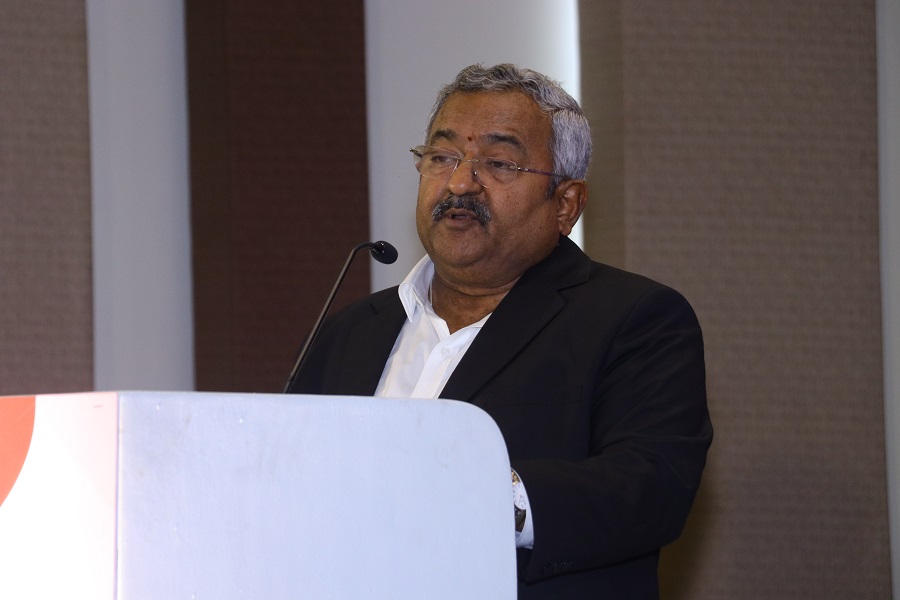
Food processing industry is expected to grow exponentially in near future
Repute Engineers Pvt Ltd has been committed to addressing the engineering requirements of food processing industries in India and beyond since 1998. Specializing in critical process equipment and systems, Repute is now a premier one-stop solution provider for the food processing sector, particularly in dairy and beverages. Over the past 24 years, the company’s growth has extended across continents, with their equipments installed in 22 countries worldwide, contributing to a remarkable record of over 800 successful projects in the food processing industry. With IndusFood Tech just around the corner, India Business and Trade engaged with Mr Dinesh C Nambiar, Founder and Managing Director at Repute Engineers Pvt Ltd to learn about inspiration that drove the company’s growth and how technological advancements could help the Food Processing Industry in future. IBT: Please provide an overview of your company, the product segments you operate in and your key achievements till date. Dinesh C Nambiar: Repute was founded in 1998 with the primary goal of providing essential support to milk processing farmers and the unorganized industry. Specifically, we focused on engineering projects and sourcing from various manufacturers. We then installed and handed over the plants for operation. This was our initial responsibility. We began as a project engineering team, and within two years, we diversified into the beverage industry. In 2002, we introduced the first mango pulp-based drink in PET bottles in India. From that point onward, our journey involved transitioning from a company serving the dairy industry to expanding into the beverage industry. In this sector, we initiated our product line with mango-based drinks in PET bottles. Up until then, such drinks were typically available in glass bottles or aseptic cartons. We introduced 200 ml, 500 ml, and 1000 ml PET bottle options, causing a significant revolution and making substantial progress in this segment. During this period, we also ventured into collaborations with mango pulp processing industries, providing pasteurizers for can filling and aseptic filling. However, we eventually withdrew from this endeavor. This overview provides a glimpse of Repute’s evolution from its inception to the present. I won’t delve into a detailed year-by-year account, as Repute is now a 24-year-old company, and describing each year’s accomplishments would be extensive. If you ask me to categorize our journey into three compartments, we can divide it as follows: First, we began with the dairy industry. Then, we ventured into the beverage industry. Finally, we extended our operations to encompass the critical high-tech equipment required for both juice as a beverage and the dairy industry. Allow me to provide some additional details. In India, during 2005 and 2006, there were three or four companies, most of which were subsidiaries of international brands established in India. These companies served the people with equipment, either manufactured in India or imported, depending on the specific requirements they had. After establishing our presence in both the dairy and beverage industries, we further expanded our horizons by collaborating with leading equipment manufacturers from Europe. This partnership allowed us to access critical high-tech equipment for our operations. When I mention critical high-tech equipment, it’s important to note that some of this equipment is actually manufactured in India. However, the imported technology and materials still offer superior performance and an economical solution. We recognized the value of this and collaborated with a company called Bertoli for high-pressure homogenizers and piston pumps, which are essential in the mango pulp industry, as well as the juice and milk industries. From 2005 to 2008, we procured these pieces of equipment, and since then, we have been representing them in India. We have successfully installed over 300 to 350 units across India, along with some projects abroad. Additionally, we expanded our equipment portfolio to include centrifugal separators designed for the dairy industry, specifically for milk. These separators are used for cream separation, clarification, and standardization. This equipment, known as the tri-purpose centrifuge, was sourced in collaboration with an Italian company. Subsequently, this Italian company was acquired by a multinational corporation within two to three years. Next, we expanded our collaboration to include another company, Reda, known for their expertise in designing and manufacturing ultra-high-temperature processes for producing multiple products within a single plant. They also have their separators, and we formed a partnership with them for these aspects. This partnership remains active to this day. Now, as we discuss our advancements, these three segments are the core of our operations. However, we have introduced additional products. To provide a couple of examples, we’ve taken the UHT plant, previously imported from a company called Reda, and for the past two years, we have been designing and manufacturing it ourselves, specifically for milk. As for beverages, we’ve been involved in their design and manufacturing since 2008. In the realm of aseptic processing, a field with very few players in the country, Repute has also emerged as a manufacturer in this domain.. Anyway, let me provide a brief overview. When it comes to aseptic processes, having an aseptic filling machine is crucial. In this regard, we have partnered with a 100-year-old company and currently have 25 machines deployed across India. When we celebrated our 25th anniversary last February, we realized that we have made a significant impact in both the dairy and beverage industries. While I haven’t delved into the specific products and services we offer in the dairy industry, I can assure you that we handle everything, just as we did when we started as a turnkey project engineering company. We still continue to deliver 100% SCADA-operated, single-room-controlled dairy plants. Our expertise and capacity have grown to this level. This is the essence of what Repute was, and what Repute represents today. IBT: What is your target customer base, and how do you view its growth potential? What are the factors driving this growth? Dinesh Nambiar: The processing industry is experiencing rapid growth, and this expansion isn’t merely based on figures, data, or research. It can be explained this way: those who could afford high-quality products 20

India is en-route to transform infotainment with AI, ML, AR, VR, and Robotics
Technologies like AI and ML have revolutionized the realm of infotainment, enhancing the user experience and content delivery in various ways. These technologies are deployed in recommendation algorithms, personalizing content suggestions for users based on their preferences and viewing habits. With these technologies at the forefront, infotainment has become more immersive, interactive, and tailored to individual tastes. Tagbin is a tech-driven organization that creates immersive, experiential and multisensory spaces that utilize technologies like Augmented Reality(AR), Virtual Reality (VR) and Robotics for infotainment. India Business and Trade engaged with Ankit Sinha, CTO and co-founder, Tagbin to learn about the company’s technology-driven projects and how upcoming technologies could help them produce state-of-the-art presentations. IBT: You have been with Tagbin since 2013, and you have seen a lot of changes in the technology and marketing landscape. What are your thoughts on the most significant industry trends that have influenced your CTO position? Ankit Sinha: I have been working in this field for more than 10 years, and during this time, we have witnessed several significant changes in technology. This is especially evident given the fact that we also undertake many innovative marketing campaigns. We have observed numerous noteworthy industry trends that have evolved over the years. To mention a few, the rise of artificial intelligence has been one of the most impactful developments. We have seen this impact in all the campaigns we have worked on and all the projects we have undertaken. All of them have experienced significant changes in how AI is used in these projects. Additionally, the advent of cloud computing has provided substantial support in this regard. The computing requirements for an AI setup were not feasible in the past when we had small data centre setups, and the computing demand was not as high. These advancements in technology go hand in hand with the changes we’ve seen in our industry. With the growth of cloud computing and the requirements of AI, they run in parallel and mutually support the development of solutions like these. Another significant shift I’ve observed is the shift towards a mobile-first approach. There has been a substantial transition from the earlier desktop and laptop-based environments to a mobile-centric one. Thanks to mobile computing, our audience’s content consumption has become predominantly mobile. Data also plays a crucial role in this transformation. Concepts like big data have enabled us to generate vast amounts of data with our campaigns. For instance, one of our campaigns, ‘Har Ghar Tiranga,’ generated approximately 10 crores of selfies. While we don’t have direct access to this data, as it is primarily in the hands of government bodies, such large datasets open up opportunities for innovative solutions. Our company has undergone numerous transformations, and I have personally witnessed the evolution from our initial projects to our current initiatives. We have made significant contributions and investments in building our AI/ML team, comprising 16 members working exclusively in the field of AI. This ratio is substantial compared to the other departments within our team. Consequently, we have observed substantial changes. As the CTO, I must remain up-to-date with the latest technology trends to ensure that Tagbin remains at the forefront of the industry. IBT: Tagbin is renowned for its creative application of technology. Could you elaborate on how your position as CTO has helped the business build a reputation for innovative digital solutions? Ankit Sinha: As a CTO, my job role involves taking care of various responsibilities, with a couple of them focusing on staying at the forefront of the latest innovations in the field. We conduct acceptance tests as new technologies emerge. Rather than waiting for everything to be perfected before adoption, we proactively implement cutting-edge technologies in our solutions. Even if you hear about these solutions a year or two down the line, there’s a high probability that we have been using them for quite some time. For instance, AI serves as one of the examples. We are early adopters of technologies such as virtual reality and augmented reality. We started using these technologies right from the beginning, about seven to eight years ago, and have actively participated in their development. This is largely due to my personal enthusiasm for technology; I am always eager to use new technologies as soon as they emerge in the industry. I believe that what Tagbin is currently doing is closely aligned with my personal technological interests. As a company, we have developed numerous solutions based on my passions. As I mentioned, we were early adopters of virtual and augmented reality, and we have created numerous solutions for both private and government entities. So, it’s fair to say that many of our innovations stem from my interests. There are several products we are currently working on that can be considered as a result of the way I perceive technology. These products not only reflect my technological perspective but also aim to enhance the solutions and experiences we provide at Tagbin, both to government bodies and private organizations. IBT: How does ‘Ask Gita’ aim to revolutionize the AI landscape by providing a rich and immersive user experience, and what unique features or capabilities set it apart from other AI platforms and your role in creating this? Ankit Sinha: Many ideas within our company are born from a combination of my interests and the perspectives of our stakeholders. One such creation is ‘AskGita.’ It’s a unique spiritual product in the way it has been implemented. It’s often said that the Bhagavad Gita holds answers to life’s questions, and this concept resonated with us. There are times when we find ourselves stuck in life, with no one to turn to for guidance. This led us to wonder how we could harness the wisdom of the Bhagavad Gita to address life’s challenges. As a technology enthusiast, and with my personal inclination toward tech, I envisioned using ‘AskGita’ or the Bhagavad Gita as a source of answers to my problems. The timing was perfect because there was a lot of

OEMs accelerate automobile dispatches amid festive season
With overcoming production limitations and consumer demands, the Indian auto sector is once more seeing growth. Given that the second half of the year is of the utmost significance to the overall health of the automotive industry, it is a crucial time for OEMs, dealers, and customers. The availability of festival discounts in 2023 is higher than it was during the same period in 2022, as the latter year was affected by issues with supply chain restrictions pertaining to automotive components. Car discounts usually increase by 40–50%, depending on the type of vehicle and dealership location. Customers in India view the festive season, which runs from the end of August to December, as a fortunate time to purchase high-quality, valuable goods. OEMs anticipate phenomenal sales results as they introduce new automobile models to the domestic market. Photo Source: Pexels The festive season brings cheer to the automobile and its allied industries. India’s automobile industry is fast becoming the pillow of the economy as evidenced by its sales and export performance in FY 2023-24. With an astounding 3,63,733 vehicle units and SUVs sold in September, India’s automotive industry reported record monthly sales. As per industry experts, OEMs or Original Equipment Manufacturers have accelerated dispatches from their facilities, purposefully accumulating stocks ahead of the holidays of Dussehra and Diwali. Accelerating Growth Over the past 20 years, the Indian automotive sector has advanced significantly, drawing attention from around the world and positioning itself as a strong challenger for the top table. Globally, the manufacturing output of two-wheelers ranks second, commercial vehicles rank seventh, passenger vehicles rank sixth, and tractors rank first. India has closed the gap over a number of well-established locales to become one of the most sought-after locations in the world for producing premium automotive components and vehicles of all types over the last ten years. The success story of the nation’s automobile industry continues well into the end of the year. In October, the Society of Indian Automobile Manufacturers released data showing that 3,61,717 units of passenger vehicles were sold last month, as compared to 3,55,043 units in September 2022. From the months of July to September 2023, 10,74,189 units of PVs were sold in India whereas during the same months last year, 10,26,309 units of PVs were sold in the domestic market Vinod Aggarwal, President, SIAM has said that the passenger vehicle, three-wheelers, and commercial vehicle segments continue to witness growth in Q2 of 2023-24, although two-wheelers wholesale numbers have posted a marginal de-growth, compared to Q2 of last year, the retail have been encouraging. “As we get into the festival season, all segments of the Industry are optimistic and look towards posting good numbers in Q3 as well. This growth in the automobile sectors can be attributed to the all-round Economic growth of the country, which is also enabled through the conducive Government policies,” Aggarwal has said. It is worth noting, that amid the beginning of the festive season, Indian automakers are offering customers discounts ranging from Rs 20,000 to Rs 200,000. These consist of corporate discounts, exchange, loyalty, and cash discounts. Furthermore, dealers are contributing by providing accessory discounts. While some holiday discounts are still in effect for slow-moving models—particularly small hatchbacks and sedans—they expire on October 31. Performance of different automobile segments Commenting on the Q2 2023-24 performance, Rajesh Menon, Director General, SIAM said, “Sales of both Passenger Vehicles and Three Wheelers in Q2 of FY2023-24 has been the highest ever in Q2. Passenger Vehicles have posted a growth of 4.7% and Three Wheelers have posted a growth of 62.2%, compared to Q2 of last year. The Passenger Vehicle segment crossed 2 million units in sales for the first time, in the first half of the current financial year. Commercial Vehicles also posted a decent growth of 6.9% in this Quarter, compared to Q2 of last financial year, driven by good growth in Medium and Heavy Commercial Vehicles. The two-wheelers segment has declined by (-)1.6% in this Quarter, as compared to last year.” In India, leading car manufacturer such as Maruti Suzuki is providing discounts of Rs 61,000 on the Alto, Waggon R, Celerio, and S Presso when bundled with dealer deals, while the Swift is carrying offers worth Rs 54,000. Another leading automobile association, the Federation of Automobile Dealers Association (FADA) has noted that the number of inventory days for passenger cars has increased dramatically to 60–65 days. Automobile dealers rejoice in industry performance Earlier in October, FADA President, Mr. Manish Raj Singhania commented on H1 FY’24 auto retails, noting as Fiscal Year 2024 unfolded, the auto retail sector in India embarked on a journey of cautious optimism and resilience amidst a mix of obstacles and victories across various vehicle categories. He said that the initial modest 4% decline in April’s overall vehicle retails was not only a reflection of the dynamic nature of the automotive market but also a precursor to a story of gradual recovery and growth that would unfold over the subsequent months, culminating in a robust 20% YoY growth in September. The association president has also said that the H1 FY’24 is one of resilience and recovery, with the total auto retail registering a 9% growth YoY. “All categories also showed YoY growth with 2W, 3W, CV, PV and Trac growing by 7%, 66%, 3%, 6% and 14% respectively,” FADA president has said. Singhania added, “The 3W segment was the undisputed star, with a remarkable 66% YoY growth, consistently registering unparalleled sales figures month after month. Notably, the first half of FY’24 saw the 3W segment retailing a record-breaking 5,33,353 units, significantly outperforming the H1 FY’19 figures of 3,58,187. This extraordinary performance in the 3W category underscores the sector’s vigorous recovery and adaptability in navigating through the complex market challenges presented by the ongoing pandemic.” Festive cheer boosts sales of commercial vehicles Commercial vehicles such as tractor sales have clocked in impressive growth. The first half of FY’24 witnessed record-breaking retails of 4,44,340 units, reflecting a substantial 14% YoY growth. This

Domestic hydrogen equipment market ready to soar
The India Hydrogen Alliance (IH2A) foresees a US$45-50 billion domestic hydrogen equipment market by 2030, encompassing all equipment for hydrogen production plants in India and export. This vision aims to position India as a key supply hub for green hydrogen projects. Additionally, the report projects a $36 billion regional exports market and a domestic equipment market ranging from US$9-13.5 billion over the next seven years. Electrolyser stacks will contribute 34% to this market, balance-of-plant equipment 62%, and specialist engineering services 4%. Image Source: Shutterstock The India Hydrogen Alliance (IH2A) recently announced its anticipation that the domestic market for hydrogen equipment manufacturing and services will likely surge to a value ranging between US$ 45 billion and US$ 50 billion by the year 2030. IH2A’s assessment of this market encompasses a broad spectrum, encompassing equipment for hydrogen production plants, such as electrolyzers and balance-of-plant components, which can be utilized within India as well as exported to various countries across Asia, the Middle East, and Africa. This insightful projection was disclosed in a report by IH2A. This will contribute to India’s emergence as a pivotal supply chain hub for forthcoming green hydrogen initiatives, as stated in the report. According to the report, IH2A foresees a robust Indian market for hydrogen equipment manufacturing and services, estimated at US$ 45-50 billion by 2030. The industry body has additionally outlined a significant regional export market for equipment and services valued at US$ 36 billion, along with a domestic equipment market expected to range from US$ 9 billion to US$ 13.5 billion over the next seven years. Out of the anticipated US$ 45-50 billion market value, the report indicates that electrolysers stacks will constitute 34%, the balance of plant equipment will make up 62%, and specialist engineering services will represent 4%. Jill Evanko, the Chief Executive and President of Chart Industries and a founding member of IH2A, commented, “India possesses the potential to evolve into a regional supply hub for hydrogen production facilities, leveraging its strong position in engineering design, manufacturing, and services.” This presents a substantial opportunity necessitating substantial investments and the expansion of large-scale manufacturing. It applies to the manufacturing of electrolyser stacks and various components for the balance of plant equipment, including compressors, storage tanks, transformers, rectifiers, air separation units, and hydrogen pipeline infrastructure, as highlighted by Evanko. Project developers and major equipment manufacturers are keenly awaiting government initiatives related to demand aggregation and secure project off-take agreements for early-stage ventures before they commit substantial capital investments. According to Evanko, the envisioned US$ 45-50 billion equipment market opportunity is indeed attainable and has the potential to position India as a pivotal global supply chain hub in the burgeoning green hydrogen economy.

India’s brewing concerns on coffee production
Climate change is significantly impacting coffee production in India, with rising temperatures and erratic weather patterns disrupting ideal growing conditions. This is leading to reduced yields and increased vulnerability to pests, particularly for Arabica and Robusta varieties. Small-scale coffee growers are bearing the brunt of these changes, and the reduction in coffee production is also contributing to deforestation as shade trees are removed. As climate change continues to threaten the industry, exploring more resilient coffee varieties and sustainable farming practices becomes crucial to secure the future of coffee production in India. Image source: Pixabay The first coffee plantations for commerce were established in the 18th century. Since then, the Indian coffee industry has advanced quickly and developed a unique position on the global coffee map. India’s coffee is grown in ecologically sensitive areas of the Western and Eastern Ghats, where it is shaded by a thick natural canopy. This is one of the 25 biodiversity hotspots in the world. Coffee is crucial to maintaining the region’s distinctive biodiversity and is also responsible for socio-economic growth in the remote, hilly areas. Currently, climate change’s unpredictable weather patterns and rising temperatures pose a significant concern for Indian coffee production, as it can lead to altered growing conditions and increased vulnerability to pests and diseases, ultimately affecting crop yields and quality. Coffee production According to the USDA, Foreign Agriculture Services, world coffee production for the year 2023-24 is forecast to be 4.3 million bags (60 kilograms) higher than 2022-23 year to 174.3 million. With more supply, it is anticipated that worldwide exports will increase from 5.8 million bags to 122.2 million, mostly due to robust shipments from Brazil. With global consumption expected to reach a new high of 170.2 million bags, ending inventories are expected to remain low at 31.8 million bags. According to the Coffee Board’s post-blossom or early estimates, India’s coffee crop for the 2023-24 crop year, which begins in October, will likely be higher at 3.74 lakh tonnes (lt). This is 6.25% higher than the final 2022-23 crop estimate of 3.52 lakh tonnes. The Board anticipates that Arabica output will be higher, at 1.13 lakh tonnes, compared to 1 lakh tonnes in the current season. Similarly, robusta production is expected to increase to 2.61 lakh tonnes from 2.52 lakh tonnes. Production of coffee in major states of India State Post Blossom Estimate 2023-2024 Final Estimate 2022-2023 Arabica Robusta Total Arabica Robusta Total Karnataka 81,960 184,925 266,885 72,020 176,000 248,020 Kerala 2,075 70,750 72,825 1,975 70,450 72,425 Tamil Nadu 13,045 5,390 18,435 13,250 5,450 18,700 Andhra Pradesh 15,340 40 15,380 12,225 40 12,265 Orissa 500 0 500 465 0 465 North Eastern Region 80 95 175 65 60 125 Grand Total (India) 113,000 261,200 374,200 100,000 252,000 352,000 Source: Coffee Board, Values in metric ton Image source: Coffee Board Of the 3.5 lakh tonnes of coffee India produces, Karnataka is responsible for 70.5% or 2.5 lakh tonnes which is grown on approximately 2.4 lakh hectares, followed by Kerala (20.6%), Tamil Nadu (5.3%), Andhra Pradesh (3.5%), Odisha (0.1%) and Northeastern region (0.0%). The ideal temperature for arabica is 22°C while it is a little higher for robusta, at 27°C, making elevated areas like Chikkamagaluru, Hassan and Kodagu in Karnataka suitable for its cultivation. Coffee’s quantity exports trend S.No. HS Code Commodity 2018-19 2019-20 2020-21 2021-22 2022-23 1 090111 Coffee neither roadted nor decaffinated 238,252.54 211,756.20 204,572.52 283,932.92 260,958.78 2 090121 Roasted not decaffinated coffee 234.9 161.76 194.11 532.09 284.69 3 090190 Other coffee 1,052.47 927.19 1,153.28 399.49 657.76 4 090112 Not roasted but deaffinated coffee 222.45 58.38 116.7 395.29 426.5 5 090122 Roasted decaffinated coffee 2.73 4.17 6.46 101.08 24.77 Source: Ministry of Commerce and Industry, Quantity in thousands Impact of climate change on coffee production Coffee requires a very unique climatic condition. Any alteration in precipitation and temperature pattern reduces coffee production while concurrently amplifying susceptibility to pest infestation. The ideal temperature for arabica is 22°C while it is a little higher for robusta, at 27 °C, making elevated areas like Chikkamagaluru, Hassan and Kodagu in Karnataka suitable for its cultivation. Somashekhargouda Patil, a scientist at the Coffee Board’s Central Coffee Research Institute, said, “However, now we are observing temperatures of over 35°C, and in some areas of Kodagu, it’s even crossed 38°C, this increase in temperature is affecting production.” Warmer temperatures have led to increased pest attacks as well. Along with this, the variation in rainfall is another source of anxiety for farmers. The cycle of the coffee bean is such that rain is essential in February and March during flowering (for robusta, and a little later for arabica), in what’s called “blossom showers, and later in June and July the fruit develops. Then clear skies in December and January are necessary for coffee picking. However, this pattern is changing. In India, small holdings of less than 2 hectares make up the bulk of cultivation, at 81%. Small farmers feel the impact of climate change much more because they plan from one year to the next. Though not as vulnerable as other marginal farmers, small coffee farmers too face difficulties in loan repayments, etc. due to crop failure. Coffee cultivation in India is grown under an agro-forestry system, which contributes to the unique cup quality of Indian coffee by inducing volatiles from other plants. This is especially important in the current global climate scenario, where climate change is gaining significance. Shade-grown Indian Robusta is attracting global coffee customers due to its premium cup quality and the shortage of Arabica in the global market. With the upcoming EU Deforestation Regulation (EUDR), Indian coffee from non-deforested coffee may receive additional benefits, says M B Ganapathy, executive vice president, of sustainability operations, Tata Coffee. However, this in turn is leading to deforestation with shade trees being cut down since robusta requires more direct sunlight. In 2013-14, 66% of the coffee produced in India was robusta, inching up to 72% in 2022-23. Increasing the number of shade trees is very important to mitigate the
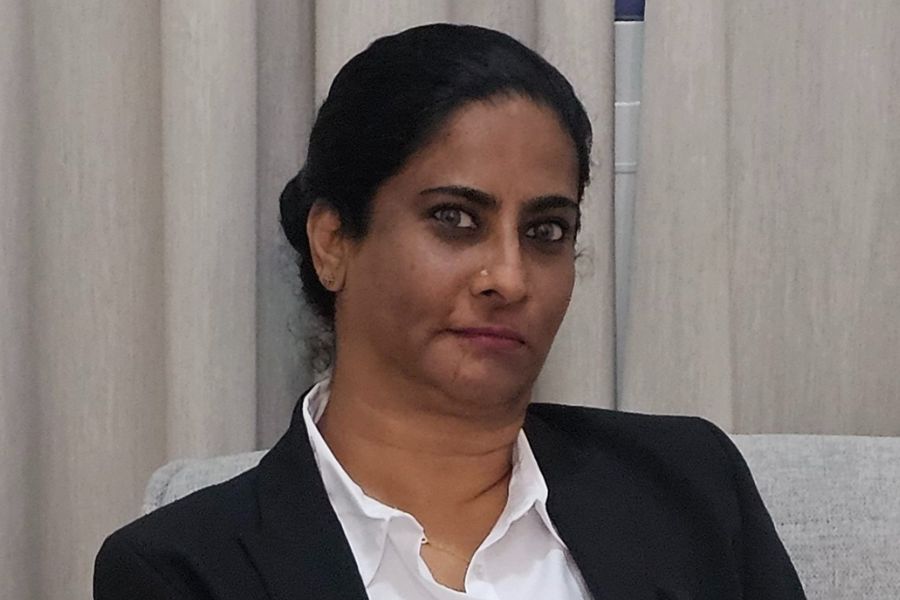
Predictive risk management, predictive analytics is the way forward
Developing and providing innovative technology solutions can significantly impact various industries. Technology-driven businesses can create software, hardware, or services that enhance the efficiency and productivity of sectors like manufacturing, agriculture, healthcare, and finance. India Business and Trade spoke with Liz Thomas, Director, RoadE Labs Pvt. Limited on how predictive analysis and AI can analyse large datasets, identify patterns, and make data-driven predictions. The company’s core strength is Data & AI with Risk Analytics which involves the use of data, statistical models, and technology to assess, improve processes, bringing in efficiency and mitigate risks across different aspects of a business. The director says that process improvement with AI Learning, predictive risk management and predictive analytics are the way forward for businesses in India to stay relevant and ahead of the competition Photo Source: Pixabay IBT: Share an overview of RoadE Labs, and their core missions and explain some of the innovations that you have introduced in the market through the company. Liz Thomas: RoadE Labs was incorporated in December 2017 and I joined the company in 2021. When the company was incorporated, its founders had this really good vision to be cutting-edge pioneers for Artificial intelligence and Data, especially predictive analytics. They were incubated in the Government of Kerala startup incubation centres and they also offered solutions to the Government of Kerala projects. One of the things was at that time GST was not there and they were one of the first people to actually use Edge Computing to try and process GST via e-way. They were able to use provide proof of concept on use of high-speed cameras to capture commercial vehicles number plates and categorize them as commercial. I would say RoadE Labs as an organization is still dedicated to innovations in Data and AI. We are predominantly very focused on predictive analytics and artificial intelligence, especially edge computing. What our vision and mission is to help the industry, specifically manufacturing and automotive, and give solutions which were accurate in creating and maintaining efficiency in the industry. We also wanted to make sure that we would be the first promoters of digital fluency. Digital fluency for us, is saying that if you have data and if your process needs optimization and if there is any reason and chance that we can use your data to work for you, we would love to give a solution optimized for you at a reasonable cost. Skill wise, I am into data and risk analytics and my co-founders Renjith Viswanathan is core AI, machine learning and deep learning and Banarji Balakrishnan is into predictive analytics. We are hands-on in our company’s strategy, specifically the technical side and Anoop Ramakrishnan (COO), who is a mechanical engineer, comes from a hardware background. He brought in expertise on IoT and connected networks. We are core into AI and we are into generative AI right now. IBT: As of now you are catering to the automotive industry and you are present in the international market. In the coming years, what are the plans for expanding your foothold in the international market and entering any other industry segment? Liz Thomas: We do cater to BFSI via Risk Analytics also. I have come from IBM and Roade Labs partner with IBM for their product implementations and I am a Risk analyst and a Solution Architect by domain & profession. So GRC, i.e. Governance Risk and Compliance is a niche segment that came into focus 15 years ago and proliferated in the last 10 years. What we do in this domain is we advise industries on operational risk management and we also advise banking, finance, insurance and security about the regulatory compliance management. Regulatory risk management has become big. Risk Analytics is one of our biggest domains expertise in RoadE Labs. RoadE Labs got into Risk Analytics for GRC in 2021. GRC is all about what is the CEO worried about, what keeps the CEO awake at night and what is the health of the company. You can see that 100-year-old companies are now rare. There is no brick and mortar organizations, which says that I will live forever. You have to be worried about the competition, environment and the changing trends of consumers. We also proliferated in other related domains. Wherever we could go and propose Risk Analytics, AI and Predictive Analytics followed seamlessly and vice versa. We were able to provide solutions for Predictive Analytics with AI, that self-learned from the data of the organization and any processes that generated data. RoadE Labs has also been awarded as the Top 4 Predictive E-Care Startups for Electrical Automotive Worldwide in 2017. In summary, We do business predominantly in BFSI, automotive, and manufacturing for process improvement and IoT. IBT: Please share some insight on the mechanism of digital twin works and how is RoadE Labs utilizing it for maybe predictive analysis or risk analysis. Liz Thomas: Digital twin works great with large factory setups, machineries and manufacturing. We had this opportunity only once. The people in the organization are much more physical in nature and they might be slightly averse to technology on the floor. Let me give you a scenario. Let’s say that the startup that was born 10 years back has now grown into a big company. They have factories across India, multi-storeyed factories, that may or may not be dependent on each other as a chain of processing. This is the physical scenario. Now, here RoadE Labs come and proposition to the CEO to say that we will improve your process, they might not be interested in investing huge amounts unless they understand the ROI, so we venture to create a digital twin to simulate process improvement virtually, without great cost on the ground. We do assessments floor by floor and ask the floor owners about the improvement prospects. And then we make a digital copy of the infrastructure and process in computer of the physical entity. This, we may call a digital twin of

Sipping Success: Global horizons for Indian single malt whisky
Changing consumer preferences, coupled with a rise in living standards, have led to a growing demand for premium single malts, particularly among the young population. The global single malt whiskey market is projected to grow at a 7.94% CAGR over 2021-28, to reach a size of US$ 4.8 billion by 2028. The Indian single-malt whisky industry is still nascent – there are currently 8-9 distilleries making Single Malt Whisky in India, compared to over 140 malt distilleries in Scotland. However, with growing popularity and acceptance, Indian Single Malt is competing with global brands and marking a niche of its own. Given the highly attractive market, IBT takes a look at the evolving potential for single-malt whisky players in the domestic and international market. It also looks at the key challenges and strategies that can be adopted for growth of the industry. Single malt whisky, for the uninitiated, is produced by a single distillery using a single malted grain (typically barley). According to FSSAI’s 2023 definition of Single malt whisky, it is made from only malted barley, in a still pot, at a single distillery. A quality single malt requires maturation of at least 3 years in an oak cask, which lends around 60% of its notes to the whisky. However, in markets like India, where we have a tropical climate, maturation takes less time. Changing consumer preferences, coupled with a rise in living standards, have led to a growing demand for premium single malts, particularly among the young population. The global single malt whiskey market is projected to grow at a 7.94% CAGR over 2021-28, to reach a size of US$ 4.8 billion by 2028. Whisky value chain The most popular single malt whisky is Scotch single malt, which can be explained by the popularity of scotch whisky in general. However, over the years, other countries have also begun to create good quality single malt whiskies, such as Ireland, Japan, US and Canada. As the market is growing, quality single malts are also coming from Australia, France, Germany, India and Taiwan. The Indian single malt industry India is the 3rd largest whisky market globally (HS 220830). The market reached a size of US$ 18.38 billion in 2023, with an expected CAGR of 5.34% during 2023-27. Interestingly, India is also the largest market for Scotch whisky, overtaking France in 2022. It imported 219 million 70cl bottles of Scotch during the year, exhibiting a market growth of 200% over a decade, according to the Scotch whisky association. Recent trends indicate a strong potential in the single malt whisky segment as well in the domestic market itself. UK-based Whyte & Mackay launched in India in 2018 and witnessed 35% CAGR in sales over the past three years. It believes that as a young market with low average drinking age, India has a great opportunity. It has strategically placed India as its most significant market, after the US and China. Whisky accounts for 2/3rd of overall spirits sales in India, where 85% of the market is controlled by 10 domestic brands at lower price range, according to International Wine & Spirit Research (IWSR). Source: CIABC Production of single malt in India started in 1982 with Amrut Distilleries. The industry is still nascent – there are currently 8-9 distilleries making Single Malt Whisky in India, compared to over 140 malt distilleries in Scotland. However, with growing popularity and acceptance, Indian Single Malt is competing with global brands and marking a niche of its own. Jim Murray, the famous whisky critic, recently wrote very highly of the quality of one of India’s top brands Gianchand Single Malt, produced by DeVANS Modern Breweries. Before this also, he ranked Mithuna (2021) and Amrut Fusion (2010) 3rd, the two other well recognised single malts from India, in his Whisky Bible. Indian Single Malt, Indri from Piccadilly, won Double Gold at Whiskies of the World Awards. Indri’s Diwali Collector Edition 2023 also won Best in Show Double Gold. In the domestic market, Whisky accounts for 2/3rd of overall spirits sales in India, where 85% of the market is controlled by 10 domestic brands at lower price range, says International Wine & Spirit Research (IWSR). Home-grown single malts accounted for 33% of Indian market in 2022, up from 15% in 2017. According to recent data, home-grown single malts accounted for 33% of Indian market in 2022, up from 15% in 2017. Even global giants are recognising the growing potential of the home-grown single malt market in India. For instance, Diageo launched an India-made single malt branded as Godawan last year. International trade analysis While single-malt whisky is not isolated HS code-wise, whisky can be studied at 6-digit HS code 220830. Global whisky exports have grown at a 4.7% CAGR (2018-22), reaching US$ 15.09 billion in 2022. UK is the largest exporter, accounting for 52.2% market share, at a value of US$ 7.8 billion in 2022. US, Ireland, Singapore and France have been the other top exporters. Among the top 10, Japan & Panama have shown highest 4-year CAGR, 33% and 18% respectively. India, with exports of US$ 121.4 million in 2022, is the 13th largest exporter in the world. UAE, Haiti and Singapore are currently its largest markets. Overall exports have grown at a CAGR of 1% over the same period. US (CAGR of 37%), Congo (CAGR of 37%), Haiti (CAGR of 31%), Tanzania (CAGR of 30%) and Nigeria (CAGR of 20%) are India’s fastest growing markets. Potential market analysis Importers Value exported in 2022 (US$ million) Unit value (US$/unit) Growth in exported value 2018-22 (%, p.a.) Partner country rank in world imports Share of partner country in world imports (%) Total value import growth, 2018-2022 (%, p.a.) UAE 47.1 1,973 -5 11 2.7 1 Haiti 8.6 1,628 31 81 0.09 24 Singapore 6.3 7,497 6 3 5.3 2 Ghana 5.3 1,545 0 82 0.08 8 Nigeria 5.2 1,683 20 58 0.2 14 US 3.9 15,399 37 1 15 -7 Oman 3.6 1,282 -15 87 0.08 -15 Congo 3.5 1,428 37 123 0.03
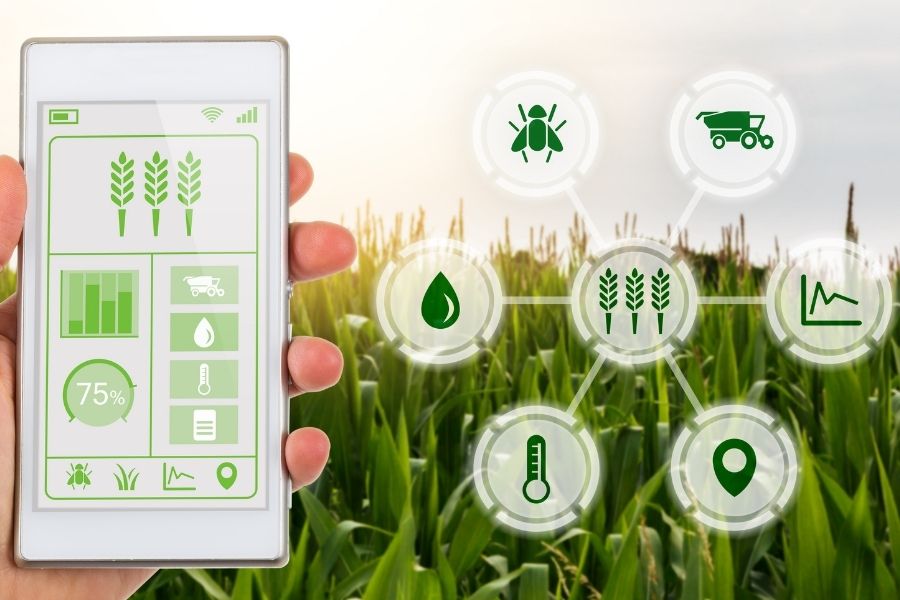
AI in agriculture: A new era of smart decision-making for farmers
India has the second-largest agricultural land area in the world, and 60% of rural Indian households depend on agriculture as their primary source of income. Looking ahead, the integration of Artificial Intelligence (AI) into agriculture is poised for substantial growth. This technological advancement holds the potential to revolutionize the industry by elevating crop yields, reducing wastage, and augmenting overall productivity. According to a report by MarketsandMarkets, the market size for artificial intelligence in agriculture is expected to surge from US$ 2.35 billion in 2020 to an impressive US$ 10.83 billion by 2025, reflecting a remarkable compound annual growth rate (CAGR) of 35.6% during the forecast period. This surge in AI adoption promises to usher in a new era of efficiency and sustainability for Indian agriculture. By harnessing the power of AI and emerging technologies, we can bridge the knowledge gap, increase productivity, and ultimately improve the livelihoods of farmers while ensuring food security for the nation. Image source: TPCI Artificial intelligence (AI) has the capacity to revolutionize agriculture in India. By leveraging data-driven insights, machine learning, and other AI technologies, it becomes possible to enhance various aspects of farming, such as crop management, pest control, and resource optimization. This is particularly crucial for a country like India, where agriculture plays a pivotal role in ensuring food security for its vast population. According to the Economic Survey 2020-21, the agricultural sector’s GDP contribution is expected to be 19.9% in 2020-21, up from 17.8% in 2019-20. Even during the previous two COVID-affected years, the agriculture sector grew by 3.4% in 2020-21, while the overall economy fell by 7.2%. According to an Avendus Capital report, Indian agritech is predicted to dominate the next decade’s technology-first value creation opportunity, increasing at a CAGR of 50% over the next five years and addressing a US$ 34 billion market by 2027. Because of the use of technology such as artificial intelligence and favourable government regulations, it is predicted to undergo exponential transformation. Another step to boost AI in Agriculture The World Economic Forum’s Centre for the Fourth Industrial Revolution India launched the Artificial Intelligence for Agriculture Innovation (AI4AI) initiative in August 2020, with active collaboration with the Government of Telangana and support from the Ministry of Agriculture, the National Institution for Transforming India (NITI) Aayog, and the Ministry of Electronics and IT. AI4AI, or Artificial Intelligence for Agricultural Innovation, is a project aimed at improving India’s agriculture sector through the use of artificial intelligence and other emerging technologies. This effort aims to improve several aspects of agriculture, including crop management, pest control, and resource optimisation, in order to increase production and sustainability, which is critical for India’s food security. The key objectives of AI4AI are: To enhance digital and financial inclusivity among small and marginal farmers To build trust and transparency through quality and traceability To protect the environment from unsustainable practices To establish sustainable farm incomes By fostering the use of artificial intelligence and other technologies, the AI for Agriculture Innovation programme is revolutionising India’s agriculture sector. The Saagu Baagu pilot was established in collaboration with the Government of Telangana through AI4AI, making it the first Indian state to use a framework for scaling up innovative technologies and enhancing productivity, efficiency, and sustainability in agriculture. Centre for the Fourth Industrial Revolution (C4IR) India, the Government of Telangana, and Digital Green are leading the pilot in partnership with three agricultural technology companies – AgNext, Krishitantra, and Kalgudi. More than 7,000 farmers had signed up for the trial initiative as of January 2023. These farmers are receiving assistance in the form of various AI technologies, such as sowing quality testing, soil testing, crop health monitoring, window forecasting, and tillage estimation, as well as access to new consumers and suppliers in various geographies. Challenges in implementing AI for agriculture in India Food and agriculture systems today are unsustainable for both people and the planet. They operate at a high environmental cost, waste large amounts of product and leave many producers in emerging markets at or below the poverty level. Challenges faced by the agriculture sector include the following: Small and marginal farmers: Small and marginal farmers (86% of farmers) own less than two hectares of the total cultivators in India, causing unsustainable farm incomes and poverty. Unsustainable farming practices: unsustainable farming practices encompass various aspects, including intensive animal agriculture, mono-cropping, overuse of fertilizers, and GMO (genetically modified organism) cultivation, all of which have adverse effects on the environment and society. Gaps in market linkages: Another challenge Indian farmers face is price discovery for farmers and price volatility in the market. Shrinking land: Raising productivity would require intensification of inputs, combined with an increase in per-capita availability of land. India is constrained on both fronts. Emerging technology: Low adoption levels of emerging technologies in agriculture are due in large part to the complexity of the sector, which features small farm sizes, lack of telecoms infrastructure in rural areas, high regulatory burdens which raise costs, and revenues constrained by customers’ limited ability and willingness to pay. The impact of AI on agriculture in India Bhuvana, an agriculture economist, told IBT that, “Agriculture in India, with its vast arable land and diverse crop production, is at a crossroads. The adoption of artificial intelligence presents an unprecedented opportunity to transform this sector. By harnessing the power of AI, we can bridge the knowledge gap, increase productivity, and ultimately improve the livelihoods of farmers while ensuring food security for the nation.” Emerging technologies, from drones to digitalisation, have the potential to transform farming productivity, reduce environmental impact and boost farmers’ incomes. Emerging technologies, such as AI, blockchain, drones, IoT, big data analytics, cloud computing, and robotics, have the potential to enhance productivity and efficiency at all stages of the agricultural value chain, boosting farmers’ incomes, and increasing farm productivity while reducing waste, and enhancing supply-chain efficiency, transparency, and sustainable resource use. AI helps in precision farming by analysing data from various sources, such as satellite imagery, weather forecasts, and soil conditions. This
“We are India’s first carbon-negative EV fleet operators”
As India embraces sustainable and eco-friendly practices, green delivery services are gaining traction. These services prioritize the use of electric or hybrid vehicles, bicycle couriers and eco-conscious packaging to reduce their carbon footprint. EVIFY, a tech-enabled startup with the focus of providing green delivery services to all the E-comm giants in Tier I, II and III cities of India, reached a fleet size of 350+ vehicles in one and a half years in Surat and Ahmedabad through its unique asset-light model. It currently delivers groceries, food, e-commerce packages and hyper-local deliveries with the help of tech-enabled two-wheelers which are low on maintenance and high on performance. India Business and Trade spoke exclusively to Devrishi Arora, Founder, CEO and COO at EVIFY to explore how the company aims to reduce carbon footprints with their eco-friendly logistics solutions. IBT: Can you share the inspiration behind starting EVIFY and what motivated you to focus on green delivery services in India? Devrishi Arora: I come from a hardcore logistics background, so my family has been in logistics since the 1960s. I come from a very conventional logistics background, and there was always a motivation to do something on the tech side in this rather boring logistics line. How do you make it interesting, and how do you make it stand out? It’s the tech part, correct? Just before the lockdown during the Corona period, I launched a new idea for a tier two city like Surat. Because it is one of the textile capitals of the world, Ahmedabad for naturals, and Surat for synthetics. I understood that there’s a lot of intra-city logistics happening with three-wheelers and four-wheelers. So I thought, why don’t we create a platform where people can book vehicles through their app? They wouldn’t have to wait for local dealers or vendors to arrange vehicles for them, and surge pricing and taking advantage of any clients would stop. The potential is enormous over here. Anyone familiar with Surat and the textile market will understand the vast opportunities available. So I launched a company called Big Daddy Logistics, exclusively for IC engine vehicles, focusing on three-wheelers in the logistics sector with tech-enabled solutions. However, the COVID-19 pandemic hit hard, and since it was a B2C sector, there was no funding available. I had to rely on my own finances, and it became unsustainable, forcing me to shut it down. Despite this setback, I gained valuable insights into intracity logistics during that time. After the first wave of the pandemic, my friend Vinit Mittal and his wife, Pragya Mittal, who come from a green background and specialize in solar panel manufacturing and lithium-ion battery production, approached me. Vinit suggested that we venture into intracity logistics but on the B2B side. I found the idea appealing because during the lockdown, what continued to run were businesses like Zomato, Swiggy, Big Basket, Flipkart, and Amazon. The whole world is in lockdown, but home deliveries continue. We realized that it is changing people’s lifestyles and addressing issues. Where there’s a solution to a problem, there’s a business opportunity. Since they were already manufacturing lithium-ion batteries, I understood that the heart and soul of our venture could be here. We could conduct research and find solutions for electric vehicles. This is how the three of us came together, and now Pragya, Vinit’s wife and I are the co-founders of EVIFY. We launched EVIFY in September 2021 with just one electric vehicle, and we have grown to over 400 vehicles today. This is how it all unfolded. We are also proud to be India’s first carbon-negative EV fleet operator. Our clients can offset their Scope 3 carbon emissions simply by using our services. We are not just a typical business; we are making an environmental and social impact as well. That’s what we’ve accomplished. IBT: What challenges did you encounter when establishing a fleet of electric vehicles for last-mile logistics in Tier I, II, and III cities of India? Devrishi Arora: Well, I’m sure you will also agree that the EV ecosystem is still in its infancy, and only a few cities in India, such as Delhi and the NCR region, Bangalore, some parts of Hyderabad, and some parts of Mumbai, can be considered to have a developed EV infrastructure. In these areas, you can find charging points, battery swapping stations, trained technicians and mechanics for EVs, and even dedicated EV garages. However, when you talk about tier one, two, and three cities like Surat and Ahmedabad, where we are currently operating, the EV ecosystem is virtually non-existent. It’s close to zero. So, it was initially very challenging for us to start this business. So we thought, why don’t we try to bring everything in-house for now? Then, gradually, we can consider outsourcing certain aspects of the entire EV ecosystem. We encountered several challenges, including sourcing the right vehicles. We are very selective and ensure they are robust. Additionally, we prioritize vehicles with strong after-sales support. Importantly, we focus on the battery packs and their chemistry. For example, we do not use NMC batteries; we opt for LFP (Lithium Iron Phosphate) battery packs because they are safer and have longer life cycles, approximately three times that of NMC. We consider various technical details as well. Initially, it was quite challenging, but we persevered. It wasn’t just on the fleet side; we also encountered challenges on the client side. It took us six months to secure Big Basket as a client and about one and a half years to secure Flipkart. In metro cities, perhaps it’s a matter of mindset, but these opportunities were not easily accessible. Maybe it’s a mindset issue, but I faced it. It was very difficult. Riders found it challenging to accept that electric vehicles could handle deliveries. The general public often had misconceptions that electric vehicles might catch fire, have a limited range (less than 40-50 km), and be expensive to charge. Education played a crucial role in addressing these concerns. We worked