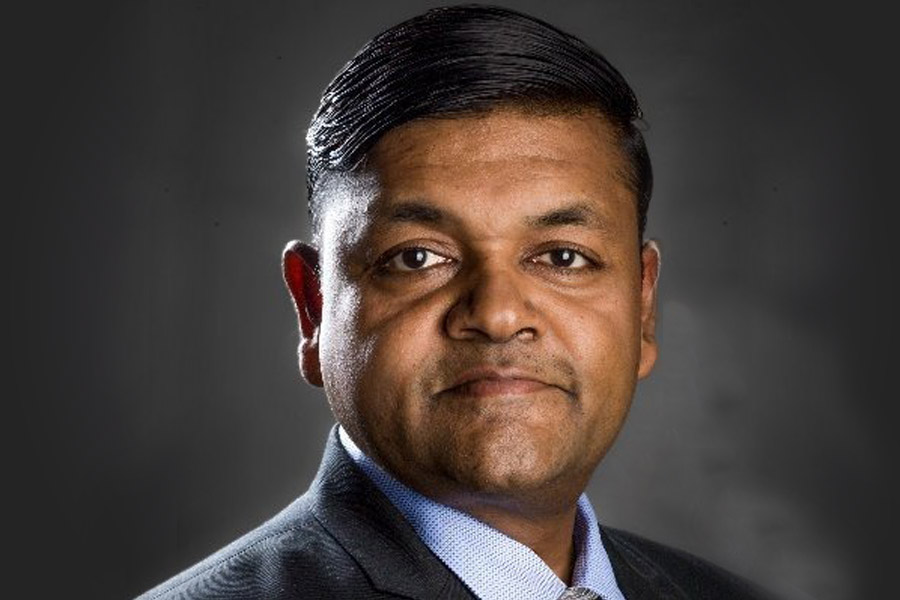
Amid the rapidly evolving business landscape, the importance of Regulation Technologies, commonly referred to as RegTech, cannot be overstated. RegTech encompasses a wide range of technological solutions designed to streamline and optimize regulatory compliance processes. These innovative tools provide companies with the means to not only navigate the complex web of regulations but also to leverage them as catalysts for expansion. India Business and Trade spoke with Rishi Agrawal, Co-founder and CEO, TeamLease RegTech, on the various aspects of regulation technologies, including technological advancements in the field and the need to optimise Ease of Doing Business (EoDB), through effective execution of rationalization, digitization, and decriminalization for the growth of a business. IBT: Automation, ML, and AI, are all around us, within every industry. How is Teamlease utilising these along with the human workforce, in providing services to its clients? Rishi Agrawal: Technology has always meant to simplify activities, but in the last couple of decades, tech-driven innovations have changed the way we do our day-to-day chores. These innovations supported by AI/ ML have either made the activities simpler or eliminated any human intervention. Along similar lines, we have been investing heavily in end-to-end automation for compliances as well, which includes the automatic generation of compliance documents with minimal or no manual inputs and facilitating straight-through filings via APIs. Corporate compliance monitoring methods have matured with the introduction of regulatory technologies. Yet, preparing returns, registers, and challans, among other sorts of compliance, remains time-consuming and costly. Automation is required for organisations to lower the cost of compliance and achieve timely, accurate, and transparent compliance. Significant developments are being made in automating the generation of compliance documents for multiple regulators, such as Labour Laws (Registers and returns), SEBI requirements (PDF Intimations/XBRL Filings), MCA Laws (Meeting documentation and E-Forms / other Filings), and so on. These automation layers will digitise the whole compliance process, reducing the need for manual intervention and resulting in improved accuracy and a significant decrease in compliance costs. Currently, our automation layer supports organisations in the automatic generation of compliance documents for labour laws and secretarial laws. Additionally, we have been writing to various Central and State authorities for the implementation of a digital ecosystem for RegTech players, which will facilitate the seamless filing of regulatory returns via empanelled vendor platforms. In addition, TLRegTech monitors over 2,000 government websites to keep track of regulatory updates published by authorities. This serves as a use case for AI/ML automation wherein the platform is able to keep itself updated with all compliance and regulatory changes constantly. IBT: Though MSMEs have lesser compliance to adhere to, how can regtech still play a significant role for small businesses? Rishi Agrawal: MSMEs are much smaller in scale as compared to large companies and consequently have lower compliance obligations. As such, they more often than not outsource their compliance requirements to third-party professionals such as labour consultants, direct and indirect tax consultants, EHS consultants, and practising Company Secretaries (CSs). However, these consultants are still operating in an ad-hoc, paper-based and people-dependent manner. TL RegTech is building a stack to digitise these consultants. We already offer solutions for labour consultants and CSs. Labour consultants can leverage the AVACOM Labour platform by automating the generation of returns registers and challans for their MSME clients. The platform enables them to generate these compliance documents in a matter of a few clicks and a handful of minutes. The platform is available to the consultants via web and mobile and allows them to obtain a list of all their documents across periods in a centralised repository. Similarly, AVASEC is a tool for CSs and aids them in managing the end-to-end lifecycle of secretarial compliances for MSMEs. It digitises their workflow for board meeting management and automates the generation of records and compliance documents. In addition, it gives the CS access to a compliance calendar to better keep track of pending and upcoming compliances. IBT: Which are some of the biggest industries your company is catering for? Rishi Agrawal: We have customers across the economic sectors and industries. Our clients include players from the automotive industry, pharmaceutical industry, FMCG sector, alco-beverage industry, chemicals industry, IT and ITES sector, financial services sector, retail industry, electricals and electronics industry, logistics industry, and textile industry. IBT: In terms of conducting due diligence for regulatory compliance, how does the time taken using regtech solutions compare to traditional methods? Rishi Agrawal: TeamLease RegTech has a digitized compliance database that covers 1,536 acts and rules and 69,233 compliances across 28 states and 8 Union Territories. These compliances can be searched and sorted on the basis of Acts, Rules, Risk levels, Penalty type, Industry, and Compliance Category, amongst others. Our company is ahead of the curve in terms of keeping track of the fluid nature of the compliance ecosystem by tracking over 2200 government websites that publish regulatory updates and delivering the relevant updates typically within 24 hours of notification. Our platform is built with direct input and feedback from compliance. The workflows, the interface, and the design thinking make usability unique. We provide our clients with a dedicated support and training team that consists of legal and technology experts. As soon as a client is onboarded, the support team handholds the clients and trains them on how to use the compliance management system. A thorough assessment of applicable compliances, along with a risk assessment of all pending compliances, is done. This helps the clients identify and understand areas that require attention. Client compliance teams are provided with training and support materials and ongoing support to address any and all issues that may arise. Compliance teams are trained in every aspect of the compliance management platform to help them adapt and effectively use the software for managing their compliance processes. IBT: Your company released a comprehensive report in 2022 titled “Jailed for doing business” post which the government of India introduced the Jan Vishwas Bill. What are your thoughts on the need for such provisions to promote ease

India’s alcoholic beverage industry is in high spirits!
The Indian alcoholic beverage industry, after facing two consecutive pandemic-hit years in FY2021 and FY2022, witnessed a remarkable resurgence in FY2023. The industry’s performance during this period was characterised by robust revenue growth and an increased demand for spirits and beer. As we look ahead to FY2024, the outlook remains positive, with steady revenue growth projected in the range of 8-10%. However, there are challenges to be reckoned with, primarily a contraction in operating profit margins due to input cost pressures, particularly in the prices of grains and packaging materials. Image source: Pixabay The estimated revenue growth of 8-10% for domestic alcoholic beverage companies in FY2024 marks a significant recovery following the pandemic’s impact on the industry, as per ICRA’s prediction. ICRA’s sample set of companies witnessed a YoY growth of ~20% in revenues in FY2023 to ~Rs 26 billion, exceeding the pre-COVID levels. During Q1 FY2024, the spirits industry reported a ~13% YoY increase in revenues despite being the lean season for the segment, while the beer industry, despite being the peak season, witnessed a marginal decline of ~1%, due to the unseasonal rainfall. This resurgence can be attributed to a surge in demand across both segments, spirits, and beer. The demand has been bolstered by various factors, including increasing urbanization, rising disposable incomes, favourable demographics, and a more accommodating regulatory environment in some states. Kinjal Shah, Vice President and Co-Group Head – Corporate Ratings, ICRA Limited states that, “ICRA expects alcobev consumption to remain steady, supported by growing urbanisation, rising disposable incomes, favourable demographics, and easing regulatory environment by some states. A sub-par monsoon with warm weather amid ongoing El Nino conditions will further drive demand, particularly for beer, in FY2024.” The industry’s capacity expansion trend, which saw a significant capex of approximately 5% of revenues in FY2023, is expected to moderate to around 2-3% in FY2024 and FY2025. Key players have recently enhanced their production capacities, with a particular focus on beer manufacturing. This expansion is expected to materialise in the near to medium term, with some players looking to expand to new states and deepen their market penetration. The timely adjustment of selling prices by state governments plays a pivotal role in helping alcoholic beverage manufacturers absorb rising input costs. Traditionally, such price adjustments occur at the beginning of the fiscal year, meaning any mid-year raw material price volatility must be absorbed by the manufacturers. Several key states, including Karnataka, Haryana, Delhi, and Uttar Pradesh, have allowed the increase in prices of alcoholic beverage products for the current fiscal year. Furthermore, the expansion of distribution networks for alcoholic beverage products, such as the initiative undertaken by the Madhya Pradesh government last year, continues to provide support to the industry in FY2024. Challenges Despite the promising revenue outlook, the industry faces challenges in terms of operating profit margins (OPM). In FY2024, OPM is expected to contract by approximately 90-140 basis points, following a sharp decline of 300 basis points in FY2023. The primary reason for this margin contraction is the soaring prices of key inputs during the current fiscal year. Notably, the cost of non-basmati rice and other grains like maize, used in the production of extra neutral alcohol (ENA), a vital component for manufacturing spirits, has increased substantially. The impact of sub-par monsoon and El Nino conditions, as well as government measures affecting grain prices, remains crucial in determining the industry’s cost structure. Packing material costs, particularly glass, have also contributed to margin pressures due to an increase in soda ash prices. On the positive side, prices of barley, a critical raw material for beer production, have seen corrections in recent quarters and are expected to remain stable in the near to medium term. However, the diversion of grains towards the production of ethanol, driven by government blending norms, poses an additional challenge that industry stakeholders must closely monitor. Additionally, the alcohol and beverage industry is heavily regulated in India. This can make it difficult and expensive for businesses to operate. Most of the states have policies which are far from ground reality and hence ease of doing business is a mere term, especially for alcobev industry except for a few states. Hence to tackle these issues, additional cost is incurred in each state to set up local teams to do follow-ups and make the requisites happen. Way ahead The Indian alcoholic beverage industry appears set for steady growth in FY2024, underpinned by strong revenue growth expectations. However, challenges related to input cost pressures, including grain prices and packaging materials, are expected to contract operating profit margins. Government measures, such as timely price adjustments, will be crucial in helping the industry weather these challenges. Additionally, the capacity expansion in beer manufacturing signifies the industry’s readiness to meet growing demand. Despite these challenges, the industry is expected to maintain stable and healthy credit metrics, supported by strong cash flow generation and limited debt addition. Monitoring input costs and government policies will be essential for industry stakeholders to navigate these complexities effectively. According to Mr Malay Kumar Rout, founder of WSCI, India is a young country with the fastest-growing economy leading to an increase in disposable income. The fuel to the Indian Alcohol industry is also its well-travelled citizens who are more inclined towards a balanced approach. India today is increasingly spending on experiences rather than creating only assets. The future of the industry does seem promising, especially if there’s a thoughtful approach to allow new companies and investors to enter the market. As Mr. Rout aptly noted, the industry can grow significantly with the right support and policies in place.

India can become a powerhouse for crafting its own solutions
Solar thermal energy is a form of renewable energy that harnesses the sun’s heat to produce steam and generate power. In industrial settings, approximately 60% of energy needs are related to heating and steam production. Solar thermal energy plays a crucial role in addressing these requirements, offering an eco-friendly and cost-effective solution. However, ensuring a consistent and reliable steam supply for industrial processes remains a challenge due to the intermittency of solar heat sources. This is where solar thermal energy storage systems come into play, enabling the capture and storage of solar heat for later use, ensuring a continuous supply of steam, and reducing energy costs and emissions in the industrial sector. Nikunj Shukla, Director at Waasol Energies (a joint venture of Waaree Energies), sheds light on the significance of solar thermal energy and its applications. In the discussion with IBT, Mr. Shukla emphasizes the potential of solar thermal energy storage in addressing India’s unique energy demands and the significance of tailored solutions for industries with high energy demands. What is the inspiration behind establishing Waasol Energies and what is its mission in the renewable energy sector? Nikunj Shukla: Waasol Energies emerged as a concept during a discussion meeting in Delhi, organized by MNRE. The conversation revealed that a significant portion of India’s energy consumption was derived from thermal sources, contributing more than 55% to the overall energy mix. However, there was a noticeable lack of focus on addressing the thermal aspect, despite its substantial share. While some solutions existed for domestic purposes such as bathing and household usage, there was a dearth of practical and industrially proven solutions. Given our background in instrumentation, we decided to take up the challenge. We believe that by combining thermal expertise with advanced instrumentation and automation, we could provide a valuable resource for industries to reduce their energy consumption. This, in turn, would contribute to a reduction in greenhouse gas emissions. IBT: What are the advantages of using solar thermal energy storage in association with solar thermal systems, especially when it comes to industries or applications with high energy demand? Nikunj Shukla: Before answering the question, it is essential to understand the significance of solar thermal storage systems and what solar thermal is. In process industries, 60% of the energy comes from the heating or steam source. The presence of a chimney or a boiler indicates that something is being heated, and this heating application is known as thermal. We can use solar thermal as a source of heating in this application. However, it is challenging to provide a constant steam output to a process industry, which requires specific temperature and pressure controls, while depending on the sun as the source of heat, which is unpredictable due to factors such as clouds and humidity. Therefore, it is crucial to store the generated heat source at a specific temperature and pressure to ensure the smooth operation of the process industry. Solar thermal is an economical source of energy, and if we understand the end customer’s process well with their usage spikes based on per week or per month consumption, we can design it efficiently. The second stage, which is solar thermal energy storage, comes as an input. We have a solar thermal production house that operates from nine in the morning to three in the afternoon. However, process industries require steam 24×7. Therefore, we must produce it during the production hours for sunlight and meet the 24-hour requirement. This combination requires smart calculation and a combination of mechanical energy, instrumentation skills, automation, people skills, and the physics of different engineering fields. Once we accommodate it smartly, it becomes one of the easiest solutions. We have installed over 120 projects across the country, and it has given an attractive payback period. The self-sustainable model without any industry grants or support is a significant challenge. This product must be self-sustaining, and the user must be happy and benefit from the solar thermal solution. Once we prove it, the market welcomes it. Our engineering team did a fantastic job with a precise survey before starting the project, and the execution was completed on time with a payback period of around two years and one month, which is very positive. This application is low-temperature heating, and if we can implement such applications in India, it will be a big game-changer for the country. Watch the video here: IBT: What are the key challenges or limitations associated with implementing the STES system, sir and how is the industry addressing these issues? I mean, what are the challenges you as an industry veteran are facing? Nikunj Shukla: First and foremost, when working in the field of solar thermal, one of the most crucial concepts that we always emphasize in our office is patience. We cannot rush through tasks, as each project demands a significant degree of customization. Specifically, we need to pay meticulous attention to the minute details of the site. It’s not viable to apply a one-size-fits-all design to projects across various locations. Therefore, it is of utmost importance to carry out tailored calculations for each site, considering its specific location and consumption patterns. Once this meticulous approach is applied to system design, we can achieve exceptional results. Our most significant challenge lies in finding individuals who have a solid understanding of this subject matter. Additionally, another challenge we face involves cultivating patience among our customers. The nature of our work requires a collaborative effort between Waasol and the customer, as opposed to a scenario where Waasol merely provides a solution and withdraws. This approach necessitates hands-on teamwork, with all of us working together as a united team to successfully complete the project. This cooperative approach has indeed posed challenges for us thus far. Nonetheless, we are fortunate to have Mr. Hitesh Joshi, who consistently serves as a source of inspiration, offering valuable visionary insights that enable us to provide well-thought-out solutions to our customers. IBT: Are there any recent technological advancements in innovation or in the STES
Global suppliers tapping into India’s solar energy market
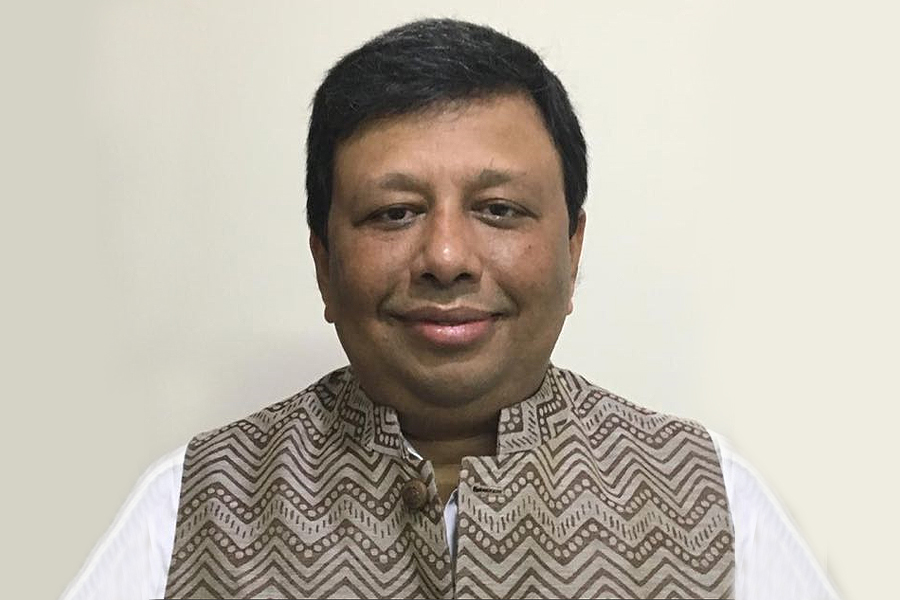
In a recent interview with IBT, Mr. Dipankar Pal, the founder of Roofsol Energy, shared the inspiring story of his journey in the solar energy sector. His extensive career in various industries worldwide led to the establishment of Roofsol Energy in 2016. Despite initial challenges, the company has become a key player in onsite solar installations for the commercial and industrial sectors. Roofsol Energy’s international presence is expanding in countries like Oman, Philippines, and Bangladesh. The company is dedicated to executing 1000 MWp of solar projects by 2025, driven by a commitment to quality and customer satisfaction. Mr. Dipankar Pal also emphasizes the need for consistent and uniform policies across Indian states to further boost the renewable energy sector’s growth. Image Source: Pexels IBT: What inspired you to start Roofsol Energy and how has the journey been since its inception in 2016? Dipankar Pal: Throughout my extensive career spanning 25-30 years, I have amassed invaluable experience while working with numerous MNCs and Indian companies across the globe. As my career drew to a close, I recognized the potential for strong growth in the field of solar energy, despite facing challenges with fossil fuels. Armed with limited knowledge, my wife and I boldly invested in a small company, which we successfully transformed into an EPC company. Our journey has been far from easy, but we have made significant progress in providing employment, building a strong team, and contributing to India’s green mission. Although there is still a long way to go, I am immensely proud of our accomplishments thus far. IBT: What sets your company apart as a leading onsite solar installer for commercial and industrial segment clients while ensuring quality and efficiency? Dipankar Pal: Our company has a strong focus on design, engineering, quality, and timely project execution as an experienced EPC provider. Our team, including a strong leadership team and a dedicated on-ground team, has been built up through heavy investment. This has enabled us to acquire more orders and build a robust network of salespeople. Our primary focus is on industrial rooftops and industry veterans, including owners and promoters. We understand that investing in solar power is a no-brainer for them, as it is a capex investment that reduces their power costs. To win their trust, we provide them with reliable products that consistently work for a long time. Although we faced initial struggles due to a lack of references, we eventually built up a strong customer base, including repeat customers. Honesty and transparency are crucial to our business. If we are unable to deliver on a project, we communicate openly with the customer and work together to find a solution. We have completed over 250 MW of installation projects and have never left a project midway, even if the prices of raw materials like modules and inverters were volatile. We are proud that almost 90% to 95% of our customers have supported us and would be happy to give us a repeat order if the situation arises. IBT: Can you explain Roofsol’s international presence in countries like Oman, Philippines and Bangladesh and the challenges and opportunities faced in these? Dipankar Pal: Solar energy is gaining popularity worldwide, not just in India. India’s market offers a diverse range of experiences in handling various customers, products, and situations, which can be valuable for international expansion. Many international suppliers are targeting the Indian market, creating opportunities for building relationships with them. Although we have not achieved much success yet in the international market, we have started making progress. Our business model is to establish joint ventures with local partners in target countries. We have already set up a company, Roofsol Energy Bangladesh Limited, with a local JV partner in Bangladesh, and projects are underway. We are also in the process of identifying a business partner in Oman, and we are looking for a new JV partner in the Philippines. We are also planning to acquire a company in the UK and have already established a company in the Bay Area of San Francisco in the US. Our goal is to expand into the Middle East in the next six months. It is essential to move carefully and recruit skilled management members and team members from the Indian market to build our business in different parts of the world. We can leverage our strong learning and experience to achieve success in these markets. IBT: What is your strategy to achieve the goal of executing 1000 megawatt peak solar projects by 2025? Dipankar Pal: Our goal of achieving 1000 megawatt is undeniably ambitious. We may not reach 1001 gigawatt, but we are laser-focused on executing 0.6 gigawatt, equivalent to 600 megawatt of projects. We have already accomplished almost 300 megawatt and anticipate completing around 150 megawatt this year. In the next two years, we aim to reach 300 to 400 megawatt. Conservative estimates put us at 600 megawatt, while more ambitious projections suggest 800 to 900 megawatt. Watch the interview: IBT: What are the biggest challenges and opportunities in the renewable energy sector in India in the coming years? Dipankar Pal: Reducing our reliance on fossil fuels can be achieved by increasing our manufacturing capabilities and transitioning to cleaner fuel sources. This approach can provide multiple benefits, including improved environmental conditions, reduced power costs, and enhanced manufacturing processes. Investing in renewable energy can significantly reduce the overall cost of power in a country. Developed nations like Britain and European countries have already seen the benefits of this approach as they used to have exorbitant power costs. China has been working hard to manage its power costs, and India has also realized the importance of renewable energy and is actively pursuing it. Solar energy and wind power are simple and readily available forms of renewable energy. My preference is always solar because the costs are slightly lower and uncertainties are a little less across solar power generation. So that is the case. Now, there are a lot of challenges as the market

Is there a good news for Indian ready-made garment industry?
On the back of healthy domestic demand and revival in exports, the revenue of Indian ready-made garment (RMG) manufacturers is expected to increase by 8-10% in the current fiscal, according to a report by CRISIL which surveyed 146 ‘CRISIL-rated’ RMG manufacturers. The report states that higher domestic and export volumes along with lower cotton prices are expected to lift up the operating margins this fiscal. However, any shift in domestic consumer discretionary spending or a decline in exports will need to be closely monitored. Image Source: Pexels India has established itself as a leading country in garment manufacturing worldwide, with a rich history of fine craftsmanship across the entire value chain, from fibre, yarn, and fabric to apparel. Indian textiles and apparel products have a high global appeal, and India’s cotton, silk, and denim are highly sought after in other countries. Indian apparel has also found success in fashion centres around the world. When it comes to ready-made garments (RMG), as of February 2022, the cumulative RMG exports from India amounted to USD 14.75 billion, indicating a growth of 3.3% over the same period last year. Additionally, a remarkable growth of 35.8% was observed over the same period in 2020. The accomplishment showcases the quality and appeal of Indian ready-to-wear garments and the demand growing globally. What is the growth prediction? Indian manufacturers of ready-made garments are likely to see an increase in their revenue in the current fiscal. According to a report by CRISIL Ratings, the revenue of RMG manufacturers is set to grow by 8-10% in FY24, owing to the rising domestic demand and recovery in exports. The surge in domestic demand and exports, as per the report, is ascribed to a drop in cotton prices and improvements in supply-chain disruptions. The CRISIL report predicted a higher volume growth of 6-8% in the current fiscal year, compared to 3-5% in the preceding year. The revenue growth, however, is expected to be lower than the 14% seen in the previous fiscal year, due to moderation in realizations caused by declining raw material prices. According to the report, the prices of cotton and manmade fibre are seen to be declining year-on-year this fiscal by 15–17% and 8–10%, respectively. The increase in realizations as a result will be merely 1-3% this fiscal, as against 10% last year. Gautam Shahi, Director at CRISIL Ratings stated that readymade garment manufacturers would largely depend on domestic consumption, which accounted for 75% of the overall demand. The domestic demand is expected to grow by 6-8% in volume terms in the current fiscal year. Meanwhile, the volume of exports, constituting about 25% of the RMG demand is likely to grow by 4-6% year-on-year due to restocking by global retailers, lower price of cotton (the key raw material for RMG), and gradual consumption recovery in overseas markets. He further noted that lower inflation levels and stable economic growth are crucial to healthy discretionary expenditure by domestic consumers. It must be noted that the volume of exports in the previous fiscal year had decreased by 7% year-on-year due to a rise in domestic cotton prices and a decline in demand from major markets like the US and the European Union, which account for 60% of shipments. CRISIL report has predicted that in the current fiscal year, higher domestic and export volumes along with lower cotton prices will help boost operating margins by 50 basis points (bps) to 9.5% year-on-year. The operating margin in the last fiscal had contracted by 150 bps due to higher cotton prices, delayed price hikes in the domestic market, and lower offtake by global retailers amid rising inventory. The report added that the credit outlook for readymade garment manufacturers, remains stable, driven by steady operating performance and healthier balance sheets amid low capital expenditure and stable working capital requirements. Over the past three fiscal years, gearing (i.e. Total debt by networth) has improved on account of healthy cash accrual and low capex. As per the report, Gearing is expected to improve further to about 0.45 time in the current fiscal, from 0.56 time as of 31st March 2023. Interest Coverage, as per the report, will be over 4 times this fiscal, as compared to 3.5 times in the previous fiscal year. Sehul Bhatt, Associate Director, CRISIL MI&A Research, said, “Driven by improvement in both revenue and profitability, net cash accrual of RMG makers will grow by 20-22 per cent (on-year) this fiscal. Moreover, capital expenditure (capex) and working capital requirements are expected to remain moderate, in line with the past few fiscals, thus supporting the balance sheets and overall credit profile of the sector.” The report, which analyzed 146 ‘CRISIL-rated’ RMG manufacturers (having an overall revenue of Rs 42,000 crore), stated that it will be worth keeping an eye on any shift in domestic consumer discretionary spending resulting from below normal monsoon or a decline in exports caused by any global challenge. The data suggests a promising outlook for India’s ready-made garment industry and RMG manufacturers appear to be on a growth trajectory. RMG manufacturers should venture into new markets, both at home and abroad, to diversify their customer base, reducing reliance on a single market. Simultaneously, improving operational efficiency and supply chain management is essential for cost control and meeting increasing demand effectively. Sustainability practices, including eco-friendly manufacturing, can not only resonate with environmentally conscious consumers but also align with global sustainability trends, enhancing brand reputation. However, it’s essential to remain vigilant to any potential shifts in domestic consumer spending or global challenges in the export market.

Charging Ahead: India’s EV Revolution and the Road to FAME 3
India has undertaken an ambitious mission to achieve a 30% penetration of electric vehicles (EVs) by the end of this decade. After eight years since the introduction of the FAME (Faster Adoption and Manufacturing of Electric Vehicles) scheme to promote EV usage, and with only five months remaining until the conclusion of FAME 2 and the expected launch of FAME 3, the government is now refocusing its subsidy initiatives towards the establishment of a robust and widespread charging infrastructure. After successful implementation and impressive results of previous FAME schemes, the EV industry is hopeful that the FAME 3 scheme will focus on supporting SMEs as well as reduction on import dependence for EV components. In this article, IBT analyses the progress of past schemes, possible focus areas of FAME 3, and industry expectations regarding the EV ecosystem in India. Image Credit: Shutterstock The Electric Vehicle (EV) sector in India has undergone a remarkable transformation in recent years, positioning itself as one of the most promising and dynamic segments of the country’s automotive industry. As the world grapples with environmental concerns and the need to reduce greenhouse gas emissions, India has been actively pursuing a transition to electric mobility as a sustainable and eco-friendly alternative to traditional internal combustion engine vehicles. Innovations and advancements in various aspects along with infrastructure development, government policies and increased environmental concerns have boosted the Electric Vehicle landscape in India. One of the most efficient initiative by the government of India is the FAME, or the Faster Adoption and Manufacturing of Hybrid and Electric Vehicles to ensure a proliferation of electric and hybrid vehicles. The scheme was launched by the Indian government in April 2015 under the National Electric Mobility Mission Plan (NEMMP) to address various issues such as rising fuel prices, air pollution and energy security. FAME has gone through multiple phases and revisions since its inception, with the latest version being FAME II. It had an allocated budget of Rs 10,000 crores with focus on electrification of public and shared transport and is nearing its deadline of March 31, 2024. A revamped subsidy scheme, namely FAME 3, is speculated to be launched next year, which could possibly include funding for technologies and categories which were not a part of earlier phases. TPCI organized a webinar that centered on India’s progress in global EV sector and explored the factors affecting India’s transition to electric mobility and challenges faced by the industry. The discussion also focused on industry view of challenges in the sector and expectations from FAME 3. FAME 2 was implemented for a period of five years commencing from 1st April, 2019 till 31st March 2024 with a total budgetary support of Rs 10,000 crore. The 2nd phase mainly focuses on supporting electrification of public and shared transportation and aims to provide demand incentives for upto 7,090 eBuses, 5 lakh e-3 wheelers, 55,000 e-4 wheeler passenger cars and 10 lakh e-2 wheelers. The scheme also focused on creation of charging infrastructure. The scheme had set a target to support 15,62,090 vehicles within the timeline of 5 years. Until 2nd August 2023, only 55.88% (8,72,920 vehicles) of the target has been achieved. An additional budget of INR 3500 crores was added in the beginning of FY24 since the outlay for E2Ws under FAME 2 is already exhausted. Source: Ministry of Heavy Industries (MHI), figures in number of vehicles* Emerging players in the electric mobility sector are now pinning their hopes on the government’s Production Linked Incentive (PLI) scheme, which offers approximately US$ 2 billion in subsidy programs, to accelerate the production of electric vehicles and their components. The PLI in Automotive and Auto Components has succeeded in attracting investments totaling ₹ 74,850 crore against the target estimate of investment ₹ 42,500 crore over a period of five years. It also approved the Production Linked Incentive (PLI) Scheme ‘National Programme on Advanced Chemistry Cell (ACC) Battery Storage’ for achieving manufacturing capacity of Fifty (50) Giga Watt Hour (GWh) of ACC for Enhancing India’s Manufacturing Capabilities with a budgetary outlay of ₹ 18,100 crore. For this, three companies – Reliance New Energy Limited, Ola Electric Mobility Private Limited and Rajesh Exports Limited – signed the programme agreement last year. Under the said initiative the emphasis of the Government is to achieve greater domestic value addition, while at the same time ensure that the levelized cost of battery manufacturing in India is globally competitive. Further, the Ministry of Heavy Industries has proposed a ₹3,000 crore PLI scheme to develop and make ‘niche batteries’ for electric vehicles. EV sales current trends In 2022, a remarkable surge in the adoption of electric vehicles was witnessed in India, Thailand, and Indonesia. According to Global EV Outlook 2023 by IEA, combined sales of electric cars in these nations increased by over threefold compared to 2021, reaching an impressive figure of nearly 80,000 units. These 2022 sales figures were seven times greater than those recorded in 2019, before the onset of the Covid-19 pandemic. In contrast, sales of electric cars in other Emerging Market and Developing Economies (EMDEs) remained comparatively lower. In India, electric vehicle (BEV) sales nearly reached 50,000 units in 2022, marking a fourfold increase compared to 2021. Concurrently, overall car sales grew by just under 15%. On the other hand, sales of plug-in hybrid electric vehicles (PHEVs) in India remained negligible. Electric three-wheeler sales, vital for urban mobility in India, reached a staggering 425,000 units in 2022. Market growth has been reasonably consistent in India since 2012, except for 2020 when the pandemic reduced volumes to 30% of the previous year. Over 50% of India’s three-wheeler registrations in 2022 were electric, driven by government incentives, lower lifecycle costs, and rising fuel prices. According to IEA analysis, electric three-wheelers are already 70% cheaper than their gasoline counterparts over their lifetime. Policies like FAME II purchase incentives, PLI supply-side incentives, and tax benefits, along with India’s Go Electric campaign, have offset the higher upfront costs. Fifteen Indian states have embraced EV policies

Need of small scale food-processing industries at village level
The Minimum Support Price (MSP), as determined by the Commission for Agriculture Cost and Prices (CACP), is a linchpin in shaping the choices of farmers when it comes to selecting and planting crops. Serving as a guarantee for minimum income, MSP acts as a catalyst, emboldening farmers to undertake risks and invest in crop production. In a discussion with IBT, Dr. Ganesh Rede, an agricultural economist, opened up about India’s MSP system and its impact on farmers and agriculture. He acknowledged challenges, especially for cash crops like cotton, where MSP falls short of covering cultivation costs. Dr. Rede recommended addressing credit access, agricultural marketing, and rising input prices. He also underscored the value of food processing for farmers and the economy, emphasizing the need for government-backed agro-processing units at the village level. IBT: How does the government determine the MSP for different crops, and what factors are considered in this process? Dr. Ganesh Rede: MSP is not decided by the government, but there is a separate commission for agriculture costs and prices. Previously, it was APC, i.e., the Agriculture Price Commission. In 1985, it was renamed as the Commission for Agriculture Costs and Prices (CACP). They do the survey and collect the data based on the cost of the agricultural crops. Based on that cost of cultivation, the CACP recommends the MSP, or they decide some range of prices for the farmers or for the different agricultural commodities. There are different criteria of CACP for deciding the MSP, simply based on the cost of cultivation, like how much cost is required for producing a particular crop. There are some other factors now, like the cost of cultivation, the cost of production, and a change in the input prices. Input prices also fluctuate day by day. They also check the input/output ratio, what are the trends in the market, what are the current market rates of that particular commodity, and what is the demand and supply of that particular commodity. CACP checks the cost of living of the farmers, which means they also consider supervision charges and family labour. They also think about the international price condition or international situation for that particular commodity, whether it is in demand or not. Based on all these 13–14 criteria, MSPs are decided or determined by the CACP. While estimating these MSPs, CACP considers cost A2 and cost C2. These are some standard cost concepts based on which they decide the MSP for a particular crop. IBT: How does MSP impact the decisions of farmers regarding crop selection and planting? Dr. Ganesh Rede: As a soybean farmer from Maharashtra, I have the assurance that I will receive a guaranteed price known as the Minimum Support Price (MSP) of about 4300 rupees per quintal. This enables me to make an informed decision about which crops to cultivate. The Commission for Agricultural Costs and Prices (CACP) supports and motivates farmers by setting MSPs before the sowing season, allowing us to choose our crops based on potential profits. Since farming is a business, everyone tries to maximize their income, and MSPs serve as a safety net for farmers, ensuring price stability and encouraging food production. The Ministry of Agriculture and Farmer’s Welfare guarantees the minimum price, which makes MSPs the basis of farmers’ decisions. IBT: How has MSP helped in increasing crop production and ensuring food security? Can you please provide examples of success stories where MSP has positively impacted farmers’ livelihoods? Dr. Ganesh Rede: Suppose I am a farmer and I am planning to grow one acre or five acres of a particular crop, in my mind there will be the calculation for the amount of money that I would require to purchase the variable inputs. Variable inputs include fertilizers, fields and other inputs. Based on that I will take a risk, I will try to get institutional credit for purchasing these inputs and at the time of repayment there will be a guarantee that I can sell my produce for this MSP. So this is how MSP supports the farmer. If the farmers have a guarantee that MSP is supporting them, then they will take a risk of taking production of that particular crop. If there is no guarantee from the government or from any marketing agency, farmers will not take the production of that particular crop. This is what happens in the case of some commercial crops. MSP is not enough for the cotton because cotton is a heavy feeder crop. It requires a lot of spraying. There are a lot of problems that they are facing on the field. The MSP doesn’t help the farmers in the case of cotton. IBT: What strategies can the government employ to ensure that the benefits of MSP reach small and marginal farmers effectively? Dr. Ganesh Rede: As a resident of Maharashtra, I have seen the struggles that cotton farmers face on a daily basis. It would be beneficial for the government to offer subsidies specifically for these farmers, given the high expenses involved in cultivating cotton and the difficult field conditions. For example, farmers are required to pay marketing commission charges, and it can take up to four months to grow a crop. Despite their efforts, they frequently earn little to no profit and may even be unable to cover their expenses. Although the government has set the MSP for cotton at 6,000 rupees, it is insufficient. It would be helpful if the government established direct marketing arrangements for purchasing agricultural products from farmers, ensuring that they receive a fair price for their crops. This would encourage them to continue producing cotton or other cash crops. It is essential to address this issue as soon as possible. While an increase in MSP price may help big farmers, it may not have the same positive impact for small or marginal farmers. This is due to the fact that small farmers have to buy agricultural inputs in smaller quantities, which increases the cost of cultivation per hectare

Potential of Mahua liquor as a heritage spirit for India
Mahua liquor has great potential both within India and outside India, and there are new opportunities for tribal people to earn better livelihoods by collecting food-grade Mahua, which can be used to manufacture alcohol and also made into food products. India Business and Trade engaged in a conversation with Desmond Nazareth, the principal founder and MD of Agave India, and Conrad Braganza, the blender and manager of exports, sales and marketing at Agave India in Goa. The two experts shared fascinating insights about their journey and the significance of Mahua liquor in India. The interview unravels the significance of Mahua which goes beyond its role as a Mahua spirit and how it is deeply ingrained in the cultural and livelihood practices of tribal communities. It also highlights the efforts to obtain a Geographical Indicator (GI) tag for Mahua, emphasizing the need for a unified approach involving all 13 states where Mahua is found. The potential of Mahua Liquor as a Heritage spirit of India is underlined, drawing parallels with the success of tequila in Mexico. Image source: TPCI IBT: Please share your journey of Mahua Liquor. How have you started, what motivated you and what is your plan ahead? Desmond Nazareth: In 2000, my journey as an innovator in the Indian alcoholic beverages industry began. After eight years of research and development, Agave India was founded in 2007 with the aim of establishing India’s first craft distillery. In 2011, our first products were launched, which included Indian Agave spirits and alcoholic margarita cocktail blends, as well as liqueurs flavoured with Nagpur orange and cane spirit. Throughout this time, our sights were set on Mahua, a spirit traditionally designated as a lowly country spirit for the past century. We believed that Mahua had immense potential and could be manufactured to a high quality. Permission was sought from various state governments to manufacture and sell this spirit. It was pointed out that all the international spirits, including the ones we made, started off as country spirits. Mahua deserved to take its rightful place as a national spirit and perhaps even become a national heritage spirit of India eventually. Conrad Braganza: This spirit has great potential both within India and outside India, and there are new opportunities for tribal people to earn better livelihoods by collecting food-grade Mahua, which can be used to manufacture alcohol and also made into food products. However, we are aware of the need to protect tribal culture and livelihood, as well as tribal practices involving Mahua. Plans are underway to take Mahua abroad after manufacturing it in India. Desmond Nazareth: There are certain methodologies that can be implemented by tribal folks that are backed by government, CSR, and foundation initiatives so that they can keep more of the money that they spend on Mahua to themselves, as opposed to giving it to middlemen. We have also pushed the idea of a Mahua Research Institute at a national level because it is a national economic resource of significant value. We believe it is an industry easily worth 250 million dollars annually. We have been pushing for initiatives at the state level. Some states have taken up some of the initiatives we have proposed, the most notable being Madhya Pradesh. IBT: Do we also have any value-added products of Mahua liquor? Conrad Braganza: Mahua spirit itself is a value-added product. The spirit itself is very valuable from a whole range of standpoints, but it is also a very versatile spirit. So it can form the base for a lot of other products, including liqueurs. Based on this spirit, we have created our own Mahua liqueur, where we complement the flavour of the flower with honey and spices. You can make ready-to-drink beverages with a lower alcohol strength with the Mahua spirit base. You can pair it with beer; you can pair it with wine. We have made various things, like a plethora of cocktails with the Mahua spirit as well as a dry Sangria with the Mahua liqueur. Desmond Nazareth: It really becomes a new base for bartenders for a lot of cocktails. It is going to be one of the few alcohols that have lots of value-added products. There are various avenues for further adding value to the spirit. IBT: As per your opinion, which region is the origin of Mahua liquor and for which states of India should be given the GI status? Desmond Nazareth: It is available in up to 13 states in India. If you look at the Mexican model, they have defined a geographical region in which only the spirit that is made from a certain species of agave and follows certain standards can be labelled as tequila. Similarly, in India, as Mahua is so widespread, the GI will have to include all these 13 states, and it will be owned by the government of India and not by any particular state. With individual states applying for a GI, it’s creating confusion because it’s not like you can award a GI to one state because Mahua is found in other states as well. So, it makes sense for the government to follow the Mexican model for tequila: the Government of India owns the GI on behalf of manufacturers in all 13 states that are Mahua States, where there are tribal populations that harvest and use Mahua. Thirteen states can agree on sharing a GI owned by the government, just like there are regions of Mexico, including Jalisco, that share the GI of Tequila. The GI is owned by the government of Mexico, not by any one state, district, or municipality because it is fairly widespread. GIs are generally associated with a country when there are multiple manufacturers in multiple regions within that country. GIs are rarely owned by individual states unless something is only located in that state. Mahua respects forests, it does not respect state boundaries. We believe state-level GI applications will cause confusion and conflict. So our proposal says that each state or region

Future of Indian agriculture is high-value-added agri-processing
The Minimum Support Price regime has made a positive impact on maintaining food security. As farmers are getting guaranteed prices for their corps, they are encouraged to increase food production of essential food items, easy buffer stock creations, ensure farmers income and their livelihood, sufficient food supply made bring price stability, domestic supplies of most agro-commodities are finely balanced etc. India Business and Trade engages in conversation with Dr. Parashram Patil and explores the symbiotic relationship between agricultural value addition and MSP. Dr. Patil emphasizes the need for value addition to increase farmers’ profitability, reduce post-harvest losses, and promote exports. He also underscores the potential of the food processing industry in enhancing the value of agricultural produce and transforming the Indian agricultural landscape. IBT: How does the government determine the MSP for different crops, and what factors are considered in this process? How does MSP impact the decisions of farmers regarding crop selection and planting? Dr. Parashram Patil: In India, the Minimum Support Price (MSP) for selected crops is determined by the Commission for Agriculture Cost & Price Commission (CACP). The commission takes into account factors such as the cost of cultivation, changes in input prices, crop price parity, trends in market prices (domestic and global), demand and supply, effect on the cost of living, international price situation, inflation, environment (soil and water use), and terms of trade between agriculture and non-agriculture sectors. It’s unfortunate that farmers often face low crop prices in years of bumper production, resulting in low income. However, MSP crops provide price support to farmers, mitigating the risk of receiving a low price. As a result, farmers tend to produce crops covered under MSP, such as millets, oilseeds, fruits, and vegetables. This has led to a distortion in cropping patterns, not only affecting food crops but also impacting the edible oil sector, forcing us to spend huge amounts on imports. IBT: How has MSP helped in increasing crop production and ensuring food security? Can you please provide examples of success stories where MSP has positively impacted farmers’ livelihoods? Dr. Parashram Patil: MSP made a positive impact on maintaining food security. As farmers are getting guaranteed prices for their corps, they are encouraged to increase food production of essential food items, easy buffer stock creations, ensure farmers income and their livelihood, sufficient food supply made bring price stability, domestic supplies of most agro-commodities are finely balanced etc. MSPs are not just numbers for the farmers, but much more connected to the livelihood and growth of the farmers. It seems that wheat farmers often export their produce to increase their earnings. In cases where the Minimum Support Price (MSP) is lower than international prices, farmers may opt to sell their products to government procurement agencies. This means that MSP has a notable impact on the livelihoods of wheat farmers. I would love to learn more about the possible drawbacks or challenges that are associated with the current MSP system. IBT: What are some of the drawbacks/challenges associated with the current MSP system in India? Dr. Parashram Patil: As per the Shanta Kumar Committee, 94% of farmers are not getting the benefits of the MSP system. Rice, cotton and wheat farmers are the maximum beneficiaries of the MSP system in India. The MSP-based procurement system is also dependent on middlemen, commission agents and APMC officials, which smaller farmers find difficult to get access to small farmers. MSP discourages farmers from growing other high-value crops and horticulture products, which have higher demand and subsequently could lead to an increase in farmers’ income. When examining the MSP system, there are two key concerns that must be addressed: excess storage and ecological sustainability. It’s important to note that the system may discourage crop diversification and may primarily benefit larger-scale farmers. Furthermore, the government’s stocks are currently almost double the amount required for buffer stock, PDS, and other government schemes like the Midday Meal Scheme. IBT: What strategies can the government employ to ensure that the benefits of MSP reach small and marginal farmers effectively? Dr. Parashram Patil: There are various strategies the government can take to ensure the application of MSP to small and marginal farmers. These are: The government should work on an effective mechanism of subsidies on input costs. Incentives to other crops which are desirable for nutritional security such as coarse cereals, pulses and edible oils. investing more in animal husbandry (including fisheries) and fruits and vegetables. The government shall incentivise the private sector to build efficient value chains based on a cluster approach. Effective implementations of MSP for all 23 crops. Changing the Pricing Mix, which, compensates farmers with cash transfers when the market price falls below MSP. Promote value addition of the MSP crops so that demand for the MSP crops in the market from the industry. IBT: Some expert opinions suggest that adding value to agricultural products may be a better approach to making MSP more effective in addressing the issue of post-harvest losses and a lack of value addition in agriculture. What is your perspective in this regard? Dr. Parashram Patil: There is a relationship between agricultural value addition and MSP. Value addition in agriculture is required to increase the profitability of the farmers, income of the farmers, safe, quality and branded food to the consumers, reduce post-harvest losses, reduction in imports and increase exports and encourage the growth of subsidiary industries. Value addition of the particular agricultural commodity would fetch a better price in the market, processed food would have a longer shelf life, increase bargaining power, multiple uses of the same commodity, address surplus production of the commodity, marketed both inside and outside the country. Value-added agriculture helps to increase the value of primary agricultural commodities through a particular production process. Thus, farmers can get better prices for the commodity since demand for the said commodity is higher in the processing industry, farmers don’t need to depend solely on MSP. India needs to develop a high-value-added processing ecosystem to minimize MSP challenges faced
India’s electrolyser vision: Self-reliance or global leadership?
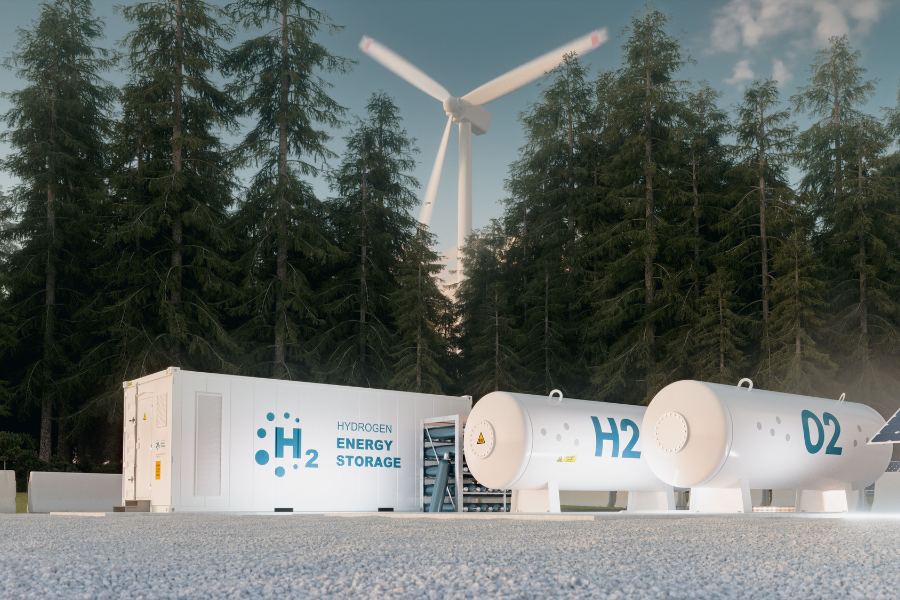
India’s potential to lead the green hydrogen revolution through local electrolyzer manufacturing is a topic of growing importance. The country possesses tremendous potential to lead the global electrolyzer manufacturing industry and drive green hydrogen production. India encounters specific challenges in electrolyzer production: the procurement of critical minerals, substantial investments for indigenous manufacturing, sustainable water usage, including addressing water scarcity and quality issues, and resource-intensive research and development aimed at improving efficiency and resource requirements. These challenges must be addressed to establish a cost-effective green hydrogen production infrastructure in India. IBT explores India’s capabilities and initiatives in this field, along with market trends and key considerations for becoming a hub for electrolyzer manufacturing. Image Source: Shutterstock Green hydrogen, lauded as one of the cleanest energy forms globally, is considered the ultimate path to achieving net-zero emissions. Given that electrolyzers are central to the green hydrogen value chain, the growing global interest in clean fuel presents a promising opportunity for local electrolyzer manufacturers. According to Research & Markets, the global electrolyzers market is projected to reach US$ 4.27 billion by 2030, at a CAGR of 21.2% from 2023 to 2030. Electrolyzers use electricity to split water into hydrogen and oxygen, serving as a critical technology for low-emission hydrogen production from renewables. The capacity for electrolytic hydrogen production has been increasing recently. Currently, hydrogen production relies heavily on fossil fuels. However, in the Net Zero Emissions by 2050 scenario, low-emission hydrogen becomes pivotal for challenging-to-decarbonize sectors like heavy industry and long-distance transport. Renewable electricity-powered electrolysis stands as the primary method for such production. The three primary types of electrolyzers are proton exchange membrane (PEM), alkaline, and solid oxide. These electrolyzers operate slightly differently based on the electrolyte material used. Electrolyzers vary in size, from small appliances suitable for localized hydrogen production to large-scale facilities delivering hydrogen via trucks or pipelines. Market growth is spurred by the expansion of renewable and nuclear electricity generation, growing investments in green energy initiatives, and increasing government attention to hydrogen technologies. Nonetheless, a shortage of raw materials hampers the global electrolyzer market’s growth. The rising affordability of electrolyzers is poised to offer growth opportunities for market participants. Yet, the significant energy demands of electrolyzers present a significant challenge to market expansion. Electrolyzer Market Trends A recent EY report titled “Shortage of Electrolyzers for Green Hydrogen” has brought attention to the significant global increase in production capacity for green hydrogen over the past few months. The report projects that the global demand for green hydrogen is expected to reach 63 million tons (MT) per year by 2030. In January 2023, the Indian government approved the National Green Hydrogen Mission, aiming to produce 5 MT of green hydrogen annually by 2030, with an initial investment of US$ 2.5 billion. This funding will be utilized for various purposes, including the establishment of electrolyzer manufacturing capacity ranging from 60-100 gigawatts (GW) and renewable energy (RE) capacity of 125 GW, all dedicated to the production of green hydrogen. The mission aims to achieve green hydrogen production of 5 million tons per annum (MTPA) by the year 2030, with a long-term goal of achieving net-zero emissions by 2070. To achieve this goal, ensuring cost competitiveness for hydrogen production is crucial. Electrolyzers, which contribute around 30-40% to the levelized cost of hydrogen (LCOH), play a central role in the green hydrogen value chain. The key to accelerating the green hydrogen ecosystem in India lies in the localization of electrolyzer manufacturing. The recently announced Production-Linked Incentive (PLI) program under the SIGHT initiative by the Indian government marks the first step toward promoting domestic production. India’s imports of Machines and apparatus for electro-plating, electrolysis/electrophoresis were recorded at US$ 45.6 million in 2022-23, growing by 40% YoY.This move could position India as a prominent global hub for electrolyzer manufacturing, serving not only domestic needs but also potentially becoming a leading electrolyzer exporter. When we asked Santosh Gurunath, CEO AND Co-founder of Umagine Hydrogen Pvt. Ltd, about the potential of India to become a global hub for electrolyzer manufacturing and green hydrogen production, he said, “India has a very good potential to become a global hub, especially for alkaline water electrolyzers. The core manufacturing sector that is needed to support the set-up and scale-up of the industry is already present, and it is a matter of capitalizing on that and collaborating to build large-scale GW factories for electrolyzer manufacturing. With respect to green hydrogen production, we have a nuanced view.” He also added, “Although India has great potential with regards to renewable energy, land availability, port infrastructure, and water infrastructure, the Indian electricity grid is still predominantly dominated by thermal power plants. Additionally, there are still widespread power shortages, load shedding, and blackouts in several regions of India. Using the premium land for lucrative and high-CUF renewable energy plants to produce export-oriented green hydrogen and ammonia at the cost of not decarbonizing the Indian electricity grid doesn’t make a lot of sense. India should rather focus on green hydrogen production for decarbonizing its own hard-to-abate sectors such as steel, fertilizers, and heavy mobility than have the ambition to be a global export hub for green hydrogen.” Read More: Global green hydrogen hub: Can India lead the change by 2030? India announces ‘Green’ Hydrogen standard, a much-awaited clarity! Domestic hydrogen equipment market ready to soar What can India do to become an industrial electrolyzer hub? Indian manufacturers should seize this opportunity and establish world-class facilities. Key points to consider include: Choosing the right technology and technology partner is vital Alkaline electrolyzers currently dominate the market and are expected to remain the most preferred technology. Among alternative technologies, PEM is emerging as a promising electrolysis technology. As of today, alkaline technology is cost-effective, with an average cost ranging from US$ 700-1,100 per kilowatt (kW) and an efficiency of approximately 70%, producing 0.021 kilograms of H2 per kilowatt-hour (kWh). In contrast, PEM technology costs between approximately US$ 1,200 and US$ 2,000 per kW, with an efficiency of around 60%, producing 0.018 kilograms of