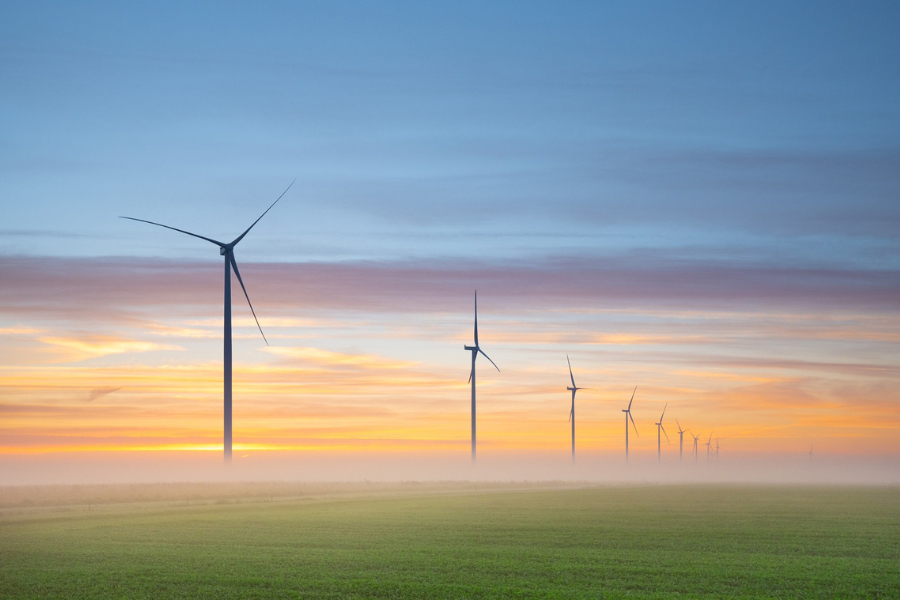
The Government of India has committed to a significant transition to clean energy in the power sector, with the aim of achieving 50% of cumulative electric power installed capacity from non-fossil fuel-based energy resources by 2030 as part of its Nationally Determined Contributions (NDCs). In this regard, the Government of Gujarat has introduced the Renewable Energy Policy 2023. The policy aims at achieving 100 GW of renewable energy capacity by 2030. With investments of INR 5 lakh crores by utilizing approximately 4, 00,000 acres of land. Image Credit: Pixabay Gujarat’s Renewable Energy Policy 2023 aligns with India’s clean energy goals, aiming for 100 GW of renewable capacity by 2030 with INR 5 lakh crores of investments. The policy covers wind, solar, and hybrid projects, fostering sustainable development, energy security, and economic growth while attracting diverse stakeholders. Gujarat’s 2030 renewable energy vision The Renewable Energy Policy-2023 is designed to encourage the development of renewable energy projects, with a specific focus on wind, solar, and wind-solar hybrid technologies. The policy’s goal is to simplify the framework to encourage the development of renewable energy projects in the state. It seeks to draw investments in the renewable energy industry and facilitate the accomplishment of the objective of generating 100 GW of total renewable energy capacity by 2030, with investments amounting to around INR 5 lakh crores. The policy will make use of roughly 4,00,000 acres of land. While Wind and Solar technologies have already demonstrated their economies of scale, the state of Gujarat aims to harness its vast renewable energy potential, boasting 36 GW of solar capacity and 143 GW of wind capacity. The overarching objective is to optimize resource utilization, ensuring a cost-effective and reliable power supply to consumers. Through the widespread adoption of renewable energy and synergistic wind-solar hybrid projects, the policy will enhance energy security and will make a contribution to economic development. Furthermore, it aligns with the state’s commitment to reducing carbon emissions and extends its impact by supplying renewable power to consumers in other states. Maximizing Renewable Energy Potential: The primary objective is to tap into the maximum renewable energy potential available in the state. Participation from All Sectors: It aims to attract participation from industries, MSMEs, organizations, consumers, and other stakeholders to bolster clean energy sources in the state. Sustainable Development: The policy aligns with the state’s Sustainable Development Goals by rapidly transitioning to clean energy sources. Quality and Reliability: It seeks to provide quality, reliable, and cost-competitive renewable power to consumers through a conducive policy framework. Ambitious Target: The ultimate goal is to achieve 100 GW of renewable capacity in the state by 2030. Objectives of the policy The state’s policy aims to increase the use of renewable energy sources by boosting their proportion, which will enhance energy security, reduce dependence on fossil fuels, and provide daytime electricity to agricultural consumers. The policy will also reduce the state’s energy supply costs and promote decentralized renewable energy generation, investment, employment opportunities, skills development, local manufacturing, and start-ups. Furthermore, the policy will encourage the research, development, and deployment of innovative technologies and pilot projects in the renewable energy sector, and boost energy conservation through greater awareness. The policy covers all ground-mounted solar, rooftop solar, floating solar, canal-top solar, wind, rooftop wind, and wind-solar hybrid projects. Eligibility criteria for the scheme Any individual, company, corporate entity, association, or group of individuals, whether incorporated or not, including artificial juridical entities, are eligible to establish renewable energy (RE) projects under this policy. These RE projects can be developed for self-consumption or for the sale of electricity to third parties, whether they are registered under the Renewable Energy Certificate (REC) mechanism or not, and even to distribution licensees. These activities should adhere to the regulations defined in this policy and be in accordance with the provisions of the Electricity Act 2003, subject to any amendments made over time. It is important to emphasize that there are no capacity constraints imposed on the establishment of RE projects for either self-consumption or the sale of electricity to third-party consumers, irrespective of the consumer’s contracted demand or sanctioned load (measured in kilo-watt, kilo-volt-amp, or mega-volt-amp) with the Distribution Companies (DISCOMs). In this context, the AC capacity of the RE project is considered its installed capacity. Holistic approach towards renewable energy The policy covers various aspects of solar energy, including ground-mounted solar projects, rooftop solar projects, and floating or canal-based solar projects. Solar: Ground-mount solar- ventures are permitted in solar parks or on government/private land, with access facilitated by the State Nodal Agency. Distribution Licensees can procure energy as per policy clauses. Moreover, power wheeling for either captive use or third-party sale is allowable with stipulated charges and energy settlement conditions. Rooftop solar- consumers are encouraged to adopt rooftop solar setups under net or gross metering arrangements, with potential benefits from government schemes. Floating/Canal-based solar- the policy promotes floating or canal-based solar projects, leveraging water reservoirs and canals. Distribution Licensees purchasing power from these ventures must pay a fixed royalty to the relevant authorities. This approach conserves land and mitigates water body evaporation. Wind: Wind energy projects in Gujarat can be set up within or outside designated wind parks, whether on government or private land, with land allocation overseen by the State Nodal Agency. Consumers can also install small-scale wind projects for self-consumption or sell excess energy to DISCOM under applicable regulations, with potential incentives from government schemes. Distribution Licensees have the option to procure power from wind projects, and power wheeling for captive or third-party use is allowed, subject to specified charges and energy settlement terms in accordance with the policy. Wind-Solar Hybrid: The policy recognizes the complementarity of solar and wind energy and encourages the development of hybrid projects. It categorizes projects into Type-A (existing or under-construction standalone projects) and Type-B (new projects). Type-A Projects: These encompass the conversion of existing or under-construction standalone wind or solar power plants into hybrid projects. Under this category, only AC integration is permitted. The AC output

Providing solutions beyond green electricity or electrons
India is embracing renewable power solutions at an unprecedented pace, harnessing solar, wind, and hydroelectric energy to meet growing electricity demands while reducing its carbon footprint. BrightNight Power specializes in global, renewable and independent power that is built to deliver industry-leading, large-scale solutions. Naveen Khandelwal, CFO and COO of BrightNight Power spoke exclusively to India Business and Trade and shared his insights on the company’s innovative projects as well as global challenges and opportunities in adapting renewable energy solutions. IBT: BrightNight aims to deliver dispatchable renewable power capacity. Can you explain the technical aspects and innovations involved in achieving this goal? Naveen Khandelwal: Dispatchable energy essentially necessitates planning for the potential unavailability of specific technological resources we initially rely on. To illustrate, when someone is planning a renewable energy project, the absence of these resources could lead to interruptions. Therefore, when we talk about adding dispatchability, we mean incorporating multiple technologies or combining various technologies to enhance the reliability of renewable energy generation. In India, the approach to solving this issue varies from country to country, depending on multiple factors, including policy and regulation, commercial market evaluation, which I will explain shortly, and the affordability of off-takers. In India, we aim to provide dispatchable renewables by integrating wind, which is crucial, with solar, and then incorporating one form or another of energy storage. Energy storage options can include battery storage or pump hydro storage, and in the future, potentially other commercially viable and deployable technologies. As of today, the solution for the Indian market involves a combination of wind, solar, and either batteries or pump hydro. IBT: How does BrightNight’s project optimization software contribute to overcoming the intermittency challenges associated with renewable energy sources? Naveen Khandelwal: The proprietary software developed by BrightNight, called Power Alpha, functions as an optimization algorithm. It utilizes multiple technologies and algorithms to determine the most cost-effective solution that aligns with each customer’s specific requirements. These customer-specific requirements may vary depending on the off-taker or client. Some prioritize peak-hour generation availability, while others insist on round-the-clock, 24-hour generation. Accordingly, the software takes into account various technologies for ten-minute generation, including wind, solar, and theoretically, any other generation resource. Additionally, it incorporates storage technologies as the second component and includes market dynamics as the third component. These three components together encompass energy-generating assets, which can comprise wind, solar, or any other technology. The second component is energy storage, serving as a bridge. The third component is the wholesale market, where you can either purchase or sell excess power. You can acquire power in times of deficit or supply excess power when available. These three components are combined to model the lowest-cost solution for the client using this tool. This tool enables us to conduct numerous scenarios or simulations in a very short period of time. We can run, for example, thousands of scenarios in just a couple of hours. Out of these thousands of simulations, one can select the specific technical configuration involving various technologies that provide the most optimal solution for a particular client. That’s the beauty of the software—it allows real-time optimization, integrating multiple complex technologies while prioritizing the client’s requirements and achieving the least costly solution. IBT: What specific steps does BrightNight take to ensure that its renewable energy projects meet and exceed customer power requirements, particularly for utilities and industrial clients? Naveen Khandelwal: When you ask about the specific steps, it’s important to note that we are planning to integrate multiple technologies, each with distinct generating technologies, development processes, development cycles, and sensitivities to cost and generation parameters. So, let’s break down the steps we take into account: First and foremost, we begin with early-stage development. Since we are integrating various technologies, we aim to control as many parameters as possible. This involves defining project boundaries, securing the necessary land well in advance of the project execution timeline, and identifying a specific evacuation route. These are the initial physical on-ground development efforts. Next, during resource optimization and generation assessment, our team focuses on gathering high-quality data inputs to ensure more accurate and precise output from our generation assessment tools. The third critical component is the optimization tool mentioned earlier. This tool utilizes inputs from early-stage development and high-quality resource assessments to determine the most suitable configuration for a particular client, whether they are a utility or a CNI (Commercial and Industrial) customer, based on their specific load patterns. This software provides the most optimal solution. Afterwards, the execution team takes over to implement the best solution for the client. This phase involves typical project management aspects, including high-quality and efficient project execution, followed by asset management, or as we refer to it, project operations and maintenance. All of this is underpinned by high-quality and efficient financing solutions. It requires the synchronization of all these aspects to deliver a reliable, dependable, and affordable customized energy solution to every client who engages with BrightNight. IBT: Reliability is a critical factor for utilities and industrial customers. How does BrightNight ensure that its renewable power solutions offer consistent and reliable energy generation? Naveen Khandelwal: I believe this is a combination of three key factors. First is site selection, which is of utmost importance, and site selection goes hand in hand with early-stage development. When we begin designing solutions for clients, our goal is to identify sites that make the most sense, if not the absolute best sense. Ideally, we aim for the best sense, but at the very least, we strive for sites that offer better suitability to our clients. This process may involve finding complementary resources such as wind and solar at a particular site or even a combination of multiple sites. This is where it all begins. The benefit of this approach, in terms of site identification and early-stage development, is that it allows us to leverage the complementarity of resources. This, in turn, helps minimize the need for energy storage technologies, whether it be pumped hydro or batteries. We aim to optimize and
India set to transform into a global automotive hub
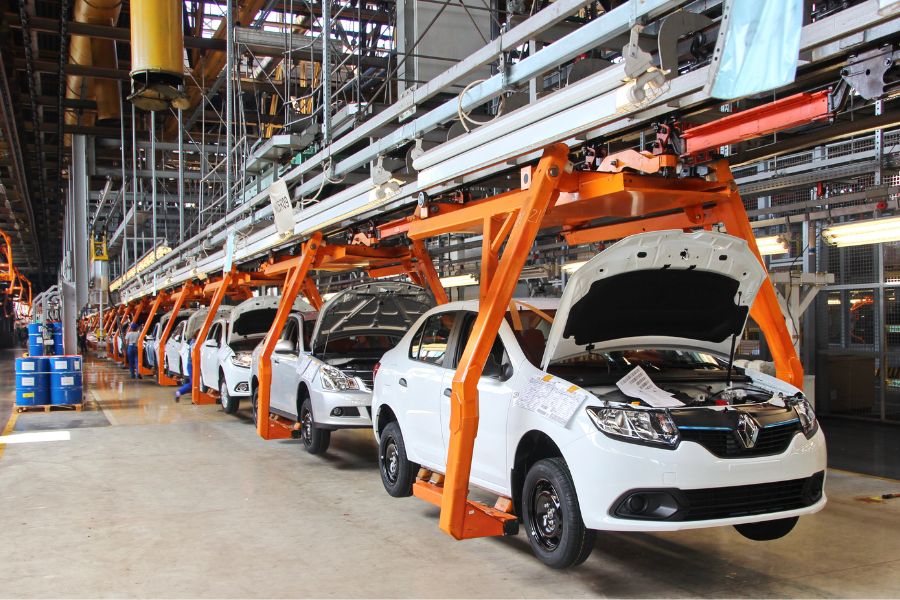
India’s automotive industry ranked fourth globally, aims to hit an impressive $1 trillion by 2035, as per Arthur D. Little. This transformation is propelled by an infusion of more than US$400 billion into areas such as design, development, and cutting-edge technology. As India sets its sights on becoming a global automotive leader, it is essential for all industry players to elevate their capabilities to ensure reliable and competitive global manufacturing. Image Credit: Shutterstock In a fascinating turn of events, the Indian automotive industry, currently ranked as the world’s fourth-largest, is gearing up for a monumental transformation. According to a comprehensive report “Transforming India into a Global Automotive Hub: Roadmap for the Automotive Ecosystem” released by Arthur D. Little, this industry powerhouse is projected to skyrocket to an astonishing US$1 trillion valuation by the year 2035. However, this remarkable growth story extends beyond just figures; it is an intricate tapestry woven with innovation, investment, and the aspiration to establish India as a global automotive hub. The report offers profound insights into the ambitious journey that India’s automotive industry is embarking upon. This transformation is propelled by an infusion of more than US$400 billion into areas such as design, development, and cutting-edge technology. As India sets its sights on becoming a global automotive leader, it is essential for all industry players to elevate their capabilities to ensure reliable and competitive global manufacturing. One key aspect highlighted in the report is the necessity for substantial investments. To reach the coveted $1 trillion mark by 2035, the Indian automotive manufacturing industry will need to commit an estimated US$100-150 billion. This strategic investment is deemed crucial to achieving the intermediate milestone of US$600 billion. Importantly, a substantial portion of this capital is anticipated to originate from homegrown automakers that are aspiring to claim their spot on the global stage. Barnik Chitran Maitra, the Managing Partner for India and South Asia at Arthur D. Little, emphasized this point, stating, “A lot of this investment will come from homegrown automakers that aspire to become global by then.” As these Indian companies aim to become global players, the capital they raise will be channelled into the development of new platforms, further cementing their presence in the international automotive landscape. This transformation isn’t just about numbers; it’s a testament to India’s resilience, innovation, and adaptability. It’s a story of ambition and vision, where a nation aims to shift gears and steer its automotive industry toward an unprecedented future. Key factors that are propelling India’s automotive industry towards this momentous milestone include: Innovation in Design and Development: A significant portion of the projected growth comes from investments in design and development. This includes research and development in cutting-edge technologies, advancements in vehicle design, and the creation of innovative platforms to cater to evolving consumer preferences. Technological Advancements: Technology is at the heart of this transformation. With a focus on electric vehicles, connected mobility solutions, and autonomous driving, Indian automakers are positioning themselves at the forefront of technological innovation. Global Aspirations: Indian automakers are increasingly looking beyond domestic borders. They are eyeing international markets and expanding their footprint globally, not only as manufacturers but also as providers of mobility solutions. Collaborations and Partnerships: Collaborations between Indian automotive companies and global giants are becoming more common. These partnerships bring in expertise, technology, and access to global markets, fueling growth. Sustainability: Sustainability is a driving force. With a heightened global focus on environmental concerns, Indian automakers are investing in eco-friendly and energy-efficient technologies. Government Initiatives: The Indian government has been actively supporting the growth of the automotive sector through policies that encourage investments, research, and development in the industry. Consumer Demand: As India’s middle class expands, the demand for vehicles is on the rise. This domestic demand, coupled with global aspirations, creates a strong foundation for growth. The Indian automotive industry’s journey to a $1 trillion valuation by 2035 is a remarkable tale of ambition, innovation, and adaptability. It’s a story of how a nation is transforming itself into a global automotive powerhouse, where design, technology, and a relentless pursuit of excellence are propelling it towards a future filled with promise. As India continues to accelerate in the automotive world, it’s poised to make history on a global scale.
Will polyhouse farming finally take off in India?
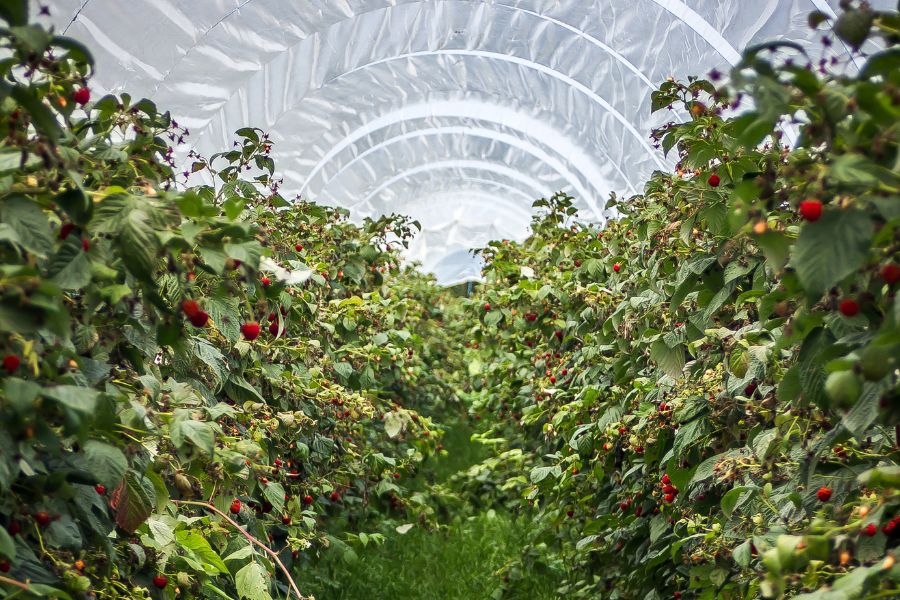
Polyhouse farming is a modern agricultural technique that addresses several challenges faced by traditional farming, including climate variability, water scarcity, and the need for sustainable and efficient food production. With the state governments of Himachal Pradesh, Uttarakhand, Uttar Pradesh, and Maharashtra announcing a number of projects to promote the practice, polyhouse farming is garnering nationwide recognition at an increasing pace. India Business and Trade explores the potential of polyhouse farming in India and whether its unique capabilities can further widen India’s export size of vegetables and flowers globally. Image Source: Pexels Polyhouse farming, a type of greenhouse farming, was introduced in India back in the late 1980s. As the technology gradually spread to different parts of the country, progressive farmers, and farming enthusiasts decided to set up polyhouse farms, albeit with little to no knowledge of the subject. As of 2023, different state governments such as Uttarakhand, Uttar Pradesh and Himachal Pradesh are promoting new-age agriculture techniques amongst farmers, hoping to unlock the commercial viability of the same. The term “polyhouse” refers to a specific type of greenhouse or, to put it another way, a scaled-down greenhouse with a plastic cover. In developing nations like India, poly-house farming is a popular greenhouse technology due to its low cost of installation and ease of upkeep. While a greenhouse is more durable than polyhouse, the former is more affordable. Polyhouse can help with the growth and harvest of off-season crops such as cabbage, bitter gourd, capsicum, radish, cauliflower, chilli, coriander, onion, spinach, and tomato through a controlled environment setup. It is also simple to cultivate flowers like carnations, gerberas, marigolds, orchids, and roses. Certain crops can be safely grown inside the enclosed Polyhouse and Greenhouse buildings. The primary material used to build the greenhouse is glass, whereas polyhouse, is made from polythene material. As a result, the distinction between the two indicates that a polyhouse is highly useful and advantageous for producing crops using cutting-edge technology and environmentally friendly practices. Types of polyhouse and components There exist two distinct types of polyhouse structures. The first type, known as the naturally ventilated polyhouse or greenhouse, depends on adequate ventilation and a fogger system, without any further protective measures to safeguard crops from severe weather, pests, or diseases. The second type, referred to as the environmentally-controlled polyhouse, is designed to regulate multiple factors, including light, temperature, and humidity. These polyhouses are primarily utilized to prolong the crop growth period or to enhance yield during the off-season. The materials most frequently utilised to construct greenhouse frames include wood, bamboo, steel, galvanised iron tubing, aluminium, and reinforced concrete (RCC). Based on the materials’ unique physical characteristics, design strength requirements, life expectancy, and cost of construction materials, the materials mentioned above were chosen. Wood and bamboo are typically utilised for low-cost poly-houses with straight roof structures, however, there are limitations and high expense of using it on curved parts. Wood is used to construct the side posts and columns that make up the frames of low-cost poly-houses, which are subsequently covered with polythene sheets. As wood is becoming more expensive and scarce, GI pipes, tubular steel, and angle iron are typically utilised for side posts, columns, and purlins in greenhouse structures. In the process of galvanising, a thin layer of zinc is applied to the surface of iron or steel to prevent corrosion. A stagnant progress India Business and Trade spoke with Mr. Akshay Dashpute, crop specialist polyhouse and shednet, on the rather slow success rate of polyhouse farming in Southern regions of India. There is no single reason that can be attributed to the debacle of polyhouse farming but there are multiple factors such as climate change, lack of knowledge of the technology and rising cost of components. In January 2023, it was reported that farmers in Anantpur, Andhra Pradesh could not yield export-worthy quality products through polyhouse farming. “Nowadays, every government is giving subsidies on polyhouse. There is a reason why the concept has not been able to take off on a large scale because of the issues coming through crop diseases and pests. Initially, when people started shifting from open land farming to polyhouse, the investment was mediocre because of the cost of production and subsidy. But as time passes, we are witnessing a drastic change in the climatic conditions, which has led to the outbreak of many pests and diseases. People switched from open spaces to polyhouse to avoid the harsh climatic conditions and pest infestation. But now the scenario has changed where crop pests and diseases have found their way inside the controlled environment,” Akshay explained. “Also, earlier the cost of production was very low and the profit margin for the farmers was very high. For example, earlier the cost of production of coloured capsicum was Rs. 12-13. Now, because of these diseases, the cost of production of the same vegetable has shot up to Rs. 40-70. If you see the data from January 2023 till September, the crop prices have been wildly fluctuating,” he added. He adds that the other challenge pertaining to the debilitating quality of the polyhouse structure is the components available in the domestic market. Depending on the size, materials, and technology employed, the polyhouse structure can be an expensive bargain. The price of setting up the complete polyhouse structure on 1-acre land can be approximately Rs. 34 lacs (4,046 sq meter x Rs. 844/sq meter). The initial investment is quite high, and if the profit margins are slim, then it’s not deemed a viable option. Akshay says that the cost to set up a good quality polyhouse can range anywhere between Rs. 60-70 lacs and the set-up requires annual maintenance, with a life span of 3 years. He says that due to this factor, big firms are more likely to invest in it than small-medium scale farmers. “Some manufacturing companies in India are exporting the entire polyhouse to other nations, but the same might not be available in the domestic market. India ranks 10th in exports

Accelerating India’s Gig Economy: How Enterprises are Driving Growth
The gig economy model is gaining popularity in India since it has given a wide spectrum of people a wealth of flexible employment options. The idea has not only assisted in reducing unemployment and underemployment in the nation, but it also makes it possible for individuals to monetise their assets, time, or skills, creating a second source of income. Annanya Sarthak, Co-Founder and CEO of Awign, says Indian companies are now attempting to “gigify” their core business operations by breaking down complicated tasks into smaller, offering independent jobs that can be completed by part-time or freelance workers on a project or milestone basis. Photo Source: Pexels In recent years, there has been a global recognition among enterprises regarding the immense value of the gig economy as the preferred work model. The gig economy has witnessed substantial expansion in this period as a result of shifting workforce behaviour and evolving business priorities, driven by a fiercely competitive business landscape. However, just a few years ago, there was comparatively lower awareness or adoption of the gig model. Four years ago, we reached out to an industry leader in the e-commerce sector that was grappling with rising fixed costs and operational inefficiencies. We proposed an on-demand work fulfilment solution for lead generation work to help optimize their P&L. However, at that time, the company management was skeptical about the gig model and required time to restructure their workforce to adapt to the future of work. Fast forward to today, it has been nearly 2 years since the company adopted the gig model, achieving substantial cost savings, improved productivity, and accelerated business growth. Enterprises now seek to ‘gigify’ their core business functions, which essentially refers to the process of breaking down complicated tasks into smaller, independent jobs that can be completed by part-time or freelance workers on a project or milestone basis. By adopting this approach, employers can turn fixed expenses associated with acquiring, training, and retaining staff into variable costs and reduce them. Rising enterprise adoption In the last few years, the concept of giggification has been revolutionizing the sphere of work execution and workforce utilization. It has allowed enterprises and platforms to simplify core business functions such as customer support, sales & business development, proctoring, last-mile delivery etc., reimagining business operations while creating agility for the enterprise. Enterprises of all sizes, from early-stage startups to large enterprises or legacy companies, now put their trust in gigification for numerous reasons. Awign’s data suggests that as of April 2023, 35.7% of the demand for gigification came from large enterprises, 46% from mid-sized enterprises, and 18.3% from growth companies, showing massive adoption from large and mid-sized companies. With gigification, businesses can rely on gig workers to fulfil their core business requirements on demand and scale their business rapidly. For instance, companies in the FMCG industry face challenges in performing retail stock audits and compliance checks. To solve this problem, an end-to-end audit infrastructure and automation solution can be developed by a gig platform and executed through a distributed gig workforce across the country. Gigification has several benefits, including lower costs, wider geographical presence, easier access to specialized talent, and increased flexibility and agility. Companies can quickly adjust to shifting market conditions or project requirements with the help of gig workers. Without the limitations of a conventional employment model, they can easily scale up or down their staff in response to demand. In a rapidly changing and highly competitive business environment, the gig model allows enterprises to remain flexible and maintain their position. Companies are also becoming increasingly aware of the benefits of bundling multiple crucial business processes to create more efficient workflows. They have started to bundle other interrelated business processes or functions through the gig platform to execute work and manage operations end-to-end. For instance, a D2C company can leverage a gig platform to perform stock recon audits, create leads through business development, carry out shelf share audits, and last-mile delivery, and provide pre and post-sales assistance, taking charge of the user journey from the backend to the front end. The Future of Gigification in Newer Industries According to a report from BCG, it is projected that the gig economy will add 90 million jobs – contributing 1.25% to India’s GDP. Although popular and proven, the true potential of the gig economy is yet to be unleashed to its fullest. While approximately 10% of the current scope of work is being giggified in the industry, there is potential to push this envelope to up to 30% in the next 5 years. Gigification is seeing considerable growth in demand with rapid digitization and robust growth of tech-based industries including healthtech, fintech, foodtech. Awign’s data suggests a 300% growth in demand from quick commerce, 250% from healthtech, 200% from fintech and 198% from foodtech companies in the last two years. These figures show how gigification is becoming more important in today’s job market and how gigification has the ability to change how we work and do business. Potentially, Retail Operations, Merchandising, Warehousing and mid-mile, Market Intel and consumer Insights, Consumer Product Testing, Micro and Nano Influencer Marketing, AI Operations and On-Demand Knowledge are expected to become the next big functions gigified by enterprises. In conclusion, despite its rapid growth, the gig economy is still largely untapped and offers a wide range of business opportunities. For companies looking to save expenses and improve agility, gigification offers a viable solution. Businesses can access skilled talent, streamline processes, and gain a competitive edge by leveraging gig workers and bundling corporate operations. Organizations can operate with convenience and cost-effectiveness while remaining ahead of the curve by using the gig model. Annanya Sarthak is the Co-Founder and CEO of Awign, India’s largest work-as-a-service platform. With a B.Tech. in Mechanical Engineering from IIT Ropar and experience at Larsen & Toubro and reputable management consulting firms, Sarthak possesses a diverse skill set in finance, human resources, software development, and operations management. In 2016, he co-founded Awign, with the purpose of solving the challenge
Green finance can help mobilise private investments
Financial institutions such as banks are going aggressively towards green financing across the world. In India as well, banks are providing loans and financing options for renewable energy projects, energy-efficient building construction and retrofits, and other green initiatives. A framework for accepting green deposits was made public by the Reserve Bank of India (RBI) on April 1, 2023, in an effort to support and advance the nation’s green finance ecosystem. India Business and Trade spoke with Ravinder Chhabra, Managing Director & Regional Head – Inst. Banking, North India, DBS Bank India. The Singaporean bank is trying to support India’s goal of expanding ethanol blending into petrol and doubling its ethanol distillation capacity. DBS bank has provided a five-year Rs. 1.75 billion transition finance credit as part of one of its green financing projects, a first-such transition loan from a foreign bank to India’s biofuel business. Photo Source: DBS Bank IBT: What role does DBS play in financing the transition to a low-carbon economy? Ravinder Chhabra: At DBS Bank, we believe that decarbonisation is a generation-defining business opportunity and are committed to furthering growth responsibly by helping businesses transition to more sustainable practices. In the past five years, DBS has committed a cumulative total of SGD 61 billion in sustainable financing transactions, surpassing our sustainable financing goal of SGD 50 billion by 2024, two years ahead of our target year. We were the first bank in Singapore to sign up for the Net-Zero Banking Alliance (NZBA) and the first bank in Southeast Asia to make comprehensive decarbonisation commitments encompassing some of the most carbon-intensive sectors, including power, oil and gas, automotive, aviation, shipping, steel, and real estate. We also set data coverage targets for the agri and chemical sectors with the intention of reducing future emissions. These targets will guide us in strategically channelling financing away from high-emitting activities towards low-carbon alternatives. DBS Bank has pledged zero thermal coal exposure by 2039. Our journey toward this goal began in early 2018 when we restricted financing for coal-fired power projects to those employing advanced technologies. Since April 2019, we have ceased financing new thermal coal mining projects, and we have progressively reduced our thermal coal exposure. We offer a comprehensive suite of sustainable financing solutions to customers, including funding support to corporations in brown sectors to become greener. This includes financing to encourage the retirement of coal-powered plants and decarbonisation activities. The Bank adopts a multi-pronged approach with clients and partners to accelerate the movement to net zero. IBT: What are the partnerships or financing deals the bank has done in renewable energy projects or clean technology in India? Ravinder Chhabra: As a bank, we are committed to financing the pathway to a lower carbon future, and one example of this is the transition loan that we set up for Shree Renuka Sugars Ltd., one of the largest sugar and green energy (ethanol and renewable power) producers in India. To bolster India’s ambition of doubling the ethanol distillation capacity and increasing ethanol blending in petrol, DBS provided a five-year INR1.75 billion transition finance facility, a pioneering move as the first transition loan from a foreign bank to India’s biofuel industry. DBS Bank India was among the lending financers of the Round The Clock (RTC) renewable energy project for ReNew Power, one of India’s largest Independent Power Producers with a total gross portfolio of around 12.8GW of renewable energy projects across the country. DBS provided syndicated project finance facilities, FX hedging and LC facilities to fund Renew’s 1,300MW hybrid RTC, a battery-enabled project that addresses challenges stemming from intermittency. Valued at $1 billion, it represents the single-largest project finance facility for an Indian renewable energy project. As a part of a sustainable financing initiative, REC Limited, a Maharatna company has established a Green Finance Framework as the basis for issuing green bonds, loans and any other financial instruments (“Green Financing Instruments”) which are used to finance and/or refinance eligible green projects. DBS acted as a Mandated Lead Arranger for their recently issued Green bonds worth US$750 million, under its Global Medium Term Programme of $7 billion as a part of this framework. The issue witnessed an over-subscription of approximately 3.5 times from 161 investors with active participation from quality accounts. Investors from across the globe participated in the issue, with Asia Pacific (APAC) accounting for 42%, Europe, Middle East & Africa (EMEA) for 26%, and the US for 32%. DBS’ support for Greenko Group’s International Green Bonds issuances in 2021 and 2022, also underscored the bank’s commitment to innovative financing solutions. In March 2022, this partnership facilitated Greenko’s first green bond for a Pumped Hydro Project and helped raise USD 750 million, promoting sustainable energy storage solutions for consistent RTC renewable energy supply. IBT: What are the bank’s criteria for green loans, and what types of projects or businesses are eligible? Ravinder Chhabra: At DBS, to balance financial viability with sustainability, we’ve integrated responsible financing into our lending and capital markets decision-making processes. Our sustainable financing falls into two broad themes: financing green, sustainable, or transition projects and providing corporate-level financing to help businesses transition to low-carbon operations. Our approach to sustainable financing is a two-tier process involving our IBG Relationship Managers (RMs) and the IBG Sustainability team. Initially, RMs identify potential transactions that align with our sustainability criteria and collaborate with customers. These transactions then undergo technical review and final approval by the IBG Sustainability team, which also provides guidance on data measurement where necessary. Group Audit periodically reviews the effectiveness and compliance of our project evaluation and selection process. We assess renewable energy investments based on several criteria, including environmental, social, and governance (ESG) factors, technical and financial viability, and market potential and competitiveness. We also conduct Environmental and Social Impact Assessments for all relevant transactions. To ensure a rigorous evaluation, we’ve developed sector-specific guides, incorporating international best practices and conventions like the IFC Performance Standards and World Bank Environmental, Health, and Safety Guidelines. Renewable energy projects, for example, fall
Let’s not waste, but invest and harvest in solar energy
Solar water heaters have been the dominant thermal technology for 40 years and remain widely used due to their efficiency. In fact, solar thermal technology is the most efficient way to heat water, with efficiencies exceeding 50%. It’s important to note that solar photovoltaic cells are not recommended for heating electrical elements or electric heaters because their efficiencies are currently only at 18%. Jaideep Malaviya, MD, Malaviya Solar Energy Consultancy and Founder & Secretary, Solar Thermal Federation of India (STFI) discusses recent advancements in solar cell technology, highlighting the shift from crystalline to advanced options like PERC technology with 18% efficiency, in an interview with IBT. Malaviya also touches on diverse solar applications, such as solar water heaters, solar thermal for industrial processes, and cooling solutions for India’s high cooling load. He underscores the role of solar energy in decarbonization and its potential to drive economic growth and job creation. Image Source: Pexels IBT: What are the recent advancements in solar cell efficiency and their potential applications? Jaideep Malaviya: Solar energy, specifically solar photovoltaics, has been in use for almost half a century. However, the past two decades have witnessed a significant revolution in the use of crystalline solar cells. Once the most common type used, polycrystalline solar cells are now considered outdated. As demand for solar energy increased and people recognized its value and potential, there was a need for more generation in a given area. This led to research and development institutes creating different types of technologies. In the early 2000s, Japan and Germany were among the first countries to take up the solar market, leading to a shortage of solar cells and high premium rates for crystalline solar cells. As a result, alternative technologies such as thin films using chemicals like copper indium selenite and copper gallium selenite were developed. Amorphous silicon is also a family of silicon cells that came into existence. However, while there have been many advancements, there is still much to be done in this sector. Ideally, the solar spectrum should absorb around 40% of solar radiation light, with at least 40% solar efficiency. The crystalline cells that were in use had efficiencies ranging from 11% to 15%. Improving efficiency is critical for better economics, with even a small percentage making a significant difference. Monocrystal silicones are commonly used in the semiconductor industry while Poly is a lower grade version. To meet increasing demand, factories using monocrystalline technology were established, leading to a breakthrough. Researchers, entrepreneurs, and startups worldwide began working on further enhancing efficiency. The latest version of monocell is ZPERC, which increases efficiency by 2%. Monocrystalline technology offers an average efficiency of 16%, which increases to 18% with PERC technology. By adding more layers to the monocrystalline wafer, tandem cells with multiple coatings of different chemical technologies can achieve even higher efficiencies. Labs have recorded up to 28%, and researchers are exploring ultraviolet and infrared light for even higher efficiencies. Solar cell technology is evolving rapidly, with new technologies emerging every three years, such as the Topcon, an enhanced version of monocrystal. As solar energy becomes more economically feasible, it could potentially meet all our electricity needs. IBT: How do you foresee diversification of solar applications in India beyond electricity generation which includes water heating or industrial processes and cooling? Jaideep Malaviya: It’s fascinating how the solar photovoltaic industry is expanding into every sector where electricity is needed. Solar energy is becoming more prevalent in commercial, agricultural, and rural areas. People are eager to participate in solar energy development and make the most of it, as there’s a saying that no one can do everything, but everyone can do something. It’s worth noting that solar energy is converted into two forms: direct heat and electrical energy (photons). This is why it’s called photovoltaics. Both forms have their own unique uses, and solar water heaters are also being utilized to heat water. Solar water heaters have been the dominant thermal technology for 40 years and remain widely used due to their efficiency. In fact, solar thermal technology is the most efficient way to heat water, with efficiencies exceeding 50%. It’s important to note that solar photovoltaic cells are not recommended for heating electrical elements or electric heaters because their efficiencies are currently only at 18%. However, both solar thermal and photovoltaic technologies can contribute to cooling, which is especially important for countries like India with high cooling loads. These technologies are crucial for decarbonization, which is necessary for countries to achieve net zero emissions. India has an abundance of solar radiation, which presents an eternal and plentiful source of energy. Investment in solar technology will generate economic growth, create jobs, and support entrepreneurship and scientific innovation. The future is bright for solar energy. IBT: How are innovative solutions like floating solar and integrating solar with agriculture to overcome land and resource constraints in solar adoption? Jaideep Malaviya: 25 years ago, the dream of using solar cells everywhere seemed impossible to many people. However, as an engineer, I knew there was a light at the end of the tunnel and diversified my software project. Now, we have floating solar or “floatovoltaics” and “agrivoltaics” that have multiple applications, including generating power while saving on land usage. Rooftop PV and agri PV are also being used to make maximum use of available land. Floatovoltaics have the added advantage of preventing water evaporation, as demonstrated in India where canals were covered with solar panels to save water and generate power. While there may be a 15-30% higher cost for capex, the amount saved on land makes up for it. Maintenance is required for floatovoltaics, but agrivoltaics is growing exponentially in India and may soon become a real success. India’s positive vibe is attracting a tribe of farmers who may soon have solar panels on their rooftops, just like they have pump sets for irrigating their land. The potential for solar power in India is immense, and addressing these challenges will be crucial to realizing that
Potential for sustainable mobility in India is immense
India’s unique strengths in the EV sector, such as a vast market, government commitment, and dominance in two-wheelers will help India on its journey to becoming the EV hub. Few challenges in charging infrastructure, upfront costs, reliance on imports, and range anxiety, no doubt have been the deterrents to this growth but India’s EV adoption has been promising. To address import dependency, Randheer Singh, Co-founder & CEO, Fore See Advisors focuses on domestic battery manufacturing, supply chain localization, and skill development. Looking ahead, Singh emphasized the need to diversify EV incentives beyond the current focus and prioritize areas like electric bicycles, commercial vehicles, critical minerals processing, and recycling and refurbishing for a comprehensive and sustainable EV ecosystem. IBT: How was your journey towards e-mobility, your experiences and what has been your journey like as Founder- CEO of Fore See? Randheer Singh: In terms of my personal journey and the electric vehicle (EV) journey in India, they have run in parallel. I joined NITI Aayog in 2020, coinciding with India’s burgeoning interest in EVs. However, it was also a time when the COVID-19 pandemic was sweeping the nation. Nevertheless, as a country, it presented a remarkable opportunity for us to leapfrog into the burgeoning EV sector, which is why I transitioned from my previous role as a CFO in the corporate sector to join NITI Aayog. During my tenure at NITI Aayog, I was involved in various significant initiatives. Initially, I played a pivotal role in revising FAME II, which we released in June 2021, just one year after I joined. Subsequently, I contributed to the Advanced Chemistry Cell program, the Automotive Production Linked Incentive (PLI) scheme, and various other projects. When I started in 2020, the monthly sales of EVs were in the range of 2000 to 4000 vehicles. Currently, they stand at almost 100,000 vehicles per month, with a recent decrease in the last few months due to the tapering down of FAME II incentives, but still within the range of 50,000 to 80,000 vehicles per month. Achieving a million vehicle sales last year was a significant milestone, especially considering that for four-wheelers, we have already surpassed countries like the Netherlands, where EV penetration is at 80%. I must emphasize that my entry into the government was at the director level in NITI Aayog, and these positions were part of the Prime Minister’s vision. The journey so far has been immensely fulfilling, and my passion for this sector led me to establish my consulting firm, ForeSee Advisors. It’s a private limited firm with teams in Delhi, Mumbai, and Bangalore, all dedicated to addressing challenges within the entire EV value chain. Our focus areas encompass critical minerals, localization, cell manufacturing, battery production, and commercial vehicles. However, our primary emphasis is on three key areas: charging infrastructure, reuse and recycling, and cell manufacturing. These are the core aspects on which we concentrate our efforts. IBT: How do you see India’s EV growth graph in comparison with other leading makers? What strengths and challenges are particularly unique to India? Randheer Singh: India’s growth in the electric vehicle (EV) sector is undeniably promising, but it’s important to put it into context when compared to other leading nations. When we look at countries like China, the United States, and certain European nations, India’s EV growth may appear slower. This is primarily because these countries have a higher dominance of four-wheelers in their vehicle market, whereas India is predominantly a two-wheeler market, accounting for 76% to 80% of total vehicles. However, India possesses several unique strengths that contribute to its potential in the EV sector. Firstly, India’s enormous size and population represent a massive market for EVs, particularly in densely populated urban areas grappling with pollution and congestion. In fact, 14 of the 20 most polluted cities in the world are located in India, highlighting the urgent need for cleaner transportation solutions. Secondly, the Indian government has demonstrated a strong commitment to promoting EVs through various incentives, subsidies, and policy support, including initiatives like FAME (Faster Adoption and Manufacturing of Hybrid and Electric Vehicles). Importantly, these efforts extend not only at the federal level but also at the state level, with more than 26 states and Union Territories introducing their own EV-specific policies, ensuring policy clarity and consistency. Thirdly, India’s dominance in two-wheelers aligns with the transportation needs of its vast population, especially in urban areas. Two-wheelers are well-suited for navigating congested city streets. Despite these strengths, India faces specific challenges in its EV journey. Firstly, the development of a robust charging and battery-swapping infrastructure remains a significant hurdle, particularly in rural and remote areas. Adoption of EVs and the associated infrastructure, such as Battery as a Service (BaaS) models, is currently concentrated in a few clusters across the country and needs to expand rapidly. Secondly, the upfront cost of EVs tends to be higher than their internal combustion engine counterparts, making them less affordable for many consumers. However, when considering the total cost of ownership, which non-commercial users often overlook, EVs can be on par or even more cost-effective than traditional vehicles. Thirdly, the country’s reliance on imported battery technology and components is a notable challenge that requires substantial improvement. Recent issues, such as import-related complications during FAME II implementation, underscore this dependency. Lastly, the issue of range anxiety, stemming from limited range and concerns about charging availability and time, remains a significant challenge for potential EV buyers. In conclusion, India’s trajectory in the EV sector is marked by unique strengths and challenges that set it apart from other leading nations. While there is room for improvement, the country has made significant strides. The potential for sustainable mobility in India is immense, and addressing these challenges will be crucial to realizing that potential. IBT: Considering other producers like China which registers 60% of electric car sales, India on the other hand witnessed slower penetration of electric cars. What have been the reasons for such a marked difference in the adoption rates? Randheer Singh:

MSP or value addition? The future roadmap of Indian agriculture
The Minimum Support Price (MSP) system is a government policy tool in the agricultural industry created to shield farmers from changes in market prices and guarantee a minimum income for their produce. The Commission for Agricultural Costs and Prices (CACP) recommends MSPs for 23 commodities, which comprise 7 cereals, 5 pulses, 7 oilseeds, and 4 commercial crops. The MSP is the minimum guaranteed price at which the government agrees to buy certain agricultural commodities from farmers. The MSP regime has some drawbacks, such as centralised procurement, limited coverage, natural disasters and market risks, insufficient market regulation, middlemen, and few states receiving benefits. TPCI’s research team analyses whether value addition can provide a more sustainable roadmap in its stead. Image source: Pexels The Minimum Support Price (MSP) is a government intervention in the agricultural sector designed to protect farmers from market price fluctuations and ensure a minimum income for their produce. It is simply the minimum guaranteed price at which the government agrees to buy certain agricultural commodities from farmers. The government announces the MSP for various crops such as wheat, sugarcane, cotton, and oilseeds prior to the sowing season. The MSP is calculated using factors such as production costs, market trends, and demand-supply dynamics. It is usually set higher than the production cost in order to give farmers a reasonable profit margin. The Cabinet Committee on Economic Affairs (CCEA) approved an increase in the MSP for all Rabi crops for the Rabi Marketing Season (RMS) 2022-23, with the goal of realigning MSPs in favour of oilseeds, pulses, and coarse cereals. In India, the majority of farmers (Small and marginal farmers) with less than two hectares of land account for 86% of the total cultivators in India. Small farmers typically own or cultivate small plots of land and engage in subsistence farming or small-scale commercial agriculture. MSP’s role in the agriculture sector The experience of the last 50 years clearly highlights the fact that Indian farmers strongly respond to market signals. These signals could come from public policy (like MSP, and procurement) or emanate from demand-side changes. Demand-driven factors are also found to have a much stronger effect on the growth of output, as compared to the effect of price support. The MSP plays a crucial role in the agricultural sector for multiple reasons. Firstly, it offers income security to farmers by guaranteeing a minimum price for their produce, shielding them from financial hardships caused by market fluctuations. This stability encourages farmers to continue their agricultural activities confidently. Secondly, the MSP acts as a powerful incentive for farmers to increase production. The system of MSP for farm produce is essential to guard against poor competitiveness and malpractice in agri markets. MSP also becomes important during periods of glut, even if markets are competitive. However, the system of MSP should not cause distortions in market signals and incentives. Products of MSP The minimum support price system, which began with wheat in 1965, now includes 24 crops (except sugarcane). The Union Government announced a statutory minimum price for sugarcane, known as the fair and remunerative price (FRP). As of now, The Commission for Agricultural Costs and Prices (CACP) recommends MSPs for 23 commodities, which comprise 7 cereals (paddy, wheat, maize, sorghum, pearl millet, barley, and ragi), 5 pulses (gramme, tur, moong, urad, and lentil), 7 oilseeds (groundnut, rapeseed-mustard, soyabean, seasmum, sunflower, safflower, and nigerseed), and 4 commercial crops (copra, sugarcane, cotton, and raw jute). Every year, the CACP submits its recommendations to the government in the form of Price Policy Reports, separately for the five commodity categories of Kharif crops, Rabi crops, Sugarcane, Raw jute, and Copra. Earlier, MSP was effectively restricted to only rice and wheat in the states, which were early adopters of Green Revolution technology. However, MSP operations in wheat, rice, and cotton have now been expanded to many other parts of the country. The Union Government mandated the necessity of maintaining a margin of at least 50% over A2 costs (all paid-out costs) plus the imputed value of family labour in 2018, ushering in a significant shift in the MSP structure. This resulted in MSP being higher than open market prices in many cases. Agricultural commodities can be divided into five groups in terms of price support, subsidies, and other government support measures. Classification of agricultural commodities Commodity Support on output side Input subsidy Total direct support Growth rate from 2011-12 to 2020-21 Rice, wheat, cotton and sugarcane Very strong MSP and procurement Very high Very high 1.39% Coarse cereals, pulses, oilseeds MSP for some produce Small Small 2.44% Fruits and vegetables Nil High Small 3.47% Dairy and other livestock products Institutional support through cooperative marketing of milk Nil Little 5.84% Fishery Nil Nil Nil 8.97% Source: Niti Aayog The first group comprises rice, wheat, sugarcane, and cotton. These crops, which derive maximum benefit from the MSP regime as well as input subsidies and output price support among all agri commodities, show an annual growth rate of 1.39% in this decade because of the higher use of fertilisers and a higher proportion of area under irrigation, both of which are highly subsidised. The second category comprises coarse cereals, oilseeds, and pulses. Though they are covered by MSP, only a small quantity of the produce is procured under this regime. The subsidy benefit for these crops is insignificant as they are mostly rain-fed and use lower amounts of fertiliser. These crops showed much higher growth (3.47%) than the much-vaunted crops like wheat and rice. Horticultural crops (fruits and vegetables) belong to the third group, which is not covered by MSP or any other price assurance scheme and hardly benefits from price intervention measures by the government. However, they benefit from subsidies on irrigation, power, and fertilisers. On the other hand, horticultural crops, for which there is no price intervention by the government, experienced annual growth of 3.47%. The fourth group comprises the livestock sector, for which there is neither price intervention by the government nor any input subsidy provided.

Government subsidies driving exponential growth in EV sector
Electric mobility in India is rapidly gaining momentum as the country embraces sustainable transportation solutions. With a growing focus on reducing pollution, decreasing dependency on fossil fuels, and promoting clean energy, electric vehicles (EVs) are emerging as a promising and eco-friendly alternative to traditional combustion engine vehicles. ETO, an innovative all-electric mobility ecosystem, is revolutionizing passenger transportation and first and last-mile logistics. Powered by pioneering engineering and innovative manufacturing, ETO offers a comprehensive range of solutions to address the diverse needs of the mobility landscape. Dr. Karthik S Ponnapula, Director, ETO Motors in a conversation with IBT, discussed the company’s mission and the ongoing and future government policies that have been supporting the e-mobility sector. IBT: What inspired you to establish ETO, and how did you envision its role in revolutionizing transportation in India by 2030? Dr. Karthik S Ponnapula: My family ventured into the EV business a few years ago with the establishment of a company named Olectra. This endeavour was carried out in collaboration with BYD, and it marked the introduction of India’s first electric bus onto the streets. Subsequently, this company evolved to become India’s largest e-bus manufacturer, going public and achieving remarkable success. During this journey, we gained invaluable insights into the EV ecosystem and learned how to effectively promote EV adoption in India. As a result of our observations and understanding of the ecosystem, we identified a significant opportunity to electrify a substantial portion of the transportation sector by focusing on the three-wheeler population. We dedicated significant time to comprehending the ecosystem of three-wheeler drivers, as well as the operation and economics of three-wheelers in general. We sought to understand how they earn a living, the systems they operate within, and the daily lives of the drivers. This understanding gave birth to ETO, essentially an all-encompassing electric platform. ETO operates as a comprehensive 360-degree company, covering various aspects of the value chain, including vehicle manufacturing, deployment, and the establishment of charging infrastructure. As we delved deeper into our research and expanded our operations, we gained a better grasp of the three-wheeler driver economy. This knowledge fueled our drive to disrupt the industry. Instead of persisting with drivers in the informal economy using outdated vehicles, we aimed to bring them into a more formal, tech-enabled, and forward-thinking economy. We successfully scaled up our efforts in this direction. Our unique position in covering the entire value chain allowed us to integrate feedback seamlessly. We not only catered to our three-wheeler drivers and deployments but also used this feedback to enhance our vehicles. Additionally, our deployment experience enabled us to effectively implement charging solutions for both three-wheelers and two-wheelers. Through continuous learning and growth, we have successfully expanded and adapted. IBT: Great. Okay, so can you elaborate on ETO’s mission and vision, particularly in terms of providing zero emissions mobility and charging solutions? Dr. Karthik S Ponnapula: If we examine the situation from a broader perspective, India is facing a pressing need for change. First and foremost, there’s the issue of pollution levels in India, with the country ranking among the most polluted cities in the world. Additionally, India heavily relies on foreign oil sources. When you consider the combination of these factors, it becomes evident that there is a compelling necessity for a transition to electric vehicles (EVs). Fortunately, the government has recognized this need and has been actively supporting the growth and adoption of EVs. What I observed as a general trend is that while reaching individual consumers in the passenger car sector will eventually happen, it will take some time. To make significant progress in combating pollution and related issues, I believe it’s essential to initially focus on addressing the bottom of the pyramid, so to speak, or prioritize mass transit. This approach allows us to tackle many of the concerns people have regarding EVs and demonstrate their viability for everyday use. Therefore, our strategy has been to concentrate on the three-wheeler segment in India, which is currently massive. We aimed to bring about significant change in this sector. Our approach is unique in that we are dedicated to empowering the drivers and transforming the industry, enabling many of these drivers to transition into a formal economy through digital transactions. All of our vehicles are IoT-enabled and represent a forward-thinking approach. Unlike many vehicles currently in the market, our vehicles come equipped with a range of safety and tech features. These include seatbelts, comfortable bucket seats for drivers, improved passenger comfort, rearview cameras, and more. Our goal is to revolutionize the perspective on three-wheelers. In this context, our primary focus has been on the drivers. We’ve developed a model that allows us to provide income guarantees to drivers and bring them into the 21st century. This means they no longer have to operate within the confines of an informal economy where they negotiate rates, handle cash payments, and worry about the uncertainty of vehicle breakdowns and downtime. We’ve addressed all of these concerns, and in doing so, we are truly disrupting the three-wheeler industry. IBT: Could you share some insights into the technological innovations that ETO has introduced to the transportation sector in India? Dr. Karthik S Ponnapula: To elaborate on each aspect within our comprehensive 360-degree spectrum, let’s start with manufacturing. Our vehicles are fundamentally designed as born-electric platforms. While it’s true that other three-wheeler manufacturers exist, some legacy players simply retrofit their vehicles with batteries, calling them EVs, which they technically are. However, they don’t qualify as born-electric platforms. The key distinction lies in the fact that all our platforms adhere to standardized designs, allowing us the flexibility to consistently adapt and enhance vehicles to improve efficiency and cater to specific customer needs. In addition to this, all our vehicles are IoT-enabled. As I mentioned earlier, our vehicles are equipped with features such as a rearview camera, seatbelts, and bucket seats for enhanced driver comfort. In this regard, we’ve placed significant emphasis on ensuring that our vehicles not only maintain the efficiency