India’s biscuit market is changing in noticeable ways. What was once a category defined by nostalgia, comfort, and routine tea-time moments is now being reshaped by health consciousness, digital-first consumers, rising premiumisation, and an appetite for “intelligent indulgence.” Few brands have had a front-row seat to this evolution quite like McVitie’s — a name woven into India’s snacking culture for decades. In our latest IBT interaction, we spoke with Ritesh Gauba, Country General Manager, pladis Global, to understand how the company is navigating this fast-changing environment. From reimagining indulgence with healthier twists to tailoring flavours for India’s diverse palate and strengthening its omni-channel strategy, Gauba shares sharp insights on where the biscuit industry is headed and what it will take to win the next phase of growth in one of the world’s most dynamic snacking markets. IBT: India’s snacking culture is shifting from traditional munchies to “small indulgences.” How has this evolution reshaped the biscuit category, and what key consumer trends are driving growth today? Ritesh Gauba: Traditional Indian munchies like samosas, dhoklas, and gulab jamuns are indulgent treats – enjoyed occasionally for fun and flavor. In contrast, biscuits have evolved far beyond that. Today, they cater to multiple snacking moments and moods – healthy or indulgent, solo or social. A digestive pairs well with morning tea, oats biscuits follow a workout, cream biscuits delight kids, and cookies or butter biscuits are served to guests. Post-COVID, health consciousness has reshaped the category, but biscuits remain about joy. Brands are striking a balance – offering better-for-you options like digestives and multigrain variants while keeping taste intact. The result is “intelligent indulgence” – a category that fits every age, occasion, and craving, blending health, variety, and pleasure in the way modern India loves to snack. The biscuit market has become highly competitive with strong domestic and global players. How do you view the current competitive landscape, and where do you see opportunities for differentiation? Ritesh Gauba: Yes, we do see the biscuit market becoming increasingly competitive. But it’s also a very large category – nearly a $5 billion industry in India. And as I always say, in India, niche is also mass. So the real opportunity lies in finding differentiation within those niches. For instance, while there’s a huge market for cookies and cream biscuits, there’s also significant demand for digestive and zero-sugar variants. Given the size and diversity of the market, there’s room for everyone – it’s about identifying the right space to play in. Where I see strong potential going forward is in the health segment, or what I like to call “indulgent health.” Biscuits are, after all, a fun snacking category – not a serious one. So the focus is on combining taste with better-for-you ingredients. That’s the space we’re working in and will continue to strengthen. Biscuits are deeply linked to comfort and nostalgia. How are you balancing this emotional connect with the growing demand for healthier, functional, and mindful snacking options? Ritesh Gauba: I’ll start with an example. A cream biscuit is fun, and a digestive is healthy. We recently launched a product that combines the best of both – a digestive cream biscuit. It’s essentially a cream filling sandwiched between two digestive biscuits. The idea came from a simple insight: consumers don’t always want a pure cream biscuit, but they also don’t want something too serious. Biscuits are meant to be fun. So, the goal is to bring fun and health together – what I call “indulgent health” or “healthier options” rather than just health. That’s the space we’re focused on. Another example is our Hobnobs Chocolate Chip variant. It’s an oats-based biscuit – almost 35–40% oats – but with added chocolate chips. So, you get the goodness of oats with the enjoyment of chocolate. The idea is all about balance – creating products that deliver health benefits without compromising on taste. That’s the direction we’re moving in and will continue to strengthen. Regional preferences across India vary widely – from sweet to spicy profiles. How do insights into these regional tastes influence your product innovation and portfolio strategy? Ritesh Gauba: Let me start by giving this a more Indian context. Some biscuit categories – like Marie, cookies, and cream biscuits – truly cut across India. In fact, most large biscuit formats have national appeal. For McVitie’s, which is a global powerhouse in the biscuit space, our primary focus in India has been on local innovation. We have our own manufacturing facility here, and everything sold in India is made in India. We also ensure that a lot of our product innovations are designed specifically for Indian consumers. For example, we’ve launched our Tastees cookie range, along with variants like coconut and cashew biscuits – flavours that resonate strongly with Indian taste preferences. Alongside these, we continue to offer our global favourites like Digestives and Hobnobs. But at the first level, our focus remains clear – to create products for the Indian consumer, based on what he or she truly wants. At the next level, we also look at different consumer segments or “pop strata.” For instance, we have digestive biscuits available at just ₹5, which are literally small, pop-sized packs, as well as ₹10 digestives. This helps us reach across demographics and ensure accessibility without compromising on quality. Affordability remains key, but premiumization is on the rise. How do you strike the right balance between accessibility, value, and premium positioning across different consumer segments? Ritesh Gauba: Exactly – who would think of offering a digestive biscuit at ₹5 or ₹10? But we do. Of course, the size changes, but the quality remains the same. It’s about finding the right balance. We have very premium products like Hobnobs, and at the same time, we make products like Digestives more affordable by offering the right pack sizes. Going forward, we’ll continue to launch products that cater both to premium consumers and to those who are value-conscious. It’s about ensuring that everyone can enjoy McVitie’s quality, no matter their budget.

Centre scraps QCOs for 14 key petrochemical products
The government has revoked BIS Quality Control Orders (QCOs) for 14 key petrochemical products to ease raw material access, simplify imports, and lower input costs for MSMEs in the textile, packaging, and plastics sectors. Industries have long maintained that mandatory BIS certification narrowed supplier choices, inflated prices, and obstructed imports. A high-level committee, led by NITI Aayog member Mr Rajiv Gauba, deemed the rapid expansion of QCOs excessive, particularly for raw materials that pose no direct safety concerns. The rollback is expected to stabilise prices, improve sourcing flexibility, and boost manufacturing competitiveness. It also supports the MMF sector, strengthens export potential, and aligns with recent initiatives such as the November 12 Export Package. The government has withdrawn Bureau of Indian Standards (BIS) Quality Control Orders (QCOs) for fourteen petrochemical products that serve as essential inputs across diverse sectors, including chemical, polymer, and fibre-based materials. The Ministry of Chemicals and Fertilisers issued the notification (dated November 12, 2025), stating that the decision takes effect immediately upon its publication in the Gazette, with no transition period. Sources said the decision aims to enhance raw material availability, ease import bottlenecks, and lower input costs for downstream MSMEs in the packaging, textile, and moulding sectors. The move is expected to greatly ease sourcing challenges, as industries have long argued that QCO-mandated certification limits supplier options and raises costs. Rationale behind QCO withdrawal QCOs issued by the Bureau of Indian Standards (BIS) require manufacturers and importers of designated products to meet specific standards. Since QCOs apply to both domestic and foreign manufacturers, all suppliers must secure certification for their facilities and products before selling in India—a process that is often costly, time-consuming, and discouraging for overseas producers. Consequently, many global suppliers opt out of the Indian market, reducing competition and restricting choices for domestic industries. The proliferation of QCOs has been particularly striking. From fewer than 70 orders in 2016, the count surged to nearly 790 by 2025, with most introduced in the last five years as part of an aggressive push for quality assurance. The latest products exempted from QCOs include: 100% polyester spun grey and white yarn, Polyester industrial yarn, Polyester staple fibres, Polyvinyl chloride (PVC) homopolymers, Terephthalic acid, Acrylonitrile Butadiene Styrene (ABS), Polyurethanes, and Polycarbonate. These materials are critical raw inputs for the man-made fibre (MMF), plastics, and manufacturing segments. The government had earlier imposed QCOs on polyester yarn, filament, fibre, and key raw materials such as PTA and MEG, effectively restricting imports. Despite India’s shortage of PTA and MEG, these critical inputs for the man-made fibre sector were brought under mandatory certification. Despite their original purpose—improving product quality and protecting consumers—QCOs have faced mounting criticism. Industries reported heavy compliance burdens, import delays, supply shortages, and rising input prices. In response, the government formed a high-level committee led by NITI Aayog member Mr Rajiv Gauba to review the system. The panel concluded that India’s rapid and broad application of QCOs was excessive, particularly for raw materials that pose no direct safety or environmental risks. It recommended scrapping or deferring over 200 QCOs and restructuring the regulatory framework. The committee also highlighted that global practice relies more on voluntary, market-driven, or buyer-specific standards, and warned that India’s overregulation was undermining manufacturing efficiency and trade competitiveness. Industry reaction and expected benefits The withdrawal is widely viewed as a long-overdue relief for industries seeking greater sourcing flexibility without the time and cost burden of mandatory domestic certification. Industry leaders have hailed the move as practical and growth-focused, describing it as a step that enhances competitiveness, supports exports, and strengthens “Make in India” by aligning quality standards with ease of doing business. Industry experts noted that the QCOs had significantly increased the cost of polyester fibre and filament yarn—by nearly 30%—and restricted imports of several essential raw materials, particularly those not produced in India. This led to supply shortages and caused many manufacturers to lose orders. With the withdrawal of QCOs, the import of polyester and its raw materials is expected to become smoother, ensuring a steady and uninterrupted supply for spinners, weavers, and processors. They added that competitive imports are likely to stabilise domestic prices, helping reduce cost pressures on downstream manufacturers and exporters. The decision has also allowed small and medium enterprises to restart operations more smoothly, improving their cost competitiveness in both domestic and global markets while aiding in job retention. The experts emphasised that removing QCOs on polyester fibre and yarn meets a long-standing industry demand. As these materials form the backbone of most MMF-based products, the withdrawal is expected to spur growth in the MMF sector and enhance India’s manufacturing competitiveness. They further highlighted that eliminating certification barriers will help manufacturers access raw materials at globally competitive prices, reducing production costs for textiles and apparel. Alongside the Export Package announced on November 12, this policy shift is seen as a major confidence booster for the textile and apparel sector and a positive step for India’s trade performance. Read more: India’s Quality Control Orders: Understanding Key Trends Cabinet approves Export Promotion Mission to strengthen India’s export ecosystem FAQs: What are BIS Quality Control Orders (QCOs) and why were they withdrawn for these petrochemical products? BIS QCOs mandate that manufacturers and importers adhere to specific Indian standards, requiring certification for their facilities and products. The government withdrew the QCOs for 14 petrochemical products to ease import restrictions, improve raw material availability, reduce compliance burdens, and lower input costs—especially for MSMEs in sectors such as textiles, packaging, and plastics. Which petrochemical products are now exempt from QCO requirements? The latest withdrawal covers 14 products, including: 100% polyester spun grey and white yarn, Polyester industrial yarn, Polyester staple fibres, Polyvinyl chloride (PVC) homopolymers, Terephthalic acid (PTA), Acrylonitrile Butadiene Styrene (ABS), Polyurethanes, Polycarbonate. These materials are crucial inputs for man-made fibre (MMF), plastics, and various manufacturing industries. How will the withdrawal of QCOs benefit Indian industries? The decision is expected to: Improve sourcing flexibility by widening access to global suppliers Reduce costs associated with mandatory
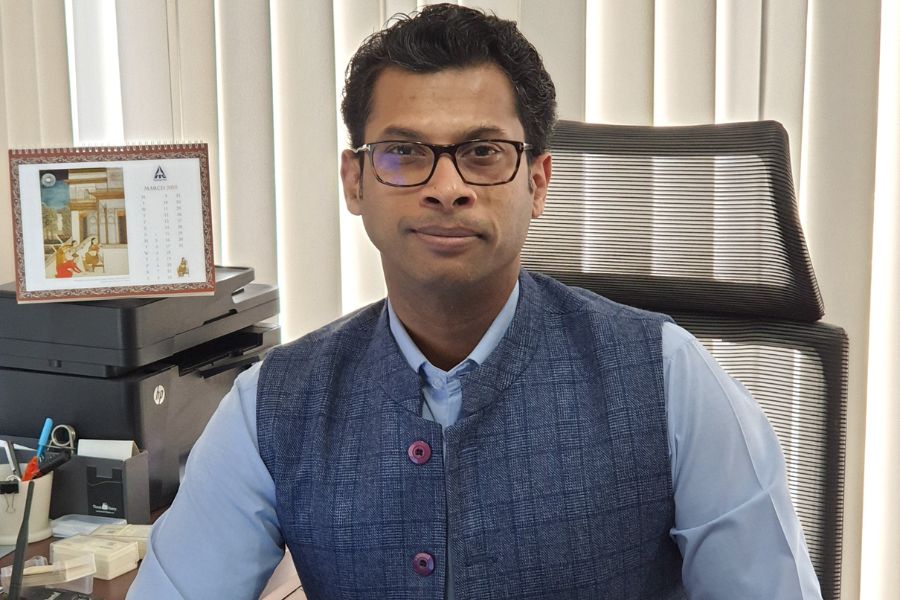
“Technology alone isn’t enough, true quality comes from awareness and discipline.”- Fabcon India’s model for delivering world-class food safety and hygiene
Fabcon India has undergone a remarkable transformation — from its beginnings in steel fabrication in 1977 to becoming one of Asia’s leading manufacturers of food processing and conveying technologies. With nearly five decades of expertise, the company has built a strong global presence driven by innovation, automation, and sustainability, delivering world-class solutions that enhance food safety, quality, and efficiency. In an exclusive interaction with India Business & Trade (IBT), Mr. Nishant Bansal, CEO & Managing Director of Fabcon India, shares insights on the company’s growth, technological advancements, and vision for the future of India’s food manufacturing sector. IBT: Fabcon India has been a leading name in food processing since 1981. How has the company evolved with changing technology and market trends? Nishant Bansal: We actually started back in 1977. The business was founded by my father, Mr. Rakesh Bansal, who is an engineer from Aligarh. The name Fabcon comes from two words — fabrication and conveying systems. In the early years, we were engaged in steel fabrication for industries such as railways, power generation, and sugar — what were known as the heavy industries at that time, with limited modernization. Later, we began manufacturing conveyors for Maruti when it entered India. Maruti officially started operations in 1984, but their plant construction and training programs had begun earlier. We were among the suppliers chosen to make conveyors for them, which marked the beginning of our journey in industrial automation. Initially, we focused on fabricating steel tanks, platforms, and miscellaneous components, along with conveyors for the automobile industry. In the early 1990s, we had the opportunity to connect with the late Shri Manohar Lal Agarwal of Haldiram’s, and that was a turning point — it marked our entry into the food processing sector. Today, we are proud to have nearly 48 years of legacy behind us. I represent the second generation, having joined my father in 1997 — so it’s been around 27–28 years for me personally. We currently have a team of about 200 people across three manufacturing units, with two additional units under development. Over the years, we’ve evolved from a fabrication company to a complete food processing solutions provider, exporting to more than 70 countries — including advanced markets like the US, Canada, the UK, Australia, and Germany. Innovation continues to be at the heart of our growth and success. IBT: Innovation is central to your growth. What new technologies or solutions are you currently introducing for the snack food industry? Nishant Bansal: Yes, continuing from the same thought — evolution and change are absolutely essential. In fact, I believe they are the only constants in any industry. One must keep evolving and adapting to meet the ever-changing demands of the market. We cannot afford to be left behind, and today, India stands shoulder to shoulder with the developed world — whether it’s Europe or the US. If we look back, namkeens were once made entirely by hand, and the industry was seeking only basic technology. But as the focus on food safety, hygiene, quality, cost efficiency, and automation grew, we evolved alongside these needs. Today, we are among the leading automated food processing equipment manufacturers in India and Asia, offering technologies that are on par with those used in Europe and America. Many of our European customers are often surprised to see the level of automation we’ve achieved in our own facilities. We use robotics, smart systems, laser cutting, CNC machining, and laser welding. In fact, the only things truly Indian in our operations are our people and the steel we use. Most of our software, components, and systems are sourced from global leaders — whether European, German, American, or Japanese. Our evolution has always been driven by understanding our customers’ requirements and developing the right technologies — whether in terms of food safety, hygiene, automation, or large-scale production — to help them meet the demands of a dynamic market. IBT: As automation and hygiene standards rise globally, how does Fabcon ensure its systems meet HACCP and GMP guidelines? Nishant Bansal: Whether it’s HACCP, GMP, CCP, BRC, or in India’s case, FSSAI — all these standards are extremely important. As consumers, whether it’s you or me, we all want to eat food that is safe, hygienically prepared, and has a good shelf life. With the growing shift towards frozen foods, people today are far more conscious and demanding — not just about taste, but also about quality, color, packaging, and overall safety. At Fabcon India, we have incorporated all these considerations into our design and manufacturing process. Having exported for nearly 25 years, we are a government-recognized One Star Export House for machinery. Over time, we’ve learned many lessons — especially in the early days when our understanding of global food safety standards was limited. Two decades ago, we realized that the designs acceptable in India were not up to the mark for European or American markets. That experience shaped our evolution. Since then, we’ve made it a core part of our strategy to ensure that every piece of equipment we manufacture — whether for India, Europe, America, or Africa — meets the same world-class standards. The quality we deliver to PepsiCo or Haldiram must be identical to what we deliver to a small Indian startup. For us, that consistency defines Fabcon India’s integrity and reputation. Our vision is simple: the food that comes out of Fabcon India machinery should be so safe and hygienic that even I, personally, should have no hesitation in eating it. Regardless of whether it’s produced by a multinational or a local enterprise, we take pride in knowing it’s made using our equipment. To achieve this, we focus deeply on precision and hygiene — from proper welding and CNC-based equipment formation to investing in advanced Italian tooling that ensures world-class metal pressing. We use state-of-the-art laser cutting and laser welding technologies that deliver European-standard quality. But technology alone isn’t enough. We have also trained our people extensively, because true quality comes from

India’s Ed-Tech story, version 2.0: From hypergrowth to hybrid discipline
India’s ₹3,480 crore ed-tech listing is a marker of how far the sector has come since the digital learning frenzy of 2020. When classrooms went online, ed-tech became the face of innovation. Billions were invested, startups scaled overnight, and online learning looked unstoppable until the post-pandemic correction hit. As PhysicsWallah launches India’s first major ed-tech IPO, the industry stands at a crossroads between promise and proof. The question is no longer who can grow the fastest, but who can build sustainably. Could this be the turning point that defines India’s next chapter in digital education and the future of the ed-tech industry? When schools closed in 2020 and millions of students logged in from home, India’s ed-tech wave surged. Investors poured billions, companies scaled overnight, and the promise of digital learning felt limitless. Yet the boom proved to have its ripple effects: by the mid-2020s many ed-tech firms faced intense headwinds, from valuation contractions to execution stress. Into this landscape steps PhysicsWallah, launching a ₹3,480 crore initial public offering (IPO) the first major ed-tech listing in India after the sector’s shake-out. The question is: what does this tell us about where ed-tech really stands today? What’s driving the ed-tech IPO? India’s homegrown ed-tech major PhysicsWallah has opened its IPO with a price band of ₹103–₹109 per share, targeting a total raise of ₹3,480 crore, including a fresh issue of ₹3,100 crore and an offer for sale worth ₹380 crore. The issue, which seeks a post-listing valuation of around ₹31,500 crore (US$ 3.19 billion), has already drawn anchor investment commitments of ₹1,563 crore from global heavyweights such as Goldman Sachs and Fidelity Investments. Scheduled for listing on November 18, 2025, it marks the first major ed-tech public offering in India’s post-pandemic era which is a significant moment for both investors and the sector itself. The timing of this IPO reflects the shifting dynamics of India’s education technology market. During the pandemic, the sector saw explosive growth owing to the rising internet penetration, affordable smartphones, and no option but to shift to online learning. Dozens of platforms competed for digital dominance but as schools reopened and online fatigue set in, the sector corrected sharply which exposed the need for sustainable, execution-driven models over unchecked expansion. PhysicsWallah’s response to this new reality has been strategic. Instead of staying confined to the online classroom, it has embraced a hybrid model that use technology with physical learning spaces. The company plans to deploy IPO proceeds to build 200 new offline centres, taking its total footprint to around 500, while upgrading infrastructure and deepening reach across India’s Hindi-speaking heartland. This model acknowledges a key truth about India’s education market: tier-2 and tier-3 cities still value physical presence, mentorship, and local engagement, making pure-play online learning less effective in the long run. The company’s recent performance highlights this maturity. Revenues surged to ₹2,886 crore in FY25, up from ₹744 crore in FY23, while losses narrowed drastically, reflecting a sharper focus on profitability and operational discipline rather than hypergrowth. From a business opportunity lens, this evolution is even more interesting. The hybrid expansion opens up new value chains — from real estate and infrastructure development to teacher training, educational content production, and digital integration. It also connects naturally to exports of digital learning tools, cross-border skilling partnerships, and regional entrepreneurship. The post-COVID pressure-test The pandemic leap in ed-tech adoption is well documented. But the industry’s reality check came soon after. According to a market report, the Indian education market is valued at ₹15-16 trillion in FY25, and ed-tech still represents only around 4 % of that market. One recent IMARC forecast estimates the Indian ed-tech market at US$ 2.8 billion in 2024 with potential to reach US$ 33.2 billion by 2033 (CAGR ~28.7 %)—but that long-term growth is not the same as immediate scale. Many of the ed-tech firms that soared during the pandemic are now seeing profitability as a struggle, running offline centres costs more than expected, since the competition in the sector has only grown sharper. PhysicsWallah’s decision to go public feels both bold and revealing. It signals that the industry is maturing, moving away from the “grow fast at any cost” mindset toward more sustainable, hybrid models that balance reach with real, measurable returns. What makes PhysicsWallah different? Even as investor excitement around ed-tech cools, this IPO marks a turning point. It’s IPO is a sign that India’s online education story is maturing. The move reflects growing confidence in a model built on scale, affordability, and balance. Unlike many pandemic-era players that chased growth at any cost, this company has built patiently by combining digital access with physical learning centres across smaller Indian cities. India’s tier-2 and tier-3 cities are becoming the heartbeat of demand for quality education. Families here are aspirational, tech-aware, and increasingly willing to invest in better opportunities for their children. This has changed how the industry thinks. Its no longer just online versus offline, but localised, bilingual, community-driven learning that blends technology with a human touch. This shift is also creating new avenues for business. As learning goes hybrid, demand is rising for trained teachers, regional content developers, franchise-based learning centres, and digital infrastructure. Education, long seen as a social good, is emerging as a full-fledged economic ecosystem, one that could link skilling, innovation, and exports under a single umbrella. The ed-tech sector itself is redefining its focus. The early race to dominate K-12 and test prep is giving way to vocational courses, corporate upskilling, and lifelong learning. These are the areas that not only promise sustainable revenues but global relevance. Indian teaching models and content are finding new markets in Southeast Asia, Africa, and the Middle East. Slowly, India is evolving from a consumer of digital education to an exporter of learning innovation. Still, it is easier said than done. Hybrid learning brings heavier costs including the ones from setting up centres and hiring staff to meeting stricter quality and data regulations. The real winners will be those who

India unveils EEZ rules to boost sustainable fisheries
The Government of India has introduced the Rules for Sustainable Harnessing of Fisheries in the Exclusive Economic Zone (EEZ) to strengthen the blue economy and empower small-scale fishers. The framework prioritizes Fishermen Cooperative Societies and FFPOs for deep-sea fishing, providing access to modern vessels, infrastructure, and training. With nearly half of India’s EEZ surrounding the Andaman & Nicobar and Lakshadweep Islands, the initiative seeks to tap into untapped deep-sea resources like tuna through the mother-and-child vessel model, designed for efficient mid-sea transshipment. In a major step towards strengthening India’s blue economy and empowering small-scale fisheries, the Government of India has officially notified the Rules for Sustainable Harnessing of Fisheries in the Exclusive Economic Zone (EEZ). The newly introduced framework aims to promote sustainable fishing practices, enhance seafood exports, and generate new livelihood opportunities for coastal communities. This new framework is aligned with Prime Minister Narendra Modi’s vision of unlocking the full potential of India’s marine sector, the EEZ Rules place strong emphasis on Fishermen Cooperative Societies and Fish Farmer Producer Organizations (FFPOs), granting them priority in deep-sea fishing operations. These entities will gain access to advanced fishing vessels, modern infrastructure, and extensive capacity-building support to improve productivity, profitability, and global competitiveness. The initiative holds particular significance for the Andaman & Nicobar and Lakshadweep Islands, which together make up nearly half of India’s EEZ area. Exclusive Economic Zone is of more than 23 lakh square kilometers, giving livelihood support to more than 50 lakh fishermen community across 13 maritime states and UTs. Despite such a large area, full potential of the country’s EEZ hasn’t been utilized, specially in high valued resources in deep-sea including tuna resources, which remains untapped. There has been a significant fishing in the Indian ocean by countries like Sri Lanka, Maldives, Indonesia, Iran and European countries, catching high valued deep-sea fish varieties like tuna, however India is not able capture them, as they had lagged behind and are limited to nearshore waters. The new EEZ rules are expected to increase the sustainable fishing. The introduction of the mother-and-child vessel model will facilitate mid-sea transshipment, lower operational costs, and boost exports of high-value fish species such as tuna. Introduced in line with Reserve Bank of India regulations to facilitate mid-sea transshipment, this model deploys large “mother” vessels that support smaller “child” boats, helping to ease shore congestion, extend fishing duration, and enhance operational efficiency. Enhanced safety for fishers To ensure greater transparency, safety, and regulatory efficiency, the government has launched a digital Access Pass system via the ReALCRaft portal. Under this system, mechanized and large motorized vessels must obtain access passes for EEZ operations, while traditional and small-scale fishers using non-motorized crafts are exempted. The online, paperless, and time-bound process allows for faster approvals and real-time tracking. Additionally, the portal is being integrated with the Marine Products Export Development Authority (MPEDA) and the Export Inspection Council (EIC) to ensure end-to-end traceability and full compliance with export standards. The EEZ Rules impose strict prohibitions on destructive fishing practices such as LED light fishing, pair trawling, and bull trawling to safeguard marine biodiversity. They also introduce a minimum legal fish size to prevent overexploitation of marine resources. Furthermore, the government is promoting mariculture, including seaweed cultivation and sea-cage farming, as sustainable alternatives to nearshore fishing. In a landmark policy reform, fish harvested from India’s EEZ will now be officially recognized as of Indian origin under customs regulations, ensuring that the revenue generated within the sector is accurately accounted for domestically. The government will also implement a National Plan of Action to curb illegal, unreported, and unregulated (IUU) fishing activities. Through these comprehensive reforms, the government aims to revolutionize marine fisheries governance with a focus on technology, transparency, and inclusivity—driving sustainable growth, strengthening exports, and empowering coastal communities across the nation. Read more India to ratify WTO fisheries subsidy agreement Global marine fisheries: sustainability rising, challenges persist India’s fisheries suffer US$ 2.2 bn blow from wastewater FAQs 1. What are the new EEZ rules?They are government guidelines to promote sustainable fishing, improve seafood exports, and support small-scale fishers in India’s Exclusive Economic Zone. 2. What is India’s Exclusive Economic Zone (EEZ)?It’s an area extending up to 200 nautical miles from India’s coast, covering over 23 lakh sq km, where India controls marine resource use. 3. Why are the Andaman & Nicobar and Lakshadweep Islands important?They make up nearly half of India’s EEZ and hold rich but untapped deep-sea fish resources like tuna. 4. How will these rules help fishermen?They give priority to cooperatives and FFPOs, offering access to modern vessels, training, and digital systems to boost income and efficiency. 5. What is the mother-and-child vessel model?It uses large “mother” vessels to support smaller boats for mid-sea transshipment, cutting costs and extending fishing time.
From orchards to trade corridors: The case for mango diplomacy
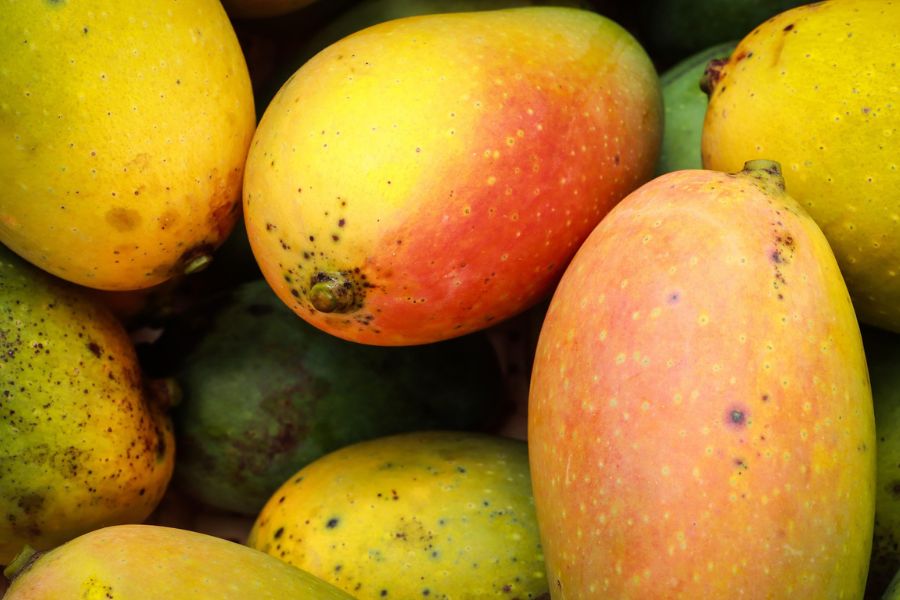
When summer settles over India, the air grows heavy with sweetness, and the syrupy perfume of mangoes drifts through markets, kitchens, and homes. Buckets of the fruit soak in cool water, children wait for their turn with dripping slices, and across cities and villages, families exchange boxes of Alphonsos as tokens of love. Mangoes are no longer just a sign that summer has arrived in India. The fruit today carries a deeper meaning. It has become a taste of India that the world eagerly awaits. The King of fruits has grown into an instrument of soft power. Every summer in India, the air turns sweet long before the first mango reaches the plate. The scent of ripening fruit drifts through markets and homes. Summer afternoons in a typical Indian household comprise of buckets brimming with mangoes soaking in cool water, waiting to be sliced, shared, and savored after meals. Across the country, families send boxes of mangoes from their farms or local markets to relatives and friends, as a gesture of affection. For many, the season’s joy lives in the simple comfort of aamras after lunch or a tall glass of mango shake shared on a hot afternoon. Mangoes are deeply rooted in the Indian culture. But now, it is more than a yearly ritual of taste and in recent years, this familiar joy has taken on a new meaning. The mango, India’s “king of fruits,” is now also a quiet ambassador of India’s global reach – one of soft power, trade, and cultural pride. In FY25, India’s mango exports touched 32,000 metric tonnes, valued at US$ 60.14 million, marking a steady rise in both demand and reach. Bengaluru’s Kempegowda International Airport alone shipped 3.15 million mangoes to 51 global destinations, with exports expanding 12% in volume and 21% in reach. The fruit’s journey now stretches from Indian farms to supermarket shelves in the UAE, UK, Japan, Saudi Arabia, and the USA, carried by 24 international airlines. For a crop so deeply woven into India’s heritage, this global ascent carries both economic and emotional weight. India produces nearly half of the world’s mangoes—over 20 million metric tonnes annually—yet exports remain relatively modest. This paradox of abundance and under-representation is familiar to Indian agriculture, but in the case of mangoes, the story runs deeper. It’s not just about supply chains or shelf life; it’s about reimagining how a cultural icon can evolve into an economic powerhouse. The sweet symbol of soft power and the bottlenecks For India, the mango has always carried meaning far beyond its taste. It has travelled through time as a cultural and diplomatic messenger—gifted between rulers, celebrated in poetry, and now, presented in diplomatic exchanges. In recent years, mangoes have featured in high-level bilateral visits, notably as gifts to nations like Japan and the UAE. These gestures, while symbolic, highlight the potential of transforming a fruit into a brand of national pride. Imagine an “Alphonso from India” campaign—backed by the Agricultural and Processed Food Products Export Development Authority (APEDA) and state governments—elevating the fruit to the status of Champagne or Parmigiano-Reggiano. With its GI tag and rich aroma, Alphonso can represent the gold standard of Indian produce—a product that speaks of terroir, tradition, and taste. But the path from orchard to overseas market is still uneven. Strict phytosanitary restrictions continue to limit access to high-value destinations such as Australia and South Korea. The Ministry of Commerce has noted that pest-related concerns and a shortage of approved irradiation facilities have slowed negotiations for export protocols. Add to that the mango’s short shelf life and weather-sensitive yield, and consistency quickly becomes a major hurdle. Certification is another key barrier. Labels such as GLOBALG.A.P., HACCP, and Fairtrade, essential for European and North American retail access, remain rare among Indian mango exporters. The National Horticulture Board (NHB) has flagged this as an area needing urgent investment, calling for more pack houses, vapor heat treatment units, and traceability systems across mango-growing states. These gaps are not due to lack of intent, but infrastructure. The challenge is to match India’s natural advantage with global-grade systems that guarantee quality, safety, and reliability. Several policy interventions are now helping bridge these gaps. Financial assistance under APEDA supports the creation of packhouses and branding initiatives, while the Transport and Marketing Assistance (TMA) scheme offers freight cost reimbursements for agri-exports. The PM Formalisation of Micro Food Processing Enterprises (PMFME) scheme is encouraging small entrepreneurs engaged in mango pulp and beverage processing, and the Agri Infrastructure Fund (AIF) provides low-interest loans for cold chains and logistics. These interventions, along with the EPCG scheme for duty-free machinery imports, are strengthening the value chain from farm to port. What India needs next is greater awareness and adoption of these schemes at the grassroots level. Rising demand, emerging markets Export data reflects encouraging momentum. India’s mango shipments are gaining traction not just in traditional markets such as the UAE, Saudi Arabia, and the UK, but also in emerging regions like East Africa and Central Asia. Premium destinations like Japan, South Korea, and the United States are showing growing appetite for high-quality, residue-free varieties. Among India’s many cultivars, the Alphonso from Maharashtra, Kesar from Gujarat, and Banganapalli from Andhra Pradesh stand out for their export suitability. The Alphonso’s aroma and GI protection make it a premium product, while Banganapalli’s longer shelf life makes it ideal for fresh export. The tangy Totapuri, meanwhile, dominates the processed pulp segment, underscoring how each variety can find its niche in global trade. If India wants to claim a larger slice of the global mango market, technology and traceability will be crucial. Digital tracking and QR-coded packaging can assure international buyers of authenticity and quality. Linking this with blockchain-enabled mandis and eNAM platforms can create transparency from farm to fork—a feature global consumers increasingly demand. Equally vital is brand storytelling. India’s mangoes are more than commodities; they are carriers of culture. A cohesive branding effort that links India’s dive rse mango varieties to their regional heritage
India’s rapeseed output set for record high amid soaring Chinese demand
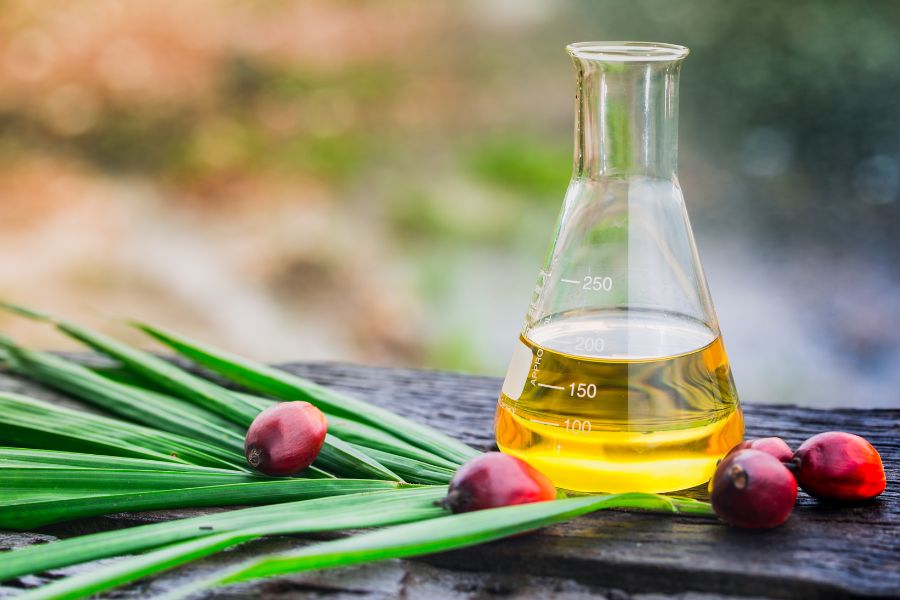
India’s rapeseed cultivation is expected to hit a record high, supported by strong Chinese demand and favourable weather. The crop area has expanded 7–8%, with early sowing up 13.5% from last year. Exports of rapeseed meal to China have surged to 488,168 tons in the first half of FY2025, up from 60,759 tons in all of 2024–25, after Beijing imposed tariffs on Canadian imports. Robust demand and output could help India reduce dependence on costly edible oil imports. As the world’s third-largest producer, India contributes over 13% to global output, with production rising 66% in a decade due to better seeds and farming practices. Experts emphasize promoting high-yielding varieties and quality inputs to bridge yield gaps, boost self-sufficiency, and enhance farmer incomes. India’s rapeseed cultivation is set to reach a record high this year, driven by strong Chinese demand for rapeseed meal and favourable growing conditions following above-average rainfall. As the country’s key winter-sown oilseed, higher rapeseed output could significantly reduce India’s dependence on costly imports of edible oils. According to industry estimates, the total area under rapeseed and mustard cultivation is expected to expand by about 7%–8% this year. Farmers typically sow the rapeseed crop in October and November, and by early November they had already planted 4.17 million hectares—13.5% more than during the same period last year. Last year, India’s total rapeseed area stood at 8.93 million hectares, well above the five-year average of 7. 9 million hectares. According to Mr B.V. Mehta, Executive Director of the Solvent Extractors’ Association of India, the domestic demand for rapeseed oil has been robust this year, while exports of rapeseed meal have soared, mainly due to record purchases from China. The Chinese buyers turned to India after Beijing imposed a 100% retaliatory tariff on rapeseed meal and oil imports from Canada, its leading supplier, in March. During the first half of the current fiscal year starting April 1, China imported an unprecedented 488,168 metric tons of rapeseed meal from India—compared with just 60,759 tons during the entire 2024–25 fiscal year, according to the association data. Export growth and trade performance In 2024, the United States stood as India’s top market for rapeseed and mustard oil exports, valued at US$ 4.9 million and representing 20.7% of total exports. Other key destinations included Canada, the United Arab Emirates, Australia, and Qatar. Table: India’s export of rapeseed, colza, and mustard oil Country 2024 (US$ Million) Share in India’s exports (%) USA 4.9 20.7 Canada 4.1 17.4 UAE 3.4 14.5 Australia 2.3 9.6 Qatar 1.0 4.1 Source: Trade map According to the latest trade data by Department of Commerce, India’s exports of rapeseed, colza, and mustard oil (HS Code 1514) have shown robust growth in 2025. In August 2025, exports rose to US$ 2.49 million, marking a 36.18% increase from US$ 1.83 million in August 2024. Over the five-month period from April to August 2025, cumulative exports reached US$ 11.33 million, up 28.53% from US$ 8.81 million recorded during the same period in 2024. This sharp rise reflects strong international demand for Indian rapeseed and mustard oil, supported by favourable domestic production trends and expanding export opportunities. The surge in exports, combined with strong domestic demand, has kept rapeseed prices comfortably above the government’s minimum support price (MSP) of ₹5,950 per 100 kg for last year’s crop. For the current season, New Delhi has raised the MSP by 4.2% to ₹6,200 per 100 kg. Industry experts point out that rapeseed contains a higher oil content than soybeans, and if the strong planting trend continues, it could help moderate the rise in India’s edible oil imports. Currently, India meets nearly one-third of its cooking oil demand through imports of palm, soybean, and sunflower oils from Malaysia, Indonesia, Brazil, Argentina, Ukraine, and Russia. Evolving production dynamics and future trajectory India ranks as the world’s third-largest producer of rapeseed-mustard, contributing over 13% to global output between 2020–21 and 2024–25. However, its average yield of 1,461 kg/ha in 2024–25 remains just 60.7% of the global average of 2,070 kg/ha. As a key oilseed crop, rapeseed-mustard holds the second position in India’s oilseed economy after soybean and accounts for nearly 36% of domestic edible oil production. Grown across 24 states, the crop’s adaptability, short growth duration, and versatility make it especially valuable for small and marginal farmers in rain-fed regions. Over the past two decades, joint initiatives by the Government of India, ICAR, and various state governments have significantly boosted production—from 6.8 million tons in 2015–16 to 12.61 million tons in 2024–25. This reflects a 66% rise in production (CAGR 2.7%) and a 41% improvement in productivity (CAGR 1.8%), driven by technological innovations, better seeds, and improved farming practices. Despite notable progress, productivity remains constrained by yield gaps and limited farmer awareness of advanced technologies. According to experts, strengthening key areas such as promoting high-yielding seed varieties and improving access to quality inputs to address regional disparities will be essential for sustaining rapeseed-mustard’s contribution to India’s edible oil security and enhancing farmer incomes. Read more Rapeseed Planting Jumps In India As China Demand Rises Impact evaluation on productivity and profitability of rapeseed-mustard under cluster front line demonstration in Chandel district, Manipur FAQs 1. Why is India’s rapeseed cultivation expected to reach a record high this year? India’s rapeseed area is expanding due to strong Chinese demand for rapeseed meal, favourable weather following above-average rainfall, and steady domestic demand for edible oil. These factors have encouraged farmers to increase sowing by about 7–8% compared to last year. 2. How has Chinese demand influenced India’s rapeseed exports? China’s record imports of rapeseed meal from India—488,168 metric tons in the first half of FY2025—have significantly boosted India’s export performance. This surge followed China’s imposition of a 100% tariff on rapeseed imports from Canada, redirecting demand to India. 3. What impact does higher rapeseed output have on India’s edible oil imports? Higher rapeseed production can help India reduce its dependence on imported edible oils such as palm, soybean, and sunflower oil. As rapeseed

India tops global charts in alcohol consumption growth
India has emerged as the world’s fastest-growing beverage alcohol market, topping 20 key global economies for the third consecutive half-year period, according to the latest IWSR data. Total beverage alcohol consumption in the country rose 7% year-on-year in the first half of 2025, crossing 440 million 9-litre cases. The surge is being powered by a young and expanding consumer base, rising disposable incomes, and a growing preference for premium and craft segments — with Indian whisky continuing to lead the market. As per the IWSR data, India posted the highest growth in total beverage alcohol (TBA) consumption among 20 major global markets for the third consecutive half-year period, marking a 7% year-on-year rise in the first half of 2025. India’s beverage alcohol market is entering a new phase of transformation, driven by favourable demographics, rising incomes, and evolving consumer preferences. While the market is still less developed than those in mature economies such as the US, Japan, or Germany, its growth trajectory has been remarkable. The country’s total beverage alcohol volume has now surpassed 440 million 9-litre cases, positioning India as one of the most dynamic alcohol markets in the world. A major factor behind this surge lies in India’s vast population and the rapid expansion of its middle class. With a young demographic base and increasing urbanisation, the number of consumers with the purchasing power and aspiration to trade up to premium products has grown significantly. The population aged between 25 and 45 years — the core drinking-age cohort — is driving both volume and value growth. This, coupled with evolving social norms and a growing appetite for experimentation, has made India one of the most attractive growth markets for global and domestic alcohol producers alike. However, what is equally notable is the regulatory transformation underway across several Indian states. Historically, the country’s beverage alcohol industry has been hindered by complex, bureaucratic, and highly localised regulatory structures. Each state maintains its own excise policies, taxation systems, and distribution models, which has long posed challenges for producers and marketers. In recent years, though, a shift has begun. Key state governments have started adopting a more pragmatic and business-oriented approach, recognising the industry’s immense contribution to state revenues and employment generation. Excise duties on alcoholic beverages constitute one of the largest sources of non-GST revenue for many Indian states. As such, state policymakers are increasingly viewing the sector through a developmental lens rather than a purely regulatory one. Simplified licensing procedures, digitalisation of permits, and revised excise policies aimed at attracting investment are now being observed in states such as Maharashtra, Haryana, and Karnataka. This gradual easing of bureaucracy, while uneven across the country, is paving the way for greater operational efficiency and faster product rollouts, ultimately fuelling industry expansion. IWSR data shows that spirits positioned at the higher end of the standard price range and above are outperforming value segments, indicating an overall quality enhancement among domestic distillers. Indian whisky, in particular, continues to dominate the spirits landscape, growing by 7% to exceed 130 million 9-litre cases. At the same time, segments such as vodka and gin are witnessing double-digit and steady single-digit growth respectively, reflecting diversification in consumer choices. In both absolute and percentage GDP growth terms, developing markets like India are forecast to outperform mature economies over the coming decade. This strong macroeconomic foundation aligns closely with IWSR’s projections for beverage alcohol value growth. As income levels rise and aspirations shift toward higher-quality consumption, more Indian consumers are gravitating toward premium and imported brands, especially in urban centres and emerging Tier-II cities. Among global developing markets, India and China stand out as the twin engines of growth for the beverage alcohol industry. Both countries exhibit robust consumer confidence, with respondents showing optimism about their personal financial situations and reporting strong gains in alcohol spending. While data from China may skew positively due to cultural factors influencing self-reporting, India’s optimism is grounded in a real and measurable rise in disposable income, lifestyle changes, and exposure to global consumption patterns. Moreover, India’s growth story in beverage alcohol is being reinforced by structural shifts in distribution and marketing. The proliferation of e-commerce platforms, the rise of modern retail, and the evolution of on-trade experiences — such as premium bars, craft breweries, and mixology-focused lounges — are redefining how consumers discover and engage with alcoholic beverages. Although e-commerce sales of alcohol remain restricted in many states, pilot projects and discussions around regulated digital sales channels hint at potential future liberalisation. The diversification of consumer tastes has also given rise to new growth pockets. Niche categories such as Irish whiskey, agave-based spirits, and Indian single malts are expanding at a rapid pace, catering to a growing segment of discerning drinkers. Notably, Indian single malts are steadily gaining ground on Scotch malts, as local producers focus on innovation, craftsmanship, and regional authenticity. At the same time, ready-to-drink (RTD) beverages and low-alcohol options are resonating with younger, health-conscious consumers who value convenience and moderation. IWSR’s long-term outlook projects India to become the fifth-largest alcohol market globally by volume by 2027, overtaking Japan and later Germany by 2033. With China, the US, Brazil, and Mexico expected to remain ahead, India’s rise signifies a fundamental shift in global industry dynamics. Read more India’s alcoholic beverage industry is in high spirits! Indian whiskey brands have an opportunity to move up the ladder FAQs 1. Why is alcohol consumption rising in India?A young population, higher incomes, urban lifestyles, and growing social acceptance are driving alcohol consumption in India. 2. Which alcohol category dominates the market?Whisky leads the market, followed by rum, vodka, gin, and ready-to-drink beverages. 3. How big is India’s alcohol market now?India crossed 440 million 9-litre cases in total beverage alcohol sales, making it the fastest-growing among 20 global economies. 4. What is driving premiumisation in India’s alcohol industry?Consumers are increasingly choosing premium and craft brands as incomes and global exposure rise. 5. What’s the outlook for India’s alcohol sector?India is projected to become the

India’s UPI success story: Scale, speed, and inclusion
India’s digital payments landscape has witnessed an extraordinary surge, led by the Unified Payments Interface (UPI), which now accounts for over 85% of all digital transactions. Backed by the Aadhaar stack, Jan Dhan accounts and widespread smartphone access, UPI has reshaped both person-to-person and merchant payments, penetrating rural markets and enabling seamless micro-transactions. Cross-border UPI linkages and real-time settlement infrastructure have cemented India’s role as a global fintech pioneer. New features—credit-on-UPI, conversational and offline payments, and advanced fraud-monitoring systems—are broadening its reach. As merchant participation grows and public-private collaboration deepens, UPI continues to drive a secure, inclusive and interoperable digital economy. India’s payments ecosystem has seen extraordinary growth, with digital payments now dominating the country’s transaction landscape. In the first half of 2025, digital payments accounted for 99.8% of total transactions by volume and 97.7% by value, according to the Reserve Bank of India (RBI). Out of total payment transactions worth ₹1,572 lakh crore, ₹1,536 lakh crore were conducted digitally. These figures reflect a steep progression over the past decade. In 2019, digital transactions made up 96.7% of volume and 95.5% of value. However, these shares had climbed to 99.7% (volume) and 97.5% (value) in 2014. Digital transactions have surged 38-fold in volume and three-fold in value over ten years, clocking a CAGR of 52.5% in volume and 13% in value for the decade ending 2024. Over the past five years alone, digital payments have grown 6.6 times in volume and 1.6 times in value, translating to a five-year CAGR of 46% in volume and 10% in value. UPI leads India’s retail payment transformation India’s digital payments infrastructure includes a diverse mix of instruments such as UPI, IMPS, NEFT, RTGS, cards, mobile wallets, and net banking. Among these, the Unified Payments Interface (UPI) has emerged as the most widely used fast payment system, driven by its ease of use, 24×7 functionality, and quick settlement features. In H1 2025, UPI processed 10,637 crore transactions worth ₹143.3 lakh crore, compared to ₹117 lakh crore in the same period of 2024. It accounted for 85% of payment transactions by volume, but only 9% by value during the first six months of 2025, highlighting its role as the preferred platform for frequent, low-value retail payments. In contrast, RTGS and CCIL systems handle high-value wholesale transfers, with RTGS requiring a minimum of ₹2 lakh per transaction, making them central to India’s Large Value Payment System infrastructure. Together, these systems demonstrate India’s rapidly advancing digital payments ecosystem, driven by strong infrastructure, widespread user adoption, and supportive regulatory policies. UPI: When India reimagined money and inclusion UPI’s story started not with an app, but with a bold idea: enabling India, a nation of over a billion people, to skip traditional banking barriers and enter the digital age seamlessly. This transformation was built on what policymakers later termed “Digital Public Infrastructure,” driven by three foundational reforms. Jan Dhan Yojana enabled millions to open bank accounts and join the formal financial system. Then Aadhaar provided every citizen with a biometric identity, allowing seamless digital verification. Affordable mobile data, propelled by intense telecom competition, gave mass internet access to even low-income users. With this groundwork laid, NPCI launched UPI in 2016 as an open, interoperable platform. Unlike closed digital wallets, UPI allowed real-time bank-to-bank transfers across any app. Its simplicity changed the game—no wallet top-ups, no app exclusivity, just instant secure payments from any bank to any bank, making digital finance truly universal and inclusive in India. How UPI works? Unified Payments Interface (UPI) is a real-time payment system that allows users to link multiple bank accounts to a single mobile application from any participating bank. It brings together various banking services, seamless fund transfer options, and merchant payments on one platform. UPI also supports peer-to-peer payment requests, enabling users to send or schedule payment requests conveniently. The system was launched in pilot mode by the National Payments Corporation of India (NPCI) with 21 member banks. The pilot was officially unveiled on April 11, 2016, in Mumbai by then RBI Governor Dr. Raghuram G. Rajan. Following the launch, participating banks began releasing their UPI-enabled applications on the Google Play Store, making it accessible to users nationwide. UPI functions through key participants including the Payer Payment Service Provider (PSP), Remitter Bank, NPCI, Beneficiary Bank, bank account holders, and merchants. Together, they enable smooth fund transfers across banks and platforms. UPI offers several benefits to customers, merchants, and banks. It operates 24×7, enabling instant transfers anytime. Users can access multiple bank accounts through a single app and make secure payments using a Virtual Payment Address (VPA), eliminating the need to share sensitive details. The platform supports single-click, two-factor authentication and allows users to raise complaints directly through the mobile app. What makes UPI exceptional is- Enables instant money transfers via mobile, 24×7×365. Allows access to multiple bank accounts through a single app. Offers seamless one-tap payments with secure, RBI-compliant two-factor authentication. Uses a Virtual Payment Address (VPA) for added security—no need to share card numbers, account details, or IFSC codes. Supports QR-code-based payments. Eliminates cash-on-delivery hassles, ATM visits, and the need for exact change. Facilitates merchant payments through one app or in-app integrations. Simplifies utility bill payments, over-the-counter payments, and QR (scan-and-pay) transactions. Enables donations, collections, and disbursements at scale. Allows users to file complaints directly through the app. UPI serves a wide range of payment needs — from utility bills and retail shopping to donations, collections, and disbursements — making it extremely adaptable. By removing the hassles of exact cash payments and reducing reliance on ATMs, it simplifies daily transactions. This broad utility and convenience make UPI a powerful, scalable, and efficient digital payment solution for both consumers and merchants. India’s UPI goes global Building on this strong momentum, the National Payments Corporation of India (NPCI) has increased the Unified Payments Interface (UPI) transaction limit for Person-to-Merchant (P2M) payments. Effective 15 September 2025, users can now make merchant payments of up to ₹10 lakh per day in select verified categories,
The new rural dividend: Converting farm waste into clean energy and income
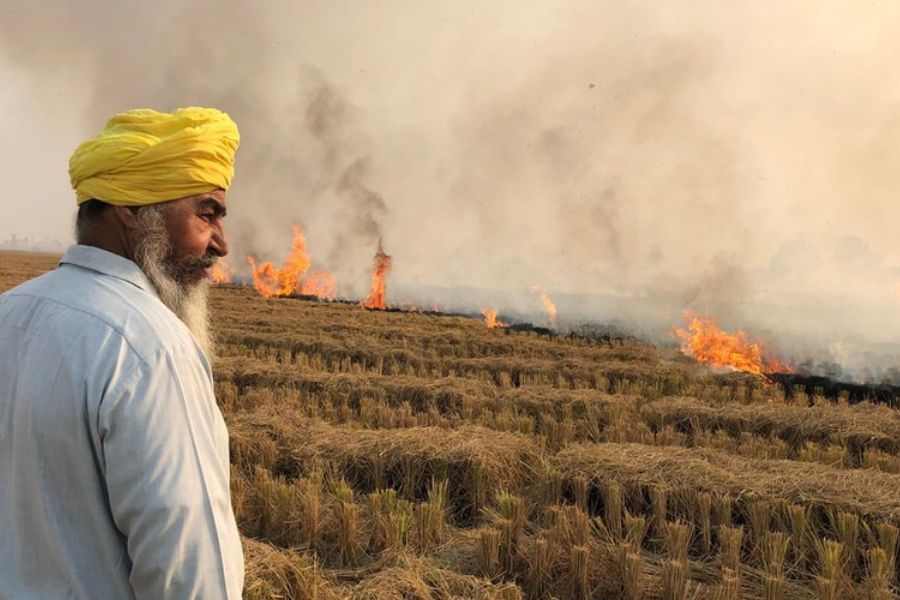
Every winter, smoke from stubble fires blurs India’s northern skies, a symptom of an untapped resource going up in flames. What if, instead of pollution, those residues powered the grid, created rural jobs, and cut fossil fuel use? The answer lies in reimagining agricultural biomass as a national energy asset. India’s claim as an agricultural powerhouse is well earned. With nearly 139 million hectares under cultivation, its farms do far more than feed the nation. They generate a vast and often overlooked stream of by-products. Crop residues, husks, sugarcane fibre, palm and coconut shells, even cow dung which all accounts to an abundant supply of agricultural biomass. Yet, despite its scale and potential, this resource remains on the fringes of India’s energy and rural enterprise story. India produces an enormous volume of agricultural residues every year with an estimated 500–600 million tonnes in total. Of this, rice and wheat alone account for nearly 70%, with studies suggesting around 120–230 million tonnes of rice straw and husk and 110–130 million tonnes of wheat straw annually. Residues from crops such as cotton, sugarcane, and coconut add significantly to this pool, even if precise figures vary across regions. Collectively, India’s annual agricultural biomass output ranks among the highest in the world, second only to China, with a surplus potential of about 230 million tonnes available for productive use. These are not just statistics — they represent a vast, renewable resource waiting to be transformed into value and opportunity. For farmers, even a modest payment can deliver meaningful revenue. In several Indian states, raw agricultural biomass currently changes hands at an average of ₹ 1.5–₹ 2 per kg, which translates to a serviceable available market (SAM) in the region of ₹ 15,000–₹ 20,000 crore. For marginal and smallholder farmers, this means a dependable supplementary income stream — achieved without additional land or major input costs. Yet the promise is held back by structural frictions. The biomass market remains largely unorganised. Mechanisation along the agricultural-residue chain is uneven, farms are fragmented, and the costs of storage and transport continue to erode margins. For instance, a detailed supply-chain review for paddy residue indicates that transport and aggregation up to ~15 km can cost ₹ 1,150-₹ 1,330 per tonne (≈ ₹ 1.15–₹ 1.33 per kg) even before longer-haul costs kick in. In the broader logistics landscape, India’s freight transport is expensive -road transport averages ₹ 11.03 per tonne-km. These cost pressures make long-haul aggregation of light volumes uneconomic, ultimately squeezing both farmers and processors. If biomass is to emerge as a durable pillar of rural livelihoods and clean energy, then the system must evolve — from ad-hoc collection to an organised, localised ecosystem that links farmers, cooperatives, rural entrepreneurs and energy producers. Only by reducing friction and raising value at each stage can this latent opportunity be realised in scale. Practically, this means incentivising collection and storage close to source. Corporate players and cooperatives should be encouraged to set up structured collection and storage facilities in agricultural pockets so raw material need not travel excessively long distances. Area-wise biomass collection agents — local entrepreneurs or cooperative cadres can be deployed to aggregate feedstock from clusters of villages. These agents, working with farmers, will funnel material into strategically located “collection banks” that saturate catchment areas and ensure consistent supply. Price signals must be clear and remunerative. Offering attractive, stable prices to farmers and collection agents will make biomass trading a viable line of business; policymakers might also explore a Minimum Support Price (MSP) mechanism for raw biomass to stabilise supply and protect small sellers from price shocks. Equally important is institutional partnership: tying up multi-state farmer cooperatives and agricultural societies can bring scale, accountability and traceability into the supply chain. Finally, the logic of scale must meet the logic of geography. Processing should sit where collection happens. Locating bioenergy and biogas plants close to storage clusters or high-density production zones not only reduces transport costs but also lowers carbon intensity and enhances plant viability. When feedstock, logistics, and processing are co-located, the economics align for every participant in the chain — farmers earn an assured price, collection agents gain steady income, and energy producers secure reliable raw material at predictable costs. The dividends extend far beyond economics. A functional farm-to-fuel ecosystem would substantially reduce stubble burning, improve local air quality, generate rural employment, and reinforce India’s clean energy transition. Crucially, it would convert what is today a waste-disposal problem into a sustainable income stream for millions of farmers. India already possesses the raw material base, nearly a billion tonnes of agricultural biomass annually. What’s missing is organisation and integration. Through pragmatic incentives, district-level biomass aggregation models, and public–private collaboration in logistics and technology, farm residue can evolve into a dependable pillar of India’s renewable energy portfolio. Our farmers have long been the custodians of food security; with the right systems and market linkages, they can now become anchors of energy security — powering a rural renaissance grounded in both sustainability and shared prosperity. Joint Director – Trade Promotion Council of India (TPCI)