ONDC is an initiative of Ministry of Commerce & Industry to help small retailers counter the dominance of ecommerce giants and take e-commerce penetration in consumer purchases from 5% to 25% in 2 years. But given the challenges of building and sustaining a network of this scale and complexity, can ONDC fulfil its promise to decentralize and democratize e-commerce in India? Photo Source: Shutterstock New Delhi, March 28: In order to create an equal opportunity for small players and big companies to compete with each other in India, central government is on a fast-track to spread digitization. The Open Network for Digital Commerce or ONDC, a non-profit initiative by the Department for Promotion of Industries and Internal Trade (DPIIT) of government of India, endeavours to make the digital opportunity available to all, in as equitable a manner as possible. On April 4, 2023, it was announced that Walmart backed PhonePe has launched Pincode, a new consumer-facing application, which will be a part of India’s ONDC framework. The digital payment brand looks to strengthen its e-commerce forays. The development comes 3 months after Flipkart completed full ownership separation of the payments startup. ONDC’s rollout started with limited pincodes in Bengaluru in September 2022. Companies such as Paytm, IDFC, Mystore, Craftsvilla and Spice Money are all buyer-side applications. In March 2023, ONDC expanded into mobility as well apart from food, grocery and e-commerce, as the network onboarded Bengaluru based Namma Yatri onto the platform. While 2 cities are in ONDC’s beta stage, 181 are in the alpha stage. ONDC is not an e-commerce app or a website. It is a virtual platform based on open source methodologies and protocols. Unlike UPI, which merges various banking service under one platform, ONDC will onboard various brands, stakeholders onto its platform. ONDC has three wings i.e. it is a platform for buyers, sellers and logistics. It has the potential to redefine, revolutionize ecommerce and online shopping space of India. ONDC is equivalent to ecommerce like UPI is to digital payments. One Mega Ecommerce Platform. One app encompassing all apps. Food, merchandise, mobility – all in one META app. Any buyer can connect with any seller. It claims to give the best deal at the best prices. One can compare the prices of different FMCG brands and make a comprehensive analysis. Best price competition, eliminating hidden charges and inflated delivery rates. What is ONDC? When was the initiative launched? ONDC is an initiative of Ministry of Commerce & Industry to help small retailers counter the dominance of ecommerce giants. The platform was launched on December 31, 2021 and since then, various public and private sector banks have already acquired stakes in ONDC. From the buyer’s point of view, consumers can potentially discover any seller, product or service by using any ONDC-compatible application or platform. The ONDC network uses open specifications and protocols. As long as businesses are connected to the ONDC open network, buyers and sellers can transact irrespective of the applications they use. This platform independence enables a cab driver, for instance, to be visible to potential customers of all cab hailing apps, even if he is registered on just one. For small merchants, ONDC aims to digitally empower around 1.2 crore hyperlocal Kirana stores. Small local stores account for 80% of the retail sector in India and most of them aren’t digitally connected. Though in the last three years, COVID-19 pandemic did give a major boost to e-commerce, the benefit of that has largely gone to the big players like Amazon and Walmart’s Flipkart, which control more than 60% of the market. What can ONDC do for SMEs? Apart from providing an online platform to small merchants for online business, ONDC also is expected to revolutionize logistics sector in India. While one can discover local stores near them, the consumers will also have an option to choose their own delivery partners. This means that small independent delivery and logistics companies can cater to the needs of the buyer and sellers without facing brand bias. ONDC is expected to digitize the entire value chain, standardize operations, foster inclusion of suppliers, usher in efficiency in logistics, and augment value for consumers. According to media reports, 20 government and private organizations have confirmed investments worth Rs. 2.55 billion into ONDC. Both public and private sector banks, such as HDFC, Kotak Mahindra, Axis Bank, State Bank of India (SBI), and Punjab National Bank (PNB), have picked up stakes in the platform. Axis Bank, HDFC, SBI, and Kotak Mahindra have acquired a share of 7.84% each, by individually investing Rs. 100 million to purchase 10,00,000 equity shares of face value of Rs. 100 each. In November 2021, PNB was the first bank to announce its plans to buy 9.5% share in ONDC. While the initiative is laudable, ONDC has a long way to go before it actually fulfils its objectives. The first challenge, of course is to achieve a critical mass of participants on both sides. For that, the platform experience has to be top notch – from selection to purchase to post-purchase issues – so that it attracts more buyers onto the network. Logistics would be another major challenge as the initiative has to deliver simultaneously in big cities as well as the hinterland. Moreover, if the large brands come onto the platform, the challenge of equitability stays. Smaller players will still find it difficult to compete, even if the platform offers them a wide reach. In a blog post on LinkedIn, T Koshy, CEO, ONDC, admitted that the buyer and seller onboarding was a classic chicken and egg situation (who pulls whom?). To address this, he elaborated the platform’s two-pronged approach: “First is to work with digitally mature entities to bring them on board at the earliest to prime the network and second is to support digitally handicapped entities to take advantage of this network. The former is to ensure that the network is attractive to a broader cross-section of buyers so that the sellers coming
India to be Self-Reliant in Solar PV Modules by 2026?
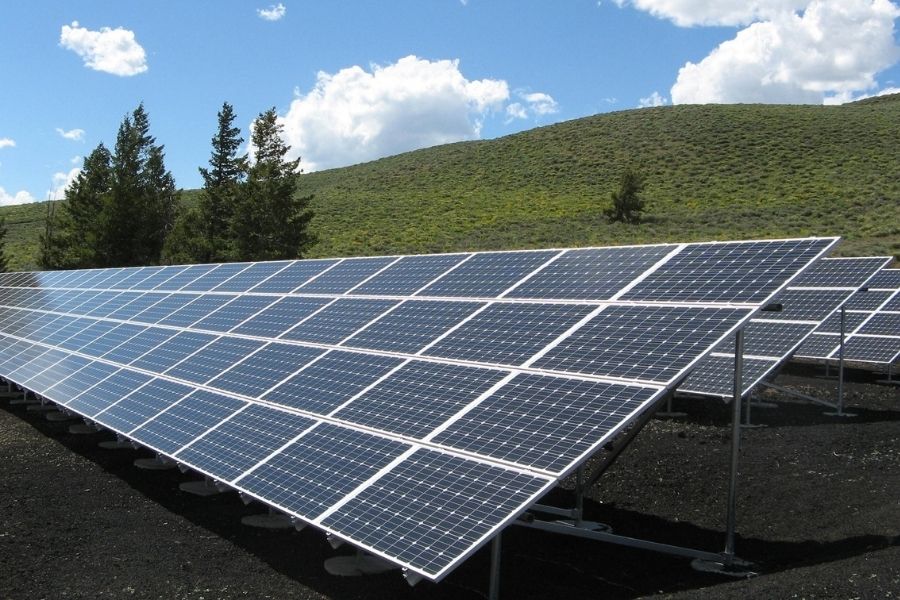
Witnessing exponential growth, India’s solar cell and PV module capacity has grown from 3 GW to 6.6 GW and 18 GW to 38 GW respectively. At this pace, the country is expected to be self-sufficient in solar photovoltaic (PV) module manufacturing in another 3 years, making it the second-largest PV manufacturer after China. India’s collective module manufacturing nameplate capacity has more than doubled to 38 GW in March 2023 from 18 GW in March 2022. As per the report published by JMK Research & Analytics and the Institute of Energy Economics and Financial Analysis, it is expected that the country will achieve about 110 GW of module production by 2026. With this, it is estimated that India will be a self-sufficient nation in solar photovoltaic (PV) module manufacturing, making it the second-largest PV manufacturer after China. In September 2022, the government approved Rs 19,500 crore for the production-linked incentive (PLI) scheme on the ‘’national programme on high-efficiency solar PV modules’’ with an objective to attract Rs 94,000 crore investment in the sector. The PLI scheme has proven to be a growth pusher for the PV manufacturing ecosystem in India. It aimed at reducing import dependence of the country in the area of Renewable Energy and thus, strengthening the Atmanirbhar Bharat initiative while generating employment. Apart from this, states are pitching in to promote domestic solar manufacturing through fiscal and non-fiscal incentives under industrial, electronics, and solar policies. As per Jyoti Gulia, the founder of JMK Research, “The production-linked incentive (PLI) scheme is one of the primary catalysts spurring the growth of the entire PV manufacturing ecosystem in India.” She also stated that besides the augmentation of infrastructure in all stages of PV manufacturing, from polysilicon to modules, it will also lead to the simultaneous development of a market for PV ancillary components, such as glass, ethylene vinyl acetate (EVA), and backsheets. The report added that the two tranches of the PLI scheme will help add 51.6 GW of module capacity and at least 27.4 GW of integrated ‘polysilicon-to-module’ capacity in the next three to four years. PLI shall enable India in achieving one of the lowest module prices in the world. Moreover, the country is going to have a notable presence in all upstream components of PV manufacturing, such as cells, ingots/wafers, and polysilicon. Factors Driving Growth in Solar PV Manufacturing Industry Another major factor contributing to the exponential growth of India’s solar PV manufacturing industry is frequent announcements of expansion or new investments in the sector. Additionally, the fact is to be noted that the government has taken various steps to boost demand for domestic solar PV modules. One of them was the introduction of the Approved List of Module Manufacturers (ALMM) in 2019. ALMM has proven to be the most important driver for the development of domestic PV manufacturing. This year, the Ministry of New & Renewable Energy (MNRE) kept the ALMM for solar PV modules in abeyance for FY24. The action offers relief to solar PV manufacturers, as solar modules can now be imported till April 2024 without the ALMM restriction. In the latest ALMM list of MNRE released in February 2023, there were 70+ domestic manufacturers with an enlisted capacity of 22,389 MW. Additionally, MNRE announced the basic customs duty (BCD) on imported solar cells and modules. The BCD on solar modules (HSN Code: 85414012) imposed is 40%, and 25% on solar cells (HSN Code: 85414011). While the PLI scheme is a hero player here, the government has taken multiple other measures to promote the demand for locally-made solar modules. Under some of the current schemes of the Ministry of New & Renewable Energy (MNRE), the domestic content requirement (DCR) was introduced. It includes CPSU Scheme Phase-II, PM-KUSUM, and Grid-connected Rooftop Solar Programme Phase-II, wherein government subsidy is given, and it has been mandated to source solar PV cells and modules from domestic sources. Certainly, the initiatives have positively impacted trade statistics compared to previous years. India exported solar cells and modules worth $157 million in the third quarter (Q3) of CY 2022, registering an upsurge of 642% YOY compared to 21.17 million, according to Department of Commerce data. The significant rise in solar exports is due to the absence of competition from imports, increased domestic production of cells and modules due to PLI, and import restrictions in the U.S. It is to be noted that more than 9 GW of production lines have been commissioned in the previous two quarters. On the other hand, imports of solar cells and modules during the quarter noticed a sharp decline by 59% YoY to $394 million as a result of Basic Customs Duty (BCD) and ALMM. India was dependent on China for 80% of its equipment until a couple of years ago. Today, it is fair enough to conclude that the potential for India to export its modules is bright. The country is preparing itself to expand its reach to international grounds. Upon reaching self-sufficiency, India can present itself as an alternative to China in terms of quality and price.

Deciphering the volatility in gold prices
India is one of the top gold importing countries, but since it hiked import duty on the metal to 15%, the country has observed a steep fall in imports and huge surge in exports. The yellow metal has constantly recorded fluctuations in the prices all over the country over the past few weeks. Various international factors like changes in US dollar value, Federal Funds rate and gold price discovery drive prices of the commodity in India. Image Credit: Pixabay Gold, also referred as yellow metal has always been a strong substitute of hard cash in India. It is considered as a safe investment during times of financial uncertainty as lower interest rates reduce the opportunity cost of holding the non-yielding bullion. The price of the metal has been fluctuating since past few weeks due to various global factors. On March 27, 2023, the precious 24 carat metal was priced at ₹ 59,650 per 10 grams, while the price of 22-carat gold stood at ₹ 54,640 per 10 grams. In Chennai, pure 24 carat gold was trading at about ₹ 52,285 per 10 grams, while 22-carat gold was trading at ₹ 47,927. In Delhi 24 carat gold costed about ₹ 60,150 per 10 grams and 22 carat gold was priced at about ₹ 55,150 per 10 grams. Gold prices witnessed a surge in Kolkata with 24-carat gold costing about ₹ 60,000 and 22 carat gold for about ₹ 55,000 per 10 grams. Similarly in Mumbai, the prices of gold are hovering around ₹ 60,000 per 10 grams. In the Feb-March 2023 period, MCX gold prices touched a low of Rs 55,535 per 10 gram on 19th Feb and highest Rs 59,436 on 23rd March 2023. Source: Investing.com, Prices in INR per 10 gm Speaking on the reasons that pulled down gold prices in February, Anuj Gupta, Vice President – Research at IIFL Securities said, “Gold prices came down after climbing a new peak, as US dollar became strong after upbeat US Current Account Deficit and other data. This helped the US dollar to bounce back from its 7-week lows. This rise in US currency led to profit booking trigger in the precious yellow metal.” He further added, “US dollar rate is expected to remain a major trigger for gold price movement in near term.” What drives Gold prices in India? Indians love to invest in gold, since they believe that it provides security at the times of inflation, can be used as jewellery and prices are generally stable. Apart from socio-economic reasons, the prices of gold varies for different regions based on parameters like excise duty, making charges and state taxes. Key reasons for fluctuating gold prices in India are as below: Strength of US Dollar: After hitting a 7-week low, the US dollar bounced back. An increase in dollar index of 0.1% is one of the major reasons for a drop in gold prices. Amid high inflation, the capacity to purchase more goods decreases, thereby denting the value of the US dollar. As the US dollar depreciates, the price of gold picks up. Federal Funds Rate: The federal funds rate refers to the interest rate that banks charge for lending excess cash from their reserve balances on an overnight basis. Since rising interest rates make bonds and other fixed-income investments more attractive, funds will flow into higher-yielding investments and out of gold when rates move higher. So when the Federal Reserve raises its benchmark federal funds rate, a drop in gold rate is observed. Hike in import duty of gold: Gold is considered as a crucial reserve since it supports the national currency. Countries with low gold reserves and high imports may witness their currency devalued. Due to similar reasons the Indian government has recently hiked import duty on gold from 10.75% to 15% to restrain increasing imports. Demand of Gold: The increasing demand of gold is the most common cause of surge in prices. India is one of the top gold buying countries, be it for investments, weddings or simply financial security. Once the demand increases, a surge in prices is observed. Moreover, demand for the metal in electronics and medical devices is also a contributing factor to the fluctuating prices. Gold Price Discovery: Gold prices are fixed twice a day by five London Bullion Market Associations (LMBA). The prices they set for gold are considered globally as the international standard for gold pricing. There are two kinds of gold prices: Spot price: This is the market price at which gold is bought and sold on the spot and includes immediate exchange of payments and delivery. Futures price: This is the set market price at which buyers and seller agree to carry out gold trade at a determined future date. India’s Gold trade India has always been one of the top importers of gold, but after the imposition of hike in import duty, a steep fall has been observed in imports. As of January 2023, India imported gold worth US$ 697.77 million, recording a downfall of 70.72% YoY. During April-January, FY23, India imported gold worth US$ 29.1 billion, recording a YoY dip of 27.91%. In February 2023, imports stood at US$ 2.6 billion, declining by 44.9% YoY. This was attributed to jewellers delaying purchases in anticipation of a cut in import duties. For April-February, 2022-23, gold imports declined by 29.7% YoY to reach US$ 31.7 billion. Chirag Sheth, Principal Consultant, India and South Asia at London has stated, “There is a slowdown in demand at the higher level and the Indian market price is quoted at a discount to the cost of import. March is usually a dull month for gold demand. At high prices, even impulsive and regular gold demand gets affected. The marriage season demand usually is sizable, but if prices remain high, some erosion to that segment’s demand does happen”. Although the gold prices have been fluctuating according to recent trends, the overall demand is projected to rise in 2023. Tanya Rastogi, Director, India Bullion and

Steel consumption to rise by 7-8% in FY ’23
Domestic demand of steel is expected to record double digit growth of around 11.3% in FY23 after recording an 11.5% growth in FY22. Going forward, the sector sees strong prospects for expansion, led by overall demand growth across industries and planned investments in infrastructure. Image Credit: Shutterstock India is expected to observe a double digit surge of 11.3% in steel demand in FY ’23 after clocking 11.5% growth in FY22 as per latest report released by ICRA. According to the research, the domestic steel consumption has remained strong throughout FY23, driven by the government’s push for infrastructure-led economic growth. “With the central government’s capex outlay poised to increase by 37% YoY in FY2024, ICRA has revised upwards its steel consumption growth estimate for FY 2024 to 7-8% from 6-7%”, the report stated. Jayanta Roy, Senior Vice-President and Group Head – Corporate Sector Ratings at ICRA stated, “With steel consumption expected to grow in high-single digits next year, we expect the industry’s capacity utilization rate to improve to around 80% in FY2024, despite the commissioning of some new expansion projects.” Prices of hot rolled coils (HRCs) are also expected to have increased to Rs 60-62,000 per tonne in March, a rise by Rs 1,000-2,000. India has emerged as the 2nd largest producer of crude steel in the world since 2021. From April-February 2022-23, domestic finished steel production stood at 109.35 million tonne (MT), recording a YoY fall of 3.8%. Finished steel imports to India increased by 20% on a YoY basis in 2022, up to 4.7 million tonnes from 3.94 MT in 2021. During April-December 2022, India’s steel exports fell by 54% on a YoY basis to 10.33 million tonnes following the imposition of export duties by the Government to curb the rise in steel prices and improve availability of finished steel as well as raw materials or intermediates. The duties were applied on iron ore lumps with more than 58% Fe content (from 30% to 50% ad valorem); iron ore with Fe content below 58% (50%) and iron ore pellets (45%). Furthermore, export duty of 15% ad valorem was imposed on different forms of alloy and non-alloy steel including pig iron (HS 7201,7208,7209, 7210, 7213, 7214, 7219, 7222, 7227) and import duty exemptions were given to Anthracite / PCI coal, coking coal, coke & semi coke and ferronickel. Export duties on iron ores lumps & Fines below 58% Fe content, iron ore pellets and the specified steel products including pig iron were withdrawn in November last year. Production of Finished Steel (2020-2023) Year Production Consumption 2020-21 96.20 94.89 2021-22 113.60 105.75 2022-23 (Apr-Feb*) 109.35 107.20 Source: pib.gov.in, Figures in Million Tonnes* Rise of steel consumption in India The steel sector plays a crucial role in most of the key sectors like automobile, engineering, defence, infrastructure and real estate. In the period from April-November 2022, the domestic consumption of steel was recorded at 75.34 MT, which is 11.9% higher YoY. The government has undertaken various initiatives of late to boost the growth of steel sector, which is also contributing to increased consumption of the alloy. Some of the contributing factors and government initiatives are listed below: Budget 2023 is majorly focused on infrastructure, real-estate, smart cities etc. An increase in capital expenditure on infrastructure investment by 33% i.e., ₹ 10 lakh crore for 2023-24 is expected to boost the sector. An increased usage of steel is expected as the Budget proposed more commercial, residential and retail development for tier 2 and tier 3 cities. The government undertook a new initiative to develop “sustainable cities of tomorrow” with an allocation of a whopping ₹ 16,000 crores, which would require the usage of the alloy in bulk. Production of commercial vehicles, the most steel intensive part of automotive demand is back on track after being hit due to the pandemic. Construction is also on full throttle since the return of migrant workers Furthermore, the government has approved the Production Linked Incentive (PLI) scheme for domestic production of specialty steel with an outlay of ₹ 6,322 crores. This is expected to attract committed investment of ₹ 42,500 crores with a downstream capacity addition of 26 million tonnes. To provide relief from rising prices of crucial raw materials and intermediates, the government has reduced the Import duty on Anthracite/Pulverized Coal Injection (PCI) coal, Coke and Semi-coke and Ferro-Nickel to zero. The government has also emphasised on the importance of Made in India branding for steel through multiple discussions with major producers (ISPs), DPIIT and QCI.
Enhancing economic contribution of MSMEs in the Big Data era
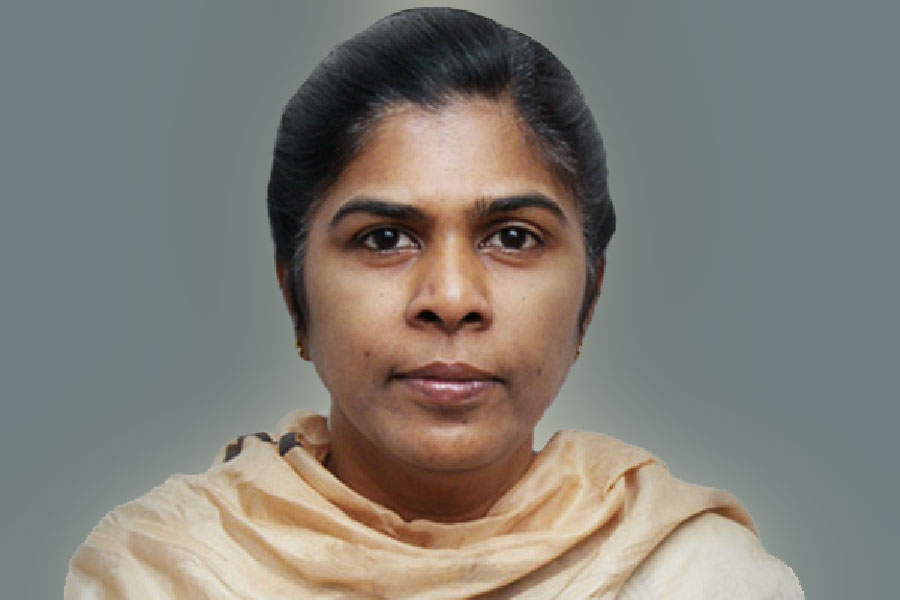
The current digital platform revolution has enabled instant matching of global buyers and sellers across industries. Additionally, automation is enabling new ways of servicing clients. Dr Sunitha Raju, Professor, Indian Institute of Foreign Trade and Member, Committee for Advanced Trade Research, TPCI, emphasizes on the need for new policy tools and objectives to ensure that digitisation works to address the specific needs of MSMEs. Enhancing the economic contribution of MSMEs entails developing a global outlook and rising to the challenges of digital age. The current digital platform revolution combined with green technologies has redefined the scope of markets, business to business engagement and value creation. In these changing operating conditions, MSME competitiveness is critically dependent on information symmetry, alternative financing models and logistics systems that covers services, hubs and platforms. Addressing these issues will enable MSMEs to emerge as ancillary units/suppliers to large units and produce diverse range of products and services to meet the demand of domestic and global markets. This complementarity between MSMEs and large companies will not only develop a conducive ecosystem, but also sustain its growth. The MSMED Act of 2006 and the definitional changes in the classification of manufacturing and service units in 2020, brings into focus the challenge of informed interventions and support programmes that are in line with the needs of this heterogeneous group of MSMEs. Government initiatives for Formalisation of MSMEs and scaling up their activity include Udyam registration online on portal; Development of MSME databank; MyMSME (mobile app); Direct Benefit Transfer; Digital payments like Bhim, UPI and Bharat QR code; MSME Samaadhan (for delayed payments); MSME-Sambandh (procurement of Ministries’ and CPSUs); CHAMPION (for ICT-based technology for handholding small units). Additionally, the recent proposals of developing District Export Hubs has the potential to enhance MSME contribution to export growth. The decentralization of export promotion activity to boost local production and make districts as active stakeholders is aimed at benefitting MSMEs and small industries from export opportunities. Similarly, the DESH (Development of Enterprise and Service Hubs) bill 2022, which is an effort to reorient SEZs for making WTO complaint, also aims at boosting exports and attracting investments. The proposals aim at providing WTO-complaint incentives for making our firms globally competitive and integrate into global value chains. This provides an opportunity for MSMEs to engage as ancillaries to lead firms and thereby effectively participate in the value chain production activities and integrate MSMEs to India’s export trajectory. For promoting manufacturing competitiveness and economic performance of MSMEs in the emerging global environment, the approach should be to differentiate between traditional labour intensive industries (textiles, footwear/leather, toys) and network product industries (electronics, telecommunications, automobiles, transport equipment, scientific equipment, Office machinery and photographic apparatus). This is because in traditional industries, MSMEs are engaged in the production of final good or the complete value chain whereas in network products, they have the potential for emerging as hubs for supply of parts and components. Promoting export capability would vary between these industry groups. For traditional product verticals, where MSMEs engage in the entire value chain, country experiences of technological upgradation, design capabilities and adoption of the platform economy will provide the necessary impetus. Support in automated processes, quality standards & regulations needs to be tailor made to MSMEs with varying digital expertise and thereby promote interoperability between digital products. Also, regulations to ensure privacy and security of the firms gain importance. Overall, the effort is to serve small firms in the age of ‘Big Data’. The current digital platform revolution has enabled instant matching of global buyers and sellers across industries. Additionally, automation is enabling new ways of servicing clients. The information available, i.e., Big Data, provides valuable market insights that needs to be processed with speed and precision. To make Big Data work for small firms, tailored solutions have to be made accessible to SMEs, facilitate partnership with platform providers that offer digital commerce, logistics and e-payment services, accessibility to quality certifications and ICT-enabled financial services. This necessitates bringing MSMEs into formal channels, which provides dual benefits of developing database and designing support programmes/interventions in line with the special needs of MSMEs. While the outcomes of single window system for MSMEs are varied across states, the challenges of technology adoption and high value addition brings into focus issues like cluster development, Innovation Hubs, Testing Standards for improving domestic firms’ capacity to absorb foreign technologies and thereby support firm linkages like contract manufacturing or joint ventures. Additionally, improved marketing and export promotion support can improve the MSME ecosystem. Tools to enhance productivity Against this background, capacity building for developing export capability of MSMEs focus on training interventions for industry verticals that aim at adopting digital technologies for enhanced productivity and competitiveness. Broad areas covered here will be: Leveraging E-commerce Partnership with platform providers Fintech solutions New trends in logistics services Quality certifications Taking advantage of government schemes Digital marketing for exports These can vary across industries and as such industry focus is necessary. Equally important is credit financing for MSMEs. With the digitization wave, new architectures for bank lending systems is available. With the operationalization of GSTN and Account Aggregators (AA), the turnover data and borrowers’ transactions can be accessed at a single point thereby facilitating cash-flow based lending. The significance of these developments may vary across sectors/regions and needs to be captured from the readily available data sources. Finally, the issue of information asymmetry between lending agencies and MSMEs can be addressed by Fintech companies through technologies and processes.

Price rise delays India’s LNG expansion plans
India’s plan to increase the share of LNG in it’s total energy mix, gets stalled due to rising gas prices in the backdrop of increased demand from Europe. Consequently, India’s reliance on coal has increased over the past few months. IBT analyses the global dynamics of LNG and the long term outlook for India. A sustained demand of LNG from Europe is being met by new supplies from US domestic gas market. Price sensitive nations in South Asia and China have reduced purchases of LNG due to price hike, induced by rising demand in Europe. India has decreased LNG imports and shifted to conventional sources of energy like coal, leading to higher greenhouse gas (GHG) emissions. Amidst all the volatility in global LNG market, diversifying import sources and building strategic reserves (PPP) can ensure energy security for India, while aligning with environmental goals. Image Credit: Pexels Russia’s invasion of Ukraine has impacted energy markets across the world, contributing to severe energy price volatility. To replace Russian pipeline gas imports, Europe turned to liquefied natural gas (LNG), driving prices to record levels. Interestingly, this rise in prices led to a contraction in Chinese gas demand as well as a drop in South Asian imports. Registering the biggest drop in LNG imports, price sensitive South Asia opted for alternative sources to meet its energy demand. Along with new US LNG supply, this has supported Europe’s need for LNG. Russia cutting gas supplies Europe, and in particular Germany, have been heavily reliant on Russian gas for its energy requirements. But over the last year, Russia has cut its gas supplies to EU states by 88%. Wholesale prices of gas in Europe have more than doubled over the same period. Nord Stream 1, Russia’s largest gas pipeline to Europe, has been closed indefinitely. The undersea pipeline (1,200 km) under the Baltic Sea from the Russian coast to Northeastern Germany is owned and operated by Nord Stream AG, whose majority shareholder is Russia’s state-owned company Gazprom. Germany postponed granting it an operating license because of Russia’s invasion of Ukraine. Consequently, Russia was reducing gas supplies through Nord Stream 1 for a number of months and it was completely shut since August 2022. These gas shortages severely affected international gas market dynamics. Europe’s reaction to supply cuts Destructing demand for gas: EU member states have agreed to cut gas usage by 15%. Germany relied on Russia for 55% of its gas and has managed to reduce it to 35%. The German government hopes to reduce gas usage further by 2% by limiting the use of lighting and heating in public buildings. It is also increasing its use of coal and extending the life of thermal power stations, which it had been planning to shut down – despite the negative environmental impact. Shifting to LNG imports: To fulfil energy demand, EU has increased LNG imports from the US. US LNG exports averaged 11.1 billion cubic feet per day (Bcf/d) during the first half of 2022. The US has more LNG export capacity than any other country and is its second largest exporter. According to the table below, the US exported a total of US$ 26.93 billion of LNG in 2021 and registered a 106% YoY growth. Top LNG exporting countries Country Value exported in 2021 (US$ million) CAGR in % (2017-21) YoY growth in % (2020-21) Australia 36,957 11 40 United States of America 26,938 63 106 Malaysia 8,833 -5 29 Russian Federation 7,320 21 9 Nigeria 4,970 -3 33 Iran, Islamic Republic of 4,875 -73 Papua New Guinea 4,736 4 45 Indonesia 4,610 -12 28 Egypt 3,917 83 794 Algeria 3,640 5 77 Source: ITC Trade Map According to Shell LNG Outlook 2023 report, US started exporting more LNG to EU than to Asian nations. The statistics reveal a fall in LNG exports to Asia in Nov 22 as compared to Jan 21 along with a rise in exports to Europe over the same period. On analyzing world’s top LNG importing countries, China, Japan, Korea, India and Taipei were the top importers in 2021. But as a region, EU was the highest importer. World’s top LNG importers Country Value imported in 2021 (US$ million) CAGR in % (2017-21) YoY growth in % (2020-21) China 44,087 23 90 Japan 38,997 -1 29 Korea, Republic of 25,456 6 62 India 12,079 7 53 Taipei, Chinese 10,997 7 100 Spain 8,300 15 139 France 5,921 19 115 United Kingdom 5,531 43 145 Netherlands 4,259 110 1530 Pakistan 4,012 14 93 Source: ITC Trade Map Global trade flows somewhat reversed in 2022. China, which registered the highest import growth of LNG in 2021, reduced imports in 2022. According to the Shell Outlook 2023, the world witnessed a total LNG trade of 397 MT in 2022, where China’s LNG imports registered a negative growth of 15%. On the other hand, LNG imports for European countries like France, UK, Netherlands, Spain, Belgium and Italy, showed a positive YoY growth (0-10%). Europe’s demand for LNG impacted other markets Europe’s increased demand for LNG to meet its energy requirements has complicated matters for other markets, especially the more price sensitive ones. China has started construction of LNG terminals, whereas Japan developed a 20-year pool for gas generators energy transition costs, allowed direct government energy purchases and established strategic gas reserves. Australia has introduced gas and electricity caps and Singapore also allowed direct government purchases of gas and LNG with South Korea giving tariff reliefs to gas customers. India also reduced the quantity demanded of LNG during the same period, recording an overall negative YoY growth of 16.51%. It has imported majorly from Qatar, UAE, US, Oman and Australia in 2023 (Apr-Jan), whereas imports from US recorded a negative YoY growth of -33.72%. Correspondingly, a 101% hike in imports from Australia was also observed. India’s top 5 LNG import sources and total imports Country/ region Apr-Jan 2022 (F) Apr-Jan 2023 (F) % growth Qatar 82,57,777.33 85,68,263.16 3.76 United Arab Emirates 26,88,759.45 22,80,309.30 -15.19 US 33,70,022.92 22,33,518.69

Traditional tea is a lifestyle in India
Tea has been a beloved part of our daily beverage consumption, across the geographical locations of India. Whether Masala Tea, Lemon Tea, Paal Chaaya (Kerala) or Darjeeling Tea, Indians across the country consume this hot brew in sickness and in health. Sonam Kasera, the 2nd generation entrepreneur of Kamrup Tea Company, spoke with IBT on the growing demand of tea within India and in the Middle Eastern countries and a surge in preference of fusion drinks amongst Gen Z. Photo Source: Sonam Kasera, Kamrup Tea IBT: You are the first female entrepreneur of your family. What drew you to tea plantation business? Sonam Kasera: My family was into tea plantations in Assam and thereafter my father came down to Kolkata and he wanted to start exports. Initially it was more on the domestic level. Originally the company was concentrated on plantation side. He setup the base of the family business in 1977 and then I joined the company in 2005. So, I’m the 2nd generation entrepreneur into exports. I was interested in the tea business as it is very systematic industry. There is so much to learn. It is dependent on nature. So, when I joined the business 17 years ago, our tea exports volume was limited. And my primary tasks were to expand the export size and introduce different kinds of blends. And I was trained by some of the world’s finest Sri Lankan tea tasters. We have expanded our market share and diversified into other agro-products. Presently, what we are doing is catering to the tea demand in the B2B segment globally. Very recently, in a small way we have started B2C also. In the southern region, we have partnered with Milk Basket, and some of the specialty stores in Hyderabad, we have started selling our brand. IBT: What is the demand for orthodox tea within the country? Sonam Kasera: Unlike other countries, in India we are habituated to consuming tea with milk. Whereas everywhere else it is consumed in the form of black tea, only with water. We launched orthodox teas and Darjeeling tea for the Indian market and our R&D is happening for our ecommerce platform which will be launched in the coming months. We will be foraying into herbal blends which will be launched via our ecommerce route. We do not want to be just another tea brand. Even when we are exporting, my focus is that Kamrup Tea cannot be volume centric driven. We cater to good quality Indian tea product. And based on this we have been able to build a sustainable customer base. IBT: What are your plans of company’s business expansion in terms of exports? Sonam Kasera: Earlier the market was just confined to Russian Federation and Kazakhstan for Indian tea because they were the original tea drinking market. After I joined, we forayed into Bangladesh, and now we are working with Türkiye. We’ve added Iran in our list of exports. We did some consignments to Oman and we are planning to enter into Jordan and Morocco in the coming years. IBT: Traditional or orthodox tea has been a part of Indian culture for centuries. Has the consumer preference changed towards this beloved beverage? Sonam Kasera: When we first introduced our products in Milk Basket, which was available in Delhi NCR and down south in Bengaluru and Chennai, the response from southern destinations was good. There is more acceptance towards traditional, orthodox tea and Darjeeling tea. In Delhi NCR, I was surprised by the response we received for the same range of products. Here we noticed that the demand for orthodox tea was not through retail chains, but via ecommerce portal. Here, tea with milk is a lifestyle choice. It’s a habit. But in the Indian context, our per capita consumption is still far less in comparison to the UK or US. In European countries the per capita consumption is between 2-2.5 kg whereas in India, an average household consumes approximately 800 grams of tea. There is a lot more we can do to engage consumers by offering a wide range of products. Given the fact that we are more health oriented, we are seeing that there is a surge in preference for hot beverages post Covid. There is this belief that hot beverages sort of protect you from diseases, throat infection. Our R&D is still going on for herbal tea beverages. Another thing that I’ve noticed is the growing preference of fusion tea beverages amongst Gen Z population. Gen Z, unlike the older generation, doesn’t have the patience to brew traditional tea. But if you add on flavours which they can relate with, make it easy to prepare, then it becomes more appealing. These changing preferences have also led to rise in tea bags instead of loose tea. IBT: Keeping different tastes and preferences in mind, what strategy have you adopted to sell the products? Sonam Kasera: When I talk about the (tea) product, whether I am catering to the B2B or the B2C segment, our whole emphasis has been on quality, commitment and sustainability. We want to deliver products of such quality where the customer keeps coming back to us. We see the consumer preference changing, but my focus is not just catering to the Gen Z, but to all other age groups who love tea. At Kamrup, what we did to appeal Gen X was to sell tea in packaged boxes whereas for Gen Z, the packaging is rather more colourful, vibrant, with catchy phrases. The offerings to Gen Z would be completely opposite to what we are offering to other age groups.
Indian manufacturing leading in technology investment: Survey
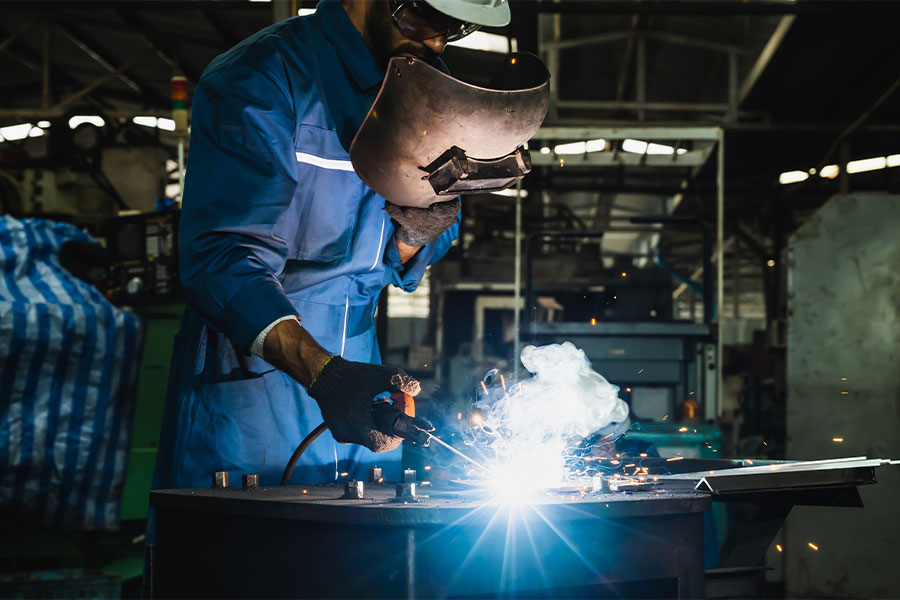
Global manufacturers are investing heavily on technological upgradation not just for smoother transactions, but to gain a healthier return on investments (RoI). Manufacturers, around the world, are investing on process automation, cloud/software as a service (SaaS), industrial internet of things (IIoT)/internet of things (IoT),machine integration and machine learning/artificial intelligence. So, where does India stand as a leading manufacturing hub? Photo Source: Shutterstock New Delhi, March 15: India’s manufacturing segment has taken a vast leap in terms of technological advancement, efficiency and digital transformation. The country is fast replacing China as the number one destination for global manufacturing but has a rather long way to go to tackle supply chain disruption, worldwide inflation, shortage of raw materials and so on. Survey outlook on Indian manufacturing According to the 8th annual “State of Smart Manufacturing Report” by Rockwell Automation, India is fast adopting or actively evaluating solutions for smart manufacturing. The study surveyed more than 1,350 manufacturers across 13 of the leading manufacturing countries including India, China, Germany, Japan, the US, and the UK. The report found that digital transformation is being embraced to make manufacturing more productive and efficient, particularly in India. In terms of adoption of smart technologies, the survyed found that the top three destinations are China (70%), the US (60%) and India (57%). The survey report states that while 39% of respondents are already using some components of smart manufacturing, survey participants do not currently use smart manufacturing technology but there is interest in using it. Manufacturers in India are investing 35% of their operating budgets towards technology investment, ahead of the global mean average (23%) and countries such as the US (27%) and Japan (24%). The Rockwell Automation report indicates that the maximum number of manufacturing organizations investing in technology are from India. Global Manufacturing Scenario The report shows that over one thousand manufacturers surveyed in the 8th Annual State of Smart Manufacturing Report continue to face challenge along the lines of the current state of technology in global manufacturing. Almost 2 times as many respondents say they lack the technology to outpace the competition, compared to last year’s survey. 97% of participants reported that they are using or plan to use smart manufacturing technology over the next 1-2 years. More than two-thirds of manufacturers believe technology can be very helpful, or extremely helpful, in addressing workforce challenges. More than 50% more manufacturers are using Machine Learning/Artificial Intelligence compared to last year. Technology-Inspired Performance The maximum number of manufacturing organizations investing in technology are from India. On the workforce front, over two-thirds of global manufacturers believe that technology can be very helpful, or extremely helpful, in addressing these types of workforce challenges. The survey states that 89%of manufacturers expect to maintain or grow employment as a result of technology adoption. 53% survey respondents have said they adopt new technology aimed at minimizing disruption from workforce or supply issues, while 50% said they aim to shift their operations to the cloud for purposes including increased cybersecurity protection and business continuity. In terms of external risks like inflation, supply chain, and workforce shortages, 44% respondents said mitigation tactic is adopting new technology. Unstoppable growth awaits Indian manufacturing As per the latest figures released by the Ministry of Statistics & Programme Implementation, in January 2023, the quick estimates of India’s industrial production index (IIP) with base 2011-12 stood at 146.5. The IIP climbed to 5.2% in January 2023, delivering a spectacular performance. The factory output had a significant rise from 4.3% in December 2022. In 2014, India launched the “Make in India” campaign to raise its profile as a global manufacturing hub and encourage multinational companies to produce in India. Key industries such as aviation, defence, automobile and smart phone manufacturing have largely benefitted through PLI schemes. However, boosting manufacturing to 25% of GDP, a key objective of the Make in India initiative, has fallen short so far. The manufacturing sector is reeling under subdued demand in the international market, caused by the consequences of the third wave of Covid-19, the Russia-Ukraine war and continued global inflation. For India’s manufacturing to thrive, the nation has to closely monitor global demand trends, procurement capacity of leading destinations, and become price competitive against China.
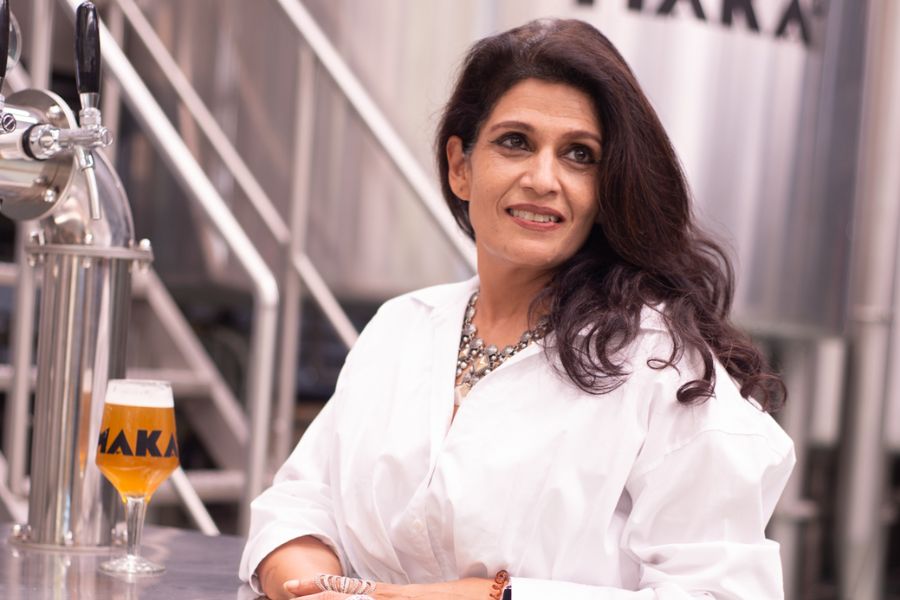
“Entrepreneurship is beyond the concept of Man vs Woman”
Sarika Varshnei, Chief Growth Officer of the Latambarcem Brewers, spoke with IBT on the occasion of Women’ Day, and explained the myth that surrounds female entrepreneurs here in India. With over 20 years of experience in F&B, hospitality sector, Sarika admits that although she was not a born entrepreneur, a conducive environment built by her friends and family paved the way for her to become a businesswoman. Photo Source: LB Brewers There is no right age or time needed to plunge into your own venture. One doesn’t have to be a man to envision a business of their own. This is the story of Ms. Sarika Varshnei, a serial entrepreneur, who is now the Chief Growth Officer of Latambarcem Brewers Pvt. Ltd. Speaking to IBT, Sarika narrated her journey, “It has been over two decades since I’ve been an entrepreneur. I have been working since 1994 when I joined my husband’s business. Coming from a family of businessmen over three generations, I was never career oriented. I was married at the age of 21, at an age where you don’t get a chance to decide. And like most Indian families, I was not asked what I wanted to do (career wise).” Married at the age of 21, Sarika says she never envisioned herself engaging in a professional domain, and like most Indian families, was expected to be a housewife and take care of children and family. Though she never thought of being an entrepreneur or entering into a business, Sarika’s father had trained her in every aspect of running a business. My father taught me accounts, income tax, how to save money and grow money. The Making of an entrepreneur Though she joined her husband, Pradeep Varshnei’s glassware business in the early 90’s, destiny had other plans for Sarika as she channelled her inner businesswoman and set up her own bakery brand in Gujarat in 2002. “I invested all my savings in the bakery business and also set up a manufacturing unit in Baroda (Vadodara), Gujarat. This was my first plunge as an entrepreneur. And with this bakery, I ensured that the products were one of a kind for the Indian market. In an era where there was no Google, I collected them from all over the world and tried to replicate them here at the bakery. I’m a self-trained confectionery connoisseur.” Sarika’s ambition and vision for business grew overtime, as she set up another restaurant and attached it to the bakery. In 2011, Sarika decided to enter the hospitality sector and set up a 21-room boutique hotel. After a successful stint in the hospitality sector for over 6 years, she decided to move on from entrepreneurial stagnation and expand her footprint in the hospitality sector in Goa. “It worked well till 2016. I had this realisation that I needed to expand my career in the F&B. I knew that I wanted my next business to be in a touristy town. I knew I could make a wider reach. So, my husband and I decided to move to Goa,” Sarika said. For the next two years, Sarika focused on her business in Goa while her sons’ conceptualised the idea of setting up a brewery in the village of Latambarcem. Sarika says she never intended to join the brewery segment as she was growing well within the hospitality industry. In 2019, however, an unfortunate challenge forced her to shut down her resort. “My resort got vandalised in 2019 by some local goons and miscreants and my world came crashing down in the blink of an eye. Within 8 hours, my hotel was ransacked, which left me devastated. That is when my son suggested that I should join their brewery business.” Inception of Latambarcem Brewers Sarika’s sons Aditya Ishan Varshnei and Anish Varshnei set up Latambarcem Brewers in 2017. The company has two brands under its umbrella — Maka di, its beer brand; and a kombucha brand named Borécha. While Borécha was launched in July 2019, the startup launched Maka di in October 2020. Photo Credit: LB Brewery In a short span, Latambarcem Brewers became an established brand but the hardship was not over yet. Sarika and her family have bootstrapped the business by investing around Rs 25 crore. And till date, it is a family-owned business with no external investor. “In our case, I would say that every ounce of profit we earn is put back into the company. Our focus for now is for the company to grow. We have invested every bit of earnings we had simply because we want the company to grow at that level where they do not get swayed by an external force.” Sarika is the Chief Growth officer of the brewery wherein she heads the sales and marketing division. She is also in charge of the exports division. With her cumulative work experience of over two decades, she has has retained her professional principals, and has the approach of “consumer first”. “Today, as a company, we have 1% of return to vendor (RTV), which means consumers are getting what they want and it makes us proud. We don’t want that ideology to change because if an external investor comes in, they may set their own revenue targets. And we want to grow organically.” As of 2023, the company’s Borecha brand is being exported to the US and Canada and will soon make its debut in the UAE, Egypt, Africa, Saudi Arabia and Bahrain. It is present in 18 states and 30 cities in India. Sarika is responsible for her company’s successful collaborations with big brands like Haldiram’s, PVR Cinemas, and ITC Hotels. “As the Chief Growth Officer, my vision is to take my company to a billion dollar mark and our brands Maka and Borecha should be across the globe, everywhere in India. We want to make Maka a sustainable brewery in the next 5 years. We are recycling our water, which means any residual water leftover after making the beer is not thrown
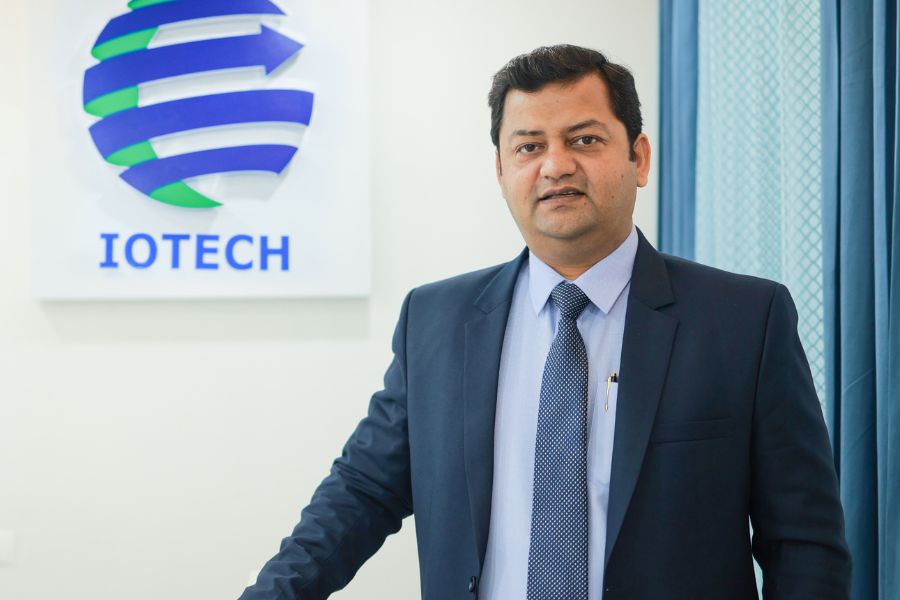
Our drones will be over 90% ‘Made in India’
India as an emerging drone hub has witnessed the transforming technology at a rapid rate over the last decade. IoTechWorld Avigation Pvt Ltd. is one of the fast growing startups that focuses on developing drones with latest technologies including AI/ML features and sensors. Deepak Bhardwaj, Director and Co-Founder, spoke exclusively to IBT about company’s vision and how the company is planning to create drones for applications in sectors like Agriculture, Survey and Logistics. Photo Credit: Deepak Bhardwaj IBT: As a successful startup, what propelled you towards drones? What is your vision and growth strategies for this venture? Deepak Bhardwaj: IoTechWorld was set by two partners, me and Mr Anoop Kr. Upadhyay with a vision to create something hi-Tech, technologically advanced and which would help nation and people. Since drone is an emerging sector and holds lots of scope in business, we thought of creating technologically advanced drones for agriculture, which would assist the farmers and would help ease their day to day challenges. Our future mission is to build drone ecosystem, create technologically advanced, affordable drone solutions and to emerge as the largest leading drone manufacturing company in the world. IBT: What major farmer challenges is your company addressing through its product offerings? What differentiates you from your competition? Deepak Bhardwaj: If we look at current scenario, agricultural land per farmer is shrinking and liability of a farmer as an individual is increasing. To combat this issue, we are creating an Agri-Entrepreneurship model through which a farmer can manifold his income with available resources. With this model we are saving farmer’s resources, since a drone takes about 7 minutes to spray on one acre and takes 10 liters of water which would conventionally take 2 hours and up to 500 liters of water. Moreover, as harmful pesticides can be sprayed by drones, it protects farmer from exposure to any chemicals, also assuring that the quality of crop improves as drone gives 100% uniform spray coverage. We are pioneer in the drone segment and we got first Type Approval from Directorate General of Civil Aviation (DGCA) in India. Over the years, we have built a very strong connect with farmers and Agri-Entrepreneurs across India and our intent is to make farmer prosperous and advanced. IBT: How do you plan to scale your business and diversify your product portfolio? Do you have ambitions for exploring the international market? Please elaborate. Deepak Bhardwaj: Firstly, we are developing all components of drones in India. Very soon, we are planning to launch our next model of AGRIBOT, which will be 6th generation of AGRIBOT. Eventually, by the end of 2023, our AGRIBOT will have 95% Indian components. Our next product series is related Precision Agriculture which will have many kinds of solutions for different crops. We do plan to target international markets and are under process of creating our base in the selected countries which will be ready by end of 2024. We will launch our products which will be more than 90% made in India. We are also ready for competition in prices and would be delivering high quality products. IBT: How has government recognition played a role in your success? What are your key challenges – getting components, licensing etc and support expected from the government? Deepak Bhardwaj: Having Department for Promotion of Industry and Internal Trade (DPIIT) is helpful in Trademark and other IP registrations. It has helped us on Government e Marketplace (GeM) and some tenders also. As of challenges, there are many areas where one startup faces challenges while growing. Initially, some items need to be imported so, custom is a very big issue. The procedure of the custom can be tiresome and demotivating for some startups. In our case, authorities stopped honoring the HSN codes created for drones, and consistency in such matters will help significantly. IBT: Lastly, any suggestions or tips you would like to share for new entrepreneurs who wish to enter into this growing field? Deepak Bhardwaj: An emerging startup should ideally focus on starting something after doing complete market analysis. A company should not be started for making something just out of curiosity or hobby. Most importantly, a startup should focus on creating only those things which has demand. Most importantly, one should also check cost to price ratio. If all is good, then go aggressive and don’t look back for at least 3 years.