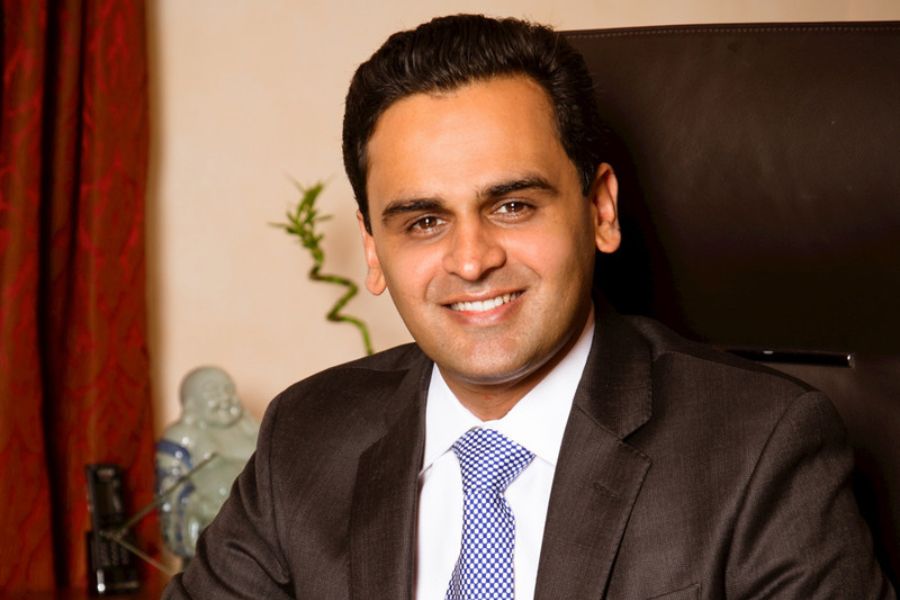
Global Foods Trading, set up in 1980s, continues to bring the taste of home to the Southeast Asian communities in Europe. India Business and Trade (IBT) spoke with Manav Bhandari, Managing Director, Global Foods Trade Gmbh, on the increasing diaspora of Indians in Europe and with that, increase in demand for ethnic India food. IBT: Tell us a little bit about the inception of Global Foods Trading. Manav Bhandari: My father is the founder of Global Foods Trading. He came here to Germany in the early 1980s. The business grew since then, because migration grew from Indians to Germany. And yeah, we expanded our business over the years, to different countries such as Barcelona, Paris, UK, Netherlands, and also Munich. And so, in these places, we have now six distribution hubs with approximately 9000 customers 250 employees and approximately 3000 products. Products are not only from India, they’re also from other countries such as Pakistan, from Sri Lanka or also Thailand. IBT: What is the collaboration with Indian brands and what kind of Indian brand products you’re offering to the diaspora in Europe? Manav Bhandari: Originally the business started with brands from UK, which grew, but then we started importing from India directly and we started importing brands such as Haldiram, MDH Gits. We are working with some of the largest F&B companies from India and distributing those brands and Europe. IBT: Is there a higher demand of any particular Indian product? Manav Bhandari: Definitely the largest demand for, if we speak about Indian products, then it is basmati rice. So, basmati rice is the most important one. It is being consumed, whether it is in the household or in the restaurants majorly and that takes the biggest punch of it. Then the big part comes with lentils and spices. After that, you can speak about snacks, such as Haldiram. Then you would be going to cosmetic products and healthcare products. IBT: What is the demand of vegan food in Germany? What potential do you see of different vegan food? Manav Bhandari: Yes, it is already. Germany is the market leader for vegan products in Europe itself. And there are many, many products already available here in hypermarket stores, which are only selling organic or vegan food. The demand of vegan products from India is definitely there. But what I’ve seen is the huge quality differences between products being produced in India versus products being produced in Germany. It’s the taste, the consistency, smell, structure, these products are still not up to the market standards of Germany. So, there needs to be some work done. IBT: In an endemic era, a lot of emphasis has been given on the quality and the content of any product. So which are the other aspects where Indian manufacturers can do better? Manav Bhandari: It’s very important that the products have to be EU compliant. It has to be pesticide free, meet a certain quality standard. And to achieve that, definitely Indian companies are struggling, because farmers are not maybe ready to use different kinds of medicine, which is obviously more expensive or does not give the yield what is being needed. Farmers will have to change, companies will have to change their discipline, and only then imports into European countries will be granted. Most important thing is products have to be EU compliant, according to the standards what are here. In terms of packaging, supply chain, obviously problems with that were there but in terms of packaging, everything is good. But the compliance is always an issue and has been always an issue. IBT: Indian basmati rice is in good demand but what about the non-basmati rice variants? Are they getting the same kind of demand in the Europe? Manav Bhandari: So non-basmati is definitely picking up. Products like sona masuri rice, sela rice, they’re having an increasing demand. The reason is because of migration in Europe, Indians who are coming from those regions who are used to this rice. They prefer this kind of rice and are also consuming this rice. So, this demand is increasing. In basmati we’ve seen a change in the last let’s say 20 years ago, it was traditional basmati rice, it has changed to extra long basmati rice, that is the level 21 grain, which is being used preferably in restaurants and also for consumers, because it’s a beautiful long grain, it looks good. So these are the main variants, but also we see a huge demand increasing in jasmine rice also.

Telecom equipment: Can India ride the 5G wave?
India’s telecom equipment sector is expected to register strong manufacturing and export growth in the coming years, with the benefits of schemes like PLI. In this article, IBT takes a look at current government incentives and key suggestions for the industry to leverage the upcoming 5G boom. Image Credit: Shutterstock India rolled out the 5G services on October 1, 2022 within a span of 100 days in more than 200 cities. The speed of rollout has been appreciated by industry leaders globally and is being described as the “fastest deployment happening anywhere in the world” in many international fora, stated Ashwini Vaishnaw while addressing at the Economic Times Global Business Summit 2023. The 4G and 5G technology stack is ready now after initial testing for 1 million simultaneous calls, then for 5 million and now for 100 million simultaneous calls. The minister said that with advancements in the sector, India is set to become one of the major telecom exporters to the world by next three years. Currently, two Indian companies are exporting telecom gear to the world, and in the coming three years, several companies are set to join the race, he added. Current Scenario India’s telecom sector is divided into subsectors like Infrastructure, Equipment, Mobile Virtual Network Operators (MNVO), White Space Spectrum, 5G, Telephone service providers and Broadband. The industry has witnessed a significant growth of 65% in the last seven years. The number of mobile towers increased from 400,000 in 2014 to 660,000 in 2021. The number of Mobile Base Transceiver Stations has grown from 800,000 in 2014 to a whopping 2.3 million in 2021. name code Designation Sragfga 7676vyu destghs Jhcjhcsj Ghjjhj7 989 Hcgffvjhgf 988898gjgj 90909 According to GSM Association, India is on the road to become the second largest smartphone market globally by 2025 with around 1 billion installed devices which is expected to have 920 million unique mobile subscribers by 2025 including 88 million 5G connections. 5G use cases developed by Telecom Service Provides and start-ups in Education, Health, Worker safety, Smart agriculture etc are being deployed across the country. To enable India to lead in 5G deployment, Department of Telecommunications (DOT) has approved financial grant for multi-institute collaborative project to set up “Indigenous 5G Test Bed” at five locations – IIT Madras, IIT Delhi, IIT Hyderabad, IIT Kanpur and IISc Bangalore India’s telecom equipment exports India’s telecom exports have grown by 77.3% YoY to reach US$ 8.6 billion in the period April-December, 2022-23, contributing 2.5% share in India’s total exports. Smartphones accounted for the highest exports under this segment worth US$ 7,193.97 million during April-Dec, 2022-23. Machines for conversion and transmissions accounted for exports worth US$ 767.44 million, Telephones for cellular networks (US$ 153.54 million), Aerials and Aerial reflectors (US$ 100.15 million). India’s Telecommunication instruments export value (FY 2019-22) Source: Ministry of Commerce and Industry, figures in US$ million Government initiatives to boost the sector The telecom sector is the 3rd largest sector in terms of FDI inflows contributing 6.43% of the total FDI inflows. It also contributes directly to 2.2 million employment and indirectly 1.8 million jobs. Since it has proven to be a crucial sector for India’s growth, the government has taken various steps over the years and even in the recent 2023 budget, to boost the sector. Some of the initiatives are listed below: PLI scheme for Telecom and Networking Products: Introduced in 2021, the Production Linked Incentive scheme (PLI) was earmarked with ₹ 90.25 crore in the Budget 2023, although there is no allocation for FY24. In October 2021, 31 companies were provided approval under the scheme. These companies are expected to invest $450 million, generate 40,000 jobs and incremental production of over $24.4 billion. 100 labs for 5G solutions: The recent budget 2023 announced the launch of 100 labs for the development of 5G solutions which will create new range of opportunities for the sector. It will provide solutions for rapid prototyping of 5G use cases along with segments that include manufacturing, transportation, healthcare, retail etc. Atmanirbhar Bharat Scheme: The Atmanirbhar Bharat scheme aims to promote ecosystem for research and development and make India a global hub of development of technologies and manufacturing of telecom equipment including Core transmission Equipment, 4G/5G Next Generation Radio Access Network etc. Satellite Broadband Services: Under this service, BBNL and BSNL are using ISRO’s HTS satellites GSSAT-11 and GSAT-19 under BharatNet project to provide connectivity to about 6700 GPs/areas which were not accessible through other mediums. Depending on the exact scope of technology used, satellite backhaul can be deployed quickly, without the need to build the costly and technologically challenging infrastructure. Under PLI Scheme for telecom and networking products, 42 companies have committed investment of Rs. 4,115 crores, additional sales of Rs. 2.45 Lakh crores and employment generation of more than 44,000 over the scheme period. Against this target, achievements from April 2021 to October 2022 were cumulative investment of Rs. 952 crores, sales of Rs. 16,313 crores and employment of 11,847 numbers. These companies include Nokia, Samsung, HFCL and Tejas Networks. It later amended the scheme to accommodate existing design-led manufacturers. Existing companies were allowed to add more products with additional incentive of 1% over existing rates. Under Aatmanirbhar Bharat initiative of DoT, the aim is to deploy end-to-end indigenously developed telecom technology products. A 5G Alliance & IoT Innovation Centre has been launched by Centre for Development of Telematics (C-DoT) to support multiple Indian startups and MSMEs for developing open radio access network (RAN) compliant 5G equipment. While there is a strong push by the government through PLI, some adaptations have been proposed in the scheme design, as discussed in this article. For instance, a gestation period for investment can be included in the case of greenfield production so they have adequate timelines to achieve the targets. Moreover, the scheme should encourage higher investments in R&D and promote development of India-specific patents, thereby enabling India to emerge a leading innovator in the 5G space.

Key to unlocking India’s green hydrogen ambitions
India launched National Green Hydrogen Mission on August 15, 2021 and has since accelerated its efforts towards achieving net zero emission target set for 2030. But to become a leading exporter, it needs to guarantee usability, cost efficiency and scale, besides ensuring rapid development of the infrastructure for transport and storage. Photo Source: Shutterstock India launched National Green Hydrogen Mission on August 15, 2021 and has since accelerated its efforts towards achieving net zero emission target set for 2030. The government has set the initial outlay for the Mission at Rs. 19,744 crore, including an outlay of Rs.17,490 crore for the SIGHT programme. India’s Green Hydrogen production capacity is likely to reach at least 5 MMT per annum, with an associated renewable energy capacity addition of about 125 GW. Green hydrogen costs in India could potentially fall by half to as low as Rs. 160-170/kg by 2030, bringing parity with grey hydrogen and other fossil fuels. New Delhi, Feb 22: Over a span of few decades, India has emerged as a favourable destination for investments in renewable energy projects and technologies. Though the country is still largely dependent upon fossil fuels and grey hydrogen for energy consumption, green hydrogen can be the driving force to meet India’s net zero emission target of 2030. The government has said that India’s Green Hydrogen production capacity is projected to reach at least 5 MMT per annum, with an associated renewable energy capacity addition of about 125 GW. The targets by 2030 are likely to bring in over Rs. 8 lakh crore investments and create over 6 lakh jobs. Nearly 50 MMT per annum of CO2 emissions are expected to be averted by 2030. But will it be in a position to become a leading exporter of green hydrogen? What is green hydrogen? There are four different variants of hydrogen, depending on production methods i.e., Grey Hydrogen, Blue Hydrogen and Green Hydrogen. Grey hydrogen is produced from natural gas while ‘Blue’ hydrogen is from fossil fuel sources where the ensuring carbon emitted is captured via carbon-capture processes. Green Hydrogen, however, is a key industrial fuel that has a variety of applications including the production of ammonia, steel, refineries and electricity. Green hydrogen is when hydrogen is produced via electrolysis, the splitting of water into hydrogen and oxygen with electricity generated from renewable energy sources such as solar or wind. This is the most environmentally sustainable way of producing hydrogen. It is worth noting, that green hydrogen has no colour as it is an invisible gas. Where is green hydrogen utilised and its pricing in India According to Niti Aayog, green hydrogen prices are determined largely by the cost of electrolysers and electricity. Beyond that, there are the operating costs, transmission and distribution (T&D) cost, and wheeling charges for electricity as well as specific local duties and and taxes like the goods and services tax (GST) in India. In February 2023, the railways minister Ashwini Vaishnaw announced India would have its first green hydrogen-fuelled trains by the end of the year. The National Thermal Power Corporation or NTPC announced commencement of India’s first green hydrogen blending project in Kawas township, Surat, Gujarat. Green hydrogen can be used in transportation. Renewable energy based cars have hydrogen tank that connects to the fuel cell where the electricity that powers the engine is generated. Fuel cell technology uses chemical energy of hydrogen or other fuels to cleanly and efficiently generate electricity. Green hydrogen can be used for heavy load vehicles like mining vehicles and buses; trains, aircrafts, lorries, and even maritime transport. As of today, the primary usage of (grey) hydrogen fuel remains with chemical industry for manufacturing ammonia and fertilisers and petrochemical industry to produce petroleum products. The utilisation of hydrogen in chemical and petrochemical industries, however, generates immense pollutants and green hydrogen can be the answer to bring down carbon emission. Union Minister of Information & Broadcasting Anurag Thakur had announced that the government will focus on bringing down the cost of green hydrogen in the next five years. According to a report by KPMG published in 2022, green hydrogen costs in India could potentially fall by half to as low as Rs. 160-170/kg by 2030, bringing parity with grey hydrogen and other fossil fuels. At present, the cost of producing 1 kg of green hydrogen is between $5.5 and $6 (Rs. 414 to 497) which is far too expensive for large scale manufacturing of the renewable gas. Benefits of National Green Hydrogen Mission The Mission will result in the following likely outcomes by 2030: Development of green hydrogen production capacity of at least 5 MMT (Million Metric Tonne) per annum with an associated renewable energy capacity addition of about 125 GW in the country. Over Rs. 8 lakh crore in total investments Creation of over Six lakh jobs Cumulative reduction in fossil fuel imports over Rs. 1 lakh crore Abatement of nearly 50 MMT of annual greenhouse gas emissions Country-wise demand and policy perspective for hydrogen Country/region Current Hydrogen Demand Policy Target Demand Capital Demand Focus Allocated (US$) European Union 8 MMTPA 6 GW capacity by 2024; 40 GW by 2030; 10 MMTPA green H2 by 2030 609 billion United States 10 MMTPA > 15 billion China 22 MMTPA 35 MMTPA (by 2030); 160 MMTPA (by 2050) 13 million Russia 2-3.5 MMTPA 7 MMTPA by 2035 and 33 MMTPA by 2050 (export only) 1.2 billion Japan 2 MMTPA 3 MMTPA by 2030 and 20 MMTPA by 2050 (5-30 by 2050) 935 million/yr Australia 650 ktpa 278 million (annual support)/yr United Kingdom 0.7 MMTPA 5 GW/a electrolysis capacity by 2030 2 billion Source: NITI Aayog According to World Economic Forum, China consumes and produces more hydrogen than any other country in the world– its current annual usage is more than 24 million tonnes. Though most countries produce and consume grey hydrogen, for India green hydrogen could be a huge value-adding opportunity. With the launch of NGHM, the country pivots towards renewables and away from imported fossil
India’s UPI ready to go global?
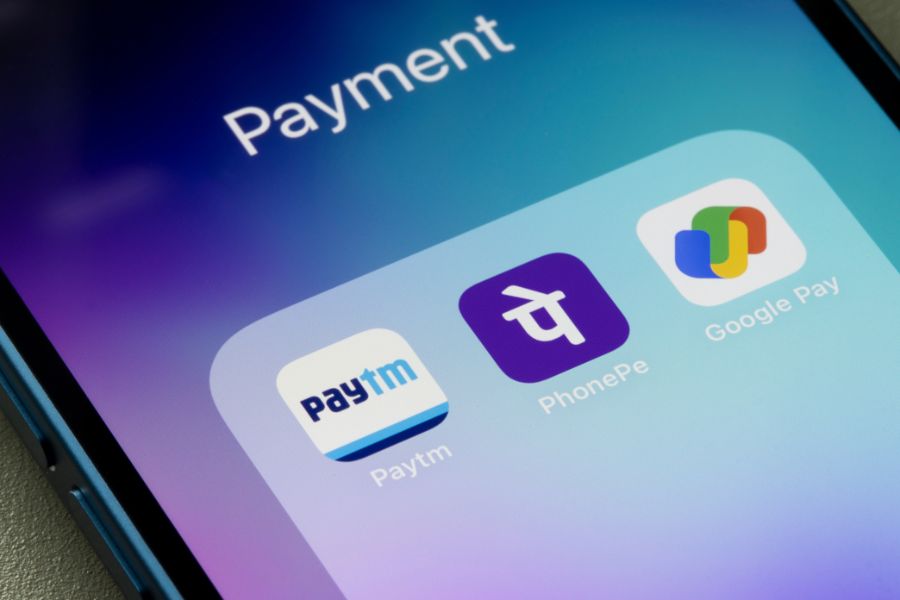
India’s real-time retail payment system Unified Payments Interface (UPI) has been officially linked with Singapore’s PayNow, and is simultaneously finding acceptance across other markets. With this latest development, people in India & Singapore would be able to send money in real time via a QR code or via their mobile number. The initiative is expected to benefit small and medium businesses as well. Image Credit: Shutterstock The cross-border payment linkage system between India’s flagship payments platform, the Unified Payments Interface (UPI), and Singapore’s PayNow payment system is the first Person-to-Person (P2P) payment facility collaboration for India. The linkage was launched by Prime Minister Narendra Modi and Singapore’s PM Lee Hsien Loong on 21st February 2023. It was kicked off by a live cross-border transaction between Reserve Bank of India (RBI) governor Shaktikanta Das and Monetary Authority of Singapore Managing Director Ravi Menon, using mobile phones. The linkage will enable users to transfer funds in bank accounts or w-wallets to and from India using only the UPI ID, mobile number or Virtual Payment Address (VPA). Initially Indian users can remit up to ₹ 60,000 (approximately 1,000 Singapore dollars) a day. While addressing via videoconference, Prime Minister Narendra Modi stated, “The linkage will provide a low-cost and real-time option for cross-border remittances between two countries. The people who will especially benefit from this are migrant workers, professionals, students and their families”. Ever since the UPI was introduced in India, it has revolutionized the financial lives of Indians and is gradually taking over the usage of currency, even in the remotest area, smallest retail shop and for bare minimum amount. If you are a frequent traveler to other countries, you might have faced challenges related to currencies, additional charges over exchange etc. This payment linkage will not only address the travel challenges, but also offer several other benefits as listed below: Easy and faster transfer of Funds. Funds will be transferred safely and directly to linked Bank account Real-time fund transfers will be available for both countries leading to economic growth, cultural development. It will establish a significant foundation for cross-border payments between India and ASEAN countries, creating a favorable environment for digital payments beyond borders. It will boost trade between the two countries, and would benefit small and medium businesses. Fascinated by India’s speedy digitization, the Indian digital payment system is steadily becoming globally attractive and is already being adopted by other countries: Bhutan: The International arm of National Payment Corporation of India and Royal Monetary Authority (RMA) of Bhutan partnered for enabling and implementing BHIM UPI QR-based payments in Bhutan. Nepal: India’s neighbor country became the first foreign nation to deploy UPI as a payment platform. With the collaboration between Nepal’s Manam Infotech and Gateway Payments Service, cross-border payments have been made operational. Malaysia: Merchantrade Asia has partnered with National Payments Corporation of India (NPCI) international to offer Real-Time remittances to India. It has enabled Merchantrade and its Network to connect to NPCI International Payments Limited (NIPL) and facilitate remittance to Beneficiary Banks in India via UPI. UAE: NIPL has partnered with LuLu Financial Holding, Mashreq Bank, and Network International in UAE to enable UPI payments. Ever since UPI was introduced as a payment system in India, it has digitized the retail market, driven by surge in smartphone sales, internet usage and more. The kickoff to India-Singapore digital payment link is likely to establish a significant foundation for cross-border payments between India and ASEAN countries, thus creating a favorable environment for digital payments beyond borders.
India has export opportunity with organic spices
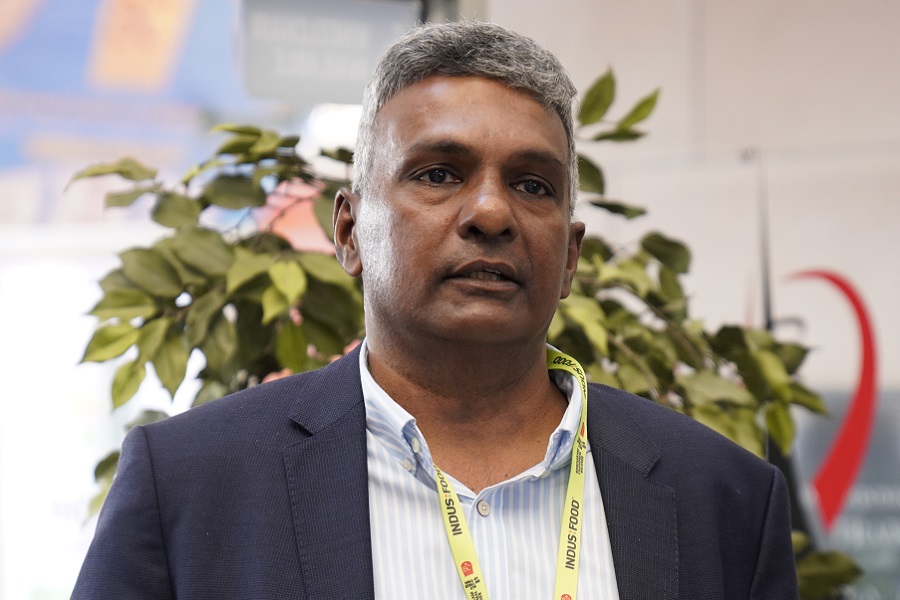
Rajiv Warrier, CEO-GCC at Choithrams, spoke with IBT exclusively on the prospects of Indian organic food creating a niche in the Middle Eastern market, popularity of online retail stores and the quick grocery delivery. The industry pioneer putforth his skepticisim on the rising competition of quick door-step delivery and says that such promises will only make it more cost consuming for FMCG distributors. Photo Source: Trade Promotion Council of India IBT: Choithrams came to UAE over four decades ago and has since grown to one of the widely recognized retail chains in the emirates. Tell us a bit about the company’s presence as of today. Rajiv Warrier: So, Choithrams actually began in this region in 1974. That’s almost 50 years since our first store was set up in Dubai, in Burdubai in Meena Bazaar. And now, we have retail operation in UAE, Bahrain, and Qatar. And we also have a distribution operation in UAE, Bahrain, Qatar and Oman. We have 72 stores in these three countries and we have another 16 or 17 stores that are currently works in progress that will be added in the next six to 12 months. We have two stores opening in Dubai, we have a set of convenience stores opening in the hotel chain in Dubai. We have four large stores opening in Qatar, we have a couple of stores opening in Bahrain in 2023. Choithrams is expanding. In distribution as well we deal with maybe 100 brands over here, regional and international brands in the UAE. We also have a fairly large distributor in Oman. And we also do distribution in Qatar and Bahrain as well. There we distribute largely food FMCG products, largely food FMCG products. We have about 5000 employees across this region in these four countries. IBT: What is the popularity of Indian products in the middle east? Rajiv Warrier: As far as products are concerned, the most popular products are the food grains and spices. Products like spice jars, spice packets do very well. Frozen foods, they do okay over here in Dubai. They do better in Qatar. 20 years ago Qatar had only about four or five Indian restaurants, right. There were stores but there were very few restaurants in Qatar. So we launched a frozen range in Qatar and it did really well. And then we launched a frozen range in Dubai as well thinking it will do well. But in Dubai it didn’t. Why because in Dubai the options to eat are tremendous. So you have so many options, so many restaurants everywhere. And you have food delivery everywhere, you have restaurants everywhere, you have different cuisines, you have Indian cuisines, you got different because South Indian cuisine, you’ve got North Indian cuisine, you’ve got Punjabi cuisine, you’ve got Lucknowi cuisine, right? Food options are numerous over here. IBT: Vegan food variants such mock meats, almond milk, soya milk. What is the demand of vegan food in Dubai? Rajiv Warrier: So vegan food is still a growing trend. It’s a slow growing trend because meat consumption in the Middle East is very high. But organic food is growing in a big way. I think in organic spices there’s an opportunity for Indians over years to launch organic spices, organic food grain, organic rice, organic wheat, so there are opportunities over here. Organic will grow in the future. Gluten free is growing to some extent, but not amongst Indians, more amongst Europeans and others. Typically, gluten free also is big, alternative milk is also growing. Alternative milk is bigger amongst Europeans and other expats. But over here, I would say organic is a good opportunity. IBT: Is there a demand of processed food from India? Rajiv Warrier: There is a trend of that which is stronger in the HoReCa channel. So, in the HoReCa channel in restaurants and all that a lot of them use these ready to eat curries and ready to eat foods but consumers at large still prefer to buy vegetables, fruits and things. IBT: India is one of the biggest rice exporters also. What is the demand of non-basmati rice in Dubai? Rajiv Warrier: So we do (sell) a lot of rice which also consist of non-basmati rice. There are a lot of South Indians and Malayalis in the Middle East, right. So they do matta rice, They prefer parboiled rice, sona masoori rice. So, it’s not just basmati rice. Basmati rice has a market of course, but you have demand for non-basmati rice as well. IBT: How has the online FMCG sale taken shape in a post-covid era? Rajiv Warrier: We have our own e-commerce site, we also partner with other marketplaces where our Choithrams is available on their sites, as well. That’s basically retail. But we also do distribution. If you look at our history of Choithrams, we started we were only dealing in brick and mortar. In 2016, we introduced our website. Then, recently, six months ago, we tied up with Deliveroo. So with Deliveroo, we are the exclusive supplier for their dark stores. They supply in 20 minutes or 30 minutes to their consumers and we supply to them. Online is a significant channel for us. Pre-pandemic, it was maybe 3%. And now after the pandemic, it’s gone up to 15%. So it’s very significant, it’s a significant share of our business today. IBT: What kind of future do you see in online F&B distribution channels? Rajiv Warrier: Online will continue to grow. I think the challenges in online are different. What we notice between offline and online is that in online, the basket is bigger, the ATV is higher, the Average Transaction Value, therefore, your margin is better, but your costs are also higher because you have to deliver the product to the consumer. So now within India also you have this quick commerce, right, where people are delivering in 15 minutes and half an hour. But that’s a huge cost to delivery. And do consumers actually

Union Budget 2023: What’s in it for MSMEs?
The Union Budget announced on February 1, 2023, emphasized on almost all crucial sectors that are driving the growth of Indian economy. MSME sector which accounts for about 30% of the country’s total GDP holds a strong position in country’s vision of Amrit Kaal (25 years up to 2047). With crucial initiatives pertaining to Credit Guarantee Trust, Digilocker and Skill India, the government aims to increase the share of MSMEs in India’s total GDP and help them scale their business. IBT analyses how the latest additions under the Budget are expected to enhance the growth of the MSME sector. Image Credit: Shutterstock As India targets to become a US$ 5 trillion economy in next five years, Micro, Small and Medium Enterprises (MSMEs) are set to play a crucial role in achieving this target. The MSMEs contribute over 30% to the total GDP of the country, create over 111 million jobs and accounts for 48% of total exports, hence proving to be one of the major growth drivers. In the Budget 2023, the government acknowledged the importance of the sector by emphasizing it under seven priorities, referring to them as ‘Saptarishi’, that will drive the country’s vision during Amrit Kaal (government’s vision for next 25 years up to 2047). MSMEs in Budget 2023-24 To boost the output, establish the MSME sector globally and to support the “Make In India” initiative, Budget 2023 introduced several schemes and proposals. Some of them are listed below: DigiLocker services are to be made available for access to MSMEs, which will allow storage and sharing of documents in a safe and secure manner. Allocations worth ₹ 22,138 crores reducing the cost of credit by 1% and expanding employment opportunities. The Presumptive Taxation Scheme, to give relief to small taxpayers from the tedious job of maintaining books of account and from getting the accounts audited was previously available to micro-enterprises with a turnover of up to ₹ 2 crore and professionals with a turnover up to ₹ 50 lakh. The Budget 2023 has increased the limits to ₹ 3 crore and ₹ 75 lakh, respectively for taxpayers with less than 5% cash receipts. A proposal on allowing a deduction for expenditures incurred on payments only when the payment is made to support MSMEs to receive payments on time is also under consideration. The Finance Minister proposed to establish a unified Skill India digital platform that will focus on demand-based formal skilling, connecting it with employers including MSMEs and facilitating access to entrepreneurship schemes. Under the Vivad se Vishwas 1 – Relief for MSMEs, the government bodies will return 95% of the forfeited bid fee or performance security to the MSMEs in case of failure to execute contracts by them during the pandemic. A new scheme for artisans and craftspeople has been introduced which will enable them to improve the quality, scale and reach of their products, integrating them with the MSME value chain. It will offer skill training, knowledge of modern digital techniques, linkage with local and global markets among others which would greatly benefit women workers and people belonging to poor sections. Rajeev Chawla, Chairman of IamSMEofIndia spoke to IBT and applauded the budget stating: “The schemes and proposals introduced in the budget has offered a new lease of life to the MSMEs who faced losses due to Covid19 and has given them a chance to re-scale their businesses”. Chawla added that the Credit Guarantee Fund Trust for Micro and Small Enterprises (CGTMSE), a scheme launched to make available collateral-free credit to the micro and small enterprise sector is to be revamped with ₹ 9,000 crore and will be effective starting April 1, 2023. He also appreciated the proposal where the buyers cannot claim a conclusion without first paying MSMEs, which will force buyers to immediately clear small business dues. Budget for MSME exports According to the data released by Ministry of Statistics and Programme Implementation, MSME’s Gross Value Addition (GVA) in all India Gross Domestic Product (GDP) was 26.83% in 2020-21. The MSMEs share in India’s total exports was 42.67% (up to Aug 2022). To combat the challenges faced by MSME workers and promote exports, the government announced to cover more sectors under the PLI scheme and support to the MSME sector which could help thrust exports and investments. Contribution of MSMEs to India’s total exports Description 2019-20 2020-21 2021-22 2022-23 (up to Aug. 2022) Share of exports of MSME-related products in All India Exports (%) 49.77 49.35 45.03 42.67 Source: pib.gov.in Apparel Export Promotion Council (AEPC) Chairman Naren Goenka stated, “the increased allocation for the interest equalization (subsidy) scheme from ₹ 2,376 crore in 2022-23 to ₹ 2,932 crore in 2023-24 which is up by 23% is expected to support exports from this sector”. “The focus on infrastructure, investment, green growth, youth power and inclusive development will boost India’s journey to be the fastest growing robust economy”, he added. Although the number of active MSME’s have increased over the years and the schemes and policies introduced by the government has improved the condition of the sector over the years, the sector depicted a YoY decline in exports from 25.03% to 42.67% in FY2022-23 (up to August 2022). The top export destinations for Indian MSMEs in FY22 were the US (US$54.7 billion), UAE (US$ 13.4 billion), Hong Kong (US$ 9.93 billion), UK (US$ 7.54 billion), Germany (US$ 7.19 billion), China (US$ 5.16 billion), Belgium (US$ 4.73 billion). Conclusion The Budget 2023 has been recognized as balanced and futuristic by the MSME sector. With a revision in taxation, payments, introduction to digital tools and emphasis on enhancing skill, the sector is expected to recover the losses incurred in the Covid19 era. As the MSME sector displayed resiliency and strength during the challenging times of Covid19, it has played a significant role in India’s economic recovery and is expected to contribute even further in the upcoming years.

ChatGPT – Future lies in Artificial Intelligence?
Have you ever wondered if Artificial Intelligence (AI) could make conversations, respond to queries or write articles, applications or even codes? With the launch of the sensational ChatGPT chatbot, Microsoft has triggered a race to AI-enabled applications which are capable of human-like efficacy. Unlike other computer based programs, will this AI based application replace workforce or enable humans to perform even better in their day to day tasks? In this article, let’s find out what ChatBPT is capable of and how it will impact the common work culture in future. Image Credit: Pixabay Chat Generative Pre-Trained Transformer or ChatGPT is an AI-powered chatbot released by artificial intelligence research firm called OpenAI. The AI chatbot has taken the world by storm after it was launched in November 2022. It became the fastest online platform to reach 100 million active monthly users, a milestone it touched in January, just two months after its launch. The quick popularity witnessed by ChatGPT has its rivals alarmed, especially after its parent company OpenAI bagged investment of US$ 10 billion from tech giant Microsoft. So what exactly ChatGPT do? ChatGPT is a conversational AI model that has been trained on a massive corpus of text data, allowing it to generate human-like responses to a wide range of topics. The chatbot uses a transformer architecture, a type of neural network which is highly effective for natural language processing tasks. Uses of ChatGPT The newly popular AI chatbot offers great support in fields like media, teaching and more. Below are listed some of the tasks tested and accomplished by ChatGPT: Generate texts on specific topic, write stories, poems or articles along with content creation process for social media posts etc. Translate text from one language to another Producing humanlike chatbot responses Generating computer codes Summarizing data in tables and spreadsheets Performing calculations Similar platforms available Although ChatGPT offers number of benefits, it comes with a few limitations like incapability of giving answers prior to 2021, inability to generate visuals or graphics, no voice assistance, unresponsive page etc. This has led to other tech companies like Google and Chinese tech company Baidu, coming up with their own AI chatbots. Here are some of the rival chatbots available for use and ready for launch: Google’s Bard: Recently announced by Google, Bard is a conversational AI chatbot which can provide conversational responses to questions posed by users via text. Similar to ChatGPT, Bard can write an essay, give suggestions among various other things. The AI service is powered by Google’s Language Model for Dialogue Applications (LaMDA) which draws its information from the internet to provide responses. As Google’s Bard is still in testing stage, a recent public fiasco made the tech giant lose US$100 billion off of its market cap on the Nasdaq exchange in the regular trading hours on February 8. At a recent event, the company posted a GIF of its new AI Bard in action, where the chatbot gave a factually inaccurate response to a question. In the GIF, the chatbot is asked, “What new discoveries from the James Webb Space Telescope (JWST) can I tell my 9-year old about? To which, the chatbot responded with a number of answers, including one suggesting the JWST was used to take the very first pictures of a planet outside the Earth’s solar system, or exoplanets. This is where it went wrong, as the first pictures of exoplanets were taken by the European Southern Observatory’s Very Large Telescope (VLT) in 2004, as confirmed by NASA. Comparison of ChatGPT and Bard ChatGPT BARD Released By OpenAI Google Launch date November 2019 Yet to be launched Language model Powered by Generative Pre-trained Transformer 3 (GPT3) Powered by Google’s LaMDA Source of Information Data feed Internet Customize code Technology will be released for customization Proprietary technology Baidu’s Ernie: Introduced in 2019 by Chinese tech giant Baidu, Enhanced Representation through Knowledge Integration (ERNIE) is a large AI-powered language model. According to the company, it is capable of performing tasks like language understanding, language generation and text-to-image generation. Replika: This app based Chat GPT alternative combines GPT 3 model and scripted dialogue content. A user can simply download the application and chat on any topic like love, career, other interests etc. The app has the ability to mimic texting styles and even conduct video calls. YouChat: The platform runs on OpenAI’s GPT 3 and offers similar capabilities as ChatGPT. It delivers knowledge of a search engine along with chatbot. YouChat gives accurate answers about current events and answers to questions even for the events before 2021, unlike ChatGPT. Chatbot an efficient assistant? With growing popularity of chatbots, the usage of similar services has expanded to a wide range of sectors of India. These include education, media and other service providers. Here we will discuss how this hyped up futuristic technology is expected to assist and improve the efficiency in various sectors: Education: Technology like ChatGPT can help both students and teachers as it assists in various day-to-day tasks such as generating text on specific topic, writing articles, generate worksheets and quizzes, simplify explanation of complex topics to students along with generating class activities. Media: Although ChatGPT cannot share individual opinions, it can still be of great use to media professionals and help them focus on actual journalism. ChatGPT can assist in various tasks like generating summaries of large texts and documents, generate research based questions, generating headlines, translating of articles in different languages, creating text for social media postings and much more. E-commerce: Currently, ecommerce companies are using ChatGPT to enhance product descriptions for their website. It is also widely used to handle service inquiries like FAQs, order tracking and returns. Moreover, chatbots capacity to improve response times and providing support even in odd hours is a cherry on top for the industry. Conclusion With the launch of Microsoft’s ChatGPT and search engine Bing, experts are wondering if Google’s monopoly in search is to be on shaky grounds. Although Google has announced the launch of

Sustainable Textiles & Sectoral Diversification: Way Forward for Indian Exporters
India’s cotton textile exports witnessed a 54% YoY growth in FY 22, surpassing the RMG segment. This helped India’s textile exports reach US$ 43.44 billion, recording a 41% YoY growth in the same year. This is attributed to a high pent-up demand worldwide post-COVID and the easing of the supply chain crisis, apart from other factors. Pushkar Mukewar, Founder & CEO, Drip Capital highlights key strategies for textile exporters to incorporate these emerging trends and opportunities. Image Credit: Shutterstock India is the sixth largest exporter of textiles and apparel in the world, but with a mere 4% share of the global market as against China’s massive 30%. Till FY 2021, India’s export basket primarily constituted ready-made garments (RMG) followed by cotton and man-made textiles. However, in FY 2022, cotton textile exports witnessed a 54% YoY growth, surpassing the RMG segment. This helped India’s textile exports reach US$ 43.44 billion, recording a 41% YoY growth in the same year. Drip Capital’s analysis pegs this rise to a high pent-up demand worldwide post-COVID and the easing of the supply chain crisis. Other factors contributing to the increase could be a push from several government schemes and India’s strategic advantage in terms of abundant raw materials, low labour costs, etc. Although textiles are currently in low demand, with consumers cutting down on discretionary spending, exporters can incorporate these emerging trends and opportunities in their long-term business strategies. Capturing China’s declining market share China’s share in the global apparel export market decreased from 35.15% in 2016 to 29.91% in H1 2021 and is expected to decline further. With manufacturing becoming costlier in China and businesses looking for alternate sourcing hubs to reduce dependency on China, new manufacturing units might crop up across India, opening doors for textile exporters. Bangladesh and Vietnam have been quick to capitalize on this trend as they have duty-free access to major export markets like the EU, UK, and Canada. India must pick up the pace of closing deals with significant trading partners and create attractive government incentives/sops for companies wanting to shift their supply chains to India. This will help India become a global manufacturing and export hub, providing export businesses with many untapped opportunities and access to newer markets. Sustainable textiles trend Lately, there has been an increasing focus on sustainability, especially in Europe, where brands and end-consumers are more conscious about the environment. Adopting eco-friendly practices, using non-hazardous chemicals/dyes, leveraging green modes of shipping, focusing on recycling, and using renewable materials, are some measures businesses can consider to retain their hold in vital markets. Highlighting this sustainability factor to international buyers can help exporters position themselves differently from the competition and gain customers’ goodwill in the long run. FTAs to boost Indian textiles Textile is a sector where margins are significant to become competitive. Hence, the recently signed FTAs with Australia and UAE are even more crucial as they would give Indian textiles duty-free access to their markets. Moreover, for India, UAE is a gateway to the entire African continent, many gulf nations, and Europe. Given its vast Indian diaspora, these hubs could be a massive market for the MSME-dominated textile sector. As India eyes achieving $100Bn in textiles exports by 2030, the government hopes the two FTAs will give a much-needed boost to man-made fibre exports, which currently have a limited presence in exports, thus providing opportunities for diversification. Schemes in favour of the industry The textile industry has been blessed with several promising schemes, with the policy tank constantly innovating and working to improve the sector. For instance, the government has extended the well-received Rebate of State and Central Taxes and Levies (RoSCTL) scheme to March 2024 to boost the export competitiveness of Indian apparel and made-ups. Besides this, it has approved a PLI scheme to promote the production of man-made fibre (MMF) apparel, MMF fabrics, and technical textiles products. Moreover, the plan to develop seven mega textile parks under the PM-MITRA scheme aims to integrate the textile value chain. This is a step in the right direction to attract investments, R&D, and employment. For export promotion, the Market Access Initiative scheme provides financial aid to trade bodies/export promotion councils to set up exhibitions, trade fairs, etc., to help exporters connect with buyers and showcase their products on global platforms. The article is authored by Pushkar Mukewar, CEO/Co-Founder of Drip Capital.
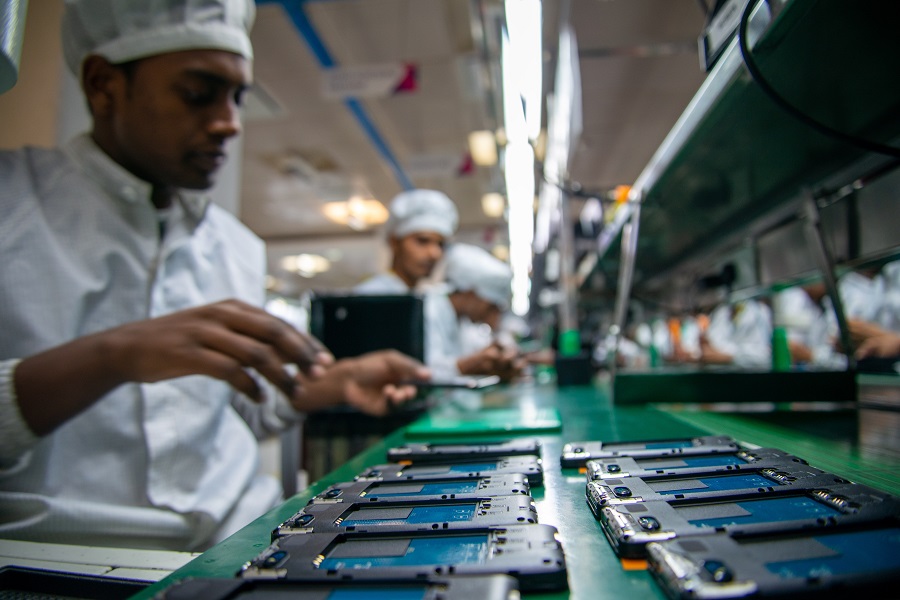
Union Budget 2023-24: Smartphone Industry Seeks Tax Reduction On Components
Industry associations have submitted suggestions to the Finance Minister to keep the positive momentum going for the electronic segment under Union Budget 2023-24. The association has urged the government to reduce tax slabs on certain items and increase in budgetary allocation for SPECS. Photo Source: Shutterstock New Delhi, Jan 19: India has officially ushered into the era of 5G and the time has come for means of communications to undergo dramatic transformation. The 5G technology is expected to drive up the demand for smartphones in the year 2023. The number of 5-G compatible smartphone users may increase in 2023, however, India’s purchasing capacity has cooled down in the last few months. Making a rough prediction about market demand for smartphones in the coming months, the India Cellular and Electronics Association (ICEA) Chairman Pankaj Mohindroo has said that around 75% to 80% of the new smartphone to be launched at the end of the year 2023 will be 5G-enabled. Smartphone Performance in the Global Market Worldwide smartphone shipments fell 17% year-on-year in Q4 of 2022. Overall, in 2022, shipments declined by 11% to fewer than 1.2 billion. The figures reflect the challenging year for the manufacturers. One of the biggest smartphone brands, Apple, claimed the top spot in Quarter 4 and achieved its highest quarterly market share ever at 25%. However, the U.S. based tech company is facing manufacturing disruptions from its production unit in Zhengzhou, China. Smartphone brand Samsung stood in the 2nd spot, followed by Xiaomi, Oppo and Vivo. Experts have said that manufacturers have had a tough year, in terms of shipment, component procurement, and other macroeconomic environment constraints throughout 2022. In addition to this, China is yet to open its economy fully as it is the world’s largest smartphone manufacturing country. Outlook for 2023 A study by Counterpoint Research predicts that cumulative 5G smartphone shipments will surpass the 100 million mark in the Q2 of 2023 and surpass 4G smartphone shipments by the end of 2023. In addition, a recent consumer study by Counterpoint found that 5G is the third most important factor for future smartphone purchases. But the telecom segment too has been limited due to component supply shortages, inflation, geopolitical conflicts that have delayed 5G device launches. To compensate, some Original Equipment Manufacturers (OEMs) have dropped or downgraded other key features such as display or fast charging in order to reduce the impact of increasing component costs, which has affected consumer demand for 5G. The limited availability of 5G networks has also impacted demand for non-5G compatible smartphones. ICEA recommendations to the Finance Minister Ahead of the upcoming union-budget, India Cellular and Electronics Association (ICEA) has submitted following recommendations to the government: Rationalisation of duties on parts and components of mobile phones and sub-assemblies. ICEA strongly recommends that smaller, tariffs of 2.75% (including SWS) which have no beneficial impact and only create a burden for legitimate manufacturers, are removed. Lowering import taxes on components The ICEA has also advised lowering import taxes on components used for making open-cell panels for television production. Open cells are an important part of the LCD panels, which are used to make TVs. At present, open cells incur a basic customs tax of 5 per cent in India. Higher budgetary allocation ICEA has urged the government to extend the Scheme for Promotion of Manufacturing of Electronic Components and Semiconductors (SPECS) for a further period of 5 years with a budgetary outlay of at least INR 10,000 crores. Reduction on customs duty Customs duty on mobile phones, the industry has sought an exemption on high-end phones — reduce the Customs duty cap to Rs 4,000 on smartphones priced above 20,000. The current duty rate is 20%. Union Budget 2023-24 In the upcoming union budget, which is to be announced on February 1st, the electronics sector of India is hoping for some concessions from Finance Minister Nirmala Sitharaman. Different electronics industry segments have urged the Indian government to reduce the tariffs on parts and components ahead of the Union Budget 2023-24. As of now, India has over 600 million smartphone users. On one hand, demand for smartphones is up in urban as well as rural areas. But worries and challenges dampen the spirit of the manufacturing segment. It is being speculated that the government might float a production-linked incentive (PLI) scheme to promote domestic production of high-end smartphone components and other IT hardware in India. In addition to the above-mentioned recommendations, ICEA has also urged the government to lower the existing GST rate on mobile phones from 18% to 12%. The association believes that a relaxation of taxes may help faster adoption of smartphones amongst users in India. In the previous union budget 2022-23, the finance minister announced a reduction in duty on parts of mobile phones. Nirmala Sitharaman, in her budget speech said that duty concessions being given will enable domestic manufacturing of high growth electronic items. The finance minister is set to launch the union budget 2023-23 on February 1st.
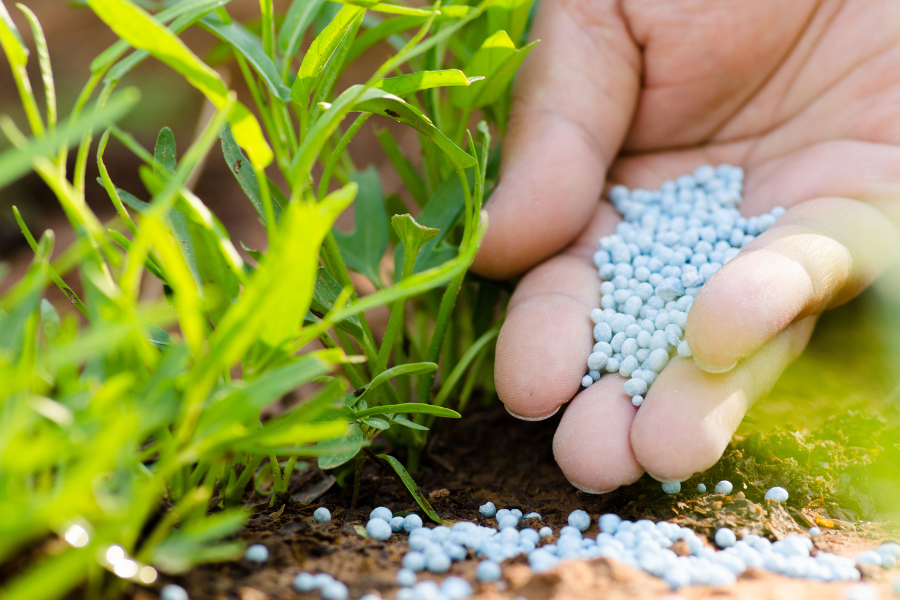
India eyes new fertilizer policy to reduce import dependence
With Budget 2023-24 just around the corner, the Indian agriculture sector is expecting the announcement of new fertilizer policy. Niti Aayog has set up a task force to examine production and promotion of bio-fertilizers and organic fertilizers. The Department of Fertilizers expects special incentives to set up fertilizer units along with reduced import duties on raw material. The industry also expects incentives for the promotion of the organic fertilizer industry. Image Credit: Shutterstock The Indian government is working on a national policy to boost local manufacturing of fertilizers and reduce dependency on imports. A roadmap for the scheme is likely to be announced during the upcoming Budget on February 1, 2023. As an initial step, the Niti Aayog has set up a task force to examine the production and promotion of bio-fertilizers and organic fertilizers. Currently, the agriculture sector is facing several production related issues due to ongoing practices, and a new fertilizer policy in the upcoming budget would be hugely appreciated. Since heavy subsidies have provoked several farmers to use chemical fertilizers like urea, it has led to higher productivity while affecting soil fertility in the long run. As per a UN report, excessive and inefficient use of fertilizers leads to nutrient losses to the environment and could also result in drinking water contamination and impact human lives as a result of unsafe storage practices. The agriculture sector is expecting a number of benefits from the new fertilizer policy to be introduced in the Budget 2023-24, some of which are listed below: The new policy is expected to consist of special incentives to set up fertilizer units and reduced import duty on raw materials with focus on organic fertilizers. A reduction in import duties of phosphoric acid and ammonia to improve competitiveness of domestic fertilizer manufacturers has been a long pending demand of the industry. In accordance with the long term food security strategy, the industry expects an incentive for the promotion of the organic fertilizer industry, since India already has the potential to become a hub of organic fertilizer production. India’s fertilizer sector dynamics While India is among the top fertilizer users, it relies heavily on imports, triggering both import bills and subsidy burden. Its total consumption of fertilizers between April and mid December 2022 was 40.146 Lakh Metric Tonnes (LMT) with production of 32.076 lmt and imports of 12.839 lmt. Imports of fertilizers (2022-23) Urea 46.13 DAP 47.81 MOP 15.02 NPKS 19.43 Total 128.39 Source: pib.gov.in, Figures in *LMT The high cost of natural gas, along with the disruption of imports from Russia and Ukraine, caused prices for chemical fertilizers to more than double in the last two years, further increasing the financial burden on the government. Production of fertilizers (2022-23) Urea 187.21 DAP 27.41 MOP – SSP 38.94 NPKS 67.21 Total 320.76 Source: pib.gov.in, Figures in *LMT For 2023-24, the fertilizer ministry might seek budgetary support of Rs 2.5 trillion subsidy. Outgo for FY23 has already crossed Rs 2 trillion. India’s consumption of fertilizers (2022-23) Urea 232.54 DAP 83.53 MOP 11.23 NPKS 74.16 Total 401.46 Source: pib.gov.in, Figures in *LMT Government initiatives for the sector According to government reports, availability of fertilizers such as Urea, DAP, NPK etc has been smooth in India during 2022-23. Department of Fertilizers has undertaken various steps to ensure comfortable availability and smooth supply of all the fertilizers across the country, some of these are mentioned below: Assessment of state-wise requirement every month 100% neem coating of urea to increase nutrient efficiency Monitoring of crop yield and soil health Online monitoring of the movement of fertilizers through integrated Fertilizer Monitoring System (iFMS). Implementation of the “One Nation One Fertilizers” scheme which aims to ensure timely supply of fertilizers along with introduction of a single brand. Disbursement of subsidies for urea and nutrient-based subsidy and implemented direct benefit transfer. The existing village/block/sub-district/taluk and district level fertilizer retail outlets are being converted into model fertilizer retail outlets. In order to tackle multiple issues faced by fertilizer sector, the government has launched various schemes and policies in the past year, some of these are: Urea Subsidy Scheme: Presently, Urea is being provided to the farmers at a statutorily notified Maximum Retail Price (MRP) of Rs 242 per 45 kg bag of urea. Under the scheme, the difference between the delivered cost of urea at farm gate and net market realization by the urea units is given as subsidy to the urea manufacturer or importer. Nutrient Based Subsidy Scheme: Subsidy rates of P&K fertilizers under this scheme were increased on 20th May 2021 and 13th October 2021, and then further increased substantially for Kharif-2022, so that these fertilizers are available at affordable prices to the farmers. Direct Benefit Transfer (DBT) project for fertilizer subsidy payment: Department of Fertilizers (DoF) has implemented the scheme for fertilizer subsidy payment to improve fertilizer service delivery to farmers. Under the DBT system, 100% subsidy on various fertilizer grades is released to the fertilizer companies on the basis of actual sales made by the retailers to the beneficiaries. Nano Urea: The Government of India recently notified the specifications of Nano nitrogen under Fertilizer Control Order 1985. Nano fertilizers hold great promise for application in plant nourishment because of the size-dependent qualities, high surface volume ratio and unique optical properties. As India is the second largest consumer of fertilizer in the world after China, the fertilizer industry is essential to the growth of Indian Economy. It also produces most important raw ingredients required for agricultural production. With active and schemes projected to be announced in Budget 2023-24, the Indian fertilizer market is anticipated to increase at a compound yearly growth rate of 11.9% in the period 2121-2026. With agriculture remaining one of the focus areas in Budget 2023-24, the agri-input sector which includes agrochemicals, fertilizers etc. are expected to benefit. According to ICRA, the fertilizer subsidy allocation is expected to remain upwards of Rs 2 trillion in FY 2024. Although the government may not allocate the full amount of the