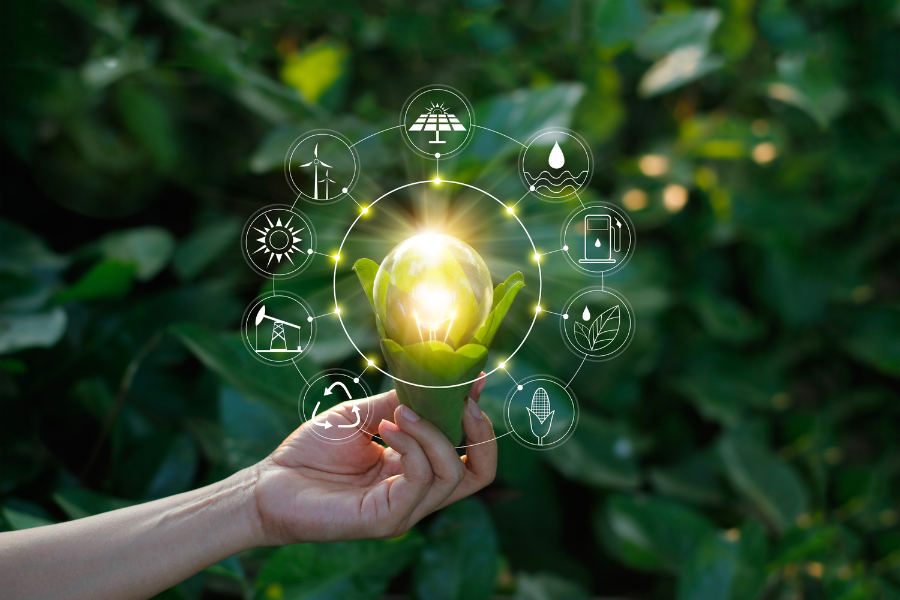
Renewable energy is one of the most sought after projects undertaken by India in recent years. With critical policy decisions expected from Budget 2023-24, India is projected to further grow its stature in renewable energy over the next few years. Image Credit: Shutterstock With a population of 1.3 billion, India has a massive demand for energy to fuel its rapidly growing economy. Keeping in mind its sustainable development goals, India’s power generation mix is rapidly shifting towards a more significant share of renewable energy. Today India is the world’s third largest producer of renewable energy, with 40% of its installed electricity capacity emanating from non-fossil fuel sources. The country has set an ambitious target to achieve renewable capacity of 500 GW by 2030, which is the world’s largest expansion plan in this space. In the past 8.5 years, India’s installed renewable energy capacity has increased 396% and stands at more than 159.95 Giga Watts. The country achieved 166 GW of renewable energy capacity till October 2022 and has achieved its NDC target with total non-fossil based installed energy capacity of 159.95 GW, which is 41.4% of the total installed electricity capacity. India’s installed renewable energy capacity* Category Installed generation capacity (MW) Share in total (%) Hydro 46,850 11.5 % Wind, Solar & Other RE 118.080 29.0 % Wind 41.666 10.2 % Solar 60,814 14.9 % BM Power/Cogen 10,206 2.5 % Waste to Energy 495 0.1 % Small Hydro Power 4,899 1.2 % Source: Ministry of Power; *as of September 30, 2022 India aims to reduce total projected carbon emission by 1 billion tonnes by 2030. To reduce the carbon intensity of the nation’s economy by less than 45% by the end of the decade and expand India’s renewable energy installed capacity to 500 GW by 2030, the Indian government has been working on various schemes, some of which are listed below: The National Green Hydrogen Mission: Approved in January 2023, the mission aims to develop green hydrogen production capacity of at least 5 MMT (Million Metric Tonne) per annum with an associated renewable capacity addition of about 125 GW in the country. It also targets creating over 6 lakh jobs and cumulative reduction in fossil fuel imports over ₹ 1 lakh crore. The initial outlay for the mission will be ₹ 19,744 crore, including an outlay of ₹ 17,490 crore for the SIGHT programme, ₹ 1,466 crore for pilot projects, ₹ 400 crore for R&D and ₹ 388 crore towards Mission components. Production Linked Incentive Scheme: The government launched the PLI scheme on National Programme on High Efficiency Solar PV Modules with an outlay of ₹ 19,500 crore. Central Public Sector Undertaking (CPSU) Scheme Phase 2: The scheme focuses on setting up 12,000 MW grid-connected Solar Photovoltaic (PV) power projects by government producers with Viability Gap Funding (VGF) support, for self-use or use by Government/Government entities, either directly or through Distribution Companies (DISCOMS). Solar Parks Scheme: To facilitate large scale grid-connected solar power projects, a scheme for “Development of Solar Parks and Ultra Mega Solar Power Projects” is under implementation with a target capacity of 40 GW capacity by March 2024. Green Energy Corridor: To facilitate renewable power evacuation and reshaping the grid for future requirements, the government has initiated Green Energy Corridor (GEC) projects. The first component of the scheme, Inter-state GEC with target capacity of 3200 Ckm transmission lines and 17,000 MVA capacity sub-stations got completed in March 2020. The second component with a target capacity of 9,700 Ckm transmission lines and 22,600 MVA capacity substations is expected to complete by March 2023. India’s vision is to achieve Net Zero Emissions by 2070, and attaining short term targets including: Increasing renewables capacity to 500 GW by 2030 Meeting 50% of energy requirements from renewables Reducing cumulative emissions by 1 billion tonnes by 2030 Reducing emissions intensity of India’s gross domestic product (GDP) by 45% by 2030. Even though India is the second largest population in the world, its per capita CO2 emissions are much lower than the global average. The US emits 14.7 tonnes per capita, China emits 7.6 tonnes per capita, while India’s CO2 emissions amount to 1.8 tonnes per capita. Expectations from the Union Budget 2023-24 With Budget 2023-24 just around the corner, the industry is expected to get a massive boost in both production and usage in almost every renewable source of energy in India. In the 2022-23 budget, the Indian government allocated an additional ₹ 19,500 crore for the solar PLI scheme and introduced Sovereign Green Bonds in public sector projects. Additionally, it has planned to co-fire 5-7% biomass pellets in thermal power plants, thereby saving 38 MMT of carbon dioxide annually. In the 2023-24 budget, the renewable industry expects a number of initiatives, taking into account the importance of renewables in India’s energy security. Some of these are listed below: Production Linked Incentive (PLI) scheme for wind turbine generators and device manufacturers: The Ministry of New and Renewable Energy (MNRE) and NITI Aayog are under talks to introduce a PLI scheme to promote the manufacturing of offshore wind turbines. Funding and reforms that will pave the way for India’s switch to renewable energy: The industry expects more government investments in renewable energy. India had set a target of 175GW of renewable energy for 2022. It includes 100GW of Solar energy, 60GW from wind, 10GW from Bio-power and 5GW from small hydropower. Of this, 159.95 GW was achieved as of September 2022. As discussed, India plans to further ramp up the capacity to 500 GW by 2030. National Emission Trading Scheme (ETS): The upcoming Union Budget is expected to announce favorable measures to facilitate the development of a National Emission Trading Scheme (ETS) to strengthen India’s position in the global climate action scenario and supporting the transition to an energy efficient economy. Decentralized Renewable Energy (DRE): Budget 2023-24 is expected to allocate decentralized renewable energy and access to make it mainstream to country’s green growth. The sector is also expecting increased policy support
India’s drone industry: A flight to transformation
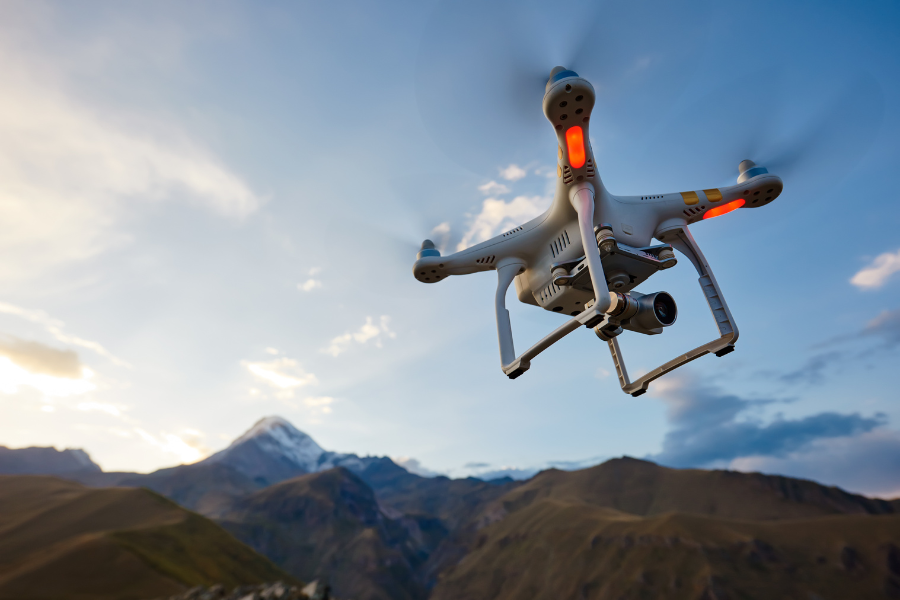
The government is planning to make India a global Drone Hub by 2030 and expand its uses in various sectors like health, defence and infrastructure. Various steps like waivers for pilot permits, reduced and simplified procedures, creation of new drone corridors, and incentives for local manufacturers could radically catalyse the drone industry in India over the next few years. Image Credit: Shutterstock Unmanned Aerial Vehicles (UAVs), commonly referred as drones, are being used by several countries to tackle issues like disease control, vacuuming up ocean waste and even delivering pizza. The remote access and safety provided by drones is driving a steady growth in its usage across various sectors. Even India, which is gradually developing its technological advancements in fields of EVs, digitization, artificial intelligence etc, is gradually discovering the usage of drones in various sectors. Initially used in defence, photography and recording videos, drones are now being engaged in food delivery, surveillance, geographical mapping, disaster management, search and rescue, and the list goes on. Currently, India accounts for 22.5% of total global drone imports. Although most drones are employed for military activities, commercial drones are also getting popular. With a total value of over US$ 900 million, the commercial end-use drone sector is predicted to exceed the military industry. By 2025, India is forecasted to be the world’s third-largest drone market. The Government of India is planning to make India a Global Drone Hub by 2030, and expects total turnover of the drone manufacturing industry to increase from ₹ 60-80 crore to ₹ 900 crore by FY 2024. Technology and Types of Drones As the name suggests, an Unmanned Aerial Vehicle/Drone can be simply termed as a flying robot which can be controlled remotely or autonomously with software controlled flight plans embedded in its system that works in conjunction with sensors and a global positioning system (GPS). Depending on the usage and requirement, drones are manufactured in variety of types and sizes, these include: Multi-Rotor Drones: The Multi-Rotor drones are one of the easiest and cheapest available option. As the name suggests, these drones have more than one motor, more commonly tricopters (3 rotors), quadcopters (4 rotors), hexacopters (6 rotors) and octacopters (8 rotors). These drones are used for aerial inspection and photography purposes. Fixed-Wing Drones: These energy efficient drones have one rigid wing that is designed to look and work like an aeroplane. This drone only needs the energy to move forward and not to hold itself in air. These drones are used in Aerial Mapping, Surveys, Agriculture and construction purposes. Single-Rotor Drones: These are strong and durable drones and look like actual helicopters in structure and design. This type of drone has just one rotor which looks like a big spinning wing, plus a tail rotor to control direction and stability. These are used to carry heavy payloads and surveying purposes. Fixed-Wing Hybrid VTOL: These futuristic drones are hybrid of fixed wing and rotor based designs. It has rotors attached to the fixed wings, allowing it to hover and take off and land vertically. These drones are typically used for delivery purposes. Government initiatives for drone production in India As the government aims to make India a global drone hub by 2030, a total of 12 central ministries are involved in trying to boost indigenous demand for drone services. It is projected to create demand for around 1 lakh drone pilots in upcoming years. Recently, Prime Minister Narendra Modi launched an event called “Drone Mahotsav” to promote the drone industry. During his speech, he highlighted the significance of drone technology in a variety of fields, including agriculture, tourism, disaster management, and the military. To promote India’s emerging drone industry, the government has introduced below mentioned policies and schemes: Production-linked incentive scheme (PLI): With the PLI scheme, the government provides a total incentive span over three fiscal years of US$ 162 million to drone manufacturers. Drone import policy: In February 2022, the government has restricted the import of foreign made drones, while allowing the import of drone components. Drone Shakti: The Drone Shakti scheme launched in Budget 2022, aims at facilitating and promoting drones as a service through companies. Agricultural drones monetary grant program: The government offers financial incentives. For eg., Farmers Producers Organizations can receive up-to 75% subsidy of the cost of an agricultural drone. Application of Drone services in some key sectors Source: Various reports Drone market in India Drones were initially used as defence equipment in India, which has expanded over time. It now carries almost anything to everything including vaccinations and medical supplies, gadgets, food and groceries etc. According to the Civil Aviation Ministry, as the market grows, the Indian drone industry is expected to reach US$ 1.5-1.9 billion by 2026. The growth in the sector is primarily credited to: Government initiatives: The government plans to create more than 10,000 jobs and encourage MSME investments by easing eligibility for the PLI scheme for Drones and Drone Components. It has also liberalized policies to help individuals and businesses leverage drone technology. Increasing interest from start-ups and established corporates: Between August 2021 and February 2022, India saw a 34.4% growth in the number of drone start-ups, bringing the total to 221. Flourishing research and development: Since 2015, nearly 37 patents around technologies such as propeller safety in automated aerial vehicles have been filed by drone companies. The drone service market in India was valued at US$ 130.4 million in 2020 which is expected to reach US$ 4,918.9 million by 2030 at CAGR of 44.4%. Drone service market segment, drone MRO services and drone training and education services are predicted to grow at a CAGR of 46.8% and 45.2% till 2030. With the growing drone service market, several companies and startups have started offering services across industries. Some examples are as follows: A Bengaluru based Drones as A Service (DaaS) service provider offers ‘pay per use’ drone services for agriculture, survey/mapping, surveillance, inspection purposes. A Chennai based DaaS start-up is working to empower Indian farmers and agriculture industry by deploying

Indian automobile industry set to be charged with EVs
Valued at $3.21 billion in 2022, the Indian EV market is expected to grow to $113.99 billion by 2029, at an annual growth rate of 66.52%. Major policy shifts, cost-effective battery production and flourishing infrastructure are expected to be the crucial drivers for growth in upcoming years. With consistent measures and policies to expand the EV market in India, the government is expecting the industry to reach a compounded annual growth rate (CAGR) of 49% in the period 2021-2030. The segment’s volumes is expected to cross annual sales of 17 million units by 2030. Image Source: Shutterstock The year 2022 has been a crucial year for the EV market in India, as the industry crossed the milestone of 1 million unit sales, accounting for 4.7% of overall automobile sales. According to government portal ‘Vahan’, EV registration recorded a threefold surge from 332,000 units sold in 2021 to 1,003,000 EVs registered with regional transport offices till December 31, 2022. The rise in sales is credited to high individual buying and Business-to-Business (B2B) purchases by EV fleet operators. Schemes and policy initiatives like FAME 2 and development of charging infrastructure have added to EV penetration in the country. Electric Vehicle sales in India Calendar Year Units sold % growth 2018 127,576 48.13 2019 163,459 28.12 2020 121,654 -25.57 2021 322,871 165.40 2022 999,949 209.70 Source: parivahan.gov.in With festival season demand and year-end discounts, November recorded the highest sales of EVs in 2022 with 119,419 units sold, followed by October (115,994) and December (102,000). A report released by Fortune Business Insights stated that the Indian EV market is predicted to grow to US$ 113.99 billion by 2029, from US$ 3.21 billion in 2022. EV industry in India Currently, the EV market in India comprises of three major segments, which include: E-Two wheelers: The segment accounts for 25-30% of the total market and is expected to reach 5 million by 2025. Ola electric, Hero Electric and Bajaj Auto are key manufacturers in this segment. E-Three wheelers: The segment accounts for 47% of all three-wheelers sold in India in FY 2021-22 and is predicted to account for 30% sales by 2025. Mahindra Electric, Piaggio Vehicles and Atul Auto are some of the manufacturers in India. Passenger Vehicles: In the first half of 2022, the PV segment accounted for only 1.17% of the overall passenger vehicle production in India. With various schemes and initiatives, the segment is predicted to grow at 16% in FY 2023. Tata Motors, Mahindra Electric and Kia are some of the key dealers in India. With the government’s aim to go fully electric by 2030, several brands have come up in the electric vehicle segment in India. These include Tata Motors (Tata Nexon EV), Hero Electric Vehicles Pvt Ltd (Hero Electric Eddy), Mahindra Electric Mobility Limited (Mahindra eVerito), etc. From research and development to manufacturing and establishing charging stations, these companies offer EVs in battery, hybrid and plug-in hybrid variants. These players are also working towards equipment for EVs including GPS navigation, remote sensors and anti-theft locking systems etc. Electric Vehicle Sales (2017-2022) Category 2017-18 2018-19 2019-20 2020-21 2021-22 2022-23 (Till 25th Dec) Nov’22 Dec’22 (Till 25th Dec) Grand Total E-2 Wheelers 1,962 27,032 26,062 43,782 245,660 490,563 76,575 52,070 835,061 E-3 Wheelers 90,412 114,173 141,006 89,105 178,458 268,395 38,278 27,001 881,549 E-4 Wheelers 1,871 2,179 2,370 5,106 19,409 29,461 3,974 3,088 60,396 E-Buses 41 78 448 374 1,193 1,557 117 95 3,691 Grand Total 94,824 143,661 169,908 138,399 444,796 790,014 42,369 30,190 1781,602 Source: mev.in, Values in number of units* Future challenges Even with rising trends, India’s EV ecosystem is still at a nascent stage, as compared to other countries. The transition from combustion vehicle to Electric Vehicles is facing several challenges such as: Lack of Electric Vehicle Charging Stations (EVCS): Compared to the targeted e-vehicles on Indian roads, the number of charging stations is relatively low, contributing to the lower sales of EVs. At present there are only 1,742 EVCS in the country according to the IVCA-EY-IndusLaw report. Additionally, the long charging duration and expensive batteries are also contributing to the slow shift. High prices of EVs in India: Compared to other countries, only a few models of EVs are available in India which are reported for range issues and slow charging. Moreover, these models are hardly affordable. At present, the most affordable normal sized electric car costs a minimum of ₹ 12.49 lakh, whereas the cheapest petrol car is available with prices at around ₹ 3.8 lakh. Lack of awareness and encouragement about EVs: Apart from being environment friendly, EVs offer multiple benefits with which many people are not aware. Lower running and maintenance costs, tax and financial benefits, no noise pollution and convenient charging are some of the benefits of transitioning to EVs. Government Initiatives India is committed to reduce the emission intensity of its gross domestic product (GHG emissions per unit GDP) by 33%-35% by 2030. The government has sanctioned 2,877 electric vehicle charging stations in 68 cities across 25 states/UTs. Additionally, 1,576 charging stations across 9 Expressways and 16 Highways have also been sanctioned. In FY ’22, total charging stations in India recorded an increase of 285% YoY, which is expected to increase to around 4 lakh by FY26. To meet its global commitment and alleviate the impact of the automobiles like increasing oil import expenses and increasing air pollution, the government is focusing the narrative towards electric vehicles. The following are the various schemes and policies introduced by the government for a successful transition towards electric vehicles: Faster Adoption and Manufacturing of (Hybrid and) Electric vehicles (FAME Scheme): To promote charging infrastructure in India, the government has allocated ₹ 10,000 crore under the phase-2 of FAME scheme. According to recently released data, 7,66,478 Electric Vehicles have been supported till 19th December, 2022 by way of Demand Incentive amounting to about ₹ 3,311 Cr under the FAME 2 scheme along with 2,877 charging stations in 68 cities across 25 states/UTs. Further, the Ministry of Heavy Industries
Bikaji Foods: Synonym of ethnic Rajasthani namkeens
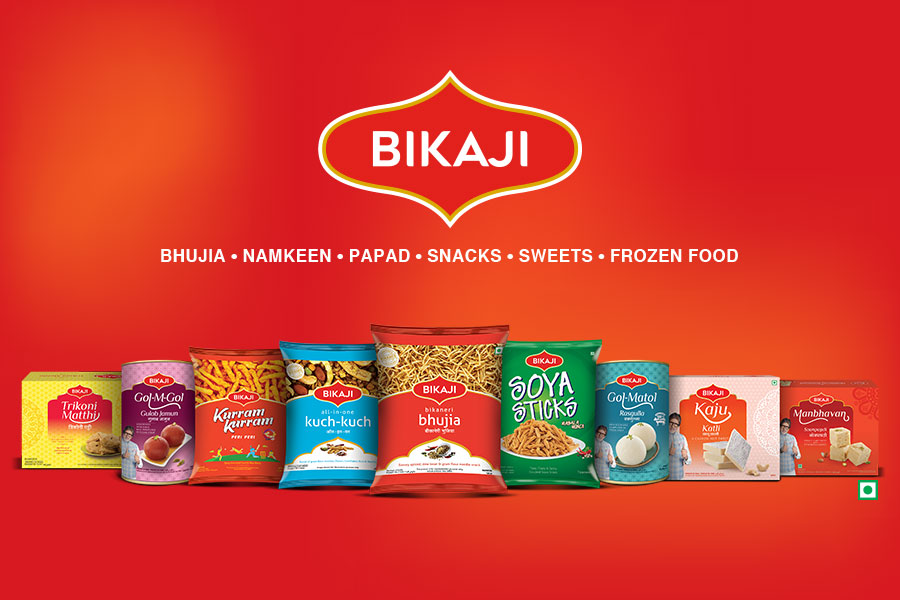
India’s third largest snack company, Bikaji Foods, is a popular choice amongst million of Indians. Its journey began as a stand-alone workshop, stationed in Bikaner. Over the past three decades, Bikaji Foods have emerged as a pan India brand, with an export footprint in more than 35 countries across the world. Photo Source: Bikaji Foods New Delhi, December 29: It is rather impossible to deny that Indian snacks and namkeens are irresistible. Whether savoury, crunchy, salty or spicy, Rajasthani namkeens have a large vivid variety of snacks for every taste buds. And Bikaji Foods is one such brands which ensures that the scrumptious ethnic Indian snacks are delivered to you in a convenient and hygienic packaging. Origins of Bhujia and Bikaji Foods Legend has it that in 1887, Maharaja Shri Dungar Singhji ordered a special variety of savoury snacks (or namkeen) to be prepared for serving to the royal guests. It was then that the cooks of his royal kitchen came up with a light yellow coloured delicious snack named ‘Dungar Shahi Bhujia’. The ruler and his guests savoured this crunchy and addictive snack. Soon, Bhujia became the trademark dish of Bikaner and has earned this city gastronomic fame. Approximately a century later, Mr. Shivratan Agarwal created a new identity for himself, which lead to the birth of the brand Bikaji. When the technology to produce Bhujia on a large scale was unthought of, he successfully laid the foundation of his dream venture. The name Bikaji is derived from Bika Rao (founder of Bikaner) and Ji, used as a mark of respect in India. Today, Bikaji has a global footprint and stands tall as the largest producer of Bhujia in the world, with an annual production of 29,380 tonnes. The brand is also one of the largest manufacturers of ethnic snacks. These snacks are enjoyed by millions of foodies across 11 major European, American and Gulf Countries, Australia, Japan and Singapore. A few of its best-selling products include Bikaneri Bhujiya, Crusty Nuts, Baat Cheet Papad, Tana Tan Aloo Bhujia, Sohni Soan Papdi, Anjeer Dry Fruit Barfi, & Mom’s Special Combo. Traditional Snacks Wrapped in Modern Packaging Bikaji has been consistent with its research & development and innovation throughout the years. With experienced food technologists, it strives to be in competence with the latest trends and technologies. At Bikaji, quality is of paramount importance and we ensure this through a stringent quality control process at every stage, from raw material procurement to the manufacturing process and packaging. Raw ingredients available in the market are sourced and then processed in a safe and hygienic environment. To ensure superior quality, Bikaji’s manufacturing and packaging processes are automated. Processing, production and packing machines are imported from Germany, Australia, Netherland, China, Taiwan, Italy, and US. Fully equipped chemical and microbiology laboratories are present in the factories to ensure that its products meet international standards. It has acquired international quality standards – ISO 9001:2015, ISO 22000:2005, BRC issue 8 with ‘A’ grade, HALAL certification, EIC approval for milk products processing establishment, APEDA approval for peanut-based products processing. Along with this, a robust Enterprise Resource Planning (ERP) system is integrated with their production systems that aligns demand with production. Hot-Selling Products Bikaji Foods International Ltd has been a pioneer of Bhujia and Namkeen from past three decades. It stands as the largest producer of Bhujia in the world with a production capacity of more than 120 tonnes per day. It has a wide range of products ranging from Bhujia, Namkeen, Sweets, Papad, Frozen Foods and Western snacks with an international footprint of exporting to over 35 countries. To ensure ease of product serviceability across regions, we plan to set up state-of-the-art manufacturing facilities across various strategic locations in the country. This will not only help us deepen our pan-India presence, but also improve operational efficiency and reduce logistic costs as well as preserve the freshness of our products and ensure efficient delivery. Eternal Promise To Deliver Finest Quality The Indian Snack industry has been very traditional in terms of processes and automation. Bikaji has been the first of its kind to progress from manual operations to advanced technology and automated production process to optimise our production quality and capabilities. Bikaji Foods’ popularity can be attributed to factors like focus on premium quality, hygiene, placing food products competitively priced to their customers worldwide. The brand is constantly meeting the ever-changing demands and thereby building consumer loyalty.
Year of reckoning: Learnings for Indian startups from 2022.
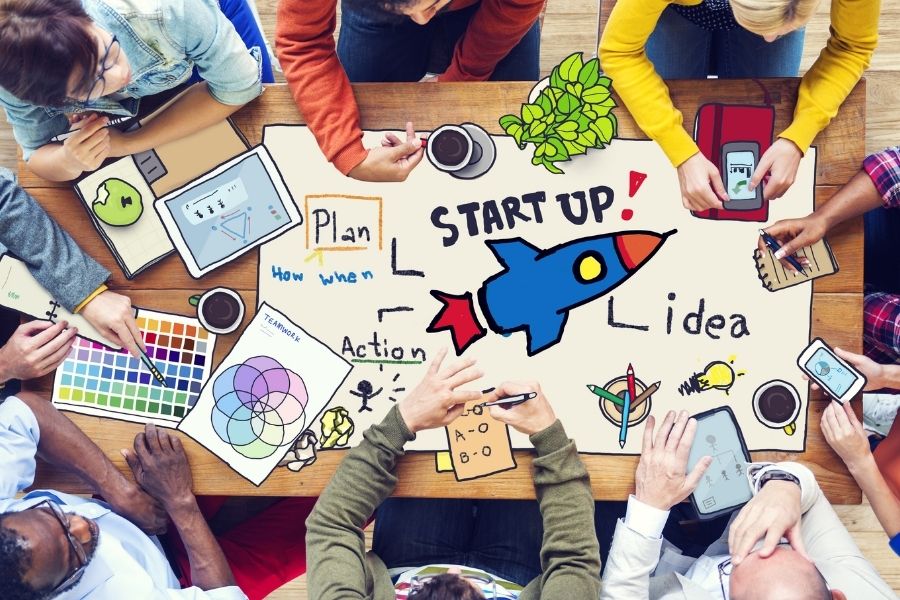
After a robust first quarter, 2022 proved to be a sobering year for India’s startup ecosystem. While players in specific sectors may continue to struggle in a difficult environment, it may also unfold a new chapter for Indian entrepreneurship in 2023. India’s startup ecosystem witnessed a phenomenal 2021, when funding surged to US$ 42 billion, growing by 265% YoY. However, after a strong first quarter, startups faced the brunt of a weak global macroeconomic climate in 2022, which led to overall funding declining by 40% YoY to US$ 25 billion. The startup sector is also facing job loss to the extent of 20,000 in 2022 alone which has been led by majorly edtech, followed by ecommerce. However, experts feel that this could be a short term blip to the startup valuation growth story, which remains fundamentally strong and will adapt to this changing environment. Image Credit: Shutterstock While the pandemic led to survival battles for many startups in 2020, it also fuelled a major shift in focus and a surge in optimism towards digital first business models. The impact of that was visible in 2021, when startup funding grew to US$ 42 billion, a jump by 265% YoY according to Orios Venture Partners. Around 1,436 startups were launched in 2021, which saw the participation of 2,487 unique investors. But after the heady numbers of 2021, the Indian startup space witnessed a sobering year in 2022, where Indian startups only received around US$ 25 billion worth of funding, a decline by 40% YoY. The year created 21 unicorns, plunging by 50% YoY. According to Inc42’s Annual Indian Startup Funding Report, a major correction was seen in growth and late stage startup valuations, even as seed funding continued to attract investments. The year started on a promising note indeed, as 13 startups (valuation > US$ 1 billion) attained unicorn status in the first three months itself. But the second quarter saw a dramatic turnaround for the worse, due to global macroeconomic and market uncertainties, post the Russia-Ukraine war. The entire H1 2022 saw Indian startups receive US$ 19 billion in funding across 900 deals. Out of this, Q1 2022 contributed over US$ 11.7 billion, while Q2 contributed US$ 7.3 billion (as per data till June 25). This is the lowest quarterly funding amount over the past year. Ironically, the first half also witnessed 49 mega deals (over US$ 100 million), a record for any six-month period since 2014. Due to the onset of this ‘funding winter’, Verticals ranging from edtech to e-commerce and health-tech have fired thousands of employees in recent months. The slowdown can be attributed to rising inflation & interest rates that followed the surplus liquidity & easy credit. Factoring in the unstable geopolitical conditions & weak IPO market has also kept stakeholders cautious in deal making. Global venture funding reached US$ 22 billion in November 2022, dropping by 69% YoY. It also showed a decline by 19% on a month-over-month basis according to Crunchbase. VCs as well as investors appear to be doing a lot more due diligence of companies they want to invest in as well as ticket sizes. Estimates report that almost 20,000 startup employees were laid off on grounds of restructuring and “cost cuts”. Startup companies shut non-performing verticals, cut marketing spending and froze fresh hiring. The edtech segment laid off the most employees, with 14 such startups sacking about 7,000 employees in 2022. A sharp change in macro-conditions is difficult, in particular for companies who are in active fundraise right now. Even if restructuring & layoffs would seem the only viable options to entrepreneurs in such a downturn environment, it should still be kept as a last resort. The startup ecosystem must learn to reflect, unwind, adapt & accordingly reroute its workings to build its buoyancy & capacities to resurrect. They of course need to keep up with fast moving technology trends to remain relevant for their consumers & investors. Founders should use this time to work on their respective startup fundamentals and plan ahead by optimizing their cost. They also need to gear up for bouts of economic turbulence. As some say, this could be a short term blip to the startup valuation growth story. Yet it could unfold a new chapter in the Indian start-up ecosystem & also new avenues for entrepreneurship. Companies need to bring to the fore their capability to develop new markets. For this, existing business models need to be challenged in order to fetch new market share. This will improve the value proposition of the business to potential investors. A self-assessment in these times will convey that the happy confluence of cheap availability & plenty of capital is not that easy to achieve anymore. Startups are not only meant to drive change, they are also supposed to successfully respond to change. This also does not mean that the rules of venture funding have changed. They have only just been rephrased. Founders need to take precautionary measures, tighten their seatbelts, focus on their NPS or net promoter score, their own customer acquisition & retention & team loyalty.
You can heal yourself with spices
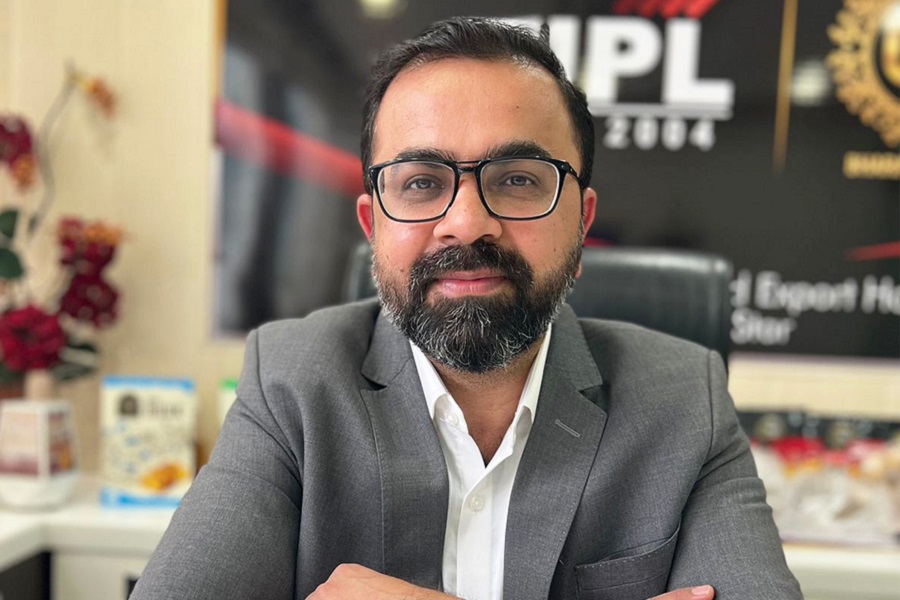
Vikas Makhija, Managing Director of Tapovan Impex Private Ltd., spoke with India Business & Trade ahead of the IndusFood’s sixth edition. The fourth generation entrepreneur believes that the years of hardship and failure made him more committed to his passion for quality spice manufacturing. He adds that while Indians are well-versed with the medicinal properties of spices, it is now time for the rest of the world to experience its charm. Photo Sources: Tapovan Impex IBT: Tapovan Impex was established close to 19 years ago. What inspired you start your own business? Vikas Makhija: Tapovan Impex was established in August 2004. My first venture, started in 1999, was a failure. And we learn from everywhere, that learning is from failure only. In 2000, 2001, and 2002 I traveled the world-Asia, including Pacific countries, Australia and New Zealand, Dubai, Singapore, and Hong Kong, many other countries just to know the law. We had developed the right product, the right packaging, but somehow we fell short in the paperwork. Since 2004 my company never faced any compliance or regulation issue. So, export documentation is a challenging job, but we came out of this and now Tapovan Group is about 200 crore company, we are hoping to grow in a big way. We introduced during this journey our brand Bharat Bazaar in 2005 so that is how we started with a staff of four and now we have more than 100. IBT: Initially, your company was manufacturing other brands’ food products. In 2005, you launched your in-house spice brand called Bharat Bazar. Why did you launch your own line of brand spice? Vikas Makhija: The initial idea of our company was to export the existing brands’ food products. But when I started visiting overseas I had this idea launch a brand for myself. I come from a long line of entrepreneurs and my great-grandfather was involved in spices, so that idea came from that. I spoke to my buyers for these spices. So in 2005, we came up with the Bharat Bazaar brand. This is how we started exporting our products under this name. Spices business has been a part of our entrepreneurial journey for almost 120 years. Somehow my father chose to pursue another business idea from 1972 to 2000. So, you can say I restarted our traditional business. IBT: Indian market has a competitive environment in the spice manufacturing segment. Along with established big brands there is an option to purchase spices in loose packets as well. So what prompted you to re-enter into the spices? Vikas Makhija: With spice manufacturing I realised challenges like sub-standard packaging in the market. In the global market, Pakistan products were more promoted, with a tough competition from famous Indian spice brands. But once you go into real life, there’s a difference. It took me 10 years to understand my business aspirations and to realize that spices manufacturing and trade are a passion for me. I want to offer a wide range of fresh spices and I wholeheartedly believe in the motto “Whole world is one plate”, so I want to serve the consumers with my products. IBT: Let’s talk about Bharat Bazaar. You’re exporting spices to other countries. Which are some of your major international destinations and what is your plan for expansion on the global front? Vikas Makhija: We started (export) to Australia as it has ample market potential for Indian products to grow. From Australia we expanded our footprints to Asia Pacific and later to New Zealand, Indonesia, the Philippines, Japan, Singapore, Hong Kong, and China. These are the major countries I’ve started exporting to. In 2012-13, we entered European market and began exporting to the UK, Ireland, parts of Italy, Norway, and Cyprus. in 2015, we began exporting our products to the U.S. So, these are the markets we are exporting to currently. IBT: What is Bharat Bazaar’s presence in the domestic market? Vikas Makhija: We wanted to launch Bharat Bazaar in India around 3 years back. My daughter joined our business and led the new packaging and makeover of bakery products. In 2021, we showcased our product line in the Aahar exhibition for the domestic market. We have significant presence in the online portals like Amazon, Flipkart, and Meesho. Tapovan Impex is expanding our foothold in the virtual market and my daughter has cracked the deal with BigBasket which will distribute our products in Delhi, Gurgaon, and Sonipat. We have an expansion plan to introduce our full product range into the domestic market. Along with this we have established a factory in Jaipur and in the coming years, we will set up another factory in Sonipat to meet the demand in the domestic market. IBT: There is a major shift in consumer behavior. What future do you see for FMCG products or F&B products in retail stores versus online stores? Vikas Makhija: We all have learnt something from COVID, and one major lesson is the utmost importance of product quality. Indian people have a good immune system, and dwell with the only good products, good food habits and spices. India is a natural country for the spices like cumin, red chili, and turmeric and these products have a very good potential for improving your health. You can heal yourself from spices. Indian spices have value and if you have it on your plate, include it in your daily routine, your immune system can improve anytime and you can fight with the COVID and other ailments that may come in the future. Today we are facing COVID somewhere, next down the line 5 or 10 years something else will come, we don’t know, but we have to be healthier so we have to take care of our food intake. So, I recommend people to make spices a party of their daily diet.

F&B Industry: Smitten by the Metaverse Wave?
Considering the many benefits that metaverse brings to the table, the F&B industry should keep an eye on latest trends and the space to know when it is the right time to invest in such technologies. Image credit: Freepik Imagine a world where billions of people interact, live, work and shop but virtually – all from the comfort of their couches in the physical world. In the world that we live in today, computer screens have become portals to 3D virtual realms like real life – but bigger and better. Digital recreations of ourselves or avatars move freely from one experience to another as metaverse has become the buzzword of the day. What exactly is Metaverse? Metaverse is a hypothetical iteration of the internet as a single, universal and immersive virtual world that is facilitated by the use of virtual reality and augmented reality. The access points include general purpose computers, smartphones, AR and VR and mixed reality. Through the integration of Internet of Things ( IoT), Artificial Intelligence (AI) and Mixed Reality, the metaverse in manufacturing industries will enable the creation of digital twins of places, processes and real world objects allowing organizations to effectively monitor, analyze and interact with complex systems in real time. Manufacturers can also use virtual production lines to teach and educate employees about remote maintainance and machinery control via the metaverse. Opportunities for manufacturers As metaverse is an ever evolving ecosystem which is gaining massive popularity, it will be a great opportunity for entrepreneurs to take advantage of the following opportunities: Training employees more quickly and safely : Now, companies have begun training employees on how to use and maintain equipment through the use of VR headsets instead of having them use physical equipment which can be dangerous or difficult to use. An experiment was carried out by MGM Resorts in partnership with VR firm, Strivr, to allow job seekers to try out roles using virtual reality to reduce employee churn. In addition to this, trainees also get the liberty to make mistakes in a virtual environment without having to face real world consequences compared to on-the-job training with heavy equipment or dangerous environments. And it is for the same reasons, many companies are looking to deploy VR training as a first step for training their new employees, especially for industrial or other heavy industry scenarios. Simulations ahead of physical deployments: In manufacturing, digital twins can be used to compare the design of a product to the physical version produced. Digital twins are technologies which make use of all of the components of a physical “twin”. For example, many autonomous vehicle designers now utilize simulations of real-world locations to fine tune and equip the vehicles to operate better. Using AR/VR to repair equipment on the job: Field service workers and technicians can also get assistance on equipment maintenance and support through AR, VR and MR technologies. This accelerated during the pandemic when support teams were limited by travel restrictions and health concerns. According to McKinsey, use of this technology can improve the attitudes of workers in the field, without feeling they are being watched or monitored by their employer. Collaborate product designs around the world: With VR, design engineers can collaborate remotely from around the world and create a virtual design. Building physical products from virtual designs and vice-versa: The bridging of the physical world will provide several opportunities for manufacturers potentially unlocking new revenue streams. While virtual-to-virtual commerce has been around for years in which a consumer can purchase digital items with real money, new concepts are arising in which physical products can be created by designs originating in the virtual space. For example, toy company L.O.L Surprise creates card packets with a QR code that can be scanned to unlock NFTs and virtual experiences. Image credit: Freepik How will Metaverse matter to the food and beverage industry? The adoption of metaverse by the F&B industry is of extreme significance as it allows multiple industries to expand their businesses and is not just an opportunity for the gamification of their food business. Foodverse can be a platform for people to order food, deliver it and experience new culinary experiences that are enhanced with the aid of virtual tools. It can serve as a unique environment for various food enthusiasts, business owners, chefs and companies to come together to explore different cuisines, dishes and food products. Metaverse could also serve as an excellent business opportunity for many F&B players who had hugely been affected by the pandemic and the use of the same can positively impact such services. Also, it has the potential to be extremely pertinent in the expansion of the food community beyond different countries and can unite people from different religions, food habits and geographical boundaries on the technological and food front. Loyalty programs & promotions: Restaurants can have digital versions of their physical location in the metaverse where customers can walk in and sign up for loyalty programs. Dining Clubs: Brands can look into unique dining experiences that can be purchased using digital tokens or NFTs. NFTs for collectibles: Food and drink brands can also allow users to purchase unique digital collectibles that are of a kind or they can offer NFTs that can be exchanged for specialty items or meals in real life. Cooking Classes: Restaurants can offer cooking classes to help people learn how to make healthy meals or teach them how to make certain meals that exist on their own menu. Online ordering & reservations: Restaurants can also have digital spaces in the metaverse where users can walk in and place an online order or reservations which translates to a real order or reservation. Virtual Tours: Restaurants can offer customers an inside look of their facilities such as winery or brewery tours and can also offer customers ways to make purchases during the tours. Image credit: Freepik Top players of the F&B industry already into metaverse Multiple major food chains, producers, outlets and giant players are investing
Indian e-commerce rise 37% in 2022
Despite the receding COVID-19 fears and shoppers returning to physical stores, the Ecommerce industry reported an impressive growth of 36.8% Y-o-Y in FY 2022. Brand websites showcased stronger growth than marketplaces with 80.4% Y-o-Y growth. Going forward, Indian retail and e-commerce players are dedicating significant process and technology investments. These ensure faster delivery and optimal shopping experiences. With the continuous rapid growth of Tier 2 and 3 markets, new regions are expected to gain a lot of attention. Image credit: Pixabay India observed a sharp growth in e-commerce sales in FY 2022, despite lifting the Covid19 restrictions. E-commerce enabler Unicommerce recently analyzed more than 500 million online transactions. According to their study, 3-tier markets like Roorkee, Rohtak and Udaipur recorded 64.7% Y-o-Y growth in 2022, whereas, 2-tier markets like Bhopal, Amritsar and Bhubaneshwar recorded 50.9% Y-o-Y growth. Tier-1 markets witnessed order volumes growth of 10.3% YoY during the year. The Tier-2 and 3 cities accounted for 63% of total orders placed by users and recorded a faster growth than Tier-1 markets. These trends show that e-commerce growth in India has well and truly moved beyond the large cities to hundreds of tier-2, 3 and smaller cities across the length and breadth of the country. Maharashtra, Delhi/NCR and Karnataka contribute to the largest ecommerce order volumes. Mumbai and Pune contribute the maximum order volume share in Maharashtra. With reopening of public places and offices post-Covid, traditional e-commerce leader categories like fashion and accessories & footwear demonstrated a remarkable and quick recovery. The beauty and personal care segment has recorded maximum growth of 143% YoY in order volumes and 132% YoY in order value. Ecommerce Order volume growth vs Ecommerce GMV growth 2021-22 Source: Unicommerce The fashion accessories and footwear segment showed strong growth in the COVID era, as the consumers were under lockdowns or in WFH environments. After relaxation of COVID-19 restrictions, fashion accessories and footwear reported stronger order volume growth of 59.7% and 67% respectively. As homebound shoppers largely ordered athleisure and comfort wear last year, in 2022, Gross Merchandise Value (GMV) grew by 75.1% YoY for fashion accessories and 93.3% YoY for footwear. Dominated by spectacles and sunglasses, the eyewear segment grows consistently Y-o-Y with 66% order volume and 60% order value. Items under home décor and furniture, sports equipment, books and stationery also witnessed 75.9% growth in FY22. Interestingly, the electronics and home appliances segment witnessed slower growth with 34.7% YoY order volume growth and 29% order value growth in FY 2022. As per recent trends, since shoppers are now aware of potential deals and prefer to shop from trusted brands directly, the brand websites showcase stronger growth than marketplaces with 80.4% Y-o-Y growth, whereas, the marketplaces reported 56.6% growth in same period. The Covid era enabled consumers to access medicines and supplements via ecommerce websites. Continuing the trend, the health and pharmaceutical segment also reported a strong order volume growth of 84.8% on brand websites and 9.2% growth in marketplaces. Order volume growth vs Order value growth (segment wise 2022) Source: Unicommerce The electronics segment recorded 38% growth in orders from brand websites and 33.1% from marketplaces. The FMCG and agriculture segment also reported YoY growth of 67.7% through brand websites in 2022. On the other hand, the segment grew by 50.6% in marketplaces. Bigbasket.com is the leading Indian e-commerce portal with net sales of US$1,222 million in 2021, followed by ajio.com with US$1,119 million. Reliancedigital occupies the third position with revenues of US$752 million. The fourth biggest online store in India is grofers.com with net sales of US$350 million in 2021. Aiming for India’s digital economy to touch US$ 800 Bn by 2030 and to boost ecommerce infrastructure in underdeveloped and remote areas, the central government has undertaken various steps discussed below: Digital Infrastructure: To support rural broadband penetration, the government has introduced the BharatNet program with an outlay of INR ~61,000 Cr. The program aims to deliver broadband connectivity to India’s 2,50,000 Gram Panchayats. Digital Payments and Technology: With technologies like UPI, RuPay, DigiLocker and eKYC, the government aims to promote digital transactions in smaller cities. To financially incentivize digital payments, a INR 1,500 Cr scheme was proposed in FY22 budget. One District One Product Programme (ODOP): The ODOP programme introduced by the government focuses on selecting, branding and promoting “One product” from each district of the country and enable holistic socioeconomic growth across the states. The programme provides ecosystem for innovation and use of technology at district level to make the local manufacturers competitive with domestic as well as International markets. One such instance is UP, where Uttar Pradesh handicrafts Development & Marketing corporation has set up odopmart.com, under the ODOP programme. The website gives purchase access to locally produced items, district-wise. In the post-pandemic era, Indian retail and e-commerce players are dedicating significant process and technology investments. These ensure faster delivery and optimal shopping experiences. With continuous rapid growth of Tier 2 and Tier 3 markets, new regions are expected to emerge as priority market for leading marketplaces and online sellers.
Carbon labelling: The next big trend in F&B packaging?
According to FAO, the food supply chain is on track to overtake farming and land use as the largest emitter of greenhouse gases from the agri-food system. At a time when ethical consumerism is on the rise, carbon labelling is becoming a need of the hour for the global F&B industry. The food and beverage industry is responsible for 36% of global emissions. According to a study by Greencast, meat accounts for nearly 60% of all food-production emissions, almost double that of plant-based foods. Similarly, cocoa, coffee, soybeans, rice, maize, palm oil, and wheat have the largest plant-based food footprint per tonne. The Food & Agriculture Organization estimates further that the food supply chain is on track to overtake farming and land use as the largest emitter of greenhouse gases from the agri-food system. However, given that food is an essential commodity for survival, the F&B industry needs to take measures to arrest its impact on the planet. This would involve the industry to critically cut its carbon emissions across the value chain right from cultivation (by adopting sustainable agricultural practices) to developing and delivering products (such as plant-based alternatives) with low carbon footprint to consumers. This blog discusses one such novel initiative in the F&B supply chain that can prove to be a game-changer in lowering the industry’s emissions – carbon labelling in food packaging. Carbon labels: The hottest trend in F&B packaging industry Before we delve into the global adoption practices of carbon labelling, it is pertinent to understand what this concept entails. The International Organization for Standardization (ISO) has developed a series of standards on carbon accounting and labeling of products & services produced by organizations across the globe. A research paper by Guenther et al states: Carbon labels show the amount of carbon dioxide (CO2) and other Greenhouse gases emitted during the production, distribution, use and disposal of a product. Carbon Reduction labels display the reduction of carbon emissions that has been achieved during the production, distribution, use and disposal of a product. Another point worth noting is that carbon labels are not the same as sustainable labels or eco-labels. While carbon labels focus specifically on carbon dioxide (CO2) and other greenhouse gases emitted during the production, distribution, use and disposal of a product, sustainable labels inform consumers and other groups about the environmental impacts of producing or using a product. Eco labels, on the other hand, set minimum environmental and health standards and verify products that meet the criteria. Countries leading the carbon packaging race Amidst the global clamor on climate change, consumers these days consider sustainability to be an important part of their day-to-day shopping habits. A survey of 6,000 consumers in 11 countries across North America, Europe and Asia conducted by Accenture found that 72% of respondents were currently buying more environmentally friendly products than they were five years ago. It added that 81% of the people surveyed expect to buy more over the next five years. This is confirmed by another study that found that 50% of respondents agreed that carbon emissions of a product are a factor in their purchasing decision. Taking this into account, countries like Japan, South Korea, Thailand, Switzerland & Sweden came up with carbon labeling schemes and practices as early as 2009. The European Commission’s “Farm to Fork” strategy calls for an EU sustainable labelling framework by 2024 to make food systems more eco-friendly, fair and healthy. It encourages the food system to have a neutral or positive environmental impact through numerous regulatory and non-regulatory endeavors. Similarly, Denmark made headlines this year to become the world’s first country to come up with its own climate label for food. Further, an inter-continental study by McKinzie has found that 29 out of 30 countries studied have started to discuss and implement sustainable-packaging regulations. Out of these, India & Argentina had the maximum number of packaging regulations centered around reduction; Belgium had the most regulations on recycling & reuse; and Egypt & US had the most regulations around labelling & traceability. Addressing some key concerns Although there is some literature regarding the impact of consumer attitudes towards carbon labels, there are certain issues concerning its adoption that the industry needs to watch out for. A major obstacle to the global adoption of carbon labels is that at a time when a significant proportion of the population is struggling for two square meals, the application of the concept of carbon labelling is likely to be limited to the developed regions. Further, even among this section, there are consumers who are unaware, misinformed or only have a rudimentary understanding of the carbon impact of their food purchasing habits. Another challenge with the large-scale adoption of carbon labels is the lack of homogeneity in their adoption, given that different countries are coming up with their own set of carbon labelling norms. To complicate matters further, the method to calculate carbon emissions can vary leading to disparities. For example, while on a per calorie basis, broccoli emits more GHG than either pork or chicken, the converse is true if calculated on the basis of weight. Lastly, there is also a concern that carbon labels can be used for green washing i.e. misleading advertisements or false claims by companies that suggest they are doing more for the environment than they actually are. Towards a sustainable food chain With numerous countries formulating rules around sustainable packaging, it will not be surprising to see the international adoption of carbon labels in the next few years. However, there needs to be uniform standards so that information can be disseminated among consumers. Lastly, F&B brands need to remember that carbon labelling is not a panacea, and stakeholders need to work on comprehensive climate mitigation measures to mitigate the threats to global food security.
MDH: An untarnished spice legacy
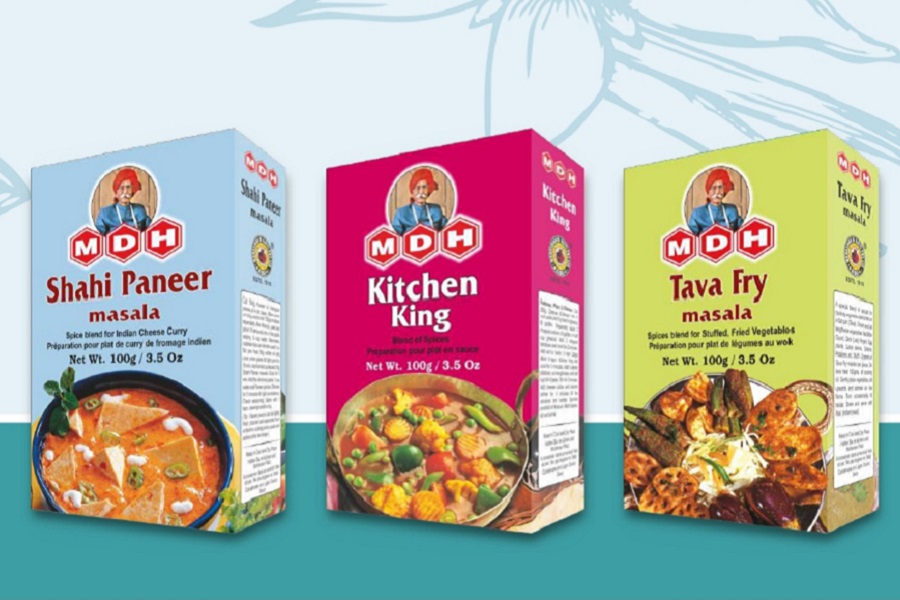
MDH, or Mahashian Di Hatti, has its humble beginnings dating back to pre-partition era. What began as a simple objective to provide India with unadulterated, fresh spices, has now spawned into one of the most recognised spice brands across the world. MDH, standing firm on its promise, delivers vast range of authentic Indian masalas, no matter where you are in the world. Photo Source: MDH India is known as the spice capital of the world and till date continued to maintain its global hegemony. The legacy of MDH Known as Mahashian Di Hatti is an inspiration in itself. One of the biggest spice Moguls of India, MDH products have earned their rightful place in every Indian’s kitchen and their hearts. Humble Beginnings MDH was originally known as Deggi Mirch Wale. The brand dates back to 1919, making it one of the oldest spice companies in India. The spice shop was first set up in Sialkot (now in Pakistan) by Mahashay Chunilal Gulati. This family business was established with a vision of replacing the process of grinding spices at home with the concept of ready-to-use ground spices. It is his son, Dharampal Gulati, the 2nd generation entrepreneur of the family, who took the spice business to unprecedented heights. The company’s quality products, advertisement strategies and reachability to every nook-and-corner of India, made it a popular brand even in the international market. In December 2020, Mahashay Dharampal Gulati, fondly remembered as “MDH Dadaji”, passed away at the age of 98 years, leaving a rich legacy and spice empire behind. Spice King From India to Abroad After the demise of Mr. Dharampal Gulati in 2020, his son, Mahashay Rajeev Gulati assumed the charge and is carrying forward the untarnished legacy of this extensive spice empire. Although Mahashay Rajeev Gulati who is the 3rd generation entrepreneur in this family, took charge as the Chairman and Managing Director of MDH in 2020, he has been strengthening the company and its overseas reach for decades. He has been credited with taking MDH spice brand to the global markets like the US, Canada, Europe, United Kingdom, South East Asia, Japan, Australia, New Zealand & GCC. The company has also set-up its state-of-the-art manufacturing unit in Sharjah- UAE. MDH’s Passion and Perseverance for Generations to Come Continuing the ongoing tradition of being the ambassador of MDH Products the Existing Chairman of the company is new face in media. It is Mahashay Rajeev Gulati passion and constant perseverance to deliver the same level of purity and quality of the product for generations to come. Through decades of hardwork and its determination to offer quality spices, MDH broke regional barriers and became the go-to spice brand in the country for decades. Its red chilli powder was the first such spice advertisement to run on national television. Today, MDH manufactures over 30 different blended and grounded spices. What has helped the brand maintain consistency over the years is its unparalleled quality. Not only does it have state of the art plants for processing spices, it also procures raw material directly from the centers of produce to maintain uniform taste. The company has special machines to test the quality of their products as well. The several national and international awards that the company has bagged are an evidence to the company’s high quality standards and success.