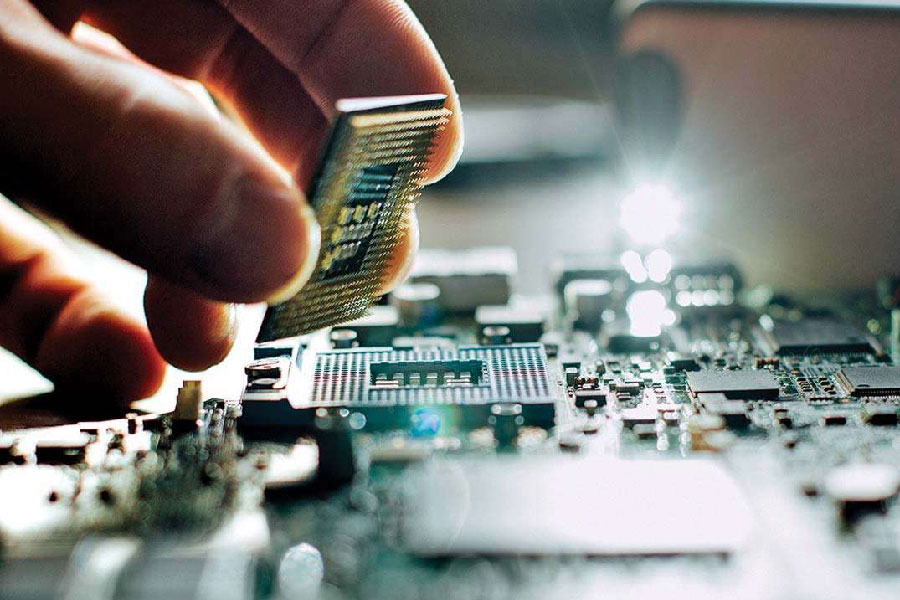
It is widely recognized that e-waste is not only a major environmental pollutant but it is also a reason for major health hazards. This blog lays out the road map to a ‘green’ electronics industry. This business model is a win-win solution as it will curb environmental pollution & help companies boost their profits. Pandemic-induced higher consumption rates of electric and electronic equipment and design features like planned obsolescence are leading to the rising consumption of electronics and the ensuing menace of electronic waste (e-waste). The Global E-waste Monitor 2020 has found that in 2019, 53.6 million metric tonnes (Mt) of e-waste was generated worldwide, rising 21% in 5 years. China, USA & India were the top 3 contributors to this. A sustainable business model for the Indian electronics industry is a win-win solution as the country aspires to be a global manufacturing hub. Not only will it curb environmental pollution, it will also help companies attract more buyers, save costs & gain a positive brand recognition. Some approaches that could make the industry green include innovation in design to ensure greater shelf life for the product, a circular supply chain, changing the perception of consumers & carbon offsetting. Image credit: Shutterstock From smartphones, play stations & laptops to TV, washing machines, air conditioners (ACs) and fridge – electronics have become ubiquitous to urban life these days. This is evident from the data collected by the National Family Health Survey 5 (2019-21) that states that 68% households in the country own a TV while there are 18% households with a washing machine, 38% with refrigerators and 24% with ACs. While it is certainly impressive to see the growing consumption of consumer electronics in the country, a storm is silently brewing too. This is the menace of electronic waste or e-waste, i.e., an electric device that is discarded, becomes obsolete, or breaks down. According to the Central Pollution Control Board, e-waste in the country rose 31% from 7.71 lakh tonnes in 2018-19 to 10.14 lakh tonnes in 2019-20. Uttar Pradesh, Maharashtra, Tamil Nadu, Haryana & Uttarakhand are the major contributors of e-waste in the county. Further, the data provided by the Ministry of Environment in the parliament in May’22 showed that around 78% of India’s e-waste is not being collected or disposed by the government. Sadly, the problem of e-waste is not exclusive to India. The Global E-waste Monitor 2020 has found that in 2019, 53.6 million metric tonnes (Mt) of e-waste was generated worldwide, rising 21% in 5 years. China (10.1 mt), the USA (6.9 mt) & India (3.2 mt) were the top 3 contributors to global e-waste in 2019. The report predicts that global e-waste will reach 74 Mt by 2030, almost a doubling of e-waste in just 16 years. The graph given below explains this: What is driving the rise in e-waste? Higher consumption rates of electric and electronic equipment amidst rapid industrialization and rise in disposable incomes is one of the reasons for rise in the consumption of electronics. The pandemic, too, added fuel to this fire and led to a rise in demand for electronics. A Feb’22 Deloitte Survey shows that sales of computers (34%) and TV sets (12%) have grown much faster than smartphones (1%) in the past three years globally. Speaking specifically of India, Ministry of Electronics and Information Technology & India Cellular & Electronics Association (ICEA) expect domestic market to increase from US$ 65 billion to US$ 180 billion over the next 5 years. Another factor responsible for rise in e-waste is the short life cycles due to built-in or planned obsolescence. This refers to the phenomenon of device manufacturers and developers reducing the performance and usability of devices (generally through software updates). The idea behind this is to encourage people to buy brand-new and more recent technologies. For example, smartphone manufacturers may introduce such updates and users may face issues such as the phone hanging frequently or users losing access to certain functions. It is not surprising that according to a study, the replacement cycle for smartphones has become on average shorter than two years. Lastly, there are few options for repair for some of these products. Some of the barriers to repair include the design of products, availability of spare parts and information; access to trusted professional repairers; and the cost and convenience of replacing smaller items compared to getting an item repaired and consumer preferences and attitudes not favouring repair. Time to reboot the electronics industry It is widely recognized that e-waste is not only a major environmental pollutant raising concerns about air pollution, water and soil contamination but it is also a major reason for health hazards. Substances such as mercury and lead damage the human brain and/or coordination system. To make things worse, much of today’s electronics contain data storage, which could be accessed after the item has been discarded and exploited by nefarious parties. Given the global clamour about climate change & concerns around human health, it is high time for the global electronics industry to rethink its way of operation & incorporate sustainability into its business model. Some of the approaches that can be applied to attain this include: Innovation in design Manufacturers need to stay away from the practice of planned obsolescence & ensure greater shelf life for the product. At the same time, innovation of components should not be so fast that damaged components are difficult to repair and customers have no choice but to buy new gadgets. Not only will this approach help the brand build loyalty among customers, brands can make money from the same item multiple times by offering resale and repair, despite selling fewer items. Adopting a circular supply chain E-waste can be an ‘urban mine’ for companies as it has several precious, critical, and other noncritical metals (estimated to be at approximately US$ 57 billion) that can be used as secondary materials after recycling. According to the UN, 4 Mt of raw materials could be easily made available for recycling. Using recycled

Still sunny days for edtech post-pandemic?
The coping phase of the education system during the two-year-long pandemic has evolved with time. With over 1.6 billion students exposed to remote learning and virtual classrooms, teaching methods have changed. As the pandemic is slowly fading and we are gearing up to get back to our pre-pandemic lives, the transition brought to the state of edtech is likely to persist. The growth of edtech in India has remained slow yet steady for the past two years. Edtech principles and methods have evolved during the pandemic, but have not been entirely efficient in substituting physical learning. The cost, accessibility and availability of online teaching are the primary challenges. With around 748 million Indians using smartphones by 2020, a large population is yet to understand the nitty-gritty of edtech. Online education platforms like Byju’s and Unacademy are all set to flourish in the coming years. The market value of edtech platforms in India is estimated to grow up to INR 360 billion by 2024. The edtech sector in India rose to prominence at the onset of the pandemic, which is almost a decade after its establishment. Though the concept of online teaching was growing and developing in the country, the pandemic exposed our education system to e-learning modules. While the effectiveness of the edtech sector has not been equitable in every part of the country, the work is in progress for the rural areas. So, edtech startups, companies and the Government of India are taking every possible initiative to develop a systematic procedure where students can learn through a wide range of e-learning programmes. Let us consider a few facts that draw the overall progress of edtech companies since the pandemic. Edtech funding in India The funding landscape in India has been seeing a fall since the start of the year, as the after effect of the pandemic. Notably, the Q2 funding of 2022 crashed by about 50% and has plummeted from US$ 915 million as of Q1 2022 to US$ 456 million in Q2 2022. The following graph analyses the funding scenario from 2021 to 2022 based on the total funding amount of edtech startups in India across the quarters: Source: Inc42 (Note: The above data is updated till June 2022.) The graph states that from Q1 2021 to Q2 2022, the funding scenario has seen sharp fluctuations. The deal count stood at over 36 massive deals in the first quarter, which fell to mere 24 deals across the major startups in the edtech sector. The major edtech companies like Byju’s, Unacademy and Vedanta have been fighting rumours of layoffs as of the last quarter. As per the reports, funding to Vedanta has dipped by 37% in Q2. However, if we dig deep, amidst this sour season for the edtech industry in India, there has been a high start for some of the edtech startups in India. Recently, the two major edtech startups, UpGrad and PhysicsWallah have closed top-notch deals. It is to be noted that UpGrad managed to crack a deal of US$ 250 million and managed to double its valuation in the present quarter, while PhysicsWallah has raised US$ 100 million in Series A funding. Effectiveness of Edtech across India When the world education system was forced to go online as schools were shut, the effectiveness of e-learning methods was questionable. Edtech companies have played a major role in bridging these gaps. As reports revealed, around 80% of schools in India lacked technical support and internet when education went online in 2020. As the ecosystem has evolved over the two years, this condition has improved substantially. Government aids and edtech learning campaigns have monitored online learning in different parts of the country. The CAGR (compound annual growth rate) for online course enrolment has observed a 17 times growth in 2021. However, the socioeconomic divide is playing its role in creating a disparity in the growth of edtech in India. While students from urban areas have increasingly participated in online learning programmes, rural children are yet to become tech-friendly. Technology and high-speed internet connection facilities are yet to set foot in many parts of the country. Many schools have also reported the challenges faced by the teaching staff with digital literacy. Since most people in rural villages have never had the required exposure to advanced digital devices required for conducting online classes, bringing a reform for the growth of edtech in India is quite challenging. Nonetheless, the efforts made by the government in bringing digital awareness are yielding fruits steadily. Several edtech startups have also been introduced since the onset of the pandemic to overcome these challenges. Edtech platforms like ConveGenius, ThinkZone, Eduaura and Veative Labs provide cost-effective learning facilities to unprivileged groups of the society who cannot afford costly subscriptions. All these services have allowed bottom-line students to acquire education at home. Ongoing efforts to promote edtech companies Indian edtech firms are making global success and progress. Indian edtech organisations have raised over US$ 2.3 billion in funding as of the first half of 2021. So, leading firms and edtech startups are succeeding in creating greater student involvement in digital learning. The government of India has taken 28 digital initiatives to promote e-learning methods, including SWAYAM (Study Webs of Active Learning for Young Aspiring Minds) and e-Yantra. All these government initiatives are running in full force in different parts of the country. Further, the e-Vidya (one class, one TV channel) programme – launched by the government – aims at offering an ‘education for all’ service to students. A digital university was also launched in Union Budget 2022. It is a way of promoting the importance of educational technology in India. Besides, the DESH-Stack e-portal is a skill development ecosystem launched by the government to provide certification courses on API (Applications Programming Interface). The development of e-labs is also in progress to promote critical thinking in mathematics and science. With these programmes, digital campaigns and promotions in effect, it is clear that India is aiming for the long-term
Indian healthcare @75: Talent, infrastructure, legacy and vision
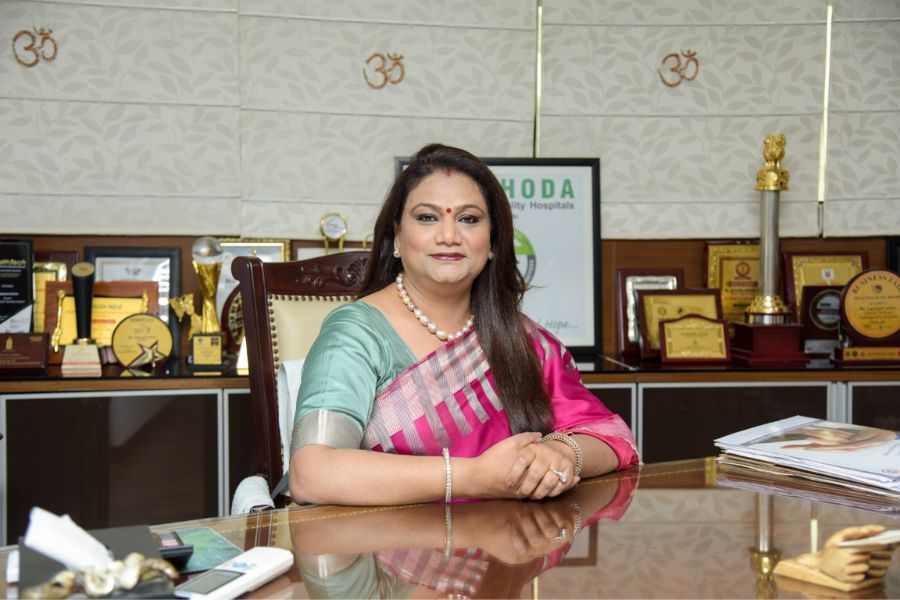
Through the pandemic and beyond, India has shown that it has the capabilities to bridge critical gaps in global healthcare. Dr Upasana Arora, Director, Yashoda Super Specialty Hospitals, shares her views on how Indian healthcare is well positioned to achieve the dual vision of ‘Heal in India’ and ‘Heal by India’ in the coming years. India’s healthcare system, which is enriched by 5,000-year old legacy of a glorious civilization, has much to offer to the world. It is in fact well poised for a quantum leap, even as we celebrate 75 years of our independence and the beginning of ‘Amrutkaal’. To actually understand the worth of our healthcare sector, it will be pertinent to share a bit of ‘outside-in’ perspective. A few months ago, I wanted to take a second opinion for an autoimmune disease, for which I am being treated in my own hospital. I visited a special surgery hospital in the US, where I met Dr. Ronaldo McKenzie who was Head of Rheumatology and showed all my reports. His first response was: “You are getting the best treatment, why you are here? The best doctors are Indians. Go back to India and take treatment from your doctors!” Indians are basically very hardworking and intelligent. It is a well-accepted fact that the best doctors and engineers in the world are Indians. Everybody knows that US and UK healthcare is run by Indian doctors! In India, medical help is readily available, without very long queues. We probably do not appreciate the worth of this privilege as well as we should. If you are, for instance, going for an MRI in USA, you need to take an appointment two months in advance. In India, anybody can go and get it done then and there. Moreover, modern Indian hospitals are providing all kinds of treatments under one roof – Allopathic, Homeopathic, Ayurveda, Ayush, Yoga. We are providing world class health care with cutting edge technology with all best doctors and charging very less if you compare with other countries. Moreover, India actually believes in Atithi Devo Bhava, which sets us apart. In our culture, we become very close to our patients also and treat them with love, affection, care. We call them by name, rather than a bed number. So these kinds of things make India different from other countries. COVID-19 – despair, loss and resurgence The COVID-19 pandemic brought healthcare to the forefront, revealing both our weaknesses as well as strengths and potential. Our healthcare system was indeed challenged, especially during the second wave when lots of people lost their lives. While India has a good number of hospitals, the pandemic presented a once-in-a-century scenario, when so many people needed to get admitted at the same time. Our government realized that for such situations, we need more beds, because India has a large population. We also realized that we actually face a shortage of doctors, nurses, as well as some things like PPE kits, oxygen concentrators, etc. And now it’s a demand of the times that all hospitals have to be prepared all the time for any kind of problem. For instance, everybody’s talking about monkeypox these days. Yet, we also have significant positives to show to the world that India is the best destination for healthcare. There is a popular saying “Aavashykatha aavishkaar ki janani hai (or Necessity is the Mother of Invention)”. From zero manufacturing capability, we are now the biggest suppliers of PPE kits and supplying to other countries. Another such positive is our vaccination drive, where India has provided the second dose to all and even a booster dose to 30% of the population. This is a feat that even developed countries are still struggling to match. We now have the highest number of vaccinated people in world. At the same time, our hospitals, that were not having more facilities, were able to save many lives. If we can do this kind of delivery in a country as large as India, you can well imagine what we can achieve if we prepare ourselves. And hospitals have taken their learnings from the calamity. Today, if you go to any hospital, you will find that they have installed a pressure swing adsorption (PSA) plant, and lots of extra beds are also being added. So if anything will happen, we are actually better prepared. Taking Indian healthcare to the world India is already a leading destination for medical tourism, and has much more to offer to the world. Our respected Prime Minister is taking so much interest in the sector, and the government is emphasizing on both Heal in India and Heal By India. We are planning to promote India’s medical tourism in a big way with the Sanjeevani programme. Around 50-60% people are young, and now we are increasing medical and nursing colleges as well as paramedical trainings. Unlike other nations, India has no problem of manpower. This year, we are planning to invite not only South African or Middle Eastern, but also patients/companies/governments from the UK and the US, because these countries are facing lots of problems in terms of waiting time. We are capable to cater to more patients than other destinations like Thailand and Bangkok. They don’t have this much of population as they are not big countries. So we have land as well as manpower and skills and can provide everything. I am certain that from 2023, medical tourism will commence with full force and we will get the best results. The government is making a portal, where all big hospitals will be registered, especially NABH accredited hospitals. In fact, accreditation is mandatory to provide medical care abroad. Every hospital is supposed to put all their services, as well as their outcomes, number of surgeries done (like joint replacement, heart replacement, etc). It will be a game changer and greatly facilitate foreign patients. Our respected Prime Minister is also very keen that Indian hospitals should go abroad, and establish their setups there, besides delivering
Indian unicorns: Navigating the speed bump on the highway
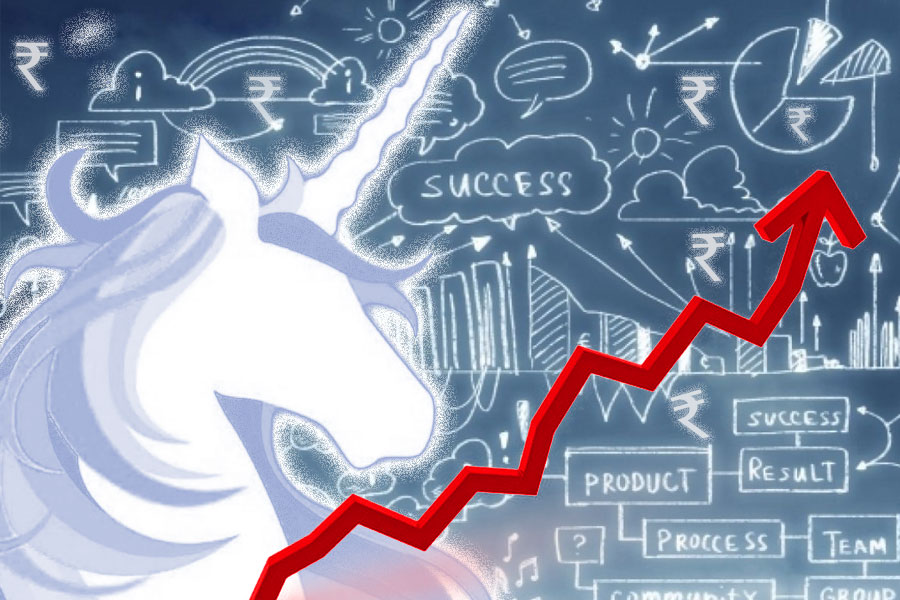
After a record 2021, and a promising start to 2022 when India produced its 100th unicorn, the startup funding spree is finally slowing down due to the impact of global geopolitical and economic conditions. In this blog, IBT takes a look at India’s tryst with the unicorn club during these past few years leading up to the recent lull, to better understand the drivers of this growth, and the expected trajectory ahead. According to Nasscom, as many as 42 businesses achieved unicorn status in 2021. The momentum continued over the first quarter of 2022, but funding saw a decline in the second quarter. H1 2022 saw Indian startups receive US$ 19 billion in funding across 900 deals. Out of this, Q1 2022 contributed over US$ 11.7 billion, while Q2 contributed US$ 7.3 billion (as per data till June 25). With governments and central banks around the world striking a cautionary note for economic growth in the coming months, startups have already started preparing for a ‘funding winter’, which is estimated to last upto 1-2 years. However, the Indian startup story is viewed as extremely resilient despite this temporary setback. Market reports predict that India could add another 122 unicorns over 2-4 years and also overtake China. India’s startup ecosystem has gone a long way since 2011, when it gained its first ever unicorn in the form of Inmobi, and has already crossed the 100 mark in a little over a decade. 2016 can be called a pivotal year, when, with the assistance of widespread digitalisation, more than 50% of Indian businesses achieved unicorn status within 5 years of their initial founding. Since 2017–18, the number of new unicorns has been growing at the constant rate of 66%, year-over-year. The term ‘unicorn’ refers to a firm that has reached a valuation of more than $1 billion and since 2018, India has already seen an average of ten startups per year attaining this status. And the pandemic period only seems to have made them more attractive to investors. Following its best ever performance in 2021 India’s startup ecosystem has continued to defy overall market sentiment in the initial months of 2022. According to Nasscom, as many as 42 businesses achieved unicorn status in 2021. The momentum continued over the first quarter of 2022, but funding saw a decline in the second quarter, due to global macroeconomic and market uncertainties, post the Russia-Ukraine war. According to Inc42, H1 2022 saw Indian startups receive US$ 19 billion in funding across 900 deals. Out of this, Q1 2022 contributed over US$ 11.7 billion, while Q2 contributed US$ 7.3 billion (as per data till June 25). This is the lowest quarterly funding amount over the past year. Ironically, the first half also witnessed 49 mega deals (over US$ 100 million), a record for any six-month period since 2014. With governments and central banks around the world striking a cautionary note for economic growth in the coming months, startups have already started preparing for a ‘funding winter’, which is estimated to last upto 1-2 years. This may lead to certain rationalisation of valuations on one hand, and also compel a more extensive evaluation of fundamentals on the other. In this blog we take a look at India’s tryst with the unicorn club during these past few years leading up to the recent lull, to better understand the drivers of this growth, and also the business models that have been most attractive for investors. Funding in Unicorns 2012 22 2013 164 2014 313 2015 714 2016 109 2017 97 2018 189 2019 193 2020 336 2021 225 Source– Tracxn, figures in US$ million What makes up Indian unicorns? In today’s frenetic and unpredictable economic environment, Indian unicorns have found a fertile environment to thrive. They are not only coming up with original ideas and cutting-edge technology, but also creating a significant number of jobs. Until FY 2016-17, roughly one unicorn was added every year. But post 2017-18, the figure has been growing at an exponential rate of 66% YoY. 11 unicorns launched their IPOs last year. On May 2, 2022, Bengaluru-based neo-banking fintech portal Open became India’s 100th unicorn. As of 19th July 2022, India is host to 105 unicorn companies. Aggregate valuation of Indian unicorns was at US$ 535 billion by 2022, as compared to US$ 103 billion in 2015. E-commerce firms dominate the category of unicorns in India with 23 unicorns from that sector. Moreover, a few of the unicorns are set to achieve decacorn status (valuation > US$ 10 billion), and a majority of these are from the fintech sector. Fintech is followed by enterprise tech (19), consumer services (9), media and entertainment (7) and edtech (6) With 217 unicorns, the SaaS industry is in second place among all startup categories. If you contrast this with global trends, the financial technology industry is firmly in the lead. According to a CB Insights analysis of 1,170 companies released in July 2022, fintech takes a share of 20.8%, followed by internet software and services (19.1%), e-commerce and direct-to-consumer (9.1%) and health (7.8%). Top Unicorns in 2022 India created a total of 19 new unicorn companies during the first half of the year 2022. These companies include LEAD School, Fractal, DarwinBox, XpressBees Logistics, Cred Avenue and many others. Some of the businesses that achieved the landmark this year include: 1. Fractal Fractal, an artificial intelligence and advanced analytics technologies startup, became the first company to join the exclusive unicorn club in 2022 after receiving its most recent round of funding. During the Private Equity round, it received US$ 360 million from TPG Capital Asia, and additional share purchases were made by funds advised by Apax Partners. Throughout five separate investment rounds, Fractal has successfully amassed a total of US$ 685 million. The new investment comes after it raised US$ 200 million from Apax Partners in 2019, roughly 2 years after it had previously raised that amount. In 2016, Fractal also received a funding injection of US$ 100 million
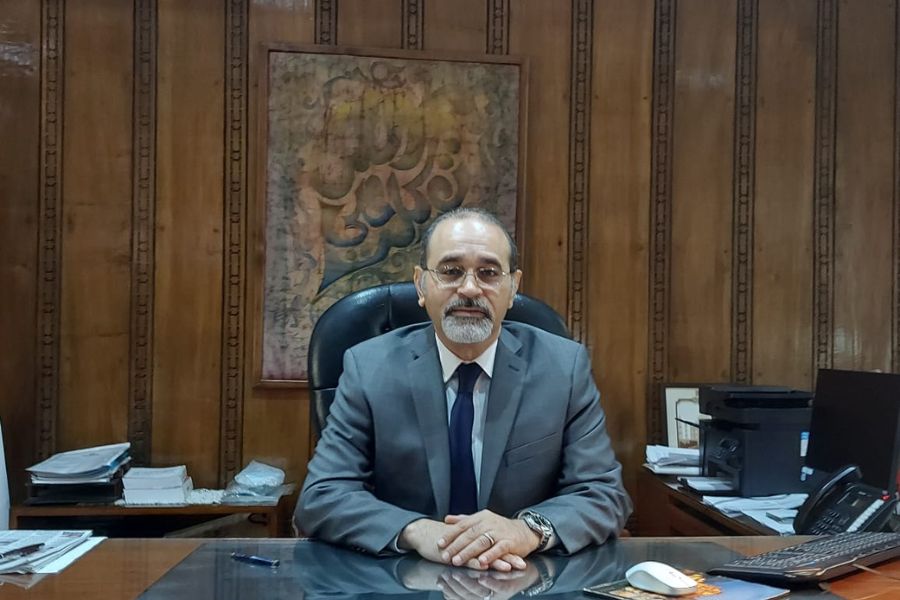
Like Egyptians, Indians have a strong sense of culture and identity
HE Mr Wael Hamed, Ambassador of Egypt to India, talks about Egypt’s strengths as an investment destination, especially through various regional and bilateral free trade agreements with the USA, European, Arab and African countries. He also shares details of ongoing discussions with India on focus sectors including information technology, pharmaceuticals, education, and tourism. IBT: India and Egypt are home to two of the world’s oldest civilisations, and have enjoyed a history of close contact and friendly relations since independence. How does Egypt view its diplomatic and cultural relations with India in the present global order? HE Wael Hamed: This year is very special in the friendly relations between Egypt and India as it marks the 75th anniversary of establishing diplomatic relations between our two countries. Egypt recognized the independence of India on 18 August 1947, just three days after Jawaharlal Nehru delivered the Tryst with Destiny speech proclaiming India’s independence. To commemorate this occasion, we are organizing a number of cultural events throughout this year. As two great ancient civilizations with geostrategic locations in their respective regions, Egypt and India have long been bound together with historic relations in all political, economic, and cultural fields. Recent years have witnessed a great boost in our bilateral relations after the election of Egypt’s President Abdel Fattah Al-Sisi in May 2014, which coincided with the formation of a new government in India, headed by Prime Minister Narendra Modi. Our two countries look forward to promoting closer bilateral relations and elevating it to new horizons in the post-pandemic era. The aim of such efforts is to meet the aspirations of our two peoples in achieving socio-economic development, as well as promoting peace and stability in our respective regions in an ever-challenging global environment. IBT: The past two years have witnessed a major reset in global trade and economy, as well as severe disruptions in supply chains. How has the pandemic impacted the Egyptian economy? HE Wael Hamed: When the pandemic broke out, we decided not to shut down completely and instead tried to strike a balance between imposing precautionary measures to prevent the spread of the virus and keeping the economy functioning normally to prevent a socio-economic breakdown. Egypt was one of the few countries to post overall positive rates of growth in 2020 and 2021, thanks to the economic policies adopted by the government during the pandemic as well as the successful implementation of Egypt’s economic reform program that was initiated in 2016. IBT: What have been the key learnings from the trade volatility in the past 3 years for Egypt, as the country charts its economic and trade roadmap ahead? How are Egyptian companies looking to de-risk their supply chains? HE Wael Hamed: What we have seen over the past two or three years, is that crises are increasingly international and not local in nature. COVID-19 started in China; just two or three months later, it jumped to the EU, then to the US and back to Asia. So, this is totally an international crisis. It’s the same with environmental problems. Yet at the same time, we have seen an increased trend towards localization of production because every country wants to protect itself as much as possible from the problems. This comes with some positive and negative consequences. When it comes to certain aspects of production, it is important for countries to be self-sufficient. For example, if Egypt was not self-sufficient in many medical products, it would have faced a severe problem when COVID hit. Similarly, now we are trying to increase our production of wheat for food security, to be more self-reliant. So, we have seen these two seemingly opposing trends. As a matter of fact, it boils down to the difference between strategic products and consumer products. We can remain open to and sustain globalisation in consumer products, but in some strategic products, we will have to be more self-reliant to protect ourselves from a global crisis. I think India is also doing the same thing when it comes to a strategic sector like defence. So, the recent global economic challenges – particularly related to the COVID pandemic and the situation in Ukraine – have shown the crucial importance for every developing nation, such as Egypt and India, to diversify its economy to be able to adapt to such external shocks. The global supply chain crisis has also taught us to give more attention to localization of the production of strategic and non-strategic goods in the different fields of agriculture, industry and health care. Moreover, the global food security crisis has shown the importance of diversifying our wheat imports and increasing local production. Egypt’s Vision 2030 strategy for sustainable development is focused on long-term strategic planning based on extensive evaluations of previous studies, visions, and strategic plans at the local and international levels. It outlines the country’s roadmap for competitive, balanced and diversified economy that supports innovation and knowledge, social justice, economic development, and the environment. IBT: How do you see the trajectory of trade relations between India and Egypt over the past decade? Which are the sectors with most untapped potential? HE Wael Hamed: Bilateral trade between Egypt and India witnessed positive growth rates with every passing year as the trade volume in the financial year 2021-22 recorded US$ 7.26 billion, a significant increase from US$ 4.15 billion in 2020-2021. The Joint Trade Committee (JTC) and the Joint Business Council (JBC) between Egypt and India are expected to be held this week to explore ways to strengthen our trade, business, and investment ties for the years to come. We are also planning to explore new opportunities for cooperation in different goods and services sectors, such as information technology, pharmaceuticals, education, and tourism. Tourism accounts for around 12% of Egypt’s annual GDP and tourists from Russia and Ukraine make up around 40% of beach holidaymakers in Egypt. And, with the outbreak of the war, it was put under severe pressure. And when I speak about the tourism sector, it’s not only
Cryptocurrency Regulation: Need of the hour
Sanchit Vijay, Partner – Deals & Valuations, Corporate Professionals, speaks about the government’s Cryptocurrency and Regulation of Official Digital Currency Bill 2021, the ambiguities surrounding crypto-transactions, and the challenges in regulations. He opines that it is important to regulate the market since cryptocurrency & virtual digital asset is booming & there are threats related to cyber security. Image credit: Pexels Cryptocurrency is a digital or virtual currency which is a digital medium of exchange built on technological platforms such as the blockchain. As per the 2022 budget, it is “any information, code, number or token generated through cryptographic means or otherwise, which has a digital representation of value and has utility in a business activity, or acts a store of value, or a unit of account.” This definition includes all the cryptocurrencies, the NFTs, the in-game items, the digital art, digital music, digital texts and the like. The scope of cryptocurrencies is widening to include all possible forms of digital assets. The Indian Government has not yet granted any status of legal tender to cryptocurrencies. In 2018, RBI tried to impose a ban by restricting banking facilities to the crypto-exchanges which was later ruled out by Supreme Court. But it would be foolhardy to assume that the government will not be closely monitoring the cryptocurrency environment. India has the highest number of crypto users in the world, with almost 100 million people with an investment value of nearly US$ 6.6 billion. This makes it imperative that there are some regulations put in place. Regulations: Cryptocurrency Regulations Announced in Budget 2022 The taxation structure stands at 30% of any virtual digital asset income. No cost of acquisition will be allowed as deduction or any loss on transfer of virtual digital asset will be allowed for set off or carry-forward purposes. This came into effect from the 1st April, 2022. Any gift of cryptocurrency or Virtual Digital Asset to any recipient is taxable in their hands. Also, TDS will be charged at 1% for Virtual Digital Assets Transactions. This is applicable from 1st July 2022. The loss from sale of Virtual Digital Assets is also not allowed to be carried forward in the subsequent years. With different aspects that have to be covered, including huge amounts of money and human capital, and a 15% CAGR that would be up till 2020, the regulations become necessary. The reasons could be to prevent either market manipulations or protecting the investors’ interest. Huge volatility can be seen in the cryptocurrency and the virtual digital asset. Therefore, it becomes important to educate the investors about the same so that they understand the risk. Also, it is very inherent that we control the market before its expansion since the crypto and the virtual digital asset is on the boom, it might become too unorganized to control. Also, there are threats related to fraud and cyber security risks as cryptocurrency ecosystem is built on technology. It makes it all the more susceptible to hacking and frauds that might happen. With proper guidelines, investors can protect their assets. Money laundering also needs to be combated. As a decentralized platform, there is no account of how much asset someone holds in an unregulated system or framework. Cryptocurrency is the go-to mode for any kind of transaction as it is much easier and safer in the absence of any trails. While there are rules pertaining to taxation, there is still no legalization of cryptocurrency in the budget. Therefore, it is paramount to attain some sort of clarity in that regard. Also, there is no clarity around how payments will be made for products or services by such Virtual Digital Assets. Since majority of the cryptocurrency transactions are carried out in foreign currency, the treatment of the gain or loss arising from the foreign exchange fluctuation need to be considered. With respect to GST, there is no clarity if cryptocurrencies are a good or a service and what kind of GST implication on the transaction fees would be there. Also, the enforcement of the TDS rules pertaining to cryptocurrency seem impractical related to the TDS rules affecting foreign investors versus the Indians. Going through decentralized exchange on p2p transactions is seen as a possible solution to paying taxes by a lot of small investors. So, the taxation laws and the regulations have to be made around these. Sanchit Vijay is Partner – Deals & Valuations, Corporate Professionals.
Many prominent fashion brands minimising their carbon footprint
Manisha Kinnu, Campus Director, NIFT, believes that given how polluting and energy intensive some fashion industry processes are, sustainable fashion is an immensely important concept in the face of the existing climate crisis. IBT: How would you define sustainable fashion? Why is it important and what are the factors driving its growth? Manisha Kinnu: Sustainable fashion can mean different things to different people. Some take a very simplistic view and relate it only to reduced consumption and wardrobe reduction. Holistically seen, sustainable fashion covers the whole gamut of sustainable practices across the complete raw material supply chain, designing & production processes, marketing & distribution, usage, disposal and recycle – colloquially termed as “cradle to cradle” as well as sustainable livelihoods. While the focus is primarily towards environmental issues, it would be a grave mistake if the world does not factor socially responsible behaviour and health and other societal factors while reviewing sustainability. The textile and apparel industry is associated with serious environmental issues globally. It is the second highest user of water worldwide, generates about 20% of global water waste, and a major contributor to plastics entering the ocean – it is estimated that around half a million tonnes of plastic microfibers are shed during the washing of plastic-based textiles such as polyester, nylon, or acrylic and end up in the ocean annually. Given how polluting and energy intensive some fashion industry processes are, sustainable fashion has been gaining importance in the face of the existing climate crisis as it is being realized that the global economic growth model which is consumption driven can create additional problems of stress on resources and municipal solid waste generation and disposal. IBT: According to the World Bank, textile manufacturing and the fashion industry accounts for 10% of carbon emissions and one-fifth of 300 million tons of plastic that is produced globally each year. Given the growing popularity of fast fashion, how receptive are customers to sustainable fashion? Why/why not? Manisha Kinnu: Sustainable fashion awareness, in the Indian context, is still in its infancy. While a section of urban consumers is waking up to the environmental challenges with which the fashion industry operates and are increasingly receptive to the idea of sustainability in fashion, a lack of eco-friendly options limits the penetration of sustainable fashion. Customers are also sometimes sceptical about the quality and authenticity of products which boast of being ‘organic’, ‘slow’ or ‘eco-friendly’ because of limited awareness about them. There is another section of consumers who have not warmed up to the idea of sustainable fashion yet due to a strong desire for variety, therefore, the mindless consumption of cheaper fast fashion. Another factor is that customers are also very price conscious and as most sustainably sourced garments come at a premium therefore there is limited uptake for them at present. IBT: From farm to fabric, what sustainability efforts are companies currently making in the global fashion value chain? How can sustainable fashion be made cheaper? Manisha Kinnu: Many prominent fashion brands across the globe are waking up to minimising their carbon footprint by working on various parts of the value chain. While some are working towards procuring safer raw materials, others are working on reducing the emissions from their production process. There are others who are also working to make the front end more environment- friendly by addressing concerns related to marketing, packaging etc. Some are going back to more traditional methods of production and experimenting with natural materials and dyes. Sustainable fashion costs have to be assessed through a holistic LCA (Life Cycle Assessment) and scaling it up and reducing the per unit cost of production. We at NIFT ensure that concepts of Sustainability and sustainable fashion are inculcated in all our programmes and graduates go out in the industry with not only awareness about the harmful impacts of unsustainable practices but also alternative practices and solutions. We have specialisations in various areas of Design, Technology, Management and Communications and with mandatory inputs of sustainability in all streams, we try to cover the complete value chain. We have also collaborated with United Nations Environment Programme towards education in areas of Sustainable Fashion. At NIFT-Delhi we are working on developing a standardised process of traditional natural dye sources with incorporation of innovative technology to heritage design. We are also teaching eco-printing and advanced printing technology to our design students. Through all these interventions we have tried to ensure that we have sustainable minded next generation of designers, technologists, managers and communicators for whom sustainability is not an afterthought but a way of life. IBT: Where does India stand in its ambition towards sustainable fashion? How can India brand itself as a hotspot for sustainable fashion while ensuring that livelihoods of all the stakeholders – fashion companies and farmers – are sustained without compromising on the planet’s health? Manisha Kinnu: Sustainability has been a way of life for traditional societies like ours. Our traditional systems for making and consuming fashion are being revived by many across the globe. Even now India has been a champion of sustainable fashion particularly through the encouragement of its localised handloom and handicrafts traditions. We have craft cluster initiative at NIFT where our design students visit various craft clusters and learn traditional environmentally sustainable practices from master craftspeople. This experience and learning helps them incorporate sustainable practices in their own designs and also makes them sensitive to social issues at the grass root level. Several of our graduates are using sustainable practices in their design labels – Uma Prajapati’s label ‘Upasna’, Sonam Dubal through his label ‘Sanskar’ & Richana Khumanthem label ‘Khumanthem’ to name a few. However, the more organised and industrial aspects of fashion in India are still largely driven by profits, which often leads to flouting of environmental norms. Therefore, an equal thrust is needed in all these directions to become truly sustainable. IBT: In the past, a few eminent brands have been accused of green washing consumers in the garb of fast fashion.

The current state of India’s spice trade
Pushkar Mukewar, CEO/Co-Founder, Drip Capital, explains how Indian spice exporters can enter the complex spice products market and cater to a growing consumer base from various geographies given that the global spice trade market is projected to reach US$ 24.2 billion in 2028. The COVID-19 pandemic opened up new opportunities for Indian spices, fuelling a new wave of appreciation for Ayurveda and Indian cuisine, the demand for convenience, and the desire of people to experiment with different flavors. India, the land of spices, exported spices worth US$ 4.1 billion in FY 2021-22. The country was even the top-most exporter of chilli, cumin, and turmeric in 2021. With the global global spice trade market projected to reach US$ 24.2 billion in 2028, it is imperative that this trajectory is maintained. This shows how constant marketing efforts and export strategies are needed to help India promote its spices on the international front. Highlighting the various flavor profiles in the international market will create a specialty space for them globally and help strengthen ‘Brand India’. Image credit: Pexels The COVID-19 pandemic opened up new opportunities for Indian spices, fuelling a new wave of appreciation for Ayurveda and Indian cuisine, the demand for convenience, and the desire of people to experiment with different flavors. During this period, spices like turmeric, ginger, and cinnamon, came to the fore as people the world over rediscovered the health benefits and medicinal value of beverages like ginger tea and turmeric latte as immunity boosters. Currently, India produces 75 of the 109 varieties of spices listed by the International Organization for Standardization, of which 80% is for captive usage while only 15-20% get exported. India, the land of spices and a prominent destination during the ancient spice trade, exported spices worth US$ 4.1 billion in FY 2021-22. The country was even the top-most exporter of chilli, cumin, and turmeric in 2021. With the global market for spices and seasonings projected to reach US$ 24.2 billion in 2028, it is imperative that this trajectory is maintained. This shows how constant marketing efforts and export strategies are needed to help India promote its spices on the international front. India’s spice bowl mix China and the US are the major export markets for India’s spices, while Bangladesh and the UAE import core spices, such as turmeric and ginger. These economies account for over 50% of India’s export market. India accounted for 75% of the whole dried chilli market in 2021. While the product does not have a direct replacement, India should be wary of the competition from Spain, Mexico, and the Netherlands, which hold the largest export market share for fresh chillis. Speaking about coriander, although coriander exports reached 57 million metric tonnes in 2021, its incremental unit pricing has been affected due to the volatile size of the sowing area and the availability of a cheaper variant from Russia. Ginger exports, too, accounted for 147.6 million metric tonnes in terms of volume driven by the spice’s potential health benefits. However, to compete with China – the market leader for ginger exports – India must increase its sowing area. About 12.6 million metric tonnes of cardamom were exported last year, but the need of the hour is to reposition the product. Experimenting with cardamom’s fragrances and flavors with other products, such as coffee, and curating special blends could open new opportunities in markets interested in trying different products. When it comes to pepper, unfortunately, its export is on the decline. Countries like Vietnam, Brazil, and Indonesia are giving tough competition to India. This is because the average export unit value of the Indian pepper is considerably higher than the export unit value of pepper from these countries. Tapping into new opportunities To support the new India vision ‘Amrit Kaal, Indian spices should be the torchbearer for agro products to boost the prominence of ‘Brand India’ worldwide. For starters, India can start by exploring new opportunities emerging from COVID-19. Capitalizing on the growing trend of Ayurveda and identifying countries that are influenced by Ayurveda and natural remedies will reveal new opportunities for Indian spice exporters. Moreover, the health benefits of spices can be used to create demand from the pharmaceutical and nutraceuticals manufacturing industry. To meet the rising demand for ready-to-use spices, technological improvements must be introduced to ensure these mixes retain their authentic flavor. Currently, only 30% of India’s spice exports constitute goods like spice mixes, oils, oleoresins, and extracts. This offers an opportunity to enter the complex spice products market and cater to a growing consumer base from various geographies. Re-branding the humble Indian spice as a specialty item and highlighting the various flavor profiles in the international market will create a specialty space for them globally and help strengthen ‘Brand India’. Additionally, countries where more Indians are migrating should be the next expansion focus for exporters. Conclusion Spices today are finding their way in different spiced beverages, concoctions, and ready-to-use products that cater to the international palette. Keeping this in mind, India must be in a position to predict these trends to leverage these opportunities and to achieve the government’s US$10 Bn export target by FY 2027. India needs to focus on diversification and promotion of Indian spices abroad. The government, too, can aggressively brainstorm new ways to ensure product innovation and marketing of Indian spices by stressing the various rich flavors spices can provide. Pushkar Mukewar is the CEO/Co-Founder, Drip Capital. Views expressed are personal.
Nitty gritties of carbon trade in India
Shailendra Singh Rao, founder of Creduce, believes that despite being the fastest growing carbon trade market in the world, there are challenges that the country must to address to unleash the true potential of carbon trade in India. He is confident that with a better mechanism in place, India can surpass China in terms carbon credits supply and become the global leader. There are two types of carbon markets, the compliance market and voluntary market. Compliance market is majorly the cap and trade market. One can register the project under clean development mechanism (CDM) and claim the credits by following all the processes. In the voluntary carbon credits market, there are different autonomous voluntary registries with their own guidelines and parameters. Based on these guidelines and parameters, one needs to get the project registered, audited, verified by approved third party auditors and claim the carbon credits from these registries. So, stakeholders can claim credits from both the compliance and voluntary registry and then sell them in the international market. One carbon credit is equal to 1000 kilogram of carbon emission reduction equivalent or CO2 emission reduction equivalent. This has been the base parameter set by UNFCCC under the CDM when the Kyoto Protocol was launched. Among the six identified greenhouse gases, CO2 has been considered as the baseline for calculating the carbon credits. The buyers are the obligated bodies or entities that want to take a climate friendly action voluntarily. If they want to reduce their emissions to some extent voluntarily, they will go to the market and source voluntary carbon credits against the total emission done by them. This is where the carbon traders come in. They source such projects from the market, develop carbon credits, talk to the international buyers and then set up a deal between the buyers and the sellers. They help with payment facilitation done from buyers’ side to the sellers’ side. Carbon Pricing Methodology Carbon pricing is still an issue for many buyers across the world, because carbon credit has no fixed pricing mechanism and has no fixed process by which pricing can be done in the international market. Carbon credits, moreover, are the subject matter of bilateral trading. This is based on the market indicators like the total demand and supply gap of the carbon credits in the market, because for all sorts of carbon credits, the trading patterns of European Union and Emission Trading Scheme, are considered as the base for setting up the pricing of voluntary carbon credits specifically. So, it works largely as a base for voluntary carbon credits. The better the EUETS performance, the voluntary carbon credits will also be poised to perform better in the marketing. If the trading patterns of EUETS is going down, the international carbon market gets impacted. That’s how these indicators work. Then there’s the demand-supply gap. If there is more demand of carbon credits and lesser supply comparatively in the market, the carbon credit prices will likely increase & vice-versa. Mostly, the prices are set and decided between the buyer and seller mutually rather than following any particular index or exchange. There have been some talks about proper legislation and proper framework for decisive pricing on carbon credits and all these things are just under discussions. Unless something concrete comes up, the bilateral mode of transactions and bilateral mode of price setting will remain the only way for the carbon credits pricing. But there are certain pros and cons of this pricing method as well because it largely depends on the urgency of the buyer or the seller. So, unless there is a foolproof mechanism for carbon price setting across the globe, bilateral trading is going to be the winner in the carbon trading pricing game. Carbon Trade in India In last two years, there has been a steep rise in carbon credit prices. Globally, in 2021 itself, a record high of US$ 1 billion worth of trading was done in voluntary carbon markets, out of which India accounted for US$ 300 million worth of trading, which is still going on and a large number of carbon credits are being exported out of India. Being the world’s second largest developer and supplier of carbon credits, India has a commanding position in the market where Indian projects command a very good number of inventory which fulfill the supply of carbon credits globally. It is estimated that the Indian carbon market is going to cross more than US$ 500 million by 2025 and is poised to become a US$ 10 billion worth of industry by 2030. As per a McKinsey Report, there’s going to be a 15 fold growth in the global carbon market by 2030 and a 100 fold growth by 2050. This is indicative of the massive scale of the global market. And India has its fair share in this market. There are several factors driving this growth. India is one of the largest generators of renewable energy and has a very vast forest cover. Above all, even local farmers and agriculturists are being made aware of agroforestry, carbon credits and carbon markets. There have been efforts for indigenous and tribal people to benefit out of the carbon credit with the help of large community development projects. The benefit of such carbon credits and carbon markets are reaching the grassroot level as well, which can give a huge boost to the Indian carbon market globally. India is now coming up with its own regional carbon credits market, like the state carbon market that Gujarat has recently announced. Such activities which the Indian government and state governments are doing are no doubt going to increase the supply of the carbon credits from quality projects. Apart from this, we hope for a better pricing of carbon credits because there’ll be a healthy competition between the project investors as well. The demand and supply will both be monitored by putting in regulatory mechanisms and efforts from the part of the government. Challenges There have been some
Technology is at the core of neobanking
Mayank Goyal, the founder & CEO of moneyHOP, India’s first cross-border bank, explains that while neobanks are typically associated with fintech organizations, they would look at the more traditional problems and would propose a technological way of solving it. IBT: What is the story behind the germination of moneyHOP, India’s first cross-border neo bank? What impact did the pandemic have on the company’s 3 year journey? Mayank Goyal: While I was studying and later working in the investment banking sector in London, I realized that I was paying not only 12% on a collateralized education loan, but 5% on remittance fee too.There were several shortcomings associated with currency exchange too – for example, the tedious paperwork required, expensive exchange rates and so forth. Although there was a lot being done in the domestic payment space in India since 2019 with UPI and various other companies associated with it, the cross-border payment and remittance system did not see much improvement. The larger public sector banks were not catering to the needs of an average millennial who wanted to travel abroad, live in different parts of the globe but didn’t necessarily want to buy a house on mortgage.. Their needs of instant gratification, convenience and transparency were not being catered to. That was when I decided to relocate to India to establish moneyHOP as a one-stop platform enabling seamless international banking for Indian millennials. It is a company that caters to cross-border banking and is a customer-centric technology-enabled platform. IBT: How is neo-banking different from digital banking and what are the factors contributing to the former’s growing popularity in the country? What advantages does neobanking offer vis-a-vis traditional banking? Mayank Goyal: Neobanking literally translates into “new bank”, a new way of doing banking. Its origin can be traced back to the early Fintech companies of Europe. It is slightly different from the traditional banking structure because back in the day and even now in some countries, the state of the bank is determined by how many high street branches they had. Leasing a place, having people operating the place and so on needed a lot of capital. There came a slight shift in how neobanks were looking at this problem because the idea was to be able to service customers or users who were also evolving and becoming acquainted with smartphones, cheaper data and so on by making use of DIY perspective and technology. While neobanks are typically associated with Fintech organizations, they would look at the more traditional problems and would propose a technological way of solving it, be it better customer service or digital mechanisms like chat bots, WhatsApp support, 24X7 updation, the use of AI to better profile the customer or propose more customized solutions. Essentially, technology is at the core of the solution that are being offered. IBT: Given that neobanking is still in its nascent stages in the country, what teething troubles do they face? Mayank Goyal: The primary concern has been the trust factor. In India, people like to visit branches and talk to people. So non-availability of a branch where you could walk in and make a complaint has sometimes resulted in people having some trust issues. Even though most of the people in the metropolitan cities in India are digitally native and smartphones savvy, people who belong to rural areas are not necessarily very tech savvy. To be able to cater to those customers can be slightly challenging. Also, even if RBI is putting together a lot of structural framework and guidelines to legitimize neobanking, the industry does not have the necessary guidelines which results in having much more dependency on the bank. There are certain organizations which use the NBFC as the parent organization and operate under that. Other organizations such as moneyHOP would work in collaboration with a bank where we would provide the technology and agility and the bank would essentially have the owners having license and framework in place and we would collaboratively build valuable solutions to the end clients. We hope to overcome these shortcomings and see much more growth in the coming years. IBT: What growth strategy did you follow to combat customer inertia? What business module does moneyHOP follow? Mayank Goyal: Though a lot of businesses were disrupted because of COVID-19, moneyHOP was able to gain good traction on the cross-border payments and remittances. The company saw that a lot of people were apprehensive of going to the branches and physically filling a bunch of forms. In such testing times, moneyHOP was providing a solution where the customers could remit money while sitting within the comfort of their homes in an entirely paperless, presence-less, cashless mechanism. The customers were more than happy to come back to us because they found value when they first used our solutions. The business model around which we operate is based on the belief that providing value to the customer is of utmost importance. We have a mobile application and a card product. So, every time a customer uses our card abroad or in India, we end up with an interchange fee on that. We also make some money when the customer holds cash in our bank accounts. These are some of the revenue streams that we work around. What regulations do you follow to ensure that the cross border transactions of customers are secure? Mayank Goyal: Security and compliance will have some overlap but there are two different spheres to look at. On the compliance side, we are regulated by the RBI and have a Full Fledged Money Changing license (FFMC) and make sure that every transaction that is made by moneyHOP is under the LRS framework. The company uses the digital mechanism of NSDL database for PAN, UIDAI server for AADHAAR, passport authority for passport or voter ID card. A lot of APIs are used to make sure that the person is indeed who he or she is claiming to be. We also make sure that the customer is