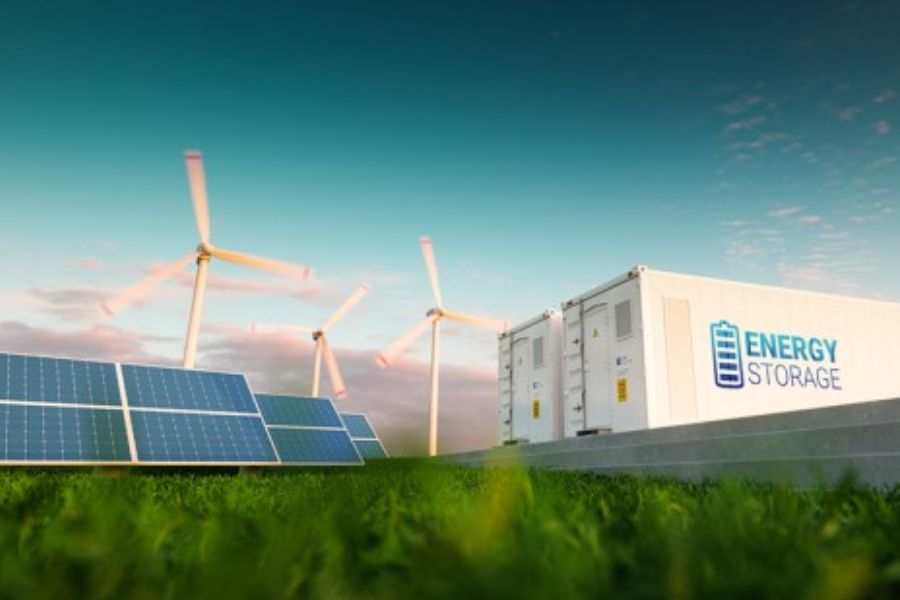
An Energy Storage System (ESS) converts electrical energy from power systems and stores it for use at a later time. This blog explores the exciting prospects for this sector and its adoption challenges for India. India faced its worst power cut in over six years in April. The Center for Research on Energy and Clean Air (CREA) expects another power crisis in July-August 2022 owing to a lower pre-monsoon coal stock at power stations. ESS is a simple solution to address this challenge. Some of the benefits that it offers include stable electricity supply, cut in carbon emissions and cost reduction. The Central Electricity Authority estimates that India requires 27 GW of battery storage by 2030 with four hours of storage and 10 GW of hydro-pumped storage plants. The key challenges in scaling up India’s storage battery industry are paucity of minerals, perceived upfront costs, diverse technical requirements and performance of battery systems. More policy & industry interventions are required to unlock the true potential of ESS. Image credit: Siemens The heat is on, with the country witnessing the third-hottest April over the past 122 years and there being no respite in May either. Given the harsh heatwave across the country, the demand for electricity is at its peak as residential and industrial units turn to air-conditioners to seek some respite and economic activity surges as a sign of post -pandemic revival. Data from the Ministry of Power stated that on 26th April, the maximum all-India power demand met touched an all-time high of 201.06 gigawatts (GW), surpassing last year’s maximum demand met. It expects this demand to reach about 215-220 GW during May-June. Thus, the country’s electricity demand in May was 23.5% higher yoy. However, with India battling a coal shortage amid the surging power demand, power cuts have become a norm of the data. For example, India faced its worst power cuts in over six years in April. The Centre for Research on Energy and Clean Air (CREA) expects another power crisis in July-August 2022 owing to a lower pre-monsoon coal stock at power stations. Consequently, the Union Government has directed States to import coal. While this is a temporary way to fix the solution that eventually leads to carbon emissions, the country must focus on more long-term eco-friendly ways to avert power crises in the future. This blog explains why Energy Storage System (ESS) is a simple solution to address this challenge and what challenges the country could run into while establishing an ESS landscape. ESS: Eco-friendly, safe and sound? As the name suggests, ESS is a device or group of devices that convert the electrical energy from power systems and store energy in order to supply electrical energy at a later time when needed. One of the advantages that it offers includes cost reduction. For example, the United Kingdom government anticipates that technologies like battery storage systems could save the UK energy system up to £40 billion by 2050, ultimately reducing people’s energy bills. Renewable energy technologies such as – pumped hydro (being used in China, Switzerland, Portugal and Austria), thermal energy storage (the International Renewable Energy Agency predicts the global market for thermal energy storage could triple in size to 800 GWh by 2030), and mechanical energy storage – can be used for building an ESS. Storing renewable energy is a major breakthrough in electricity distribution considering that though the amount of electricity that can be generated is relatively fixed over short periods of time, demand for electricity fluctuates throughout the day. An ESS ecosystem that relies on clean energy is a step in the right direction as India aspires to meet 50% of its electricity requirement through renewable sources by 2030 and eventually move towards being a net zero economy. Further, a forecast from research company BloombergNEF (BNEF) indicates that India may emerge as the third largest country in terms of energy storage installations by 2040. The Central Electricity Authority estimates that India requires 27 GW of battery storage by 2030 with four hours of storage and 10GW of hydro-pumped storage plants. In view of the rapid growth of India’s economy and infrastructure, this opens up vast opportunities for battery makers in India. Not only will this establish the country as a hub for R&D, it will also promote local job creation, manufacturing, the spirit of entrepreneurship and investment in India as well as curb carbon emissions, solve the annual power crisis & save costs. The stumbling blocks to establishing a robust ESS While ESS comes across as a one stop solution for myriad problems, the country needs to work hard to establish a sound ecosystem to be a leading manufacturer and exporter of ESS. Some of the challenges that India faces include: High battery costs: The high cost of energy storage systems is the greatest hurdle for its adoption among residential, commercial, and industrial customers. Performance and safety: These devices can provide frequency regulation to maintain the balance between the network’s load and power generated, and they can achieve a more reliable power supply for high tech industrial facilities. So, the plausibility of operational uncertainties cannot be completely ruled out. Inadequacy of raw materials: India does not have sufficient reserves of some of the critical elements required to make batteries – lithium, copper cobalt and nickel. Lack of standardization: According to a Deloitte report, “participants in early stage markets often contend with diverse technical requirements as well as varied processes and policies”. Becoming a leader in ESS Indian government is working on an Energy Storage policy for large scale integration of renewable energy with the country’s power system. The proposed policy is likely to delicense building of standalone battery storage systems; allow their sale, lease or hire; and permit the sale of stored power through power-purchase agreements (PPAs) and over exchanges. In Oct’21, the government inviting the expression of interest for installation of 1000 MWh Battery Energy Storage System (BESS). The government can also work on driving adoption of domestically manufactured batteries and attracting startups to this industry
Indian semiconductor industry – From a chip taker to a chip maker
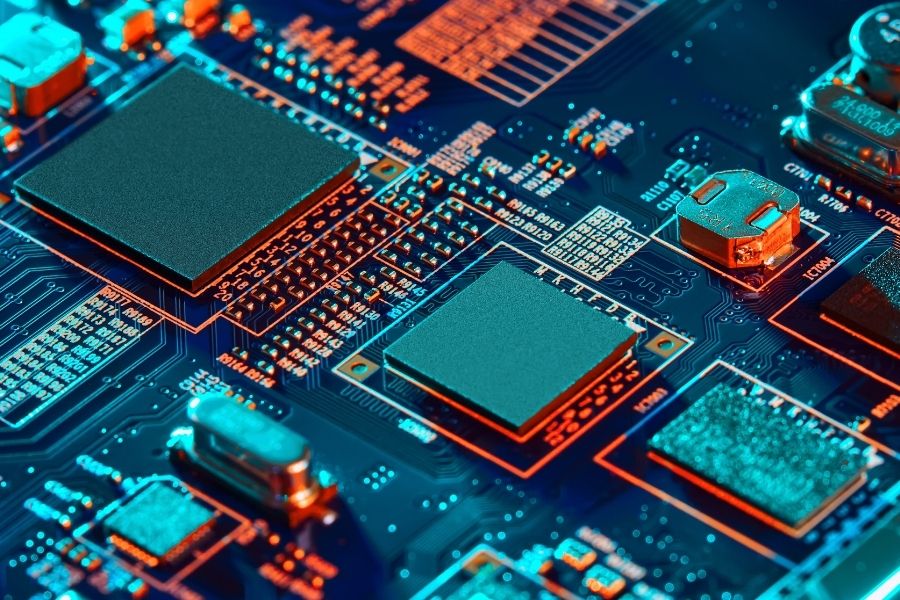
The Government of India attaches high priority to electronics hardware manufacturing and it is one of the important pillars of both “Make in India” program. So, semiconductor manufacturers have vast opportunities to tap into this new market as long as innovation can keep up with the scaling consumer demand. ● Semiconductors are in high demand across the world as there is no microelectronic device that has no semiconductor (also known as chips). ● It is estimated that the Indian domestic semiconductor market will grow to be over US$ 110 billion in a few years. ● Realising the importance of semiconductors and noting their proliferating demand and the highly vulnerable global supply chain (post Covid-19 pandemic), Government of India has decided to amp up its chip-making with localised manufacturing. ● AI and IoT have sparked a new wave of innovation in the semiconductor industry. And the launching of 5G networks lately, coincides with the growing demand for faster high-performance computing devices. Semiconductor market thus has lots of opportunities to offer for the manufacturers. Some like to call it the ‘brain’ of modern electronics, while others call it the ‘heart.’ Regardless of how they are identified and named, semiconductors (chips) are the tiny circuits that are present in plenty of electronic devices being used throughout the world. Semiconductors go into the making of computers, laptops, smartphones and other mobile communication devices, cars and aircrafts, military systems and other electrical devices and appliances. The accelerated digitization around the globe along with the rise in OTT content has propelled a demand for electronic devices made of semiconductors. The work-from-home model adopted by many companies across the world during the pandemic further added to the growing demand for computers, laptops, smartphones and other such computing and electrical devices. The spurt in demand of such devices drove the global sale of semiconductor chips by 25% in 2021 to a record US$ 583.5 billion. Tapping on to this trend, the semiconductor industry is projected to register US$ 692.5 billion of sales by 2025 & US$ 1 trillion by 2030. Semiconductor sector in India With the advent of 5G, semiconductors consumption in India is expected to cross US$ 80 billion by 2026 and US$ 110 billion by 2030. India’s electronic sector suddenly saw an unprecedented growth and with this growth the demand for computers, laptops, smart phones, and other devices has touched the sky in the last two decades. A government’s official estimate suggests that a US$ 300 billion of domestic electronic production is likely to need upwards of US$ 58 billion semiconductors by 2026. The size of the Indian semiconductor market is small when compared with the global market. This is attributed to the fact that India has been entirely dependent on the world for its semiconductors requirement. China, Taiwan, Vietnam and Korea are the major suppliers of semiconductors to India. Total semiconductor imports by India from the world in the last 5 years FY 2017 FY2018 FY2019 FY2020 2021 45.53 50.95 49.24 41.65 54.87 Source: ITC Trade map (Values in US $ billion). Why does India import semiconductors? The major reason as to why India is importing semiconductors in large volumes to meet its domestic needs is that in the semiconductor industry the returns are not immediate, they rather trickle over the years. The other reason is that chip making is a technology and capital-intensive industry and needs reliable access to power and water, things that India has often struggled to supply adequately in the past. Hence, the spirit of entrepreneurship in the semiconductor industry had been withheld for so long. It is largely for these reasons that Indian industrial giants did not want to lock in their money investing in semiconductors and were happy with perennially importing the semiconductors for meeting the domestic demand. Top 10 countries exporting semiconductors to India Exporters FY 2021 China 25.94 Hong Kong 8.50 Viet Nam 3.04 Singapore 2.90 Korea 2.69 USA 1.56 Taipei, Chinese 1.43 Germany 1.41 Japan 1.25 Malaysia 0.82 Source: ITC Trade Map (Values in US$ billion). India moves towards being self-reliant Realizing the importance of semiconductors and noting- their proliferating demand and the highly vulnerable global supply chain (post Covid-19 Pandemic), the Government of India has decided to amp up its chip-making with localised manufacturing. Pursuing this goal of being self-reliant the Government of India has launched a Comprehensive programme for the development of a sustainable semiconductor and display ecosystem with an outlay of Rs.76,000 crore (>10 billion US$). This programme has emphasised that India intends to play a more prominent role in the highly globalised semiconductor supply chain and to make India a global hub for Electronics System Design and Manufacturing. The Ministry of Electronics & Information Technology (MeitY) in December 2021 notified 4 new schemes to reduce India’s dependency on imports and build an ecosystem for the production of semiconductors. These are: Scheme for setting up of Semiconductor Fabs in India Scheme for setting up of Display Fabs in India Scheme for setting up of Compound Semiconductors / Silicon Photonics / Sensors Fab and Semiconductor Assembly, Testing, Marking and Packaging (ATMP) / OSAT facilities in India Design Linked Incentive (DLI) Scheme The defining feature of the programme is to support all the major stages of semiconductor production: design; specialised fabs for compound semiconductors, silicon photonics and sensors; Assembly, Testing, Marking and Packaging (ATMP) units; display fabs; and semiconductor fabs. Another move in the right direction is that the programme does not exclusively focus on the leading-edge nodes (28 nm and below). It instead presents an attractive opportunity for lower-cost speciality analog fabs at trailing nodes. The Programme has made India Semiconductor Mission (ISM) the nodal agency which is also likely to inspire confidence in investors. For supporting and encouraging the manufacturing units, Indian Government is also taking initiatives like- PLI scheme for large scale electronics manufacturing launched by MeitY in FY 2020, has been extended from existing five-year band (FY21-FY25) to six-year (FY21-FY26). The Scheme for Promotion of Manufacturing of Electronic Components and
Electric vehicle market: A marathon or a sprint?
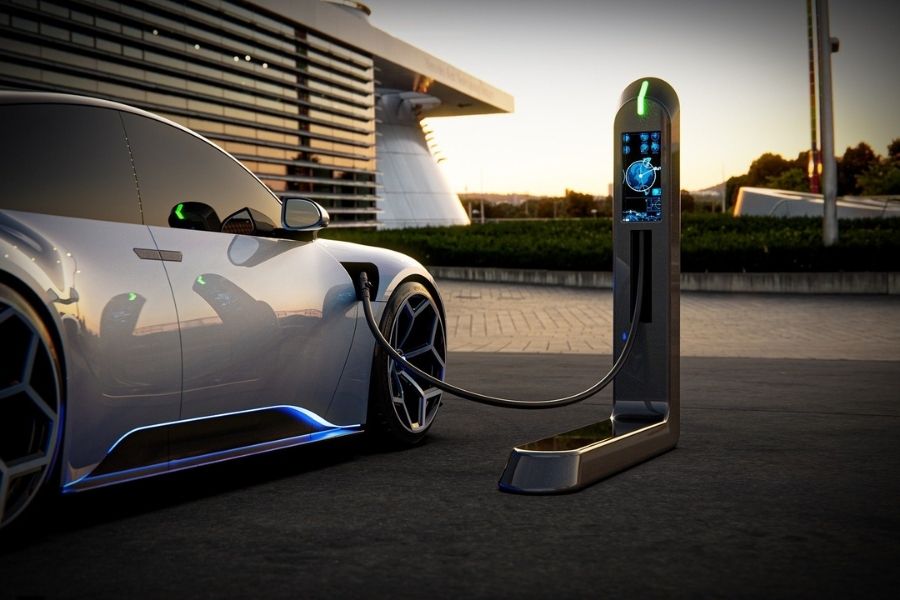
Electric vehicles have seen a stupendous 3x rise in sales in the previous fiscal, but sales are dominated by two and three wheelers, and still a small fraction of the total addressable market. However, with signs of consumer behaviour change, aggressive expansion by industry players and an overall push to the ecosystem, mass EV penetration could come in sooner than expected. EVs promise benefits on several fronts – lower running costs, zero carbon emissions, government subsidies, convenience of charging at home, no noise pollution, etc. For India, they could provide a vital solution to bring down the huge oil import bill. The cost, convenience and easy availability of charging are key challenges. This is not even a factor with the conventional petrol/diesel cars, thanks to decades of infrastructure development on their side. However, in the face of these challenges, change is sweeping the automotive landscape and EVs are here to stay. According to data from Federation of Automobile Dealership Associations of India (FADAI), electric vehicles witnessed a humungous 3x surge in FY 2022, with sales of 429,217 EVs compared to 134,821 EVs in the previous year. With costs declining consistently and charging infrastructure coming up at a feverish pace, electric vehicles could become mainstream in the market sooner than expected. When a new product category is introduced in the market, it has to face a difficult period initially, which is characterized by high buyer inertia. If the product and technology represent a radical change in conventional consumer patterns and sensibilities, a large number of buyers will perceive the purchase to be risky, especially if it comes at a high initial cost. Everett M Rogers wrote an iconic publication Diffusion of Innovation in 1962, where he presented a model to better understand this process. This model divides the market into Innovators (2.5%), Early Adopters (13.5%), Early Majority (34%), Late Majority (34%) and Laggards (15%); where percentages indicate the share of the addressable market. This follows a bell curve, where maximum adoption occurs in the Early Majority and Late Majority stages. These consumer categories differ in a number of ways, notably their financial background, social status, ability to take risk, identify new ideas, and new ways of doing things. Now let us understand this process vis-à-vis the electric vehicle (EV) category, which is as radical as it gets from a consumer perspective. The Internal Combustion Engine technology that it seeks to replace was first introduced in the market in 1776, when Nikolaus Otto, Gottlieb Daimler and Wilhelm Maybach developed a practical four-stroke cycle (Otto cycle) engine. Nevertheless, EVs promise benefits on several fronts – lower running costs, zero carbon emissions, government subsidies, convenience of charging at home, no noise pollution, etc. For India, they could provide a vital solution to bring down the huge oil import bill. NITI Aayog estimates that India can potentially conserve about 64% of anticipated passenger road-based mobility-related energy demand and 37% of carbon emissions in 2030 by pursuing a shared, electric, and connected mobility future. This would lead to a reduction of 156 Mtoe in diesel and petrol consumption in 2030 and net savings of roughly ₹ 3.9 lakh crore (approximately US$ 60 billion). Consumers are well aware of the challenges of environmental pollution today as well as the benefits of cleaner transportation. As a consumer, though the key problem areas that would come to mind are the high initial costs, perceived risk of buying an electric vehicle and the behavioural transformation it entails. The cost, convenience and easy availability of charging is a key challenge, which is not even a factor with the conventional petrol/diesel cars, thanks to decades of infrastructure development on their side. With the current level of EV charging infrastructure, buyers would immediately perceive EV ownership as a hassle, especially on long drives. Another factor is resale value of old cars, which can affect buyer sentiment. However, in the face of these challenges, change is sweeping the automotive landscape and EVs are here to stay. According to data from Federation of Automobile Dealership Associations of India (FADAI), electric vehicles witnessed a humungous 3x surge in FY 2022, with sales of 429,217 EVs compared to 134,821 EVs in the previous year. Electric two-wheelers still account for the overwhelming majority, selling 231,338 units over the year, even though they would also count for just 1.5% of total two wheeler sales. Many are linking this to the strong economic rationale, with the correspondingly rising prices of fossil fuels. Other factors fuelling the rise include the drop in EV prices with FAME 2 subsidies, growing numbers of launches, easy financing options and a buoyant youth market. Incidentally, today’s generation seems to be driven strongly by environmental conservation and sustainability. According to CRISIL’s analysis, 2 wheelers and 3 wheelers have attained parity with ICE vehicles in the previous fiscal with runs of 6,000 km and 20,000 km respectively. By 2026, the parity may be strong enough for EVs to sustain in the market without subsidies. A corresponding proliferation of four wheelers will take some time, as existing players are firming up their product roadmap and ecosystem. Tata Motors, for instance, launched a concept car Avinya based on the EV-only Gen-3 platform, and is getting into manufacturing of electric vehicles and semiconductors. Maruti is planning investments of around Rs 10,445 crore in Gujarat by 2026 for local manufacturing of Battery Electric Vehicles (BEVs) and BEV batteries. The government has given a further push to EV penetration by tripling its budget under the FAME 2 subsidy scheme for FY 2022-23 to Rs 2,908 crore, which is nine times higher than FY 2021. Incentives for electric two-wheelers have been increased to Rs 15,000 per kwh from Rs 10,000 and the cap on incentive has been increased to 40% of the vehicle cost from 20% earlier. The scheme has already been extended to March 2024 from March 2022 in the original announcement. Meanwhile, EV charging stations are expected to come up at an exceptional pace. The government made a landmark announcement in January
India’s approach to AI must be guided by the Gatishakti model
While India is emerging as a prominent hub for AI patent filings, most of these are currently contributed by MNCs. Prof Rajat Agrawal, Professor, Department of Management Studies, IIT Roorkee, talks about the major challenges to AI growth, the unique problems that it can address for India, and how the startup system can take the lead. Widely recognised as the most transformational technology of our present day and age, Artificial intelligence (AI) is increasingly taking centre stage in government policies and business strategies around the world. A PwC report on AI projects that the technology could contribute around US$ 15.7 trillion in additional GDP to the global economy by 2030 and provide a boost of up to 26% for local economies. This has precipitated a race among major nations like US, EU, Japan and China to dominate the global AI ecosystem. China has stated its ambitions to become an “AI superpower” by 2030. The EU is looking to take the lead on AI regulation, and the US is looking to maintain its edge in the face of rising competition. India is a very important player in the field of AI, with WIPO also recognising it as one of the most important emerging new target markets for patent filing in this area. But who is winning? This actually depends on what metrics you choose for making a judgement or even presenting an opinion. The first patent in the field of AI was filed in 1980 in Japan. Globally, out of the top twenty companies filing patents in the field, twelve are from Japan. The first two are from the US – IBM and Microsoft. But when you view it in terms of universities and academic institutions, China is the front runner. Out of the top twenty institutions, seventeen are Chinese. Now countries like France, Germany, Korea, UK are also participating in the race. Coming back to India, one must note that while there is a good increase in the number of patent filings in AI from India, a large number of these patents are filed by multinational companies. Availability of companies like Microsoft in India is helping us to improve our IP portfolio also. But this also points to a challenge – we need to develop our indigenous capability to work in the field of AI. Why are countries like China in a better position than India? One reason is that the industry-academia interface is much stronger. Then there are very few obstacles in collecting data in case of China, which is the backbone for AI-related innovation. So that creates a kind of an enabling environment for AI research for Chinese universities. Here in India, many ethical clearances required for collecting data and using it for research purposes. Multiple government bodies or ministries are involved in AI-related activities, and they need to be consolidated. Take the example of the PM Gati Shakti Project. The Prime Minister has taken this initiative to put different ministries involved in infrastructure-related projects on one platform. I think with this type of initiative, the government is also realizing that we need single window solutions for many problems. This is being done so that efforts can be concentrated and we can certainly leverage our investments. Similar initiatives are required in AI, where multiple stakeholders are there. New problem areas mean new opportunities Addressing these issues is important for AI to flourish in India, not just as a business opportunity, but also as a technology to address some larger problems. Note that IBM and Microsoft are having the maximum number of innovations in the field of AI, with around 8000+ and 6,000+ patents respectively. Most of their patents are in the field of computer vision and natural language processing. But countries like India have different types of needs, which also bring interesting new opportunities. The first that comes to mind is healthcare. Covid has been a wake-up call for India to strengthen its health care system. The Aarogya Setu app became a very important tool for tracking Covid patients. Now we need to see how India can use that database for preparing a more robust health care system for its citizens. Already some ground has been covered and we need to capitalize on that foundation. If we can provide meaningful health care to our population, someone who is very poor can also live happily. At the same time, because we are in the knowledge economy and these days, education plays a very important role. So how can AI technologies help provide education to far off areas of our country? During Covid, we saw a rapid increase in various education technology platforms. At IIT Roorkee itself, we signed more than 10 MoUs with different edtech partners to provide online classes. IIT Madras already has this very popular example of National Programme on Technology Enhanced Learning (NPTEL). Now, various other ed-tech platforms are coming and we can actually democratize education, which was earlier considered to be reserved from some elite sections of the population. The third important area where AI should play a role, particularly from India’s point of view, is agriculture. We are still known as an agrarian economy. AI inputs can be invaluable to farmers in areas like producing healthier crops, pest control, soil management and optimising the supply chain. There is vast potential in India’s startup ecosystem to tackle these problems through AI, but unfortunately it does not get realised. The academia level projects that we see our students complete are one strong example. But in a campus like IIT, they get such good offers from corporations that they do those projects only as a passion or as per the requirements of the curriculum. Those opportunities are not further taken up into real start-ups. So we need to promote entrepreneurship – the knowledge for creating good start-ups – from the campus itself. That can be one baby step in the right direction. Secondly if a start-up is already there which is not so proficient with AI-based

Technology is key for a robust fisheries sector
Technology can play a catalytic role in the emergent transformation of the fisheries production and trade. Although, standalone initiations in this regard may not be fruitful, a holistic approach that keeps modernising production and sales as a core focus area remains pertinent. India is the second largest producer of fish in the world and the sector accounts for a little over one percent of the Gross Domestic Product of the country. However, the persistence of conventional and low tech-intensive fishing and harvesting practices across the country is a major concern for the growth of the sector. The country’s sea food industry is undergoing a drastic structural change in terms of product differentiation and standardised processing, to fulfil the quality demands of global market. The discourse around establishing an institutional framework for the delivery of digital and techno-intensive services to fishermen and fish farmers has gained increased attention by stakeholders on various levels. Image credit: Shutterstock Fisheries sector plays a significant role in the domestic and the global market. India is the second largest producer of fish in the world and accounts for a little over one percent of the Gross Domestic Product of the country. In terms of employment generation, the sector supports the lives of over 28 million people in India, particularly, the small and marginalised fish farmers. The financial year 2020-2021 witnessed export earnings from fish and fish products of about US$ 6 billion, with top destinations being China, US, Southeast Asia, European Union, and Japan. The Indian fisheries sector, evidently, has demonstrated a stellar annual growth rate (10.87%) ever since FY 2014-2015. Out of this, a majority of the production is contributed by inland fisheries of the country. Presently, a majority of India’s fish exports are concentrated in shrimp; however, the value-added product share in this domain remains at a low 7%. This underlines a high potential in enhancing value added exports, resulting in higher prices for fishermen and fish farmers. In this regard, it is imperative for the country to initiate focused efforts to enhance seed quality and accessibility, in addition to modernised farming and quality standards. Recognising the sector’s scope in the growth of the economy and its contribution to the world seafood demands, the Government of India committed to attain fish production level of 22 million metric tons by the end of 2025. The government envisages an extensive positive impact on the country’s fishers and fish farmers involved in the relevant value chains. There have been listed efforts in this regard. The National Fisheries Policy 2020 was initiated to bring three existing policies for sector, viz, National Policy on Marine Fisheries, 2017 (NPMF), Draft National Inland Fisheries and Aquaculture Policy (NIFAP) and Draft National Mariculture Policy (NMP). The vision of the umbrella policy remains to develop an ecologically healthy, economically viable and socially inclusive fisheries sector. Additionally, the flagship scheme “Pradhan Mantri Matsya Sampada Yojana” (PMMSY) aims at bringing about a blue revolution via the development of sustainable and robust fisheries value chains in the country. This scheme has received the highest ever investment ever, with an enhancement of 88% to Rs 1,879 crore in the budget session for FY 2022-2023. This enhancement is expected to be utilised for infrastructural developments that assure efficient marketing of seaweed to accelerate its cultivation and to open up alternate livelihood opportunities, including aqua sports and fish tourism. Through these focused efforts, among others, the underlying role of technological methods in the growth of the domestic production and export of fish and related commodities is coming to the forefront. The country’s sea food industry is undergoing a drastic structural change in terms of product differentiation and standardised processing, to fulfil the quality demands of global market. However, the persistence of conventional and low tech-intensive fishing and harvesting practices across the country is a major concern for the growth of the sector. In addition to this, poor physical condition of resources, suboptimal input culture system, lack of diversity in catches and practices, poor productivity, inadequate regulatory mechanism, increased incidents of disease, inadequate infrastructure for pre-production, production, post-harvest and processing facilities, low adoption of technologies and shortage of skilled manpower in aquaculture and extension services remain major concerns. Under this context, interventions to modernise production in the country can be instrumental in optimally utilising the sector’s potential. At the production and harvesting level, efforts to incorporate technology in the conversion of wastelands into wetlands would contribute extensively in accelerating production to achieve the national target. Additionally, such interventions can be leveraged to explore the scope of new opportunities and alternative methods of production in this arena. Moreover, from a logistical point of view, these efforts can play an imperative role in standardising procedures, ensuring quality certifications, vessel efficiency and maintain hygiene of the produce. These efforts will extensively promote the welfare of fish farmers in the country through increased quality production. Furthermore, benefits of technological implementation can be leveraged in establishing marketing networks for small and medium fish farmers in the country and through assured safeguarding measures including information sharing around market scenarios, procurement of insurance benefits and relief measures. Certain efforts have been initiated in this regard. The Department of Fisheries and Animal Husbandry’s decision to explore the scope of modern fish markets and fish farms in the country is a welcome step in this direction. The pilot projects under these initiatives aim to lay significance on ensuring high value catch, especially for marine fishers and further promote fish farmers’ welfare in the markets. Moreover, the discourse around establishing an institutional framework for the delivery of digital and techno-intensive services to fishermen and fish farmers has gained increased attention by stakeholders on various levels. Therefore, technology can play a catalytic role in the emergent transformation of the fisheries production and trade. Although, standalone initiations in this regard may not be fruitful, a holistic approach that keeps modernising production and sale at the core remains pertinent. Through a sustainable lens, this outlook offers extensive opportunities to further encourage good
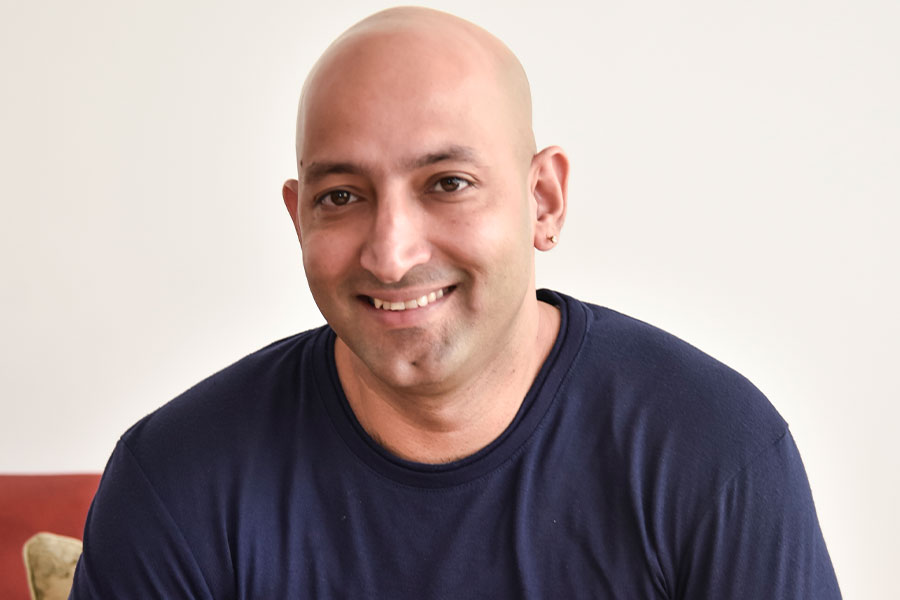
For Innovative, Market-oriented Startups, the World is a Playground
Founded in 2015, Sirona has achieved tremendous success in building a global market for its feminine hygiene products. Deep Bajaj, co-founder of Sirona, talks about the drivers of this success – personal conviction, highly innovative products, purpose-driven marketing and the power of cross border e-commerce. How it started The aphorism, “Necessity is the mother of invention” stands true for Sirona. The inspiration for PeeBuddy came to me on a road trip in 2013, when I witnessed the struggle my wife and friends went through in search of clean toilets. They had to go for hours without drinking water to control the urge to pee, all the while dreading the moment when it would be impossible to hold pee any longer. Visiting a public toilet would entail uncomfortable squatting/bending, or in worst case scenario, sitting on the dirty toilet seat. To put an end to this trauma, we devised PeeBuddy, India’s 1st Female Urination Device. With this funnel, women can stand and pee, thus avoiding contact with dirty toilet seats. Soon, we realised that PeeBuddy could also help women with arthritis and pregnant women, who have trouble bending. While it continues to help thousands of women every day, the journey of its launch has not been free of challenges. When we came up with PeeBuddy, we initially faced resistance from distributors and retailers, as expected. They could not bring themselves to terms with the subject ‘stand and pee’ as a solution for women, and particularly the word ‘pee’ in the product name. However, endorsement from doctors and e-commerce websites ultimately encouraged people to try the product and its popularity grew by leaps and bounds. So far, Sirona has sold over 30,00,000 PeeBuddy units. How it’s growing Since then, Sirona has been on a mission to offer a range of innovative problem-solving products to women for each life stage from puberty to menopause. We have diversified our business over a range of other products that include Menstrual Cups, Menstrual Cup Sterilizer, Tampons, Panty Liners, Intimate Wash, PeeBuddy funnel, PregRx pregnancy test strips, Period Pain Relief Patches, Period Stain Remover, Tampons and Condom Disposal Bags, Sanitary Waste Disposal Bags, Lubricants, and so on. Thankfully, technology is changing the rules of the game in the favour of startups today. Cross border e-commerce and online retail have contributed to accelerating the sales and popularity of brands like ours that are disrupting a category. It allows them to save crores of rupees that would otherwise have been spent on set up, distribution and marketing. Our innovative products are making a difference in the lives of our customers in India as well as globally. We have sold over 10 lakh Sirona Menstrual Cups, thereby ensuring better and hassle-free menstrual hygiene. Being reusable for up to 10 years, the cups have proved to be an ecologically friendly and economically viable period solution. With more women adopting our products, we have a stronghold on the feminine hygiene market and an ever-increasing customer base. But we believe that to be innovative and relevant in the long run, we need to keep evolving our methods of communication and offerings and with changing customer needs. International outreach and e-commerce We have become a trustworthy brand in the country since we offer top quality products, which are easy to use and economical. But ensuring success on a global scale entails more than this. Usually, it requires huge investments and a long gestation period. Thankfully, technology is changing the rules of the game in the favour of startups today. Cross border e-commerce and online retail have contributed to accelerating the sales and popularity of brands like ours that are disrupting a category. It allows them to save crores of rupees that would otherwise have been spent on set up, distribution and marketing. E-commerce is a three-part puzzle – finding distributors, finding customers, and taking care of the logistics. In our case, Amazon has taken care of these to a large extent. Once brands crack this, the world becomes their playground. Sitting right here, we are getting orders from across the world – the USA, the United Kingdom, Germany, France, etc. To sum it up, cross border e-commerce platforms can help Indian companies tap into the global market. Challenges faced and possible solutions We have quality solutions and understand customer service very well. But the only help we need is for the regulations to become simpler. For instance, if any of our product is returned from the international market, we have to pay duty on those. If these issues are taken care of, business will become easier. I believe that if quality Indian brands have the platform, and the stocking and selling is made easier, they can efficiently take care of the rest. With better conditions and improved customs by the governments, things would be streamlined for them. Indian policy makers and our respected industry members can facilitate local entrepreneurs in easing the aforementioned issues and thus help Indian companies achieve greater heights in the global landscape. The author is Co-founder, Sirona India. Views expressed are personal. Usual disclaimers apply
Technology disruptions transforming the food industry
When the COVID-19 pandemic first enveloped the world in 2020, the F&B industry saw clear indicators of paradigm shifts in the business landscape. From e-commerce to cloud kitchens to the influx of IoT and blockchains, this column looks at some of the major disruptions that technology is ushering into the global F&B industry, accelerated by the pandemic. E-commerce is expected to make up for 15-20% of the food and beverage industry’s overall sales by 2025 (LEK Consulting), around 10x its share in 2016. Consumers are now looking at speed, affordability and accessibility apart from safety, transparency and predictability. F&B companies are rapidly adopting artificial intelligence and machine learning as they digitise the entire supply chain. To assuage increased customer scrutiny, companies will increasingly need to rely on technology to transparently provide data on their products with a simple scan in real time, possible due to the proliferation of hand-held devices. Cloud kitchens, or food businesses solely focused on ordering are another quite interesting development in the F&B industry post-COVID. Their business model is predicated on being placed in a location with maximum proximity to food deliveries. Photo by Adam Nieścioruk on Unsplash When the COVID-19 pandemic first enveloped the world in 2020, the F&B industry saw some indicators of paradigm shifts in the business landscape. In 2021, therefore, industry watchers naturally observed with eager anticipation how these trends would firm up. The most game changing of these trends, which the industry must be cognisant of, is the influx of technology. E-commerce is expected to make up for 15-20% of the food and beverage industry’s overall sales by 2025 (LEK Consulting), around 10x its share in 2016. Around 49% of millenials are now buying groceries online, making them the key driver of this change. Secondly, consumer sentiment is shifting faster in segments with longer shelf life like snack bars and cereals, where 40% of volume is expected to move online by 2025. Consumers are now looking at speed, affordability and accessibility apart from safety, transparency and predictability. F&B companies are rapidly adopting artificial intelligence and machine learning as they digitise the entire supply chain. The use of these technologies is helping them gain tonnes of data, which helps them better understand variables for improved efficiency and predictability. While artificial intelligence in the food and beverage market was valued at US$ 3.07 billion in 2020, it is expected to reach US$ 29.94 billion by 2026, growing at a CAGR of over 45.77% (Mordor Intelligence). Even on the last mile, AI promises to help chefs and culinary experts in areas such as taste enhancement and preparing healthier and environmentally more sustainable recipes. Fast food chains using a robot named Flippy to flip their burgers, and drone deliveries becoming a growing reality are vivid signs of the changing times that the public is witnessing today. COVID-19 has brought the ‘digital first’ approach to the forefront to ensure better customer engagement. Data availability is, of course, also enabling marketers to keep a better tab on customer demands and adapt accordingly (though speed of response has become extremely critical). For instance, an online survey by Hunt confirmed that Americans were cooking more (+54%), feeling more confident in the kitchen (+50%) and learning more. Consumers are developing a growing affinity for themes like organic, vegan or environmentally sustainable. Lab-grown meat, plant-based alternatives of meat, and valorization of a vast range of bioresources are emerging concepts that look immensely promising. In a similar vein, a number of Indian startups are coming up with vacuum dried or freeze dried snacks that are healthier. Companies like Cadbury’s are also adopting sugar reduction technology that makes chocolates ‘seem’ sweeter. To assuage this increased customer scrutiny, companies will increasingly need to rely on technology to transparently provide data on their products with a simple scan in real time, possible due to the proliferation of hand-held devices. Blockchain technology, given the immutable nature of transaction data, will find increasing application in the F&B industry. IoT technology can help capture real time data like temperature and humidity during storage of a product. With blockchain, this data will be securely available to every participant across the F&B value chain, thereby building trust. Therefore, it will build speed, efficiency and certainty across the value chain and also simplify regulatory compliance in international trade. Cloud kitchens, or food businesses solely focused on ordering are another quite interesting development in the F&B industry post-COVID. Their business model is predicated on being placed in a location with maximum proximity to food deliveries. More and more customers have developed a penchant for online ordering, even as several physical restaurants were compelled to shut shop in the early days of the crisis. In India, food ordering is growing at a CAGR of 16%, and is projected to reach US$ 17 billion by 2023, according to DataLabs by Inc42. Cloud kitchens are expected to reach a potential market size of US$ 1.05 billion by that year. A number of restaurants are exploring this as a possible standalone business option, or even a hybrid approach. Although the model is facing teething troubles, players expect it to firm up in the coming years and become a dominant channel.
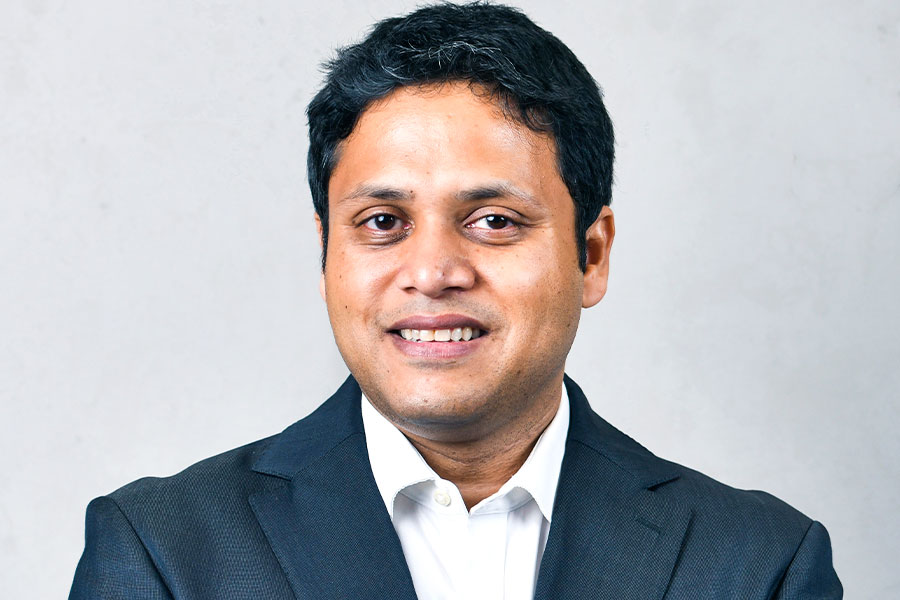
Business survival strategies: Keeping pandemic blues away
Pushkar Mukewar, CEO & Co-Founder, Drip Capital, explains how building customer trust, assessing risk and seeking consultation from experts are some business survival strategies that can help SMEs tide over challenges. The nationwide lockdown imposed during the pandemic will see its second anniversary in a few months. Looking back, it is appalling to see the vast number of businesses that were forced to shut shop because of unanticipated disruptions like the global supply chain crisis, soaring raw material costs, labour shortage, and paucity of containers for shipment, to name a few. While most found it challenging to adapt to the emerging uncertainties, some businesses and their visionary entrepreneurs paved the way and came forth with innovative solutions to stay afloat. This blog looks into the interplay between struggle and strategy, and the problems surrounding some entrepreneurs over the past two years, their coping mechanisms, lessons, insights, business survival strategies and visions that others can emulate. The Wait and Watch Approach A lot of MSME exporters found themselves in the middle of a serious logistics challenge. Container shortages began to have a significant impact on export shipments, in addition to augmenting volatility, increasing freight charges and causing unprecedented delays. In this kind of a situation, patience may be the key for companies. Prashanna Sivaraman, Head of Finance at Sri Kanthammal Padmanaba Modern Rice Mill, talks about his current ‘wait and watch’ approach to business. He cautions companies to play safe in these turbulent times and only stick to well-known markets. He adds: 60% of our rice trade to African nations is conducted through containers. But the shortage of vessels has heavily affected business in this region, resulting in trade in the market coming to a standstill. There has been a 500%-600% increase in freight costs due to multiple bottlenecks, causing us to let go of some businesses and seek new markets and players. However, currently, we don’t have plans to go out of our way to procure new buyers and will prefer focusing our business in Southeast Asia and China, where conditions are still favorable. To stay on top of its game, the company resorted to bulk cargo shipping as part of its supply chain innovation strategy. The unpredictable times have not left much room for speculation. However, Sivaraman still hopes for the best while preparing his team for the continuation of the crisis in the coming years through sound financial planning. Insurance a must Speaking on the similar lines of Sivaraman, Vyom Varshney, Owner of Eco Organics, also believes in opting for a conservative approach instead of a modern one, considering the highly unprecedented times. This involves taking minimum risks and undertaking thorough assessments to ensure financial integrity of the organizations. Companies must, for example, not accept orders without insurance, and prioritizing safety at all times as against taking on complex challenges At the same time, he advises businesses to continue building trust with buyers and assuring them how much ever they can in these distressing moments. Consumers today are more sensitive to who they are doing business with. Thus, the 2020 Edelman Trust Barometer Special Report, found that for 53% respondents, trusting the company behind a brand or product is the most important factor when making a buying decision, even more than price. This can ultimately lead to improved customer loyalty, higher levels of repurchase, more referrals, and a better reputation. Consultations with logistics experts Another useful strategy to overcome uncertainties is to ask the experts. Stressing the importance of one-on-one consultations with subject matter experts, and staying abreast of key trends across various markets, Sreeram Innagalla, Owner and MD at SriAqua Seafoods, today, prioritizes the understanding of dollar calculations and costing as integral parts of conducting international business. Moreover, the exporter also highlights the need to build a good rapport with freight forwarders and shipping liners “Nobody understands market predictions as brilliantly as these skilled individuals. They have a thorough grasp of the situation and can easily gauge the monthly costs for any specific destination. Although we have plans to expand to new markets, the time isn’t right, and this we understood through our robust network of talented logistics personnel,” adds Innagalla. Besides gaining insights from experts to understand the most suitable geographies to target, their knowledge helps one realize which markets to avoid, considering the present situation. However, at the same time, Innagalla suggests it is crucial to continue establishing a network in all markets, as you never know when an unsung opportunity could suddenly knock on the door. Building Customer Relations a Key Outlining the significance of mindful yet cordial business relations, Aditi Goyal, Business Development & Operations Manager at Shreedhar Cotsyn Pvt Ltd, discusses the importance of mutually beneficial contracts as a business survival strategy that can keep both parties happy. According to Goyal, this will help maintain positive relations with buyers while showcasing how well you understand and value your clients’ needs. Talking about the specific challenges her industry is currently enshrouded with, Goyal mentions that business was initially faring well until cotton prices skyrocketed, accompanied by a sudden fall in demand for Indian cotton due to tight supplies. Even industry experts claimed that Indian cotton has been facing stiff competition from its US and Australian counterparts, causing further damage to indigenous businesses. She explains: Despite the rising raw material costs, our primary focus is to not lose out on our loyal customer base and strive towards enhancing their experience. Besides conducting regular communication with clients and absorbing their needs, we are compromising by paying high freight costs for our old customers even if it eats into our profit margin a little and arriving at a middle ground when negotiating contracts. The big picture Considering how these entrepreneurs have efficiently managed to rebuild their supply chain and do their bit to continue to stay resilient, businesses must manage risks, bolster customer relations and rope in subject matter experts to avert crises and stay resilient. Exploring innovative strategies & giving a proactive response to customers

The Metaverse wave in India’s startup landscape
The metaverse is the next big investment theme. Socializing, digital transactions, gaming, shopping, simultaneous participation in multiple events & more will get a new interface. With digital MNCs venturing into this domain at a rapid pace, it is only a matter of time that metaverse shall witness an exponential expansion of its boundaries. Metaverse is the fully realized digital world that exists beyond the analog one in which we currently engage. It is the next major computing platform and allows people to create an online version of themselves and have a second life in the online space. The expectation from metaverse is to have a strong connection with the real-world economy. It will thus be the string through which companies & individuals alike shall participate in economic activity just as they do today offline. These persistent shared 3D virtual spaces linked into spatial universe are slowly catching up with reality. Image source: Shutterstock The metaverse is the future iteration of the internet. Broadly, it refers to the shared virtual world environments where clusters of users interact and get the feel of it being real. Rather than being mere viewers, they can get an immersive experience of the digital content rendered. This could incorporate a wide range of activities, from playing games, building things, visiting virtual shops, attend classes & meetings, getting the thrill of concerts, to even walking on the moon! Users will be drawn to believe that they’re actually in the reality, which they have ventured into. Replacing the two-dimensional screen, collaborative options are raised to the next level. They get to explore a 3D environment, where interaction with things around them is closer & seems real. The immediate & direct path to the metaverse will be through video games, as these have already been established. Besides, they make for an easier evolution. The next convenient application is virtual meetings, which until now have been a two-dimensional experience with the use of a camera. One can now wear goggles or a hood and be able to better connect with people in a realistic environment, regardless of their physical presence. Designed with sensors, facial expressions will be replicated and voice & hand interaction can be better simulated. Inculcating a deeper connection, interaction will be possible with enhanced value as compared to the current stale format of staring at the screen during meetings. The concept is evolving at a rapid pace due to enhanced software and increasing sophistication of technology. Augmented Reality overlays virtual objects onto users’ view of the world. Such digital places enhanced by VR are truly owned by its users. They are fast becoming a part of our daily lives & the blend of the real with the virtual world is here to stay. At the consumer end, going further, the metaverse shall make itself available via next-generation TVs and smartphones. The need for metaverse NFTs are the nascent version of the Metaverse, which represent popular art & digital memorabilia. It is a claim of ownership for a unique, non-interchangeable digital asset that is stored on a blockchain. This has been lapped up not only by crypto fans but also investors. It is thus the foundation for value creation. One can buy digital artwork in-game assets using cryptocurrencies or non-fungible tokens (NFTs) and will also have the right to display it in one’s virtual home. Post Covid, online interaction needs to be more life-like. Something much closer to sharing physical space. With rising logistics & transportation costs, the country has accepted transacting business virtually. This is the centralized big-tech version. Then there will be a virtual world which will be owned by its community guided by the Ethereum blockchain. It will be more democratized & people can really have their own place. The India bond Indian startups are not far behind in catching up with the metaverse race. Industrial conglomerates like RIL have also ventured into metaverse. It is running a metaverse pilot, wherein it shall use the three wings; namely AR, VR & MR (Mixed Reality) in combination with other software & hardware in order to bring about a digital twin that shall showcase the sub-sea environment on a virtual platform. RIL intends to cut down risks & costs which correspond to implementation of new processes in oil & gas operations. Additionally, it is being backed by a Chennai based MR company Imaginate, that is providing them the software in the form of two distinct combinations – Atom & Assist. Imaginate is expected to partner with HDFC Life to create a 3D meeting platform in the near future. Then there is Mumbai headquartered VR startup Tesseract, in which Mukesh Ambani’s Reliance Jio has a major share, is heading towards a MR future with its Jio Glass, Quark Camera, Holoboard headset, & Jio Fiber in tow. It shall cater to both the consumer & enterprise sector. The capital city New Delhi based XR Cntral (XRC) is referred to as an extended realty-based products solutions company, assists its clients to create immersive collaborative virtual spaces using its technology platform CUBE. These include experience centres, museums, virtual retail stores & gaming engines. Metaverse is not only about companies, it has as much to do with individuals. Keeping this in mind, an avatar technology company – Plutoverse has created a virtual avatar for adults by the name of DeerDost, to be labeled as India’s first adult animated web series. Proceeding further, Plutoverse intends to create more virtual avatars / versions of Bollywood icons, sports personalities, virtual worlds & so on. Not far away is the IT hub (Bangalore) based NextMeet, which, as the name suggests, is an avatar-based immersive metaverse platform that enables remote working, virtual meetings & networking for business, education & events. It will be initially launching Saas – software-as-a-service – with a monthly subscription model for users & companies. All these companies are busy building & equipped enough to hold out India-made global standard matching metaverse platforms. The other side of metaverse Like every innovation, metaverse is not short
Indian horticulture sector: Forward & backward integration critical
Vishal Mahajan, CEO, Jubilant Consumer Pvt Ltd, discusses horticulture as a trade opportunity and the challenges that Indian horticulture sector is currently facing that are preventing the country from reaching its full potential. He also ideates on how the country can effectively engage with the opportunity of emerging as one of the leading exporters of horticulture products in the international markets. Image credit: Pexels In the last few decades, horticulture sector has gained prominence in India as it is more remunerative than the agricultural sector (mainly food grains). This growth is also driven by a rise in household incomes and shift towards a more healthy/balanced diet. India’s prowess as the second-largest producer of horticultural products in the world further buttresses its strength in this industry. It accounts for about one-third (34%) of India’s agricultural gross value added (GVA) today, with horticultural production being pegged at an estimated 331 million tonnes in FY21, according to the Ministry of Agriculture & Farmers’ Welfare. Lack of consolidation & scale in horticulture Despite its impressive output, Indian horticulture has a long way to go in terms of global exports. Success in horticulture is dependent on right quality, harvested in the right season, and the right quantities that are sold at the right prices. There exist huge opportunities in grapes, pomegranates, mangoes & many other seasonal fruits and vegetables. While there is a huge demand in the international market, India is unable to tap into it because it cannot produce the right quality in the season when there is a requirement in specific geographies of the international market. The country needs to achieve a certain scale in order to be a leading horticultural exporter. This can be actualized by way of collectives such as Amul. Unfortunately, the Indian horticulture sector does not have any such collectives. On the private sector side, certain constraints hold India back in terms of demand aggregation for smaller exporters. The smaller exporter does not have the wherewithal to go to the exporting country, understand the quality requirements or ensure that he gets a fair value in terms of price or the accepted quantity to protect his interests. He is always worried about unfair rejections, despite his best efforts and the payments not coming through on time. These problems are very different from an organization that has successfully scaled up. Therefore, it is important for the country to think through these issues, because around 85% of the agricultural land in India is small farms. It also houses a large number of small exporters. In addition to this, huge sales turnover in the international market for horticulture happens through intermediaries. Therefore, the value does not percolate to farmers, who in turn, have little incentive to innovate or think in value addition terms; even when international retailers or e-commerce players of destination countries pay a fair price. Need for quality control and standardization A large number of Indian horticulture rejections happen around the way the produce looks, the way it tastes and whether it looks fresh and palatable when the produce finally lands in the target market. Thus, quality is a key parameter from the point of view of international success of the Indian horticulture sector. Customs standards are fairly clear in terms of what is required. The horticulture exporters’ business objective then is about devising cost-effective ways for meeting those standards. For a smaller exporter, the cost of testing itself is fairly significant in addition to the ease of testing. From QA compliances perspective, there are three deliverables of the entire eco-system: education, access and cost of testing. Education is important because it’s easy to achieve those standards if you are aware of those standards. The second is access so that even in the remote parts of the country, the sample collection and subsequent delivery of results is within the timeframe. The third is economy because one cannot expect to test at a scale at which you’re operating unless there is a certain scale that one is exporting. If the sector reaches out directly to the retail, which offers the maximum margins, prosperity will find its way back to the country and its farmers. Unless there are long-term contracts available to a group of entrepreneurs or a large organization, which then flow back into the backward integration, this progress will be patchy. So, for India to take concerted steps to move as a part of the value chain and hopefully move up the value chain, both forward and backward integration are important. Further, if there is a platform, which aggregates demand, standardizes quality, and fixes a price, there could be a much greater salience for the Indian horticulture industry, and faster progress because the price discovery would be easier, payment terms would be standardized, exporters would be much more assured about their returns, and there would not be as much struggle as the current situation demands. Vishal Mahajan is CEO, Jubilant Consumer Pvt. Ltd. Views expressed are personal. Usual disclaimers apply.