Bhaskar S, Export Director, RKG Ghee, opines that the ghee category is gaining traction in the international market due to growing awareness of its health benefits. But tax structures in many countries are more of a burden than the restrictions posed by India’s free trade agreements (FTAs). Therefore, he suggests that the taxation needs to be taken care of in the FTAs. IBT: How would you describe the journey of RKG Ghee, its vision, and key achievements? Bhaskar S: RKG Ghee is a 90-year-old company that is available in 5 states situated in the southern part of the country. Over these 9 decades, this family run business has also managed to establish its presence in over 15 countries. While it has emerged as a renowned name in the Middle East market since the last 25 years, it has been expanding globally since 2015. The key products that it exports include Ghee, Virgin Gingelly oil and Organic ghee. The company aspires to be the No.1 ghee brand globally and create a benchmark in organic ghee, as it seeks to increase its overseas presence. IBT: What is your company’s reach as per product segments and markets? What are the key ingredients for success in international markets in your view? Bhaskar S: RKG Ghee is positioned as a premium Indian brand and has a market presence starting from small C-class stores, B-class supermarkets, hyper- & A class markets, boutique & premium stores, online stores, wholesale as well as HORECA segment. In terms of overseas markets, it is available in the UAE, Oman, Saudi Arabia, Qatar, Bahrain, Kuwait, Hong Kong, New Zealand, the USA, Singapore, Malaysia, Brunei, Thailand, Mauritius, and Australia. Its products are available from small 50ml tins to big 5 ltr tins to meet the requirement of all kinds of customers. IBT: What are the key ingredients for your success in international markets, which could be imbibed by other Indian companies? Bhaskar S: The key ingredient to the brand’s success is understanding each market and working accordingly with distributors. Further, RKG has gone to launch products in new packing formats based on the country’s requirements and environment. The initial supplies are fixed based on the number of outlets and consumer base. We always want fresh date stocks to be available on the shelf as the first impression from the consumer is always the best impression. Principles like consistency in its quality, purity, flavour and supply play a major role. IBT: What key lessons has RKG Ghee learned from the COVID-19 pandemic? How have you adapted and realigned your business model? Bhaskar S: The brand has learnt a lot during the COVID-19 pandemic. Sales were very volatile as there were sudden urgent orders and later drop in sales. Consumer and economic behavior were not predictable. Adding to these woes, there were the shipping and ocean freight issues. The pandemic has taught us that anything could happen and things don’t always work as per plans. IBT: What advice would you like to offer to young entrepreneurs on managing risk, coping with failure, and leadership? Bhaskar S: Failures are common in business, we need to take failures positively and try to learn from them. Every failure makes the business and the entrepreneur stronger. At the same time, we need to take calculated risks. When we fail, that failure should not financially affect us in such a way that our progress goes back by a couple of years. Calculated risks and failures refine us to be good leaders. IBT: How do you view India’s level of competitiveness in your sector, and how can it be enhanced? Bhaskar S: There is a huge potential for my ghee in India as well as in the global market. That’s the reason why we are expanding our infrastructure as well as product placement globally by finding the right channel partners. The ghee category is expanding and it’s a healthy product. People are turning towards healthy products, which means we have a huge potential ahead. IBT: Government has announced schemes such as PLI and Atmanirbhar Bharat. How can these be leveraged to enhance India’s processed food industry and enhance its global share in line with its rich agri potential? Bhaskar S: The Indian Govt is encouraging and supporting the industry in every possible way to increase exports. Moreover, the Indian diaspora can be found all over the world and it is a readily available market for consumer products. RKG is a 2 start export house, AEO tier one approved, EIA approved and now going to be a bonded manufacturing facility. IBT: What role can FTAs play? How can market entry barriers be eased for Indian exporters? Bhaskar S: Ghee, falling under the dairy category, has restrictions to enter many countries. Even then, there are plenty of uncovered potential markets to enter and play. Indian products are being recognized and welcomed in most countries. However, the tax structures in many countries are more of a burden than the FTA’s. They levy higher taxes for imported goods and lower for the locally packed or manufactured. The taxation issue could be taken care of in the FTAs. This interview is a part of TPCI’s Connect initiative. Views expressed are personal.

Efficient logistics will efficiently tackle supply chain disruptions
Prasad Sreeram, CEO & Co-Founder, Cogos, believes that an efficient logistics and supply chain is a fundamental block to keep the country moving. As experts expect the third wave to hit the country, the logistics sector will be tested for its resilience, innovation, and preparedness. Thus, leading technology players have been building infrastructure and training workers to combat the situation. An efficient logistics and supply chain defines the pace of growth of a country. It is also a fundamental block to keep the country moving. In 2018, India was ranked 44 out of 167 countries in the World Bank’s Logistics Performance Index 2018, while it ranked second in the 2019 Agility Emerging Markets Logistics Index. However, in 2020, during the first wave of COVID-19 and the subsequent lockdown of the country, it was evident that a broken supply chain and logistics resulted in chaos. The country came to a grounding halt during the first wave and the unprecedented migration of manpower shook the country and its supply chain. Logistics is less about having a certain set of resources and rather more about their timely mobilization and deployment when it is needed the most. While the strict lockdowns forced many to work from home and adopt online education, they also created several D2C opportunities for brands. As many businesses moved to sell online, there was a serious need for organized deliveries. The logistics sector emerged as a real savior in these difficult times by amplifying their delivery and expanding their services to different sectors. “All the essential supplies in the country were possible only through technology-based logistics platforms and new-age service providers. The logistics platforms had to grasp the new terminologies, new rules and restrictions, create safety protocols, movement guidelines and aggregate the necessary capacity to deliver.” The second wave brought in new challenges with containment and rules on classification of goods (essential and non-essential), manpower crunch due to severe spread and travel restrictions, reduction in transport and cargo capacity and increasing fuel costs. The demand for groceries and essential items has reached the same growth rate as last May, expecting a growth rate of 8-10% in 2021-22. With many working in the last-mile delivery falling prey to COVID-19 leading to an extreme shortage of delivery executives and delay in order deliveries, companies started incentivizing the delivery executives to cater to the demand. As the business grappled with new purchase patterns skewing the inventories, new-age logistics providers with data points on delivery timelines, capacity distribution and creating contactless deliveries helped online commerce grow, beating the COVID blues. But now looking at the things falling in place, the last-mile delivery industry could be back to its original form, leaving enough time to fight back the third wave. The city logistics gained importance with the government as the vaccine distribution became crucial, along with essential supply, and had to create new capacities in a short time with planning from first to the last mile. Several 3PL, Courier, and logistics players in support from tech platforms assisted on the grand mission. Building a COVID-resilient future A committee of experts constituted under the National Institute of Disaster Management (NIDM) has warned of an imminent third wave of COVID-19 that could peak around October. The logistics sector will be tested for its resilience, innovation, and preparedness in the wake of multiple waves. Thus, leading technology players have been building infrastructure to combat the situation, increasing the onboarding of the capacity into the platforms, upskilling the workforce, training the drivers on new workflows, creating new technologies for seamless deliveries on-time, transparent and contactless. The adoption of sustainable technologies has taken a significant jump and logistics have gone electric. New ecosystems with OEM, charge/parking, finance and enterprise are emerging and transforming the city logistics. Tech platforms have simplified the enterprise cargo movements to the remotest parts through book-track-delivering, enabling secure transport with digital authentication, IOT, secure locks and speeding up deliveries, specifically pharma and essentials, through shipment planning, route optimization, tracking, and ePOD. Going forward, it is important to build more resilient transport organizations having data transparency and visibility. Companies must also focus on building flexibility by adopting standardization, employing simultaneous rather than sequential processes, and align procurement strategy with supplier relationships.

India must expand its seafood export basket
Vijay Kumar Yaragal, Executive Director, National Fisheries Development Board, discusses major challenges confronting Indian seafood exporters including logistical issues like shortage of containers, expensive flight connectivity, sluggish demand in overseas markets, stiff international competition, and lack of diversification of export markets. Over the last few decades, India has managed to catapult itself as the second-largest producer of inland fish in the world and accounts for about 14% of the global fish diversity. It stands third in the total production of fish and fourth in terms of exports. This can be attributed to the country having a coastline of about 8,118 kilometers, starting from the pristine waters of the Himalayas to the sprawling Indian Ocean, which is the quintessential breeding ground for a rich variety of marine life. Regarded as an affordable and rich source of animal protein, fish protein is being increasingly demanded nowadays. The sector is particularly significant to India, not merely from the prism of its nutritional value and food security, but also for its economic contribution as it creates gainful employment for 25 million people in the country and contributes around 1.27% to India’s Gross Domestic Product (GDP). Fish and fishery products stemming from India constitute only 10% of total global exports. In terms of exports, inland fish production is mainly dominated by IMC (Indian major carps). Traditionally, around 2 to 3 tonnes per hectare of inland fish are produced. Frozen fillets and chilled fish or live fish export in the inland fish variety enjoy great demand overseas. In addition, there are other varieties of inland fish such as Pangasius fish, Seabass, and Tilapia fish produced. These are mainly diverted for the domestic market, as the export market is not attractive for fish cultivators, because they don’t get a decent price. One of the reasons for this is that in markets like the US, Tilapia fish is only accepted in filleted form. India, however, does not have ample infrastructure to process it as per these requirements. Further, in the case of Tilapia fish, 3 kg of fish are required for filleting 1 kg. So, the waste needs to be efficiently managed by diverting it in things like fish meal, poultry, and animal husbandry feed. Additionally, there are two major constraints in case of the chilled fish exports. Flight connectivity is taking a toll on the sector’s performance. Domestic air carriers are charging hefty rates for internal domestic movements and exports of inland fish, which are low in value. In the last decade, apart from black tiger, India jumped into Pangasius fish culture (Basa) for 1 or 2 years and then into Vannamei in 2010-2011. From 2010-11, there has been a continuous increase in the production of Vannamei shrimps. This is the only variety of shrimps that has made our farmers survive and we are mainly depending on only two markets, where more than 50% of our volume goes to the US and China. India needs to broaden its export markets for seafood as it cannot bank on only 2 markets. The importance of this realization became apparent last year when in the midst of the pandemic, there was a dearth of containers in these 2 markets. Further, the pandemic has affected transportation arteries of feed transport and farm material required for the culture. It also restricted farm workers movements; the employee strength was reduced by 50% in the case of the processing units. Furthermore, it sent the nation’s shrimp farmers into a tizzy as they were worried that these two markets will not buy their products. Around 30% of them didn’t go for the second crop, while exporters saw the products piling up in their inventories. Thus, in 2020-21, India’s seafood exports dipped by 10.88% to 11,49,341 MT worth US$ 5.96 billion. Apart from this, China also brought up the existence of white spot disease, coronavirus nuclei on packed cartoons in imported shrimps from India, thereby banning almost 20 processing units from exporting to China. This, however, does not take away from the huge potential that the sector offers. India’s inland fisheries house around 504 million hectares in resource potential. To tackle this situation, the nation needs to broaden its export basket by approving the packing of chilled fish at factory vessels and bigger farms, so that their quality is maintained and a health certificate is obtained. This is because the health certificates issued to the exporters are valid for just 72 hours to reach the final export destination. A lot of time gets lost in transport and repackaging by the time fish reaches the exporter’s plant and the quality of the fish might deteriorate. Additionally, Indian exporters must be offered incentives so that they don’t lose out to competitors from Vietnam, Thailand, Japan, and Malaysia. Lastly, the availability of key infrastructure in fish production, processing, and reefer containers needs to be taken care of in order to fully utilize the potential of India’s blue economy. The author is the Executive Director of the National Fisheries Development Board. Views expressed are personal.

India-Brazil relations can become even stronger across spheres
Leonardo Ananda Gomes, President, India-Brazil Chamber of Commerce, emphasized that Brazil and India can become key partners for a deeper and long-term relationship, especially considering the still underexplored opportunities. He adds that post-COVID, there is necessity to reinvent, adapt and find new forms of cooperation in sectors like agribusiness and renewable energy. Since 1948, after India’s Independence, India and Brazil have been developing their bilateral relationship as two independent countries and big players in the respective regional scenarios. These relations have been growing stronger ever since. However, it seems they can become even more relevant in the near future. From 2004 to 2014, commercial trade between the two countries increased and diversified significantly. After the peak in 2014, trade between the two countries has been admittedly at lower levels, also as a result of international and national crises. However, the strong recent interactions at the governmental and institutional levels, leads to an expectation of growth in commercial trade of up to US$ 15 billion in 2022, according to H.E. Ambassador of Brazil in India, Mr. André Corrêa do Lago. Taking a closer look at some of the latest interactions between the two countries, bilateral relations have gained relevance, with both governments showing political interest in coming closer together. This became evident after the invitation of the Indian Prime Minister, Mr. Narendra Modi, to have Brazil as a guest country in the celebration of the Independence of India in January 2020. This visit of the Brazilian Federal Government to India led to the signing of 15 agreements1, in many different sectors, to facilitate business engagement and cooperation between the two countries. The agreements go from technological and scientific cooperation to childcare and cultural exchange matters. Nowadays, facing the Covid-19 pandemic, the importance of the Indo-Brazilian bilateral relations has been highlighted, especially in the pharmaceutical sector. According to data from the Ministry of Economy of Brazil for 2020, pharmaceutical products correspond to almost 30% of India’s exports to Brazil. Furthermore, some of the largest investments by Indian companies in Brazil are in this sector: ACG, Zydus, Lupin and Dr. Reddy’s, just to mention a few. Moreover, when talking about the India-Brazil Relations, another sector that deserves great attention is information technology (IT). India is recognized around the globe for its strong technology market, as the birthplace of relevant companies in the sector. It is an international reference for software development and programming, being a world leader in the sale of outsourcing services and retaining an average of 75% of global talents in the digital age, according to the India Brand Equity Foundation. On the other hand, Brazil is not in the spotlight for IT services and has a lot to improve in its national industry and supply capacity. Considering high demand and untapped potential in the Brazilian market, companies like Tata Consultancy Services, Infosys, Wipro, HCL Technologies, Tech Mahindra and others set up their operations in the country, turning IT into one of the most relevant sectors for bilateral relations. Moreover, even though Brazil is not a key player in the international scenario for IT, the vision of a creative economy is stimulating the development of several start-ups in many sectors, willing to fill market gaps with innovative products. According to the Global Innovation Index 2019, Brazil is the 10th biggest developer of mobile apps and appears in the top 10 of metrics for quality of innovation. This implies that besides the lower quantity of internationally recognized companies and overall products/services offered in the technology sector, Brazil has a potential for quality creation. In that sense, besides the market complementarity, Brazil and India show great potential for technology cooperation, especially in areas that have international scope and in which India is already ahead in its development, while Brazil has a lot to explore vis-a-vis its creativity and market capacity. Some such segments, which can be interesting for cooperation in the scope of the bilateral relations are artificial intelligence, cybersecurity and safety technologies. Undoubtedly, IT & pharmaceutical sectors play protagonist roles when talking about business between Brazil and India. Also, if we look at2 the commercial trade balance of products exchanged between the two countries, we notice the crucial role of the oil and gas sector, including crude materials and fuel oils. Around 48% of Brazilian exports to India, in 2020, were represented by crude petroleum oil and 20% of Brazilian imports from India were represented by petroleum fuels, in the same year. However, there are other areas that must be considered for deeper cooperation, since COVID-19 is leaving an important lesson in what concerns the necessity to reinvent, adapt and find new forms of cooperation in sectors like agribusiness and renewable energy, for example. Brazil is internationally recognized for its contribution to agribusiness, as the country is the largest producer and exporter of products like soybean, corn, sugar, meat and others that are part of basic consumption globally. It is also favoured with large stretches of land and hydric resources that can be also used to grow pulses that are largely consumed in India. In this panorama, it is pertinent to mention that India, although being a large producer of pulses, has a huge internal demand that necessitates imports. Recent data shows that India isn’t still included in the top 10 destinations for Brazilian pulses exports. Therefore, it is clear that there is wide potential for growth of bilateral relations in the agricultural sector, specifically in the pulses segment. At last, let’s bring to the discussion the renewable energy topic that has become a trend worldwide. According to IBEF, India is the fourth most attractive market for this sector. On the other hand, Brazil has been using ethanol for 40 years as a source of renewable energy and is willing and open to sharing its experiences with India, as the country has already shown interest. Therefore, technological cooperation in order to produce ethanol, relying on the vast Brazilian experience, in addition to increasing Indian production of this biofuel, will also help
The Ethanol 20 target: Managing the contradictions
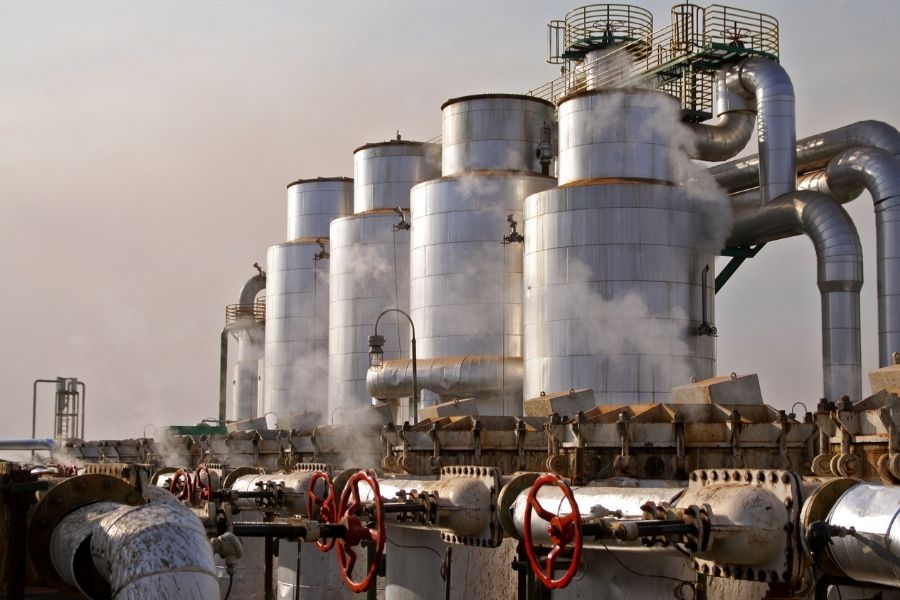
India’s Ethanol Blending initiative aims to address multiple challenges like addressing the problem of food wastage and lowering India’s petrol import and carbon emissions. However, over-reliance on water-intensive crops like sugar to produce ethanol, overestimation of damaged grains, and underpreparedness of the industry could pose serious complications that need to be addressed. The Prime Minister released a report made by an expert committee constituted by the NITI Aayog, ‘Roadmap for Ethanol Blending in India by 2025’ on the occasion of World Environment Day on 5 June 2021. The aim is to increase ethanol production capacity from 700 to 1,500 crore litres, address the problem of food wastage, lower India’s petrol import and carbon emissions. However, there are a number of unresolved challenges to the success of this policy: irregular maize production, over-reliance on water-intensive crops like sugar to produce ethanol and an overestimation of damaged grains. Measures like offering incentives to promote its adoption and studying the overall environmental impact of ethanol blending are the need of the hour. Source: Shutterstock One of the major problems that some experts point out in green policy formulation is the implicit assumption that economic prosperity and environmental sustainability cannot be pursued synergistically. They argue that it may not necessarily the case. Consider the case of food security and excess carbon emission. Can these two challenges, so distinct in their nature, be tackled by one singular policy? India’s Ethanol Blending initiative certainly takes a crack at it. At its core, the ethanol blending policy sees merit in using a portion of the excess feedstock produced in India to make ethanol, a type of alcohol that is then blended with petrol to achieve a fuel that is cleaner & greener. In its ideal state, the policy indeed would address the aforementioned dual challenges. It redirects the excess feedstock decaying in warehouses to distilleries that make ethanol out of them. The NITI Ayog states: Availability of large arable land, rising production of foodgrains and sugarcane leading to surpluses, availability of technology to produce ethanol from plant based sources, and feasibility of making vehicles compliant to ethanol blended petrol make E20 not only a national imperative, but also an important strategic requirement. However, two challenges so complex do not have so simple a solution. The article goes in-depth into the ethanol policy in India; its objectives, benefits and limitations. Given the ambitious aims of the government, it is imperative to understand how exactly this new policy changes the daily life of the common man. The Ethanol Process The feedstock designated as ethanol raw material in India consists of sugar, rice and maize, though the main aim is to use molasses, a byproduct of sugar and hence keep the focus on sugarcane. Sugar mills will be encouraged to divert excess sugar to distilleries for ethanol production, rather than store it unnecessarily. Upon reaching these distilleries, the molasses undergo a fermentation process, which breaks down the sugar into starch, which subsequently becomes ethanol. Accordingly, maize and rice can also be processed for conversion into ethanol. This ethanol is then blended with petrol in different quantities. A mixture of ethanol and petrol is referred to in terms of the quantity of ethanol-blended, i.e., a mixture with 10% or 20% of ethanol is referred to as E10 and E20 blend respectively. Petrol not mixed with anything will be referred to as E0 in this blog. The blended mixture offers many benefits, both direct and implicit. However, before we consider benefits, we need to understand how it can be used as petrol. E10 and E20 petrol can only provide efficient combustion in compatible engines. Engines for four-wheelers that are calibrated for E10 can run E20 fuel with a loss of 6-7% efficiency; hence cross-compatibility between fuel types does not exist. Accordingly, a part of the Ethanol Policy is automobile upgradation where engines will gradually have to be modified to efficiently run with E20 fuel. The committee constituted by NITI Aayog has estimated that they can roll out E20 calibrated engines by April of 2025. (Chattopadhyay, 2021) The upside of ethanol blending For starters, the obvious benefit is the reduction in carbon emissions. A blended mixture contains less carbon, therefore letting out lesser carbon dioxide and hydrocarbons, both of which are polluting agents. An indirect benefit of ethanol usage is that feedstock crops act as carbon sinks, soaking up greenhouse gases, thereby contributing to ethanol blending’s environment-friendly credentials. The government takes the ecosystem-centric benefits a step further by researching the feasibility of ethanol production using maize, a less water-intensive crop and thus ensuring minimal wastage at any step of ethanol production. Under the broader push for self-reliance, the ethanol policy also attempts to cut down on the oil-import bill. Petroleum product imports in 2020-21 stood at US$ 55 billion and the 20% ethanol blending policy would save at least US$ 4 billion (about Rs 30,000 crore), thereby improving India’s balance of trade substantially (Mohapatra, 2021). The cut down on the oil-import bill is significant on more than just the economic front and plays a symbolic role in highlighting Indian self-dependence in geopolitical relations. Moreover, reliable import substitution for it in the form of alternatives like solar energy is not feasible in the short run. Therefore, the ethanol policy is a welcome step in the right direction towards a self-reliant India. Further, the sugar industry faces a serious liquidity crunch on one front and a sugar glut on the other. Sugarcane producers are not paid their dues by mill owners in time and hence struggle to gather funds for the next cycle due to the rising cost of production. Mill owners, on the other hand, claim that they delay payments because of the quantity of sugar already stockpiled. India is the world’s second-largest producer of sugar in the world (after Brazil) and is expected to produce about 310 lakh tonnes in 2021-22. Out of this, domestic demand stands at about 250 lakh tonnes and exports have stagnated. In such a situation, differential pricing

Denim: Green predicament of the evergreen fabric
From ‘work-wear to ‘casual-wear and then becoming a ‘fashion icon’, the journey of denim is quite fascinating. However, for a fabric that is expected to remain ‘evergreen’ in the fashion industry, denim has a huge ecological footprint. As one of the world’s leading producers, it is imperative for India to develop new technologies to balance its growth ambitions in denim manufacturing with the need to maintain a positive environmental footprint. Today, more than 15 billion meters of denim is produced globally every year, and the global denim market is estimated to reach about US$ 26 billion by 2026. With technological advancement and innovations, denim and markets of its finished products have constantly been growing steadily. Production has shifted from France, Italy and the USA to developing countries like China, India, Mexico, Bangladesh, Turkey, Pakistan and Brazil. From cultivation to production, a pair of jeans uses about 7600 liters of water, making the denim industry one of the most water-intensive industries in the world. Further, the indiscriminate use of chemical pesticides to grow bumper crops in the farmland contaminates the soil and water sources. The future of the Denim industry in India largely depends on how the huge potential is tapped in smaller cities/towns. But as consumers & governments become more conscious about the huge ecological footprint of the fabric, Indian denim manufacturers will need to embrace sustainability in denim production. Image credit: Shutterstock Serge de Nimes or denim made of 100% twill cotton fabric, originated from the world’s fashion capital, France, is one of the world’s oldest fabrics. A robust yet natural and highly breathable piece of attire, it is extremely resistant to abrasions and tears, making denim the first choice for the utility uniform, workwear, and dungarees. Today it has become an essential wardrobe staple, as it provides comfort and has a longer life span compared to other apparel. Denim: From necessity to a fashion statement From ‘work-wear to ‘casual-wear and then becoming a ‘fashion icon’, the journey of this twirled fabric is quite fascinating. In the fourth quarter of the 19th Century, the wife of a labourer in the United States approached a tailor, Jacob, to make a pair of pants for her husband that would not fall apart. To strengthen the trousers, he placed metal rivets on the points of strain. Those who had been doing hard and intense work instantly accepted the sturdy riveted pants as their work-wear. It was in this historic moment that a category of clothing made with denim, with the alliance of Jacob, the tailor and Levi Strauss, the fabrics merchant, started one of the most significant clothing trends in the world. Today, more than 15 billion meters of denim is produced globally every year, and about 10 billion different clothing items viz. jeans, hats, jackets, shorts, skirts, dresses, sneakers, shoes, belts, handbags, wallets, face masks etc. are manufactured all over the world. With technological advancement and innovations, denim and markets of its finished products have constantly been growing steadily. The global denim fabric market was valued at US$ 21.8 billion in 2020. It is expected to rise to about US$ 26 billion by 2026, while the forecast for the global retail sales of the denim or blue jeans market is expected to be US$ 71.8 billion by 2027. It is interesting to note that the denim fabric and one of its finished products – ‘pair of jeans’ – was invented, produced and modernized in France, Italy and the USA. However, during the last few decades, the production of denim and its products has shifted from developed countries to developing countries or Third World Countries. Currently, China, India, Mexico, Bangladesh, Turkey, Pakistan, and Brazil are the major countries producing the largest volumes of denim every year not only to meet domestic demand but also to cater to markets of developed countries. Denim: Draining resources out of the ‘blue’ A popular and widely accepted product that probably will not go out of fashion in the near future, denim is expected to remain the first choice of not only the present day consumers but also generations to come. Then why the shift in production from developed countries? Developed countries are well aware of the harmful effects of denim manufacturing on the environment, and this is possibly a key reason for outsourcing to developing and third-world countries. The three processes of producing denim and its products, from cultivation of cotton to dyeing and then texturizing the finished products, not only severely affect the country’s water resources, including ‘clean water sources’ but also leave harmful effects on the environment. From cultivation to production, a pair of jeans uses about 7,600 liters of water, making the denim industry one of the most water-intensive industries in the world. Further, the indiscriminate use of chemical pesticides to grow bumper crops in the farmland contaminates the soil and water sources. More so, the process completes only when denim goes through several harmful chemical washing processes and ‘acid-wash’ is sprayed over the fabric. The process of dyeing and acid culminates into dumping of the toxic waste into rivers and other water resources. Blue indigo is the hallmark of Denim. Initially, the plant-based indigo dye was used for dyeing the Denim fabric. Indigo is a valuable plant available in Egypt, Greece, Italy, China, and India. Later the chemical indigo dye, which is cheap and easier to manufacture but more harmful to the environment and the workers, substituted the plant dye. The other method that is injurious to workers and damaging to the environment is ‘sandblasting’ that involves spraying fine sand through an airgun with high pressure to design the ‘old worn out look’. Another reason is that it is highly unlikely that despite having the largest consumer market for denim, producers and manufacturers in developed countries could use unethical strategies to compete with developing or third world countries. On the other hand, they show a lot of concern for the environment in their countries, but simultaneously do not empathize with environmental
Consolidation: The missing cog in Indian horticulture
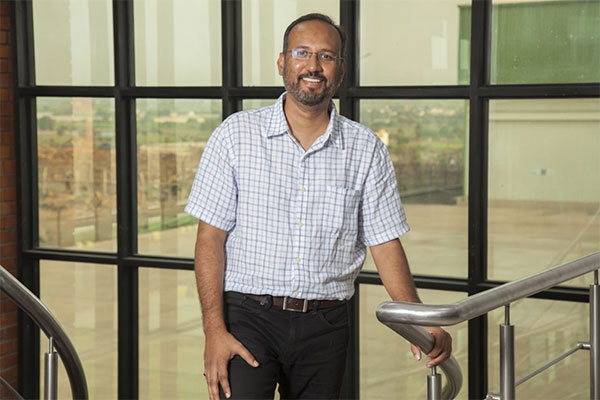
Azhar Tambuwala, Director, Sahyadri Farms believes that unless the horticulture industry embraces consolidation – right from production to food processing – it will not be competitive enough to fulfil its latent potential in export markets. As estimated by the Food Association of Agriculture (FAO), India is the 2nd largest producer of fruits and vegetables in the world. Diversified agro-climatic conditions support the availability of various fruits and vegetables in the country throughout the year. India is the world’s top producer for fruits like bananas, mangoes, guavas, lemons and papayas. Uttar Pradesh, Karnataka and Andhra Pradesh account for 34.1% of the total mango production in India. Banana production is led by Tamil Nadu, Gujarat and Maharashtra, while Andhra Pradesh, Gujarat and Odisha are the best performing states for papayas. Some areas with remarkable production of fruits include Nagpur (Maharashtra) Anantpur (Andhra Pradesh), Nalgonda (Telangana) and Baramula (Jammu & Kashmir). When it comes to vegetables, India is a leading producer of okra and the second largest producer of tomatoes, onions, potatoes, cabbages, brinjals, etc. Uttar Pradesh and West Bengal accounted for around 30% of total vegetable production. However, in terms of horticulture exports, India’s performance is way below par. Its share in global horticulture exports amounts to a trivial 1.7% in vegetables and 0.5% in fruits. The Middle East & Europe are the key markets for fresh produce whereas, the US and the Far East are prominent destinations for processed horticultural products. There are several reasons why India is not being able to translate its strengths in horticulture into gains in foreign trade. One of the reasons is that it does not have access to a important markets like the US, Vietnam, and Korea, which have banned the entry of fresh fruits and vegetables from India. Secondly, the situation in the Middle East is just the opposite: there are no real entry barriers and standards are not stringent. So, anyone and everyone can enter it and there is a lot of unhealthy competition. This creates problems with sustained profitability and is high risk. Thirdly, as opposed to the ME, the EU has high norms, like ensuring that the crops are residue-free and getting certifications from farm to factory level. Couple all this with commercial challenges of volatile air and sea freight today or fuel costs, with costs of certifications and entry barriers, makes it difficult to compete internationally. While these are commercial and market-related challenges, we are not able to capitalize on our rich horticultural produce because India is basically a land of small farmers. In foreign countries, farming is managed as a business where agronomists & marketing teams are involved right from cultivation to post-production involving better practices and technology. In India, however, a farmer is typically farming for the purpose of sustenance and is not running it as a business. Marketing must be supported by integration at the back end. The need of the hour thus, is to consolidate, because it’s impossible for farmers to have huge land bank holdings due to the law as well as the division of property when handed down from generation to generation. It is only then that standardization and fair management can be brought into the production process where farmers coming together can take bigger and bolder decisions. Further, only 7% of India’s fruits and vegetables are being actually processed. In comparison, 23% of fruits and vegetables are processed in China, while for Brazil it is 70%. What goes into cultivation is the ‘B’ & ‘C’ quality in India. This does not fetch returns as for ‘A’ quality. Owing to this, Indian farmers are not keen on growing crops for the processing industry, as it does not offer them a high return. This acts as a major deterrent. In order to be competitive, the Indian processing industry needs to lower their own cost of production as well as that of growers, while offering fair prices to them. Farmers for reasons of sustenance, grow their produce for other fresh markets. If these processing companies become farmer collectives, they can offer better prices to the farmers. It is only then that the food processing industry will grow in the country. Farmers will then be able to follow the norms of standardization and produce superior quality products for the markets, thereby offering premium returns. Conclusively, unless we are aggregators, we will not be able to support our farmers and bring the horticulture industry at par with its true potential.
White goods: Will PLI infuse much needed growth?
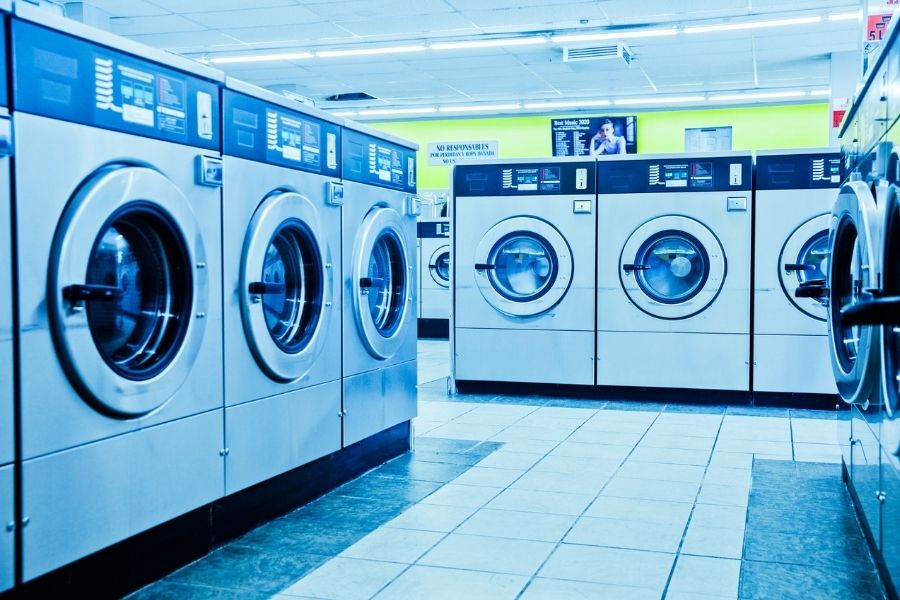
The PLI Scheme for the white goods sector is aimed at incentivising value addition, scale and export promotion. However, the policy implementation roadmap must be cognisant of the growth needs of MSMEs, and also the ‘illusion’ of growth in domestic manufacturing. With an outlay of Rs 6,238 crore meant to be expended by 2025, the objective of the PLI Scheme for white goods is to support and incentivize existing producers and provide growth opportunities in domestic manufacturing. In 2019, the Indian Appliances and Electronic industry was valued at Rs 76,400 crore and it is forecast that by 2025, that number would be Rs 1.48 lakh crore, a near 100% growth. A strong future notwithstanding, these incentives under PLI are also meant to diversify the industry and promote further competition. Foreign companies that avail of these benefits should be required to purchase a defined percentage of their inputs/intermediate goods required for manufacturing from local sources. Image source: Pexels The term ‘white goods’ refers to consumer electronic goods such as LED lighting, air conditioners, refrigerators etc. and was initially coined to highlight the white enamel finish that most of these goods had on their surfaces in the early days of their manufacturing. Ironically enough, more versions of these goods are available in different colors and finding a truly white ‘white good’ isn’t an easy task today! White goods have an ubiquitious presence across the globe, and are a key area of focus for the Indian government on the path to self-reliance. Apart from their ubiquitous presence in households across the world, the relevance of this industry stems from its inclusion in the Production-Linked Incentive Scheme. With an outlay of Rs 6,238 crore meant to be expended by 2025, the objective is to support and incentivize existing producers and provide growth opportunities in domestic manufacturing of LEDs and air conditioners – two of the most important white goods in terms of volume produced. The PLI vision for white goods The drive to achieve 25% of GDP contribution from the manufacturing sector by 2025 has led to a number of targeted incentives for focus sectors. The bid to increase manufacturing of white goods is part of an overarching push to grow India’s indigenous white goods industry. In 2019, the Indian Appliances and Electronic industry was valued at Rs 76,400 crore and it is forecast that by 2025, that number would be Rs 1.48 lakh crore, a near 100% growth. LED lighting, in particular, is expected to have a 12% CAGR in revenue for the next few years, highlighting the robust household demand. Air conditioners were a US$ 4.3 billion market in India in 2017 and are expected to become a US$ 11 billion market by 2023, a CAGR of 17% (according to Invest India PLI Scheme for White Goods, n.d.). A strong future notwithstanding, these incentives are also meant to diversify the industry and promote further competition. Major players in the LED and air conditioners market are household names like Bajaj, Havells, Crompton and Surya for LEDs and Voltas Limited, Daikin, LG Electronics and Blue Star for air conditioners. The control a vast market share for their respective products and companies such as Havells have a strong presence in both segments. One of the objectives of the PLI scheme is the continued support of startups that make their foray into a cost restrictive industry. Understanding the incentives The PLI scheme is an output and outcome-oriented scheme, where incentives are to be provided on the basis of 4-6% of incremental sales of manufactured goods over a defined base year (2019-20) (Soni, 2021). The greater the incremental sales, the larger the incentive given. This formula is meant to induce value-addition and encourage export promotion, while still staying within WTO regulations as incentives under this scheme only indirectly subsidize exports. In the white goods sector in particular, the initial cost of production is prohibitive and requires large startup capital. Hence, these subsidies encourage firms at the bottom of the value chain to simply focus on quality improvements, rather than increasing production at unjustified costs. Several consumer electronics manufacturing companies on either end of the size scale have applied for these incentives. The ingenious aspect of the scheme is how the incentives create scope for even more to be given. Since the incentives are based on incremental sales, companies focus their efforts on expanding their market or bringing about quality and quantity improvements. The subsidies gained through these efforts can then be reinvested into the same process in a bid to increase revenue for the next year, thereby fuelling the opportunity to receive an even greater portion of the allocated funds. In FY 2019-20, electronics exports stood at US$ 11.28 billion, about 16.1% of the total US$ 70 billion manufactured value (Banerji, 2021). For this share of exports to increase, a combination of marketing efforts as well as changes in manufacturing standards will be required from established and newbie companies alike, both of which can look at incentives from the PLI scheme. Who will benefit? A certain eligibility criteria must be met to avail the benefits under the PLI scheme. The company must be registered under the Companies Act, 2013 and must meet a threshold investment in variable and fixed assets (other than land or building) of minimum Rs 10 crore for MSMEs and minimum Rs 100 crore for others (Govt notifies PLI, 2021). The benefits of this indirectly extend to the general public as well, due to the increase in employment opportunities created as companies would seek to boost productivity and consequently sales. The incentives provided under this initiative seek to benefit LED and air conditioner manufacturing companies, more specifically the production line of such companies, which is encouraged to change its objectives to ally with the intent of the scheme due to the subsidies received. The scheme, being output-specific, puts the onus on the manufacturing company to adhere to certain benchmarks of production-such as ensuring value-addition, making goods export worthy and complying with safety standards

Flavourtech’s SCC is the gold standard for aroma recovery
Leon Skaliotis, General Manager, Flavourtech Pty Ltd, explains how the company has helped its customers in F&B, dairy, flavour and pharmaceutical industries grow their market share by providing them the tools and knowledge to differentiate their products. He asserts that this has been the key driver for repeat business for Flavourtech, which accounts for around 30% of its annual revenue. IBT: Tell us about the origins of Flavourtech Pty Ltd and the vision with which it was set up. Leon Skaliotis: Flavourtech is a privately owned company based in regional New South Wales. It designs, manufactures, offers services and supports specialised processing equipment for the food (fruit & vegetable), beverage (coffee, tea, wine & beer), dairy, flavour and pharmaceutical industries world-wide. It conducts business in over 60 different countries and has built up its export business to account for over 90% of its annual sales revenue. Flavourtech’s unique technology and innovative applications allow it to process these products in a very gentle manner through the use of steam and without the use of any chemicals or solvents. These solutions are customized to fit the specific requirements of customers in different regions across the world. This has necessitated the brand to implement global best practices in its design and manufacturing processes, as well as adapt its sales & marketing strategies to suit each of the regions it competes in. IBT: What are the company’s key business segments within the food technology space, and what products/solutions do you provide? Leon Skaliotis: The main industries that we operate in include: Tea & Coffee – The brand has been pioneering the development of aroma and flavour recovery technologies to improve the production of soluble (instant) coffee and Ready-to-drink (RTD) tea and coffee. Alcohol – Flavourtech’s technologies are used for a range of purposes, including dealcoholisation, alcohol adjustment, malt extract concentration, alcohol recovery from yeast in wine, beer and cider, grape juice concentration, and sulphur removal from grape juice. Flavour – Food and beverage manufacturers use Flavourtech’s Spinning Cone Column (SCC) to naturally extract the best flavours and aromas (using only low-pressure steam) from a wide range of products including fruits and vegetables, herbs, meat and seafood. Pharmaceuticals and nutraceuticals – A shift towards healthier lifestyles has dramatically increased the use of botanical-based nutraceuticals. Dairy – Removal of feed and transport flavours. IBT: What are the core competitive advantages that you provide that differentiate you from the competition and have helped you successfully serve the food & beverage, dairy and pharmaceutical sectors? Leon Skaliotis: Flavourtech’s success is attributed to the unique abilities of the spinning cone column (SCC) and centritherm evaporator to use very short residence times (25 and 1 second respectively) and low temperatures to produce higher quality products for their customers and allowing differentiation of their product offering. These unique characteristics are very important in many applications across the food & beverage, dairy, pharmaceutical and especially the coffee & tea industries, where the SCC has now become the “gold standard” for aroma recovery. This technology is complemented by the Centritherm® range of evaporators that also utilise rotating cone technology, which requires only one second heat contact time for gentle evaporation of heat sensitive products. There is no other technology in the world that does this with such a short residence time and at such a low temperature. Flavourtech is then able to combine these two technologies into one system called the Integrated Extraction System (IES), which is a fully automated, continuous processing line. Through an all-natural process utilising only steam under vacuum, the product being processed is not damaged. The key differentiator for the company is not only its unique technology for improved end-product quality, but also the expertise to customise the best possible solution for any given application. It does this by employing a team of chemical and process engineers who can design the optimal operating parameters for any given product, thereby customizing a solution to meet the customer’s requirements. This allows Flavourtech’s customers to grow their market share by having the tools and knowledge to differentiate their products. As their business grows they return to purchase more from Flavourtech. Repeat customer business now accounts for approximately 30% of Flavourtech’s annual revenue. IBT: What has been the role of innovation in your success so far? Leon Skaliotis: It is vitally important that we provide customers with the confidence that they are dealing with a company that is experienced and large enough to support them long term. Flavourtech, therefore, needs to continually build on the strength of its brand and reputation as well as continue to innovate. The R&D team and pilot plants that are situated around the world, not only demonstrate advanced technologies to customers, but also allow the brand to work together with them on new applications specific to their products. IBT: How are you planning to expand in terms of product segments, new markets, end user segments, etc? Leon Skaliotis: The marketing strategy is aligned with Flavourtech’s competitive advantage that is dependent on its ability to form long term relationships with the customers by focusing on ways of improving their business. It is able to show them the financial impact of their decision by providing them with financial impact models. It achieves this by working very closely with them to understand their business needs, in order to propose better solutions than they may have achieved in isolation. Sometimes, this may involve the creation of a new product or modifying or improving an existing product. At other times it may mean improving their operational efficiency through increased automation, reducing waste or lowering their energy consumption. Finally, Flavourtech ensures that customers realise these benefits for many years to come, by providing them with on-going service and technical support through its Total Care Plan maintenance program and our Technical Support Hotline. This ensures that they remain fully satisfied long term, and thereby are more likely to buy from us again in future, creating a ‘Customer for Life’. IBT: How do you see
Sresta engages with 50,000 organic farmers across 15 states
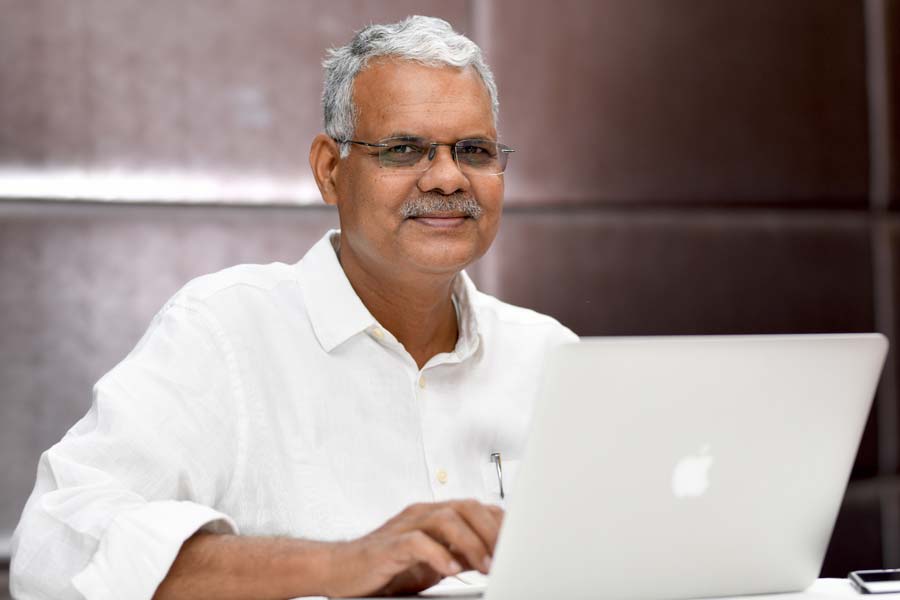
Mr Rajseelam, MD, Sresta Natural Bioproducts Pvt Ltd, reminisces the company’s humble origins in 2004, from a time when market research did not support their firm conviction to get into organic products. With an extensive farming network supporting its endeavour today, the company is now present in more than 40 countries across the globe. It offers over 300 products across various categories ranging from dals, rice and spices to ready-to-cook products like pasta and vermicelli. IBT: How would you describe the journey of Sresta Natural Bioproducts Pvt Ltd its vision, and key achievements? Rajseelam: Sresta took small steps towards success, starting in 2004. With the focus on creating means of sustainability for the farmers, it set about addressing two key areas – farmers and products. It undertook the task of creating communities for farmers who are committed to the cause of organic farming, ensuring continuing means of livelihood and building mutually beneficial relationships with them. For products, it adopted a unique farm-to-fork approach to ensure that farmers produce 100% organic products and the same were brought to its customers. The brand’s vision is to create a sustainable lifestyle for consumers, sustainable livelihood for farmers, and help build a sustainable planet. Towards this end, the company launched Freedom from Pesticide programme in 2012 in a bid to encourage people to eat pure food. Another social outreach initiative is the Sresta Vidya Ayojan, an education initiative to ensure that children go to school and finish their education. Further, medical health camps and general health awareness programmes are undertaken from time to time. Determined to offer a better choice to the people, and working against all odds, Sresta stands tall today as a leader in the organic foods category. Today 50,000 farmers cultivate over 200,000 acres across 15 states. IBT: What is your company’s reach as per product segments and markets? What are the key ingredients for success in international markets in your view? Mr. Rajseelam: The brand is present in more than 40 countries across the globe, offering more than 300 products across various categories ranging from dals, rice and spices to ready-to-cook products like pasta and vermicelli that adhere to US, European, Indian food safety standards. Within India, we sell over 200 products under the label 24 Mantra organic food in big hypermarkets (modern retail), neighborhood super markets and stores (general stores), dedicated organic stores, own franchisee stores, and a revolutionary new concept of self-dispensing bulk stores, where consumers can buy loose and by the scoop. In total, these products are sold in more than 7,500+ outlets across the globe. Over the years, Sresta has built a large consumer base. People believe in its products and the brand is synonymous with trust and integrity. We work to maintain the trust by providing customers with healthy and tasty food that is also good for nature. IBT: What key lessons has Sresta Natural Bioproducts Pvt Ltd learned from the COVID-19 pandemic? How have you adapted and realigned your business model? Mr. Rajseelam: The pandemic has helped Sresta grow as a brand, as people across the world have started looking for healthier eating options and organic foods fit perfectly to their needs. The credit goes to the team; even in such times, they have geared up to source requisite raw materials, and make the supply chain more robust. The ability to understand things in real-time has helped us to ensure that we service the customers’ requirements. IBT: What advice would you like to offer to young entrepreneurs on managing risk, coping with failure, and leadership? Mr. Rajseelam: When the brand started, whatever data it had or whatever market survey it conducted had shown that it would be foolish to invest in organic food. As entrepreneurs, one should see the research available, but it is equally important to listen to your gut and take risks. For us this was never really a business, it was a chance to do good to nature. So we have to persevere and work hard to achieve the vision. IBT: How do you view India’s level of competitiveness in your sector, and how can it be enhanced? Mr. Rajseelam: India’s role in the organic export market is less than 1%, and most of this is from low-value commodities. So, it is important to develop value-added products to capture the international markets. However, this requires a lot of investment and efforts. IBT: Government has announced schemes such as PLI and Atmanirbhar Bharat. How can these be leveraged to enhance India’s processed food industry and enhance its global share in line with its rich agri potential? Mr. Rajseelam: These schemes are a huge boost to exporters to help organizations to up their game and increase their ability to invest in various markets. The PLI scheme is a great initiative for companies to boost their manufacturing scale. IBT: What role can FTAs play? How can market entry barriers be eased for Indian exporters? Mr. Rajseelam: International trade has become more challenging as countries are trying to protect their own industries and try to maximize exports. India has a great advantage in demographics. As it has various climatic zones, it can grow crops that are cultivated across the globe. The important thing is to create alignment between the businesses, government, and the various stakeholders. There is a lot of talk about the FTAs; a bigger issue is in terms of the non-tariff trade barriers that are documentation, certifications and testing. This is something that the country should negotiate with most of the governments and that will ensure that companies increase exports and get their due share in the markets. This interview is a part of TPCI’s Connect initiative. Views expressed are personal.