Despite India’s enormous wind energy potential, its wind power sector continues to face multiple obstacles in its quest to achieve 60 GW out of the Government of India’s (GoI) renewable energy target of 175 GW by 2022. In the long term, new opportunities such as repowering, hybrid projects, offshore wind, and corporate PPA’s can help scale up India’s wind power capacity and deliver affordable, clean energy across the country. Wind power has has been unable to meet its annual targets since FY 2017-18. This is because most capacity addition since FY 2018-19 has been based on solar plants – a trend IEA expects to continue well into 2021 and 2022. Execution challenges, a tight financing environment, and regulatory delays in tariff adoption are slowing down the pace at which new wind power plants are being commissioned. To bridge the gap in its climate action targets, GoI is looking towards offshore wind energy, backed by the potential of India’s abundant coastline of about 8,118 km and ~2.3 million sq. km of exclusive economic zones (EEZs). This blog explores whether offshore wind energy is a viable solution for India’s struggling wind power sector, given that offshore wind presents its fair share of challenges (such as lack of infrastructure & lack of skilled manpower) that have so far delayed its commercial launch in India. Image credit: Pixels India has the 4th highest wind power installed capacity in the world, which had reached 39.25 GW (as of 31 March 2021), and has generated around 60.149 billion units during FY 2020-21, as published by the Ministry of New and Renewable Energy (MNRE), GoI. As reported by CRISIL in January 2021, capacity addition in FY 2021-22 is estimated to have dampened owing to the constraints on construction-related activities stemming from the COVID-19 virus outbreak. As a result, instead of meeting the projected 3.3 GW of wind energy capacity in 2020, India only managed to install 1.1 GW, with the balance capacity carried over to 2021 or given up by developers. The pandemic-induced supply chain disruptions, labor availability issues, and execution delays may prevent India from achieving GoI’s ambitious target of 175 GW of overall renewable capacity, including 60 GW of wind power capacity, by over 50 GW. While utility-scale solar grid capacity targets of 60 GW are close to being met, rooftop solar and wind targets are lagging. However, the International Energy Agency (IEA) is more optimistic. It expects India to create new records in adding renewable energy capacities in 2021 and 2022, given that pipeline projects have been awarded but not yet commissioned due to COVID-19 disruptions would likely be cleared. While this is positive for India’s overall renewable targets, most capacity addition since FY 2018-19 has been based on solar plants – a trend IEA expects to continue well into 2021 and 2022, backed by foreign capital and investments by large domestic conglomerates, such as Reliance, Adani, etc. However, wind – which predates solar energy in India – has failed to meet its annual targets since FY 2017-18, i.e., since pre-COVID days, and has struggled to retain stakeholder confidence in recent times. Wind power: Against the trade winds A recent assessment by the National Institute of Wind Energy (NIWE) indicates a remarkable gross wind energy potential of 302 GW in India at 100 m and 695.50 GW at 120 m above ground level, with over 95% of this potential concentrated in 7 windy Indian states. Wind energy potential by states S. No. State Wind Potential at 100 m (GW) Wind Potential at 120 m (GW) 1. Gujarat 84.43 142.56 2. Rajasthan 18.77 127.75 3. Maharashtra 45.39 98.21 4. Tamil Nadu 33.79 68.75 5. Madhya Pradesh 10.48 15.40 6. Karnataka 55.85 124.15 7. Andhra Pradesh 44.22 74.90 Total 7 Windy States 292.97 651.72 8. Other States 9.28 43.78 Total 302.25 695.50 Source: MNRE, Wind Energy, Overview Yet, the sector is limited by various execution challenges like a slow economy, record low tariffs, tariff caps, curtailments, and numerous other duties and tariffs. Further, while COVID-19 has slowed down progress, the sector’s struggles have persisted since pre-COVID days. During FY 2019-20, execution challenges, grid curtailment issues and payment delays from distribution companies (DISCOMS) had already turned investor sentiment towards the sector negative. These challenges slowed all tendering activity, with no wind power project awarded post-August 2019 during FY 2019-20. In fact, recently CRISIL reported that payment risks have resurfaced due to the poor financial health of DISCOMs with 4 key Indian States – Madhya Pradesh, Maharashtra, Rajasthan and Andhra Pradesh, resulting in further uncertainty and volatility for wind power producers. Industry experts all agree on the root cause for this negative momentum and declining financial health of the sector: the transition from feed-in-tariffs (FiT) mechanism to tariff-based competitive bidding process introduced by GoI in 2017 for wind power projects and related allocations. This regulatory shift has led to further aggressive lowering of tariff rates, multiple revisions to tariff regimes (causing more unpredictability), squeezing of margins for Original Equipment Manufacturers (OEMs) of wind energy equipment, and financial distress for wind power developers in the following years. CRISIL comments: This [competitive bidding route] has caused realizations to fall across the value chain with both developers and OEMs reeling under the increased pressure to execute projects at such tariffs […] developers are facing increasing difficulties in tying up adequate quality wind sites coupled with connectivity, prior to bidding […] developers tying up adequate land, with prior wind resource assessment, to ensure rationality while bidding. CRISIL highlights that another major concern is securing adequate land of suitable quality through proper wind resource assessments to ensure rational bidding at appropriate tariff rates. Given the intermittent and site-specific nature of wind as an energy source, extensive wind resource assessments for potential ‘wind sites’ are critical. However, the most suitable wind sites in India have already been allocated, many of which are presently operating at low generation capacity due to aggressively low and unfeasible rates for project execution and/or operation. In such a
Packaged foods is a key area of growth for foodtech
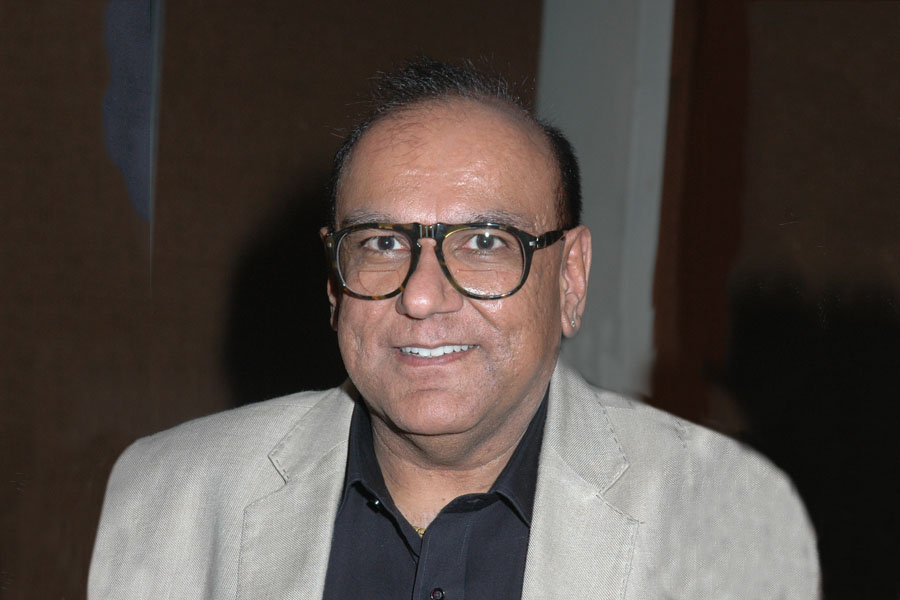
Sanjay Kumar, Managing Director, Standard Machinery Corporation, opines that customer service, marketing approach, and sales strategy helped the brand stand out from its competitors. He discusses the company’s solutions, growth mantra and expansion plans in this interaction with India Business & Trade. IBT: Tell us about the journey of Standard Machinery Corporation, its vision, and key achievements. What are the key business segments that you operate in and the products/solutions you provide? Sanjay Kumar: Being a 74-year-old company, SMC offers high-quality equipment for bakery, biscuits, bread, cookies, cakes, chocolates, confectionary, gum, snacks, spices, fruits, vegetables, meats, pasta, ready-to-eats, dairy & packaging industry. SMC offers end-to-end solutions comprising both new and pre-owned equipment for simple to sophisticated, high-end output in every area of the food market. In other words, we are into anything to do with food processing and packaging, and have everything from complete turnkey solutions to small tabletop solutions. Our main objective is to be highly customer-oriented and therefore each customer is very important to us. We focus on quality and not quantity. The company meets the customer’s exact requirements and does not believe in only selling a standard range of machines. We sell solutions! We don’t vend locally manufactured machinery; we are basically agents and promoters for overseas companies, primarily from Europe and the Far East. IBT: What is/are the core competitive advantages that you provide that differentiate you from the competition? Which are the markets you have successfully penetrated so far? Sanjay Kumar: Legendary Harvard Business School professor Michael Porter defines competition in business as the struggle to attain a profitable, unique position in the market. No business starts out with the goal of blending in. Yet, standing out from the competition is one of the biggest challenges entrepreneurs and marketers continue to face. However, standing out and being unique is key for us. Our customer service, marketing approach, and sales strategy make us stand out from our competitors. SMC initially started out in the Indian market. When our team evaluated and analyzed the market trends of other countries like Sri Lanka, our founders thought it would be apt to spread our wings and look at the response we have received. It’s safe to say that we have successfully captured the Indian and Sri Lankan markets, and our customers are very pleased with our services. IBT: What are the main pain points that SMC experienced during the pandemic? Sanjay Kumar: With the current times we are living in, the pandemic has not only slowed things down in the markets but also brought about a hold on most of our projects. Customers have reduced their annual budgets drastically thereby reducing their spending powers. IBT: How are you planning to expand in the future, product segments, new markets, end-user segments, etc? Sanjay Kumar: The growth in the food industry will never stop. We keep on introducing newer technologies to adapt to local requirements. Investment in the industrial production of packaged foods with a shelf life is something the market is looking at to constantly expand. IBT: How do you view India’s competitiveness globally in your industry, and how it has improved over the years? What can be done further to enhance this competitiveness? Sanjay Kumar: Indian food products need to have more value additions in them and better packaging. Also, the packaging must have proper details about the food such as its nutritional value, ingredients, food certification, and so forth. Sanjay Kumar is the Managing Director, Standard Machinery Corporation. Views expressed are personal.
Medical Value Tourism: Time to Heal in India
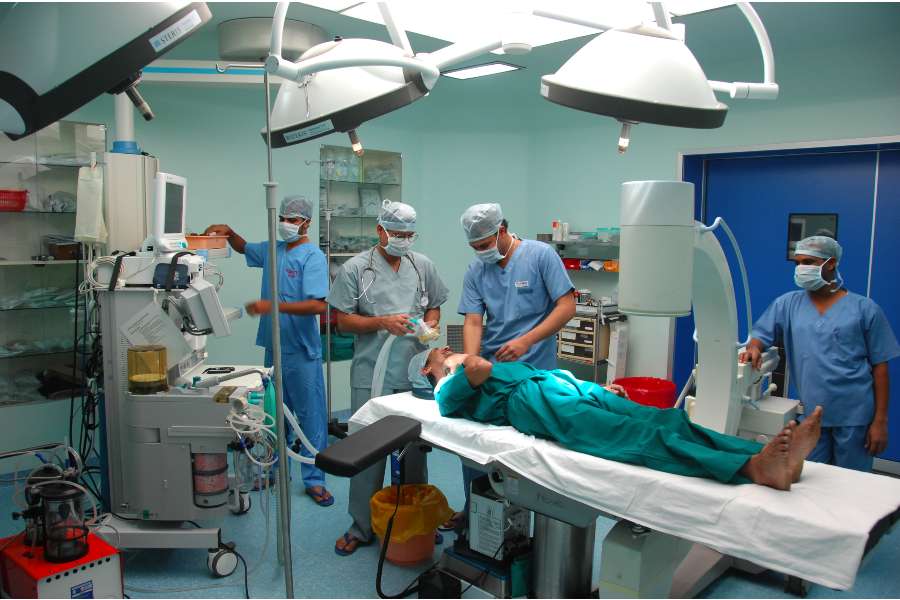
Kamala Vardhana Rao, IAS, Chairman & Managing Director, ITDC, opines that the demand for healthcare and wellness services is bound to surge in the post-COVID world, with more people than ever looking out for avenues of quality medical care and holistic wellness. In such a scenario, India stands well-poised as a front runner in the medical tourism space, and the sector is looking north. Medical Tourism was estimated to have a market size of US$ 44.8 billion in 2019, with some 1.40 crore people travelling to different countries for better medical treatment, essentially forming the medical tourism sector. The sector is expected to grow at a compound annual growth rate (CAGR) of 21.1% from 2020 to 2027. India ranks 10th out of the top 46 countries in the world according to Medical Tourism Index 2020-21 (as reported by Medical Tourism Association). While MVT for India was projected to be US$ 9 billion by 2020, despite the severe impact of the COVID-19 pandemic on the tourism and hospitality industry, the medical tourism sector is estimated to have been worth US$ 5–6 billion. MVT in India is expected to grow to US$ 13 billion by 2022. In 2015, foreign tourist arrivals (FTAs) on grounds of medical visas were recorded as 2,33,918, which more than doubled to 2017. Between 2017 and 2019, India experienced over 40% growth in FTAs, with the number of tourists increasing from 495,056 in 2017 to 697,000 in 2019. India’s source market for medical tourists is typically Afghanistan, Pakistan, Oman, Bangladesh, Maldives, Nigeria, Kenya and Iraq. However, there is a huge potential for India to aggressively tap medical tourists from other parts of the world including Europe and the Americas. What makes India a leading medical tourism destination? International level healthcare services: India possesses state-of-the-art healthcare facilities offering treatment across specialities ranging from cosmetic enhancements to complicated cardiac, orthopaedic, and spinal surgeries. Hospitals are equipped with the latest technologies needed to conduct complex medical procedures and have exceptional facilities for post-operative care. There are 36 Joint Commission International (JCI) accredited hospitals and 800 NABH accredited hospitals in India. According to estimates, there are 12.5 million registered medical practitioners in India and 4 lakh pharma students graduate every year. India also fulfils 60% of the global demand for vaccines and produces 60,000 generic medicines in 60 therapeutic categories. The ecosystem is robust but needs proper channelization and leverage. Low cost of treatment: Comparing the cost of treatment in India with that in Thailand, Malaysia, Singapore, Turkey, and South Korea, heart bypass would cost US$ 7900 against US$ 15000, US$ 12100, US$ 17200, US$ 13900, and US$ 26,000, respectively. Similarly, hip replacement would cost approximately US$ 9,700 in India compared to US$ 16,350 in Singapore and US$ 19,500 in South Korea. This is the major factor that makes it possible for International tourists to choose India as their preferred medical destination. Dedicated ministry for alternate medicine: India is perhaps the only country with an entire ministry dedicated to alternative medicine, rejuvenation therapies and yoga. Based on age-old traditional forms of medicine, these therapies are gaining popularity worldwide towards steering the global population away from the disease and treatment cycle to a lifestyle of preventive and holistic health. India offers wellness tourism based on the timeless foundations of Ayurveda, Yoga, and meditation, while concerted efforts are being made to revive and promote alternative medicines, along with stress-relieving and rejuvenation therapies. Efforts for Boosting MVT Indian Government in the past 7 years have taken numerous measures and introduced policies to strengthen MVT. The government added medical visits to the e-tourist visa regime which was launched in 2014 to make availing visa more seamless. Under the provision, e-tourist visas included medical attendants as well, while the medical visa process was eased to accommodate multiple entries and long-term stays. In 2015, the National Medical & Wellness Tourism Board (NMWTB) was constituted to function as an overarching organisation and provide an institutional framework to further the promotion of medical and wellness tourism. ‘Heal in India’ campaign was subsequently conceptualised to take India’s core value proposition of holistic health to the world and popularising India as a wellness destination. In 2018, MVT was identified as one of the “Champion Services Sectors” to be receiving a part of the 5,000 crores dedicated fund created by the Central Government to strengthen these sectors. The Government made an additional allocation of INR 2,970 crores for the Ministry of AYUSH in the Union Budget 2021-22. Guidelines have been released for accreditation of Ayurveda and Panchakarma Centres for implementation. MVT in the post-COVID World There’s already a major demand for wellness and alternate cures from the global population who are stuck with a fast-paced modern lifestyle. The high cost of services and long waiting periods have made people look eastwards. The countries lacking adequate medical facilities are also looking up to India for cost-effective medical care and wellness services. Amidst such escalating demand for MVT and growing popularity, the COVID-19 pandemic has put the spotlight back on healthy living, preventive medicines, nutrition, and immunity building. The demand for healthcare and wellness services is bound to surge in the post-COVID world, with more people than ever looking out for avenues of quality medical care and holistic wellness. In such a scenario, India stands well-poised as a front runner in the medical tourism space, and the sector is looking north. Kamala Vardhana Rao, IAS, is the Chairman & Managing Director India Tourism Development Corporation. Views are personal.
Organic products have captured a huge market post-pandemic
Amit Sawhney, Director, Nippon Global SL, states that people are getting a lot more health-conscious, which has created a huge demand for premium products. He further adds that the company is keen to explore more collaborations in the Indian market. IBT: Please walk us through the journey of Nippon Group, its vision, and key achievements. Amit Sawhney: Nippon Group has been in the market for the last 23 years and we believe that action speaks louder than words. According to us, honesty is the best policy which is a founding principle of the group. We always believe that when we do something, there is a chance for errors always. That’s why the group survived many depressions and economic recessions in the last 23 years and still stands tall and strong due to the philosophy of treating our staff and customers as a family. The group has got food and non-food divisions and through its wide network of distributors and associates, it has got a presence in all continents across the globe. IBT: What key lessons has the brand learned from the COVID-19 pandemic? How have you adapted and realigned your business model? Amit Sawhney: In the initial phase of the pandemic, the world seemed to reach an end for everyone as there was an element of uncertainty. We started helping companies and individuals by offering material aid to prevent the spread of COVID-19. We also made a medical supply division to overcome the challenges that our people faced in these testing times. The best gift of this calamity is that the world has learned to manage things more smartly and effectively. For example, we used virtual conferences to connect with our clients in the USA & Europe. IBT: Which trends in the international market are you witnessing in the food and beverages segment? Which new growth areas and changing customer preferences do you envision and how is your company adapting? Amit Sawhney: People are getting a lot more health-conscious, which has created a huge demand for premium products. For example, the organic products that we make have captured a huge market due to the spread of health consciousness and awareness among consumers. IBT: What advice would you like to offer to young entrepreneurs on managing risk, coping with failure, and leadership? Amit Sawhney: On this, I have two favorite quotes which serve as great advice for coping with failures “Woods are lonely dark and deep and I have to cover miles before I sleep” by Robert Frost; & “Success is not final, failure is not fatal it is the courage to continue that counts,” by Winston Churchill. So, young entrepreneurs should never lose heart as success and failure is a part of business and both are bound to come. IBT: What are your views on the Indian market and the collaboration opportunities that you would like to explore? Amit Sawhney: This is one area in which our group has always been very keen. There was a time when we exported to Africa and sometimes we faced currency problems (lack of it). At that time, we explored the model to do barter trade and we used to import agro commodities that we needed, as the world is an agricultural powerhouse. So, bilateral trade is the key to success for any business. It is essential to not only boost the confidence of partners but also double the turnover with the same amount of resources. Coming back to the Indian market, it will be a win-win situation and we have already done some collaborations with important players in the industry and are open to more. Nippon is an exporter, importer and manufacturer in the fields of various commodities including food, automobile spare parts, electronics. Its quality control division in Spain searches for quality food product and selects the best quality, direct from farm owners. The company offers end-to-end supply chain solutions from packing design and development, raw material sourcing, factory selection, production management and quality control. It also offers strong expertise in designing and developing private label products from initial packing designs and selection of finest quality product through development to final delivery. This interview is a part of TPCI’s Connect initiative. Views expressed are personal.
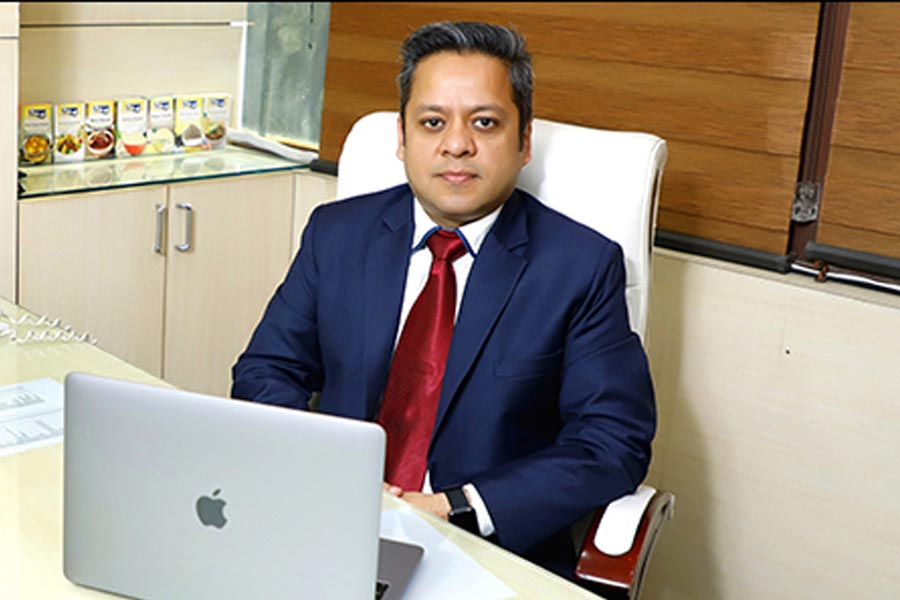
Chukde Spices has strictly adhered to its core values
Rajat Luthra, Director, Chukde Spices, opines that a brand needs to have its brand values in place to make its mark in the international market. When a company works on the principles of trust, commitment to quality, constant evolution, and creating value for the customers, it’s bound to succeed. IBT: How would you describe the journey of Chukde Spices its vision, and key achievements? Rajat Luthra: Chukde Spices is a spice processing company based in India that sells its packaged spices globally. At Chukde Spices, our core focus has always been to bring in the technology that will make our spices safer without compromising on the flavours. We also believe in ethical practices that reflect in sourcing our spices in a socially responsible manner. Our mission is to uphold the standards of purity and sustain the cultural richness & diversity associated with Indian spices. With Chukde Spices, our dedication and commitment have earned us many credentials including the National Award in Outstanding Export (2017) and the National Award in Outstanding Entrepreneurship (2020). IBT: What is the story behind the brand, the inspiration, and how has the brand personality developed and evolved over time? Rajat Luthra: We started in 2006 with just a store at a local spice market in Delhi. The passion for high-quality and genuine products led us to start our own operations in 2007. Our transparent and ethical business practices connect the customers with farms while retaining the authenticity and purity of the spices. We have maintained our focus on safety all these years. This led to state-of-the-art machinery for sorting and cleaning the spices, and the use of the first ETO sterilization unit in the spice industry. This low-temperature process uses Ethylene Oxide gas to reduce the level of infectious agents. Today, the hospitality sector loves us for the hygiene standards we maintain across the procurement, production, and delivery processes. Online retail platforms vouch for our purity standards. From mothers managing household kitchens to chefs supervising commercial kitchens, all our customers feel assured of authenticity with Chukde Spices. IBT: Who are your target customers? What is the brand promise that they have grown to expect from your company? Rajat Luthra: Our main target customers are women in the age bracket of 24 years to 45 years. They are the key decision-makers when it comes to buying our products. We’ve always maintained that we are the safest spices of India and we offer purity and authentic products along with the promise of unmatchable taste. IBT: What strategy and action plan should a company follow to build its brand equity in the international market? Please illustrate with lessons from your brand’s journey. Rajat Luthra: A brand needs to have its brand values in place to make its mark in the international market. When a company works on the principles of trust and commitment and creating value for the customers, it’s bound to succeed. At Chukde, the quality of our product is of prime importance for us. We give utmost attention to the safety standards of our spices. We have never compromised on that even at the cost of losing a buyer, who was ready to cut on quality for lower prices. This kind of practice has maintained our credibility in the international market over the years and also helped us retain our buyers. IBT: How has brand building changed in the digital era? How has your company adapted to the same? Rajat Luthra: Brand building is no more about waiting for the customer to come to you. The digital age has brought everything closer and made everything accessible. This also means that brands need to keep up with the changing technological market to stay relevant and meet the requirements of consumers. The market has become very dynamic and this means that brands need to keep evolving constantly. As a brand in India – a country with the youngest population, we are adapting consistently, and aim to use the digital platform to its full potential. Whether it’s social media and content marketing or creating an e-commerce website for a convenient shopping experience for our customers, we are invested in being with the times. IBT: What brand extensions are you planning in the coming years to strengthen Chukde Spices’ brand personality and expand your reach to new target audiences? Rajat Luthra: We plan to play to our strengths and expand our existing portfolio of spices. Along with that we also plan on exploring ready-to-use spice mixes both in hydrated and dehydrated forms. IBT: What is India’s brand image in the domain of F&B products? What is the gap between perception and reality and how can it be bridged in your view? Rajat Luthra: While India is the land of spices, malpractices by certain suppliers often create a poor-quality perception of India. However, we are one of the top agri-producers of spices in the world. Our diverse climatic conditions give us an advantage in the production of many agricultural goods required by the F&B industry. By utilizing the vast intellectual knowledge that our country possesses, we can produce high-quality foods that meet international quality standards & regulations. This would open new avenues for Indian food products. Rajat Luthra is the Director of Unique Fragrances. Views expressed are personal. This interview is a part of TPCI’s Connect initiative.
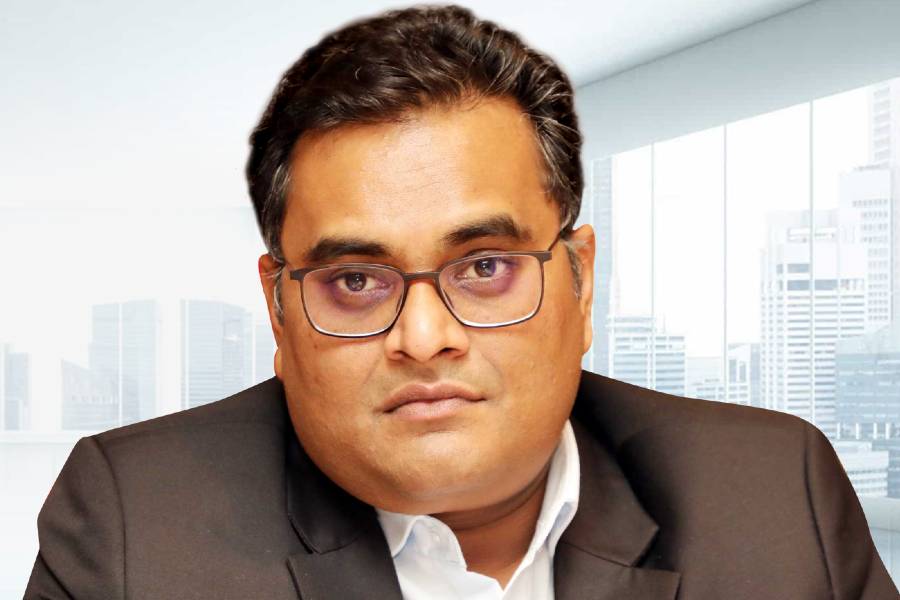
It will take time for stimulus benefits in the travel sector to materialize
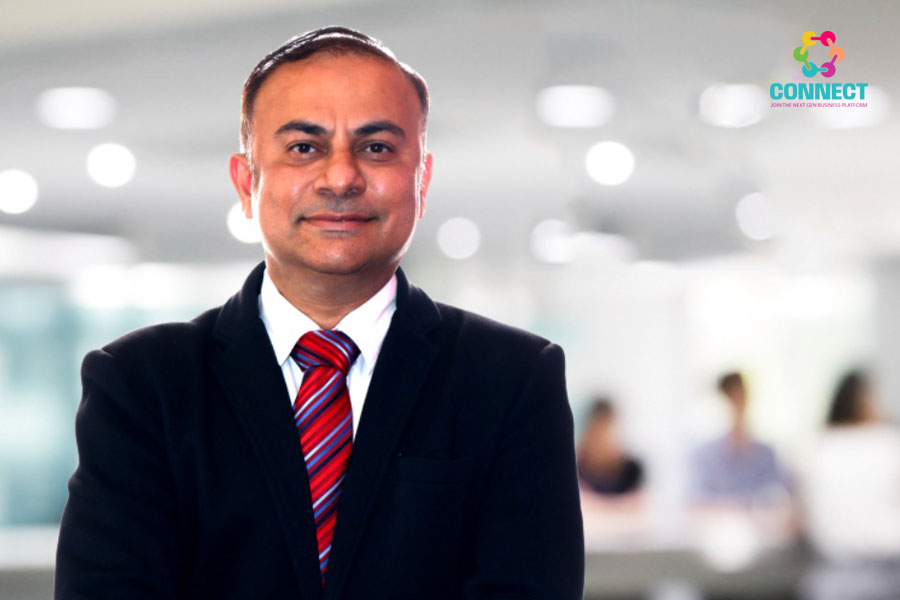
Vivek Agarwal, Partner – Infrastructure, Government and Healthcare (IGH), KPMG in India, opines that the recent landmark announcements by the Union government for the travel sector can potentially bolster momentum, but given the business-as-usual scenario, it’ll take a considerable amount of time to witness the positive domino effect of these reforms pan-sector. IBT: What is the current situation of the travel and hospitality sector as the country encounters the second wave? How different is the situation from last year? Vivek Agarwal: For an otherwise flourishing sector, the two waves of the pandemic have brought in rather an interlude in the entire tourism ecosystem. At the core of the issue in FY’20 remained immediate border closures, social distancing measures and quarantine rules causing long periods of closure. Further, causative factors included lack of capital, dearth of workforce, standstill in tourist footfalls, reduced service levels throughout the calendar year for a contact-intensive sector. However, reduced number of infections, augmentation of health infrastructure, and a nationwide inoculation drive in FY 21 have helped in reinstating the confidence in people and given a significant boost to domestic tourism and brought about light new travel trends amidst the pandemic. IBT: Which countries are using vaccine passports or are likely to use them in the near future? How can they help in reviving overseas travel? What other benefits do they have? Vivek Agarwal: The pace of vaccination around the globe has resulted in an upward trend in international passenger traffic and is expected to further rise in the next few months. A vaccine passport or immunity passport is a documentary proof the traveller has been vaccinated against COVID- 19. China, Japan, Russia, UK and the European Union have launched vaccine passports. The United States hasn’t announced a plan yet, though several companies within the United States are developing digital vaccine certificates via an app. These measures are being adopted to curb the spread of COVID-19 and help instil confidence in people from travel and hospitality industry to reopen their business. IBT: Besides vaccine passports, which other measures can revive the travel & hospitality sectors? Vivek Agarwal: Every crisis opens a window of opportunity. However austere the present situation might be, this period of temporary paralysis is also an opportunity to reflect on our future. Tourists will not travel the same way as before. Travel patterns are going to change – shorter trips, higher concern for hygiene, greater focus on wellness/nature, etc. Countries need to evolve and adapt to these new trends. Various stakeholders within the industry need to adapt, restructure and formulate offerings and assure safety to travelers. IBT: What is your view on the digitization of the travel and hospitality sector? Vivek Agarwal: Digital transformation is an absolute need of the hour in a much-awaited modus operandi needed in the tourism and hospitality landscape. Digitisation of the travel and hospitality sector shall provide access to a wider community within the sector and shall help up people’s readiness, helping travellers as well as travel service providers in creating a seamless and enhanced experience in lines with a B2C concept. IBT: What are your views on the stimulus package for the tourism sector that the government announced recently? Vivek Agarwal: The pandemic has reinstated the economic and social importance of tourism, as has also been acknowledged with the recent reforms in pipeline and in action. Neither the industry nor the Centre were prepared to deal with such a crisis. From the outset, the Central Government with its recent landmark announcements in May & June has underscored the main areas for action. Collectively envisioned, these reforms behold capacities to bolster momentum, but given the business-as-usual scenario, it’ll take a considerable amount of time to witness the positive domino effect of these reforms pan-sector. Vivek Agarwal is a Partner – Infrastructure, Government and Healthcare (IGH) KPMG in India. Prior to this, he was a Manger at Accenture and a Senior Consultant, EY.
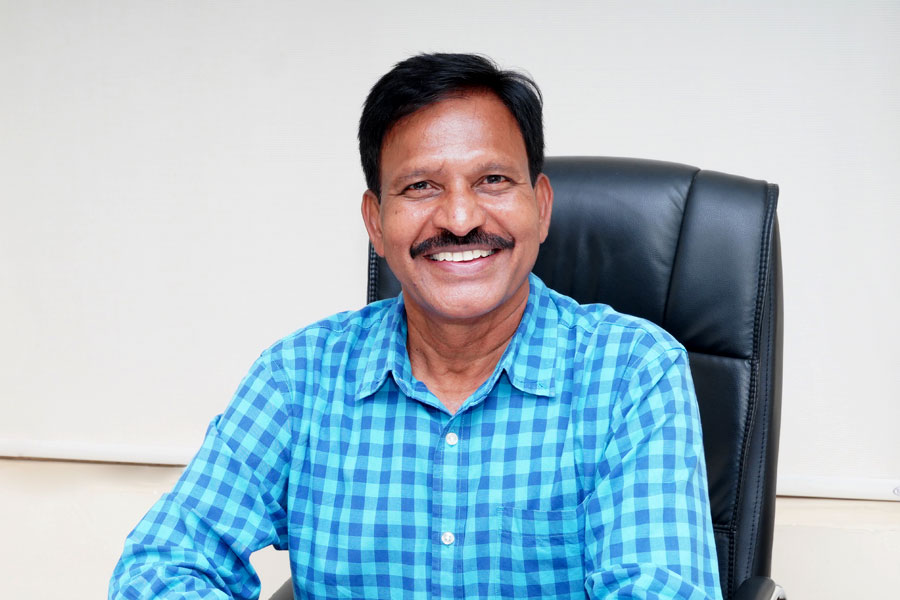
India has well established traditional wisdom in food processing
Dr Venkata Rangaiah Setlem, CEO, INDIGENE PROTEIN FOODS PVT LTD, opines that Indian traditional foods are best positioned as functional foods, because of the presence of functional components such as body-healing properties, antioxidants, dietary fibers, and probiotics. But he stresses on the need for investments, backward and forward linkages and strong branding & marketing mechanisms to boost the Indian food processing industry. IBT: How would you describe the journey of INDIGENE PROTEIN FOODS PVT LTD, its vision, and key achievements? Dr Venkata Rangaiah Setlem: INDIGENE PROTEIN FOODS PVT LTD is an Indian food processing company specializing in manufacturing healthy and functional foods to help consumers to live their life to the fullest. Traditional wisdom about the processing of food, natural preservation techniques, and therapeutic effects have been established for many generations in India. INDIGENE innovated and developed products based on the simple fact that at different stages of life, the constitution of the human body changes, and it requires unique recipes and nutrition that may help to maintain metabolism or overcome deficiencies of essential substances in the body. Some of the products developed by Indigene include: Nutritional functional bars for India and other Asian countries. Therapeutic foods for western countries and others. Malnutrition foods for African countries. Specialty spice foods [immunity boosting] for India and the West. General foods for India and the West. IBT: What is your company’s reach as per product segments and markets? Dr Venkata Rangaiah Setlem: INDIGENE products are useful, simple foods, easy to consume, ready to eat, easy-to-digest, natural foods, solids, liquids, or powdered products with an environment-friendly convenient packaging. Hence, the reach is very high in terms of demography, gender and preferences. Some of the key markets where our products are exported are countries in Asia, Africa, and the West. IBT: What are the key ingredients for success in international markets in your view? Dr Venkata Rangaiah Setlem: A string of factors have led to our success in the export market: Our products are quite natural, made out of no added sugars, chemical-free, have no additives, and long shelf life. This is one of the reasons for their popularity in the market. We invest in world-class packing that contributes to the safety and durability of our products. The ingredients used in our various products are sourced from across the globe and are well known to our consumers. The tastes and textures of these products are appreciated by our customers. IBT: What are the key lessons from the COVID-19 pandemic? How have you adapted and realigned your business model? Dr Venkata Rangaiah Setlem: Though products were designed well before the pandemic, they have become apt in the current times as many ingredients are known to provide very vital nutrition that helps the body to attain natural immunity. Fresh food and ready-to-eat foods witnessed a big jump in B2C and made up for the revenue losses that certain companies incurred in B2B businesses. Going forward, direct-to-home will contribute a substantial share of the overall revenue. I firmly believe in Albert Einstein’s famous saying, “In the midst of every crisis, lies a great opportunity”. The deadly COVID-19 pandemic pushed the fresh food start-ups to reinvent their distribution models. As a result, companies grew substantially. During the peak of the lockdown, when most stores had to pull down their shutters as companies’ distribution networks came to a halt, our strategy of owning the distribution came in handy. We distributed COMPANION health foods and KINE UHT milk to consumers directly. IBT: What advice would you like to give to young entrepreneurs on managing risk, coping with failure and leadership? Dr Venkata Rangaiah Setlem: Normally, young entrepreneurs exhibit aggressiveness and a risky attitude. Due to a lack of focus on the resources and raw materials, there will be an imbalance between yields and expectations leading to threats and failures. So planning is crucial along with prioritizing and making a proper sequence in the business. The whole business should be secured by buying insurance, if available. There should be a quality assurance program that gives quality products which is crucial to sustaining in the market. They must take caution and avoid high-risk customers, areas, or components in the business. Finally, there should be a clear management system in place with a proper information flow from top to bottom. IBT: How do you view India’s level of competitiveness and potential in the healthy and functional foods sector, and how can it be enhanced? Dr Venkata Rangaiah Setlem: The sector we have chosen is unique and completely based on food heritage, modern technology, and nutrition. Traditional wisdom about the processing of food, its preservation techniques, and their therapeutic effects have been established for many generations in India. Our food systems can deliver numerous biological functions through dietary components in the human body. Indian traditional foods are best positioned as functional foods because of the presence of functional components such as body-healing properties, antioxidants, dietary fibers, and probiotics. These functional molecules help in the prevention of diseases, weight management, blood sugar balance, and support the immunity of the body. In INDIGENE, there has been a vast R&D on enhancing the functional properties of foods by processing techniques and best quality assurance methods. IBT: Government has announced schemes such as PLI and Atmanirbhar Bharat. How can these be leveraged to enhance India’s processed food industry and enhance its global share in line with its rich agri potential? Dr Venkata Rangaiah Setlem: Though there is distinct evidence on the ground that food products are very essential and have an abundant market, most entrepreneurs are unable to market their products properly. This is because of under investments both in the individual units and in the sector, poor backward and forward linkages and meager or no branding & marketing mechanisms. The government has initiated the right kind of schemes under PMKSY which can literally strengthen the entrepreneurs to a great extent, as the supports are intended to invest in cold chain infrastructure, backward & forward linkages and
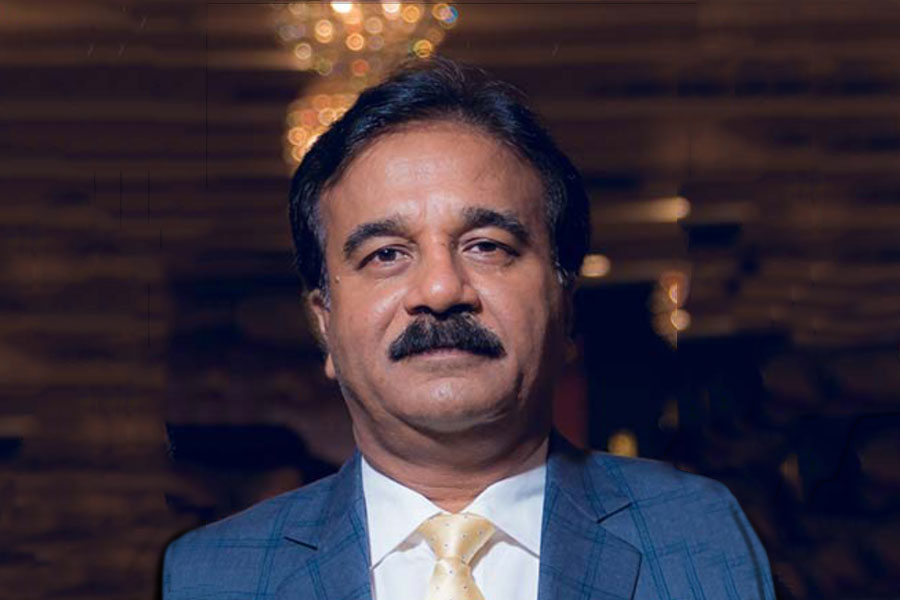
PLI & Atma Nirbhar Bharat will support creation of food manufacturing champions
Vijay Agarwal, Director Exports, Bharat International, PANSARI Group, shares the inspiring success story of his company in the export market. He is confident that good hygiene practices, environment-friendly packaging & strict adherence to timelines will make the Indian F&B industry a force to reckon with IBT: How would you describe the journey, vision, and key achievements of Bharat International Pvt Ltd? Vijay Agarwal: Bharat International Pvt Ltd is the export arm of Pansari Group, a leading manufacturer of a huge variety of cooking oils, rice, flour, and spices from India. It is enriched with over 60 years of experience in the industry and a production capacity of 700 metric tons per day. Our products, sold under brands PANSARI, PURTI, OREAL, TAPAS AND SHASHA, are primarily placed in leading B2B/B2C supermarkets/modern stores like METRO Cash-n-Carry, LOTS (Macro-Thailand), SPAR, MORE, V-Mart etc. as well as online portals like Amazon, Big Basket, PayTM Mall, UDAAN, Grofers etc. We are also leading suppliers to various Central/State Government organisations like central police canteens, Kendriya Bhandar, Nafed, Biscoman etc. We also customise a large variety of oils for big institutions like ITC, Nestle, Parle, Raja Biscuits, Anmol Biscuits, Chaudhary group (CG, Nepal) etc. Besides this, we are also doing private labelling for the Indian government, Grofers & many other big brands. After serving the domestic market for six decades, we have diversified into exports under the name “Bharat International Pvt Ltd” (BIPL) in August 2018 & in a short span of time, BIPL has made its presence felt in 42 countries. We want to actualize a new world – where health, lifestyle, economy, ecology & diverse societies prosper in tandem with ethics, empathy & care. IBT: To what extent have you managed to penetrate the international market since the launch of the export division? Vijay Agarwal: We are there in the domestic market since long & we ventured into global exports in August 2018. In less than 3 years, Pansari/BIPL has marked its presence in 42 countries. We can say that globally, we have just started and still have many miles to go. We are currently exporting our products to South America, Canada, USA, Australia, New Zealand, Hong Kong, Singapore, Malaysia, Nepal, Poland, Czech Republic, Germany, Bosnia, Russia, Ukraine, Middle East (Gulf countries) & various African countries apart from private labelling for many other exporters. IBT: What are the key ingredients for success in international markets in your view? Vijay Agarwal: We at PANSARI, strongly believe that “success doesn’t come from what you do occasionally. It comes from what you do consistently.” Thus, we believe that strict quality control and consistency in customer service are key ingredients for success in the international market. Towards this end, efforts are made for constant monitoring right from procurement of raw material to the supply of finished products to the customer. Further, our quality controllers ensure that the products are manufactured from fresh and good quality raw materials. Strict tests on various parameters are conducted to ensure that the products are of international quality, safe and last for a prolonged period for consumption. At the same time, proper care is taken to ensure that these products are packed under safe and hygienic conditions. IBT: What are the key lessons from the COVID-19 pandemic? How have you adapted and realigned your business model? Vijay Agarwal: Margaret Drabble, an English novelist, once said that “when nothing is certain everything is possible.” The pandemic and the resultant lockdown bought about uncertainty in how business is done. Questions such as how to reach the customer and how to find what they need suddenly grabbed the limelight. However, this also about how innovative thinking caps come into play. International trade fairs began to be held online! Surprisingly, there were more buyers into play now since this didn’t involve travel. The amount saved in travel expenses was now utilized for export promotion online via webinars and zoom meetings. It resulted in more exposure and better orders from new countries. Domestically, we put up online sale portals with free home delivery service during the lockdown. If the customer couldn’t’ come to us, we went to them. We hired Pansari delivery vans to visit populous localities on various weekdays to serve our loyal clientele at their nearest locality. At the same time, we realized that no calamity is above humanity. We put this notion in our minds and ensured free food for the underprivileged localities in our city; this gave us extra space in the hearts of our loyal customers and taught us the value of sharing is caring. Since we have a highly automated plant, we did not face labor problems like other industries. However, initially, the Lockdown created raw material & packaging material shortages from our vendors, but since our products were in the list of the essential services, we were able to overcome these problems through the Government’s help. IBT: What advice would you like to offer to young entrepreneurs on managing risk, coping with failure and leadership? Vijay Agarwal: My advice to youngsters would be to remember that slow and steady wins the race. One step at a time will take you further than nine. Risk management, too, comes naturally if one is not running recklessly. As far as failure goes, Henry Ford once said that “failure is simply the opportunity to begin again, this time more intelligently”. We need to see failure in a different light… as a teacher maybe. Life is a learning process, there’s no gain without pain. IBT: How do you view India’s level of competitiveness in your sector, and how can it be enhanced? Vijay Agarwal: Good hygiene practices, environment-friendly packaging & strict adherence to timelines will make the Indian F&B industry a force to reckon with. The government has announced schemes such as PLI and Atma Nirbhar Bharat. These will support the creation of global food manufacturing champions commensurate with India’s natural resource endowment and support Indian brands of food products in the international markets IBT: What
SEZs: The backbone of Indian gems & jewellery exports
Suvankar Sen, Director, Senco Gold and Convener, SEZ Committe, GJEPC, talks about the role of SEZs in the growth of gems and jewellery exports, and policy interventions that can help the sector achieve its US$ 100 billion export target and become a global hub. The share of the gems & jewellery SEZs in India’s total merchandise exports is 3.4%. This is more than the contribution of other major sectors like leather (1.53%), marine (2.15%), plastic & rubber articles (2.63%). The fact that SEZs have been like trampolines for India’s growth is attributed to the various perks that companies enjoy by virtue of their SEZ membership such as easier custom clearances and access to shared facilities. Aligning these production facilities with some of the initiatives of the Indian government such as the Atma Nirbhar Bharat & the One District One Product Programme is going to have promising results. But improving on knowledge sharing, logistics and infrastructure would be the key to this. Financial incentives compliant with the WTO norms can play an important role in making the sector globally competitive. The gem and jewellery (G&J) sector is reckoned as one of the fastest growing segments in the Indian economy. India constitutes 5.8% of the total exports of gems and jewellery sector, according to the Gems & Jewellery Export Promotion Council. It is ranked as the world’s fifth-largest gems and jewellery exporter, after Switzerland (12.7%), the US (9.5%), Hong Kong (8.6%), and the UK (6.8%). It has, therefore, been identified as one of the champion sectors by the Government of India with the aim to boost investments and manufacturing competitiveness. Special Economic Zones (SEZs) have been instrumental in fuelling the growth of India’s gems and jewellery exports. To put things in perspective, there are 500 G&J manufacturing units operating out of the 10 SEZs across the country & SEZs constitute around 30% of these exports. For example, the overall gross exports of Gems & Jewellery at US$ 25.31 billion in 2020-21, & exports of gems & jewellery from SEZs stood at US$ 11 billion. It is also worth noting that the share of the gems & jewellery SEZs in India’s total merchandise exports is 3.4%. This is more than the contribution of other major sectors like leather (1.53%), marine (2.15%), plastic & rubber articles (2.63%). Further, India is processing 90% of the rough diamonds, the smaller sizes, and a large part of it is happening in the SEZs. The US, Hong Kong & the Middle East are key destinations where these products are exported. Growth engines for the gems & jewellery sector The fact that SEZs have been catalysts for India’s growth is attributed to the various perks that companies enjoy by virtue of their SEZ membership. SEZs are regional manufacturing hubs where a group of companies manufacturing similar products have access to the same resources, knowledge, common facility centres and so forth. Another advantage of SEZs is that artisans working in SEZs are much well-versed with their craft and hence skilled. Further, custom clearances for these goods happen faster, unlike a DTA where one has to run from pillar to post to get these clearances. Lastly, 100% FDI is allowed in these regions. Further, aligning these production facilities with some of the initiatives of the Indian government such as the Atma Nirbhar Bharat & the One District One Product Programme is going to have promising results. With regards to the Aatma Nirbhar Bharat, one notable fact is that India lacks most of the raw materials needed for production, yet it is the largest exporter of lab-grown diamonds. This is one of the biggest achievements of the sector. USA, Canada, and Europe are some of the nations where these are exported. The sector is also striving to be a part of the ODOP initiative. So far, 390 districts have been identified, which can serve as ODOP clusters. There is a lot of potential for the development of knowledge transfer, confidence building, logistics, infrastructure and so forth. Moving towards a more radiant future The G&J sector was one of the sectors hit by the pandemic. Thus, there was a 28.46% yoy dip in India’s gems & jewellery exports in FY 2020-21. The sector, which is now on its way to recovery, is aiming at US$ 100 billion in merchandise exports & aims to become a global G&J production hub. Certain policy improvements by the government will go a long way in helping this sector realise this vision. Some of the suggestions that can be incorporated in this regard are: At present, the import duty has to be paid to import raw materials into various free trade warehouse zones. The government must consider allowing their duty-free imports to enable greater liquidity into the sector. There are times when the capacity of gems and jewellery sector may not be fully utilized owing to its seasonality. Allowing reverse job work policy by allowing investments into the sector can help fix that. There are also some exit barriers that crop up during the transfer of property and assets. A lot of companies are reluctant to dispose of their redundant assets. These issues create problems that must be addressed. In order to make the sector globally competitive and to encourage R&D and infrastructure development, etc., financial incentives compliant with the WTO norms must be offered to the sector. Although there are a lot of regulations to promote FDI in the country, we need to have tie ups with foreign collaborations in terms of technology developments, advancements that the country needs to do with regards to the sector. Lastly, each of the 10 SEZs in the sector operated in their own unique ways. They need to work together and collaborate to bring in more homogeneity in the sector. Suvankar Sen is the 4th generation scion of Senco Gold & Diamonds. After completing his graduation from St. Xavier’s College, Calcutta and his Management from IMT, Ghaziabad he plunged into the family business in 2005 to take it to dizzying heights. He brought

An opportunity for a booster dose for Indian pharma industry
India can play a big part in collaboration with the Biden Administration in bolstering the production of high-quality products for the U.S. market. Partnering with their educational institutions, bringing traceability into the supply chain and ramping up investments into the sector are some of the strategies that the two countries can explore to shed their dependence on China for pharmaceutical products. White House’s recent report stresses that a robust pharmaceutical supply chain has at least three critical features: 1) the ability to manufacture high-quality products for the U.S. market; 2) diversification of the drug supply chain, such as relying on a geographically diverse set of manufacturers; and 3) redundancy of the supply chain. India, seen as the pharmacy of the world, can play a big part in collaboration with the Biden Administration in bolstering all three pillars mentioned above in the pharmaceutical sector. This is the only sector where India can step into China’s shoes with help from the US. Indian institutions can collaborate with US Universities and institutions to commercialize the technology in India. Efforts must also be made to incorporate transparency into the supply chain. The US (and even EU) cannot compete with India in manufacturing affordable & quality medicines but is a world leader in R&D, while India has poor R&D infrastructure. A cooperative joint strategy can go a long way in achieving the objectives of both countries. Source: Shutterstock This month, an important report Building Resilient Supply chains, Revitalizing American Manufacturing and Fostering broad-based Growth was released by the White House. This report was the result of one of the first Executive Orders (EO) signed by President Biden. This EO directed the Administration to launch an immediate 100-day review and strategy development process to identify and address vulnerabilities in the supply chains of four key product sectors, which are semiconductors, large-scale batteries, critical mineral & materials, and pharmaceuticals. It stressed that a robust pharmaceutical supply chain has at least three critical features: 1) The ability to manufacture high-quality products for the U.S. market; 2) Diversification of the drug supply chain, such as relying on a geographically diverse set of manufacturers; and 3) Redundancy of the supply chain, such as the existence of multiple manufacturers for each product and its precursors. The study notes that the generic drug market, which successfully provides access to reasonably priced medications to the American public, faces several challenges: low volume and margins for many generic drugs result in difficult economic conditions for new entrants; anticompetitive actions may be used by certain countries to procure market share, and contracting practices for distribution may cause consolidation through sole-source contracting. It adds that in order to be resilient, the sector must focus on improving supply chain transparency and increasing the economic sustainability of the concerned drug manufacturers. Reading through the report, I find that India can play a big part in collaboration with the Biden Administration in bolstering all three pillars mentioned above in the pharmaceutical sector. India is a reliable partner of US and a member of QUAD, which has taken up the pharma supply chain as a major agenda and can address the concerns of the US government. This would be a win-win proposition for both countries. It is unlikely that total reshoring is possible or even desirable as noted in the report, but skewed dependence on China can be reduced substantially in the pharma space. This is the only sector where India can step into China’s boots with help from the US. The US gets reliable supply from a diversified China+1 source and India can obtain advanced technology for pharmaceutical production. Stepping into China’s boots Taking cues from the report, India can present its multi-pronged strategy to partner with the US. The report recommends investment in the development of new pharmaceutical manufacturing and processes and states, “We recommend the Department of Health and Human Services, the Department of Defense, and other agencies increase their funding of advanced manufacturing technologies to advance continuous manufacturing and the biomanufacturing of APIs.” This is a great opportunity for India as continuous manufacturing is evolving and would enter the pharma space in a big way. Indian institutions can collaborate with US Universities and institutions to commercialize this technology in India. India is already ahead of China in API technology, except antibiotics, and has the capability to co-develop the new technology. The report also suggests improving transparency throughout the pharmaceutical supply chains. It states that “HHS should develop and make recommendations to Congress on providing the department with new authorities to track production by facility, track API sourcing, and require API and finished dosage form sources can be identified on labeling for all pharmaceuticals sold in the United States. Currently, there is little transparency into the origins of API within generic drugs, which represent, 90 percent of all pharmaceuticals consumed in the United States.” Traceability is already becoming a fact of international trade in the agricultural and food industry. Extending it to pharmaceuticals would bolster India’s case of a reliable partner for manufacturing of quality medicines. As more APIs will be produced within the country in the coming years, it would also help in providing a sturdy traceability road map. Lastly, it advocates promoting international cooperation and partnering with allies. It states, “domestic production is only one aspect of driving resilience in the pharmaceutical supply chain, since it is not feasible, desirable, or realistic to expect every drug needed for American patients to be produced on American soil. As such, and with the growing dominance of competitor nations, the United States must work with its like-minded regulatory partners to develop a secure and resilient supply chain that is not overly reliant on materials or manufacturing from countries that lack a shared interest in mutually beneficial supply chain arrangements.” India has been dragging its feet in joining international regulatory bodies such as the International Council for Harmonisation of Technical Requirements for Pharmaceuticals for Human Use (ICH) and Pharmaceutical Inspection Co-operation Scheme (PIC/S). Not only India can substantially increase