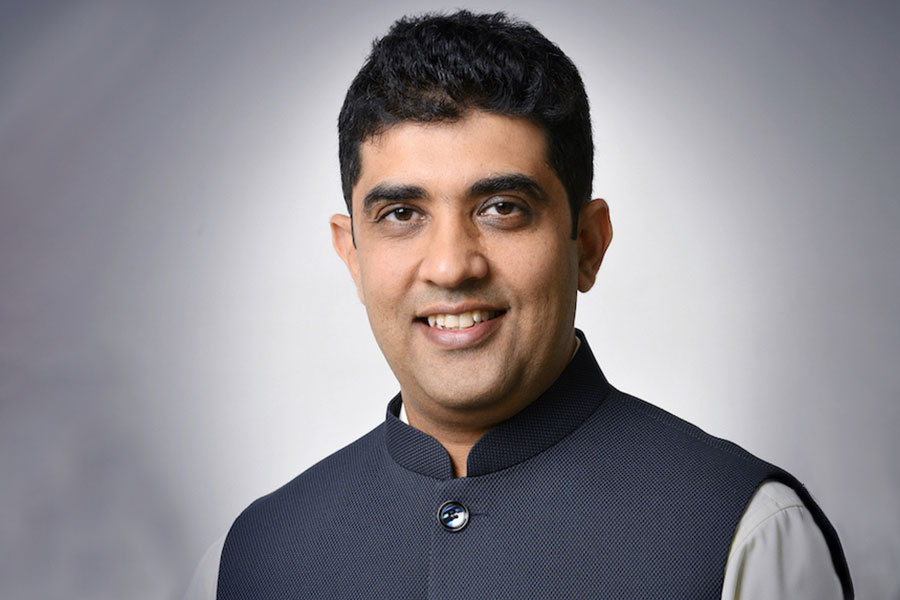
Vishant Patel, CEO, Patidar Exports Pvt. Ltd opines that India has the potential of resources and manpower, so it can take good leverage of FTAs and turn to a global hub of manufacturing. It can break not only all the barriers to entry into the market but also resolve all the current issues of containers and shipping lines. IBT: Describe the journey of Patidar Exports Pvt. Ltd., its vision, and key achievements. Vishant Patel: Patidar Exports Pvt. Ltd. is a three-star export house certificate holder entity with interests in cotton, cotton yarn & food products’ manufacturing & exports. It is a company with a legacy and history of more than 25 years. The company’s basic principle is to maintain high-quality standards as per the norms of FSSC 22000, BRC & USFDA. We also secured the organic NPOP and NOP. Our ability to source and supply a wide range of high-quality products as per the clients’ demand and specifications makes us globally trustworthy as an emerging exporter. Patidar Exports offers more than 1,000 stock-keeping units (SKU) under one roof. In a nutshell, we offer all needs from breakfast to dinner under one roof. The Company has been awarded as the best MSME three-star export house in the west region by FIEO (handed over by Shri Nitin Gadkari) for the year 2017-18. Its vision is to become a renowned name in the global market for Indian ethnic food items and to make our brand SAURBHI an international brand. IBT: What is your company’s current international footprint in terms of product segments and markets? Vishant Patel: Patidar Exports Pvt. Ltd. is in the manufacturing and exports of food products since 2011. We are offering a wide range of products like flours, spices (whole, powder, blended), groceries, jaggery, frozen (sweets, vegetables, fruits, ready to eat snacks, ready to eat bread), instant mix (snacks & sweets), pulses & lentils, mouth fresheners, papad & fryums, bakery, khakhra, dry bhakhri, pickles, chutneys, pastes & sauces, rice – Basmati & non-basmati, oil, mango pulp and food colours. Currently, the company is in the export business only & is having a proud presence in Australia, New Zealand, Africa, Canada, and USA. IBT: What are the key lessons that you have imbibed from the COVID pandemic? How did you adapt to this unprecedented challenge and realign your business model? Vishant Patel: Like the rest of the world, we also learned a lot from the COVID-19 pandemic. During this global exigency, many businesses went down across various sectors, with the food industry being no exception. We decided to capture the market by focusing more on quality rather than quantity. So, we planned to go for BRC and FSSC 22000 and managed to get these standards successfully. We also decided to focus on organic products and got certified with Organic NPOP and NOP. IBT: What advice would you like to offer to young entrepreneurs on managing risk, coping with failure and leadership? Vishant Patel: Every business faces risks, but identifying the same well before they turn into a major problem is more important to get success and stop the failure. As a leader, our role is to manage the business. Leaders always deal with challenges and turn them into opportunities. When young entrepreneurs start the business, then they must work on the ground level and try to understand the business well in depth. Business is not only dealing with products, but also dealing with processes and people. Failure comes in every business, but one should learn from the mistakes, which led to the failure and overcome it with the right strategy at the right time. IBT: How do you view India’s level of competitiveness in your sector, and how can it be enhanced? Vishant Patel: I don’t think that any other country has significant competitiveness with India in terms of our products. But of course, Indian companies are now more concerned about quality and food standards to stand in the international market, and so is Patidar Exports Pvt. Ltd. A strict adherence to food standards and inspection of manufacturing units can help enhance the competitiveness of Indian food companies in the international market. IBT: The Government has announced schemes such as PLI and Atmanirbhar Bharat. How can these be leveraged to enhance India’s processed food industry and enhance its global share in line with its rich agri potential? Vishant Patel: Both the initiatives are much needed in terms of uplifting the food and agri industries. PLI Scheme is rather more beneficial to Indian exporting companies in terms of international brand building and putting Indian brands on a platform where they can compete with international brands. Also, Atmanirbhar Bharat supports small industries to focus on ingredients, which get manufactured in India and value-added products can get exported. Both PLI and Atmanirbhar schemes will play a significant role in bringing foreign exchange into India. IBT: What role can FTAs play? How can market entry barriers be eased for Indian exporters? Vishant Patel: FTAs play an important role in the export industry of India. China has done FTAs with many countries around the globe. Due to FTAs now, they are dominating the world. India has the potential of resources and manpower, so we can take good leverage of the FTAs and that can lead India to a global hub of manufacturing. It can break not only all the barriers to entry into the market but also resolve all the current issues of containers and shipping lines. Vishant Patel is the CEO of Patidar Exports Pvt. Ltd. Views are personal. This article is a part of TPCI’s Connect initiative.
Smart warehousing: A pressing priority for post-COVID businesses
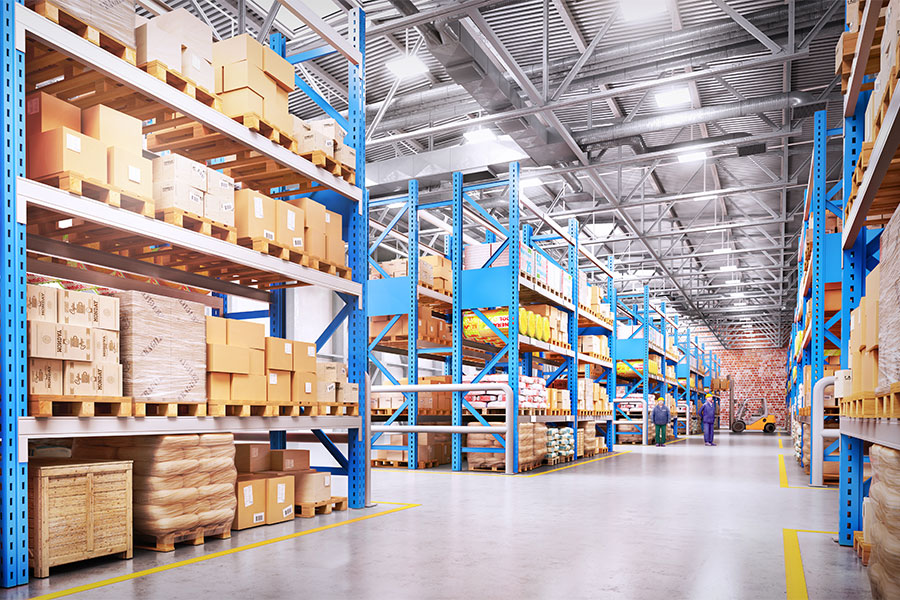
From increased warehouse throughput to better resource utilization, reduced labor and operational costs to improved customer service, reduced handling and storage costs & minimized errors, smart warehousing provides benefits galore to those who catch the bus in time. Critical global trends are shaping the way the warehousing industry is competing worldwide. From technological innovation to smarter processes & systems, overarching transformation is enabling the warehousing industry to continue providing greater value. Integral technologies have also enabled for full tracking of all assets within the warehouse, thanks to key supply chain and logistics trends. India is expected to attract US$ 10 billion in storage and logistics investment in the next few years, fuelling demand for smart assets. The Indian Warehouse Automation Market is expected to develop at a 26.4% CAGR during 2021-2026, from US$ 86.2 million in 2020 to US$ 512.2 million in 2026. Source: Shutterstock Artificial intelligence is changing the technological paradigm in the warehousing business. The power of AI is fundamentally improving critical operations ranging from supply management to storage efficiency. Automation is enabling smart warehousing, which provides clients with higher efficiency by exploiting these modern logistics centers. It is the future of the market, with a wide range of industries embracing it for a variety of reasons, including cost savings, inventory adaptability, and real-time control. Automated warehousing is now being used by businesses to keep up with consumer requests and speed up shipping. Emerging market and trends Human errors are eliminated, and revenues have the potential to expand with the usage of AI. Thus, several warehouse and logistics operations are predicted to be totally automated by 2030. As AI grows increasingly prevalent, 30% of UK warehouse employment will be automated by that year. Predictable physical tasks (81%), data processing (69%), and data collection (69%) are the processes with the largest chances of automation (64 %). Many of the world’s largest corporations are already implementing smart systems and warehouse automation technologies to improve efficiency. Here are a few such examples: Zappos, an online retailer that specialized in clothing and shoes, employs KIVA Systems at its Shepherdsville, Kentucky, center to construct a completely automated warehouse that allows them to retain free delivery and a 365-day return policy. Ocado, a British online grocer, employs highly automated warehouses with robots that unpack inventory, layout and stack shelves, and transfer items across the facilities. Amazon’s warehouses integrate AI technology and robotics to boost productivity, forecast and avoid problems in the customer journey, and develop bespoke platforms for the warehouse and online shop. Alibaba, a Chinese eCommerce retailer, employs a smart warehousing system in which robots do 70% of the work. Each robot also includes sensors to avoid collisions, and when their batteries run low, they autonomously transport themselves to a recharge station. India’s warehouse automation market The warehousing business in India, too, is experiencing a considerable transformation in order to keep up with the booming industrial sector and the enormous logistics business. The warehouse business is projected to gain significantly from the adoption of the goods and services tax and real estate investments. The Indian Warehouse Automation Market is estimated to grow at a CAGR of 26.4%, from US$ 86.2 million in 2020 to US$ 512.2 million in 2026. With the expansion of India’s manufacturing, retail, and FMCG industries, there is an increased need for industrial automation solutions. Shuttle retrieval systems, automated storage, and mobile robot platforms are all booming. Robotics is increasingly important to the profitability of many end-users. The AMRs (Autonomous Mobile Robots), which are required for fast, secure, and error-free delivery, short time to market, lower costs, and end-to-end trackability, are leading the way. In March 2020, Aurionpro Solutions Ltd, a supply chain solution provider known for its software services for cold storage, announced the onboarding of India-based cold chain service provider Coldrush Logistics to assist them in developing compliant warehouse procedures. Further, the trial project for robot-based sortation technology is being executed at Flipkart’s Soukya sortation facility in Bangalore. More than 100 self-guided robots will autonomously sort the items in the order of delivery pin codes as part of the overall arrangement. According to Flipkart’s first studies, every hundred AGVs (automated guided vehicles) result in a 60% boost in process efficiency. Over the last decade, logistics and supply chain management have evolved from a cost center to a profit generating domain. As a result, many industries, including e-commerce and manufacturing, have begun to outsource a significant amount of their operations to storage firms. Thus, the desire for a more methodical approach aided by smart technology has grown even more. With rising demand, supply chain management transparency is becoming increasingly important. This may be done by using automated technologies that are adaptable and contribute significantly to the dynamic supply chain while maintaining a client-focused, service-oriented attitude. The market dynamics of warehouse management systems Increased expansion in the e-commerce business as a result of the COVID-19 pandemic: Due to the implementation of social distance, lockdowns, and other measures in reaction to the COVID-19 epidemic, customers have turned to internet purchasing. With a considerable shift in customer purchasing behavior, there has been a rise in the installation of real-time warehouse management system software solutions for effective order processing, picking and shipping. Thus, many e-commerce firms started establishing in-city warehousing to reduce delivery times of perishable items as well as to avoid the movement restrictions. Multinational corporations are increasing their investment in emerging economies: As a result of this expansion, innovative and complex warehouse facilities are required to connect and manage supply chain networks. The surge in new investments to improve emerging nation’s supply chain capabilities has created an enormous development potential for the warehouse management system industry. Therefore, quite a few states in India are offering incentives for developers interested in investing in warehouses and logistics parks such as single window and time-bound clearances, labour law flexibilities, power at a concessional rate and allotment of government land. Source: Invest India Thus, the employment of artificial intelligence in warehouse automation is no
Scarcity to abundance: PPE manufacturing in India
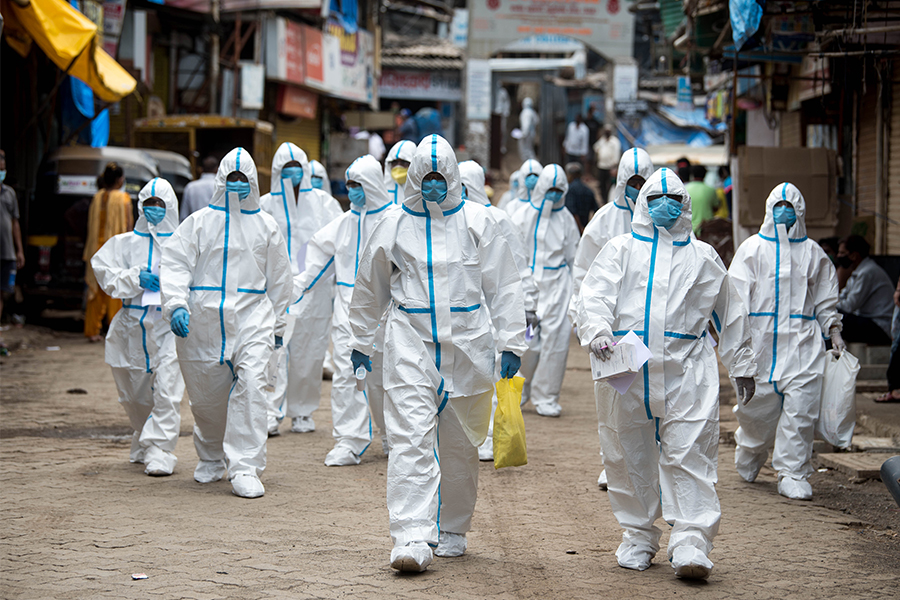
India’s journey from import dependency to emerging the second-largest PPE manufacturer in the world last year, has been well documented as a vibrant case study for Atma Nirbhar Bharat. But is it ready to sustain in the long term as a competitive exporter? As the coronavirus crept in India on January 30, 2020, the local manufactures did not have the capacity to produce PPE kits and hence were heavily dependent on imports. This led to the shortage of PPE kits in India as the caseload was increasing exponentially. PPE kits like body coveralls, which are required during pandemic situations and classified as class-3 protection level under ISO 16603 standard were not being manufactured and posed a challenge to Indian textile industry as the standards had to pass the WHO laid guidelines. As the Government of India gave the call for turning the crisis into an opportunity, the domestic manufactures followed this daunting task seriously. As of December 2020, India was the second largest manufacturer of PPE kits across the world, with 450,000 units being produced daily by over 1,100 manufacturers. As new variants of COVID-19 keep emerging, the demand for PPEs could last for at least a few years. In this case, innovation is needed to make the next generation of PPEs more innovative, multipurpose and user-friendly. Source: Shutterstock As the novel coronavirus emerged in 2020, spreading its tentacles all across the globe, countries were struggling with basic amenities to fight against the virus. One such commodity was personal protective equipment (PPE) kits, which were mandatorily required by the frontline workers (doctors, nurses and paramedical staff) to protect them from contracting the virus. The journey from India being completely import dependent for PPE to now producing surplus of PPE’s in the ongoing second wave went through many hurdles. First Wave-Import Dependency In the initial stages of the outbreak, in March 2020, India was barely producing any PPE kits in the grade set as a standard against COVID-19 by the Indian government, forcing the Centre to impose a blanket ban on exports. The Government was facing a tough time, as there was zero production capacity and only a few days in hand to ramp up production as the case load was spreading like wildfire. India was competing against major suppliers of PPE kits – Malaysia, Vietnam, Thailand and Germany, with China holding the largest share. The basic issues faced by the manufactures were: (a) Adherence to stringent quality standards: A major challenge was the quality of the PPE kits manufactured, which had to comply with the stringent quality standards. For example, a report revealed that a majority of local manufacturers were not able to produce the right fabric to withstand Synthetic Blood Penetration Test in accordance with ISO 16603:2004 (Class-3 exposure) specifications. Complicating the situation further was the heterogeneity of regulations. To rectify this situation, the government has designated some laboratories that can evaluate the kits and asked industry to prepare for global certification. (b) Blanket ban on exports: The exports of the PPE kit had to be banned in January 2020, as India did not have enough surplus and was struggling to meet the domestic demand. The Textile Ministry needed time for preparing international certifications in order to export. (c) Losing on trade opportunities: The global personal protective equipment market was valued at US$ 77.36 billion in 2020. Since the industry needed time for certifications and ramping up their production along with blanket ban on exports, India lost the trading opportunity whereas it was facing huge demands from markets like USA, UK and EU. (d) Supply chain issues: Developing a supply chain was another major issue due to various inherent issues like logistical issues, regulatory roadblocks, operational issues and information gap. Second wave: India emerges as second largest manufacturer The Government of India undertook various initiatives which led to the success of Indian textile industry being the second largest manufacturer of PPEs across the world. Ministry of Textiles and Ministry of Health and Family Welfare roped in different institutions and organisations, and constituted empowered committees and groups to help tackle the hurdles and ensure all the gaps in the supply chain were plugged in. For example, the Indian Railways and the Indian Navy were actively involved in PPE production. This led to the successful development of the indigenous supply chain. Thus, as of December 2020, India was the second largest manufacturer of PPE kits across the world, with 450,000 units being produced daily by over 1,100 manufacturers. The sector is one of the leading ones in realizing its goal towards Atma Nirbhar Bharat Abhiyan. The supply of indigenous PPE kits had surpassed the domestic demand, and India is reported to have exported to the US, the UK, Senegal, Slovenia, and UAE. India’s PPE Kits Exports to World Serial Number HS Code Products Exports in USD million 2019-2020 2020-2021* 401511 SURGICLE GLOVES,MITTENS AND MITTS 39.74 61.61 401519 OTHER GLOVES,MITTENS AND MITTS 9.28 28.37 611610 GLOVES MITTENS AND MITTS IMPREGNATED COTD/ COVRD WTH PLSTC/RUBR, KNITD/CROCHTD 14.77 15.69 621010 GARMENTS,MADE UP OF FABRICS OF HEADING NO.5602 OR 5603 17.85 81.77 621050 OTHER WOMEN’S OR GIRLS’ GARMENTS 1.71 0.91 630790 OTHER MADE UP ARTICLES 358.47 297.75 900490 OTHER SPECTACLES,GOGGLES ETC 16.04 11.18 TOTAL 457.86 497.28 *April-Feb Source: Export Import Data Bank. DGFT. Available at https://www.dgft.gov.in/CP/?opt=trade-statistics (last accessed May 27, 2021) Note: The above items have been identified as PPE as per Trade Map identification of medical items. The Government of India also constituted an empowered committee to manage the operational challenges and for facilitating the availability of time-critical medical supplies. The Cabinet Secretary also monitored all the challenges and issues and addressed them in a time-bound manner. This led to speedy removal of export ban in June 2020 itself and thereby ramping up the exports. PPE production came as a boost for the textile industry as it faced nearly 84% fall in apparel sales and an acute shortage of labour due to the pandemic in the first quarter. This whole well
Pandemic has made entrepreneurs more cautious on contingency planning
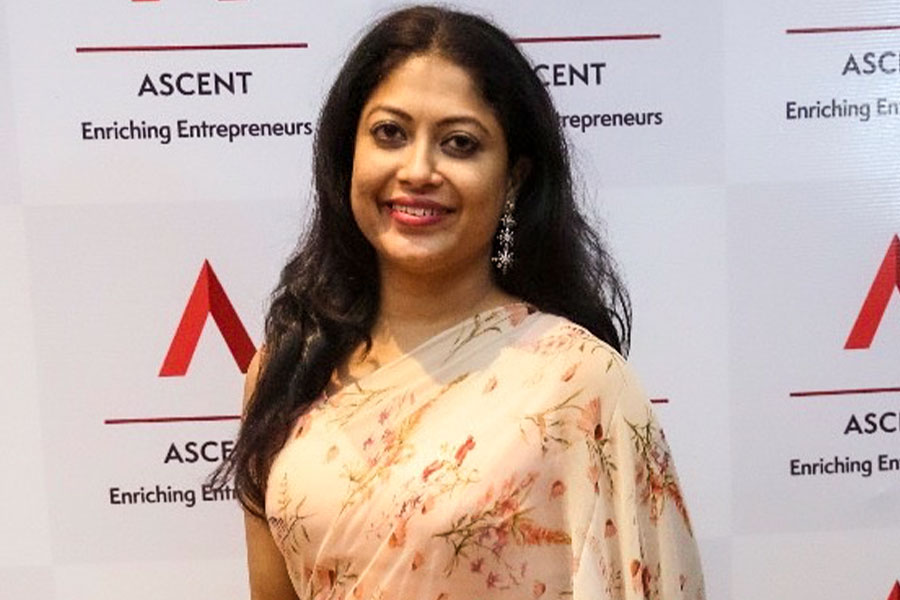
Archanna Das, Head, Ascent Foundation discusses the vision behind ASCENT, a foundation developed to identify and enable high-potential growth-stage entrepreneurs in their journey to grow both as entrepreneurs and their enterprises. She also talks about interesting facets of the entrepreneurial mindset and temperament that the foundation has learned through its programmes over the years. IBT: What are the objectives and context in which Ascent Foundation was set up? Archanna Das: ASCENT Foundation is a not-for-profit expression of Harsh Mariwala (Chairman, Marico Ltd.) and his personal passion to identify and enable high-potential growth-stage entrepreneurs in their journey to grow both as Entrepreneurs and their Enterprises.. It is based on the belief that an entrepreneur’s journey can be a lonely and isolated one and sometimes having a safe, confidential, and non-judgemental environment with fellow like-minded entrepreneurs enables them to open up and share their challenges and learnings. In the last 8 years, ASCENT has onboarded over 680 entrepreneurs as members (from more than 2000 applications received) who are part of 59 operational Trust Groups in Mumbai, Chennai and All India Chapters. The composition of these members is quite diverse with a 46:54 split between manufacturing and services industries. It has as its members, 42% family businesses; 10% women entrepreneurs, and in all about 65+ diverse industries represented. The aggregate annual turnover of the ASCENT members is more than Rs. 27,000 crores, with individual member turnover ranging from Rs. 1 crore to Rs. 2000+ crores. IBT: How does Ascent work with entrepreneurs to help them achieve their potential? What have been the major outcomes you have managed to deliver till date and projections for the future? Archanna Das: ASCENT is designed as a peer learning platform for growth-stage entrepreneurs. It leverages the power of the collective and enables entrepreneurs to share experiences, ideas, insights & to learn from each other through self-facilitated Trust Groups and an extended network of enablers. Further, ASCENT creates relevant value ads for entrepreneurs throughout the year in the form of mentoring programmes, workshops, webinars, knowledge sessions, academic partnerships etc. Some of these programs are: PowerUp Programme PowerUp is created as a unique one-on-one mentoring programme for entrepreneurs with thought leaders and domain experts from the industry. The interactions are facilitated by ASCENT and are completely pro bono. Members opt to meet the mentors to brainstorm on burning issues in the organisation or to evaluate their scale up strategy. ASCENT currently has over 35 mentors from across industries and domains who have interacted with over 150 members in the last 3 years. iRise Programme iRise is a structured three-phase funding programme designed by ASCENT to not only give members an opportunity to pitch to relevant investors but also to educate them on the types of funding, debt options, business valuation etc. Workshops/Masterclass ASCENT, based on the need assessment done with the entrepreneur cohort, partners with leaders in a specific domain to conduct curated workshops across the year. Some of the topics covered in the past include design thinking, adaptive working, result-oriented business strategy, personal branding etc. Huddles Huddles are closed group format events for 100-120 entrepreneur members, which are featured industry experts on a specific topic. This is a highly interactive platform where around 120-140 questions are answered in 3 hours, which enables deep-diving in a topic. Changing roles of a CFO, the magic of sales, employee retention, monopolistic thinking, building the right organisational culture etc., are topics covered as part of Huddles previously. ASCENT Conclave ASCENT Conclave is a signature flagship annual event of the foundation created in 2016 with an aim to inspire, share and celebrate entrepreneurs in their growth journey for a much larger impact. In the past five years, it has witnessed over 100 speakers, thought leaders, change-makers and innovators engaging with over 5000 entrepreneurs as part of day-long curated knowledge and motivational sessions. Study on Entrepreneurial Well-being To understand entrepreneurial mental health and well-being better, ASCENT embarked on a joint study with Mariwala Health Initiative in 2019. The study was co-designed by entrepreneurs and mental health practitioners and challenged the conventional paradigm of social research, by focusing on the experience of the entrepreneurs rather than an expert-diagnostic view. The study was released at the ASCENT Conclave 2019 and witnessed the start of a much-required conversation around mental health and well-being in the entrepreneur ecosystem. Key findings from the study are listed below: The top three stress points for entrepreneurs are managing and monitoring finances, workforce management and persistent fear of failure. At least half of the respondents said that they experienced anxiety, confusion, irritability and frustration. Entrepreneurs are more likely to use personal coping strategies (walking, running, unplugging) or join entrepreneurial peer groups such as ASCENT to manage their stress and maintain their mental health rather than to access professional help. The study has become more relevant and relatable to the ASCENT Members and the larger entrepreneur ecosystem during the Covid-19 lockdown. To build on the foundation laid, ASCENT aims to develop it and leverage the findings to build resources for the entrepreneurial ecosystem. IBT: How does peer support enables entrepreneurs to navigate through specific enterprise challenges through shared learning in a safe, confidential and trusted environment Archanna Das: ASCENT creates close-knit Trust Groups of 10-12 non-competing entrepreneurs in a similar scale and stage of business who act as a sounding board for each other. The Trust Groups meet every month in a highly structured meeting to discuss challenges, review strategies, share insights, best practices, and experiences to learn from doers in a confidential, safe yet liberal environment! The initial four meetings of a new Trust Group are handheld by the ASCENT Executive team along with a trainer initiator (existing ASCENT Member) to set process and structure to the meetings to ensure value-driven discussions based purely on experience sharing of the members and not advising or consulting each other. The diversity in each Trust Group in terms of age (age spectrum of ASCENT 21-67), gender, nature of business (manufacturing/services), industry and type of business (1st
Ethanol: The fuel for a new bio-economy
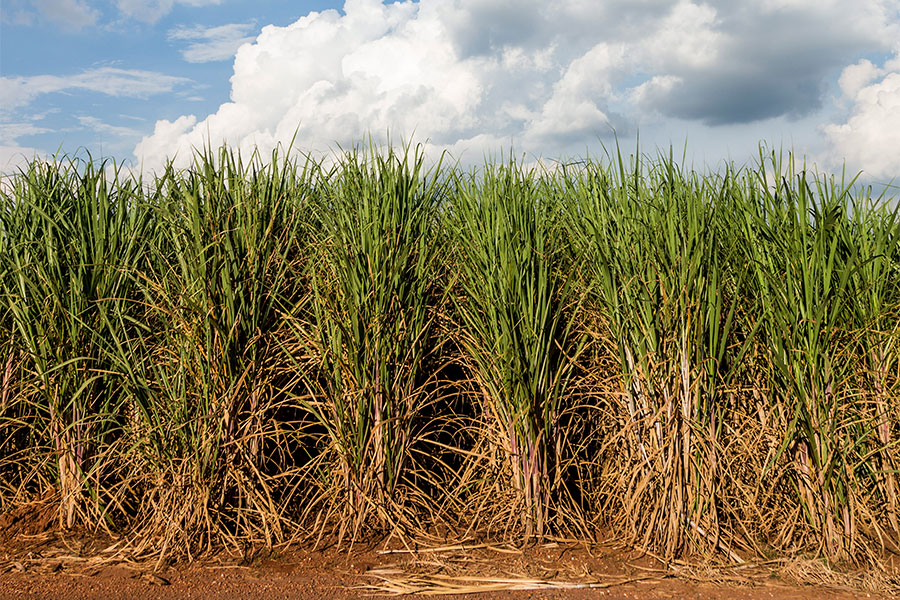
The aggressive target to achieve 20% of ethanol blending by 2025 will help India achieve its climate goals, address scrutiny on its sugar exports and subsidies at WTO and also relieve the burden on realisations faced by sugar mills due to excess sugar production, ultimately benefiting farmers. Produced from agricultural feedstocks, bioethanol is considered the most important biofuel, accounting for 65% of the global biofuel production. Due to high sugar production, the Indian government has shifted focus from sugar production to ethanol production, which is gaining significance. According to a government notification issued in August 2020, the government has extended soft loans worth INR. 18,600 crore by banks to 362 projects with a total capacity of 600 crore litres for the enhancement and augmentation of ethanol manufacturing capacity. Collaboration in R&D and cross-border investment with Brazil and other prospective foreign ethanol suppliers can be considered to ramp up production of this fuel in India. Image credit: Freepik The ever-increasing need for fuels and food has prompted economies across the world to look for new outlets. A new trend is the processing of biofuels and bioenergy from crops. Produced from agricultural feedstocks, bioethanol is considered the most important biofuel, accounting for 65% of the global biofuel production. It can be easily manufactured using very common crops such as hemp, sugarcane, potato, cassava and corn and plays an important role in energy and economic security. Recently, PM Narendra Modi announced that India’s target of 20% ethanol blending in petrol will be advanced by 5 years and has to be achieved by 2025. He added, “Today, a lot of emphasis is being laid on building the necessary infrastructure for the production and purchase of ethanol in the country. Most of the ethanol manufacturing units are concentrated in 4-5 states where sugar production is high, but now foodgrain based distilleries are being established to expand this to the whole country. Modern technology based plants are also being set up in the country to make ethanol from agricultural waste.” Ethanol: Driving towards a cleaner future Blended with fuel at levels ranging from 5% to 27.5% to minimize fuel consumption, increase octane ratings, and decrease tailpipe emissions. Pure ethanol is a gasoline that contains 85% to 100% ethanol that can be used in specially built engines such as flexi-fuel vehicles. Although the United States is the leading producer of ethanol, Brazil is the sprinter. It is the world leader in ethanol production from sugarcane. Global production increased to 10,987.52 crore litres in 2019, up from 10,758.14 crore litres in 2018. This year-on-year growth in productivity was the largest since 2010. Table I: Ethanol share of world production Country Share of world production US 53% Brazil 30% European Union 5% China 3% Canada 2% India 2% Thailand 2% Argentina 1% *Source: RFA analysis of public and private data sources It is evident from the data above that the US and Brazil are two major players contributing towards ethanol production. India stands at 6th position, contributing only 2% of the world production, whereas Argentina is the only country performing poorly among the top eight countries. Ethanol is an agricultural commodity derived mostly from molasses, a by-product of the sugar industry. There is a glut of sugarcane and prices are low, so the sugar industry is unable to pay farmers on time. It was observed that Uttar Pradesh (150 crore litres), Maharashtra (128 crore litres) and Karnataka (78 crore litres) are the top 3 states accounting for about 83% of the total ethanol production capacity of 427 crore litres. A surplus sugar season coupled with a stronger financial incentive to convert excess sugar to ethanol should help the oil marketing companies (OMCs). Besides, with surplus sugar in India and sugar exports from India expected to remain open for constant scrutiny by WTO members, ISMA has suggested that India needs to ensure additional supply of molasses/cane juice based ethanol production capacity of 400-450 crore litres (at all India level) to reduce sugar exports by 2 million tonnes every year till 2023. In addition, India needs to ensure increased diversion of equivalent sugar into ethanol every year over next 3 years to reduce 25% of all-India sugar surplus. Overcoming the teething troubles Indian Oil Corporation Ltd., Bharat Petroleum Corporation Ltd., and Hindustan Petroleum Corporation Ltd. are all in the process of establishing 2G bio-ethanol plants. 1G and 2G bioethanol plants are set to play a key role in making bio-ethanol available for blending, but face challenges in attracting investments from the private sector. Domestic production of bioethanol is not sufficient as sugar mills, the primary domestic suppliers of bio-ethanol to OMCs, were only able to supply 1.9 billion litres of bio-ethanol to OMCs, accounting for 57.6% of the overall production of 3.3 billion litres last year. Sugar mills, which are in the strongest position to manufacture bioethanol, lack the financial stability to invest in biofuel plants. The Indian government, too, is making efforts to promote the production of ethanol. It has set state-specific ethanol production goals, advising sugar mills/distilleries in each state to use at least 85% of their existing installed capacity to produce ethanol. For example, the Ethanol Blending Programme (EBP) aims to accomplish ethanol-motor-spirit blending in order to reduce emissions, save foreign exchange and improve value addition to the sugar industry, allowing farmers to clear cane price arrears. Under the Ethanol Blending Programme, the Central Government has increased blending targets from 5% to 10%. (EBP). Thus, India’s five-year average ethanol consumption growth of 14% has outpaced the country’s five-year average production growth of 8%. Further, according to ISMA, the Department of Food and Public Distribution (DFPD) has given preliminary approval to 361 projects. These projects are expected to produce 13,464 kilolitres of ethanol per day (KL/day), or 444 crore litres of ethanol per annum. However, apart from a lack of ethanol at a reasonable price in India, there are various taxes on denatured ethanol that hinder inter-state movement. In addition, there are disparities due to vague licensing and procurement laws,
COVID-19 revealed true potential of the Indian medical devices industry
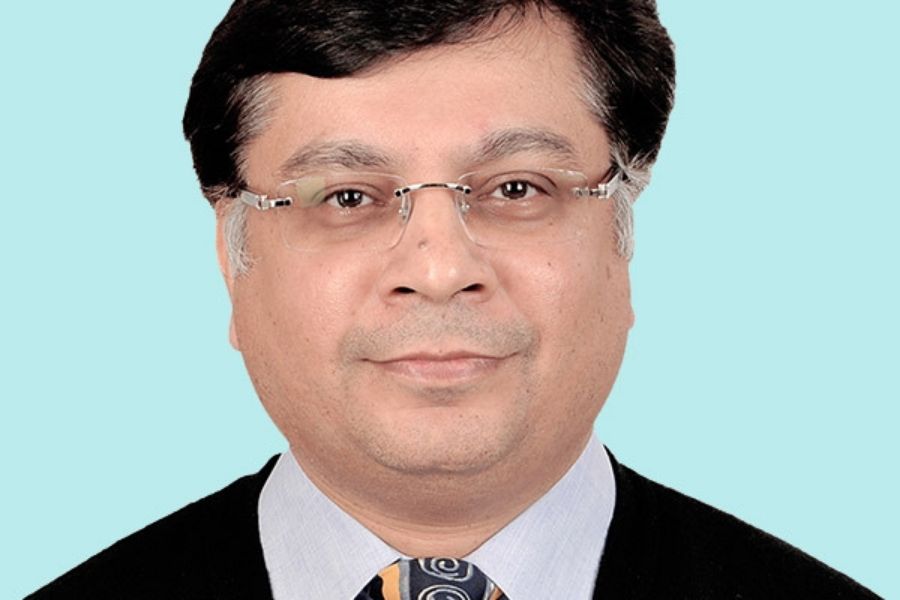
Rajiv Nath, Founder and Forum Coordinator of AiMeD, opines that the government interventions helped the medical devices industry scale up production during the pandemic. During this period, domestic manufacturers were able to supply to the world in addition to meeting greater domestic demand, thereby demonstrating the potential of Indian medical device industry. He opines that day has arrived to remove the digressive policies of encouraging and relying heavily on imports to meet India’s needs for medical devices. IBT: What is the trend in growth of the Indian medical device sector over the past few years? Which are the products and destination markets which have driven the export growth? Rajiv Nath: Indian medical device manufacturing industry is at the cusp of a great opportunity. Manufacturing growth in China has been challenged with many countries resisting to buy Chinese medical devices. Another opportunity is the current Indian Public Procurement Policy. Due to geopolitical reasons global investors have begun to show renewed interest in India. Our government has also seized the initiative and in a series of measures has reformed the country’s foreign investment policy to allow higher levels of investment from abroad in diverse sectors. As a result, India has become one of the most open economies in the world and rightly positioned to attract large-scale foreign investments. The Indian government with Invest India spearheading the initiative has already chalked out plans, intending to remove all roadblocks and offer tailor-made solutions to attract investment to make India a manufacturing hub for medical devices. Prime Minister Narendra Modi’s call for self-reliance i.e., Atma Nirbhar Bharat will not only see India emerging as a manufacturing superpower but will also strengthen India to vie for being the 2nd factory in the world for Medical Devices & a dependable manufacturer of quality products in global supply chains. We have shown the ability and capability of Indian entrepreneurs to Make in India when we have the support of the government. The Government of India relied heavily on Indian manufacturers to meet the rising demand of essential healthcare equipment for the country. This pushed the Indian medical devices sector to become self-reliant, especially for the essential 39 COVID-19 Medical Devices. Government interventions helped the medical devices industry scale up production during the pandemic. We enjoyed an unprecedented teamwork and rapid proactive communication from NPPA who became a facilitator instead of a Regulator & Dept. of Pharma, DPIIT, Invest India and MSME Ministry as they set up help desks to address production bottlenecks of all medical devices, especially those related to COVID viz Sanitizers, Masks, Ventilators, Gloves & COVID IVD Test Kits. Before the outbreak of Covid-19, there were only 20 firms manufacturing 62 lakh PPEs per year. But within two-three months, the number of manufacturers listed with AiMeD increased to 140 firms with 26 crore annual capacity. “The number of Indian firms manufacturing ventilator went up from 8 to 21, mask manufacturers from 21 to 73, swab manufacturers from 0 to 5 and sanitiser manufacturers from 35 to 49. The number of Indian firms manufacturing RNA extraction kit listed with AiMeD before the outbreak of COVID-19 was 0 but today 16 Indian firms listed with AiMeD are manufacturing 265.4 million pcs/annum.” Similarly, the number of Indian firms manufacturing Diagnostic Kit (PCR Kit) went from 0 to 8 manufacturing more than 1.47 billion pcs/annum, Covid-19 Rapid Diagnostic Test Kit from 0 to 3 manufacturing 46.5 million pcs/annum and VTM from 0 to 10 manufacturing 3.77 billion pcs/annum listed with AiMeD. IBT: To what extent and in which products has India achieved competitiveness in the global market? And what factors are negatively impacting this competitiveness from expanding to more segments? Rajiv Nath: India is one of the leading exporters in the world for the following medical products: I.V. Cannulae Orthopaedic or fracture appliances Condoms Electro-cardiographs Surgical gloves Syringes with/without needles Endoscopes Catheters & stents Surgical blades Suture & suture needles Indian strengths of precision engineering, fair business practices, an eye for honoring engineering tolerance, low labor costs and nimble entrepreneurship are a given. However, the Department of Pharmaceuticals has recognised the following factors that negatively effect competitiveness of indigenous manufacturers by a disability of 12-15%: Lack of adequate infrastructure, supply chain and logistics; High cost of finance; Inadequate availability and cost of quality power; Limited design capabilities; and Low focus on R&D and skill development. IBT: What is the extent of barriers in terms of tariffs and non tariff measures that affect the performance of Indian exports? Which are the markets where India faces these barriers most stringently? Rajiv Nath: Before we can discuss external overseas tariff & non-tariff barriers, we need to address internal lack of tariff barriers and needless non tariff export barriers internally. Internally we seek Nominal Tariff Protection for devices being made in the country and a predictable tariff policy, so if capacity is added by a manufacturer there is assured nominal protection. To promote domestic medical device industry that will subsequently reduce India’s heavy reliance on import, the current Basic Import Tariff of 0-7.5% needs to be 15% for medical devices (the Bound Rate under WTO is 40% duty) and on their components to be at least 5% & next year 7.5% as a PMP Make in India Enabler. Additionally, internally we face a unique non-tariff barrier of lack of availability of Free Sales Certificate from MOH&FW and CDSCO, without which capable and globally competitive Indian exporters are unable to register in markets like China, Argentina, Mexico etc. Externally, India exporters faces tariff barriers of up to 20% for BRICS countries as follows : Import Duty on Medical Devices (HS Code 9018) in BRICS Countries Products/ Countries Brazil Russia India China South Africa Medical Devices (HS Code 9018) 14% up to 15% Up to 7.50% 3.3% – 17% up to 20% Additionally, medical device exporters face non-tariff barriers of needing to seek regulatory approvals and registration in many countries. This not only delays the process, but is very expensive and increasingly complex, whether for export to
IPR waivers: The magic pills to decolonize vaccine access?
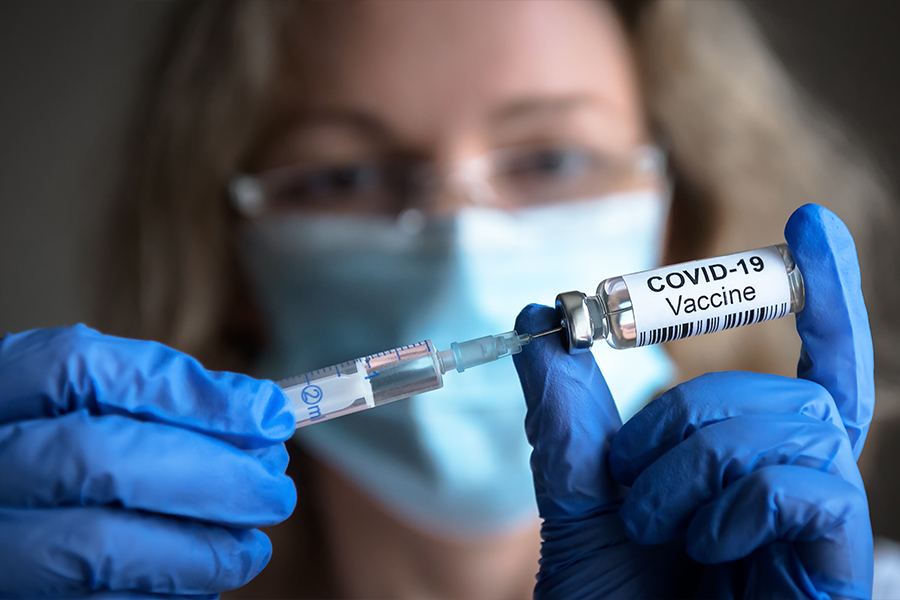
Clamor has risen around India & South Africa’s proposal seeking Intellectual Property Rights or IPR waivers for easier access to COVID-19 medicines. But what choices do nations have if the negotiations fail to bear fruit? And, if the debates actually lead to something concrete, is the pharmaceutical industry ready to buckle up for the challenge that lies ahead? Last year, the global scientific community worked hard to develop preventative and curative therapies to combat COVID-19. Efforts are still being made in this direction. Simultaneously, some developed nations entered into commercial agreements with pharmaceutical companies to develop and procure vaccines to prevent COVID-19. Further, the Big Pharma lobby has argued that IPR protection is important to encourage scientific R&D and innovation. As the developing nations were left out of this race, India & South Africa rose to the occasion and demanded greater flexibilities on Trade-Related Aspects of Intellectual Property Rights to ensure global equity in COVID-19 eradication. However, a closer look would explain that the IPR waiver is just the beginning. The questions that really matter are what can be done in the short run to enhance the production and distribution of vaccines; and is the pharma industry capable of delivering on the promise of mass production of affordable vaccines? Last year, when COVID-19 was spreading its tentacles across the globe, countries started exploring ways to counter and cure the disease. From developing a vaccine against the virus to testing the efficacy of drugs like Remdesivir to convalescent plasma therapy, the worldwide scientific community toiled hard to tackle the threat. As new variants of the disease emerge in the world, research is still being done to find ways to mitigate it. Luckily, some of the efforts have borne fruit and they ended up developing some of the antidotes that proved to be fairly promising in preventing the disease or at the least, diminishing its severity. This is a remarkable achievement in a fairly short span of time. GlaxoSmithKline, Novartis, Pfizer, Gilead Sciences, Sanofi, Johnson & Johnson and Moderna are some of the companies involved in this endeavor to produce vaccines. Now, that the vaccines are available and other treatments are being explored, the question of equitable access to affordable COVID-19 vaccines (& medicines) arises. This is where India & South Africa’s landmark proposal to the World Trade Organization (WTO) comes in. The proposal has been designed to ease rules that impose intellectual property (IP) barriers that restrict access to life-saving COVID-19 medicines, tools, equipment and vaccines. However, this is just one angle of the story. It is also equally important to ask that if the proposal is granted, is the industry really ready to manufacture the COVID-19 vaccines and medicines. And more importantly, what options do countries have if the negotiation falls apart? IPR Waiver: The messiah against vaccine nationalism? While the IPR waiver proposal jointly drafted by India and South Africa is noble, it is important to understand the reasons why it emanated in the first place. One of the reasons for this is to free the mystique behind the whole process of developing vaccines (medicines). It revolves around the different facets of the agreement on Trade-Related Aspects of Intellectual Property Rights (TRIPS) – sections 1 (Copyright and Related Rights), 4 (Industrial Designs), 5 (Patents) and 7 (Protection of Undisclosed Information). Given the complexities revolving around the process of making vaccines, relaxations on other forms of intellectual property (& not just patent) will also be needed. Thus, for example, a patent might protect information pertaining to key ingredients used for the vaccine, while the expertise to produce it might be withheld as a trade secret. Another reason for drafting the proposal is a humanitarian one. The proponents of IPR argue that granting the waivers is a bad practice that will undermine the profits of the pharmaceutical industry which has invested its money in the R&D to develop these vaccines & discourage future innovation. Thomas Cueni, Director, International Federation of Pharmaceutical Manufacturers and Associations, argued that “the [IPR waiver] effort would jeopardize future medical innovation, making us more vulnerable to other diseases”. This is countered on various grounds by the other side: (i) Many big pharmaceutical companies are living off profits mustered from evergreening patents on decades-old drugs; (ii) Public funding constituted around 99% of finance towards their R&D to combat coronavirus (iii) The greater global wellbeing outweighs the profit of a few pharmaceutical companies. India’s ambassador to the WTO, Brajendra Navnit aptly articulates the trade off: “It’s very simple economics. For a commercial business of US$ 30-40 billion of annual vaccine output of a few companies, we are coming in the way of US$ 6-7 trillion of global GDP output in one year.” In addition, there were also accusations of vaccine nationalism as the developed nations acquired more vaccines than they needed. A case in point is Switzerland, which has reserved 27.5 million doses though it has a population of just 8.5 million. Dr Rashmi Banga, Senior Economic Affairs Officer, UNCTAD, notes that through the end of 2021, wealthy countries representing just 13% of the global population have already reserved over 50% of the expected COVID-19 vaccine doses. She opines: Vaccine nationalism is being fully supported by the pharma industry, which is interested in maximizing their profits through the monopoly position that they get because of the IPRs. But how did we manage to come so far, so soon? Dr. Yogesh Pai, Assistant Professor of Law and Co-Director, Centre for Innovation, IP and Competition, National Law Univeristy explains the genesis of this skewed nature of global vaccine distribution: Vaccine markets are monoposonistic in nature (where Government is usually the largest/single buyer), requiring advance market commitments (AMCs). Such AMCs were concluded by several countries such as the US, UK and the EU even before the vaccines were approved. This explains the current global vaccine inequities because other countries did not make similar commitments at the right time and at the required scale. Source: Statista Note: Vaccine production as of 3rd March,
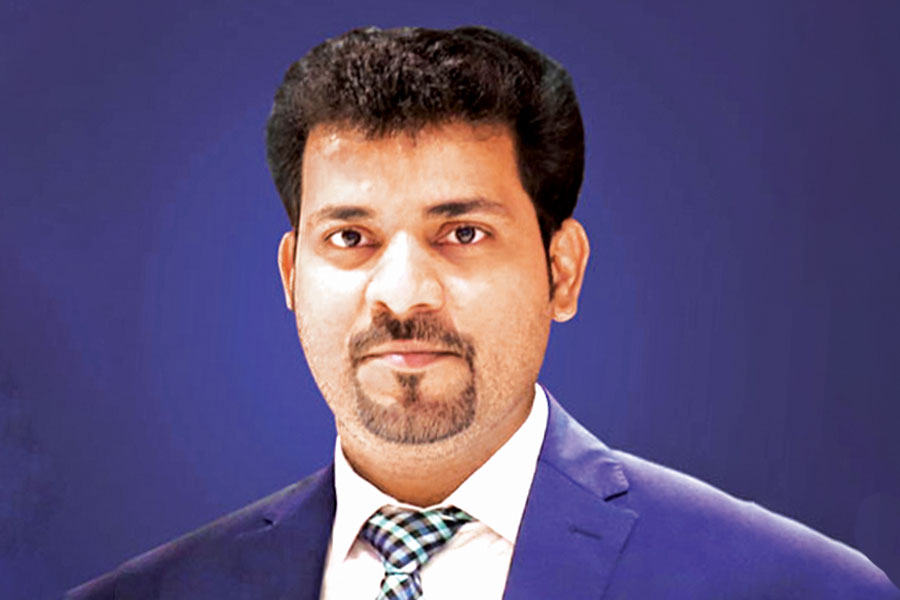
Forecast for F&B growth in India is phenomenal
Siddique Palollathil, MD, Nesto Hypermarket, talks about the brand promise that Nesto offers to its customers that sets it apart from the competition. He adds that India plays a major role in producing commodity products in different ranges, which fit every country’s requirements and it moves with trend. IBT: What is Nesto Group’s current business size, number of outlets, key products, market presence and customers it caters to? Siddique Palollathil: Nesto Hypermarket has evolved from having modest beginnings to being one of the most renowned names in the region’s retail industry. Currently, it has a chain of over 87 outlets across the UAE, KSA, Oman, Bahrain, Kuwait & India. It has established a strong presence not only across multiple countries in the GCC /India, but also in millions of hearts, in just a few years. All the hypermarkets are located in prime locations across these regions, which will cater to high profile products for local and expatriate customers’. Nesto Hypermarket has set new benchmarks of accomplishment with its unique business strategy. The brand places an uncompromising emphasis on convenience, accessibility and providing top quality products at competitive prices to customers. It offers the widest range of quality products at greater value. It offers ‘a complete shopping experience under one roof’. IBT: What is the brand promise that Nesto offers to its customers that sets it apart from the competition? Siddique Palollathil: NESTO stands for ‘Nimble’, ‘Ethical’, ‘Sturdy’, ‘Trustworthy’ & ‘Optimistic’. To be the leading retail brand across the GCC countries and India, Nesto Hypermarket follows a 3D model – Duty, Development & Dedication – with exemplary leadership skills, synergy in processes & customer-centric approach that delivers profitability and growth in a sustainable manner to the stakeholders. IBT: What are your expansion plans in terms of products, number of outlets and new markets? Siddique Palollathil: Driven by the passion to extend our expertise to new horizons, we have set upon an ambitious expansion plan to open 100 outlets before 2022. We identify locations based on intensive research and local insights. We plan our product and service mix based on the demographics. Our unique blend of quality, value, choice and service is set to win over the hearts of customers beyond boundaries. IBT: How are you seeing the F&B industry evolve in post-COVID times and keys to success for retail brands? What changes is it driving in customer purchase preferences and habits and how are you adapting your business strategy? Siddique Palollathil: The F&B industry is now operating very differently than they did before. The pandemic has brought immense shifts in supply chains, imposed new hazard controls, and perhaps most importantly turned consumer preferences upside down, customer spending styles switched to savings and private label business booked its best time ever. To accommodate these changes, we at Nesto stepped up to innovate and secure the continuity of their services. But now, as many industries begin to drop the notion of ever going back to what once was, it’s time we started thinking about how many of the newly introduced processes will stick around for the long run. Introduction and focus on e-commerce is the most prioritized one among all. IBT: How do you see India as a sourcing hub at present for F&B products, and its potential in the future? Any particular products where you see untapped potential that can be explored? Siddique Palollathil: India plays a major role in producing commodity products in different ranges which fits every country requirements and it moves with trend. The forecast for growth in this market is phenomenal. Forecasted high growth products include: Rice, pasta and noodles; Breakfast cereals; Ice cream and frozen desserts; Savory snacks, Dairy products, Edible oils, Baby food, processed meat and seafood; processed fruit and vegetables, spreads etc. Originally published in Fresh – The Indusfood Chronicle. Fresh is the official magazine of Indusfood, the flagship annual F&B trade show organised by Trade Promotion Council of India.
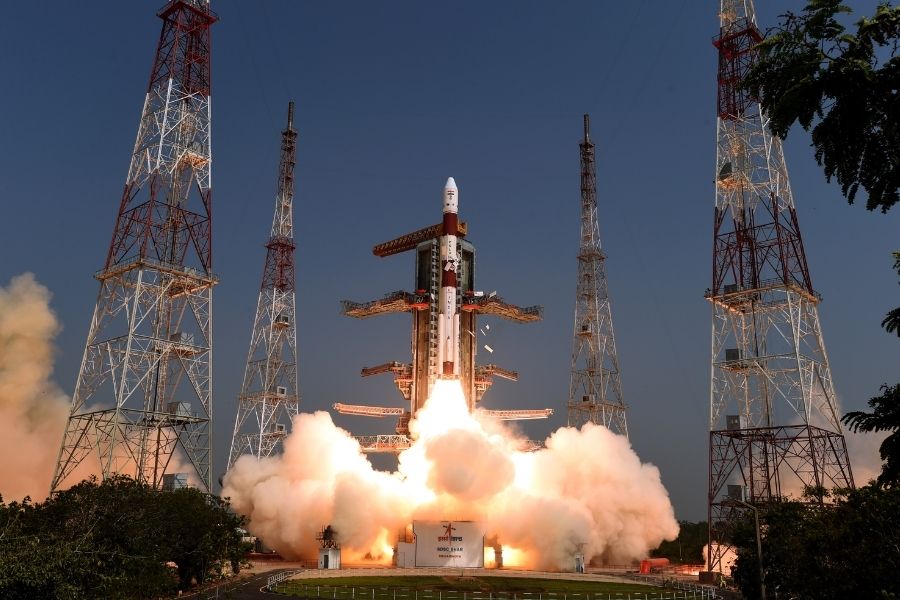
Spacetech startups: Quest for the final frontier
As the world’s third largest start-up ecosystem, India is now paving way for new spacetech entrepreneurs, thus, promising to unlock the true potential of the space sector in the country. Barring the occasional achievements of ISRO that garner media attention, Indians have relatively little exposure to the achievements of the country in outer space. But of late, spacetech has started to play an important role in our lives with wide-ranging applications including earth observation, navigation, data analytics, imaging etc. With the new Government policies and reforms, India’s space sector is now poised to unleash its true potential with many private players coming forward and making progress. India plans to have its space sector contribute 1% to reach its ambitious goal of being a US$ 5 trillion economy by 2024. To this end, the sector needs a CAGR of 48%. Armed with increasing investor interest, predictable government policy and regulations, many start-ups are poised to take big strides in the space. Image credit: PIB Traditionally, space has been a fascinating and inaccessible domain at the same time for the Indian common man. This has been so, despite ISRO being considered as one of the world’s most successful space agencies. Today, with new technologies and the opening up of the space sector by the incumbent Government, the space sector has started to play a vital role in multiple facets of our lives with earth observation, navigation, data analytics, imaging and several other applications of space science, thus, having wide-ranging economic and social impact on our lives. As per a report by PwC, the Indian space sector needs to reach US$ 50 billion to contribute 1% to India’s magic GDP number – US$ 5 trillion economy by 2024. To this end, the Indian space sector needs to grow at a compounded annual growth rate (CAGR) of 48% from its current value of US$ 7 billion (~2% of the global space economy). Note: FY 2020-21 figures are based on budget estimates. All other figures are based on actual allocations received by DOS. Source: In efforts to aid India achieve its goal, in May 2020, the Department of Space (DOS) opened up India’s space programme to private players in the entire range of space activities, enabling the move from a supply-based model to a ‘demand-based model to conduct space activities in the country. Further, the newly constituted NewSpace India Limited (NSIL) now acts as an aggregator of user requirements and is responsible for operational launch vehicles and commercialize launches, satellites and services. In March 2021, NSIL also announced its plans to invest Rs 10,000 crore in the next 5 years. Further, the thrust to domestically manufacture and use indigenous services for all its needs sends the right message to the private players in the field. Additionally, Indian National Space Promotion and Authorization Centre (IN-SPACe) collaborates with ISRO to provide a level playing field to private players and use Indian space infrastructure. The private push into space It would be pertinent to note that the space industry was always open to private players. However, India Inc’s role was limited to being suppliers of components and sub-systems. While large corporations like Larsen & Toubro, Godrej and Tata have long been vendors to the Indian space programme and possess the infrastructure and capabilities required, innovation has not been permitted in the sector practically, as the products/components were always made to order based on specifications by ISRO. Also, note that the space sector is open to Foreign Direct Investment (FDI) under the government route (i.e. investments in the space sector are allowed on a case-to-case basis by the regulatory authorities) as national security and interests are given topmost priority. Firms have also been batting for 100% FDI through the automatic route to attract billions of dollars into the space/satellite broadband sectors. With these reforms introduced by the Government to provide a predictable policy and regulatory landscape for private players, investor interest has kicked off in the field as well. Investors are wide-ranging from ISRO, venture capitalists, family offices to Bollywood actors. Bellatrix Aerospace, incubated by The Indian Institute of Science (IISC), specialises in electronic propulsions systems, rocket engines and launch vehicles. Ithas received funding from Venture capital fund IDFC Parampara and Deepika Padukone, among others. In 2020, a Bangalore-based startup Pixxel raised US$ 5 million seed funding from Blume Ventures, growX and Lightspeed India. Pixxel got this for its plans to launch the country’s first private remote-sensing satellite on an ISRO PSLV rocket later this year and accelerate development of its second satellite. The start-up aims to be a space data company and shall use hyperspectral imaging satellites, which will provide imagery of a higher quality to help identification of localized problems and targeted monitoring of solutions deployed in sectors such as energy, agriculture, mining, environment etc. Chennai-Based, IIT-Madras incubated and backed by Anand Mahindra, Agnikul Cosmos co-founded by Srinath Ravichandran is working to develop low-cost satellite launch vehicles. Agnikul has also raised Rs 23.4 crores led by pi Ventures in a pre-series A funding round. It has developed India’s first private small satellite launch vehicle, Agnibaan, which is capable of carrying up 100 kg payload to low Earth orbits up to 700 km with a plug and play engine configuration and has signed a non-disclosure agreement (NDA) with the DOS. Under this agreement, Agnikul will have access to ISRO centres and technical information / facilities necessary to go forward with their launch vehicle development. With the aim to make space flight as reliable and economical as air travel, Hyderabad-based Skyroot Aerospace recently made the headlines for becoming the first Indian company to test-fire an upper stage rocket engine. Also, Skyroot showcased India’s first 100% 3D-printed bipropellant liquid rocket engine injector in its test fire, which as compared to traditional manufacturing, reduces the overall mass of space vehicles by around 50%. Spacetech startups are also targeting to help businesses and companies. Mumbai-based ‘Kawa Space’ launched in 2019, aims to provide earth observation satellites, thus helping them to leverage satellite
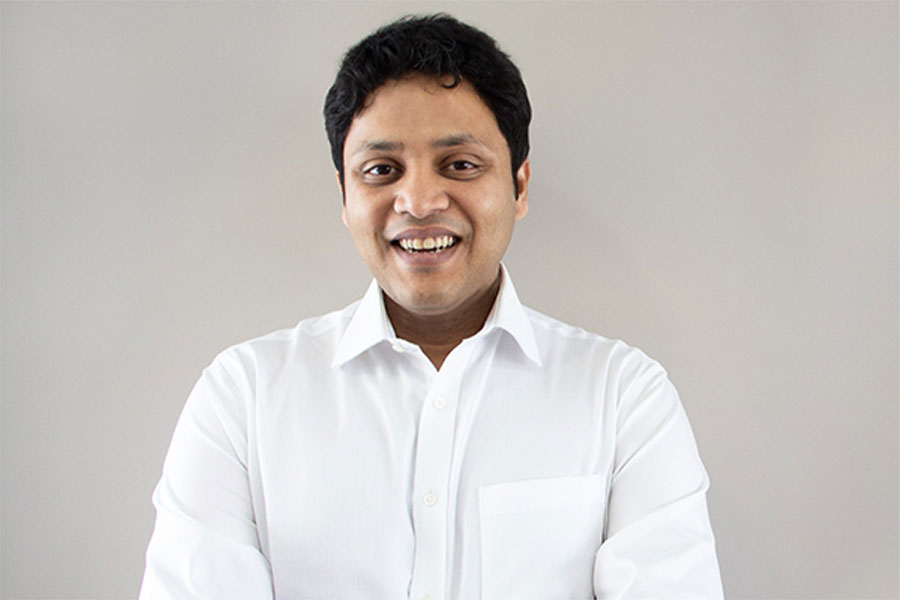
Indian exporters should explore the growing green tea market
Pushkar Mukewar, Co-founder and CEO at Drip Capital, comments that it is time to leverage the market of Iran for India’s tea exports, which is the largest importer of Indian tea. Venturing into the green tea market, staying abreast of the evolving packaging and consumption trends would provide Indian tea traders and producers with numerous opportunities. IBT: Drip Capital has recently done a research on the export performance of Indian tea. What are your findings on the production and export performance of India’s tea over the past few years? Which markets drive India’s tea exports? Pushkar Mukewar: Even before COVID-19 struck a blow to the tea sector, India’s tea exports declined at a CAGR of -1% during 2011-2020. One of the main factors for this fall can be attributed to the scarcity of variety in India’s product mix and the failure to tap into the increasingly popular green tea market. India exported tea worth US$ 872 million in 2019. Out of this value, black tea comprised a whopping 91%, whereas green tea consisted of merely 2%. Geographically, West Bengal and Assam account for around 60% of the country’s total tea output. However, Gujarat exported US$ 24 million worth of tea in FY 2019-20, making it a potential tea exporting state. Iran, Russia, the US, UK, and the UAE are among the top five buyers of Indian tea. In 2019, India exported US$ 227 million worth of tea to Iran, which is India’s largest market by a margin of 26%. During 2015-2019, exports of Indian tea to Iran have grown at a CAGR of 16%, despite the geopolitical situation in the region. Our report suggests that the bilateral preferential trade agreement between Iran and India seemed to have given Indian tea greater access to the Iranian market. With Sri Lanka giving India a close competition to acquire a significant share in Iran, it is time for exporters to further leverage this market. IBT: In comparison, how have the key competitors of Indian tea performed? What are the reasons behind the difference in export performances of India and its competitors? Pushkar Mukewar: China is the largest producer of tea in the world. In the last decade, China’s tea production grew at a CAGR of 7% per annum which was 4% more than India’s. While India produced only 1,390 thousand tonnes of tea in 2019, China harvested nearly twice that quantity. Additionally, even though China’s total export quantity has only grown by just 2% between 2010-2019, its export value grew at a 10% annual growth rate. As of date, China holds almost a 60% market share of global green tea exports. This growth could be attributed to the Chinese tea industry’s swiftness to alter its product mix to match the rising global demand. On the other hand, India was slow to pick up on this changing trend in the early 2000s and continues to do so. India’s second key competitor in the tea market is Sri Lanka. Although India exported 50% more tea than Sri Lanka in 2019, the value of exports for both countries was essentially the same. This highlights the significant price differences between the two countries’ tea produce. Unlike India, Sri Lanka invested in building a global brand image of the local tea and leveraged opportunities like the Geographical Indication (GI) tag. After Sri Lanka’s Ceylon Tea obtained a GI tag in 2008-2010, the average price per tonne of its tea exports almost doubled from US$ 2,000-US$ 3,000 price range to an average price of over US$ 4,000 per tonne. Indian tea prices, however, hardly moved above the US$ 2,000-3,000 per tonne average price range after the country obtained a GI tag for its Darjeeling Tea and Assam Orthodox Tea in the 2000s. The failure to break away from the safety net of producing black tea, the resistance in altering its product mix, and the lack of marketing efforts to build the Indian tea brands have resulted in China and Sri Lanka rising above India in the tea export market. IBT: How has COVID-19 impacted India’s tea industry production and exports? Pushkar Mukewar: When COVID-19 hit the country, India’s tea exports fell by 14%. As lockdowns were introduced, the overall exports of tea experienced a 69% decline Y-o-Y in April 2020, which is also when the first flush of tea is exported. This dip in exports is led by the lack of ‘visits to the origin’ i.e. trips made by the buyers to test the season’s harvest. This situation was further aggravated by lagging shipping logistics and the product’s sanitary concerns at the importing countries’ ports. However, COVID-19 also brought about a trend for convenience in the tea market as it is now witnessing a demand for a new variety– Ready-To-Drink (RTD) tea. With more economies opting for work-from-home and localized lockdown restrictions, the importance of this value-added product appears to be on the rise, especially among US consumers. IBT: What are the expected future opportunities for Indian tea in the domestic and global market? Pushkar Mukewar: Despite there being a dip in the overall tea exports in 2020, things started looking brighter towards the end of last year, with December 2020 registering a 5% growth YoY. Thanks to gradual unlock phases and increasing economic activity, we expect a mild recovery in 2021. While chai will continue to remain popular in India, the rising global appreciation for green tea cannot be ignored, and thus, local sellers should tap into this high-growth opportunity. Given the pricing advantage green tea enjoys, the Indian tea export market could potentially benefit from a shift towards a greater than 2% proportion of green tea in the mix. The rising tension between the US and China which might have positive implications on India’s tea export is another reason to revamp India’s product mix. As far as RTD is concerned, India, at present, does not have enough manufacturing plants that can cater to this value-added product’s growing demand. Hence, China is seeking advantage of the situation