Ambrish Bajaj, Founder & CEO, Pragati Jobs discusses how his young startup, which has been set up to resolve blue-collar hiring challenges for HR teams, successfully acted on a business opportunity that suddenly came up in the midst of the pandemic. Rise of technology adoption by businesses and individuals, expansion in internet adaption, massification of digital payments and an enabling policy environment have led to the spectacular rise of aggregator-based marketplace businesses, which have acted as a disruptive force across sectors. Companies like Amazon, Big Basket, Zomato, 1mg, Ola Cabs, Urban Clap, etc have literally revolutionized the way we consume products and services. Over the years, we have also seen these startups expand at an impressive pace into tier 2/3/4 cities and towns. This brings new opportunities for sure at one end, but on the other, it is also fraught with a number of operational challenges. One of the key challenges is hiring. For HR departments of these companies, it is not practically possible to maintain physical presence in these markets to ensure their hiring processes are up to their standards. This becomes particularly challenging when it comes to hiring of blue collar workforce, which does not get adequately mapped by current job portals. This blue collar workforce is actually at the heart of the operations of these companies – comprising people like delivery executives, drivers, back office executives, etc. When we started Pragati, our primary focus was to provide blue collar hiring solutions for industries like hospitality. But when the pandemic came to the fore, we quickly spotted a much greater need among these tech aggregator companies, since, they were the only ones who could serve customers within the constraints of the lockdown. But given the evident surge in business, they needed to hire across locations; something that their HR departments were not equipped to do – while maintaining the metrics of scale, time and quality. At times, we have seen that in small cities and towns, their sales head doubles up as an HR manager. Therefore, he/she is not ideally equipped to handle the hiring function. On the other hand, we also saw painful scenes last year, when labourers were compelled to defy lockdown norms and travel to their hometowns when their source of earning was suddenly taken away from them. The blue collar workforce is highly fragmented across numerous local, few large and some online players. Even large companies struggle with highly inadequate hiring rates. Candidates have to wait for long periods before they get their desired opportunities, leading to a major lack of distrust in these job avenues. Essentially, we found the system to be substantially broken at both ends. And as has been the case with many sectors, the pandemic perhaps only served to exacerbate inefficiencies that already existed previously. Source, screen, interview At Pragati Jobs we felt that this is as an opportunity to tackle this problem by using technology at scale. The company offers employers a ‘sourcing, screening and interview’ solution at one place. Prospective job seekers can scan the opportunities, select their preferred job, fill in the application, screen for their skillsets and have walk-in interviews reserved through the app. Therefore, Pragati provides a direct and seamless interface for both companies and jobseekers. Screening tests for candidates are based on standardized formats as governed by industry best practices. For instance, for a pharma company like 1mg, the skillsets required for a delivery person may be quite different from those required by a foodtech firm like Zomato. The delivery guy at 1mg may also be required to read and ensure the exact medicines are being collected at the chemist as ordered by the customer. Pragati ensures that the candidates are screened for the required skillsets before they come in for an interview, to ensure minimum hassles and loss of time for both. A flexible solution for clients Pragati works with most top online players including Flipkart, Swiggy, Zomato, Pharmeasy etc to solve their blue collar workforce problems in 11 cities in India. At large companies, our main promise is we can help them hire at scale and quality. We also reduce their operational hassles by automatic filtering of candidates and scheduling walk-ins through the product itself. We have improved their hiring rate by a margin of 2-4X in trials that we have been running. Furthermore, we are among their highest converting channels, when it comes to online hiring (as they have offline channels too). Furthermore, we also work with numerous smaller companies, who hardly have HR teams. Our solutions almost acts as their virtual recruitment team. The heavy lifting of going through so many CVs, calling 100s of candidates and then arranging walk-ins is almost eliminated. Our solution lets the small teams talk to interested and screened candidates, so that they can only focus on quality of hiring, while leaving the operational part to the tech. COVID 2.0, Deja vu and beyond! Just like we saw last year, the ongoing lockdowns, albeit regional in nature, have led to a surge in deliveries yet again. Thankfully, most companies are better prepared, but the workforce problem has a long way to go before it gets resolved. This is yet again an opportunity for us to serve the industry and candidates. This year, there is in fact a bigger surge in groceries and medicine deliveries, and we are working with top players in both categories. The market opportunity we are addressing is valued at around Rs 50,000 crore with an annual growth rate of around 15% . With the integration of technology solutions, there is a huge potential to ensure outcomes for all stakeholders. We plan to build strength in recruitment as that’s a first and difficult problem to solve. In medium term (12-18 months) we plan to build forward integrated solutions into training, onboarding and later into payrolling. Ambrish Bajaj is Founder & CEO, Pragati Jobs, a young startup set up with the vision to resolve key challenges in India’s job market. With 18
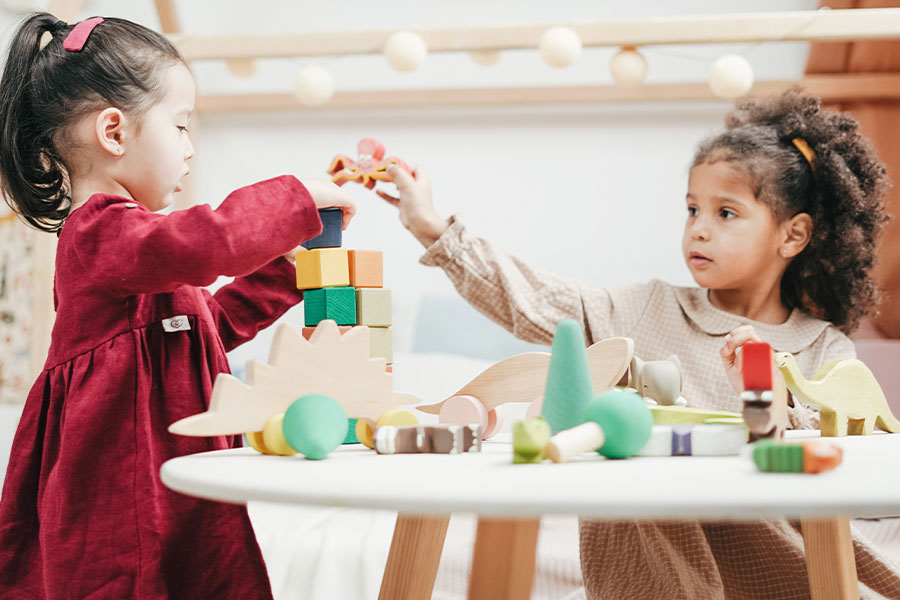
Indian toy industry: A step towards self-reliance
India’s untapped toy sector showcases a huge growth potential in the global toy industry. The Government of India has emphasized on the promotion of exports and toy manufacturing in India by formulating various schemes. At the same time, the Indian toy manufacturers need to come up with new, innovative, and technologically advanced methods to boost domestic toy production and exports. India is a homeland to a variety of traditional and hi-tech toys but accounts for only US$ 1.5 billion toy exports, which makes only 0.5% of the global share. China, the US, and Japan are the top three competitors in this industry. India’s domestic demand for toys accounts for US$ 1 billion, out of which only 20% is met by Indian produce, 80% is imported. India imports US$ 600 million worth of toys from China. Their low price point makes them highly attractive to the customers. Due to the COVID-19 induced lockdown, the domestic demand for toys has surged by 25% because children are locked up inside their homes. The government has been promoting domestic toy manufacturing and exports through various initiatives. At the same time, the Indian toy manufacturers need to come up with new, innovative, and technologically advanced methods to boost domestic toy production and exports. . Image Credit : Pexels In today’s complex world where nuclear families have become the norm. On top of that, parents are struggling to achieve that ever-so-elusive work-life balance. Due to this, it is natural for kids to feel left out of the joy of quality time with their parents, that the latter enjoyed in their time. While not a replacement exactly, quality toys and games serve as an important distraction for children in such a scenario. Today, the market is brimming with traditional, educational as well as technologically advanced toys. Parents are ready to invest in them, especially because they can protect children from a harmful addiction to smartphones and other gadgets. This, coupled with India’s huge demographic dividend and improving incomes, has fueled the demand of toys in the country. The Indian toy industry at a glance Globally, the toy market accounts for over US$ 100 billion. Over the years, the US, China and Japan have catapulted themselves to being the top three countries in terms of toy sales worldwide. India’s toy exports stood at US$ 130 million in the year 2019-2020, with the US and the UK being the lead export destinations. India , though, accounts for merely US$ 1.5 billion or 0.5% of the total global market share. But it is growing at a healthy pace of about 15% per annum, indicating a huge potential of placing the toy industry on the global map. Therefore, the country’s toy exports are expected to grow to US$ 2-3 billion by 2024. With aggregate domestic demand of US$ 1 billion, India currently imports an estimated 80% of its domestic demand from other countries, predominantly China, which suggests that India can fulfill only an estimated 20% of its domestic demand. Currently, India is importing US$ 600 million worth of toys imported from China by India, the majority of which constitute injection-moulded plastic and electronics. This is due to the low price points offered by Chinese toys, which make them even more attractive to the customers. This low price is because China has depreciated assets and their government provides export incentives which makes their toys inexpensive. This makes it difficult for Indian suppliers to compete in the toy market. To compete with these unbranded inexpensive Chinese toys, the Indian toy manufacturers have now started focusing on improving the design and quality of toys. Due to the pandemic imposed lockdown, the tense situation with China and an increase in the import duty of toys, import of Chinese toys to India has reduced. But at the same time, the domestic demand for toys has surged by 25% because children are locked up in their homes. In addition to this, better equipment and machines are required to be imported from countries like South Korea and Japan to make electric toys in India. However, a surge in import duties has made machine imports more expensive for toy manufacturers. While the manufacturers are trying to scale up the production by automating or hiring labour, 60% of India’s toy manufacturers are unorganized, consisting of small units with sometimes as few as five employees. They do not have the required capital or scale to ramp up their production in a short span of time. Toys are serious business! The government has been actively promoting the domestic toy industry and exports through various measures. The focus is on creating awareness about possible manufacturing units to promote B2B connections and the formation of manufacturing clusters. The toy manufacturers in India are mostly located in NCR, Karnataka, Tamil Nadu, and Maharashtra and the clusters are present across the central Indian states. The sector is fragmented with 90% of the market being unorganized and about 4,000 toy industry units from the MSME sector. They not only have their own regional identity but also support indigenous toy makers. Commerce secretary Anup Wadhawan, highlighted the importance of creating an enabling environment for the potential exporters to improve the productivity of toys. “Toy manufacturing clusters should be developed by State Governments to attract international manufacturing base in India,“ he said. Aravind Melligeri, Chairman and CEO of Aequs SEZ Private limited- which is setting up the first toy manufacturing cluster on 400 acres of land, with an estimated investment of Rs 1,500 crore in Koppal, Karnataka, feels that the Central Government needs to include the toy industry under Production Linked Incentive scheme to help global brands partner with local manufacturers. The government has emphasized using tourism as a tool to promote India’s culture, especially in regions that are renowned for handcrafted toys. Under the ‘Vocal for Local’ slogan and ‘Aatmanirbhar Bharat’ campaign, the government shall explore opportunities to tap the potential of the sector. A national action plan has been created by the Department for Promotion of Industry
India is showing potential in organic food exports
Anil Kumar Verma, COO, Savings Hypermarket UAE, a major importer of Indian F&B products, talks about the company’s expansion plans and relations with Indian food suppliers. He expresses confidence that Indian exporters will be able to leverage the growing demand for organic food products. IBT: What is Savings Hypermarket’s current business size, number of outlets, key product segments, market presence and customers it caters to? What retail formats have you explored (supermarket, hypermarket, departmental store, etc) and how do you see the relative importance of each? Anil Kumar Verma: Savings Hypermarket is the largest store in UAE with a total area of over 20,000 sq. m. We offer our customers a wide range of products in all major categories including dry food, frozen, fresh, household products, electronics and electricals, kitchen appliances, garments and shoes etc. We have collaborated with over 600 local suppliers to supply us and we cater over 1.7 million customers visiting us annually. IBT: What role has the pandemic played in transforming the post-COVID landscape of the F&B industry? What changes is it driving in customer purchase preferences and habits (especially tilt to online shopping) and how are you adapting your business strategy? Anil Kumar Verma: All the businesses are severely impacted and food retail is no exception during this ongoing pandemic, however we all believe that nothing is permanent and the world will soon win the battle with pandemic. The COVID-19 situation has transformed the buying habit to a larger extent as visiting a hypermarket for the weekly shopping with the family used to be a social event here in the UAE. However, the scenario has completely changed now. People have adopted online shopping as the new normal. The current ratio of buying is almost 40% online and the balance 60% is only offline now, whereas it used to be around 15% online earlier. The brand is soon launching a user friendly e-commerce platform to meet the growing demand of our customer who wants to buy online, especially for their daily and urgent needs. IBT: How does Savings Hypermarket stand out among the competition in the retail space for its customers? What strategies are adopted to ensure that your customers get the best quality at competitive prices? Anil Kumar Verma: Savings represents that customers who buy from us must save on their purchases due to the very competitive price as compared to several other retailers in the market. There are several ‘Saving Shelfs’ in each aisle of our store which are very popular among our customer due to the product and price we offer to our customers here. We have our loyal customers, who even take the benefit of our loyalty program; wherein they get cash back on their purchases on top of the cheapest price what we offer in our weekly promotions. IBT: What are your expansion plans in terms of products, number of outlets and new markets in the coming years? Anil Kumar Verma: Savings Hypermarket has expansion plans to launch smaller format stores across UAE with a clear focus on Fresh and organic products. We believe that the ‘eat healthy’ concept is something which is gaining popularity now. People are ready to invest in their health and are more cautious now to consume healthy food, even if it costs a little extra. IBT: How do you see India as a sourcing hub currently for F&B products, and its potential in the future? Any particular products where you see untapped potential to be explored? Anil Kumar Verma: I have been working in a leading role with prominent retailers in the hypermarket/supermarket business in UAE since more than two decade now, wherein I have dealt with several Indian suppliers to import food here. India is among the top exporters of foodstuffs to UAE and companies have very strong ties with the local distributors to supply most of the popular brands. There are more and more new suppliers entering into UAE market now. I believe organic food market is going to pick up now. Originally published in Fresh – The Indusfood Chronicle. Fresh is the official magazine of Indusfood, the flagship annual F&B trade show organised by Trade Promotion Council of India.

A tangled web: Lockdown, e-commerce and smartphone sales
Regional lockdown curbs are creating major demand and supply side constraints for smartphone firms, which are expecting a sales shortfall of 5 million units. This necessitates interventions to address these issues to facilitate a quicker revival. With a spate of lockdowns across states as the country grapples with the second wave of COVID-19, e-commerce continues to have a dream run, being the only available mode for consumers in their greatly curtailed lifestyle. However, lockdown blues continue for non-essential categories, particularly smartphones that account for around 60% of e-commerce sales in India. To address these challenges, the government must consider the industry demand of putting smartphones within the essential category. At the minimum, inter-state movement of non-essential goods should be allowed under some broad guidelines. Image Credit: freepik While it is an undeniable fact that COVID-19 wreaked a havoc across the globe in 2020, it was certainly a blessing in disguise for the e-commerce industry. Industry experts affirm that the pandemic has created a shift in the way consumers behave, directly affecting the e-commerce industry, as consumers shifted to this shopping channel to buy essentials amid national/regional lockdowns. Closer home, it was predicted by some market researchers that India’s e-commerce industry is poised to grow 84% to US$ 111 billion by 2024 as it gains from demand created by the coronavirus pandemic’s impact. Mobile shopping is likely to be the driver of this growth. However, lockdown blues continue for sectors that are marked as ‘non-essential’ in the retail ecosystem. The primary category in this context is that of smartphones, which account for 60% of the revenues of e-commerce sales and is the focus of this blog. Source: WARC Data; Representative survey of adults under the age of 75 years between 12-14 March ’20 Online smartphone sales: Action replay or sales going stale? Amidst the local lockdowns & norms of social distancing, the e-commerce industry emerged as the backbone of the retail industry , and by extension, the smartphone sector. According to Counterpoint Research, India’s online smartphone market reached its highest-ever share of 45% in 2020, recording a seven% year-on-year increase in a pandemic-hit year. Xiaomi ruled as the most bought smartphone in the country throughout the year, followed by Samsung. Source: Counterpoint Research While the national lockdown with the first wave of the pandemic proved to be a catalyst for the growth of the e-commerce industry in India, dynamics seem to be different this time around with regional lockdowns. While their experience last year has definitely made them more prepared to deal with the possible challenges, the heterogeneity of state regulations has made this task more arduous and complex. Delhi government, for example, has put a curb on the inter- & intra-state movement of non-essential goods. Similarly, in Haryana, only essential goods are being sold. Such measures will indubitably hit the sales of smartphones in the city – both offline and online. This has led to some e-commerce platforms and consumer electronics companies demanding smartphones and (other consumer electronics like air conditioners) to be labelled as essential. One argument that they cite is that ordering goods online is safer than visiting a general store and reduces the chances of proliferation of the virus. The second argument is on the definition of essential products. From entertainment to online meetings to keeping a tab of the number of steps that we take for exercise, smartphones have become an integral part of our daily lives. Kumar Rajagopalan, Chief Executive Officer, Retailers Association of India opines: Citizens also need non-food products on a daily basis. To enable fulfilling these needs without hardships, all sizes and formats of non-food retail should be allowed to take orders over phone and other electronic means for home deliveries. This ensures social distancing and convenience to customers. Further, there are many logistical and operational challenges. The second wave COVID-19 restrictions have been pretty stringent and ecommerce players have had to adjust and change their logistic operations to efficiently service retailers (B2B2C) and consumers (D2C). What complicates the situation further in case of smartphones is India’s high import dependency on China. In 2019-20, 45% of smartphone components were imported from China. Moreover, the pandemic may also affect the production of smartphones. This accrues to the fact that many people in places like Delhi& Maharashtra are being affected by the virus and unable to work. There is also an apprehension in the industry that a steep surge in Covid-19 cases and fears of lockdowns may trigger another exodus of migrant workforce from cities, like the last year. These can lead to production delays. In addition to these supply side barriers, it is also believed that the massive second wave of COVID-19 infections may dampen sales of premium phones/smartphones in the short term in this year. This outlook is attributed to the recent spate of job and salary cuts leading to deferred purchases. Mahesh Desai, Chairman, Engineering Export Promotion Council India, explains: COVID-19 has affected the e-commerce industry. Earlier there was a good demand for consumer goods. But now there is a liquidity crunch. This has affected the purchases of electronics such as smartphones. Also, the demand from rural areas is tapering off. Lastly, the demand associated with smart phone industry may continue to get affected due to increased GST rate of 18% on mobile phones (as opposed to 12% before April 2020). Harsha Razdan, Partner and Head – Consumer Markets and Internet Business, KPMG in India states: Although the said increase in GST rate was introduced as a measure to correct inverted duty structure, various bodies have disagreed with the rationale and have accordingly requested for reduction in GST rate to upholster the demand. The smart solution The government has taken a number of initiatives to promote the domestic smartphone industry in the past – PLI, SPECS & EMC 2.0. While this is a step in the right direction, some of the problems that the industry faces are of a rather different nature (e.g. production delays due to the labor being
Many gem & jewellery clusters can be export hubs under ODOP
Colin Shah, Chairman, Gem & Jewellery Export Promotion Council, is confident that inclusion in ODOP will help address many challenges of the labour-intensive industry such as quality infrastructure, technology, skill development; financial support, logistics and market access. IBT: What is your perspective on the One District One Product scheme? What benefits is it likely to usher in for the Indian economy? Colin Shah: ODOP concept has been implemented and has been successful in Japan and other Asian countries. I believe that ODOP will be a success in India as the government is committed to support local exporters and traders to scale up manufacturing and find potential buyers outside India. The Government is also addressing bottlenecks for exporting of these products. Moreover, this will also result in generating additional employment for the people of that particular district/region. GJEPC’s recent cluster mapping study of the gem and jewellery industry undertaken with National Council of Applied Economic Research (NCAER), has identified 390 districts of India as G&J clusters. As of now, only Jaipur district in Rajasthan has been included in the ODOP scheme for the gem and jewellery sector. Similar to Jaipur there are several other districts with gem and jewellery clusters which, if included in ODOP scheme, can be of great potential to boost the economy. There is potential to develop Surat for cut and polished diamonds in Gujarat, Kolkata for gold jewellery in West Bengal, Azamgarh and Sitapur for silver and gold in Uttar Pradesh, Firozpur for silver and gold jewellery in Punjab, Bagalkot for plain gold jewellery in Karnataka, Madurai for plain gold jewellery in Tamil Nadu, Thrissur for plain and studded gold jewellery in Kerala. Many more such districts can be developed as a gem and jewellery manufacturing hubs with export potential if included in ODOP scheme. I would like to urge the government to consider gem and jewellery products from other districts from across the country in the ODOP scheme. This would provide fillip to this labour-intensive industry and help in preserving and developing our traditional and centuries old art of jewellery making. IBT: How have different states/districts performed under the ODOP scheme? Can you please share with us in brief about any successful case study in this regard? Colin Shah: Uttar Pradesh was the first to start the scheme. The state had also organised an ODOP virtual fair where a total of 1,000 sellers were registered on the virtual platform and buyers from 35 countries participated in the fair. I think it is not yet time to gauge the performance of the scheme as last year was impacted by the pandemic, and the year 2021 is no different as we continue to be affected by the second wave of pandemic in India. The performance will pick up steam once everything gets stable and are back to normal. IBT: In your opinion, what are the key gaps in the export ecosystem at the district level and how can they be filled to achieve better results under this scheme? Colin Shah: The idea behind ODOP is to make districts self-reliant (Aatmanirbhar). I am sure the government. would facilitate the districts with the right kind of infrastructure and technology to get the desired results. In the gem and jewellery industry, 80 to 90% are MSMEs. Largely being an unorganised sector, the challenges are many. There is a gap in quality infrastructure and technology. Also, there is a need for technology upgradation and skill development; finance support; State Industrial Policy Reforms; and support in raw material procurement, logistics and market access. GJEPC with the support of Government of India has developed ‘Common Facility Centres’ in select clusters of Gujarat to support the diamond cluster with upgraded manufacturing. It also plans to develop 6 additional ones across India for other gem and jewellery products. I am confident that with the implementation of ODOP, most of the challenges of the labour-intensive industry would be addressed by the government. IBT: According to the media, e-commerce platforms like Amazon and eBay are being roped in to encourage MSMEs to be online under the ODOP. What is the potential of these platforms for gem and jewellery, and how is GJEPC exploring it? Colin Shah: The pandemic has brought a paradigm shift in the way businesses were conducted globally. It has vastly accelerated digital adoption and virtual platforms or e-commerce is the demand of the day. GJEPC has led this revolution in the gem & jewellery sector and virtual trading platforms were established in the last 6 months. This mode is determined to provide impetus to the Indian gem & jewellery sellers on the global e marketplace and explore potential business collaborations for facilitating sectoral growth. GJEPC has also collaborated with e-Bay to boost the retail exports of gem and jewellery from India. As per the association, e-Bay will facilitate awareness workshops/ webinars/ seminars to educate GJEPC members about e-commerce retail export opportunities and train them on policies and best practices in product listings, selling, shipping, and customer services. It will also provide information on cross-border trade, such as market studies, latest design trends, standards and specifications etc. This will be supportive towards augmenting trade and exports in the current scenario. Additionally, GJEPC has been pursuing the Indian government for a comprehensive e-commerce policy for the gem and jewellery sector. The Council has been working with different stakeholders to work out a channel which can aid the gem & jewellery exporters in catalogue selling where goods are manufactured after receiving order and shipped to the consumer across geographies through fast-track delivery. IBT: How are you planning to ensure that the beneficiaries of the ODOP scheme produce products of world class quality? What can be done to promote the exports of these goods? Colin Shah: Setting up Common Facility Centres in each of these districts with state of the art machinery is one of the ways to enhance product quality. We, in the gem and jewellery sector, have plans to set up CFCs in gem and jewellery clusters across the
Textile & apparel: Weaving a new success story?
The textile and apparel industry holds a huge share of India’s export basket and has evolved over the last few decades. COVID-19 has disrupted the sector but it seems to be regaining lost momentum. This blog explores measures that the government can take to grow textile market share. The domestic textiles and apparel industry contributes 2% to India’s GDP and 12% of the country’s export earnings, making it the sixth largest exporter of textiles and apparels in the world. The industry is the second-largest employer in India after agriculture, providing direct employment to 45 million people in 2018-19 in and 60 million people in allied industries. The sector is robust, dynamic and is a huge attraction for investment due to relaxed FDI norms. To grow its market share, India needs to tackle certain issues like changing global sourcing patterns, low levels of employment, infrastructure bottlenecks and tough competition. Image credit: shutterstock With the advent of COVID-19, the domestic textile and apparel sector witnessed a blow in terms of both domestic and overseas demand. The imposition of subsequent lockdowns created a lag in supply chains leading to cancellation and delaying of orders. However, the sector started gaining momentum back in September, 2020. The Government of India conducted a symposium with Export Promotion Councils and other industry stakeholders in September 2020 and identified a list of potential export products, sharing them with Indian Missions abroad for identification of potential buyers in respective countries. Various other decisions of the Ministry of Textiles, such as provision of funds under the Upgradation of Technology in Textiles Sector, Integrated Scheme for Development of Silk Industry, planning of mega parks for the industry and provision of 100% Foreign Direct Investment under the automatic route have proved to be a boon for the sector as a whole. Due to these efforts, FDI in the textiles and apparel industry has reached up to US$ 3.45 billion during 2020 amidst a global slowdown. As COVID-19, gripped the country, India started manufacturing PPE kits and became the second largest manufacturer of PPEs in the world in a short span of time. More than 600 companies in India are certified to produce PPEs till date .The global market worth of these companies is expected to be over US$ 92.5 billion by 2025, up from US$ 52.7 billion in 2019. Exports in the textiles and apparel industry are expected to reach US$ 300 billion by 2024-25, resulting in a tripling of Indian market share from 5% to 15%. Issues gripping the sector Firstly, though India is the the second largest producer of textiles and garments after China, it faces tough competition from various nations like Bangladesh, China, Viet.Nam and Sri Lanka. This is due to the price factor as all these nations provide for low-priced garment sourcing countries. Indian exports are pretty expensive compared to neighboring nations, primarily due to factor costs being high. A comparative analysis of factor costs in competing nations is depicted in Table 1. Table 1:Factor cost comparison of India with competing countries Cost element Unit India Bangladesh China Vietnam Cambodia Ethiopia Kenya Labour cost* US$ per month 160-180 100-110 550-600 170-190 180-190 60-80 170-190 Power cost US$ per kwh 0.10-0.12 0.9-0.12 0.15-0.16 0.08-0.10 0.20-0.25 0.03-0.04 0.09-0.20** Lending rate % 11-12 12-14 5-6 6-7 14-16 6.5-7.5 16-18 Water cost*** US cents per m3 16-20 20-22 55-60 50-80 70-90 30-40 150-180 Source: https://wazir.in/pdf/Wazir_Annual%20Report_Textiles_Soft%20Copy.pdf (last accessed May 7, 2021)] Note: *Cost for semi-skilled labor; includes all benefits **9 cents for EPZ units ***Water cost is based on the average tariff of the water supply companies of specific countries Secondly, infrastructure bottlenecks remain a huge issue for Indian exports. India faces a tough challenge from Asian countries in terms of low quality infrastructure. The poor conditions of roads, highways etc create supply chain constraints thereby increasing inventory holding and inventory carrying cost. Further, access to the latest technology remains a challenge, preventing the industry from meeting global standards in the highly competitive export market. This results in disruption of trade . Thirdly, the textiles sector in India is dominated by unorganized and small players. With the abolition of export linked subsidies due to compliance with WTO norms, these players will need urgent support to remain competitive in the export market. Additionally, changes in international sourcing environment are posing to be a challenge for Indian apparel suppliers. Developed nations are becoming increasingly concerned about responsible production policies, ecology and environment. Hence, there is a greater demand for greener textiles in the foreign markets. As India is one of the key garment sourcing destinations in India, more and more companies are realizing the importance of corporate social responsibility (CSR) norms that have been laid down by the importers as a pre-condition for doing business with other countries. Due to the unorganized nature of the sector creating environmental effects in terms of pollution, India still has a long way to go in terms of greener textiles to sustain its exports internationally. At the same time, employment in organized textile and apparel sector has improved marginally over the years: Year Employment share of textiles to total manufacturing 2011-12 17.73 2012-13 18.0 2013-14 18.28 2014-15 18.20 2015-16 18.52 2016-17 18.09 Source: Ministry of Textiles, figures in % The improvement in the employment in unorganized sector taking into account various factors like night shifts for women, safe working environment and social security schemes can help in enhancing the labor participation and thereby increase exports. This could be also achieved through the following measures: Access to updated technology: The Ministry of Textiles has a scheme named Upgradation of Technology in Textile Sector for updation of technology in the industry, but the funds allocated for the same have dropped from Rs 15.2 billion in FY 2015-16 to Rs 7 billion in FY 2019-20. Allocation of more funds to this scheme would improve India’s capacity to access latest technology as it would increase investments in the sector thereby increasing exports. Flexible labour laws: Karnataka Government on 20th November’ 2019, issued a notification
Focus on innovation-based entrepreneurship for women
Omita Unnarkar, Partner of Projuris Legal, New Delhi based Law firm, and State President, Women’s Indian Chamber of Commerce & Industry believes that the government, industry and civil society must come together to create a conducive ecosystem for women to participate in the economy. She also adds that more focus should be given to innovation-driven entrepreneurship instead of necessity-driven entrepreneurship in the country. IBT: A World Bank study ranks India 120th out of 130 countries in terms of labour force participation rate. How can women’s participation in the economy in India be increased? Omita Unnarkar: India has a population of 130 crores and doesn’t have adequate resources to meet their development needs. Women need a conducive environment to work and flourish. Actually women are the backbone of Indian economy. In India, women are usually seen merely as home makers and are primarily tasked with the responsibility of childrearing. This is the reason why many women quit their jobs after they give birth. Moreover, there is a reluctance in women to pursue careers in certain fields like law due to societal conceptions, which is the most crucial position to implement welfare legislation and mold mindset in particular way; as has been the trend in penal provisions qua women. All these reasons are responsible for India’s dismal performance in the ranking. A conducive ecosystem will be instrumental in encouraging more women in India to seek employment. This sexist societal perspective needs to change and more women need to be motivated to go out and work. One way to enhance women’s participation in the economy is to incentivise them to work. Another is to draft policies promoting gender parity in recruiting workforce & offering proper maternity benefits and ensuring that they are properly enforced. Also, families need to be more empathetic and men should also shoulder the responsibilities of managing the household and taking some responsibilities in bringing up their children. So, the government, corporates and individual families need to work in their capacities so that more women can go out there and work. A feeling of gender equality and treating women as equally capable workforce is need of the hour. IBT: The Sixth Economic Census suggests that only 14% of Indian women own or run businesses. What factors deter women in the country to own/run businesses? What role can women entrepreneurs play in shaping businesses and how can they break the proverbial ‘glass ceiling’? Omita Unnarkar: The first and the foremost reason for this is the lack of capital. One reason for this is that in most cases, it is the men who own the property and this asset cannot be used as a mortgage to apply for a loan. So, the access of women to finance should be enhanced to promote more women entrepreneurs. Secondly, a lot of times when a woman expresses her desire to start a business venture, she’s discouraged by her kith and kin. Women need to be empowered and this societal outlook needs to change. The government needs to come up with more lucrative and flexible financial policies such as low interest rates and tax benefits and rebates for women entrepreneurs. There needs to be enhanced legal, political, economical and administrative participation. Third major reason is the stereotypical role oriented social system that we have in India, where a woman is seen to be a mother and wife first and then think for herself and her career. Fourthly, in India, even today, girls and woman are not given an opportunity to participate in financial matters and never given a chance to understand business. Exceptions are there, but the general stereotype needs to change. It is interesting to note that the financial difficulties created by COVID-19 have made a lot of women step out of their homes and work. It has led to the emergence of a lot of female entrepreneurs in the country. Last year saw a rise of the home bakers, gardeners, compost experts, beauty experts and cloud kitchens conceptualized and curated by women. IBT: What effects have policies like priority sector lending for female entrepreneurs had on encouraging them to take up the stewardship of businesses? Omita Unnarkar: If we talk about the recent Master Direction – Priority Sector lending then women are considered to be in the Weaker Section Category. It is not just about drafting policies, but it is more about spreading the awareness regarding these policies. There is no easy access to such policies in terms of a loan application or documentation or say any familiar surroundings to avail such services. For these policies to become encouraging for women entrepreneurs, the policy makers and executioners need to communicate to the right audience. To facilitate a better clarity among women, they need to be trained in imparting financial literacy and this is where the government can step in. So far as stewardship of business is concerned, I don’t see even the big business houses, except a few, being run by women. So, we need to carve out omen from this “Weaker Section Category” and bring in policies to help her become self independent. IBT: How can the contribution of women to Indian entrepreneurs be enhanced? How is WICCI empowering women in business, industry and commerce across sectors? What have been the noteworthy achievements so far after you taking over as President? What are the future plans? Omita Unnarkar: Women’s Indian Chamber of Commerce and Industry is a National Business Chamber for Women and is already working in this direction. WICCI is trying to build woman entrepreneurship and business through greater engagement with government, with institutions, with global trade and networks. Given its spread in 120 countries, it gives a platform for women with different cultural backgrounds to come together and grow their business. WICCI is founded by Ms. Harbeen Arora who is an international personality and under her vision WICCI supports platforms like Sheconomy (Online portal for Women Entrepreneurs), BioAyurveda, Women Economic Forum (WEF) are functioning for women across the world to connect and
India’s digital service tax landscape and its implications
As India becomes more digital, it is facing challenges related to taxation and unfair competition in the digital space. It has therefore introduced a series of measures for ensuring a level playing field. These measures, however, have stirred up a huge debate, which this blog explores. The issue of fair taxation in international trade of digital services was taken up for the first time by the Organisation for Economic Co-operation and Development in 2013. In 2016, India became the first country to introduce a 6% Equalisation Levy on digital advertising services provided by non-residents. Subsequently, in 2020, a 2% Equalisation Levy was introduced on services provided by non-resident e-commerce operators. This was done to neutralize the “unfair advantage” that MNEs enjoy over their Indian competitors, both digital as well as brick and mortar ones as the latter have to be fully tax compliant. The US has called the Digital Service Taxes imposed by India and other countries discriminatory and is planning retaliation. As India and other countries begin to take unilateral measures, it is extremely important that parallelly, they actively participate in OECD deliberations to reach a global consensus to harmonise taxation in digital space at the earliest. Source: Shutterstock The interaction of digitalisation and globalisation in the 21st century has given rise to multinational enterprises (MNEs) that have taken the world by storm. These enterprises have penetrated global markets by offering unique products and services via the internet. However, problems arise as although they have huge economic presence in numerous countries, they often lack a physical presence there, leading to ambiguities regarding taxation of such cross-border trade of goods and services. This issue was first acknowledged in 2013 with the Organisation for Economic Co-operation and Development (OECD) publishing an action plan on base erosion and profit shifting (BEPS) to prevent cases of “double non-taxation as well as cases of no or low taxation” using a “consensus-based” approach. In 2015, it recommended minimum standards under each of the fifteen action items of the plan. This is a major development as around 130 countries will be now committing to implement these standards collectively by mid-2021. Timeline of India’s Digital Service Tax India indubitably stands out as one of the most promising digital markets in the world, with over 500 million active internet users, as of 2019. There are estimates that this number will shoot up to 750-800 million by 2023. It is, therefore, only natural that world’s top digital companies like Amazon, Facebook and Google count India among their top markets globally and continue to devise strategies to expand and diversify their presence further. To examine tax issues in India’s rapidly growing digital market, a Committee on Taxation of E-Commerce was constituted by the Government of India in March 2016. With the OECD’s BEPS Action 1[1] Report as a source of inspiration, the committee recommended imposition of Equalisation Levy on payments to non-residents for specified services to ensure a level playing field between residents and non-residents. The Equalisation Levy being a tax on payment (and not on income) would be outside the purview of Income Tax and tax treaties, the committee stated. Subsequently, a 6% Equalisation Levy (EL 1.0) was introduced in Finance Act, 2016 for taxing digital advertising and related services provided by non-residents who do not have a permanent establishment in India. The tax came into effect on June 1, 2016. The tax is charged on gross payable amount exceeding INR 100,000 in a financial year for transactions of business- to-business nature. With this, India became the first country to unilaterally impose a digital service tax (DST) on cross-border services. Lately, e-commerce services have also been brought under the ambit of DST. Finance Act 2020, with effect from April 1, 2020, legalised the imposition of a 2% Equalisation Levy (EL 2.0) on considerations received by non-resident e-commerce operators who do not have a permanent establishment in India. The services included here are online sale of goods, services or a combination of both. Unlike EL 1.0, EL 2.0 covers both business-to-business and business-to-consumer transactions for considerations exceeding the value of INR 2 crores. Another point worth highlighting is that while in the case of EL 1.0, the payer is required to withhold the levy from payable amount, EL 2.0 is to be directly paid by the e-commerce operator. Rationale behind the tax The Committee on Taxation of E-Commerce highlights the importance of the digital tax in neutralizing the “unfair advantage” that MNEs enjoy over their Indian competitors, both digital as well as brick and mortar ones as the latter have to be fully tax compliant. It is believed that, if not corrected, these tax distortions may incentivize Indian firms to relocate overseas or sell their business to foreign firms, thereby hindering the burgeoning Indian digital industry’s growth. It also notes that the non-payment of taxes by the enterprises translates into huge revenue losses for the country and also implies higher tax burden on Indian enterprises. India has imposed the tax unilaterally instead of arriving at a consensus with other countries under the OECD framework. This is because India believes that arriving at a consensus on international taxation issues is going to be a long process due to the fundamentally different positions the participating countries have over various provisions. The duty is further justified on the grounds that the OECD allows for imposition of equalisation levy by individual countries as long as the tax treaty obligations are adhered to. Debate around India’s DST India’s DST measures have stirred up a global debate. A number of issues pertaining to its design, manner of implementation and implications have been pointed out. Firstly, it is argued that the act was passed in a rushed manner in the middle of a pandemic, without consulting the stakeholders involved. Secondly, the clauses are believed to be lacking clarity on several important terms and coverage. For example, under EL 2.0, it is unclear if only digital goods and services are to be taxed or physical ones too
Gems and jewellery sector: Time to rise & shine
Despite India being the second largest consumer of diamonds in the world, the Indian gems and jewellery industry is facing numerous challenges such as high import duties & mandatory hallmarking. These have prevented the sector from realizing its true potential. This blog explores how this issue can be rectified. India is a hub of cut and polished diamonds, with an export value of approximately US$ 564 million in the fiscal year 2020. The sector employed over 4.64 million people in 2018-19. India is the second largest consumer of diamonds. However, issues such as high import duties & mandatory hallmarking have remained bottlenecks towards reaching the full potential of the sector. The outbreak of COVID-19 has exacerbated the problems of this sector. In order to deal with the ongoing issues in this sector, various steps need to be taken, which this blog seeks to explore. Source: Shutterstock India has one of the largest markets in the world for the gems and jewellery sector and contributes 29% to the global jewellery consumption. This sector contributes 7% to the Indian economy and is home to more than 40 lakh people. India’s demand for gold reached 690.4 tonnes in 2019. Pre-Covid growth estimates for the sector stood at a market size of US$ 103.06 billion by 2023, with the domestic jewellery market growing at a compound annual growth rate of 5.6% during FY 18-23. For FY 2021, the overall gross exports of gems & jewellery stood at US$ 25.3 billion, indicating a decline of 28.46% as compared to US$ 35.4 billion for the same period in FY 2020. The overall gross imports of gems & jewellery for FY 2021 stood at US$ 23.2 billion in the month of March 2021, showcasing a growth of 74.08% as compared to US$ 13.3 billion (Rs 9,884.08 crores) for the same period in FY 2020 (GJEPC). Evidently, India imports a large amount of gold due to high demand in the domestic market (it is the second largest consumer of gold in the world) and lack of adequate gold mines to cope with huge demand in the country. In fiscal year 2020, India imported gold worth Rs 2 trillion. The import value was lower than the 2019’s value of over Rs 2.2 trillion. India currently levies custom duties on gold and silver at 7.5%, which was earlier at 12.5%, and imposes an additional 2.5% cess (a separate tax on the imports for agricultural infrastructure development). High import duties have resulted in smuggling of gold bullions in the country, thereby promoting illegal gold transactions and thriving of the shadow economy. Another major challenge faced by gems and jewellery industry in India is the mismatch between demand and supply. This is mainly due to India’s inability to keep up with changing jewellery trends. For instance, while in India there is a great demand for temple jewellery and jewellery made out of coloured gemstones (meenakari and kundan work), simple branded jewellery is the choice universally, thereby leaving India behind. The outbreak of COVID-19 shifted nearly 20% of jewellery exports online in this current financial year. India exported gems and jewellery worth Rs 142,125.56 crores in the first 10 months of the fiscal year 2020, witnessing a decline of 34% year-on-year. The COVID-19 outbreak across the globe has precipitated challenges due to supply chain disruptions as a result of subsequent lockdowns imposed by various governments. In April-June 2020, exports from India declined by almost 70% yoy. Further, while the market has a huge potential, the maximum potential is far from being attained due to the unorganised nature of the market. Workers form the core of the gems and jewellery market and migration of these workers to hometowns due to various lockdowns in place was a huge blow to the industry, as this impacted the production process. Also, there are no social security nets for these workers, which would disincentivise them from joining back and make the sector unattractive for new potential labour to join. Lastly, the Government of India on 15 January 2020 made hallmarking necessary for gold jewellery/artifacts (not applicable to silver). This order makes it compulsory for all the jewelers selling gold jewellery and artifacts to register with Bureau of Indian Standards (BIS) and sell hallmarked gold jewellery and artifacts of 14, 18 and 22 carat only with effect from15 January 2021. This has however not been in effect currently due to the ongoing coronavirus crisis across the country. The order however to hallmark all the existing gold jewellery to be sold by June, 2021 remains in place. According to the All India Gem and Jewellery Domestic Council, only 33% of India’s districts have assaying and hallmarking centres that tests the purity of gold for hallmarking. The industry has asked for this testing infrastructure to be ramped up before hallmarking is made mandatory. It would be therefore be beneficial if the Government considers extending the deadline for mandatory hallmarking. This would provide stakeholders adequate time and facilities to build ecosystem for the same as Covid-19 has caused a slowdown in the market already. Though the basics custom duty on gold was reduced to 7.5%, the import duty on gold remains at 12.5%. Additionally, the levying of 2.5% of agriculture infrastructure and development cess has lead to increase in the prices of precious metals as well as gold. This results in plummeting physical demand further leading imports to tumble down to multi-year lows. The total levy on gold currently is at 15.5%, including Goods and Services Tax (GST). The sector would gain in terms of prices and demand in domestic market if the import duties on gold and precious metals are lowered. Since subsequent lockdowns have been put in various states due to ongoing second wave of COVID-19, the government should also provide for social security schemes for the fringe workers of the sector. This would help to save livelihoods and incentivise them to migrate to workplaces as the situation subsides.
Indian brands face friction points for cross border e-commerce
Rohit Kulkarni, Vice President, Payoneer (India), explains that while brand building for small & medium businesses (SMBs) online may be difficult, it is essential to boost global growth. Indian SMEs need to gear up for the growth in lobal e-commerce business, which is expected to be worth US$ 1 trillion dollars in the next two years. IBT: What interesting trends have you observed in India’s cross border e-commerce trade in the light of the pandemic? Rohit Kulkarni: COVID-19 was an unanticipated development that unleashed a lot of unexpected things for businesses. Globally, e-commerce has got transformed completely. For example, in the US, the e-commerce penetration of total retail rose from 15-16% before COVID to 26% during the pandemic. This proved to be an excellent opportunity for cross-border e-commerce exporters from Korea, Vietnam and China to increase their exports to the US. India, however, missed out on this opportunity initially since the country had imposed lockdown for nearly 3 months, which affected air travel of cargo. However, once the lockdown restrictions were eased, Indian exports registered a bell curve recovery due to the onset of festivities in the West like Thanksgiving, Christmas & New Year. Another concomitant development was the rise in online customer acquisition costs. While many assumed that e-commerce doesn’t entail costs like the rent of a showroom or remuneration of salesman, there was a rise in the cost of advertising on online platforms like Facebook and Google. That cost escalated by as much as 50%. Moreover, while brand building for SMBs online may be difficult but it is essential for global growth and Payoneer helps them in this process. IBT: How are Indian goods perceived abroad? And how can brands ensure repeat sales through online channels? Rohit Kulkarni: There are certain categories of goods that enjoy a great reputation abroad. These include home and linen, bedsheets, curtains, upholstery and apparel. Cities like Lucknow, Ludhiana, Tirupur and Coimbatore are export hubs for these products. Indian handicrafts are equally popular. From Bengal to Gujarat and from north to south, every state will have their own versions like the phulkari to Pochampalli. Jewellery, both imitation and fine jewelry, is also a popular export commodity. Automotive components & accessories as a segment is doing very well from India. Leather products from India also fare well in the overseas markets. However, electronics are not that popular from India. Brand building through e-commerce channels is difficult for SMBs, because people turn to these platforms to find products and not necessarily brands. Further, overseas customers are not used to two-factor payments. This acts as a detriment for them while buying Indian products online. Indian exporters selling their products through e-commerce websites also face the risk of bearing the costs of chargebacks. In the US, if a customer charges a card for up to 180 days, he can ask the card company to charge back and the merchant has to return this money. So the Indian merchants, when they sell abroad, bear the risk of these chargebacks. These friction points obstruct brand building. IBT: How can Indian SMEs be encouraged to embrace more cross-border trade? Rohit Kulkarni: Payoneer is working very closely with both RBI and the government agencies to help them. The Government of India has formulated many policies like Make in India and Export Duty Drawbacks, which many Indian SMBs are not aware of. Payoneer does sessions with Indian SMBs throughout the country to educate them in this regard. It also partners with companies like DHL & Ernst and Young to offer them logistical assistance and to guide them with their tax queries and access to working capital. IBT: What role does Payoneer play in facilitating cross-border business transactions for SMEs? Rohit Kulkarni: Payoneer is a B2B payments platform with a mission to empower businesses to go beyond – beyond borders, limits and expectations. It enables any business, ranging from aspiring entrepreneurs in emerging markets to the world’s leading digital brands like Airbnb, Amazon, Google, Upwork and Walmart, to access new economic opportunities by making it possible to transact as effortlessly globally as they do locally. It facilitates global commerce for millions of small businesses, marketplaces and enterprises from 190+ countries and territories. Founded in 2005, Payoneer’s digital platform delivers a suite of services. These include cross-border payments, working capital, tax solutions, risk management and payment orchestration for merchants. Payoneer helps users to open local bank accounts in various country currencies within 24 to 48 hours. It saves them the effort of fulfilling lengthy KYC obligations and makes the process less cumbersome by leveraging tools like machine learning. These payments are aggregated through API integration. The only cost the customers bear is the foreign exchange costs of a dollar and within 24 to 48 hours, they get their money in their bank accounts. Now compare it with any other service, such as banking. The benefit of using this platform for traders is that these transactions involve only two banks. The transaction is faster and more economical. IBT: How do you expect e-commerce’s contribution to India to expand over the next five years? Rohit Kulkarni: It is estimated that in the next two years, the global e-commerce business will be worth US$ 1 trillion dollars. And more than 47% will be through global sellers. The world opens up for Indian exporters. Currently, Indian e-commerce exports amount to about US$ 4-5 billion dollars. Bangladesh, for example, exports garments worth US$ 39 billion. Indian e-commerce sector, thus, has a vast untapped trade potential. India can explore exports of its goods & services to the Gulf, Southeast Asia and even Africa. Rohit Kulkarni is the Vice President and Regional head of Payoneer for South Asia and MENA Region. Rohit has over 22 years of experience in the payment, e-commerce, internet, consumer services, and financial services industry. As Payoneer’s regional head, he leads efforts to empower professionals across all industries by connecting businesses and professionals with Payoneer’s innovative cross-border payments platform. Prior to joining Payoneer, Rohit worked with