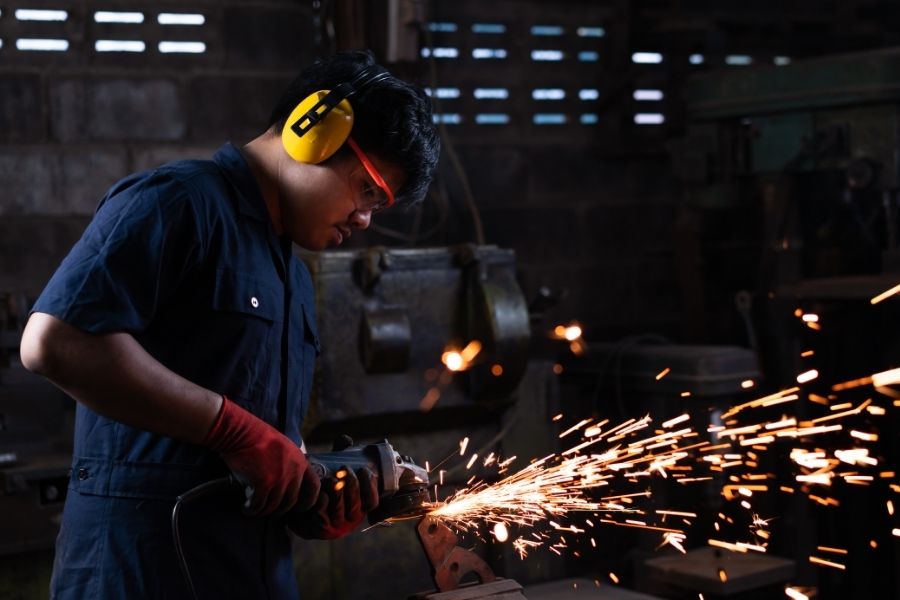
India’s steel industry faces disadvantages due to FTAs with Japan and South Korea despite being the most cost competitive among major global steel producers. It is important for the government to renegotiate the FTAs with provisions to curb excess imports. India’s overall merchandise trade deficit with major RTA/FTA partners has widened significantly in post-FTAs period and has remained one-sided from its inception stage till date. In terms of the steel trade, Japan and South Korea pose serious challenges for Indian steel industry due to their large surplus capacities and high exports to production ratio. Balance of Trade (BoT) in steel products has significantly deteriorated since the inception of the FTA with both of these countries. The need to re-negotiate these agreements also arises due to high cost difference for Indian steel mills vis-à-vis other countries, to check violation of Rules of Origin (ROO) and to amend the safeguard provision under these agreements. To protect the domestic industries and to promote Atmanirbhar Bharat initiative, the government must renegotiate these agreements uncompromisingly to include Auto-Trigger Safeguard Mechanism. In addition to that government should focus on the introduction of Border Adjustment Tax (BAT) and Quantitative restriction (QR) as done by other countries like the United States of America and European Union. Image credit: Shutterstock India’s experience with Regional Trade Agreements/Free Trade Agreements has not been very encouraging over the years. The country has recorded significant trade deficit in most of its major trade agreements. As per a study by NITI Aayog[1]– “India’s exports to FTA countries has not outperformed overall export growth or exports to rest of the world.” The study further states that the utilisation rate of trade agreements by exporters in India has remained very low. India’s overall merchandise trade deficit with ASEAN, South Korea and Japan has widened significantly in post-FTAs period and has remained one-sided from its inception till date. Balance of Trade in All Products with Japan, ASEAN and South Korea Source: ITC Trade Map, value in US$ billion In terms of the steel sector, Japan and South Korea pose serious challenges for the industry. Both countries have large surplus capacities in steel making and significantly high exports to production ratio. On the opposite side, the scope for other countries to export steel products to Japan and South Korea is very limited, as most experts believe that these countries have witnessed demand saturation, where the demand for steel products is expected to decline in both the medium and long run. In addition, low-scale investments into downstream facilities in India by the South Korean and Japanese steel industry encourage imports of upstream steel products, resulting in high value creation in these FTA countries at the expense of the Indian steel industry. Steel production, consumption and exports of Japan and South Korea Country Global Ranking in Terms of Crude Steel Production (2019) Crude Steel Production (2019) Apparent Steel Use (Consumption) (2019) Surplus (%) Exports of Semi-finished and Finished Steel Products (2019) Japan 3 99.3 69.8 30% 33.1 South Korea 5 71.4 55.4 22% 30.0 Source: Author’s calculation based on the data of World Steel Association, value in million metric tonnes It has been observed, that in the post-FTA period, combined steel exports from Japan and South Korea to India recorded an increase of around 70%. On the other hand, exports from India to both Japan and South Korea have remained insignificant. The figure below depicts the clear picture with respect to the one-sided steel trade with Japan and South Korea in the post-FTA period. In the figure, the balance of trade (BoT) in steel products has deteriorated since the signing of the FTA with both countries. Balance of trade in steel products* with Japan, ASEAN and South Korea Source: Author’s Calculation based on ITC Trade Map Data; value in US$ million *For calculating the BoT in steel products, selected products at HS 4-digit level were chosen (from HS: 7206 to HS: 7306) With respect to ASEAN, India has a surplus trade in steel products. However, there are concerns with respect to the compliance of rules of origin and high Chinese investment in steel plants in ASEAN countries. In addition, India’s concessions to ASEAN countries has been far in excess as compared to the concessions granted to India. It is also argued that more than 90% of the imports from the FTA partners (specifically from Japan and South Korea) are within the capacity and capability of the Indian steel industry and imports are purely a fallout of price differentials, as almost all of the steel products attract zero duty under these preferential trade agreements. Apart from the significant negative trade balance, the need to re-negotiate these agreements also arises due to the following: Cost difference: The Indian steel industry is considered to be highly competitive up to the factory gate. In 2016, World Steel Dynamics ranked India second in terms of cost of conversion of iron ore to steel after Ukraine. Indian mills were found to be more cost efficient in converting iron ore to steel than their counterparts in China, Japan or South Korea. Ex-works operating cost for India is lowest among top steel producers in the world Source: NITI Aayog Despite being more efficient, India is still saddled with various structural deficiencies in the form of high cost of finance and power, cost of logistics, incidence of various non-creditable taxes and duties. All these deficiencies cumulate to a cost disadvantage of approx. US$ 80-100 per tonne as per NITI Aayog. Given this substantial cost disadvantage, most industry experts believe that there is a need for level playing parity for the Indian steel industry vis-à-vis imports. Cost Difference for Indian steel mills vis-à-vis other countries (US$/ton) Logistics and infrastructure 25–30 Power 8–12 Import duty on coal 5–7 Clean Energy Cess 2–4 Taxes and duties on iron ore 8–12 Finance 30–35 Total cost disadvantage 80–100 Source: NITI Aayog Lenient Rules of Origin: Rules of Origin (ROO) is a critical part of FTAs for conferring the originating status of goods being
Womenometrics: The long-overdue rise of women startups in India
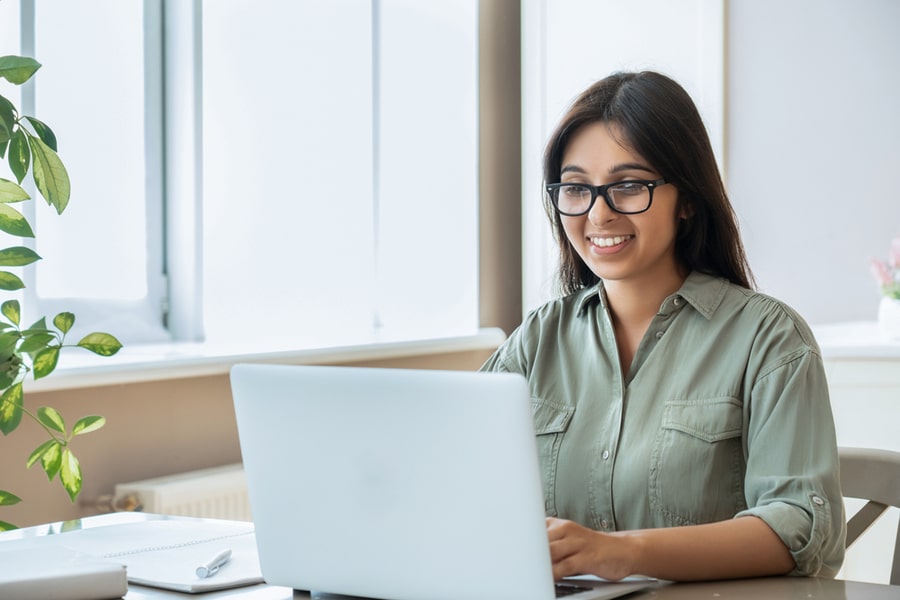
As the Government, along with private sector – incubators, accelerators, universities, associations, and industry bodies increasingly come together to support Indian women in their start-up journeys, it may well be time for women startups to go mainstream in the country. Indian women continue to face various forms of bias and constraints when they attempt to fulfil their ambitions as both entrepreneurs and investors. While India has grown from strength to strength to be the world’s third largest start-up hub, women-led startups still constitute a small fraction. Recognising this, the Government, other women entrepreneurs, and VCs, universities and industry bodies are coming together to provide support to women founders and help them realise their potential. With these efforts, India may finally find its way to get more women role models and the economics is surely going to be more lucid and well-established, thereby lending more breadth and depth to the startup ecosystem. Image by Shutterstock International Women’s Day has been celebrated for over 4 decades. The debate has also intensified in India over the past few years on on ways to enhance the role of women in the workforce and break the glass ceiling. Yet, despite all these efforts, it is a fact that only one out seven board members in India is a woman, according to the AON OnBoard 2019 report. The figures get even more sombering if we have a look at the start-up ecosystem.Despite being home to the world’s third largest start-up ecosystem with over 27,000 startups, India has only 5% women startup founders. As per Data Labs by Inc42, an average of 16% of leadership positions at VC firms and a mere 9% of board members are occupied by women at unicorn startups. Also, as our various interactions with VCs and women founders reveal, the perception that women are primary care givers, hold multiple responsibilities and thus, cannot hold dynamic jobs is the single-most, strongest weapon working against women. Today, Indian VC women partners who hold substantial investment decision making powers could be gathered over a dinner table. Some of the top names includes Vaani Kola, Kalaari Capital; Roopa Kudva of the Omidyar Network India (the Indian arm of ebay); Varsha Tagare, Qualcomm Ventures India; Padmaja Ruparel, IAN Fund; Shanti Mohan, LetsVenture and Ankita Vashishta, Saha Fund. The gender gap is not entirely due to lack of education in the society or lack of opportunities. Women’s participation in all economy activity is a meagre 23% in Kerala, the state with the highest literacy rate in the country. With respect to women in start-ups, it is even lower at 12%, while the national average stands at is 14%. Vijayalakshmi Rao, a mentor and business advisor for women entrepreneurs with TiE, IIT Madras and Keiretsu Forum, comments: The biggest impediments to women’s growth are their own mindsets and the strong urge to hold back largely due to societal conditioning and expectations from themselves. Finding support/inspiration from other women or even having a like-minded peer group who are going through similar struggles helps women to break these barriers, first in their minds, and then unchain themselves from the society’s shackles and ultimately unleash their growth potential. The good news is that VCs and the start-up ecosystem in India, is now proactively and increasingly looking at their investments through a gender lens. More VCs are implementing the women-only investment thesis where they fund only women-led startups. For instance, Rebalance, an early stage accelerator co-founded by Aishwarya Malhi and Vikas Kumar has partnered with VCs such as Aspada, Chirate Ventures, Qualcomm Ventures and Blume and mentors start-ups with atleast one woman founder. Anisha Singh, Founder of She Capital, an early stage venture capital fund, hopes to help out women entrepreneurs with the community and learnings she didn’t have access to as an entrepreneur way back in 2009, as the founder of mydaala.com. Although she faced a lot of criticism/bias initially for a women-only investment thesis with comments which included – “Why Women?, “Women would indulge in catfights”, she also met investors who were curious and wanted to challenge the status-quo along with her. Empower, an initiative by Zone Startups in India offers a 3-month equity free, accelerator programme women in tech. Zone startups was setup in 2014 in India as a joint venture of Ryerson Futures Inc., Bombay Stock Exchange Limited, Simon Fraser University (Vancouver, BC) and the DST (Govt. of India) and is now increasingly gaining traction. Goldman Sachs launched ‘10,000 women programme”, to provide mentorship, business education, networking opportunities and access to 10,000 women across the world globally. In India, the programme is offered in association with IIM Bangalore, to women who have run a business/venture for at least 1 year, have at least 3 employees with a minimum turnover of INR 35 lakhs. Additionally, they have collaborated with Coursera to provide the training programme online free of cost. The NS Raghavan Center for Entrepreneurial Learning (NSCERL), a Center of Excellence at IIM Bangalore has also partnered with IIM-Udaipur, IIM-Indore, IIM-Vishakapatnam and other IIMs to provide the Women Start-Up Programme across the country. Some of the perks of the programme include access to start-up focused solutions such as Razorpay, Cleartax, Amazon Web Services, (AWS), Google Cloud Platforms, Quickbooks, Hubspot etc. targeting different accounting, compliances, technology, payment, marketing solutions required by start-ups. Additionally, community and network building ecosystems such as TiE are coming out with TiE Women Chapters to build a women-friendly ecosystem where women find solutions to deal with bias, support other women founders through mutual dialogue and sense of community. Niti Aayog, India’s government funded think tank has also set up The Women Entrepreneurship Platform (WEP) in partnership with SIDBI for providing an ecosystem for budding & existing women entrepreneurs across the country. The scheme offers incubation and acceleration support and free credit ratings. Moreover, the Government’s scheme – StandUp India facilitates small ticket bank loans between INR 10 lakhs – INR 1 crore to atleast one woman per branch all over India to set up a greenfield
Both Indian & Israeli companies believe in personal relationships
Natasha Zangin, Counsellor, Head of Economic and Commercial Mission, Embassy of Israel in India, emphasizes on the importance that Israel attaches to its bilateral relationship with India. Further, she talks about the key drivers of the startup ecosystem in Israel, and the exciting technology collaborations that can catalyse Indo-Israel economic cooperation going forward. IBT: How do you see India-Israel trade ties having evolved in the recent past and what are the major drivers for bilateral relations? Natasha Zangin: Since the establishment of diplomatic relations between the two nations in 1992, bilateral trade and economic relations have progressed pretty rapidly. We had around US$ 200 million worth of merchandise trade in 1992. It has diversified and reached close to US$ 4 billion in 2020. India is a focus country for our government, being Israel’s third largest trade partner in Asia and the seventh largest globally. So we see India as a partner country in that sense and hope to take those relations to their fullest potential. Both countries can increase their bilateral trade significantly and have much more to explore vis-à-vis their economic relations. Israel has three different economic missions in India, making it the third largest country in terms of economic missions around the world after the US and China. This is only one example to illustrate the high significance that the Israeli government sees in its economic relations we have with India. IBT: What is your perspective on how technology collaboration with Israel can evolve post-COVID? Natasha Zangin: I think that COVID-19, along with its obvious disadvantages, has brought many advantages when it comes to high tech solutions. It has possibly pushed global progress on these solutions ahead by at least 10-15 years. Everything has moved to virtual/digital platforms, from having meetings to controlling your irrigation systems from your mobile phones. As online presence increased, this has also led to a rise in the number of cyber attacks. This situation, of course, requires different kinds of cyber solutions to protect your online data, privacy and infrastructure. A lot of such cutting edge technologies haven’t been used up until now or not that frequently. But due to the circumstances, we have started using them, because not everyone is willing to step into a hospital or a clinic right now. I think this is a time when we can cooperate on that front to implement those solutions and bring them to citizens. Israel’s strength is in its technical solutions. We wouldn’t consider ourselves as a industrial country, when you compare it even to India or other nations worldwide. In Israel, you have more than few 100 companies providing a wide range of cyber solutions, making it the second largest ecosystem in the world or health tech diagnostics. For pregnant women, they can monitor the heart rate of the baby and the movement, so you don’t need to constantly go to the doctor and undergo an ultrasound. Based on your physical stats, they can predict if you need to go to the doctor. IBT: How has Israeli investment in India trended, which sectors do they consider most lucrative and what are the focus areas for the future? Natasha Zangin: As an Economic mission, we focus on economic cooperation between both nations. We don’t specifically focus on FDI coming from Israel to India, but I’m aware that from April 2000 to September 2020, inflows from Israel to India were reported at around US$ 205 million. For 2019-20, I think it was around US$ 31 million. Both nations, of course, are interested in increasing that number. In Israel, we have over 300 R&D centers. At least a half of them are multinational companies coming from abroad to scout for new technologies. In 2018, Israel was ranked the first country worldwide in terms of how much the government invests in R&D from its own GDP at nearly 5%. The second was South Korea. And I think there are plenty of opportunities in that front. Technology is going to restructure the way how we do business. IBT: Which sectors do Israeli companies find lucrative for technology collaboration with Indian companies? Natasha Zangin: In the beginning, bilateral trade between Israel in India was mainly dominated by diamonds and chemicals. But in recent years, to our content, we witness increasing trade in areas such as electronic machinery, high tech products, communication systems, medical and dental equipment. So, while we started with more traditional sectors like water, agriculture and chemicals, we now see more and more tech companies exploring India for economic cooperation. And they’re providing solutions for health tech, medical devices fintech, cyber and HLS smart cities, clean tech, and energy, hydrogen storage, solar energy, etc. Israel also has a very booming ecosystem for smart mobility solutions. We are not manufacturing cars, but we’re manufacturing the tech solutions to support smart cars that will hopefully enter the market in upcoming years. IBT: What kinds of mechanisms are the two governments working on or have implemented to enhance engagement between companies from both sides? Natasha Zangin: First of all, as I mentioned, only in India, we have three different economic missions, with the sole purpose to enhance cooperation & trade between both countries. We help Israeli companies looking into India as a potential market, or even if they’re operating here through joint ventures, local subsidiaries or distributors. On the other hand, if it’s Indian companies who regularly approach us for tech scouting, we can go into a very deep process of scouting, based on the most prominent needs of a specific local company. It could be specific seeds for their plantations, specific irrigation systems, or precise agricultural technological solutions, like platforms predicting weather, providing inputs on usage of pesticides, how you need to fertilize your plantations, etc. So it really depends on the needs of the company. A case in point is agriculture. Israel is a major exporter of fresh produce and a world-leader in agricultural technologies, even though the geography of the country is not naturally conducive
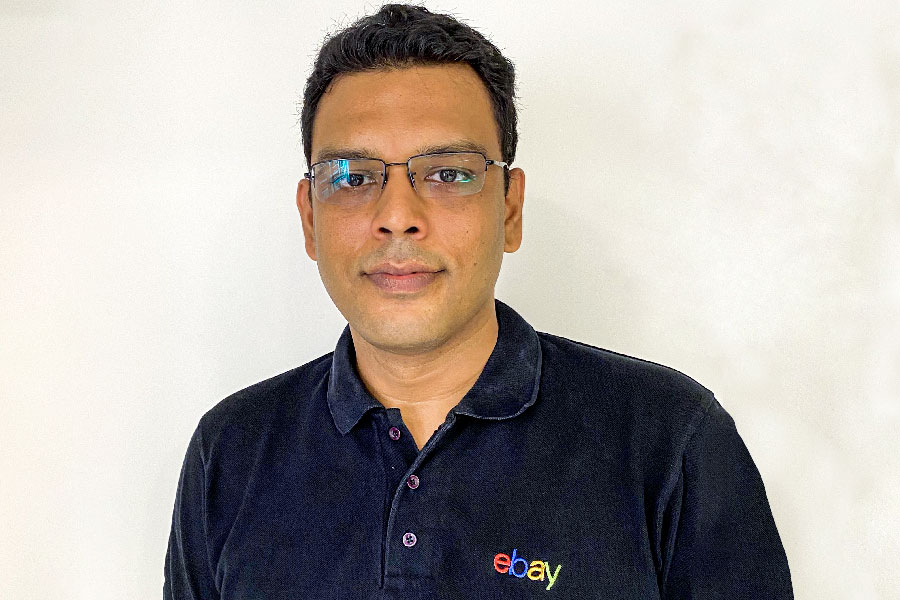
India has an untapped cross border e-tail potential of US$ 2 bn
Vidmay Naini, Country Manager, eBay in India explains ‘How India can boost its untapped cross-border e-commerce (or e-tail) potential & how promoting Indian goods abroad will play a crucial role in this’. He also opines that the inclusion of e-commerce in India’s new Foreign Trade Policy (FTP) will bode well for the Indian economy. IBT: What role did COVID-19 play in terms of increasing the popularity of your website and gaining traction among new consumers in the country? What strategies did you adopt to tap these new audiences to grow your business? Vidmay Naini: COVID-19 was a challenging phase for everybody. It worked adversely for certain businesses, whereas certain businesses, specifically, ecommerce, had some advantages. And specifically, for eBay (- the focus is primarily on exports) and our business was doing extremely well, all over the world. And if you look at the numbers across the world, eBay had a fantastic year in 2020. Over 185 million buyers shopped on eBay across all global platforms, last year. As far as India is concerned, from March 2020 till about June 2020, there was a strict lockdown, where logistics was a very big challenge, and we were not able to ship across goods. However, eBay worked with stakeholders, such as our sellers, the government authorities, and the logistics service providers to ensure smooth resumption of business for our sellers once the restrictions were eased. The company charted out a three-pronged strategy to address this: support existing sellers to restart their business; to provide additional support as far as logistics is concerned, & running various promotions as well as seller campaigns to encourage sellers to sell on eBay, all around the world. Consequently, there was a noteworthy rise in the number of sellers who wanted to sell their products to customers scattered in different parts of the globe though eBay. The primary focus was to sell products that are made in India and are associated with India. So, the entire strategy evolves around products that are available in India. There was a significant uptick in our overall categories, specifically the COVID-related categories, i.e., masks, sanitizers and stay at home equipment. Indoor recreational activities like cards, board games, etc. did extremely well. gold and diamond jewellery do exceedingly well. This is followed by naturopath and natural remedies- another popular category that we are exporting from India. New categories are also emerging: home and bedlinen, auto parts and accessories and also high-valued fine jewellery. A piece of jewellery, for example, is sold within 3.6 seconds and this number is reducing. So, every three seconds, sellers on eBay are selling a piece of jewellery. IBT: Recently, eBay signed an MoU with the Government of Haryana to help MSMEs tap into the international market. Which other states in India do you have/plan to have a similar MoU with? How are Indian MSMEs warming up to this idea? Vidmay Naini: The government is doing a fantastic job of thinking about exports as the growth driver of the economy. And it’s not just exports in the traditional form, there is also a significant thrust given to e-commerce. So, we are in touch with various state governments, as well as the central governments and the ministries that take care of customs as well as the postal system. eBay is working towards creating a sustainable and scalable ecosystem for growth and in the light of that, we not only have signed an MOU with the government of Haryana but also with the government of Uttar Pradesh a few weeks back. We are in discussion with various other state governments, at this point in time. And also, within Made in India, the company is specifically interested in the common programmes of ‘One District, One Product’, where the highlight is a particular district and a particular product. For example, traditional Indian handicrafts, traditional Indian footwear, traditional Indian equipment, and so on are being made, and we sell that to the world. So, sports goods from Ambala are something that we are looking into, then we have the entire handicrafts and handloom section from the Haryana belt, as well as the surgical equipment from the Haryana state, which very clearly demonstrate the quality as well as craftsmanship, & are well appreciated around the world. IBT: What inhibitions/opportunities do Indian MSMEs have when it comes to enhancing their cross-border e-commerce through your platform? Vidmay Naini: One of the significant challenges that exist is low awareness among Indian MSMEs w.r.t. market access to 190 countries. Typically, if one would sell to so many countries, he would either have to spend a lot of money on marketing or travelling or going to trade shows or investing a lot of money in terms of getting to these markets. Whereas eBay provides this at almost no cost- Indian MSMEs have hassle-free market access to 190 countries. From that point of view, it’s very important for MSMEs as well as artisans and small and medium businesses to come on board and exploit this opportunity. The second challenge pertains to the technicalities on how to conduct business online, i.e., on an international forum, where your buyers are not from India, and Indian sellers are competing with international sellers. So, that requires some level of understanding of the international market, as well as technical expertise in terms of how to sell, because selling internationally is not equivalent to selling domestically. Vendors have to comply with additional compliances; they need to have import and export licences, they need to clear custom regulations and documentation & so forth. eBay provides this support by training and teaching sellers from India how to do this. So, that’s where we come as a platform for cross-border trade. eBay also offers logistics support through eBay global shipping. IBT: What are the main commodities that are traded across borders on your platform? Which are the main markets that they are exported to? Vidmay Naini: Indian products sold through eBay find significant traction from the US, our primary market.
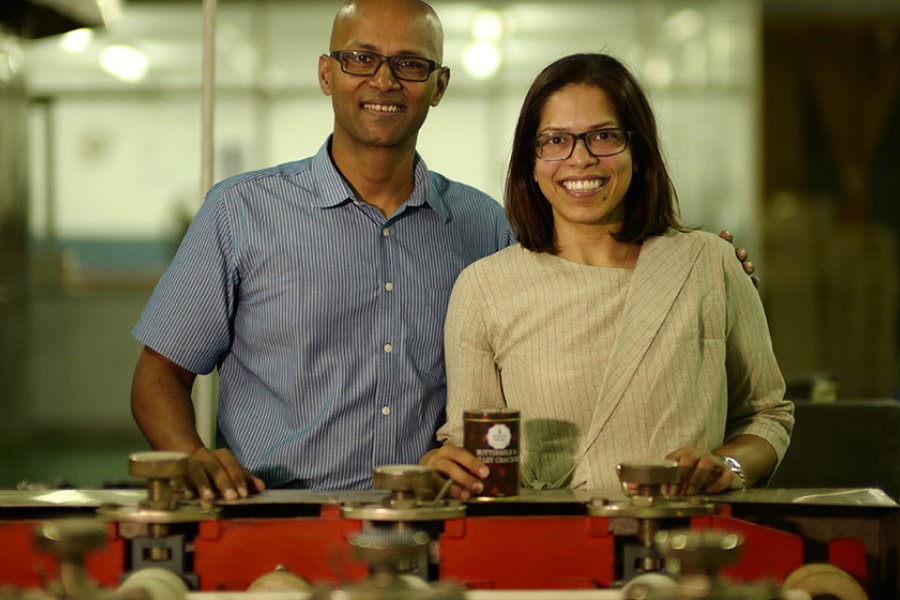
We want our healthy products to be made in India but have a global appeal
Uma Machani & Srivardhan Sethuram, founders, Monsoon Harvest, talk about the different dietary trends that have evolved over the years & how their products have kept up with these ever-evolving fads. They add that Indian snacking was limited to local kirana shops and that is now slowly evolving with much larger players in the traditional Indian snacks market as well. The healthy snacking is still a very small portion of it and that will grow as well, but snaking is going to remain a part of our culture. IBT: When and how did your company embark on its export journey? How has your international presence evolved over this period, and what are your key products and markets? Uma Machani & Srivardhan Sethuram: The journey of Monsoon Harvest range of products goes back to 2016. Initially, these products were sold only in the domestic market, with products being offered only in Bangalore. Gradually, these products found their way across markets in other Indian cities like Delhi, Mumbai & Kolkata. As the popularity of these products started soaring in India, the company also started getting a lot of queries regarding availability of products abroad. Prospective international distributors reached out to see if they could distribute these products in their local markets. Two years ago, Singapore became the first country that we exported to, though these products are only available in a select stores. Last year, we also started shipping our products to the Maldives and Dubai, where our products are getting a warm response. Now, we’re also exporting our products to Oman. The company is also exploring the idea of expanding our presence in the GCC & Asia, and establishing our presence in the markets of Australia, the US and Canada through Amazon. IBT: What are your key target audiences in these markets? Have some products managed to gain traction among the native populations of these countries? Please elaborate. Uma Machani & Srivardhan Sethuram: The products offered by Monsoon Harvest are made in India using Indian ingredients, but they have a global appeal. While our customers abroad may not necessarily be aware of traditional Indian ingredients that we use, the flavor palettes we use are very international. As far as the marketing strategies are concerned, they depend from market to market. For example, Singapore, our products are sold in a store called Scoops which is a store where people are trying to minimize plastic packaging. Customers visiting that store literally see the product and scoop out the quantity that they need. But in Oman, our products are sold in regular grocery stores. The Indian diaspora as well as the natives of that region buy these products with zeal. IBT: What are the major transformative trends that you have seen in the F&B retail space in the post-COVID context, in terms of customer perceptions, habits and product preferences? Uma Machani & Srivardhan Sethuram: Customers these days have become a lot more careful wrt what they’re looking for and how they’re purchasing. In terms of what customers are looking for, people are a lot more health conscious & there was a rise in product offering with essential nutrients, immunity boosters, turmeric, pepper, anything that has a health and wellness angle to it. As far as the purchasing sources are concerned, there was a huge growth in the e-commerce purchasing cycle. So, a lot of brands started selling their products , across the board from Amazon, Flipkart, BigBasket, Grofers, & even Swiggy. IBT: How do you see the healthy snacking trend across the international market over the past few years? What factors are driving this trend, and how has COVID-19 played a role? Uma Machani & Srivardhan Sethuram: Over the last few years, there has been a general awareness among the population about how to start eating healthy. There are so many so many different trends going around from fasting, high protein diets, veganism & so forth. There was a very high protein boom in India over the last three, four years as people would prefer the high protein food to cut their carbohydrate intake. There was a lot of high protein bars, a whole bunch of different things. But now you see a lot more vegan products. Products began to be made using coconut milk, almond milk & soya milk. Then, people started replacing white sugar with healthier alternatives like honey, palm sugar, jaggery & stevia. At the same time, the amount of sugar used to make products was also brought down. Similarly, white rice began to be replaced by brown rice and quinoa. With the blossoming of the start-up culture, a lot of people were able to easily and quickly bring a lot of healthy products and give customers a range of options. For example, the breakfast/healthy snacking segment itself has a plethora of options for the customers to choose from. Further, influencers on social media also disseminate awareness about these products. And thanks to the rise in the popularity of e-commerce over the years, brands easily make themselves available to the customer. This easy access made it easy for different brands to make products specific for different people. So, there was a rising awareness and product availability happening simultaneously and people were starting to eat healthy. And then post-pandemic, this transition just got accelerated. IBT: What are the new product trends that seem promising from your perspective in the global market? Uma Machani & Srivardhan Sethuram: In the global market, especially in Europe, there is a lot of focus on organic & vegan products, with a lot of collagen being used. In Asia, too, people are demanding fresh, organic food. In the USA, there is a great demand for snaking bars, healthy bars, protein bars & protein shakes. Customers across the globe are also moving towards products with zero added sugar & products with less artificial ingredients in them. In terms of protein, there is a shift from soy protein to pea-protein. There’s always a new fad. IBT: What launches are
De-risking the insurance industry with AI
The advent of AI promises a transformative impact across the insurance industry in India, which could in fact emerge a frontrunner when it comes to adoption of the technology. Developing a complete digital ecosystem is a critical first step to success in the future, enabling insurers to do instant policy approvals and end-to-end purchasing processing in minutes rather than days or even hours. Artificial intelligence is seen as an extremely critical driver of competitive advantage in this decade for people, corporations and countries alike. You may look at it as a bridge to be crossed in the near future, or even a bus you have already missed, depending on who you choose to believe. However, both perceptions are misleading. Like any new disruptive trend that emerges in a market, it is important to view AI with an informed perspective – basically understanding what the technology can presently achieve and how it can realistically be applied to your business outcomes. A Harvard article points out that AI today can broadly support three organisational needs – automation of business processes, gaining insights from data analysis and engaging with customers and employees. Even though AI is in the evolutionary stage, some sectors are clearly emerging as frontrunners in adoption of the technology and can provide some semblance of a practical framework for others. Insurance is one such sector wherein companies have begun to reinvent traditional ways of doing business, as they get progressively smarter thanks to artificial intelligence. This is helping them understand the customer better, sell in more innovative ways and serve their needs more effectively. AI is also helping improve customer experience, claims disbursements, on-line information and fraud detection. Usage of Artificial Intelligence in Insurance Industry A recent McKinsey paper confirms that fintech companies and NBFCs are successfully gaining market share and serving their customers at about a third of the operational costs of legacy banks. The same applies to the insurance companies, with first year premiums of Rs 294,406.14 crore (as of November 2020) under their belts. New digital-based companies such as Acko, Go Digit and even PolicyBazaar are enjoying much faster growth rates than insurance companies. In the last ten months, insurers and InsurTech brands have been able to provide faster services and enhance customer satisfaction with the help of AI–based technologies like document processing, ChatBots, and effective computing. They have leveraged them in various operations such as processing claims and appeals, insurance pricing and fraud detection. With companies investing in data lakes, bringing different sources of data together and building machine learning models has become much easier and less time consuming. Some of the common applications are as follows: One of the most important applications of AI post-COVID has been the application process of insurance policies itself. Data needs to be mined from various sources. Performing this task manually during the lockdown was next to impossible. But now companies are leveraging AI-based technologies to automatically extract necessary data from documents and accelerate insurance application procedures with minimal errors. AI and automation-based document processing is much faster and less-prone to errors as compared to normal processing. Be it identification documents of past policies or tax/salary documents, computer vision-based technologies are advanced enough to process them within a fraction of a second. During the ongoing pandemic, insurers have also introduced the e-KYC facility for issuing policies to customers. With video-based KYC, customers can purchase life insurance and health insurance from their preferred insurer. AI-based technologies like ‘Conversational AI’ help InsurTech brands and insurers to ensure faster replies to customer queries. Tools like text and predictive analysis help brands detect fraudulent claims, which have surged in the last 10 months. With audio transcriptions and voice analytics, companies can identify outliers i.e., suspicious customers and correlate conversations with details that they have submitted for the purpose of policy issuance or claim processing. Pioneering AI in insurance One of the leading players when it comes to AI adoption is Max Life Insurance, which is leveraging technologies like vision, speech and NLP to develop a host of predictive models and cognitive applications. These tools enable the company to deliver a hyper-personalized customer experience. Max Life has built a focussed in-house team ‘AI works’, which will be responsible for developing and delivering cutting edge ‘Business First’ AI solutions. They are also collaborating with a number of niche start-ups in this space through several AI accelerator programs. The company is further venturing into many other AI-driven initiatives to ramp up on operational efficiencies – from enabling instant purchase experience to AI-enabled automation of decisions for claims processing. Robo insurance agents Moving beyond current use cases, companies are attempting to exploit the full potential of AI by investing in robo-advisors, data powered systems and much more. To quote KPMG India: “Insurance companies are heavily investing in technologies like Robo advisory powered with Artificial intelligence. Insurance portals are being powered with powerful bots, which provide financial advice tailored to the policy holder’s income and needs. Data and analytics powered with artificial intelligence are used for writing algorithms for robotic advice and for configuring products as per customers’ needs.” Photo by Adrianna Calvo from Pexels Bajaj Allianz Life has a WhatsApp bot called BOING, through which customers are able to engage with the company in real time and get responses to queries on several services they may need with respect to policies like premium payment or fund value. Similarly, AI in the video KYC helps them identify if there is a real human in front of the camera and her/his face is visible (and not a photo) before starting the KYC process. While onboarding a customer, AI can ascertain if the document is correct and personal details match with the information that was entered prior to uploading documents. Care Health Insurance reduces claim settlement time by half: With the objective to reduce customer servicing time and provide a seamless experience, Care Health Insurance, earlier known as Religare Health Insurance, has introduced an online claims solution – ‘Claim-Genie’ – which is available on its mobile application and
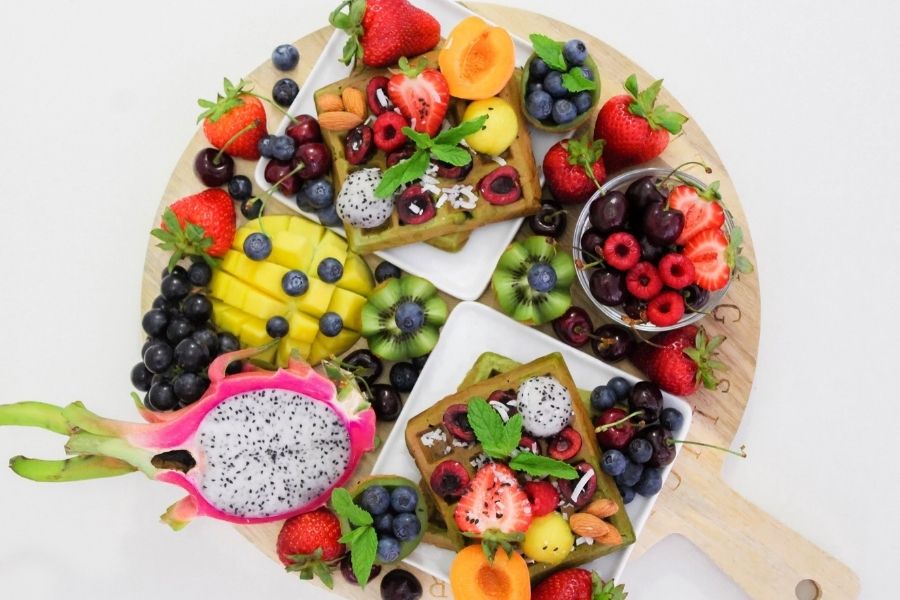
Living life bite size: Healthy snacking in the post-COVID world
COVID-19 has precipitated a definitive shift towards healthy snacking habits across the world, a trend corroborated by industry inputs as well as export data. Indian companies should leverage the country’s positive brand equity and competitiveness in this segment to grow their presence in global markets. 9 in 10 global adults (88%) have admitted to snacking more (46%) or the same (42%) during the pandemic than before it. Further, over half of them relied on snacks for nourishment during the pandemic (54%) & have more control over the portions they eat (66%). India, too, saw a significant rise in demand for hygiene products as well as packaged food & immunity boosters. People looked for ways to lead a healthier life as the long working hours left them with little time to cook. According to a study, the global snacks market size was valued at US$ 439.9 billion in 2018 and is expected to grow at a compound annual growth rate (CAGR) of 6.2% from 2019 to 2025. Europe, Asia Pacific & North America are the key markets for snack food products. While the demand for Indian snack food products is rising among global audiences, India is still a small share of the pie & is largely unorganised. This article explores how this situation can be rectified and how India can augment its exports. Photo by Trang Doan from Pexels The State of Snacking: 2020 Global Consumer Snacking Trends Study states that as billions of people were home to avoid being infected by the novel coronavirus, there was a global growth of snacking. Statistically speaking, 9 in 10 global adults (88%) have admitted to snacking more (46%) or the same (42%) during the pandemic than before it. It also suggests that two-thirds believe “the current pandemic will have a long-term impact on how we consume snacks as a society” (65%). Further, the survey also points out that as soirees & social get-togethers took a back seat and gyms across the world shut shop, the trend of at-home snacking was accompanied by mindful eating. Over half of global adults have relied on snacks for nourishment during the pandemic (54%) & have more control over the portions they eat, because they are snacking at home more often (66%). This trend has struck a chord with people in India too. Luke Coutinho, Holistic Lifestyle Coach – Integrative Medicine, notes, what he considers a silver lining during the pandemic: When no medication, drug, or vaccination worked, we turned to ingredients already lying in our kitchen. Turmeric, garlic, onion, black pepper, fenugreek seeds, star anise, tulsi, cumin, ginger – turned out to be the most powerful immunity-boosting foods. We have also gotten back to brewing the age-old kadha, powerful Indian superfoods like chyawanprash, giloy, ashwagandha and realized how powerful these ancient remedies are. Similarly, EY’s study titled COVID-19 and emergence of a new consumer products landscape in India finds that there was a significant rise in demand for hygiene products as well as packaged food & immunity boosters. What explains the spike in the demand for these products is the wave of fear associated with this (potentially) deleterious disease. It is hardly surprising that according to Google Trends, coronavirus, COVID-19 test near me & how to boost immunity ruled as the top searches in India. Now that this trend has managed to establish its hold across the globe, this blog looks at the snack food industry & what the future has in store for it. The global snacks market at a glance According to a study, the global snacks market size was valued at US$ 439.9 billion in 2018 and is expected to grow at a compound annual growth rate (CAGR) of 6.2% from 2019 to 2025. It also highlights that increasing health consciousness along with changing lifestyles (especially the rise of double-income nuclear families) and diets have spurred the demand for various snacking options. Thus, consumers across the globe are extra careful about their snacking routines and are shifting toward healthy alternatives such as organic snacks, allergen-free & vegan products. Thus, there has been a paradigm shift in global snacking habits. However, this segment of snacks is still a very niche one, with conventional items like confectionery items still dominating the sector. Source: Mordor Intelligence As per the Gulfood Global Outlook Report (2019), in 2018, Europe (US$ 174.7 billion) led sales of confectionery, snacks & ready-to-eat products, with a 30.4% market share in 2018. It was followed by Asia Pacific (US$ 161.2 billion) ranking second with 25.3%, and North America (US$ 142.2 billion) with 24.4% in third place. It notes that the trend of eating snacks made with healthier ingredients is on the rise. “The mindful eating trend that started a few years ago in developed countries has now hit all countries globally. Many companies all over the world are therefore choosing to reposition their portfolios towards healthier variants in comparison to former snacking options,” it states. Thus, this area offers a huge untapped trade potential & tremendous scope for product innovation. Confectionery, snacks & ready-to-eat industry at a glance Indicator Asia Pacific Australasia Europe Latin America Middle East & North Africa North America Sub-Saharan Africa Consumer spending on this category as % of total F&B 4.60% 13.30% 10.80% 7.60% 6.30% 14.60% 2.40% Key growth markets for this category (2013-2018) Nepal, Bangladesh, India, Cambodia & Laos Papua New Guinea, Fiji, New Caledonia & French Polynesia Iceland, Albania, Lithuania, Romania & Estonia Guatemala, Bolivia, Cuba, Haiti & Panama Syria, Qatar, Bahrain, UAE & Oman USA & Canada Sudan, Eritrea, Gambia, Burundi, Sao Tomé e Príncipe Key sub-categories* Savoury Snacks (34.0%) & Confectionery (31.5%) Confectionery (34.4%,) Savoury Snacks (27.6%) & Ice Cream and Frozen Desserts (19.5%) Confectionery (46.4%) & Savoury Snacks (21.9%) Confectionery (33.8%), Savoury Snacks (27.1%), Sweet Biscuits, Snack Bars and Fruit Snacks (25.1%) Confectionery (34.0%), Savoury Snacks (25.5%) Sweet Biscuits, Snack Bars and Fruit Snacks (20.6%) Savoury Snacks (39.9%)& Confectionery (29.5%) Confectionery (41.2%) Sweet Biscuits, Snack Bars and Fruit Snacks (24.6%) Source: Gulfood Global Outlook Report (2019) Leapfrogging
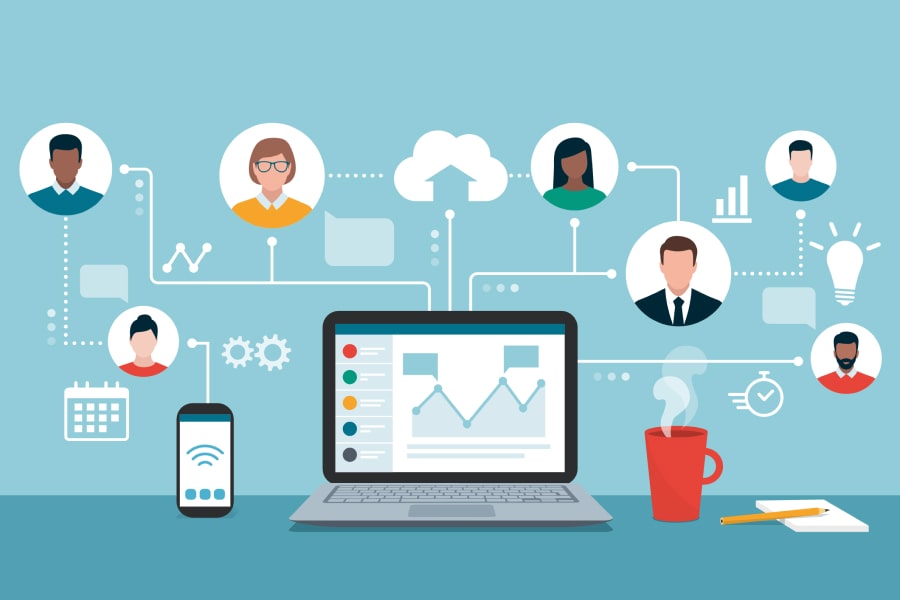
Companies should be cautious about digital over-reach
IIM Ahmedabad’s Prof. Anuj Kapoor posits that the omnichannel experience provides brands with an opportunity to present a more cohesive and seamless experience to customers who start their purchase journey on one channel and finish on the other channel. He, however, cautions that with a greater digital presence, brands might also attract customers who are non-serious or have low lifetime value. Source: https://bit.ly/2Zkbaoj IBT: What benefits does establishing a virtual presence entail for brands planning to advance their business (both B2B & B2C) in a post-Covid world? Prof. Anuj Kapoor: Establishing a virtual presence entails numerous benefits for brands. These include – 1) More consumers and wider reach: Digital offers an opportunity to enhance reach on much lower budgets as compared to offline mediums. However, there’s a caveat: Brands need to be cautious about the over-reach or the quality over quantity trade-off i.e. with virtual presence, brands might attract customers who are non-serious or in other words, don’t have high CLV i.e. customer lifetime value. 2) Speed: Online customer journey is agile and quicker than the offline world. 3) Complement versus Substitute: Brands can leverage virtual presence to supplement (if not substitute) the offline experience. This omnichannel approach provides brands with an opportunity to present a more cohesive and continuous experience to customers who start their purchase journey on one channel and finish on the other channel. IBT: How can SMEs leverage the power of online platforms to grow their business? What organic and inorganic tools can be deployed for the same? Prof. Anuj Kapoor: Apart from the benefits and the caveats mentioned above – digital presence allows businesses with the following: Real-time tracking and evolution of customer tastes: Digital platforms allow firms to track the activities of users real-time and tweak their marketing mix. Data stitching and aggregation: Digital platforms don’t just let SMEs track users on their website i.e. own platforms, but also leverage myriad data sources that can help them stitch the different data sources together to understand user preferences. Predictive abilities: Not only can SMEs leverage user data to understand users’ current movements but also predict their next move. IBT: What are the reasons & constraints why SMEs are reluctant to use virtual platforms to advance their business? Prof. Anuj Kapoor: First, lack of understanding: To implement a technology, SMEs first need to understand it and then implement it in their organization. The lack of proper understanding of virtual platforms is a barrier to adoption by SMEs. Second, any tech product relies on network effects for its adoption and any delay in the initial adoption has spillover effects in terms of the overall adoption across the network. Therefore, one SME in a community adopting a virtual platform will lead to ripple effects in their local community. Third, fear of substitution: The SMEs need to be educated that virtual platforms will only complement their existing physical platforms and won’t replace them. Fourth, secure payments and accountability: Many SMEs still aren’t interested in complete transparency and financial disclosure and moving operations online can potentially lead to the need for full financial disclosure. Many SMEs are not comfortable with this. IBT: What can be done by the government to encourage more brands to start using online platforms to promote their business? Prof. Anuj Kapoor: First, incentivise: Government can incentivize the SMEs on (1) Providing awareness regarding the various advantages of the virtual platforms (2) Ensure technical support once the SME has adopted. Second, covering the setup costs: Governments can provide the setup costs – partially to let SMEs come on board. IBT: Please give us an example of a company that you think managed to use social media/online channels successfully to advance its B2B goals. What can Indian SMEs learn from it to replicate this success? Prof. Anuj Kapoor: Air Liquide, a leading supplier of gas to the industrial and healthcare sectors leveraged digital technologies to forge a customer-centric strategy and strengthen its relationships with its broad portfolio of customers following its acquisition of US company Airgas. Air Liquide’s challenge was to develop customer-centric skills to address the fast-growing “long tail” of small and mid-size industrial customers – a segment that relied on digital technologies to effectively order gas and acquires expert knowledge – from blogs and social media to e-commerce. Air Liquide traditionally focused on large customers, leaving other distributors to serve smaller ones, but rapid growth in the smaller industrial customer segment demanded attention. Serving an increasingly diverse set of customers implied leveraging various digital technologies and a multi-segment customer-centric strategy. Airgas developed a fully-integrated multi-channel approach to SME customers – who can buy online, by phone, or collect from a local Airgas store and has acquired 500 distributors and a “distributor mindset,” for a large part at the origin of Air Liquide’s decision to acquire Airgas. The company developed a typology of customer segments and articulated which technology best fits each segment, and how to deliver novel value at specific points of the customer journey. Finally, the company learned from its experiments with digital technologies – both positive and negative – and adopted an organizational structure for agility in a fast-paced environment where customer expectations and market conditions are shifting. Similarly, Indian companies can segment their customers based on their technological prowess, target them and most importantly, experiment with different approaches. IBT: From a customer’s perspective, what could be the challenges in ordering products online from an SME through virtual apps? Prof. Anuj Kapoor: Customers in India face the following challenges in their virtual experience of buying things online: First, lack of familiarity with English: The content has to be developed in vernacular languages. Second, trust and security issues: A secure and hack-proof interface is super important. Third, the entire process starting from information gathering to the exit phase has to provide a simplified and hassle-free experience. Second and third points present a paradox where they can be at crossroads but the firm has to find a balance between the two objectives. Anuj Kapoor is an Assistant Professor (Marketing) at IIM-Ahmedabad. His research interests include computational social science,
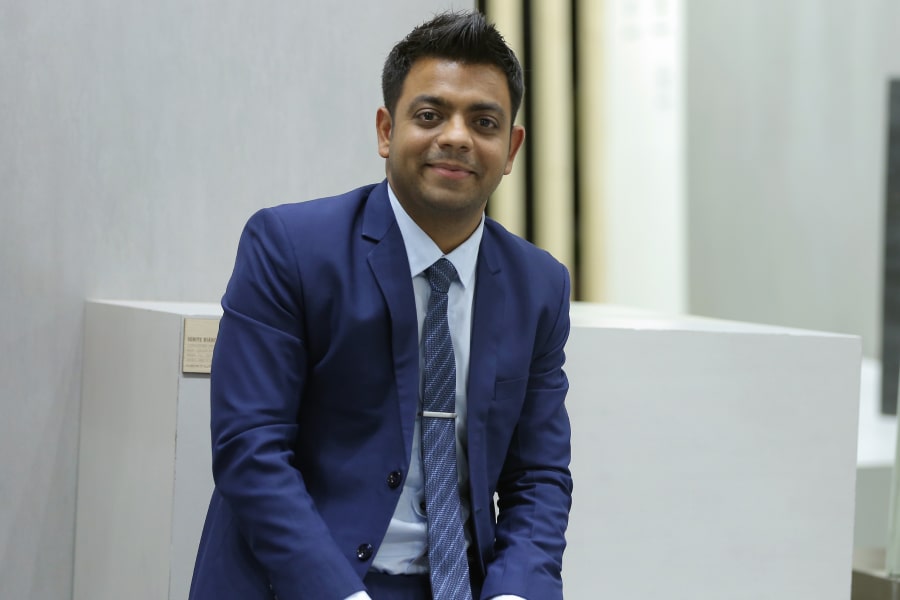
Morbi ceramics cluster is investing Rs 8,000-10,000 crore in new facilities
Hiren Varmora, Director, Varmora Granito Pvt Ltd, details the spectacular turnaround that the Indian ceramics industry has managed over the past decade, by combining Chinese pricing, European design thinking and Indian flexibility. Coupled with the strong anti-China sentiment, this provides a huge export opportunity for the industry to capitalize on in the post-COVID period. IBT: Varmora Granito has built a successful global business that is spread across 70 countries. What have been the major success factors that propelled the growth of your company? Hiren Varmora: The 25-year plus journey of Varmora Granito started in 1994. It was incepted by my father, the founding Chairman Mr. Raman Bhai Varmora. One of the major foundations of Varmora’s success over these years has been innovation. Hence you can see Innovating Happiness in the logo. Ever since my father started the company, we always thought about what new we can give to the industry. So we used to be a few years ahead of the market. Between 1994-98, we came with a new size of 20 cm by 30 cm. In 2006, we introduced a product, which only 4 companies in the world used to produce at that time and no one in India. These were the 6 feet by 4 feet slabs, which are in trend now. So we were ahead of the market by 14 years. In end-2008, we were the first company in Asia to bring digital technology or printing technology in the ceramic business. So you could print whatever you wanted on the tiles. This means that we opened up new horizons in ceramics, which became replacements for old materials like stones, natural wood and natural marble. These were the 3 major alternative products of ceramics, which were used on any surfaces, right from your bathrooms to the kitchen platforms to floors, living areas or any sort of surfaces. Using ceramics helped the industry overcome the drawbacks of these natural materials. For example, stone and marble are more porous in nature, so we can break them easily. They have a short life and need to be polished again and again. Wood is impacted by changes in weather conditions. IBT: How did you plan your foray into the international market? Hiren Varmora: Until 2008, we spent most of our time expanding our business in the Indian subcontinent. You have to be a sizeable player in India itself before you start exporting. And when you venture into exports, you have competition with countries like Spain, Italy and China, where China is the cheapest and the other two lead in terms of quality and new products. At that time, India didn’t have any edge. From 2012, we aggressively started expanding in the global market. Over a span of 8 years, we were able to export to more than 70 countries. Moreover, we have set up our showrooms in more than 15 countries and warehousing facilities in more than 4 countries. IBT: How did you crack the global market given the tough competition? Hiren Varmora: In our endeavor to become a world-renowned brand, we were taking inspiration from other industries as well. A very simple example is the brand Bata, which you perceive as being an Indian brand, even though it is not an Indian company! This is because it has been placed and promoted in such a manner with its products that people started feeling that it’s an Indian brand. We adopted a mix of approaches from multiple industries and this is why we started creating warehousing facilities and reaching out to customers directly. International customers were not too optimistic about Indian quality at that time, because they used to treat China and India as parallel ecosystems end-to-end. They had expectations of cheap prices, but not quality. Thereafter, we decided that this is not where we will be placing our brand. We always say that we are not exporters, rather we are into international business. They are completely two different things. Exporting means that you are just shipping products and forgetting about it. International business means that you are creating end-to-end channels and deep diving into the business. So in the last eight years, after Varmora brought in this technology, a few other companies came into this field as well, which gave them an entry into the international market. This was a phase where we saw a major growth in Indian exports. Product quality was a key factor. But besides that, a lot of countries were turning down Chinese products because they were harming local manufacturers or local economy. Countries from Europe, South America and the Far East have been imposing anti-dumping duties on China. This has worked to our advantage. IBT: How have the global business environment, client sentiment and ways of doing business changed in the post-COVID period? How have you adjusted to the same? Hiren Varmora: So as I said, over the past 8 years, a lot of countries were against China, and in the meantime, India was on the ascent. So a lot of countries started favoring Indian products. Over these years, Indian manufacturers could be seen across all international platforms or exhibitions. People started realizing that India is the second largest manufacturer in the world when it comes to ceramics, something they were not aware of 8 years back. These sentiments got exacerbated post-COVID, as people noticed how it originated from China and were suspicious. This has given Indian companies an added advantage. I remember how, during the initial period of COVID, everyone was in their homes. So as the top management, we used to have weekly meetings. The unforeseen situation raised a lot of questions in our minds. How can we project the next 3 quarters of this financial year? How are we going to operate? Would we need additional funds to do the business? When you’re running such a big business operation, it is very difficult to manage the fixed cost as well. Surprisingly, while we were expecting to pump in investments, it actually went
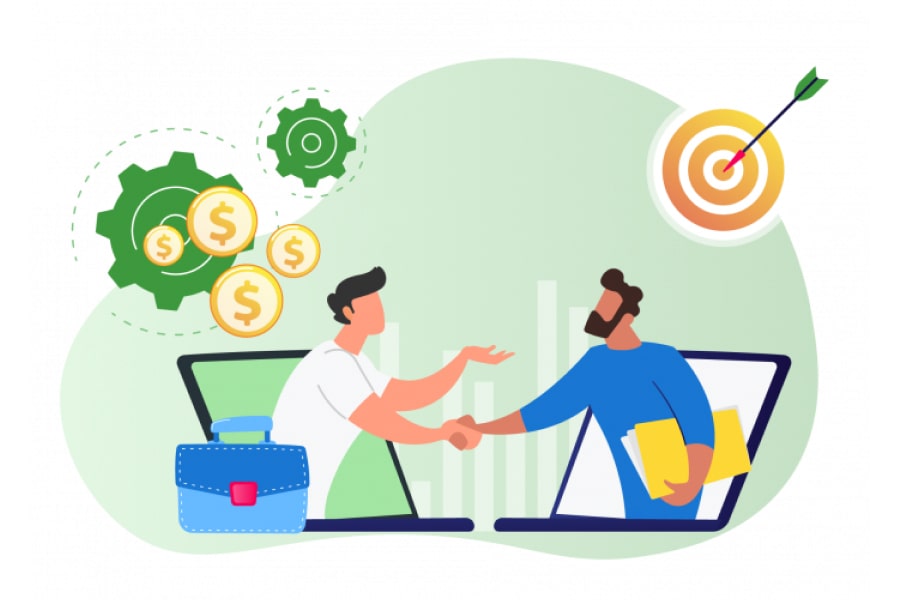
Online experience is about relationships, experiences & trust
DVR Seshadri, Director for ISB-CBM and Clinical Professor in the Marketing Area, Indian School of Business points out that for SMEs, using on-line platforms is a cost-effective way to grow their businesses. He adds that with a surplus of online platforms, it is important for SMEs to understand that while their business is not online, their customers are. Source: https://bit.ly/3tJjThN IBT: What benefits does establishing a virtual presence entail for brands planning to advance their business (both B2B & B2C) in a post-COVID world? Prof. DVR Seshadri: There are multiple benefits of establishing a virtual presence for brands, the most important one being access to a larger audience. This is because COVID-19 pandemic has accelerated digital transformation across every industry. Thus, Digital is the ‘New Normal’ and has become a reality in this COVID and post-COVID world. It has given businesses an opportunity to rethink how they work and engage with their customers in a more meaningful way. It has become essential for companies to re-define their brand purpose and communicate it clearly. Moreover, online marketing is not only cost-effective but provides a wealth of insightful data to help companies understand their customers and preferences. Further, the rise of social media also underlines the fact that online marketing isn’t just about sales, it’s about building relationships, offering experiences, and creating trust. For example, a survey conducted by Deloitte showed that one in five respondents had boycotted brands based on their response to coronavirus, especially when it comes to keeping staff safe. In summary, in the era of global competition and a digital world that we now are in, virtual presence is essential for success of a company, both in B2B and B2C. IBT: How can SMEs leverage the power of the online platforms to grow their business? What organic and inorganic tools can be deployed for the same? Prof. DVR Seshadri: For SMEs, presence on online platforms means exploring new ways to measure ROI, including social value. It is important for SMEs to understand that while their business is not online, their customers are. One of the biggest questions which SMEs have is how to build their online presence with so many online platforms such e-commerce sites, mobile commerce and online marketplaces like Amazon, social media, websites and virtual spaces like Zoom. To answer that, SMEs need to identify the right approach for their business and find out where their customers in the digital world are and what interests them. It is the experience that companies create for their customers online that is vital to their success in engaging with their customers. The best approach today is to combine organic and inorganic marketing strategies. Organic marketing is free and it includes creating original content and encouraging customers to create content for you on themes relevant to your business. Inorganic marketing includes paid promotions such as banner ads and sponsored posts. While organic posts may not directly drive up sales, they are more effective in brand building. Similarly, brands must consider developing their mobile apps as apps have been found to be more effective in driving sales. IBT: What are the reasons & constraints why SMEs are reluctant to use virtual platforms to advance their business? Prof. DVR Seshadri: Some of the key challenges which SMEs are deliberating in leveraging virtual platform are: Competition: There is a lot of competition in the online marketplace, and companies have to be put on their thinking hats and come up with innovative ideas, products, and delivery methods to stand out. Funds: Access to adequate funds is the largest challenge faced by SMEs. From identifying the right platform to upskilling their employees and engaging professionals for brand building, creating a virtual presence can put off SMEs in terms of investment requirements. However, this is a one-time investment to build on-line presence, and it is recommended that SMEs look at the long-term benefit including the volume of the audience that they can reach by having effective online presence. Apprehension: Fear of bad online reviews also sometimes make SMEs wary of creating a virtual presence. However, there are effective strategies to handle bad online reviews. The best way to get over the apprehension of possible bad online reviews is to create a great customer service/support team which will in turn help in creating a better brand and improved customer relationships both online and offline. The key is to be extremely responsive on on-line platforms, and to the extent possible, respond to customers’ queries and concerns in real time. IBT: What can be done by the government to encourage more brands to start using online platforms to promote their businesses? Prof. DVR Seshadri: Some measures which can help in promoting usage of online platforms are: The Government should focus on developing infrastructure, especially in rural areas. Developing high-speed and reliable internet access and a vast mobile network in rural areas. This is a significant problem due to power outages, etc. that result in breakdowns of high-speed Internet services. A robust and secure digital banking infrastructure. Educating people on how to make payments through banks and digital platforms, including enhancing financial literacy and awareness among the masses. It is essential to assuage the privacy concerns that customers may have about making digital payments and educating them on the advantages of making the transition to using online platforms to enhance their efficiencies. Enhancing cyber safety and security measures for maintaining the integrity of online data and information, to help reduce apprehension among users about possible frauds. The technological innovation brought by the fintech industry and the policy initiatives of the Government must work together for enhanced adoption of digital payments and to foster continuous innovation in the respective organisations. IBT: Please give us examples of companies that you think managed to use social media/online channels successfully to advance their B2B goals. Prof. DVR Seshadri: Brands use social media to connect with their customers at a personal level, which in turn helps them to enhance sales. It is essential for companies to