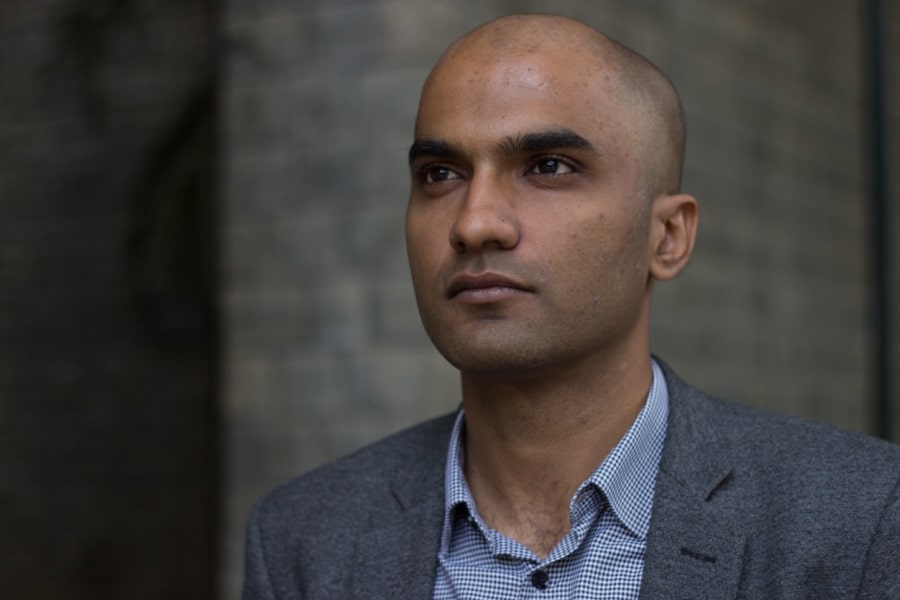
Deepak MV, CEO & Co-founder, Etrio feels that 2021 will be an interesting year for electric vehicles (EVs) in India and the introduction of voluntary scrappage policy in the budget is a welcome move for the industry. Further, the allocation of Rs 1.97 lakh crore towards PLI along with customs duty increase on components should spur investments in domestic manufacturing. IBT: How did the pandemic impact the Indian EV industry in terms of lockdowns and the ensuing operational challenges? Deepak MV: The pandemic has impacted almost every industry and the EV industry is also one of the affected sectors. The global supply-chain was completely disrupted, leading to a substantial increase in raw material prices as well as logistics costs. Furthermore, the country was already lagging behind in the targets under the FAME II guidelines, and the pandemic has slowed it down even further. The government had several plans for building the charging infrastructure of EVs in the country, but all of them were put on halt due to the onset of COVID-19. However, things have slowly started to change as various state governments are announcing scrapping policies and incentives to keep the ball rolling. IBT: There are two counter tendencies that were created by the pandemic. The rise of remote working & decline in purchasing power, which dented consumer demand. On the other hand, there was a preference for private vehicle ownership due to social distancing norms. How did these 2 trends impact the demand for EVs? Deepak MV: The declining purchasing power initially led to an overall slowdown in automobile sales. Passenger 3-Wheelers were heavily affected by the pandemic, with a drop of over 80%. The cargo segment, however, showed increased demand due to growth in e-commerce. The latter part of 2020 has shown an increase in preference in private vehicle ownership, particularly with respect to EVs. Passenger 3-Wheelers have also shown signs of recovery in the latter part of the year, with electric passenger 4- Wheelers clocking higher numbers than FY 2019-2020. IBT: In your opinion, what does 2021 hold for the Indian EV industry? Deepak MV: 2021 will be an interesting year for the EV industry in India. One of the significant factors would be Tesla’s entry, which will provide the much-needed boost that the renewable energy sector needed. However, with the electric three-wheeler space becoming dense, and Indian as well as global OEMs announcing new electric four-wheeler launches, EV sales are expected to go up by a notch. Increasing oil prices coupled with a more balanced cost of ownership of electric vehicles will be two most significant contributing factors to the increase in EV sales. It will be another testimony to the potential of India as an EV hub of the future. This will also create an opportunity for upcoming entrepreneurs to create visionary brands like Tesla, while putting innovation at the forefront. IBT: What expectations does the EV industry have from the government? Deepak MV: The key expectations from the government are as follows: Enablement of charging infrastructure in the country at a faster rate Details of PLI scheme to support for localization of EV supply chain in the country and enable innovation Support for attractive financing option for electric vehicles Inclusion of retrofitment incentives in FAME II policy Faster roll-out of tax refunds and incentives Smoother regulatory approvals The government needs to open the sector for foreign investments which will help the OEMs in the country to cope up with their working capital needs. EVs are a very high-cost business, both on the OEM side as well as the infrastructure side. We are hoping to see the government opening up the sector for foreign investments which will attract new investments in the sector. IBT: How can the government promote localisation of the EV supply chain? What are the main challenges when it comes to the domestic production of EV batteries in India? Deepak MV: In this regard, the government already provided capital support for OEMs to set up facilities in India. The industry is hoping to see the PLI scheme in EVs also, like the government did in the case of mobile phones manufacturing. A production-linked incentives scheme for EVs is the need of the hour. We also expect the government to identify key bottlenecks in component design and manufacturing to allow time for grassroot innovations. This, we feel, will be key for India to step out of the shadows of other global leaders and create its own sustainability roadmap. IBT: What is your take on the Union Budget’21 from the standpoint of the auto industry? Deepak MV: This budget definitely demonstrates the commitment by the government to boost demand and generate employment through investments in areas like infrastructure, finance and healthcare. Also, the budget extends support to start-ups and MSMEs through tax exemptions and increase coverage of small companies threshold and, higher allocation towards MSME sector. From an overall auto industry standpoint, the soft step towards the introduction of voluntary scrappage policy is a welcome move. However, driving implementation of the same through incentives/ disincentives and the necessary infrastructure is going to be critical. Further, the allocation of Rs 1.97 lakh crore towards PLI along with customs duty increase on components should spur investments in domestic manufacturing. The infrastructure investment focus would definitely drive demand for M&HCVs and construction equipment specifically along with boosting demand for mobility at large. However, the increase in custom duty and fuel prices will lead to upward vehicle price revision and higher running costs for the customers. An IIM Calcutta alumnus, Deepak leads Etrio, an electric vehicle start-up with a vision to transform environment, lives and businesses. Etrio is the only company in the country rolling out new EV products and electrifying existing ICE products with a sharp focus on building an ecosystem for driving adoption of a range of green mobility vehicles including two, three and four-wheelers. He has played multiple roles as an entrepreneur, consultant, banker, sales professional and trainer in his almost two decades
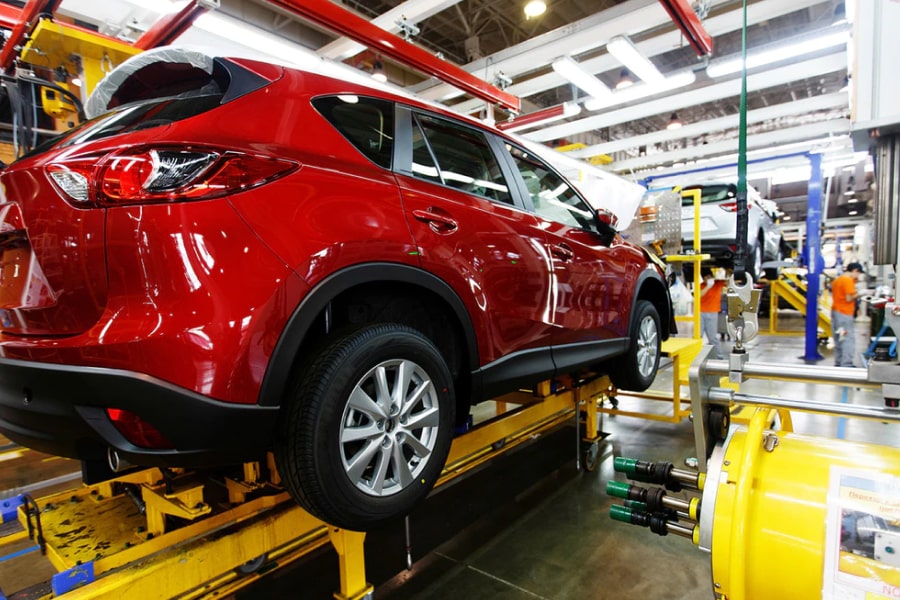
Capital goods exports: Missing the punch?
India’s exports of capital goods increased by almost US$ 23 billion till 2018. But during the same time frame, imports proliferated by US$ 68.7 billion, which is roughly three times. To develop as a globally competitive capital goods exporter in the age of smart manufacturing and swiftly changing technologies, it is vital that India encourages technological upgradation of domestic producers of capital goods. Exports data of capital goods reveals that since 2010, India’s exports of capital goods increased by almost US$ 23 billion till 2018. But during the same period, imports proliferated by US$ 68.7 billion, which is roughly three times. Since the RCA figures remained significantly less than 1, it is difficult to say if exporters actually utilized the EPCG scheme in gaining competitiveness for capital goods exports. In fact, there is growing evidence that the Indian capital goods sector is becoming less self-sufficient and is relying more on imports to meet domestic demand. Approximately US$ 90 billion out of US$ 131.6 billion (WITS Data) worth of capital goods imported by India comes from non-RTA member countries, which include China, USA, Hong Kong and Europe. The government may give emphasis on addressing issues like inverted duty structure and the unintended consequences of export promotion policies like zero duty on import of capital goods and import of second-hand machinery, which affect the competitiveness of domestic capital goods producers. Source: https://bit.ly/2NJjlbm It is universally recognised, perhaps aptly, that capital goods are the backbone of any country’s economic progress. Essentially, capital goods can be defined as those durable goods, which have high value-added content and need sophisticated technology to manufacture. As per Directorate General of Foreign Trade (DGFT), capital goods imply any plant, machinery, equipment or accessories required for manufacturing or production, either directly or indirectly, of goods or for rendering services, including those required for replacement, modernisation, technological upgradation or expansion. Capital goods may be deployed for use in manufacturing, mining, agriculture, aquaculture, animal husbandry, floriculture, horticulture, pisciculture, poultry, sericulture and viticulture as well as the services sector. Computer systems and software are also a part of capital goods. Independent India’s initial development plan (second five-year plan), also known as Nehru-Mahalanobis plan aggressively focused on heavy industries. Mahalanobis identified the rate of growth of investment in the economy with rate of growth of output in the capital goods sector within the economy. Thus, capital goods have always remained a focus area, but the same was not juxtaposed by empirical outcomes. Therefore, the Indian government came up with a policy to promote exports of capital goods through Export Promotion Capital Goods Scheme (EPCG). Under the scheme, EPCG stakeholders are issued with actual user condition and import validity of 2 years to import capital goods (except those specified in negative list) for pre-production, production and post-production at zero customs duty. It is subject to fulfilment of specific export obligations equivalent to six times of duties, taxes, and cess saved on capital goods, to be fulfilled in six years from the date of issue of authorisation. What data has to say? Looking at the export data of capital goods, it can be said that from 2010, India’s exports of capital goods increased by almost US$ 23 billion till 2018. But during the same time frame, imports proliferated by US$ 68.7 billion, which is roughly three times. This indicates that, either our dependence on capital goods has surged or EPCG scheme has acted as a catalyst in fuelling the surge of capital goods imports, mainly from 2014 onwards. The issue can be better understood when we see the revealed comparative advantage (RCA) figure of capital goods. Since the RCA figures remained significantly less than 1, it is difficult to say that we actually utilized the EPCG scheme in gaining competitiveness for capital goods exports. Thus, there is growing evidence that the Indian capital goods sector is becoming less self-sufficient and is relying more on imports to meet domestic demand. Table 1: India’s trade snapshot of capital goods Partner name Year Product group Export (US$ billion) Import (US$ billion) Export product share (%) Import product share (%) Revealed comparative advantage World 2010 Capital goods 25.80 63.21 11.71 18.06 0.38 World 2014 Capital goods 41.55 73.5 13.08 16 0.39 World 2018 Capital goods 48.38 131.66 15.01 21.31 0.42 Source: WITS Data Figure 1, Revealed Comparative Advantage of capital goods of selected economies Source: WITS Data India lacks significantly in export competitiveness of capital goods, as our RCA is only 0.42. Let’s have a look at the export and import destinations of capital goods to understand if regional trade agreements have any role to play? Approximately US$ 90 billion out of US$ 131.6 billion (WITS Data) worth of capital goods imported by India come from non-RTA member countries, which include China, the US, Hong Kong and Europe. Similarly, the top three export destinations are US, UAE and Germany, again markets where we do not benefit from any trade agreements. India’s trade destinations of capital goods as per 2018 S. No. Export destination of capital goods Import destination of capital goods 1 US China 2 UAE Germany 3 Germany US 4 Bangladesh Hong Kong 5 UK Singapore 6 Singapore South Korea 7 China Japan 8 Sri Lanka Vietnam 9 Nepal Italy 10 Indonesia Thailand Source: WITS Data, yellow highlighted cells indicate that India does not have any trade agreements with them The government’s plan to influence RTAs to buttress the export potential of capital goods will work only when our domestic manufacturers are at par with their counterparts across the world in terms of competitiveness. The incremental capital output ratio (ICOR) is the amount of capital required to produce one unit of output. The higher the ICOR, the less efficient the use of capital. India’s incremental capital output ratio (ICOR) suggests that so far, our effective utilization rate of capital is moderate and not high. This means that the output produced by increasing one additional unit of capital is high; henceforth, there is a scope of milking the

Bikanervala has successfully combined modern technology with traditional wisdom
Manish Aggarwal, Director, Bikanervala Foods Pvt Ltd, elaborates on the growth journey of the company and how it succeeded in the market through agility and adoption of new and progressive ideas. He also talks about the growing market for Indian traditional snacks, while emphasising that health and taste are emerging buzzwords in the category. IBT: What was the inspiration behind the brand “Bikano” when it was founded? How did the business launch and evolve in the initial years? Manish Aggarwal: Our story started over a century ago from Bikaner, where our forefathers mastered the recipes & art of making Indian sweets and snacks. After India attained independence, a part of our family moved to Delhi and established a small outlet in the famous Chandni Chowk Bazar. Our Rasogollas and Bikaneri Bhujia soon became famous and the Delhiwallas gave us a new name ‘BIKANERVALA’. At Bikanervala, we are proud to have successfully combined modern technology with traditional wisdom. To extend the reach of our namkeens and sweets, we created the Brand BIKANO for our packaged range of products in the year 1988. We were the pioneers in developing 3 layer laminate packaging for the namkeens and introducing tiny packs. IBT: What were the major challenges to growth and expansion and how did you meet them? Manish Aggarwal: We are enjoying our journey; this is a very competitive environment with so many strong national players as well as MNCs. We have always believed in our brand which is known for supreme quality and taste, which creates a competitive advantage over our competitors. Brands have to move out of stereotypical thought process, and take a step forward towards experimenting new & progressive ideas. We firmly believe in the mantra: Don’t deliver what you could do; rather, strive to deliver what your consumer needs. Brands can create disruptions when they intend to do something different from the normal, which creates extra value for the consumers. Disruptive brands look different from their competition and register exponential growth. Building a robust distribution network was very challenging, but the team has done immensely well to counter this and create a strong distribution network, thereby making product available at every neighborhood store. IBT: The brand is a leading player in the sweets and snacks business, today. What transformational changes has the business undergone since its inception in terms of product portfolio/innovations, reach, brand equity, etc? Manish Aggarwal: We always ensure agility in our infrastructure and operations. This has enabled us to develop a diversified portfolio of traditional snacks, western snacks, sweets, syrups, cookies, ready-to-eat… the list is long. Diversifying from traditional snacks to other categories was challenging, but it has really helped us become a leading brand in the category. We have worked extensively on creating a robust distribution across the nation, which adds to the brand strength. Traditional snacks have really done great for us. It has been our endeavour to offer consistent quality & taste to the consumers. In addition to this, we have state-of-the-art machinery installed at our factories, which have smoothened our process & enabled us to serve our consumer with quality products. The company has a strict policy of maintaining quality standards like 5’S, KAIZEN etc. at our workstations & plant. It’s our continuous effort to delight our consumers with traditional Indian taste at a reasonable price. We are also dedicated toward continuous R&D process to bring new products for the market every now & then. Some of our more recent launches are Peanut Ball and Multigrain Chips. We are looking forward to launching more products this year. IBT: How has the brand progressed on the international front? What are the key markets you are targeting for your products and why (domestic and international)? Manish Aggarwal: The international market has huge potential for Indian heritage food. We are exporting to over 45 countries and improving our presence year-on-year. Presently, we are catering to northern, eastern & western markets of the country, and next year, we intent to penetrate down south also. In our existing markets also, we are looking to expand our network & reach both urban as well as rural areas. IBT: How do you see the growth in the food and agro processing industry from India, both in general and in the snacks segment? How is it expected to reflect on the export front? Manish Aggarwal: India is one of the fastest growing economies with a huge consumer base. Over the period, India has marked a strong presence in the global market, where we are exporting to multiple countries in almost every category. Indian recipes & spices have created a mammoth demand in overseas market. People are keen towards buying Indian food & including the same in their daily meal due to its delicious & authentic taste. This demand has led to an increase in exports of Indian salty snacks in overseas markets, hence encouraging many Indian brands to sell their product in these countries. IBT: The snack food industry is gaining global momentum. How do you see Bikano participating in the growth of the industry? Manish Aggarwal: Snack food has emerged as an alternative to full-fledged meals with a paradigm shift in consumer behaviour patterns. The higher disposable incomes as a result of the growing urbanization and increasing preference for convenience food have triggered the growth of the snacks industry. These trends have provided us the great opportunity to contribute in the salty snacks industry through new, innovative & quality products. IBT: How do you plan to expand in the near future? Manish Aggarwal: As a group, we believe in continuous improvement and this has been our success mantra. In the coming years, we are looking forward to expand our wings in the southern part of India and at the same time, expand our presence across the globe. Indian traditional snacks have gained a lot of traction in global market, and we will try to capitalise on it. IBT: Can you please name some products that need shelf space
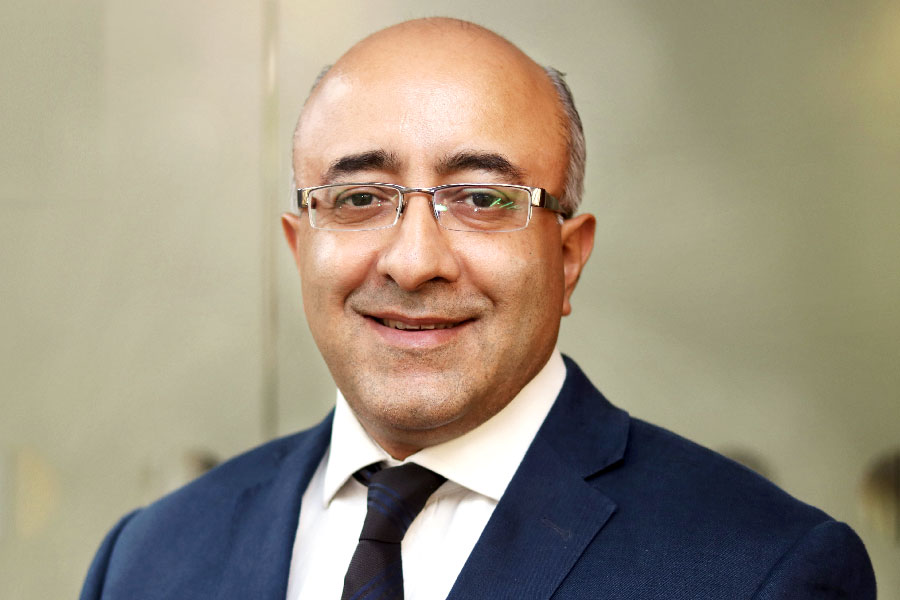
Regulatory processes of cross border e-commerce need to shift to a B2C perspective
Rajat Wahi, Partner, Deloitte India, believes that returns, payments, shipping, etc. are major bottlenecks for e-commerce companies. This is because most policies for payments, returns, etc. of the e-commerce firms have been set up looking at large volume B2B businesses, where there are fewer larger transactions. However, the dynamics are different for cross-border B2C e-commerce. IBT: What role does e-commerce play in India’s cross-border business? What are the opportunities do e-commerce sales have vis-a-vis retail? Rajat Wahi: E-commerce is likely to play a larger role in India’s cross border trade and business, and this is evident from the reach it creates through the virtual connect with customers. India already has already crossed US$ 1billion in exports this year alone for cross border e-commerce. A case in point is the ‘Single’s Day’ sale in China, which is expected to have clocked up close to US$ 150 billion in sales between 1st and 11th Nov ’19, and where buyers and sellers from 70-80 countries had participated. Some of the big platforms have already expressed their goal in terms of their total cross border retail business in the next 5-10 years as US$ 10 billion. IBT: How does the cross border e-commerce trade work in terms of payment options, return and shipping policy, etc.? What challenges exist in its operations? Rajat Wahi: Returns, payments, shipping, etc. continue to be major bottlenecks for companies looking to expand the cross-border business through e-commerce. This is because most policies for payments, returns, etc. have been set up looking at large volume B2B businesses, where there are fewer larger transactions. However, the dynamics are different for cross-border B2C e-commerce. There can be millions of cross-border B2C transactions every month, making it very challenging for e-commerce companies to operate. The work needed in terms of the paperwork and regulations to comply with all the rules not only makes it very difficult, it also significantly increases the costs of operation. The entire regulatory and compliance process of looking at trade between countries needs to shift to a B2C perspective for the entire value chain so as to make it easier for e-commerce trade to grow between countries. IBT: What are the key commodities that are traded across borders on e-commerce platforms and what are the markets that they cater to? Rajat Wahi: Most categories other than FMCG products, have seen a huge increase in cross border e-commerce over the last 5 years, and this is likely to continue to grow. Categories like apparel, electronics, personal care/cosmetics, accessories, books, handicrafts, etc. continue to see strong growth and this is likely to only increase as ease of doing online business between countries improves. IBT: How has COVID-19 impacted India’s cross border e-commerce trade? What are the reasons for the same? Rajat Wahi: COVID-19 has impacted India’s and many other countries’ cross border (inter-country and intrastate) trade. As lockdowns forced offline retail to stay closed or operate with lots of restrictions around timings, social distancing, etc, e-commerce has filled the gap by allowing customers/shoppers to order products online from their homes from across the country and the world, and to get it delivered to their homes in a sterile and hygienic way. This has been a great opportunity for online/e-commerce players to scale up and has also helped to form new habits for consumers as they are likely to continue to shop from their homes and access global e-commerce platforms to get the widest assortment of products at the most competitive prices. IBT: How can Indian investors be attracted to invest in India’s e-commerce sector? Rajat Wahi: E-commerce is likely to be the fastest-growing segment in retail in India in the coming 5-10 years as more consumers are expected to shop for a wide variety of products online. From approx. 3% of total retail that e-commerce accounts for, it is likely to reach between 10-15% of total retail in the coming 5 – 10 yrs. So, many investors are looking at this channel as the most attractive for investments, and they need a clear, uniform and long term policy to ensure that their investments are secure. IBT: How can the contribution of e-tail to India’s GDP be enhanced in the next 5 years? What can the government facilitate the same? Rajat Wahi: This can be done by enhancing the overall infrastructure and eco-system for e-commerce. This includes sourcing and manufacturing, logistics and warehousing, payments eco-system, cross border regulations and access, export and import processes for cross border movement of products (inter-country and intrastate), etc. IBT: Why is China the world leader in cross border e-commerce trade? What inspiration can India draw from it in order to be among the top 5 countries in the world in terms of cross-border e-commerce trade? Rajat Wahi: China is the leader in e-commerce as it has facilitated all of the above points and created a strong eco-system for enabling online buying and selling, not only in China, but also globally. This has allowed its companies to access 70-80 countries today. That, along with the growing per capita income in China, has spurred e-commerce, and it accounts for close to 25% of total retail sales in China today. Having an experience spanning over 25 years, Rajat Wahi has worked with numerous global consulting and CPG companies at senior management positions prior to Deloitte. These include KPMG India (S&O Practice, EMA Consumer Business Head, and India Head Consumer, Retail and Agri sectors), Indeed Strategy Consulting India (MD), Faces Cosmetics, Canada & India (COO & International President), Revlon Cosmetics, London (General Manager & EMA Head) and ITC Moscow (Sales Head). Rajat has done his MBA in Marketing & Intl Business (University of Akron, OH), B.Com Hons (SRCC) and High School – Doon School. His areas of specialization include Corporate Strategy, Route to Market and Entry Strategy, Sales & Trade Marketing, Distributor Management, Shopper insights, SalesForce Effectivity & SFA.
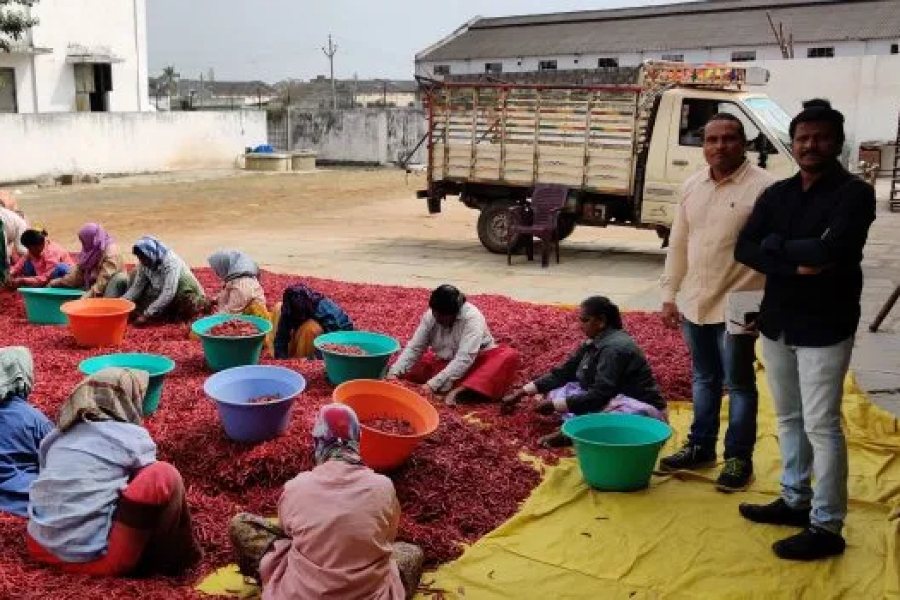
Farming with a “glocal” mission
Born in 2020, Indi Farmers believes in directly & ethically sourcing products from technologically empowered farmers and delivering them to the customers’ door steps. Its USPs include practising climate-smart agriculture in accordance with global good agricultural practices, integrated pest management and data driven stringent ICS protocols for optimal MRLs. One of the key challenges that Indian farmers face, and which the government is trying to address through various measures like e-NAM & its measures to double the income of farmers by 2022, is the low price realization of agricultural produce. This is attributed to an abundance of produce and lower demand as well as the existence of middlemen, which results in the exploitation of both farmers and consumers. What adds to the woes of the farmers is the highly fragmented nature of markets, as they don’t have adequate market access or the requisite infrastructure like all-weather transport, storage and processing facilities for marketing their crops. This is where Indi Farmers Sustainable Ventures Pvt Ltd is looking to step in. Born in 2020, when the world was battling the COVID-19 pandemic, this agricultural start-up has a vision of connecting the country’s farming community with consumers across the globe. Its business model incorporates direct & ethical sourcing of products from technologically empowered farmers and delivering them to the customers’ doorsteps. This is a win-win situation for both buyers and sellers. The former benefit by paying relatively lower prices than those determined by the forces of demand & supply for better quality products, while the latter benefit from a better price realisation for their crops. Leveraging on India’s rich agricultural produce, some of the key products that the company offers are grains like rice, wheat, soybean, maize, buckwheat, kidney beans and finger millet. Some of these products are also grown as per NOP/NPOP organic standards. It also works with (conventional & NOP/NPOP/IPM GAP Compliant) spices like cumin, coriander, chilli, turmeric, ginger and large cardamom; as well as in fresh, frozen and processed fruits & vegetables like apples, pomegranates, kinnows, potatoes and onions. As a part of its wellness & nutrition range, Indi Farmers dabbles in a range of herbal products, comprising ingredients like amla, aloe vera, moringa, karela jamun, etc. It offers beverages, powders, extracts, gummies & ready-to-cook breakfast mixes with these herbs. Indi Farmers gives its customers the option to choose its private labelling service or the option to buy in bulk. They also extend contract farming services. The products are procured from their large farming network, which is spread across the states of Jammu & Kashmir, Himachal Pradesh, Rajasthan, Gujarat, Maharashtra, Madhya Pradesh, Karnataka, Kerala, Tamil Nadu, Andhra Pradesh, Telangana, Odisha, Chhattisgarh, Jharkhand, Uttar Pradesh, Bihar & Sikkim. Indi Farmers is a joint venture comprising of well-known names in India’s agriculture technology and consumer health conglomerates – IFFCO Group & Baidyanath. Baidyanath has a 100-year legacy in re-establishing ancient Ayurvedic knowledge with modern research. Indian Farmers Fertiliser Cooperative Limited (IFFCO), is one of the world’s largest agri-cooperative societies comprising of more than 35,000 cooperative societies across India. Along with its subsidiary, IFFCO Kisan, it pioneers in bringing cutting edge technology-based use cases to the agri ecosystem in India. IFFCO-Sikkim Organics, is dedicated to organic cultivation promotion. Baidyanath and enterprises from IFFCO group are well aligned to augment the envisaged mission of Indi Farmers Sustainable Ventures Pvt Ltd to have a competitive edge in the industry. Following are the main attributes of the brand promise that Indi Farmers offers to its stakeholders: Sustainable agriculture: Climate-smart agriculture is a must to feed the growing population with limited resources throughout the year, enhance exports and also ensure environmental health, social and economic equity. International accreditation: The product is in accordance with global good agricultural practices (GAP), integrated pest management (IPM) compliant produce and data-driven stringent ICS protocols for optimal MRLs. Better price discovery: By bypassing the middlemen, Indi Farmers Sustainable Ventures Pvt Ltd enables strategic buying based on market intelligence driven by direct on-ground insights from farmers. Controlled cultivation through data-oriented decision support system: Farms earmarked by this support system can be monitored & controlled remotely through a programmed portal to determine the performance of the farm in terms of practices, health, micro-ecosystem, productivity & production. Irrigation automation: This not only helps optimise the use of a scarce resource like water but also offers a comprehensive analysis of soil health. Pest & disease prediction: Technologies like image capturing, remote sensing & M. L. based algorithms can be leveraged for pest control & disease prediction. At the same time, it can also offer insights into yield prediction. Actionable advisories: Data-driven customized & personalised farming solutions are offered to farmers through AI & IoT integration. Traceability: The use of all these technologies establishes end-to-end farm traceability in the production process through real-time updates across the supply chain including tracking, documentation & notifications. Customization: Right from growing different kinds of crops, to processing, packaging and shipping, Indi Farmers Sustainable Ventures Pvt Ltd offers products handcrafted as per their clients’ needs. Kagome case study: A stepping stone to success Kagome Co. Ltd. is a Japan-based manufacturer and distributor of tomato-based foods, and fruit and vegetable juices. The brand has established itself as a leading name in the world when it comes to products like tomato ketchup and juices. In order to fulfil its orders, the brand recently started turning to other nations, including India, to procure tomatoes. This is where the global leader in tomato processing reached out to IFFCO Kisan, for tomato cultivation/processing/trading. IFFCO Kisan, having its strong capabilities in leveraging ICT, IoT and AI along with rich agriculture domain expertise agreed to collaborate. As a part of this project, IFFCO Kisan worked with 140 Indian farmers, who managed to deliver 35 metric tonnes (MT) per day to processing facilities in the country. Around 260 acres of land in the country was utilised for tomato cultivation as a part of this project & in total, 5,000 MT of desired quality tomatoes were produced and procured from
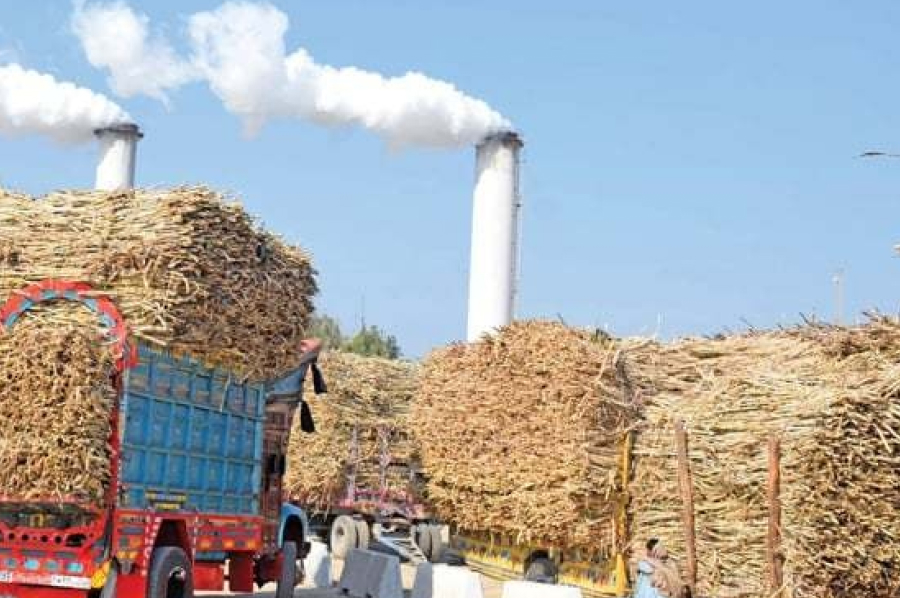
Sugar industry in 2021: From sweetness to mobility
Buoyed by government incentives, a shift to ethanol can bring stellar gains and more sustainability to the Indian sugar sector in 2021, especially as economies revive and crude prices surge. In 2018, the global market of sugar stood at 187.9 million tonnes. It is projected to reach 200 million tonnes by 2024 growing at a CAGR of 1% from 2019-2024. Global production of sugar has increased from 1.6 billion tonnes in 2009 to 1.9 billion tonnes in 2019. Brazil, India, Thailand, and China are the top producers of sugar. India is the biggest consumer, followed by the EU, China, Brazil, and the USA. Consumption has slowed in the second half of the decade (2016-2018) owing to health concerns. Sugar has a peculiar production cycle in India and depends on government support when global oversupply leads to a fall in prices. Instead, a shift to ethanol can help make the industry self-dependent and also reduce the subsidy burden. Source: https://bit.ly/38CBS0N Sugar commonly known as a table condiment that brings a sweet taste to food is more than that. This sweet crystalline substance, apart from finding use in food items, also has non-food applications. It acts as a preservative, preventing the formation of ice crystals in frozen ice-creams, it prevents staleness and helps bakery products retain moisture, and encourages fermentation in yeast-containing products. From being called ‘the new oil’ in 2009, to having the lowest prices in a decade in 2018, sugar has come a long way. Back in 2009, Brazil was diverting its cane and beet towards ethanol production. And India, which is the second-largest producer, was fighting monsoon challenges. This sweet crop was being traded at 24.85 cents per pound – a 28-year high price. Since then, the global production of cane sugar has increased from 1.6 billion tonnes in 2009 to 1.9 billion tonnes in 2019. Around 70% of the global production (in the last sugar season) came from the top ten producers – India, Brazil, Thailand, China, the US, Mexico, Russia, Pakistan, France, Australia. Consumption, on the other hand, has increased by an annual rate of 2.01% between 2001 to 2018, from 1.2 billion tonnes to 1.7 billion tonnes. This trend in consumption, however, has slowed to 0.8% in the latter half of the decade (2016-2018), primarily due to the debate on concerns relating to health. India is the biggest consumer of sugar followed by the EU, China, Brazil, the US, Indonesia, Russia, Pakistan, Mexico, and Egypt. In 2019, exports of cane or beet sugar (HS Code 1701) were dominated by the largest producer Brazil (US$ 5.24 billion), followed by Thailand (US$ 3 billion), and India (US$ 1.5 billion). Brazil alone constituted for 25% of the global exports, whereas Thailand and India had 14.5% and 8.6% share respectively. On the other hand, the US (US$ 1.7 billion), Indonesia (US$ 1.4 billion), Italy (US$1.2 billion), and China (US$ 716 million) were the largest importers during the same year. The US contributed 7.2% of global imports, but that’s because of lack of enough domestic production and the consequent reliance of its F&B industry on imports to meet requirements. India’s sugar scenario The sugar industry in India is the largest agro-based industry after textiles. It employs over 5,00,000 farmers directly and acts as a livelihood for about 50 million sugarcane cultivators, supporting over 12% of the rural population directly or indirectly. And this ‘Child of Protection’ as it was called in the 1930s has a very unique harvest pattern. Its production is ‘cyclical’ which means that three years of the bumper crop are followed by three years of crop failure. And it is also highly ‘politically sensitive’ because its demand is inelastic. Despite forming a relatively insignificant portion of a family’s budget, a small rise in price triggers inflation in all commodities. Hence, the farmers receive protection in the form of a Fair and Remunerative Price, which the mills pay them. And because domestic production is costly, the industry demands subsidy to export the surplus raw and white sugar to compete internationally. This sugar season (October-September, 2020-21), the cost of production of raw sugar by Indian millers at Rs. 32 per kg has been higher than the international price of sugar contracts at Rs 21-22 per kg. This is why millers are reluctant to export without subsidy. Last year (October-September, 2019-20), a sum of Rs. 64,000 crore was provided to the exporters to ship surplus sugar through transport subsidy @ Rs. 10.45 per kg of sugar. This year, the government has agreed again, albeit reluctantly, to subsidize exports by giving a sum of Rs. 36,000 crore to millers as international demand seemed stable. The government took this step when the industry appeared to be on the verge of a virtual collapse unless the excess stock was exported. But there is an obvious need for better alternatives to ensure a vibrant and sustainable sugar industry. According to data, India will need to export 6 million tonnes of sugar in the 2020/21 marketing year that started on October 1, due to a jump in production that is attributed to a higher area. ISMA estimates that India’s sugar production surged nearly three-fold to 14.10 lakh tonnes in the 2020-21 season against 4.84 lakh tonnes in the same period last year. The search for a better alternative ends at sugar sector’s safety net i.e. ethanol. An advantage of sugar is that its production results in a by-product called molasses. Both the end product (i.e. cane sugar) and the molasses can be used to produce ethanol. The difference lies in the quantity of ethanol produced. One tonne of cane can produce 10.8 litres of ethanol if it is produced from molasses. On the other hand, the same cane can produce 84 litre of ethanol if used directly as an input. Why ethanol? This high-value product has gained a reputation for being a cleaner fuel, that is why it is also called a biofuel. All countries including Brazil divert cane sugar towards ethanol. In fact, Brazil launched

Grounding of aircraft will be the biggest challenge in reviving aviation industry in 2021
Pran Dasan, Director, Commercial Operations South East Asia, flydubai, opines that if new variants of COVID-19 keep emerging there will be a further tightening of regulations by states which will dampen the appetite for leisure travel further. But he opines that the biggest driver of domestic aviation sector will be how soon the vaccine is introduced and how many people manage to get inoculated. source: https://bit.ly/3bkzpKc IBT: Will the emergence of the new variants of the COVID-19 virus act as a deterrent for domestic tourism & hence the Indian aviation industry? If not, what will be the drivers of domestic travel? Pran Dasan: Firstly, let’s understand the composition of domestic travel. Approximately 65% of travel is for work/business. This segment will be driven by corporate policies which are still restricting air travel to the barest minimum. Work from home & salary cuts will have a domino effect on leisure travel, which under normal circumstances is about 20% of the domestic segment. Secondly, regulations from state to state keep changing rapidly based on the trend of new infections and fatalities not only in the state but also outside. So if new variants of COVID-19 keep emerging there will be a further tightening of regulations by states which will dampen the appetite for leisure travel further. The biggest driver of domestic travel will be how soon the vaccine is introduced and how many people manage to get inoculated. Bearing in mind that the aged, those with co-morbidities, health workers etc. are going to be the first to be targeted, we may safely assume that by the time the largest chunks of travellers – up to 50 years old – get the vaccine, it will probably be a year if not more. The vaccine will be a major confidence booster. IBT: What can be done to boost traveller confidence & spur domestic travel in the country? Pran Dasan: To re-open state borders without quarantine and return domestic air travel to pre-COVID levels, state governments need to be confident that they are effectively mitigating the risk of bringing in COVID-19 from other states. This means having accurate information on passengers’ COVID-19 health status. Informing air travellers on what tests, vaccines and other measures they require prior to travelling, details on where they can get tested and giving them the ability to share their tests and vaccination results in a verifiable, safe and privacy-protecting manner is the key to giving state governments the confidence to open borders. The Ministry of Civil Aviation has a major role to play as the nodal Ministry in this regard. The main priority is to get people travelling again safely. In the immediate term that means establishing confidence in governments that systematic pre-departure COVID-19 testing can work as a replacement for quarantine requirements. And that will eventually develop into a vaccine program. IBT: What international travel trends do you expect in 2021 – more travel bubbles/ more international travel curbs? What impact will they have on the revenues of the Indian aviation sector? Pran Dasan: Till the wide-spread availability of vaccines, international travel will continue to be hamstrung by the effects of COVID. India will enter into more air bubble arrangements with different countries. Bearing in mind that Indians constitute the world’s largest expatriate community, there is an urgent need to ensure that air bubble or otherwise Indian expatriates are able to come in from or return to their countries of residence without hindrance be it due to connectivity issues or airfares. Revenue-wise, brace for another difficult year. 2021 will be another loss-making year for Indian aviation – much like the rest of the world. However it is expected that the quantum of losses will be significantly lower – 60-70% than in 2020. As per IATA, performance factors in 2021 will show improvements in 2020; and the second half of 2021 is expected to see improvements after a difficult 2021 first half. Aggressive cost-cutting is expected to combine with increased demand during 2021 (due to the anticipated re-opening of borders either with testing and/or the enhanced availability of a vaccine). While IATA expects the industry turn cash-positive in the fourth quarter of 2021, this may be delayed by one or two quarters in India to the first half of 2022. IBT: What impact will the rising crude prices have for the Indian aviation sector? How can the government come to the rescue of the domestic aviation industry? Pran Dasan: There is an urgent need to truly recognize the Air Transport Industry for what it really is – an enabler. It is the cornerstone for every economic activity and one of the main drivers of globalization. So it is extremely important to recognize this and have measures to support the country’s air transport industry in its post-pandemic recovery with the same importance as the government would say the manufacturing industry. It starts with the taxation of aviation fuel. In India, the proportion of fuel costs to overall operating costs average between 35-40%. These levels are much higher than anywhere else on the planet. A start could be made by removing excise duty on fuel and standardizing sales taxes of different states to a common level. ATF needs to be brought under the ambit of GST at the soonest as this will clear all ambiguities and lay the foundation for a much needed structural reform in this sector. I also do hope that the Government of India would ensure that a number of waivers and sops provided to airports during this time would be passed onto airlines. Having a mechanism to ensure this will ensure that steps were taken by the Government filter down to all levels of the aviation industry and not just to airports alone. For starters, reduced airport charges for a certain period of time would be a welcome step to help airlines recover faster. IBT: What is the overall demand and growth outlook of the industry for 2021 and why? Pran Dasan: The biggest challenge will be
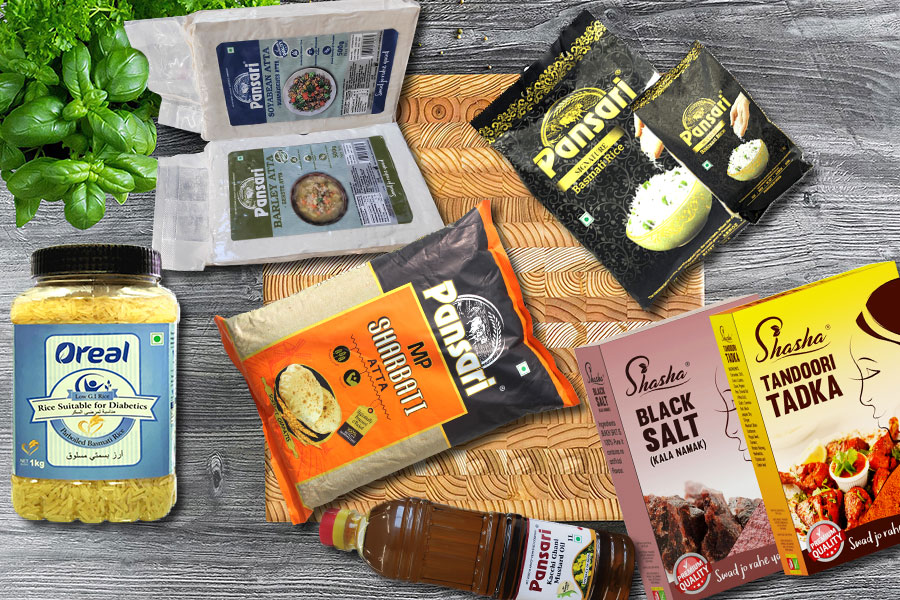
Indian food processing industry needs to focus on good hygiene practices
Vijay Agarwal, Director Exports, PANSARI Group, shares the 8 decade long journey of his family owned brand, which is now present in 42 nations across the globe. He opines that Indian food processing industry needs to follow good hygiene practices, environment friendly packaging and strict adherence to timeline. These will make the Indian F&B industry a force to reckon with. IBT: What competitive differentiators and business strategies have enabled Pansari Group to establish a global brand name in the past eight decades? Vijay Agarwal: We have been delivering consistent quality in all our products throughout our 8-decade journey and it’s a commendable task, given that every individual has a different taste, every nation has a different flavor. Strict quality control, use of latest technology and constant monitoring right from the the procurement of raw materials to the supply of finished goods ensure customer satisfaction and the success of Pansari Group as a brand. We have been among the top few brands that have been quick to adopt to new technologies to get ahead of others. We are there in the domestic market since long and have been supplying to different exporters. We started our direct exports under the name of Bharat International in Aug 2018 & in about less than 30 months, we have managed to establish our presence in 42 countries across the globe. And we’ve just started globally and hope to achieve much more. IBT: How did COVID-19 impact your business? What challenges did it create for your company and how did you, you know, devise strategies did you devise to overcome these challenges? Vijay Agarwal: We did not face major labour paucity issues since we rely a lot on automation. Initially though, the lockdown did create raw material and packaging material problems for us because all our vendors faced that problem. But as we were in the essential category, we got their permission for them as per the government rules and they also started supplying to us all the raw materials. So, there’s no question of overriding any challenges. IBT: How has Pansari Group leveraged technology to maximize its ROI & ensure the delivery of quality products to customers? Vijay Agarwal: We have a fully automated plant. We also have latest packaging machines and we have latest state of the art and sophisticated labs to regularly analyze all our raw materials & Finished products to take care of any shortcomings. To start with, all our raw materials are taken to the lab for testing their quality. Only then, the raw material is offloaded in our factories. Technology is leveraged to monitor the quality & carry out all the processes efficiently. And like Amazon, we, being in b2b category, also send regular messages & update all the suppliers & all buyers informing them about the details of their product arrival / dispatch. IBT: What are your fastest growing export categories and the drivers for their growth? Vijay Agarwal: Our fastest growing categories are rice, which is a staple food all over the world, Indian origin edible oils, and recently introduced vacuum packed flours, vacuum packed millet flours and ready mixes. Globally, there is a growing trend to eat healthy and now people prefer home cooked food than junk food. For getting home cooked food, they require all good quality grocery items and we supply quality grocery items. Also with the rise of dual career families and the paucity of time with extended work hours owing to COVID-19, there is a great demand for ready mixes due to the time constraints of working couples. IBT: Have you been able to tap the international audiences beyond the Indian diaspora in these markets? If yes, for which products and what strategies did you adopt for this? Vijay Agarwal: Indian diaspora spread worldwide is our current key market and we see a great potential in international diaspora and the hyper chain markets, though we are still lagging in that part. And of course, rice is the product which we are targeting. I’m very happy to inform you that our Pansari brand basmati rice is very popular in Chile, South America, which is a totally non-Indian diaspora market. There is one more example. There is a famous chef and TV personality in Bosnia, Europe. He has been using our Pansari brand royal basmati rice since last one and a half years for all his dishes which required rice and even in all his TV shows. That gives us great pride. Talking about the strategies, Pansari group has been since last two years, had been regularly participating in all international exhibitions. Like, it may be Indusfood, Gulfood, SIAL Paris, SIAL Canada. The participation in all these gives us a lot of exposure and got a lot of publicity. There we are able to show our strength to the buyers in different markets which helps us a lot. Apart from it, we also have a strong distance marketing team which keeps on regularly connecting is to different parts of the world. IBT: What inspired you to venture into packaged ready to eat food like poha and missi roti? How has the response to these products been in Indian and global audiences? What international best practices can the Indian F&B industry imbibe in terms of food processing? Vijay Agarwal: The traditional Indian cooking involves a lot of preparation time. And nowadays with most family members working, there is a shortage of time. So, everyone wants to prepare good food faster. This inspired us to venture into ready mixes like missi roti atta, batura puri atta & bedmi puri atta. Also, due to the fear of catching the COVID-19 virus on stepping out for meals, people are preferring to dine at their own homes. This is also driving the demand for our ready-to-eat dishes. Shortly, we’ll be coming out with more dishes in that range. For the F&B industry it needs to focus on good hygiene practices, environment friendly packaging and strict adherence to timeline. These will make Indian
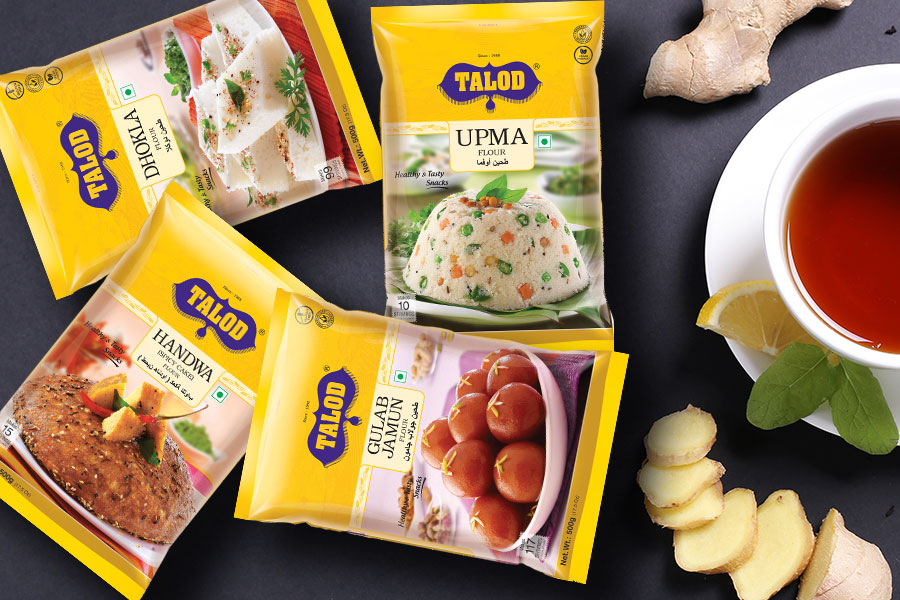
Talod Food Products: Global in ambitions, ethnic in spirit
Talod Foods’ vision of providing consumers with its ready to cook food products with uncompromised and exquisite authenticity of traditional Indian recipes have been core to the brand’s phenomenal success story. The company is now well prepared to expand its product portfolio into frozen foods and scale up its highly successful retail outlet TALOD INSTASERVE, A Quick Serve Restaurant (QSR Model) via the franchise mode. The endearing eight-decade long story of Talod Food Products is inextricably linked to the town of Talod in Sabarkantha, Gujarat, from which the company gets its name. In 1938, Mr. Jivraj Bhai Chotai set up a small business from serving piping hot Gota, Batata wada and other snacks at the busy railway canteen at Talod, which was a train junction at that time. Much later in the year 1985, when his grand son Mr. Deepak Chotai was managing the business, a grocery store owner asked him to supply packed dakor ka gota (a popular Gujarati savoury snack). The small city of Dakor was around 90-100 km away from their town, and transportation took 8-10 days in those days due to poor connectivity. The grocer was finding it difficult to source the product, which was heavily demanded by his customers, in the face of this massive logistical challenge. When they started supplying to the grocer, the product became a hit in the market, which motivated Mr. Chotai to set up a packaged food venture. To expand their reach in those early days, he would himself move from place to place on a bicycle to sell the ready-to-cook mix flours. His wife used to make the products at home. They subsequently started introducing more products like khaman, dhokla etc in their portfolio. Over the years, the company started growing as a cottage industry that employed women in the local area, and it went by the name Talod Gruh Udyog. By 1988 they managed to expand to Mumbai, which has a huge Gujarati population. 2002 was the landmark year when Talod Gruh Udyog secured its first export order from the US. The Chotai family has retained their first pre-mix label as a fond memory of the year 1985, when their enterprise first entered the packaged food segment. With uncompromising focus on supplying high quality and authentic home-made food, the group continued to scale new heights under the leadership of the next generation in the family. The enterprising brothers Pratik Chotai and Keyur Chotai have taken the mantle to expand the business and explore new ways of delivering value to customers. Mr Pratik Chotai points out: The market for Gujarati ethnic foods presents a huge untapped opportunity. Considering the paucity of time to prepare meals in today’s busy lifestyles, Talod Food Products endeavours to provide these products in ready-to-cook packs that provide the same taste and authenticity of home-cooked Gujarati cuisine. Building an international enterprise The company now has a pan-India distribution network and is also serving lakhs of Gujarati families across the world – Canada, Dubai, Hong Kong, Muscat, Germany, the UK, Australia, the USA and Africa – with its products. Some of their premium corporate customers include Oberoi International Flight Kitchen, Taj International Flight Kitchen, Oberoi Hotels, Grand Hyatt and LIC of India. In 2009 the company set up a semi-automated plant. By 2016, they were manufacturing 4-5 tonnes of premix flours per day, but demand was continuing to grow at a rapid pace. Then the founders took a giant leap of faith to set up an ultra-modern fully automatic and state of the art production unit (plant) with production capacity of 72 tonnes per day in the year 2019 and converted Talod Gruh Udyog into a private limited company. The 40,000 sq. ft unit is spread across an area of 2 lakh sq. ft. land. Prateek Chotai, Director, Talod Food Products Pvt Ltd and (backdrop) the company’s fully automatic production unit (plant) with production capacity of 72 tonnes per day While growing from strength to strength, the founders have made it a point to keep Talod as the epicentre of their functioning. Besides providing new employment opportunities to the local population, the unit has also retained the women who were a part of the Talod Gruh Udyog. During the COVID 19 period, the company was able to commence production from the second lockdown, being the provider of an essential product. They have in fact witnessed a rise in exports during the year, besides a surge in sales via the e-commerce channels. New growth prospects In 2011 the brand opened its first outlet in ready to eat segment at Alpha One Mall, Ahmedabad under the brand name of Talod Insta Serve. Positioned as a truly healthy and hygienic eatery substation, the outlet serves Talod’s signature food products as well as other Indian food options that they have added over time. Talod Insta Serve outlet at Prahladnagar, Ahmedabad, 2020 After detailed research on this format, from Diwali 2020, they have embarked upon a new phase of expansion on the retail front through the franchise mode. Another exciting growth avenue that the company is working on is frozen food, based on feedback from markets in Africa and the Gulf region. They are planning to launch their frozen food range at Indus Food 2021 – products like Khaman, Dhokla, Handva, Muthiya, Patra, etc. Freezing these products to temperatures below -18 degree Centigrade can extend their life by up to a year. This will add a new level of convenience to Indian diaspora across the world who are missing their cherished Indian food. In fact, Gujarati food products are among the relatively unexplored gems of Indian cuisine in the global market. The cuisine offers a variety of sweet and savoury vegetarian items, that are both healthy and appealing to the taste buds. There is a need to explore their potential amongst the mainstream native consumers of importing markets as well, considering that the US$ 15.4 billion global vegan food market is projected to grow at a healthy CAGR of 9%
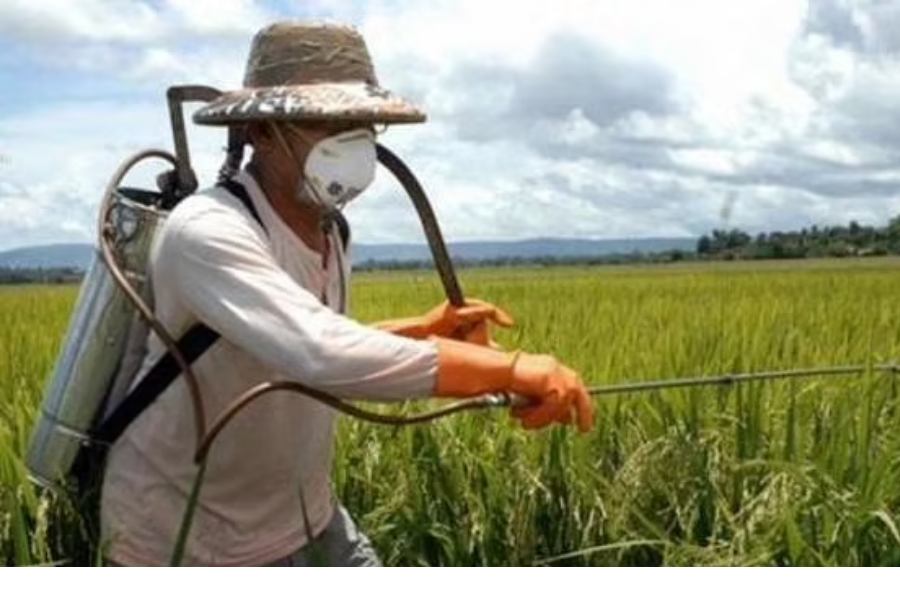
Agrochemicals: New avenues for growth
India is the fifth largest producer and importer of agrochemicals. However, it needs to strengthen its presence in the herbicide segment, which is among the fastest growing segments in the industry globally. Global exports of the agrochemical industry have more than tripled between 2001 and 2019. From US$ 10.6 billion in 2001, the exports have grown at a CAGR of 7% and reached US$ 36.6 billion in 2019. The market is projected to reach US$ 336.4 billion by 2026. India is the fifth-largest producer as well as importer of agrochemicals. But it is a trade surplus producing sector. In 2019, India exported US$ 3.4 billion worth of agrochemicals and recorded a trade surplus worth US$ 2.1 billion. Exports have grown at 16% p.a. between 2015-19. Herbicides are growing in demand in India as well as the world, but it constitutes only 20.32% of India’s production. But, it has grown at a CAGR of 20.1% over the last five years. This indicates that India is clearly attempting to meet global trend but the share in production still needs to increase. India imports 52% of its agrochemical requirements from China, followed by the US (14.2%), Belgium (5.1%), and Japan (4.4%). This heavy reliance needs to be reduced. India’s agrochemicals are as competitive as those of the top importers, except in the case of fungicides. And, India enjoys zero tariffs from all the top markets of agrochemicals except USA. The rising global population and the consequent demand for food have paved the way for the increased demand for plant protection products (PPPs) to increase the yield over the past few decades. Insecticides, Herbicides, Fungicides, and Rodenticides are the main categories of PPPs or pesticides that are produced by the agrochemical industry. Global trends indicate that exports in this industry have more than tripled between 2001 and 2019. From US$ 10.6 billion in 2001, the exports have grown at a CAGR of 7% and reached US$ 36.6 billion in 2019. Asia and Europe alone constitute 82% share and Brazil is the biggest importer of agrochemicals followed by France and Germany. Moreover, the global agrochemical market is projected to reach US$ 336.4 billion by 2026. In this global landscape, India is the fifth-largest producer of agrochemicals, accounting for 9.5% of global production. It is also the fifth-largest importer and has imported US$ 1.15 billion worth of agrochemicals on an average in the last 5 years. However, exports worth US$ 3.4 billion (in 2019) exceeded the imports, giving India a trade surplus of US$ 2.1 billion in 2019. The sector is highly capable too, which is clear from the 16% p.a. growth experienced between 2015 to 2019 alone. But, the road that India is traversing seems to be slightly different from the path that global markets demand. Herbicides, which is the most demanded segment in the world, constitutes only 20.32% share in India’s production. However, insecticides and fungicides constitute 45% and 37.82% share in production respectively. Interestingly, herbicides and fungicides remain highly demanded segments within India too, owing to the increased emphasis on horticulture and substitution of labour. On the export front on the other hand, herbicides are among the fastest growing categories of agrochemicals, growing at a CAGR of 20.1% between 2015 to 2019, only bettered by insecticides (CAGR of 23.26% over the last five years). This indicates that India is trying to increase its pace to meet global demand requirements in herbicides, but the share in production as well as domestic consumption is still quite low. In 2019-20, exports of insecticides were the largest (Rs. 9,734 crore) followed by herbicides (Rs. 7,506.5 crore). The main markets to which India exported were the US in the case of herbicides (US$ 471 million, approx. 41.6% of India’s exports) and Brazil for insecticides (US$ 443.7 million, 29.7% of India’s exports) and fungicides (US$ 102.5 million, 15.8% of India’s exports). India’s import basket during the same time was dominated by miscellaneous items, which constituted a share of about 44%. In 2019-20, India imported Rs. 8,89,494 lakh worth of agrochemicals. Out of this, imports of miscellaneous items alone was Rs.3,93,111 lakh. This was followed by insecticides whose value of imports stood at Rs. 2,69,051 lakh. But the issue here is the lack of diversification of source countries. About 52% of India’s imports are based in China, followed by the US (14.2%), Belgium (5.1%), and Japan (4.4%). This indicates heavy reliance on China, that needs to be addressed urgently. At the same time, India has some strong advantages ion this sector and has proved its mettle as a major exporter of all classes of agrochemicals. Its only in the case of fungicides where countries other than India, can be considered to be exporting niche products. This is evident from the export prices offered by France, which is the largest exporter of fungicides. France exported a unit at US$ 10,402 in 2019, whereas Indian prices stood significantly low in comparison, at US$ 3,385 per unit in 2019. And, on the flip side, it pays zero duty to all top importers of agrochemicals. The only exception, in this case, is the US, which is among the top importers of all agrochemical classes. However, India is bound at 2.8% duty for insecticides and 6.5% duty for other agrochemicals. This can be a component of trade negotiations by India as it seeks concessions from US as part of a mini deal.