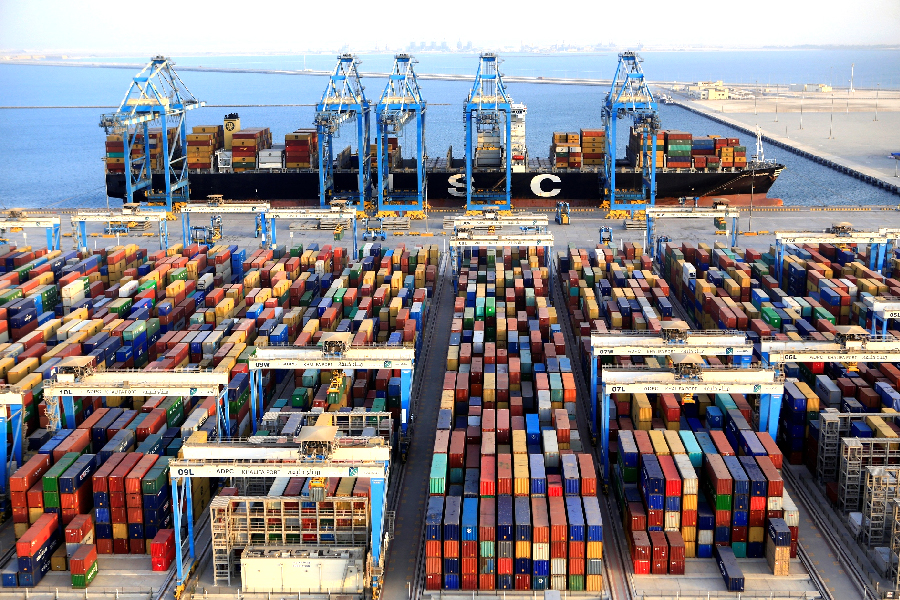
Container shortage is proving to be a devastating last mile barrier to India’s robust export growth in recent months. It is important for authorities to manage the immediate issues hampering container availability and also institute a proper overarching regulatory framework for such issues in the long term. Of late, shipping lines are shutting out containers abruptly, giving reasons that the vessels are full. This paucity of containers is the result of a sudden improvement in exports and a slump in imports, especially from China, which has created a shortage of containers. The situation is proving detrimental for Indian exporters & importers since it is leading to a surge in shipping charges and cancellation of orders. Building a robust container production set up in the country, faster customs clearances and having a nodal regulatory agency for the sector can help mitigate such eventualities in future. Image Credit: https://bit.ly/3fzLpri According to Indian Container Market Annual Report, 2019, the total thoroughput of Indian container terminals in FY 2018-19 was 16.99 million teus, with a year-on-year growth of 10.5%, while total installed capacity stands at 28.65 million teus. It also notes that the Indian container market is recording incremental growth on account of several policy reforms such as mechanisation, deepening the draft and speedy evacuations. However, despite the impressive performance of the sector, the sector finds itself in the middle of a serious problem today – the paucity of containers in India. This article attempts to analyse the causes for this issue and offer some suggestions based on insights from the industry. Source: Indian Container Market Report, 2019 Source: Indian Container Market Report, 2019 COVID-19, China & the paucity of containers in India According to industry estimates, India’s container capacity is currently pegged at 27 million TEU. This, however, is not sufficient to meet India’s demands since of late, shipping lines are shutting out the containers abruptly giving reasons that the vessels are full. This paucity of containers is the result of a sudden improvement in exports and a slump in imports, especially from China, which have created a shortage of containers for exports. India’s export volume grew by 24% between July and September, while its imports reduced by 28%. In October, while India’s exports registered a 5.4% fall, its imports recorded an even higher fall of 11.26%. Amidst the lockdowns, trading was low and the shipping lines also had to cut capacity. However, now that the exports have rebounded, India’s imports (particularly from China, with which it is currently facing severe tensions due to the border fallout) are down. The containers are piled up at some ports and limited in others. Container Shipping Lines Association (CSLA) executive director Sunil Vaswani explains: “As a result, the shipping lines, which, until July 2020 used to ship out empty containers from India, had to start repositioning empty boxes into the country and move them inland to demand locations at a huge cost for the shipping lines,” . This problem has been worsened by a few other factors: (i) Congested railroad system in the US is further leading to delays; (ii) Around 25% dip in the capacity of shipping companies owing to the low demand due to the pandemic; (iii) Halt in the clearing of containers between March 23 to April 15; (iv) Quarantining of vessels due to added checks on Chinese shipments and an overall negative outlook for China; and (v) Customs (Administration of Rules of. Origin under Trade Agreements) Rules, 2020, and the consequent delay in delays in shipments. This has started taking a toll on India’s exports and imports. According to Mr Ravi K Passi, Chairman-EPCH, the paucity of containers is proving to be a major roadblock for India’s handicraft exporters. Jaipur-based logistics start-up Gxpress, which needs 10-15 containers every week for sending shipments to the US, is now paying nearly US$ 3,600 for each container, up 40% in last one month. It is being reported that ship-liners have raised rates by nearly 60% in the last three months for moving a container to the US. Similarly, in case of African ports, the prices have more than doubled. Rising against the low tide One of the most obvious solutions to this pressing matter is domestic production of containers in India, as pointe1d out by Mr. Vivek Agarwal, MD, Capital Ventures Pvt. Ltd. While the facts that India’s exports exceed its imports, and that India has a large pool of labour work in India’s favour at the moment, India must focus on becoming a larger ‘steel recycler’. Higher price of the metal in India as compared to China makes it an uncompetitive location for container production as it accounts for more than 50% of raw material cost. In this regard, Praveen Vashistha, founder of Gxpress, says: To boost exports, India needs to have a robust logistics system. The government should support container manufacturers in the country & those firms that want to start their own industrial corridors. The process of granting permissions that are involved in the process of starting a company should be made easier. In the immediate context, expediting customs clearances and efficiently managing the lopsided distribution of containers at ports would also help in resolving the issue. Industry is also of the opinion that there should be a nodal regulatory agency for the shipping sector and the proposed National Logistics Efficiency Advancement Predictability and Safety (NLEAPS) Act should be formulated and implemented soon to protect the export-import sector from such abrupt changes.

Remote working provides boost to cloud computing
Sid Nag, VP Analyst, Cloud Services, Gartner, Inc, advises cloud service providers to prepare for the new normal of a more permanent remote workforce in the rebound phase of the COVID-19 pandemic. Cloud providers can demonstrate the inherent strength and adaptability of their services by sharing cultural tips for how remote work at a massive scale must be done. The onset of the coronavirus (COVID-19) has forced organisations to rethink the way they work and operate. Only 18% of IT leaders believe their businesses are highly prepared for the impact of coronavirus, according to a March 2020 Gartner webinar survey. In a couple of months, businesses had to reinvent themselves, reset their IT priorities and renew for the next phase of disruption. In 2020, the use of videoconferencing and other digital collaboration tools has stressed the limits of backend support services, many of which are cloud-based, and significantly increased the volume of traffic in the networks connecting users to their services. This trend is likely to continue, as recent Gartner survey results show 74% of CFOs intend to shift some employees to remote work on a permanent basis. Most corporate networks are not prepared for the onslaught of remote work being driven by COVID-19 (aka coronavirus disease). While companies have spent money to build out their existing capacity to handle remote work, few have come close to provisioning capacity many times their established norms. Customers’ concerns about performance problems that are building due to the increased load of remote workers are not initially focused on the hyperscale cloud providers. Instead, customers are noting slowdowns in connections and bandwidth limitations in their normal workplace and collaboration applications. Many in the workforce do not have a position that is conducive to remote working (e.g., cafeteria workers and janitorial services). Consequently, the microeconomies associated with office complexes are being impacted as remote workers stay away. Now is the right time to move to cloud Cloud computing is well positioned to survive, and even thrive, during the coronavirus crisis. Cloud providers can demonstrate the inherent strength and adaptability of their services by sharing cultural tips for how remote work at a massive scale must be done. Offering cloud-based collaboration tools at a discount or for free is a good start as we’ve seen Cisco Webex, Google, Microsoft Teams, Slack and Zoom do already. Segmenting and prioritizing workloads, especially those that produce significant networking traffic, is recommended in order to balance the immediate needs of stay-at-home workers with processes that can execute with a lower priority. The swell of remote employees provides an opportunity for cloud providers to affect a sea of change in how much digital work becomes the norm rather than the exception — using their cloud. 3 immediate actions for CSPs Here are three actions cloud providers must ensure they are taking to support end users and deliver uninterrupted service during the COVID-19 pandemic, if they aren’t already. Ease customers’ concerns by demonstrating a strong ability to handle spikes to both their VPNs and cloud-supported applications that are brought on by rapid increases in remote workers. Build customer confidence by both stress-testing cloud data centers, networks and services and releasing the results of such testing to customers. Prevent both financial and work hardships during the COVID-19 outbreak period by practicing customer engagement and employee philanthropy to act as a stopgap. CSPs should prepare for the new normal of a more permanent remote workforce in the rebound phase of the pandemic. It will be important to plan for new services and applications that will spawn as a result of this, such as those based on virtual reality and other advanced technologies that will serve as core underpinnings of the new work environment in the post-pandemic era. How can MSEs make the most of this opportunity? According to Gartner research, 75% of midsize enterprises (MSEs) base their cloud sourcing decision on inadequate financial information and cost savings expectations. MSE CIOs must understand the practical benefit that they will be able to realize and adjust their cloud strategy accordingly. They need to understand that it does not take much in terms of absolute dollars to represent a double-digit increase to a typical MSE IT budget of US$ 5-10 million, of which 37% is dedicated to personnel. To deploy cloud solutions successfully in an MSE environment, CIOs must: Eliminate IT time spent maintaining on-premises infrastructure by adopting secure, cost-effective, cloud-based alternatives. Address their organization’s disaster recovery objectives by identifying cloud-based alternatives to conventional disaster recovery solutions. Improve business and IT operational effectiveness through prescriptive adoption of cloud services. Deploy or migrate workload to cloud services by making a definitive determination that desired operating expenditures and business outcomes will be achieved. Sid Nag is a Vice President in the Technology and Service Provider group at Gartner, focused on cloud services and cloud technologies from the vendor, service provider as well as the buyer perspective. Mr. Nag’s areas of focus include public cloud, hybrid cloud, multi-cloud, CIPS, cloud trends, cloud market insights, cloud product strategy, cloud marketing strategy, cloud go to market, cloud brokerage, cloud migration, cloud managed services and cloud networking. Among other cloud-related coverage, he provides thought leadership for the Gartner public-cloud market share and the public-cloud forecast research programs. He is a member of the Gartner Cloud Leadership Council. Mr. Nag is Gartner’s most widely quoted analyst in the press including Wall Street Journal, Forbes and Bloomberg. Mr. Nag is currently the Gartner Vendor Lead Analyst for Dell. Mr. Nag came to Gartner from Dell, where he held the role of Senior Director of Enterprise Strategy, driving strategic direction for initiatives with major technology and alliance partners as well as global system integrator for cloud, virtualization and integrated systems. While at Dell, he also spent two years as Senior Director of Product Management and Marketing for Cloud Services and Networking Consulting Services. Prior to joining Dell, he spent six years at Cisco in various leadership roles, focused on competitive strategy, business development and technology

Despite COVID, India & Brazil are pursuing US$ 15 bn trade target by 2022
H.E. Mr. André Aranha Corrêa do Lago, Ambassador of Brazil to India, envisages huge opportunities for bilateral investment between India and Brazil in in electrical manufacturing, biofuels, aerospace, defence, pharmaceuticals, and information technology. Trade is also way lower than the potential, considering that India and Brazil are among the top ten economies of the world. However, as the two countries aggressively explore avenues to intensify business engagement, he admits that a major challenge is making private sector aware about opportunities in both countries. IBT: How has the COVID-19 crisis affected Brazil’s economy and trade? What are the industries that Brazil considers key to economic revival post-pandemic and why? André Aranha Corrêa do Lago: Estimates for GDP, as expected, are still of a 5% contraction in 2020, approximately. The impact – less severe than that forecast for many G20 economies – would have been even greater, were it not for the countercyclical measures adopted by the Brazilian Government, including Emergency Aid cash transfers; federal transfers to local authorities for improvements in health services; the Emergency Credit Access Program and the National Support Program for Micro and Small Enterprises. These measures should mitigate the severity of the recession and preserve the financial integrity of businesses and families, setting a basis for recovery. Brazil is facing two very clear short-term impacts from the COVID-19 crisis. First, an external demand shock caused by the slowdown in other countries. Second, an internal demand shock due to the impact on consumption, production and services. On a less negative note, agricultural exports have held up well over this period and should remain a reliable growth driver for our economy. According to recent estimates, some industrial sectors are also on the path to recovery, such as construction, pharmaceuticals and electrical appliances. Retail commerce too has shown improving signs with the gradual easing of lockdowns. The oil price slump naturally may harm Brazil as a net oil exporter. Resumption of sustained economic growth will also depend on the continuity of the reforms agenda with an emphasis on fiscal consolidation and improving resource allocation. Sustainable development is also a key priority, demonstrated by the recent approval of a new Bill on basic sanitation — with an extraordinary potential for unlocking public-private partnerships — and the continued development of our renewables sector, including sugarcane ethanol fuel. IBT. How has the pandemic impacted Brazil’s approach to its trade relations with partner countries and outlook towards global value chains? André Aranha Corrêa do Lago: Concerning international trade, in the 1st semester of 2020, we experienced a relatively small decrease of 6% in comparison with the same period in 2019. The size and competitiveness of the Brazilian agribusiness accounts for this relative resilience, which was particularly remarkable given that most countries faced significant reductions in exports caused by falling demand and logistics disruptions. One of the main lessons of the pandemic has been the importance of ensuring a better-balanced production capacity in key areas such as pharmaceuticals and medical equipment. We have also seen that we need to integrate more deeply into global value chains, including in the health sector. IBT: What are your views on the current level and potential of trade between India and Brazil? What are the major areas where you see potential of collaboration between the industries of the two countries? André Aranha Corrêa do Lago: India is already a key partner in Asia and our trade ties have much potential for growth. Brazil and India have an important trade and investment relationship, but the figures remain shy considering the size of two of the ten largest economies in the world (5th and 9th). In 2019, Brazil’s exports to India stood at US$ 2.78 billion, while India’s exports to Brazil were recorded at US$ 4.26 billion. Following President Jair Bolsonaro’s visit in January with an impressive official and business delegation, both governments committed to expanding bilateral trade to US$ 15 billion by 2022. In spite of the difficulties brought by the pandemic, we are pursuing this ambitious target by exploring the complementarities between our economies. We are confident that the Indian economy will soon resume a growth trajectory. Brazil is keen to play a greater role in India’s development story by providing the products demanded by an expanding and affluent middle class, by benefiting from the globally competitive products developed by Indian business, particularly in the technology sector, and by engaging Indian innovators in partnerships to meet the challenges of our times. Brazil has proven through the years – and most recently during the high point of the pandemic – that it is a reliable trading partner. We expect to play an increasing role in providing for high quality, diverse, nutritious and sustainable agricultural products that contribute to Indian food security. Furthermore, sparked by the President’s visit in January, we have also seen an increased interest for bilateral investment opportunities in electrical manufacturing, biofuels, aerospace, defence, pharmaceuticals, and information technology. These are all areas where collaboration between both countries can result in excellent market opportunities for our businesses. One of our main challenges remains to raise the awareness of the private sectors to the emerging opportunities of each market. The Brazilian Government has been working with our Indian counterparts and business associations to address this, including by bringing the innovation agenda to the forefront of our bilateral relationship. The Memorandum of Understanding signed between the Brazilian Trade and Investment Promotion Agency (APEX Brazil) & Invest India in January is already bringing tangible results. IBT: Distance is a major barrier to ease of trade between the two countries. What roadmap is being considered and worked on to revive it? André Aranha Corrêa do Lago: While distance might be a challenge, it certainly is not a barrier to trade. For instance, Brazilian exports to Asia have increased significantly in the past decade with China – farther away than India – now our main trading partner. Increasing bilateral investment and supporting closer contacts between Brazilian and Indian businesses is one of the
Year 2020 saw the largest number of new customers on Amazon.in
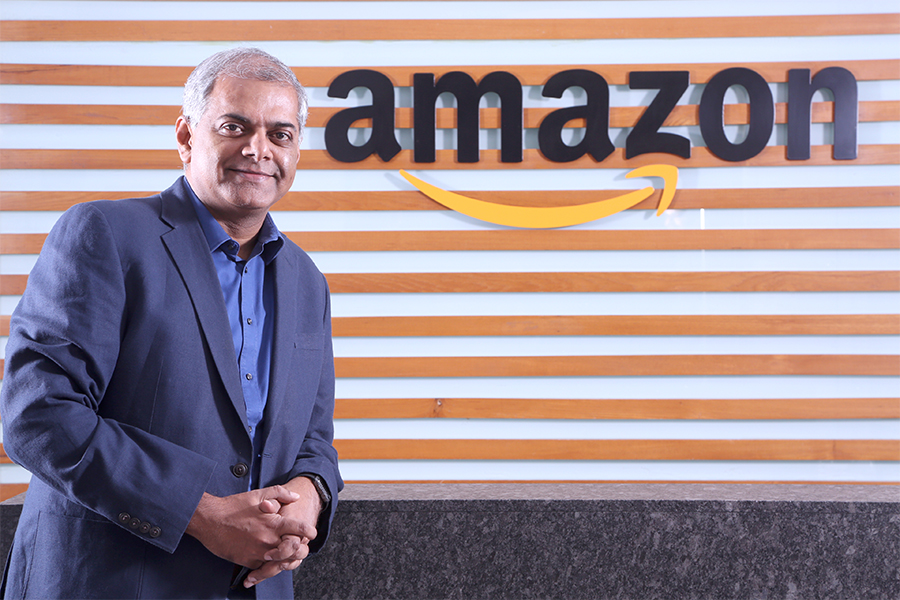
Manish Tiwary, Vice President, Amazon India states that customers from over 99.3% pin codes shopped on Amazon.in with more than 3X more customers signing up for Prime during the festive season as compared to a normal business day, with 3 out of 5 signups coming from beyond the metros from cities & towns like Agra, Bhopal, Dehradun, Gorakhpur, Vijayawada and Kottayam. IBT: How have sales on Amazon India trended in the post-COVID period as opposed to the previous years? Manish Tiwary: Sellers on Amazon.in witnessed their biggest Great Indian Festival (GIF) bringing happiness to millions of customers across all corners of the country. Close to 600 sellers saw more than INR 1 crore in sales while over 6,500 sellers have clocked sales worth INR 1MM (10 lakh) in SMB pre-festive lead up and during the Great Indian Festival. With over 1.2 lakh sellers receiving orders, we are humbled by how sellers, brands and ecosystem partners nationwide have come together during these unprecedented times to spread joy across the country. With 90% of new customers coming from smaller cities, this year saw the largest number of new customers shopping for the first time on Amazon.in. Customers from over 99.3% pin codes shopped on Amazon.in, with more than 3X more customers signing up for Prime during the festive season as compared to a normal business day, with 3 out of 5 signups coming from beyond the metros from cities & towns like Agra, Bhopal, Dehradun, Gorakhpur, Vijayawada and Kottayam. Prime members from 98.3% pin codes of India shopped during the Festive season. For the first time, customers experienced GIF in Hindi, Tamil, Telugu, Malayalam and Kannada. Customers managed their budget through affordability programs fueling consumption across the country. Credit amount of INR 2,700 crore was disbursed through partners. IBT: Which are the categories doing relatively better during the lockdowns and after, and what insights do they reveal on consumer behaviour during this period? What were your expectations from consumer facing sectors in the current festive season? Which key products are likely to consumer demand? Manish Tiwary: Customers shopped for everything big and small this festive season. Top sold categories included smartphones, large appliances, fashion, consumer electronics, home & kitchen; registering the biggest sales ever for devices. 50% of all premium smartphones being bought on Amazon.in were 5G ready. Over 1.5 million customers bought a phone from Amazon for the first time. Over 40% customer growth from tier-II and tier-III cities. Customers purchased more iPhones in 29 days of the Great Indian Festival than all of last year. Customers upgraded their work & study from home setup – 10 PC devices (laptops and desktops), 9 routers and 4 printers bought every minute during the festive season on Amazon.in. New photography trends emerged this year with drone cameras, mirrorless cameras and vlogging cameras gaining popularity from top brands. 120 audio products were purchased every minute. Gaming continues to enthrall customers – more than 2 computer accessories bought every minute. Gaming accessories, graphic tablets, playstation, Xbox, nintendos and virtual reality brand Oculus see stellar growth. Customers get more environment conscious with 2 out of 3 refrigerators bought being energy efficient. 99% of all TVs sold this season were smart TVs. One in two TVs sold during GIF were Alexa-enabled Televisions. Customers shopped across Men’s Casual wear tops and shoes, Women Ethnic wear, Kids Apparel, Winter wear, Athleisure, Fashion Jewelry, Smartwatches and Travel luggage. In Apparel, home essentials like t-shirts, innerwear, sleepwear shorts, Women kurta, Sarees, Men’s ethnic, Smartwatches, Travel luggage, Women Sandals, Jewellery were the popular products during the festive period. Customers purchased Gold coins, Gold pendants, Earrings, Rings, Necklaces and more this festive season. Customers showed their love for Designer Boutique. RIVER – a newly launched, affordable, multi-designer brand created in partnership with some of India’s most celebrated designers – JJ Valaya, Ashish Soni, Suneet Varma & Manish Arora popular this GIF. IBT: How did the lockdown affect your supply chain and operations, and what approach did you follow to normalise them in collaboration with your partners on the platform? Which product categories, if any, continue to be impacted by disruptions and why? Manish Tiwary: We are humbled how sellers, brands and ecosystem partners nationwide have come together during these unprecedented times to spread joy across the country. We continue to help our sellers and partners reach millions of customers across the country and support them in accelerating their business. At the same time, our aim is to help our customers find everything they need during the festive season and deliver it safely to them. In order to ensure safe and reliable deliveries, and serve customer demand during the Great Indian Festival, Amazon has ramped up its delivery infrastructure adding close to 200 delivery stations and added tens of thousands of delivery partners to its network. Amazon.in expanded its fulfilment footprint with more than 60 fulfilment centres in 15 states offering a storage capacity of over 32 million cubic feet to serve customers in the farthest parts of the country. Further, we have announced 5 new sort centres and expansion of 8 existing sort centres across the country to strengthen fulfilment capacity. In addition to this, we have created more than 100,000 seasonal job opportunities ahead of the festive season across our operations network in the country. IBT: With people stepping out of their homes post-lockdown, do you see some normalisation of customer demand from your platform? What is your projection on expected revenues in the coming years and what are your plans in terms of expansion in India? Manish Tiwary: One thing we’ve learnt from the COVID-19 crisis is how important a role Amazon and e-commerce can play with enabling policies – for our customers as much as for small businesses & economy. We take this responsibility seriously, and we’re proud of the work our teams are doing to help customers through this difficult time. At this moment in time, our focus is to ensure our customers get all that they need

Digitally determined SMEs are leveraging public cloud
Rishu Sharma, Principal Analyst, Cloud & Artificial Intelligence, IDC India, surmises that budget limitations and need to meet up with capacities are among the top drivers for the SMBs to adopt cloud. They have been leveraging enterprise applications such as accounting software and core HR applications and could see an increased use of managed services for collaboration, security, data management etc. IBT: How has COVID-19 impacted the adoption rate of cloud computing across the world and for India in particular? Rishu Sharma: COVID-19 has accelerated cloud adoption for organizations in India as businesses look to gain resiliency and meet up with the demand for additional capacities. Organizations in India are planning to increase their investments across the cloud segments including IaaS, PaaS and SaaS. Our survey shows that establishing digital infrastructure resiliency is among the top priorities for Indian organizations and cloud will play a pivotal role as they progress to the new normal. As per IDC’s COVID-19 impact survey, Wave 5, more than 58% organizations in India are planning to increase investments in cloud computing. IBT: What are the drivers for this shift? Which industries have emerged as new growth avenues for cloud computing adoption and why? Rishu Sharma: There are multiple factors driving this demand including seamless business continuity, cost optimization, scalability and optimizing operations to create resiliency, are some to name a few. We are seeing the demand being generated as a result of online education, virtual streaming and maximizing workforce productivity as some of the key use cases driving demand across education, media and ITeS verticals. Apart from these, as a result of the supply chain disruption in the manufacturing industry, there is likely to be increased focus on standardizing operations, increased automation, and more sustainable operations, all of which will enforce organizations to relook and modernize their supply chain systems. The banking sector is looking at the increased adoption of online banking, mobile banking, and self-service. We are also witnessing conversational platforms being seeing an uptick in this environments. In the healthcare segment, collaboration platforms and conferencing solutions are being leveraged for diagnosis, screening, and better collaboration. IBT: What benefits do DAAS and SAAS provide for Indian SMEs in particular, as they embrace greater levels of digitisation and formalisation? Rishu Sharma: There is an uptick in the communication, collaboration applications and cloud-based VDI adoption primarily being driven by remote working. Organizations are able to achieve benefits like seamless business operations, uninterrupted access to data, customer continuity and also sales continuity in form of SaaS-based CRM. While the spend by SMBs has been impacted as a result of COVID-19, the digitally determined SMBs are leveraging public cloud services to meet up with their business demands. Budget limitations and the need to meet up with capacities are among the top drivers for the SMBs. SMBs have been leveraging enterprise applications such as accounting software and core HR applications etc and are likely to see an increased use of managed services for collaboration, security, data management etc in the long term. Cloud is imperative for these organizations as they focus on gaining business agility and productivity while managing the cost of operations. IBT: What should be the approach to cloud deployment by SMEs to ensure optimum utilisation and maximum benefits? Rishu Sharma: The current environment has resulted in organizations recalibrating their business plans. But one thing is certain that businesses have realised that they will have to leverage technology to become resilient in their path to the new normal. While some SMBs were already leveraging public cloud, the current environment has only been a catalyst to push their adoption further. The cloud deployments would require developing the organization’s cloud plans, taking stock of current applications, evaluating the workloads for cloud (best fit, security, end of lifecycle etc) and also focusing on the skills aspect to with IT teams being trained for cloud environments. IBT: With the government aggressively backing Digital India, what role is cloud computing playing in governance, and how do you see its role getting transformed in the coming years? Please also provide some use cases in this context? Rishu Sharma: The government’s focus on citizen enablement and healthcare has resulted in state governments exploring use cases like AI-powered crowd surveillance, data analytics, drone-based surveillance, emergency response platform and automation to name a few. Rishu Sharma leads the consulting and research practice for cloud and artificial intelligence (AI) markets in India. She is involved in advisory assignments for IT vendors in the areas of strategy, strategic marketing, and end-user insights across technologies and industry verticals. She also advises tech buyers (CIOs and lines of business) in their business planning, for them to make informed, viable, and sustainable strategic decisions on cloud and AI. Rishu has over 11 years of experience in the fields of consulting, business research and project management, digital marketing, presales, and bid management in the IT industry, focusing on hardware, software, and IT services.

Cybersecurity: The new corporate DNA?
As remote work became the new normal in the face of COVID-19, companies became soft targets for hacktivists as their employees worked in less secure work environments. A study found that states that the number of cyberattacks on Indian organisations doubled in March 2020 from January 2020. Cybersecurity will hence become a way of life for all stakeholders. Cybersecurity will hence become a way of life for all stakeholders. In order to deal with this situation, companies need to make cybersecurity as a way of life. Building a cyber-risk free ecosystem should be part of a firm’s DNA – not just a reactive addition. This entails training employees to detect and report cyberattacks & using end-to-end encrypted collaboration tools. As COVID-19 shook businesses across the globe and companies evolved to remote work in a bid to adjust to this new normal, organizations were left with no choice but to rapidly move towards adopting new age technologies. However, sooner rather than later, cracks began to emerge resorted to telework, long after most expected a return to their workspace. As remote work continues to garner traction, employees became soft targets for hacktivists as their home Wi-Fi networks likely have weaker protocols that hackers can access more easily. A PwC report states that the number of cyberattacks on Indian organisations doubled in March 2020 from January 2020. It adds that phishing domains resembling the Centres for Disease Control and Prevention cropped up all over the world in an attempt to obtain credentials or deliver Trojans by exploiting human anxiety related to the COVID-19 outbreak. According to another study, 68% of Indian companies surveyed admitted that as employees connected from outside the corporate (fire)walls, secure access turned out to be the biggest challenge for the IT security department in most organisations when supporting remote workers. Vishak Raman, director (security business – India & SAARC), Cisco, explains, “With organisations forced to shift to a new way of working almost overnight, the newly distributed workforce became a focal point for malicious actors. As a result, the pandemic has amplified the criticality of cybersecurity and brought new complexities to the fore.” Gearing up for an ordeal by fire A study by EY finds that only 31% Indian companies that it surveyed say that their cybersecurity team is involved right from the start of a new business initiative. It adds that just 39% of organizations quarterly schedule cybersecurity as a board agenda item. This approach needs to change if companies and countries are to battle cyberattacks. As Dr. Pavan Duggal, Cyber Expert and Senior Lawyer, Supreme Court of India believes, “These are unprecedented times where a new world order is replacing the existing systems. After the pandemic, we enter a new age where the ground reality is different with different rules of engagement. Cybersecurity will hence become a way of life for all stakeholders.” The following strategies can be deployed by businesses to mitigate the risk of cyberattacks: i. Raising alarm As employees work from their homes, it is more important than ever to develop their ability to detect and report cyberattacks. This requires companies to train users about the possibility of such threats and testing the efficacy of training. Employees need to be made aware about using a secure VPN, advance malware protection & using end-to-end encrypted collaboration tools. ii. Reflection time This is a good time to reflect on the organization’s security awareness plan and to see where it stands in terms of its preparedness. This entails a better understanding of the organization’s commercial imperatives and the ability to anticipate the evolving cyber threats. Allocation of a certain chunk of their budget to developing a safety valve for their remote workers will be crucial in this regard. ii. Re-evaluate status quo Companies may also need to re-evaluate their current framework for protection against cyber threats. One thing that is a must is to draw up fresh contracts that make data protection legally binding for their employees and put the onus of data leak on employees in a work from home environment. Softwares which offer solutions like blocking the copying of data in external USB drives can also be devised to ward off the threat of cyberattacks. Firms also need to invest in Security as a Service Solutions (SaaS) such as embracing cloud content security provider.

Corporates should come forward to work directly with farmers
Priyanka Singh, Director, Taj Agro, opines that corporates should lease out their land and provide better competitive rates to farmers for their products. They should also impart training to horticulturists related to modern technology techniques being employed in horticulture. This would also improve the living standards of farmers to a great extent. IBT: How have India’s horticulture exports progressed in the global market over the years? Which are the major product categories where India has been able to penetrate global markets? Priyanka Singh: India’s horticulture exports have seen phenomenal growth in last few decades due to many positive factors: Our farmers have increased the use of hybrid seeds, plants, saplings, advance sustainable harvesting techniques etc. from research institutes like PUSA; which have high yields as compared to traditional methods of farming. Farmers have now gradually started shifting from traditional farming to horticulture crops such as guavas, bananas, mangoes, dragon fruits etc. This leads to avoid price barriers and oversupply in the market; whilst still keeping demand for the traditional crops and sustainable prices to avoid losses. India’s farmers have now started using new technology for organic manure production, vermicompost, yearly crop diversification, soil testing, green house production of fruits and vegetables, consulting agri scientists via Centre for Agriculture and Rural Development (CARD), drip water irrigation, solar water pumps etc. This is constantly helping them to produce high value nutritional horticulture products as per global standards and that is why India’s products have niche presence in the international markets. Indian farmers are opting for modern methods of cold storage for high value fruits and farm produce, better transportation, standard packaging in order to meet up export standards. Further, farmers are adapting to ISO 22000 standards along with the standard set by Agricultural and Processed Food Products Export Development Authority (APEDA). According to the latest market research and GDP stats, India is becoming one of the major international destinations for quality food procurement and also becoming world’s largest producer of several high value horticulture products and crops like spices, cashew, cashew nut shell liquid, Kashmiri saffron, fruit-vegetable seeds, fresh fruits, vegetable oil, fresh vegetables, processed vegetables, processed fruits and juices, floriculture products, tea, coffee, Ayush/medicinal and herbal products, cocoa, bonsai trees of mango, lychee, Tofu Cheese (Soya) and exotic fruits. IBT: What markets are we serving presently and what potential markets can be explored for exports? What are the challenges to expanding in these markets? Priyanka Singh: India is a leading exporter of high value nutritional horticulture products to major MENA destinations like UAE, Saudi Arabia, Egypt, Iran, Iraq, Israel, Jordan, Kuwait etc. Along with it, we can explore European nations like U.K, Germany, France, Sweden, and Russian federation in future. Major challenges for expansion are as follows: India needs to form better bilateral trade with major European countries and Russian trade federation. Transportation cost may be on higher end, which may create issues for large volume exports. Better facility of inter-transit cold chain storage at shipyards and airports; more promptness at airport and cargo clearance are needed. Many exotic fruits are cultivated in India’s north east region but due to logistics and low-price margin, farmers are unable to present it globally. Inland rail connectivity may improve logistics in more farming-based zones in India. Pricing, assured payment and active banking channel needs to be formed, which is till date problem for small agro company exporters as most of companies in Europe don’t trade in Letter of Credit (LC) and bank guarantee. IBT: What are the major changes in global trade of horticulture post-COVID? Priyanka Singh: Due to Covid-19, global trade is at an all-time low and the consequent declines in trade and output is a painful consequence for all major business sectors. But restrictions on movement and social distancing, demand and supply chain disruption to slow down the spread of the disease meant that labour supply, transport, food delivery, and travel were directly affected. Whole sectors of global economies have been shut down, including horticulture trade activity. IBT: What are the opportunities for value addition, and what are the constraints exporters face in this regard? Priyanka Singh: We have immense potential in horticulture products exports which are relatively lesser known in the international markets like medicinal herbs, essential oils and other high value Ayurvedic offerings from India. There are a lot of next generation entrepreneurs coming in India in agri based segment, those who have high education and they all use modern technology and internet to promote their business, which is bringing positive feedback and better growth opportunities in the export markets. Along with this, new age entrepreneurs are educating horticulturists regarding latest market trends, modern sustainable cultivation method, online product promotion, new irrigation techniques, use of mobile based application for information forwarding etc. Further; more corporates should come forward in order to work directly with farmers (those are into horticulture) by leasing their land and providing better competitive rates for their products. The corporates could also impart training to horticulturists related to modern technology techniques being employed in horticulture. This would also improve the living standards of farmers to a great extent. The following constraints are felt by exporters: No one window approval solution for exporters and various licensing authorities. Presence of middle man brings additional cost disadvantage for end consumers. Less cultivation of high value products in horticulture segment despite of having age old tradition of growing medical herbs, Ayurvedic flowers, and exotic honey etc. Not enough corporate funding and direct purchase from horticulturists of India, especially mango, lychee, guava, banana etc.; which is grown seasonally mostly. Not enough buyers in horticulture products due to less awareness and advertisement. Timely transportation is big issue and due to this lots of fruits and vegetables gets wasted every year. More subsidy is required for dedicated horticulture growing farms to boost high value nutritional products. IBT: Albeit India produces more fruits & vegetables over cereals, it is the latter which are exported primarily by India? Why is that the case? How can
Assam tea needs to have special recognition
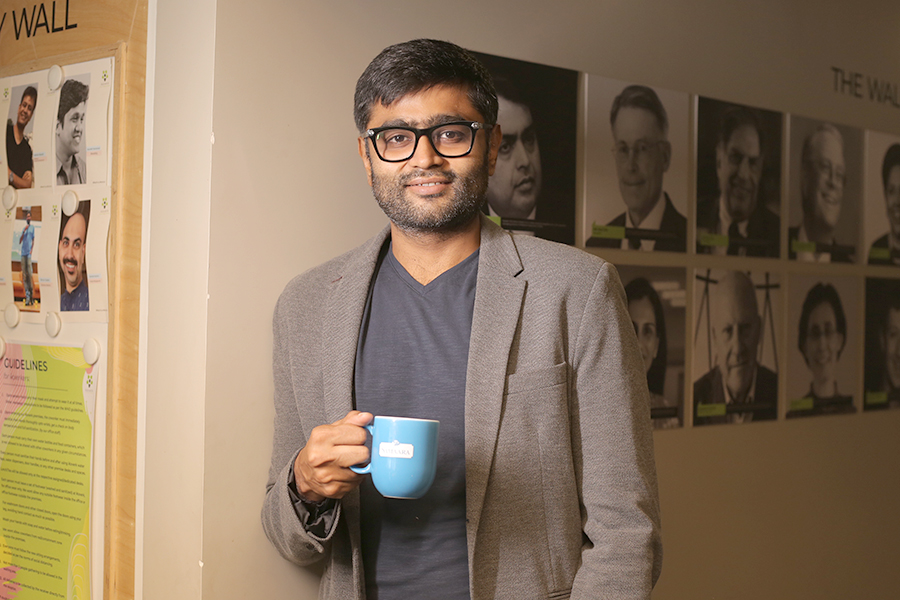
Dheer Shah, MD, Jivraj Tea Company, highlights a common issue that the industry faces in overseas markets – lack of knowledge of Assam tea. He stresses on the need for a focused brand building approach in this regard to establish a premium positioning for the product. IBT: How did the onset of Covid-19 impact your operations and exports, what strategies did you deploy to grapple with them and how is the international market for tea looking like at present? Dheer Shah: The advent of COVID-19 has changed the way businesses are being carried out everywhere. The orders that we had were placed prior to the virus at market prices. But due to the sudden imposition of the lockdown, we faced a paucity in the supply of tea at the base level. Consequently, for example, tea priced at Rs 200 per kg prior to the pandemic was suddenly being sold for Rs 300 per kg. But since our orders were placed before this situation, we had to honour our commitments and sell our products at the pre-pandemic prices. This, in turn, impacted the sales of our export shipment and we incurred substantial losses. The pandemic-induced lockdown disrupted our timely procurement of supplies and consequently dented our exports. Currently, the overseas tea market is booming with immunity-boosting teas in herbal and ayurvedic categories. Black tea is facing competition from countries like Vietnam, since their prices are quite low vis-à-vis Indian tea in international markets. While most tea exporters manage costs by blending in tea from Assam, South India & even Vietnam, it is difficult for us to reduce costs, since we deal in 100% pure premium Assam tea. IBT: How has the pandemic affected the demand scenario in the domestic market? How have customer preferences changed, in terms of tea brands/varieties, and why? Dheer Shah: While the demand for tea was quite stable in the domestic market, demand during the lockdown and out-of-home consumption (e.g. at offices, tea kiosks, soirees and restaurants) was almost zero. So, we saw a decline in consumption of certain categories of tea, which were primarily used for out-of-home consumption. COVID-19 has changed consumer preferences towards more hygienic and branded tea, which is a boon for the industry. While there wasn’t much change vis-à-vis brands that were consumed, green tea variants (like green tea with camomile for sleeping and green tea with mint for refreshment) and other immunity boosting teas saw a rise in consumption. IBT: According to reports, there has been a significant drop in the consumption of Darjeeling tea in the domestic market. What are the reasons for the same? Has the same trend resonated in the international market too? Why/why not? Dheer Shah: There has been a significant drop in the consumption of Darjeeling tea in the domestic market as well as the export market. Darjeeling produces only a certain quantity of tea, which is very less as compared to India‘s overall tea production. It is considered as the queen of teas. For a tea lover, there is nothing better than enjoying a good cup of Darjeeling tea. Due to the lockdown and restrictions, there has been a certain drop, but I don’t see a major challenge in reviving demand for Darjeeling tea. IBT: When is the demand likely to bounce back, in your opinion? Dheer Shah: This winter season should do justice to Darjeeling tea. Around 60% of Darjeeling tea is sold in India via online channels. E-commerce platforms sell the most Darjeeling tea after domestic trade. But coronavirus hampered the e-commerce sector’s operations too. Lockdown and shutdowns would have led to decrease in Darjeeling tea consumption. Hence, there might have been a drop because at that time, people switched to whatever other brands they could find. Also, owing to the drop in production during that period, there were challenges in exports of Darjeeling tea. IBT: What new product launches are you planning over the next few months and what changes are you making in your approach to market? Dheer Shah: A couple of product launches are in the pipeline over the next few months. We are very excited about these launches because we will be one of the few players entering the pyramid tea bag category. Our products will be 100% pure with no added flavours, preservatives, etc. We are launching India’s first detox tea without any salt. These products are being developed and will be launched by early December. It will be a very interesting to see how the market response will be to these products. We are also developing certain teas which help maintain overall health and also aid women in pregnancy. These shall be available in the market by February next year and as the Samara brand online. IBT: What strategies are you adopting to make sure that the tea is processed and packaged hygienically? Dheer Shah: We put in lot of efforts to make sure that our teas are not touched by human hands anywhere during the entire packing process. In fact, this has been a norm since the last 10 to 15 years for us. After blending, none of our teas are touched by hand; they are directly packed into consumer bags and are sold to the consumer. IBT: What are the major issues that the Indian tea industry faces currently, when it comes to production, supply and exports? Dheer Shah: A common issue that the industry faces in overseas markets is the lack of knowledge of a consumer towards our premium Assam blend. People there have a mentality that Indian tea is one of the cheapest, which is not true. The Tea Board of India needs to be roped in to promote our tea producing regions. It also needs to create a special recognition for Assam tea. That kind of marketing and brand building towards Assam Tea is very much the need of the hour. We need to produce more and more quality tea for Indian consumers as well as
India’s Manufacturing PMI: Genuine recovery or festive spirit?
Manufacturing PMI data reached a record high for India in October 2020, reflecting pent-up domestic demand, a positive sentiment due to the festive season and optimism on a possible uptick in exports in the coming months. India’s manufacturing PMI has risen to a high of 58.9 in October as compared to 56.8 in the previous month, indicating the strongest increase in 13 years. Manufacturers seem confident that the surge will continue in the coming months, as businesses are ramping up on input purchases and restocking. However, analysts caution that the present trend does not show a sustained recovery, as it seems to be driven largely by festive season and pent-up demand. Globally, the recovery is varied across markets, as rising COVID-19 cases and fragile consumer demand in key markets continue to cast a shadow over manufacturing sector recovery. Image Credit: https://tinyurl.com/y62x3qbo India’s manufacturing PMI has risen to a high of 58.9 in October, indicating the strongest increase in 13 years. The corresponding figure on the IHS Markit India Manufacturing Purchasing Managers’ Index in September was 56.8. The index had gone into contraction mode in April this year, after 32 consecutive months of expansion. But it has returned to expansion mode in the past 3 months. Pollyanna De Lima, Economics Associate Director at IHS Markit, commented, “Levels of new orders and output at Indian manufacturers continued to recover from the COVID-19 induced contractions seen earlier in the year, with the PMI results for October highlighting historically-sharp monthly rates of expansion.” Manufacturers seem confident that the surge will continue in the coming months, as businesses are ramping up on input purchases and restocking. The same is also attributed to improved demand conditions, and relaxation of COVID-19 restrictions. Companies also seemed hopeful of witnessing the end of COVID-19 cases and reopening of other sectors by the end of the current financial year. On the negative side, adhering to COVID-19 restrictions has led to continued drop in payroll numbers. Suvodeep Rakshit, Senior Economist, Kotak Institutional Equities, adds, Given that PMIs are dependent on the current state of orders, the festive season demand as well as pent-up demand would have contributed to the surge in sentiment as well as production levels. Global demand, which has been recovering faster than domestic demand would also contribute to the strong readings in PMI in September and October. The recovery trend is also evident from core sector data. Eight core sectors had recorded a decline of 0.8% in September, the lowest contraction since March 2020. Electricity and steel output showed positive growth for the first time since March 2020, while coal improved for the second consecutive month. Cement also showed its lowest decline by 3.5% YOY since March. New car and SUV sales have witnessed a turnaround in October, a critical indicator of market demand. Maruti Suzuki recorded a growth in dispatches to dealers by 17.63%, while Hyundai and Kia witnessed their highest ever sales numbers. Tata Motors performed even better, showing an increase by 79.33% during the month. Besides cars, manufacturers have shown confidence in demand growth during the ongoing festive season, in sectors like FMCG, electronics, fashion, health & hygiene products and jewellery. E-commerce firms are expected to benefit significantly from this revival. Research firm RedSeer expects that the gross merchandise volume registered by e-commerce retailers could nearly double to US$ 7 billion in this year’s festive season, compared to US$ 3.8 billion last year. However, Aditi Nayar, Principle Economist, ICRA, Ltd, cautions: In our view, several sectors are showing signs of an upturn that is being fuelled by pent up demand and inventory building ahead of the festive season, as well as a favourable base effect. Such trends may not sustain after the festive season is over, and momentum may flag after December 2020. We await concrete signs of a durable uptick in demand. On the other hand, exports are being seen as a possible driver as well for increase in manufacturing activity, as some other countries are recovering at a faster rate. Dr Rucha Ranadive, Economist, Care Ratings, comments: New orders have highest 30% weightage in PMI that also includes export orders. In October 2020, export orders registered highest rise in the past six year (since December 2014). Globally, many countries have shown signs of economic recovery. The pandemic seems to have contained in some of the Asian economies leading to softer restrictions and opening up of businesses. As a result, the demand recovered paving way for export orders. This has already been seen in September and could have persisted in October. An uneven global recovery PMI numbers for the month of October across the world, however, show significant variance across major economies, as shown in the graph. Brazil has also shown an all-time high PMI OF 66.7 in October, with record-high or near record-high expansion in output, new orders, exports and employment. Currency depreciation improved competitiveness, but also raised the prices of imports and consequently, manufacturing costs. Germany (58.2) has also shown strong expansion in manufacturing PMI readings, with an all-time high in both domestic and export orders. On the flip side, the rising coronavirus cases in Europe could dampen sentiment, and the recovery for consumer-facing businesses looks weak. Source: Trading Economics; figures for October 2020, *Composite figure Manufacturing in the ASEAN region remains in a downturn, with an overall PMI of 48.6. This reflects continued decline in new orders, and production, leading to sustained shedding of jobs. Four of the seven countries showed a deterioration in conditions, with Thailand, Vietnam and Singapore registering improvements. Russia also showed a weak manufacturing PMI of 46.9 in October, led by weakening domestic demand conditions, fall in output and continued uncertainty wrt the COVID-19 pandemic. The US is relatively stable at 53.4, even as clients have shown reluctance to place new orders till the declaration of the Presidential election results. As expected, China’s manufacturing sector has seen a decade high in October, as people spent quiet liberally on travel, leisure and shopping during the Golden Week

“We are in an era of content, community and commerce”
Anirudh Singla, Founder & CEO, Pepper, shares insights on the ‘content divide’ that businesses face today (especially in the post-COVID context), and how a content marketplace like Pepper can better fulfil their objectives of market differentiation in the digital domain. IBT: What was the inspiration or market insight in your mind when you started Pepper as a content platform? Anirudh Singla: When we were conceptualising Pepper, I sensed an evident need in the market, and felt that content is going to become huge; with every business scaling it up for themselves. So it is going to be a key part of what they do as a part of marketing. So I thought it will be best for us to create a platform that enables transactions between both the supply and demand sides. We found that there were tailwinds for us on both sides. IBT: How has the journey progressed for you so far, and what has been the key inflexion point for your business? Anirudh Singla: At this point of time, as business models evolve, the vision also expands. Initially, we were looking at just text-based content and a network of writers. But later we realised that graphics and video are emerging as a bigger market, where more and more people are interested. So we spent a lot of time and energy on how we can scale that up as a segment. The vision evolved into something bigger. Eventually, we should be taking this to become a global company. India has huge opportunity in the content space. For a market like the US, 80-85% of the supply comes from Southeast Asia. So evidently, a large market has been set up already, which just needs a big push. And that’s where Pepper can come in. IBT: Along with the digital divide, can we also say that there is a content divide today? What factors have made content indispensable for business? On the other hand, the internet is said to have proved to be the death knell for traditional journalism. But how does the medium fare as a better platform for content creators today? Anirudh Singla: Today, we live in an era of content, community and commerce. Most organisations are now going digital. So what is that one differentiating factor, given that you are in the trade industry? The product can be a differentiator up to a certain level. But eventually, which companies are able to aggressively market themselves better and gain a bigger share? There content plays a key part. Opportunities for content creators are even better now, because there is better discoverability for them. With platforms like Pepper, we have empowered over 35,000 content creators across segments. For us, the standard is very high in terms of the quality that we work with. IBT: What are the key USPs for Pepper, and how does it fare in comparison to other content marketplaces on the net today? Anirudh Singla: In a nutshell, Pepper is what you can call a managed marketplace. You look at an open marketplace like an Upwork or a Fiverr. The issue with these is that they are open marketplaces. You have to spend a lot of time to find the best freelancer. Then accordingly, you talk to them and give them a brief. Companies often find it tough to manage freelancers and do regular follow ups with them. With one bad quality output, the relationship can get discontinued and then you have to restart with someone else. This is where Pepper comes in. We say that we give you a managed service end-to-end. There is no interaction between the freelancer and the business. Through our intelligent platform, we manage the best fit project of the business with the best fit content creator. Our mandate is to break down the expectations into as many parameters and allow both parties to communicate in a structured way. So if you are giving an order on Pepper, you are giving a very structured, detailed brief. So parameters are well defined. We build this strong workflow operations platform that helps us scale up content volume. For example, we are a platform that can do 3,000 articles in one month. This would otherwise have taken 2,000 freelancers and around 10-12 agencies to do. So that level of scale and operations excellence is something that defines Pepper a lot. IBT: What kind of content categories are most in demand on your platform? Anirudh Singla: From a platform perspective, blogs, SEO and social media content have a lot of potential. It is among the highest chunk. Language is coming up massively. A lot of folks want Indian language and foreign language content. We have just started graphic design, which is a very big opportunity right in front of us. There are also interesting demand categories like thought leadership. People want to create personal brands on the internet, and they are open to paying around that. At the senior level, they do not have the time to curate such content. That’s where we have been helping them. IBT: Post-COVID, how has business changed for you, and what are your future plans? Anirudh Singla: COVID has been a great scaling factor for us. More and more brands have understood that content can be done remotely. Relevance of content has increased, and is expected to keep increasing. More and more freelancers have also come up. The way forward is interesting, as we will be launching a full stack product that was in private beta next month. Anirudh Singla (21) is the Founder and Chief Executive Officer of Pepper Content, one of the leading content marketplace platforms that connect businesses with content creators. With the extensive talent network, the platform consists of a two-sided managed marketplace for creative professionals like content writers, graphic designers, language specialists, editors; where creators get matched to the best fit content projects from businesses. Anirudh and Rishabh Shekhar, who were batchmates at BITS Pilani, founded Pepper Content with