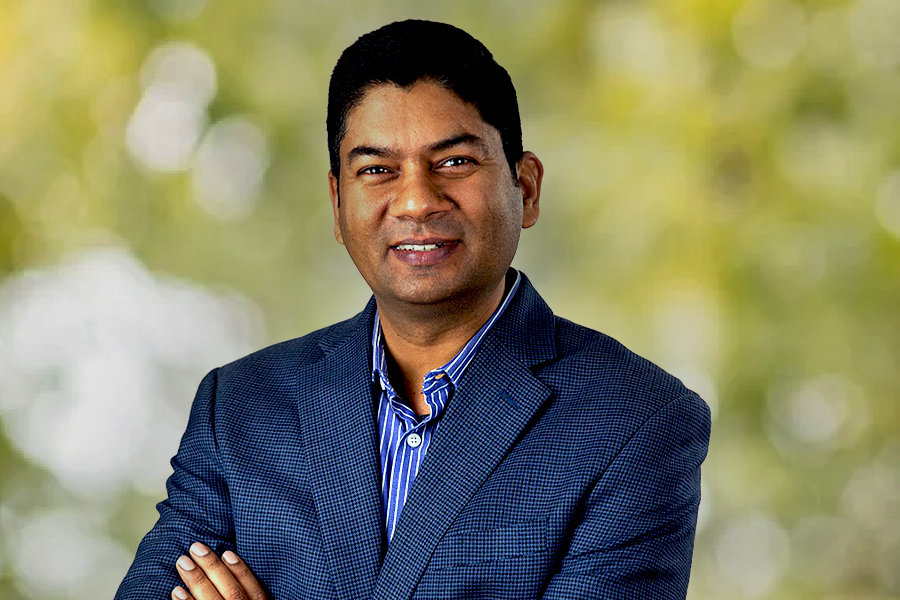
Ashutosh Sharma, VP & Research Director, Forrester, feels that the COVID-19 pandemic has challenged the assumptions of IT leaders around the resilience and scalability of their infrastructure. This has led to businesses adopting cloud computing for a variety of reasons. IBT: How has COVID-19 impacted the adoption rate of cloud computing across the world and for India in particular? Ashutosh Sharma: COVID-19 has made many organizations realize the limits of their existing technology strategies. The pandemic has challenged the assumptions that IT leaders had around the resilience and scalability of their infrastructure. Coupled with these limitations, the requirements of responding quickly have made firms adopt cloud for a variety of their needs. From adopting it to enable employees to work remotely, launching new applications quickly in response to COVID and even improving the scale of existing applications – businesses have embraced cloud computing. IBT: What are the drivers for this shift? Which industries have emerged as new growth avenues for cloud computing adoption and why? Ashutosh Sharma: In addition to the need to respond quickly and at scale – doing it securely and need to buy vs building it themselves have further driven adoption of cloud computing. This adoption has risen across all industries – however, the differences across industries would be in the specific use-cases that have become more popular across them. IBT: What benefits do DAAS and SAAS provide for Indian SMEs in particular, as they embrace greater levels of digitisation and formalisation? Ashutosh Sharma: DAAS as a solution has grown in popularity during the pandemic as firms are looking to enable their employees to securely connect to their applications. However, as such this solution is not that popular among SMEs. The primary reason is that the cost of a cloud-based desktop is an additional cost over and above the desktop investments. SMEs are going to adopt DAAS only in certain limited use cases where mobility, security, connectivity, performance benefits outweigh their costs. SMEs in India are primed for cloud-based applications. Our research shows that one of the biggest stumbling blocks for SME digitization is availability of skills and their tech maturity. With cloud-based applications, SMEs can obviate that need. Not as much the infrastructure-as-a-service but SaaS is clearly a winner among them. IBT: With the government aggressively backing Digital India, what role is cloud computing playing in governance, and how do you see its role getting transformed in the coming years? Ashutosh Sharma: The Indian government is one of the leading governments when it comes to adopting technology for governance. Considering the variability across the states and lack of skills, which hamper some of the digitization – some of the government ministries and departments and a few state governments have adopted cloud to drive citizen experience. Some of the biggest examples are use-cases which Government has deployed on Umang platform. Digilocker, EPFO and various services by MORTH (Ministry of Road Transport and Highways) are all good examples of how Indian government services can be scaled to India’s large population. IBT: Indian startups like Freshworks and Zoho have achieved success with cloud solutions? What is your view on the potential of India’s startup ecosystem in this space going forward, and the opportunities for new startups going forward? Ashutosh Sharma: India has a very vibrant start-up ecosystem. The country has had B2C focused start-ups for a long time. However, in recent years, as Indian businesses have started to accelerate their digitization, we are seeing an emergence of successful B2B-focused startups. The number of Indian start-ups in AI, digital marketing, cloud solutions, robotics, AR/VR and other emerging technology areas has risen rapidly, and it is poised to grow on the back of demand from Indian businesses. The government has eased up some regulatory roadblocks for start-ups; however we still need significant regulatory simplification for this ecosystem to flourish. IBT: What are the scale up challenges for Indian companies when it comes to adopting cloud solutions, particularly considering the exponential rise in data-heavy businesses like OTT and edtech? Ashutosh Sharma: When it comes to cloud adoption, I believe that India has come a long way in the last 3 years. A couple of years ago, we had data residency issues with global cloud providers not having their data centers in India. Indian IT leaders also used to be very skeptical about losing control over the infrastructure and cloud security. We are well past these problems now. Today, India has a healthy mix of GSPs with enough competition to ensure very good price points and quality of service for Indian customers. The biggest challenge now is the lack of cloud skills in enterprises – barring few industries such as IT/ITeS, financial services, online retail and a few large conglomerates, others have struggled to launch and scale their cloud adoption. In some cases, even if they can adopt cloud for some basic applications or adopt SaaS-based applications, they lack the skills to leverage the advanced capabilities that cloud providers can bring to modernize the IT applications. IBT: Also, how effective is cloud computing today in addressing security issues faced by client companies and their customers? How are they working to resolve these issues? Ashutosh Sharma: As firms migrate computing and data resources to the cloud, security remains a top concern and priority for both operational and compliance reasons. But I don’t think this is a problem anymore, if firms abide by a proper framework. Forrester’s Cloud security Maturity Assessment include six major competencies and their weightings: governance (20%), measurement (10%), people (10%), process (10%), strategy (10%), and technology (40%) along with subsets of activities for each. We do a quick 20-question assessment for Security & Risk (S&R) professionals that aims to: a) Establish your firm’s maturity of cloud security b) Get actionable guidance on how to improve and expand cloud security coverage to reduce threat surface and protect cloud workloads and data more effectively. Once you complete the assessment, it will generate an overall maturity level between 0 (nonexistent) and 5 (optimized)
Edtech startups can explore a sales-or subscription-based business model
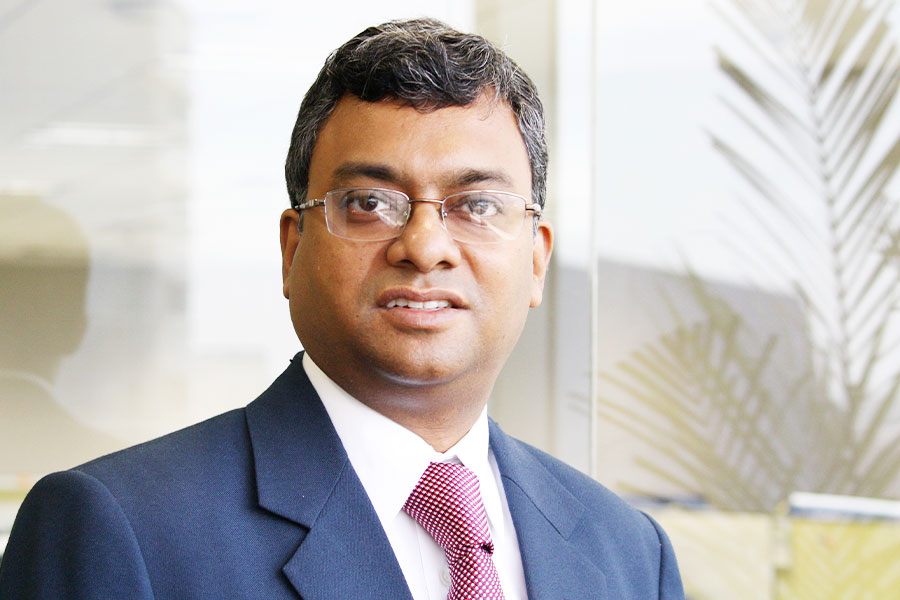
Anindya Mallick, Partner, Deloitte India, opines that the business model to be adopted by edtech startups is typically determined by the development cost of platform and content and whether funding is available to recover the cost over a period of time through a subscription model or there is a need to recover upfront through a sales model. IBT: Why are edtech startups seeing a record jump in fundraising activities around this time? How has the pandemic changed the business model for edtech startups? Anindya Mallick: The growth of Indian edtech sector can be attributed to the need to bridge the gap in the Indian education system to acquire skills and expertise required in the job market or to supplement classroom teaching to prepare for board, entrance and other competitive exams. However, during the pandemic, the edtech sector recorded phenomenal growth, which was largely driven by demand for online classes following the closure of education institutions. The sudden declaration of lock down, which went on for a prolonged period made educational institutions explore options for delivering lessons online to keep their students engaged and complete the courses. This led to an increased demand for edtech platforms and content, requiring edtech startups to explore options for significantly scaling up their operations to address the sudden demand. The need to suddenly scale up and also increase their portfolio of products and services made the start-ups take up fund raising activities. IBT: What can these startups do in bridging the gap in Indian education system and helping acquire the skills actually needed in the Indian job market? Anindya Mallick: Edtech startups, being on digital platforms, have the capability to reach students across the length and breadth of the country. Given the varying quality of education across the country, especially as one moves away from large cities to tier 2-3 cities and beyond, there is a need to augment the students’ skills and expertise so that these are aligned to industry requirements for getting a job or supplementary teaching required to prepare for competitive entrance examinations. The edtech startups provide platforms as well as content by which lessons from teachers having the requisite expertise can be delivered to students irrespective of location. As lessons are delivered digitally, the number of students are not restricted by the institute’s physical infrastructure and can be delivered at much reduced cost per student. The startups can develop standardized content by engaging highly qualified faculty and also make the lessons interactive through use of graphical designs to enhance the students’ user experience. This differentiates edtech content from the text book based approach followed by usual education institutions as use of technology in content is helpful for conceptual clarity, especially for students pursuing STEM subjects. Edtech startups can also cater to the market for upskilling and reskilling given the changing nature of job requirements on account of increased automation of industrial activities as part of the fourth industrial revolution. Edtech startups may find a ready market with organizations who will want online courses on digital platforms to be made available for upskilling or reskilling for employees to remain relevant and pursue their career growth. IBT: A lot of these startups have a ‘one-size-fits-all’ model due to their obsession with scale, which ignores factors like differences in learners’ grasping powers and variety in courses. What strategies can these startups adopt to these situations and offer customised solutions? Anindya Mallick: There is a market play for both large sized players who may be looking at the India as well as global market while there may be others who will be focusing on regional markets, which too can give sufficient scale. Edtech startups can differentiate amongst themselves by determining the markets they will play in and their service offerings. While there is a need for vernacular content based on student’s language preferences, courses can also be localised based on regional market requirements involving local faculty and addressing local industry’s skill requirements. Use of AI can today record students receptivity and grasp of lessons through interactive means and gaming techniques. Courses can be designed such that students who are identified as not able to keep pace with other students can be offered special support through additional classes, video conferencing with faculty, etc. Identifying the target user base and understanding their needs, constraints and challenges faced in current learning methods will provide insights based on which the edtech startup can design their service offerings along with their value proposition for addressing the market they will want to serve. IBT: A lot of education startups in India sell the dream of a promising job or admission in a premier educational institution to young minds in India. According to you, are these really successful, given the skewed pupil-to-teacher? Anindya Mallick: Given the varying quality of education offered by education institutions across the country which may be on account of course design, lack of attention to individual students on account of skewed student to teacher ratio, quality of faculty, institute’s infrastructure and available facilities, there is a need to offer preparatory services for competitive exams. These services are generally provided by coaching centres which have come up in cities and towns across the country. Edtech startups addresses this need by offering standardized online courses across their student base curated by faculty having requisite expertise. As part of their offerings, they conduct regular online assessments and mock tests, monitor student’s progress and offer customized support as required through virtual faculty interactions, extra classes, etc. Edtech startups using data analytics can assess the types of problems students are facing, categorize students facing similar problems and accordingly take corrective action through course redesign or change in teaching methodology. Given the benefits of reach, standardization of courses, access to quality faculty for curating and delivering online lessons and using of monitoring and analytic tools, edtech startups may have certain advantages over the traditional coaching centres in preparing students for competitive exams. IBT: What is your take on the impact of startup business
World saw India as a reliable supplier of rice post-COVID
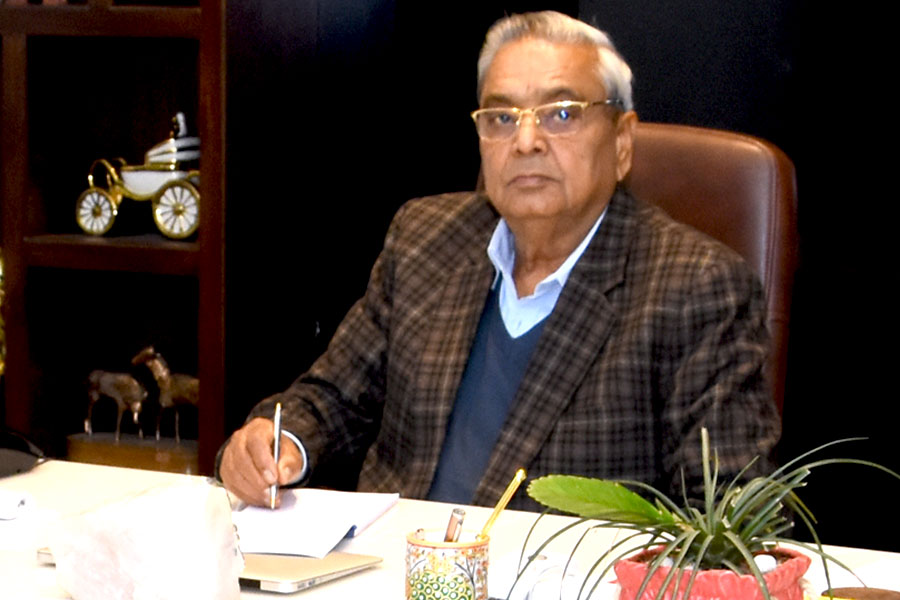
Nathi Ram Gupta, President, AIREA, is confident of a new record in rice exports in the current financial year due to bans imposed by Thailand and Vietnam, higher production and higher buying by importing countries. But he also highlights that shipment costs, shortage of containers and NTBs are acting as constraints for exporters. IBT: India’s rice exports have grown at a strong pace in the post-COVID period. What are the major driving factors for this? Nathi Ram Gupta: Yes, it is true that during the post COVID period India’s rice exports have shown a very good positive trend. During the period April-August, 2020, for which we have DGCIS data available, this trend is vindicated aptly. Non-Basmati rice exports have grown by 84% over the corresponding period of 2019-20, while Basmati rice has shown an upward trend by 23%. Basmati rice April-Aug, 2019 Apr-Aug, 2020 YoY growth Quantity (MT) 1,654,510 2,034,642 22% Value (Rs crore) 12,621 13,659 8% Value (US$ mn) 1,771 1,709 2% Non-Basmati rice April-Aug, 2019 Apr-Aug, 2020 YoY growth Quantity (MT) 2,140,237 3,941,642 84% Value (Rs crore) 6,046 11,570 91% Value (US$ mn) 856 1,536 80% The major driving factors are: (a) During the COVID period competitors like Thailand and Vietnam did ban export for some time, whereas India did not place any kind of restrictions. This made the world realize and appreciate India as a continuous, uninterrupted and reliable supplier. (b) In non-Basmati rice, India’s production has been good and better than previous years, whereas countries like Thailand have suffered because of drought and resultant price rise. Today Indian non-basmati rice is better priced in the international market, contributing to good demand. (c) Due to uncertainty about the future owing to the impact of COVID, several import dependent countries resorted to higher buying to ensure food security for their population. While in non-Basmati category, African countries are buying huge quantities this year from India, Basmati rice is seeing higher exports to traditional markets of Middle East. But on the other hand, some countries in Africa and CIS have also bought significant quantities so far. IBT: Recent reforms by the government have allowed contract farming and freedom for farmers to deal beyond APMC. How is this expected to affect exports? Nathi Ram Gupta: On the face of it, the new arrangement is seen as a better option for everyone. But with some states not yet realizing the real benefits of the system as they are in opposition, it is too early to really make any comment on this. Exporters on their part are taking initiatives, but the results would be known only in due course. IBT: Basmati rice exports have been impacted due to payment issues with Iran. What is the present situation, and how are exporters managing the challenge? What mechanism is being worked out? Nathi Ram Gupta: True, Iran has been the top market for Indian Basmati rice with share of 30%+. This year, due to payment issues, there has been a drop in exports by 55% during April to August, 2020 over the corresponding period in 2019-20. But our exporters have stretched themselves and made extensive efforts to find alternative markets as well as strengthen their existing markets. The results are there to see, as is reflected in the data. Although the latest feedback is that probably that the issue of stuck up payment is being resolved by the Iranian side, AIREA has represented to the Government to evolve a suitable alternate safer payment mechanism for trade with Iran. IBT: What are the new market opportunities looking up for Basmati/non-Basmati rice exports for India in the post-pandemic situation? Do you see any significant change in rice consumption patterns in target markets? Nathi Ram Gupta: As mentioned, India today is being seen by the world as a very reliable and cost competitive exporter of rice, and this is why many countries are turning towards India. We foresee a great year ahead and by the end o the current fiscal year, we could see a new record high in exports of rice from the country. Yet, this does not take away the challenges and difficulties being faced by trade, for which we will continue our efforts with the Government agencies. IBT: How are shipment costs/delays impacting exporters? Also, any major NTBs that India is facing in this sector at present? Please elaborate. Nathi Ram Gupta: Shipment costs are rising primarily due to the fact that there is a shortage of containers. Containers used to come from China because we were importing large quantities of products in the core sector. As imports have now drastically reduced, it has impaled the supply and availability of containers. Shipping lines have also increased freight charges. These two factors are severely affecting exports, which could otherwise have been much higher. Presently the trade is struggling with a major NTB, which is the sanitary testing being imposed by various countries at par with EU norms for pesticide residues. Exporters have to incur a fair amount on getting the product tested and there is always a risk factor involved. IBT: What value addition/product diversification (i.e. exploring more product varieties) can Indian rice exporters leverage in your view, given the current global market situation? Nathi Ram Gupta: This is not really an issue for rice exports because there is a fairly large number of varieties of both Basmati and non-Basmati rice being cultivated in the country. The only major issues are of rationalization of freight costs, availability of containers, etc.
PLI scheme could boost prospects for fluoropolymers
Kapil Malhotra, Senior Vice President – Marketing, with Gujarat Fluorochemicals Ltd, is confident of market revival post-COVID for fluoropolymers across end-use segments including automotive, healthcare, electronics, construction and industrial processing. Moreover, the growing use of fluoropolymers in newer applications such as waterproof clothing, dental ware etc. will only take this trend forward IBT: What are the key competitive advantages that have helped GFL build an established global business in fluorochemicals? Kapil Malhotra: GFL has endeavoured to be the market leader by providing its customers the latest, most innovative and best available technologies, products and services. GFL provides “Value for money” to its customers by producing best in class quality products and selling them at a competitive price. Maintaining global excellence in quality, excellence in services & manufacturing practices, building and maintaining integrity with all its stakeholders and a continuous approach to enthuse all our customers through innovativeness have been certain ways to delight and deliver the values to our customer. Through its integrated operations and integrity built over the years with its customers, GFL has proven itself to be the most reliable and established leader in the Indian market. For global markets, GFL is considered as the preferred supplier because of its dealers’ network, excellent supply chain and warehousing networks. GFL emerged as a supplier, which develops products and applications through collaborative technical engagement from the conceptual stage till end use. IBT: How is the company currently placed in terms of R&D focus and outcomes vis-à-vis its global competitors? What have been the key R&D success stories till date, and what is the future direction of innovation you envisage? Kapil Malhotra: GFL has got its own research centre named GFRC, which is situated at Dahej, India. Our team of experts is constantly working to enhance the quality of products & making processes more efficient by developing newer technologies. We are a recognized global fluoropolymer supplier and our products are at par with the other Fluoropolymer manufactures. GFL has got a high customer retention rate & it indeed talks about the value we deliver to our customers. The centre has collaborations with renowned educational and research institutes such as Indian Institute of Technology and Indian Institute of Chemical Technology and has established two priority R&D focus areas: New Product Development Sustainable Manufacturing Technologies The Ranjitnagar R&D Centre, over the few years of its existence, has developed the dexterity required to support and sustain the business with one of the key competencies providing swift responses to customer’s investigations. Having an established credibility with major innovators in India and global markets, GFL’s Fluorospecialty products are well established in target markets. GFL has combined research and customer insights to create one of the industry’s broadest and most flexible portfolios of Fluorospecialties. Our solutions for the pharmaceutical and agrochemical industries are derived from extensive research capabilities with analytical development chemists engaged in Process Development. Our research team has done some significant breakthroughs. One such example is PTFE (Polytetrafluoroethylene) Micropowders. During the processing of PTFE, a lot of waste is generated at the processor’s end. To curb this problem, our research team developed a process by which we can convert PTFE scrap into PTFE Micropowders. PTFE Micropowders have got a market value and they can be used in an immense number of applications. Thus, in this way, there was a win-win situation in which the processors got rid of PTFE waste and through it, GFL developed a product, which has market value. Secondly, at GFL, we comply with the UNGC (United Nations Global Compact) Principles. We can proudly claim that our products are PFOA free, which has a detrimental effect on the lives of the people. Again, we owe this to our excellent research team. Our facilities are backward integrated and in future, we will try to make our processes more ecofriendly, besides adding more products to our portfolio. GFL has always preferred to focus of custom requirement and if required, take support in development of products to cater to their needs; delivering trust and value to the former and with continue to do so in the future. IBT: How has the COVID-19 pandemic, and the requirement of social distancing, impacted your business operations? How have the lockdowns and business disruptions affected your global supply chains, and how are you working to mitigate the impact? Kapil Malhotra: The world saw an economic slowdown because of the COVID-19 pandemic. Industries suffered huge losses because of lower requirements, turbulent supply chains and other dependent activities. GFL was affected too in some way. But by and large, with safety measures taken by the company management and following standard operating procedures laid down by the Government of India, GFL resumed its production at a fast speed to serve its customers. In fact, some of the GFL’s products, which cater to pharma industries are necessary ingredients for manufacturing of sanitizers and medicines for COVID-19 treatment. Hence GFL could not afford any kind of disruption in its production. All precautionary measures like PPE kits, sanitization of machinery and personnel, temperature checks and roster duty plans resulted in lesser number of people getting affected by the pandemic; thus increasing productivity and continuous workflow for the company. Since GFL has integrated operations, we did not face a major challenge in terms of raw materials. However, certain challenges were there in respect to supply chain, which was handled with meticulous advance planning. IBT: What is the material change that you are expecting the global market demand situation for fluoropolymers, fluorospecialties, chemicals and refrigerants in the post-COVID situation? Which are the major markets/product segments that are witnessing significant change in market demand and outlook (positive or negative) and why? Kapil Malhotra: We are witnessing encouraging signs for the revival and growth of global markets post-COVID. Production-linked incentives by Government under the “Atma-Nirbhar” drive for API manufacturing in pharma sector and specialty chemical sector will surely boost the requirements in the coming years. The global arena is witnessing a paradigm shift in the automobile and telecom sectors, with
Smart meters: Powering a Rs 65,000 crore opportunity
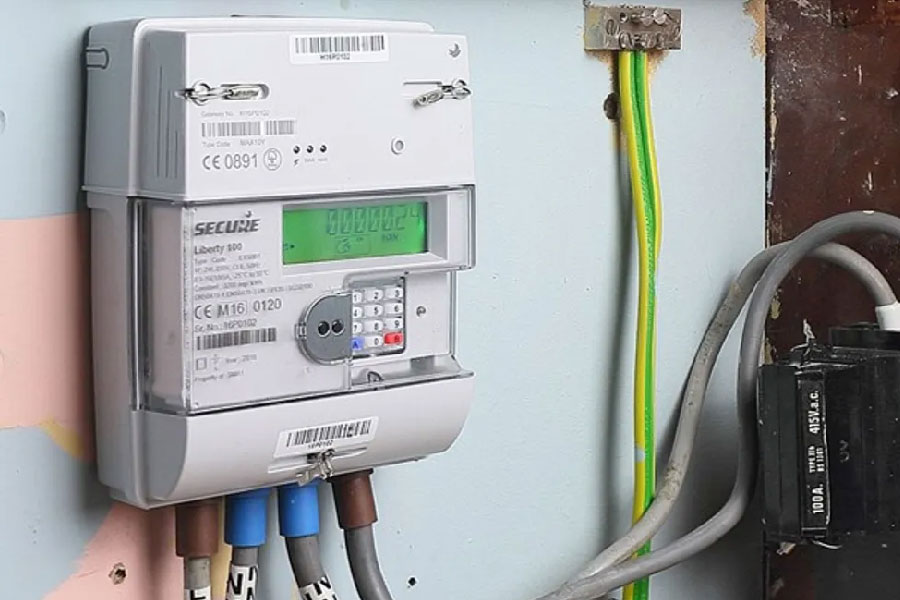
Smart meters present a highly viable solution for India’s discoms, which are faced with humungous losses and ever-rising debts. With the government giving a strong push to a nationwide programme for installing 250 million smart meters, industry has a major business opportunity. However, interoperability issues with traditional metering, billing and collection (MBC) systems need to be sorted out. Photo Credit : https://bit.ly/3kd6BoJ Smart electricity meters are a convenient option over conventional electric meters installed at our homes. These meters have the provision of a two-way communication with the central system. They report energy consumption regularly at short intervals, and also provide information on voltage levels, current and power factor. They can help increase billing efficiency, enable remote billing, automatic outage reporting, ensure flexibility with time-of-use tariffs, and enhance possibilities of adding new revenue streams. Globally, utilities are expected to invest US$ 378 billion in smart grid technologies by 2030. Focusing on regions, the smart meter market with highest rate of growth is Asia Pacific, which is home to 60% of the global population. With the increase in demand for electricity, there has been been a shift from conventional meters to smart meters to save electricity and maintain transparency between suppliers and buyers. Also, concerns of increasing energy consumption has made the adoption of these meters more pronounced. Some of the major players in the smart meter market across the globe are Wasion Group (China), Sensus (Xylem, US), Siemens (Germany), Landis+Gyr (Switzerland), Itron (US) and Badger Meter (US). In India, the market for smart metering is expected to be US$ 19.98 billion in 2020. According to 2018-19 estimates, the per capita consumption of electricity in India is 1,181 kWh. Also, total production of electricity in the country stood at 1,371,817 Gwh in 2018-19. In comparison to the approximately 270 million traditional meters, India has only 3 million smart meters operational currently. On the other hand, the penetration is much higher for markets such as US (65-75%), China (40-55%) and France (60-70%). The main reason for this is the financial distress of discoms. India is expected to be an emerging market for smart meters. Under the Smart Meter National Programme, the government has aimed to replace the 25 crore conventional meters with smart meters. By providing real-time data to discoms, the smart metering system would help in spotting any theft or loss. It has been reported that most of the state discoms lose approximately 25% of the electricity supplied as a result of theft, inadequate distribution infrastructure, poor billing or defaults in bill payments. According to data revealed by Energy Efficiency Services Ltd (EESL), smart metering infrastructure has been 95% more efficient in billing in Q1 2020, which generated over 15-20% per meter as additional revenue. As per EESL, this would equal to Rs. 100,000 crore of additional revenue annually from unbilled electricity. Also, amid the pandemic, smart meters have provided an added convenience of remotely conducting meter readings, generation of bills and connection/disconnection. However, there can be issue of security with concerns of privacy breach and cyber-attacks. Recently, EESL cancelled a deal with PT Hexing, a Chinese company, because it failed to meet the requirement of producing these meters in India. The smart meter gathers information on real time energy usage and imported meters may run the risk of carrying malware. Currently, India can produce a smart meter at a cost of Rs. 6,000-7,000. This implies that the cost of replacing all the conventional meter would approximate to Rs. 180,000 crore. However, with government steps to maintain prices and boost manufacturing in the domestic market, the cost of smart meters can be brought down to Rs. 2,000-4,000 effectively, while also keeping quality at par with Chinese imports. This would bring down the cost to around Rs 65,000 crore. Smart meters cost around 3 times more as compared to conventional meters, but this can be recovered in a six-and-a-half year time frame. Rental models can be also used to bring down costs for discoms, as is the case in other markets. One major challenge to this is upgrading of traditional metering, billing and collection (MBC) systems, since they face interoperability challenges with smart meters. The government has set a target of 250 million smart meters over the next few years. The proposed Rs 3.5 trillion ‘Reforms Linked Result Based Scheme for Distribution’ is aimed at completing the compulsory smart metering ecosystem across all distribution points. They are expected to help debt-laden electricity distribution companies by raising annual revenues to Rs 1.38 trillion. Even Reliance is planning to enter in the smart electricity meter market in India through Narrow Band-Internet of Things. It has been argued by the parliamentary standing committee that there is need to establish a manufacturing base of smart meters in India. This would ensure wider industry participation as well as adequate supply. Given the inevitability of the technology and current penetration levels, it definitely presents a major opportunity for industry in the coming years.
Online video streaming, social media & gaming are likely to be most lucrative avenues for brands
Girish Menon, Partner and Head – Media and Entertainment, KPMG in India, opines that online video streaming, social media & gaming tend to have a higher adoption rate among millennials and are often the only places to reach out to a lot of millennials who don’t consume much of the traditional media. IBT: What have been the major drivers of the shift to digital advertising over the past few years across the world? How is India similar or distinct in this context? Girish Menon: The shift towards digital advertising has been seen globally in the last few years, while in India, the shift hasn’t started to take shape in concrete terms yet. Traditional media such as TV and to a lesser extent, print, remain relevant, and digital advertising till now has added to the overall pie. However, with the COVID-19 pandemic having seen an acceleration of digital consumption, this shift is likely to get augmented in the long run, and the green shoots of the same are already being seen, as based on our estimates, Digital advertising will overtake TV advertising in FY21. On an overall basis, increasing consumption on digital, the ability to target a specific user base, availability of deeper and more insightful data compared to traditional forms of advertising coupled with the ability to measure ROIs more easily has been driving the shift to digital advertising globally. The story has been similar for India with performance advertising being the preferred mode for advertising on digital media. IBT: How has COVID-19 shifted the consumer approach towards consumption of digital mediums like OTT, social media, gaming, etc.? How have advertisers responded to the same, in order to maximise ROI of their marketing investments? Girish Menon: The pandemic has accelerated the adoption of digital mediums among consumers as outdoor entertainment options like cinemas, theme parks, etc. are not available to most users. As a result, the average time spent on gaming, social media and video streaming peaked during the months of the lockdown. While the average time spent on these mediums has come down post the lockdown, it has still settled at higher levels than that seen before the lockdown. Average time spent on gaming was higher by 24 per cent in the last week of June as against that observed before the lockdown. Ad volumes on digital, as with other M&E segments, had declined in the aftermath of the pandemic with most advertisers reining in spends as business activity came to a halt. However, companies from some categories like EdTech, Gaming, etc. made the most of the low CPMs (Cost Per Mille) available to reach out to their target audiences via digital. As economic activity starts to move towards pre-COVID-19 levels, digital advertising is expected to recover and grow faster than the traditional formats. IBT: Now that the economy is opening and people are stepping out of their homes, how do you expect media consumption habits to change in the next few months? What are the most lucrative avenues for B2C marketers to promote their brands among the millennials in India and why? Girish Menon: Media consumption habits have changed over the last few months and some of these habits are likely to persist in the long run. Digital has been the clear winner with more users starting to consume content via the digital medium – news, video, social media and gaming. However, as people start to step out of homes and get back to work, the active users and time spent on these mediums though higher than pre-COVID levels, is likely to be lower than the peaks seen during the lockdown. Online video streaming, social media and gaming are likely to be the most lucrative avenues for B2C marketers to promote their brands among the millennials in India. These mediums tend to have a higher adoption rate among millennials and are often the only places to reach out to a lot of millennials who don’t consume much of the traditional media. IBT: What advantages do sharing ads over digital mediums have in comparison to their other counterparts? What key criteria should brands keep in mind as decide their digital marketing mix, i.e. SEO, SMO, e-mail marketing, video marketing, etc? Girish Menon: Ads shared over digital mediums can be customised, narrow-casted and targeted to a desired consumer. In addition, some digital mediums also allow an element of sharing that could create virality for brands. Brands need to have a pre-defined purpose before deciding a digital marketing mix. The approach to digital marketing and the marketing mix will differ according to the purpose of the campaign, the product, the target consumer and the sales channel. IBT: Video is considered a major digital engagement tool for brands in the present context. How is it working out in reality from a content marketing perspective and what are the key elements of a successful engagement strategy through videos? Girish Menon: Videos have been working really well for brands as a tool for digital engagement and advertising. Video content that is creative, catchy and establishes an emotional connect is key to audience engagement. In addition to catchy commercials, brands can use product placement and deeper integrations with the digital content story (on platforms like video streaming, gaming, etc.) to create successful campaigns. Girish Menon has significant experience in the media and entertainment (M&E) sector. He has advised clients across major sub sectors, covering both international and national players. Hehas more than 15 years of advisory and M&A experience and, he has advised on more than 150 M&A transactions. He has an extensive experience on buy-side and sell-side mandates and assisting clients in evaluating the risks and opportunities of their intended transactions. He has led a number of high profile and complex transactions and therefore has a deep understanding and practical experience of dealing with issues that arise on Indian transactions. He has also been a speaker at various events industry organised by FICCI, Economic Times, India Mobile Congress etc. He leads KPMG in
Edtech startups can help bridge the gaps in Indian education system
Dr. Vandana Sonwaney , Director, SIOM, opines that edtech for adults—whether in the form of vocational skills, tertiary or higher education, or skilling for managerial growth—can make India’s workforce more competitive. Education and learning have a social fabric which develops a person holistically. Social skills are crucial for jobs and go beyond technical competencies. IBT: Why are edtech start-ups seeing a record jump in fundraising activities this year? How has the pandemic changed the business model for edtech start-ups? Dr. Vandana Sonwaney: Indeed, with funding worth US$ 2 billion being pumped into Indian edtech start-ups and the market size to grow to US$ 10 billion by 2025, Indian edtech sector is a big ticket opportunity. The pandemic has opened the vast potential for this sector, especially in India, like never before. Digitalization stimulates entry of new firms (start-ups) based on innovative implementation of digital technology. Edtech start-ups came up with innovative services not just in terms of test preparation & certifications but also for core curriculum delivery for K12, skill development for graduates and enterprise solutions for institutions. In a very basic sense, it offers a new opportunity to shape the learning experience for all students across India. But more than that, it’s the need of the hour that gate-crashed educational institutions that were forced to adapt to edtech solutions. While COVID-19 forced everyone to go online, it showcased the poor tech readiness of schools. This changed the focus of edtech companies, propelling them to offer more off the shelf products. IBT: What can these start-ups do in bridging the gap in Indian education system and helping them acquire the skills actually needed in the Indian job market? Dr. Vandana Sonwaney: There’s a lot that these start-ups can do in this regard. Skill development is one of the most lucrative market opportunities in K-12 as well as graduation space. Coding and other STEM-related skills are currently witnessing a massive adoption. Skills oriented certificate courses like AI, ML, Python, Design thinking, Big data analytics etc. have a huge demand in the market. Industry is looking out for such competencies. What start-ups can do is to upskill and reskill students based on their career aspirations, help educators with student management, communication and teaching, and helping educational institutions with administration etc. Edtech for adults—whether in the form of vocational skills, tertiary or higher education, or skilling for managerial growth—can make India’s workforce more competitive. IBT: A lot of these startups have a ‘one-size-fits-all’ model due to their obsession with scale, which ignores factors like differences in learners’ grasping powers and variety in courses. What strategies can these startups adopt to these situations and offer customised solutions? Dr. Vandana Sonwaney: At a broader perspective, India is a diverse country and hence the educational needs and demands of learners vary. At a micro level, each student in a single class is also different with respect to his learning pattern. This surely impacts not just teaching but also learning and assessments. Edtech start-ups design their products on education life cycle and not on individual learning cycle. Assessment of learning at various stages of course delivery and performance of students thereof, should direct students to different routes / processes. Students with low speed should be take to remedial tracks and students with higher learning needs should be given more challenging tests. Interactivity and dynamic platforms will induce students to be more participative and hence give feedback to educators on her specific needs Given the volatility and ever changing consumer demands, these start-ups should have more data-centric view and an agile approach to stay competitive. At different levels (K12, College, PG, Executive) students’ demands would change. By the virtue of these being digital, it seems more crucial that they adapt tech enabled processes to track the needs to individual level. Continuous engagement with customers will help program necessary solutions. The beauty of tech enabled offerings is that one can attract masses as well as customise it to suit individual demands. IBT: A lot of education start-ups in India sell the dream of a promising job or admission in a premier educational institution to young minds in India. According to you, are these really successful, given the skewed pupil-to-teacher? Dr. Vandana Sonwaney: Job or admission to premier institutes is the function not just of online learning but also the manifestation of that learning in the pupils’ behaviour, attitude and skills set. Rote learning never helps. That is only learning by knowing. But for jobs specifically, one needs learning by feeling, doing and being. Hence, co-curricular activity and experiential learning are equally important. 100% tech enabled education can be useful in a Vocational Education or skill based courses. Improved gamification hybrid learning platforms may help. Online learning may help in pre-assessments in admissions but not further. But education and learning has a social fabric which develops a person holistically. Social skills are crucial for jobs and go a long way beyond technical competencies. IBT: What is your take on the impact of start-up business models on the digitization of learning? What kind of challenges are these Edutech start-ups facing and how can these be resolved? Dr. Vandana Sonwaney: Lack of goverment regulations and structured regulatory measures impact the start-up business models. Also, a lot of free content is available online. Hence, paid models is a challenge. Digital learning cannot replace traditional model completely as it lacks 360 degree development and learning. Institutional and cross-sector partnerships will enable wider reach as edtech players attempt to expand their user base. There needs to be a push towards expansion to cater to lower tier cities and lower income groups, representing close to 70% of the addressable student population. Only 10% of the current student population comprises active edtech users (free and paid). There is need for affordable offerings to drive wider adoption. Entrepreneurs should look to build solutions that address these challenges, keeping in mind the end goal of improved learning outcomes. This will help serve students across income segments. The levers

Malt spirit production in India is hampered by a difficult regulatory environment
Vinod Giri, Director General, Confederation of Indian Alcoholic Beverage Companies explains that there are several products made entirely from malt spirits such as Amrut, Paul John, Rampur etc. Besides, malt spirits are also being used for blending with ENA by a large number of Indian products. Image credit : https://bit.ly/345yYzI IBT: India has till date not adopted the concept of selling indigenous aged malt spirits to its consumers as a branded product. Why is that? Vinod Giri: This was true earlier but not any longer. Today, Indian companies such as Amrut Distilleries, John Distilleries, Mohan Meakin and Radico Khaitan sell premium malt whiskies, including single malts. Indian products such as Amrut, Paul John, Rampur, Solan Gold etc. have been winning global acclaim and awards and are widely available in India and abroad. Just recently, Paul John Kanya was rated as the 3rd Best Whisky in the world in the most prestigious Jim Murray rankings. Many critics now speculate, as a recent article in Forbes stated, if it is now the time of Indian whiskies after Scotch, Bourbon and Japanese whiskies! IBT: What are the reasons for the high popularity of the IMFL segment and not following the process of whiskey making as is done across the world i.e. using malt spirits and ageing process? Vinod Giri: With colonial legacy as backdrop, the industry has evolved over time in India to best suit Indian raw material availability, Indian taste palette, and Indian pockets. It delivers products that suit Indian tastes and is available at prices that cover wide spectrum of consumers. That is the reason for their immense popularity. In countries with long history of liquor, it is only natural that the local industry evolves making best use of what is locally available. Abundant availability of barley led Scotland to use malt as base raw material to distil whisky, whereas America with vast production of maize use that as base in Bourbon. Sugar is a major produce in India. That, and the fact that for long India lived under shortage of grains, led to evolution of liquor, including whisky, being distilled from molasses. However, today with increased availability of grains, increasing number of whiskies are being produced from grains base. Indian whiskies today use both molasses and grains. Ageing adds cost through holding of inventory and hence, is more suitable for premium whiskies. Many premium Indian whiskies are aged. What is interesting is that in warm Indian conditions the process of ageing is much quicker, estimated to be three times faster compared to Scotland. In short, a whisky aged for one year in India achieves same level of maturity as a whisky aged for three years in Scotland. IBT: What are the key challenges in the development of the malt spirit industry and the key reasons to depend on scotch imports? Vinod Giri: With improved grain availability and globalising taste palettes, production of malt spirits has consistently risen in India. There are several products made entirely from malt spirits such as Amrut, Paul John, Rampur etc. Besides, malt spirits are also being used for blending with ENA by a large number of Indian products. Scotch whisky is also blended with Indian spirits by some to gain a familiar taste & flavour finish as consumers have historical familiarity with Scotch palette. However, the amount of Scotch used is quite small. Principal challenge with malt spirit production in India is more generic in nature. It is hampered by a difficult regulatory environment, licensing conditions, high. IBT: Foreign companies have to their benefit promoted the concept of “Blended Scotch Whiskey” to promote import of scotch to India, can it be the other way round? Vinod Giri: Indian whiskies are being exported to over 60 countries. They are much acclaimed and awarded. Many experts predict Indian whiskies to be the next big thing. This footprint has been created by companies working on their own. But by itself a brand can achieve only that much. The truth is that brands do not become global force without active Government support. For example, EU provides a low cost of production environment to its spirits industry, seeks tax concessions for it from other nations, and puts non-tariff barriers to prevent entry of other country’s products. The President of the USA also publicly advocates lower import duties for Bourbon by other countries including India. Indian Government also needs to shed its reluctance and promote Indian products forcefully with other countries. IBT: Does Indian origin packaged aged Blended/Single malt spirits have good export prospects? Vinod Giri: Yes. Brands such as Amrut, Paul John, Rampur, Solan Gold etc. are being exported all over the world. They are widely acclaimed and admired by critics and experts alike. However, for exports to become an industry wide phenomenon, it needs Government support and intervention. India’s success as large exporter of high-quality spirits depends on (a) being able to reduce cost of production by way of a licensing regime that encourages large scale plants and low compliance cost, and a taxation regime that encourages the industry as a legitimate product instead of punishing or exploiting it as a sin industry, (b) getting other nations to reduce non-tariff barriers on Indian exports besides protecting domestic market from dumping and predatory imports, and (c) helping these products build sound domestic base by giving them excise policy support in states instead of blatant discrimination against them which, most surprisingly, is being followed by some states. Vinod Giri is the Director General of Confederation of Indian Alcoholic Beverage Companies. He has over two and half decades of experience in blue chip organisations such as Marico, Seagram, Coca-Cola and SABMiller, in India and globally, in sales, marketing and general management roles. He has been instrumental behind launch, relaunch and growth of brands like Saffola, 100 Pipers Whisky, Coca-Cola and Thums Up in India. He was also part of the management team which set up SABMiller in India and grew it to become the second largest brewer in a short time. Vinod
Premium Indian IMFL brands are going global
Amar Sinha, COO, Radico Khaitan, is of the opinion that India’s alcohol consumption dynamics are very different from those of the rest of the world. Today, most of the IMFL premium brands are made of grain spirit. They have not only flourished in the country but are gaining recognition oversees, making India a large exporter of IMFL in the recent years. IBT: India has till date not adopted the concepts of selling indigenous aged malt spirits to its consumers as a branded product. Why is that? Amar Sinha: India is a price-sensitive country and malt spirit is always used in the premium segment due to its higher cost of production. However, the trend is changing now because people are more exposed to international flavours and offerings. People’s preferences are evolving as well and the pattern of alcohol consumption is also changing in the country with Indians wanting to consume varied and quality spirits today. It’ll be safe to say that the indigenous malt spirit industry is picking up pace in the country. Rampur Indian Single Malt, from the house of Radico Khaitan, is hand-crafted and aged in the foothills of the Himalayas and was initially made especially for export. It had a runaway success in the international market upon its launch hence; it was decided to bring the taste of India’s finest single malt to the domestic consumers as well in 2019. It has received an overwhelming response here with Indian malt connoisseurs showing immense love. It was available in select retail outlets and sold out in no time. We firmly believe that the time is not so far when the domestic industry will be well established and India won’t have to rely on imports. IBT: What are the reasons for the high popularity of the IMFL segment and not following the process of whiskey making as is done across the world i.e. using malt spirits and ageing process? Amar Sinha: The key raw material for malt spirit – barley – is produced on a controlled scale in the country owing to the fact that it is least tolerant of hot, humid conditions. This makes it unsuitable for the subtropical or non-tropical regions. In 2019, barley production for India was 1,633 thousand tonnes. Though India’s barley production fluctuated substantially in recent years, it tended to decrease through 1970 – 2019 period. In most parts of India, summers are extremely harsh and winters are spine chilling. These conditions not only affect the production of raw material but directly impact the ageing process of the malt spirit too – making the maturation faster compared to the West. Thus, Indian single malts make no age statements or claims like their international contemporaries. However, we are picking up the malt spirits trend slowly. There are a number of single malts that have come up in the last decade, with one of them being Radico Khaitan’s Rampur Indian Single Malt, and they have been very well received. We launched our Rampur Single malt in the Indian market starting with Delhi last year which was earlier only available in the international markets where it tasted success and fame. Until two decades ago, the IMFL category was dominated by mid-price segment brands made of molasses spirit. As foreign companies entered the Indian liquor space, they brought with themselves a wave of proliferation of premium brands made of grain spirit. This paved way for Indian brands to produce grain spirit that helped them compete with their international counterparts in the premium category. Today, most of the premium IMFL brands are made of grain spirit which have not only flourished in the country but are gaining recognition oversees, making India a large exporter of IMFL in the recent years. IBT: What are the key challenges in the development of the malt spirit industry and the key reasons to depend on scotch imports? Amar Sinha: India’s consumption dynamics are very different from those of the rest of the world. It is a price-sensitive country with high per capita consumption and malt spirit is always in the premium segment. The production capacity and aging of malt spirit in India is still scarce and therefore foreign companies have been importing bulk of blended scotch whisky, vatted malt spirit for blending and their flagship key brands of bottled scotch whisky manufactured in origin(BIO). However, the new trend suggests that the proliferation of eating out culture, higher purchasing power and exposure to the world travel have been swelling the demand of premium malt spirits resulting in home grown brands to flourish. Key Indian players which are few in numbers have started the production and maturation of malt spirit and using it to produce premium IMFL brands besides maturing for flagship single malt whiskies produced from India. Rampur Indian Single Malt, from the house of Radico Khaitan, is one such brand that had a runaway success in both domestic and international markets. In the first year of its launch, Rampur Indian Single Malt whisky won a Double Gold at San Francisco World Wine & Spirits Awards 2017 and a Gold Medal at Monde Selection Belgium 2017. This recognition was a testament of the fine quality and state-of-the-art product from India on the foreign land. IBT: Foreign companies have to their benefit promoted the concept of “Blended Scotch Whiskey” to promote import of scotch to India, can it be the other way round? Amar Sinha: Yes, we do believe it can. When Radico Khaitan launched 8PM Whisky in the year 1998, it was the first IMFL whisky blended with Scotch in India. We introduced the trend of scotch blended IMFL whisky but now we have also started producing our own malt spirit. We see the change taking place as it’s evolving so; the time is not far when the Indian brands will be the leaders and trendsetters. Foreign companies have started importing blended scotch whisky to suit their convenience as per the market demand and cost effectiveness. Malt spirit market is still evolving in India and importing malt would
Consumer attention to content is increasingly fragmented
Unmish Parthasarathi, the Founder of Singapore-based growth practice Picture Board Partners, believes that the fragmentation of attention to content requires us to adopt remote production technologies for story-telling and a smarter use of data to redefine & revive commercial models. IBT: How has viewership evolved across the sports, gaming and edutainment segments in the past few years in the Indian market? What have been the drivers of the shift? Unmish Parthasarathi: Consumer preferences are no longer discrete, as audiences have developed new tastes in addition to their historical preferences. Much of this has been due to the rapid adoption of mobile platforms – driven by affordable handsets and quality 4G connectivity. This is being complemented by the creation of and access to new content genres such as edutainment and gaming, more content in vernacular languages, plus UGC that is of interest to micro segments. All this has fragmented viewer attention, which makes gaining critical mass making monetisation a challenge. The fragmentation of attention requires us to adopt remote production* for story telling and use data to redefine & revive monetisation. IBT: In what ways is the Indian market unique compared to other markets in terms of viewership habits and daily time allocated for video viewing? Unmish Parthasarathi: India is one of the few markets in the world that is experiencing three trends simultaneously: Foreign content in English is moving from PayTV to Netflix & Amazon Vernacular content is experiencing explosive growth on OTT platforms Interactive entertainment such as Gaming and Fantasy Sports is going mainstream IBT: What models carry most potential in India to monetise sports and gaming content and why? How is data playing a competitive differentiator? Unmish Parthasarathi: I tend to divide gaming into three distinct areas – conventional consumption based on titles such as PUBG Mobile, CS:GO etc; fantasy sports like what Dream 11 has pioneered, and betting, which is grey. All have different monetisation models, of which Fantasy has done really well and will continue. eSports as offline events are too dependent on sponsorships, but there are some good promoters who are being smart about the brand solutions – that use first party data to convert/prove attribution to purchase. So we have a lot to play for offline in 2021 and capitalise on the massive online surge during COVID-19. IBT: How is technology expected to revolutionise user experience as well as the competitive landscape for content producers in India in the coming years? Unmish Parthasarathi: I’m a big believer in Augmented Reality maturing during the first half of this decade, and expect a lot of innovation in the consumer space that spans/combines sports, gaming and music. I’m less bullish on Virtual Reality as it needs a far greater number of pieces (device, connection, pricing, real value propositions etc) to align on the chess board. I’m more bullish on Blockchain as it solves big problems such as fraud and attribution, combined with loyalty programmes that pre-exist. IBT: Webinars have suddenly become a major engagement medium for brands. How successful do you feel they are in practice? And how can their effectiveness be further improved? Unmish Parthasarathi: When we are thirsty, it’s doesn’t matter if the water is top quality or not. It serves a purpose and can only improve as we go along. I expect it to look very different by the next 24 months, not 12. The biggest add on will be Augmented Reality and AI/ML based recommendation engines that will respond and provide personalisation. *Covid has required a lot of collaboration traditionally associated with physical (or on-premise as the technologists call it) presence today be done virtually using the cloud, a trend dubbed remote production as the team is not co-located.