• One of the concomitants of Covid-19 and the decline of outdoor entertainment has been a shift to a digital way of life. • Research indicates that there has been an increase in the time spent by people on screen. Mobile users spend more time on OTT, social networking and gaming apps. • However, growing online presence, also amplifies concerns related to data privacy and security. • There needs to be a regulation in place to protect the privacy of the customers. Also, new work models and financing strategies need to be worked out to adapt to the changing times. A few months ago, a report titled ‘A Billion Screens of Opportunity’ (2019) by Ernst & Young, had pointed out that while cinema and TV segments grew by 12% in the previous year, OTT usage increased by almost 42% in 2018 (the only other mode of entertainment recording faster growth was online gaming, at 59%). This growth was encompassed by the overall bright performance of Indian media & entertainment (M&E) industry. As months progressed and India was caught in the COVID-19 storm, like the rest of the world, the government was forced to lockdown 1.3 billion people in their homes. This period proved to be a fertile ground for the cultivation of digital aficionados. Of course, the role of the mobile in our daily lives is already overwhelming enough. But when the distinction between weekday and weekend got totally blurred and stepping out of homes became illegal activity, there were few alternatives left. Besides entertainment, the newly formed work-from-home (WFH) community rediscovered the importance of video conferencing apps like Zoom to manage their meetings and skilling platforms like Upgrad to fast track their career through relevant training programmes. TV viewership measurement agency BARC India and global data analytics firm Nielsen reported that in the week which ended on March 20 (Covid-19 Week 1), while the total time spent per user on smartphones went up by 6.2% to 25 hours a week. Meanwhile, though 15-24 years and 25-34 year age group users have raised their screen time by 7% and 3%, it is the 35-44 year age group, who overpowered these two groups and started spending 11% more time on their mobile screens. The research also noted that most of these smartphone users spend more time on OTT, social networking and gaming apps. 1. OTT The confinement of people to their homes and the consequent decline in outdoor entertainment has led to the mounting popularity of OTTs as the go-to-mode for a lot of consumers. With perennial additions of varied content available in numerous languages and an easy to navigate interface at a time when the film industry has been forced to shut shop, OTT has filled the void left in the lives of many city dwellers who’re left with a lot of free time. Further, the free subscriptions offered by these platforms during this period in a bid to encourage habit formation in these new digital enthusiasts also acted as a catalyst for them being a popular source of entertainment. “ZEE5 has witnessed an over 45% rise in paid viewers and subscriptions going over 80% during the lockdown. The viewing time has increased by over 50% with Daily Active Users (DAUs) and app downloads rising by 15% and 41% respectively. And the viewership on connected devices has also seen a 3X growth in this period. Our massive library of 1.25 lakh hours of content across genres and 12 languages has led to a substantial number of paid users subscribing to our platform,” observes Tarun Katial, CEO Zee5 India. 2. Social Networking Another unintended consequence of the lockdown has been India’s social media elite taking to social networking apps like Facebook, WhatsApp, Instagram and TikTok to combat boredom and anxiety. For example, while earlier social media users frowned upon TikTok’s “cringe-worthy” content, they are now turning India into the biggest market for the Chinese video-sharing social network. The surge in its visibility on other popular platforms is also one of the reasons why this platform is gaining traction among users. Insights from a report from KalaGato, the major Big-Data Intelligence & Audience Insights Platform reveal that lockdown led to a spike in the time spent on social media platforms. From connecting family and friends to tracking one’s favourite celebrities to offering a source of news, these platforms have become the go-to option for these users. An app named Mitron started by IIT Roorkee student Shivank Agarwal on April 11 was one of the surprising performers during this period. It reached 5 million downloads within a month of release. 3. Gaming Apps Covid-19 has also seen online gaming apps reach a new pinnacle, thanks to the lockdown. Thus, as the country adjusts to self-isolation and “quarantine and chill” is the new normal, more and more people are seeking thrill and entertainment in the world of virtual gaming. Knife Dart, Ludo, CandyJam, PUBG, FreeFire and Call of Duty are some of the games that are keeping users company during this quarantine. “The biggest trend in gaming is that multiplayer gaming has started to pick up. Earlier only PUBG like games were encouraging multiplayer mode, now employees, friends etc are connecting remotely even for playing games like Ludo. People are looking at games to socialize and connect,” according to Faisal Kawoosa, founder & chief analyst TechArc. While some gaming startups have introduced tournaments at new timings, others have launched new free and solo tournaments to keep user engagement high to make the most of this crisis. Meanwhile, gaming startup Adda52Rummy, which saw a 200% increase in new users, is also trying to surge its market spend as it feels this the right time for brand awareness campaigns as people are more online. Consequently, it is offering bonus codes for first-time players, and tax savings and referral codes for existing top players. [table id=1 /] 4. Cloud meetings However, COVID-19 has not meant only fun and games! With applications like Google Classroom, Zoom, Google Hangouts
The future is digital: AI and ML in a post COVID-19 world
Sudipta Ghosh, Partner and Leader, Data and Analytics, PwC India, believes that post-COVID, AI-enabled proactive deployment of automation technologies like collaborative robotics and autonomous material movement to decrease worker density without impacting output or productivity will become more prominent. TPCI: In your view, how will the onset of COVID-19 and the emphasis on social distancing impact the application of artificial intelligence (AI) and machine learning (ML) in industries? Sudipta Ghosh (SG): In the wake of the COVID-19 crisis, a shift in workforce dynamics has brought AI rapidly to the forefront of creating business resilience. Adhering to social distancing norms is one of the effective measures that can help flatten the curve, and many countries and organisations are using AI-based social distancing detection tools to monitor the implementation. Multiple online education start-ups have started using AI in their products and services, which helps in designing personalised/customised courses based on the needs and specific requirements of students. Going forward, we can expect that healthcare professionals will also be dependent on technology for providing regular check-ups, remote treatment and virtual telemedicine sessions. In such scenarios, AI will be immensely helpful for healthcare professionals to analyse past medical records and share diagnostic details with others. TPCI: Please cite some use cases where AI can take over some work roles in major manufacturing/services industries in the immediate future SG: AI-enabled proactive deployment of automation technologies like collaborative robotics and autonomous material movement to decrease worker density without impacting output or productivity will become more prominent. PwC has analysed the potential impact of the COVID-19 crisis on industrial manufacturing. The COVID-19 crisis has led to substantial changes in consumer behaviour and preferences. AI models can predict the supply and demand scenarios based on such variations and point out supply chain or product-related changes in the current economic environment. In the services sector, AI-enabled chatbots and virtual assistants will be used to address complex customer queries. TPCI: What are the current barriers to the adoption of the above-mentioned applications of AI in the industry? SG: In our opinion the key barriers to adoption of AI in the industry are: 1. Explainability of the AI application: It is crucial to understand the reason behind a recommendation made by an AI engine in simple business terms. This is particularly relevant when dealing with customers or employees who would be potentially affected by the decisions prescribed by AI-enabled algorithms. In the absence of this explainability, the adoption of such solutions will be a challenge. 2. Availability of relevant skills: AI-enabled solutions need to be maintained after being built, and this requires constant intervention by data scientists to keep the algorithm relevant and accurate. Lack of dedicated focus on supporting and maintaining such applications may result in reduced relevance of such solutions and their subsequent adoption in the future. 3. Availability of reliable and unbiased data: The foundational element that makes AI efficient and accurate is the data that it learns from. Feeding data sets with implicit biases into AI algorithms may result in undesirable outcomes that have the potential to reduce trust and adoption of such AI solutions. TPCI: In what ways can AI help medical teams in predicting, detecting and finding a cure for COVID-19? What are the insights emerging in this area at present? SG: AI-powered predictions at an individual level can be a possible approach to tackle pandemics. ML models can be trained on a multitude of data sources to assess an individual’s clinical risk of being diagnosed with COVID-19. This would also help in allocating scarce resources like medical equipment and hospital beds more efficiently. As the COVID-19 crisis intensifies despite the lockdown, clusters can be classified on the basis of the outbreak’s severity and some of the restrictions can be further relaxed through the usage of data and AI model based predictions related to the potential spread of the pandemic. TPCI: How is the possibility of increasing emphasis on AI in the post COVID-19 world expected to transform the employment landscape in the coming years? SG: The post COVID-19 world would shift more towards digitisation of products and services. This shift will increase the reliance on analysing data for taking critical decisions. Hence it is likely that the demand for data analysts, data engineers and data scientists will increase in the future. The model of remote work/work from home (WFH) will find increased acceptance even after the crisis has passed. Employees will find it beneficial to avoid long commutes to workplaces and companies will realise the benefits of hiring a global workforce without geographical restrictions. AI-enabled applications will help organisations to simulate work environments and manage their remote workforce effectively. TPCI: What are the major focus areas of investment and innovation with regard to industrial applications of AI for organisations in the coming five years? What key transformations can we expect? SG: One of the primary focus areas in the coming five years will be to increase digitisation of products and services in the following areas: 1. Digital operations and smart manufacturing: An AI-enabled digital solution will help increase productivity, reduce downtime of assets and minimise costs incurred due to poor quality of operations. 2. Supply chain transformation: AI-based technologies will enable organisations to sense and detect disruptions in supply chains. This will enhance the effectiveness and accuracy of end-to-end integrated planning. 3. Front office transformation: AI-enabled solutions will help in the upskilling of sales personnel as well as in designing appropriate channels and campaigns for end consumers. 4. Finance transformation: AI-enabled process automation will help in increasing the efficiency of finance processes like procure to pay and order to cash, reduce the risk of non-compliance and ensure the scalability of operations in future.
“COVID-19 may set back automotive technology by 2-4 quarters”
Rajeev Singh, National Leader and Partner –Automotive, Deloitte India, opines that Covid-19 has compounded the problems of Indian automotive industry. In response, companies may starve R&D funding to sustain core operations, and potentially set back the progress made on alternate fuel and mobility technologies by 2-4 quarters. TPCI: The last 1.5-2 years have been difficult for the Indian automotive industry. Further the onset of Covid-19 in the country has brought demand to a standstill. How is this expected to impact the industry? Rajeev Singh (RS): The problems of Indian automotive industry, which has undergone considerable slowdown over the last 12-18 months, were compounded by the onset of COVID-19 due to near-zero demand for vehicles since the lockdown. This downturn in consumer demand has significantly affected auto OEM revenues and cash flows. In response, companies may starve R&D funding to sustain core operations, and potentially set back the progress made on alternate fuel and mobility technologies by 2-4 quarters. Auto dealers have been unable to deliver vehicles during lockdown, and have reported 30-45 days of finished goods inventory, likely to be heavily discounted post lockdown. Further, with BS-VI sales mandated from 10 days after lockdown ends (and sale of 10% of existing BS-IV inventory until then), dealers face significant burden to liquidate unsold BS-IV inventory worth ~Rs 6,300 crores. Auto-suppliers have a high dependence on migrant labour, whose return to their respective states will further delay revival post lockdown, resulting in a domino effect on the entire value chain. Captive finance companies also face the brunt, as loan defaults will shoot-up, and new loans will drop, given difficulties in determining customers’ creditworthiness, further denting the firms’ profitability. Lastly, the lockdown has put a strain on mobility solutions, used-car, and after-market service providers, many of whose funding depends on aggressive growth projections. TPCI: One of the consequences of COVID-19 was supply chain disruption. Given that a lot of raw materials for producing vehicles are imported from countries like China, how should the Indian automobile industry move towards the import substitution of these goods? What impact will the paucity of raw materials have on future vehicle prices in India? RS: The paucity of raw materials gives the Indian auto industry the opportunity to undertake a strategic assessment of supply chain dependencies. The first step would be identification of major components whose supply is critical and work towards identification of means for their indigenous manufacture. The industry needs to adopt new business models that shift costs from fixed to variable, thereby reducing the breakeven volume. This import substitution would lead to increased costs in the short run prior to stabilization. The industry has already been impacted by the BS-VI transition, but has limited scope for price increase to ensure vehicle demand is not muted. This may mean that major players with deep pockets may be able to make the shift, while smaller players may continue to depend on Chinese raw materials or enter into alliances with other players. In addition, the industry should look at analytics to better monitor the demand-supply gap and design short-term response strategies accordingly. TPCI: The general understanding is that the fear of being infected with COVID-19 might make the consumers skeptical about new purchases. What can be done to dispel these fears and win back consumer confidence? RS: The COVID-19 fear will raise challenges in the future and the auto industry has to find innovative solutions to counter them. In the immediate term, OEMs need to adopt hygiene centric process and design changes at consumer touchpoints like dealerships. Each step of the purchase lifecycle (test drives included) would need to be relooked from a hygiene-centric perspective to ensure consumer confidence. In addition, an omni-channel sales experience (involving virtual sales consultants, remote demonstrations, online sales and digital documentation, usage of VR and live broadcast etc.) helps drive a more “contact-less” retail experience that is expected to become a norm at least in the mid-term. In the long run, OEMs may look to set up partnerships with dealerships, financial service and e-commerce players to design a completely digitalized customer service for sales and aftersales. TPCI: How long do you expect the automobile industry to take to recover from the demand shock created by Covid-19? What can be done to expedite this recovery? RS: The recovery could most likely materialize in two-ways: U-curve recovery or W-curve recovery, which both involve recovery post medium term disruption in the economy. U-curve recovery: The U-curve recovery would take place in a scenario of sustained containment but limited and reactive government policy. Movement restrictions would remain stringent until the end of 2020 with varying degrees of relaxation introduced for different businesses. The impact of the pandemic would remain for over two years with tenuous recovery beginning in FY22 and remaining modest through FY23. Pent-up demand would lead revival after mid-FY22. W-curve recovery: The W-curve recovery would take place in a scenario of uncontrolled spread but proactive and significant policy control and stimuli. Movement restrictions would continue to remain stringent with major hotspots locked down for over two quarters. The first wave of recovery would begin in Q4, FY21 followed by recurrent but less painful bouts of slowdown. Full-fledged and synchronized recovery would be seen from Q3, FY22. Spending would pick up in FY22 driven by pent-up demand recovering to near 2019 levels by mid-FY22. Regardless of the type of recovery, OEMs would need to take certain steps to expedite this process such as launching smaller/entry level cars to boost demand, designing special financing schemes to mitigate the liquidity crunch, increasing focus on leasing/ subscription options, designing omni-channel sales experience, exploring alternate revenue options, looking for consolidations/ alliances/partnerships and others. TPCI: Industry insiders are optimistic that the fears of catching the virus and the consequent social distancing might drive up the demand for automobiles in the country. At the same time, rise in unemployment or the shift to work-from-home culture may depress demand. What is your take on the drivers and challenges to demand in the
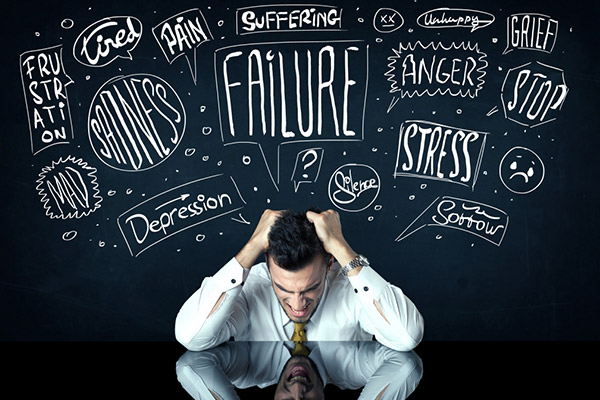
Startups post COVID-19: Plans perish, DNA thrives
• Startups across the world face a sudden change in the business environment with COVID-19, which threatens to wreck the strategic outlook for many of them. • A survey by Startup Genome reveals that around 41% of startups are in the red zone, with just around three months of cash runway remaining. • Investor interest and outlook is also expected to change significantly in the aftermath of the pandemic, with most of them expected to get extremely selective. • However, there are new business opportunities emerging, and startup founders must rely on the depth of their entrepreneurial resources to usher in new growth drivers. Who Moved My Cheese, a remarkable book authored by Dr Spencer Johnson over two decades ago, is a remarkable tale of enterprise in the face of sudden change. The book allegorically tells a motivational fable of two mice – Sniff & Scurry and two little people – Hem and Haw. Their names quite define their nature too. All four get their supply of cheese from a certain location. When the supply of cheese (metaphor for happiness and success) suddenly vanishes, the mice are up to the task. Sniff and Scurry use the opportunity to embark on a new expedition to find fresh cheese. Hem and Haw, however, continue to return to the same old place and constantly crib that the cheese is gone. It also signifies the dilemma of enterprise in this COVID-19 era. Sensing and adapting to change is an essential business virtue, but COVID-19 is a kind of change that no one could have sensed really. The world had a window of a month or two as the pandemic evolved to shocking levels in China. But they were clearly ill prepared for the fact that it had also simultaneously taken root in their backyard. Startups develop business models quite meticulously – eying market trends and potential, scalability, planning resources, operations, funding, contingencies, marketing, and much more. But with the sudden onset of COVID-19 and a new normal for global living; business models, revenue projections and investment are all in a state of sudden flux. From mid-flight course correction to certain engine failure, suddenly these companies face a range of unpleasant scenarios. NEW DRAWING BOARD The Startup Genome launched a survey that analysed the impact of the COVID-19 on startups globally. The diagnosis is not very encouraging from the second edition of their survey released on April 21, 2020. Around 41% of startups are currently in the ‘red zone’ – they have around three months or less of cash runway remaining (length of time till which they will remain solvent). Among startups that have raised series A, B or later rounds, 38% have less than 6 months of cash remaining. Given the difficulty in raising funds in this period, that is a very dangerous position to be in. Furthermore, around 74% of startups have been compelled to terminate full time employees. Out of these 39% of startups have laid off 20% or more of their staff, while 26% have handed the pink slip to over 60% of their staff. In line with this global trend, Indian startups also face a sobering 2020, after raising record capital of US$ 14.9 billion in 2019. Venture capital and private equity investments are estimated to fall by 45-60% this year. Major VCs have confirmed that very few startups may pass muster for further funding in the near term. India had 1,406 funded startups in 2019 compared to 351 in 2008. Some of India’s top enterprises are trying to pivot to new business models. Cure.Fit and Ola Cabs have ventured into home delivery of food. The former has also started virtual yoga classes. Online ticket aggregator BookMyShow has launched free live shows on Instagram to keep its audience engaged. It may seem pretty reasonable to write off much of the startup ecosystem given the manner in which several business models could be devastated by the virus. For instance, air travel may not return to its pre-COVID-19 levels before 2023. Travel in general isn’t expected to be the same again. Most consumer services like beauty salons, barbers, wellness centres, cab hailing apps, gyms, retail, restaurants, amusement parks, movies, etc had a strong ‘human element’, which has now been redefined as a ‘potential virus interface’. A lot of startup business models are based on these services, and the current crisis threatens their survival. But there is also another side to this argument. The lockdown has been a boon for businesses that were delivering essentials, particularly food and medicines. Their major point of concern has been how to service demand in the middle of supply chain disruptions during the lockdown. Experts in the employment industry project a rise in hiring for e-commerce, transport & logistics, pharma and edtech. FROM MISERY TO OPPORTUNITY As the lockdown opens, e-commerce based delivery models are expected to thrive across categories. The medium was expected to post strong growth even before this crisis, driven by mobile-based shopping and rising touchpoints for consumers including social media, chatbots, voice assistants, etc. But after the global lockdown, the very definition of ‘strong growth’ would need redefining in this segment. Consumer goods majors like HUL, Apple, Samsung LG and Xiaomi have already started making changes to their India operations in expectation of significant growth in e-commerce share of sales. Livestreaming could become one lucrative avenue for companies tapping consumers, especially for shopping and speciality products as the China experience indicates. popular. Toaobao, Alibaba’s live streaming platform, is one of the largest e-commerce websites in the world. It’s live stream sessions continued to register double digit growth even at the peak of the COVID-19 crisis in China, and the number of merchants using it for the first time surged by 719% from January to February. Online engagement in general has attained new heights and is likely to witness accelerated adoption in the post-COVID era. Even SME or and MSME’s are using digital tools like websites, digital newsletters, blogs,

“Blockchain will improve supply chain visibility & diversification”
Pankaj Dayama, Senior Researcher and Master Inventor at IBM Research India, asserts that the robustness of a supply chain to any disruptions is largely dependent on the topology of its supply chain network. Blockchain technology can enable supply base visibility, supply chain visibility and supply chain diversification and fix supply chain inadequacies. TPCI: Recently, the World Economic Forum noted that blockchain technology can be quite instrumental in tackling supply chain failures. How can businesses incorporate this to enhance operational efficiencies? Pankaj Dayama (PD): COVID-19 has caused an unprecedented impact on supply chains in various industries. It has highlighted significant faults across the supply chain that have had huge financial impact on companies, as they are not being able to serve their customers. Trusted real-time collaboration and coordination between supply chain participants can help tackle some of the daunting challenges faced by these supply chains. Below are three major factors that can help companies tackle such failures: (1) Supply base visibility: The robustness of a supply chain to any disruptions is largely dependent on the topology of its supply chain network. Most of the companies have limited visibility beyond tier-1 suppliers in multi-tier supply chains. Tier-1 suppliers need to share the data with the buyers to help do the mapping of the supply chain. Blockchain technology can enable trusted data sharing amongst the participants while protecting business sensitive information. This information can help companies decide optimal ways of diversifying their supply chains to help maintain business continuity. 2) Supply chain visibility: Companies also do not have adequate demand sensing and planning capability to handle these abnormal situations. They are not equipped to handle quick changes in demand or uncertainty in supplies. The trusted visibility of the state of the supply chain that can be provided by blockchain technology can help companies quickly make the right decisions. (3) Supply chain diversification: Companies may want to quickly identify the critical parts whose supply may be impacted and may want to quickly onboard new suppliers to meet the demand. But, identifying, vetting and onboarding the new suppliers is typically a long process that takes 30-40 days. Blockchain technology can play a role in providing access to trusted and verifiable information that can enable quick onboarding of new suppliers. TPCI: How exactly does blockchain technology operate? What advantages does this technology offer in this regard? How is its use going to rise in the Post-Covid era? Please tell us some major use cases for blockchain in the industry post-Covid. PD: Blockchain technology provides greater transparency and security in carrying out business transactions by maintaining immutable transaction records within a distributed network of mutually untrusting entities. A secure distributed consensus protocol is used for maintaining the ledger and blockchain has a framework for automatically executing smart contracts based on the state of the distributed ledger. In Permissioned Blockchains, entities are accountable for the data they share on the network. But data owners still have control over the data and can share it with entities on need-to-know basis. This controlled visibility of data helps them collaborate without losing its competitive advantage. Thus, Blockchain provides a platform for the network to collaborate by enabling trusted data exchanging while preserving privacy. In the Post-COVID era, blockchain can play a critical role in helping companies operate a resilient supply chain that is well prepared for any large-scale disruptions by providing trusted and timely visibility of supply base, supply chain state and support rapid onboarding of new suppliers. For example, Trust Your Supplier blockchain platform is being used for enabling quick onboarding of suppliers and providing inventory visibility by IBM Rapid Supplier Connect solution. This solution helps hospital quickly onboard new medical equipment suppliers to help fight the medical supply chain shortages. TPCI: At a time when the global opinion is in favour of diversifying production from China to other countries, how can India leverage the blockchain technology to become a global manufacturing hub? PD: Companies are focussing on strategies for making their supply chains resilient, wherein the supply chain is able to withstand, adapt and recover from disruptions effectively. Companies are seeking enhanced visibility of the multi-tier upstream supply chain so as to enable effective handling of operations of supply chains during abnormal situations. As government and businesses try to evolve strategies to grasp a significant share of manufacturing pie from China, there is a need to focus on improving supply chain visibility within the region. Suppliers are reluctant to share this information on their upstream partners due to fear of losing competitive advantage. Any initiatives that can help increase the multi-tier supply visibility, using technologies like blockchain, will be crucial as global businesses try to look for alternatives that can help them build a resilient supply chain. TPCI: What challenges exist to the adoption of blockchain technology in India? How can these be resolved? PD: Improving digitization and reducing the processes managed on paper for the SMEs in India is the first task. COVID pandemic is forcing companies to digitise for survival. This would definitely be the first and most important step as we try to adopt blockchain technology. Moreover, Indian SMEs are not very inclined to adopt the blockchain technology as they do not trust it mainly due to lack of awareness. Also, there is huge dearth of people skilled in Blockchain in India. Accelerated adoption of blockchain technology will depend on clearly defined regulations from the government on the distributed ledger technology and initiatives for skilling of talent. It would require close collaboration between important stakeholders such as policy makers, regulators and industry to work together to help increase adoption of the technology in India. TPCI: Which are the international cases that could serve as a source of inspiration for India in this regard? PD: Blockchain technology has been seen as a very promising technology in supply chain and logistics industry. In fact, it is one of the key industries that has seen lot of early adoption of the technology by big giants such as Walmart, Maersk,

“Startups should pitch on their ability to repurpose quickly”
Dr Rajat Agarwal, Associate Professor, IIT Roorkee, feels that Indian startups have a huge advantage due to domestic demand. He adds that higher responsiveness, lower overhead costs, good team of mentors and support of educational institute-based incubators will be critical for success in the post-COVID era. TPCI: How is the COVID-19 crisis expected to impact investor confidence towards Indian startups? What will its effect be on the choice of targets (sectors, nature of startups, etc) and quantum of investments? Dr Rajat Agarwal: Investor will be investing in startups considering their agility and performance. COVID-19 has suggested that agility combined with innovativeness will be two most important dimensions for success of startups. How quickly you can repurpose your organization? I feel, investors will have more confidence towards Indian startups. They will love to fund areas such as online education, online assessment, telemedicine, online entertainment, online news services, healthcare equipment, AI-based solutions, cloud computing, cyber security, SAAS etc. Startups in hospitality and apparels will go through tough times to get confidence of investors. TPCI: For startups facing an imminent downturn in demand, what would be the most appropriate turnaround strategies in terms of operational and revenue models? Please mention examples of startups that are showing promise in this regard. Rajat Agarwal: Startups having some face-to-face meeting as part of their process or product component are facing maximum heat of COVID-19. As all other experts say, most appropriate strategy is to reduce the need of face-to-face meeting and go online. Startups like “Sirfcoffee” and “Myscoot” have changed their business model by offering online meeting for large number of young countrymen who used to avail their services for going out. Similarly one startup from IIT Roorkee, “log9” involved in the field of nanotechnology, has diversified their product line to provide nanoparticle-based sanitization solutions. The most important point in favour of startups is that they are not carrying any heavy baggage on their back. TPCI: Considering that new funding may be hard to come by, what should be the approach of startups towards survival in the short term? Rajat Agarwal: I feel that new investors will try their luck in startups. Stock market and real state market also performing badly, so many traditional investors may be available for startups. At the same time, government is also very much concerned about low economic activities. Various schemes with liberal conditions will be available for startups. Government of India is going to focus on Self-reliant India. Government focus on local, which include more purchase from local enterprises will help startups during this tough time. At this time, startups need to accelerate the product delivery cycle. More and more application of design thinking is required. They also need to clear excess load on them. Make use of SAAS, co-working communities for reducing overhead costs. Go for Digital marketing. Stop using costly promotion avenues involving celebrities. India is seeing new celebrities known as “Corona warriors”, use them for brand endorsements. TPCI: What interesting opportunities do you see emerging for startups in the market environment post-COVID? Which segments are looking promising at the moment? Rajat Agarwal: Most of the opportunities are in technology and healthcare areas. Opportunities will be in online education, online entertainment, telemedicine, online training. But focus will be on products from local organizations. This will help Indian startups to get huge demand within country. A lot of scope will be in analytics area also including startups providing services based on AI, ML etc. India is considering “JAM” as game changer for holistic development. JAM i.e. Jan Dhan, Aadhar and Mobile has helped government in bringing bottom of pyramid population into the mainstream of development. Startups related to JAM will see interest of investors. TPCI: What should be the change in approach for new startups trying to make pitches to investors in the post-COVID world? Rajat Agarwal: In post COVID environment, startups should pitch on their ability to repurpose quickly. Role of incubators and availability of good mentors with new startups will also be important considerations. New startups should be innovative startups. If a new startup pitches with this strategy of being responsive, lower overhead costs, team of mentors, support of educational institute based incubators, there are high chances of getting success. TPCI: There was an overwhelming preference towards rapid growth and higher valuations in startups over the past few years, which also came at the cost of profitability. How will this change post-COVID in your opinion? Rajat Agarwal: Startups used to focus more on valuation. Exit strategy is one important part of startup ecosystem. To get good value at the time of exit, startups used to follow “hockey stick curve”. Hockey Stick curve explains fast increase in valuation. Sustainable startups will not focus on hockey stick curve and will like to move with traditional half s curve. Startups should focus on steady growth. I will like to suggest depth over width. Many startups increased their valuation using investors’ money. It is important to improve valuation using your core business. Profitability can be compromised for offering value to the customers. But this value should not come from investors’ money by offering huge discounts. Charge reasonable but use investors’ money for scaling the operations. TPCI: How well positioned are Indian startups in comparison to their counterparts in other parts of the world to drive the next phase of growth, positive disruption and innovation post-COVID-19? What initiatives (across stakeholders) will help them achieve this potential? Rajat Agarwal: Most important thing in favour of Indian startups is huge local demand. We need to fully leverage this demand to make Indian startups competitive. Huge talent available in India can provide resources to startups at a competitive rate. Post-COVID, global migration may also stop for some time. It will be a golden hour for Indian startups to use these skillsets to their advantage. Post-COVID, consumption patterns may also change. Upper middle class of India will look for avenues for investment. Government may facilitate investment from these people in startups. Growing need of digital
India’s path to become a global manufacturing hub
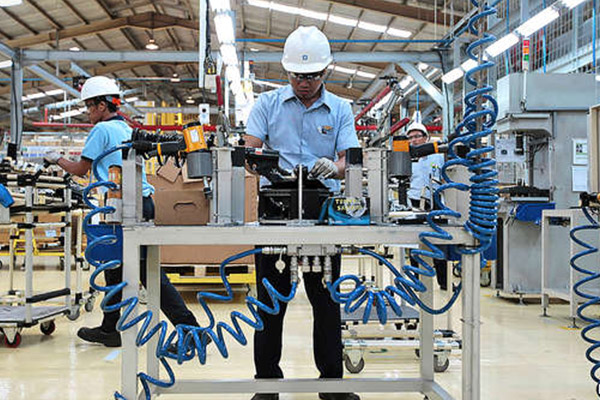
• The US-China trade war had already set the stage for a lot of American companies to mull options to set up production houses in countries other than China. • The onset of COVID-19 only reiterated this idea and exacerbated this emergency, with a lot of nations across the world vowing to diversify their supply chains. This augurs well for India as foreign investment would enhance the GDP, churn employment and increase foreign wealth. • The government is already taking measures to woo foreign investors such as rolling out incentives, negotiating with foreign companies & identifying land pools for such factories. Some of these efforts are already bearing results. • If India truly needs to be the world’s next factory, it must focus on imparting labour with specialized skills, innovation, developing world class infrastructure and improving the ease of doing business. “All the world’s a stage, and all the men and women merely players …,” opined the famous English poet and playwright, William Shakespeare. And, if the developments since 2019 are to be considered, this famous Shakespearean monologue would perfectly make sense. We have seen several ‘acts’ being played out in the hot and cold trade war between US & China, the world’s top two economies, in the battlefields of geopolitics and global trade since the beginning of 2018. Chinese producers began to face the heat of the war as they found themselves caught in the waves of the rising labour costs, a slowing economy and environmental regulations. What added to the woes of Chinese manufacturers was that a host of companies such as Apple, Foxconn, Danfoss, Samsung Electronics Co Ltd and Sony began looking for alternate production sources. This, however, wasn’t the climax of this saga; it was only the precursor for the pandemonium, which was to follow in the coming months. The worst part of 2019 game at the fag end – the genesis of COVID-19 in China. Not only did it lead to the shutting down of factories in the industrial towns of Hubei and Wuhan, it also led to the crippling of supply chains all over the world. Further, as the novel coronavirus spread to the rest of the world and economies started crumbling, the world learned a key lesson – not to put all the eggs in one basket. In other words, the world learned the need to diversify the international supply chains and the zest to move out of China and set up production lines in other suitable nations has gained renewed momentum. This would mean more inflow of foreign wealth, creation of more employment opportunities and higher growth in those countries where these firms decide to invest. It has initiated a rat race all over the world, with each nation trying to grab a bigger share of this investment pie. As Prof. R. Nagaraj, Indira Gandhi Institute of Development Research explains, “India will have to compete with labour abundant countries such as Vietnam, Bangladesh to increase labour-intensive exports such as textiles. In technologically mature industries, India has a considerable advantage. It needs to step up scales of production by massive industrial and infrastructure investment to compete globally.” However, unlike Vietnam, which is struggling with dearth of labour, India enjoys the advantage of having a young demographic pool and a large market for domestic consumption. It also has a democratic regime and a good ease of doing business score, making it an attractive investment destination. Aware of this fierce competition, the Indian government has already initiated steps to lure international investors. For example, in the month of March, the government rolled out incentives to the tune of ₹48,000 crore to boost mobile phone manufacturing in the country. The government is also in talks with companies from US to attract investments in the fields of medical equipment suppliers, food processing units, textiles, leather and auto part makers, among others. India is also developing a land pool nearly double the size of Luxembourg to entice businesses. Similarly, while the Ministry for New and Renewable Energy (MNRE) has coaxed states to incentivize setting up designated renewable energy manufacturing hubs in India, Ministry of Commerce and Industry (MOCI) is brainstorming hard to identify the champion sectors that would catapult India as the world’s factory. India is also said to be planning a tax holiday for companies bringing new investments. Furthermore, state governments too, are leaving no stone unturned to woo foreign investors. For example, Odisha government is in talks with business houses in Japan, Korea and United States for investment in the state; while Tamil Nadu government has formed a special task force to charm investors from Japan, South Korea, Taiwan, Singapore and the United States post-COVID-19. With companies like Apple and Philips planning to augment their investments in the country, some of these efforts have already begun to fructify. According to media reports, German and Japanese companies are also showing a keen interest in the country. To emerge as a global production hub and benefit from the backlash against China, India will have to take an approach consistent with the present times. The government’s 2019-20 Economic Survey points out that India should focus on specialisation at large-scale labour-intensive activities, especially in ‘network products’. Further, India should look for investments in raw materials like batteries for cell phones, components for vehicles and APIs for pharmaceuticals. This will kill two birds with one stone: invite foreign investors & bring the associated benefits; and make India ‘Aatma Nirbhar’, as the PM has envisioned. It will also reduce India’s import bill and change the game for India from being an assembly point for the world to being the brick and mortar behind its economic success. This also calls for the need to impart skills to our labour. Prof. Sunitha Raju, IIFT, notes: “Currently, India’s manufacturing exports are dominated by low tech skill products. We should consciously upgrade to medium and high skill products. The focus should be on critical intermediate goods industries like Electronics, Chemicals, Machine tools. Developing local competitiveness in
Automotive industry post-COVID: How to keep the engine humming
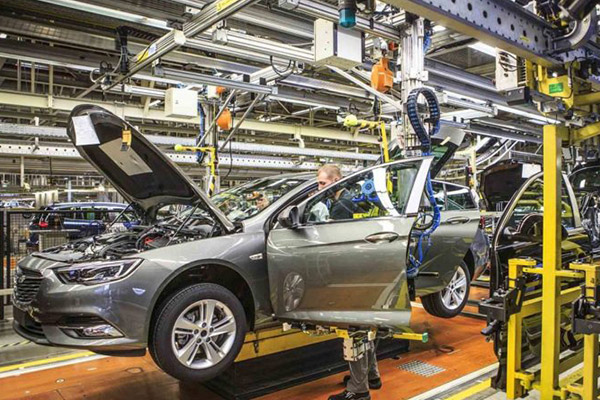
• The Indian automobile industry witnessed weak consumer demand in 2019 owing to economic slowdown and the growing preference among millennials for public transport. • COVID-19 has compounded woes for the sector. Declining sales, perishing capital flow, import dependency on China and zero sales for the first time in history – the pandemic unfurled a pandemonium in the industry. • While demand is unlikely to pick up anytime soon this year, the industry is hopeful that signs of recovery will appear by Q3 in 2021. • To expedite the sector’s recovery, focus needs to be given to self-reliancw in auto-components, workplace safety at work and contactless sales. The year 2019 turned out to be a tough road for the Indian automobile industry, even as India itself became the world’s fourth largest auto market in the preceding year. Slow economic growth, weak consumer sentiment due to a preference for public transport among millennials and BS-VI transition – all led to an underwhelming performance by the sector. But 2019 would seem like a dream now in hindsight, given the onset of the coronavirus pandemic in the country this year and the concomitant lockdown imposed by the government in the hope to arrest the spread of the pandemic in India. To start with, ever since the entire country was put under the lockdown, there were curbs on the movement of people who resorted to working from home. At the same time, vehicle dealerships also remained closed. As a result, April 2020, which was supposed to be a major turning point in the country’s automotive history for transiting to the BS-VI emission-norm compliant model, ended up becoming unforgettable for a quite different reason. Thus, for the first time in the history of India’s automobile industry, April 2020 became the month of zero car and two-wheeler sales. Simultaneously, lockdowns in North America and Europe also meddled with Indian auto exports. Industry insiders don’t expect this demand to pick up anytime soon this year. This is due to a number of reasons: (i) A lot of people in the country are on the brink of being sacked by their companies; (ii) an air of uncertainty looms over the future of those who still have their jobs as they don’t know when they might be fired; (iii) in a lot of industries, the salaries of employees are being slashed by a significant proportion; (iv) they might want to stay away from making major discretionary expenses and save for rainy days (when their paychecks stop coming or when they might shell out lakhs in hospitals if they happen to catch the disease); and (v) the anticipation of the rise in remote working in the country on a wider scale, which might curtail the demand for vehicles significantly. The Society of Indian Automobile Manufacturers (SIAM) and Automotive Component Manufacturers Association of India (ACMA), estimate that this suspension of production in the country is likely to result in a loss of over Rs 21,000 crore in a short period. On a daily basis, SIAM estimates this loss to be more than Rs 2,300 crore because of plant closures of auto OEMs & components. This, in addition to the dismal sales of vehicles in the March-April period, is likely to create serious financial troubles for the sector. This is a major setback to the country since the Indian automobile industry has an annual turnover of US$ 100 billion and employs 32 million people. The third major challenge that the country’s vehicle industry faces is the switch from Bharat Stage 4 (BS4) to Bharat Stage 6 (BS6) emission norms from 1st April’20. Inventory correction before the transition to BS-VI emission norms is expected to pull down aggregate revenue of some of the auto and auto ancillary companies. The transition to the world’s cleanest petrol and diesel (BS6) created two major problems for the country’s vehicle dealers – clearing out the stocks of older BS-IV vehicles and getting supply of BS-VI vehicles owing to the shutting down of factories across India to control the spread of the virus. Dealerships across country stare at huge losses because as per the mandate, any unsold BS-IV vehicle would end up as scrap after March 31 as from April 1. Another challenge that the Indian automobile industry is facing is that of being overly dependent on countries like China to meet its need for importing raw materials. The outbreak of COVID-19 in Hubei – one of the major regions in China responsible for the production of auto-components – choked the supply chain. Rating agency ICRA Ltd estimates that 27% of the roughly US$ 17.5 billion worth of component imports into India comes from China. For example, Hero MotoCorp imports alloy wheels from China. The other major countries which account for these raw materials include Japan, Germany, South Korea & USA. Source: ACMA & ICRA Lastly, as production will resume in the near future in these plants, they will also have to deal with issues related to the workforce. A significant number of workers may have fled to their hometowns. Therefore, they may not be able to functions at optimal capacity and meet the production (& sales) targets that they might have set at the beginning of the year. Another major labour issue would be to make the workplace coronavirus-proof. Further, measures must also be taken to ensure that any kind of mishaps such as the Vishakhapatnam gas leak don’t happen at the workplace. Reigniting the growth engine Carrying on in the post COVID-19 phase might seem like figuring out a jigsaw puzzle for the auto industry in India. However, timely steps in the right direction can drive this sector back on the path of growth. One of the first steps that needs to be taken is to abide by PM Modi’s advice of being self-reliant. For the automobile sector, this would mean shunning dependence on China & other countries for importing auto components and kick starting their domestic production. This would also auger well for the

Blockchain: The supply chain prototype of tomorrow
• At a time when global investors have decided to move supply chains outside China, the government is looking for ways to make India a global production hub. • One measure that will go a long way in supporting Indian firms tap emerging opportunities is the use of blockchain technology in the field of trade and commerce. • As a peer-to-peer technology, blockchain is an open-source, distributed database built on state-of-the-art cryptography and based on trust. • In the case of manufacturing and supply chain management, it can go a long way in paving India’s entry into the global value chain at a time when the entire world has become skeptical about indulging in trade. One of the most striking impacts of COVID-19 has been the manner in which is turning the current trade ecosystem across the world on its head by exposing the vulnerabilities of our supply chains. From a time characterized by the Chinese hegemony in world trade to a time where all the major multinational companies across various countries realized that there is a need to diversify supply chain – Coronavirus has reversed the equation, or perhaps hastened the inevitable. As an economy that has similar growth and scale potential, India is trying its best to establish itself as a lucrative investment and manufacturing destination for global investors. In the new global scenario that’s emerging, Indian companies need to proactively identify opportunities to quickly scale up, identify new and emerging value chain combinations and also leverage appropriate mechanisms for risk management. Significant risks exist in the supply chain itself. Value chains can be incredibly complex for even a product as simple as a pencil. In a conventional scenario, several disagreements can occur on terms, who got what, what was committed, etc. This can lead to delays and inefficiencies, as well as losses. Such losses can be debilitating for any exporter, and deter businesses from aggressive expansion into global markets. Banks, regulatory bodies and governments play a key role in mediation for these issues, but they have their own issues like lack of transparency, apathy, rent seeking behaviour, etc. In this context, blockchain technology offers a viable solution – “by encoding the rules of the game as computer programs and by allowing different entities with differing interests to collaborate on an immutable ledger”. The technology essentially creates a system that adheres to rules and can be trusted to not allow transactions that do not comply with agreed conditions. Recently, the World Economic Forum (WEF) observed that thoughtful blockchain implementation is key to improving supply chains in a post-COVID world. The technology can be used to help organizations improve future pandemic preparedness and accelerate an economic rebound post COVID-19 by strengthening the flexibility of international supply chains. The Geneva-based organization sees trust, transparency and integrity as the key ingredients to build a resilient global supply chain and this is exactly where blockchain technology becomes useful. The blockchain technology is an open-source, distributed database built on state-of-the-art cryptography. This peer-to-peer technology doesn’t require powerful intermediaries to authenticate or to settle transactions. This database has information on any structured information and is truly a platform encompassing trust established through mass collaboration and clever coding. This tamper-proof & decentralized system creates a permanent record of digital transactions. This ‘trust machine’ of time-stamped transactions entail smart contracts – i.e. computer programmes that self-execute when certain conditions are met. The World Trade Organization it its paper, Can Blockchain revolutionize international trade? (2018), has said that blockchain could help trade move closer to becoming a paperless transaction. It could be a game-changing experience since it could digitalize and automate trade finance processes, in particular letters of credit, and ease supply chain finance. This digitalization of trade processes, from trade finance & customs to transportation and logistics, would play a significant role in facilitating cross-border trade transactions. It can also simplify government procurement processes. Further, the computerization of processes through the use of smart contracts could help condense administrative procedures and costs, handle claims and administer multinational insurance contracts. Blockchain technology would also help administer intellectual property (IP) rights in a more efficient and transparent way, and consequently help fight counterfeits. Digitization of processes will significantly bring down trade costs, including verification, networking, processing, coordination, transportation and logistics, as well as financial intermediation and exchange rate costs. A global reduction in trade costs will benefit all countries currently impacted by COVID-19. It is therefore, hardly surprising why more and more countries are experimenting with blockchain. One of the places that has been swept under the blockchain revolution is the Abu Dhabi Digital Authority (ADDA), UAE. ADDA has been toiling hard to create a government blockchain platform to support a secure “data marketplace,” between Abu Dhabi government entities and other external organizations. ADDA has deployed the WEF’s Blockchain Deployment Toolkit and tested it with the Centre for the Fourth Industrial Revolution UAE (C4IR UAE). The toolkit provided a lot of objectivity to the organization to develop autonomous and a secure data marketplace. In India, too, this technology can be applied across various sectors from finance to healthcare to food industry to manufacturing. For instance, in the case of manufacturing and supply chain management, it ensures safe, secure, efficient and frictionless ways necessary for a business’ success and customers’ satisfaction. To put it more precisely, today’s consumers seek out brands that can guarantee product authenticity, whereas supply chain partners demand responsible sourcing and better visibility to minimize disputes. Blockchain ledger helps in tracking product journeys and allows real-time visibility for verified supply chain partners. Further, the common information visibility and sharing that is a concomitant of this process can eliminate inconsistencies. It also enables automated payments for goods through Smart Contracts, so that when goods are delivered and verified, payments occur; thereby eliminating the chance of invoices getting lost or frauds. Another advantage of using this facility is that it can eradicate “middle man” fees and lead to ample savings inside trillion-dollar industries, which is the need
Pharma sector: Thrust towards self-sufficiency
• India’s pharmaceutical sector has been impacted by the non-availability of raw materials and price increases due to high reliance on imports from China. • While pharma manufacturing has been exempted from lockdown, non-availability of labour and difficulty in reaching manufacturing plants have resulted in production shutdown for many pharmaceutical companies. • Remote working is difficult to implement for pharmaceutical manufacturing and it can be encouraged for non-essential work force in the current situation. • The post-COVID-19 era could witness an increase in the adoption of modes like tele-medicine, remote diagnosis & consultation, app-based interaction, e-pharmacy, etc. COVID-19 pandemic has created an unprecedented disruption and impacted all business globally. For the pharmaceuticals sector in India, the coronavirus related supply-chain interruptions have highlighted the vulnerabilities in the drug supply chain. The sector has been impacted due to non-availability of raw materials and price increases – as the reliance on imports from China is quite high. The strategic nature of this dependence and potential supply shortage of essential drugs due to variations in the market dynamics – pose a threat to India’s drug security. There is an urgent need to improve India’s self-sufficiency and boost domestic manufacturing to achieve global leadership. Following are the key impact areas of Covid-19 pandemic on pharmaceutical industry – – APIs and KSM supply disruption The domestic pharma industry relies heavily on import of bulk drugs as India imported around INR249 billion worth of bulk drugs in FY19, accounting for approximately 40% of the overall domestic consumption. With India’s API imports from China averaging around 68% of its consumption by value, the local industry is at the risk of supply disruptions. – Increase in raw material cost Due to supply disruption from China, the cost of many bulk drugs have increased i.e. Price of Paracetamol has gone up to Rs 400-450 per kg from Rs 250- 300 per kg; The price of vitamins and penicillin have increased by 40%-50% in India – Ancillary goods supply constraint Ancillary goods used in medicine production such as bottle, caps, packaging material are not considered under essential services and may face major supply disruptions in lock down period – Inter-state transportation challenge Lot of medicine stock comes from clusters like Baddi, Sikkim, Hyderabad etc. but due to the lockdown, inter-state transport is a challenge and it has become difficult to reach the retailers. Moreover, non-availability of transport facilities is also a major concern for the industry – Labor force shortage While pharma manufacturing has been exempted from lockdown, non-availability of labour and difficulty in reaching manufacturing plants has resulted in production shutdown for many pharmaceutical companies – Low capacity utilization Low capacity utilization of 40%-50% for both small and big manufacturers due to national lockdown. Non-availability of transport and logistics services, lack of courier services, reverse migration of contractual workers to their native places, absence of a significant number of staff in pharma units, raw material shortage among others, have led to low production in pharma manufacturing plants – Export restrictions The Indian pharma industry has been a world leader in generics both globally and in domestic markets contributing significantly to the global demand for generics in terms of volume. During COVID-19 pandemic situation, Government of India has conducted rigorous analysis around import dependency including finished APIs/raw material/KSMs, indigenous capacity and consumption to allow/restrict export of various drugs. Employees in the pharmaceutical manufacturing play a crucial role in this unprecedented time as they ensure uninterrupted supply of medicines to patients. Pharmaceutical companies can manage operations while ensuring employee safety and social distancing by adopting following key measures – – SOP guidelines: Develop an SOP to maintain social distancing and safety protocols – New work shifts: Establish flexible work hours (e.g., staggered shifts), half work shifts, rostered duties, work from home for whoever it is possible etc. – Transport alternatives: Company transportation buses and cars with social distancing norms to avoid public transportation – Temperature checks: Thermal scanning of all employees prior to boarding company bus and before entering manufacturing sites – PPE usage: Personal protective gear and hand sanitisers needs to be available at multiple locations at the sites – Effective communication: Regularly communicating and educating employees on keeping minimum distances and refraining from physical contact – Self-identification: Asking for self-identification through regular surveys or interview – Mitigation measures: Mitigation measures for employees contacting COVID-19 and engaging with local authorities & healthcare providers Remote working is difficult to implement for pharmaceutical manufacturing and it can be encouraged for non-essential work force in the current situation. With adoption of latest technology, many pharmaceutical companies are expected to slowly adopt to remote working for various functions. It will help in lowering the health risk for the workforce and avoiding unnecessary medical and insurance costs. In the current COVID-19 pandemic situation, pharmaceutical companies are largely focused on facilitating access to medicines, streamline manufacturing operations, safeguarding employees, enabling employees to operate in a new environment and reaching hospitals and patients in new ways. Post COVID-19 crisis, following could be the new normal – Drug and vaccine development effort in response of COVID-19 pandemic is unprecedented in terms of scale and speed. It is expected that a vaccine could be developed in next few months and this will indicate a fundamental change from the traditional vaccine development pathway which takes around 10 years. This example will necessitate the changes in the traditional approach to a more parallel, collaborative and adaptive development approach. In future, the industry, regulators, policymakers, funders, public health bodies and governments will need to collaborate more for speedy drug development process. Sanjay Singh is Partner, Deal Advisory and Head, Life Sciences for KPMG in India.