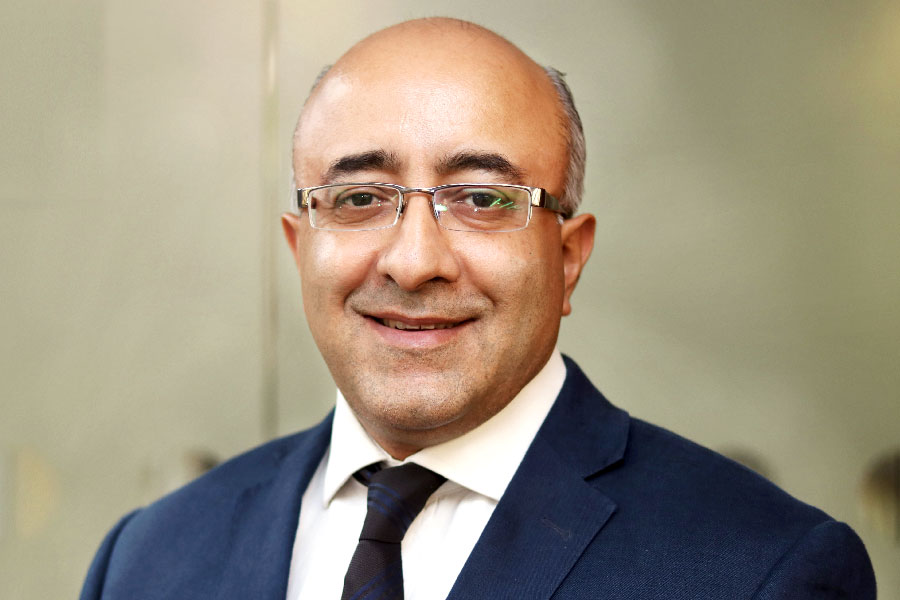
Rajat Wahi, Partner, Deloitte India, believes that there will be huge pentup demand in the initial period post the COVID-19 lockdown. Omnichannel will become a reality, but marketers will need to be mindful of delivery costs. TPCI: In your view, how will the onset of COVID-19 and the emphasis on social distancing impact the outlook of consumers towards retail post-lockdown? Rajat Wahi: Post-lockdown, I feel it will take a few weeks/months for normalcy to return and for shoppers/consumers to start returning to shopping mall and high streets. In markets like Germany and China, according to what we are hearing from retailers there, 60-70% of shoppers have returned to malls within a month of their opening. My sense is that it will be the same here, as people will want to get some normalcy back in their lives after having been locked in for so long. But all this will be in the backdrop of social distancing, fewer shoppers being allowed in a store, and with masks and hand sanitizers, etc. A lot will also depend on whether we have a second or third wave of infections, and how that is handled by authorities, etc. It takes months and even years to change consumer and shopper behaviour, and while there will be an increase in cautiousness among shoppers/consumers with regard to health, hygiene, and cleanliness, and shoppers will return to normal behaviour across many categories in the coming months. E-commerce and contactless deliveries are expected to continue to witness strong growth as consumers are likely to move online for shopping for both essentials and discretionary categories, but given the strong presence of Kiranas and local mom & pop stores, essentials, especially perishable and packaged food will likely move back offline, while other non-essentials like fashion, electronics, apparel, etc. will likely to continue to grow online. This will also be driven by further penetration of digital payments in form of UPIs, e-wallets, credit cards, etc. TPCI: The COVID-19 crisis is expected to lead to greater economic uncertainty, and frugal purchases. What kind of product categories will be in greater demand in your opinion when the lockdown opens? How will this change the product mix strategy of retailers? Rajat Wahi: Easing of lockdown restrictions is expected to lead to an immediate increase in the overall demand for goods across many categories. As most non-essential categories were not allowed to be delivered during the lockdown even by ecommerce/online players, there is a lot of pent up demand for these categories. We are likely to see a major rebound or retaliatory buying across both premium foods and categories like apparel, accessories, personal care, shoes, etc., as people look to replenish stocks and also fulfil their needs. In markets like China, the first few days and weeks saw almost 50-70% increase in purchases as consumers returned to offline and online channels. Post the retaliatory buying, things should come back to a lower normal, with more focus on essentials and affordable categories. With the economy softening and many job losses expected across industries, people will likely trade down across categories to conserve cash and protect their savings. This is likely to continue till the economy gets back to a growth trajectory. In addition, with a lot of workers moving back to their towns/villages, offtake is likely to go down in cities/metros, and we may see a corresponding increase in demand in tier 3 and rural towns where a majority of the labour has moved back to. In terms of pack sizes, we are likely to see 2 opposing trends – we may see urban Sec A & B consumers buy larger pack sizes for pantry loading and to reduce trips to shops and super markets, and at the same time we may also see low income consumers across town and rural markets turning to smaller pack sizes/sachets across categories to conserve cash. TPCI: How is this crisis going to affect channel strategy of retailers, particularly with respect to the utilisation of online channels? Rajat Wahi: Post the lockdown, we are likely to continue to see an increase in online shopping, from both existing consumers and also new consumers who would have experimented with online shopping during the lock down. But as kiranas were the main source of supply during the lock down, and most consumers were buying from their local kiranas and fruits & vegetable vendors during this period, that is likely to continue and may have even got strengthened during the lockdown. But all brands/manufacturers will be looking to expand their distribution network and find new channels [online-to-offline (O2O) and vice versa, direct to consumers (D2C), etc.] to reach consumers directly, given the disruption they have seen during the lock down. Omni-channel, which was more of a buzzword before the crisis, has become a reality and most brands will pay a lot of attention to this now. Many brands are looking to use apps for last mile delivery from the local kirana shops, and have also rolled out mobile shops that are delivering products to the end consumers/communities by taking orders through mobile apps. But cost of delivery will be a the major deciding factor that will determine the success of the these direct-to-consumer (D2C) models going forward. During the lockdown, companies are willing to pay almost anything to get products shipped out to retailers and consumers, but as last mile delivery costs have sky rocketed, this is not sustainable, and once retail opens up, many brands will re-evaluate the D2C models to see if this is feasible. We are also likely to see a continued focus on health and hygiene products for the foreseeable future, and we will see many brands enter this space through new products launches and by changing existing products. TPCI: What supply chain disruptions are affecting business and how should players address them? Rajat Wahi: Most brand and retailers are witnessing major supply chain challenges due to lack of labour, lack of raw material and packaging, closure of factories and production units located in hotspots,

Covid-19: Rejig product offerings for the “Brave New World”
Prof Arindam Banerjee, IIM Ahmedabad, advises marketers to rejig product offerings to make them suit a changed consumer market, that has, at least somewhat moved back to the basics. However he cautions against relying too much on current assessments regarding where we are headed. The Covid-19 crisis is a truly unprecedented calamity that defies parallels in recorded history. We have never faced a situation like this in our generation (and across the world). Examples that come close but still not of the same magnitude are – “the Gujarat Earthquake” and “the 1971 war“. The comparison with these events is at best asymmetric. For businesses as well as individuals, this is a time when they need to resist the focus on their short-term gains. It is a period where societies and nations need leaders to step up to the occasion. This is not only the right thing to do by conscience, it also qualifies as sound business strategy. It is understandable that only some organizations can afford to be so broad minded. But to the extent they can, companies should be CSR-focused. They need to build confidence in the society about the future, contributing to easing out the miseries of the underprivileged, communicating their deeds and also giving a “thank you” message to the society for patronizing their ventures in normal times. This is not the time to ask for relief packages, as there may be another day for that. Governments across the world are in a “Catch 22” situation. Concurrently, the silent and impoverished sections of society need help. So socially responsible messaging is the need of the day. One of the most critical questions that companies are asking today is how consumer behaviour is expected to evolve in the coming months. And this is also a very tricky question. It all depends on the kind of medical resolution that is found for this malady. If there is a solution in the near term, which works (vaccine, curative or herd immunity), habits will not change much. However, if the current situation persists for a longer period of time, habits may change with some irreversibility in the medium term. Confidence in the future may diminish, consumer spending will be moderated, jobs may be scarcer, and households may become more self -reliant. Besides the devastating economic impact, consumer confidence on product safety will be at a new low. Urban economic networks may rupture badly, and with a slower ability to bounce back. The working class wants to go home, leaving behind the land of opportunities. It is not illogical to wonder if you will be able to employ a cleaning hand for your house, as they may have returned to their native places en masse. This may also have a positive repercussion, with decongestion of cities and more equitable economic development in the country, given the right policy inputs. Not everyone will then have to travel to a Mumbai, Bangalore or Gurgaon looking for a job. Marketers will have to win the communication war through information. They need to provide more cognitive inputs that are trustworthy. Consumer confidence will be low and hence they will require a trusting “hand” to provide support. The family will matter foremost, society will be important for long term survival but will be kept at arms-length for some time. Concerns about hygiene and safety can be addressed by reducing human handling to the extent possible with robotics – but that will take time. Frequent use of non-corrosive disinfectants may have to be ensured until the Point of Sale (POS or last mile). It is highly likely that the transformation in consumer media choices will follow the changes in the transaction model in the retail space. Marketers will therefore have to reorient more of their budgets online. In the short run, communication should ideally be more focussed on reliability of on time delivery and quality but utilitarian product features. If the lock down continues for a longer period, however, low confidence in consumers may require “trust building” messages to cope up with the mental stress of a biological “catastrophe”. Marketing budgets have to be spent optimally. Corporate budget squeeze will impact communication budgets the most in my assessment. The emphasis needs to be on efficiently delivering quality and necessary products. Businesses that have diversified into “bells and whistles” services (not necessities but aspirational goods and services) will get negatively impacted. Rejig product offerings to make them suit the “Brave New World” that has moved back to the basics (at least somewhat). A “no nonsense” approach to marketing is very much needed to get the world back on its feet. There will be somechange in traditional channels of retail. If retail stores, markets and malls become taboo, companies may have to again come up with out-of-the-box solutions to use this setback to their advantage. For instance, they can utilise their retail outlets as stocking points for faster delivery to the home. If malls are going to be a taboo for some time, mall rents may fall too and the entire POS infrastructure may metamorphose into a largely stocking point. Retailers may not be averse to providing home delivery in the local vicinity and may get on the e-commerce space themselves. Interestingly then, the traditional e-commerce players may have local competition. Finally, I must add this disclaimer. It is difficult to say where we are headed. If the present pandemic situation forces the world to “slow down and halt” for a longer period (4- 12 months or more), the above issues are worthy of consideration. If the world gets back on its feet in the next couple of months, all this would be just a ‘bad dream”. I cannot wager a bet which way we are headed. Of all the trade and business conferences that had titles like ” VISION 2020″ in the past two decades, none of them would have envisioned the state that the beginning of the year 2020 got us into. Such is the (in)capability of futuristic visioning in today’s time.
COVID-19: Socially distant workplace, enabled by technology
• COVID-19 has brought unprecedented tough times globally. Governments across the globe are striving hard to bring back normalcy. • India Inc is also gearing up for the new normal, when the lockdown ends and offices resume work. • The only key to safeguard ourselves and our country against this pandemic till vaccines/medicines are developed is social distancing. • The private sector is stepping in with vital solutions that can help companies manage operations, while staying mindful of employee safety. COVID-19 has brought unprecedented tough times globally. It has not just led to a massive loss of lives but also precipitated an enormous economic downturn, which will further exacerbate the challenges faced by the human race. Some estimate it to be the worst recession ever faced by generations before and those to come. The United Nations has predicted that the global economy could shrink by 1% in 2020 due the COVID-19 pandemic. This is a major drop from the previous forecast of 2.5% YoY growth. Tourism and people flows have come to naught all of a sudden, with almost 100 countries closing their borders. This has also led to the fear of job losses. Governments across the globe are striving hard to bring back normalcy. India Inc. is also gearing up for the new normal, when lockdown ends and offices resume work. As per the new guidelines, offices are advised to function with partial workforce and institute measures to maintain social distancing within their premises to limit the spread of the virus. Organisations have to relook at their working structures and institute a balanced combination of work-from-home (WFH) and office functioning. Companies across sectors like food, pharma, banking, HoReCa, education, entertainment, etc are looking at all possible ways to move their customer services online. However, the danger of the contagion is far from over and the risks increase multifold when people come in close contact of each other. Public places of leisure or recreation can still be avoided for a longer time but essential places like offices, workplaces or factories are critical. Employees will return to the day-to-day operations and by force of subconscious habit, may tend to miss following guidelines of social distancing, caution while touching surfaces, washing hands constantly, etc. This can have highly unfortunate and unavoidable consequences, as controlling the spread of the pandemic is of utmost priority. On the other hand, the faster business returns to normal, the better is the chance we have of curbing the terrible economic impact and saving the livelihoods of millions. So it is important to maintain a delicate balance. Adversity is considered the mother of genius. Even in this crisis, we see that both companies and academia are coming up with exemplary innovations to help tackle both the pandemic and its impact on businesses. One such useful application was recently launched by a start-up, UNYDE. They built this app – MYSHIELD – to help organizations promote social distancing amongst co-workers as well as contactless attendance. The application has a fairly simple yet powerful functionality. It builds a digital safety circle of a circumference of 2 mtrs around a person, and whenever a person breaches that safety circle by mistake, automatic notifications are sent and each party is alerted and reminded to recede back to the circle. This is of unmatched importance, since it is easy to fall back to default day-to-day protocols like holding meetings in closed rooms or having group conversations with colleagues in offices. One can also use this app to mark attendance digitally without touching any physical surface or biometric machine. This application is gaining wide popularity with organisations rapidly implementing this in their offices and encouraging all employees to download. The ease in adoption is also owed to the fact that the app does not bear any cost implications and was built with the sole intention of keeping workplaces safe and healthy. Technology initiatives like these assume a new level of importance as companies look to progressively revive their operations to pre-crisis levels post-lockdown. It serves to remind them that freedom to perform at the workplace comes with some tough riders, at least in the short term. The coming period is expected to see many more such innovations, which will help companies in India and around the world emerge from this pandemic, stronger than ever.
Covid-19: Business leaders should show knowledge & empathy
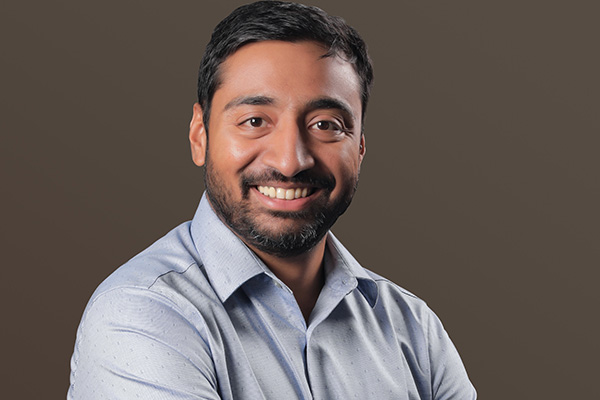
Abhay Singhal, Founder, InMobi Group & CEO, InMobi Marketing Cloud, agrees that Covid-19 has taught him to expect the unexpected. He opines that companies must practice resilience during these transition phases to overcome obstacles smoothly and build a genuine connection with customers. TPCI: How did the COVID-19 pandemic impact InMobi in the initial days till the lockdown was announced? Abhay Singhal: As an organisation, we came together quickly and worked on multiple tracks, prioritizing employee safety and engagement, customer empathy, business continuity and timely communication. Being a globally distributed organization, we experienced the impact of the virus first in China. At that point, the rest of the world was largely unaffected. We took immediate proactive measures in China to ensure the safety of our employees and their families by facilitating work from home, procuring masks, etc. In parallel, we worked to ensure that our infrastructure, systems, tools and connectivity links continue to provide uninterrupted service to our customers. Now that China has sprung back resolutely, we are leveraging our learnings from that market as we deal with pandemic across the globe. TPCI: How do you expect them to impact your business in the coming days and the financial year? Abhay Singhal: The situation has unfortunately been worsening, and no one knows how events will unfold in the coming weeks and months. In fact, data from the U.S. shows that the percentage of people who feel optimistic about the economy has dropped from 50% to about 33% in two weeks – and it continues to dip. The one thing everyone seems to agree on is that the effects of the pandemic will probably last for a long time to come. It is undeniable that the financial impact of the pandemic is going to be massive. InMobi Group, too, is feeling the impact. Our strong geographical spread across the U.S., Middle East, APAC and ANZ, and the sequential nature of the outbreak, has helped cushion the impact for InMobi Group. TPCI: How is InMobi endeavouring to ensure smooth operations of its business during the lockdown? Abhay Singhal: We have gone to great lengths to ensure that the needs of our customers and partners are met, and that our staff members have what they need to provide this level of support and help. We have been sending regular communications over email and social media, including a March 13 email that I personally sent to all of our global customers and partners. All of our infrastructure worldwide is based in the cloud, which ensures we are able to provide total business continuity from a technology perspective. Of course, none of this would be possible without our loyal and fearless clan. To ensure InMobians are able to provide a high level of service and support, we’ve taken a number of steps on our end. Employees are provided with timely guidance on the next steps amidst the lockdown. InMobi leaders are encouraged to take additional care of their teams to ensure smooth operations. The importance of timely communication is evoked among all InMobians to make sure that all the teams are aligned with the business objectives while working remotely. We’ve also implemented a regular wellness webinar series, to make sure that staff have the tools and support they need to work at a high level. At InMobi, we are going that extra mile to ensure that our customer concerns are addressed effectively by being available on social channels, posting relevant insights on the pandemic for various regions to creates awareness, and proactively communicating with them on a regular basis. TPCI: COVID-19 is rightly considered a black swan event of epic proportions, which no one could have predicted till a few weeks ago. What key lessons can the industry learn from this crisis to prepare for such events in the future? Abhay Singhal: We are truly living in unprecedented times. All of us are dealing with this event at a very human level. Right now, I am very focused on taking the time to let our partners, clients and staff know that we are here for them as we all try to navigate through this uncertainty. From a more traditional business lens, a key learning for me is to expect the unexpected. Industry leaders should be open to face the situation with knowledge and empathy, and to really understand the need of the hour. Entrepreneurs and industry leaders must practice resilience during the transition phases to overcome obstacles smoothly and really build a genuine connection with customers. TPCI: What critical steps will be necessary as companies return to normal post the lockdown, in your view? How are you strategizing the same to ensure business continues while catering to the well-being of employees? Abhay Singhal: Effective communication on preventative measures is imperative to manage the crisis. Employees are the core pillars of the organization, and we are looking at their physical, mental, and emotional well-being. Our internal teams are taking necessary measures to understand the vulnerabilities amidst the pandemic and are addressing them by urging employees to practice mindfulness, conducting webinars and one-on-one sessions on creating awareness, navigating through ambiguity, alleviating stress, ensuring personal and family wellness, collaboration, engagement and more during the pandemic. TPCI: What role can the private sector play in getting the economy back on its feet post the lockdown period? What suggestions does InMobi have in this regard? Abhay Singhal: Sustainability is key to the private sector’s growth; the longer a company can survive with minimal impact during the crisis, the longer it can contribute to the economy. Entrepreneurs must facilitate business growth through the right partnerships, emphasize greater inclusiveness of and for employees, stakeholders and partners, and collaborate with the industry to facilitate stronger business advancements that backs the country’s growth and provide new employment opportunities that help foster economic growth. Abhay Singhal is the Co-Founder of InMobi Group and the CEO of InMobi Marketing Cloud, a company whose mission is to power intelligent, mobile-first experiences on connected devices. Abhay drives the
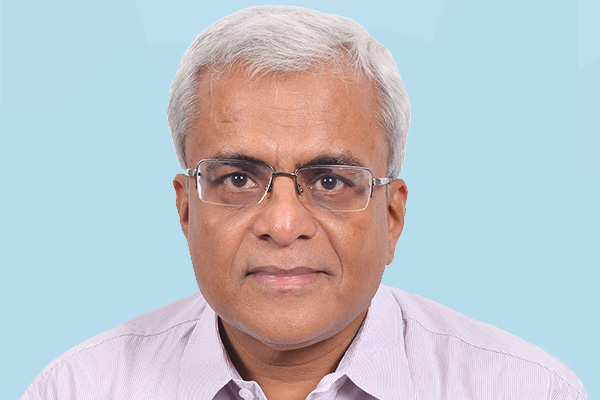
“India has made inspiring progress in wind energy”
Mr. S. Venkatachalam, MD & CEO, Orient Green Power Limited tells TPCI that India has great potential to grow renewable energy with an accommodating topography, abundant talent, prospects of rising demand and several key components of the ecosystem in place. This is an opportunity that needs to be grabbed by ensuring robust co-ordination between industry, regulators, customers (discoms) and investors. TPCI: What, according to you, are the major challenges faced by the wind energy sector in India? How has Covid-19 impacted it? S. Venkatachalam (SV): The challenges that the renewable energy industry presently is grappling with are largely structural in nature. The industry is still evolving and hence there are learnings taking place as it grows, which are contributing to its dynamic shape and structure. One of the major challenges is the policy uncertainty. Since the regulator, too, is charting the course for the industry, there have been periodic amendments to policies. These changes, when implemented either prospectively or retrospectively have a bearing on the future cash flows and progress of each project, which in turn impacts the acceptable rate of return, ability to service debt, ability to reinvest for growth and most importantly preservation of capital and solvency. The next challenge is the high cost of capital, given that RE projects are generally long gestation projects, which provide additional returns on social and environmental parameters. Thus, a concessional cost of capital would enhance the ecosystem for such projects. We also find that enforcement of contracts is a significant challenge resulting in payment delays, which severely dent RE generation companies operationally. Agreed-to tariffs under long-term contracts are not honoured, which is fundamental constraint for any industry to operate within. The recent development of the COVID-19 pandemic has hit demand for power and the wind industry will now have to fight against supply from solar, thermal and other sources to ensure that the power that will be generated is evacuated optimally. Expansion plans have been hit as under-construction projects are frozen and even availability of parts is impacted. Several customers are opting for ‘Force Majeure’ clauses in supply contracts, which will impact the revenue generation of the wind industry. Lastly, the collection of dues from debtors has been further delayed, which is exacerbating the already fragile financial position of most renewable energy companies. India has great potential to grow renewable energy with an accommodating topography, abundant talent, prospects of rising demand and several key components of the ecosystem in place. This is an opportunity that needs to be grabbed by ensuring robust co-ordination between industry, regulators, customers (discoms) and investors. TPCI: What lessons can India learn from its counterparts in the wind energy sector in order to become a global wind energy leader? SV: India is already ranked as one of the leading nations in wind energy. Its progress over the last decade or so has been truly remarkable and inspiring. Nonetheless, there is scope for improvement, which can further its progress in this sector. The Government should work towards ensuring timely payment by state owned discoms, reduce the bureaucratic maze – faster approvals and allotments and lastly ensure better coordination between centre and state, lowering confusion and uncertainties. I believe the above measures which go a long way towards revitalizing the growth in the sector. Further, few of the Indian states can also draw lessons from the state of South Australia in terms of transitioning its electricity sector to low-cost renewables. The state produced ~55% of its total power generation from variable renewable sources during 2019. Onshore wind and solar (both utility scale and rooftop) represented 49% of total installed electricity capacity and battery storage accounted for another 2%. The Australian transmission regulator approved a transmission interconnector between the states of South Australia and New South Wales (NSW) recently, wherein the new interstate transmission line will not only improve the energy security of South Australia, which at present is relatively isolated at the end of the long-line national grid with only the state of Victoria to trade electricity with — but will also unlock additional renewable-rich zones in both states. Lastly, concessional financing of renewable energy projects around the globe has contributed to the success of this industry overseas. TPCI: How can the indigenization of offshore wind energy technology be encouraged? SV: Offshore wind energy is still at a relatively nascent stage in India and whilst it offers vast potential, harnessing it at scale has a lot of technical and operational challenges. The Government & MNRE has drawn and announced National Offshore Wind Energy Policy, which indicates a political direction towards the future of the offshore wind energy in India and the significant role it would play in the medium and long term energy security of India. While it does offer significant potential – challenges surrounding high capital cost – foundation and installation cost of the offshore wind projects is much higher compared to onshore wind projects; Higher tariffs – to compensate for higher capital cost and a burdensome clearance process weigh in on the business at present. Going ahead, though, as technology advances, the cost of implementing off-shore wind energy projects should moderate. At present though, I believe it is prudent for the country to focus on developing the incumbent onshore wind energy and harness its untapped potential. The local suppliers of onshore wind turbines must be encouraged and revived. A robust ecosystem and a multi-year track record of success in onshore will pave the way for offshore to emerge. TPCI: Recently, it has been reported that global players in the renewable energy sector are planning to move out of China and diversify their supply chain. The Government of India wants to make India a manufacturing hub for renewable energy. In your opinion, what should be done to promote foreign investment in the wind energy infrastructure sector? SV: I believe that India can emerge as the next global manufacturing hub. It has the requisite skill set, has wide talent pool and is hungry to show its capabilities to
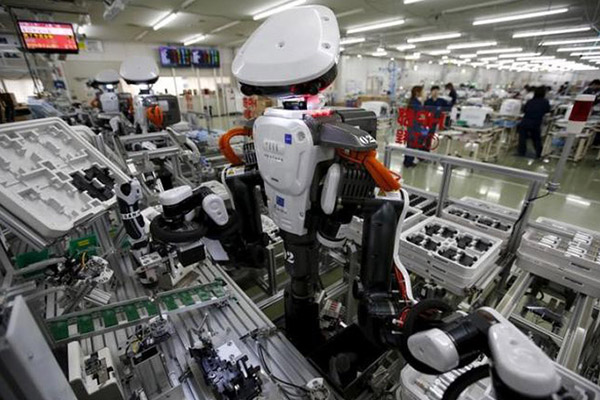
Shifting goalposts of AI post-COVID
• Artificial intelligence (AI) is estimated to add around US$ 13 trillion to global GDP by 2030, a growth of 16% over 2018. • The usage of AI is expected to accelerate amidst the COVID-19 crisis, particularly due to the emphasis on social distancing. • AI can help replace humans in a range of monotonous tasks across industries, and robots can be quickly and effectively scaled up across locations. • In these uncertain times, AI can also enable companies to make sense of both structured and unstructured data to assess emerging demand patterns and provide effective solutions in a customised pattern. Artificial intelligence has been labelled as a game changer in the global economy much before we were introduced to Covid-19. A report by McKinsey in 2018 had predicted that around 70% of companies would have adopted one or the other form of AI activity by 2030. AI has the potential to add US$ 13 trillion to global GDP by 2030, around 16% higher than the GDP in 2018. The report added that AI can bring in major changes in the way humans live and work across the five areas – computer vision, natural language, virtual assistants, robotic process automation, and advanced machine learning. With the spectre of Covid-19, however, something unprecedented has happened. In particular, the emphasis on ‘social distancing’ as the only true antidote implies an entirely different set of ‘discomfiting’ implications of keeping human beings at the workplace in the short term. In a bid for survival, it is only logical for companies to be looking at ways in which people can be facilitated for remote working. Source: Accenture However, there are several practical limitations to consider, especially in the manufacturing sectors, where companies will be compelled to work at a fraction of their capacity to keep people distant from each other. Here, there is a strong anticipation that AI could be deployed at a rapid pace by companies to stay ahead of competition. This can be true especially for tasks that are ‘monotonous’ for humans. When fed with the right algorithm, AI can take their place for these tasks. They can be quickly deployed across locations, and perform these tasks with efficiency, accuracy and 24×7. But that is not all. As a report by Boston Consulting Group opines, AI can also help companies simulate work environments and deploy on-demand labour forces. They can detect customer patterns and deliver ‘hyper-personalised’ products. This is even more strategically relevant in the current context, where the importance of accurate demand estimation can hardly be overemphasised when it is a ‘commodity in short supply’. And this is just the tip if the iceberg when it comes to what machines can achieve, when armed with the right ‘human’ intelligence. Below, we give a brief overview of five key sectors where AI can undergo a paradigm shift in the post-COVID-19 era, and how it may transform the way these sectors operate. Manufacturing As discussed earlier, robots are expected to play an increasing role in manufacturing units, as they can perform monotonous tasks without getting tired, making errors and even getting ‘infected’. Also, given the rising protectionism and disruptions in global supply chains, companies have been compelled to change their approach. Rishu Sharma, Principal Analyst, IDC India, comments: “Technologies like AI-powered tools can be leveraged when it comes to smooth business operations on the floor. Intelligent automation also enables monitoring machines remotely and reducing manual efforts across processes in a manufacturing setup.” Earlier, companies emphasised on small numbers of high volume factories in low cost manufacturing destinations. Now the emphasis is on building a large number of smaller facilities that are closer to the customer. AI can play a huge role in helping companies optimise operations of such facilities, making their operations resilient and cost effective. They can realistically operate on leaner inventories, shorter downtimes and higher production speeds. Connected factories can lead to greater integration between design, production, line and quality control for useful insights and timely interventions. Also, robotics and 3D printing can be efficiently deployed across these units to boost production when needed. AI can enable efficient management of the supply chain as well, through real-time tracking of vehicles, data-driven approach to inventory and optimisation of shipping and delivery times. A potential use case for AI is mass customisation, imparting the ability to specifically customise products as per customer needs on a large scale. Another area where AI can be of immense value is dangerous environments where deploying humans is deemed to be risky. Banking Just like healthcare and food, banks cannot afford to miss a trick amidst the Covid-19 pandemic. Smooth and efficient operations of financial services are extremely important to ensure continuity in business as well as day-to-day living. Critical tasks for banks at present include regular stakeholder communication, proactive assistance for account holders, compliance with regulatory requirements and adjustment to new work-from-home norms. But banks can also see this as an opportunity towards greater technology integration in their business models. They typically have a diverse set of customers, from the senior citizens who prefer personal interactions at bank branches to a small business owner looking for growth capital to young professionals who are perfectly at ease with exclusively online banking. As they build new age digital infrastructure, AI and data analytics can help banks garner insights from their data assets to develop personalised customer solutions. This will be a core competence area in the future, which banks cannot afford to miss out. Banks have already started using AI-based tools to replace traditional call centres and meet growing customer interface requirements. Human interface can be limited to those singular non-routine queries that cannot be handled by technology. Dr Sriparna Saha, IIT Patna, comments on the rising role of AI in banks: “Personalized banking can be implemented easily with the help of chat-bots, this can in turn help in improving customer satisfaction and engagement. Frequent banking queries like account balance, bank statements, transfer funds, creating a deposit, saving and investment
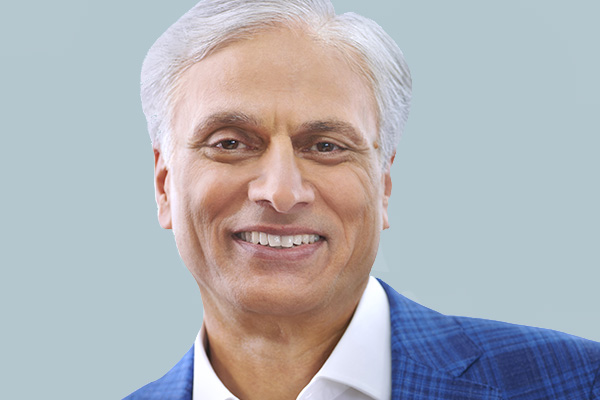
“Mid-market hotels will be better placed to reap recovery benefits”
Ajay Bakaya, Managing Director, Sarovar Hotels and Resorts, explains how as per the latest trends, the most important concern for the guest will be hygiene & sanitization and ensuring that they feel safe. Therefore, once hotels become operational, new SOPs, as per guest’s requirement and keeping social-distancing norm in mind will need to be framed. TPCI: What impact has the suspension of international and domestic travel had on the Indian hospitality industry? How is it affecting your business? Ajay Bakaya (AB): The business has been affected badly due to the lockdown and travel restrictions specially since mid-March and April. It is too early to predict the sector’s performance for the next quarter. It’ll depend on when the country emerges from the current lockdown. The domestic market will respond faster to fuel recovery. I have no doubt that recovery will be gradual; especially for the MICE events. Once again, business hotels will recover faster. Mid-market hotels will be better placed to reap recovery benefits as bleeding businesses will be forced to cut all costs. TPCI: How long will the hospitality industry take to recover once the lockdown is lifted? What steps are being considered to help in facilitating a speedy recovery? AB: Recovery will be over a year post full movement in sky, and removing all restrictions. We are expecting initial business from domestic market for the coming six months at-least; more of car travel, tapping that market will help to recover faster. We’ll reach out in all conceivable directions for business. Pharma will be one big focus area. New SOPs, as per guest’s requirement and keeping social-distancing norm in mind will be framed post opening. Visible safety signs will be put up in public areas. Marketing these activities on social media platforms, OTAs and incorporating guest’s feedback are some of the collective measure for facilitating speedy recovery. TPCI: Of late, prominent hotel chains are offering customers the opportunity of home delivery of food items by partnering with Zomato (which is launching contact-less delivery & dining) and Swiggy. What steps are you considering to restore customer confidence when it comes to food quality and delivery? AB: Several operating hotels for Sarovar are taking home-delivery orders. As a brand, we continue to monitor food and beverage services in accordance with current food safety recommendations. Abundant precaution is being taken for the training of our associates on CoV-19 sanitization, prevention and surveillance routines. Each hotel has taken stringent safety measures while preparing, packing and delivering the order. We encourage customers for digital payment and contactless deliveries, which further reduce the chances of spreading infection. Recently we have started disbursing a small personalized safety note, which goes with each delivery to the customers. TPCI: How is the concept of dine-in expected to change in coming months, pending an effective vaccine for Covid-19? How are you looking to prepare your service offering for this? AB: Post the re-opening of hotels, there will be surely a new-normal which every hotel will have to adopt around dining at restaurant and eating in general. If we see the latest trends, the most important concern factor for the guest will be hygiene & sanitization and convince the guests to feel safe. In our new SOPs, we are ensuring to put at least 7-8 tangible/visible hygiene and safety measures to rebuild guest’s confidence, including reduced number of covers in the restaurant area to follow social-distancing norm. Initially, we will have TDH (Table d’hôte) menu. Disposable napkin, menus, cutlery and pre-packed water bottles will be served to our guests. Also, we keep sharing our hygiene and sanitization process conduct by hotels on the brand’s official website. TPCI: How do you anticipate the operational intricacies and business landscape for hotels to change in the coming months? What will be key to surviving this environment? AB: It will certainly change. The initial business will surely come from the domestic market, as it will be the first one to recover faster. We need to tap new business segments, pharma being one of them. The need to update oneself with the guest’s new needs and requirements will be very crucial. Ajay Bakaya is the Managing Director of Sarovar Hotels & Resorts. The seasoned hotelier is responsible for overseeing the operations and development of the group. Founded in 1994, right now the group portfolio includes 85 properties across 55 destinations, under three brands — Sarovar Premiere, Sarovar Portico and Hometel, besides some properties under other brands.
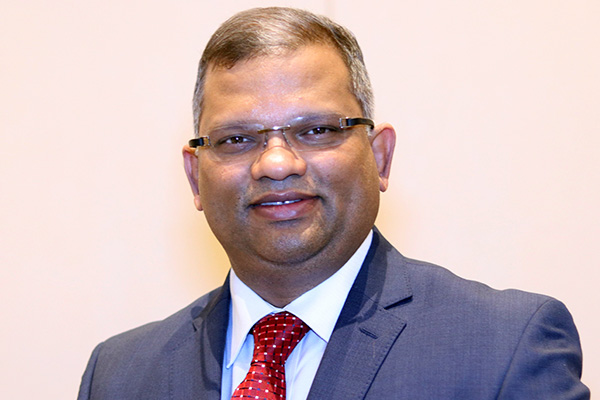
“AI-driven changes will transform our work, workforce & workplace”
Rakesh Barik, Leader, Technology Consulting, Deloitte India, asserts that disruptions due to Covid-19 will bring major changes in AI and ML applications. However, he assures that this does not mean replacement of humans, but better collaboration between humans and machines for resolving complex business problems. TPCI: In your view, how will the onset of Covid-19 and the emphasis on social distancing impact the application of AI and machine learning in industry? Rakesh Barik: The onset of COVID-19 and subsequent lockdowns have disrupted businesses across sectors across the value chain – across customer facing areas, supply chain, manufacturing, operations, internal processes. Given these disruptions, application of AI and Machine Learning will undergo major changes with focus shifting more towards cost optimization and service continuity considerations in deciding on use cases for adoption. Use of drones and autonomous vehicles for physical delivery of goods would gain ground, both from a safety perspective as well as labour availability. Use of AI in customer service as a means of virtualization of contact centres is already gaining traction across multiple enterprises. The application of AI and Machine Learning may vary from one sector to the other. Taking the case of the BFSI sector, digital on-boarding will be enabled through use of AI based risk assessment applications. Use of conversational UI, an application of AI (e.g. Chatbot) will increasingly be done to manage service continuity. With factories across the globe impacted, global supply chains are disrupted and industries with dependency on these supplies, would go in for cognitive supply chains that augment human capabilities with AI and Machine Learning. Irrespective of how AI and Machine Learning is leveraged, what though is certain, is that the role of AI and Machine Learning will no longer be a peripheral initiative, but rather find its way into core business areas and a part of the overall strategy. TPCI: Please cite some use cases where AI can take over some work roles in major manufacturing/services industries in the immediate future. Rakesh Barik: Manufacturing is one of the hardest hit activities in the COVID related lockdowns. Hence, we believe it will lead to a new normal with AI and automation coming in a big way. AI will enable robots with greater degree of learning ability and ‘sensitivity’. Thereby, robots and in some cases digital twins will be able to take over more assembly and movement-dependent activities on the manufacturing floor. Cognitive demand forecasting will increasingly be used to plan inventory and production in a predictive manner. The ability for machines to suggest better and more efficient ways of production based on past data would transform the industry post COVID-19 as well, because of the sheer scope of real-time maintenance of equipment to virtual design that allows for new, improved and customized products along with a smarter supply chain. Overall Industry 4.0 will be reality much sooner than was earlier anticipated, with renewed impetus from this disruption. Service industry will need to focus on anytime, anywhere service as against a physical infrastructure based servicing e.g. customer service. New service operating models that are easy and pre-emptive would become imperative – AI/ML will increasingly be used to align to this new reality. The immediate focus area of AI/ML will be in self-service deflection; conversational UI’s like Chatbot and virtual assistants will shift from answering just routine queries to recommending and resolving on wide range of topics. Personalised customer campaigns using AI will help drive shift in customer behaviour, again boosted significantly by the constraints imposed during this time. In order to increase coverage, service industry may come up with conversational UI solutions in vernacular languages. Further, AI-driven B2B self-care model is likely to be the “next normal” among enterprise businesses. TPCI: What are the current barriers to the adoption of these applications of AI in the industry? Rakesh Barik: Major barriers to the adoption of AI at present are as follows: • Bridging and managing the skill gap: Skill gap is one of the biggest barrier to AI adoption. Due to shortage of technology professionals with the right experience in big data, machine learning, deep learning, statistics, etc, organizations are unable to capitalize on opportunities offered by AI. Many companies are also looking beyond technical expertise, citing the need for business leaders who are able to interpret AI results, make decisions and take actions based on them. In these tough times, while organizations may believe that seeking the best external talent will provide an advantage, training their current workforce should not be overlooked. • Managing the risks associated with AI: All across the globe organizations have recognized the importance and impact of AI, yet ethical and commercial risks remain one of the top potential concerns. Some key ethical risks include lack of transparency of AI decisions, poor accountability structures, potential bias and discrimination in AI decision-making, and use of personal data without adequate consent. Many organizations are integrating emerging tools to detect bias in AI data and algorithms, and developing remedial measures. AI adopters should be similarly proactive in addressing the ethical aspects of their AI initiatives. • Workforce displacement and transitions due to automation: There has been insecurity in a lot of functions that if AI becomes prevalent in their area of expertise, they would become redundant, hence the adoption slows down in the organization. Every organization should have strong change management and plan how they can augment the human judgement rather than replace it, and give that comfort to the key stakeholders who can potentially drive the usage of AI. • Lack of clarity and cost of AI programs needs to further reduce: Need for investment to kickstart an AI program with insufficient clarity on outcomes expected and lack of firepower of existing setups in organizations pose a challenge in AI implementation. The answer is to clearly draw up use cases aligned to strategic objectives from the start and use next generation of computing infrastructure, such as quantum computing or cloud infrastructure, which provides a pay-as-you-use model. However, cost of

Gems & jewellery: Bracing for a new terrain
• At a time when COVID-19 has left its nefarious footprints across the planet, its ripple effects are making their presence felt in the Indian gems & jewellery sector. • Total gross exports, including cut and polished diamonds, are estimated to have slipped to US$ 1.5 billion in March, a year-on-year decline of 56.4%. • In India, too, retail sales of gems and jewellery are estimated to have plummeted by 80% in the first 10 days of March due to the pandemic. • However, the long term prospects of the gems and jewellery sector remain positive, owing to growing consciousness of branded jewellery, increasing purchasing power in tier II and III cities, increasing working women population and rising preference towards diamond jewellery. At a time when Covid-19 has left its nefarious footprints across the length and breadth of the planet, there’s hardly any aspect of life which has been left untouched by it. Be it working from home or maintaining social distancing or becoming thrifty in household finances, the pandemic have made ripples in our daily lives. This unprecedented health exigency is also taking a toll on the world economy and trade & commerce. One domino effect of this development is evident in the context of India’s gems & jewellery sector, which employs around 4.5 million people and contributes about 7% to India’s GDP. According to a recent report by the Economist Intelligence Unit (EIU), the global economy is headed for a tough time. “The global economic picture is looking bleak, with recessions in almost every developed economy across the world. We assume that there will be a recovery in the second half of the year, but downside risks to this baseline scenario are extremely high, as the emergence of second, or third waves of the epidemic would sink growth further,” according to Agathe Demarais, Global Forecasting Director. Among the G20 countries, for example, some of the nations which will experience the worst contractions include Italy (-7%), Germany (-6.8%) and Argentina (-6.7%) followed by Brazil (-5.5%), Mexico (-5.4%), France (-5%), Saudi Arabia (-5%), UK (-5%) and US (-2.2%) in 2020. Closer home, albeit the Indian economy is likely to be battered by the Coronavirus pandemic this year, it is still likely to be better off than all other G20 countries and will register a growth of 2.1%. According to a recent note from the International Labour Organisation titled ‘Covid-19 and the World of Work: Impact and Policy Responses’, the world’s workers are reeling from the initial shock of the coronavirus recession. The report estimates that about 25 million jobs will be lost worldwide as a result of Covid-19. At a time when a significant chunk of workers in the world are being laid off, this would lead to consumers becoming frugal in terms of their spending and shelling money only on those things that are absolutely necessary for them. In fact, such a trend is already quite evident when it comes to sectors like gems and jewellery. The Gem and Jewellery Export Promotion Council (GJEPC) asserts that India’s gems and jewellery industry has faced a huge setback after the outbreak of coronavirus (Covid-19) disease and the subsequent national lockdown with exports in March declining by half. The sector, which was already reeling under the economic carnage caused by this deleterious disease. There has been a year-on-year decline of 56.4% in this segment as the total gross exports, including cut and polished diamonds, in March are estimated to have slipped to US$ 1.5 billion against US$ 3.44 billion a year ago. This can be attributed a string of other developments too. The main export destinations for India’s gems and jewellery are the UAE, US and Hong Kong. The virus spread to all these regions in February. The complete shutdown in Hong Kong, a major trading hub for gold and diamond jewellery exports from India, hit the industry back home hard. Moreover, the spread of the virus could has led to the cancellation or postponement of major gems & jewellery shows, further impacting the prospect of trade. For example, the HKTDC Hong Kong International Diamond, Gem & Pearl Show 2020 (originally scheduled for March 2-6, 2020) and the HKTDC Hong Kong International Jewellery Show 2020 (originally scheduled for March 4-8) have been rescheduled to May 18-21, 2020 for the time being. In India (poised as the world’s second-biggest gold consumer) too, retail sales of gems and jewellery are estimated to have tanked by 80% in the first 10 days of March due to Covid-19 pandemic. This is not surprising since this crisis comes at a time when the economy is heading for its slowest pace of growth in 11 years. It is expected that the country’s domestic retailers are likely to face loss of revenue, stress on profitability and lengthening of operating cycles, which could further dampen their borrowing abilities in the future. Indian players are positive of a speedy revival of demand once the crisis is resolved. “When people are denied ability to purchase, there is pent-up demand. In China, we have noticed a gradual improvement in business in March. We have seen strong self-purchase sales better than year-earlier levels in Mainland China after the lockdown ended. This teaches me that people are resilient and will continue to desire things as they did before the lockdown,” observed Stephen Lussier, executive vice-president, consumer & brands, De Beers. He reverberated a similar confidence in the context of Indian diamond traders too. A number of measures have been taken by the Government of India to provide a cushion to the Indian industry to tide over this black swan event. For example, the last date for filing GST returns for March, April & May 2020 was extended to 30th June 2020 from March 31, 2020; the interest on delayed TDS deposited was also reduced from 18 to 9%; and last date for filing Income Tax Return for 2018-19 was extended to June 30, 2020 from March 31 and interest on delayed payment of reduced
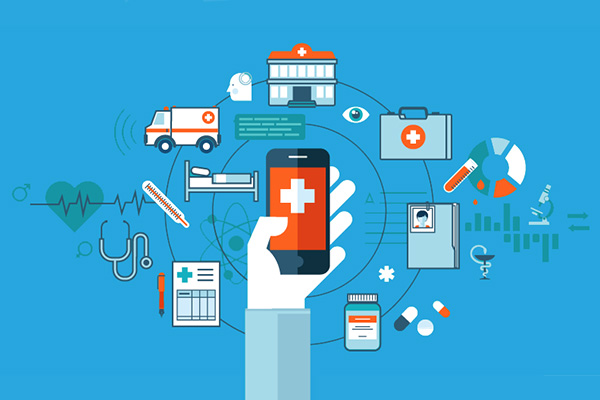
Digital technology: Key to a healthcare revolution
• With 451 million active internet users, digitization has left an indelible mark on India, across sectors. • Around 76% of healthcare professionals in the country already use digital health records in their practice. Further, numerous start-ups in India are bringing novel technologies such as wearable-tech, genomics, telemedicine and artificial intelligence to the country’s healthcare ecosystem. • ICT-led delivery and consumption of healthcare services have a number of benefits like reaching out to patients in remote areas or those with chronic diseases. • These difficulties can be resolved by investing in this technology, spreading awareness about its use and creating conducive environment for it to flourish. With 451 million monthly active internet users, digitalization has left an indelible mark on India. From food and dining to commuting to entertainment to commercial transactions – there is hardly any domain of life which has not borne the imprints of virtual world. One such arena where digital technology is making its presence felt is the healthcare sector. The global digital health market was estimated at US$ 179.6 billion in 2016. At a CAGR of 13.40% during 2017 to 2025, it is projected to reach US$ 536.6 billion by 2025. The demand for digital health services is comparatively higher than other digital health components and is projected to remain high over the forthcoming years, states the research report. Findings from Future Health Index 2019 disclose that around 76% of healthcare professionals in the country already use digital health records in their practice. Further, India meets the 15-country average when it comes to the usage of artificial intelligence within healthcare at 46%. The use of this technology by healthcare professionals in the country is known to have yielded a positive impact on quality of care (90%), healthcare professional satisfaction (89%), and patient outcomes (70%) when compared to the 15-country average of 69%, 64% and 59% respectively. Thus, the findings from this survey divulge that India has made progress in the field of digital healthcare technology. Tools including tele-health and adaptive intelligence solutions have become pivotal in delivering value-based care across the healthcare continuum in India. A number of start-ups in India are bringing novel technologies such as wearable-tech, genomics, telemedicine and artificial intelligence to the country’s healthcare ecosystem. ICT-led delivery and consumption of healthcare services has a number of benefits for the users. Firstly, this model of care creates the much-needed structured care continuum for the pool of chronic patients by offering them an interface (mobile app) with the healthcare system throughout the year, beyond those periodic doctor visits. For example, organisations such as NanoHealth and BeatO have developed such mobile apps linked to patient’s glucometer, which stores sugar levels of the patient over time and helps monitor cardiovascular, hypertensive diseases and diabetes. Secondly, it is also ideal for catering to patients with mobility constraints or those in remote locations. For example, Karma Healthcare provides telemedicine solutions, which connect patients in remote parts of the country to physicians in urban areas. There are some start-ups in India which are also reaching out to the global audiences. For example, Onco.com is connecting cancer patients to distant specialists based on the latter’s sharing of standardised reports. While the country has numerous favourable factors for being the global epicentre in digital healthcare continuum, there are certain obstacles impeding this development. For example, not every person in the country is aware about the usage of these apps. According to the Future Health Index, 49% of Indians say they know nothing at all about the benefits of digital health technology or mobile health apps in healthcare. Further, one of the deterrents to scaling up of ICT in the Indian healthcare context is high customer acquisition costs and the difficulty in gaining the trust of the patients in using this technology. Another major challenge is that of infrastructure bottlenecks – not every citizen of this country has access to internet, which is the basic tenet for telemedicine’s success. Malaysia is one country which is a leading name when it comes to digital healthcare services. It’s eHealth strategy, which is aligned to its national 5 year rolling plan, has made the country stand out in this field. The country launched the Malaysia Health Information Exchange (2009); Integrated Primary Care & Oral Health Clinical Information System; and a nationwide pharmacy information system. Malaysia is also known for embracing innovation and evolving trends in this field. India, too, should maintain such systems to enhance awareness about this form of healthcare. Germany, too is an eminent player in digital healthcare. It has applications like ‘Fast track’ which allows doctors to prescribe low risk medical applications. It allows healthcare professionals to active promote themselves on such apps. In fact, to check the spread of Coronvirus, the German Health Ministry is encouraging free tele-health services from licensed telehealth service providers. This is something that India can take a cue from. Dr. Arvind Aggarwal, MD, SevatiDevi Memorial Digital Medical Centers Pvt. Ltd. believes that India has the potential to take its health services beyond borders using digital medical centres as he states, “By setting up a global network of digital medical centers, India can export quality health care to other countries at low cost, generating goodwill & making India a most favoured nation and health capital of the world.” He points out to the doctor-patient ratio of India (government allopathic doctor), which is 1:10,926 compared to the WHO’s recommended ratio of 1:1,000. Moreover, nearly 75% of dispensaries, 60% of hospitals and 80% of doctors are located in urban areas in India and serving only 28% of the Indian population. So digital healthcare makes immense sense to enhance the capabilities of the healthcare sector, and efforts must be directed to attract private investment in this sector. Standardising the patient-doctor interaction by way of legislation that takes into account the confidentiality of the patient would be a good way to attract private investment. The legal framework should also encompass medico-legal negligence or malpractices. Another thing that needs to be