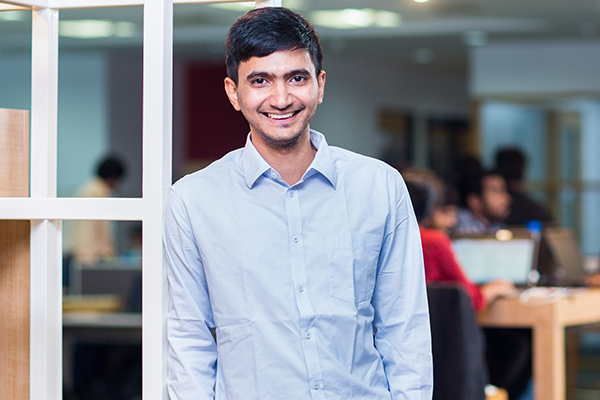
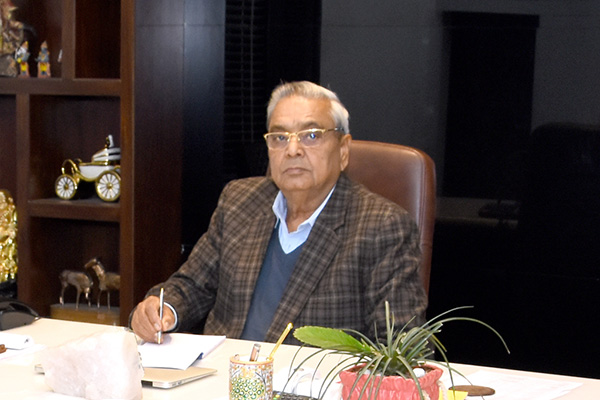
Swapnil Jain, Co-founder & Chief Technology Officer, Ather Energy feels that in times like the present situation when geopolitical situation is uncertain, relying on international sourcing can be risky. TPCI: How did the COVID-19 pandemic impact Ather Energy in the initial days till the lockdown was announced? Swapnil Jain (SJ): The impact before the lockdown wasn’t very direct because we are a vertically integrated company with most key components being built in-house. For other ancillary parts, we had set up a local supply base In the last 12 months. Since the international lockdown, there has been an indirect impact on raw materials, cells and lots of passive components in electronics coming from China, South Korea, and Taiwan. And we were preparing ourselves for the lockdown even before it was announced by letting about 70% of our employees work from home from early March. TPCI: Was the lockdown totally unexpected, or were you anticipating such a situation given global cues? If so, how were you preparing for the same? Swapnil Jain (SJ): We were expecting a full-scale lockdown and we used the first 2-3 weeks of March to test and improve standard operating process across the organization for the employees working from home, including creating learning and upskilling opportunities for team members who couldn’t really complete their day-to-day duties from home (example retail and service teams) We also stopped all national and international business travel and had recommended that employees also refrain from personal travel, along with 14-day isolation if they did travel. We closed our experience centers for test rides and were only offering emergency roadside assistance, rather than our periodic service visits. TPCI: What operations have been most critically impacted as a result of the lockdown? How do you expect them to impact your business in the coming days and the financial year? Swapnil Jain (SJ): Our production, retail, service, and on-road testing departments will stay closed until the spread of the virus is quelled. The rest of the departments are actively functioning, we are focussing on improving the operations and using this time to work on our expansion plans. This time has given us the opportunity to plan and build for tighter operations for our pan-India expansion. The lockdown has certainly disrupted the local supply chains and manufacturing. But we have to assess the long term impact of the virus, it could vary from 2-3 months or we could feel the effect of the market lockdown throughout the year. While demand will come down across all categories, EVs are starting still catering to a small audience and the impact maybe lower than for our fossil-fuelled counterparts. The products and manufacturing aside, financing options for consumers will take precedence to enable new sales in the coming months. TPCI: What critical steps have you taken to address/minimize the business disruption during this period (lockdown)? Swapnil Jain (SJ): We are effectively utilizing this downtime to rework on our long term strategies which had a hit by the pandemic. Various teams are trying to make the best out of it through collaborative learning programs and also working on our business as usual processes. TPCI: What contingency steps are you contemplating in case the lockdown lasts longer? What will be the key challenges and tactical difficulties you see in coming back to business-as-usual once the crisis passes over? Swapnil Jain (SJ): We expect the impact to last for a few months to a year, so we are preparing on all fronts to tackle the market changes ahead. We are more focussed than ever on delivering a high quality product and are improving our internal and external operation teams to meet the requirements. We are going to be building a new plant in Hosur, Tamil Nadu in the coming months to meet the demand for the Ather 450X and will use the next few months to build and strengthen the awareness and desire for the product line. For a lot of OEMs the supply will be severely affected for the next few months, especially those that are dependent on international partners. Ather has a strong local supplier base for nearly 90% of the product being indigenously built and sourced but even we expect to see some delays ahead. It is too early to be sure about the impact on consumer demand because EVs still cater to a niche audience and we will have to assess this based on how markets recover in the coming months. TPCI: COVID-19 is rightly considered a black swan event of epic proportions, which no one could have predicted till a few weeks ago. What key lessons can the industry learn from this crisis to prepare for such events in the future? Swapnil Jain (SJ): Depending on how long the lockdown nationally and internationally lasts, it will change how businesses operate. Brands for the first time are being forced to think of staying relevant in a world where there are no physical touchpoints and more dependence on digital engagement could emerge because of changing purchase behavior in case of further lockdown extension. Local supply chain and technology are the important factors to be kept strong. Geopolitical situations become tense in times like this and it is more important to keep the local supply chain strong. Companies should be flexible with supply chain, product strategy, engineering skill sets, etc, even if it comes at some cost. This will change supplier and partner engagement and will refine the relationship between OEMs and their suppliers. Quick adaptors could survive better in these tough times. The pandemic is also expected to affect purchase behavior if people’s livelihoods are affected in the long run. There are already signs with several industries laying people off and many cutting salaries. TPCI: What critical steps will be necessary as businesses return to normal post the lockdown, in your view? Swapnil Jain (SJ): The country is facing serious economic challenges as a result of COVID-19, and every Industry is affected by it. Irrespective of the sector, we don’t

“Many IT service providers manage 85-90% staff work remotely”
D D Mishra, Sr Director Analyst, Gartner tells TPCI in their exclusive interaction that remote work can be a great motivator if we have right tools, process, culture, metrics and mindset to enable this. TPCI: What is your view on the ‘work from home’ culture that has gained prominence in the Indian economy as a result of the lockdown? How is it helping companies minimise the business damage from this period? D D Mishra (DM): Indian companies were not culturally prepared to work from home. Though it is practised by many western companies, in India, organisations are more accustomed to seeing their staff in office. The Covid-19 crisis has triggered a new cultural shift not only for Indian companies but many other companies across the globe. Work from home definitely gives a lot of flexibility to the employee and is also a cost-effective practice. If used properly with the right tools, processes and metrics, it is known to improve productivity. It needs process and behavioural and cultural change within organisations. Effective remote work programs require more than just giving employees smartphones, laptops and email access, and then allowing them to work from home. Thankfully, Indian IT providers have managed to work from home. TPCI: What benefits does remote economy offer vis-à-vis a regular 9-6 office job? To what extent was it being practised in the world pre-lockdown? DM: Few organisations have work from home culture and some have done it partially, for example, allowing few days of work from home. Organisations have historically restricted work for home to only high performing employees. Performance is seen as biggest barrier for organisations for remote work. Even if they are able to meet the bare minimum infrastructure requirements, remote work programs can be undermined by a lack of trust when managers are not equipped to deal with employees they cannot see. Stereotypes and assumptions about what work can or can’t be done remotely result in underperforming programs. Employees who are under prepared to handle remote work demands may suffer burnout, frustration and lost productivity. Moreover, application leaders fail to appreciate the breadth and depth of the infrastructure requirements needed to support effective remote work at scale. Covid-19 may have been able to dismantle some of the myths though and Indian organizations may be more open to explore this concept. From the benefit perspective, it saves travel time which the employee can make use of in doing productive work. It saves energy and real estate cost, which is expensive. From a cost reduction perspective, it brings lot of opportunities, adds to flexibility, improves mobility and improves quality of life for employees. Remote work can be a great motivator if we have right tools, process, culture, metrics and mindset to enable this. TPCI: What lessons can Indian companies draw from their international counterparts to reap the maximum benefits of this work model? Do you feel the model could get more popular among India Inc post-lockdown? Why or why not? DM: The post Covid-19 era will bring cultural shift towards remote working or work from anywhere kind of concepts. Not just from ease of use perspective but from the business continuity perspective as well. We have seen huge demand for remote work requirements, need for devices and tools for enabling remote work in last one month. Much of this demand came from the IT and ITeS sector as well but many organisations are exploring remote working for its key employees. Remote work worldwide will become a new normal and India will not remain untouched with this shift. TPCI: What kind of infrastructure, organisational planning and people management would be necessary to make this work model a success? DM: The remote work enablement goes beyond tools and devices. It begins with assessment of organisations’ capacity to enable work from home. It requires assessment of tool, platforms, security, network considerations. Next, it will revolve around processes like how do we ensure working hours, availability, collaboration, technical support strategy, HR processes, role of manager in motivating and building morale and maintaining engagements. Communication is the key. Building clear expectations, focus on performance outcomes and building open lines of communication are the key to success. TPCI: Which are the key sectors and job roles where this model can be most efficient and effective and why? DM: The sectors which are less regulated can easily adopt. The jobs which do not require frequent physical face to face meeting or physical presence are candidates for remote work. In the IT Sector, many IT Service providers manage to keep their 85-90% staff work remotely without disruption. The BPO sector is also managed but if they are serving certain sectors like banking and financials, it has been difficult. Even many governments across the world and in India too in a limited way have enabled remote work during the Covid-19 crisis. Of course, remote working is not a replacement but many consulting and technology firms have successfully managed remote work from home. D. D. Mishra is involved in high-quality analyses across all outsourcing services, as well as identification and development of new research topics addressed to meet requirements of Gartner clients. His responsibilities include working with clients to resolve sourcing issues in infrastructure outsourcing, along with developing research to drive improved performance, operational efficiency, cost optimization and partner management and to support various Gartner initiatives and events in the area of infrastructure sourcing.
Tangled web: The impact of coronavirus on Indian textile industry
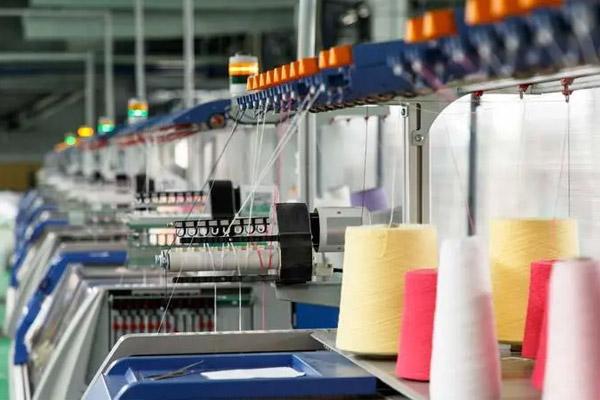
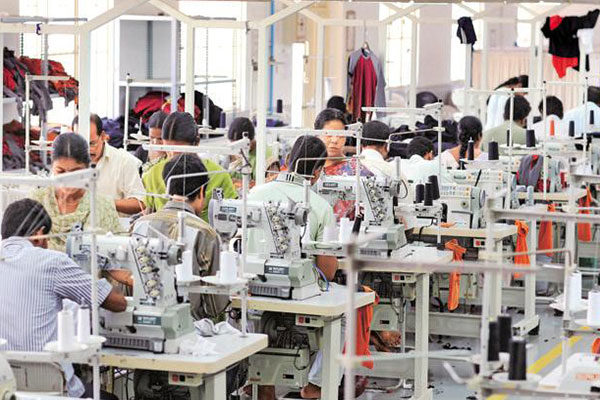
• The world is grappling with the Covid-19 and this novel virus has jolted almost all countries of the world. • The economic carnage brought forth by forced shutdowns and changes in consumer attitudes to discretionary purchases, such as clothing, may lead to the winnowing out of weaker players. • Experts are worried about the impact that this black swan event will have on the domestic apparel industry in India, which is widely regarded as the second-highest employment generator after agriculture. • To deal with this crisis, short term solutions like offering subsidies and extending moratoriums on loans will be critical. Moreover, India can leverage this period to devise a strategic approach to becoming a global textile hub. The world is grappling with the Covid-19 pandemic, which has left no stone unturned in jolting almost all countries of the world. Besides the innumerable lives that have been lost as a result of this pandemic, another important consequence that the world is facing is the hefty toll on the economy. This economic carnage has percolated into various businesses operating in and around the world, including the textile industry. This article discusses the impact that this black swan event will have on the domestic apparel industry in India, which is regarded as the second-highest employment generator after agriculture. With Covid-19 hitting Italy in the midst of Milan Fashion Week in late February and leading to cancellation of major fashion events across the globe, the effects of this development have already begun to trickle down to the Indian textile industry. Fashion weeks have been cancelled in Shanghai, Melbourne, Beijing, Seoul, and Tokyo. Moreover, a few retailers such as Victoria’s Secret, Pink and TJX are also closing their e-commerce sites temporarily. Many prominent apparel retailers across the globe such as H&M, Chanel, Ralph Lauren, Sephora, Nike, Apple, Walmart, Urban Outfitters, Madewell, Everlane and Lululemon have responded to the Covid-19 pandemic by shuttering their doors. In India as well, the government has only allowed bare essential industries to function in line with the emphasis on social distancing. Therefore, textile players are compelled to keep their doors shut. According to specialists, once the dust settles on the immediate crisis, the apparel industry faces a recessionary market. One of the reasons for this is the prospect of long-lasting changing consumer behaviour due to social distancing and the preference for sanitized products. Will consumers want to march into crowded malls to do their shopping, as they nonchalantly did before? Moreover, the most critical part of an apparel purchase in a market like India is trial. As Spanish sustainable textile technology provider Jeanologia’s founder Enrique Silla explicates; after the Covid-19 crisis is over, consumers will be uncomfortable to touch and feel garments in retail stores, jittery about who would have touched it before them. He suggests, “The world will not be the same after Covid-19. For the textile industry is very important to recover the trust of consumer. Only through sanitizing, brands will be able to speed up regaining consumers’ trust, guaranteeing the fast recovery of our industry.” Further, as per experts, it is being widely speculated that a significant number of people in the world are bound to lose their jobs (and are already being laid off by their employers) as a means to cut costs amid the health exigency. In fact, according to a recent note from the International Labour Organisation titled ‘Covid-19 and the World of Work: Impact and Policy Responses’, the coronavirus crisis will have far-reaching impact on labour market outcomes. The UN body estimates that the virus will pushing millions of people into unemployment, underemployment and working poverty, with almost 25 million jobs being lost worldwide as a result of Covid-19. This would mean income losses for workers and subsequently translate into fall in consumption of non-essential goods and services like garments, in turn affecting the prospects for businesses and economies. There will be no urgency to buy apparel as consumers are primarily focusing on grocery, medicines and staples purchase. This is also due to the uncertain economic scenario prevailing all over the world, limited product options and late & expensive deliveries, reduction in occasions to go out & hence the need for new clothes. A recent report calibrated by Wazir Advisors – Impact of COVID-19 Scenario on European and the US Apparel Market – estimates that the combined apparel consumption of EU and the US might fall to about US$ 308 billion, 40-45% lower than the 2020 projected consumptions. This will be a tough time for Indian apparel exporters as about 60% of the country’s apparel exports are destined for EU and the US markets. Besides these extrinsic woes, textile companies in India are also facing a number of their own challenges. The ongoing lockdown imposed by the government in the country, as per the industry body Clothing Manufacturers Association of India (CMAI) could lead to the loss of about Rs 1 lakh crores. “Demand in apparels may shrink by almost 40% in 2020,” observes Rahul Mehta, MD, MR Textiles. Around 81% of manufacturers have received cancellation orders from their buyers, he told the media. Without fresh export orders and a restarting of the economy, many garment producers will be either forced to shut shop entirely or inflict stringent cost-cutting measures, including layoffs. CMAI anticipates as many as one crore job cuts in the textiles sector. Add to that the fact that last month, millions of migrants were compelled to flee from cities to their homes to evade death from hunger due to the plunge in economic activity. However, on the brighter side, a number of countries around the world, such as the USA & Japan, have decided to learn lessons from this calamity and look for alternate production sources other than China. India should capitalize on this situation and present itself as a credible alternate to increase its textile and apparel exports share. Further, manufacturers need to maximise their internal capabilities and focus on building their efficiencies if they want to emerge
Furniture industry: A sunshine sector for India
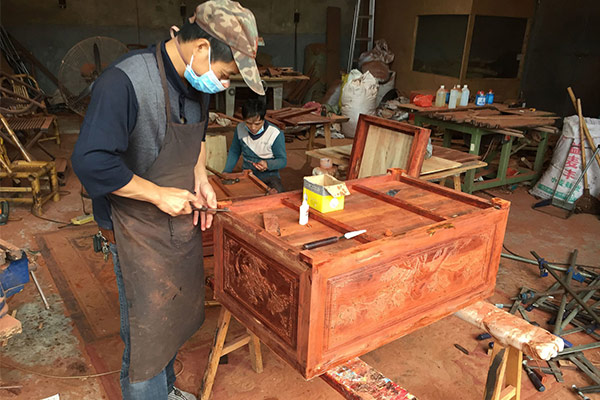
• The Indian domestic furniture market is expected to expand at a CAGR of 12.91% during the period of 2020-2024. Global furniture market is estimated at USD 1.1 Trillion out of which Indian market size is less than 5%. • Currently China is the leading exporter of furniture products with a global share of 37.5% followed by Germany, Poland, Italy and USA. Currently India’s top export destination include US (39.2%), Germany (7.4%), France (6.6%), UK (6.3%), Netherland (6%), and Australia (2.8%). • Cluster-based development would help to synergize their existing resources and provide opportunity for these players to acquire technology, access capital, upgrade skills, encourage indigenous design and benefit MSMEs units to handle large orders or cater to the need of the international buyers. • ‘Good Supply Chain Management’ ‘Cost Minimisation’, ‘Brand Management’, ‘Customisation of furniture’ etc. are key factors for the growth of furniture sector in India. Being an un-organized sector merely focussing on hand-made furniture, Furniture sector in India is grossly under-developed. The modernisation of this sector with machine & technology will help in the growth of this sector as it has huge export potential. Domestic demand for furniture in India is increasing, which is giving a boost to the organised sector. The key factors driving increase in demand for furniture are growth of housing and commercial construction and also increase in income levels that influence customers to adopt global lifestyle options, especially in urban affluent Indians. It has been observed that for 2018 and from 2014-18, India’s furniture exports surged at CAGRs of 15% & 8.8% respectively, which is way higher than the world average. Name of the exporting country Exports in US$ billion in 2018 Share in world exports CAGR in the last five years World 256.7 100% 1.1% China 96.4 37.5% 0.1% Germany 18.1 7% 1% Poland 14.8 5.8% 6% Italy 14.5 5.7% 1% USA 10.8 4.2% -1.9% Mexico 10.6 4.1% 3% Vietnam 7.4 2.9% 10% India (ranked 28 in world exports) 1.65 0.6% 8% (also India registered 15% growth in last year) Source: ITC Trade Map From the given table it can be cogently observed that the top exporters China and Germany are struggling to bolster their exports. On the other hand, developing economies like Vietnam and India are growing their exports at a brisk pace. Currently, China is the leading exporter of furniture products with a global share of 37.5%, followed by Germany, Poland, Italy and USA. Source: ITC Trade Map The Indian furniture market is now more customer-friendly. As per market demand, players are supplying readymade, branded furniture with low maintenance, which is quickly installable with customisation options. The Indian furniture manufacturing sector mainly caters to home, office & hospitality sectors. Though they try to meet domestic demand, India’s imports are growing at a rapid pace. With the fast growing and transforming retail sector, it is expected that large retailers will continue to expand their presence, leading to consolidation in furniture retailing in urban markets. The Indian domestic furniture market is expected to expand at a CAGR of 12.91% during 2020-24. Various furniture companies such as Pepperfry, Urban ladder and others are creating huge demand from these online channels. Apart from this, the demand for low-cost plastic furniture is also increasing in commercial sector. Ease of doing business policies in India are giving rise to new business investments across the country. In addition, increasing numbers of small and medium businesses are further boosting the demand for low cost plastic furniture products. This is believed to bolster the growth of the Indian furniture market over the forecast period. Global industry outlook The European furniture industry is currently facing a variety of economic, regulatory and environmental challenges. Increasing global competition with manufacturing growth in emerging markets, improved logistics and lower tariffs on foreign trade put increasing pressure on EU-based companies. In the domestic market, increased demand for low-cost items makes it difficult for companies focusing on long lasting and quality products to compete. Moreover, increased raw material, labour and energy costs within the EU also challenge business-as-usual practices. In order to face these existing threats, new practices and out-of-the-box thinking such as outward investments and joint ventures are surely one of their most preferred options. China is the market leader, but still falls behind traditionally strong competitors such as Italy and Germany in terms of quality and unit price. It is also experiencing a growing challenge from lower-income countries such as Poland and Vietnam. Moreover, China now faces more unfavourable macroeconomic circumstances such as rising cost, shrinking international demand, technology gap and escalating trade barriers. The current pandemic is further going to enervate their export position as these economies are deeply affected by COVID 19. Strategies for India I. Need for integrated and cluster-based infrastructure development for furniture Source: ITC Trade Map The global and domestic trade environment, coupled with government intent for the growing indigenous capability in the furniture sector will provide a window of opportunity to exporters in India to harness the latent potential. Exporters have been interested in enhancing their production capabilities by opening up manufacturing bases in identified regions. The furniture industry in India is dominated by micro and small units. Manufacturing units are not well-equipped in terms of technological know-how, access to capital, ability to design and innovate, control quality and market their products in international market. To achieve the production levels, quality and design standards set by the international markets is the key for these micro and small players to maximize their potential and contribute towards the growth of the sector. Cluster based development would help to synergize their existing resources and provide an opportunity for these players to acquire technology, access capital, upgrade skills, encourage indigenous design and help MSMEs units handle large orders or cater to the need of the international buyers. Thus, the common facilities proposed would benefit the entire industry, especially the MSME segment. TOP 10 EXPORTED FURNITURE TARIFF LINES BY INDIA, IN US$ MN (8-DIGIT) Tariff Lines Product label Exported value in
“Global rice prices could move upwards in coming months”
Nathi Ram Gupta, Chairman, AIREA, feels that while food security may not be an issue globally, rise in border closures, quarantines and market & trade disruptions could impact access to food in importing countries. TPCI: There has been a surge in demand of food products across the world, particularly due to expectations of shortages among importing countries. What business opportunities are coming up for Indian rice exporters in this situation and in which markets? Nathi Ram Gupta: According to FAO there is no panic situation as food security is not an issue. Yet the question today is that border closures, quarantines and market and trade disruptions in various countries could impact people’s access to food, especially in countries hard hit by the virus. But as far as non-basmati rice is concerned, Thailand’s high prices are affecting its supplies to major destinations like China and Africa. Africa, in particular, could open up a vast opportunity for Indian rice. Opportunity will also come from other countries, which are import dependent. TPCI: What are the most critical operational and logistical challenges that the rice industry is facing as a result of the ongoing lockdown in India? Nathi Ram Gupta: There are several. Due to lockdown there is reduced activity in term of mill operations, transportation, etc. This is because of shortage of labour who have migrated to their domicile states due to the scare of Covid-19. Almost 90% of trucks are still as there are restrictions on movement through various states, primarily because of interpretational aspect of the guidelines. The other challenges are lack of inspection and testing facilities , certification procedure, non- operation of downstream industry such as packaging units, etc. Non-availability of courier services is another bottleneck. TPCI: What impact is the situation expected to have on rice business for the entire year 2020? Nathi Ram Gupta: Since the lockdown commenced in third week of March, the business activity has equally slowed down. Now that the lockdown period has been extended by another 19 days, the recession in the rice industry will also continue. As for exports, the actual impact will be visible from now on. Though demand will continue from overseas, many countries are implementing higher controls on cargo vessels, with the risk of jeopardizing shipping activities. Also measures affecting the free movement of people, such as seasonal workers, might have an impact on food production, thus affecting market prices globally. TPCI: How is the industry managing operations to minimise the damage while ensuring health and safety of personnel? Nathi Ram Gupta: See the industry is currently not running full stream, because (a) Government guidelines permit only 50% of manpower and (b) Labour availability is in short supply in any case. Even after lockdown is lifted, it is anticipated that industry will take almost one and a half months at least to start full-fledged operations; provided all downstream industry operations and logistics systems also start functioning full stretched. As for health and safety of personnel, the industry has taken proactive steps by introducing thermal scanning and thorough screening of the health of personnel entering the unit . And as a regular practice personnel are working with aprons, caps, gloves on to avoid risking contamination. TPCI: What measures can the government take to ease the situation for the rice industry in your view? Nathi Ram Gupta: Government is also doing its bit in the larger interest of protection of human health of masses. But industry expects Government to provide some relief in terms of waiver of interest on commercial borrowings for the lockdown period, extending financial support by way of MEIS and Interest Equalization to rice industry as a whole along with extending the benefit of Transport and Marketing Assistance scheme. TPCI: How do you view the impact of the Covid-19 situation on the global rice trade over the next few years? How would the Indian rice industry need to adapt? Nathi Ram Gupta: Due to Covid-19 , USDA has estimated global rice trade to be 3 million tonnes shorter than last year. Apart from Covid-19, droughts in Australia and Thailand and rising world market prices contribute to this drop. Vietnam, the world’s third largest exporter of rice, is limiting rice shipments for April and May. Cambodia and Myanmar have imposed temporary export bans. These moves by countries are likely to move prices upwards and limit trade. However, the incidents of the next couple of months will further define food trade in general and rice trade in particular, because rice is a staple of 2/3rd of world population. The Indian rice industry will be adopting a wait and watch policy and explore the opportunities that may come by.
Protecting MSMEs from the Covid-19 catastrophe
• While the pan-Indian 21-day lockdown is a necessary decision to flatten the country’s Covid-19 curve, it will take a toll on the country’s fledgling MSME industry. • Anecdotal evidences shows a substantial reduction in the demand of goods, shortage of working capital, large-scale exodus of labour and severe drops in capacity utilisation. • The government has taken a series of measures to ease these issues faced by the country’s MSMEs such as increase lending at cheaper interest rates and extension to file GST returns. • Further short-term measures (like sanctioning additional working capital & a universal basic income for workers) and long-term measures (e.g. self-reliance in critical resources and incentivising MSME exports) may be necessary to secure the future of these enterprises. While the world was bidding goodbye to 2019 and eagerly anticipating the new year, China’s Wuhan was being ravaged by the humungous outbreak of the contagious coronavirus Covid-19. Cut to March 2020, from the colonies of Colombo to the boulevards of India, there’s hardly any country on the face of this earth which has been spared by this highly contagious and macabre experience. So much so, that the Indian government decided to impose a 21-day lockdown, starting March 25 in order to contain the contagious contagion and protect the lives of citizens. While this pan-Indian lockdown is necessary to flatten the country’s Covid-19 curve, it is expected to take a huge toll on business, particularly the country’s fledgling MSME industry. THE IMPACT: According to the information received from the Central Statistics Office (CSO), Ministry of Statistics & Programme Implementation (MOSPI), the share of MSME related products in total exports from India during 2018-19 stood at 48.1%. Further, MSMEs’ contribution to India’s employment generation as per 73rd Round of National Sample Survey during the period 2015-16 stood at 111 million. Over the last few years, this sector has played a crucial role in providing mass employment opportunities at comparatively lower capital costs than large industries. It has also acted as a catalyst for bringing about the industrialisation of rural & backward areas, thereby, reducing regional imbalances, assuring of more equitable distribution of national income and wealth. However, the recent lockdown of the country is wreaking a major havoc for the MSME sector. Anecdotal evidences from media reports on the impact of Covid-19 on SMEs suggest that there is substantial reduction in the demand for goods due to closure of malls, shops, haat bazaars & weekly markets in the urban, semi-urban & rural areas of the country. The scenario is quite similar for the international market. Sectoral estimates, for example, suggest that about ₹ 7,600 crore of leather export orders have been cancelled, ₹ 2,000 crore worth of carpet orders are stuck and handicraft sector losses are seen at ₹ 8,000 crore. This is resulting in acute shortage of working capital for MSMEs. Restrictions on the inter-state movement of goods is also impacting the maintenance of the timely delivery schedules. Another problem that the sector is facing is that MSMEs are not equipped with the work from home facility. The large-scale exodus of labour in search of livelihoods in the rural hinterland is another challenge faced by these businesses. Measures to contain the disease by lockdowns and quarantines are also leading to further and more severe drops in capacity utilisation as production in most of these units has come to a halt and inventories are piling up. Added to these woes is the fact that now that China seems to have contained this illness, its production units are running in full swing, thereby posing a threat to Indian MSMEs and eroding their share in other markets. This is evident when one looks at the ventilators being produced by China’s Aeonmed Co, which been working around the clock to produce its lifesaving ventilators. The world is undoubtedly procuring whatever it can, considering the threat of a shortage for patients who may require critical care. The gravity of this situation becomes apparent when one looks at some international comparisons for reference. OECD Economic Outlook Interim Report (March 2020) has clearly stated that a third of SMEs in China only had enough cash to cover fixed expenses for a month, with another third running out within two months. In Italy, 72% of the 6,000 responding MSME firms were directly affected by the situation because of a drop in demand or problems along the supply chain and/or transport and logistics. Similarly, over one-third Polish SMEs that were surveyed experienced increased costs and reduced sales, with 27.5% of respondents already encountering cash flow problems. Further, 71.8% Korean MSMEs stated they would be affected by the outbreak, with more than half of these firms stating that they were unable to meet delivery dates due to factory closures in China. THE RESPONSE: Anticipating some of these issues, the government has taken a series of measures to ease, if not curb, these challenges. For example, the country’s central bank recently introduced Long Term Repo Operations (LTRO) worth ₹ 100,000 crore to help banks increase lending at cheaper interest rates. Government-run banks are also being encouraged to keep loans worth ₹ 60,000 crore on standby. The deadlines for filing belated Income Tax Return for all businesses for FY 2018-19 and GST returns have also been extended. The Finance Minister also announced that government will bear the EPFO contribution on behalf of employees as well as employers firms with less than 100 employees and with majority of those earning below ₹ 15,000 per month. While the efforts taken by the government to offer a cushion to these ailing businesses in the face of this unprecedented health calamity are commendable, more measures may be needed, considering the gravity of the situation. In the short run, a relief fund can be set up to help the MSME sector tide over this crisis and preventing commercially viable MSMEs from shutting down. Banks should be encouraged to allow additional sanction of working capital to this sector as they are currently facing severe
“Focus on sustainability, digital technology & domestic manufacturing”
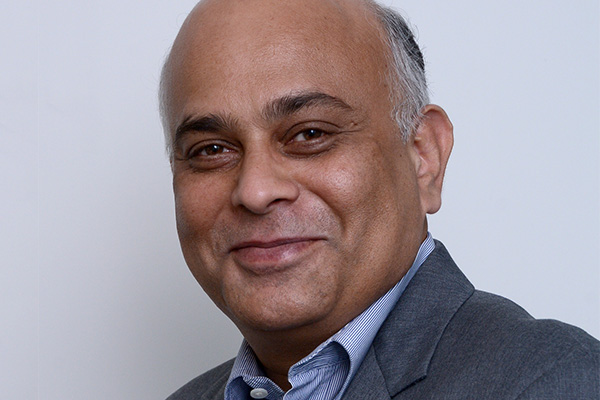
Ujjwal Batria, Chief Operating Officer, Dalmia Cement (Bharat) Limited, asserts that amidst crisis and uncertainty, the Covid-19 pandemic will accelerate pace of digital adoption among Indian firms. TPCI: How did the Covid-19 pandemic impact your business in the initial days till the lockdown was announced? Ujjwal Batria (UB): We at Dalmia Cement are aware of the current situation because of the Covid-19 outbreak. At the plant level, we have undertaken various initiatives for the safety of employees and the nation at large. The business did face some operational challenges in the beginning, but we were able to overcome those by adopting various measures. However, it has been a different story altogether ever since the lockdown has come into force. Though we fall under the part of industries that is exempt from lockdown and we do have the requisite permission from both the state and the central governments to operate with minimum employees, in line with the Prime Minister Narendra Modi’s appeal for social distancing and in the larger interest of the employees, workers, their families, local community and above all the nation, we have suspended production in all our 12 manufacturing units across India. TPCI: Was the lockdown totally unexpected, or were you anticipating such a situation given global cues? If so, how were you preparing for the same? Also, how were you managing the business impact in the pre-lockdown period? UB: It’s very difficult to anticipate such things especially when faced with a global crisis, because the situation changes with every passing moment. Things moved really rapidly without leaving much space for anticipation. As said, for the larger interest we have temporarily closed down all our plants. We are constantly monitoring the situation and considering the challenges being posed by this global health crisis while planning for the next step. At present, we are just carrying out mandatory activities required for safety and security of the plants. We did not see any major impact in the pre-lockdown period barring few operational challenges initially at the plant location due to various restrictions and advisories. However, we made various arrangements on the operational ground to manage such scenarios. TPCI: What critical steps have you taken to address/minimise the business disruption during this period (lockdown)? And where would you like more support from the government/local authorities? UB: We are completely aware of the health scare owing to the outbreak of Covid-19. Aligned with the government’s directives to maintain social distancing, we have suspended production across all our plants that will remain closed till further notice. During this hour of crisis, all employees and communities living around our plant locations will be provided with necessary support to handle the situation caused by Corona virus. Furthermore, we have launched a centralized 24X7 support and helpline system for our employees across India. Any employee in distress can directly reach out to the central team on designated contact and WhatsApp numbers and e-mail id and seek support. In case any employee experiences COVID symptoms, a team of doctors will immediately provide assistance and support to the concerned person. We have also made sure that our regional offices and plants have enough masks, sanitizers, groceries and milk for the employees. In order to ensure financial security of our employees and keep them motivated, we have sanctioned advance salaries. Adherence to social distancing does not mean that we are deferring the joining of new employees. In fact, we have digitized our business processes including hiring and recruitment. We are now conducting the joining formalities and induction online. Apart from this, we duly recognize that it is imperative to ensure the mental well-being of our employees and we have arranged for a Bhagavad Gita discourse to help them stay positive and calm. The Government of India, the state and local authorities have taken all necessary measures to ensure economic and social well-being of all and to safeguard the industries. Provisions have been made to ensure uninterrupted manufacturing of essential commodities such as groceries, vegetables and fruits, dairy and milk booths and animal fodder. With the correct measures, joint efforts and contribution by everyone, we will be able to combat and emerge victorious from this health crisis that has taken the world by a storm. TPCI: What contingency steps are you contemplating in case the lockdown lasts longer? What will be the key challenges and tactical difficulties you see in coming back to business-as-usual once the crisis passes over? UB: The safety and protection of our employees are of utmost importance for us and we at Dalmia Cement have taken various precautionary measures to ensure the same. We are primarily focusing on the protection and well-being of our all employees living around our cement plant locations. Though the cement production is suspended across plants, on the other hand, we are still working on the next strategy in case of the lockdown last longer. From a business point of view, if the current lockdown lasts longer, Dalmia Cement is completely prepared to handle any situation that may arise out of the evolving situation. Evidently, the ongoing crisis will leave behind many challenges and tactical difficulties for corporate houses. However, we want to emphasize here for our stakeholders and investors that Dalmia Cement has a strong financial portfolio and apparently, it can manage any such downturn. TPCI: Covid-19 is rightly considered a black swan event of epic proportions, which no one could have predicted till a few weeks ago. What key lessons can the industry learn from this crisis to prepare for such events in the future? UB: Covid-19 poses extreme health hazards and has visible social and economic implications. It has taught us a very important lesson that we should equip ourselves to brace for crisis and uncertainties in future. It is critical to focus on sustainability, develop and expand digital technology and accelerate domestic manufacturing. The Covid-19 pandemic is likely to intensify the rate of digitization across organizations. We also believe that the manufacturing sector should go for faster

“Global audience is very receptive to Ayurveda as a concept”
Rasmika Bhatia, Director, Preserva Wellness explains to TPCI how people in the country are moving towards Ayurvedic products. She also notes that testing of products is still done at a very primary level in India and not enough companies are focused on it. She believes that the government should provide tax breaks to practitioners of Ayurveda and also provide support to them to start their practice. TPCI: According to a report, as many as 77% of the country’s households use Ayurvedic products. What, according to you, is the reason for such a high usage of Ayurvedic products in India? Rasmika Bhatia (RB): In my opinion, more and more people are slowly shifting towards natural healthcare. There are two primary reasons for this. The first is that people want to reduce the amount of chemicals they are consuming and want to move towards a natural or plant-based lifestyle and being in a country like India, it is quite easy to do so. Ayurveda is a 5,000-year-old science and every child who grows up in the country knows about its existence. Due to development in modern medicine and products like pain killers, antacids etc. coming into the market and their easy availability, Ayurveda took a back seat for many years. But growing pollution, adversity towards plastics and presence of harmful chemicals in our environment are bringing back into focus a system of natural living. The second reason is that most people facing chronic disorders have realised that allopathy and modern medicine only suppress or treats the symptoms of a problem and not the actual problem. There is no cure for diseases like diabetes, blood pressure, arthritis etc. Ayurveda, on the other hand, alleviates the root cause of the problem and provides long term relief. It is slow in acting in comparison to allopathy but provides a permanent solution to health problems. The third reason is that more and more companies are also making better quality ayurvedic products. These are not necessarily in the form of supplements like we are doing at Preserva Wellness but also products like soaps, toothpastes, make up, etc. This is making it easier for consumers to find a natural alternative to consumable goods. TPCI: What measures (like lab testing of medicines) are taken to ensure that these medicines meet international quality standards? RB: Testing of products is still done at a very primary level in India and not enough companies are focused on it. The word natural is also used very loosely as any product that has even a small percentage of natural ingredients can label and advertise themselves as that. Customers need to be more aware and actually read labels to check the percentage of natural ingredients in a product or if it is tested and certified. We at Preserva Wellness provide tested and certified natural alternatives. Our food products are licensed by FSSAI and supplements are made in AYUSH licensed factories. Our ingredients also go through a quality check before being processed and we obtain a certificate of analysis of every batch. We produce all our products in WHO-GMP facilities. The final stage is that each batch goes through heavy metals and pesticides testing in government certifies laboratories to check for impurities. TPCI: What benefits do Ayurvedic treatments have vis-a-vis its other counterparts like Siddha, Yunani, Homeopathy & Allopathy? How is their credibility established in comparison to these alternate forms of medication? RB: In allopathy, diseases are treated with the help of drugs based on chemicals. These are primarily used to suppress symptoms and provide quick relief. Unlike natural systems of medicine, these do not alleviate the root cause of a problem by only eating medicines. That can only be done through surgical procedures. In homeopathy the objective is to bring about a change in the human body to make it respond in a better way to get the system right in place and remove imbalances. Siddha and Ayurveda are similar in their nature of treatment as they balance the five elements of nature or believe in the amalgamation of the five elements through use of plants and herbs. Siddha is primarily practised in Tamil Nadu and Kerala and Ayurveda is practised throughout India. Ayurveda uses plants and herbs to balance the five elements of nature in the human body. It is based on the science that if there is an imbalance in any of the 3 doshas – vata, pitta or kapha – then it leads to illness or disturbance and is aptly known as the science of life. Disturbances in any of the three major doshas are addressed by a range of Ayurvedic treatments, including herbal remedies, dietary restrictions, yoga, massages, specialised treatments, meditation and breathing exercises. People going through Ayurvedic treatments and the doctors prescribing the treatments even after 5,000 years of the texts being written are testimony to its working and curative powers. It is known to effectively address the root cause of a problem and alleviate it from the body/ TPCI: How can cross-learning between Ayurveda & other modern forms of medicines be encouraged? How can more students of medicine be encouraged to pursue a career in this discipline? RB: Ayurveda as a science treats and prevents illness by use of herbs and plants in combination with yoga, meditation and massage. If other forms of medicine like phytomedicine are combined with Ayurveda, it leads to production of herbal medicines which are safe and very effective. Cross learning between various streams of medicine can also help students and doctors understand how each of them work and use them judiciously and in combination for treatment of their patients. For example many doctors prescribe Ayurvedic supplements to provide relief to their patients from constipation, acidity, arthritis etc, since Ayurveda has excellent cures for such illness without the side effects of their allopathic counterparts. The Government should provide tax breaks to practitioners of Ayurveda and also provide support to them to start their practice. It should also give incentives to companies promoting Ayurveda and
“Contingency planning should become a necessary business practice”
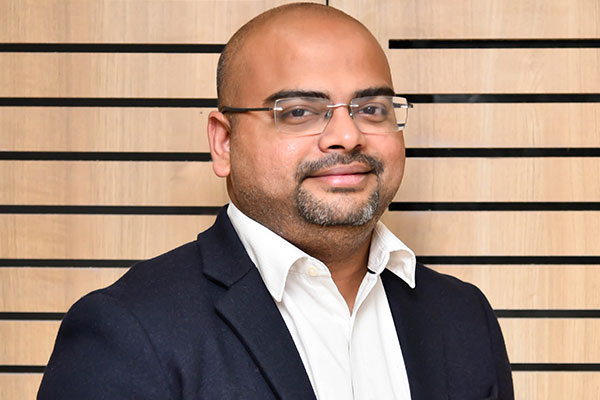
Anindya Dutta, MD & Co-Founder of Stanza Living, opines that dedicated time, effort and resource investment to risk planning and management on an ongoing basis, are necessary for sustained business health in a Covid-19 kind of situation. TPCI: How did the Covid-19 pandemic impact your business in the initial days till the lockdown was announced? Anindya Dutta: Considering much-needed, precautionary measures like the shutdown of academic institutions, corporates adopting work-from-home format and shutting down office premises, existing residents temporarily relocating to hometowns; the immediate impact was on the running occupancy at our accommodations. The reduction in occupancy has resulted in reduced monthly revenues, while we continue to incur ongoing running costs including landlord rentals, fixed operations, people costs, etc. We have needed to review business processes in view of the reduced revenues being generated vis-à-vis the costs incurred. Also, increased hesitancy in real estate decision-making is being observed. With the uncertainty around the impact of Covid-19 and the period it would last, landlords/partners are seen to be more trepid and cautious; thus impacting the potential pace of growth of the sector. TPCI: Was the lockdown totally unexpected, or were you anticipating such a situation given global cues? If so, how were you preparing for the same? Anindya Dutta: There were some clear indicators of a potential lockdown situation, considering the global direction of the pandemic. We have also been closely observing government and WHO advisories on precautionary measures. So, we expected some disruptions in the business operations. As a result, we had actioned some pre-emptive measures to ensure our operations don’t get significantly impacted and we continue standing by our residents and staff. • Strengthened supply network: We are already running our operations for residents who continue to reside with us, ensuring that they have a safe, sanitized space, where delivery of service experience continues, and our on-ground teams are there to support for any help or contingency. On the F&B front, rations are fully stocked for more than 21 days and hot meals will be provided to residents as usual. We will continue strengthening our supply network. • Smoother work from home arrangements: Instituted for all corporate employees, in the run-up to the nationwide lockdown, all procurement of supporting equipment, enterprise tools and licenses (laptop, internet facilities, remote-working software) has been done in advance • Safety and sanitization measures had been adopted across the board for our residents, ground staff and partners across 10+ cities. TPCI: What operations have been most critically impacted as a result of the lockdown? Anindya Dutta: For operators like us, who have a strong aggregation network to fulfil diverse consumer living needs (food, housekeeping, laundry, internet, etc), there were some initial hiccups with supply chain disruptions that have now been smoothed over. However, with much-reduced occupancy levels at our residences, meeting existing rental obligations like fixed minimum guarantee agreements with our service-partners, will come under pressure. If the unpredictability continues, operators and service partners will need to collaborate effectively to mitigate business impact on both. TPCI: How do you expect them to impact your business in the coming days and the financial year? Anindya Dutta: Businesses have been going through a tough time with the Covid-19 pandemic spreading and the co-living space has been no different. We see the following potential impact on businesses: • Potential revenue-loss risk: As the consumer-demand remains highly volatile without a clear outline on the period that this unpredictability could potentially last, there is a risk of potential revenue loss – as the key costs being incurred by the company (landlord rentals, security, human resource, etc) remain relatively high on account of high running costs which are fixed. Add to this, the consumer expectation on relief on rentals, due to unprecedented non-occupancy periods, and the strain on operators is expected to increase. • Impact on overhead business expenditure: In the context of steady fixed costs vis-à-vis reduced revenues being generated in the shared accommodation business – the prospect of operators not being able to sustain their employee payroll costs is real. • Also, increased hesitancy in real estate decision-making is being observed. With the uncertainty around the impact of Covid-19 and the period it would last, landlords/partners are seen to being more trepid and cautious. Thus, it is impacting the potential pace of growth of the sector. However, having said that, our pre-emptive contingency measures, agile teams and focus on finding solutions adaptable to the changing external environment in consultation with our partners, will help us hold the fort and mitigate deep business impact. We are geared to get on track with our plans with renewed vigour, post stabilization of external situations. TPCI: What critical steps have you taken to address/minimise the business disruption during this period (lockdown)? Anindya Dutta: We have taken proactive measures for the safety and health of our residents, employees, staff and partners across 10+cities. Business • Robust business operations contingency plan: Our preparedness in the fight against Covid-19 includes a detailed contingency plan of operations that outlines the action plan in the case any of our residences needs to be quarantined. Employees: • Stanza Living Employee Contingency Fund: With the voluntary contribution of part of the salary from employees and personal monetary support from the co-founders, a dedicated Contingency Fund has been set-up for all our employees to cover their medical expenses in case of an unfortunate confirmation of a Covid-19 case and raised over INR 1 lakh. • Enhanced Sick Leave Benefit: We have relaxed the annual sick leave quota for all employees. Sick leaves, being marked till April 6, 2020, are not deducted from the employee’s annual leave balance. The policy will be extended, based on the situation assessment in the next two weeks. • Work From Home: Instituted for all corporate employees, along with the procurement of all supporting equipment (laptop, internet facilities) in advance. • Awareness and prevention: We have issued advisories in tandem with WHO guidelines, instituted health and sanitation measures across offices. Residents: • Stanza’s #CoronaWarriors: In this tough

Ayurveda in modern times: Back with a bang?
• Ancient India is known to have given many jewels to the world such as Ayurveda, the science of life. However, during the medieval era, patronage for this school of medicine considerably decreased. • This, however, does not hold true of contemporary India. As a recent survey by CII & PwC reveals, as many as 77% of Indian households use Ayurvedic products owing to the increased emphasis on lifestyle and wellness. • However, the sector needs to cope with a shortage of skilled practitioners, dearth of quality raw materials, disparity in quality standards, and lack of product patenting. • To promote this sector, medicines need to be standardised, cultivation of medicinal plants should be encouraged and key industry players must work hand in hand to impart knowledge to the international community about Ayurveda as a healthcare system. Ancient India is known to have given many jewels to the world such as one of the world’s earliest civilizations, planned cities and an enviable drainage system. Over time, the nation’s cultural treasures continued to shine like bright jewels in the crown of the world. One such gem that our country is known for is Ayurveda, the science of life. It is believed that till the medieval period, it was perhaps the only system available in the Indian sub-continent to cater to the healthcare requirements of the people. However, with the advent of foreigners into the country during the medieval era & the consequent politically unsettling conditions, the patronage for this school of medicine considerably decreased. However, this does not hold true of contemporary India. As a recent survey by CII & PwC reveals, as many as 77% of Indian households use Ayurvedic products. Further, the magic of Ayurveda has spread beyond the Indian subcontinent. The report estimates the size of the global Ayurvedic market to almost treble from US$ 3.4 billion in 2015 to US$ 9.7 billion by 2022. According to ITC Trade Map, USA, UK, South Africa, Russia, Nigeria, Canada, Australia, Brazil, Kenya & Germany are the major nations to which India exported Ayurvedic products in 2018. This surge in the use of ayurvedic medicines is quite impressive given the advancement in science and technology and the availability of medicines. Increased emphasis on lifestyle and wellness, accompanied by a rise in non-communicable and chronic diseases, is driving the demand for Ayurveda. As Rasmika Bhatia, Director, Preserva Wellness, explicates: “People want to reduce the amount of chemicals they are consuming and want to move towards a natural or plant-based lifestyle and being in a country like India, it is quite easy to do so … Most people facing chronic disorders have realised that allopathy and modern medicine only suppress or treat the symptoms of a problem and not the actual problem”. However, if the sector wants to perform better and enhance its presence in the global medicine market, there are some challenges that need to be resolved. “On the export front, many trade barriers are faced: Lack of credible documentation of therapeutic & medicinal values; lack of knowledge on international and specific regulations of importing countries; lack of standardization and optimization in services, products, and processes; and lack of information about world trade, overseas market, and marketing techniques,” according to Rishabh Gupta, Sr. Manager – Marketing, Kairali Ayurvedic Products. A recent CII report titled Ayurveda Industry Market Size, Strength and Way Forward:, has also highlighted some of these issues: a. Lack of Data: As of now, there is no official source of data on manufacturing of Ayurvedic products; private hospitals, clinics, wellness centres and spas which dabble in Ayurveda; employment generated by this sector and its manpower requirements; raw material availability and requirements; trade in Ayurvedic services; and consumer composition of Ayurveda. Therefore, a comprehensive analysis of the size of the sector becomes a challenging task. b. Shortage of Manpower: The survey found that there seems to be a lack of Government approved and/or recognized paramedical training courses and there is no uniformity in the skill and knowledge. There’s also a consequent dearth of skilled manpower. c. Dearth of quality raw materials: It points out that there is a severe shortage of certain kinds of medicinal plants/herbs, because they are either becoming endangered or there can be lower production due to factors such as hostile weather conditions. d. Disparity in Quality Standards: It has been noted that there are wide variations in quality standards of hospitals, manufacturing units and wellness centres. Discrepancies also arise in terms of the policies that different states have towards these products. e. Lack of product patenting: This creates difficulties in terms of having proprietary rights on the drugs and also presents hurdles in exporting these products as in some countries, Ayurveda products, especially single herb preparations, can be sold as food supplements or dietary supplements but not be sold as medicines, since Ayurveda is not recognized under the healthcare system. Dr. Sachith Shetty, CMO, Ayush – South Delhi Municipal Corporation, suggests a few measures to give a fillip to this sector in the country: “To promote a career in this discipline, a person who is pursuing a Bachelor of Ayurvedic Medicine & Surgery degree has to pursue his further studies in Ayurveda. Such a bill (that allows him/her to go for other medicinal systems like Allopathy) should be introduced in the parliament in a regular way. Secondly, the medicines should be standardised so that their result-oriented application can be highlighted.” Further, an awareness needs to be generated in the domestic market about critical issues such as standardization of Ayurvedic medication and getting these products patented. Once this is accomplished, the government and the key industry players must work hand in hand to impart knowledge to the international community about Ayurveda as a healthcare system. For promoting “brand Ayurveda” in domestic market and global platform the Ministry of AYUSH needs to step up its efforts. A robust database should also be created so that a holistic assessment of the sector can be undertaken and knowledge pertaining to it