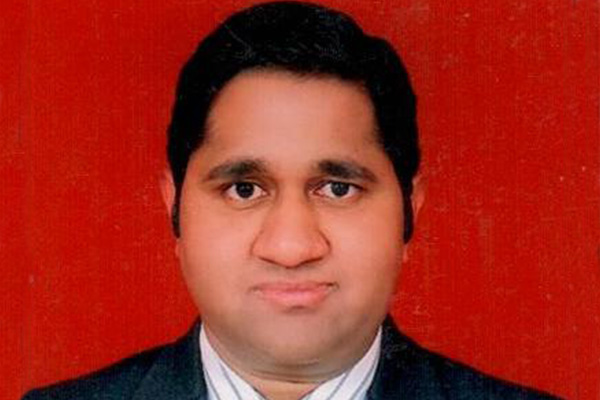
Gaurav Aggarwal, Vice Chairman of Sainik Industries Private Limited, elaborates on the need for targeted incentives, in-house resource generation for solar equipment manufacturing and cost innovation to promote solar energy in India. TPCI: What, in your opinion, are the factors that are responsible for the rise in the use of solar roofs in India? Gaurav Aggarwal (GA): The rooftop solar market holds huge growth potential across India and should be exploited to help meet the growing energy requirements of the population. Rooftop solar PV can meet the electricity needs of consumers in various ways, whether it is general electricity use, use for cooking and for vehicles etc. Solar roofs are a source of clean and green energy that keep the pollution level to almost nil, help in reducing carbon footprints, save costs in terms of only one time investment with no recurring cost and have a lifespan of almost 25-30 years. They are an easily accessible source of energy in remote and village areas also where grid connectivity is not possible, supported by Government in terms of giving subsidies to installers. They are very well suited for Indian climate, which has almost 300 sunny days and no additional space requirement to install it. With more advancement in technologies of rooftop solar, every region of India has potential to tap this form of renewable energy. But in terms of usefulness of solar rooftop technology, more weightage should be given to those regions where solar energy factor is high such as the states of Rajasthan, Gujarat, Madhya Pradesh, Maharashtra, Karnataka, Leh and Ladakh. TPCI: What is the investment scenario for this sector, and how can it be improved further? GA: Recently, India achieved the third rank globally for solar installation capacity. Despite that India is facing challenges attracting investment in this sector because it requires upfront high investments and a host of risks, such as policy and regulatory risks, perceived risks, & technology-related risks. Risks generate lot of uncertainties and hence, further compound the availability of required investment in this sector. As per the Government’s policy of low tariff for renewable energy, the investors do not get attracted towards this sector. Apart from that, the dynamic nature of solar rooftop technology, scepticism always prevails among the minds of investors about the assets (plant and machineries) being stranded in future. So, these are some of the risks that distract investment in this sector. In order to attract more players in this sector, the government should act as a facilitator and devise innovative policy mechanisms not only in terms of introducing innovative financing instruments, but also creating a conducive environment, which minimizes the associated risk factors. The government should give more incentives to the investors as well as the ultimate consumers to adopt this technology of clean energy. TPCI: How do you view India’s potential to lead global adoption of solar technology and possibly even emerge a major international player in theis sector? GA: There are few very important lessons that India can learn from its international counterparts in the adoption of solar roof technology. As time is of the essence, if more and more projects of solar rooftop in India get completed in a timely manner, it can cut its major expenditure on fossil fuels to generate electricity. As technology advancement is an ongoing process, Indian industries should also focus more on innovations in this field of solar roof top to make it more cost effective as well as efficiency effective, like its international counterparts. Also, India should learn techniques of less wastage in generation and supply of electricity from its counterparts like Germany and Australia. In order to leap ahead of curve, India should bring more of its own innovation and researches in the field of solar ahead of other counterparts to make it more cost effective, as it has done it in the field of space aeronautics. Apart from that India should also focus on in-house resource generation for solar equipment manufacturing instead of depending on other international players. TPCI: What are the challenges that MSMEs in India face when it comes to scaling up on solar rooftops?GA: Certainly there are operational, technical, financial and awareness barriers to scaling rooftop in MSME sector in India. Despite all these different types of barriers, the financial barrier is the major one that affects the scaling up of rooftop solar. All MSMEs will have to compete with large entities that have robust credit profiles to adopt rooftop solar and the installation of solar system requires high upfront investment. Due to low creditworthiness, MSMEs generally lack in getting loans at concessional interest rates which, in turn, brings other barriers in picture, say proper knowledge of installed plant and machinery, reluctance to invest in training staff and maintenance staff, etc. In order to eradicate these barriers, the government should take more steps to educate MSMEs about its schemes, and provide them more finance options at concessional interest rates so that they can go for latest technologies in the rooftop solar field, promote MSMEs to have active participation in Government tenders etc. TPCI: How can policy intervention accelerate growth for the sector? GA: The Government is doing very good to fillip this sector, as during the last 5 years, it has already put more of its resources towards this sector. In order to boost it more, the government is projected to give subsidies of upto US$ 3.3 billion for scaling up the solar rooftop installations in the country under Sustainable Rooftop Implementation for Solar Transfiguration of India (SRISTI) Scheme. In order to promote this sector it is advisable that the Government should run awareness programs on such an extensive level to promote this SRISTI scheme so that more and more people get inclined to use this clean source of electricity. Government should setup training centres to train the consumers as well as more entrepreneurs to adapt these future technologies of energy generation. As the ultimate consumer gets education about these technologies, his trust will build up
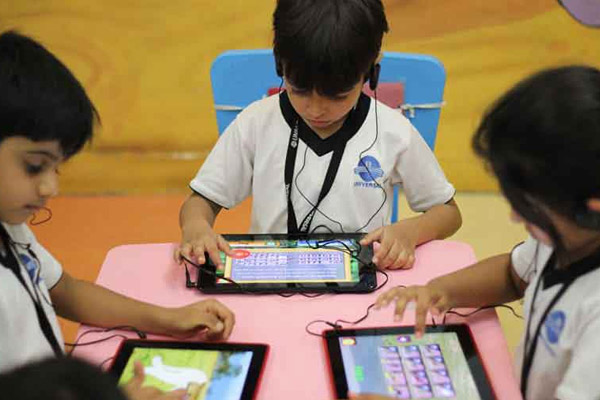
Artificial intelligence for real education
• School-going students these days are enjoying numerous interesting pedagogies like going to labs, virtual excursions of the things that they studied in their textbooks & educational field trips. • Artificial Intelligence (AI) based gaming applications are facilitating a change in the way knowledge is transferred, and are getting increasingly popular among the learning community in India. • The education sector is set to spend more than US$ 6 billion annually on augmented and virtual reality technologies by 2023. • For facilitating greater adoption of AI in the education sector, the government can play a major role by offering financial incentives to educational institutions. Do you remember the time when learning was all about listening to boring monologues of school professors and college professors? Well, not anymore! The students these days are enjoying numerous interesting pedagogies like going to labs, virtual excursions of the things that they studied in their textbooks and educational field trips. Even more significantly, Artificial Intelligence (AI)-based gaming applications are getting increasingly popular among the learning community in the country and facilitating a change in the way knowledge is transferred. Thus, applications like Playshifu and AR Flashcards are gaining traction in the country and stalwarts in ed-tech industry like Byju’s are venturing into AI. Further, industry experts have predicted that the education sector is set to spend more than US$ 6 billion annually on augmented and virtual reality technologies by 2023. The use of Artificial Intelligence in education offers a string of benefits to students, the most obvious one being making learning fun and freeing them from the boundaries of school desks and encouraging integration of knowledge faster through hands on experience. One such form of AI, Augmented Reality (AR), for instance, sparks interest in students by allowing children to take a virtual sneak peek into the animal kingdom or the mysterious world of insects and birds through 3D visualisation and interactive games. Thus, from reading about animal kingdom to virtually experiencing it, AR takes learning a step forward than the quintessential blackboard teaching by clubbing the real world with technology to create a layer of digital over the physical. It will also foster an ecosystem for faster acquirement of information and skill since it empowers pupils with visual enhancement, propelling them to understand concepts faster. Another form of AI, Virtual Reality (VR) goes a step further by allowing users not only see it but also interact with it. One such app that is deploying this technology is Google Expeditions – offering a collection of field trips ranging from the Colosseum in Italy to an excursion to Venus for regular smartphone users comprising of VR panoramas. Thus, this form of learning also helps in transgression from one-size-fits-all model to a personalized learning methodology. VR can also help students understand challenging subjects like learning anatomy of the human body. Further, it can bridge the gap between educators and learners since teachers can teleport into the VR world and guide students through their experiences. This empathetic experience allows students to put themselves in the other person’s shoes and understand what a discipline encompasses, thereby making informed career choices. Further, AI will also bridge the gap between education systems and labor markets by enabling education systems to be more prepared to cater to the needs of future employers. This is significant for a country like India which, by 2030, will have the largest number of young people in the globe. This will be a blessing only if these young people are skilled enough to join the workforce; only then will it pave the road for India to be a truly developed economy. Last, but not the least, universities with AI infrastructure would end up attracting more students not just from India but also from abroad. This would bring major gains for the country as India no longer is a globally sought after destination for higher education. The lack of proper infrastructure like hostels, dormitories, hygienic canteens, comfortable chairs, tables that are not rickety and audio-visual equipment has been a major barrier to foreign entry according to some experts. Having fewer overseas students will also undermine India’s foreign wealth. To sum up, that AI offers numerous benefits for students and its application in Indian education system is likely to grow is an irrefutable fact. However, for this to happen, the Indian government and private sector will have to work towards democratisation of knowledge and invest in providing the best facilities to the students in this area. It needs to recognize academic institutions, and provide fiscal support to establish centres of excellence focusing on core technology research in AI. Another critical step would be to encourage higher educational organisations in India to adopt credit-bearing massive open online courses (MOOCs) in their curriculum which are related to AI.
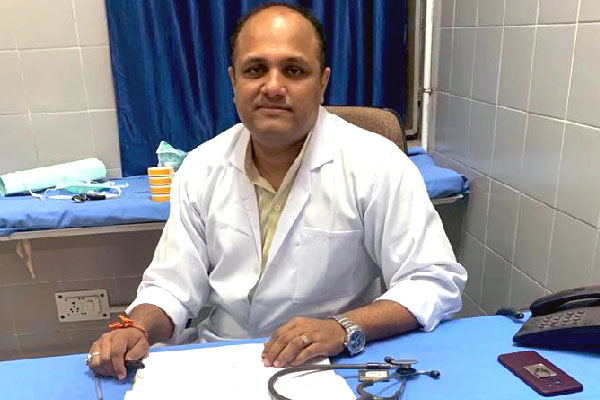
“AYUSH Ministry made it mandatory for the medicines to have a GMP”
Dr. Sachith Shetty, CMO, Ayush – South Delhi Municipal Corporation, talks about the factors that make Ayurveda a popular choice of medicine for curing ailments, measures adopted to ensure its quality control and the ways in which students of medicine can be lured to pursue this discipline. TPCI: According to a report, as many as 77% of the country’s households use Ayurvedic products. What, according to you, are the reasons for such a high usage of Ayurvedic products in India? Dr. Sachith Shetty (SS): Ayurveda is an almost a 5,000-year-old science. Right since its inception, people used Ayurvedic home remedies for curing common ailments. For example, they use clove for headaches and methi seeds for treating diabetes. Now these home remedies like ginger are being sold in the form of tablets. Secondly, Ayurveda isn’t just about the medicines; it also teaches us about lifestyle management. So, Ayurveda concentrates more on prevention rather than cure. Thirdly, the use of preventive medicines has started recently. People have been using these kind of remedies since long. TPCI: What measures (like lab testing of medicines) are taken to ensure that these medicines meet international quality standards? SS: Earlier, there was no data pertaining to regulation; now there are books pertaining to regulation. Central Council for Research in Ayurvedic Sciences publishes these books every year. Vast research is conducted to identify these drugs. For example, there are 4 types of neem. These researchers identified which of these varieties are suitable for diabetics. Secondly, the Ministry of AYUSH has made it mandatory for the medicines that are produced to have a WHO GMP (Good Medical Practice) Certification. Then there is Certificate of Pharmaceutical Product (COPP) and Quality Control of India (QCI) green chit that are required by any company for producing these drugs. TPCI: What benefits do Ayurvedic treatments have vis-a-vis its other counterparts like Siddha, Yunani, Homeopathy & Allopathy? How is their credibility established in comparison to these alternate forms of medication? SS: There is no such thing as alternative medicines. If the clinical trial shows that the medicine works, then it is a good medicine. Earlier, the patients used to go directly to the doctors to cure their ailments. If the disease was chronic, they would move to the alternate sources of medicine. For emergency management, people will first approach Allopathic medicines; then if the ailment persists, they move to alternatives like Ayurveda to find respite. TPCI: How can cross-learning between Ayurveda & other modern forms of medicines be encouraged? How can more students of medicine be encouraged to pursue a career in this discipline? SS: Recently, the Ministry of Health and Family Welfare had introduced a bridge course for those who have studied Indian medical disciplines so that they can practise Allopathy. However, the Lok Sabha did not clear this bill because this would mean that Ayurvedic graduates would automatically move to Allopathic practices. To promote a career in this discipline, a person who is pursuing a Bachelor of Ayurvedic Medicine & Surgery degree has to pursue his further studies in Ayurveda. Such a bill should be introduced in the parliament in a regular way. Secondly, the medicines should be standardised so that their result-oriented application can be highlighted. Thirdly, we have plenty of jobs for the doctors of Ayurveda to get a government job in the country or to go and practice abroad. These are the methods by which a career in Ayurveda can be promoted. TPCI: What measures should the government adopt to give a fillip to their production & market growth? How can foreign investors be attracted to invest in this sector? SS: At present, the Ministry of AYUSH has given guidelines to establish a market having a turnover of Rs 100 crores for Ayurvedic medicines within 2 years. So, they are giving certification mentioned above to attain this. TPCI: How receptive is the global audience to Ayurvedic medication? Does it face any trade barriers when exported abroad? What is the mechanism to address these? SS: The Ministry of AYUSH has given guidelines pertaining to the export of AYUSH medicines that any medicine has to meet the premium mark. Only eight companies, out of 400 existing in India, have been registered as having the desired requirements. Pharmexcil is the one issuing AYUSH premium mark because their standard is very high. The Government of India can issue Certificate of Pharmaceutical Product (COPP). Then it’s very easy to register abroad. TPCI: What measures can/have be taken to ensure that global influencers accept the credibility of Ayurvedic medicines? What is the success rate so far? SS: The government should conduct multiple awareness programmes to enhance the international representation of Ayurvedic medicines. Another thing that needs to be noted is that each state in the US has different government norms to get the drugs to be standardized. For example, in the case of India, there is haldi, which is used as an ayurvedic drug as well as a kitchen ingredient. In the US on the other hand, it is registered as a food product only. So, the government has recently announced various measures to promote Ayurveda such as allocation of Rs 5,000 crores. Earlier the government had invested about Rs 1,000-2,000 crores. As per the National Medicine Plant Board, the sector is likely to attract US$ 120 billion by 2030.

“Indian SMEs are mature enough for organic growth in Europe”
Ms. Aparajita Sen, Inward Investment Manager, AD Normandie, discusses various ventures that are lucrative for Indian businesses to invest in Normandy, France, given the favourable ecosystem for businesses in the country. TPCI: What are the favourable factors that would help Indian firms to leverage Normandy as an attractive investment destination? What trends should Indian start-ups investing in Normandy should watch out for? Ms. Aparajita Sen (AS): Normandy offers diverse opportunities in different sectors like agro-food, automobile, aeronautics, cosmetics etc. The regional government has made innovation a priority in all these sectors. The regional economic development agency AD Normandy has the mandate to help foreign companies set up their businesses in Normandy. We offer a specific soft landing programme for foreign companies when they decide to invest in our region. The trends that Indian companies should look for are directly linked to innovation. Innovative projects in the sectors mentioned above, are welcome in Normandy. The favourable eco-system in Normandy is ideal for growth and development. TPCI: Normandy has identified 12 dynamic sectors such as automotive, agri-food, healthcare & logistics for investment. Which are the key sectors for Indian players to make the best of their investment? AS: Agro resources, agrofood, cosmetics and digital sectors – because I believe that Indian companies today have specific skills in these sectors. Tourism is another sector that the regional government wants to develop. Normandy is a preferred tourist destination and there is ample scope for Indian investors to invest in hotels, restaurants, other types of accommodation (bed & breakfast, guesthouses, resorts etc.). We also have interesting real estate offers for greenfield projects like theme parks, amusement parks etc. I sincerely think that Indian companies need to look beyond direct export of Indian products targeting the Indian diaspora in different countries in the world if it wants to become a global player. They should think about working in the different European countries with local partners to develop new products or adapt their products to the demand. There is also great scope for innovative solutions to traditional sectors like agriculture. It is also possible to acquire French companies for inorganic growth in different activity sectors. TPCI: How are Ayurvedic medicines received in French markets? What are the opportunities and challenges for penetration? AS: I think it is becoming quite popular in France and this has been validated by some Indian companies I met last week who are exporting their products to the French market. Whereas it is extremely difficult to enter the medicine sector in Europe – even in India the ayurvedic products are not patented – they can easily be positioned as food supplements and products for overall health and well-being. However, I feel that Indian companies need to adapt their product portfolio to suit the tastes and preferences of the French & European markets. One interesting option could be to co-develop products with French companies using traditional ingredients and formulations. Normandy has a thriving cosmetic sector, including laboratories and technological platforms that can help in this process. TPCI: You’ve been a part of quite a few business meetings during your present India visit . How fruitful have these been in exposing you to new trade opportunities? What are you taking back from them? AS: Yes, I have had very interesting meetings here this week. I have done the same exercise twice before – in 2018 and 2019 and each time an Indian company came to Normandy to set up operations, both from Bangalore and both in agro / agri sector (Stellapps Technolgies and Croitre Millet). I am sincerely hoping for the same success this year. A few companies I met this time seem to have real good projects. I must mention one thing I noticed during my meetings this year: the companies seem to have a more long-term vision of their growth plans and are not looking at direct exports for international growth. I think the Indian companies, especially SMEs, are now mature enough to envisage organic growth in Europe. Ms. Sen is an experienced Project Manager with a demonstrated history of working in the government administration industry. She is skilled in International Project Management, Negotiation, Business Development, Community Management, and Internationalization.
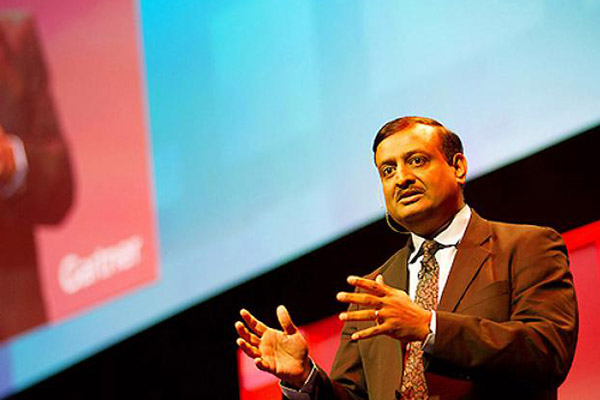
“US tech industry is advocating for HIB Visa flexibility”
Partha Iyengar, VP, Gartner Fellow & Country Manager Research (India), Gartner, tells TPCI that with interest in STEM discipline drying up in overseas students, India will remain a preferred choice for international IT industry to source their needs of skilled labour. TPCI: According to a recent estimate by NASSCOM, Indian IT sector exports are expected to grow 7.7% in FY20. What is your take on this? What are the factors responsible for this optimistic outlook? Mr. Partha Iyengar (PI): The demand side of the equation continues to be healthy. A fair amount of the increasing demand continues to be around digital business. Many developed countries have not produced enough talent in newer areas (including Analytics, AI/ML, Blockchain etc) due to a long-term erosion in interest in the STEM discipline amongst students. The perception (and to a large extent, reality) is that India continues to produce these skills in large numbers and hence there is a resurgence of interest in sourcing from India. In addition to the traditional IT service provider exports, one segment that is also growing rapidly in India is the GIC (Global Insourced Center) phenomenon, with large global organizations either growing existing centers or establishing new ones in India to address the emerging business demand. TPCI: How has the H1B visa put pressure on both Indian and US tech companies, and how do you see it getting resolved? PI: This issue has created some short-term headwinds for the US technology industry – they have in fact been amongst the biggest lobbying forces to loosen up H1B visa regulations, since they directly face the brunt of overseas talent drying up. However, for the largest tech giants that already have a strong presence in India, some of this short-fall may in fact be addressed by recruiting more in India, something that has been going on for some time now amongst most of the large global technology companies and service providers. This would be good news for IT employment in India in the medium term. TPCI: What implication has the global economic slowdown had on Indian IT sector, particularly with the COVID-19 outbreak? PI: I think it is too soon to tell in terms of what the long-term impact of the slowdown will be. Added to that are the COVID-19 related challenges that are emerging now. The immediate impact is likely to be deferred projects resulting in lengthening sales cycles. There are no broad indications of major cancellations of projects yet, so the situation might turn around if economic conditions improve. The wild card now though is how long the COVID-19 crisis plays out, which not only affects sentiment, but also, from a practical perspective, creates significant barriers to business with the inability to travel to many (and possibly an increasing number) locations around the world. TPCI: How have new digital technologies like social media, mobility, analytics, and cloud computing (SMAC) changed the competitive landscape for Indian IT firms? Where do Indian players lack? PI: From a pure technology perspective, it has probably improved the competitive landscape for the Indian providers, since it plays to their strengths of being technology centric, and having a market where skills are available. The fact that in the Indian market, they are still at the peak of the ‘food chain of employment’ means that they still get their pick of the best talent in the country. Where the Indian providers are at a disadvantage is the ability to connect their technology capability to the desired business outcomes for their clients. This weakness often starts at the sales level, with the majority of Indian sales team being more tech-centric and still not as capable in selling on business outcomes and to business (non-IT) buying centers. This is the biggest challenge for Indian providers to overcome. TPCI: How is the Indian IT segment tackling the challenge of new data protection & privacy rules enforced by other countries (eg: General Data Protection Regulation in EU)? Are there any suggestions for the Indian government to resolve such transnational issues? PI: This does create a challenging environment in terms of the ability to allow access to data from any location. However, this is going to be increasingly a part of business reality in more and more jurisdictions, and the providers will have to evolve new approaches and business processes to address these challenges. I do not see the Indian government having much of a role to play in these privacy related issues – governments can’t really intervene in the case of the regulations of a certain country or jurisdiction. In fact, India’s own emerging privacy regulations have many similarities with GDPR. TPCI: What are the operational obstacles (eg talent acquisition & obsoletion of skills due to automation) to the growth of the IT industry in India? PI: The biggest challenge for the country as a whole is to address the increasing gulf in ‘soft skills’ capabilities – communication, executive presence, comfort levels in dealing with ambiguity, being able to challenge authority figures when required, to name a few. Our education system still (though the situation is definitely improving) does not produce enough of these skills. Going forward, these skills will be the need of the hour both to support domestic demand as well as global requirements from an export perspective. Partha Iyengar is VP and Gartner Fellow in Gartner’s CEO Research team. He is also the Country Leader – Research, India. His research interests cover areas of strategic interest to CEOs and their direct reports, including digital business, customer experience, expectations of the CIO and IT organization, and globalization issues. He is extensively quoted in the local, national and international press; was interviewed on the U.S. CBS News show “60 Minutes”; was a panelist on a CNN International panel discussion on the future of IT; and also participated in the BBC panel discussion on IT in emerging markets. He is the co-author of a book published by Harvard Business School Press on India and China strategies, titled “IT and

Digital lending: Shot in the arm for MSMEs?
• Digital payments have gained strong traction in India post-2016, and are expected to be valued at US$ 135 billion in 2023. • One key area where fintech is expected to play a huge impact is digital lending, especially for Indian MSMEs that face a funding gap of US$ 240 billion. • Digital lending startups help address several pain points for MSMEs seeking loans through lower transaction times, less procedural hassles and lower costs. • To grow sustainably, digital lenders must ensure that their data security, risk identification and mitigation framework is in tune with global best practices. The Supreme Court has removed the ban on cryptocurrency this week, which had been instituted by the RBI in 2018. This can be seen as another ominous sign of the inevitability of India’s progression into digital transactions. In fact, the digital surge could be coming much faster than we would have anticipated till around two years back. Factually, the cash economy in India is still too deeply entrenched to be shaken up in a hurry. However, in a recent report, the Reserve Bank of India (RBI) concluded that there has been a noticeable rise in digital payments throughout the country. The cash in circulation has grown at a lower rate between 2016-17 and 2018-19, as compared to 14% between October 2014 and October 2016. If the rate of increase would have remained 14% subsequently, the notes in circulation (NIC) would have been valued at Rs 26,04,953 crore in October 2019. However, the actual amount shows a shortfall of NIC by Rs 3.5 lakh crore. While the change is small today, there is little doubt that digital currency in India is well on its way to reach tipping point. Over 1,000 fintech startups have sprung up in just around 2 years with a total funding of around US$ 2.5 billion. Digital payments are expected to double to US$ 135.2 billion in 2023 from US$ 64.8 billion in 2019 according to an Assocham-PwC study. The strong surge in digital payments has major consequences for businesses as well as the overall economy. One major impact area in this regard is lending for MSMEs. So far, the formal sector has fallen woefully short when it comes to serving their financing needs. This has led to a colossal funding gap estimated at around US$ 240 billion (Rs 16.66 lakh crore) as concluded by an IFC Intellecap report. Moreover, the report notices an increase in the credit gap from US$ 200 billion in 2012. As a result of this, around 40% of the MSME lending comes from the informal sector, with unfavourable terms and several other hassles. A number of factors are driving a new wave of opportunity for MSME lending. Firstly, Indian MSMEs are digitizing and getting formalised at a quick pace, especially post-demonetisation. The launch and rise of the unified payment interface (UPI) platform has been a major catalyst along with the introduction of Goods & Services Tax. Rapid digitization post-2015 has equally played a pivotal role, with a 95% drop in data costs, eight-fold increase in MSME data consumption, and 85% total MSME smartphone adoption, as affirmed by an Omdiyar-BCG report. The technology-led aggregator model also ensures benefits in unit economics for lending akin to other fast-growing sectors like food delivery, travel and cab hailing. Digital lending is asset light, without the need for extensive infrastructure of branches and huge manpower. Due to lower fixed cost, these fintech lenders can aggregate huge volumes of low value loans and also keep their products attractive. MSME lending is projected to grow 10-15 times larger by 2023 to reach US$ 80-100 billion, still only half way through the current demand, as a result of this exercise. Policymakers are looking for ways to support this industry. Recently, the RBI increased the limit from Rs 10 lakh to Rs 50 lakh for P2P lending to support the industry, after the industry demanded a hike in this limit to Rs 1 crore. This has built the brass tacks for a revolution in digital payments, building an ever growing treasure trove of MSME financial data that is easily and quickly available and also verifiable. For MSMEs, digital lending can help address some of the most crippling pain points of lending – approval time, documentation requirements, high interest rates, low sizes of loans, etc. Digital loans can be processed within a single day. Also, with the availability of data on MSME credibility, a lot of the documentation is automated. With the implementation of e-KYC and recognition of the Indian credit rating system, the growth has received a further boost. Various models have emerged in the digital lending ecosystem, which include: • P2P lending: Connects borrowers and lenders via a digital marketplace model. • Invoice financing: Provision of short term working capital credit to MSMEs based on unpaid customer invoices. • Crowdfunding: Borrowers make presentations of their business case, growth potential and fund requirements to a large group of investors to get external credit. • Pay later loans: Lenders disburse instant, small-ticket sized loans with the ‘buy now and pay later’ model for meeting customers’ purchases • Mobile lending: Lenders offer mobile loans to customers by assessing their creditworthiness through mobile phone data like call patterns and mobile e-money usage. • Digital mortgage: Lenders facilitate mortgage purchases through end-to-end digitisation of the traditional mortgage loan process, from application to disbursement, through digital channels. • PoS lending: A partnership model with FS (financial services) lenders where these players finance online shoppers’ purchases by utilizing both conventional data like bank statements and unconventional data like online transaction history. • Supply chain financing: Marketplaces that tie up with direct lending NBFCs to target merchants selling their goods and services online, by leveraging the huge amount of merchant data residing on these channels. Although the industry is growing fast, it can prove highly vulnerable if there is a rise in defaults. A report by NASSCOM titled “Fintech Lending, unlocking untapped potential” affirms that this entails a significant

Brexit: A Pandora’s Box for the Indian IT sector?
• Brexit leaves ajar a number of avenues for the United Kingdom to cultivate ties with the rest of the world in its own right. • This could be a particularly exciting time for Indian IT & ITES industry to make deeper inroads into the markets of UK as it is the second largest market for Indian IT services industry, accounting for 17% of total exports, besides being a gateway to Europe. • However, there are number of factors including labor mobility issues, greater operational costs and the impact of devaluation of pound which could inhibit an the success of Indian IT companies in UK. On 31st January 2020, Britain took the historic move of shedding its existence as a member of the European Union and carving a niche as an independent entity in Europe. This leaves ajar a number of avenues for the United Kingdom to cultivate ties with the rest of the world in its own right. UK is currently India’s 16th largest trading partner, with bilateral trade of US$ 16.9 billion in 2018-19. Even in the services trade, there is much to be explored, as US accounts for just around 3% of India’s services exports. For the Indian IT & ITeS industry in particular, this could be a good time to make deeper inroads into the UK market. According to a Reserve Bank of India (RBI) survey on computer software and information technology-enabled services (ITeS) exports in 2018-19, almost half of the software business by foreign affiliates of Indian companies was provided in the US, followed by the UK. Thus, quite a few Indian IT companies have a large presence in the UK, as well as larger EU markets based from London. India’s Software Services Exports Activity 2017-18 2018-19 US$ billion* Share (%) US$ billion* Share (%) -2 -3 -5 -6 USA & Canada 66.6 61.4 72.1 61.2 Europe 26.1 24 30.2 25.6 Of which, UK 12.5 11.5 13.8 11.7 Asia 9.2 8.5 8 6.8 Of which, East Asia 7.5 6.9 6.7 5.7 West Asia 0.9 0.8 0.9 0.8 South Asia 0.8 0.8 0.4 0.3 Australia & New Zealand 3.7 3.4 3.9 3.4 Other countries 2.9 2.7 3.6 3 Total 108.4 100 117.9 100 Source: RBI An immediate consequence of Brexit is the need for Indian IT companies to establish separate headquarters or operations for EU. This could lead to disinvestment from UK and diversion of activity from UK to EU. If the British economy is hit, then it would not auger well for the IT industry. On the brighter side though, this would provide an excellent opportunity to partner with other European countries and be a shot in the arm for bilateral ties with nations like the Netherlands, Germany and Belgium. One of the most difficult challenges is that of labour mobility. While India’s high proportion of skilled working-age population and high growth rate will be of particular interest for the UK, the ease of movement of skilled workers between EU & UK could cease. Skilled labour mobility concerns can arise as the mutli-location contracts get deferred on account of lack of clarity at present. Complicating the matter further is the UK government’s proposal to employ a scorecard system to favor skilled people coming to the country. One of the main concerns voiced by the industry is that locals may not be able to fill in and hiring foreigners may become too expensive. Also, there will be a bigger administrative burden for companies that have never filed immigration paperwork before. Another concern is that EU’s regulations pertaining to data privacy may not apply to UK-based companies. Among other things, this could mean adjusting data systems to new norms. British PM Boris Johnson has already stated that the United Kingdom will seek to diverge from EU data protection rules and establish their own ‘sovereign’ controls in the field. Consequently, companies might have to apply to UK as well as EU with regard to intellectual property rights (IPR) for new patents & trademarks going forward. It also needs to be mentioned that there could be significant differences in the new regulations that UK chooses to draw vis-à-vis those drafted by the EU, creating difficulties for the firms. This implies greater administrative and financial burden on firms. As Mr. Keshav Murugesh, Group CEO, WNS & Chairman, NASSCOM, tells TPCI: “Services account for about 80% of the U.K. economy and this will be an important focus for Indian investments in the U.K. We must safeguard services companies so that we obtain the maximum potential from this deal. With the protection of free-flowing data, intra-company transfers and sustaining regulatory alignment between the U.K. and EU, we see business costs being reduced – and this, in turn, will be favorable to all stakeholders.” Last, but not the least, there’s also an apprehension that the pound could depreciate. A major chunk of the cost borne by the IT companies is incurred in Indian Rupees (owing to the off-shoring model deployed by the Indian IT services players). Hence, a persistent depreciation of pound might call for a renegotiation of the contract, since the companies might earn less and consequently, the profitability of these contracts might fall below expected levels. It could also delay future projects and investments in the United Kingdom. To sum up, Brexit is something similar to a Pandora’s Box; it presents numerous challenges and has number of unanswered questions, which will (hopefully) get resolved by the end of the year when Britain’s transition to being an independent economy is completed. However, turning those challenges into trade opportunities is something that Indian companies should target at, given their pool of skilled labor and dominant presence as a leading exporter of IT services to UK.
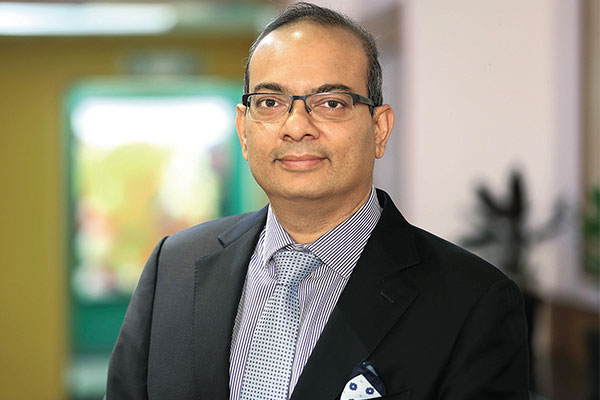
“Automation has added more jobs for the Indian IT-BPM sector”
Keshav Murugesh, Group CEO, WNS & Chairman, NASSCOM, interacts with Trade Promotion Council of India on the current scenario of the Indian IT-BPM industry, and why it has performed better than even what the cautious optimists expected. He also opines that contrary to expectations, automation has added more jobs and provides the opportunity to add even more. TPCI: According to a recent estimate by NASSCOM, Indian IT sector exports are projected to grow by 7.7% in FY20. What are the factors responsible for this optimistic outlook? Keshav Murugesh (KM): With a 7.7% y-o-y growth, total revenue of US$ 191 billion and creation of 205,000 net new jobs in FY 2020, the Indian IT-BPM industry performed better than what our cautious optimism expected it to. Our technology exports registered an 8.1 percent growth over FY 2018 to touch US$ 147 billion. Digital transformation of businesses played a significant role in our performance, with 26-28% of the total revenues coming from digital-driven services for clients across the globe. Engineering and Research and Development (ER&D) and software product development was the fastest-growing segment with 11% improved performance over last year. We also saw a surge in domestic demand, driven by an increase in the government’s technology adoption for its citizen programs, smart city projects and financial inclusion initiatives. Amidst a global slowdown, we remain cautiously optimistic in our outlook. Overall, however, we see a growing demand as the market shifts from traditional IT services to digital technologies, DevOps and ‘as-a -service’ models. With organizations across the ecosystem rapidly adopting new-age technologies, we hope to maintain the highest relative share in the national GDP that currently stands at more than 8%. TPCI: How exactly has the H1B visa put pressure on global tech giant hiring Indian employees? How is the IT industry tackling this challenge? KM: In the current digitally disrupted ecosystem, the right narrative is to focus on global talent mobility rather than looking at it as a ‘boundary or VISA issue.’ The H1B program has been an integral part of the US’ strategy to attract the best-skilled workers. The US faces a deficit of 7.5 million Science, Technology, Engineering and Maths (STEM)-skilled talent, and 67% of this number require tech skills. The H-1B program allows them to fill just 85,000 of that number, and it is a testimony to Indian talent that Indian nationals account for the majority of approved H-1Bs. In the IT domain, this has contributed significantly to the US’ global leadership in technology. With digital transformation ruling the new business landscape, every company needs access to the right talent. India-based and India-centric global IT companies that avail of this program are world leaders in digital transformation and enable US companies to maintain their global competitiveness. They thus form an important part of the US economy. Interestingly, only a small share of Indian H-1B professionals are employed by Indian companies – the majority of them are sponsored by global and US multinationals NASSCOM is working closely with the US administration to help them understand the vital importance of technology in the new world order. This will enable Indian technology companies to have a level playing field without being discriminated against by administrative action. Indian government is also conscious of the need to focus on talent mobility. During the recent visit of the US President, the request to consider signing a totalization agreement to avoid double deductions from the incomes of professionals working in each other’s countries was actively brought up. We are hopeful that such initiatives will set the right perspective from a talent point-of-view. TPCI: What implication has the global economic slowdown had on Indian IT sector? What is the likely impact of Brexit on the industry? KM: We have seen the global economy go through a slowdown over the past few years. 2020 appears to show initial signs of recovery, and the worldwide growth for this year is expected at 3.3%. The IT industry, specifically, is likely to grow by 4.5% in 2020 to reach US$ 2.5 trillion. Enterprise software is the fastest-growing segment at 10.5%, and an additional impetus will come from digital technologies, especially analytics and legacy system modernization. The new post-Brexit UK-EU trade deal will come into force from January 1, 2021, after negotiations are finalized. Till such time, the business continues as usual. For Indian IT, the UK continues to be a highly valued market, and we see considerable scope for collaboration and innovation. The IT industry offers the right expertise that is optimal for enhancing and capturing opportunities that are beneficial to both countries. In 2020, we will see several negotiations about developments around trade. Services account for about 80% of the UK economy and this will be an important focus for Indian investments in the UK. We must safeguard services companies so that we obtain the maximum potential from this deal. With the protection of free-flowing data, intra-company transfers and sustaining regulatory alignment between the UK and EU, we see business costs being reduced – and this, in turn, will be favorable to all stakeholders. TPCI: How have new digital technologies like social media, mobility, analytics, and cloud computing (SMAC) changed the competitive landscape for Indian IT firms? How are they coping? KM: The line between core and digital services has been consistently blurring, leading to an increased transition to new digital technologies. This has given rise to the emergence of new focus areas – cybersecurity, digitization and industry-specific applications. The share of digital revenue has progressed swiftly, and today it accounts for an average of 40 percent of the topline of listed players. Most Indian IT service providers and early digital adopters are winning core transformation deals, large in scale, scope and complexity. Into the future, ecosystems built on a strong core of digital technologies and connectedness will be the ones to leverage some of the big opportunities. We estimate that incumbent enterprises alone, apart from digital-native start-ups, will generate technology products and services worth half the global GDP of

“AR is creating awareness in distant areas”
Dr. Niranjan Naik, Director of Breast & Gastro-Intestinal Onco-Surgery at Fortis Memorial Research Institute (FMRI), Gurgaon, tells TPCI about various AR applications like AccuVein, Hololens & Google Glass which are proving to be quite beneficial for the health sector. He also believes that the use of AR in the health sector will augment medical tourism in the country. TPCI: What are the possible applications of AR in Indian healthcare sector? What use cases have evolved so far? Dr. Niranjan Naik (NN): Based on the available literature, I can say that AR is helping in diagnostics and learning to create awareness in distant areas through telehealth services. It is also helping in treatment. For example, there is a technique called AccuVein where one can detect the vein properly to cannulate. TPCI: What benefits will using AR technology bring for the sector? NN: AR helps in increasing the comfort to the patient and in enhancing the accuracy of the treatment based on multiple evidences available. Therefore, it can combine multiple data and help students and doctors in learning. It can also help in performing surgeries. For example, in brain surgeries there is a technique called neuro-navigation where they can synchronise the data of MRI, CT-Scan at the time of surgery (-real time synchronisation). This allows the doctor to figure out the location of tumour, where exactly one has to cut. It will revolutionise the way we perform our surgeries. Right now, we see 2D images, we create an image in our mind and do the operation. But AR can help in assessing the real time situation. Then there’s something called Microsoft Hololens and Google Glass which combine VR with all the data available by using camera, sensors and digital information in real time. The applications of Google Glass are multiple. Like AR can help you to locate nearest medical facilities if, say, someone is having a heart attack on the road. It can also train people to do some special tests such as self-examination tests for breast cancer in real time. It can tell those mothers who have started breastfeeding their children about how to do it properly. The patient can also tell the app about the symptoms that it is facing (like pain) and they can show where exactly the pain is being felt. Also, the AR-based app, EyeDecide, can help detect eye problems like cataract. Further, 3D printings (which are a part of AR) are useful in the field of artificial prosthetics & things like making a replica of some patient’s jaw. TPCI: Will the use of AR make India an expensive medical tourism destination? How can the cost upswing be brought under control? NN: Cost is one of the main challenges because cost will be prohibitive to start with initially. However, if more and more players come into the picture, the cost may reduce and it may help. Even in our hospital, we use navigated arthroscopy for joint related issues. In that, all the images are combined with radiological images (like those of CT Scan). Although its cost is not very much, with more research and better technology, its cost will come down. As these facilities become better, the prospect of medical tourism will also be enhanced. India is a country where compared to western world, medical facilities are always cheaper. So, even though AR based treatment might be costlier for an Indian patient, it will be lot more cheaper when compared to other countries. Dr. Niranjan Naik is a well-known senior surgical oncologist who is presently the Director of Breast & Gastro-Intestinal Onco-Surgery at Fortis Memorial Research Institute (FMRI), Gurgaon. He has been trained in surgical oncology from the prestigious Institute Rotary Cancer Hospital (IRCH), All India Institute of Medical Sciences (AIIMS), New Delhi and is considered as one of the best breast cancer surgeon Delhi and Gurgaon region. He is also well versed in diagnostic and therapeutic endoscopic procedures. He also has several publications to his credit.

API dependence: Indian pharma’s health hazard
• India is home to the largest generics manufacturing industry in the world, accounting for 20% of the global supply. • However, India’s competitive position in the pharma sector is undermined by its high import dependence for bulk drugs or active pharmaceutical ingredients, especially from China. • The recent outbreak of Coronavirus in China and the resultant supply crunch has exposed the vulnerability of the pharma sector again, with a looming shortage and price volatility of essential drugs. • The pharma industry needs to be encouraged to ramp up on API-manufacturing capacity to ensure that indigenous sourcing of APIs becomes more cost competitive as compared to sourcing from China. India’s pharma industry has firmly established its credentials as a leader in the global generics space, accounting for 20% share in global supply. The country is also home to 60,000 generic brands across 60 therapeutic categories and manufactures over 500 distinct Active Pharmaceutical Ingredients (APIs). Pharma exports have also been equally resurgent, growing by 10.72% YoY to reach US$ 19.3 billion in 2018-19. As one of the key sectors where India enjoys a strong competitive edge and is also a leading exporter, self-sufficiency would otherwise be a given. But there is one critical area where the Indian pharma sector is vulnerable. And this vulnerability stands sadly exposed in the wake of the recent coronavirus outbreak in China and other parts of the world. The corona effect With the World Health Organisation (WHO) declaring Coronavirus as a global health emergency, waves of panic have begun to spread not only in the global healthcare industry, but also among international trade circles and governments. This is especially true in the context of India, the next-door neighbour of China. Not only is this because India is the 17th most vulnerable country in the world to this international epidemic, but also because a number of industries in India are highly dependent on the Chinese industry for imports of essential inputs. The pharma industry is a prime example, with a high dependence on China for its APIs. According to industry data, India imports 70% of its API requirements from China, largely antibiotics and vitamins. The APIs for these drugs are prepared using a fermentation-based process, in which China has established global benchmarks. In 2018-19, Indian pharma companies had imported bulk drugs and intermediates worth US$ 2.4 billion from China. According to data compiled by the Pharmaceutical Export Promotion Council of India, prices of key medicines like paracetamol, vitamins & penicillin have shot up drastically. Further, India’s Drug Regulatory Authority expects 57 active pharmaceutical ingredient (APIs) of crucial antibiotics, vitamins & hormones to go out of stock if the health fiasco prolongs. It is, therefore, hardly a mystery why the government is contemplating a ban on the exports of 12 essential drugs that are sold in the country. China’s Hubei’s province is not only the focal point of the outbreak of the Coronavirus, but also a major supplier of 80-85% of raw material or active pharmaceutical ingredient used to make medicines. India’s overdependence on China for APIs, combined with the strategy of the Chinese government to extend the Lunar New Year holiday in order to limit the virus’ spread has sent the pharmaceutical industry in a tizzy. Sudarshan Jain –Secretary General – Indian Pharmaceutical Alliance tells TPCI: India has a high dependence on fermentation-based APIs/Intermediates, namely antibiotics and vitamins. Companies have been maintaining 2- 3 months inventory of these APIs and Intermediates. These inventories were also planned given lunar holidays in the last week of January/first week of February. The situation is being closely monitored by all companies. The government is seized with issue and all are working in an integrated way to deal with the situation. The areas being looked into are close monitoring of the developments, inventory of critical APIs/intermediates, evaluation of alternate sources where possible and regulatory approvals for environmental clearance for certain APIs where capacity is available. The pharma industry in India is racking its brain hard as it struggles with the twin challenges of raw material supply disruption & price volatility. The crucial question that arises is that why a country like India has to depend on China for its API imports. According to industry experts, India’s problem is not that it is incapable of producing active pharmaceutical ingredients, but rather that it cannot manufacture them at inexpensive rates, thereby keeping capacities underutilised and fuelling greater imports from China. According to a report published by the Ministry of Commerce and Industry (MCI), Indian pharmaceutical industry has a low capacity utilisation (between 30% and 40%) as against 75% of China. The industry has asked the government to facilitate cheap cost of capital, easily available funding and tax incentives. A study commissioned by the Indian embassy in Beijing revealed that there is little cost differential between India and China in manufacturing of APIs, save the labour cost differential of 3%. However, Chinese firms have the advantage of managing large capacity manufacturing setups established by the government, low-interest loans, and more lax regulations on pollution norms and affluent treatment. Another issue is that Indian authorities are more liberal in allowing Chinese imports, with clearances awarded in a few months. In China’s case, however, the clearance could take years. Grappling with the challenge If the supply crunch continues for longer, the government may have to turn to other countries like USA, Italy, Spain, Germany, Japan, Switzerland and France to import the raw materials required to produce essential medicines, besides banning exports of essential drugs. Besides this, we need to conceptualise and execute a firm roadmap to strengthen domestic API manufacturing capabilities. Dr. Sakthivel Selvaraj, Director, Health Economics, Financing and Policy at Public Health Foundation of India (PHFI), suggests: The first option is to provide more incentives and adequate infrastructural facilities to the country’s domestic manufacturers so as to boost the production of APIs. Secondly, we need to develop and augment the capacity of Indian PSUs in this sector. Earlier Indian PSUs used to play a key