• India’s automobile sector is going through its worst slowdown in the past two decades, with passenger vehicle sales dropping by 16.4% YoY during April-December, 2019-20. • The Auto Expo reflects this sentiment among players, with relatively fewer path-breaking launches in the conventional diesel and petrol segments. • The highlight on the other hand has been electric vehicles, with a slew of launches and concept cars being showcased by leading players. • While EV is touted as the future, the uptake will be slow in India due to high ownership costs, resistance to new technology and lack of the requisite infrastructure. The Indian automotive sector has been going through its worst slowdown in the past two decades. Household demand for automobiles has been subdued on account of low availability of credit and rise in costs due to transition to BS VI norms. According to latest data from SIAM, passenger vehicle sales declined by 16.4% YoY during April-December, 2019-20. The decline in sales of passenger cars and vans was even starker by 23.59% and 37.31% YoY respectively during the period. In this slowing market, where incumbents have been compelled to prioritise inventory management over new product launches, a number of new entrants have marked their presence over the past year. Players like MG Motor, Great Wall and Kia have cornered nearly one-third of the show area at the Auto Expo 2020. Along with VW Group and PSA, they are expected to invest US$ 4-5 billion in India over the next 3-4 years. These players are bullish on the potential of the Indian passenger vehicle market, slated to reach 4.1 million units in 2026 from 2.9 million units in 2019 according to JATO-LMC. New players are expected to account for around 15% of this market. For the customer, this means more competition, better innovation and offers. The Union Budget has not fulfilled the demand of players for uniform taxation of 18%, but there are ancillary developments that could augur well for the industry. Investments of around Rs 1.7 lakh crore in infrastructure will help boost road connectivity and improve prospects for the automotive industry. Also, the option of revised income tax slabs could provide some boost in consumption and spur demand. With discontinuation in dividend distribution tax, private sector investment could also get a shot in the arm. Similarly, the government’s focus on the rural economy may help boost that market for the players. Liquidity support for NBFCs could also be useful to help ease the flow of credit to consumers. There is an obvious excitement about the happenings in the electric vehicle segment. Over and above its announced support for the sector under FAME II, the government has allocated Rs 4,400 crore towards promotion of clean air in cities with a population of over 1 million, along with measures to set up renewable energy stations. Customs duty on EVs imported in the form of CBU/SKD/CKD has been increased to encourage “Make in India”. Moreover, the scheme to promote mobile, electronic manufacturing and semiconductor packaging will also be beneficial to the electric vehicle ecosystem in the country. However, there is also a flip side to it, as the components could get more expensive, compelling companies to pass on the increased costs to the customers if they are unable to develop the components locally. On the flip side, the industry has not got the benefit of an eagerly awaited “Scrappage policy”, which would enable customers to exchange their old polluting vehicles for new ones. Auto Expo 2020 gives an indication of how the players envision their future in the Indian car market, and electric is the dominant theme. Around 10 manufacturers have showcased Maruti Suzuki has heads turning with its Futoro-E coupe concept, which can take both hybrid and pure electric powertrains. Mahindra has launched eXUV300, the electric version of its XUV300. It also launched the eKUV100 at an ex-showroom price of Rs 8.25 lakh, making it the most affordable electric car in India till date. Apart from these, Mercedes EQC, Kia Soul, the Kwid Electric by French carmaker Renault and the small form factor E200 by MG Motor will also be displayed at the Expo. Electric two-wheelers will be showcased by companies including Olectra, Evolet, Omjay EV, Bired Electric and EVerve. Overall, the mood at the Auto Expo seems somber, with few path breaking concepts apart from a strong impetus towards electric vehicles, the next disruptive force expected to sweep the market. However, while electric vehicles are widely touted as the future of mobility globally, they will not have an immediate impact on demand in India, especially due to the high costs of acquisition and resistance to new technology. Moreover, proliferation of electric vehicles requires substantial ramp up in public and private charging infrastructure. As visible in the table below, the present penetration of electric vehicles is miniscule at best. Sales of electric cars in India Car Sales for April-November, 2019-20 Mahindra e-Verito 513 Tata Tigor 491 Hyundai Kona 280 Mahindra e2o 25 Long-term sustainability of electric vehicles is contingent upon investment in R&D and government support to enhance both affordability and convenience pertaining to electric vehicle ownership. The government has given a stronger push to the sector under FAME-2. A report by World Economic Forum and Ola Mobility Institute affirms that efforts are being made across India to catalyse adoption and deployment of electric mobility, led by Andhra Pradesh, Bihar, Delhi, Karnataka, Kerala, Maharashtra, Tamil Nadu, Telangana, Uttarakhand and Uttar Pradesh. With its vibrant consumer market, India also offers an invaluable testing bed for research & development of affordable electric vehicles. The government should leverage this advantage and encourage more domestic and global companies to undertake and expand their R&D operations for EVs in India.
“We can offer self-compliance as an economic rationale for food businesses”
Rita Teaotia, Chairperson, FSSAI, talks to TPCI about the body’s major priority areas and how it is handling the complex challenge of ensuring food safety in India, especially due to the large organised sector and non-uniformity of regulation across states. TPCI: FSSAI is now in existence over the past 10 years. How has the organisation evolved, what has it accomplished so far, and what are the key agenda points going forward? Rita Teaotia: It’s been almost a decade since we started our journey under the FSSAI Act. The broad brush regulations and the framework are in place. What I think the focus will be on in the coming years is on strengthening the enforcement and surveillance systems that we have. That means adding human resources, both at the Centre and the State; making sure that we are going in a systematic way on high risk products on the surveillance part. So this piece on the enforcement and surveillance will be much more focused, risk-based and targeted to high risk commodities. The second aspect is testing of food products. Although we now have a network of around 266 accredited laboratories, the capacities of these must be expanded to test the full gamut of food products. We have certain labs with the state governments, which have not yet achieved NABL accreditation. This year, it is mandatory for everyone to do it. We have given financial support through basic and high-end equipment, bio-testing, etc. All that is also being provided to the states. At the same time they must have the human resources and be operational. For testing on the spot and some bit of confidence building among consumers and industries, we have provided ‘Food safety on Wheels’. As of now, 42 are already in the field, but we will ramp these numbers up as the utilization grows. Food safety on Wheels is equipped for rapid testing of food products as well as for outreach efforts, education levels, awareness and some level of training. So on the testing front, this is largely what we would support. The third bit perhaps could be the capacity building. We have created a FOSTAC programme, which provides training courses to food businesses so they can move towards more improved self-compliance. But while the partners are now in excess of 200, the universe is so large that this is a continuous process. In some states it’s taken on well, but we expect FOSTAC to be a big driver towards self-compliance by the players. We have also taken up a lot of initiatives that were industry and consumer facing, but more consumer facing, like Eat Right Campuses and various awareness initiatives. The frameworks are in place. Deepening them and taking them across the country is the way forward. TPCI: Of late, a lot of fast food chains and processed food items have become popular across the length and breadth of the country. Given their magnanimous presence, how is FSSAI taking the Eat Right Campaign forward? Rita Teaotia: The Eat Right India movement is being helmed by FSSAI as a crucial preventive healthcare measure to trigger social and behavioural change through a judicious mix of regulatory measures, combined with soft interventions for ensuring awareness and capacity building of food businesses and citizens alike. It focuses heavily on consumer awareness through different mediums to promote safe, healthy and sustainable food. This movement covers three broad themes including: Eat Safe: Ensuring food safety through personal and surrounding hygiene, safe food practices and combating adulteration. Eat Healthy: Ensuring healthy diets by promoting balanced diets, fortified foods and limiting intake of salt, sugar and fat Eat Sustainable: Ensuring sustainable food production by promoting local, seasonal food, water conversation, minimizing food waste and plastic use. Taking the Eat Right message across the country has to be a multi-pronged approach, because there are different groups of stakeholders. Eating safe is actually about personal habits – how you are keeping yourself and your surroundings hygienic. How is the food preparation, both at home and in the food businesses? How do you tackle the problems of adulteration? How do you eat healthy? We are talking about wholesome diets. Most regulators don’t talk about them, but we are doing a lot of that. There is a focus on eating wholesome and eating fortified products (because micro-nutrient deficiencies afflict more than 70% of our population. You will see in the campaign with Rajkumar Rao that will talk about eating less of sugar, less of salt, less of oil. The third aspect on sustainability talks about consuming local foods, eating in season, reducing wastage, ensuring there is distribution where there is waste, etc. So these are the three big planks. We are undertaking a lot of measures to take this forward. One piece is the outreach kind of programmes. We are leveraging big influencers in our promotional films. We are pushing Eat Right campaign in campuses, jails, cantonments, railway stations, etc – any confined area. In addition, we also have large scale movements like the Swasth Bharat Yatra that we did around a year and a half ago. You can’t do that all the time but in focused and hard form, Eat Right melas are happening across the country carry that message forward and the scale of that forward. Then we have created resources. These are training resources both within FSSAI and easily accessible to people and also IC resources through our website and media library that are easily downloadable. We have also created books like the dart book for detection of adulteration, the pink book on eating right at home, the yellow book on eating right at schools, etc. These are not just feel good resources, but they are designed and written by experts in simple layman language so that they become more accessible. We have a series of these, for hospitals, homes, campuses, etc. So creating these resources and training tools are all the elements that go towards the Eat Right. TPCI: How is FSSAI looking to collaborate with
Indian PSEs: Temples of the Digital Age
• From just five enterprises in the public sector in India in 1950, the number of PSEs has increased to 339 Central Public Sector Enterprises (CPSE) in 2017-18, as per the Public Enterprises Survey. • PSEs have established their presence in critical sectors such as infrastructure (road, rail, port, air), power, oil & gas, atomic energy, space and defense, steel, mining (excluding oil & gas), chemicals & fertilisers and pharmaceuticals. • Despite the impressive performance of PSEs in India, there are a number of challenges that need to be addressed, if the country aims to make its PSEs globally competitive. • PSEs should actively in international events and market development initiatives and bid for international projects as a consortium. For this they not only need to maintain a stronghold in their traditional markets but also expand their presence in new ones. Back when the country was in the nascent stages of its journey as a sovereign republic, India’s first Prime Minister Pandit Jawaharlal Nehru had described public sector enterprises (PSEs) as ‘temples of modern India’. Ever since, these PSEs have been an integral part of the country’s growth trajectory. In course of time, their role transformed from being catalysts of social change to harbingers of growth & progress. From creating infrastructure, enhancing technology, encouraging innovation, and generating employment to being engaged in commercial activities, India’s PSEs have come a long way. Thus, from just five enterprises in the public sector in India in 1950, the number of PSEs has increased to 339 Central Public Sector Enterprises (CPSE) in 2017-18 (out of which 257 were in operation; the remaining 82 CPSEs were under construction), as per the Public Enterprises Survey, 2017-18. Performance of Central Public Sector Enterprises during FY 2017-18 2017-18 2016-17 Overall net profit of 257 operating CPSEs is Rs. 1,28,374 crore for FY 2017-18 Overall net profit of 257 operating CPSEs is Rs. 1,25,498 crore for FY 2016-17 184 Operating CPSEs posted net profit of Rs.1,59,635 crore for FY 2017-18 175 Operating CPSEs posted net profit of Rs.1,52,978 crore for FY 2016-17 71 Operating CPSEs posted net loss of Rs. 31,261 crore for FY 2017-18 81 Operating CPSEs posted net loss of Rs. 27,480 crore for FY 2016-17 Total investment in all CPSEs (339) stood at Rs.13,73,412 crore as on 31.03.2018 Total investment in all CPSEs (331) stood at Rs.12,45,819 crore as on 31.03.2017 Dividend declared/paid by CPSEs during the FY 2017-18 is Rs.76,578 crore Dividend declared/paid by CPSEs during the FY 2016-17 is Rs.78,129 crore Source: Press Information Bureau Over the years, PSEs have established their presence in critical sectors such as infrastructure (road, rail, port, air), power, oil & gas, atomic energy, space and defense, steel, mining (excluding oil & gas), chemicals & fertilisers and pharmaceuticals. These PSUs have been classified by the Government of India as 10 Maharatnas, 14 Navaratnas, 62 Mini Ratnas 1 and 11 Mini Ratna 2, depending on their comparative advantage and potential to become global players. They have also contributed immensely to the economy. The total income of all CPSEs during 2017-18 was at Rs 20,33,732 crore compared to Rs 18,22,184 crore registered in 2016-17, thereby growing y-o-y at 11.61%. Indian CPSEs have also contributed significantly in terms of employment generation: as many as 10,88,140 people were employed by CPSEs during this period. Further, they have also laid robust industrial and infrastructural foundations, and helped in adding momentum to India’s technological prowess, thereby placing India among the fastest growing global economies. CPSEs have also been an integral part of government’s flagship programmes including Make in India. For instance, when the Ministry of Coal allotted two Coking Coal mines, Rohne and Rabodih, to the Steel Central Public Sector Enterprises (CPSE’s) in December’19, it was stipulated that this would add about more than 10 MT per annum and boost the coking coal production in the country. These mines will also create about Rs 7,000 crore revenue for the state government, besides royalties and other applicable taxes. Despite the impressive performance of PSEs in India, there are a number of challenges to be addressed, if the country aims to make its PSEs globally competitive. A recent report by CII also identifies some of the hurdles that Indian PSEs face: lack of autonomy, multiple procedures and management gaps. Another issue faced by these organisations is the heterogeneous regulatory mechanisms to which they have to succumb to – CAG, CVC and under MOU System, RTI Act and mechanisms required in Companies Act. In addition, they also have to comply with various government rules. The issues pertaining to ownership and management of these PSEs need to be clearly established to ensure their efficient operation. This could be achieved by having a single regulatory paradigm for all these PSEs. China’s experience has some insight to offer in this regard. Since the 1950s, China’s growth has been largely led by state-owned enterprises (SOEs). However, by the 1990s, the government initiated a string of reforms: financial infusion, huge layoffs, debt reduction and ownership reforms that included public listings and non-government buyouts. The next decade saw the beginning of China’s tryst with the WTO and SOEs became a pillar of its growth. A major initiative undertaken by the Chinese government was the establishment of the SASAC (State-owned Assets Supervision and Administration Commission) to manage SOEs. After this, there was an increase in the contribution of SOEs to the country’s GDP. The government is rightly taking an objective view of the performance of CPSEs for divestiture/disinvestment where deemed prudent. According to a Lok Sabha discussion: “Closure of sick / loss making CPSEs and disinvestment of CPSEs in non-strategic sectors will reduce distortions in the market place and will substantially increase efficiency, making Indian production more competitive globally, thereby increasing exports, reducing imports and creating significant new drivers for employment”. At present, the most widely publicised disinvestment story is Air India. The airline has been unable to turn a corner despite having a strong presence in one of the world’s fastest growing aviation
Marine exports will likely remain flat over the coming two years
Pushkar Mukhewar, Co-Founder & Co-CEO, Drip Capital, opines that India must work on negotiating easier import restrictions in target markets, adherence to standards and product diversification to improve marine exports. TPCI: What have been the main drivers of India’s stellar marine export performance in the past few years? Pushkar Mukhewar: India’s marine exports have historically been a significant driver of the country’s overall trade. The country’s biggest marine export commodity is shrimp, fueled by a gradual industry shift away from indigenous black tiger prawn to the greater-in-demand white-legged Vannamei shrimp. Focused aquaculture policies since the introduction of Vannamei production in 2009 have seen great improvements in production per acre, better resistance to diseases, and an increase in harvesting opportunities across the year. A key factor that has helped is an outbreak of early mortality syndrome (EMS), a fatal disease, in the shrimp stocks in Vietnam and Thailand. As supply from these competitors dried up, Indian exporters capitalized on the opportunity to become key suppliers to the US, the largest shrimp importer in the world – India’s share of the US market has risen from 15% to 45% over the last six years. Other factors that have helped include the rupee’s depreciation against the dollar as well as improvements in the supply chain from India, particularly in major supplier Andhra Pradesh. TPCI: What are the key competitive advantages for India as an exporter in this category? Pushkar Mukhewar: Thanks to concerted efforts to promote and increasing demands for Vannamei shrimp around the world, India is today the largest exporter of shrimp in the world. It has a significant market share in the US as well as China, the two largest shrimp importers globally. The natural ecology and topography of India’s east coast make it a highly fertile environment for shrimp cultivation and harvesting at scale, at cheaper costs. Furthermore, India’s large coastline also holds great potential for scaling up of production and exports of other marine products as well. TPCI: How do you see the future growth scenario for the marine industry in terms of both production and exports? Pushkar Mukhewar: Drip Capital’s research indicates that marine exports will likely remain flat over the coming two years, with perhaps a marginal increase. While the US is likely to remain a prime market for India’s marine exports, alternative markets are also opening up in Russia, China, and other Southeast Asian countries, and exporters should start exploring these opportunities for potential growth. Prices have, to a large extent, recovered and stabilized in recent months; however, continuing Indo-US trade tensions and in other trade relationships paint a rather uncertain picture about the sector’s future. To ensure that India remains dominant in marine exports, particularly for shrimp, policymakers and other stakeholders should not only explore the diversification of target markets but also incentivize exporters and other stakeholders to improve their adherence to international quality standards. Diversification of the export basket is also an important step to be considered, as is the implementation of more schemes and policies to incentivize tech upgradation and R&D by Indian exporters. TPCI: What are the key challenges for Indian exporters in this sector in the present scenario? Pushkar Mukhewar: One of the key challenges Indian exports face is competition from Southeast Asia in the form of value-added products. Indian exporters usually ship raw or frozen marine produce, unlike Vietnamese or Thai exporters, who also ship ready-to-cook/ready-to-fry variants as well. Creating this value addition in marine export supply is usually capital-intensive, and with the severe credit crunch many Indian exporters face, they are unwilling to make this investment and hence lose out on potential customers. Additionally, quality control has become a pervasive problem with Indian exports. Major importers like the US and the EU have implemented more stringent quality checks, such as under SIMP for the US. The EU, for its part, has hiked sampling requirements for shipments from India to 50% (Vietnamese shipments face only 10% sampling). The bloc has also imposed additional duties on Indian shipments because of quality concerns, all of which have combined to dampen Indian marine shipments to the EU. Global shrimp prices have also been slumping over the course of the last year, although this will likely have a limited impact on India’s exports in the future as prices stabilize and return to normal. TPCI: How can they be tackled at the policy/export level? Pushkar Mukhewar: As discussed earlier, Indian policymakers need to enact schemes and policies that provide technical and financial support to help exporters create value-added export pipeline and move up the value chain. There is also a strong need to craft a national-level policy that helps promote other marine exports from India beyond Vannamei shrimp to help with diversification of the export basket. Negotiating with buyer markets like the EU and the US to ease import restrictions will also go hand-in-hand with efforts to establish stricter quality norms and educate exporters about the need to adhere to them. One hopes that the upcoming Foreign Trade Policy, expected in early April, will pick up on many of these policy-level requirements and include measures to address these concerns.
“We need to build capability and capacity in domestic production”
Gaurav Agarwal, Managing Director, IITPL tells IBT that instead of attracting foreign players, the government must create enabling environment to promote the domestic production of medical devices. TPCI: Do you think that India has the necessary ecosystem (-e.g. infrastructure, innovation, zeal for R&D) to become the global hub for the production of medical devices? What are the critical gaps to be filled? Mr. Gaurav Agarwal: The med-tech start-up ecosystem in India has got a boost because of the many tech incubators that premium engineering colleges like IIT have come up with. (I am personally also mentoring a few of them). So, that is a very positive development. Also, the policy environment now is more favourable than before with governmental agencies like Technology Development Board (TDB) and Biotechnology Industry Research Assistance Council (BIRAC) funding start-ups through their various schemes. While the funding is limited to technologies that can create a social impact, I think it is a step in the positive direction. However, there is still a lot that needs to be done in areas of bringing a separate medical device law. Medical devices are still governed by the Drugs & Cosmetics Act, 1940. So, I think that the change needs to begin at the regulatory level, and you will see that percolating down to quality and some critical gaps being filled by domestic manufacturers. TPCI: According to reports, the government is planning to have a single regulatory framework for all medical devices? What repercussions is this likely to have for the industry? Mr. Gaurav Agarwal: Personally, we’re part of the domestic manufacturers association – Association of Indian Medical Device Industry (AIMED) – and we happily welcome the move to bring all the medical devices under a single regulatory framework. I think this will promote the culture of quality and will align domestic manufacturers to produce medical devices that are at par with the global standards. TPCI: How can foreign firms be attracted to invest in the Indian medical device sector? What policy recommendations would you like to recommend to the Indian government to give a fillip to this sector? Mr. Gaurav Agarwal: Being a domestic manufacturer of medical devices & equipment, I have a slightly different take on this. For a country of India’s size, we still import about 75% of our total consumption. In 2018, our import of medical devices was nearly 40,000 crores and it has increased by 24% despite the government bringing in price caps. I think that there is a need to come up with enablers for the domestic industry rather than attracting more foreign players. The size of Indian market is such that we do not need to incentivise foreign players to be present here. We need to build capability in domestic production by providing sops on import of components. E.g. In the stent industry, there is a tax of 10% on import of components to India; while for an imported stent, there is 0% customs duty. This inverted duty structure is indirectly giving a fillip to imports rather than boost domestic production. These kinds of policy gaps need to be addressed. We need to give tax breaks to start-ups. The access to capital for these start-ups is also very limited because of the liquidity crunch in Indian Financial Services sector. These factors are preventing the acceleration of med-tech start-ups in the country. TPCI: How do Indian medical devices companies fare in comparison to their international counterparts and what can be done to make them more competitive? Mr. Gaurav Agarwal: Companies like Meril have proven that India can manufacture medical devices that are at par with the global standards. The government needs to incentivise Indian manufacturers investing in clinical trials through some schemes. Clinical trials are extremely expensive; especially multi-country randomised trials and the government needs to come up with a scheme to support and incentivise domestic manufacturers conducting clinical trials on their devices. TPCI: How will the government’s initiative of setting up medical parks help? Mr. Gaurav Agarwal: It’s a step in the right direction; but just setting up parks won’t help. These Parks should have a single window clearance to set up a facility. The allotment of land and capital should be done at preferred rates. The parks should have testing and validation labs – for e.g., animal labs & internationally accredited medical device validation labs. We should also have regulatory agencies supporting these parks. Andhra Pradesh Med-Tech Zone in Vishakhapatnam is a successful example. TPCI: What lessons can the country learn from its international counterparts in the medical devices industry? Mr. Gaurav Agarwal: Globally, the medical device industry is growing at a rate of 5-6%. It is expected to reach half a trillion dollars within the next 5 years. This is fuelled by the rising geriatric population, growth in metabolic disorders, and in third world countries, the diagnosis of communicable diseases like STD, AIDS, etc. Global companies tend to invest 5-8% of their revenue on research & development; while Indian companies have some catching up to do. I think the domestic industry needs to start investing aggressively in building R&D Capabilities & new product development. TPCI: How has your business evolved since inception and what are your domestic/global expansion plans? What are the major challenges you face in doing business? Mr. Gaurav Agarwal: We’re one of the fastest growing Cath Labs in the country. In our second year of Commercial Operations, we have become the fastest growing and the most awarded Cath Lab in India. We have received several national & international awards. We’re now the only Cath Lab to be awarded the Prestigious Red Dot Design Award in Germany and The Good Design Award in Japan for our Cath Lab, Pinnacle. We have been able to accelerate very quickly because we have been able to address a burning need in the Indian market. Cardiovascular disease is the number one killer in the Country accounting for nearly one fourth of all deaths and our Cath Labs are working towards reducing
Beyond Prime Time: Era of digital enthusiasts
• There has been an unprecedented rise of a new class of people who are conspicuous for their consumption of digital content. This is due to the growing popularity of digital entertainment or over the top (OTT) channels in the country. • The recent ‘A Billion Screens of Opportunity’ report reveals that while cinema and TV segments grew by 12% over the previous year, OTT usage increased by almost 42% in 2018. • This has been accrued to numerous factors including increasing usage of 3G and 4G on portable devices by its growing young population; rising incomes, favourable consumer habits, investments and government initiatives. • This trend is likely to continue in the future. as consumption patterns change, many traditional media companies will need to build marketing muscle around customer acquisition, engagement and retention. Unarguably, a lot of you must have spotted millennials glued to their smartphones watching online videos or shows these days. You must have also seen shows like Mirzapur, Sacred Games, Mind The Malhotras, Orange Is the New Black and so forth becoming part of the office tea-time banter. In fact, if anything, ‘Netflix & chill’ has become a universally accepted cool way to spend time among the youth. What is common to all these seemingly mundane run-of-the-mill experiences is the rise of a new class of people who are conspicuous for their consumption of digital content. This is due to the growing popularity of digital entertainment or over the top (OTT) channels in the country. The recent ‘A Billion Screens of Opportunity’ report (2019) authored by the researcher at FICCI in collaboration with Ernst & Young, points out that while cinema and TV segments grew by 12% over the previous year, OTT usage increased by almost 42% in 2018 (the only other mode of entertainment recording a bigger growth was online gaming, at 59%). Costumers today are spoilt for choice as over 30 different digital platforms have been added to the already extensive list of television channels recently. Thus, the average consumer views 10-15 channels per day and 2-3 applications in any given month, according to the industry estimates. This growth was part of the overall bright performance of Indian media & entertainment (M&E) industry, which seems to be immune to the downturn in growth that other sectors of the Indian economy are grappling with. According to KPMG’s India’s digital future’ report (2019), the country’s M&E is slated to grow 13% in FY19 and reach Rs 1,631 billion. Digital and online gaming segments are two of the fastest growing segments of M&E industry according to the report. In fact, digital content germinating in Indian soil is also finding ground abroad. It was recently reported that Netflix’s first Indian animation show for children, ‘Mighty Little Bheem’, become the second most watched show in the world on the platform. Similarly, two of every three viewers of Netflix’s Sacred Games were from outside India! Further, thanks to the availability of content in local Indian languages, a lot of eyeballs were glued to online content. All the OTT platforms claim that over 90% of consumption on their platforms was in local languages; and Hindi accounted for between 50 and 70% of total consumption of multi-lingual platforms. This could be attributed to the rise of a wave of ‘digital enthusiasts’: speakers of Hindi/regional languages as well as pockets of English who watch digital content on their smartphones. The more affluent ones among this category also have access to TV streaming. Indicator 2017 2022 Online population 446 mn 840 mn Accelerating network speeds 9.5 mbps 31.2 mbps 4G Technology 20% >70% Smartphone usage 1.7 b 2.2 b Broadband access 100,000 km 250,000 km Video content consumed by Indians 1.2 EB 12 EB Source: EY-FICCI: A Billion Screens of Opportunity, 2019 This rise in the consumption of digital enthusiasts has been the product of a string of factors including increasing usage of 3G and 4G on portable devices by its growing young population; rising incomes, favourable consumer habits, investments and government initiatives. Some of the government measures that have created an enabling environment include increasing FDI limit from 74% to 100% in cable and DTH satellite platforms, and granting industry status to the film industry for easy access to institutional finance. In addition, smartphone penetration in the country grew to 36% of total phones in 2018, up from 33% in 2017 and is expected to further increase to 39% in 2019. Internet penetration grew 28% driven primarily by rural subscriber growth. Impressively, with around 570 million internet subscribers, growing at a rate of 13% annually, India has the second highest number of internet users in the world after China. Further, the average data consumption in the country doubled in 2018 from 4-8 GB per month between 2017 and 2018, and is expected to consume 10 GB per month on average in 2019 and 15 GB per month by 2024, respectively. In terms of data usage, watching videos was the second most preferred habit, after visiting a social network. This tectonic shift, which has rendered traditional prime time less relevant, is expected to grow further. “In the next four to five years there will be more individuals having access to streaming video than television. While the ubiquitous mobile phone will remain the primary device for streaming access, living room devices’ share will go up significantly too. Localisation & regionalisation will help video streaming go much deeper and wider”, opines Gaurav Gandhi Director & Head of Business, Amazon Prime Video India. It is hardly surprising why video streaming company Netflix is planning to invest Rs 3,000 crore to develop and export India-focused content on its platform. Further, as consumption patterns change, many traditional media companies will need to build marketing muscle around customer acquisition, engagement and retention. With digital entertainment becoming ubiquitous in the next decade, media and entertainment companies will be placing bigger, more expensive bets on developing original, exclusive content: best talent (on and off-screen) as well as in new formats and genres.
Indian medical devices companies need a level playing field
Rajiv Nath, Founder and Forum Coordinator of AiMeD, tells TPCI that there is a need to incentivize quality in the Indian medical devices industry and also to conserve them with a predictive nominal tariff protection policy. TPCI: Do you think that India has the necessary ecosystem (e.g. infrastructure, innovation, zeal for R&D) to become the global hub for production of medical devices? What are the critical gaps to be filled? Rajiv Nath (RN): India definitely has the necessary ecosystem – infrastructure, innovation, zeal for R&D to become the global hub for the production of medical devices. However, some of the critical gaps to be filled are: • Need to regulate all medical devices under a Patients’ Safety Medical Devices Law to protect patients and aid responsible manufacturing. • Need to protect consumers from exploitatively high MRP in medical devices by rationalized price controls and aid ethical marketing. • Need to encourage employment and Make in India of medical devices and address 80-90% import dependency by a predictive nominal tariff protection policy, as done for mobile phones to ensure a vibrant domestic industry & competitiveness and price stability driven by competing domestic players. • Need to incentivize quality in healthcare products in public healthcare procurements by preferential pricing for Q1 e.g. ICMED (QCI’s Indian Certification for Medical Devices) instead of L1 (lowest price) to ensure patients access acceptable quality. Importers have been lobbying to be kept outside the purview of trade margin rationalization. By accepting their demand, the government would be doing a great disservice to the domestic device manufacturing industry. • A pro-active policy formulation to regulate medical device differently than drugs should permit free market dynamics to succeed and keep regulations simple, protecting consumers and incentivizing Make in India. We stress these are vital and strategic to meet the health-for-all National agenda of PM Modi and aligned to the Health Policy 2017, to make quality healthcare accessible and affordable for common masses and to enable placing India among the top 5 medical devices manufacturing hubs worldwide and end the 80-90% import dependence forced upon us and an ever increasing import bill of over Rs 38,837 Crore. Pseudo manufacturing & unethical marketing is harming consumers and disallowing manufacturing to succeed in India by well-meaning investors. We can repeat the success story of mobile phones by replicating the same strategies. TPCI: According to reports, the government is planning to have a single regulatory framework for all medical devices? What repercussions is this likely to have for the industry? RN: We at AIMED since long has been emphasizing on the need to regulate all medical devices under a patients’ safety medical devices law to protect patients and aid responsible manufacturing. While we welcome the steps being taken by Government to consider bringing all medical devices under a single regulatory framework, what’s missing in the covering note of the Under Secretary is a Stated Policy or an assured Road Map – to a separate medical devices law with a defined transition period and in a phased manner in addition to the voluntary registration as a temporary measure under the current Drugs Act. In the absence of this written assurance, how can Indian manufacturers accept to be regulated under the Drugs Act under above notice w.e.f. December 2019 and cut their hands? It will be difficult given the short time frame for implementation of the new norms, which is contrary to what had been discussed by the industry and the government before. At the recent conference, the DCGI unveiled the MoH – DTAB Roadmap to regulate all devices in a phased manner and assured an adequate transition period of nearly 4 years for high Risk and near High Risk Devices – however the one year transition period announced for certain Medical Electronics Devices is not as per the assurance given of 4 years. The discussions earlier gave a three to five year period for phased transition to the new norms. Most countries like Australia, EU, Canada, Singapore, etc. when they bring in regulations or major amendments of existing regulations, provide a 3-5 year transition period so that mandatory regulatory requirements are not disrupting the supply chain. We request the Govt. to stick to earlier assurance given to the industry of at least a time frame of three to five years for a phased transition to the new norms. TPCI: How can foreign firms be attracted to invest in the Indian medical device sector? What policy recommendations would you like to recommend to the Indian government to give a fillip to this sector? RN: The government is exploring all possibilities to attract foreign firms to invest in India’s medical devices sector, a move which is likely to reduce the country’s import dependence. Existing companies marketing their Products in India will be motivated to invest when they find their competition (with Factories in India) are having a competitive advantage over them, which can be by having a predictable tariff protection policy to protect manufacturers who put up factories in India and are also given a price preference in public health procurements. TPCI: How do Indian medical devices companies fare in comparison to their international counterparts and what can be done to make them more competitive? RN: The beleaguered medical devices industry is focusing on exports as they continue to lose market share to imports on account of lack of adequate tariff protection, lack of non-tariff import barriers & unfair unethical market that favors perceived higher quality of familiar MNC brands with attractive trade margins and higher MRP vs unfamiliar unknown new Indian brands, which even if lower priced against European or American or Japanese brands, if not Chinese, do not adequately induce retailers & hospitals to push their products nor do they have the deep pockets to match the sales promotion, marketing budgets to sponsor events of celebrity doctors. Even as medical device makers in America allege that the regulatory environment in India has hindered the growth of their exports, the data suggests otherwise. India imports around 80% of its medical
Feedforward effects of a robust startup ecosystem are tremendous
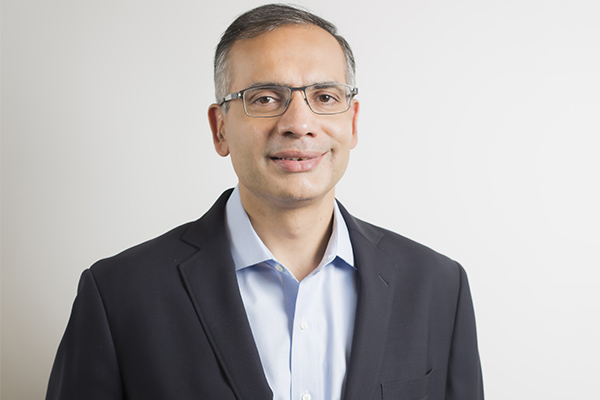
Deep Kalra, Founder & Group CEO, MakeMyTrip, feels startups have driven economies of scale, standardization & bottom line growth for offline retailers & small businesses. On the other hand, it has also enabled the presence of wider choices and the access to enhanced products and services to customers. TPCI: What have been the main catalysts fueling the startup ecosystem in India over the past 10 years? Deep Kalra: The past decade has been the real shining period for the Indian startup ecosystem. Growth has been driven by a combination of macro and micro factors that have played an instrumental role in placing India as the third largest startup ecosystem globally. • Rising disposable income and purchasing power, increased usage of internet and smartphones, improved digital literacy and adoption of digital payments are some of the many factors that helped B2C-focused startups thrive and grow in this dynamic market. • Presence of a robust infrastructure of incubators and accelerators, angel investors, venture capitalists, and also the entry of global investors that are providing access to external capital – has further lent support to the progressive phase of startups in India during this period. • In the recent years, corporates, too, have further fueled growth by investing and partnering with tech-rich startups for open innovation – an opportunity for enabling collective growth for both the corporate and the startup. • Last but not the least, the country’s pro-activeness in inculcating and supporting a culture of entrepreneurship. Since 2014, startups founders have been actively engaging and collaborating with their peers in the US, China and Japan, and this has further helped them in driving synergies and subsequent growth through learning. TPCI: How has the startup ecosystem been instrumental in driving growth, dynamism and greater competitiveness in the Indian economy? Deep Kalra: There is no doubt that startups play an instrumental role in driving economic growth of any country. The feed-forward effects of a robust startup ecosystem are tremendous and far reaching – be it generating new employment opportunities, improving inflow of capital and liquidity in the economy, empowering people with wider choices of products and services, among others. Moreover, in India, startups have been one of the key enablers in bringing technology into the lives of masses by offering solutions in FMCG, food, healthcare, finance, education, travel and infrastructure etc; thereby creating significant growth opportunities for businesses across the wider ecosystem. In the coming years, traditional businesses across tiers will benefit from increased spending by tech startups that focus on solutions for the logistics, warehousing and infrastructure sectors. Another area where Indian startups continue to contribute significantly is by creating an environment of growth for MSMEs and SMBs – by enhancing their geographic reach, improving their marketing strategies and assisting them to serve their customers better. From ride hailing to accommodation services; from hyperlocal to e-commerce services, startups have been successful in driving economies of scale, standardization and bottom line growth for offline retailers and small businesses across sectors. Growth of the startup ecosystem is a promise of an all-inclusive growth for large and small businesses across sectors, on one hand. And on the other, it has also enabled the presence of wider choices and the access to enhanced products and services to customers. TPCI: How is this ecosystem expected to evolve in the next 10 years, and what role will it play in the Indian economy? Deep Kalra: We have already entered the next phase of growth in the startup ecosystem. In the next few years, startups catering to the B2C and B2B segments will be seen focusing on innovation, enhancing the product or service experience of the customer and most importantly, investing in disruption for the next phase of growth. At present, we are home to the highest number of active internet users, globally, who engage with and consume tons of data on entertainment, research and social media etc., on a daily basis. In the next phase, B2C focused startups will be seen converting these engagement layers into real transactions; influencing customers to close the entire purchase lifecycle, online. And, one of the factors that will drive this conversion is access to data-driven personalized services. By empowering customers with choices mapped against their profile, buying behavior, previous purchase history and current searches–startups will be able to cross-sell and up-sell for growth. On the technology front, players will continue to experiment and innovate with voice, chat bots and other Natural Language Processing (NLP) and Artificial Intelligence solutions; with a promise of taking the overall shopping experience a notch higher. On the B2B front, investors will actively place their bet on technology-focused startups such as 3D printing, robotics, SaaS and PaaS focused product companies. TPCI: India has been criticised as being a laggard in terms of innovation. How are startups faring in their endeavour to lead the curve on innovation? Please cite some examples. Deep Kalra: It will be unfair to say that India lags in terms of innovation. Over the past decade, innovation has been led by startups in the consumer technology domain. The first wave of B2C startups was led by companies in the travel and e-commerce space and the second wave, which started about half a decade ago, has been driven by startups that focus on mobility, financial and hyperlocal services among others. Flipkart, Paytm, Swiggy, Bjyu and Ola are some of the companies that are leading by example. While some of these have been built on globally tested models, their success can be purely attributed to their industry and market expertise, consumer understanding, investment in relevant technology solutions and most importantly, localizing global solutions for Indian customers – no one size fits all! Today, we are home to some of the best home-grown enterprise-level or B2B startups, who have proved their mettle on the global scale as well. These include InMobi, Zoho, Freshworks, BillDesk, Udaan, GreyOrange, Rivigo, Delhivery – and the list continues to grow! Innovation has been at the core of various successful startups in India, however,
Medical devices: Riding the wave of change
• Over the last few decades, India has worked hard slowly and steadily to emerge as the leading service provider in health care industry. • While the flocking of medical tourists might auger well for the Indian exchequer, all’s not well in India’s healthcare sector. One area with critical gaps is that of medical devices. • The total import of medical devices is more than 75% of the total medical device sales in India. This can be attributed to challenges like regulatory hurdles & inverted duty structure. • Reducing import dependency and becoming competent enough to manufacture the equipment will be instrumental in boosting the sector. Over the last few decades, India has worked hard slowly and steadily to emerge as a leading service provider in the health care industry. According to the Indian Tourism Statistics, 2018 report, India the total number of inward medical tourists doubled in a span of just three years to 2017. The report also goes on to state that around 22% arrivals from West Asia were for medical purposes, followed by 15.7% from Africa. The Ministry of Tourism even goes on to estimate that the country’s medical tourism industry could grow by 200% by 2020, touching US$ 9 billion. While the flocking of medical tourists might augur well for the Indian exchequer, all’s not well in India’s healthcare sector. One area with critical gaps is that of medical devices. Valued at US$ 5.2 billion, the country’s medical devices and equipment industry contributes around 5% of India’s US$ 96.7 billion healthcare sector. Further, it has been noted in a recent report by the High Level Advisory Group (2019) that the total import of medical devices is more than 75% of the total medical device sales in India. The study also reveals that while India is among the top 20 global medical devices markets, it is the 4th largest one in Asia (after Japan, China & South Korea). Policy recommendations for India’s medical devices industry • Regulating all medical devices under a patients’ safety medical devices law to protect patients and aid responsible manufacturing. • Promoting the production of medical devices in India to address 80-90% import dependency by a predictive nominal tariff protection policy and correcting the inverted duty structure. • Build skill and capacity to expand research & development through education and certification. The government can also have a collaboration of these academic institutions with medical device companies to develop new medical technologies. • Bridge the gap between national & international standards by harmonising them. Indian-certified medical devices must gain recognition abroad. • Providing financial incentives for domestically manufactured/innovative products. These could designed for the exporters of medical devices too. • Establishment of more medical device testing labs in the country. This will establish the credibility of the product by ensuring safety and efficacy of medical devices marketed in the country. Source: High Level Advisory Group Report (2019) Given the fact that India has a large population (1,210 million in 2011, growing at a rate of 1.2% per year and likely to reach 1,360 million in 2021), with a significant section of the elderly (in 2011, the share of aged population >65 years was 5.3% and is expected to increase to 6% by 2021), there is a pressing need to invest in the nation’s medical device industry. Added to this is alarming rate at which chronic diseases are likely to increase in India. According to estimates, non-communicable diseases like cardio vascular diseases, cancer, diabetes, and other, are expected to comprise more than 75% of India’s disease burden by 2025. Health insurance (which grew at a phenomenal CAGR of 22% from FY08 to FY15) will pay a critical role in helping patients battle their illnesses and enhance their spending power. Thus, all these factors reveal that India’s health industry, and hence the medical device industry, needs to be well equipped to handle these challenges that await us. Moreover, in the case of the Indian medical device industry, reducing import dependence and becoming competent enough to manufacture equipment will be instrumental in making the country as an ideal option for medical tourism, bolster the country’s slowing economy and reduce healthcare costs for Indians as well. However, in order to become a leading producer of medical devices, the sector must address the following issues: Ambiguous regulatory environment: The Ministry of Health and Family Welfare is in the process of putting in place a regulatory framework for medical devices. The government has recently announced its intention to treat all medical devices, be it an implant or an MRI machine as “drugs” under the Drugs and Cosmetics Act. There’s also a proposal to have a separate regulator under the Directorate General of Health Services to monitor the medical devices sector. To put things in perspective, currently, the medical technology industry in India is regulated by more than 10 departments. For example, the National Pharmaceutical Pricing Authority (NPPA) under the Department of Pharmaceuticals (DoP) looks into pricing regulations; while the Central Drugs Standard Control Organization under the Ministry of Health and Family Welfare monitors product safety and efficiency rules. It is being hoped that having a single regulatory authority will help maintain quality standards aligned with global best practices and, thus, reduce treatment costs. However, there are those who beg to differ. They opine that medical devices are not drugs, and it would be a grave mistake to apply the same regulatory framework to regulate these complex devices. This attempt to deliberately retrofit medical devices into the Drugs and Cosmetics Act will lead to a toothless regulatory framework for devices according to some industry insiders, as the Ministry cannot create new offences or penalties through its rule-making authority. It would also make it difficult to hold the manufacturers of faulty medical devices accountable. Nominal tariff protection and inverted duty structure: India’s domestic medical device manufacturers have a cost disadvantage in comparison to other emerging market economies. One major reason for this is policy issues like nominal tariff protection and inverted duty
“Slowdown may not last beyond 2-3 quarters”
Dr. Amit Kapoor, Chair, Institute for Competitiveness opines that the current economic slowdown is a temporary one and the country is likely to get back on its road to recovery soon. Consumption will remain an integral part of India’s growth story. IBT: India’s consumer market has been a major attraction for multinational companies across the world in the past two decades. How has the market performed vis-à-vis its projected potential at the turn of this century? Dr. Amit Kapoor (AK): Indian market has performed fairly well over a period of time. The growth story has been quite intact. In fact, this growth story of the Indian market has been driven by consumption itself. The people with higher disposable incomes, as they were moving out of poverty, were the driving force behind this. It is only right now that we are seeing a certain set of skirmishes in the economy. However, over a period of time, the potential of the Indian economy remains fairly high. At the end of the day, it is all about the population that we have; there’s something very unique about it – because of the lack of services/products, the market is ready for an uptick because people are willing to pay for better products and services. Therefore, the sophistication of demand has increased in India. For instance, people who wanted tumble top washing machines now want new options like front loading. So, the consumer is becoming much more aware and this will continue to get even more sophisticated with time. The only thing is that this slowdown or lesser growth is a temporary phase and we will be in the right direction over a period of time. IBT: What have been the most interesting evolutions in Indian consumer behavior in these decades? What are the driving factors, and what are their implications for B2C firms? AK: The last 20 years have been the most significant phase in the history of marketing because it changed a lot! Until about ’94-’96, we did not have the internet; so, the information that we used to have about products was very limited. Even when we got this information, there was a delayed effect; I was not even aware about the prices. But now, with the advent of the internet, the information asymmetry has reduced. The consumer has become much more aware. So, today, I know what product is getting launched where, what is its price, what are its features, etc. In fact, if you look at the mobile phone industry, India has probably one of the most interesting markets: if you talk about any category of persons, there are people who change their phones every one year or so. Today, India has around 400 million people with smartphones. There are also those people who own feature phones. Not every person is super rich. We have the middle class that wants to switch its phone. If you look at an Rs 80,000 phone and a relatively less expensive smartphone, you’ll notice that they both offer you platforms like WhatsApp, Twitter, Facebook, news, etc. So, people are being able to use these services. In fact, there has been a democratization of services that we are seeing. In fact, everybody can consume everything. IBT: How is the Indian consumer different and similar to the rest of the world today? AK: India has a very unique market because Indians are very value conscious customers. They’re not price conscious; they’re value conscious. They want the best out of the possible price that they pay. For example, if the consumer can get a TV for say Rs 80,000 of a lesser known brand and he’s getting a Sony TV for Rs 2/3 lakhs, he’ll ask why should I pay so much? So, the Indian consumer is very discerning. He wants the best out of his investment when he buys a product or a service. IBT: The rise of e-commerce has led to a spurt in the number of brands across categories in the Indian market. What implications does this have for brand strategy? AK: When there are more products available, there are more choices. So, brands become much more important in a situation like this. They have to continuously work in a market and tell people what they stand for. So, people have to stay true to their values, because if they don’t do that, they’ll lose out. If I’m a brand called X and I stand for say sophisticated manufacturing, I’ll have to stand by it and make people aware of it, and then consumers will come to you, because the alternate choice is always there! It has become important for brands to stay true to what they stand for; because otherwise, they’ll lose out. So, an Indian customer is going to ask for the right brand, the right value, the right price, etc. Thus, branding is going to become more important. IBT: How has the Indian consumer’s approach towards homegrown brands evolved over these years? AK: There are many homegrown brands like Sula Wines, for example. If you really look at this category, you’ll see a lot of things happening. The service providers or manufacturers are now understanding that there is a potential for Indian brands that actually exists. Sula Wines is a great example of this. It is only a matter of time when it will become the best in class or they’ll be able to charge more as compared to the other sophisticated wines. Today, the consumer is willing to have a look at Indian products. There is also another trend that you have – Indian companies that sell products with international names. So, it seems to the marketers that Indian consumers have a fetish for foreign brands. There are numerous Indian brands which sound foreign, but are Indian. At the end of the day, Indian companies are going to create the power of their own brands. Let me give you an example. There’s a product called gamcha. It’s a scarves