• Startups play an integral role in promoting the culture of innovation in a society. And for a society where nearly 50% of the total workforce is engaged in agriculture, innovation is a necessary to make this activity profitable for farmers. • Around 450 agritech startups are in operation in India at present, and they have received funding of US$ 248 million by June 2019, growing by 300% YoY. • Though these startups are playing a positive role, these startups face critical challenges such as technology adoption, customer inertia and difficulty in getting finance. • It is essential to build and develop technology that is tailored to Indian agriculture rather than blindly borrowing expensive foreign technology. Banks and financial organizations, too, must offer more creative models of financing for this ecosystem. Startups play an integral role in promoting the culture of innovation in a society. And for a society where nearly 50% of the total workforce is engaged in agriculture, innovation is a necessary to make this activity a profitable one. Contributing about 17% to India’s GDP, agriculture has tremendous potential to increase the share of India’s revenue. However, India’s farmers face numerous challenges right from climate change, declining productivity, inadequate processing facilities, lack of access to markets, and inability to get a fair price for their produce. There is hope from India’s startup sector. Over the past few years, around 450 agri-tech startups have come up in India, which are powered by a pool of educated youth driven by the zeal to launch newer technology and business models to lift the face of agriculture in tune with the needs of the present day. As Nasscom President Debjani Ghosh rightly notes, “India’s agriculture sector is advancing steadily towards its digital transformation and the startup ecosystem is playing a critical role here, bringing innovation and disruption in much-needed areas.” According to NASSCOM, funding for this sector reached US$ 248 million till June 2019, growing by 300% YoY. Furthermore, around 48% of CEOs surveyed by NASSCOM feel that India could soon see its next agritech unicorn emerge in the coming three years. These agri-businesses might be in infancy, but they are showing a lot of promise in their endeavors to transform the value chain from farm to fork and provide missing links in Indian agriculture. From farm automation, weather forecasting and equipment renting to online vegetable marketing and innovative food processing and packaging – startups have focused their attention on all facets of Indian agriculture, promising a makeover in the coming years. An interesting case in point is NaPanta, a Hyderabad-based startup that was launched in 2017. This startup helps farmers track prices of over 300 agricultural commodities in 3,500+ markets, monitor their expenses, buy and sell products, seek advice on weather, soil, crop insurance and more through its app. WayCool, a Chennai based startup, reduces waste and inefficiency by using analytics, process management software and connected devices. It has positively impacted the lives of 500,000 farmers in India and distributed fresh produce to sellers ranging from small shops to large retail outlets. Ergos is a rural warehousing company in Bihar which operates a chain of efficient and hygienic rural warehousing facilities that accessible to small farms. Source: FICCI-PwC report While one needs to appreciate the efforts being made by agri-tech startups in India to address the problems faced by Indian agriculture and serving as bridges between the farm to fork transmission of agricultural products, they have their fair share of challenges. A report by FICCI & PwC titled Agri start-ups: Innovation for boosting the future of agriculture in India identifies some of the key impediments to the smooth functioning & growth of agricultural startups in the country. For starters, the scattered landholdings of farmers decrease the scope of technology scale up, leading to poor cost effectiveness. Secondly, given the fact that most of the technology that is being incorporated is foreign, technology adoption and penetration becomes a time-taking process, thereby reducing the investors’ interest. So, getting institutional credit is a challenge for some of these startups. Added to this is the fact that many small and marginal farmers are not very open to using new technology as it is very costly and entails out of pocket expenditure for them. Further, the rate of return on investment in technology has not been very profitable so far. Finally, as recent findings by Internet and Mobile Association of India (IAMAI) suggest, growth in India’s internet user base has been muted for the second year in a row due to high charges and the low adoption of smartphones. While the figures recorded for 2016-17 were 12%, those for 2017-18 were 8%. It is estimated that the final figures for 2018-19 will be even lower than the last year’s growth rate. Owing to this, a lot of apps developed to benefit farmers still fail to reach them. Schemes like government’s Startup Agri India scheme, the Digi Gaon (Digital Village) initiative, and Bharat Net Project are steps in the right direction, more needs to be done to give wings to India’s emerging startups in this space. Banks and financial organizations must offer more creative models of financing for farmers, entrepreneurs, incubators and accelerators. It is essential to build and develop technology that is tailored to Indian agriculture rather than blindly borrowing expensive foreign technology. For instance, a Nashik-based startup, Mitra, has developed sprayers for vineyards and for pomegranate farms to improve mechanization. Lastly, we need to push the penetration of smartphones and internet in the country. Farmers should be encouraged to use them so that they can access informative & user-friendly apps easily to get better outcomes for their efforts.

“India needs to tap EU to increase its honey exports”
In an interaction with TPCI, Mr. Arshdeep Singh talks about how he expanded his father’s organic honey business from being an importer to being a manufacturer & exporter of the product and on how Indian players need to align to enhance their competitiveness and penetrate new markets. TPCI: How did you come up with the idea of starting a business in this sector? Did you diversify into flavours like eucalyptus, mustard & lychee since the beginning or did that happen later? Mr. Arshdeep Singh (AS): My father was into this business since 2011. Back then, we were not operating out of India. So, we were an import-based company in the US, wherein we were importing from India and supplying to the West. When I joined the business in 2014, we conceived this idea of putting up our own plant to double our revenue and increase our profits. So, we established our unit in Sonepat, India in 2014 and it took us about 4-5 months to get the unit up and running. When we started exporting, our primary market happened to be US, especially for mustard. As we started generating bigger volumes and exploring newer markets, it forced us to add new flavours of organic honey into our portfolio and to market them to new areas like Middle East where there’s a demand for these distinct flavours. When we market these products, we educate the consumers about their benefits. For example, the Sidr honey which is really popular in the Middle East has beautiful anti-bacterial properties. It is similar to Manuka honey which comes from New Zealand. Rich in anti-biotic properties, it is also very good for the body and strengthens immunity. TPCI: What were the initial challenges you faced, and how did you overcome them? AS: The biggest challenge was to create a direct relation with the beekeepers & the farmers themselves so that there are no intermediaries & we can pay them a fair price. So, supply chain integration was a major challenge for us. There were some initial failures when we were trying to overcome this. When you join hands with a lot of people, you come across people some nice people and some people who are not willing to support the growth of the company. So, it was a trial & error experience. We used to procure honey from a set of beekeepers; we used to test it and that would help us understand the mindset of the beekeeper. So, that’s how we started building up a supply chain. Today, we are associated with thousands of beekeepers from Haryana, Punjab, Bengal, Bihar, UP, MP and Jammu & Kashmir and it has become a pan-India network. We have a team to make sure that we get the best quality of honey from the country. Once the lorries bring it to our factory, it is tested as per National and International standards (FSSAI, USFDA, EUCODEX, SASO, BIS). We maintain a farm-to-fork traceability – any batch of honey dispatched by us can be traced back to the beekeeper. TPCI: Which markets did you tap for your product and why? What market penetration/promotion strategy did you follow? AS: We started our business with US in 2014, which had more than 90% market share of India’s exports. That’s why we thought of starting with US for our honey exports. They have flexibility too; they don’t mind going for newer products & trying out different vendors because they know about the quality of honey from a particular source. So, that gave us a boost. Also, at that time there was not as stiff competition as there is now; back then there were about 8/9 players, now there are plenty. That helped us a lot. We built an in-house lab; we expanded from being a 45,000 sq ft facility to being a 150,000 sq ft facility. We integrated a beautiful supply chain. We have a dedicated team which makes sure that we get the best quality of honey. In fact, every batch that comes into our factory is tested twice. We used to send samples to Germany as well; they have some of the biggest labs in the world. Once the honey was processed by us, we used to test it in Germany and furnish those tests to our buyers, which were really appreciated by them. We never compromised with the quality. While this drove up the cost of the product, we did manage to fetch a decent price since in the international markets, the consumers are willing to pay for their product. Moreover, in markets like US where there are stringent tests to check the quality, you never know when newer tests could be imposed on your product. So, it is better to be sure about the product. Moreover, we ensured that our products are delivered on time. This is a big challenge for importing countries since there are certain transit/operational delays. It takes 45-60 days for a shipment to reach the US. We streamlined their purchases throughout the year. One of the biggest factors that we tapped upon is service. What we believe is that manufacturing industries are no more just about manufacturing; it is a service industry now. We came with a newer approach for the buyer – it is about the product, the quality and the market. We have partnered with the big companies in the importing countries to conduct research to introduce products like flavoured honey to inform the consumers that these are the different products which you can enjoy. It is about being prepared for the challenges that are expected to come in the future. TPCI: Who are your key competitor countries and what unique competitive advantages have helped you establish your business presence? AS: From top to bottom, our key competitors are Argentina, Vietnam, Ukraine & Brazil. When we are talking about exporting, it is never about a particular company; it is about the entire origin. India is an agricultural economy and the government has really
India-Egypt trade: Time for a little nudge
• Egypt and India share strong historical ties, and struggled their way to full sovereignty from British rule in the mid-1900s. • Trade between the two countries has grown from around US$ 500 million to US$ 4.5 billion over 15 years. • According to TPCI’s analysis, significant potential exists for enhancing India’s exports to Egypt in products like medicines, motor vehicles, cellular phones and bovine meat. • With a strong policy impetus, both countries can extract considerable gains in bilateral trade and investment. India and Egypt are home to two of the world’s oldest civilisations – one along the banks of the Indus while the other along the banks of the Nile. Both civilisations have shared a healthy and friendly relationship since ancient history, with the edicts of King Ashoka mentioning about Ptolemy as a recipient of the Buddhist proselytism of the great Indian emperor. Both nations struggled their way towards full sovereignty from British rule in the mid-1900s. A stronger foundation was laid with the signing of The Friendship Treaty between the two countries in 1955. India’s total trade with Egypt has grown from around US$ 500 million to US$ 4.5 billion in 2018 over the past fifteen years, recording a noteworthy CAGR of nearly 15%. Importantly, trade with Egypt has remained in favor of India in recent past. Though the global slowdown in 2013 impacted both imports and exports, the trade has recovered coherent with India’s global trade. Our exports hover around US$ 2.5 billion and imports are relatively much less at around US$ 1.5 billion. Primarily, products that India exports to Egypt include aviation turbine fuel (ATF), bovine meat, cars, graphite electrodes, diesel, cotton yarn, denim, plastics, auto parts, antibiotics, cumin, black tea, etc. Major imports from Egypt are crude petrol, LNG, urea, oranges, and minerals like natural calcium phosphate, calcium carbonates, ammonia etc. Table 1: India’s Exports to Egypt (in US$ million) Chapter Description Value in 2017 Value in 2018 27 Mineral fuels, mineral oils and products of their distillation; bituminous substances; mineral … 197.772 528.157 87 Vehicles other than railway or tramway rolling stock, and parts and accessories thereof 147.627 215.818 29 Organic chemicals 166.316 214.405 52 Cotton 182.567 212.846 85 Electrical machinery and equipment and parts thereof; sound recorders and reproducers, television … 71.378 190.814 84 Machinery, mechanical appliances, nuclear reactors, boilers; parts thereof 160.684 170.635 39 Plastics and articles thereof 143.524 143.631 28 Inorganic chemicals; organic or inorganic compounds of precious metals, of rare-earth metals, … 70.668 140.368 02 Meat and edible meat offal 270.811 92.148 73 Articles of iron or steel 58.764 86.537 Total 1470.111 1995.359 %share of Total exports 62.6 71.5 Total Exports 2349.534 2788.872 (Source: Trade MAP, Top ten as per trade in 2018) Table 2: India’s Imports from Egypt (in US$ million) Chapter Description Value in 2017 Value in 2018 27 Mineral fuels, mineral oils and products of their distillation; bituminous substances; mineral … 868.616 1036.409 31 Fertilisers 0.294 110.315 28 Inorganic chemicals; organic or inorganic compounds of precious metals, of rare-earth metals, … 21.16 110.091 25 Salt; sulphur; earths and stone; plastering materials, lime and cement 132.293 95.236 55 Man-made staple fibres 0.161 80.706 52 Cotton 47.653 75.997 08 Edible fruit and nuts; peel of citrus fruit or melons 18.465 39.551 39 Plastics and articles thereof 4.442 28.859 70 Glass and glassware 35.905 18.776 41 Raw hides and skins (other than furskins) and leather 10.974 14.069 Total 1139.963 1610.009 %share of Total Imports 93.7 95.3 Total Imports 1216.074 1689.633 (Source: Trade MAP, Top ten as per trade in 2018) India’s exports to Egypt make less than 10% of total exports to African region and less than 1% of global exports. Considering the Government of India’s recent attention to the region, there is a humongous potential in bilateral trade that can be exploited between India and Egypt. TPCI has analysed some key product categories that can be explored for enhancement of bilateral trade. Keeping in view India’s current trade with the African region, Indian exporters can explore the markets of Egypt for commodities like medicines, oils, cars, auto parts, iron & steel products, wood and paper products, coffee, etc. On the other hand, Egypt is a major supplier of carpets, aluminum, gold, minerals, LNG, Crude petrol, ceramic products, cement, vegetables like onions, fruits, glass products and essential oils among others. Especially for India, Egypt can be a balancing source of crude bearing in mind US sanctions on Iran. In addition, Egypt can be a source of stable supply to meet the increasing demand for liquefied natural gas. Some of the identified products where India has opportunity to exploit and increase exports to Egypt significantly are given in Table 3. These products are identified on the basis of India’s minimum global exports and Egypt’s global imports less India’s exports to Egypt. The data has been further filtered for those products where India’s exports to the African region have also been significant, i.e. more than US$ 50 million in 2018. Apart from significant global exports by India and imports by Egypt in these products, significant exports to Egypt indicates that the geographical distance is less of a hurdle for exporting these products to the region. Table 3: Potential products for exports to Egypt (in US$ million) Product code Product label India’s exports to Egypt Egypt’s imports from world India’s exports to world India’s exports to Africa Estimated export potential Value in 2018 Value in 2018 Value in 2018 Value in 2018 Value in 2018 300490 Medicaments consisting of mixed or unmixed products for therapeutic or prophylactic purposes, … 5.71 1712.95 10742.97 2075.51 1707.25 870323 Motor cars and other motor vehicles principally designed for the transport of persons, incl. … 5.98 1627.59 1939.32 145.13 1621.61 020230 Frozen, boneless meat of bovine animals 85.48 1144.72 3323.26 225.65 1059.25 851712 Telephones for cellular networks “mobile telephones” or for other wireless networks 17.89 1004.95 1065.22 108.81 987.06 870322 Motor cars and other motor vehicles principally designed for the transport of persons, incl. … 4.17 814.60
Yuan devaluation: Will China fall victim to its own manoeuvre?
• Yuan was devalued by 0.36% in just first week of August against the US Dollar, prompting fears of the trade war leading to a currency war. • This would make Chinese exports competitive, but could add to the hardships for its consumers and households. • Many of China’s biggest enterprises have borrowed heavily in dollars, and a weaker yuan would greatly increase the cost of servicing this external debt. • In the long run, China would certainly find this approach unsustainable, and policy makers on both sides would be hoping for a resolution of the US-China trade war soon. Recently the Chinese yuan breached the seven-to-one level against the dollar for the first time since the global financial crisis of 2008. The People’s Bank of China, which had maintained this level consistently till now, deliberately devalued the Chinese currency after the latest tariff threats issued from the USA side as a retaliation move. This was followed by the US labelling China as a ‘currency manipulator’. The act marks a shift of focus in the current trade tensions between the US and China away from what was seen as a “tariff war” to a potential “currency war“. And this spells greater uncertainties not only for those trading in Chinese and US currencies or their stocks (which is over 60% of global financial investors), but also for capital flows between emerging markets that tend to peg the value of their own currencies to the dollar. Economic theory says that a lower exchange rate tends to benefit exporters at the expense of importers, and vice versa, which is known as the J-Curve concept. Thus, when an economy deliberately keeps its currency exchange rate below the level that it would be if its exchange rate were floating, it faces the risk of being accused of manipulating its currency to fetch an unfair trade advantage. Since countries are obliged to respond to unfair competition by imposing barriers to trade, currency alteration is discouraged by international bodies such as the IMF. Value of Yuan against Dollar Source: https://ycharts.com/indicators/chinese_yuan_to_us_dollar_exchange_rate, figures depict one-month movement The move has possibly negative implications on other fronts for China. With inflation on food already reaching at 7%, more import restrictions or tariffs will add to hardships on households and consumers. Devaluing the yuan may further add to the risk and make China’s financial system volatile and uncertain. China’s whopping domestic debt has already compelled the central bank to augment its money supply at a rate of 8% to 10% a year, a relatively high pace that typically enervates the exchange rate. To guard against the expectation of a weakening currency, the central bank of China has strategized and spent years establishing the reputation of the yuan, which has been built on the tacit assumption that it would not fall below 7 yuan to the dollar. This impression is crucial for the yuan because the currency does not have a significant and liquid market, where participants can hedge against various risks at a relatively low price. Since, China remains a major exporter, the yuan’s devaluation may well tempt and incentivise other countries either to devalue their currencies by expanding money supplies or by cutting interest rates to be competitive. Such a response may provide impetus to financial uncertainties at global platform which is a sign of worry. It seems unlikely, therefore, that China is about to declare all out currency war. The yuan was already close to the symbolic level of 7 yuan per US dollar. By setting their daily benchmark rate for the currency at a smidgen below 7 yuan to the dollar, the Chinese authorities have created room for currency traders to push the market rate temporarily above that mark, an effective devaluation. Since devaluation would also carry significant risks for China, the country’s policymakers and leaders will be hesitant to continue this manoeuvre for a longer tenure. Many of China’s biggest corporates have borrowed heavily in dollars, and a weaker yuan would greatly increase the cost of servicing this external debt and increasing the opportunity cost of paying pack. Worse, the prospect of devaluation could spark massive capital flight from China as anxious companies and individuals seek to shield the value of their assets. The Chinese consumer is certainly losing out. A weaker currency drives up import prices and constrains living standards. Commodity imports in particular will be hit the most in terms of paying the bills. Since they are priced in dollars, surged commodity prices will pressure input costs, weaken corporate margins and slow government spending. A feebler yuan also poses a risk to Chinese corporate non-financial debt issued in US dollars, which is close to US$ 850[1] billion and has tripled since 2014. Meanwhile, banks have also issued US$ 670 billion of dollar debt. Together, this debt load is over 11% of GDP. Defaults are rising and expected to top the record stress levels set in 2018. Regardless of the immediate winners or losers, in the long run, currency wars are zero sum games. US trade friction with China is the greatest risk to global growth and continued provocations could prematurely deliver a recession. It’s a high stakes game for both: China wants continued access to US markets and technology. Trump wants to get re-elected next year, and evidence of competent economic stewardship is critical to his appeal. Any waiting game or procrastination gets catastrophic as economic and market confidence can swiftly erode and plummet, leaving little scope for catch-up political action to shift the momentum. The recommended or pragmatic path is that a market scares or a pickup in Chinese defaults force some agreement that in turn dials back the geopolitical risks.
Tourism: Chasm between ‘Incredible’ and ‘Credible’ India
• Endowed with an uncanny diversity in geography, historical lineages, ethno-linguistic communities and gastronomic delights – India is truly a melting pot of cultures. • Despite a larger number of tourist attractions, India fares poorly in terms of foreign tourist arrivals compared to countries like Mexico, Thailand and Turkey. • A lot of work needs to be done in terms of infrastructure, safety & security and health & hygiene, as India ranks particularly low on these parameters. • A bottom up approach will help augment the government’s aim to build more world class tourism sites in India. Encouraging domestic travel will also play a major role. Brimming with magnificent visual spectacles and nonpareil cultural experiences, India is a land of marvels whose glory has proliferated across the length and breadth of the world. From attracting the famous Moroccan scholar, Ibn Battuta in the 14th century, to drawing the popular wildlife enthusiast, Bear Grylls to go on an expedition in the rocky forests of Jim Corbett with the Indian PM Shri Narendra Modi, India has enticed foreign travelers throughout history. However, India’s actual tourism numbers have been well below the potential, given the myriad attractions the country has to offer. Professor Pralok Gupta notes, “We have nature tourism, eco-tourism and cruise tourism in our country. We have more World Heritage tourism sites than Turkey, Thailand and many other countries. But we receive lesser foreign tourists than say Singapore & Thailand. This can be attributed to macro- & micro-economic reasons like the rating of the country, its media perception as a travel destination, and the kind of marketing & facilities available for tourists”. Indeed as numbers for 2017 suggest, destinations like Mexico (39.3 million), Thailand (35.4 million) and Turkey (37.6 million) cater to over twice the number of foreign tourist arrivals compared to India (15.5 million including NRIs) on an annual basis. If one looks at the top 10 destinations in 2017 of tourist arrivals in the world, India features nowhere in the list. On the other hand, its other South Asian counterparts like China & Thailand have carved a niche for themselves on travelers’ itinerary. Recent reports suggest that the performance has been quite lackluster this year so far. There was a mere 1.9% yoy growth in foreign tourist arrivals (FTAs) YoY until April’19, rising to 3.93 million. This is quite disappointing as compared to 2018 when foreign tourist arrivals rose 5.2% to 10.5 million, and 2017 when there was a 14% growth. The tourism sector has a huge potential as a contributor to India’s economy in terms of GDP and employment generation. According to World Travel and Tourism Council, in 2018, there has been a growth of 7.5% in the tourism sector’s contribution to the country’s total GDP and 3.1% growth in terms of the total jobs it generated. The agency predicts that in 2028, out of 185 countries, India will rank third in terms of the growth in direct contribution of tourism to GDP of the country (7.1%). But for this estimate to come true, the government must arrest the decline in tourist arrivals in India. Weather vagaries too have dealt a blow to India’s FTAs last year. According to the Ministry of Tourism, Kerala (rank 7) features as one of the top 10 tourist destinations in India in 2018 in terms of FTAs. Floods in Kerala have been one of the reasons for the decline in tourism. Moreover, the high rate of GST (28%) on luxury hotels as compared to other countries also discourages FTAs in India. The world is headed for another global recession due to the tensions created by the US-China trade war. Its ripple effects can already be seen on the economies like Singapore. Moreover, Brexit too, is likely to cast dark clouds over Britain’s economy. ESTIMATES & FORECASTS PERTAINING TO TOURIST ARRIVALS IN INDIA: INDICATOR 2017 (%of total) 2018 (growth registered) 2028 (estimated growth) Total contribution to GDP 3.7 7.6 7.1 Total contribution to employment 8 3.1 2 Visitor exports 5.8 8.8 5.5 Domestic spending 7.5 7.3 7.4 Leisure spending 3.5 7.6 7.1 Business spending 0.2 6.7 7 Capital investment 6.3 6.7 6.7 Source: World Travel and Tourism Council The great fall: In addition, if India looks at its rankings in terms of vital parameters such as safety and security, health and hygiene and tourism infrastructure, it does not fare well on a global scale. This is evident in the 2017 assessment by World Economic Forum – Travel and Tourism Competitiveness Index. Out of 136 economies that were evaluated, India was ranked 114 in safety and security, 104 in health and hygiene, and 110 on tourist service infrastructure. It is clearly a huge perception issue that needs to be addressed in promotional activities for Indian tourism abroad. While there is little that the government can do to safeguard itself from the harsh effects of global factors like global economic slowdown, there’s tremendous scope for it to attract international tourists. Issuing of visa on arrivals, e-visas, launching of schemes like Pilgrimage Rejuvenation and Spiritual Augmentation Drive (PRASAD) & Heritage City Development and Augmentation Yojana (HRIDAY) are steps in the right direction. A larger push to catapult India to the ranks of the world’s top tourist destinations entails addressing structural issues like paucity of proper infrastructural facilities, absence of last mile connectivity and provision of a safe & healthy environment for travelers. Lastly, it should popularize more campaigns like “Incredible India” on an international India to market the country as a destination for foreign travelers. While doing this, it must remember that one size does not fit all. So, India should be depicted as a destination to meet varying needs of travelers – business, leisure, sight-seeing, spiritual, adventure, medical & so forth. Prime Minister Shri Narendra Modi made a pertinent point during his Independence Day Speech from Red Fort this year, “Why shouldn’t our country develop 100 great tourist destinations? Why shouldn’t every state prepare two, five or seven world class tourist destination?” Ten important
Product Profile: Diamonds
HS Code: 710239 Diamonds, worked, but not mounted or set (excluding industrial diamonds) • India is the leader in the global processed diamond industry, accounting for over 90% of polished diamond manufacturing globally. • India, US and Hong Kong together account for over 50% of global diamond trade. • Surat in Gujarat is well known as the hub for diamond polishing globally and around 85% of polished diamonds are exported. • The industry is suffering from a liquidity crunch, due to which around 100,000 people lost their livelihoods since December 2018. Government also needs to address the opportunities emerging from US-China trade war. Diamonds are the hardest minerals known on earth and are highly valued for their shine and beauty. The diamond industry consists of various segments that mine, process (polishing and cutting) and market diamonds. The product under consideration is the worked diamond generally used in the gems & jewellery industry (excluding industrial diamonds). Due to their high value, diamonds have also been sought by investors in addition to their use in the jewellery industry. The increase in overall purchasing power, especially of women, and the increase in wealth have been the main drivers behind the increasing demand for diamonds for jewellery and investment purposes. Major diamonds reserves are found in the Canada, the Democratic Republic of the Congo, Australia, Botswana and Russia. Among these regions, Russia is in the lead with around 650 million carats of reserves at present. Global production of diamonds was recorded at 151 million carats in 2017 and 147 million carats in 2018. The global value of polished diamonds was estimated at US$ 25 billion in 2017. India is the leader in the processed diamond segment. In 2017, India accounted for more than 90% of global polished diamond manufacturing by value and it holds a dominant position in all segments of the polished diamond industry. The US is the largest market for polished diamonds and its share in global demand grew from 40% in 2013 to 48% in 2017. The Global Diamond Industry 2018 report by Bain and Co., points to three key trends that would shape the diamond industry in future. Constant improvements in digital technology are adding to the efficiency of all segments in the industry. Further, the emergence of lab-grown diamonds will be key in shaping the future of the industry, conditional on factors like consumer preferences and technological developments. Lastly, the changing preference of millennials under the influence of social media is likely to guide the marketing approach of the industry going forward. Trade in diamonds The major exporters of the polished diamonds are India, followed by the US, Hong Kong and Israel. Table 1 shows the export value, export share and untapped potential for the top 10 exporters that account for 94% of the total exports. India’s global exports of diamond stood at US$ 24.24 billion for the year. Further, table 2 shows major importers of diamonds where US, Hong Kong and India are in the lead. In fact, the three countries account for more than 50% of global trade of polished diamonds. Table 1: Top exporters of diamonds Value exported in 2018 (US$ billion) Estimation of untapped potential trade, US$ billion Share in world exports World 88.20 100.0% India 24.24 26.97 27.5% United States of America 19.48 0.46 22.1% Hong Kong, China 13.56 0.08 15.4% Israel 11.97 9.32 13.6% Belgium 4.23 1.50 4.8% United Arab Emirates 3.93 1.98 4.5% Switzerland 1.99 0.33 2.3% Thailand 1.57 1.44 1.8% China 1.48 2.72 1.7% Botswana 0.85 0.22 1.0% Source: ITC Trade Map Table 2: Top Importers of Diamond Importers Value imported in 2018 (US$ billion) Share in world imports (%) Average tariff (estimated) applied by the country (%) World 83.94 100 United States of America 23.80 28.4 0.1 Hong Kong, China 18.89 22.5 0 India 9.83 11.7 8 China 8.14 9.7 6 United Arab Emirates 4.21 5 4.5 Belgium 3.89 4.6 0 Israel 3.37 4 0 Switzerland 2.50 3 0 Thailand 1.84 2.2 0 United Kingdom 1.21 1.4 0 Source: ITC Trade Map Hong Kong and US have been the largest export destinations of India for polished diamonds. In the year 2018, 40% of India’s global exports of diamond went to Hong Kong while 34.5% went to the US. On the other hand India imports around US$ 9 billion worth of diamonds, mainly from USA and Hong Kong. Thus, India is the net exporter of polished diamonds while USA and China are net importers. The trade balance situation of major countries dealing in the polished diamonds is indicated in figure 1. Table 3: India’s important export destinations Country Value imported in 2018 (US$ billion) % share in India’s exports Tariff rate Unit Value per unit World 24.24 100.00% 803 Hong Kong, China 9.72 40.10% 0% 658 United States of America 8.38 34.56% 0% 1,479 Belgium 1.75 7.23% 0% 836 United Arab Emirates 1.05 4.31% 5% 424 Israel 0.98 4.04% 0% 1,334 Thailand 0.56 2.31% 0% 416 Japan 0.36 1.48% 0% 426 China 0.24 0.97% 0% 977 Switzerland 0.22 0.90% 0% 853 Australia 0.16 0.67% 0% 1,621 Source: ITC Trade Map Table 4: India’s import partners Value imported in 2018 (US$ billion) Share in India’s imports (%) Unit value (US$/unit) Average tariff (estimated) applied by India (%) World 9.83 100 1219 United States of America 4.20 42.7 1781 10 Area Nes 2.27 23.1 2084 Hong Kong, China 2.17 22.1 724 10 Belgium 0.36 3.6 984 10 United Arab Emirates 0.26 2.6 312 10 Thailand 0.14 1.4 1657 0 Japan 0.12 1.3 2180 2.7 Israel 0.09 1 1099 10 Botswana 0.07 0.7 4037 10 Switzerland 0.06 0.6 1131 10 Source: ITC Trade Map Source: ITC Trade Map Indian diamond industry The diamond polishing industry in India is concentrated in the western part of the country, specifically the cities of Surat, Jaipur and Mumbai. This is a US$ 23 billion industry with around 6,500 manufacturers. Over the years, India’s USP has been its low cost labour as well as easy and
“Millennials will continue responding positively to electric vehicles”
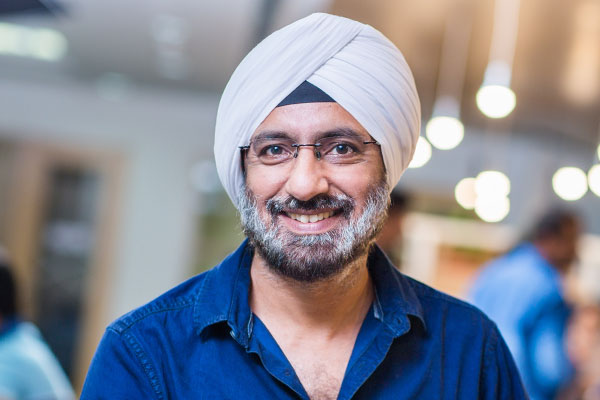
In this exclusive interaction with TPCI, Ravneet Phokela, Chief Business Officer, Ather Energy speaks about the future of EVs in India, the scope for their expansion, the challenges to their proliferation and so forth. Q1. Is the Government of India’s vision of making the country a 100% EV nation by 2030 a realistic one? Ravneet Phokela (RP): The government’s announcement to fully transition to electric vehicles by 2030 is an ambitious but achievable target according to us. The government and the automobile sector are working out different strategies to push for faster EV adoption. EV sales in India crossed the 7.5 lakh mark in FY 2019, almost a triple digit growth for the industry compared to the previous year. The government is starting to see this opportunity, which is why there are demand side incentives carved out in the recent budget and the EV sector has been declared as a sunrise industry. OEMs are starting to see this and are now building their portfolios as well. All these developments will help in achieving the goal of having 100% EVs by 2030. Q2. Given factors like the enhanced availability of public transportation system and the decline in auto purchase by millennials, do you think that Indian consumers are ready to embrace this switch to EVs? Why/why not? RP: Electric vehicles offer better performance and lower cost of ownership, which makes them a much better alternative to petrol vehicles. We believe that the growth of public transportation will not have a big impact on the sales of two-wheelers as is evident in the estimate about the scooters segment to alone grow to 16 million by 2025. In the 2W segment in particular, there’s been little change in technology and hence the products haven’t changed drastically in over two decades. Thus, customers will respond positively to electric vehicles and we expect this trend to grow many folds this year onwards. In the cities we operate, we have observed high consumer traction especially from petrol scooter owners seeking to replace their existing vehicles. Majority of our customers fall in the age group between 25 to 35 years. We observed that our customers majorly include those who already owned two-wheelers and were seeking an upgrade. Another key trend is of motorcycle owners shifting to scooters as they value the convenience & performance offered by Ather scooters. Though shared mobility is also introducing new ownership patterns, we believe it will be a game-changer for the four wheeler industry rather than two wheelers because the cost saving in using two-wheelers shared mobility isn’t as dramatic as that in car ride sharing. Thus, we expect customers, especially millennials, will continue responding positively to electric vehicles, especially two wheelers and this is likely to grow many folds this year onwards. Q3. What challenges exist in the adoption of EVs as a popular mode of commuting in India? How can these be addressed? RP: The biggest challenges to adoption are the initial high cost of electric vehicles and lack of choice of near-equal performance products. As government interventions, financial instruments and a wide variety of high performing products step in, India will see the two wheeler EV adoption accelerating. The EV ecosystem in India is at a nascent stage. The hindrance for customers in the adoption of EVs lies in the lack of information about the sector. Educating consumers about how EVs are a great alternative to the ICE counterparts is thus a huge challenge. The EV industry has been the victim of poor design and manufacturing. Therefore, building an ecosystem is a big challenge in a market like India that’s in the early stages of development. Q4. What lessons can the Indian automotive industry take from its international counterparts to bolster EVs? RP: The Indian automotive industry can learn a lot from its international counterparts, especially from Norway. Policy measures (e.g. tax exemptions, toll exemptions and other incentives) adopted by Norway have been effective in promoting electric cars. The country imposes hefty vehicle import duties and car registration taxes, but the same are waived off for electric vehicles. By waiving these duties for electric vehicles, Norway is effectively subsidising EV purchases. Q5. Is India capable of manufacturing EVs on its own or will it depend on countries like China and Japan to meet its technological and other production related requirements? If it is dependent on other nations, what can be done to make the industry self-reliant? RP: We believe that India has the potential to develop an indigenous EV ecosystem. As the EV industry scales up, our supplier ecosystem will build up. As more indigenous players enter the market, we will witness greater diversity and healthy competition in the industry, which will eventually reduce our dependence on other countries for imports. We believe: a) Designing products for Indian consumers will limit dependence on imports. b) Since it is a new industry, there is huge potential to build IP and value which will allow Indian manufacturers to define standards. The major issues are focused on battery and charging infrastructure. When it comes to battery technology, India already has the technology to manufacture battery packs, with new players being added everyday. However the cell manufacturing industry still needs to be developed and for that, cell design needs to take Indian conditions into consideration. This requires a lot of investment and long term policy support from the government. The move to reduce GST on electric vehicles from 12% to 5% and an allocation of Rs 1,000 crores for charging infrastructure shows the seriousness on the government’s side to drive the electric shift, though the industry will need greater clarity on the criteria and process to avail these benefits. Standardisation of charging protocols and connectors for similar class of vehicles will add to the convenience of the EV vehicle owners. Common standards lead to interoperability and better utilization of the infrastructure, eventually leading to a faster path to profitability. Q6. Do you think the government’s FAME 2 scheme is a step in
Country Profile: South Africa
• With a GDP of US$ 371.3 billion, South Africa is the second largest economy in the African continent after Nigeria. • South Africa is one of the world’s leading mining and mineral-processing countries with around 60% of its exports represented by mining and mineral products. • South Africa’s total trade slightly reduced in the past five years from US$ 192.38 billion in 2014 to US$ 187.85 billion in 2018. • The complementarities between South Africa and India provide scope for more collaboration in food & agro processing, deep mining, defence, fin-tech, insurance healthcare & pharma, bio-tech, IT and IT enabled sectors, gems & jewellery and infrastructure With a GDP of US$ 371.30 billion, the economy of South Africa is the second largest in the African continent after Nigeria. The World Bank categorises South Africa as an upper middle-income economy, one of only four such countries in Africa alongside Botswana Gabon and Mauritius as other three. South Africa faced a decade and a half of international sanctions, during which the GDP of this economy tripled. It is the only African economy to be a part of the G20 group of countries. It also became a part of the BRIC group (Brazil, Russia, India & China) in 2010, eventually forming what is now known as the BRICS. South Africa is one of the world’s leading mining and mineral-processing countries with around 60% of its exports represented by mining and mineral products. Apart from gold and diamonds, the country also contains reserves of chromium, copper, iron ore, platinum, manganese, uranium, silver, titanium and beryllium. In 2016 the top five challenges to doing business in the country were shortage of skilled workers, restrictive labour regulations, inefficient government bureaucracy, political instability, and corruption, whereas a strong banking sector was rated as a strongly positive feature of the economy. South African economy was colonized by four colonists, which included Dutch, French, German and British in a span of approx. three centuries. In December 1866, the first authenticated diamond was discovered on the banks of the Orange River by Erasmus Jacobs. In May 1871, De Beers Mine was discovered on Vooruitzicht farm near Bultfontein. Today, the South Africa economy has made a perennial mark on the world’s diamond industry, becoming one of the leading producers on the planet. Source: https://countryeconomy.com/gdp/south-africa Trade performance South Africa’s total trade slightly reduced in the past five years from US$ 192.38 billion in 2014 to US$ 187.85 billion in 2018. Exports registered a growth of 7% and 1% for the time period 2017-2018 and 2014-2018 respectively. Imports for the said time period grew by 13% and -2% respectively. Current exports and imports figures of South Africa are US$ 94.42 billion and US$ 93.42 billion respectively. The effectively applied weighted average tariff (customs duty) for South Africa is 4.61% and the Most Favoured Nation (MFN) weighted average tariff is 6.65%. Total services trade of South Africa is US$ 31.9 billion, out of which US$ 16.1 billion is imports and US$ 15.8 billion is exports. When it comes to services exports, travel services tops the list with 55% of services exports followed by transport services (15%). In terms of services imports, transport services (38.5%) imports top the list followed by travel (21.1%), other business services (14.7%) and telecommunications (8%). According to Services Trade Restrictiveness Index provided By OECD STRI database, air transport services and courier services are most restricted sectors, while road freight transport services and insurance services are the most liberal services to invest. Openness to trade can stimulate and spur productivity growth through enhanced competitive pressures, access to new technology embodied in imported inputs, access to a wider range of complementary intermediate inputs and scale economies as export firms expand. India-South Africa trade relations India is South Africa’s sixth largest exporting partner and fifth largest importing partner as per 2018 trade figures. In 2018-19, India’s exports to South Africa stood at US$ 4.06 billion registering a growth of 6.3% YoY. India’s imports from South Africa declined by 4.64%, plummeting to US$ 6.51 billion in 2018-19. Source: Export Import Databank of India, MOCI, Government of India India’s total trade with South Africa decreased from US$ 11.79 billion in 2014-15 to US$ 10.57 billion in 2018-19. Due to decline in India’s exports to South Africa from US$ 5.3 billion to US$ 4.06 billion between 2014-15 to 2018-19 our trade deficit increased from US$ 1.19 billion to US$ 2.45 billion for the same period. Top products in terms of export potential for India in South Africa are rice, pharmaceutical products, motor vehicles, agro processing machineries, plastic and rubber products, processed food and beverages, chemical products and apparels. India’s trade basket with South Africa, 2018-19 India’s export basket India’s Import Basket HS CODE Product Description India’s Exports in US$ Mn HS CODE Product Description India’s Imports from US$ Mn 271019 Petroleum oils and oils obtained from bituminous minerals 494.37 270119 Other Coal such as coking coal 2,343.72 300490 Medicine put up for retail sale 439.38 710812 Gold as unwrought forms 1,296.07 870322 Sedan cars 384.24 710231 Non-industrial diamonds 383.28 890690 Lifeboats Vessels 184.23 270112 Bituminous coal 362.66 870321 Small hatchback cars 127.59 260200 Manganese Ores and Concentrates 301.51 851712 Telephones for cellular networks 98.13 260111 Iron ores and concentrates 251.96 271012 Light oils and preparations: 73.08 890690 Lifeboats vessels 180.75 100630 Rice 71.24 720449 Waste and scrap of Iron or Steel 139.35 610910 T-shirts of cotton 59.78 470200 Chemical wood pulp dissolving grades 124.94 293499 Other heterocyclic compounds 54.21 840734 Reciprocating piston engines used for propulsion of small vehicles 83.07 Source: Export Import Databank of India, MOCI, Government of India, figures in US$ million. In 2016, the two countries set a target of doubling bilateral trade and investment to US$ 20 billion by 2021. So far, more than 150 Indian companies have invested in South Africa, employing more than 20,000 South Africans. These investors include some of India’s biggest and best-known industrial groups, such as Tata (automobiles, IT, hospitality and ferrochrome plant), UB
Global Value Chains: Remedy for India’s slowdown blues
• Growth forecast of Indian GDP has plummeted below 7% and the Indian economy slipped down to 7th position at nominal price levels. • Enervated consumer demand, slowdown in trade, liquidity crunch and slower growth in investments have been blamed for the slowdown in India’s economy. • Given that the slowdown could be structural in nature, India needs to drive its presence in global value chains to usher in export-led growth. • The focus for participation in GVCs should be sectors like mobile phones (0.19%), integrated circuits (0.01%), computers (0.04%), solar-powered diodes, transistors (0.14%) and LCDs (0.04%), where India has a low export share. India’s economy is firmly in the grips of a slowdown, a fact that even the most optimistic commentators would now grudgingly admit. The trend has been evident ever since the fourth quarter of 2018-19, when India clocked a below-par GDP growth rate of 5.8%. At this juncture, when the government admits that India needs to push investment and export-driven growth, participation in global value chains (GVCs) could be one way to combat the challenge. Enervated consumer demand, slowdown in trade, liquidity crunch and slower growth in investments have been blamed for the current slowdown in India’s economy. Consumption constituted about 60% of GDP (at current prices) during 2017-18 and 2018-19. A decline in consumption indicates that demand has dried up and needs to be revived immediately. Another parameter which needs to be given attention is investment, which is another major driver of economic growth, and has witnessed a jerky ride. Private investment grew 7.2% in the March quarter, down from 8.4% in the previous quarter, while investment growth slowed to 3.6% from 10.6%. The slowdown would put pressure on for fiscal stimulus, including tax cuts on fuel products to boost consumption The growth forecast of Indian GDP has plummeted below 7% and the Indian economy slipped down to 7th position at nominal price levels. There has been a lot of activity going around over the past few weeks including a cut in repo rate to revive demand & tackle this deepening economic slowdown. Industry sops and tax cuts are being considered by the government to revive growth. Also, Indian markers have been volatile for the past few weeks, caused by a high outflow of foreign and domestic investments. While external factors such as US-China trade tussle and negative US Fed Rate commentary have affected sentiments, weakness in demand and growth have also dampened investor sentiment. There are continuous layoffs in the automobile sector due to decline in demand, which is impacting the balance sheets of these firms. The malaise is now spreading to the services sector, as indicated by slowdown in credit to sectors like shipping, tourism, hotels & restaurants, computer services and commercial real estate. In this scenario, India needs to take urgent measures to mitigate the impact of the global slowdown on its exports, which can be a catalyst for economic revival. Considering that the current slowdown is also seen to be structural in some sense, a shift to export-led growth would be necessary. Due to increased integration of world markets, transmission of economic slowdown from one country to the rest of the world has become quite seamless. The larger the country, where the crisis originates, the greater is the impact on other countries. India’s exports will be challenged by the global slowdown in demand and trade. We need to have a clear thought process and plan of action to revive our exports outlook. It is a major challenge for India to implement strategies, which not only mitigate the adverse impact of the global slowdown on its exports but also build the resilience of the economy to such future shocks. However, for designing such strategies, there is a need to assess the extent to which the global slowdown may impact total exports and, more importantly, identify the sectors which are likely to be more adversely affected by it. Export revival through Global Value Chains Global value chains (GVCs) have become all the more necessary because selling products that are labour intensive is becoming difficult for many developing countries. They are facing declining returns unless the producers are able to upgrade the quality of products through higher value addition. This problem is particularly relevant to SMEs of developing countries, which generally have limited pricing power and limited capabilities and options for upgrading their products. They can link up with international production networks, but then they have to meet a wide range of increasingly stringent global standards with respect to quality, price, timely delivery and flexibility. Only some countries have been successful in integrating themselves into global value chains and China is at the forefront. Almost all big retail chains of the world get their products made in China even though shifts to other locations have been seen in recent times. Ironically, 70% of India’s export earnings come from the small basket products. India has a high share of world exports in the following such products: small diamonds (19.8%), jewellery (12.7%), rice (39.1%), buffalo meat (19.1%), shrimps (17.7%). Other major products are petroleum, cotton, yarn, ladies’ suits, medicines, auto components. The small size of the global basket limits the potential for future growth. Also, most products face intense competition from low-cost countries such as Bangladesh and Vietnam. Source: http://statisticstimes.com/economy/gdp-growth-of-india.php, 2019 India has a weak global export share in these commodities such as mobile phones (0.19%), integrated circuits (0.01%), computers (0.04%), solar-powered diodes, transistors (0.14%) and LCDs (0.04%). Compare these shares with India’s 1.7 per cent share of global merchandise exports. India has an insignificant presence in products that have become important in world trade. Most large basket products are infra critical products whose parts are manufactured in several countries. According to the OECD TiVA database, the foreign value added content in India’s exports declined from 25.1% in 2012 to 16.1% in 2016, which is a sign of worry as it enervated the scenario of India’s GVC participation. India’s foreign value added content of gross exports are
Electric vehicles: Is India missing the spark?
• A new revolution is quietly simmering in Indian automobile industry. This is the electric vehicle revolution, which could usher in a paradigm change in India’s energy sustainability goals. • In order to help the revolution to gather some steam, the government is offering tax rebates on the purchase of EVs. In the past too, the government designed the FAME scheme to facilitate transition to cleaner automobile. • While this is a great move, it has its own share of problems like the soaring cost of batteries, high import dependence for raw materials, lack of charging infrastructure and customer inertia. • Measures like offering tax holidays to firms manufacturing EVs and offering incentives on exchange of diesel/petrol vehicles could facilitate this change. Three years ago in Paris, a resolve was made by the leaders of the world in Paris to limit the global temperature rise to 1.5ºC above pre-industrial levels. Keeping in line with the Paris commitments on climate change,the Indian government is steering a revolution, which is directed not only at reducing its greenhouse gas emissions, but also facilitating the adoption of electric vehicles (EVs). The government has already taking some steps to make this transition a reality. Battery rickshaws were introduced sometime around 2012 in India. It also revamped the Faster Adoption and Manufacturing of Hybrid and Electric Vehicles (FAME) scheme. With an outlay of ₹10,000 crore till 2022, FAME 2 intends to augment the number of EVs in the commercial fleet. The Union Budget introduced an additional income tax rebate of ₹1.5 lakh on interest paid on loans to purchase electric vehicles. The GST Council has also cut the tax on EVs to 5% from 12%. Further, the government has set a 2-phased strategy to switch to EVs. In the first phase (from 2025), it wants two- and three-wheelers with internal combustion engines (ICE) to be replaced with electric two- and three-wheelers with engine capacity of up to 150cc; while in the second phase (from 2030) it has suggested that only electric passenger vehicles be sold in the country. NITI Aayog estimates that India can save about 64% of anticipated passenger road-based mobility-related energy demand and 37% of carbon emissions in 2030 by pursuing a shared, electric, and connected mobility future. This would result in a reduction of 156 Mtoe in diesel and petrol consumption in 2030 and net savings of roughly ₹ 3.9 lakh crore (approximately US$ 60 billion). While India is well ahead in its trajectory to become a 100% EV nation in the coming years, there are some impediments that it needs to address in order to facilitate this switch. Paving the way for EVs One major roadblock in the adoption of electric vehicles is the high cost of manufacturing them. As Dr. Ashok Jhunjhunwala from IIT Madras notes, “I see technical challenges pertaining to battery development, development of motor, development of cells, procurement of raw materials for EV production. Also, there’s the question of making these automobiles affordable and reliable for the consumers. We have to come up with new ways to manufacture ₹50,000 two-wheeler and a ₹4 lakh electric car”. Another major hurdle is the lack of availability of raw materials – lithium, cobalt, manganese and nickel– to produce EVs. India’s lithium requirement is expected to be roughly 350,000 tonnes per year according to auto industry estimates. Around 65% of lithium reserves are located in Bolivia and Chile, while 60% of cobalt reserves are in Congo. While India has recently leveraged its way into the Bolivian lithium reserves through an MoU, this imported metal will drive up the cost of the vehicle. It is said that EVs will increase import dependence to 70% or more. While FAME 2 is definitely a significant improvement over its predecessor, it also has its shortcomings. For instance, it should not have kept private vehicles (except two-wheelers) out. The policy also ignores the possibility of battery swap. Also, while the policy aims to give a boost to local production, it does not have many supply-side incentives to realize this goal. There are also apprehensions about the performance of the vehicle. All the EVs that currently exist in the Indian market have a top speed of around 85 km/hr & cover a maximum distance of 120 km. Moreover, these new age modes of transport will require our technicians & engineers to acquire new skills. This situation is further complicated by several infrastructural bottlenecks like lack of sufficient public e-charging ports. While it is said that EVs can be charged overnight conveniently at home, quite a few parts of the country still don’t have access to electricity. Moreover, even those regions, which have access to electricity, grapple with the problems of load shedding – frequent power cuts, fluctuation of voltage & low voltage. Further, a lot of times, electronics are damaged due to voltage fluctuation. In this kind of a scenario, are EVs robust enough to withstand these erratic pressures of electricity? Last, but not the least, leapfrogging to EVs entails a shift in the behavior patterns of consumers. It was observed that just 9 months after the launch of Ola’s ambitious electric vehicle project in Nagpur, many drivers wanted to return their electric cars and switch back to conventional variants owing to high operating expenses and long queues at charging stations. Fixing the bugs! In order to facilitate the switch to EVs, the government will need to sign trade agreements like the one that has been signed with Bolivia. This, as pointed out earlier, may increase India’s import bill. Given this kind of a scenario, the government should also consider alternatives to lithium and cobalt like sodium & hydrogen. As on April 4, 2015 as much as 16.03 million tones of sodium have been found in Mandi, Himachal Pradesh. As Professor C.N.R. Rao, JNU, notes, “We have been able to prove in the laboratory about the efficiency of fuel cells made of sodium, magnesium and hydrogen. Fuel cells of hydrogen cause no pollution as water is a by-product.