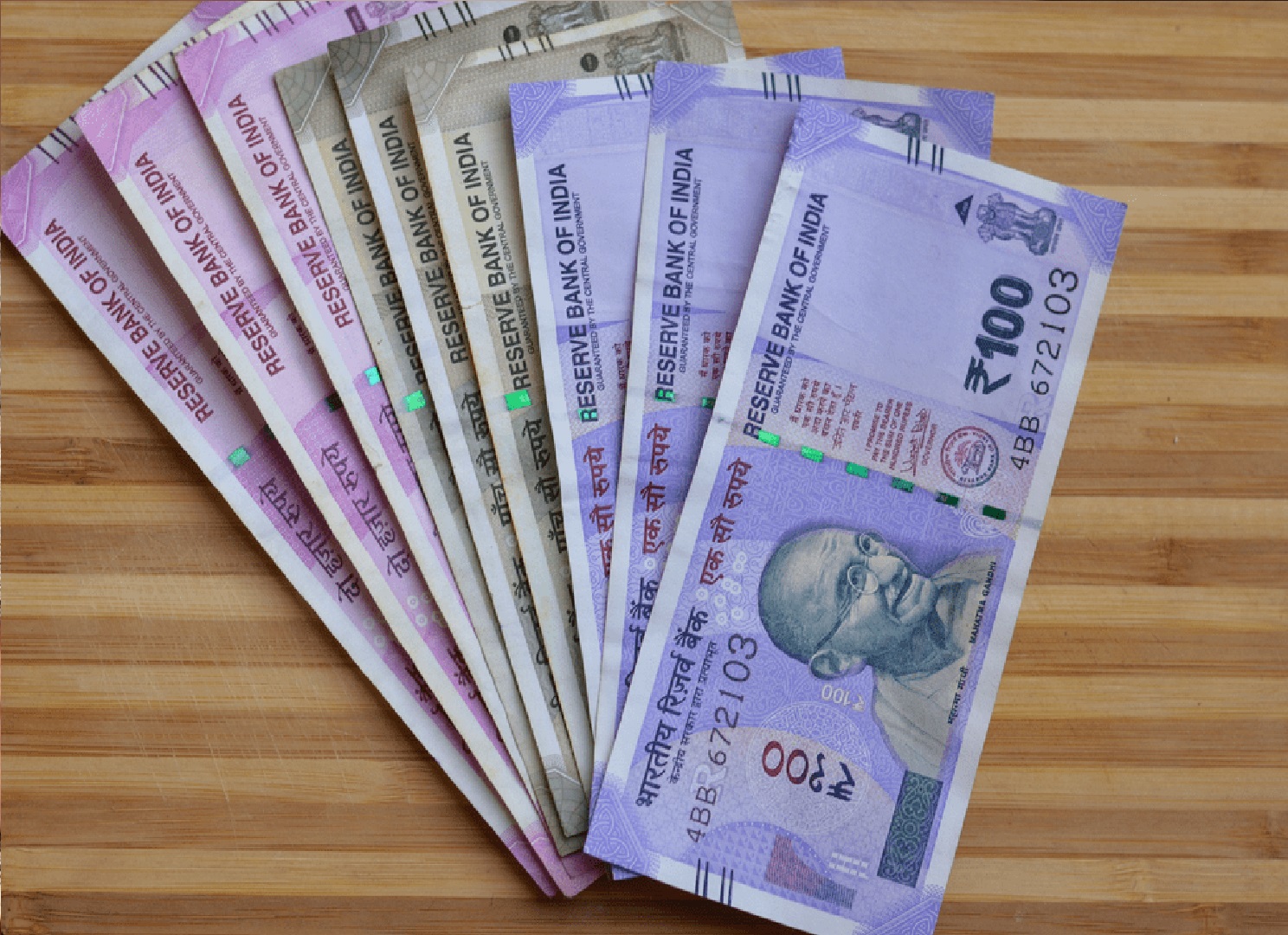
Mumbai, June 4: The Indian rupee opened marginally stronger against the US dollar on Thursday, gaining 1 paisa to start the day at 95.70. Despite the modest rise, the domestic currency continues to face pressure from persistent foreign capital outflows, rising crude oil prices and escalating geopolitical tensions in the Middle East.
Market participants said the rupee remains vulnerable after weakening toward the 95.85 mark in the previous session, as concerns over the ongoing US-Iran conflict rattled global financial markets. Investor sentiment has been dampened by fading hopes of a diplomatic breakthrough between Washington and Tehran, raising fears of a prolonged regional conflict.
The developments have heightened concerns for India, one of the world’s largest importers of crude oil. Any disruption to oil supplies or sharp rise in energy prices could significantly impact the country’s trade balance and inflation outlook.
Foreign portfolio investors (FPIs) continued to reduce their exposure to Indian equities, adding to pressure on the rupee. Preliminary market data showed net equity outflows of nearly $600 million on Wednesday, following approximately $3 billion in sales over the previous three trading sessions. Analysts noted that June’s outflows have already almost equalled the total seen during May.
Currency traders observed that the combination of sustained equity outflows and geopolitical uncertainty has renewed upward pressure on the dollar-rupee pair. However, expectations of possible policy interventions and supportive measures are helping to prevent a sharper depreciation in the domestic currency.
Adding to concerns, reports of renewed attacks involving Iran and Kuwait, along with increased military activity near the Strait of Hormuz, have reignited worries about global energy supplies. Crude oil prices climbed nearly 2%, highlighting the strategic importance of one of the world’s busiest energy shipping routes.
Higher crude prices typically increase India’s import bill and boost demand for US dollars, factors that tend to weaken the rupee. Economists warn that prolonged strength in oil prices could also fuel inflation and widen the current account deficit.
Investor attention is now firmly focused on the Reserve Bank of India’s Monetary Policy Committee meeting scheduled for June 5. Market experts believe the central bank may adopt a relatively hawkish tone as it balances inflation risks, currency stability and growth concerns.
According to Amit Pabari, Managing Director of CR Forex Advisors, the 95.90-96.00 range remains a key resistance zone for USD/INR. If the resistance holds, the currency pair could gradually retreat toward the 95.00-95.20 levels in the coming weeks.